 Skip to content


Wellness Blog



A Guide to the 5 Stress Languages and How to Find Yours!
Are you exhausted from dealing with stress? Have you ever wondered why two people faced with the same stressful situation can react completely opposite? Like a unique dialect, each of us has our own “stress language” – a set of behaviors and responses that reveal how we cope with life’s pressures. Understanding this secret code can not only help you navigate challenging situations but also empower you to manage stress more effectively. Discovering your personal stress language may be the first step towards reclaiming your peace of mind. Below, we’ll explore the distinct types of stress languages and provide insightful tips on how to identify yours. Prevalence of Stress Stress has become commonplace in our fast-paced lives. Whether it’s the pressure of work deadlines, family responsibilities, or the constant influx of information from social media, many of us feel overwhelmed. The impact can be profound, negatively affecting our mental and physical health¹ in ways we often don’t realize until life becomes unmanageable. But did you know that how you respond to stress is unique? Understanding your stress language can be a game-changer. It allows you to identify not just how stress manifests for you, but also gives insight into healthier coping strategies. This exploration of the different types of stress can offer guidance on your journey toward self-discovery and well-being. What Are Stress Languages? Stress languages can be defined as the way individuals experience and react to stress. The notion here is that just as we have different spoken languages, our responses to stress can vary greatly. The origin of this idea comes from the understanding that emotional and psychological responses are often influenced by personality traits, upbringing, and past experiences. Numerous therapists and mental health professionals have sought to identify distinct patterns in how people cope with pressure. These patterns can help us recognize our own reactions better. They also provide insights into how others might respond when faced with stressful situations. Understanding these differences can foster greater empathy towards ourselves and those around us during challenging times. The 5 Types of Stress Languages There are distinct types of stress languages, each reflecting specific traits and behaviors. Understanding these types can help you navigate your own stress responses. Here are the 5 Stress Languages: Physical Language People with this type often experience bodily reactions like headaches or fatigue during stressful times. Emotional Language Those belonging to this group may feel overwhelming emotions such as anger or anxiousness when stressed. They might cry easily or express their frustrations openly. Cognitive Language This type is characterized by racing thoughts and overthinking things. Those who belong to this category may find it hard to focus, dwelling on problems rather than seeking solutions. Behavioral Language Individuals who exhibit changes in behavior under stress – like withdrawing from social interactions or overeating – may belong to this group. Verbal Language Those fluent in this form tend to articulate their feelings clearly but may come off as overly critical of themselves or others during tense moments. How to Identify Your Stress Language Identifying your stress language starts with self-awareness. Be mindful of how you react during stressful situations. Do you withdraw, become aggressive, or overanalyze things? Your initial response can reveal a lot about how you handle stress. Next, reflect on your thoughts. Are they filled with negativity, fear, and worry or focused on problem-solving? Journaling may help clarify these thought processes and help relieve stress. Emotional cues are also telling indicators. Notice if you feel overwhelmed by sadness or frustration when under pressure. These emotions can relate directly to the way you express and cope with stress. During stressful times, be aware of physical manifestations² like muscle tension or fatigue. They might help clarify your specific stress language. Each clue can paint a clearer picture of how you experience and respond to stress in your life. Is Your Stress Level Normal? So, how much stress is too much? The answer varies, depending on individual tolerances to different kinds of stresses. However, while stress is a natural part of life, it shouldn’t control your life. If you want to learn how to tackle stress with personalized strategies and expert recommendations tailored just for you, consider taking... BrainMD’s Stress Quiz Having helped hundreds of thousands of patients over the past 35 years, Amen Clinics has identified 5 different Stress Types: Anxious Negative Overloaded Tense Worried Which type are you? Take the quiz and get a personalized stress reduction plan (for free) Benefits of Taking the Stress Quiz BrainMD’s Stress Quiz offers… Science-Backed Stress Solutions Based on Proven Psychiatric Methods Tailored Stress Management Strategies and Personalized Recommendations A Deeper Understanding of Your Stress Triggers Improved Mental Health and Well-Being* Customized Supplement Recommendations Unlock the secret to better stress management with our FREE 5-minute quiz.* "Our Stress Quiz is an expert-backed tool rooted in insights from over 250,000 brain scans. It’s designed to help you uncover your unique Stress Type and receive personalized recommendations. If you want to better understand and manage stress, this quiz offers science-based insights that can truly make a difference.” -Daniel G. Amen, MD Don’t let stress hold you back. Take the free Stress Quiz now! At BrainMD, we’re dedicated to providing the highest quality supplements to improve your physical health and overall well-being. For more information about the Stress Quiz and our full list of brain healthy supplements, please visit us at BrainMD. *These statements have not been evaluated by the FDA. This content is for informational purposes only. It is not meant to substitute for medical or healthcare advice from a physician, nor is it intended to diagnose, treat, cure, or prevent any disease. Consult your healthcare provider before beginning a new health regimen. References: 1. Yaribeygi, H., Panahi, Y., Sahraei, H., Johnston, T. P., & Sahebkar, A. (2017). The impact of stress on body function: A review. EXCLI Journal, 16, 1057–1072. https://doi.org/10.17179/excli2017-480 2. Attia, M., Ibrahim, F. A., Elsady, M. A.-E., Khorkhash, M. K., Rizk, M. A., Shah, J., & Amer, S. A. (2022). Cognitive, emotional, physical, and behavioral stress-related symptoms and coping strategies among university students during the third wave of COVID-19 pandemic. Frontiers in Psychiatry, 13, 933981. https://doi.org/10.3389/fpsyt.2022.933981
Learn more
3 of the Best Ways to Avoid the Winter Blues
It’s the season of crisp air, warm beverages, and dazzling light displays. For many people, it’s the most wonderful time of year. For others, it’s the beginning of a period of prolonged sadness and lethargy. The winter season seems to be filled with unrelenting stress, unrealistic expectations, and unforeseen pressures that can cause mood and sleep issues. Unaddressed, these factors have the power to steal your joy, sabotage your health, and trigger unproductive behaviors…which can ruin your holiday. Winter Blues There are several reasons why the winter months can negatively affect a person’s thoughts and feelings. Due to the shorter days, colder weather, and scarcity of sunshine, many people stay inside where it’s warm and hunker down for the winter. This can trigger the winter blues, which affects about 14% of American adults.¹ Spending more time indoors, due to work or seasonal conditions, can create physiological changes in the brain. These can have a significant impact on attitude and outlook. They also can lead to the onset of low mood. Signs of Low Mood Though they might not even realize it, many people struggle with low mood. Whether initiated by the demands of work, relationship challenges, or excessive stress, anxious or depressive thoughts can come on without warning. Low mood can contribute to adverse physical consequences and can also lead to possible psychological concerns. Low mood may include: Negative or guilty thoughts Mental fogginess Purposefully avoiding social interaction Overeating and emotional eating Periods of low appetite Difficulty with concentration and memory Since many people dismiss these issues as just feeling down, they may not get the help they need, which can result in serious mental or emotional difficulties. To avoid the devastating effects of low mood, implement these 3 strategies to help keep your spirits bright this winter season. 3 of the Best Ways to Brighten Your Mood & Avoid the Winter Blues Take Sunshine Vitamins The body needs sunlight to make vitamin D, which is sometimes called the “sunshine vitamin.” Getting necessary amounts of vitamin D can be particularly challenging during the winter season when there are fewer hours of sunlight and the sunlight itself is less intense. The lower your vitamin D levels, the more likely you’ll be to feel blue rather than happy. Low levels of vitamin D have been associated with higher incidences of anxiousness and mood issues. The current U.S. Daily Value recommendation is 400 IU, but experts agree this is well below the physiological needs of most individuals and suggest 2,000-10,000 IU daily. Good Mood Foods Since your brain uses more than 20% of your body’s total energy, it requires high-quality food with specific vitamins and nutrients to use as fuel throughout the day. What you eat can greatly affect your brain’s overall performance. Making healthier choices in your diet will not only help control your waistline, it can also help lift your mood and provide a long-lasting increase in energy and focus. Add these mood-boosting foods to your next grocery list. Supplemental Light Source Daily exposure to appropriate levels (even just 10 to 30 minutes a day) of direct sunlight can boost vitamin D3 levels, which can help improve your mood. If getting enough natural light proves to be a challenge, consider investing in a therapy lamp for your home or work desk. Known for their effectiveness in helping to alleviate low mood, therapy lamps even can help with mood problems that aren’t related to the seasons. Clinical research shows they also can improve mental focus (especially for those with attention challenges), and sometimes overall energy and well-being as they improve the body’s sleep patterns. If you’re looking for a safe and natural way to boost your energy and mood, BrainMD proudly recommends the Bright Minds Therapy Lamp. Bright Minds Therapy Lamp Light is essential for life and has a direct effect on how the brain and body function. The Bright Minds Therapy Lamp creates a suitable replacement for natural sunlight.* This is especially crucial during the winter months when fewer hours of sunlight can negatively affect mood. Known for their effectiveness in helping to alleviate winter blues or seasonal affective disorder (SAD),² light therapy lamps have also been shown in research to help with focus, mood, energy, and to promote healthier sleep.* The Bright Minds Therapy Lamp is ideal for home or office use as a supplemental light source.* There are many potential benefits to using an indoor lightbox, including: Boosted energy* Sharpened focus* Enhanced mood* Improved sleep quality* Verified safe and efficient indoor light source* Bright Minds Therapy Lamp Benefits The Bright Minds Therapy Lamp is a full spectrum LED light that’s sleek and ultra-safe.* It offers up to 10000 LUX brightness and includes 2 light modes: White and Blue. With so many features and potential health benefits coming from such a small, portable device, the Bright Minds Therapy Lamp can help bring more joy and energy to your life.* What others are saying about Bright Minds Therapy Lamp: “Love this lamp! I enjoy the many settings of time, type of light, and intensity. I have used it almost daily for a month and feel such a difference.” – Marni “This lamp helped elevate my mood while stuck indoors.” – Lilly Note: We’ve taken every precaution in producing this safe and effective indoor lightbox. If you experience eye strain or have an existing eye condition, please consult your physician before using this lamp.* At BrainMD, we’re dedicated to providing high-quality supplements and devices to improve your physical health and overall well-being. For more information about Bright Minds Therapy Lamp and our full list of products, please visit us at BrainMD. *These statements have not been evaluated by the FDA. This content is for informational purposes only. It is not meant to substitute for medical or healthcare advice from a physician, nor is it intended to diagnose, treat, cure, or prevent any disease. Consult your healthcare provider before beginning a new health regimen. References: Targum, S. D., & Rosenthal, N. (2008). Seasonal affective disorder. Psychiatry (Edgmont), 5(5), 31–33. https://doi.org/10.1007/springer.19727250 Melrose, S. (2015). Seasonal affective disorder: An overview of assessment and treatment approaches. Depression Research and Treatment, 2015, Article 178564. https://doi.org/10.1155/2015/178564
Learn more
10 of the Best Ways to Have Emotional Stability in an Uncertain World
On a scale from 1 to 10, how anxious are you feeling right now? Do you feel like everything’s up in the air and you can’t make any solid plans? Are you living in a constant state of worry and stress? Perhaps a crisis at home or work has completely disrupted your daily schedule, creating a variety of lifestyle changes that have impacted your focus, sleep, and mood. Or, maybe the unique stressors of these uncertain times have impaired your ability to cope, making you feel completely overwhelmed most of the time. Though you can’t stop what’s happening around the globe, you can change what’s going on inside your brain to prevent fear from dominating your life. If you need some relief from all the chaos or uncertainty in your life, here are 10 helpful ways to dial back the stress and fear… 10 Ways to Help You Find Emotional Stability & Overcome Fear in an Uncertain World 1. Start Out Positive Begin each morning by saying something like, “Today is going to be a great day!” Such a simple sentence can cause your brain to look for ways to fulfill that hopeful statement. It also establishes a healthy thought pattern that you can continue throughout the day. When you focus on positive affirmations, your brain can help you discover ways to turn them into reality. This simple strategy can make a significant difference in your life, so do it first thing in the morning to set the tone for your entire day. 2. Mental Hygiene While physical cleanliness is extremely important, many fail to realize that it’s just as important to practice mental hygiene. Letting your fears run wild in your mind can leave you feeling stressed or worried, so be proactive at curbing negative thoughts. You can disinfect your thoughts by exterminating the ANTs (automatic negative thoughts) that steal your happiness. Anytime you feel sad, mad, nervous, or stressed, write down what you’re thinking and then challenge that ANT. When you stop believing every fearful thought you have, you can start to regain control of your life. 3. Healthy Fears During hectic, tragic, or unpredictable seasons of life, it’s completely normal to feel stressed or worried. It’s also natural to have fears or occasional feelings of anxiousness. Not all fears are bad; appropriate levels of worry can keep you sharp and safe. In fact, having a healthy fear of potentially harmful things can save your life. That may be why the “don’t worry, be happy” types – like those who crowd Florida’s beaches during Spring Break – tend to be the earliest to die from accidents and preventable illnesses. 4. Just Breathe Whenever you feel worried, frustrated, angry, or tense, consider doing a deep breathing exercise. Take a deep breath, hold it for one to two seconds, and then slowly exhale for about five seconds. Do this 10 times and you should start to feel very relaxed, perhaps even a little sleepy. It sounds so simple, but breathing is essential to life. When you slow down and become more efficient with your breathing, you may find that your problems aren’t as dire as you thought they were before you started the exercise. 5. Visit a Haven Choose a haven – a place you can imagine with all your senses. If it’s the beach, visualize the ocean, feel the sand beneath your feet, and the warm sun on your skin. Your haven can be any real or imaginary place where you feel comfortable. Begin to envision yourself not as you currently are, but as you want to be. Spend at least 20 minutes a day on this refueling, life-changing exercise. You’ll be amazed at the results. 6. Avoid Alcohol Frequent consumption of alcohol is associated with lowered brain volume. The functional consequences of this effect can be life-altering in their scope. Many people use alcohol to calm their worries, but this coping strategy can significantly backfire. Alcohol’s impact on health is serious: though well known to harm the liver, it also can damage the heart, lungs, and pancreas. It also affects mood, which can make what’s going on in your life or the world seem even gloomier. 7. Outdoor Activities Engaging in outdoor activities is important for everyone. Exercise can increase blood flow¹ to deliver oxygen and other positive nutrients to the brain. Physical activity has also been associated with improved mood and a more optimistic outlook on life. Whether you enjoy hiking, biking, or horseback riding, being outdoors has an overall positive effect on vitality. Walking can help clear your mind, improve your mood, and burn some calories all at the same time. 8. Tea Time Drinking a cup of warm tea can help relieve stress and lift your spirits. Many teas are low calorie, sugar-free, high in antioxidants, and low in caffeine. Some decaffeinated teas can help you feel more at ease. For centuries, chamomile tea has been hailed for its calming effects. This herbal tea helps promote relaxation and can help alleviate the stresses of the day, so you can turn off your brain and get some quality sleep. 9. Turn Off the News When news channels present unsettling projections and shocking images, the fear centers of the brain may be activated. News can induce a state of FOMO (fear of missing out) that keeps you riveted to each new alarming or controversial event, which can make you feel even more on edge. Obsessively scrolling through news sites on the internet also can fill you with fear. In fact, watching negative news can increase both anxious and sad moods. Minimize your exposure to the news by establishing time limits and stop watching TV at least an hour before you go to sleep at night. 10. End the Day Well At night, ask yourself, “What went well today?” Even if you’re struggling with emotions, worried about finances, or having relationship issues, there’s sure to be at least one good thing that happened earlier in the day. Right before bed, write down 3 things that went well during the day. Train your brain to review the positive events of the day and create your own nightly highlight reel. It will help you sleep better, which will enhance your mood and energy levels the next day. Research has shown that people who did this exercise were happier and less depressed at 1-month and 6-month follow-ups than at the study’s outset. In a 2017 study,² this simple exercise was found to help people in stressful jobs develop a more positive sense of well-being. This easy activity can help you end each day on a positive note. Found, Emotional Stability These are just a few of the proven techniques you can use to reduce the stress and fear in your life. Try these tips and see which ones work best for you. Then, feel free to share them with your friends and family. At BrainMD, we’re dedicated to providing the highest purity nutrients to improve your physical health and overall well-being. For more information about our full list of brain healthy supplements, please visit us at BrainMD. These statements have not been evaluated by the FDA. This content is for informational purposes only. It is not meant to substitute for medical or healthcare advice from a physician, nor is it intended to diagnose, treat, cure, or prevent any disease. Consult your healthcare provider before beginning a new health regimen. References: 1. Mulser, L., & Moreau, D. (2023). Effect of acute cardiovascular exercise on cerebral blood flow: A systematic review. Brain Research, 1809, Article 148355. https://doi.org/10.1016/j.brainres.2023.148355 2. Rippstein-Leuenberger, K., Mauthner, O., Sexton, J. B., & Schwendimann, R. (2017). A qualitative analysis of the Three Good Things intervention in healthcare workers. BMJ Open, 7(5), e015826. https://doi.org/1. /bmjopen-2017-015826
Learn more
4 of the Best Ways to Relieve Holiday Stress
For many of us, the holiday season represents a much-anticipated, joyous time of the year. But for others, it’s a hectic and stressful period that’s become synonymous with exhaustion, overeating, accruing debt, and family drama. Just hearing the word “holiday” can create stress and feelings of anxiousness for some people. In fact, a survey by Consumer Reports found that 90 percent¹ of Americans find at least one thing stressful about the holiday season. However, the holidays don’t have to be something you dread. With practical planning and brain-directed supplement support, you can successfully navigate the holidays with happiness and good cheer. Taking these four steps can help reduce the stress of the holiday season: 4 Simple Ways to Relieve Holiday Stress Be Grateful Did you know that practicing gratitude can make your brain work better? Research² has demonstrated that people who express gratitude on a regular basis are healthier, more optimistic, make more progress toward their goals and have a greater sense of well-being. Experience the joy that gratitude can bring this holiday season. Delegate While You Celebrate You don’t have to do everything yourself—you can tackle your “to do” list with others. Spending time with friends and family while you share tasks, like preparing the holiday meal, shopping, cleaning and decorating, can be an enjoyable time of bonding. You don’t have to be the holiday hero. Just Say No The holidays can make people feel out of control and at the mercy of traditions or expectations. But you can take control of the holidays by refusing to let them control you. Say “no” to events and activities that aren’t making you happy or are causing holiday stress. Get Calming Support One of the best ways to relieve holiday stress is to take BrainMD’s Everyday Stress Relief, the perfect stress support supplement for daily living. Everyday Stress Relief Everyday Stress Relief, which contains a combination of magnesium, Relora®, holy basil, taurine, and l-theanine, is designed to: Promote calmness without drowsiness* Maintain a positive mood with sharp mental focus* Manage healthy stress hormone levels* Support your brain and adrenals when dealing with stress* Enhance your energy, endurance and vigor* Relieve Holiday Stress...Naturally Keeping up with a busy schedule can leave you feeling stressed out and exhausted, especially during the holidays. As a premier stress-reducing supplement, Everyday Stress Relief harnesses the power of five natural ingredients to soothe your frazzled nerves so you can meet the stresses of the season head-on.* Everyday Stress Relief has a 100% satisfaction, money-back guarantee. You have nothing to lose except your stress. Try Everyday Stress Relief today! The BrainMD team wishes you and yours a safe, healthy, and happy Holiday Season! At BrainMD, we’re dedicated to providing the highest quality supplements to improve your physical health and overall well-being. For more information about Everyday Stress Relief and our full list of brain healthy supplements, please visit us at BrainMD. *These statements have not been evaluated by the FDA. This content is for informational purposes only. It is not meant to substitute for medical or healthcare advice from a physician, nor is it intended to diagnose, treat, cure, or prevent any disease. Consult your healthcare provider before beginning a new health regimen. References: 1. Consumer Reports. (2011, November 29). Americans' top holiday dreads—being nice makes the list. Consumer Reports. https://www.consumerreports.org 2. Fekete, E. M., & Deichert, N. T. (2022). A brief gratitude writing intervention decreased stress and negative affect during the COVID-19 pandemic. Journal of Happiness Studies, 23(6), 2427–2448. https://doi.org/10.1007/s10902-022-00505-6
Learn more
Serotonin: This Is Why You Need More of This Calming Brain Transmitter
Your brain makes this naturally soothing chemical messenger called serotonin from a time before you born and continues throughout your lifetime. It plays many roles in the brain’s biochemistry – and it's intimately involved in enhancing deep sleep, maintaining a healthy mood and self-confidence, even supporting a healthy appetite and social engagement. Produced by the body, this “get happy” chemical also enables the nervous system and your brain cells to communicate back-and-forth. Here's How Serotonin Can Help Boost Your Mood and Curb Cravings People who struggle with low mood often have very low levels of serotonin. Yet, serotonin can be increased in the brain (and body) by eating the proper foods and/or supplementing your diet. Interestingly, certain nutrients may help metabolize and utilize serotonin more efficiently. Some of these nutrients include magnesium, zinc, fish oil, vitamins C and B6. Some studies suggest that women produce 52 percent less serotonin than men.¹ Levels seem to fluctuate with menstrual cycles, which may explain why women are more prone to mood issues. Too little serotonin may affect mood,² while too much serotonin can actually become toxic, according to studies by the National Institutes of Health. The greatest risk of having too much serotonin often occurs when people mix over-the-counter supplements with antidepressants or other prescriptions drugs.³ Always ask your doctor about supplementing, especially if you have a serious condition and take medication every day. Can You Have Too Much of a Good Thing? Yes, you can ingest too much serotonin, although the opposite is much more common. Symptoms of too much serotonin include: Confusion Tremors Dilated pupils Heavy sweating Changes in blood pressure Restlessness and sleep issues The good news is that healthy lifestyle habits – such as daily exercise, consuming “smart” carbohydrates in moderation, and taking supplements – can work together to create a positive mood, which can be the foundation of a happier and more satisfying life! Feeling blue is often accompanied by increased appetite. Balancing your serotonin levels may help minimize that emotional overeating. Plus, supplements can potentially help control your appetite and promote feelings of calm. Certain Foods Naturally Contain Serotonin Eating foods high in tryptophan (the amino acid that helps manufacture serotonin) may include healthy servings of carbohydrates and some lean proteins. Your best chance at staying calm and composed is with a serotonin boost, but if you don't take supplements, at least eat frequent servings of healthy carbohydrates – like oatmeal or whole-grains – along with lean protein sources, such as eggs, poultry, and fatty fish like salmon. If you regularly need to calm yourself down, eat better and improve mental focus and mood, try these good mood boosters. At BrainMD, we’re dedicated to providing the highest quality supplements to improve your physical health and overall well-being. For more information about our full list of brain healthy supplements, please visit us at BrainMD. *These statements have not been evaluated by the FDA. This content is for informational purposes only. It is not meant to substitute for medical or healthcare advice from a physician, nor is it intended to diagnose, treat, cure, or prevent any disease. Consult your healthcare provider before beginning a new health regimen. References: Nishizawa, S., Benkelfat, C., Young, S. N., Leyton, M., Mzengeza, S., De Montigny, C., Blier, P., & Diksic, M. (1997). Differences between males and females in rates of serotonin synthesis in human brain. Proceedings of the National Academy of Sciences, 94(10), 5308-5313. https://doi.org/10.1073/pnas.94.10.5308 Namkung, J., Kim, H., & Park, S. (2015). Peripheral serotonin: A new player in systemic energy homeostasis. Molecules and Cells, 38(12), 1023–1028. https://doi.org/10.14348/molcells.2015.0258 Mayo Clinic Staff. (2023, October 5). Serotonin syndrome: Symptoms & causes. Mayo Clinic. https://www.mayoclinic.org/diseases-conditions/serotonin-syndrome/symptoms-causes/syc-20354758
Learn more
These Are Some of the Best Brain-Healthy Ways to Soothe Your Stress
In today’s world, we’re faced with all kinds of stress on a daily basis. While most people think ALL stress is bad, it's both good and bad for you. A little bit of stress is actually a good thing because it can motivate you and lead to an appropriate amount of worry to help you meet your goals. However, too much stress can: impair brain function create hormone imbalances cause gain weight lead to greater vulnerability to illness When people have too much stress in their life, they often turn to unhealthy ways of coping with it, such as using alcohol, illicit drugs, or food. However, these choices can end up doing more harm than good. Here Are 11 Brain-Healthy Ways to Reduce & Soothe Your Stress! 1. Deep Breathing is an effective method for overcoming stress; one that can be done anywhere, anytime! When you take shallow breaths, it reduces the amount of oxygen that reaches your brain cells, reducing overall brain function. As you inhale, let your abdomen expand. When you exhale, pull your stomach in to push the air out of your lungs. This allows you to expel more air, which in turn, encourages you to inhale more deeply. 2. Exercise can help you manage stress by rapidly lowering stress hormones and helping you become more resistant to stress over time.¹ Raising your heart rate through exercise also can help you handle stress better because it raises beta-endorphins, the brain’s own natural morphine. 3. Meditation is a wonderful way to soothe your mind and help you create a state of deep relaxation. Meditating actually stimulates the brain, increasing blood flow to the areas responsible for attention and forethought, while calming down the areas that perceive pain. You can receive the positive benefits of meditating in just minutes per day. 4. Social Connections are incredibly important to your overall health and well-being. Never underestimate the power of being around the right people. The health habits of the people you spend time with can have a dramatic impact on your own health and habits. So, be sure to surround yourself with people who are happy, upbeat, and kind. 5. Yoga has been shown in a number of studies to help reduce stress and worry. Its unique combination of physical poses and deep breathing techniques also can help enhance your mood and overall sense of well-being. 6. Listening to Soothing Music can help relieve stress by triggering biochemical stress reducers in your brain.² 7. Laughter can help reduce the physical effects of stress on the body. Lighten up by watching your favorite sitcom or comedy movie, reading the comics, or chatting with someone who makes you laugh. 8. Getting a Massage can do more than alleviate physical pain. Studies suggest massage is also beneficial for fighting stress.³ 9. Natural Relaxation Substances can be highly effective in reducing stress. Drink some soothing spearmint or chamomile teas. Put dried lavender in a vase near your bed to help you relax before bedtime. Also, using essential oils, such as clary sage, bergamot, or ylang ylang, can be a pleasant way to relieve stress. 10. Spending Time with Your Pet may help reduce stress by increasing levels of the stress-reducing hormone oxytocin and decreasing production of the stress hormone cortisol. 11. Keeping a Journal may be an effective way to relieve stress-related symptoms due to its meditative and reflective effects. A gratitude journal really can help put things in perspective. Every day, write down three things you appreciate and make you happy. Another way to soothe stress is with high-quality supplements like BrainMD's... Everyday Stress Relief Everyday Stress Relief was specifically formulated to help replenish your brain and body’s nutrients that can be depleted by stress.* This supplement includes herbal extracts clinically proven to have calming and anti-stress effects, helping you to feel less on edge without making you sleepy.* It also helps with apprehension, tension, worry, and fatigue.* Here’s what you’ll find in this high-potency formula: [wc_box color="inverse" text_align="left" margin_top="" margin_bottom="" class=""] Magnesium is a well-known calming mineral.* It promotes a balanced and mentally focused demeanor.* The amino acid taurine supports the adrenal glands and is crucial for coping with stress.* The herb holy basil, revered both in Europe and the East, helps to improve adaptation to occasional feelings of anxiousness and other problems related to stress.* A phytochemical derived from green tea, l-theanine helps to reduce tension.* Relora®, which is a unique mix of two herbs, may help enhance healthy management of the stress hormone cortisol while easing tension, anger, negative mood, and confusion.* [/wc_box] This safe, non-sedating, and non-habit-forming formula combines the multiple beneficial actions of these well-studied herbs and nutrients to help your brain and body cope with stress on multiple levels.* Soothe Your Stress Lifestyle habits – such as mind-body relaxation techniques, healthy dietary routines, and the daily use of ultra-pure supplements – may help manage stress levels throughout the day.* Everyday Stress Relief is formulated with the highest-quality nutrients and ingredients to help you feel calm, content, and better able to manage stress or mental strain.* Try Everyday Stress Relief today! At BrainMD, we’re dedicated to providing the highest quality supplements to improve your physical health and overall well-being. For more information about Everyday Stress Relief and our full list of brain healthy supplements, please visit us at BrainMD. *These statements have not been evaluated by the FDA. This content is for informational purposes only. It is not meant to substitute for medical or healthcare advice from a physician, nor is it intended to diagnose, treat, cure, or prevent any disease. Consult your healthcare provider before beginning a new health regimen. References: Childs, E., & de Wit, H. (2014). Regular exercise is associated with emotional resilience to acute stress in healthy adults. Frontiers in Physiology, 5, 161. https://doi.org/10.3389/fphys.2014.00161 Adiasto, K., Beckers, D. G. J., van Hooff, M. L. M., Roelofs, K., & Geurts, S. A. E. (2022). Music listening and stress recovery in healthy individuals: A systematic review with meta-analysis of experimental studies. PLOS ONE, 17(6), e0270031. https://doi.org/10.1371/journal.pone.0270031 Mayo Clinic Staff. (n.d.). Mayo Clinic explores the role of massage therapy for mental health. Mayo Clinic Press. https://mcpress.mayoclinic.org/mental-health/mayo-clinic-explores-the-role-of-massage-therapy-for-mental-health/
Learn more
8 Simple Ways to Calm Your Mind During Stressful Times
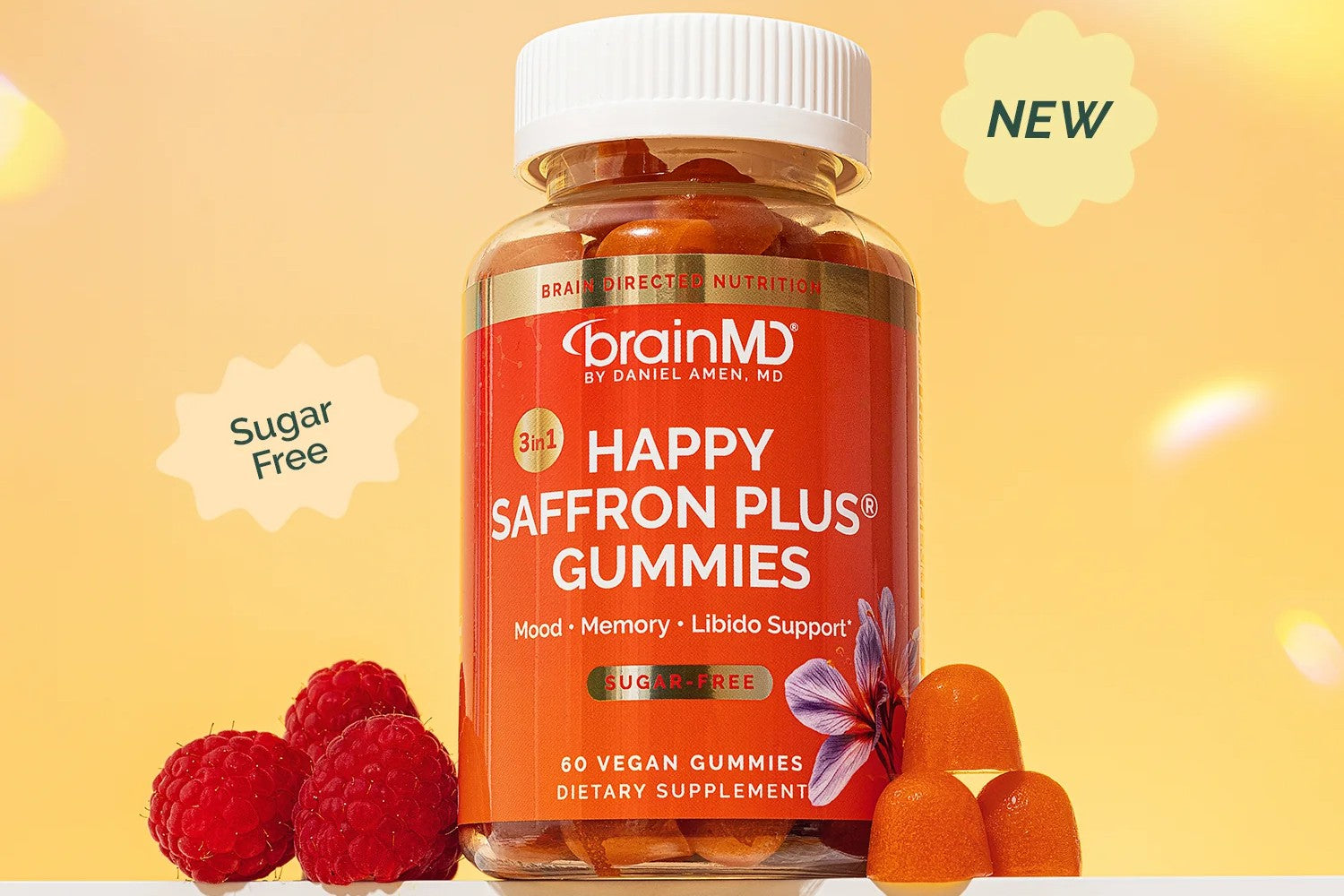
Do you find yourself frequently filled with worry, fear, or occasional anxious thoughts? You aren’t alone. In today’s fast-paced world, many people experience periods of stress. Since stress affects millions of American adults, let’s take a closer look at some of the best ways to address it...naturally. 8 Simple Strategies to Help Ease Your Stress and Calm Your Mind 1. It's Okay If You're Not Okay For starters, acknowledge that it’s completely normal to experience a certain amount of stress and worry in life. In fact, having a degree of healthy fear can be a good thing. Studies show that the “don’t worry, be happy” people—like those who crowd the beaches in Florida every Spring Break—may die the earliest from accidents and preventable illnesses.¹ Having appropriate levels of worry actually may help keep you safe. 2. Stay Connected By nature, we're social creatures who need connection. Having strong social connections can help give you a sense of purpose and belonging. Since it's so important to stay connected with others, be sure to surround yourself with people who are happy, upbeat, kind and who challenge you to be the best version of yourself. 3. Slow Your Breathing Diaphragmatic breathing is an effective way to overcome stress and quiet your mind.² This simple relaxation method can be done anywhere, anytime. Taking deep breaths can help relax your muscles, relieve tension, and allow your brain to function better. Do this simple exercise anytime you feel stressed or on edge. 4. Kill the ANTs Did you know mental hygiene is just as important as physical hygiene? Learn to disinfect your thoughts by killing the ANTs (automatic negative thoughts) that steal your happiness. Anytime you feel nervous, stressed, or panicky, write down what you’re thinking, then talk back to the ANTs. This robs them of their power and puts you in control of your thoughts and moods. It’s easy—just grab a piece of paper and write down what has you concerned today. 5. Get Hip to Hypnosis You might think hypnosis is just for stage acts, but the medical community has long viewed it as a serious science. Using hypnosis has been shown to help reduce stress, lower feelings of anxiousness, and enhance mood.³ Give it a try in the comfort of your own home with a hypnosis audio. 6. Loving Kindness Meditation This easy meditation is intended to boost positive emotions and reduce negative feelings. Just sit quietly and allow your stress to melt away as you breathe deeply (see #3 above). Then say the following phrases aloud or silently to yourself: May I be safe and secure. May I be healthy and strong. These meditations can help reduce stress and improve your overall outlook on life, so give it a try. 7. Consider Nutritional Support Your body’s nutrient levels can be depleted during times of excessive stress. One of the best ways to replenish nutrients and fuel your brain is with high-quality supplements. Everyday Stress Relief is a premier stress-reducing supplement that harnesses the power of five natural ingredients to help soothe your frazzled nerves.* GABA Calming Support boosts GABA to help calm your brainwaves and pump the brakes on anxious and fearful thoughts.* Serotonin Mood Support contains key nutrients that promote serotonin balance and a sense of calmness.* Significant research shows saffron can help boost serotonin and benefit mood.*⁴ Happy Saffron Plus® has three ingredients designed to improve mood, help you cope with feelings of anxiousness, and enhance focus under mental strain.* Plus, its now available in a delicious gummy format. 8. Know Your Brain Type Every brain is different and should be treated as such. Based on the brain imaging work conducted at Amen Clinics, we've identified 16 Brain Types. To discover your Brain Type, take the free online Brain Health Assessment. It only takes about 5 minutes to complete and you’ll get a targeted treatment plan, including lifestyle tips and recommended supplements for your specific Type, to help optimize brain function so you can better cope with stress. Calm Your Mind...Naturally! These are just a few of the many practical, natural techniques that can help keep your body’s production of the stress hormone cortisol in check. Adopting these healthy tips can help reduce stress levels and increase your inner calm. Give them a try today! Note: while it’s natural to feel the effects of stress, if you're experiencing intense, ongoing stress, you might consider seeking out the support of a health coach or trained counselor. At BrainMD, we’re dedicated to providing the highest purity nutrients to improve your physical health and overall well-being. For more information about our full list of supplements, please visit us at BrainMD. These statements have not been evaluated by the FDA. This content is for informational purposes only. It is not meant to substitute for medical or healthcare advice from a physician, nor is it intended to diagnose, treat, cure, or prevent any disease. Consult your healthcare provider before beginning a new health regimen. References: Diener, E., & Chan, M. Y. (2011). Happy people live longer: Subjective well-being contributes to health and longevity. Applied Psychology: Health and Well-Being, 3(1), 1–43. JBI Database of Systematic Reviews and Implementation Reports 17(9):p 1855-1876, September 2019. | DOI: 10.11124/JBISRIR-2017-003848 Karrasch, L., Koole, S. L., Funk, B., Kettner, H., & Pittig, A. (2023). Effects of relaxation hypnosis on mood and state anxiety in chronically stressed individuals: A randomized controlled trial. Journal of Psychotherapy and Psychosomatics, 92(2), 1-12. https://doi.org/10.1026/1616-3443/a000679 Shafiee, M., Arekhi, S., Omranzadeh, A., & Sahebkar, A. (2018). Saffron in the treatment of depression, anxiety, and other mental disorders: Current evidence and potential mechanisms of action. Nutrition Reviews, 77(8), 557–578. https://doi.org/10.1093/nutrit/nuz034
Learn more
How to Be Resilient and Positive in a Negative World
You’ve probably heard the expression, “When life knocks you down, get back up.” Easier said than done. There are no magic words that can make things better when tragedy enters the life of an unsuspecting soul. Friends or acquaintances may attempt to soothe emotional wounds with tired platitudes (like “Into each life, some rain must fall”) or nuggets of pop psychology. Though well-meaning, such sentiments can end up doing more harm than good. So, when words fail, what’s the best way to comfort someone who’s endured an unexpected loss? Here are some helpful tips on how to be resilient and how to help others through tough times... The Present of Presence One of the best things you can do for someone who has suffered a loss is to just be there for them. Showing up during a difficult time reveals more than just your support…it reveals your heart. They might forget the card or casserole, but they won’t forget you being there during one of the lowest points in their life. The most important thing to remember when practicing presence is to listen. If they want to speak, to express their feelings, actively listen to them. Otherwise, if they remain silent, just be with them. Sitting in silence may make you feel awkward or helpless, but it’s a far better option than trying to ease their pain by telling them of a hardship from your past (which minimizes their suffering) or filling the time with Band-Aid bromides, like the one referenced earlier. If they ask for your advice, resist the urge to fix the problem. Keep your responses compassionate, but brief. Here’s a good guideline to follow: the greater the tragedy, the fewer words you should speak. The Stages of Grief Regardless of the severity of a challenge or setback, identifying and processing your feelings can be a significant step in moving past loss or grief. Although models vary, many counselors follow the 5 Stages of Grief (Kubler-Ross Grief Cycle)¹ when helping their patients. The 5 Stages are: [wc_box color="inverse" text_align="left" margin_top="" margin_bottom="" class=""] Denial – This is typically the first stage (but some quickly proceed to Anger). When faced with an unexpected or tragic situation, many people resist the facts or enter a state of disbelief. Anger – As the reality of the situation sets in, many people become outraged and may even start to blame others. This is especially true when an avoidable or senseless tragedy has occurred. Bargaining – When people feel helpless and vulnerable, they may try to regain control with “If only” statements like, “If only we’d gotten that second opinion.” Depression – Depression may manifest itself as mourning, sadness, regret, helplessness, or hopelessness. Acceptance – People who arrive at this stage have come to terms with what happened and are trying to figure out how to move forward with their lives. Some reach this stage only after extreme effort. Sadly, some never fully reach this stage. [/wc_box] If you or someone you know has been knocked down by recent events, working through this cycle can be a huge help. The Process of Recovery So, how do you get back up? Is there a special formula that allows some people to bounce back while others throw in the towel? The first step is to realize that people react differently to adversity. Some immediately get up swinging, eager to rebound from life’s sucker punch. For others, it may take more time to heal and find the strength to get back on their feet. It’s important to have patience during this process, especially if someone in your life isn’t progressing as quickly as you think they should. Though the natural tendency is to rush the healing process, there’s no set time limit. Just as grieving is a process, so is recovery. How to Be Resilient: According to Brain Experts Recently, Dr. Daniel Amen and Dr. Robert Johnson held a video conference with Amen Clinics staff members. One of the many topics discussed was the importance of resilience. Dr. Amen referenced the work of Dr. Martin Seligman, which frequently focuses on positivity and mental toughness. According to Dr. Seligman’s research, people who are more resilient see problems as being temporary, local, and that they have some degree of control over the situation.² Unfortunately, many people today see their problems as being permanent, global, and that they have no control over what’s going on in the world. The good news is, we aren’t powerless. As Dr. Amen helpfully reaffirmed, we all have control over how we respond to circumstances. The Power of Thoughts Advancing Dr. Amen’s comment, Dr. Johnson underscored the importance of dealing with the ANTs (Automatic Negative Thoughts) that can infest our mind and cause us to obsess over the “What ifs?” of life. Feelings of fear and worry can lead to a kind of hypervigilance where we overfocus on the negative. The trouble with such negative thinking is that it can distort our perceptions of reality. When we engage in negative forecasting (worrying about things that may or may not happen), problems can seem bigger than they really are. Feelings of unease and apprehension have become a universal experience in recent years. Many people are drifting toward a negative bias due to the ambient stress created by the media.³ This kind of stress may raise cortisol levels and negatively affect a person’s exercise, nutrition, and sleep habits. If stress is taking its toll on you, Dr. Johnson suggests taking some time to reground yourself. He recommends getting back to a routine and structure that supports healthy thinking and accurate perceptions. These perceptions aren’t as much about positive thinking as they are about data-based thinking. Where to Find Help So, where can you get help? Many people receive support from a therapist or counselor. Speaking with a trained counselor can make a significant improvement in your outlook and ability to bounce back from life’s challenges. If you’re dealing with fear, anger, guilt, sadness, or mood issues, you don’t have to continue struggling by yourself. Amen Clinics offers in-clinic and telehealth (via telephone and video conferencing) services. To learn more about the full range of services at Amen Clinics or to set up an appointment, please call 888-288-9834. At BrainMD, we’re dedicated to providing the highest quality supplements to improve your physical health and overall well-being. For more information about our full list of brain healthy supplements, please visit us at BrainMD. These statements have not been evaluated by the FDA. This content is for informational purposes only. It is not meant to substitute for medical or healthcare advice from a physician, nor is it intended to diagnose, treat, cure, or prevent any disease. Consult your healthcare provider before beginning a new health regimen. References: 1. Tyrrell, P., Harberger, S., Schoo, C., & Siddiqui, W. (2023). Kubler-Ross stages of dying and subsequent models of grief. In StatPearls. StatPearls Publishing. 2. Seligman, M. E. P. (2011). Building resilience. Harvard Business Review, 89(4), 100–106. 3. Holman, E. A., Garfin, D. R., & Silver, R. C. (2013). Media’s role in broadcasting acute stress following the Boston Marathon bombings. Proceedings of the National Academy of Sciences of the United States of America, 111(1), 93–98.
Learn more
This Is How Magnesium and Calcium Can Help Improve Your Health!
Are you looking to supercharge your health and well-being? The perfect pairing of magnesium and calcium may help! These two essential minerals work together to support each other’s benefits and maximize their overall impact on your body. Let’s take a closer look at these two powerhouse minerals and explore how they complement each other to promote optimal health. What’s the Magnesium and Calcium Relationship? Magnesium and calcium are two essential minerals that play a crucial role in maintaining optimal health. Magnesium and calcium work together to support various functions in the body. Magnesium plays a crucial role in maintaining muscle and nerve function, blood sugar levels, and energy production. Calcium is vital for building strong bones and teeth, as well as supporting heart health. The combination of magnesium and calcium can help enhance each other’s benefits. For example, magnesium helps regulate calcium levels within cells, ensuring proper muscle contraction and relaxation. Also, adequate magnesium intake may improve calcium absorption in the body. Magnesium and Calcium: Deficiencies and Excesses When it comes to magnesium and calcium, balance is key. Deficiency in these essential minerals can lead to various health issues. Low magnesium levels may result in muscle cramps, fatigue, and even heart problems. On the other hand, inadequate calcium intake can weaken bones and increase the risk of fractures. Conversely, excessive intake of magnesium through supplements or certain medications can cause diarrhea or abdominal cramping. Too much calcium from supplements might lead to kidney stones or interfere with the absorption of other minerals like iron and zinc. It’s vital to maintain a healthy balance by consuming these minerals through a well-balanced diet and supplements, as needed. Adding Magnesium and Calcium to Your Diet When it comes to pairing magnesium and calcium in your diet, there are various options to consider. It’s important to include foods rich in both minerals for optimal absorption and brain and body benefits. Leafy Greens Start by incorporating leafy greens like spinach, kale, bok choy, and collard greens into your meals since they’re excellent sources of magnesium. Pair these with dairy products, such as sugar-free Greek yogurt or low-fat cheese, which can provide a good dose of calcium. Nuts and Seeds Nuts and seeds – like almonds, chia seeds, and sesame seeds – are also solid additions to your diet as they contain both magnesium and calcium. Consider mixing them into smoothies or sprinkling them on top of salads for a nutrient boost. Plant-Based Milk Another option is to opt for plant-based milks that are enriched with both minerals. This can be a convenient way to ensure you’re getting enough magnesium and calcium in your daily diet. By being mindful of what you consume and making intentional choices to pair magnesium- and calcium-rich foods, you can enjoy the powerful benefits of these two essential minerals in supporting overall health and well-being. Taking Magnesium and Calcium Supplements In addition to magnesium- and calcium-rich foods, supplements containing these minerals can be a beneficial addition to your daily routine. When searching for supplements, it’s essential to choose high-quality products that are easily absorbed by the body. Magnesium supplements come in various forms such as magnesium citrate and glycinate (avoid magnesium oxide). These different forms offer varying levels of absorption rates and benefits. Calcium supplements also come in different forms like calcium carbonate or citrate. It’s important to remember that supplements should never be used to replace a balanced diet consisting of whole foods. Focus on incorporating nutrient-rich foods into your daily meals and use supplements as a supportive tool when needed. Strategically incorporating magnesium and calcium supplements into your diet can help optimize your overall health and well-being. Remember, when it comes to supplementing effectively, consistency is key. Top Tips for How to Get More Magnesium and Calcium Into Your Diet [wc_box color="inverse" text_align="left" margin_top="" margin_bottom="" class=""] Breakfast Ideas Try starting your day with a nutrient-packed smoothie. Blend together some leafy greens like spinach (rich in magnesium) with non-fat, plain yogurt or a plant-based milk (great sources of calcium), add a banana for sweetness, and you’ve got yourself a delicious way to kickstart your morning. Lunch & Dinner Ideas For lunch or dinner, consider making a quinoa salad. Quinoa is high in magnesium and also provides a good amount of calcium. Mix it up with roasted vegetables like broccoli and sweet potatoes for added nutrients. Drizzle some tahini dressing on top for extra flavor and an additional dose of calcium. Check Labels Incorporating magnesium and calcium into your diet through foods and supplements can be a simple and effective way to boost your overall health. Adding magnesium- and calcium-rich foods to your daily menu is a great place to start. Also, consider taking high-quality magnesium and calcium supplements—always conduct thorough research on purity and efficacy. When shopping, make it a habit to check supplement and food labels for magnesium and calcium content. This proactive approach can help you choose products that support your mineral intake goals. Stay Hydrated Also, don’t forget to stay hydrated throughout the day as water can play a crucial role in mineral absorption and overall well-being. [/wc_box] Perfect Pair of Multipurpose Minerals The magnesium-calcium combination is vital to the proper functioning of the body. These two essential minerals work synergistically to support various functions in the body, from bone health and muscle function to nerve transmission and energy production. Incorporating magnesium and calcium into your daily routine, through a balanced diet rich in these minerals or by supplementing with pure sources of these nutrients, can help you maintain optimal levels for overall health. So, harness the power of this dynamic duo by ensuring you’re getting enough magnesium and calcium each day. Your body will thank you for it! Note: Remember to consult with a healthcare provider before starting any new supplement regimen to ensure you’re taking safe dosages that align with your individual needs. At BrainMD, we’re dedicated to providing the highest quality supplements to improve your physical health and overall well-being. For more information about our full list of brain healthy supplements, please visit us at BrainMD. These statements have not been evaluated by the FDA. This content is for informational purposes only. It is not meant to substitute for medical or healthcare advice from a physician, nor is it intended to diagnose, treat, cure, or prevent any disease. Consult your healthcare provider before beginning a new health regimen.
Learn more
Adventure Awaits: Here Are Some of the Best Tips for Solo Travel
Are you ready to embark on a journey of self-discovery? Solo travel offers a unique opportunity to step outside your comfort zone, explore new destinations, and connect with yourself in ways you never thought possible. Let’s take a closer look at how solo travel can lead to personal growth and enlightenment. Here Are Some of the Best Benefits of Solo Travel Solo travel has become increasingly popular in recent years, and for good reason. It offers an array of experiences that can rejuvenate the mind and enrich the soul. Here are several benefits of solo travel and how it can positively impact your overall health and well-being. Increases Your Self-Awareness One of the greatest benefits of solo travel is that it allows you to break away from your familiar surroundings and daily routines. This change in scenery allows you to rely solely on yourself, making you more self-aware as you navigate new places, cultures, and experiences. Being alone with your thoughts can help you reflect on your values, desires, and goals without any external distractions or influences. Challenges Your Comfort Zones Traveling alone can encourage you to step out of your comfort zone. It can be intimidating at times to explore unfamiliar areas without the safety net of friends or family. However, this challenge can lead you to discover hidden strengths you never knew you had. Whether it’s trying new foods or engaging in exhilarating activities, stepping out of your comfort zone can help build resilience and confidence. Helps You Embrace Solitude Solo travel may inspire you to disconnect from technology and embrace solitude – something that’s necessary for self-reflection and rejuvenation. By reducing, or completely suspending, engagement on social media during your trip, you can focus on yourself, which may help you gain a deeper understanding of who you are. Widens Your Perspective Traveling alone can help widen your perspective as you engage with people from various backgrounds and cultures. By immersing yourself in new environments, you can learn about different customs, beliefs, and ways of life, which may challenge your preconceived ideas about a particular region or culture. Offers Mental Rejuvenation Traveling solo allows you to take a break from the stresses of daily life and recharge your mental health. Being away from your responsibilities and obligations can give you the space and time you need to relax, focus on self-care, and practice mindfulness. Mental rejuvenation can improve your overall well-being and help you return home with renewed energy and motivation. Planning Your Itinerary Once you’ve made the decision to embark on a solo adventure, the next step is to plan your itinerary. This step is crucial in ensuring that you get the most out of your trip and have a fulfilling experience. 1. Set a Budget The first thing you need to do when planning your itinerary is to decide on your budget. This will help you determine the type of accommodations, transportation, and activities you can afford. Be realistic about your budget and try to find ways to save money without compromising safety or quality. 2. Choose a Destination Deciding on a destination for your solo trip can be overwhelming with so many options available. Consider what type of trip you want to take – do you want to explore a bustling city, relax on the beach, or immerse yourself in nature? Research different destinations and choose one that aligns with your interests. 3. Research Visa Requirements Before booking flights or hotels, be sure to research the visa requirements for your desired destination. Some countries require travelers to obtain visas before arrival, while others allow for visa-free entry or visa-on-arrival options. Make sure to apply for any necessary visas well in advance of your trip, as some processes may take several weeks. 4. Leave Room for Flexibility While it’s important to have a solid itinerary with a list of possible activities, leave some room for spontaneity during your trip. This could mean adding extra days in certain locations if you’re enjoying yourself or being open to trying new experiences suggested by locals. 5. Prioritize Safety Solo travel can be empowering and liberating, but it’s also important not to let your guard down. Here are some top travel safety measures: research the safety tips specific to the country/region you’ll be visiting inform family members or friends of your itinerary carry copies of important documents with you be aware of your surroundings at all times 6. Stay Organized Create a detailed itinerary with information on flights, accommodations, activities, and any other important details and keep them all together in a folder or large envelope. Having everything in one place can help you stay organized during your trip and alleviate potential stress or confusion. Unique Experiences of Solo Travel Solo travel offers one-of-a-kind opportunities that aren’t possible when traveling with others. Here are just a few of the many unique experiences that can add depth and meaning to your trip. Connect with Locals: One of the biggest advantages of solo travel is having the chance to connect with locals. When traveling in a group or with friends, it’s easy to stay within yourself and let others ask for directions or engage with the locals. However, when traveling alone, you’re more likely to step out of your shell and interact with the local community. This can provide many opportunities for authentic cultural exchanges where you can learn about their traditions, cuisine, and daily lives. Participate in Volunteer Programs: Solo travel also provides opportunities for you to give back while exploring new places. Many destinations offer volunteer programs that allow travelers to work on meaningful projects such as conservation efforts or teaching English to local kids. These programs can provide a sense of purpose and fulfillment while offering valuable insights into how the locals live. Stay at Unique Accommodations: Another exciting aspect of solo travel is getting to choose from a wide range of accommodations that cater specifically for single travelers such as hostels, co-living spaces, or eco-lodges. These unique lodgings often have social spaces where like-minded individuals can connect and share their experiences. Push Your Limits: Solo travel can motivate you to push your boundaries by trying different cuisines, picking up a new skill, or participating in an adrenaline-pumping adventure. This can help you discover new passions and capabilities that you may not have otherwise explored. Spend Time Alone: Embarking on a solo journey may provide periods of solitude and introspection. Spending time alone can give you a deeper understanding of yourself and provide a safe space for you to reflect on your thoughts and emotions without the typical disruptions of your daily routine. This restorative practice may open new avenues of self-discovery. Solo Travel – Adventure Awaits! Solo travel offers numerous benefits for self-discovery and mental rejuvenation. It can help increase self-awareness, push you out of your comfort zone, help you embrace solitude, widen your perspective, and help you recharge your mental health. So, why not embark on the ultimate adventure of solo travel? You never know what you may discover about the world, and yourself, along the way! At BrainMD, we’re dedicated to providing the highest quality supplements to improve your physical health and overall well-being. For more information about our full list of brain healthy supplements, please visit us at BrainMD. These statements have not been evaluated by the FDA. This content is for informational purposes only. It is not meant to substitute for medical or healthcare advice from a physician, nor is it intended to diagnose, treat, cure, or prevent any disease. Consult your healthcare provider before beginning a new health regimen.
Learn more
What is Wanderlust Wellness and What Are Its Benefits for the Brain?
If you knew that participating in a particular activity – filled with novelty, adventure, and fun – could help boost your mood, brain function, and protect again memory loss, you’d probably want to do it, right? Well, you can! Travel is that magic activity that delivers so many brain benefits – and summer is an opportune time to make it happen. Indeed, traveling to new places, experiencing new cultures, and being out of your familiar surroundings is wonderfully stimulating for something called brain plasticity (also called neuroplasticity), which helps to strengthen your cognitive function and protect against neurodegenerative brain health issues. Travel also makes most people feel happy. Here’s what you need to know about the brain benefits of travel. Top 4 Brain Benefits of Wanderlust Wellness To boost brain health, we might all do well to cultivate a little wanderlust – that is, a desire to travel somewhere new. Wanderlust quite literally means a lust for wandering. The German root of the word is wander, which means “to hike or roam about,” and lust, which means “pleasure or delight.” Wanderlust in the form of travel could truly be coined wanderlust wellness because it’s associated with numerous benefits for your cognition and well-being. Here are several brain benefits, which have been noted by researchers. Increased Neuroplasticity Traveling to a new place and having new experiences – whether that’s in a neighboring town, another state, or another country – can increase neuroplasticity and overall brain function. What does that mean exactly? Well, when you find yourself in new, unfamiliar surroundings, your brain is forced out of “autopilot” and begins to repattern itself by forming new connections and neurons, and by making existing neural pathways stronger or weaker. Experiencing novel surroundings may stimulate dendrite growth from your brain’s neurons. These dendrites help to communicate information between different regions of the brain. The more dendrites your brain has, the better it functions, particularly when it comes to memory and attention. Additionally, travel is chock-full of obstacles, which forces your brain to focus and problem-solve. This also boosts dendritic growth. And if you visit a foreign country, your brain works doubly hard to understand and speak in another language, which further boosts neuroplasticity, strengthening your brain even more, not unlike a muscle that you build through working out. Boosts Creative Thinking Are you in the doldrums with your creativity? Multicultural traveling is like adding MiracleGro to your creative thinking. That’s because experiencing other cultures presents an individual with new concepts, customs, and ways of seeing the world. This kind of expansiveness stokes the flow of creative thinking and impulses. Lifts Your Mood Travel is an activity that may stimulate the brain’s reward centers, which can boost dopamine and serotonin levels – the “feel good” hormones we know and love. Destinations with exquisite natural beauty, exhilarating activities, immersive cultural experiences, longer hours of daylight (such as in summer in the Northern Hemisphere) and more time spent outdoors can all increase these feel-good hormones. This may be, in part, why people who travel more frequently report greater happiness. A recent survey of 500 people conducted by Washington State University showed that individuals who regularly travel are happier than respondents who don’t. Even the anticipation of travel can make us happy. Researchers have found that people feel greater well-being and happiness in anticipation of a holiday. A study from Cornell University explored how thinking about a trip may increase an individual’s happiness more than the anticipation of buying things. And a 2023 travel survey found that a whopping 97% respondents reported that simply planning a trip makes them happy. Protects Against Neurodegenerative Memory Loss and Cognitive Decline While this area of study is still new, researchers are now looking at travel as a possible non-pharmacological intervention for neurodegenerative memory loss. Along with the cognitive boost from new environments, travel additionally stimulates thinking, provides opportunities for increased social connection, increases movement/physical activity, sometimes involves musical experiences, and increases recollections/memories – which are all good for brain function and protecting against neurodegenerative memory issues. Travel has been shown to reduce stress, too – which is very good for your brain. In one study, a single short-term trip produced immediate beneficial effects on perceived stress, recovery, strain, and well-being. Severe stress is linked to accelerated brain aging and an increased risk of neurodegenerative memory loss. It can also cause inflammation, which in turn can damage brain cells and worsen age-related cognitive decline. Book a Trip! We all need time away from our work and routines to recreate and rejuvenate. Understanding the many ways in which travel (or thinking about travel) can boost your brain health and mood, you have an even greater reason to book a trip this summer. Remember, even a short trip close to home can do the trick. Researchers have found that for maximum brain and mood-boosting health benefits, ensure it’s as stress-free as possible, enjoyable, new, and includes purpose or offers experiences that are personally meaningful. Bon voyage! At BrainMD, we’re dedicated to providing the highest quality supplements to improve your physical health and overall well-being. For more information about our full list of brain healthy supplements, please visit us at BrainMD.
Learn more
What Are the 7 Healing Frequencies and Benefits of Sound Healing?
As humans, we respond to music and sound in powerful ways – including healing ways. Indeed, sacred sound vibrations or frequencies – generated from chants, drums, gongs, chimes, tuning forks, singing bowls, and more – have been valued across cultures and for millennia for their ability to promote healing, balance, restoration, and well-being, as well as enhance spiritual practices. Today, the use of sound frequencies to calm and balance the mind and body is called “sound healing.” Emerging scientific research appears to validate a number of sound healing’s purported health benefits, making the use of sacred sound vibrations an increasingly popular alternative health modality for stress reduction and overall wellness. Here’s a closer look at sound healing, the 7 healing frequencies, and the benefits you may receive from a sound healing session. What Is Sound Healing? Sound healing, sometimes called sound therapy or sound bathing, is the use of tonal frequencies to harmonize and balance your body’s vibrations. Offered in a group setting or one-on-one by a trained practitioner, sound healing typically incorporates 7 specific frequencies or sound vibrations – which are measured in hertz (Hz). These 7 healing frequencies are purported to stimulate, restore, and balance the corresponding seven chakras of the body – which are believed to be the main energy points in your body that run down the spine. The concept of energy chakras originated in India and were first mentioned in the Vedas, which are ancient sacred texts of spiritual knowledge. A sound healing session typically involves lying down comfortably on a floor or mat and simply listening to and soaking in the calming sounds and vibrations a practitioner creates using specific instruments (mentioned above) and/or vocal tones. The healing frequencies of the sounds are believed to lull the brain into a deeply restorative state, which calms the nervous system and promotes balance, restoration, and healing throughout the body. The 7 healing frequencies are a subset of what’s called the solfeggio frequencies, which are well-known sound frequencies that have been used throughout history – from Gregorian chants to ancient healing/spiritual practices. What Are the 7 Healing Frequencies? The 7 healing frequencies are the most used frequencies in sound healing, and, as mentioned, they correspond with the 7 chakras of the body. They are as follows: 1. Root Chakra The root chakra, located at the base of the spine in the tailbone area, is stimulated by the lowest solfeggio frequency of 396 Hz. It’s associated with feeling grounded, safe, and secure. Purported benefits: reduced anxiousness and fear. 2. Sacral Chakra The solfeggio frequency of 417 Hz is believed to balance the sacral chakra, located just below the navel. It’s associated with pleasure, creativity, and sexuality. Purported benefits: improved sleep and trauma healing. 3. Solar Plexus Chakra Located just above the navel, the solar plexus chakra is energized by the solfeggio frequency of 528 Hz, which is believed to support greater confidence, strength, and mental clarity. Purported benefits: reduced stress and feelings of anxiousness, enhanced mental clarity, and better balance. A small study found that listening to this frequency, even for a short time, significantly reduced stress levels and anxious feelings in participants. Interestingly, another published study showed that this vibration may have a protective effect on cells from the damaging effects of alcohol! 4. Heart Chakra Sound healing at 639 Hz is believed to balance the heart chakra located at the center of the chest – associated with compassion, understanding, forgiveness, connection with others, and our own inner wisdom. Purported benefits: increased mental balance. 5. Throat Chakra Associated with the throat chakra and communication, the solfeggio frequency of 741 Hz is believed to help strengthen our ability to express ourselves authentically, creatively, and with empathy. Purported benefits: detox, pain relief, deep relaxation, and improved sleep quality. 6. Third Eye Chakra The solfeggio frequency of 852 Hz balances the energy in the middle of the forehead, often called the third eye or pineal gland area. This is important for both physical eyesight and insight or intuitive abilities. Purported benefits: deep relaxation. 7. Crown Chakra Stimulated by the solfeggio frequency of 963 Hz, the crown of our head is associated with a high state of consciousness or spirituality. Purported benefits: increased feelings of well-being, mental clarity, and positive outlook. Sound Healing Research Findings Although the 7 healing sound frequencies and chakras may sound “woo-woo,” emerging science shows that basking in their sound vibrations may deliver real benefits. A recent overview study on the benefits of singing bowl sound meditation noted that this type of sound healing can produce physiological and psychological responses, reducing negative effects and increasing positive effects. Specifically, the physiological benefits mentioned include promoting healthy blood pressure levels, as well as heart and respiratory rates. The psychological benefits noted may include promoting spiritual well-being, while reducing feelings of anxiousness, tension, and low mood. Another recently published study using sound healing on a small population of subjects during the pandemic noted marked mental health improvements. Participants were given hour-long virtual sound healing treatments three times a week over a period of one month. The majority of participants experienced dramatic reductions in feelings of anxiousness. An observational study involving 62 participants who were exposed to sound healing via a singing bowl meditation, noted reductions in pain especially in participants new to sound healing. (That was in addition to reductions in tension, feelings of anxiousness, and low mood, as well as increased spiritual well-being.) Cognitive benefits have also been observed in studies involving sound healing with Tibetan singing bowls. Sound Appears to Heal Although the studies on sound healing are small and more research is needed, it appears to offer real benefits in stress reduction, relaxation, and general well-being, which are all sorely needed in today’s world. Don’t let sound healing’s unconventionality keep you from giving it a try! At BrainMD, we’re dedicated to providing the highest purity nutrients to improve your physical health and overall well-being. For more information about our full list of brain healthy supplements, please visit us at BrainMD.
Learn more