 Skip to content


Wellness Blog



Did You Know Physical Touch is Vital to Your Well-being?
We all need physical touch. Physical contact with others can provide feelings of acceptance and pleasure. On an innate level, physical touch reassures us that we’re not alone in the world. Though some people aren’t the “touchy” type, we all need physical contact to survive and thrive. This is true from the moment we’re born and all throughout our life. Sadly, many Western cultures, especially the U.S., may be touch-deprived. This problem has been compounded during the coronavirus pandemic, since many people haven’t had regular contact with others in their family or circle of friends. Being shut off from others has caused many to feel isolated, lonely, and in low spirits. Applications like Zoom and FaceTime allow people to see each other when conversing from remote locations. This has been a lifesaver for many during the darkest days of the coronavirus lockdown in 2020. Though they’ve helped people communicate across great distances, these programs still can’t replace an in-person handshake, pat on the back, or hug. But other technology is attempting to solve this problem. Some products on the market allow two people to hug remotely with a haptic hug vest or HugShirt. The vest/shirt connects wirelessly to an app on a smart phone and employs a series of haptic motors in the upper body and arms to create the sensations of a hug. Now little Petey in Peoria can hug his grandmother in Bocca Raton. But while this technology simulates physical touch, is it as good as the real thing? The Science of Touch Research has suggested that physical touch is crucial to human bonding, communication, compassion, and overall health. One fascinating study involved two strangers hidden from each other by a barrier, with one extending their arm through the barrier and the other coached to express an emotion when touching their arm. The person receiving the physical touch had to interpret the emotion being expressed by the person giving the tactile sensation. The receivers guessed compassion right nearly 60% of the time and guessed fear, gratitude, and love correct nearly 50% of the time. Amusingly (or perhaps not), when a woman tried to communicate anger to a man through her touch, he failed to guess anger every time. Conversely, when a man tried to communicate compassion to a woman, she failed to identify the signal. Though substantially subjective, this study did objectively suggest that physical touch is important for conveying basic human emotions. Physical touch is vital from birth and throughout one’s life. Lack of adequate touch can cause some infants to develop a condition known as failure to thrive, which can lead to feeding problems, gastrointestinal issues (GI), as well as liver, renal, and adrenal conditions even into adulthood. Thanks to continuing research, we know that physical touch can be linked to feelings of compassion, cooperation, reward, and trust. Touch may have a positive physiological impact by lowering blood pressure and reducing cardiovascular stress. It also may help release the hormone oxytocin. What is Oxytocin? Sometimes referred to as the “cuddle hormone,” oxytocin is a hormone produced in the hypothalamus. There are receptors (biosensors) for oxytocin widely distributed on cells throughout the brain and other organs, making it a brain neurotransmitter as well as a hormone. As a neurotransmitter, oxytocin promotes a sense of well-being, relaxation, and bonding. It may be best known for its involvement in childbirth and breastfeeding to strengthen the bonds between mother and baby. Recently, oxytocin has become known as “the love hormone” as it brings forth feelings of trust, security, connection, calmness, and contentment. Researchers found that couples in the early stages of a relationship had higher levels of oxytocin compared to single people. Oxytocin is thought to promote “pro-social” behaviors. When you care for others and feel cared for, your brain tends to release oxytocin, which can counteract many of the negative effects of stress and low mood. Also, acts of kindness can activate the brain’s pleasure centers and trigger the release of feel-good hormones like oxytocin to help boost your mood. Oxytocin also has receptors in nerve pathways associated with the GI tract. It’s involved in regulating GI motility and opposing intestinal inflammation. It’s also thought to reduce stress and anxiousness while promoting relaxation and psychological well-being. Oxytocin also has receptors in muscle, bone, and fat tissues, and is likely involved in regulating body composition, including muscle and bone renewal and the balancing of fat, bone, and muscle mass. It may even regulate the conversion of fat into energy. Oxytocin even regulates food intake, helping to curb tendencies to excessive eating. Since oxytocin has so many social, emotional, mental, and physical benefits, here are just a few ways to make sure you’re getting enough physical touch every day… 5 Ways to Boost Emotional Well-being & Oxytocin with Physical Touch 1. Physical Closeness If you’re in a relationship, try activities that are geared toward physical closeness. This may include doing a physical activity like paddleboats, riding a Ferris wheel, or even watching a movie together. Sharing an activity can create closeness and encourage physical touch. 2. Learn to Self-Hug If you’re single and need a hug, the DIY method works just fine. A therapeutic self-hugging technique called havening uses touch to create calming brainwaves. This therapy can help promote relaxation and a sense of well-being. 3. Pet Your Pet Snuggling with your furry, 4-legged companions can produce many of the same benefits as hugging your 2-legged friends. If you can’t wrap your arms around your human loved ones, reach for your dog or cat. Spending time with your pet has been shown to promote calmness by increasing levels of oxytocin and decreasing production of the stress hormone cortisol. Owning a pet that needs to be walked means you’ll get outside for fresh air and sunshine, which can lower your blood pressure, reduce your stress, and perhaps even help you lose weight. 4. Get a Massage Getting a massage can do more than just improve your physical function. Clinical studies indicate that massages are beneficial for improving mood and coping with stress. Massages can lower the stress hormone cortisol while increasing dopamine and serotonin activity. The physical touch from a massage will also help release oxytocin in your body. 5. Stay Playful This might be a challenge for those who are more on the reserved end of the spectrum, but always try to remain playful. If you’re joking around with someone, give them a gentle slug on the shoulder. Give a fist bump for a job well done, or when you greet or say goodbye to someone. Physical gestures, no matter how subtle, can go a long way to showing your friendship and affection for others. Get in Touch with Touch Giving and receiving appropriate physical touch every day can provide emotional and mental balance in life. Increasing your brain’s oxytocin release – by giving or receiving a pat on the back, a loving caress, or petting your cat or dog – is incredibly important to your overall health and well-being. Though it’s best not to force it, take the opportunity to hug or make physical contact with those closest to you or who are open to it (while observing current distancing guidelines). Remember, physical touch releases mood-boosting hormones like oxytocin in both you and the other person (or pet). This makes physical touch a win/win activity. Apply these tips and share them with others to continue spreading happiness. You deserve a big hug! At BrainMD, we’re dedicated to providing the highest quality supplements to improve your physical health and overall well-being. For more information about our full list of brain healthy supplements, please visit us at BrainMD. These statements have not been evaluated by the FDA. This content is for informational purposes only. It is not meant to substitute for medical or healthcare advice from a physician, nor is it intended to diagnose, treat, cure, or prevent any disease. Consult your healthcare provider before beginning a new health regimen.
Learn more
Meditation for Beginners: How to Easily Meditate for Stress on Your Own
When a popular home improvement store has the tagline, “How doers get more done,” it’s clear our culture values doing. But how well is all that “doing” working for us? It may be making us stressed. According to The American Institute of Stress, the latest statistics show (pre-pandemic) that 77% of us experience stress that affects our physical health, 73% of us have stress that impacts our mental health, and nearly half of us have trouble sleeping due to stress. It’s time to place more value on being. That’s where meditation comes in. Although it’s been around for thousands of years as a spiritual exercise, today, people are learning how to meditate specifically for stress relief. A National Institutes of Health survey reported that since 2012 the number of people practicing meditation has tripled! Meditation and Stress While some stress is good and normal, prolonged stress isn’t. In a state of extreme stress, our sympathetic nervous system releases stress hormones so that we’re ready for a “fight or flight” response. This can happen when we overdo it. Yet, we also have the parasympathetic nervous system, which is responsible for maintaining homeostasis. It helps us recover from a stressed state. It’s the “being” to our “doing.” Medical studies have shown that individuals who practice meditation daily have lower blood levels of these stress hormones, which indicates the activation of the parasympathetic nervous system. Evidence also suggests that meditation may help support healthy blood pressure levels, as well as gut health. It can also promote calm, elevate low mood, and even help with sleeplessness. Some emerging studies indicate that meditation is good for the brain as well, helping to protect it from aging and to process information and emotions better. Meditation Techniques for Beginners So why isn’t everyone meditating? Being still requires a certain level of discipline. With endless distractions, too many of us will find anything to do besides be with our inner lives. That said, there are ways to ease your way into meditation. All you need is a genuine willingness to try. There are many different types of meditation – some of the most popular include mindfulness meditation, mantra meditation, guided meditation, walking meditation, yoga, tai chi, and chi gong. Here are a few easy meditations for beginners. Breathing Meditation From Dr. Andrew Weil, this 4-7-8 breathing meditation can be done at any time of the day or night. It’s both energizing and calming. And it’s super simple. Sit comfortably. Move the tip of your tongue against the ridge of tissue just behind your upper front teeth and keep it there. You will be exhaling through your mouth around your tongue. Exhale completely through your mouth, making a whoosh sound. Close your mouth and inhale quietly through your nose to a mental count of four. Hold your breath for a count of seven. Exhale completely through your mouth, making a whoosh sound to a count of eight. This is one breath. Now inhale again and repeat the cycle three more times for a total of four breaths. Always inhale quietly through your nose and exhale audibly through your mouth. Sit quietly for a few minutes once you finish, taking note of the changes in your body. Let your mind go wherever it wishes. Mindfulness Meditation Mindfulness as a concept helps us put some “space” between ourselves and our reactions, so that we get freedom from our conditioned responses. Here’s a simple mindfulness meditation. Set aside a designated amount of time, in a quiet place where you won’t be disturbed. Start by focusing on your breathing in and out, the sensations in your body and being fully present in the current moment. Your goal is to pay attention to this present moment without judgment. Your mind will invariably go off on a thought process, out of the moment. When it does this, bring your attention back to the present moment. You will likely do this over and over. There’s no judgment. Keep recognizing when your mind has wandered off and gently bring it back. The work is just to keep practicing it. Results may begin to appear in your daily life, such as being less reactive, slower to be upset. This is good for stress levels! Guided Meditation Guided meditation has become wildly popular in the digital space. Some of the top apps include Headspace, Calm, and Sattva. All you have to do is download an app, select a meditation, and you’re good to go! You can choose a mindfulness meditation or a meditation designed to calm anxiousness and stress. The apps offer meditations with sacred music, soothing sounds, and nature sounds. There are meditations designed to calm you before bed, too. These meditations come in varying lengths. You can start short and move your way up to longer meditations as you’re ready. Using these guided meditations provides structure, variety, and ease. The Value of Being Remember that life is equally about “being” as it is about “doing.” Meditation will help you be more present during the day, and less stressed and concerned with all that you need to do. Stick with it until you find what works for you! At BrainMD, we’re dedicated to providing the highest purity nutrients to improve your physical health and overall well-being. For more information about our full list of brain healthy supplements, please visit us at BrainMD.
Learn more
Serotonin Foods & Lifestyle Tips to Reduce Stress
Serotonin is a brain neurotransmitter that promotes a positive mood and feelings of calm. Your body produces it naturally, and research has shown that those with low levels of serotonin are more likely to suffer from low mood, fatigue, and brain fog. Some studies suggest that increasing your serotonin intake can help support mood and cognition. Certain foods containing tryptophan may increase levels of the amino acid in your blood. If you’re wondering how to increase your serotonin levels through your diet, there are several foods you can eat that may help improve your mood. In this article, you’ll learn about these foods and discover how to better assist your body’s natural serotonin-producing capabilities through your daily habits. Serotonin Food Sources While there aren’t any foods that contain serotonin itself, increasing your consumption of foods containing its sole precursor, tryptophan, may help increase serotonin levels in your body. It’s important to remember, however, that research is ongoing in this area. The jury is still out on whether these foods directly increase serotonin levels in the brain. Since tryptophan is an amino acid, most of the foods that contain high levels are those that are good sources of protein. Eggs, turkey, salmon, tofu, cheese, and walnuts are the food sources with the highest levels of tryptophan. One small study found that participants fed a diet with tryptophan-enriched cereal improved mental health in middle-aged adults. Improvements in sleep were also noted. Although tryptophan-enriched cereals aren’t commonly sold on the supermarket, these results do demonstrate that there may be a way to improve mental health by eating tryptophan found in foods. However, this study only had 35 subjects, so the results cannot be generalized to claim how this method may affect most people. Another study found that women who consumed walnuts twice a day with a Mediterranean-style diet for 16 weeks experienced reduced levels of nervousness, greater emotional stability, and better energy levels. The participants in this group all had emotional issues and fatigue, however, so like the other small study, these results cannot be assumed to apply to the general population. But they do support the idea that tryptophan from foods can improve mood. Serotonin Supplements Unlike data about foods containing tryptophan, data demonstrating the benefits of supplementing with tryptophan doesn’t seem to be as limited. This is because the form often found in supplements can enter the brain. Supplements such as BrainMD’s Serotonin Mood Support contain 5-HTP, the form of tryptophan shown to improve serotonin levels. This can improve focus, mental sharpness, energy levels, and promote a positive mood. Lifestyle Habits That Help Serotonin Production One thing scientists find over and over again is a positive association between certain lifestyle habits and mood. Getting Some Sun Do you ever notice that you feel more energized and less stressed after going for a walk? Well, it turns out taking a walk to clear your mind and calm your emotions has science behind it. Getting sunshine can help your body synthesize more serotonin. This is because vitamin D is needed to activate the part of the brain that facilitates serotonin production. Exercise Moving your body is another way to naturally boost your mood by increasing serotonin in the body. Also, regular exercise can improve your sleep patterns and help regulate your appetite. All these benefits combined help to facilitate and maintain optimal serotonin levels to keep your brain and mood stable. Reducing Stress Journaling, yoga, meditation, or visualization exercises can help balance your brain and mood as well. Finding healthy ways to cope with stress is key when it comes to mental and emotional health. Calling a friend or family member, gardening, playing a board game, or finding a new hobby that you enjoy are a few other ideas. Creating intentional habits that incorporate joy and positivity into your life can help balance your brain chemicals and keep them that way, too. Lifestyle Habits That Harm Serotonin Production While serotonin levels tend to naturally decline with age, there are some factors in your everyday habits that can make it more difficult for you to maintain optimal levels. Poor Gut Health Much of the serotonin in your body is created in your gut. The science surrounding the gut-brain connection and its effects on serotonin levels is still new. However, what researchers know is that poor gut health caused by things like a diet high in sugar and processed foods can disrupt the microbiome in your gut. This may affect your mood and mental status over time. Eating a balanced diet and gut-nourishing foods like yogurt, bone broth, sauerkraut, and kefir, can help keep your gut in check. Poor Sleep Habits A lack of sleep over a long period may negatively impact your gut and hormones. Since your body is a holistic operating machine (meaning, everything is connected), your levels of serotonin are impacted by poor sleep patterns as well. Aim for 7 to 9 hours of quality sleep each night. Sleep quality is impacted by screen time, so it’s a good idea to put your phone away and turn off the TV at least one hour before you head to bed. Giving your brain time to unwind will help you improve the quality of your sleep. Excessive Alcohol Intake Excessive alcohol intake can cause alterations in the way your brain processes serotonin and even decrease serotonin levels. This may cause withdrawals during a period of alcohol cessation. Some scientists believe that this pattern may be what contributes to alcohol abuse. So, it’s important to consume alcohol in moderation and preferably with a meal. Bottom Line Serotonin is a key component in energy levels, mood, and focus. Its precursor, tryptophan, is found in many foods. Despite the unclear data about serotonin from foods, there are still many things you can do to support your body in creating and maintaining healthy serotonin levels. Activities like exercise, getting outside, and reducing stress can help your body make the right amounts of this essential transmitter. Additionally, you can also take supplements to help increase your serotonin levels. While the science on these supplements is relatively new, there are some promising data supporting their benefits to focus, mood, and energy. It’s always important to check with your healthcare provider before you start taking a new supplement, especially if you’re also taking prescription medications. At BrainMD, we’re dedicated to providing the highest purity nutrients to improve your physical health and overall well-being. For more information about our full list of brain healthy supplements, please visit us at BrainMD.
Learn more
7 of the Best, Great-tasting Foods that Improve Your Mood
Have you ever considered how diet plays a role in your mood? Perhaps when you’re feeling down, sweets cheer you up or salty foods lift your spirits. However, consuming these foods in excess can negatively impact your health. There are several foods that not only taste great when prepared properly, but will support mental health, mood, and brain health as well. How Diet Affects Your Mood You may notice your mood shifts when you’re hungry, but what you eat affects you in more ways than this. Research shows that a healthy diet high in key nutrients, such as magnesium, can help support a sense of calm. A 2016 study found that magnesium is essential in many of the body’s processes, especially those involved in producing the messengers that travel between the brain and body and control mood. So, getting enough magnesium promotes the creation and maintenance of these messengers which should result in more happy chemicals in the brain. Gut issues can contribute to low mood, irritability, and nervousness. Although much of the research about the gut-brain connection is new, it has changed how we view the brain and its relationship to diet. A healthy gut microbiome (the home of your friendly gut bacteria) enables your body to create adequate amounts of the right neurotransmitters that directly affect your mood, such as serotonin. The health of your intestines is largely influenced by the foods you eat, particularly those that are high in fiber. Fiber helps the healthy bacteria in your gut increase in number. It’s important to have more “good bacteria” than “bad bacteria” in your gut for optimal health. So, what are the best ways to support your mood through nutrition? Some of the key contributors to eating well for a healthy mood are keeping balanced blood sugars, eating healthy fats for hormone balance, and focusing on foods that incorporate magnesium and other vital nutrients. It’s important to realize that none of these are quick fixes. An overall balanced diet and lifestyle will yield the best long-term results. These foods won’t immediately make you feel better, but over time they certainly can help. Let’s dive into the best foods for promoting a healthy mind! 7 of the Best, Great-tasting Mood-Boosting Foods Kefir Kefir is fermented milk that’s full of healthy bacteria called probiotics. While it’s often debated among scientists as to the effectiveness of taking probiotics, fermented foods have been understood by many cultures throughout history to have beneficial effects. Kefir, with its sour taste, creamy mouthfeel, and an ever-increasing variety of flavors available at your local supermarket, is a great option for promoting gut health. It also has protein, B vitamins, and calcium! Tempeh Speaking of fermented foods, tempeh is increasing in popularity because it is plant-based and high in protein. Plus, it offers benefits to your gut due to its high fiber content. If that isn’t enough to win you over, it has healthy gut bacteria since it’s fermented. Tempeh is made by fermenting cooked soybeans. It can be prepared in a variety of ways and tends to take on whatever flavorings it’s seasoned with, making it versatile as well. Protein is digested more slowly than carbohydrates. Since carbohydrates increase your blood sugar levels, pairing carbs with protein is a great way to prevent a drastic spike in blood sugar. Rapid increases in blood sugar are often followed by rapid decreases, which can lead to irritability. Keeping your blood sugar stable will likely keep you even-keeled. Spinach and Kale Leafy greens make it onto nearly every list of healthy foods. That’s because they offer so many benefits. Spinach and kale are high in fiber, so they’re great for keeping you regular and supporting healthy digestion, two key components of gut health. Also, they offer vitamins and minerals that can help the gut create neurotransmitters that can help support a healthy mood. Avocados Foods high in healthy fats are key to maintaining healthy blood sugar, which prevents irritability. They also help the absorption of fat-soluble vitamins, which are needed for balanced hormones that help our bodies manage stress and stabilize our mood. Avocados are one of the healthiest fats around, and they’re a versatile food, too. They can be added to smoothies, salads, dips, and more. They also have a good amount of fiber, as well as vitamins and minerals. Salmon Along with avocados, salmon is high in healthy fats and protein. Salmon is high in omega-3 fatty acids, which can help keep you full longer and keep your blood sugar balanced. Aiming for 2-3 servings of fatty fish (like salmon) per week is a good rule of thumb for supporting your mood and overall health. Chia Seeds A small and versatile contender on our list, chia seeds offer protein, fiber, and omega-3 fatty acids. They’re easy to incorporate into smoothies, yogurt, or healthy baked goods. Another way to work them into your diet is to look for items at the grocery store, like snack bars, that have chia seeds in them. Just keep an eye on the added sugar content, and you’ll have a convenient and healthy snack that supports your mood! Chocolate Last, but certainly not least, is chocolate! A 2013 study examined the protective effects compounds in chocolate called flavanols may have on the brain. The researchers wanted to determine if these flavanols had any positive effect on mental performance. What they concluded was that there was a positive association between chocolate and good mood, but they clarified that this could be because eating sweet foods releases endorphins that make us feel good, rather than chocolate having a unique mood-boosting effect. Interestingly, chocolate was shown to have positive effects on overall brain health. It’s important to keep in mind, though, that dark chocolate with little added sugar is going to be better for you than a chocolate-coated candy bar that’s primarily sugar and has very little cocoa flavanols. Mood-Supporting Lifestyle Nutrition plays a major role in every area of life, and mood is no exception. A balanced diet rich in plant-based foods like leafy greens and fermented foods can help encourage a healthy gut microbiome, which in turn aids the body in producing key mood-supporting neurotransmitters. Keep in mind, no mood-supporting lifestyle would be complete without including regular exercise. It’s recommended that adults get at least 30 minutes of physical activity each day. Whether it’s a walk around the neighborhood or local park, or weightlifting at the gym, or a fitness class with a friend, making time for regular physical activity will undoubtedly lift your mood and help relieve stress as well. At BrainMD, we’re dedicated to providing the highest purity nutrients to improve your physical health and overall well-being. For more information about our full list of brain healthy supplements, please visit us at BrainMD.
Learn more
Here’s How to Restore Your Inner Calm with GABA
These days, it seems like everyone’s worried or on edge. How’s your stress level? Do you feel like you’re being stretched to the limit? Maybe you’re experiencing headaches, muscle tension, or sleep issues. These can be associated with increased stress in your life. The Problem with Stress Stress is prevalent in our society. A recent report from the American Psychological Association found that 84% of the people surveyed have been experiencing elevated levels of stress. Additionally, almost half of them reported mood issues, as well as weight changes and problems with sleep – conditions that often accompany being emotionally overwhelmed. Stress occurs when a person perceives excessive demands on his or her emotional or physical resources. It typically represents a response to external forces – a deadline at work, an argument with your spouse, or a fender bender. Once the situation has been resolved, the stressful feelings subside and you may feel like you can start to relax. In some cases, however, the pressure is relentless and can cause excessive stress. This can lead to feelings of desperation or a loss of control. So, how can you tell if you’re just feeling the effects of everyday stress, or if you’re struggling with a serious stress problem? Good Stress/Bad Stress A little bit of stress is actually good because it can motivate you to meet your goals. Low-level stress can also help you with resilience, problem-solving, and adapting to everyday challenges. Stress becomes unhealthy when it reaches high levels for prolonged periods. At that point, stress can take a toll, both physically and mentally, and become harmful to your health. Too much stress can: produce fear, anxiousness, worry, irrational excitement, and avoidance decrease overall brain function create hormone imbalances cause inappropriate eating, which can result in weight gain increase vulnerability to physical illness Fight or Flight High levels of stress can keep you in fight or flight mode. This can disrupt bodily systems and increase the likelihood of developing serious health problems. For example, excessive circulation of the stress hormone cortisol in your body can disturb healthy immune function and negatively affect your cardiovascular system, brain, and other organs. Unfortunately, when people have too much stress in their life, they often turn to unhealthy ways of dealing with it; such as using alcohol, recreational or other unproven drugs, or overconsumption of comfort foods to feel better. However, these choices can end up doing more harm than good in the long-term. The good news is you can adopt some healthy habits to deal with the stressors in your life. Learn to increase your inner calm with these stress-busting tips. 5 Ways to Relieve Stress and Restore Your Inner Calm with GABA 1. Consistent Exercise Regular exercise can lower stress hormones and help you become more resistant to stress over time. Aerobic exercise, sufficient to raise your heart rate for twenty to thirty minutes, is particularly good. When you raise your heart rate through exercise it can increase beta-endorphins, the brain’s own natural morphine, which can boost your mood. It also can increase a brain growth factor known as BDNF, which helps with healthy brain maintenance. The stress-reducing effects of exercise are well-documented. Try a new sport or dance. Go for a run, walk, or bike ride. It’s a good idea to frequently change up activities and to exercise 30 minutes a day for at least 5 days a week. Enjoy! 2. Just Breathe By using relaxation techniques, you can gain better control over the stress and worry that’s ruining your health and happiness. Deep breathing is an effective therapy that can be done anywhere, anytime! Take deep breaths and let your mind and body start to relax. A simple exercise to reduce stress is breathe in for 8 seconds; hold it for 8 seconds; breathe out for 8 seconds, and then hold it for 8 seconds. Repeat 4 times. Try it. You should feel the difference right away. 3. Solid Connections Never underestimate the importance of being around the right people. The health habits of the people you spend time with may have a dramatic impact on your own health and habits. So, surround yourself with people who are happy, upbeat, and kind. Building and maintaining healthy relationships may help you feel understood and cared for. As you attend to others, you may find that your perspective has changed. When you care for others and feel cared for, your brain releases oxytocin, the “bonding” hormone, which can counteract some of the negative effects of stress. 4. Happy Place Meditation is a very effective way to soothe your mind and help you create a state of deep relaxation. It can stimulate the brain by increasing blood flow to the areas responsible for attention and forethought while calming down the areas that generate frustration and inner turmoil. Clearing your mind and slowing your breathing can help restore inner calm. Choose a haven – a place where you feel comfortable and that you can imagine with all your senses. If it’s the beach, visualize the ocean, feel the sand between your toes, and the warm sun on your skin. Your haven can be any real or imaginary place where you’d like to spend time. Spend at least 20 minutes a day on this refueling, life-changing exercise. You’ll be amazed at the results. 5. Calming Supplements The neurotransmitter most associated with calming effects in the brain is GABA (technically Gamma-AminoButyric Acid). A simple and easy way to ensure you get plenty of GABA is through supplementation. Clinical trials have shown that taking authentic (chemically pure) GABA by mouth can help relieve stress, improve mood and mental sharpness, and generally have calming effects. The blood-brain barrier has transport proteins that move GABA in or out of the brain tissue, to and from the blood vessels that deliver blood to the brain. If you suffer from anxious or negative thoughts or have difficulties entering a relaxed state before bedtime, you might consider taking a high-quality GABA supplement. Calm Your Mind With GABA Supplements GABA Calming Support is a unique combination of clinically proven ingredients that can help you cope with restlessness, irritability, and other challenges associated with occasional anxiety. It can help facilitate the production of calming brain waves, correct stress-causing nutritional deficiencies, and promote relaxation. GABA Calming Support can calm your racing thoughts to help prepare you for sleep. It doesn’t cause drowsiness, so it’s safe to take during the day. This soothing formula includes: GABA – is the body’s main calming neurotransmitter. By slowing the excessive firing of neurons, it supports the body’s natural mechanisms for quieting the mind and gradually falling asleep. L-Theanine – working mainly by way of GABA receptors on nerve cells, l-theanine is an amino acid that has calming and relaxing effects while preserving mental focus, and also improves sleep quality. Lemon balm (Melissa officinalis) – a member of the mint family that has been used as a medicinal herb for over 2000 years, lemon balm helps relieve stress and anxiousness, likely by increasing GABA activity in the brain as well as the activity of acetylcholine, a major neurotransmitter that promotes mental focus. Magnesium – sometimes called the relaxation mineral, magnesium plays important roles in relaxing mind and body, calming racing thoughts, and promoting overall sleep quality. Research suggests that magnesium’s calming effects are enhanced by vitamin B6. Vitamin B6 – vitamin B6 is required by the brain enzymes that produce the neurotransmitter serotonin, which promotes relaxation and enhances mood. This supplement provides B6 as pyridoxine and pyridoxal-5-phosphate, its most readily utilized forms. GABA Calming Support boosts GABA to help relax your brainwaves and pump the brakes on anxious and fearful thoughts. As a gentle, natural sleep aid, it has helped countless people transition from an agitated awake state into a restful sleep state. And it can help you too! Try GABA Calming Support today so you can relax and prepare for restorative sleep tonight! At BrainMD, we’re dedicated to providing the highest quality supplements to improve your physical health and overall well-being. For more information about GABA Calming Support and our full list of brain healthy supplements, please visit us at BrainMD. *These statements have not been evaluated by the FDA. This content is for informational purposes only. It is not meant to substitute for medical or healthcare advice from a physician, nor is it intended to diagnose, treat, cure, or prevent any disease. Consult your healthcare provider before beginning a new health regimen.
Learn more
Top 4 Wellness Tips to Transform Your Life
A fresh new year offers an opportunity for transformation. It provides a little extra motivation for kickstarting new habits. What new healthy habits have you chosen this year? For inspiration, here are four foundational wellness tips to transform your life. Warning: They’re potent. Practicing even one of them can make a positive change in your overall well-being! 4 Wellness Tips to Help You Transform Your Life 1. Eat Plant-Based Foods Plant-based nutrition has exploded in popularity in recent years, and for good reason. Nuts, legumes, grains, vegetables, and fruits are rich sources of vitamins, minerals, phytonutrients, antioxidants, healthy fats, and fiber. Adding more of them into your diet can do wonders for the health of your brain and body. When you eat more plant-based foods, you crowd out offending foods that negatively impact your health, like refined sugars and carbohydrates, unhealthy fats, and animal products laden with hormones and antibiotics. Instead, the healthful nutrients and fiber in plants provide real nourishment. It’s no surprise then that plant-based foods promote health in consequential ways like supporting healthy blood sugar and cholesterol levels, mood, energy, weight, cognition, and memory function, as well as hormonal balance, optimal cellular, and immune function, and cardiovascular health. So, what are you waiting for? Have fun with this one! Take it as a challenge to find ways to make your diet more plant centric. Try out new plant-powered recipes. Replace that morning Danish with a healthy smoothie chock-full of antioxidant-rich berries, greens, and plant protein. Instead of an afternoon cookie or candy bar, pair fiber-rich apple slices with a delicious nut butter. Once you get the ball rolling, you’ll likely start to feel better and it will inspire you to continue on the plant-based path. 2. Get Restorative Sleep Restful sleep is as essential to your health and well-being as fresh air, water, and food. It’s not virtuous or admirable to deprive yourself of it. Your brain and body need restorative sleep to perform critical functions during your waking hours (such as temperature regulation, immune defense, hormonal balance, and healthy appetite). Sleep helps repair and renew all the cells in the body, and it gives the brain a chance to wash away toxins that build up during the day. Deep, restful sleep is linked to improved mood, overall health brain and body health, and longevity. Conversely, lack of proper sleep will slowly bankrupt your health. It’s associated with lower overall blood flow to the brain, loss of focus and willpower, and poor cognition, mood, and memory. Experts recommend 7 to 9 hours of sleep for adults. Follow these tips to ensure you get plenty of quality rest each night: Stick to consistent bedtimes and wake times Ensure you have a comfortable room temperature Take measures to keep your room dark when you sleep Avoid alcohol as it disrupts your body from falling into deep sleep Avoid exercise and large meals before bed as they stimulate the body Don’t drink caffeinated beverages after noon Turn digital devices off a couple hours before bedtime Exercise outdoors in the morning as it helps regulate melatonin at night 3. Move Your Body Exercise is one of the best things you can do for brain and body wellness. Among its many benefits, exercise strengthens the cardiovascular system and helps to increase blood flow, which helps bring important nutrients to your brain and body. This, in turn, boosts brain function, thinking and mood, as well as helps to promote hormonal balance, calm, healthy blood sugar levels, immune health, longevity, and general well-being. Exercise also helps to build and strengthen muscles, support bone health, burn calories, and maintain a healthy weight. It can even help increase your energy levels when you’re tired. If you sit a lot, don’t worry. Some exercise is better than none. Start with 15 minutes a day and build on that. Find exercises you enjoy! For optimal benefits, walk at a fast pace for 30 to 45 minutes 4 to 7 days a week. Also, consider doing strength training twice a week to increase muscle mass, hormone function, and bone density. 4. Meditate If you haven’t yet adopted a meditation practice, it’s time. In today’s world, we all need to develop a place of calm and well-being within – the counterbalance to stress. Among its multiple benefits, meditation can help reduce anxious feelings, improve emotional balance, promote better focus and recall, strengthen impulse control, and boost self-awareness and kindness. If you’re a high-energy, active person who has trouble sitting still, movement meditation practices such as yoga, tai chi, or qi gong might be a good fit. Some may prefer a seated meditation practice. One involves the meditator focusing his or her attention on something specific – such as the breath, a mantra, single object, thought, or sound – while letting go of distracting thoughts. The other is broad and open, where the meditator sits quietly and simply brings inner awareness to his/her thoughts, surrounding sounds, physical feelings, and other senses. Of course, there’s a host of guided meditations available via online apps. Also, check for local meditation classes. Many are held online. Like with exercise, start with short periods of 5 or 10 minutes and work your way into longer sessions. While any amount of meditation is helpful, one recent study found that a 20-minute sitting can help boost cognition. Transformation Is a Process Transformation doesn’t happen overnight, but gradually, like the changing of the seasons. Remember that the little actions you take each day add up to overall health and well-being. At BrainMD, we’re dedicated to providing the highest purity nutrients to improve your physical health and overall well-being. For more information about our full list of brain healthy supplements, please visit us at BrainMD.
Learn more
7 Ways to Stop Negative Thoughts & Feel Happy Every Day
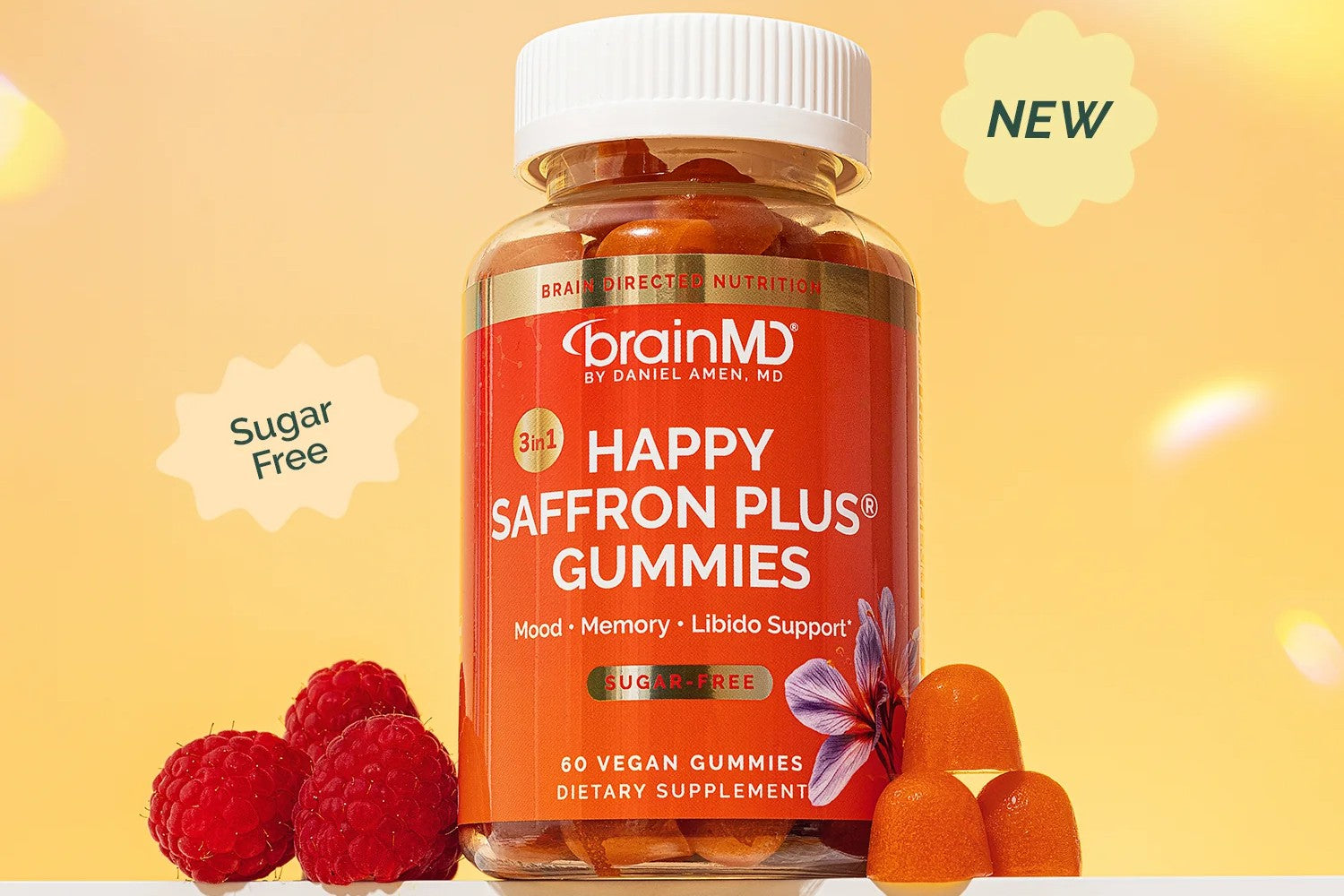
Thousands of thoughts run through your mind each day. How many are positive? How many are negative? With so many things going on in the world right now, it can be extremely difficult to keep negative thoughts from festering in your mind. Though wholly justified in light of recent events, concerns over your (and your family’s) physical, mental, and financial future can keep you in a perpetual state of fear. Unfortunately, the impact of negative thoughts can go even deeper. Do you have hurtful statements, made by a teacher, relative, or bully in the past, set on repeat in your mind? Or, are you plagued with self-doubt to the point where you believe negative thoughts about yourself? The Truth About Thoughts What you think has a powerful effect on your life. While it’s common to trust everything you think, the reality is many thoughts can skew in a negative direction. For example, you may incorrectly assume something about another person. Or, you may inaccurately interpret how others view you. This presents a real danger: if you think the same thoughts enough, they become your beliefs. Negative Self-Talk Habitual, negative self-talk trains the brain to see things pessimistically. Negative thinking can effectively rewrite your neural networks, reinforcing pathways in the brain that make it more likely you’ll continue seeing the glass as half empty. Additionally, having negative thoughts can reduce activity in the area of the brain involved with self-control, judgment, and planning. This can lead to harmful behaviors and poor decisions. So, how can you keep from believing every negative thought that enters your mind? These 7 strategies can help retrain your brain to think more positively and stop negative thoughts so you can have more fulfillment in life… 7 Helpful Ways to Stop Negative Thoughts So You Can Feel Happier 1. Exterminate the ANTs Automatic negative thoughts (ANTs) can cause your brain to release chemicals able to negatively affect every cell in your body and make you feel bad. The opposite is also true – positive, happy, hopeful thoughts release chemicals that help make you feel good. You can disinfect your thoughts by exterminating the ANTs that steal your happiness. Whenever you feel sad, mad, nervous, or stressed, write down what you’re thinking and then challenge that ANT. When you stop believing every fearful thought you have, you can start to regain control of your life. 2. Turn Off the News When news channels present unsettling projections and shocking images, the fear centers of your brain may be activated. News can induce a state of FOMO (fear of missing out) that keeps you riveted to each new alarming or controversial event, which can make you feel even more on edge. Watching news on TV or the internet can infest your mind with negative thoughts. In fact, it can increase both anxious and sad moods. Minimize your exposure to negative news by establishing time limits and stop watching TV at least an hour before you go to sleep at night. 3. Relaxation and Meditation Make time for yourself every day. Taking breaks for meditation and relaxation provides benefits for both your physical and mental health. Spending just 15 minutes alone, without distractions, may give you a fresh perspective. Clearing your mind and slowing your breathing can help restore inner calm. Repeating a simple Loving Kindness Meditation like “May I be safe and secure,” can increase positive thoughts and decrease negative ones. 4. Visit a Haven Choose a haven – a place you can imagine with all your senses. If it’s the beach, visualize the ocean, feel the sand beneath your feet, and the warm sun on your skin. Your haven can be any real or imaginary place where you feel comfortable. Begin to envision yourself not as you currently are, but as you want to be. Spending 20 minutes a day on this refueling exercise can help banish negative thoughts from your mind. 5. Write It Down The process of journaling gives negative thoughts a place to live other than your brain. Once those thoughts have been expressed, they often lose their intensity and urgency, which will allow you to focus on the positive things in your life. Writing in your journal 10 minutes before you go to bed can help release the stresses of the day and put you in a restful state of mind. 6. Give Grace How easy is it for you to give grace to others? Okay, now how easy is it for you to give grace to yourself? Letting yourself off the hook for past mistakes, especially common ones, can help you overcome negative thought patterns or destructive behaviors. You might find that your outlook on life is much more positive when you’re not being so hard on yourself. 7. Nutritional Support If you struggle with regulating your mood, you might consider getting nutritional support. BrainMD offers brain directed dietary supplements formulated with ultra-pure ingredients to help you feel calm and content. We’re pleased to present our premier mood supplement… Happy Saffron Plus® This breakthrough formula was scientifically designed to promote a positive mood. It brings together highly refined nutraceutical preparations of the two most traditionally revered “happiness herbals” – saffron flower extract and curcumin from the turmeric root – with zinc, a mineral essential for life and vital for positive mood. Now, its available as capsules or gummies. Why You Need It It's been estimated that in the U.S. at least 1 in 5 people endure serious mood problems and at least 1 in 4 experience significant feelings of anxiousness at some point in their life. Happy Saffron Plus® was developed from clinical research with three nutraceuticals for brightening mood, coping with anxious feelings, and enhancing alertness while under mental strain. Benefits of Happy Saffron Plus® Based on the most current research, this supplement provides: Powerful support for a positive mood Increased capacity for coping with anxiousness Enhanced alertness under stress What’s in Happy Saffron Plus®? Here are the 3 highly effective ingredients found in Happy Saffron Plus®: 1. affron® Standardized Saffron Extract. Saffron has been the happiness spice in the Middle East for at least 2600 years. affron® is a water-extracted saffron concentrate standardized for its most active constituents. In clinical trials, this extract has improved mood and anxiousness in adults and adolescents. 2. Longvida® Optimized Curcumin Extract. Like saffron, the turmeric root has been hailed as a happiness herbal in Asia for at least 2600 years. Curcumin is the molecular complex from turmeric root that improves mood, but is very poorly absorbed from turmeric powder. The Longvida® curcumin preparation features excellent absorption of curcumin and has worked well in clinical trials at 400 mg per day or higher. 3. Zinc, as Glycinate. This mineral is essential for the functioning of at least 300 enzymes essential for our life processes, and for the functioning of about 2000 different human proteins. People with mood problems typically have low blood levels, and taking supplements with zinc often enhances mood. Zinc glycinate is excellently absorbed and well tolerated. The combination of zinc with affron® saffron and Longvida® curcumin has the potential to elevate mood, perhaps even in individuals who don’t realize they have a mood problem. All three of these ingredients are documented to improve mood in controlled human clinical trials. [wc_box color="secondary" text_align="left" margin_top="" margin_bottom="" class=""] What others are saying about Happy Saffron Plus®: “Much less apt to feel down by current events or being cooped up in the house.” – Sally “Gives you a nice feeling of wellness & happiness.” – Jennifer [/wc_box] Give Happy Saffron Plus® a try today! The only thing you’ve got to lose is your blues. At BrainMD, we’re dedicated to providing the highest quality supplements to improve your physical health and overall well-being. For more information about Happy Saffron Plus® and our full list of brain healthy supplements, please visit us at BrainMD. *These statements have not been evaluated by the FDA. This content is for informational purposes only. It is not meant to substitute for medical or healthcare advice from a physician, nor is it intended to diagnose, treat, cure, or prevent any disease. Consult your healthcare provider before beginning a new health regimen.
Learn more
Avoid These Foods When You Feel Anxious or Stressed
Many people would do just about anything to alleviate their stress and worry. This kind of desperation can lead to making rash decisions, which can have potentially dire consequences on overall health and well-being. Unhealthy Cravings When you’re stressed out, you may be tempted to use food as a coping mechanism. Craving foods loaded with sugar, salt, and simple carbohydrates can make you feel worse by causing your blood sugar to spike and then crash. Consider typical comfort foods like mac and cheese, mashed potatoes and gravy, and ice cream. Your brain might crave these foods when you’re stressed. Your brain might even tell you that bingeing on these foods will help alleviate your stress. But, if you listen to your stressed-out brain, you may end up feeling worse. These high carb foods can increase your levels of the stress hormone cortisol. This can make it more difficult to calm your anxious thoughts. Foods that Cause Stress & Anxiousness Foods that contain sugar and gluten can trigger pleasure centers in your brain, which might keep you reaching for unhealthy foods. Let’s look at some foods you should avoid: Corn – Eating corn or corn-based products can make you more anxious and stressed. Corn is high in carbohydrates, which can spike your blood sugar. Corn is also high in starch, which can leave you feeling drowsy and lousy. Sugar – Processed, sugary treats can seem irresistible when you have low mood or energy. Your brain might try to convince you that you’ll have more energy after grabbing a snack from the fridge at home or vending machines at work. However, soon after the sugar rush, you’ll experience an energy crash, which can leave you feeling lethargic and unable to focus. Wheat – Wheat-based products (bread, tortillas, toast, etc.) can be difficult to drop from your diet. When these carbohydrates are processed in your body, they’re immediately broken down into sugar. Gluten in wheat can damage your intestinal lining, but switching to healthier foods – like fruits, vegetables, healthy fats, and proteins – can help enhance well-being. Since stress is one of the most common triggers for emotional overeating, reducing your anxious thoughts can be an important part of improving your eating habits. These 5 calming foods can promote calm when you feel anxious or stressed… 5 Calming Foods to Boost Your Mood & Relieve Stress 1. Poultry Poultry is an excellent source of tryptophan, an amino acid that your body can’t produce on its own. Tryptophan is necessary for the creation of serotonin, one of the brain’s primary mood-regulating chemicals. As more tryptophan enters the brain, it facilitates circuits that use serotonin, which can then improve your mood. Be sure to purchase organic, free-range poultry that hasn’t been pumped full of hormones or antibiotics. Also, make sure your bird has been kept in an air-chilled case at the store. 2. Berries Berries are one of the most concentrated sources of antioxidants in the plant kingdom. The greater the variety of berries you eat, the broader the antioxidant protection you’ll have. Blueberries, raspberries, and strawberries are all high in antioxidants. The antioxidants in these berries help protect the brain and the rest of the body against oxidative stress, including from toxic pollutants. 3. Dark Chocolate Chocolate is one of the ultimate comfort foods. The very taste of chocolate can produce a near euphoric state in many people. Dark chocolate is full of protein and fiber, improves blood flow to the brain, and supports a positive mood and healthy cognition. Multiple research studies have shown that dark chocolate slows down the production of cortisol. Also, chocolate promotes the brain’s release of dopamine and endorphins and boosts serotonin levels, all of which help create a more positive mood. 4. Green Tea Green tea contains GABA, the brain’s major calming neurotransmitter. Additionally, green tea contains l-theanine, which is known for reducing stress and worry while improving mood, focus, memory, and mental alertness. Green tea is just one of the many healthy varieties of tea. Many herbal teas, such as chamomile, have calming properties, and black, white, and red (rooibos) teas are rich in antioxidants. Drinking a cup of warm tea can help relieve stress and lift the spirits. 5. Leafy Greens Spinach is loaded with mood-moderating magnesium. Raw spinach is so nutritious, some people believe it contains bliss-enhancing nutrients. It’s a good source of fiber and is loaded with vitamin A, potassium, folate, and magnesium. In addition to leafy green vegetables, different colored vegetables, such as bell peppers, squash, broccoli, and cauliflower, all have tremendous health benefits. They provide an enormous array of vitamins, essential minerals, carotenoids, and free-radical blocking antioxidants to help protect the brain and body against toxins. To help boost your calm, try these good mood foods the next time you feel anxious or stressed! At BrainMD, we’re dedicated to providing the highest quality supplements to improve your physical health and overall well-being. For more information about our full list of brain healthy supplements, please visit us at BrainMD. These statements have not been evaluated by the FDA. This content is for informational purposes only. It is not meant to substitute for medical or healthcare advice from a physician, nor is it intended to diagnose, treat, cure, or prevent any disease. Consult your healthcare provider before beginning a new health regimen.
Learn more
7 Best Ways to Reclaim Your Life with a Digital Detox
Why You May Be Ready for a Digital Detox While technology has improved our lives in countless ways, it has also presented many unique challenges. Due to the prevalence of digital devices, people today have grown accustomed to using social media to stay connected with the world. However, overdependence on devices can cause people to feel isolated – which is a double whammy in our stay-at-home existence. Most people place a high priority on maintaining strong connections. Sadly, social media can only provide the semblance of connection to others. "The bitter paradox of social media is that even while connected you can feel isolated." Your Brain and Screens Mounting research suggests that excessive screen time may be linked to cognitive, behavioral, and mood problems. The longing for genuine connection may create a vicious circle where a lonely individual interacts on social media only to feel more alone and isolated. This emptiness may create a craving for a deeper connection that leads to even longer screen sessions. Due to this growing hunger for connection, many have become attached to their devices over time. If left unchecked, this near-obsessive need can lead to digital dependence. Digital Dependence Few would argue that we’re becoming increasingly dependent on technology. For many, the desire to stay connected to the internet 24/7 has become a compulsion. But is there such a thing as digital dependence, and if so, does it come with a price? Leading cognitive neuroscientists (some specializing in “technopathology”) have identified new brain complications linked to society’s widespread reliance upon technology. These conditions range from a kind of separation panic over misplacing a device to hearing a phantom ring when no one is calling. Physical Complications In addition to its unhealthy influences on the brain, screen fixation also can take its toll on the body. Many screen bound individuals live a sedentary lifestyle. Becoming the proverbial “couch potato” can prevent you from maintaining healthy habits such as consistent physical activity, a healthy diet, and proper motivation to set and achieve goals…not to mention much-needed socialization. Remaining sedentary can increase risk factors for many illnesses and can even shorten your lifespan. One study found that internet obsession can even weaken immune function. Sleep Disruptions Spending long hours staring at screens can also disrupt your sleep. This is particularly true at night since the artificial light from screens can delay melatonin production and disrupt your body’s 24-hour circadian rhythms and sleep/wake cycle. Since sleep deprivation is linked to a host of mental and physical issues, it’s best to tuck in your devices at least one hour before you tuck yourself into bed. Bottom line: spending too much time browsing the internet, engaging on social media, watching TV and movies, playing video games, or occupying yourself with any other leisure activity that involves a screen, can potentially steal your health. To prevent the many adverse effects associated with screen fixation, try these 7 simple ways to improve your digital well-being: 7 Ways to Reset Your Mind with a Digital Detox 1. Get Moving When you’re sitting on the couch watching TV or YouTube, your brain isn’t being challenged. Find an outdoor activity (such as hiking, biking, walking, jogging, etc.) you enjoy so much, you’d rather do it than look at a screen. It’s recommended that you get at least 30 minutes of exercise every day, so get moving. 2. Healthy Pleasure Centers Deep inside the brain, your pleasure centers respond to several neurotransmitters, particularly dopamine. When dopamine is depleted, low mood and motivation are much more likely to occur. Monitor your high-excitement activities, limit video games, and boost your dopamine naturally by engaging in meaningful conversations and fun outdoor activities. 3. Tech Timeout It’s not unusual for parents to limit their kids’ TV or tablet time, so why shouldn’t that same rule apply to adults? Establish a time when all devices will be turned off for the remainder of the evening. Not only will this provide a break from calling, texting, browsing the internet, and posting content on social media, it will allow you to spend more time with family. 4. Streamline Your Screen Time Using devices or playing video games for hours on end can be habit-forming. Excessive screen time has been linked to a greater risk of developing attention problems. Determine a screen time limit each day and use a timer to remind you to disengage from screens and engage with people. 5. Tech-free Bedroom Remove all electronic devices from your bedroom since they emit light that can stimulate the brain and keep you awake. A tech-free bedroom can help reduce harmful electromagnetic frequencies (EMF), which might also interfere with your sleep. Creating a relaxing environment, free from the distractions of the outside world, may help facilitate better sleep. 6. One Screen at a Time It’s common for people to use more than one form of technology at the same time. To prevent your attention from being divided by multiple devices, follow the “one screen at a time” rule. This should aid your ability to focus while also giving your overstimulated brain some much-needed downtime. 7. Internet Fast A great way to prevent the onset of digital dependence is to reserve one day of the week for the internet fast. Rather than being glued to a screen all day, find a new hobby, have a quality conversation, start an exercise routine, or enjoy the beauty of the great outdoors. You might be surprised at how many things you can do, and how much fun you can have while taking a break from the internet. Implementing these 7 tips can help limit your screen time, reduce your exposure to EMFs, and improve your mental, physical, and overall well-being. Most importantly, they can help you live in harmony with technology rather than being controlled by it. At BrainMD, we’re dedicated to providing the highest quality supplements to improve your physical health and overall well-being. For more information about our full list of brain healthy supplements, please visit us at BrainMD. These statements have not been evaluated by the FDA. This content is for informational purposes only. It is not meant to substitute for medical or healthcare advice from a physician, nor is it intended to diagnose, treat, cure, or prevent any disease. Consult your healthcare provider before beginning a new health regimen.
Learn more
How to Stop Negative Thoughts & Self-Talk
When considering ways to improve the overall health of our brain and body, we tend to focus on getting consistent exercise, achieving restful sleep, and eating a healthy diet (accompanied with quality nutritional supplements). But what about thoughts? It’s estimated that 60,000 thoughts run through our minds each day. What effect do they have on our health, happiness, and well-being? Thoughts Are Powerful Our thoughts are powerful and can have a profound effect on the way we feel. They can even trigger physiological responses in the body. “Whenever you have a sad thought, an unkind thought, or a hopeless thought – such as ‘I’m never going to land my dream job’ – your brain pumps out a dose of chemicals that makes you feel bad. On the flip side, conjure a happy, loving, or encouraging thought, and your brain gives you a blissful jolt of feel-good chemicals.” - Dr. Daniel Amen Habitual negative self-talk trains the brain to see things pessimistically. Researchers believe that negative thinking effectively rewrites our neural networks, reinforcing pathways in the brain that make it more likely we’ll continue seeing the glass as half empty. Additionally, having negative thoughts can reduce activity in the area of the brain involved with self-control, judgment, and planning, which can lead to poor decisions. These patterns of negative thought can cause a downward spiral. So, exactly how can you turn around negative self-talk? Automatic Negative Thoughts The first step to finding liberation from negative thinking is to recognize that our thoughts frequently tell us things that just aren’t true. They tell us lies that cause us to feel emotionally down. They also can randomly pop into our minds without permission. Dr. Amen refers to them as Automatic Negative Thoughts (ANTs). To a greater or lesser extent, we all deal with them. ANTs generally fall into one of these nine categories: 1. “All or Nothing” Thinking – Thoughts that are all good or all bad. 2. “Always” Thinking – Thinking in words like always, never, no one, everyone, every time, everything. 3. Focusing on the Negative – Only seeing the bad in a situation. 4. Fortune Telling – Predicting the worst possible outcome to a situation with little or no evidence for it. 5. Mind Reading – Believing that you know what another person is thinking even though they haven’t told you. 6. Thinking with Your Feelings – Believing negative feelings without questioning them. 7. Guilt Beatings – Thinking in words like should, must, ought, or have to. 8. Labeling – Attaching a negative label to yourself or someone else. 9. Blame – Blaming someone else for your problems. Do you recognize any of these in your own thinking? For your health and well-being, it’s important to do something about these types of thoughts. If you leave your ANTs unchecked, they can color your perceptions and wreak havoc in your life. How to Stop Negative Thoughts Numerous studies show that combatting negative thinking helps us feel better. You can start exterminating your ANTs by challenging them with these four questions: Is it (the negative thought) true? Can I absolutely know that it is true? How do I react when I think that thought? Who would I be without that thought? Or, how would I feel if I didn’t have that thought? Whenever an ANT enters your mind, write it down. Then apply these questions and you should start to feel the freedom that comes from clearing your mind of negative thoughts. At BrainMD, we’re dedicated to providing the highest purity nutrients to improve your physical health and overall well-being. For more information about our full list of brain healthy supplements, please visit us at BrainMD.
Learn more
How to Naturally Increase GABA for Better Sleep
Wouldn’t it be wonderful to have a natural, mental, and physical “off” switch to downshift your brain and body at the end of the day? In these stressful times, relaxation and restful sleep are more important than ever to well-being. If you’re feeling stressed out or are unable to unwind, instead of turning to a glass of wine, refined carbohydrates – or worse, prescription medication – consider healthier ways to unlock your body’s natural ability to remain calm. One healthy way to promote R&R is to get more of the amino acid gamma-aminobutyric acid (GABA) into your diet through foods or supplementation. Think of GABA as a calm balm for both the mind and body. Here’s how it works. GABA for Sleep and Relaxation GABA is naturally produced within the body, where it functions as a neurotransmitter. Neurotransmitters are the brain’s messengers, which move from one neuron to another to relay information. Some neurotransmitters induce activity while others inhibit activity. GABA is the key inhibitory transmitter of the brain. What does that mean? GABA helps to slow down your brain’s neuron activity and decreases activity in the central nervous system. In other words, it helps to calm worrisome, ruminating thoughts, as well as balance mood, alleviate painful sensations and relax the body. Supporting healthy sleep with GABA supplementation has gained traction in recent years. What the Research Says Though research on GABA supplementation and sleep is limited, some scientific studies indicate promising results. One study showed that subjects who took GABA fell asleep more quickly and enjoyed better sleep quality. GABA has mild relaxation properties that support a balanced mood and restful sleep. Lower activity of this neurotransmitter in some brain regions has been linked to mood challenges, difficulties with self-control, and excessive worry. How to Increase GABA You can eat GABA-rich foods and/or take GABA supplements to help support your body’s ability to unwind. GABA Foods The best way to get GABA in your diet is to eat an abundance of the plant foods that contain GABA. What’s more, the foods that contain GABA are also highly nutritious. You’ll be supporting your overall health and your body’s relaxation mechanisms at the same time! GABA-rich foods include cruciferous vegetables, beans, peas, tomatoes, spinach, mushrooms, sprouted grains, rice (particularly brown rice), and chestnuts. Also, enjoy fermented foods (kefir, yogurt, tempeh, kimchi, etc.) and oolong and white teas, which all naturally contain GABA. GABA Supplements A simple and easy way to ensure you get plenty of GABA is through supplementation. If you have difficulties entering a relaxed state before bedtime, you might consider taking GABA. GABA Calming Support GABA Calming Support is a unique combination of clinically proven ingredients that can help you cope with restlessness, irritability, and other challenges associated with occasional anxiety. This formula can help calm your racing thoughts to help prepare you for sleep; it doesn’t cause drowsiness, so it’s safe to take during the day. It includes: GABA – by slowing the excessive firing of neurons, it supports the body’s natural mechanisms for quieting the mind and gradually falling asleep. L-Theanine – working mainly by way of GABA receptors on nerve cells, this unique amino acid can have calming and relaxing effects while preserving mental focus. Lemon balm (Melissa officinalis) – a member of the mint family that has been used as a medicinal herb for over 2000 years, lemon balm increases GABA activity in the brain as well as the activity of acetylcholine, a major neurotransmitter that promotes mental focus. Magnesium – sometimes called the relaxation mineral, magnesium plays important roles in mind and body relaxation, the calming of racing thoughts, and in promoting overall sleep quality. Vitamin B6 – also known as pyridoxine and pyridoxal-5-phosphate, vitamin B6 helps the brain produce the neurotransmitter serotonin, which helps promote relaxation and enhance mood. This formula can help facilitate the production of calming brain waves, correct stress-causing nutritional deficiencies, and promote relaxation. GABA Calming Support is a natural sleep aid that has helped countless people get quality sleep and can help you too! At BrainMD, we’re dedicated to providing the highest purity nutrients to improve your physical health and overall well-being. For more information about GABA Calming Support and our full list of brain healthy supplements, please visit us at BrainMD.
Learn more
6 Calming Nutrients You Should Get Each Day
It’s estimated that your brain has as many as one hundred billion nerve cells, with each one connected to other cells by thousands of individual connections. They communicate using electrical signals and messenger chemicals called neurotransmitters (or just transmitters). More important than the activity of any one transmitter system is the overall balance between all the systems in the brain. When your brain transmitters are balanced, you may think more clearly, feel happier, and experience greater well-being. But when your transmitters are out of balance, you may experience difficulties in many areas of your life. Brain Circuit Basics Our brain uses circuits (collections of nerve cells) to manage our information processing, cognition, behavior, and emotions. A circuit can have millions or even billions of nerve cells (neurons), finely tuned to communicate with each other and to influence each other’s electrical activity. Neurons communicate via connections (synapses), which are driven by transmitters. Typically, each neuron makes one type of transmitter that it releases across synapses to influence the neuron “downstream” from each synapse. Each neuron can have a thousand or more upstream and downstream partners. These complex networks use one-directional transmitter releases to unite their thousands of neurons into individual functional circuits. Is Your Brain’s Symphony In Tune? Circuits driven by one transmitter type also make synaptic connections with circuits driven by other transmitters, creating complex yet harmonious patterns of electrical activity that have been compared to the music of a symphony. And like a symphony, the brain’s circuits must stay in tune for the mind to be balanced, happy, and productive. Nutrients for Brain Harmony Our mental state is affected greatly by our brain transmitter chemistry. Some people have a consistently sunny outlook on life, while others struggle to remain positive and even-tempered from day-to-day. One of the best ways to achieve better balance is with high-purity, brain-healthy supplements. If you find yourself having negative thoughts or if you feel that your stress levels have nearly reached the breaking point, BrainMD offers a range of powerful supplements for calm and relaxation that can help turn your day around. These brain-directed supplements have been formulated with the highest quality ingredients to help you feel calm, content, and able to keep your mental focus. One product we’re particularly proud to recommend is… NeuroLink Powder NeuroLink Powder broadly supports emotional and behavioral health. By promoting a variety of transmitter actions, it maintains healthy brain chemistry, which in turn promotes positive outlook, relaxation, and mental focus. NeuroLink Powder provides nutrients that occur naturally in the brain and are essential for keeping its circuits working in harmony. These nutrients help the brain sustain sufficiently high transmitter levels to keep in healthy balance. Wide Range of Benefits Beyond their support of transmitter actions, the nutrients in NeuroLink Powder benefit both brain and body. They help produce myelin, an outer insulation necessary for the neurons to efficiently conduct electricity. The nutrients in NeuroLink Powder support vital survival, maintenance, and specialized functions in the body. They also contribute to the healthy functioning of the thyroid gland, the adrenals, liver, digestive, skin, and other organ systems. 6 Calming Nutrients to Keep Your Brain Balanced 1. Vitamin B6 – as pyridoxine and pyridoxal-5-phosphate, both very efficiently absorbed and utilized. B6 is essential for at least 100 enzymes that help the brain make the key transmitters dopamine, serotonin, GABA (gamma-aminobutyric acid), norepinephrine, and glutamate. The neurons, and their support cells, also need B6 to make their myelin insulation. 2. L-Tyrosine – an amino acid required to produce two transmitters: dopamine and norepinephrine, which then can be further converted to the transmitter and hormone epinephrine (aka adrenaline). The thyroid gland also needs tyrosine to make the hormone thyroxine, and the skin needs it to make melanin. Having adequate quantities of tyrosine in the brain promotes mental clarity, particularly when under stress. 3. GABA – an amino acid that is a calming transmitter, inhibits excessive firing of neurons in the brain. GABA can help flip the “off” switch on overactive circuits and thereby enhance quieting of the mind along with easy transition into sleep. 4. L-Glutamine – an amino acid that the neurons and their support cells convert either to the excitatory transmitters glutamate and/or aspartate, or to GABA. Glutamine also can improve the health of the intestinal lining. 5. L-Taurine – an amino acid that reinforces GABA’s calming effects. Taurine is concentrated in electrically active tissues such as the heart, retina of the eye, and brain. It helps protect against calcium overactivity, which can kill brain cells. 6. 5-HTP (5-Hydroxytryptophan) – an amino acid that neurons can readily convert into serotonin when they have the necessary vitamin B6 available. Serotonin circuits widely influence other transmitter circuits to promote a positive mood. By enabling serotonin production, 5-HTP also promotes the production of melatonin, our sleep hormone. NeuroLink Powder FAQ How do I take NeuroLink Powder? Each scoop (3.8 grams) of NeuroLink Powder is equivalent to 4 NeuroLink capsules and has identical ingredients and amounts. Mix one serving into water and consume between meals, preferably on an empty stomach. Do not exceed two scoops (7.6 grams) per day. Can children take NeuroLink Powder? NeuroLink Powder can be very beneficial for children with behavioral or emotional issues, but its administration should be directed by a physician. For details, please contact BrainMD. Can I use NeuroLink Powder if I’m taking an antidepressant medication? If currently taking antidepressant or monoamine oxidase (MAO) inhibitor medications, only use NeuroLink Powder under the supervision of a physician. Does this supplement contain allergens? NeuroLink Powder is free from dairy, gluten, sugar, corn, soy, eggs, nuts, yeast, and artificial colorings or flavorings. It is suitable for vegans. NeuroLink Powder provides an exclusive blend of nutrients that can help you relax, maintain a positive mood, and keep your mental focus. It broadly supports your emotional and behavioral health by helping your neurotransmitters stay in balance. At BrainMD, we’re dedicated to providing the highest quality supplements to improve your physical health and overall well-being. For more information about NeuroLink Powder and our full list of brain healthy supplements, please visit us at BrainMD. *These statements have not been evaluated by the FDA. This content is for informational purposes only. It is not meant to substitute for medical or healthcare advice from a physician, nor is it intended to diagnose, treat, cure, or prevent any disease. Consult your healthcare provider before beginning a new health regimen.
Learn more