 Skip to content


Wellness Blog



Learn How to Stress Less During the Holidays
Do you ever feel sad or irritable for no reason? What about feeling anxious or worried? Unfocused? All these can be linked to brain neurotransmitters being out of whack. Your mental state is affected greatly by your brain chemistry. When your brain transmitters are balanced, you can think more clearly, feel happier, and experience greater well-being. Some people have a sunny outlook on life, but others struggle to remain positive and even-tempered from day to day. Proper neurotransmitter balance is essential for living a brain healthy life. The better our transmitters operate in balance with each other, the closer we are to having optimal mental function. Having a balanced brain is especially important during the holidays when plans often go awry, and stress levels are pushed to the boiling point. 3 Ways to Reduce Holiday Stress 1. Soothing Tunes Remaining in a blissful state of mind is easier to accomplish when you have a happy tune running through your head. Listen to brain-enhancing music specifically composed to enhance mood, gratitude, energy, focus, motivation, and inspiration. 2. Walk It Off If you need a break from a movie marathon or if you just want to work off that extra slice of turkey or ham, taking a walk can be beneficial for you both physically and mentally. Walking can help you clear your mind, decrease anxiety, improve your mood and burn some calories all at the same time. 3. Mood Enhancing Nutrition Due to the Standard American Diet (SAD), many people aren’t receiving proper nutrition from the foods they eat. The traditional holiday meal, though offering some healthy selections, is frequently accompanied by many nutritional pitfalls (i.e., stuffing, pumpkin pie and eggnog). To fill in the nutritional gap during the holidays, it’s essential to take brain and mood-boosting supplements, such as: 5-HTP In the brain, 5-HTP is readily converted to serotonin to help maintain mental and emotional well-being, reduce feelings of anxiety, and promote calm and relaxation. B6 As one of the B complex vitamins, B6 is a metabolic aid that maintains healthy nerve function. Taking B6 during the winter season can be a boon to your health since it helps support the body’s antioxidant defense enzyme network. GABA This amino acid regulates the excitability of nerve circuits in the brain and is considered the brain’s main “calming” neurotransmitter. Taking GABA during the holidays can be a huge help, especially when trying to find a parking spot at the mall or standing in line to purchase gifts or food for the holiday meal. Taurine Taurine, an amino acid that helps stabilize our nerve cell electrical activity, is known as a mood booster. Taking taurine can help to keep the seasons bright. Tyrosine Tyrosine is required for the production of the neurotransmitter dopamine. Having sufficient tyrosine in the brain promotes mental clarity in dealing with stress, which always comes in handy when attending family get-togethers. The great news is that you can save a lot of money by getting all these nutrients in one supplement. BrainMD’s NeuroLink supports a diverse array of such key transmitters as adrenaline, dopamine, serotonin, GABA, and glutamate. NeuroLink provides an exclusive blend of nutrients that can help you maintain a positive mood, keep your focus, and deal with stressful challenges by helping your neurotransmitters stay in balance. NeuroLink has a 100% money-back guarantee. You have nothing to lose except for stress and worry. At BrainMD, we’re dedicated to providing the highest quality supplements to improve your physical health and overall well-being. For more information about our full list of brain healthy supplements, please visit us at BrainMD. These statements have not been evaluated by the FDA. This content is for informational purposes only. It is not meant to substitute for medical or healthcare advice from a physician, nor is it intended to diagnose, treat, cure, or prevent any disease. Consult your healthcare provider before beginning a new health regimen.
Learn more
5 Dos And Don’ts For Calming Anxiety
You’ve had a long and stressful day, as a matter of fact, this whole week has been pretty crazy, now what? You finally have a chance to stop, have some time for yourself, but what you choose to do next could help or hurt you. Here is a list of what you should be doing, and what you definitely should NOT be doing. DON’T: Have A Drink, Or Two – While drinking to deal with stress has shown to be more common in men than in women, the truth is it’s just not good for anyone. Research shows that alcohol use may compound the effects of stress, by changing the brain’s chemistry over time, causing higher levels of the stress hormone cortisol. Even though you think it’s making you feel better in the short term, in the long term you may be making your body more susceptible to the effects of stress. Not to mention the litany of other reasons alcohol is bad for your brain and body. DO: Exercise – Besides the benefits of exercise for your heart, your muscles, and your memory, exercise has a long history of being a stress-buster. Even though you’re tired from your long day, a good workout can boost your energy, boost your mood, and help you sleep better. DON’T: Watch TV – TV has become such a large part of our culture that for many of us, sitting down for a bit – or a lot – of screen time at the end of our day is an unbreakable habit. For some, the habit is so extreme that our day doesn’t feel complete without it. The problem is that being sedentary to watch TV isn’t a great habit to have. Even worse is what it can do to your brain and your stress. Watching the news is one of the worst ways to relax. While staying informed is important, too much news and at the wrong time of day can give you major feelings of anxiety. Even entertainment that helps you “escape” your daily life can give you anxious feelings without you even realizing it. It’s not just from suspenseful or frightening scenarios; research has shown that watching TV to escape stress can make you feel guilty because you are not being productive. Knowing you are procrastinating and leaving tasks to loom for later makes true relaxation difficult to achieve. MAYBE: Eat Food – This one is entirely dependent on what food you choose to eat. Yes, we need food to survive; and yes, the right foods can improve our health. But no, that snickers bar and those three and a half servings of mac and cheese are not helping you with either of those. When you’re stressed, you often want food that will make you feel better right now. You probably crave sugar, salt, and simple carbohydrates, but these foods can make you feel worse by causing your blood sugar to spike and then crash. As difficult and unnatural as it may be for you at first, try to go for healthy foods when you’re overwhelmed. The omega-3 fatty acids in walnuts have many health benefits including boosting mood and cognition. DO: Take GABA – GABA is an amino acid that controls excitability of the brain by suppressing the excessive firing of nerves cells. Research studies using EEG have shown the positive effects of GABA on alpha brain waves and its ability to decrease beta waves, which means that it induces relaxation and reduces anxious feelings. So when you can’t get your brain to settle down, GABA can help you calm down and feel more relaxed. Try GABA Calming Support and see the benefits for yourself. Abby said, “Zen- Absolutely love this product. Truly amazing how much calmer my mind became.”
Learn more
6 Tips For Beating Jet Lag While Traveling
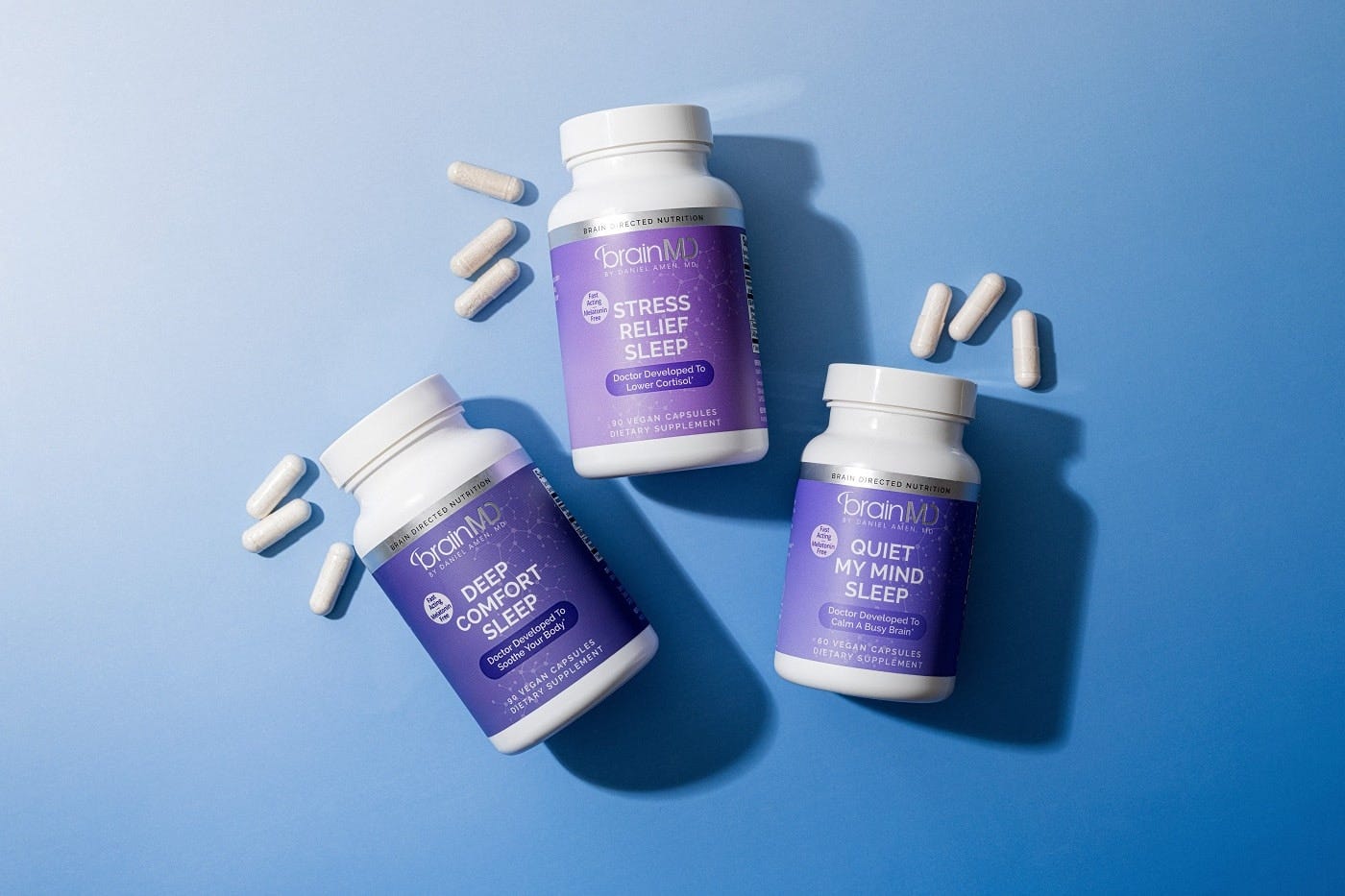
Have you ever experienced disturbed sleep? Dangers of Sleep Deprivation Sleep deprivation has reached epidemic proportions. According to the authoritative Institute of Medicine (US) Committee on Sleep Medicine and Research, as many as 70 million Americans have ongoing sleep problems¹ that interfere with their daily routines. The recommended daily sleep duration for adults is 7 to 9 hours, and children need more. Losing sleep has been associated with: Lower overall blood flow to the brain Negative effects on cognition,² mood, and memory Greater appetite linked to increases of the hunger hormone ghrelin Loss of focus and willpower Mood issues and occasional anxiety Have you ever experienced disturbed sleep, daytime fatigue, difficulty concentrating and functioning, or stomach problems following international travel or frequent flying? If so, then you were likely experiencing the symptoms of jet lag. What is Jet Lag? Also known as desynchronosis or time zone change syndrome, jet lag is a physiological disorder that disrupts your body's circadian rhythms. It occurs when you travel across two or more time zones which results in your body’s internal clock being out of sync with cues, such as light exposure and eating times, of the new time zone. The more time zones you cross, the worse the jet lag will be. Additionally, traveling from west to east is associated with more severe jet lag.³ It can take up to a full day for each time zone crossed for your body’s internal clock to adjust fully to the local time. Jet Lag Symptoms Symptoms of jet lag vary widely and can be affected by a variety of factors such as number of time zones crossed, age of the traveler, and general state of health. Typical symptoms of jet lag include: Headaches Lethargy Difficulty concentrating Sleep issues Loss of appetite Irritability Low mood Slight confusion Gastrointestinal disturbances Although you may not be able to eliminate jet lag entirely, you can greatly lessen its effects by following 6 simple strategies. 6 Simple Strategies to Prevent Jet Lag While Traveling 1. Stay Hydrated Dehydration reduces your body’s ability to produce melatonin, making it hard to both fall asleep and stay asleep when you want and need to. In addition, being dehydrated often makes the symptoms of jet lag much worse. It is recommended that you drink at least 84 ounces of water a day. 2. Avoid Alcohol and Caffeine While it may be tempting to try a cocktail to get drowsy or caffeine to stay alert, these two beverages can contribute to dehydration (see #1) and negatively affect your sleep patterns. 3. Start Your Trip Well-rested Starting your trip out sleep-deprived can make the symptoms of jet lag worse. 4. Simulate Your New Schedule Before You Leave The long-standing recommendation is that if you are traveling east, move your bedtime earlier by 30 minutes per day for a few days prior to your trip and do the opposite if you are traveling west. Research has demonstrated that that changing your meals⁴ to match the time in your destination prior to your trip can help synchronize your internal body clock to help beat jet lag. 5. Establish Your New Routine One of the best ways to combat jet lag is to get in the rhythm of your destination the second you get off the plane. If you arrive in the morning or early afternoon, resist the urge to nap and do your best to stay awake until the local nighttime. Your body may beg for sleep, but stand firm and force your body's transition to the local time. 6. Try Melatonin Melatonin is released by your body produced when it gets dark to let your brain know that it’s time for your body to sleep. You may find it very helpful to use a supplement containing melatonin to help you sleep at night when your body is finding it difficult to adjust to the new time zone. BrainMD’s Restful Sleep combines melatonin with four other ingredients to help you fall asleep, stay asleep and enjoy a better quality of sleep.* Restful Sleep Restful Sleep contains the body’s own sleep hormone, melatonin, to help you get you to sleep.* It also includes the calming neurotransmitter GABA, as well as the relaxing mineral magnesium, vitamin B6, and valerian, to help keep you asleep.* This nutritional-herbal combination produces a soothing effect that can help ease you into a peaceful sleep.* These capsules include: Melatonin – melatonin is a hormone naturally produced by the brain to initiate sleep and promotes healthy sleep patterns.* Vitamin B6 – vitamin B6 helps with the production of neurotransmitters (serotonin, dopamine, norepinephrine, and GABA), which need to be balanced for healthy sleep.* Magnesium – sometimes called “the relaxation mineral,” magnesium helps calm the mind and enhance overall sleep quality.* GABA – GABA is the brain’s major inhibitory (calming) neurotransmitter, inducing calm by inhibiting excessive firing of neurons distributed throughout the brain.* Valerian – an herb used traditionally for centuries for its calming and sleep-inducing effects, valerian supports deep, restful, quality sleep.* Restful Sleep eases you to sleep and helps you stay asleep all night so you can wake up feeling refreshed in the morning.* Beating Jet Lag Traveling is so fun and fulfilling, even if it can be a bit exhausting. No matter how challenging, try your hardest to follow these 6 tips and you'll be living like a local in no time! At BrainMD, we’re dedicated to providing the highest quality supplements to improve your physical health and overall well-being. For more information about our full list of brain healthy supplements, please visit us at BrainMD. *These statements have not been evaluated by the FDA. This content is for informational purposes only. It is not meant to substitute for medical or healthcare advice from a physician, nor is it intended to diagnose, treat, cure, or prevent any disease. Consult your healthcare provider before beginning a new health regimen. References: ¹Colten, H. R., & Altevogt, B. M. (Eds.). (2006). Sleep disorders and sleep deprivation: An unmet public health problem. National Academies Press. https://doi.org/10.17226/11617 ²Csipo, T., Lipecz, A., Owens, C., Mukli, P., Perry, J. W., Tarantini, S., Balasubramanian, P., Nyúl-Tóth, Á., Yabluchanska, V., Sorond, F. A., Kellawan, J. M., Purebl, G., Sonntag, W. E., Csiszar, A., Ungvari, Z., & Yabluchanskiy, A. (2021). Sleep deprivation impairs cognitive performance, alters task-associated cerebral blood flow and decreases cortical neurovascular coupling-related hemodynamic responses. Scientific Reports, 11(1), 20994. https://doi.org/10.1038/s41598-021-00188-8 ³Choy, M., & Salbu, R. L. (2011). Jet lag: Current and potential therapies. P & T, 36(4), 221–224, 231. ⁴Ruscitto, C., & Ogden, J. (2017). The impact of an implementation intention to improve mealtimes and reduce jet lag in long-haul cabin crew. Psychology & Health, 32(1), 61–77. https://doi.org/10.1080/08870446.2016.1240174.
Learn more
7 Ways To Keep Calm While Preparing For Vacation
Now that summer is officially here, it’s that time of year again…VACATION! You’ve worked hard all year so it’s time for a break and time to relax. Time off is essential to personal wellbeing, professional success, business performance, and more, but nearly half of American employees don't use all of their vacation days each year! Research has even demonstrated that taking a vacation can have similar biological benefits to your health as meditating. In short, vacations are good for your health. So why don’t more people take vacations? Often the reason is that planning and preparing for a vacation is too stressful an experience. It sounds like extra work, having to prepare for vacation. It can be easy to get caught up in the stress of everyday life, even in the summer. How do you transition from a stress-inducing life to relaxation mode? It’s difficult to get into the right mindset, but you can more calmly prepare yourself for vacation if you follow a few simple steps: 7 of the Best Ways to Keep Your Vacation Prep Stress-free 1. Have Realistic Expectations Resist the urge to plan every minute of your vacation and maintain realistic expectations about your trip. Your flight could be delayed. It might rain the afternoon you plan to go jet skiing. Mishaps and meltdowns happen, but they don’t have to ruin a trip. If you expect that things will go less than perfectly, you will be better prepared to handle whatever does happen. 2. Focus On The Positive This can feel "easier said than done," but it's very effective. As mentioned above, a lot can go wrong when you travel. However, as with life in general, negative things won't feel like they have as much power when you notice the silver lining of the situation. For example, if your flight is delayed, focus on how you have extra time to catch up on reading a novel you enjoy. 3. Plan Ahead There is nothing more stressful than realizing the day before you leave that you still haven’t checked the oil level of your car, gone to the bank, bought the extra socks you needed, set up the timer for your house lights, or had your mail held. There are countless vacation preparation checklists available online – download one ahead of time and check items off to reduce your preparation stress. 4. Pack In Advance This might sound overwhelming, since you’re already stressed and still trying to get into the vacation mindset. However, it’s important to remember to work toward your goal of relaxation in advance or you might never get there! Make or download a packing list and begin to assemble necessary items with plenty of time to spare. That way you won’t find yourself running around like crazy the night before trying to get everything together. 5. Get Plenty Of Rest Speaking of the night before your vacation, make sure to get plenty of sleep so that you do NOT travel tired. Certainly, rushing to get everything done before your vacation can leave you worn out. However, navigating unfamiliar roads or airports will be much more difficult and stressful when you are sleep deprived. 6. Know What Works For You You may have heard the tip to clean your house while you’re packing for a vacation so that you aren’t stressed about a mess when you return. While some people might benefit from a little prep work beforehand, it won’t necessarily make re-entry easier for everyone. For others, the prep only adds more stress. The same goes for work. Many folks stress about doing extra work before leaving in hopes of cutting down on the amount they have when they come back. But it seems like there’s always a lot of work when you get back, no matter how you prep. Prioritize and focus on those tasks that have a deadline while you’re gone and put non-pressing items on the back burner. 7. Supplement To Manage Stress Natural relaxation substances can be incredibly effective in helping you manage your stress and feel more calm. Drink some spearmint or chamomile teas. Put dried lavender in a vase near your bed. Use calming essential oil aromas such as clary sage, bergamot, or ylang ylang. Try BrainMD’s Everyday Stress Relief – a nutritional supplement that can help promote a tranquil mind and body while supporting healthy adrenal and cortisol levels. It includes well-studied herbs and nutrients to support your body’s response to stress on multiple levels.
Learn more
Ancient Wisdom to Help You Sleep
If you knew something that was essential to a brain-healthy life, gave you energy, improved your mood and decision making, and you could do it right from the comfort of your home, would you make sure you did it? Well, how much are you sleeping? Healthy sleep is absolutely essential to a brain-healthy life, but are you putting the effort into getting enough sleep? Protect your sleep as if it were one of the most important things you ever do—because it is! Sleep rejuvenates all the cells in your body, gives brain cells a chance to repair themselves, helps wash away toxins that build up during the day, and activates neuronal connections that might otherwise deteriorate due to inactivity. How Lack Of Sleep Effects Your Life Additionally, getting less than seven hours of sleep a night has been associated with lower overall brain activity, which can negatively affect your: Weight Energy Skin Mood Overall health Athletic, school, and job performance And most importantly, decision making Insomnia causes lower activity in the prefrontal cortex and temporal lobes – affecting attention, judgment, impulse control, memory, and learning. Considering all of this, it is no surprise that sleep-deprived individuals struggle to maintain a healthy mood, memory, or body. According to the Institute of Medicine, (US) Committee on Sleep Medicine and Research as many as 70 million Americans have chronic sleeping problems which interfere with their daily functioning. And it is progressively getting worse with the proliferation of gadgets and bad habits. What to Do About Poor Sleep So, what do you do when you are lying awake with a restless mind struggling to get sufficient, good-quality sleep? If you already do all the right things, such as getting regular exercise, eating right, avoiding caffeine later in the day, and practicing good sleep hygiene, but still struggle with sleep problems, a good nutritional supplement that supports your body’s natural relaxation response and healthy sleep cycle can make all the difference. One thing to consider is valerian (Valeriana officinalis, root), a well-recognized perennial plant native to Europe and Asia with anti-anxiety properties that is used as a mild tranquilizer, sedative, and muscle relaxant. The active ingredient of valerian comes from a foul-smelling oil produced in the root of the plant – many people describe it as smelling like moldy cheese or dirty socks! Despite its unappealing scent, people throughout history have still turned to valerian for its unique properties. The ancient Roman physician, Galen, wrote about the virtues of valerian; in the Middle Ages, medical literature used the term “All Heal” to describe the herb; and valerian has long been a staple of Chinese and Indian medicine. In the United States, valerian was commonly used prior to the development of modern pharmaceuticals. This centuries-old treatment for insomnia has also been helpful for symptoms of nervousness, stress, increased emotional reactivity, agitation, and pain. It has also been found to decrease seizure frequency in epileptic patients. Historically, valerian efficacy was thought to be primarily due to enhancement the activity of the calming neurotransmitter, GABA. More recent evidence supports its effect on adenosine and 5HT-5a– receptors which are located in a region of the brain involved in regulating the circadian system. Unlike prescriptions, valerian has a much lower potential for addiction and has been used to help people who are trying to decrease their use of prescription tranquilizers or sleeping pills. It is important to note that anyone using prescription sleeping pills or tranquilizers should decrease or stop their use only under the supervision of a physician. It may take two to three weeks to start feeling the effects of valerian, so it isn’t the best sleep aid for short-term use, such as when you have jet lag. It is better suited for long-term use and has been found to improve deep sleep, which leaves you feeling more rested in the morning. There are hundreds of different preparations of valerian available and these preparations vary remarkably in the amount of volatile oils they contain, the bioavailability of the preparation, as well as potential contaminants. Look for it as an ingredient in many sleep formula supplements and be sure to buy a brand you trust! Note: valerian should not be taken in combination with alcohol, barbiturates, or benzodiazepines, and it is not recommended for use during pregnancy or breastfeeding.
Learn more
4 Ways Chocolate Can Boost Your Brain
Your Brain on Dark Chocolate Lovers and chocoholics everywhere are overjoyed to know that some chocolate may actually be (gulp) very good for you and your brain. Turns out that chocolate, in its natural form, isn’t bad for you. It's all that fake processing, sugar and scary chemicals that go into commercial chocolates that make them so unhealthy. Instead, think: silky, creamy, natural dark chocolate. Melt in your mouth chocolate. That’s right. Dark chocolate contains health-promoting properties that support a positive mood, the ability to think clearly, and your healthy cardiovascular system. Not All Chocolate is Created Equal Most chocolate bars are full of unhealthy ingredients like sugar, dairy and synthetic flavors — virtually canceling out chocolate’s powerful health benefits. Chocolate is made from tree seeds of the tropical Theobroma cacao plant. The earliest use of chocolate dates back to ancient civilizations. For centuries, deep dark delicious chocolate has been honored for its healing and medicinal qualities. Aztecs and ancient Mayans even drank theirs in a brew made from natural cacao beans; they believed it provided strength and energy. When the Europeans first brought cacao home from the Americas, they used it as an all-purpose tonic to treat dozens of health conditions like insomnia. Europeans actually once referred to chocolate as “the food of the gods.” 4 Ways Chocolate Boosts Brain and Body High in flavonoids (substances shown to increase blood flow) Loaded with cancer-fighting antioxidants Full of fiber (to keep you feeling full) Rich in minerals like magnesium, iron, zinc Additionally, chocolate contains phenylethylamine or PEA, which is a psycho-active compound. It acts as a stimulant that makes you feel really good when you eat it. Chocolate also increases serotonin (the “don’t worry, be happy” neurotransmitter) in your brain. Happy Valentine's Day (and Choose Your Chocolate Wisely) The answer is yes, fine chocolate can actually be good for you. We knew it all along. So, while chocolate is healthy for you, the added sugar and dairy in it are not. That’s why Dr. Daniel G. Amen has created BrainMD Health’s very own chocolate bars – Brain In Love and Brain On Joy. These delicious chocolates are free of sugar, dairy, gluten and GMOs. But they are rich in decadence and made with love. On Valentine's Day, don't deprive yourself. Treat yourself and loved ones to delicious, satisfying chocolate bars that are good for your soul, and healthy for your brain and body.
Learn more
Are You Severely Sleep Deprived?
You have been staring at the ceiling for hours now. The more you think about needing to fall asleep, the more you toss and turn, and all those ANTs start circling. When you wake up the next morning feeling exhausted or defeated, it’s the right time to create a healthier sleep life. Extreme Sleep Deprivation Directly Affects Your Health Many workaholic Americans have an emerging mindset that it's socially acceptable – even mandatory – to get less rest. They may participate in “work binges” and settle for 4-5 hours of sleep per night. That is just not an adequate amount of brain rest for most of us. Truth is, extreme sleeplessness can potentially triple the risk of death from all causes, and is associated with cognitive decline, says Daniel G. Amen, MD in Change Your Brain Change Your Life. Sleeping less than six hours has also been associated with: Lower overall blood flow to the brain Hindering your mood, focus, and memory for days after Increase of appetite, which increases risk for unwanted weight gain Low mood or feelings of anxiousness Loss of motivation and willpower Holistic Treatments for More Soothing Slumbers As this harmful cycle continues, asking your doctor for sleep medication may sound like the only option. However, at Amen Clinics we look at a healthy sleep regimen in a holistic manner, integrating natural healing therapies with the sleeping medications people may already be on. Helpful, night-time supplements can make a difference to your quality of life. They often contain melatonin, GABA (a calming neurotransmitter), magnesium, vitamin B6 and herbal valerian root, used for centuries as a sleeping supplement. Invest in Your Rest – You Deserve It Try these healthy habits alongside a night-time supplement to ensure quality rest and a healthy lifestyle change. Exercise early in the day to increase blood flow to the muscles and your brain as a natural, calming stress reliever Limit caffeine consumption to early afternoon, this gives your body time to wind down Zap all your ANTs (automatic negative thoughts) Limit technology before bedtime, pick up a book instead Meditate for 10 minutes before you hit the sack Free yourself from alcohol and drugs that interfere with optimal sleeping patterns. Learn how to become a real Brain Warrior. Hear more about how to solve your sleeping struggles on one of Amen Clinic's Facebook Live Chats.
Learn more
Serotonin, Are You Getting Enough?
Brighten your mood and sidestep negative thoughts with serotonin and nutrients that can help promote calmness, satiation, and a more positive attitude. The human brain naturally produces a soothing neurotransmitter called serotonin, from before your birth and throughout your life. Serotonin plays many important roles in the brain’s biochemistry, and it’s intimately involved in sleeping, maintaining an upbeat mood, self-confidence, even supporting healthy appetite and social engagement. Are You Making Enough Serotonin Naturally? Here’s the thing, though: All-too many people don’t produce enough of this healthy property to experience the calming, positive effects. Plus, a deficiency may potentially affect depression and mood swings. Since serotonin also interacts in your intestinal tract, too-little of this chemical is closely associated with changes in gut health, body temperature and appetite. 8 Signs of Serotonin Deficiency Poor cognitive functioning Carbohydrate cravings and binge eating Constipation and digestive disorders Sleep problems and insomnia Feeling overwhelmed and unhappy Headaches Ringing in the ears Anger and irritability People who struggle with their moods often have very low levels of serotonin, says Daniel G. Amen, MD. Yet, serotonin can be increased in the brain (and body) by eating the proper foods and/or supplementing your diet. Interestingly, he says certain nutrients can help metabolize and help utilize serotonin most efficiently. Some of these nutrients include magnesium, zinc, folic acid, fish oils, vitamins C and B6. Always ask your doctor about supplementing, especially if you have a chronic condition and take medication every day. Also, it is possible (though rare) to have too much serotonin, but that usually occurs when people mix over-the-counter supplements with prescription drugs. Be sure to communicate with your health practitioner. Balancing your serotonin levels may help minimize emotional overeating and sleeplessness. Our effective Serotonin Mood Support can also help brighten your mood and possibly fight off cravings, bad moods and daily anxiety.
Learn more
Benefits and Uses of SAMe Supplements
SAMe Supplements Promote Good Mood Brain Chemistry At BrainMD, we see your brain as a sophisticated supercomputer with both hardware and software. For peak efficiency, the machinery (including cells, connections, chemicals, energy, blood flow, and waste processing) needs to work effectively. When your brain hardware or “machinery” doesn’t work quite as smoothly, your health practitioner may suggest therapeutic and biological interventions, including exercise, supplements, medication, neurofeedback, sleep apnea evaluations and treatment, hyperbaric oxygen, and more. Whenever feasible, we recommend the most natural ways to heal and support the brain, such as supplements and lifestyle interventions – nutrition plans and workout prescriptions, for example. While we still use medications when needed, and believe they save lives when used appropriately, we believe that treatment providers should first do no harm, and use the least toxic treatments. (Note: People who suffer from bipolar disorder should generally avoid SAMe since it may provoke mood swings.) What is SAMe? S-AdenosylMethionine (SAMe) can be made naturally in the body or synthetically as a supplement. It powers over 200 enzymes necessary for healthy cell growth, maturation, and specialization. In the brain, SAMe is required for nerve cells to make energy, maintain connectivity, and generate mood-related neurotransmitters. And your body utilizes SAMe for pain relief, depression, liver disease, and other conditions. People who don't make enough SAMe naturally may be helped by taking SAMe as a supplement. Widely studied for the treatment of osteoarthritis – you may have even seen a bottle of SAMe at your grandmother’s house first. But SAMe is not just for joints. In fact, over 40 clinical studies have suggested SAMe can potentially help some people battle heart disease, migraines, Parkinson’s disease, depression, PMS and other conditions. Furthermore, the National Institutes of Health (NIH) which provides scientific evidence ratings for natural supplements, reports that SAMe is effective for treating depression, and may help slow the aging process. SAMe Supplement Benefits: May Also Help PMS, Fibromyalgia, Dementia, and Pain This nutrient has been available by prescription in Europe for many years as an antidepressant and has been available over the counter in the U.S. since the early 90s as a mood lifter and as a supplement for nervous system disorders. SAMe is involved with the production of several other brain neurotransmitters, dopamine and norepinephrine. Maintaining adequate levels of these foundational neurotransmitters is essential in supporting feelings of well-being. Recent controlled trials have demonstrated the efficacy of SAMe in promoting a happy, balanced mood. NIH double-blind research conducted at Harvard Medical School and Massachusetts General Hospital demonstrated that SAMe is beneficial as an additive to those resistant to FDA-approved antidepressants. People taking SAMe in addition to regular antidepressants experienced double response rate and remission rate compared with placebos. One major problem with compliance of prescribed antidepressants is the number of unpleasant side effects, including the 70 percent of patients who experience sexual dysfunction. (This negatively affects adherence to their medication regimen.) Clinical trials have found that SAMe can decrease sexual dysfunction. Everyone can use a little help sometimes. If you are looking for a safe, natural supplement that can support brain health and joint function all while promoting a positive mood, try the natural route first.
Learn more
Did You Know Saffron Promotes Serotonin?
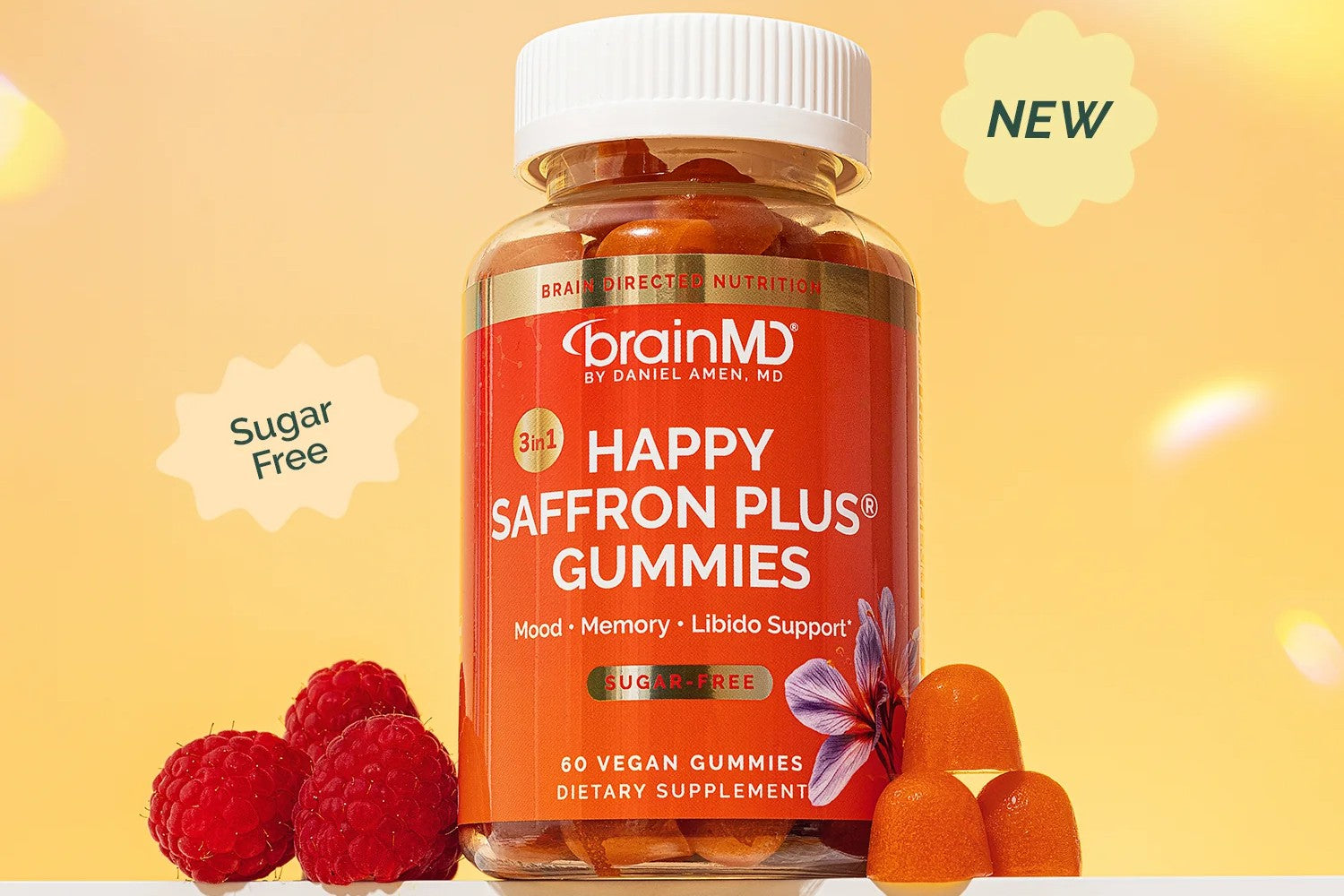
Saffron for Depressive Thoughts According to the National Institutes of Health (NIH), 38 million Americans suffer with mood disorders each year, and 78 million will be afflicted at some point in their lives. Left untreated, mood issues can have serious personal, relational, occupational and social consequences. Until recently, many people felt that mood problems were the result of a weak will, bad character, or sin. Recent brain science has revealed that these disorders are in large part the result of brain dysfunction. Depressive thoughts are associated with low levels of certain neurotransmitters, especially norepinephrine, dopamine, and serotonin, as well as deficiencies in omega-3 fatty acids. When people with anxious or depressive thoughts seek help (typically from a primary care physician), most receive medication as the only intervention. However, these medications often have significant side effects, especially in the area of sexual dysfunction, weight gain, and relapse. What is Saffron Used For? Multiple research studies suggest that saffron, a spice derived from the flower of Crocus sativus, may support healthy levels of serotonin in the brain, a neurotransmitter that contributes to feelings of happiness and well-being. Saffron is high in carotenoids and B vitamins that help increase the levels of serotonin and other chemicals in the brain that are associated with mood concerns. A meta-analysis of five studies found saffron extract to be as effective as antidepressant medication in treating people with depressive tendencies. Another study found saffron to be as effective as fluoxetine (Prozac) in reducing mild to moderate mood dysregulation. Additionally, research has demonstrated the effectiveness of curcumin, the naturally occurring chemical compound in turmeric, as an effective and safe therapy for treatment in patients with depressive thoughts and memory issues. One study in particular found that not only was curcumin tolerated well by all the participants, but they discovered curcumin was as effective as Prozac in managing mood. Saffron & Curcumin Benefits In a 2013 study of human subjects with depressive propensities, curcumin’s effectiveness was similar to that of a standard antidepressant medication. More importantly, curcumin contains none of the side effects associated with common antidepressant medications and provides additional health benefits as well. Recent research published in the Journal of Affective Disorders looked at the effectiveness of both curcumin and saffron in treating major mood issues. In this randomized, double-blind, placebo-controlled study of 123 individuals with major mood disorder, it was shown that doses of curcumin and combined curcumin/saffron were effective in reducing anxious and depressive thoughts. Dietary supplements can be a great way to attain the same nutrients that research studies have found to deliver amazing health benefits. Supplements can help enhance the functions of the body with little to no side effects. It's important when taking dietary supplements that you are confident in their quality, and that you speak to a nutritionally informed physician before beginning any new regimens. For more information about our full catalog of brain healthy supplements, visit the online store at BrainMD.
Learn more
Struggling with a Vitamin B6 Deficiency?
Do you struggle with a low mood? Are you challenged with irritability? Do you worry frequently? Are you feeling fatigued? If you answered yes to some or all of these questions, it is possible that you are experiencing a vitamin B6 deficiency. Previously thought to be relatively rare in the United States, research conducted at Tufts University has demonstrated that vitamin B6 deficiency is much more common than previously thought. The B vitamin family is made up of eight B vitamins, each of which performs unique and important functions. Additionally, these important vitamins are water-soluble. Since they are eliminated in urine, we require a continuous daily supply in our diet as our bodies cannot store it. Otherwise, it is important to supplement to ensure sufficient intake. Many people are surprised to learn about the critical role that vitamin B6, also known as pyridoxine, plays in their health. It is important in the production of such critical neurotransmitters as serotonin, epinephrine, norepinephrine, GABA – which help improve mood – and melatonin, a hormone that supports your natural body clock. Additionally, vitamin B6 is essential for at least 100 enzymes that help the body utilize amino acids, fatty acids, and carbohydrates. It is also vital for early brain development and for supporting the body’s innate antioxidant defenses. B vitamins, including vitamin B6, also help support adrenal function and help calm and maintain a healthy nervous system. Although vitamin B6 is found in a variety of foods – like leafy green vegetables, chickpeas, tuna, beans, beef, liver, and bananas – there is growing evidence which suggests that the systemic inflammation underlying most chronic diseases may impair vitamin B6 metabolism. Therefore, BrainMD Health is proud to utilize the two chemical forms of vitamin B6 that are most fully absorbed and utilized. Two of the products where these special forms of vitamin B6 can be found are Serotonin Mood Support and GABA Calming Support. If you are interested in trying a supplement that promotes a tranquil mind and body while supporting your vitamin B6 levels, give Serotonin Mood Support or GABA Calming Support a try. Your satisfaction is guaranteed!
Learn more
Why Pets are Good For Your Health
Dietary supplements are a great resource to improve your health. You expect us to say that, right? But we know that supplements are just one aspect of a very complex lifestyle that affects your health and emotional wellness. Today, we’re making a case for something else you can do to benefit your health: cute, fuzzy, maybe scaly, pets! Bet you weren’t expecting that… Let’s Get Physical Among other things, owning a dog can help you get healthy by increasing your physical activity. Playing with your dog and walking your dog forces increased exercise which in turn helps you lose weight, lowers blood pressure and reduces stress. Other pets can help you get up and move, too. Even if you prefer a cat, you still have to play with them, get up to feed them, check that they have water, and clean up after them. Every step, every movement counts! Science Says So Many studies have been done on humans and their interactions with animals. From an analysis of 69 original studies came a series of conclusions about the psychosocial and psychophysiological effects of human-animal interactions.1 Basically someone looked at a bunch of studies and found all the amazing benefits of pets and wrote them down for us. It’s how a scientist would write a love letter to animals. Chill Out Multiple studies covering a variety of age groups found that the presence of friendly animals decreased cortisol, the hormonal indicator of stress, when experiencing stressors. Other studies found that the presence of friendly animals, and petting animals, lowered blood pressure during or just before stressful situations. One study even found that the presence of one’s own pet had a greater effect on lowering blood pressure during stressors than the presence of a friend or even their spouse! Yep, loving the dog more than your spouse may not be that uncommon. Other studies measured mood and self-reported fear and anxiety when a live animal versus a stuffed animal was petted. They saw significant benefits with live animals; ruling out the possibility that the act of petting was the calming factor in previous studies. Old Dogs, New Tricks A significant area of study has been the effects of pets on the elderly. Studies have shown that individual visits with pets have improved feelings of sadness and loneliness in the elderly. One specific study compared the effects of group visits to individual visits with the animals and found improved results with individual visits. Pets can help give elderly a sense of purpose, the feeling of being needed, and a distraction from negative thoughts and even some physical pains. It’s a Win-Win Elderly adopting pets is also a great benefit to the abundance of abandoned pets that need a loving home. Most elderly are retired and have ample time to share with a pet. It is important to consider the type of pet that is appropriate for each individual based on their physical, monetary, and environmental limitations. If Mom or Dad can’t walk very easily, and live in a small apartment, a husky might not be the best fit for them as they need hours of physical activity every day. Similarly, a fish is a much more affordable pet than a large breed dog. It is also commonly advised to seek older pets, as puppies and kittens for example, require much more work and care. Go Adopt No matter your age, ailment, or circumstances, studies show that the love and companionship, or even just the presence of an animal can have positive benefits to your mood, stress, and overall health! Visit your local shelter to see what pet might be right for you! References: Beetz, Andrea et al. “Psychosocial and Psychophysiological Effects of Human-Animal Interactions: The Possible Role of Oxytocin.” Frontiers in Psychology 3 (2012).
Learn more