 Skip to content


Wellness Blog



Top 10 Ways to Help a Friend with Depressive Thoughts
In 2019, before the COVID pandemic hit, the Centers for Disease Control and Prevention estimated roughly 18.5 percent of American adults experienced frequent depressive thoughts.¹ A recent survey showed that 23.5 percent of U.S. adult women and 21 percent of adult men self-reported having depressive thoughts. That means most of us know someone – perhaps a friend, colleague, neighbor, or family member – who’s suffering from this brain health issue. It’s useful then for us all to learn how to help someone with low mood. Spotting Low Mood Any of the following signs could indicate depression: Feelings of sadness, tearfulness, emptiness, or hopelessness Anger outbursts, irritability, or frustration Loss of interest or pleasure in most or all normal activities Too little or too much sleep Fatigue and lack of energy Changes in appetite and weight Anxiousness, agitation, or restlessness Slowed thinking, speaking, or body movements Feelings of worthlessness or guilt, fixating on past failures, self-blame Trouble thinking, concentrating, making decisions, and remembering things Frequent or recurrent mention of death or suicidal thoughts Unexplained physical problems, pain It can be alarming to recognize the signs in someone you care about. Follow these tips from mental health professionals about how to help someone who’s feeling low before you take action. 10 Ways to Help A Friend with Depressive Thoughts 1. Communicate Communicate with your friend about their feelings. Be kind, honest, and understanding. Let them know you care about them. Share your concerns and what you’ve observed and ask them about what they’re feeling and how you can be useful. Stay calm. Try to listen without reacting. Earn their confidence by setting judgment aside. Don’t scold them or blame them and be careful not to dismiss their pain. Having low mood might not be their fault. 2. Don’t Try to Fix It Resist the impulse to get into “fix it” mode with your friend or loved one. It isn’t your job to fix them and trying to often makes things worse. Their depressive thoughts may be linked to psychological or physiological issues. It may require a medical evaluation by a qualified professional. However, don’t underestimate your power to make a positive impact by providing loving support as your friend walks through a difficult challenge. 3. Don’t Take It Personally People with low mood can be difficult to be around. They’re often angry, apathetic, and withdrawn. Know that these are indications of their painful state of mind and body. Understanding this can keep you from feeling hurt, angry, or defensive. 4. Listen Giving the gift of your presence and listening with empathy can help your friend more than you know. Find the part in you that identifies with how they’re feeling. It isn’t easy. But this is what promotes real connection and makes someone feel heard. You can even reflect back what you heard to your friend and ask if you understood them correctly. “Tell me more,” is a great way to encourage your friend to open up about their struggles. 5. Get Informed Having low mood can be complicated. Brain health, stress, early losses and trauma, temperament, medical problems, and genetics can all factor into having consistent negative thoughts. Educate yourself. There are numerous books available and many excellent online resources. 6. Be Positive and Hopeful People with low mood usually have a hopeless outlook on life and feel helpless to do anything about it. They also have a lot of negative self-talk. Always be positive in your interactions with your friend. Let them know you believe in their ability to get better. A great way to help a friend is to remind them of their positive qualities and how much they mean to you and others. 7. Encourage Seeing a Medical Professional Low mood is treatable. If your friend hasn’t already consulted a medical professional, encourage them to do so. An accurate diagnosis from a medical professional and a personalized treatment plan can put them on the path to recovery. Of course, if you think your friend is in immediate danger of harming him/herself or others, call 911 or take your friend to the nearest emergency department. 8. Offer Assistance Often, people with low mood have difficulty with some of the basics of day-to-day living. They need support. Determine what you might be able to do and suggest a task you can take on for them. For example, they may need help going to the grocery store, cleaning their home, or paying bills. Hygiene can be difficult for them to maintain as well. Encourage them to shower, to eat something healthy, or to get outside for some fresh air. 9. Stay Connected People with low mood tend to isolate themselves from the rest of the world.² Stay connected. Find activities you can do with your friend and see them regularly. Meet them for a walk, watch a movie or TV show, or cook/bake something with them. Suggest doing an activity or hobby that they previously enjoyed. But if it’s too much, respect their limits. 10. Take Care of Yourself It’s important to step back and take care of yourself. Make sure you have healthy boundaries. Practice good self-care with brain-healthy habits such as exercising, eating right, meditating, getting good sleep, and challenging negative thoughts. Your healthy routine is one of the best things you can do to help your friend! Final Thought Be patient. It may take a while for him/her to feel bright and hopeful again. If you care enough to read this, you’re likely a very supportive friend! At BrainMD, we’re dedicated to providing the highest purity nutrients to improve your physical health and overall well-being. For more information about our full list of brain healthy supplements, please visit us at BrainMD. These statements have not been evaluated by the FDA. This content is for informational purposes only. It is not meant to substitute for medical or healthcare advice from a physician, nor is it intended to diagnose, treat, cure, or prevent any disease. Consult your healthcare provider before beginning a new health regimen. References: 1. Villarroel, M. A., & Terlizzi, E. P. (2020). Symptoms of depression among adults: United States, 2019 (NCHS Data Brief No. 379). National Center for Health Statistics. https://www.cdc.gov/nchs/products/databriefs/db379.htm 2. Luo, M. (2022). Social isolation, loneliness, and depressive symptoms: A twelve-year population study of temporal dynamics. Journal of Gerontology: Series B, Psychological Sciences and Social Sciences, 78(2), 280–290. https://doi.org/10.1093/geronb/gbac174
Learn more
Here Are Some of the Best Ways to Find Emotional Healing
At some point in life, we all get dealt an emotional blow. Maybe it’s a job loss or health crisis, a breakup or divorce, the loss of a loved one, or a major disappointment. When emotional pain strikes, it’s vital to our well-being to take a step back and allow room for emotional healing. Yet emotional healing only can happen if we have the proper tools, support, time, and willingness to deal with the pain and move through the hurt to the other side. If we try to avoid feeling the pain, or had to hide our emotional pain as children, it can go unattended. Like dirty clothes stuffed into drawers or under a bed, if we have too many unattended emotional pains, they may start to build up and spill into our lives. We may have pains in our bodies or overreact emotionally in different situations. Also, we may have frequent low mood, anxious feelings, or feel isolated and afraid. Maybe our negative self-talk becomes debilitating, or we engage in compulsive behaviors. Or maybe we go from relationship to relationship, trying to outrun it. These challenges and behaviors are an invitation to heal. It’s never too late, but it does take work to gain emotional healing. Here are tips gleaned from research and mental health professionals to help you on your journey to emotional healing. 9 Practical Tips That Can Help You Find Emotional Healing Admit Your Emotional Pain Admitting you’re in emotional pain is the first step in the healing process. This can be difficult, especially if you feel it’s shameful or a sign of weakness to have emotional difficulties. It’s important to remember that vulnerability actually can be a strength. If you can admit it, that means you’ve stopped fighting and/or running from your pain, and you’re willing to move through it. Emotional healing is possible. Seek Support We can’t do emotional healing alone. Get support. When we disclose our emotional pain to someone we trust – whether that’s a mental health professional, spiritual advisor, partner, or friend – it facilitates healing, which can boost our emotional and physical health. One study showed that holding a loved one’s hand when sharing emotional pain can provide healing and comfort. The love, empathy, and caring another person shows us, especially when we’re vulnerable, can help us out of isolation. Take Restorative Time Alone Solitude or downtime is really important to access your own thoughts and feelings, and to heal. This is especially true if you’re processing a painful loss. Make sure your schedule isn’t too full. Do something that doesn’t require too much mental activity. Garden Go for a walk Fold some laundry Enjoy a cup of tea Bake Meditate Take time to be alone Research shows solitude is important for coping, emotional release, and self-renewal. Write It Down If you’re processing painful emotions, remember what may be difficult to express out loud can be given voice through writing. Keep a journal. Take time to write in it every day. You can start with just 10 minutes. The beneficial effects of writing as a means for emotional healing are well documented. Expect Less Emotional healing requires time and space. You’ll likely be more limited in what you can do. Schedule less, don’t take on big challenges, and don’t overextend yourself. This isn’t a time to push yourself. Give yourself a pass if you make mistakes or have to say no. Prioritize Your Health Emotional and physical wellness are closely knit together. Practice these healthy habits: Do your best to get restful sleep Nourish your body with brain healthy food Take nutritional supplements as needed Get regular exercise Go to the doctor and get your blood work done Get a massage or try acupuncture Practice meditation or yoga Make it a priority to take good care of your health. Combat Negative Thoughts You can aid your emotional healing by improving the way you talk to yourself. Correcting your negative thinking can help reduce your internal stress. Whenever a negative thought pops into your head, combat it with these 4 questions: Is it true? Can I absolutely know that it’s true? How do I react when I think that thought? Who would I be without that thought? Or, how would I feel if I didn’t have that thought Discover New Things As you start to heal, explore new hobbies and interests. Novelty is good for your brain health and well-being. Take a hike on a new trail Go to the museum Try a new recipe Learn to play an instrument Try playing pickleball Take a dance class While emotional pain is often about loss; emotional healing can be about new beginnings. Help Others and Find Gratitude Helping others is a wonderful way to boost your own emotional well-being. This is a known truth. Also, when we see the challenges others are facing, it helps us to feel more gratitude. Look for reasons to be grateful. Gratitude is the song of emotional health. Remember that it takes courage to face difficult emotions. Be patient. It won’t last forever. You will come out wiser, stronger, and more resilient on the other side. At BrainMD, we’re dedicated to providing the highest purity nutrients to improve your physical health and overall well-being. For more information about our full list of brain healthy supplements, please visit us at BrainMD.
Learn more
7 Ways to Stop Negative Thoughts & Feel Happy Every Day
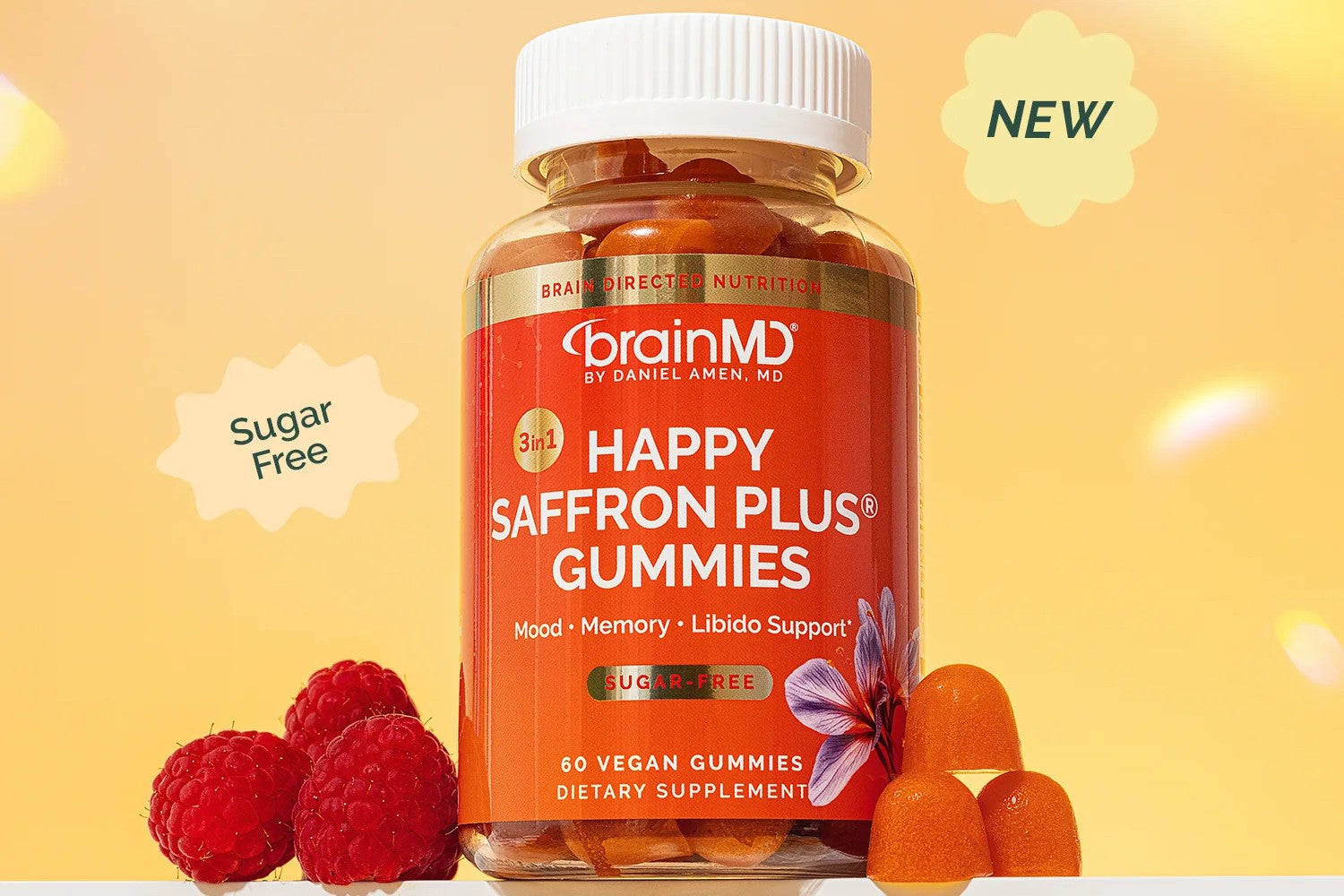
Thousands of thoughts run through your mind each day. How many are positive? How many are negative? With so many things going on in the world right now, it can be extremely difficult to keep negative thoughts from festering in your mind. Though wholly justified in light of recent events, concerns over your (and your family’s) physical, mental, and financial future can keep you in a perpetual state of fear. Unfortunately, the impact of negative thoughts can go even deeper. Do you have hurtful statements, made by a teacher, relative, or bully in the past, set on repeat in your mind? Or, are you plagued with self-doubt to the point where you believe negative thoughts about yourself? The Truth About Thoughts What you think has a powerful effect on your life. While it’s common to trust everything you think, the reality is many thoughts can skew in a negative direction. For example, you may incorrectly assume something about another person. Or, you may inaccurately interpret how others view you. This presents a real danger: if you think the same thoughts enough, they become your beliefs. Negative Self-Talk Habitual, negative self-talk trains the brain to see things pessimistically. Negative thinking can effectively rewrite your neural networks, reinforcing pathways in the brain that make it more likely you’ll continue seeing the glass as half empty. Additionally, having negative thoughts can reduce activity in the area of the brain involved with self-control, judgment, and planning. This can lead to harmful behaviors and poor decisions. So, how can you keep from believing every negative thought that enters your mind? These 7 strategies can help retrain your brain to think more positively and stop negative thoughts so you can have more fulfillment in life… 7 Helpful Ways to Stop Negative Thoughts So You Can Feel Happier 1. Exterminate the ANTs Automatic negative thoughts (ANTs) can cause your brain to release chemicals able to negatively affect every cell in your body and make you feel bad. The opposite is also true – positive, happy, hopeful thoughts release chemicals that help make you feel good. You can disinfect your thoughts by exterminating the ANTs that steal your happiness. Whenever you feel sad, mad, nervous, or stressed, write down what you’re thinking and then challenge that ANT. When you stop believing every fearful thought you have, you can start to regain control of your life. 2. Turn Off the News When news channels present unsettling projections and shocking images, the fear centers of your brain may be activated. News can induce a state of FOMO (fear of missing out) that keeps you riveted to each new alarming or controversial event, which can make you feel even more on edge. Watching news on TV or the internet can infest your mind with negative thoughts. In fact, it can increase both anxious and sad moods. Minimize your exposure to negative news by establishing time limits and stop watching TV at least an hour before you go to sleep at night. 3. Relaxation and Meditation Make time for yourself every day. Taking breaks for meditation and relaxation provides benefits for both your physical and mental health. Spending just 15 minutes alone, without distractions, may give you a fresh perspective. Clearing your mind and slowing your breathing can help restore inner calm. Repeating a simple Loving Kindness Meditation like “May I be safe and secure,” can increase positive thoughts and decrease negative ones. 4. Visit a Haven Choose a haven – a place you can imagine with all your senses. If it’s the beach, visualize the ocean, feel the sand beneath your feet, and the warm sun on your skin. Your haven can be any real or imaginary place where you feel comfortable. Begin to envision yourself not as you currently are, but as you want to be. Spending 20 minutes a day on this refueling exercise can help banish negative thoughts from your mind. 5. Write It Down The process of journaling gives negative thoughts a place to live other than your brain. Once those thoughts have been expressed, they often lose their intensity and urgency, which will allow you to focus on the positive things in your life. Writing in your journal 10 minutes before you go to bed can help release the stresses of the day and put you in a restful state of mind. 6. Give Grace How easy is it for you to give grace to others? Okay, now how easy is it for you to give grace to yourself? Letting yourself off the hook for past mistakes, especially common ones, can help you overcome negative thought patterns or destructive behaviors. You might find that your outlook on life is much more positive when you’re not being so hard on yourself. 7. Nutritional Support If you struggle with regulating your mood, you might consider getting nutritional support. BrainMD offers brain directed dietary supplements formulated with ultra-pure ingredients to help you feel calm and content. We’re pleased to present our premier mood supplement… Happy Saffron Plus® This breakthrough formula was scientifically designed to promote a positive mood. It brings together highly refined nutraceutical preparations of the two most traditionally revered “happiness herbals” – saffron flower extract and curcumin from the turmeric root – with zinc, a mineral essential for life and vital for positive mood. Now, its available as capsules or gummies. Why You Need It It's been estimated that in the U.S. at least 1 in 5 people endure serious mood problems and at least 1 in 4 experience significant feelings of anxiousness at some point in their life. Happy Saffron Plus® was developed from clinical research with three nutraceuticals for brightening mood, coping with anxious feelings, and enhancing alertness while under mental strain. Benefits of Happy Saffron Plus® Based on the most current research, this supplement provides: Powerful support for a positive mood Increased capacity for coping with anxiousness Enhanced alertness under stress What’s in Happy Saffron Plus®? Here are the 3 highly effective ingredients found in Happy Saffron Plus®: 1. affron® Standardized Saffron Extract. Saffron has been the happiness spice in the Middle East for at least 2600 years. affron® is a water-extracted saffron concentrate standardized for its most active constituents. In clinical trials, this extract has improved mood and anxiousness in adults and adolescents. 2. Longvida® Optimized Curcumin Extract. Like saffron, the turmeric root has been hailed as a happiness herbal in Asia for at least 2600 years. Curcumin is the molecular complex from turmeric root that improves mood, but is very poorly absorbed from turmeric powder. The Longvida® curcumin preparation features excellent absorption of curcumin and has worked well in clinical trials at 400 mg per day or higher. 3. Zinc, as Glycinate. This mineral is essential for the functioning of at least 300 enzymes essential for our life processes, and for the functioning of about 2000 different human proteins. People with mood problems typically have low blood levels, and taking supplements with zinc often enhances mood. Zinc glycinate is excellently absorbed and well tolerated. The combination of zinc with affron® saffron and Longvida® curcumin has the potential to elevate mood, perhaps even in individuals who don’t realize they have a mood problem. All three of these ingredients are documented to improve mood in controlled human clinical trials. What others are saying about Happy Saffron Plus®: “Much less apt to feel down by current events or being cooped up in the house.” – Sally “Gives you a nice feeling of wellness & happiness.” – Jennifer Give Happy Saffron Plus® a try today! The only thing you’ve got to lose is your blues. At BrainMD, we’re dedicated to providing the highest quality supplements to improve your physical health and overall well-being. For more information about Happy Saffron Plus® and our full list of brain healthy supplements, please visit us at BrainMD. *These statements have not been evaluated by the FDA. This content is for informational purposes only. It is not meant to substitute for medical or healthcare advice from a physician, nor is it intended to diagnose, treat, cure, or prevent any disease. Consult your healthcare provider before beginning a new health regimen.
Learn more
Dopamine & Serotonin: What You Need to Know About These Neurotransmitters
Do you have problems with focus, mood, memory, motivation, impulsivity, inflexibility, work performance, or relationships? If so, your neurotransmitters may be out of balance. What Are Neurotransmitters? Neurotransmitters (or just transmitters) are substances selectively produced and released by individual nerve cells to communicate with each other by passing across junctions between the cells (synapses), of which there are literally trillions. Some transmitters also coordinate communications both within your brain and between your brain and the rest of your body. These back-and-forth transmissions influence practically every cell, tissue, and organ function in your body. While the exact number is not known, there could be as many as 200 transmitters. Balanced Brain Transmitters More important than the activity of any one transmitter system is the overall balance between all the systems in the brain. When your brain transmitters are balanced, you may think more clearly, feel happier, and experience greater well-being. But when your transmitters are out of balance, you may experience difficulties in every area of your life. Proper neurotransmitter system balance is essential for living a brain-healthy life. The better your transmitters work with each other, the closer you are to having optimal mental function. Transmitters such as serotonin‚ dopamine‚ and GABA play key roles in optimal brain functioning‚ which is essential to healthy behaviors and decision-making. Here are the functions and benefits of two major “happiness neurotransmitters.” Dopamine & Serotonin: 2 Natural Ways to Stay Motivated and Happy 1. Dopamine – The Motivation Molecule Dopamine is the main neurotransmitter system responsible for making you feel motivated. Dopamine helps deliver a sense of satisfaction when playing sports, learning something new, accomplishing a task or project, or getting a promotion at work. Often called the “motivation molecule,” the dopamine system acts via at least 5 different receptors to provide much of the drive and focus you need to be productive. It is heavily involved with: Attention span Follow-through Motor movements The ability to experience pleasure Signs of Dopamine System Imbalance Having a dopamine system imbalance can cause significant functional issues in your brain. Underactivity of dopamine can be associated with: Fatigue Apathy Lack of focus Forgetfulness Moodiness Sleep issues Sugar cravings Lower motivation Poor motor control Unfortunately, many of the things people do to boost their focus and energy end up backfiring. There are many unhealthy ways to get a dopamine fix. Anything potentially addicting, like nicotine, excessive caffeine, or sugar-laden/fat-filled treats, increases brain dopamine activity and can be a major cause of compulsive behavior in your life. These unhealthy ways of getting a quick dopamine boost tend to increase the brain’s demand for dopamine, and eventually can disrupt the brain’s natural dopamine production, resulting in insufficient dopamine production and low system activity in the long-term. 2. Serotonin – The Happiness Chemical The human brain produces a soothing neurotransmitter called serotonin, mostly from the amino acid tryptophan that is derived from dietary proteins. Serotonin regulates many transmitter systems and plays a role in the brain and body’s ability to communicate. It has been referred to as the “don’t worry, be happy” neurotransmitter. Serotonin plays multiple roles in the brain’s functioning, including: Maintaining a balanced mood Boosting self-confidence and social engagement Supporting a healthy appetite Decreasing worries and concerns Facilitating deep sleep Sustaining the body’s 24-hour rhythms Enabling survival functions like body temperature regulation and breathing Additionally, serotonin is linked with learning and memory. Interestingly, although serotonin is manufactured in the brain, where it performs its primary functions, it’s estimated that about 90% of our serotonin supply is found in the digestive tract and in blood platelets. Signs of Serotonin Deficiency Too many people don’t produce enough of this healthy transmitter to experience its calming, positive effects. Low activity of serotonin on certain of its 14 receptors can result in sudden shifts between low mood and overexcited mood. Since serotonin also functions in your intestinal tract, having low activity of this transmitter is closely associated with changes in gut health and appetite. Low serotonin activity can result in: Difficulties with mental sharpness Carbohydrate cravings and binge eating Digestive and other intestinal problems Sleep issues Feeling overwhelmed and unhappy Headaches Anger and irritability Healthy serotonin activity can be maintained in the brain and body by eating the proper foods and/or supplementing your diet with nutrients that facilitate serotonin production. To increase your serotonin levels naturally, consider taking BrainMD’s premier serotonin supplement… Serotonin Mood Support Taking BrainMD’s Serotonin Mood Support can help increase the production of soothing brain waves, correct stress-related nutritional deficiencies, and promote relaxation that will enable quality sleep. It can help you handle the ups and downs of life with more composure. This formula includes: 5-Hydroxytryptophan (5-HTP) – This nutrient is readily absorbed and rapidly reaches the brain, where it requires just one enzyme step for conversion to serotonin. This enzyme also needs vitamin B6. Vitamin B6 – Vitamin B6 is an essential cofactor for enzymes that make serotonin and dopamine. It works in harmony with methylfolate and methyl-vitamin B12 to support a variety of neurotransmitter systems. Methylfolate – The B vitamin folate provides methyl groups needed to make serotonin. Methylfolate is pre-activated folate, and is the body’s most readily utilized form of this vitamin. It’s better utilized than folic acid, a manufactured substance not found in nature that many people cannot efficiently convert into usable folate. Methyl-cobalamin – The body’s most readily-utilized form of vitamin B12, methyl-cobalamin provides metabolic backup for methylfolate. We avoid using cyano-cobalamin, which contains toxic cyanide. Saffron – The world’s most expensive spice, saffron has been used for thousands of years to induce happiness. Modern saffron concentrates have consistently improved mood, anxiousness, and other mental functions in many clinical trials. Healthy lifestyle habits, such as daily exercise, consuming whole foods, and taking a dietary supplement like Serotonin Mood Support, work together to sustain the brain’s many vital functions, maintain a positive mood, reduce negative thoughts, and promote restful sleep. The unique nutrient combination in Serotonin Mood Support helps promote calm and a positive outlook. Try it today! At BrainMD, we’re dedicated to providing the highest quality supplements to improve your physical health and overall well-being. For more information about Serotonin Mood Support and our full list of brain healthy supplements, please visit us at BrainMD. *These statements have not been evaluated by the FDA. This content is for informational purposes only. It is not meant to substitute for medical or healthcare advice from a physician, nor is it intended to diagnose, treat, cure, or prevent any disease. Consult your healthcare provider before beginning a new health regimen.
Learn more
Brain Neurotransmitters Can Affect Your Mood and Your Life
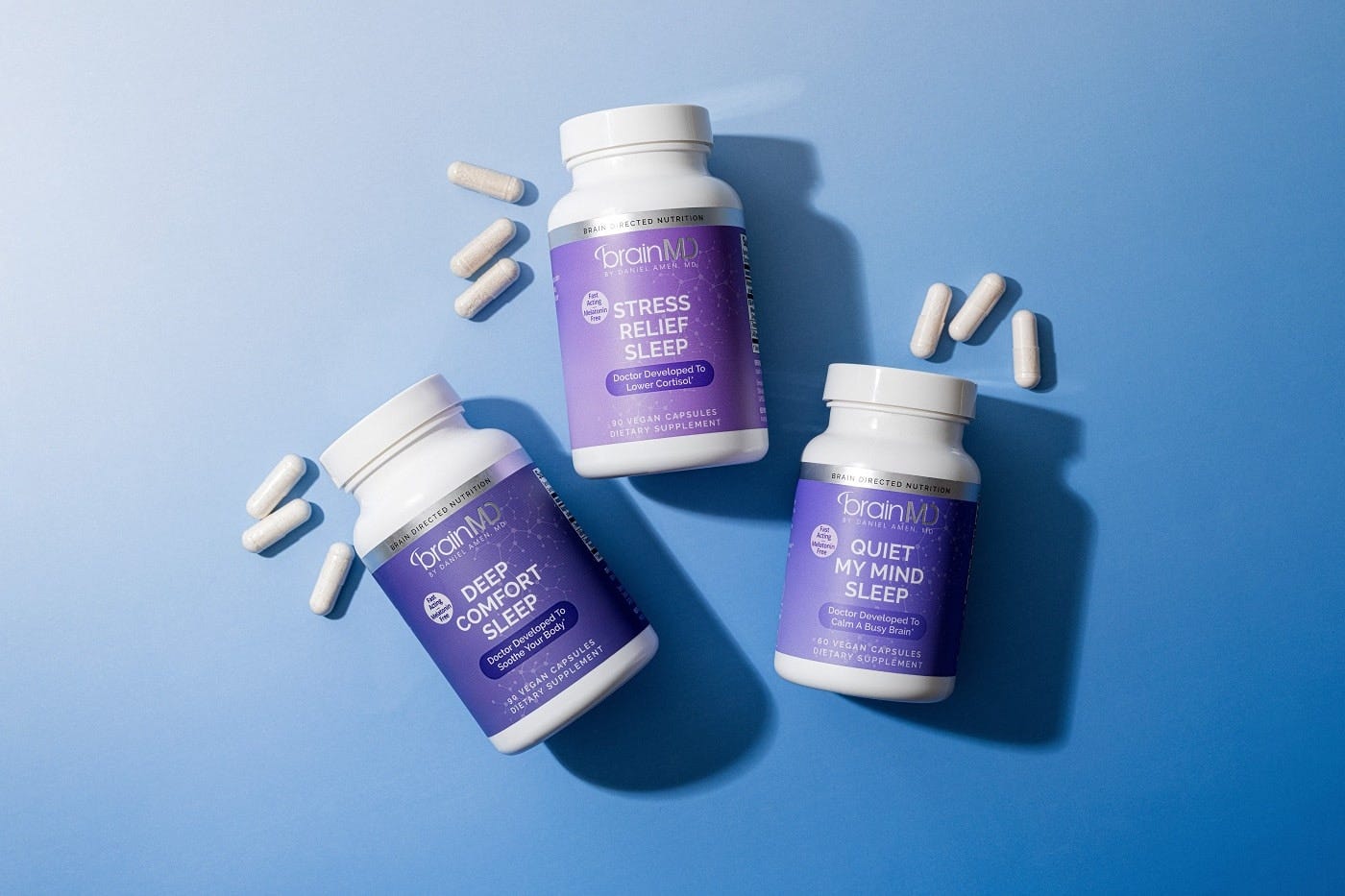
Neurotransmitters are complex chemical messengers that coordinate clear communications between neurons in your brain cells and the rest of your body. These back-and-forth transmissions can influence nearly every cell, tissue, and biological decision in your body – and your life. Brain neurotransmitters are a really big deal. Do you know if yours work properly? Neurotransmitters Boost Communication Between Brain and Body These chemical messengers connect the brain and spinal cord with the rest of your body and with your muscles, organs, and glands, says Daniel D. Amen, MD, author of The Brain Warrior’s Way. Your brain’s billions of nerve cells make trillions of connections with each other. (These are called synapses.) Then, each nerve cell generates electrical signals that travel with help from those brainy chemical messengers. These chemical envoys may affect every cell, tissue, and system in your body. And because neurotransmitters are also deeply involved in the immune system and your hormones, neurotransmitter imbalances can cause health problems: Migraines Brain fog (loss of focus) Fatigue Insomnia (difficulty falling asleep, staying asleep, or both) Fibromyalgia (localized pain) Diabetes and pre-diabetes Obesity Mood disorders (depression, mood swings) Anxiety (PTSD) Behavioral addictions (binge eating, gambling, etc.) Hormonal imbalances Balance Your Brain to Feel Lighter and Brighter When your brain’s chemical transmitters are healthy and in balance, you may think more clearly, feel less anxious, and enjoy a more positive outlook. Some of our most effective supplements include neurotransmitters, as well as dozens of vitamins and minerals you may need for a brighter mind: GABA(Gamma amino butyric acid) is a major calming brain neurotransmitter in the central nervous system that supports mood; Serotonin is another inhibitory (or calming) neurotransmitter tied to appetite, pain, and digestion; and Melatonin is a neurotransmitter-like property involved in many body functions such as sleep and depression.
Learn more