 Skip to content


Wellness Blog



The Importance of Sleep Hygiene: Creating a Restful Nighttime Routine
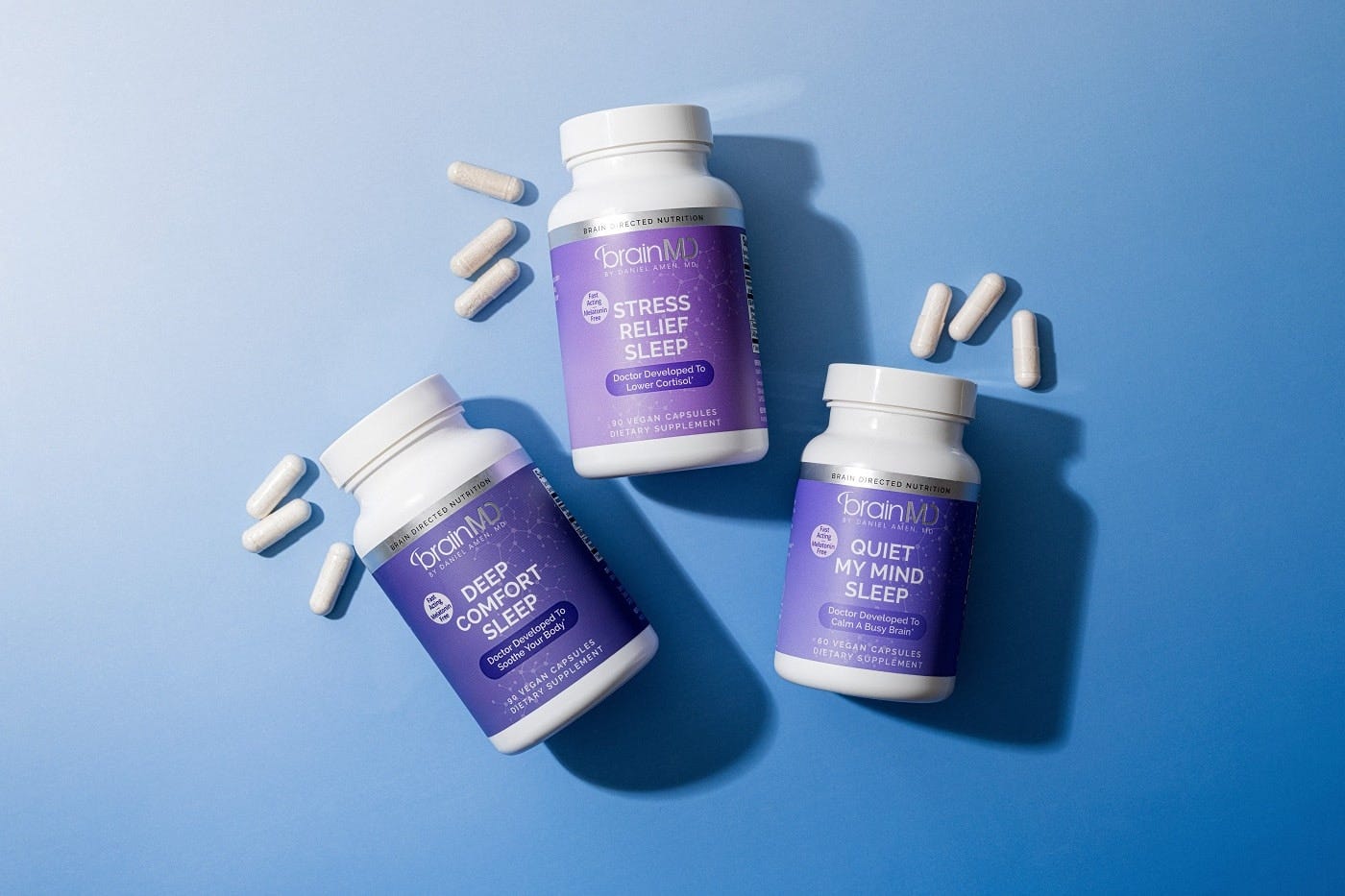
Years ago, when my thyroid condition led to insomnia, I found out firsthand how frustrating it can be when we’re deprived of a key necessity for optimal health: sleep. That’s when I made it my mission to create the ideal sleep routine. And I know I wasn’t alone in my struggle. I hear from so many people who have a hard time falling asleep or staying asleep. That’s not surprising, given how many aspects of our modern society, from mobile devices and artificial lighting to mega-doses of caffeine, stimulate the senses and interfere with slumber. In addition, many people simply don’t monitor their sleep hygiene as closely as other aspects of their hygiene—but they should. Let’s look at why sleep hygiene is worth prioritizing and explore my top suggestions to make your nighttime rest more restorative than ever. Why Is Sleep So Important? We all know I’m a stickler for diet and exercise—both of which, of course, promote better sleep. But making sure you get enough quality rest every night is just as important as loading up on nutrient-rich foods or moving your body. That’s because sleep is a must for brain health. It improves your memory, learning, and behavior, while helping prevent mild cognitive impairment, Alzheimer’s disease, and other forms of dementia. So, if you get inadequate sleep, you’re more likely to experience negative effects on cognitive function and memory, as well as increased risks for chronic disease. Here are some additional ways sleep impacts your health: Improving your sleep promotes a positive mood. Many studies have examined the link between lack of sleep and mental health disorders, such as anxiety and depression. And we all know that after just 1 night of poor sleep, it’s easier to feel stressed out, short-tempered, and fatigued. Sleep impacts brain health, energy levels, and even weight control. Without enough rest, risks for being obese and overweight increase since sleep deprivation can destabilize important hormones in the body. Lack of sleep lowers leptin, the hormone that signals you to stop eating when you’re full. Meanwhile, it raises levels of ghrelin, which encourages appetite, and orexin, a neurotransmitter that boosts food cravings. Not getting enough sleep interrupts healthy glucose metabolism, which means your body becomes more resistant to insulin. Over time, these interruptions can increase risk for type 2 diabetes. Lack of sleep is linked to high blood pressure, heart attacks, and increased risk of car accidents, depression, and substance abuse. Sleep-deprived people are more likely to make poor decisions, including what they choose to eat and whether to exercise. Foods to Eat and Avoid for Better Sleep You might be surprised to know that certain foods can impact your sleep—for better or worse. Here are some foods to avoid if you’re having trouble sleeping at night: Tomatoes and tomato sauce contain an amino acid called tyramine, which promotes stimulating norepinephrine secretions in the brain. Celery, thanks to its high water content and natural diuretic effects, may trigger middle-of-the-night bathroom visits. Peppermint may stimulate various brain regions and promote more alertness. Try drinking peppermint tea to start your day rather than near bedtime. Chili peppers can raise body temperature, interfering with sleep. So, what foods should you add to your menu to best support slumber? Fortunately, they’re foods already listed in my book The Omni Diet. Reach for fish, nuts, and seeds, which are rich in selenium. Try tuna, cod, sardines, salmon, scallops, Brazil nuts, and sunflower or mustard seeds. Add in leafy greens like kale, spinach, and Romaine lettuce, as well as peas, zucchini, broccoli, and Brussels sprouts, which contain the sleep-promoting antioxidants lutein and zeaxanthin. Get your vitamin C through raw, organic produce—great sources are citrus fruits, cantaloupe, pomegranates, red and green peppers, and berries. Obtain serotonin-boosting tryptophan through animal proteins like shrimp and turkey. Tryptophan is also present in bananas, which have the added bonus of relaxing magnesium and compounds that promote melatonin production. In terms of beverages, the most important step you can take is ditching alcohol before bed (or anytime of the day). Many people believe that drinking induces sleep, but it’s actually a known sleep destroyer. It blocks REM sleep (the most restorative type), so you wake up feeling groggy and unfocused—in addition to the “hangxiety” that many experience the day after drinking. Swap out your glass of wine for a cup of chamomile tea, which helps ease anxiety and soothes nerves before bedtime. My Nighttime Routine for Better Sleep After a lot of experimentation, I’ve created a sleep routine that is super-effective for giving me the quality rest I require to keep me functioning at my best. Here are some of my top suggestions for keeping your sleep on track: 1. Stick to a Schedule Going to sleep and waking up at the same time every day will help your body establish a regular circadian rhythm. Avoid naps and maintain your schedule even on weekends. 2. Support Your Sleep with Supplements I use time-release melatonin, valerian root, and magnesium before bed to help me sleep. Others find success with 5HTP, GABA, and inositol. BrainMD’s Restful Sleep conveniently includes GABA, melatonin, and other important nutrients, while Magnesium Chewables are also great for promoting better sleep. 3. Create a Pre-sleep Routine Turn off all your electronics at least 1 hour before bedtime. Rather than scrolling, “power down” by reading a non-stimulating or inspirational book. Or write in your journal, which can help expel some of the anxieties that keep you awake. You could also listen to soothing music, or do a prayer or meditation. 4. Incorporate Calming Extras I love a hot bath 30 minutes before bedtime, especially one that’s infused with calming lavender oil. A soothing drink also helps me decompress. I enjoy chamomile tea, or a warm almond milk drink I make with 1 teaspoon of honey, 1 teaspoon of cocoa powder, and a few drops of chocolate-flavored stevia. 5. Create a Quiet, Dark, Cool Environment A white noise machine can help your brain drift off to rest and prevent other sounds from waking you. (You can achieve the same effect with a fan or soft music.) Outfit your windows with blackout shades and wear an eye mask so you’re not disturbed by light. Avoid lighted clocks and other devices in the bedroom. And set the thermostat to 60.8 to 65 degrees Fahrenheit. Pinpointing Your Sleep Problems If you struggle with sleep, it’s a good idea to start implementing the tips above and track any changes. But you’ll also want to better understand what’s causing your sleep issues in the first place. Ask yourself the following questions: Do I have any symptoms of sleep apnea? How much caffeine and/or alcohol am I consuming, and at what times of the day? What medications, medical conditions, and/or supplements may be compromising my sleep? Is my bedroom setup sleep-promoting or sleep-disturbing? Am I allowing myself enough sleep, and at consistent times? Are my hormones out of balance? (This is a key factor for women, especially during pregnancy and menopause.) If any of these may be interfering with your sleep, talk to your doctor, monitor your daily habits, and adjust your routines as needed. Better Sleep, Better Health Even years later, I still remember struggling with sleep and how devastating it was—not only to me, but my loved ones. That’s why I consider sleep a cornerstone of my self-care, which means it takes a high priority. With sleep affecting so many aspects of our lives, getting adequate rest is one of the most important steps we can take to improve our health and our longevity. Using the right nighttime routine and other lifestyle choices, you’ll be on your way to a better night’s sleep and wake up feeling refreshed, ready to tackle your day.
Learn more
Plant-Based Nutrition: A Beginner’s Guide to Thriving on a Vegan Diet
Back when I was in nursing school, inspired by the strong connection established between eating plant foods and achieving optimal health, I tried a vegan diet. Imagine my surprise when, after 3 months, I got some blood test results back. Surely they’d show my health had improved—right? Nope! I realized I made the same mistake that a lot of people do when they go vegan: eliminating the meat and other animal products but replacing them with loads of fruit, pasta, bread, and other grains. No wonder this diet had actually increased my triglycerides and cholesterol levels. Yes, I’m a huge proponent of ditching all dairy and eating loads of delicious veggies. But if you’re adopting a vegan diet, you must choose the right foods and refuse the wrong foods to maximize your health benefits. Let’s go over some basics to help you get started. What Is Vegan? Many vegan beginners are confused about what can and can’t be consumed, so it’s useful to define this diet. In short, vegans don’t eat anything that’s animal derived. So, while it’s fairly obvious that meat is off the menu, you may not realize that you’ll have to avoid products like honey, beeswax, dairy, eggs, and the many foods that have not-so-obvious animal ingredients. For example, you might be surprised to know that fish sauce is hiding in your Asian meal, or that Worcestershire sauce contains anchovies. Gelatin is made from animal bones and tissues. Soups often contain beef or chicken broth. And confectioner’s glaze is actually made from the secretions of insects. As a vegan, you’ll need to carefully scan labels and do your research. On the positive side, there’s now a wealth of information about ingredients available online—just make sure you’re checking with a reputable source. The best way to ensure you’re eating 100% vegan is to avoid processed foods and to cook from scratch at home—which I recommend doing anyway, regardless of your diet. How to Start Being Vegan: My Top 3 Tips 1. Don’t fall into the “fake meat” trap. Nowadays, you’ll find a ton of “meat replacements” on grocery store shelves. Fake chicken, ham, bacon, beef—you name it, it’s out there. Many beginning vegans assume these are a simple swap and rely on them heavily as they plan their meals. But this is another reason why you must read labels—you’ll find that many of these vegan meat replacements are processed and filled with nitrates and fillers. If you do choose something in this category, read the ingredient list and nutrition label first. These products, like many processed foods, can have sky-high sodium or saturated fat counts. 2. Understand which nutrients you need. When you go vegan, you’ll be missing out on some key essential nutrients. Essential nutrients are those that your body doesn’t make on its own, so you must consume them in your diet or through supplements. For example, a vitamin D supplement will help provide both vitamin D (which boosts immunity and helps the body absorb calcium) as well as iron, to promote healthy blood and energy levels and prevent anemia. Because you won’t be consuming omega-3 fatty acids—necessary for the brain, heart, and joints, and offering anti-inflammatory, cholesterol-improving effects—take algae-based omega-3 DHAs. (Don’t rely on flax oil, which can cause inflammation.) Meanwhile, you can get 9 of the 20 essential amino acids (the building blocks of our cells) through BrainMD’s OMNI Protein powder, which is vegan-friendly. Vegans are particularly vulnerable to shortages of lysine, threonine, tryptophan, and methionine. OMNI Protein powder’s branched-chain amino acids promote muscle health and energy to support a vegan diet. Finally, be conscious of your vitamin A and B12 intake. Both can be consumed through a quality multivitamin, but it’s also a good idea to increase your intake of vitamin A-rich foods. I recommend consuming 6 times the beta carotene on a vegan diet, so load up on produce that’s bright red, orange, and dark green. 3. Choose your foods carefully. You can be vegan and still have a seriously unhealthy diet. If you’re living on French fries, white bread, and candy, you definitely won’t feel any better as a vegan. So let’s look at some general advice on what to eat—and what to avoid: Beware of genetically modified organisms (GMOs). Common culprits include corn and soy—respectively, about 85% and 80% of our supply of these are GMOs, and these two ingredients are present in many processed foods. Also ditch canola oil for healthier oils, like coconut, avocado, olive, macadamia nut, sesame, or walnut. Swap out addictive, empty-calorie white sugar for stevia. And choose organic for vegetables, such as zucchini, that tend to be GMO. Consume plant-based protein at least twice daily. In addition to adding OMNI Protein powder to your morning smoothie, incorporate 2 to 4 ounces of organic tofu or tempeh (made from fermented soybeans and rich in vitamin B12) in your meal. Vegetables like spinach, as well as grains like quinoa, can also be great protein sources. Lentils and beans contain amino acids, but because most legumes and grains actually contain compounds that are digestive inhibitors to protein, I recommend eating these in moderation. Avoid vegan junk food. French fries, potato chips, white potatoes, rice, bread, candy bars, or donuts, even if they’re vegan, should be on no one’s shopping list. Foods like these quickly increase inflammation in your body and raise your blood sugar. These staples of the Standard American diet (SAD) also boost your risk for mood issues and brain fog. If you’re going vegan, select a diet of unprocessed, raw or lightly cooked whole foods. Stick to the produce, not processed-food, aisles of the supermarket. Plant-Based Diet Essentials The good news is that, following my advice above, you should be getting plenty of complex carbohydrates and protein. In The Omni Diet, I recommend that 70% of your daily calories should come from complex carbohydrates. Everyone—even carnivores—should eat 9 cups of vegetables each day, which you might find easier on a vegan diet. Simply include veggies with each meal and snack to stay on target. Then make sure you obtain healthy fats through high-quality sources, including avocados; raw, unsalted tree nuts and seeds; and healthy oils such as coconut oil, macadamia nut oil, and extra-virgin olive oil. Here are some more healthy, vegan-friendly foods to keep on hand at home: Hummus, salsa, and guacamole for dipping raw vegetables Shirataki, soy-free noodles (use these instead of pasta—my favorite brand is Miracle Noodle) Unsweetened almond milk or hemp milk (to replace cow’s milk), as well as coconut milk Almond, macadamia nut, or cashew butter (avoid peanut butter, which is high in omega-6 fatty acids and susceptible to contamination) Flax seeds, chia seeds, hemp seeds, and hemp seed oil Raw, unsweetened cacao (not commercial cocoa) and raw cacao nibs Tofu (as an egg replacement, 8 ounces of firm tofu is about the equivalent of 4 eggs) Fresh and dried herbs and spices, which provide rich nutritional benefits and extra flavor Small amounts of fresh and frozen fruit—the best choices are organic strawberries, blueberries, raspberries, and blackberries Superfoods (try maca root, goji powder, lacuma, and pomegranate) Embracing Whole Foods for Better Health Scientists have gone back and forth about determining which is healthier—a vegan or carnivorous diet. Regardless, many of the same rules apply: read labels, be mindful of ingredients, choose your foods wisely, and avoid the health-sapping SAD foods that create disease in favor of whole foods that will truly nourish your body. Following these guidelines, you’ll be on your way to improved longevity and better health, no matter what diet you choose.
Learn more
Empowering Women Through Fitness: Finding Joy in Movement
It’s no secret that physical movement is a non-negotiable part of my life. Whether I’m hitting the dojo for an intense session of tae kwon do or simply strength training at home, fitness is the gift that keeps on giving. In my book The Omni Diet, I urged readers to exercise with a fighting spirit. That’s a fitting sentiment, because our exercise time is worth fighting for. Yes, we’re all busy as mothers, wives, and businesswomen, but we can only show up for those roles 100% if we’re taking care of ourselves. Exercise is a key part of that preparation. Here, I’ll break down some of the benefits of exercise and why it’s truly a fail-safe step toward making women feel healthier, happier, and more empowered. Then we’ll explore the many ways you can blast out of your fitness rut (or resistance) by making exercise an anticipated and exciting part of your daily routine. Mental Benefits of Exercise for Women Exercise has very real impacts on the brain, according to a 2017 scientific review that examined its effects on mood, cognition, neurophysiology, and neurochemical pathways. It was determined that the 3 most consistent cognitive/behavioral effects after a single exercise session are improved executive functions, enhanced mood states, and decreased stress levels. Neurophysiological changes were also reported, especially in neurochemical levels—including neurotransmitters, metabolites, growth factors, and neuromodulators. It’s no surprise, then, that exercise offers so many benefits for mental health. Even 5 minutes of moderate exercise has shown to boost happiness. One study even found exercise as effective for mood elevation as the antidepressant Zoloft! But the benefits of exercise carry on far longer than pharmaceuticals, without any negative side effects. People with mental health conditions, including depression, anxiety, and panic attacks, as well as those with general stress, can reduce symptoms through exercise. In fact, I find that movement can be as relaxing as meditation. When I’m focused on my body and breathing during a kick-butt sweat session, it’s pretty much impossible to let my mind race or ruminate on problems. Then, afterward, I always feel mentally and emotionally calmer, clearer, and restored. I also get a much-needed burst of energy to tackle my day (one reason why I love exercising in the morning). And I notice a sense of greater peace, joy, and optimism that carries throughout my day and life. What’s not to love? Physical Benefits of Exercise for Women Many women start working out to achieve weight loss or a more toned, sexier-looking figure. But we shouldn’t overlook the numerous physical benefits of exercise that are taking place inside the body, including: Lower blood pressure and cholesterol Reduced risk for heart attacks and diabetes Greater lung efficiency A stronger immune system Improved muscle and heart strength Lowered production of stress hormones Reduced levels of inflammation in the body Decreased joint pain Lower blood sugar Boosted sensitivity to the hormone leptin, which signals your body to stop eating when full Burning of belly fat, which can otherwise increase inflammation For women’s health specifically, it’s also important to note the link between breast cancer and exercise. European researchers, looking at the data of 4 million women, noted that an hour or more of daily exercise cuts the risk of breast cancer, regardless of age or weight. Women who engaged in the most exercise lowered their risk by a whopping 12%. Find Your Why Whether you’re just starting an exercise routine or a seasoned veteran, don’t forget to find your why. I’ve outlined a long list of benefits for you here, but what are the top benefits you get from exercise? Perhaps you enjoy the way hiking or walking gets you outdoors in the fresh air and clears your head. Maybe yoga reduces your stress levels or gives you a burst of energy at mid-day. Or maybe you’ve noticed better focus and serious self-empowerment thanks to your martial arts practice. Write down all your benefits. While you’re writing, don’t forget to add the domino effect that exercise creates throughout your day and your life. Ever notice how an intense workout leads to eating healthier foods afterward, or promotes a great night of sleep? Do you find that exercising with friends or family brings you closer together? And it’s definitely worth noting that working out boosts your metabolism, encouraging more calorie burn around the clock. Make sure to list all the positive effects you reap, even after the exercise ends. This list will help motivate you to prioritize movement every day. But you’ll also want to pay attention to how you feel on those days when you don’t exercise. You might feel less energetic or more stressed-out, or you may find yourself reaching for unhealthy foods that make you feel even worse. Don’t beat yourself up when you’re starting or trying to stick with a routine—just remain aware. Use that information to adjust your behavior for next time, not to get stuck in self-pity! Finding More Joy in Movement In The Omni Diet, I outlined an exercise plan of strength training and interval training or walking, which requires only 30 to 60 minutes each day, 6 days a week. But it’s important to enjoy your movement routines, so I also recommend racking up daily activity in whatever ways you consider the most fun. I’m going to outline a few tried-and-true ideas here—try them out and see what works for you. Mix and match your tactics, and continue to change them up so you’re never bored. Dance is an activity you can do anywhere, anytime—no equipment needed. Just put on some upbeat tunes and move your body. Of course, you don’t need to leave your living room or know any fancy moves. But you can opt for dance lessons or formal dance practice, which has the added benefit of exercising the mind and, in a class setting, offers brain-boosting social bonding time, too. Yoga, stretching, or tai chi involve gentle movement, so they’re ideal for those who avoid high-impact routines. Studies have established the stress-reducing effects of mind-body exercises like yoga and tai chi. These kinds of exercise can also improve mental focus, memory, and other cognitive processes, while reducing symptoms of anxiety and depression. Outdoor cycling offers a one-two punch of feel-good effects. First, getting outdoors in a natural setting helps reduce depression and boosts mood (score bonus points for cycling near water). You’ll also receive a dose of vitamin D and increase the feel-good neurotransmitter serotonin. Meanwhile, cycling itself energizes the body and brain—just be sure to protect your head with a helmet. Everyone knows I’m a huge fan of strength training. That’s because it has been designated as exercise’s #1 mood booster, according to a review of 38 studies. These researchers found that anaerobic activity like weightlifting improves mood in as little as 10 minutes, with the best results coming from moderate-intensity strength training. My husband, Daniel, adores ping-pong, but any paddle or racket game is a great choice. Whether you enjoy pickleball, tennis, or badminton, you’ll be engaging multiple areas of the brain, increasing blood flow, and sharpening your hand-eye coordination and footwork. Plus, the bursts of energy you need to run around the court mimic interval training. It’s a total-body booster—and so much fun. Changing Your Attitude Toward Exercise In our busy world, taking time out to exercise is one of the most essential forms of self-care. When you start looking at movement as a joy and not a chore, you’ll find that your entire relationship to it changes. You’ll soon catch yourself grabbing more chances to move throughout your day. For women especially, this simple shift in perspective can literally be a lifesaver!
Learn more
Can Collagen Help Your Mental Wellbeing?
Collagen has become a buzz-worthy ingredient in recent years, popping up in a plethora of edible products—from foods and beverages to nutritional powders and oral supplements. We’ve seen celebrities and health experts alike touting the benefits of collagen on social media and TV shows. But, unlike other ingredients that offer loads of hype and not enough proven results, collagen has also received well-deserved attention from the scientific and medical communities. Perhaps the most exciting news about collagen is the impressive array of health-boosting benefits it offers. When many people think of collagen, they may imagine glowing skin and healthier hair and nails. Yes, these are welcome side effects of taking collagen supplements—but they’re only the beginning. Collagen can also promote everything from gut and heart health to stable blood sugar. And did you know that it’s even beneficial for your mental health? The numerous healing powers of collagen, particularly its cognitive-enhancing effects, have inspired BrainMD’s groundbreaking new formula, Smart Collagen. This supplement, in an easy-to-use, highly potent formulation, offers a long list of benefits, and it’s become my newest go-to for optimizing my physical and mental health. What Is Collagen? Collagen plays a crucial role in maintaining the integrity of our skin, joints, bones, and connective tissues. It’s the most abundant protein in the human body, but a lot of harmful modern-day lifestyle choices work to deplete it. A diet with excess sugar and refined carbs, overexposure to the sun, environmental pollution, smoking, drinking alcohol, and inadequate sleep or exercise can all decrease collagen. Other factors are beyond our control—for example, aging naturally diminishes collagen production in the body. Less collagen creates less skin elasticity, leading to typical age-related side effects like wrinkles and a sagging or drooping appearance. But when it comes to collagen supplements, it’s important to seek out the right types—they’re not all created equal. There are actually 28 types of collagen, only 5 of which are most commonly used for supplements. Any of these types must be made into a form that can be used by the body. One of these forms is hydrolyzed collagen, which includes collagen peptides. Smart Collagen’s Powerful Potency Smart Collagen, with its groundbreaking porcine formula, is one of the most potent and scientifically advanced collagen supplements currently on the market. That’s because it contains up to 30 times the level of bioactive dipeptides—proline-hydroxyproline (PO) and hydroxyproline-glycine (OG)—compared to standard collagen peptides. Smart Collagen contains over 3,000 parts per million (ppm) of PO and OG, while typical collagen supplements contain less than 100 ppm. Smart Collagen has been created through cutting-edge research and advanced hydrolysis technology. Unlike some other types of collagen—including collagen-enhanced foods and vitamins—Smart Collagen combines the specialized peptides PO and OG to maximize efficacy and benefits. These are scientifically shown to be more effective in delivering the rejuvenating benefits of collagen to your brain and body. Consuming collagen isn’t enough to get the full benefits; it has to be able to be utilized by the body. Smart Collagen is therefore optimized for bioavailability and absorption. Benefits of Collagen Because Smart Collagen is rich in collagen type I (ideal for bone strength and skin health) and type III (supportive for muscles and blood vessels), it does wonders for supporting and maintaining radiant, glowing skin and healthy bones. But it also delivers improved cognition. It’s one of the only collagen products on the market that’s specifically recognized for its advanced nootropic, or cognitive-enhancing, benefits. Smart Collagen is also proven to help optimize joint health and mobility, contribute to bone formation, support healthy blood sugar metabolism, and speed up post-workout recovery time, among other benefits. Collagen’s importance in overall health has led researchers to explore its wide variety of uses. One 2021 review of clinical studies noted that collagen has been studied for skin regeneration, bone defects, sarcopenia, wound healing, dental therapy, gastroesophageal reflux, osteoarthritis, and rheumatoid arthritis. It’s even been tapped for treating COVID-19. Meanwhile, various studies have established that supplementing your diet with collagen peptides can help support the synthesis of new collagen, promote dermal repair, support cellular rejuvenation, and enhance skin radiance. Let’s review in more detail some of the benefits of Smart Collagen: Improved Skin Health: You’ll notice a visible difference in your skin’s texture and tone within just 4 weeks of taking Smart Collagen. The collagen featured in this supplement has been shown in clinical research to promote firmer, smoother, and more elastic skin. Cognitive Function: Research suggests that ingesting 5 grams of collagen peptides per day (with concentrated levels of PO and OG, as found in Smart Collagen) improves brain structure, memory, and language-related cognitive function after just 4 weeks. Joint & Bone Reinforcement: Smart Collagen offers crucial support for your body’s structural integrity, promoting long-term joint and bone wellness. Gut Health & Vitality: Smart Collagen helps fortify gut health, a cornerstone of overall well-being and immune system function. Healthy Blood Sugar & Insulin Levels: Smart Collagen helps promote healthy insulin sensitivity, which is a key factor in maintaining stable blood sugar levels. Cardiovascular Support: Clinical research suggests that supplementing with 2.5 grams per day of collagen peptides (with concentrated levels of PO and OG) for 12 weeks can significantly reduce baPWV, which is a marker for arterial stiffness. Smart Collagen: An Easy Addition to Your Daily Routine Anyone who knows me knows that my time is precious and my life is full. As a mom, wife, author, speaker, expert, and much more, when I’m considering a new addition to my life, it needs to fit seamlessly into my routine. That’s why I love the format of Smart Collagen—it’s super easy to slip into your daily morning ritual. To kickstart your day with a rejuvenating brain and beauty boost, simply grab one packet of Smart Collagen, packaged in a pre-measured portion for maximum ease. We recommend first dissolving Smart Collagen in hot water, then you can blend it into your morning smoothie, add to your coffee, or effortlessly mix into your meals. It’s incredibly versatile and is ready to consume in moments. In addition, its neutral taste means you’ll get all the benefits of collagen without changing the flavor of your favorite foods or beverages. Smart Pairings with Smart Collagen While collagen clearly boasts a long list of benefits for the entire body, I’m most excited about its positive effects on cognitive health, which translates into mental health. For best results, I recommend pairing Smart Collagen with other brain-boosting products from BrainMD. For example, Brain & Memory Power Boost will help support your body in recovery, memory, and cognitive function. This supplement addresses 5 different mechanisms underlying brain function, so you can feel more mentally sharp and focused at any age. And I love reaching for BrainMD’s OMNI Protein powder for an extra boost of bioavailable protein to fuel my body and brain. It helps rev up your energy, supports gut health, and enhances your brain function. Thanks to delicious flavors like Vanilla and Chocolate, you can toss it in your morning smoothie right alongside your Smart Collagen packet. I love how these products can work in tandem for maximum ease and benefits. Collagen for Mental Health The right collagen supplement can transform not only your looks, but your health and your life. Smart Collagen’s revolutionary formula, scientifically shown to outperform other collagen supplements in head-to-head clinical research, will get you results in weeks and keep your body functioning at its best. Helping me look, feel, and perform better, this superstar supplement has already become a core element of my daily well-being routine.
Learn more
How to Change Your Mindset: Reframing Your Thoughts for Better Outcomes
Ever find yourself trapped in a never-ending spiral of negative thoughts? Have you been so busy blaming others that you feel helpless to create better outcomes in your life? Or do you often spin out of control thinking of everything that could—or will—go wrong? My husband, Dr. Daniel Amen, calls these (and other self-defeating thoughts like them) ANTs, or automatic negative thoughts. They can have numerous downsides: putting a damper on your day, interfering with your closest relationships, or sabotaging your personal goals. Over time, they keep you stuck in a loop of grief, sadness, frustration, anxiety, and stress. They can even affect your physical health. But here’s the good news: You don’t have to believe every negative thought that pops into your head. The Negativity Bias There’s no need to beat yourself up for your negative thoughts—human beings are hardwired to have a negativity bias. In human evolution, it was necessary to scan for danger in the environment, thus setting off the fight-or-flight response to keep us out of harm’s way. Negative reinforcement and negative external input also can help our brains to develop, speeding up learning and allowing for more complex cognitive/neural processing. Negative facts can even help us judge a situation more quickly. In our modern world, these earlier human developments can feel like they work against us, not for us. But eliminating negative thoughts isn’t the ultimate goal. Trying to maintain only positivity all the time is unrealistic, leading to denial and potential harm. Having some level of anxiety is still what keeps us safe, encouraging us to protect ourselves and avoid reckless risk-taking. On the other hand, too much anxiety can lead to serious side effects, too, including an increased risk for mental health conditions, or worsening of pre-existing conditions. Constant stress and negativity can play a role in developing cognitive problems, memory loss, and dementia or Alzheimer’s. The bottom line is, we don’t want to foster all negative or all positive thoughts; instead, we want to strive for accuracy and honesty in our thinking. Killing the ANTs If you’ve noticed that you’re constantly battling automatic negative thoughts, congratulations—awareness is the first step in creating change. But if you aren’t yet aware of how your thoughts can skew your outlook, ask yourself if any of the below categories sound familiar. Here are the 9 types of ANTs that can drag you down: All-or-Nothing ANTs: Also known as black-and-white thinking, this ANT fools us into believing something is all good or all bad. The reality is, life is much more complex than that, and you can find positives even in challenging situations. Less-Than ANTs: A big problem in our social media age, this habit makes you constantly compare yourself to others—and believe you don’t stack up. Just-the-Bad ANTs: When you’re hyperfocused on only the negatives in a given situation, you overlook anything good that might come out of it. Guilt-Beating ANTs: We keep ourselves stuck in guilt when we always think we “should,” “ought to,” or “have to” do something to make ourselves more acceptable. Labeling ANTs: Feeling judgmental? Attaching a negative label—to yourself or someone else—is tempting, but it only makes you feel worse. Fortune-Telling ANTs: People can imagine the worst possible outcome even when they don’t have any basis for it. But predicting a doomed future is more likely to make it happen. Mind-Reading ANTs: When you try to read other people’s thoughts, you’re apt to assume the worst—even without any proof. If-Only and I’ll-Be-Happy-When ANTs: Life is lived in the present, not the past or future. Constantly regretting or wishing to change what has happened is as harmful as always believing things will get better later. Blaming ANTs: When you point fingers and fail to take responsibility for your life and actions, you remain mired in a victim mentality, feeling hopeless and helpless. Questioning Your Thoughts Now that we’ve established some of the harmful thought patterns that may be at work, what can you do to start changing them? First, learn how to question and correct the thoughts you have. Here’s a revolutionary idea: Your thoughts aren’t necessarily true, and you don’t have to believe them. Instead, use the below 4-step strategy when you experience a negative thought. This simple technique was developed by my husband and inspired by his mentors, including the psychiatrist Aaron Beck, who pioneered cognitive behavioral therapy (CBT), and the teacher and author Byron Katie. Write down your automatic negative thought(s). Identify which type of ANT is at work (refer to the list above). Ask yourself if the thought is true. If your answer is yes, ask again: Are you 100% sure it’s true? Identify your feelings about the thought. Then imagine how you’d feel without that thought. When you incorporate this simple technique throughout your day, and then practice it consistently, you’ll be amazed at how your life can change. Don’t be discouraged if your patterns don’t transform right away. These negative thinking habits weren’t developed overnight, so they will take time to change. But, with repetition, you’ll notice that you’re less weighed down by negativity and are more able to put your thoughts in perspective. Ultimately, you’ll help alleviate symptoms of stress, anxiety, and depression, and be able to more easily work through past upsets and current challenges. How to Change Your Mindset: Proven Strategies! While the above steps will drastically reduce stress and negativity, don’t forget to add in other practices to support your new, more balanced view on life. Here are some of my favorites: Take Responsibility There’s a difference between responsibility and blame. This isn’t about feeling bad about yourself—it’s about understanding your part in any past or current problem. Ask yourself: What can I do right now to help the situation—and what is beyond my control? Do what you can and let the rest go. Be realistic about your role and your responsibility. If you’re never at fault, you’ll feel powerless over solving the problems in your life. Process Emotions in a Healthy Way Journaling, daily gratitude lists, yoga, tai chi, meditation, breathing techniques, exercise, dance, nature walks, creative pursuits, beloved hobbies—these are just some ways to feel better fast. Find the tactics that work best for you and use them as needed. Keep in mind that these will evolve over time and according to your specific needs. Sometimes, you’ll want the calming effects of a hot bath and a journaling session; other times, an intense, aggression-releasing workout is the best solution. Mix and match to fit the moment! Seek (and Give) Support. No one has to tackle stress, anxiety, or negative feelings alone. Call up a friend, family member, or clergy member. Talk to a trusted therapist about your struggles (you might look for one who uses CBT, which teaches you to challenge negative thought patterns). Also, try giving back to feel better about yourself. Many studies have shown the positive physical and mental effects of helping others. Finally, support your physical body with the basics of self-care: quality sleep, a well-balanced diet, and nutritional supplements such as fish oil, saffron, and curcumins, all of which promote positive moods. Change Your Mindset, Change Your Life You might be surprised to find that, with more honest and less-reactive thinking, stressful situations lose much of their sting. Challenges in life are a given, and they’ll never stop coming at us, often from unexpected angles. What’s most important isn’t what happens to us, but how we handle it. By incorporating stress-reducing habits and maintaining a healthy distance from your thoughts, you’ll be better prepared to face and work through whatever comes your way.
Learn more
How Berberine Can Help With Appetite Control & Balance Your Glucose Levels
Have you had a difficult time losing weight—or maintaining your weight loss? Have you tried numerous diet fads, only to be disappointed with the results? If so, you’re not alone. Many of our modern-day quick fixes for weight loss are not backed by scientific studies, and they aren’t sustainable in the long-term. No wonder so many Americans find themselves trapped on the discouraging seesaw of weight fluctuation. But as the science and technology behind optimizing health progresses, here’s some good news: You can take advantage of a science-backed approach to metabolic wellness that actually provides results. A new formula from BrainMD called Smart Metabolic Burn acts as a natural appetite suppressant that will help burn fat, balance glucose levels, and regulate metabolism in as little as 12 weeks. How Smart Metabolic Burn Works Metabolism is an always-fluctuating influence in our bodies, dependent on factors like muscle mass, physical activity levels, and age. As we age, muscle mass naturally declines, and many people find it more difficult to keep weight off. But many other factors may also be wreaking havoc on your metabolism, especially unhealthy lifestyle choices like drinking alcohol, consuming sugar (including high-glycemic carbs), and eating fried foods. With habits like this now forming the basis of the Standard American Diet, it’s no wonder that so many people are looking for a “magic bullet” for weight loss. Unfortunately, as you may have found, these products come with a lot of promises and not enough results. To help change this pattern and offer an effective solution, Smart Metabolic Burn was created with a one-two punch of clinically studied ingredients, berberine and oleoylethanolamide (OEA), in a single formula. The supplement is designed to help optimize metabolism, activate fat burning,and promote weight control (just make sure you commit to a healthy diet and regular exercise, too). The formula also supports a healthy inflammatory response and improves insulin sensitivity, especially among those who have blood sugar issues. Many people can benefit from adding Smart Metabolic Burn, a twice-a-day supplement, to their daily routine. It’s ideal for those seeking support for their metabolic, cardiovascular, and GI health. Others may be struggling with cravings or overeating, or have had difficulties maintaining healthy blood sugar levels. And if you’re a woman, especially one who’s experiencing age-related complications, note that clinical studies have demonstrated the supplement’s support for better weight management and reduced oxidative stress within this demographic specifically. Berberine Benefits If you’re not familiar with the ingredient berberine, let’s review some key facts. Berberine, derived from benzylisoquinoline alkaloids found in medicinal plants, has been long established as a promising natural ingredient for metabolic concerns. It’s been used for years in traditional Ayurvedic and Chinese medicine. To maximize effectiveness, Smart Metabolic Burn contains the bioactive form of this ingredient, called dihydroberberine. This allows for rapid absorption in the intestines, ensuring the body can harness its full metabolic benefits. Here’s how it works inside the body: Berberine naturally improves your blood sugar regulation and aids weight loss because it increases the IGF-1 (insulin-like growth factor 1) hormone. This process then stimulates an increase in insulin production, which encourages the body to become more insulin-resistant over time. Ultimately, this helps promote better health and weight loss. And, unlike many diet fads and “miracle” ingredients, berberine has been the subject of scientific study and shown promise for its weight loss capabilities and positive effects on metabolic processes. In one study, berberine was shown to prevent fat accumulation, both in vitro and in human beings. Berberine not only produced weight loss, but it significantly reduced blood lipid levels. Researchers concluded that “berberine is a potent lipid-lowering compound with a moderate weight loss effect,” and may even be able to assist with osteoporosis treatment and/or prevention. Another study on berberine concluded that it improves insulin sensitivity by inhibiting fat store, as patients with metabolic syndrome were able to decrease their BMI with berberine treatment over 3 months. And recent findings published in a November 2023 issue of Frontiers in Pharmacology noted that berberine “works against lipid metabolic diseases by synergistically regulating multiple lipid metabolism-related targets in the liver, gut, and blood vessels.” As used in Smart Metabolic Burn, berberine can help decrease abdominal fat and waist-to-hip ratio, activate AMP-activated protein kinase (AMPK) to combat visceral fat, regulate blood sugar levels, support digestive health, promote cardiovascular health, and provide nutritional support for women experiencing hormonal or age-related issues. Essentially, it helps optimize your body’s natural fat-burning potential while offering a long list of additional health benefits. It primes your body for metabolic wellness, acts like a natural appetite suppressant that activates fat burning, and is clinically formulated to support healthy weight management. Optimizing Results With OEA Berberine is only one part of the Smart Metabolic Burn equation. The other star ingredient is Oleoylethanolamide (OEA), which has been shown to reduce overall inflammation and oxidative stress in the body. This is especially helpful for people who are trying to work out more often or change their body composition. Blending berberine and OEA in one powerful blend, Smart Metabolic Burn is the first product of its kind that’s been clinically studied for its effects on weight management and inflammation. The powerful compound OEA works to reduce appetite and enhance metabolism. It’s been recognized in the scientific community as offering a novel approach to weight management. That’s because it works synergistically in the body to reduce overall food intake, stimulate lipolysis (the breakdown of triacylglycerols into free fatty acids and glycerol), and increase feelings of satiety. Its weight loss effects have been examined in studies, which show that OEA activates peroxisome proliferator-activated receptor-α. This process reduces blood lipid levels and helps break down unhealthy visceral fat, especially around the abdomen. Say Goodbye to Frustration, Say Hello to Results If you’re tired of struggling with your weight, don’t be discouraged. So many Americans have tried every last weight loss solution, only to be disappointed with the results—or even gain back more weight than they lost. Others find themselves stuck on a weight loss plateau, finding that the scale won’t budge after making some amount of progress. And yet others are fighting a constant battle with unhealthy habits and thoughts around food. That’s why it’s so important that Smart Metabolic Burn is clinically formulated for sustainable weight control. It’s not a quick fix or a fad, but a supplement that works within the body to actually address the root cause of weight-related challenges. Thanks to its targeting of inflammation in the body and its decreasing effects on oxidative stress, Smart Metabolic Burn addresses the underlying causes of weight gain, rather than keeping you stuck in the never-ending cycles associated with yo-yo dieting. Let’s review the many benefits of Smart Metabolic Burn: Supports metabolic health Reduces oxidative stress Promotes and helps regulate healthy blood sugar levels and insulin sensitivity Supports metabolism of fat in the liver Maintains healthy cholesterol and triglyceride levels Supports a healthy inflammatory response within the body Benefits body composition (when paired with diet and exercise) Supports gut health Promotes cardiovascular health Encourages sustainable weight management Ultimately, this formula is ideal for those who struggle with everything from food cravings to overeating. All 3 ingredients found in the supplement—berberine, dihydroberberine, and OEA—have been shown to decrease the desire to eat in excess while increasing feelings of fullness or satisfaction when eating. And, even though this is a very promising supplement for menopausal women and those who have been diagnosed with prediabetes, all adults over 18 (both men and women) can take advantage of the anti-inflammatory and metabolic effects of Smart Metabolic Burn. Rewrite Your Weight Loss Story For those who have tried a long list of weight loss and other health supplements without experiencing the transformations they hoped for, Smart Metabolic Burn can be a game-changer. With science-backed benefits and a powerful combination of superstar ingredients shown to support the body, this formula leaves fads behind and instead targets real results. Give Smart Metabolic Burn a try today!
Learn more
From Heartbreak to Healing: Overcoming the Pain of Losing a Pet
Back in 2020, on “The Brain Warrior’s Way Podcast,” my husband, Dr. Daniel Amen, and I discussed a study that explored the connection between having a cat and increased happiness. Researchers found that typical interactions with a cat—including petting, training, and feeding—increase blood flow to the front of the brain, especially the medial inferior prefrontal cortex. Daniel calls this “the happy part of the brain.” Not surprisingly, findings from a 2023 edition of the American Psychiatric Association’s (APA) Healthy Minds Monthly Poll found that 86% of Americans believe their pets have a positive impact on their mental health. So many of us love our pets as if they were our children. No matter what kind of mess they might make in the house or what funny quirks they have, we can’t help but feel better when they’re around. But what happens when a pet reaches the end of its life? Ask anyone who’s had a pet—their death can sting as much as losing any other member of the family. At the same time, because it is a pet and not a human being, others around you—co-workers or friends, for example—may not understand or validate your grief, which can complicate your feelings even further. But it’s crucial to go through a grieving process for your pet, just like you would with any loss. The Symptoms of Grief When your pet dies, it’s natural to feel deep sorrow. The APA defines grief as “the anguish experienced after significant loss,” which can cause “physiological distress, separation anxiety, confusion, yearning, obsessive dwelling on the past, and apprehension about the future.” In addition, losing a pet may fall under the subcategory of disenfranchised grief, which refers to types of grief that may be overlooked or not treated as seriously as, for example, the death of a human loved one. While everyone responds differently to grief, there are a variety of symptoms that commonly present themselves after loss. In serious cases, someone may experience depression or suicidal thoughts. Others may struggle with getting proper sleep or demonstrate the aftereffects associated with PTSD. And still others may notice changes in eating patterns, feelings of numbness or overwhelm, or intense emotions, such as sadness, anger, fear, or guilt. The main point to remember is that these reactions are normal. They also don’t unfold in any linear fashion—they may come in waves, intensifying and then lessening over time. In other words, grief does not occur on a schedule. The classic 5 stages of grief (denial, anger, bargaining, depression, and acceptance) don’t necessarily happen in this exact order, and you could feel a mixture of them all at once. It’s also worth noting that disenfranchised grief may feel more complicated. That’s because other people often don’t provide outer validation for your grief, while a lack of societally approved grieving rituals can prevent proper processing of the difficult emotions that are bound to arise. But that doesn’t mean you can’t take steps to cope with the loss of your pet. Just the opposite—these factors make it even more important to care for yourself in the wake of your loss. 5 Tips to Cope With The Loss of a Pet While keeping in mind that the process is unique to each person and that we’re entitled to our grief, certain activities can help you work through this loss and cope in healthy ways. Here are some suggestions to get you started. 1. Acknowledge Your Emotions Because others might not understand your feelings of loss when it comes to the death of a pet, it’s crucial for you to acknowledge and validate them for yourself. Therefore, take the time to face your emotions and to be gentle with yourself as you work through them. Don’t judge yourself for feeling sadness, anger, or loneliness. If it feels appropriate, you may choose to engage in typical rituals, such as a funeral or memorial service, to obtain some closure after your pet’s passing. 2. Channel Your Emotions Positively An uplifting project can be just the thing that raises your spirits, helps you grieve, and gives you something constructive to do while you’re working through your emotions. For example, you can journal about your feelings or favorite memories with your pet. You can write a letter to your pet, saying goodbye and expressing your love and gratitude for the times you’ve shared. Or you may want to create an album or scrapbook with photos and other mementos of your deceased pet. While it’s important to face your emotions, at other moments you may simply want to take your mind away from the grief. In these times, try channeling your energy into a creative pursuit, like making a poem, song, or painting. You may want to hop on a phone call with a loved one or make a gratitude list. You can spend quality time with friends and family in person to help boost oxytocin, the “cuddle hormone.” Or make an effort to give back in your community—a tactic that’s proven to boost your outlook in both the short term and long term. 3. Keep Moving Pets like dogs usually get us outside and moving every day—that’s one of their many benefits. When possible, keep up those activity levels so you can still get the positive mood boosts associated with movement. Exercise and exposure to nature have been shown to restore the body, mind, and spirit. If you can’t get outside, try an indoors workout or even just dancing in your living room—these can be great for working through feelings like anger and frustration. 4. Maintain Your Basics Don’t forget to take care of your physical body at this time. Grief can actually lead to physical effects, including fatigue, gastrointestinal issues, increased levels of cortisol (the stress hormone), and immune imbalances, to name a few. To ensure quality sleep and beat insomnia, try supplements such as melatonin (1 mg), vitamin B6 (10 mg), magnesium (100 mg), GABA (300 mg), 5-HTP (50 mg), and theanine (100 mg). Also make sure that you’re practicing the core tenets of good sleep hygiene so that your body has enough time to repair itself overnight. In addition, eat a well-balanced diet that’s rich in fiber, healthy fats, lean protein, and nutritious herbs and spices to support your overall health. As tempting as it can be to eat junk food when you’re feeling down, the reality is that a poor diet is only going to depress your mood even further. Finally, stay hydrated with plenty of water. 5. Don’t Isolate When grief strikes, many people are afraid or unmotivated to reach out for help. But remember that asking for help is a sign of strength, not weakness. Consider joining a grief support group, talking to a therapist or counselor, or calling a mental health hotline to discuss your feelings. Chances are, you’ll find that almost everyone has had a similar experience, and you’ll feel less alone. In serious cases of grief, you might want to seek out medical help. But, since grief can be misdiagnosed as various psychiatric conditions, before taking any medications or making other major changes, you might benefit from a brain SPECT scan. This will help in creating an effective customized treatment plan if needed. Take Your Time Moving Through Grief When it comes to coping with grief and loss, perhaps the best tip is to simply give yourself patience and time. We can’t speed up, predict, or opt out of the process, and that’s OK. Some days, you may find yourself exhausted; other days, you’ll be flooded with gratitude for the time you spent with your pet. Know that your feelings are normal, valid, and just part of being human. Practice self-compassion as you work through your grief and move forward on the path toward acceptance, hope, and healing.
Learn more
Why Tana Amen Loves Taking Ashwagandha for Better Sleep
You’ve probably heard me talk many times before about my past struggles with sleeping—and just how important quality sleep is for total health. Lack of sleep, or poor-quality sleep, has been associated with a long list of health problems: type 2 diabetes, high blood pressure, heart attack, plus increased risk of car accidents, depression, and substance abuse, to name a few. In addition to long-term effects, too little sleep can throw your daily life into a fog, triggering symptoms like fatigue, forgetfulness, inattentiveness, and irritability. There are so many factors that can interfere with getting a good night’s sleep. For me, it’s taking thyroid medication, but for you the problem might be sleep apnea, drinking too much caffeine or alcohol, or not practicing good sleep hygiene. Luckily, I’m now armed with so much information about getting better slumber—without the use of habit-forming sleeping pills that make you feel like a zombie the next morning. Instead, I know I can tap into the power of natural solutions to help me achieve a full and restorative night of rest. And one of the top tools in my arsenal is ashwagandha. While this ingredient has been used for centuries in some parts of the world, perhaps it has only recently arrived on your radar, as ingredients called adaptogens are receiving more attention by the U.S. medical community and consumers. Or maybe you’ve never heard about it at all. Let’s dig into some facts and scientific findings around this amazing ingredient, including the benefits of ashwagandha and how to use it for better sleep. What Is Ashwagandha? Ashwagandha has long been a revered herb within the ancient practice of ayurveda, which has been used in India as a type of medical and healthcare system for more than 4,000 years. Ayurveda translates to “life knowledge” or, as some call it, “the science of life.” Unlike many doctors’ approach in the Western world, this holistic system takes into account a wide range of healthcare aspects, from spiritual practices to diet and exercise—not just medicine. Ultimately, the goal of using ayurvedic principles is to achieve balanced well-being in mind, body, spirit, and environment. Ashwagandha’s scientific name is Withania somnifera, but it’s also commonly known as Indian ginseng and winter cherry. The word ashwagandha means “smell of the horse,” named after the plant’s pungent natural odor. Its Latin name, somnifera, means “sleep-inducing.” The entire plant—roots, leaves, and stems—has traditionally been utilized for its health benefits, but the root preparations are most common and have been the most extensively researched. Benefits of Ashwagandha Within ayurveda, ashwagandha is respected as a rejuvenating, health-promoting plant. This has been backed up by the modern scientific community, with studies pointing to its beneficial chemical constituents, including flavonoids, phenolic acids, alkaloids, saponins, tannins, and withanolides. Researchers have suggested that it could have anti-cancer, immunity-boosting, cardio-protective and neuro-protective properties, as well as anti-aging, anti-stress, and anti-diabetic effects. Therefore, it may be helpful in preventing or treating conditions from arthritis and anxiety to neurodegenerative and cardiovascular diseases. It’s also important to note that ashwagandha is an adaptogen. These unique botanicals were explored in the 1940s, when Soviet scientists sought to improve the ability of their athletes, cosmonauts, and soldiers to withstand stress. This category of ingredients is appropriately named, because they help the body adapt to and respond to various stressors. They increase resistance to stress while decreasing the body’s sensitivity to stress. In other words, utilizing an ingredient like ashwagandha actually helps your body perform better naturally, rather than draining your natural reserves or forcing an override of the body’s systems, as is the case with many stimulants or pharmaceutical drugs. In fact, my husband, Dr. Daniel Amen, routinely recommends ashwagandha to his patients who struggle with feeling anxious or tense. It’s a much safer solution than taking benzodiazepines such as Xanax, which can be addictive or even deadly. Ashwagandha, like other adaptogens, has been noted for its positive effects on lowering stress and contributing to enhanced quality of life. That’s why it’s a key ingredient in BrainMD’s Focus & Energy and Calm My Brain, which helps us cope with life’s everyday challenges. Because ashwagandha supports the body’s response to stressors, it promotes a feeling of calm. In summary, human clinical trials studying ashwagandha root concentrates have shown the following effects: Protection against stress and lowering the stress hormone cortisol Reducing anxiety Improving memory, mental focus, attention, fatigue, and sleep quality Reducing food cravings Improving antioxidant defenses Improving thyroid, circulatory, bone marrow, and joint function Speeding up muscle recovery and strengthening Promoting a healthy sex drive Talk about a superstar ingredient! Now let’s look more closely at its potential for promoting better sleep. Ashwagandha for Sleep As noted, clinical trials suggest that ashwagandha extracts may help with sleep, and the National Institutes of Health lists several powerful examples. In one study cited, male and female participants improved their insomnia and lack of restful sleep with a six-week intake of ashwagandha root and leaf extract. The subjects who took ashwagandha extract (versus a placebo) showed improvements in sleep efficiency (time in bed spent sleeping), total sleep time, sleep latency (time taken to fall asleep), and awakening after sleep onset (assessed by a watch monitor on the wrist). They also reported better quality of life. Another trial found similar effects, with ashwagandha intake promoting better sleep quality, sleep latency, mental alertness upon waking, and less perceived anxiety symptoms. Even participants without insomnia who took ashwagandha reported improved sleep. When it comes to the logistics of consuming ashwagandha, many people don’t know where to start. While its strong scent will be mostly neutralized in its typical powdered form (remember that its name means “smell of the horse”), ashwagandha also has a bitter taste. Thus, even in a powder, it doesn’t always mix seamlessly with food and beverages. But don’t let any of these factors detract you from trying ashwagandha for better sleep. I’ve found that bitter tastes can be made much more palatable by combining them with sweet and/or salty flavors. For example, my go-to pairing with ashwagandha in powder form is chocolate. To help you get started, I’ll share a couple of my favorite easy-to-prepare recipes with ashwagandha. They’re so delicious that you won’t even notice the presence of this typically bitter ingredient. First, try whipping up my Chocolate Pudding with Ashwagandha for dessert after dinner. Healthy Chocolate Pudding Dessert with Ashwagandha Ingredients: ½ cup unsweetened almond milk 1 heaping scoop of OMNI Protein Chocolate powder 3 tablespoons (15g) unsweetened cocoa powder 1 medium-size (100g) ripe and frozen banana (Tip: Make your assembly easier by peeling the bananas before putting them in plastic bags in the freezer—then they’ll be ready to go in an instant.) Add 1 handful of spinach for some extra greens goodness ½ teaspoon of ashwagandha powder Blend everything together and enjoy. If you want a sippable smoothie instead, my Chocolate Shake & Ashwagandha is a great option. Simply combine in a blender 1 heaping scoop of OMNI Protein Chocolate powder, ½ cup frozen raspberries, ½ cup frozen strawberries, 1 cup unsweetened almond milk, and ½ teaspoon of ashwagandha powder. This delicious combo tastes like a decadent dessert—but with way more health benefits. Add Adaptogens Like Ashwagandha to Your Routine While ashwagandha is generally a safe ingredient, always consult with your doctor before introducing any new supplement or ingredient to your diet. This is especially important if you may be pregnant or are taking other medications for mental health. Once you have the all-clear, I think you’ll find ashwagandha to be as much of a stress reducer and sleep game-changer as I have. Relish those Zzzs and dream on!
Learn more
Tana Amen’s Favorite Clean Beauty Cosmetic Products
In recent years, I’ve been on a mission to go totally non-toxic with my beauty routine from head to toe—or, you could say, from shampoo to pedicure polish. Especially considering my health history (including overcoming cancer and a hysterectomy), it’s very important to find products that help me not only look great in my 50s, but feel great about what I am putting on my body. I recently shared a list of my favorite non-toxic personal care products, and today I’d like to reveal some of my favorite clean beauty products in the cosmetics category. As a reminder, it’s crucial to choose the right non-toxic brands, because harmful ingredients have been linked to numerous health concerns: Cosmetics with parabens are associated with hormonal issues. Fragrances in cosmetics (phthalates) decrease brain-derived neurotrophic factor (BDNF), a substance that helps neurons grow, and cause hormone disruption. Lead (found in lipsticks, for example) is a neurotoxin that damages the brain’s hippocampus and prefrontal cortex. Not so pretty, right? Luckily, there has been a growing demand for clean beauty products, and now there are more options than ever for those of us who want to enhance our looks without the negative side effects. Tana Amen's Favorite List of Clean Beauty Products When I’m looking for beauty products that aren’t harmful to my health, I use an app called Think Dirty to check up on a product’s safety. Here’s a quick cheat sheet with some of my favorite clean cosmetics: 1. Non-toxic Mascara and Eye Liner I fell in love with the 100% Pure brand a few years ago, after seeing what amazing ratings it has on Think Dirty. One of my favorite products is the 100% Pure Fruit Pigmented Ultra Lengthening Mascara, a water-resistant formula that doesn’t flake or smudge. It lengthens and strengthens lashes with natural conditioners like wheat protein and provitamin B5. And its pigments come from natural ingredients like black tea, berries, and cocoa, rather than coal tar, Teflon, and other toxic petrochemicals. The mascara is available in a range of colors: Black Tea, Blueberry, Blackberry, and Dark Chocolate. To complete your eye look, reach for 100% Pure Creamy Long Last Liner in silver, brown, and black hues. These are pencil options, but Long Last Liquid Eye Liners in Black Tea, Blackberry, and Dark Chocolate will satisfy liquid eye liner fans. Finally, for brows that wow, Long Last Brows is a natural gel that shapes and fills in your eyebrows with the brand’s signature ingredients, like cocoa and black tea. The gel creates natural-looking color and texture, but it also promotes healthier eyebrows with ingredients like biotin and provitamin B5. And, if you want to grow lusher-looking brows, you can also try the 100% Pure Green Tea Fiber Brow Builder. 2. Non-toxic Concealer and Foundation Foundation is one of those products available in a range of application methods—cream, stick, liquid, and powder—and each has its advantages. To meet any preference, here are a few great ones that are also certified by the Environmental Working Group (EWG) for their clean ingredients: If a stick is your pick, try W3ll People Narcissist Foundation Sticks. This plant-powered company avoids using synthetic fillers, sulfates, preservatives, and fragrances in its products. Parabens, avobenzone, oxybenzone, GMOs, phthalates, sulfates, phenoxyethanol, dimethicone, petrolatum, PEG, propylene glycol, mineral oil, talc, nanoparticles, and thousands of other potentially toxic ingredients are all forbidden. Coordinate your foundation with the brand’s Bio Correct Concealer, which offers 20 shades to suit any skin tone—while nourishing with pomegranate, olive, and sunflower seed oils. Is liquid foundation more your style? I recommend Beautycounter Skin Twin Featherweight Foundation. This product has won numerous awards from beauty editors for its lightweight and long-wearing formula. It also contains responsibly sourced palm and hyaluronic acid to help plump the skin and deliver added hydration. Finally, a great powder foundation is BareMinerals Original Matte Loose Mineral Foundation Broad Spectrum SPF 15. It’s made with just 7 clean and vegan ingredients, without any unnecessary additives, binders, fillers, or talc. It’s formulated without parabens, formaldehyde, gluten, synthetic fragrance, PEGs, and many more damaging components. Plus, it’s lightweight and offers a matte finish you can customize from sheer to full coverage, without clogging pores. And I love that it has SPF—just make sure you apply sunscreen underneath, too. 3. Non-toxic Blush, Bronzer, and Face Powder Jane Iredale Glow Time Bronzer Stick, in shades like Scorch, Sizzle, and Blaze, offers a no-shimmer, creamy finish when you need a natural-looking sun-kissed glow. I also love using bronzer to contour and sculpt the face, and this cosmetic features skin-healthy ingredients, like hydrating jojoba seed and coconut oils. If you want to add a pearly shimmer, try a swipe of Jane Iredale Glow Time Highlighter Stick, packaged in the same easy-to-apply stick format. Honest Beauty Creme Cheek + Lip Color is EWG-certified and does double-duty by providing color for both cheeks and lips. Shades run the gamut, from deep red Plum Berry and soft Peony Pink to coral, lilac, and peach hues. One thin application offers a barely-there flush, but this product can also be built up in layers for a more noticeable pop of color. As a bonus, the packaging is sustainable, made with environmentally friendly, 100% recycled, pre- and post-consumer waste materials. Finally, for setting face makeup and eliminating any excess shine on the skin, finish with a great powder. I like the talc-free formula of RMS Beauty UnPowder. I prefer a translucent (untinted) shade, but you can also select one that matches your skin tone, from fair to deep. It creates a natural finish while smoothing the appearance of pores and helping your makeup last longer. 4. Non-toxic Eye Shadow Eye shadow is a staple in most women’s makeup collections, but its application around the delicate eye area means that it’s crucial to choose a safe formula. I (and many beauty experts) love Ilia Liquid Powder Eye Tint, available in 16 matte and pearly shimmer shades. It offers a luxurious cream-to-powder formula that dries to a smooth finish without smudging. Plus, this lightweight, water-based shadow can be applied lightly for a soft wash of color or built up in layers for bolder, more concentrated results. It’s free of silicone, gluten, and fragrance. 5. Non-toxic Lipstick, Lip Gloss, and Lip Liner Rejuva Minerals Pur’ Lips lipstick is made with more than 60% organic ingredients. It offers a moisturizing formula and sheer to medium coverage, and it’s EWG-certified and rated “Clean” by the Think Dirty app. It’s also free of parabens, soy, GMOs, and gluten. All 5 shades are colored with minerals and botanicals, like crushed red rose petals, instead of harmful FD&C dyes or carmine. Meanwhile, lip gloss lovers will appreciate Rejuva Minerals Tinted Lip Moisture, available in two flattering colors. For the perfect pout, outline with a lip liner like Fitglow Beauty Vegan Lip Liner. I love this vegan pencil because its opposite side includes a blending brush, helping to eliminate any harsh lines. Plus, the formula helps hydrate and plump lips while providing long-lasting wear. Beauty From the Inside Out Something is wrong with the picture if we’re supposedly beautifying ourselves on the outside while harming our bodies on the inside. That’s why beauty products, including cosmetics, deserve a closer look. What kinds of products are populating your shelves? Do yourself a favor: Scan your current supply, cross-referencing with reputable organizations like Think Dirty and the EWG’s Skin Deep database, and switch out anything that’s potentially toxic with safer formulas. Purchasing non-toxic products allows us to vote with our dollars. The more we demand—and buy—safer beauty products, the more manufacturers will prioritize making formulas that are both effective and safe.
Learn more
Smart Ways to Curb Sugar Cravings at Gatherings & Parties
As I write this, we’re in the thick of the holiday season, complete with parties, dinners, family gatherings, presents—and, for many Americans, way too much sugar. Unfortunately, this time of year seems to give people an all-season pass to overconsumption. This can translate to everything from eating to spending, but it’s especially detrimental when sugar is the culprit in question. The good news is, you don’t have to accept the common assumption that this time of year—or any holiday, special event, or season, for that matter—is a reason to ditch your healthy diet. Changing your attitudes about “needing” or wanting sugar is possible with just a few small but effective tweaks to your ways of thinking and behaviors. I’ll outline a few of my go-to techniques below. And, after you get used to eating less sugar (which can happen after just a few days), you’ll be able to taste the true flavors of foods and wonder why you ever wanted it. Read on for my best tips on why and how to curb sugar cravings at the holidays and year-round. How Sugar Harms Your Health I’ve spoken many times about how harmful sugar is to human health. Here are just a few examples of the damage it can cause: Sugar is pro-inflammatory. Consuming things like sugar, simple carbohydrates, and processed foods promotes chronic inflammation. That’s right—your body actually creates an inflammatory response. Over time, this low-level but chronic inflammation can play a role in many health issues, including obesity, type 2 diabetes, heart disease, and cancer. Sugar damages brain health. A Standard American Diet (SAD), including high sugar intake, has been linked to mental health problems, including depression, attention deficit disorder (ADD), and dementia. Sugar slows you down. Avoiding sugar can generate many positive, uplifting effects: more energy, better focus, a better memory, improved moods, and a slimmer waistline. On top of all these potential downsides, we also know that this toxic substance raises blood sugar, causes rapid releases of insulin, is full of empty calories, feeds cancer cells, and gives you cavities. When we consider all of the ways it harms our bodies, why would we ever consume sugar to begin with? It’s simple: like any other addictive drug, the more you consume, the more you want. It’s a vicious cycle—but one you can climb out of. Smart Ways to Curb Sugar Cravings at Parties It can be difficult enough avoiding sugar in the grocery store, where the aisles are stuffed with foods that contain heaps of added sugar. But when you’re away from your normal routines and environment—such as during holidays or at special events—it can feel like even more of a challenge. Whether you’re in the midst of holiday party season, making the rounds at family gatherings, or looking for ways to avoid sugar year-round, I’ve developed great tips to help you avoid the white stuff. Follow these suggestions to just say no: Plan and Prepare. Some people believe that willpower is the key to eating healthier, but I believe in having a plan. When you take steps ahead of time, you help ensure your success. This can mean: Preparing and carrying healthy snacks so you’re never famished Bringing your own homemade treats to parties and dinners Having a rehearsed response to pushy offers of desserts and other junk food (while remembering that “No, thanks” is a full sentence!) Mindfully planning to indulge in three small bites of one specific food that is not going to trigger a binge session Switching out refined sugars and simple carbohydrates for complex carbs in the form of plant foods, like sweet potatoes and apples, to help satisfy your cravings When you don’t plan ahead, you’re much more likely to give in to any temptation that’s placed in front of you. You could find yourself eating unhealthy foods that don’t even appeal to you—consuming them out of peer pressure, boredom, or hunger. Don’t show up to any event unprepared. Avoid the Hidden Sugar Bombs. It’s incredible how many ways added sugar can creep into our diets. It’s not just about the white powder spooned into tea or coffee, or the obvious sugar bombs like cake, candy, and cookies. These days, all kinds of processed foods have loads of sugar, including some you’d never expect. Dressings, cereals, sauces, yogurt, granola bars, canned vegetables, milk (both cow and plant-based), and many more foods and drinks often contain surprising amounts of added sugar. Check the labels of anything you buy. Remember that 4 grams equals 1 teaspoon of sugar. The American Heart Association recommends no more than 24 and 36 grams of sugar daily for women and men, respectively. Keep in mind, too, that sugar takes many forms. The CDC warns Americans about consuming too much sucrose, dextrose, table sugar, syrups, honey, and sugars from concentrated fruit or vegetable juices. But there are dozens more names for sugar nowadays, from agave to brown rice syrup to sorghum. Unfortunately, many artificial sweeteners are awful alternatives that present their own health risks. (The ones I choose are stevia and monk fruit. Coconut palm sugar is also acceptable, but in moderation, as it contains all the calories of regular sugar.) Finally, be careful about what you drink. Holiday parties are known for sugar-packed punches and eggnog, both with and without alcohol. Not only are alcoholic beverages full of sugar and empty calories, but they weaken your resolve so that you’re more likely to consume unhealthy foods or eat more than necessary. Try sparkling water with a squeeze of lime instead. I like to say “Replace, don’t erase” when it comes to making healthy dietary changes. We don’t need to “go without”—we just need to make better choices, and we’ll never feel deprived. Remember Your Why. It can be easy to lose sight of your reasons for healthier eating when everyone else is feeding you excuses. We’ve all heard them: “You can have just one!” or “Why not, it’s the holidays!” Before you know it, you’re buying into the hype—and eating foods you know are going to make you feel terrible, both physically and mentally. Instead, train your mind to keep your why at the forefront. What health benefits are you going to reap by avoiding the sugar bombs this season and year-round? Maybe you want to live longer so you can spend more time with your grandchildren. Maybe you’re motivated by the mental clarity and the physical feeling of lightness when you’re not weighed down by consuming poisons. Or maybe you’ve noticed how much better you sleep when junk food is off the menu. When you’re clear on your reasons and you focus on what you’re gaining (rather than what you’re giving up), you’ll find it much easier to stick to your guns and say no. However, if you do find yourself eating foods you’d rather avoid, don’t beat yourself up. Use this as an opportunity to learn about your behavior. Why did you make that choice? Did you forget to plan, or did you feel left out of the festivities? And how did you feel after you ate the food? Did it set off cravings for more sugar? Did you find yourself eating mindlessly? Take note of your behaviors. Awareness is key for making appropriate changes in the future. No-Sugar Strategies The power to change our habits lies in the mind. Using the simple strategies outlined above, you’ll find it easier to avoid the sugar overload this season and beyond. Because if you can maintain your focus on healthy eating during the holidays, chances are you’ll be well-prepared for the entire year. Plus, you won’t have to ring in this New Year’s Day feeling bloated, sluggish, and depressed—it’ll be a much happier New Year from the start.
Learn more
2 Healthy Dessert Recipes from Tana Amen's Cookbook
When many people think of the holiday season, they think of food—and especially sweets. Cakes, pies, cookies, and chocolates can seem like required eating at many holiday events. But here’s the good news: You can have all of the holiday fun and the tasty desserts without going overboard. When you consume too much sugar, carbs, and unhealthy fats, your diet, your energy, and your sleep quality suffer—not exactly a good way to keep up your holiday cheer. That’s why I love creating desserts with all of the decadence of traditional recipes, but without all of the junk. Here are just a few tweaks I suggest to help turn desserts from destructive to delicious (and nutritious): Replace toxic table sugar with sweeteners like stevia or monk fruit. Incorporate good-for-you spices like cinnamon to boost the health benefits. Use tree-nut or seed butters instead of peanut butter. Add fiber and protein through additions like fresh fruit and raw nuts. Swap butter and vegetable oils for healthy fats like coconut oil. To get you started, here are a couple of recipes that are my personal holiday favorites. They’ve proven to be hits with friends and family over the holidays, too! Chocolate Cashew Protein Balls Chocolate and a protein boost to get you through the holidays—these bite-size treats are a win-win. But it’s important to choose your ingredients carefully. I use BrainMD Brain in Love, which is my husband’s, Dr. Daniel Amen’s, recipe. It’s delicious, but it’s also sugar-free, gluten-free, dairy-free, cholesterol-free, non-GMO, and good for your brain and body. This decadent dark chocolate has 400 mg flavanols (bioactive compounds that have antioxidant properties), plus 3 g fiber and 3 g protein, per serving. Holiday Tip: As an added bonus, you can easily whip these up as homemade gifts for family and friends. Or you can bring them to holiday parties so you have your own healthy treats. By planning ahead, you won’t be tempted to engage with any of the sugar-bomb desserts on offer. [wc_box color="secondary" text_align="left" margin_top="" margin_bottom="" class=""] Chocolate Cashew Protein Ball Recipe [wc_row] [wc_column size="one-half" position="first"] Ingredients: ½ cup chocolate or vanilla plant-based Brain MD protein powder 1 cup cashew butter or other tree-nut butter, or seed butter (no-stir variety) 2 tablespoons stevia powder, monk fruit, or honey (optional) ¼ cup flax meal 1 teaspoon cinnamon (or cacao powder for more chocolate flavor) 2 teaspoons vanilla ¼ cup chocolate chips (dairy-free and sugar-free—the Lilly’s Brand is great) 24 toothpicks 8 ounces dark chocolate (dairy-free and sugar-free, such as the Brain MD brand) 2 tablespoons coconut oil (optional) 24 truffle liners (optional) 24 colorful foil wrappers (optional) [/wc_column] [wc_column size="one-half" position="last"] Directions: Line a cookie sheet with parchment or wax paper. In a large bowl, thoroughly mix together the protein powder, cashew butter, stevia or other sweetener, flax meal, cinnamon, vanilla, and chocolate chips. Form into balls, insert a toothpick in each, place on parchment paper, and refrigerate for a minimum of 30 minutes. Put the 8 ounces of chocolate (and coconut oil if desired) in a microwave-safe bowl. (Coconut oil is not necessary, but it will give you a bit of grace, guaranteeing that you don’t burn your chocolate, and give you a smooth, creamy consistency every time.) If using chocolate bars, break them into pieces. Heat the chocolate in 20- to 30-second intervals, stirring each time. Heat until the chocolate is completely melted and smooth, being careful not to burn it. If you prefer heating chocolate over the stove, either heat over low heat using a double boiler, or use a small pot and stir constantly so the chocolate doesn’t burn. When the chocolate is liquefied, dip each ball into the chocolate mix and place back on the lined cookie sheet. Place the tray of chocolate-covered protein balls in the refrigerator for a minimum of 30 minutes so the chocolate hardens. If desired, wrap in colorful foil wrapping, remove the toothpicks, and place in truffle liners. Store in the refrigerator. [/wc_column] [/wc_row] Notes: Be sure to use a firm “no-stir” brand of cashew butter (or other nut butter) or seed butter. Also keep the balls small, which will make them easier to work with. Nutritional Info: This recipe makes 24 balls. Each serving has 81.5 calories, 7.4 g fat, 1.2 g saturated fat, 9.1 mg sodium, 3.9 g carbohydrates, 0.8 g fiber, and 3 g protein. [/wc_box] OMNI Apple Cobbler Squares This is a fan-favorite dessert recipe from my book The Omni Diet, and it’s especially great for the winter holidays, when apples are in season. I like to use red apples for this recipe, because they’re sweeter, but you can also use a combination of red and green. The warming spices of cinnamon, nutmeg, and ginger also add traditional holiday aromas and flavors. Plus, spices are a delicious and easy way to add numerous health benefits to your desserts! Holiday Tip: Holidays can be difficult enough when we adults have to monitor our own food and sugar consumption. But it’s even trickier when our children are constantly being pushed foods that are unhealthy and toxic to their brains, teeth, and bodies. That’s why, when my daughter Chloe was younger, I made sure to provide a brain-healthy meal and dessert, like this apple cobbler, at home before she went out to places where sugar was going to be the main event (like holiday parties). When you provide better options for your kids—and model those choices as the parent—you’ll find they learn how to make healthier choices themselves as they get older. [wc_box color="secondary" text_align="left" margin_top="" margin_bottom="" class=""] Healthy Apple Cobbler Squares [wc_row] [wc_column size="one-half" position="first"] Ingredients: Crust 3⁄4 cup almond flour 3⁄4 cup all-purpose gluten-free flour 8 dates 4 teaspoons coconut oil Filling 7 apples 1⁄2 cup monk fruit sweetener 1 teaspoon cinnamon 1⁄2 teaspoon nutmeg 1⁄4 teaspoon ginger Crumble Topping 1⁄4 cup pecans or walnuts 1⁄4 cup almond flour 2 tablespoons unsweetened almond butter 6 dates [/wc_column] [wc_column size="one-half" position="last"] Directions for Crust: Preheat oven to 350°F. Coat a 9x9-inch glass baking dish with a light coat of coconut oil. In a food processor, mix the flour, dates, and coconut oil until the mixture is pasty and holds together. Press the mixture into a pan with fingers, halfway up the sides. The crust should be thin. Bake for 10 to 15 minutes until light golden brown. Directions for Filling: Meanwhile, prepare the filling. Peel and chop apples. (Try using the slicer attachment on a food processor as a shortcut.) Place apples in a medium pan over medium heat. The apples will release fluid and begin to dehydrate. Add monk fruit, cinnamon, nutmeg, and ginger. Cook until the apples are hot and soft, about 15 minutes. Don’t allow the apples to dry out and burn. Remove the apples from heat and pour into the pie crust. Assembling Cobbler: Mix all topping ingredients in a food processor until well-blended and chunky. Remove the crumble topping from the food processor and use your hands to sprinkle on top of the apples in the pie crust. Bake the pie for 15 minutes. [/wc_column] [/wc_row] Nutritional Info: This recipe makes 16 servings. Each serving has 158 calories, 7 g fat, 2 g saturated fat, 0.0 mg sodium, 0.0 mg cholesterol, 15 g carbohydrates, 3.8 g fiber, 8 g sugar, 2.8 g protein. [/wc_box] ’Tis the Season for Staying Healthy With cold and flu bugs circulating, holiday stress, and shorter, darker days, it’s crucial to maintain our health this time of year through any strategies possible. One easy way to feel better all season long is to stick to a healthy, nourishing diet and just say no to the gorge-fests that can accompany this season. These delicious desserts are proof that you can still indulge in amazing treats while never feeling deprived—and stay on track until the new year and beyond.
Learn more
Tana Amen's Top Picks: Non-Toxic Personal Care Products for a Healthier Regimen
When it comes to choosing personal care products, just like with my diet, I’m very selective about what I purchase. Shopping smartly is crucial, because the formulations we slather on our bodies—from nail polish to sunscreen—are often chock-full of chemicals. And critics suspect that some of them may have health-harming effects. On the other hand, I also remember a time when the label “all-natural” felt like a code phrase for “doesn’t work.” Thankfully, those days are in the past. In recent years, growing awareness about products’ ingredients—plus further scientific studies evaluating their potential side effects—have changed the landscape. Today, buzzwords like “clean,” “natural,” and “organic” are normal and even expected on our beauty shelves. And manufacturers are making strides to ensure not only these products’ safety but their effectiveness. If you’re looking for some suggestions on what to buy (and avoid), read on for some of my favorite personal care brands and products in 7 key categories. Non-Toxic Personal Care Products to Support a Healthier Daily Regimen Non-toxic Nail Polish I’m probably not alone here, but having a freshly done manicure and pedicure instantly makes me feel more put-together—and, yes, more polished. But nail polish can be formulated with all kinds of scary ingredients. That’s why I really appreciate Zoya, a non-toxic option. The brand makes hundreds of shades, so you’ll never lack choices, from shimmers and glitters to neutrals and brights. But, more importantly, it’s free of formaldehyde, formaldehyde resin, dibutyl phthalate, toluene, camphor, triphenyl phosphate (TPHP), parabens, xylene, ethyle tosylamide, and lead. Plus, if you prefer to outsource your manis and pedis, this brand is also found in many professional nail salons. Non-toxic Feminine Care Products When buying basic feminine care products like menstrual pads and tampons, you might assume they aren’t harboring potential toxins. But the Campaign for Safe Cosmetics (CSC) warns that they may contain a few ingredients of concern, including the following: Dioxin from bleach has been linked to cancer, hormone disruption, and endometriosis. Pesticides that are used on conventionally grown, non-organic cotton are associated with side effects like infertility, neurological dysfunction, and developmental defects. They may remain present as residue on feminine care products, which aren’t required to be tested for pesticides before hitting shelves. Unknown “fragrance” ingredients may contain allergens, sensitizers, phthalates, neurotoxins, and synthetic musks. Some of these are linked to hormone disruption and fertility effects. Avoiding these hidden toxins is especially important because they’re coming into contact with very sensitive areas of the body. For healthier options, the CSC recommends brands like Seventh Generation and Natracare for pads and tampons, or DivaCup and The Keeper reusable menstrual cups as waste-free alternatives. Non-toxic Sunscreen It’s impossible to overstate the importance of sunscreen—and the need to apply it often. Living in sunny Southern California, I consider it one of the most important personal care products in my daily life. Sunscreen protects us from deadly diseases like skin cancer and melanoma while preventing painful effects like sunburn. It’s also one of the most fundamental ways we can keep our skin looking its best as we age, helping prevent premature wrinkles and hyperpigmentation. A few suggestions for proper usage: Ensure you’re applying enough product to your face and body (even on cloudy days or when you’re driving). In general, reapply every couple of hours throughout the day—more often if you’re sweating or swimming. For the face, I like Juice Beauty Oil-Free Moisturizer SPF 30, as well as Saint Jane Luxury Sun Ritual Pore Smoothing SPF 30. If you’re looking for entire natural product lines, Coola is an organic option with a full range of face and body products that are free of ingredients like parabens, phthalates, synthetic fragrance, oxybenzone, and octinoxate. And Supergoop has all kinds of different formats (stick, cream, lotion, spray, and more) with a mineral-based formula that leaves out a long list of potentially damaging ingredients. Non-toxic Body Wash Traditional body washes can be formulated with several ingredients believed to be harmful. The nonprofit organization Breast Cancer Prevention Partners calls out a few common culprits: Formaldehyde is a known carcinogen and may be used as a preservative in personal care products. Triclosan, an antimicrobial ingredient, may disrupt Parabens help prevent mold and bacteria growth, promoting a longer shelf life. But these chemicals have been studied for their disruption of hormones and increased breast cancer risk. Ethoxylated ingredients are chemicals that may be linked to cancer. Watch out for any ingredients that end in ‘eth.’ Luckily, there are now many natural, clean, and organic body washes available on the market. Dr. Bronner’s Pure-Castile Soaps, which are available in both liquid and bar form, are classics in the natural-products category and now are Environmental Working Group (EWG)-certified. Made with organic and fair-trade ingredients, they have no synthetic preservatives, detergents, or foaming agents, and they’re infused with organic oils to provide extra moisture for skin. (As a bonus, these soaps clean just about everything—from skin and hair to pets and dishes.) Another good choice for both face and body, available at many drugstores, is Eucerin Advanced Cleansing Body & Face Cleanser. It’s fragrance-free, so it’s ideal for sensitive skin. Non-toxic Deodorant Even big-name brands like Dove and Secret have been hopping on the natural and aluminum-free deodorant bandwagon. That’s because more consumers are saying no to traditional deodorant and antiperspirant ingredients like aluminum, parabens, triclosan, and phthalates. Detractors fear some of these ingredients can be absorbed by skin and disrupt hormones, ultimately raising the risk of breast cancer. Natural deodorant products have evolved to include ingredients that are both non-toxic and effective. Native Deodorant has a range of scents (all made without aluminum or parabens), but the Unscented and Lavender & Rose varieties have the highest rating on the EWG Skin Deep database. The same EWG thumbs-up is given to another of my favorites, Humble Vegan & Sensitive Skin Deodorant in Simply Unscented. It’s free of aluminum, alcohol, parabens, talc, or artificial fragrances. Non-toxic Toothpaste Our mouths, teeth, and gums deserve non-toxic products for optimal oral health. I reach for Burt’s Bees Clean & Fresh Fluoride Free Toothpaste in Mint Medley, sweetened with steviol glycosides, naturally found in stevia plants. It’s made without sodium lauryl sulfate (SLS), triclosan, artificial flavors or sweeteners, preservatives, and blue, red, and yellow dyes. Another great choice is Tom’s of Maine Antiplaque & Whitening Toothpaste. The formula is free of gluten, parabens, formaldehyde, artificial colors, dyes, mineral oil, phthalates, SLS, artificial flavors and sweeteners, diethanolamine (DEA), polyethylene glycol, and triethanolamine (TEA). Non-toxic Hair Products Finding non-toxic haircare products is a must, since these formulas interact with our skin, not just our hair. Plus, we tend to use a lot of different products throughout a typical day or week, from shampoos and conditioners to hairsprays and gels. Innersense Organic Beauty has a full range that’s suitable for all hair types—without synthetic surfactants, gluten, or silicone-based ingredients. Another brand with a commitment to nixing controversial ingredients is Briogeo, which shuns sulfates, parabens, phthalates, silicones, DEA, and synthetic dyes in its entire line. Haircare brands like these will let you do your ’do, without the damage. Choose Your Personal Care Products Carefully Everyone knows I have a commitment to eating a diet that’s well-balanced, energy-boosting, and rooted in nature’s abundance. But we all need to be more aware of (and particular about) the products we put on our body, not just in our body. Environmental toxins, unfortunately, are now present everywhere in our modern world. That’s why it’s crucial to take whatever steps we can to minimize them, when possible, by being better-informed consumers. We must all do our homework to ensure that our maintenance of total-body health extends to our personal care product choices, too.
Learn more