 Skip to content


Wellness Blog



6 Self-Care Practices for Better Mental Health
The term “self-care” is thrown around a lot today, but what does it really mean? For starters, I think self-care means looking after my physical, emotional, and mental well-being. And by caring for ourselves in this holistic way, we can better attend to everyone and everything else in our lives. It can even inspire other people to take better care of themselves. That’s why I always stress: Self-care definitely isn’t selfish. But once you have some of the basics down, such as a fun and challenging exercise routine and a healthy diet, what else can you do to improve your mental health? If you’re looking for some ideas for self-care routines and activities to improve your mental and emotional wellness, read on—these are some of my favorites. 6 Self-Care Strategies for Better Mental Health 1. Nix the negative thoughts. Negativity is everywhere in our world. From adopting a victim mentality to focusing on what everyone else is doing wrong, many people love to wallow on the dark side of life. If this sounds familiar, ask yourself: “Is that approach actually helping me?” My husband, Dr. Daniel Amen, has been vocal about squashing the happiness wreckers he calls Automatic Negative Thoughts, or ANTs. They have all sorts of terrible effects over time, potentially leading to depression, anxiety, grief, and even an increased risk for dementia. Some examples of these toxic ANTs include thinking of the worst-case scenario (catastrophizing), engaging in all-or-nothing thinking, blaming others, and constantly comparing ourselves to other people. Instead, Daniel and I use a technique created by Byron Katie. When you find yourself stewing on a negative thought, ask yourself: Is it true? Is it true with 100% certainty? How do you feel when you have this thought? How would you feel if you didn’t have this thought? Then turn the thought around to its opposite and see if the new one is actually truer than the original one. You’ll be surprised at how many of your thoughts have no basis in reality. And you’ll get in the habit of putting some distance between your thoughts and yourself—because they’re not the same thing. You are not your thoughts, and you don’t have to let them run your life or drag you down. 2. Get social. When we surround ourselves with positive people and experiences, our happiness levels tend to rise. Seems simple, right? But too many Americans are now struggling with loneliness—to such a degree that it’s been declared a new epidemic by the U.S. Surgeon General. On the other hand, studies have shown that healthy habits can be contagious. So why not grab some friends and start an ongoing exercise meetup or fitness challenge? With a buddy, you’re more likely to meet your health goals—while reaping the many health benefits of social engagement. If you’re one of the people struggling with loneliness, find ways to give back in your community. Not only does giving back improve your physical and emotional well-being, it connects you with others and gives you a purpose outside of yourself. In general, see if you can overlap your healthy habits with some much-needed social time in our disconnected world—think of it as a double whammy for better mental health and longevity. 3. Nail your sleep routine. When we’re not well-rested, we can’t function at our optimal level. In the short term, not enough sleep or poor-quality sleep makes you irritable and dulls your mental performance. Over time, a consistent lack of sleep can even create problems with memory and cognitive functioning. That’s why it’s crucial to prioritize your shut-eye and set up some bedtime routines that will support a great night’s rest. First, start winding down a few hours before you hit the pillow. End the frantic emails and aggressive TV programs. Turn off and silence any electronic devices. Take a scented bath; I love adding lavender oil for its calming effects. Relaxation-inducing supplements, such as GABA, melatonin, and magnesium, are also helpful. If you enjoy a short activity just before bed, do a meditation or read an inspiring book. With these suggestions, you’ll be drifting off in no time—and staying sound asleep until morning. Plus, setting up this kind of routine helps establish a rhythm so that it becomes second nature every night. 4. Reduce screen time. Planting yourself on the couch and zoning out to television or spending hours doom-scrolling the internet does you no favors. It not only crowds your mind with information overload (much of it unnecessary), but it keeps you from doing more nurturing, active, or creative tasks. It may also wreak havoc on mental health, suggests a study led by the Yale Department of Psychiatry and Columbia School of Nursing. It found that “youth who spent the most time on their digital technology were statistically more likely to exhibit higher levels of internalizing problems two years later.” These problems include depression, anxiety, social anxiety, physical complaints, and more. And let’s not forget that our devices can become addictive, starting a vicious cycle of dependence at any age. 5. Go inward. We all need a break every now and then. Even though it seems like you’re “doing nothing,” taking time for peace and quiet, inner reflection, daydreaming, and mindfulness can pay off big time when it comes to your mental health. Here are some practices you can try: Spend 10 minutes journaling when you wake up or before you go to bed—or both. Write a gratitude list every morning, listing what you’re thankful for. Or make it a family tradition at the breakfast table every morning, to start the day on a positive note. Begin a meditation I love starting and ending every day this way. It helps promote mindfulness, concentration, and calm all day long. Take a brisk walk in nature without any devices. An active break in your day, with some fresh air, helps boost your energy and productivity in the long run. You’ll notice improved attention and performance afterward. Spend some time in solitude every day. Let your mind wander. You’ll be surprised at how much renewal this basic tactic provides. Plus, I get so many great ideas when I’m simply daydreaming! 6. Build emotional resilience. When we can’t process our emotions, it’s like not being able to digest food: We can’t get the “nutrients” we need (that is, the lessons we can extract from our challenging experiences), and the whole system backs up. In addition, many of us have a backlog of emotional trauma that’s interfering with our current day-to-day life, and we might not even be aware of it. As a person who faced plenty of trauma while growing up, I know how it can affect adulthood—even leading to physical ailments. We can’t control many things in life, but we can control how we respond to challenges. As we know, adopting a victim mentality only makes everything worse. Try instead to see how life is teaching you the necessary lessons to grow and take responsibility for your role in any situation. Focus on what you can control. And regularly work out your emotions through healthy practices, such as journaling, talk therapy, or exercise (I love Kenpo Karate and Tae Kwon Do). Whatever you do, don’t suppress your emotions or cover them up with harmful habits like drinking alcohol. Let them surface, acknowledge them, and work through them instead—so they don’t bubble up in troubling ways later on. Self-Care for Mental Health and Longevity You’ve probably heard the saying, “Don’t count the days, make the days count.” The good news about prioritizing self-care strategies is that you’ll do both: achieve greater lifetime longevity and enjoy every single day along the way. Start with just one habit right now and add more self-care strategies as you go. Before you know it, you’ll have a full arsenal of ways to stay at the top of your mental health game.
Learn more
Healthy Food Swaps: Nutritious Alternatives to Unhealthy Foods
A lot of Americans still hold the strange misconception that eating healthy is a hassle. They’re afraid that this lifestyle choice costs too much money (it doesn’t), requires too many “weird” ingredients (nope), or doesn’t taste good (nothing could be further from the truth). One of the biggest lies people tell themselves is that healthy eating is about deprivation: We have to take too many things off our shopping lists and dinner plates. But healthy eating is really about abundance, choosing the cornucopia of delicious foods that the earth naturally provides. And, in most cases, it’s a cinch to replace any old unhealthy standbys with beautiful whole foods that look, taste, and—most importantly—make us feel great. Omni Diet-Inspired To counteract the Standard American Diet (SAD), I created The Omni Diet, which is based on solid science, not fads. It’s centered around nutrients from whole, living plant foods (vegetables, fruits, nuts, and seeds), balanced out with the perfect amount of high-quality protein (fish and lean meats). Essentially, the diet breaks down to 70% plant foods and 30% protein. Your body wants for nothing while operating at peak performance. The Omni Diet boosts your energy, decreases the risk of many diseases, optimizes brain and hormone functioning, and makes your body healthy from the inside out. With so many nutrient-rich foods to choose from, you don’t need to feel deprived or hungry. And it’s easier than you think. To get you started, I’m going to provide you with plenty of simple and healthy food swaps you’re going to love. Healthy Food Swaps: Sweets No doubt about it—America has a sugar crisis. This addictive additive has been called a “public health hazard” and “the new tobacco” for its terrible effects on health, plus its “hidden” presence in a wide variety of foods. However, sugar alternatives are also disastrous, including the carcinogenic saccharin (known under the brand name Sweet’N Low), as well as sucralose (Splenda), aspartame (NutraSweet, Equal), and acesulfame potassium (Sweet One, Sunett). Pro Tip: If you need to replace sugar as an ingredient, try stevia, monkfruit, or coconut palm sugar. Just make sure you choose varieties without additives, and use all sweeteners sparingly. If it’s a sweet snack or dessert you’re seeking, don’t reach for a doughnut, cookie, candy, cake, or any of the thousands of other ultra-processed sugar bombs available on grocery store shelves. Eat a piece of whole fruit instead. (The good news is, once you ditch the sugar for good, you’ll be able to truly enjoy the taste of fresh fruit.) Since most fruit does have high sugar content, choose carefully and don’t overdo it. I recommend organic strawberries, blueberries, raspberries, and blackberries. Berries have less impact on blood sugar and offer more nutritional value, compared to starchy or high-sugar fruits like bananas and pineapples. Maybe you’re a dedicated chocolate lover. You can still satisfy a sweet tooth with better-for-you options. Chocolate doesn’t have to mean the junk food candy bars next to the checkout line. These cause spikes and then dips in blood sugar, which make you want even more sugar. Instead, try a square of dark chocolate (look for 70% cacao) served with ¼ cup of raw, unsalted nuts. Pro Tip: I love BrainMD’s Brain in Love chocolate bar, which allows you all of the decadence of chocolate without any sugar, artificial flavors, or dairy, plus 3 grams of fiber and 3 grams of protein per serving. That’s a true treat for your body. Healthy Food Swaps: Condiments, Dips, and Sauces A little splash of this, a smear of that—condiments, dips, and sauces can make our food that much more delicious. But if you choose the wrong options here, you can easily turn a healthy dish into a disaster. Many Americans routinely slather their vegetables with butter or pour gobs of ranch dressings onto their salads. Why drown delicious, healthy food in sugar, salt, and fat? No matter what ingredient you’re seeking, there’s likely a healthier replacement. When a recipe calls for soy sauce, I swap out a gluten-free low-sodium tamari sauce. When a meal includes butter, cheese, ketchup, or mayonnaise, I reach for homemade, sugar-free guacamole, salsa, or hummus. These dips are also great for parties, sports nights, or just for midday snacks. I replace chips, pretzels, or popcorn with chopped vegetables, which are delicious when dipped in hummus or mashed avocados. Use broccoli, bell peppers, carrots, snow peas, cauliflower, jicama, cherry tomatoes, or celery. Pairing these with avocado-based dip adds fiber, protein, and healthy fats. I also recommend a peanut butter swap. Peanuts are a common allergen (which can lead to inflammatory problems), and prone to molds and fungi that can also result in inflammatory reactions. They contain aflatoxin, which is a carcinogen, and are high in omega-6 fatty acids. Pro Tip: I opt for raw organic almonds or other tree nuts and butters instead. (In fact, peanuts are a legume, not a nut.) Nut butters can be used in all kinds of great ways, including as a dip for apple slices as an easy dessert or snack. Sprinkle with cinnamon for added benefits—this humble spice assists in regulating blood-sugar levels, which helps make you less likely to reach for those ultra-processed sweets you’re trying to avoid. Healthy Food Swaps: Breads and Grains Junk-food carbs, refined carbs, white carbs—whatever you call them, they should be avoided at all costs. Not only do foods like bread and pasta create spikes and crashes in blood sugar, they can trigger inflammation and are highly addictive. That means the more of them you eat, the more you crave. While not all carbs are evil (such as my amazing keto bread recipe), we should be mindful about which we choose. For example, many Americans love the comfort-food favorite, potatoes. That’s an easy fix—just swap out sweet potatoes. They have more flavor, but they also have a lot more nutrients: beta-carotene, manganese, B vitamins, vitamin C, and fiber, to name a few. Unlike the white kind, they have also been found to improve blood sugar regulation. I love these served roasted or in mashed form. Meanwhile, cauliflower is a great substitute for rice or, if mashed, for potatoes. Other heartier veggies include yams, pumpkin, and butternut squash. Pro Tip: Speaking of squash, this versatile veggie can also be used to replace pasta. I reach for a zucchini or a yellow crookneck squash, then simply use a vegetable peeler or julienne slicer to make squash “ribbons” that are just like pasta, only much healthier. You simply toss them with a dressing of lemon juice, olive oil, and sea salt, or with a fresh homemade pesto—so simple, so delicious, and no blood sugar crashes in sight. Or, instead of pasta, use shirataki noodles, which are made of only fiber and water, so they don’t pose the usual carb pitfalls. You can also refer to The Brain Warrior’s Way Cookbook for tasty bread alternatives, like Pumpkin Muffins, or try making The Omni Diet’s Omni-Style Crepes. If you’re making burgers or wraps, go green by using the leaves of lettuce, collard greens, or cabbage instead of a bun. I also use storebought coconut wraps instead of bread or tortillas. Utilize my extensive recipe bank for more ideas! Swap Out for Better Health When you give simple carbs, ultra-processed foods, and unhealthy fats the heave-ho and instead choose items like fresh veggies, lean protein, and healthy fats, you’ll look and feel better in the short-term, of course. But the real benefits will compound over time: more energy to do the things you love, a longer life to spend with your family, and fewer mood swings to make your days lower-stress overall. What’s not to love? You can literally eat your way to better physical and mental health with a few simple switches.
Learn more
Healthy Habits for Longevity: 5 Best Lifestyle Choices for Healthy Aging
Did you know that by 2034, adults ages 65 and older are projected to outnumber those who are under age 18, for the first time in U.S. history? That’s just one interesting fact in the U.S. Census Bureau’s 2020 report “Living Longer: Historical and Projected Life Expectancy in the United States, 1960 to 2060.” This extensive look at American longevity, which tracked stats on population aging, also noted that the life expectancy for our overall population is projected to increase by about six years, from 79.7 in 2017 to 85.6 in 2060. That’s a big jump from previous generations. The report states that between 1960 and 2015, male life expectancy increased by about 10 years (to 77), while female life expectancy grew by almost 9 years, to 81.7. This is positive news, but there’s a catch: With people living longer, it’s more important than ever to take care of our bodies—and the earlier, the better. It’s crucial to establish healthy aging habits that will not only carry us into our elder years, but carry us through them with greater ease, comfort, and enjoyment. Healthy Aging What does healthy aging require? We’ll delve into more detail below, but here are a few key components that help ensure you’ll stay healthier over the long haul: Improve Your Brain Health It’s never too early to start taking better care of your brain. Remember, brain health is a cornerstone of mental health. And a brain working at its optimal level is going to pay off by enabling better health decisions at any age. Avoiding risky behaviors while adopting brain-boosting habits helps set you up for success and helps prevent neurodegenerative diseases like Alzheimer’s and other types of dementia. Physical Activity & Mobility Movement is not an option! Too many Americans today lead sedentary lifestyles. In fact, some medical professionals have claimed that excessive sitting is the new smoking. That’s because it’s a lifestyle choice that’s very destructive to health—yet totally preventable. Everything from walking and jogging to strength exercises and sports are great choices to get you moving and get you healthier. Diet and Nutrition It’s a no-brainer that what we consume affects every single part of our bodies. When we rely on a SAD diet—that is, the Standard American Diet, chock-full of ultra-processed foods—we increase inflammation in the body and can experience all kinds of dangerous effects, from weight management issues to diabetes. The Phenomenon of "Super Agers" While many people associate aging with a loss in vitality, especially in brain functioning, there are people who are defying this assumption. They’re called cognitive super agers, and they’re elders who haven’t succumbed to the same cognitive decline that has affected many people in their age group (80s and 90s). Super agers perform better on memory tests than their peers. The National Institute on Aging released information about this category of Americans in 2020, noting that the over-90 population is actually the fastest-growing population group in the U.S. Different studies have found certain factors in common among the super agers: a thicker cingulate cortex (a brain region that’s important for memory); a higher density of certain neurons linked to social intelligence and awareness; and more brain volume/less shrinkage overall. Scientists are examining the reasons behind their super ager status, such as genetics, environment, and lifestyle. 5 Healthy Habits for Healthier Aging Want to enter the super ager category? Start now. Beginning healthier habits from a young age is ideal, but no matter what age you are, it’s never too late to begin. Try these tactics for the best results: 1. Exercise The Heart Foundation reports that the average American is active for less than 20 minutes per day. And one study found that the people who are the most sedentary have a greater risk of disease and death. That includes diabetes, heart attack and stroke, as well as a 49% increase in risk of death by any cause. The good news is, simply walking for 60 to 75 minutes per day can help counteract those effects. Don’t forget about strength training, too. As we get older, we naturally lose muscle mass. That’s one reason why strength training is so important—especially for women, to help combat bone loss that can contribute to conditions like osteoporosis. One 2018 study stated that resistance exercise (strength training) “may be the most optimal strategy to improve the muscle and bone mass in postmenopausal women, middle-aged men, or even the older population.” 2. Brain Boosters Another benefit of exercise is that it boosts blood flow to the brain. But there are other steps you can take for better brain health: taking nutritional supplements, going for a preventative screening like a brain SPECT scan, avoiding head trauma, and reducing your negative thoughts, to name a few. You’ll also want to keep your brain active by learning new things, especially as you age. Many older people can find themselves less stimulated or motivated after retirement, for example. But staying engaged with hobbies, sports, educational pursuits, or even relaxing pastimes like jigsaw puzzles and chess games can help keep your brain active and sharp. 3. Sleep Adults should aim for about 7 to 8 hours of sleep every night. For some people, sleep isn’t something that comes easily. But when sleep suffers, so do many aspects of our lives. When people are tired, they’re more likely to skip that exercise session, choose highly processed “convenience foods,” and make poor lifestyle decisions in general. A sound sleep-hygiene strategy can help maximize your shut-eye. You might develop a relaxing nighttime routine, such as turning off the electronics at least 1 hour before bedtime, meditating, and listening to soothing music. Sticking to the same wake-up and sleep times is beneficial to establish a rhythm. And you might consider adding sleep-inducing supplements to your regimen. I have used time-release melatonin with valerian root and magnesium to great effect, while others reach for solutions like 5HTP, GABA, and inositol. 4. Diet and Nutrition The right foods offer many benefits for the body. Did you know that beets and cayenne pepper can help increase blood flow to the brain? Or that cruciferous veggies like cabbage, broccoli, cauliflower, and Brussels sprouts help detoxify the body? On the other hand, you’ll want to avoid nutritionally empty foods like sugar—and beware of all the ways they sneak into your diet through packaged or prepared foods. In general, follow an anti-inflammatory diet that contains omega-3 fatty acids, which you can find in fatty fish (such as salmon or anchovies). Omega-3 fatty acids have been associated with numerous benefits, including improvements in blood flow, brain function, memory, and mood, but they also help reduce brain shrinkage as a result of aging. You can also take supplements like fish oil, probiotics, and curcumins. 5. Social Life The National Institute on Aging report mentioned above highlighted a Northwestern University study that examined the link between social factors and healthy cognitive aging. Comparing cognitive super agers and their cognitively average peers, researchers found that super agers “reported more friends and family connections, a finding that builds on past research showing links between psychological well-being and lower risk of Alzheimer’s.” Become a Super Ager with Healthy Aging Habits As Americans live longer, thanks to medical advancements and improved quality of life, we’re asking more of our bodies than ever before in our human evolution. Luckily, we also have more knowledge and resources than ever before to better care for ourselves. And it’s never too early—or too late—to start a healthier regimen to protect and improve our physical health. We want our brains and bodies to not only survive over the long haul, but to perform at their peak for decades to come. That’s the kind of healthy aging we should all aspire to.
Learn more
Top 3 Foods That Naturally Boost Collagen Levels in Your Body
In recent years, collagen has received a growing amount of attention as an ingredient in everything from protein bars to coffee drinks. Celebrities and social media influencers alike are promoting its benefits. More consumers, too, are becoming aware of this building block of the body—and asking how they can increase collagen to boost their well-being. Many of them are interested in benefits like hair and skin health and creating an overall youthful glow. In addition to this increased consumer awareness, more researchers and medical experts are keeping an eye on collagen. A 2021 review of clinical studies noted that collagen has been studied for a long list of uses: skin regeneration, bone defects, sarcopenia, wound healing, dental therapy, gastroesophageal reflux, osteoarthritis, and rheumatoid arthritis. The review speculated that collagen treatment could help someone who has more than one of these health issues, as well as in cases of COVID-19. So, it’s no surprise that many food and drink products now claim collagen on their list of ingredients. In fact, it’s one of the fastest growing functional ingredients in the country today. But did you know that certain foods may help boost collagen production in the body? Let’s look at how collagen functions and what kinds of foods might promote its generation, naturally. Collagen and Diet Collagen is a type of protein. In fact, as the Cleveland Clinic explains, it’s your body’s most plentiful protein, thanks to its presence in bones, muscles, hair, skin, organs, tendons, ligaments, and other connective tissues. But it also naturally decreases over time, and its lack can often be seen and felt in the body. You might notice wrinkling or thinner skin, less muscle mass, stiffness or less flexibility, and/or joint pain. And, because collagen is also present in the intestinal lining, you can even experience digestive issues. A lot of Americans unknowingly worsen these possible aging-related effects through poor dietary choices. The Omni Diet that I created, which is packed with nutrients to increase energy and youthfulness and enhance feelings of well-being, helps counteract them. In fact, many people report that several weeks after starting the plan, skin takes on a youthful glow. That’s because what we eat has an impact on how we look, not only how we feel. And, of course, we all want to feel our best and look our best. Luckily, your body does make its own collagen. And consuming collagen-rich foods may help. The Top 3 Categories of Collagen-Rich Foods Following a healthy plan like the one outlined in my book, The Omni Diet, is going to give you a load of nutrients in every meal to keep you feeling vibrant. But if you want to pack in some foods that are especially associated with collagen production, there are a few categories you might focus on. Here are the top 3: Vitamin C Many of us associate vitamin C with citrus fruits and for boosting immunity. It’s a potent antioxidant, which inhibits or neutralizes free radicals and their damage. You’ll also find it in some unexpected ingredients, like coriander, marjoram, maca powder, and camu camu berries (these berries actually have 30 to 60 times more vitamin C than oranges!). On the other hand, changing female hormones can lead to a depletion of this key vitamin, so it’s helpful to consume foods that are high in vitamin C. Oranges, grapefruits, and other citrus fruits are the usual suspects, but don’t forget about red or green bell peppers, kiwi, broccoli, strawberries, Brussels sprouts, and tomatoes. Vitamin C is an essential vitamin involved in collagen production, so people enjoy its positive effects on the hair, skin, nails, and joints. As a bonus, it can help regulate stress responses and promote brain health. A whopping 42% of people don’t get enough vitamin C in their diet, so make this one a priority. Protein-packed Foods Protein, the body’s second most prevalent substance (after water), has a long list of functions. It promotes the growth and functioning of cells, tissues, and organs, while helping to maintain muscle mass. It supports the brain, metabolism, weight control, and energy levels. And, yes, it’s important for making collagen. That’s because amino acids found in high-protein foods are key in collagen production. Protein provides your body with these amino acids it needs to create healthier muscles, skin, hair, hormones, neurotransmitters, and more. Essential amino acids are present in some plant foods (nuts, seeds, legumes, and some grains, fruits, and vegetables). And fish, poultry, and most meats contain all of the amino acids we need. Eggs are another great option. One warning: When buying meat, I recommend lean meat, fish, and poultry. Fish like wild salmon, tuna, and herring are great sources of protein. Or try chicken, turkey, lamb, and lean beef. Look at labels and purchase meats that are grass-fed, free-range, hormone-free, and antibiotic-free. Use similar guidelines for eggs: Look for cage-free, organic, DHA-enriched eggs from chickens that are fed a vegetarian diet. Bone Broth and Gelatin Bone broths have become popular on grocery store shelves over the past few years, but you can make your own at home. (When choosing between storebought and homemade, I usually choose the second option—that way, I know exactly what’s going into it.) To make your own, the Harvard School of Public Health suggests boiling or simmering animal bones in water and a little bit of vinegar for 4 to 24 hours. The vinegar helps break down the bone, which unleashes the desired collagen and minerals. Gelatin is also made by boiling animal bones, skin, and/or cartilage for hours. After cooking, as the liquid cools, it solidifies into a gel that you can then use for other recipes. Harvard notes that paleo dieters are often proponents of consuming gelatin and collagen-boosting foods, so this has become more trendy in recent years. Again, just make sure your base ingredients—any animal components—are organic so that they are free of nasty additions like antibiotics and hormones. What to Avoid: Collagen Stealers While you might want to incorporate more collagen-rich foods into your everyday diet, there are also things you’ll want to avoid. Medical experts agree that, in addition to the natural toll of aging on collagen production in the body, various dietary and lifestyle choices can deplete our collagen supply or composition. Harvard reports, for example, that sun overexposure, smoking, alcohol, and a lack of sleep and exercise are all detrimental to collagen. Meanwhile, Cleveland Clinic experts also warn against a diet that’s high in sugar and refined carbs—unfortunately, the Standard American Diet for too many. Here are their explanations of some of these bad habits’ effects: Sugar and refined carbs aren’t good for any part of your body. But collagen becomes more dry, weak, and brittle as a result of sugar intake. Smoking decreases collagen production, while damaging existing collagen and elastin. Nicotine also constricts blood vessels, which interferes with the flow of oxygen and nutrients near the skin’s surface. Sunlight overexposure is a rapid wrinkle accelerator. A small amount of sunlight is helpful for vitamin D production, but too much decreases collagen production and causes collagen to more quickly break down. As collagen has become all the rage in recent years, it’s important to separate fact from fiction. Your body is already making collagen, but those abilities change over time. By consuming the right mix of collagen-rich foods and other nutrients that support the body, we can enjoy healthier, more youthful-looking skin, hair, and nails. And we may also discover internal benefits, like better wound healing and improved flexibility. Use these simple dietary guidelines as a starting point to promote collagen production at any age.
Learn more
Supplements that Can Improve Your Libido & Sex Life
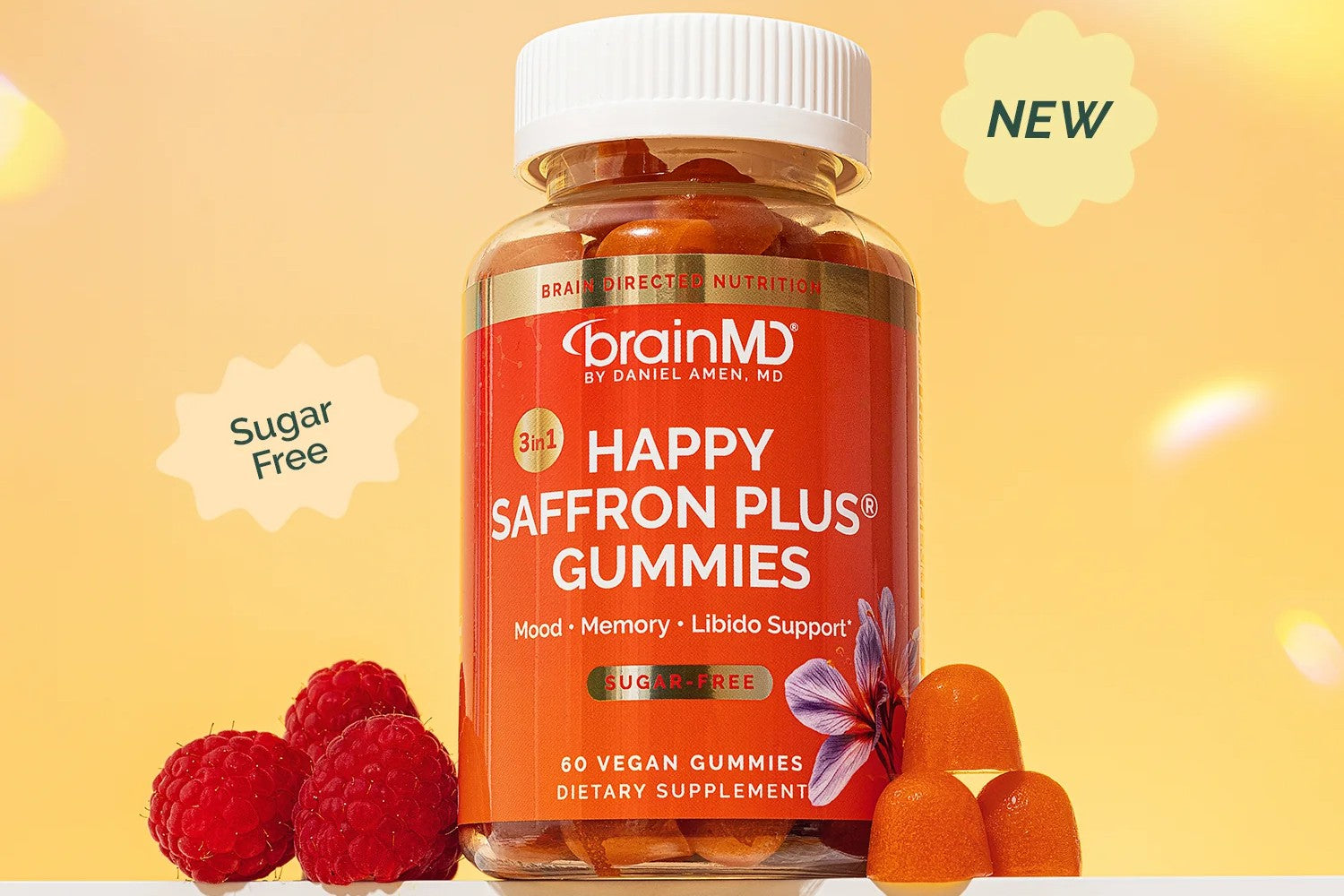
Though female sexual health often gets less attention than male-focused issues like erectile dysfunction, it’s just as important. In fact, female sexual dysfunction (FSD) is rather common. The American Sexual Health Association (ASHA) reports that more than 40 percent of women experience sexual difficulties at some point in their lives. FSD challenges can include a variety of symptoms—and they occur for a variety of reasons. For example, some women report a lack of interest in sexual activity or an inability to get aroused, while others have issues reaching an orgasm. ASHA notes that age, hormones, medical conditions, medications, mental health concerns, and problems within romantic relationships are all possible factors. Luckily, there are an array of natural interventions women can use to help: hormonal regulation, libido supplements, and dietary choices. Let’s learn more about how each of these can create a healthier female sex drive at any age. Hormones That Can Affect the Female Libido Especially as we get older and enter menopause, it’s important to make sure our hormone levels are balanced. This will not only optimize the libido, but will help us feel and look better. Hormones even impact brain function, so a lack of balance can lead to all kinds of difficulties in addition to decreased sex drive. You may struggle with poor sleep, a foggy memory, lack of focus or motivation, and lower moods. For example, testosterone isn’t only important for males. Among women, it’s critical for maximizing sexual health by promoting a healthy libido. It also provides more energy and helps build strong muscles and bones. Low levels, on the other hand, can contribute to feelings of tiredness and depression—not exactly the right combination to get us in the mood. Then there are the hormones produced by the thyroid gland, which are known for their regulation of metabolism. But changes can occur here during certain life stages for females, such as post-pregnancy and after menopause. Out of balance, these hormones can cause fatigue, lower levels of brain activity, and physical discomfort (such as feeling overheated). But more energy and a better sex life are benefits of these hormones being in balance. Progesterone is the female sex hormone that is produced by the ovaries and the adrenal glands. It’s a cornerstone of the female reproductive system and crucial in overall health for women. Progesterone will promote better energy and sleep, and therefore encourage more vigor for sexual activity. But when it’s out of whack, lower libido is a common side effect. Finally, estrogen should also be balanced to optimize sexual function in females. If your sex drive is feeling sluggish, I recommend getting your free and total serum testosterone levels checked out. When testosterone is low (for either sex), you might find yourself with lower energy in general, as well as a low libido and even depression, among other concerns. Adult males will want a total testosterone of 280 to 800 ng/dL, with the free level at 7.2 to 24 pg/mL. For women, that adjusts to 6 to 82 ng/dL (total) and 0.0 to 2.2 pg/mL (free). In addition, if you’re struggling with any of the issues listed above, you might want to seek out a qualified hormone specialist for a targeted treatment plan. Natural Libido Supplements for Females Looking to boost your libido? Try one of these natural supplements to help: Ginseng Ginseng has long been used and studied to improve sexual function in men, but it is also being looked at for its positive effects on women. A study found that one type, Korean red ginseng, was effective for boosting sexual arousal in menopausal women, and therefore “might be used as an alternative medicine in menopausal women to improve their sexual life.” In 2022, a report in Psychology Today pointed to more researchers around the world finding positive effects of ginseng on post-menopausal women. Improvements included everything from increased desire and sensitivity to reduced severity of hot flashes. Gingko Gingko (also known as gingko biloba), just like ginseng, has been used for many years in traditional medicine, including for enhancing libido. A review of studies, published in 2021, concluded that post-menopausal women in particular could benefit from this ingredient in terms of sexual function. However, the researchers also noted a couple of possible side effects, including headaches and gastrointestinal upset. (When starting any new regimen of supplements, it’s a good idea to consult with a doctor before starting and take note of any unwanted effects.) Saffron Saffron, in a 2019 review that examined numerous scientific studies, was concluded to have “a statistically significant positive effect...on sexual dysfunction.” Saffron is one of the key ingredients in BrainMD’s Happy Saffron Plus®, which combines three nutraceutical powerhouses: affron® saffron extract, Longvida® curcumin extract (from turmeric root), and zinc glycinate. Together, these have mood and cognitive benefits to help you feel happier, calmer, and mentally sharper. This supplement promotes better focus, emotional balance, and a more relaxed mind and body. Without the numerous effects of mood issues—poor-quality or too little sleep, anxiety, and less energy—the libido can function at a healthier level. And, now you can enjoy taking your Happy Saffron Plus® as a delicious gummy! One warning: Because this is an expensive ingredient, there are many impostors out there. Be sure to buy this supplement from a reputable source like BrainMD's Happy Saffron Plus®. Libido-Boosting Nutrition for Women In addition to consuming natural libido supplements, women of all ages will want to make sure their diet is not negatively impacting their sex drive. This can occur on both ends of the dietary spectrum: Too-severe calorie restriction can lower the levels of testosterone in the body and lower the libido, as well as reduce muscle and bone mass (which lowers stamina). On the other hand, eating too much or relying on highly processed foods can make us feel sluggish and lead to obesity, among many other harmful effects. Following a well-balanced diet, like the one I outlined in my book, The Omni Diet, is the best way to feel great naturally. And, when you’re truly caring for your body and keeping it in tip-top shape, you create a greater feeling of attractiveness, which increases your libido. Expect even better results when your partner is following the plan, too. Then, as an extra boost, I love using maca powder in my diet. This amazing ingredient, which comes from the root of a vegetable that grows in Peru’s Andes Mountains, contains a long list of health-promoting nutrients and antioxidants. One category of these, molecules called isothiocyanates, is believed to have aphrodisiac powers (as well as cancer-fighting properties), so many people use maca to enhance their sexual function. Studies have even hinted that maca may help improve libido and sexual function in those who take SSRIs (a type of antidepressants) and for women who are going through menopause. (Note that maca is not recommended for women who are pregnant or for anyone who has a thyroid condition.) Maca is also associated with increased energy and stamina, muscle building, and lower adrenal stress. This makes it an overall body balancer while offering benefits that contribute to a healthier libido, like supporting the digestive and reproductive systems. To best utilize this superfood, purchase raw maca powder and add it to your favorite smoothies. Here’s the bottom line: No matter what your age, gender, or relationship status, sexual health is an important component of our overall well-being. We should prioritize feeding our bodies with the right nutrients and supplements, engaging in regular exercise to stay energized and fit, and ensuring that our hormones are in balance. With these simple steps, we’ll be well on our way to nurturing a healthy libido that we (and our partners) will enjoy for years to come.
Learn more
Pea Protein vs Whey: Which One Fits Your Fitness Goals?
Believe it or not, there are still a lot of misconceptions around protein—like that it’s only for bodybuilders or those looking to pack on muscle. But, in fact, protein is a major building block of our bodies’ composition—the second most prevalent substance in the body, after water. It keeps your cells, tissues, and organs functioning and growing. And, yes, it does help maintain muscle mass—which helps us burn more calories throughout the day, long after our daily sweat sessions have ended. Protein is key for weight control in other ways, too. It gives us that feeling of fullness and suppresses ghrelin, which is a hormone that triggers feelings of hunger. It boosts metabolism, reduces cravings for unhealthy foods, and keeps our blood sugar at stable levels. Protein even supports the brain, maintains energy, and promotes recovery after exercise (or in the face of daily stressors). Unfortunately, many people don’t get their recommended levels of protein per day. That’s where a supplement, like protein powder, can help tremendously. How to Calculate Your Protein Needs How much protein do you need per day? And is your diet giving you enough? To calculate your unique protein needs, use this equation: Divide your ideal body weight in pounds (not your actual weight) by 2.2. This is your weight in kilograms. Multiply that number by 0.8 to 1.0, which is how many grams of protein you should be eating per kilogram of weight. Use the higher number (1.0) if you’re very physically active, or the lower number if you are less active. Therefore, if you’re a woman who is 125 pounds, that equals about 56.7 kilograms. With a high level of physical activity, you’d want to aim for just under 57 grams of protein per day. A lower level of activity would call for just over 45 grams. Overall, the ideal protein intake varies according to weight, activity level, and age. But, as a general rule, most people require between 45 and 100 grams of protein every day. You can then use this number to calculate your ideal protein consumption per meal or snack, spreading that out over three meals and two snacks per day. About 20 to 25 grams of protein per meal is a great rule of thumb, but you may need more or less. Protein Supplements: Pea Protein vs. Whey Protein In today’s busy world, we don’t always reach our recommended protein intake through sit-down meals. When you’re grabbing a meal on the go, you might want to supplement with a boost of protein powder. For example, I call smoothies my favorite fast food, and they’re great with an added scoop of Omni Protein Powder, which is available in Vanilla or Chocolate. These powders utilize a blend of protein sources that are all plant-based. While in the past many manufacturers tapped animal-based products such as whey for protein, today’s formulators have made significant strides in using plant sources. OMNI combines pea, rice, quinoa, and chia proteins, packing in 22 grams of balanced, complete protein per serving. The powder is not only free of animal products, but all kinds of potential allergens—corn, soy, artificial additives, gluten, and yeast—so it’s suitable for any diet. Plus, it’s sugar-free, sweetened naturally with organic stevia. Why do we want to say “no whey” to protein powders made with dairy-based products like whey? I’ve long promoted ditching the dairy, and in my book, The Omni Diet, I outline a bunch of reasons why dairy is not our friend. Here are some reasons why whey is not the best option for obtaining our recommended daily protein intake. First of all, many people can have sensitivities to ingredients in milk, such as whey or casein. It’s not the exception for human beings to be lactose-intolerant; it’s the norm. Humans are designed to ingest (human) milk as babies, but after 2 years old, less than 35 percent of people produce the enzyme called lactase, which is what breaks down lactose. And certain populations are less likely to produce this enzyme than others, including those of Jewish, Italian, West African, Arab, Greek, and Asian descent. When lactose is not properly digested, it leads to potential gastrointestinal issues. Even if you can digest lactose, that’s not recommended, either: Your body converts it to galactose and glucose, which raises blood sugar and leads to inflammation. In fact, casein, which is a protein found in milk, has been identified as an excitotoxin, a category of substances that are brain damaging. That’s because they overstimulate neuron receptors, which creates inflammation in the brain and, over time, may lead to neurodegenerative diseases. Pea protein, on the other hand, offers a fortifying balance of amino acids and is very easily absorbed by the body. It’s one of the richest sources of plant protein in existence. And, before you think that plants can’t compare with animal protein sources, check out the science. In one study, researchers compared pea vs. whey protein supplementation among both men and women engaging in high-intensity functional training over 8 weeks. The study looked at factors like body composition, muscle thickness, force production, workout performance, and strength. Ultimately, no difference was found among any of these categories when comparing intake of the two protein sources; subjects showed similar outcomes across the board. Gut Health Benefits of Protein Powder While you may find yourself able to eat enough protein at most meals, finding a great on-the-go option like protein powder can be a lifesaver when you’re pressed for time or traveling. Or, like me, you might just love the taste of a smoothie infused with delicious vanilla or chocolate flavor. It’s a super versatile, tasty option. Beyond the taste and convenience benefits, there are many other reasons I reach for Omni Protein Powder, including to support gut health. For example, one key ingredient, inulin, is a prebiotic fiber that promotes balance in those crucial healthy gut microorganisms. (Remember that prebiotics are what feed the beneficial bacteria in the gut.) Meanwhile, 150 milligrams of plant enzymes make the powder easier on the digestive system, which eliminates the bloating you might experience from other protein drinks. Finally, this formula includes L-glutamine, which protects the intestinal lining for additional gut health support. How to Use Protein Powder Even when you’re on the go, protein powder is an easy addition to your diet. I like to mix 1 heaping scoop of Omni Protein Powder with 8 to 10 ounces of water, almond milk, or coconut milk. Or simply add it to your favorite beverage. If I have a couple of extra minutes to spare, I love whipping up shakes or smoothies. Just add a scoop to your preferred blend of berries, greens, healthy fats, or any other mix-ins you like. Men might want to add an extra scoop for a total of 2, as their protein needs (particularly if they are active) will usually be higher. That said, beware of consuming too much protein. Our bodies are designed to handle a certain amount effectively, but ingesting over a certain limit can have damaging effects. You could create oxidative stress and inflammation in the body, accelerate aging on a cellular level, reduce the efficiency of DNA repair, and even contribute to future disease. As we’ve established, protein isn’t just for bodybuilders. But it does help promote key functions that build the body, like increasing energy levels, boosting athletic performance, promoting muscle generation and recovery, managing a healthy weight, and supporting brain health. With the right formula and in the appropriate amounts, plant-based protein powder can be a very useful and versatile addition to fuel your entire body—anywhere, anytime.
Learn more
6 Brain-Healthy Snacks for Kids On the Go
It’s a simple equation: Busy schedules plus picky young eaters plus a lack of preplanning can equal a disaster when it comes to your kids’ snacking habits. Many parents, weighed down by endless to-dos, don’t prioritize healthy snacks for their children. But when you stock several options that can be easily enjoyed on the go, there’s no excuse for not eating right, even between meals. With childhood obesity, a decrease in physical activity, and the easy availability of ultra-processed foods now affecting our youth, this topic is more important than ever. Stuffing kids with sweets like donuts and pastries, or salty, unsatisfying choices like chips, harms instead of nourishes their health. Here, I’ll share some of my favorite kid-friendly snacks, as well as my top snack-planning tips for busy parents. 6 Healthy Snacks for Kids On the Go Snacking is a healthy part of our eating routine—but only when we make the right choices. A quality snack will fight fatigue and fuel energy so your kids can do their best at school or on homework. It will also keep them from being so hungry that they overeat at meals or reach for junk foods. In general, a mix of protein, healthy fats, and complex carbohydrates (such as raw veggies) are the building blocks of a well-balanced snack. These are best served in the mid-morning, mid-afternoon and/or later afternoon to keep their metabolism going strong throughout the day. Here are some ideas for kid-approved snacks that they can eat even if time is limited: 1. Stay Sharp Pizza Snacks Kids notoriously love pizza. But they can be less than enthusiastic about eating their veggies. The Stay Sharp Pizza Snack is a way to combine both—I call it a gateway to healthy eating. Plus, you can endlessly customize this recipe to fit your needs. For a more traditional take, you could use a gluten-free pizza crust or gluten-free bread as the base, but I like sneaking in veggies by using a halved zucchini or squash as the pizza “crust.” You simply top it with tomato sauce and other heart-healthy ingredients (think dairy-free cheese, lean proteins, and veggies), then bake in the oven. It’s a fun finger food for before a homework session, or to serve when your child’s friends are visiting. 2. Go-Well Trail Mix Trail mix offers that ideal combo I mentioned above: protein, fat, and carbohydrates. Plus, you can make a big batch and grab it on the go, saving your kids from the school vending machine or a drive-thru window. I love my Go-Well Trail Mix specifically for its brain-healthy omega-3 fatty acids and delicious fruit combination (berries and coconut—yum). Simply mix ¼ cup each of raw cashews, raw slivered almonds, raw walnuts, and raw cacao nibs, plus 2 tablespoons each of goji berries, dried mulberries, dried blueberries, and shaved coconut (all unsweetened). You can adjust this recipe to the amount you need and simply separate it into small containers to keep portion size on track. 3. Fruit and Nuts I love this combination because it can be customized in so many ways—and can even mimic a decadent dessert. For example, get all of the comfort of homemade apple pie (without the sugar and simple carbs) by slicing up a half or whole green or red apple, then sprinkling it with cinnamon. Warm it up in the oven at 350 degrees for about 10 minutes, and serve with 1 tablespoon of almond butter for dipping. (Just make sure the apple has cooled if your kids are taking this snack on the go.) If you don’t have an oven handy or time to spare, no problem—grab a small piece of raw fruit and about 10 whole nuts, such as macadamia nuts, or 1 tablespoon of nut butter. I avoid peanut butter—peanuts are in the legume family and high in omega-6 fatty acids—in favor of almond butter and cashew butter. 4. Fun Dips Who doesn’t love a tasty dip to liven up their snacks? One super-portable snack I love consists of a hard-boiled egg, 2 cups of raw veggies, and 2 tablespoons of guacamole, salsa, or hummus for dipping. You can also serve celery sticks or other veggies with 1 to 2 tablespoons of raw almond butter. Dips give kids an interactive eating experience, allowing them to play with their food in a parent-approved way. Chances are, they’ll enjoy their veggies more with a little extra fun on the side. 5. Quick Wraps One of my favorite lunches, which can also be portioned out in a snack size, is the Tasty Turkey Wrap. It’s a great choice for kids on the go, because the healthy fillings are all wrapped up in a tortilla or lettuce leaf, making it a no-mess, no-fuss, handheld option. To prepare, simply make a light salad with mixed baby greens and a little olive oil, lime juice, cilantro, salt and pepper. Put a snack-size portion of turkey breast in a tortilla or lettuce leaf, top with the greens and some avocado and tomato, and fold it up and slice in half. Voilà—this wrap is ready to roll. 6. Protein Bars I love protein bars as a great brain-healthy snack for kids on the go, but you need to be careful with your selection or make them yourself, from scratch. If you’re buying pre-made, go for a bar that is grain-free and gluten-free, and scan the label for sugar counts. My favorite pre-made choice is BrainMD's Brain Boost Protein Bar. If you’re making your own, try my Superfood Protein Bars in The Omni Diet book. They combine healthy ingredients like cacao butter, raw cashews, raw almonds, hemp seeds or flax seeds, yummy spices like cinnamon, a little honey, and other delicious add-ins that blend together beautifully for a snack that’s a grab-and-go no-brainer. How to Encourage Healthy Snacking for Your Kids Here are a few of my best strategies for encouraging healthier habits—and for making your job as a parent easier, too. Be a healthy role model. What habits are you modeling for your kids? Expose your children early and often to healthy ways of eating. Stock the kitchen with whole foods—kids can’t reach for junk-food snacks when they’re not around. And educate them on how food makes them feel, and how it affects the body. Jazz it up! When kids are less than enthusiastic about eating their veggies, boost your snacks’ flavor through the use of herbs and spices. They offer added nutrition and make everything taste better. Get your kids involved. If you want your kids to eat healthier, recruit them in the process. They’ll love topping their own Stay Sharp Pizza Snacks (above) or stirring up the next batch of trail mix. They’ll also be more likely to enjoy the fruits of their labor. Rethink old favorites. Frozen treats, chocolate, and ice cream—off the list forever? Not if you make better choices. Replace ice cream with avocado gelato. Eat frozen bananas instead of ice pops. Add a small piece of 70-percent cocoa dark chocolate to your snack, which contains antioxidants instead of sky-high sugar counts. Dip veggie sticks instead of chips. Plan ahead. When hunger strikes, you want to be prepared. Bring healthy snacks to outings like amusement parks or the movies. Keep healthy foods (like veggies, hummus, nuts, and seeds) in snack-size portions. Do your menu planning, shopping, and food preparation in advance. Parents, it’s time to take back our snack foods. Let’s ditch the salty, sugary, processed choices that are so often associated with between-meal bites and choose foods that truly fuel the brain and body. With just a little preparation and forethought, healthy snacks for kids and parents on the go can be a breeze. Remember, healthy snacking for your kids starts with you.
Learn more
Tana Amen's Favorite Workout Routines for Women
In our age of modern conveniences and office jobs, Americans are more likely to have sedentary lifestyles, so physical activity has evolved from something we naturally do each day to something we must make an effort to prioritize. And for women—who are often juggling so many tasks, from child care to full-time jobs—it’s especially important to take care of ourselves first, so that we can be our best for everything else demanding our attention. In addition to eating a healthy diet, exercise is the answer for maintaining optimal health, both physical and mental. Benefits of Workouts for Women Some women initially want to work out so they can look better—and, yes, that’s a definite benefit. Feeling sexier, building muscle to create a more compact and toned appearance, and losing weight are all possible side effects of maintaining a regular exercise routine. But there are so many additional benefits when it comes to your overall health and longevity. In the short term, exercise gives you a major energy boost. When I get up early and start my day with a challenging workout, I get an energy blast that’s better than any cup of coffee. Plus, I feel mentally clearer. I’m ready to tackle my day (and make healthier choices throughout). If you prefer night workouts, no problem—they’re great for de-stressing after the workday and encouraging sound sleep. Choose whatever works best for you; just be consistent and enjoy movement every day in some form. In the long term, you’ll build up more resistance to serious illnesses, like diabetes, heart disease, and cancer, thanks to exercise’s many effects: lowering inflammation and cortisol (the stress hormone) throughout the body; generating feel-good chemicals like endorphins; better insulin sensitivity and oxygenation in the body’s cells; boosted metabolism; and much more. One study has even shown that middle-aged women with high levels of cardiovascular fitness were almost 90 percent less likely to develop dementia in their older years, compared to women with lower fitness levels. One final note: The benefits of exercise persist long after the workout itself. Some people might think that working out revolves around burning calories, but this can be misleading. The actual calories burned in a given workout, like running on a treadmill, may not seem that substantial. But exercise boosts metabolism around the clock. Plus, exercise can have a far-reaching impact on your diet: When you’ve just had a killer sweat session and you’re feeling great, you’re far less likely to reach for junk foods that sabotage your health, like sugar and carbs. With those positive brain chemicals kicking, your mood, confidence, and even willpower skyrocket. Everything goes hand in hand, and one positive habit enforces another. Best Types of Workouts for Women Many of you know that I love hitting the dojo for a great workout—I have a black belt in Tae Kwon Do and Kenpo Karate. But I’ve always been vocal about my favorite go-to exercise, and it doesn’t even require you to leave home: strength training. It’s a great way to get stronger, strengthen the brain, improve mental health, and so much more. I usually recommend doing two to three sessions of strength training per week. One of those days, you can focus on the lower body (think abs, legs, and lower back), and another can target the upper body, including the arms, upper back, and chest. You can do simple exercises with or without traditional weights. Using just your body weight (push-ups, for example) can give you a great workout. I especially love compound moves, meaning that they work multiple areas at once. For the lower body, lunges are a great example—they work the calves, hamstrings, quadriceps, inner and outer thighs, hips, and glutes (buttocks), all in one swift movement. Plank rolls, on the other hand, strengthen the back, arms, and abs. For some great exercise suggestions and routines, check out my Omni Strength Training Workout plan, part of The Omni Diet. Follow the moves three times per week, on Mondays, Wednesdays, and Fridays, for about 40 minutes per session. (A sample weekly routine is outlined below.) It’s also important to incorporate burst training of cardio or aerobic exercise, which is also called interval training. In a nutshell, you take whatever activity you’re doing and sprinkle in high-intensity bursts throughout. So if you’re walking at a normal pace (and I recommend walking for 30 to 45 minutes per day), throw in some 60-second bursts at full-blast intensity, followed by a few minutes of lower-intensity walking. During your daily walk, aim for 4 or 5 of these 60-second burst periods (that is, walking or running as fast as you can). Keep in mind that you can switch up your routine and keep things exciting simply by changing the activity. So, instead of walking, try cycling, swimming, dancing, boxing, or anything else that sounds interesting. Finally, you may want to incorporate some activities that promote mobility, flexibility, and agility, such as yoga or tai chi. These kinds of exercises are helpful not only for the body, but the mind. One study conducted at the University of Illinois reported that only 20 minutes of Hatha yoga was associated with improved test-taking speed and accuracy, helping subjects better sustain focus and take in, retain, and use new information. 4 Dos and Don’ts for Women’s Workouts Do replenish. In addition to hydrating with plenty of water, after an intense strength-training session, make sure you nourish your body with protein, which helps with muscle repair and recovery. Don’t overdo it. Those who overexercise can do as much damage to the body as those who don’t exercise at all. Start small if you’re out of practice, and build from there. And check with your doctor before starting any new routine. Do make it fun. Grab a buddy or check in with an accountability partner. Blast upbeat music. Try different routines at different times of the day to mix it up. We’re more likely to reap the full benefits of exercise when we don’t consider it an agonizing chore. Do schedule a before and after. A simple 10-minute warm-up and a 5- to 10-minute cool-down before and after your workout session will help ease your body to and from more intense exercise. A warm-up can be walking or riding an exercise bike, plus stretching exercises such as head rotations, shoulder rolls, small arm circles, gentle side bends, forward bends, hip and knee rotations, hamstring and calf stretches, etc. Then, after a workout, try a slow walk or stationary bike ride to cool down. Sample Weekly Workout Routine for Women Here’s a suggested weekly routine that can get you started on the path to better health. Once again, if you’re just beginning after a long period of little to no activity, start slowly and work your way up to a more intense regimen. Make sure to listen to your body and take rests as needed, too. Monday: Strength Training Workout, 40 minutes, focusing on upper body (arms, upper back, and chest) Tuesday: 30-45 minutes walk with 4-5 high-intensity bursts of 60 seconds each (or choose the aerobic activity that you like best; see above for ideas) Wednesday: Strength Training Workout, 40 minutes, focusing on lower body (abs, legs, and lower back) Thursday: 30-45 minutes walk with 4-5 high-intensity bursts of 60 seconds each (or choose the aerobic activity that you like best; see above for ideas) Friday: Strength Training Workout, 40 minutes, mixing both upper and lower body moves Saturday and Sunday: 30-45 minutes walk (incorporate 4-5 high-intensity bursts of 60 seconds each, if desired), and/or 30 minutes gentle stretching, yoga, or tai chi At BrainMD, we’re dedicated to providing the highest purity nutrients to improve your physical health and overall well-being. For more information about our full list of brain healthy supplements, please visit us at BrainMD.
Learn more
Tana Amen's Go-To High-Protein, Plant-Based Snacks
In The Omni Diet, I created a nutrition plan that combines the ideal 70-to-30 ratio of plant foods and protein, in order to boost energy, restore health, lose weight, optimize brain and hormone function, and protect against chronic and deadly diseases like diabetes, heart disease, and cancer. This book was a result of years of research, consulting with medical professionals, and trying to reverse my own genetics and personal history of health troubles. I’m living proof that we don’t have to fall in line with the ingrained patterns of our family, our culture, or our past. But even with so much more knowledge today around healthier eating, I find that many Americans have weaknesses when it comes to snacking. Not only do they often snack without thinking—say, taking bites or “tastes” while preparing meals for the family—but they are prone to reaching for so many unhealthy foods when they want a quick nibble between meals. That’s a shame, because snacking does fulfill many purposes. It can help stabilize blood sugar, prevent mindless indulgence or overeating at meal times, maintain metabolism throughout the day, and fuel your brain to accomplish daily tasks. Unhealthy Snacks to Avoid In a nutshell, here’s what you want to avoid: salty processed snacks like potato chips, popcorn, pretzels, or crackers; soy-based foods (which can include many mass-produced protein bars and powders, plus packaged snack foods); and sugar bombs such as cakes, cookies, and candy. When you’ve wisely ditched ultra-processed foods like these, you’ll find that there are many more delicious options to fill your snacking needs—they just require more mindfulness and a little pre-planning. I want to share with you some of the most delicious choices I reach for when I need a between-meal bite, including both ready-to-go options and easy recipes for when you have a little more time to enjoy some healthy snacking. "Snacking fulfills many purposes: It can help stabilize blood sugar, prevent mindless indulgence or overeating at meal times, maintain metabolism throughout the day, and fuel your brain to accomplish daily tasks." - Tana Amen, BSN, RN Tana's Favorite Plant-Based, High-Protein Snacks Plant Based Protein Bars BrainMD's Brain Boost Protein Bar is the perfect healthy protein bar, combining delicious taste, texture, and nutrition. This plant-powered wonder has a long list of benefits for the brain and body: 12 grams of protein (derived from almond butter, plus a blend of pea, brown rice, and pumpkin proteins), no sugar or artificial sweeteners, and 11 grams of gut-friendly prebiotic fibers, which equals more than 1/3 of your suggested daily intake. They’re also great for special diets—keto-friendly with 6 net carbs, vegan, and gluten-free. I love grabbing one as quick snack between meals, or for when I’m eating on the go or refueling after a workout. Guacamole Guacamole features one of my favorite fruits and healthy fat sources: avocados. They’ve been called “the world’s most perfect food” thanks to their numerous health benefits, such as promoting lower weight, lessening risk of metabolic syndrome, and improving levels of both good and bad (HDL and LDL) cholesterol levels. In our house, we call avocados “God’s butter.” They can be enjoyed in so many ways, but guac is a wonderful option. You can make 8 servings by simply mashing 2 avocados and tossing in fresh additions, like lime juice, red onion, cilantro, tomato, and a small amount of sea salt if desired. Serve with fresh veggies for dipping. It’s as easy (and delicious) as it gets. Hummus Hummus is another great dipping option, and you can also customize it in so many ways, according to the flavors and ingredients you love. The traditional version blends chickpeas (garbanzo beans) with garlic, tahini paste, extra-virgin olive oil, and lemon juice. But you can add greens like spinach for an extra nutrient boost, or you can substitute cooked dried split peas for the garbanzos (since too many legumes can irritate the intestinal lining). You can also throw in fresh herbs, spices like curry powder, or other vegetables to add flavor, color, and nutrition. Trail Mix Trail Mix is the perfect option when you’re on the go. Plus, you can make a big batch ahead of time so that you’re never caught without a healthy snack option. There are endless combinations of possible ingredients to keep you excited about experimenting, but my Go Well Trail Mix recipe, which I included in The Omni Diet, is a classic. Its base ingredient is raw cashews, tossed with raw slivered almonds, raw walnuts, raw cacao nibs, unsweetened goji berries, and unsweetened shaved coconut. You simply combine the ingredients and store in an airtight container for when you need a between-meal energy boost. Tana's 6 Tips for Healthier Snacking Snacks are straightforward, right? Not always. As I’ve noted, when many Americans think of snacking, they imagine a bunch of foods that should be avoided at all costs. Others want to make healthier choices, but they haven’t done the preparation to make those selections easier. Here are some of my top tips when it comes to creating healthier snacks—and snacking habits: Learn your protein needs. As an example, a person who weighs 150 pounds and who’s eating 3 meals and 2 snacks daily should aim to consume about 14 grams of protein per snack. Pre-plan and prepare. If you’re traveling or going out for the day, don’t get caught without healthy snacks—in many environments, the chances of finding suitable options are slim. Write down your favorites and make sure you keep them on hand. And, when you’re making snacks ahead of time, make extra so you can just grab and go throughout the week. Time it right. I recommend planning for 2 to 3 snacks per day. Mid-morning, mid-afternoon, and late afternoon are ideal times to enjoy them. Balance out. You’ll want to include protein, healthy fats, and complex carbs in your snacks. For example, combine 1 to 2 ounces protein (about 2 tablespoons hummus or guacamole, a slice of turkey, or 2 tablespoons whole, raw nuts), 3 to 15 grams healthy fats, and complex carbs in the form of 2 to 3 cups of raw or lightly steamed veggies. Log your snack consumption. We know that food journaling boosts the results of any diet—people benefit from seeing what they’re eating in black and white. It’s a great tool for accountability and staying on track. Beware of pre-made options. Some protein bars are as full of sugar as any candy—so make sure you read labels of anything you buy pre-made. I like certain store bought items, like Flax Snax by Go Raw, Kale Krunch by Alive & Radiant, Steve’s Original grass-fed beef jerky, and crackers from Wild Mountain Raw Foods. But, with any packaged food, we have to be mindful about what we’re buying. More Plant-Based High-Protein Snacks Looking for more inspiration? In addition to the many recipes in The Omni Diet book, check out my snack recipes online, where I have tons of choices that are delicious and nutritious. Some of my favorites include: Celery Sticks With Tahini Cheese give me a hydrating energy boost, and the tahini cheese can be made in advance, then stored up to 2 weeks for use in a variety of recipes. Slathered into celery sticks, it’s a great vegan snack and requires just a few ingredients to make. I also love it stuffed into Campari or Roma tomatoes—another great recipe you can find on my blog. Got a sweet-tooth craving? You don’t have to go without—just reach for sugar-free, dairy-free chocolate to whip up my Chocolate Cashew Protein Bars. They combine BrainMD protein powder (you can use either chocolate or vanilla), cashew butter, a sweetener like stevia or honey, flax meal, vanilla, cinnamon, and Brain in Love Chocolate from BrainMD. This decadent chocolate is also free of cholesterol and gluten, with non-GMO ingredients, so you can feel great even while indulging.
Learn more
Delicious & Easy Low Carb Meal Ideas + Tana's Keto Bread Recipe!
Are you routinely reaching for white bread, rice, pasta, and potatoes? Think of them as addictive drugs and just say no. Though these foods are staples for many Americans, they’re far from harmless. According to one study that tracked the diets of nearly 44,000 U.S. adults over 17 years, researchers found that a whopping 42% of their energy intake was derived from low-quality carbohydrates. Diets like this can create major health issues, since white bread and other simple carbs can trigger inflammation in the body, cause blood sugar spikes and crashes, and leave you feeling unsatisfied (which then may entice you to reach for even more of these foods). All carbs aren’t bad, of course. I choose to get my daily carb intake from the ground, through green vegetables. And even if you aren’t sticking to a low-carb meal plan – which tends to work best for me, as it gives me more energy – you can still add plenty of easy low-carb meals into your weekly recipe rotation. Here, I’ll outline a few of my favorite options for quick low-carb breakfasts, lunches, and snacks, plus plenty of bread alternatives to help you kick the habit, eliminate the excess carb consumption, and keep you satisfied. One clarification before we begin: the low-carb life isn’t for everyone. Always make sure you’re measuring your important numbers, while knowing your body and health goals, before you begin any diet plan or regimen. Low-Carb Meal Ideas Low-Carb Breakfasts Looking for some low-carb, low-glycemic breakfast options? If you’re in a hurry or on the go, get out the blender. I always call smoothies my go-to fast food because I can quickly whip one up with the necessary nutrients to fuel the body. As a general guideline, I always want to include protein, healthy fats like avocado or almond butter, and some fiber like berries. For an extra healthy boost, I can put some supplements in there, too, which is super convenient. If you have a bit more time to spare for a sit-down meal, eggs with spinach is an easy combination, and a great one for the whole family. This meal can help increase kids’ focus to keep them alert and energized through the school day (you definitely don’t want to feed them sugar bombs, like muffins or pastries). Or, for another quick, low-carb breakfast, keto bread is a great choice – just slather it with some avocado or almond butter, and it’s amazing. After receiving many requests, I’m sharing my own version of the best keto bread recipe below. Finally, you could try making chaffles, which are waffles made with egg and cheese (you can simply replace the dairy cheese with a vegan variety). Low-Carb Lunches & Snacks When making a low-carb lunch or snack that’s both delicious and nutritious, I love using coconut wraps. Spread them with a little almond butter and a couple of apple slices if you’re in the mood for something sweeter, or for a savory choice, try them with egg and avocado, or leftover chicken (more on these wraps below). Or try a homemade Cobb salad, but make sure it’s a healthy version. For example, I make a Cobb with chicken, but without the bacon, for a low-carb option without all the saturated fat. Instead, I add a ton of avocado and olive oil to get those healthier fats. Also, I love a keto almond butter and jelly sandwich, which combines keto bread (see my recipe below) and almond butter. Then just make a quick jelly by blending fresh fruit like berries, and simply drizzle it over the top. It’s a perfect, quick, and satisfying meal. Healthier Alternatives to Bread When it comes to cutting out those refined white carbs, you wouldn’t believe how many comments I get from people saying, “I can’t give up my bread!” Which is all the proof I need to back up my regular warnings that these kinds of foods are just as addictive as nicotine, cocaine, and other drugs – but I digress. First, stop thinking of better lifestyle choices in terms like “giving up.” It’s all about replacing, not erasing. And it doesn’t have to be complicated. That’s why I’ve included my super simple recipe for the best keto bread I know, below. You also can check out The Brain Warrior’s Way Cookbook for plenty of delicious bread alternatives, like my Pumpkin Muffins, which are great if you’re not adhering to an ultra-low-carb diet – they only have 4 grams of net carbs. As was mentioned above, you also can use coconut wraps as an alternative to bread. They’re available at health food stores as well as major retailers like Amazon and Whole Foods, in regular varieties and in flavors like curry (that’s my personal favorite). What else can you eat to replace the refined white carbs? For rice and potatoes, try a cauliflower rice or cauliflower mash instead. Sweet potato mash is great, too; though they’re higher-glycemic, sweet potatoes offer some great nutritional benefits, such as fiber and vitamins A and C. They also don’t cause as much fluctuation in blood glucose and insulin levels, compared to foods like whole-wheat bread. Just make sure you adhere to an appropriate portion size and don’t go overboard. When you’re out at a restaurant, continue to conquer the bread demons! Apart from turning away the free bread basket, don’t be afraid to ask for substitutions. If you want to order something like hummus or guacamole, ask for vegetable slices (think cucumber, celery, and carrots) instead of bread or chips. Or just ask for some guac on the side and enjoy it directly on your main meal. Once you get in the habit, after a few days off the bread, you won’t even think about it anymore – and your body will thank you. Tana's Favorite Keto Bread Recipe Though there are many keto-friendly breads now on grocery store shelves, I prefer making my own keto bread. I think it tastes better, and I know all the ingredients that go into it. If you need to buy a loaf from the store in a pinch, that’s fine; just make sure to choose a brand with clean-label ingredients. But if you’ve got a minute to spare, why not try this delicious keto bread recipe instead? Click to view Tana Amen's keto bread video. It’s super simple to whip up yourself. Ingredients: 2 cups of almond flour or other grainless flour (I use half almond and half coconut flour) ¼ cup flax meal 1 teaspoon baking soda ½ teaspoon sea salt 5 eggs (use 4 if you prefer it less moist and spongy) ¼ cup melted ghee, macadamia nut oil, or melted grass-fed butter Optional: 2 teaspoons cinnamon or ½ tablespoon monk fruit Instructions: Preheat oven to 350 degrees. Line a 9x5-inch loaf pan with parchment paper. In a mixing bowl, whisk flour, flax meal, baking soda, and salt. In a separate mixing bowl, whisk together all wet ingredients. (If you want fluffier bread, separate the egg whites and whip until it has stiff peaks.) Add wet ingredients to dry ingredients and mix thoroughly with a hand-held mixer. If separating egg whites, fold in slowly after other wet and dry ingredients have been mixed. Pour mixture into loaf pans. Cover with foil. Bake 25-30 minutes. Cool and serve. Enjoy! At BrainMD, we’re dedicated to providing the highest purity nutrients to improve your physical health and overall well-being. For more information about our full list of brain healthy supplements, please visit us at BrainMD.
Learn more
Negativity Detox: 3 Ways to Stop Automatic Negative Thoughts Fast
Maybe you’ve heard the Einstein quote, “Stay away from negative people, they have a problem for every solution.” Ain’t that the truth! Negative people breed negative thoughts, and negative thoughts breed negative habits. If you’re drowning in negativity, before you know it, life can feel miserable regardless of outside circumstances – and you might not even understand how it happened, or why you always feel so bad. Automatic negative thoughts (ANTs) are often a major part of the equation. These create a victim mentality and generate negative internal dialogues that can easily infest your mind and make you feel scared, worried, hopeless, or stressed. If you find that you’re often spiraling down into these depths in your own head – and feeling like nothing will ever get better – it’s time to fight back. The good news is, you can arm yourself against these harmful patterns by developing (or strengthening) your Warrior sense of personal responsibility – killing the ANTs and getting a more rational, positive outlook on life, even in the most stressful of times. Questioning Your ANTs Have you ever said any of the following statements? I’m dumb. I must’ve done something wrong. My life is terrible. No one likes me. I’ll never be good enough. Nobody cares. It’s all my fault. Everything I do is wrong. Notice a theme in the above statements? You might recognize that they reflect black-and-white, all-or-nothing thinking. For example, how often is something truly all one person’s fault? Most likely, numerous factors and people have combined to create a given situation, whether negative or positive. That’s why it’s a good idea to start pushing back against the extreme and drastic assumptions that have little basis in reality. But how can you stop these from taking over, especially when they feel like they’re so automatic? First, when you find yourself with a growing ANT infestation, write down the thoughts that are coming up for you. Then, before you find yourself spiraling into negativity and self-pity, ask yourself 4 key questions about each thought, and answer honestly: Is this thought true? Can I absolutely know that it is true? How do I react or feel when I think that thought? Who would I be without that thought? Or, how would I feel if I didn’t have that thought? 3 Practical Ways to Avoid Automatic Negative Thoughts When ANTs are allowed to run rampant, they can affect your entire well-being. Sometimes this can snowball before you realize what’s happening – then suddenly you’re snapping at your spouse or kids, losing it in line at the store, or giving in to road rage. But, in addition to taking a pause to become aware of your defeating thoughts, there are ways to intercept or prevent the negative thought loops that can drag you down fast. Here are some suggestions: Practice Self-care Yes, we all want to enjoy luxuries like spa days and bubble baths, but I like to think of self-care as things like setting strong boundaries. I’ve talked before about my own recovery from trauma stemming from my childhood and family, and as I worked to heal myself, I quickly learned that strong boundaries were crucial to recover my health – and my sanity. My family was full of dysfunctional people and relationships, and it became clear that I had to make changes with some of them, in order to prioritize what was truly most important to me in my life. For example, some family members engaged in behaviors like lying, violence, and drama – that’s just how they chose to live their lives. I care very much about my family’s well-being, but I realized I’d have to love some of them at a distance and set personal boundaries in order to respect myself. Remember that you can, and should, put yourself and your loved ones first. You can’t fix other people; they need to do that for themselves. In the meantime, simply let them know you love them and will miss them. You can be loving while still remaining detached, and their negativity won’t seep into your life. Journal As noted above, it’s very helpful to write down your ANTs as they come up, then work out on the page the answers to those 4 questions designed to shed some clarity on the situation. You also can make a habit of daily or weekly check-ins through a journal. This option gives you a great outlet for your difficult emotions and allows you to see over time how you react to various challenges – think of this practice as a way of collecting data. And, after putting some of these anti-negativity strategies into effect, you’ll be able to see in black-and-white how things have improved. Journaling has been shown to assist in meeting health goals, and this is yet another way it can help you. For an extra boost, you can also connect your journaling with a daily gratitude practice, listing a few things you’re grateful for every day. This routine helps take the focus away from everything you may perceive as going “wrong” in your life and allows you to see everything that’s going right. Chances are, you’ll find that many things on these lists are things you often take for granted. Spend Time Alone Solitude doesn’t have to be solemn, lonely, or sad – it’s actually a great way to recharge so that you can better show up for yourself and the others around you. Learning to be self-reliant and connecting with your own self-worth allows you to develop more confidence, which helps you follow through on other healthy practices, like setting boundaries. It’s even better if you can take some time to be in nature, without any devices distracting you. A solo brisk walk outside gives you the benefits of mood-boosting exercise, fresh air, and alone time, making it a triple threat in the fight against any negative feelings that may creep up. At BrainMD, we’re dedicated to providing the highest purity nutrients to improve your physical health and overall well-being. For more information about our full list of brain healthy supplements, please visit us at BrainMD.
Learn more