 Skip to content


Wellness Blog
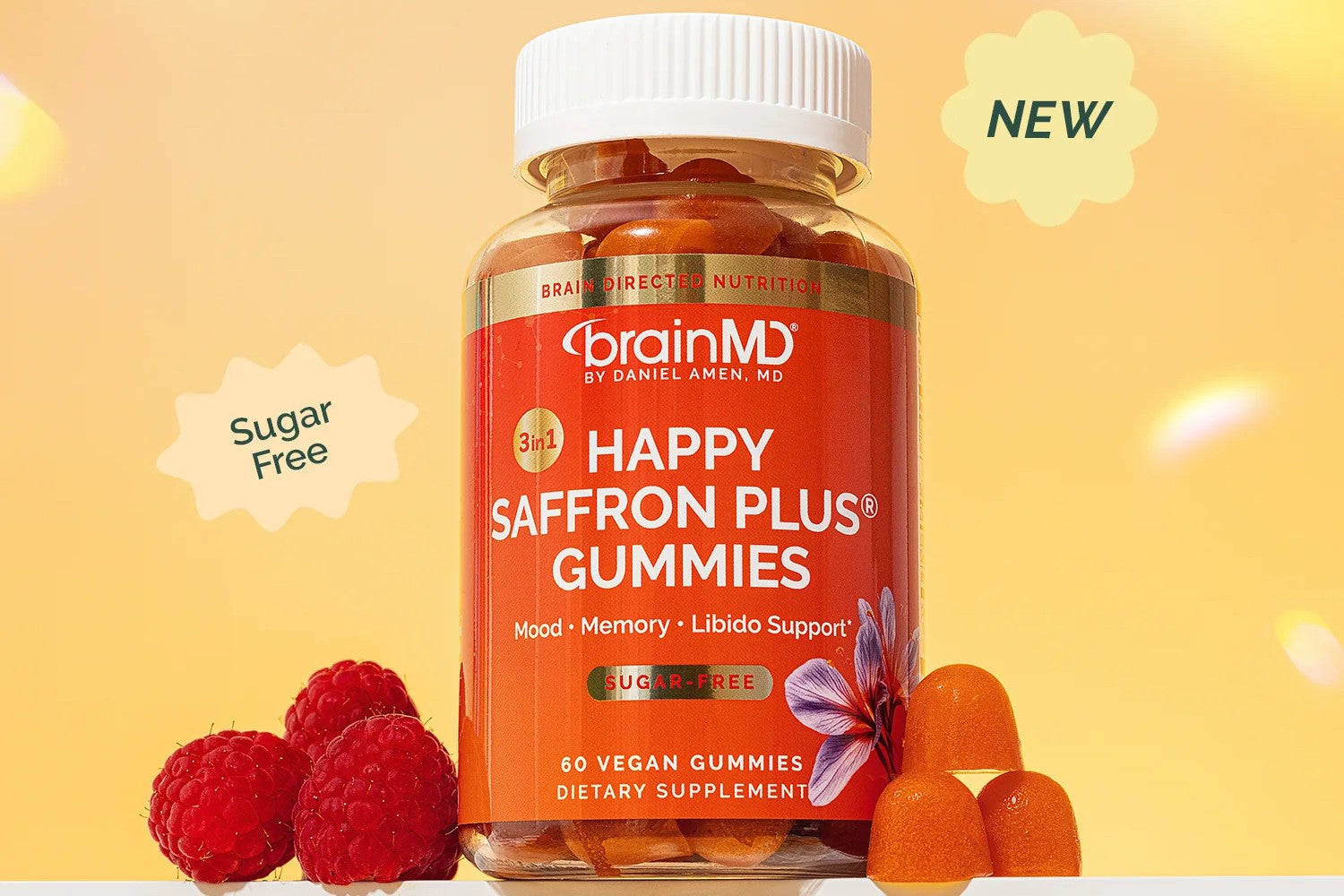



You Know When You Just Don't Feel Like Yourself? Meet Happy Saffron Plus® Gummies
You don't have to feel your worst to want to feel your best. Learn how Happy Saffron Plus Gummies support mood, resilience, and emotional well-being.
Learn more
How to Increase Your Happiness and Give Yourself More Grace
Do you worry that you’ll never be happy again? Maybe you feel stuck in a dead-end job, or you’re dealing with relationship issues. Or, perhaps spending a year at home has drained your energy and enthusiasm. There’s no doubt that the world is full of things that can steal your happiness. With so many external pressures, it can be easy to blame other people or circumstances for the misfortunes in your life. But here’s a question: how often do you sabotage your own happiness? Maybe you tend to see the glass as half empty or struggle with negative thoughts. Aside from causing you to feel dissatisfied with your life, depressive thoughts can reinforce feelings of unhappiness. How can you improve your situation so you can feel happy again? A big step is to identify what’s making you unhappy so you can take steps to break free from it. Things That Can Steal Your Joy & How to Fix Them Negative Thoughts Habitual, negative self-talk trains the brain to see things pessimistically. Negative thinking can effectively rewrite your neural networks,¹ reinforcing pathways in the brain that make it more likely you’ll have a gloomy outlook. Additionally, having persistent negative thoughts can reduce brain activity related to self-control, judgment, and planning. This can lead to harmful behaviors and poor decisions. Dr. Daniel Amen refers to these as automatic negative thoughts (ANTs). ANTs can cause your brain to release chemicals able to make you feel awful. The opposite is also true – positive, happy, hopeful thoughts release chemicals that help make you feel good. Take captive every negative thought that enters your mind and ask yourself if it’s true. If it isn’t, disregard it. Over time, you can recondition your mind to filter out negative thoughts, which should also help increase your happiness. Expectations Has there ever been a time in your life when your perfect plan suddenly went down the drain? If you’re like most people, this has happened to you repeatedly in life. It’s natural to be temporarily frustrated by such setbacks before moving on with your life. But some people set expectations for nearly everything in their life to protect them from possible negative outcomes. These behaviors might be motivated by internal insecurities or a desire to control people or circumstances. It’s been said (in A.A. meetings and elsewhere) that expectations are premeditated resentments. Having expectations of others (a spouse, friend, family member, etc.) is like setting a trap for them, and when they don’t do what you expect or want, you trigger the “Why didn’t you ____?” landmine. Expecting people to guess what you want can wreak havoc in relationships. It’s great when others can anticipate your needs, but most people are too busy to do it effectively, and no one can read minds. It’s important to speak up about what you need, rather than remaining silent and holding a grudge when others fail to act in the way you want them to. Having expectations of a situation or another person can make you miserable, especially when they don’t live up to your preconceived or idealistic notions of how they should respond or behave. Expectations can lead to resentments, disrupt connections with others, and interfere with personal growth. Of course, some of the worst expectations are the ones you place on yourself. Did you expect to get your degree 10 years ago? Did you expect to be married 5 years ago? Over time, the emotional weight of such expectations can become unbearable and steal your happiness. Perfectionism You may pride yourself on having high standards, which isn’t necessarily a bad thing. However, if you’re the type who’s so focused on getting every little detail just right, you’re sure to be disappointed with many aspects of life. The perfectionist’s paradox is that you may feel superior for having lofty goals but feel inferior when you fail to attain them. Here are 3 common types of perfectionism: [wc_box color="inverse" text_align="left" margin_top="" margin_bottom="" class=""] Socially prescribed perfectionism – the belief that other people will only value you if you’re perfect Other-oriented perfectionism – demanding perfection from others Self-oriented perfectionism – an internal desire to achieve perfection [/wc_box] All types can be detrimental, but socially prescribed perfectionism can be potentially harmful and even fatal. 5 Ways Perfectionism Can Disrupt Your Life + Helpful Tips 1. Unrealistic Goals Perfectionists tend to set extremely high goals, which might be unattainable. They may fail to reach their goals or give up due to fear of failure. Either way, they might buckle under the incredible pressure they’ve placed on themselves. Helpful Tip: Set Realistic Goals Goal-setting isn’t a vague idea of something you’d like to obtain at some undetermined point in the future. Write down your specific goals in a calendar and then review them every day to make progress toward completing them. Success can come much easier when you make small, manageable goals. Setting realistic goals, that you can focus on daily, can help reduce stress and make a significant difference in your outlook on life. 2. Toxic Thinking Perfectionists are often filled with ANTs, especially All-or-Nothing ANTs (thinking of things as being either all good or all bad) or Just the Bad ANTs (seeing only the bad in a situation). For example, if you need to create a multimedia presentation for work, unless it’s the best one ever created, you may think it’s a tragic failure (All-or-Nothing ANTs). Helpful Tip: Kill the ANTs Learning to challenge the All-or-Nothing or Just the Bad ANTs that infest your brain can help you accept that doing the best you can is far better than trying to be perfect and never completing anything. As Winston Churchill said, “Perfection is the enemy of progress.” You can disinfect your thoughts by exterminating the ANTs that steal your happiness. Whenever you feel sad, mad, nervous, or stressed, write down what you’re thinking and then challenge that ANT. When you stop believing every fearful thought you have, you can start to regain control of your life. 3. Procrastination Perfectionism often leads to paralyzing procrastination. For example, while trying to write a presentation for work or a paper for school, you may feel like you can’t start writing until you’ve looked up more sources, interviewed more people, and come up with an amazing introduction. Before you know it, it’s the night before the deadline, and you need to crank out something to avoid being late. Now you’re kicking yourself for letting it slide for so long. Once again, you may feel like a failure. Helpful Tip: Prioritize Your Life Don’t wait for everything to be absolutely perfect before you dive into a project. Remember, it’s okay to get started now and incorporate additional materials as you go. If working on all your projects or goals at once becomes overwhelming, set up a hierarchy. Select a few things you absolutely must accomplish, several things you want to complete, and many things that would be nice to finish in the future. Not only will this pyramid structure allow you to focus on the essentials, it will also help to reduce the debilitating pressure of trying to juggle so many objectives at one time. 4. Mood Issues Decades of research have found that perfectionism fuels mental health problems. Even more disturbing is the link between perfectionism and suicide. A 2014 study in Review of General Psychology suggests that perfectionism is a bigger risk factor² for suicide than previously thought. Research has found that among young people who die by suicide, nearly 70% placed high demands on themselves and had high expectations. Helpful Tip: Get Outside Engaging in outdoor activities is important for everyone. Whether you enjoy hiking, biking, horseback riding, or just taking a walk, being outdoors has an overall positive effect on mood and vitality. While enjoying the great outdoors you’ll get the added benefit of sunlight, which is a natural way to increase your vitamin D levels. When it comes to mood, the scientific evidence³ is clear; the higher your vitamin D levels, the more likely you are to feel happy rather than blue. Daily exposure to just 10 to 30 minutes of direct sunlight can boost vitamin D levels, which can help improve your mood. 5. Eating Irregularities Several studies have found links between self-oriented perfectionism and eating irregularities. People may have an intense fear of gaining weight and seek to control their caloric intake by attempting to create a perfect diet. Others may feel frustrated by the slow progress of their diet and decided to put it on hold or just give up and return to regular eating habits. Helpful Tip: Avoid Triggers It’s important to acknowledge what emotions (stress, loneliness, boredom, etc.) are driving you to make bad food choices. Sometimes it isn’t even an emotional trigger, but the sight or smell that makes you crave certain foods…many people can’t resist buying popcorn once they’ve smelled it in a theater lobby. A good strategy is to be prepared with a healthy alternative before you encounter a triggering event. Healthier swaps of your favorite foods are a great way to outsmart your triggers. Increase Your Happiness Even if you’ve spent much of your life chasing perfection, you can learn to let go of your unhealthy tendencies. Letting yourself (and others) off the hook for past mistakes, especially common ones, can help you overcome negative thought patterns or destructive behaviors. You might find that your outlook on life is much more positive when you’re not being so hard on yourself. Giving yourself more grace might improve your circumstances and increase your happiness. Hopefully, these practical tips will help you break free from the negative thinking, unrealistic expectations, and oppressive perfectionism that can prevent you from being your best self. Remember, you don’t have to be perfect to be happy. At BrainMD, we’re dedicated to providing the highest purity nutrients to improve your physical health and overall well-being. For more information about our full list of brain healthy supplements, please visit us at BrainMD. These statements have not been evaluated by the FDA. This content is for informational purposes only. It is not meant to substitute for medical or healthcare advice from a physician, nor is it intended to diagnose, treat, cure, or prevent any disease. Consult your healthcare provider before beginning a new health regimen. References: 1. Vaish, A., Grossmann, T., & Woodward, A. (2008). Not all emotions are created equal: The negativity bias in social-emotional development. Psychological Bulletin, 134(3), 383–403. https://doi.org/10.1037/0033-2909.134.3.383 2. Flett, G. L., Hewitt, P. L., & Heisel, M. J. (2014). The Destructiveness of Perfectionism Revisited: Implications for the Assessment of Suicide Risk and the Prevention of Suicide. Review of General Psychology, 18(3), 156-172. https://doi.org/10.1037/gpr0000011 3. Spedding, S. (2014). Vitamin D and depression: A systematic review and meta-analysis comparing studies with and without biological flaws. Nutrients, 6(4), 1501–1518. https://doi.org/10.3390/nu6041501
Learn more
How to Train Your Brain to Be More Positive Each Day
Thoughts are powerful. According to research by Dr. Fred Luskin of Stanford University, we have roughly 60,000 thoughts a day. Those thoughts can affect our brain chemistry. When we have positive thoughts or feel happy, the stress hormone cortisol decreases and the brain produces the hormone serotonin, which creates a feeling of well-being. It’s not surprising, then, that researchers have observed a strong link between a positive outlook and better health. A study examining the health data of 70,000 women that were measured for optimistic attitudes and mortality rates showed a significantly lower risk of dying from several major causes of death in subjects who scored high for optimism. Other research has shown that people who have a positive outlook tend to make positive lifestyle choices that result in better physical health, less stress and low mood, a stronger immune response, better coping skills, and greater energy and overall well-being. Optimistic people often are more open to opportunities and new experiences, which can translate to greater success and income. Being positive can pay dividends in myriad ways. Defining Positivity What exactly does it mean to be positive? Put simply, a positive mindset is a constructive one. It embodies a belief that life is good and solutions can be found if you look for them and have patience. While optimistic people can have a problem-solving, practical, and accepting attitude, they don’t deny the real pains, losses, and challenges we face in life. An optimistic and constructive mindset might have less resistance to pain, accepting it as an uncomfortable but important part of life. A positive-minded person tends to have habits and participate in activities that amplify their positive feelings. Merriam-Webster’s dictionary defines “positive” as: “indicating, relating to, or characterized by affirmation, addition, inclusion, or presence rather than negation, withholding, or absence.” Positivity is inherently open and expansive. How to Be Positive To greater or lesser degrees, humans suffer from negative thoughts. That said, anyone can learn to think more positively and reap the rewards that come with it. Here are five positive lifestyle factors that have been shown to promote an optimistic outlook. 5 Practical Tips to Help You Become More Positive in Life 1. Positive Self-talk Our self-talk may need to be skewed in a positive direction. Research shows that even the smallest shift in the way you talk to yourself can make a difference. We all experience negative thoughts that pop into our minds without our permission. Dr. Daniel Amen refers to them as Automatic Negative Thoughts (ANTs). You can learn to spot them, question them, and produce a more accurate, constructive thought to replace them. These are helpful questions to ask when you have a persistent negative thought: Is it (the negative thought) true? Can I absolutely know that it’s true? How do I react when I think that thought? Who would I be without that thought? Or, how would I feel if I didn’t have that thought? 2. Smile and Laugh Similar to positive thoughts, the simple act of smiling (even if you don’t feel like it) helps to trigger the release of the feel-good transmitters dopamine and serotonin. In other words, smiling can trick your brain into believing you’re happy, which can then spur actual feelings of happiness! Laughter is the balm of life, allowing us to relieve stress, especially in difficult situations. Humor can instantly lighten the mood and make things feel a little less difficult. Like smiling, you can pretend or force yourself to laugh, and you’ll still get a mood boost. 3. Practice Gratitude Optimistic people take note of what they’re grateful for. This habit has been shown to reduce stress, boost self-esteem, and promote resilience during challenging times. It also helps to express gratitude and appreciation to others. Writing down the things you’re grateful for can improve your optimism and sense of well-being. 4. Travel Taking a vacation can allow you to have new experiences and explore new cultures. This promotes greater brain plasticity and boosts your mental health. Even thinking about travel can boost your positive feelings, according to research. 5. Stay Healthy Healthy people tend to be more positive (and positive people tend to be healthier). Practice the principles of good health and good feelings should increase. A healthy lifestyle should include 7 to 9 hours of restful sleep each night; a brain healthy diet rich in fruits, vegetables and protein, and low in refined carbohydrates and unhealthy fats; and the recommended 150 minutes of aerobic exercise, along with two or more strength training sessions, each week. On A Positive Note... There are many other positive lifestyle factors that can contribute to an optimistic mindset like playing, connecting with others, and surrounding yourself with positive people. Probably the most important, though, is simply deciding to be more positive. It isn’t possible, or even realistic, to be positive all the time, but aiming to have a more optimistic and constructive mindset at least some of the time will help to enhance the quality of your life. At BrainMD, we’re dedicated to providing the highest purity nutrients to improve your physical health and overall well-being. For more information about our full list of brain healthy supplements, please visit us at BrainMD.
Learn more
5 Powerful Benefits of Having a Healthy Daily Routine
Routines can be incredibly grounding. They can root us into our lives by providing just enough structure to shape our days and nights, while allowing us freedom to work toward our goals and find meaningful pursuits. Who knew that simply getting up at the same time every day, brushing your teeth, getting dressed, and making your bed would be the secret for how to regulate your mood and maintain well-being? Here are some of the benefits of establishing a healthy daily routine, as well as some suggestions on how to do it! Benefits of Daily Routines Establishing healthy routines is chock-full of benefits including the following: Increases Efficiency When you have an established routine, it takes care of multiple decisions. For example, there’s no question about what you need to do when you wake up in the morning. You already know the routine. This is very important because too many decisions can drain your energy. A recent American Medical Association article calls this phenomenon “decision fatigue,”¹ which is the mental and emotional exhaustion you may experience after making thousands of decisions. Decision fatigue can lead to procrastination, impulsivity, avoidance, and indecision. On average, we make about 35,000 decisions every day – eliminating what decision-making we can with routine helps us to be more efficient! Reduces Stress/Promotes Health All the decision-making throughout your day can be really stressful. When you have a routine established, it eliminates a lot of stress. Stress hormones aren’t good for your brain or body. Plus, what you include in your routine can help counter stress and boost your happiness. For example, your routine may be to get up early and meditate and/or exercise. That time for yourself will allow you to face the stresses of the day with more equanimity and make better decisions. Boosts Creativity Though following a routine sounds like it might kill creativity, research shows the opposite to be true. One study examined how, in a corporate environment, having regular, routine work processes implemented for more mundane tasks helped employees conserve their cognitive energies for creative problem solving on other projects. Influential artists often have well-defined work routines, which allow their creativity to flourish –unlocking it, rather than constraining it! Provides Meaning Research has found a positive relationship between people who have routines and finding fulfillment or meaning in life. Managing our time well through our individual routines appears to promote well-being. One study² examining routines and life meaning concluded that “life is not only made meaningful through extraordinary experiences but also in its daily living.” 5 Simple Tips to Build a Healthy Routine Stay regulated, healthy, and happy with these routine-building tips! Make Health Your Foundation Make health the foundation of your daily routine and start with the basics: diet, exercise, and sleep. If you feel off or dysregulated, returning to these basics will help you to feel grounded again. Diet - Allot time for food shopping each week, as well as healthy snack and meal prep, and time to sit down and nourish yourself with breakfast, lunch, and dinner. Also, always have healthy snack options available in your home, car, and at the office. Exercise - Schedule time for regular exercise that you actually enjoy and will do. Exercise can increase blood flow to the brain, boost your mood, and improve sleep, to name just a few benefits. It can be social and fun too. Sleep - Stick to a regular bedtime and wake time that provides you with plenty of rest. Adequate sleep is essential to brain function, immune health, mood, appetite, libido, and more. Take It Slow Add one new habit into your routine at a time. If you try to add too many things all at once, you’ll likely abandon your efforts and be back at square one. Think about the person you wish to become or acquiring habits that reflect your values. Replace one unhealthy habit you want to let go of with one of these new habits until it becomes routine. For example, perhaps you want to start your day with calm. Instead of habitually waking up and checking your phone immediately, try a new habit. Instead, go outside or look outside at a tree or the sky, take in a few deep breaths, and do some stretches. Plan Ahead and Organize Consider making planning ahead and organization part of your routine. Add these new organizational habits (if they work for you) into your routine. For example, end your day by preparing for the following day. Have your keys and bag/brief case out and ready, prepare your lunch, tidy up, and select your clothes. Make your “tomorrow” turn-key ready so that you can slip into your day like a duck to water. Include Fun and Enjoyment A routine must include pleasure and joy every day. It can be simple and easy. Take a 15-minute walk outside Listen to a piece of music you love Add in weekly and monthly activities Take a weekly yoga or dance class, or maybe a singing or guitar lesson Once a month, see a live performance, get a massage, or go for a hike at a new area. Eat a Healthy Snack A healthy, on-the-run snack, such as protein bar, can add to a healthy routine. Here’s why BrainMD’s new Brain Boost Plant-Powered Protein Bar is the perfect healthy snack to keep on hand: It’s delicious, made with chocolate and almonds, and only healthy ingredients. It’s loaded with 12 grams of healthy plant-based protein. The protein fuels your brain, helps build muscle, and helps to keep blood sugar levels stable.* It’s made with polyphenol-rich dark chocolate, which helps support healthy circulation and blood flow to the brain.* It’s sweetened naturally with allulose, stevia, and monk fruit, which don’t spike blood sugar levels.* It contains prebiotic fiber, which aids digestion and supports a healthy microbiome.* It’s balanced with healthy fats to help provide satiety.* Structure with Freedom Regulating yourself with a routine that supports your health may seem mundane, but it’s actually the secret to a happy and purposeful life. Remember to wear it loosely though. No one follows their routine perfectly, and sometimes purposely breaking from your routine can be a good thing. Here’s to creating routines that provide both structure and freedom for a happy, healthy life! At BrainMD, we’re dedicated to providing the highest purity nutrients to improve your physical health and overall well-being. For more information about Brain Boost Plant-Powered Protein Bars and our full list of brain healthy supplements, please visit us at BrainMD. *These statements have not been evaluated by the FDA. This content is for informational purposes only. It is not meant to substitute for medical or healthcare advice from a physician, nor is it intended to diagnose, treat, cure, or prevent any disease. Consult your healthcare provider before beginning a new health regimen. References: 1. Berg, S. (2025, March 21). What doctors wish patients knew about decision fatigue. American Medical Association. 2. Heintzelman, S. J., & King, L. A. (2019). Routines and meaning in life. Personality and Social Psychology Bulletin, 45(5), 688–699. https://doi.org/10.1177/0146167218795
Learn more
How to Be Less Stressed & Feel Happier Each Day
When the world stops, and your health, finances, and relationships are suddenly at risk, the stress can feel like it’s too much to handle. What can you do to keep negativity, sadness, anxiousness, and stress under control? Here are 6 strategies on how to be less stressed and feel happier. How to Be Less Stressed & Feel Happier Each Day 1. Plan for things to go wrong. If you’re the kind of person who expects everything to go perfectly all the time, you’re setting yourself up for disappointment and aggravation. When you train yourself to expect a few snafus, you’ll find that you won’t get as upset. Especially in situations where things are out of your control—like when the grocery store is out of toilet paper again!—planning for a few every day “fails” can keep you from falling into a funk. 2. Repeat positive mantras. Letting negative thoughts run wild in your head can create a tornado of stress, worry, and sadness. Directing your thinking to reaffirming mantras can help change your mental state. Repeat some soothing mantras that promote positive feelings, such as: I know we’ll get through this. I am confident that better days are coming. I am staying focused on what I can control. I think having more family time is a blessing. 3. Live in the present and plan for a better future. People who dwell in the past with regret tend to experience sadness and negativity. Those who anticipate the future with fear are wracked with worries. Practicing mental discipline to stay in the present can help keep your mind from spinning out of control. In a pandemic, think about the things you can do to protect your health—washing your hands, wearing a mask outside, wearing gloves at the grocery store—and feel good about your efforts. In addition, think of ways your life is going to change for the better from this experience and write it down. Seek out strategies to help prepare for post-pandemic growth. For inspiration, check out these episodes of the Brain Warrior’s Way Podcast, hosted by Dr. Daniel Amen and Tana Amen: How to Discover Your Purpose and How to Use Your Unique Value to Bring Money & Success with guest Lisa Sasevich, a business and sales expert. How to Create Energy to Help Transform Your Life with Julianne Hough from Dancing With the Stars How You Can Use Your Pain to Your Advantage with Dr. Derwin Gray, a former NFL player turned pastor and author. 4. Get moving. Decades of research point to the physical and mental health benefits of exercise. A 2019 cross-sectional study in Mental Health and Physical Activity found that getting some physical activity reduces the odds of experiencing depression in adolescence and anxiety in childhood and adolescence. And a prospective cohort study in a 2020 issue of The Lancet Psychiatry suggests that replacing sedentary behavior with light activity during adolescence could reduce the risk of depression. If you can’t get outside due to the pandemic, try dancing to your favorite tunes, do some jumping jacks, or walk laps inside your home. Any movement counts. 5. Eat right to think right. If you’re stuffing yourself with quarantine comfort foods like cookies, ice cream, and pizza, and taking part in Zoom happy hours, you’re increasing the likelihood of experiencing anxiousness, negativity, and worry. To help your brain handle the stress that’s surrounding us, you need to fuel it with great nutrition. Here are 3 of the most important eating strategies to help reduce stress, worry, and bad moods. Eat small amounts of high-quality protein at every meal to help balance blood sugar as research in Case Reports in Psychiatry shows that blood sugar highs and lows are linked to anxiety and depression as well as to irritability and anger. Include foods that are high in omega-3 fatty acids—such as salmon, avocado, and walnuts—which a 2018 review in Frontiers in Physiology suggested may help reduce anxiousness and negative mood. Stay hydrated with 8-10 glasses of total fluids per day since research in the journal Perceptual and Motor Skills shows that being even mildly dehydrated can make you feel more tense, depressed, confused, fatigued, or angry. 6. Supplement your diet with a dose of happiness. Among the most well-studied nutraceutical ingredients for mood, anxiety, and stress are: Saffron: A 2018 review or 7 studies in Neuropsychiatric Disease and Treatment found that saffron was more effective than a placebo for mood problems. In randomized parallel trials, 30 mg per day of standardized saffron extracts were consistently helpful for mood problems. Other studies suggest standardized saffron extracts can improve anxiousness. Curcumin: Studies have found that curcumin—not as turmeric root but as Longvida, a highly concentrated curcumin extract from turmeric, proven to be more efficiently absorbed—helps with mood challenges. Zinc: A review of existing studies suggests potential benefits of zinc supplementation—either when used by itself or when added into a personalized program for mood improvement. BrainMD’s Happy Saffron Plus combines all 3 of these potent nutraceutical ingredients to improve mood and help cope with anxious and stressful feelings. When you’re flooded with stress, it’s one of the tools you should have in your stress-relief kit. The following content was originally presented during a special Facebook Live event by Dr. Daniel Amen. Click here to view the full video. At BrainMD, we’re dedicated to providing the highest purity nutrients to improve your physical health and overall well-being. For more information about our full list of supplements, please visit us at BrainMD. References: Saffron Study Khaksarian, M., Behbahani, A. A., Rajabpour, M., & Hosseini, S. A. (2018). Comparative efficacy and safety of Crocus sativus L. (saffron) for treating mild to moderate depression: A meta-analysis of randomized controlled trials. Neuropsychiatric Disease and Treatment, 14, 1297–1305. https://doi.org/10.2147/NDT.S157550 Curcumin Study Cox, K. H., Pipingas, A., & Scholey, A. B. (2015). Investigation of the effects of solid lipid curcumin on cognition and mood in a healthy older population. Journal of Psychopharmacology, 29(5), 642-651. https://doi.org/10.1177/0269881114552744 Zinc Study Li, Z., Li, B., Song, X., & Zhang, D. (2017). Dietary zinc and iron intake and risk of depression: A meta-analysis. Psychiatry Research, 251, 41–47. https://doi.org/10.1016/j.psychres.2017.01.021
Learn more
9 of the Best Ways to Have Healthy, Happy Relationships
As Valentine’s Day is upon us, it’s the perfect time to examine what habits make a love relationship lasting and happy. Compiled from research conducted by leading experts in the field, here are 9 habits that make for contented couples! 9 Helpful Habits for Having Happy Relationships 1. Treat Each Other With Kindness If you want to know how to keep a relationship strong, research resoundingly shows that kindness is key. Kindness means using kind words and generously assuming your partner has good intentions. When they’re upset, it means listening to their perspective without getting defensive. When they share their feelings and thoughts, kindness is giving your partner your attention (not being distracted on your phone!). Kindness is a decision and muscle that you can exercise, experts say. And evidence shows that when kindness is extended, it inspires others to act in…kind! It’s called the cascade effect. 2. Apologize and Forgive In any relationship, it’s inevitable that we will act and do things that will hurt our partners at times. Research has shown that the happiest couples know how to take responsibility for their mistakes, genuinely apologize, and forgive. One study found that couples were more forgiving when they believed their partner sincerely expressed remorse in their apology. “I’m sorry your feelings are hurt,” is not an apology, experts say. An apology necessitates owning what you did wrong, expressing regret for how that impacted your partner, and making an effort to not do it again. This habit, practiced regularly, appears to allow for repair and resilience, ultimately allowing couples to live more amicably in the present, rather than getting stuck nursing grudges from the past. 3. Honest and Open Communication The number-one trait in happy relationships that last, according to a Cornell University study, is communication. Participants in the study said that most of their problems could be worked out through open communication. What does that look like? In addition to sharing life’s joys, happy couples are able to have uncomfortable conversations where they communicate difficult emotions with each other. They regularly communicate their needs, feelings, concerns, wants, desires, etc., in positive and constructive ways. They don’t engage in destructive communication such as insulting, blaming, dismissing, name-calling, using sarcasm, and lying. When their concerns are seen and heard by each other, a couple’s bond becomes stronger. They become more resilient and can experience greater happiness. 4. Protect the Relationship as a Whole A research study that looked at happy, long-term marriages found the participating couples showed a mutual commitment to protecting what they call “marital cohesion.” Happy couples tend to treat each other with care and respect – because they know that a happy relationship requires these ingredients. Ultimately, a couple that works to protect their relationship will interact in ways that are constructive, not destructive. They will take actions that promote closeness and harmony rather than creating distance and conflict. 5. Make Rituals Together Relationship expert, Esther Perel, says that happy relationships use ritual to elevate the routine from the mundane to something more significant. For example, a couple that goes for a jog together every morning has an exercise routine. However, a couple that goes to the beach every Sunday morning for a walk to their favorite lookout where they sit and share a thermos of fresh, hot coffee – has created a special ritual for spending quality time together. The difference is in the specificity, details, and meaning a couple attaches to the activity. Instead of a date night on Friday evenings, a couple could make a ritual of sharing a bubble bath and lighting a candle together to unwind from the week. Making these special rituals a habit keeps a relationship alive and vibrant! 6. Make Time for Sexual Connection This one is pretty simple: Happy couples have sex! Research shows that in happy long-term relationships, both individuals strive to improve sexual relations. Happy couples mutually listen to each other’s desires and preferences and are willing to both give and receive pleasure and try new things. For older couples, the more often they engage in sexual activity, the more likely they are to be happy, multiple studies have found. For a menopausal woman, trying hormone replacement therapy might be practicing this habit. For a man with erectile dysfunction, it might mean taking a medication or a nutritional supplement that promotes healthy blood flow. Of course, physical intimacy is an extension of emotional intimacy. So, all of that kindness, communication, ritual making, and making amends carries over into the bedroom! 7. Try New Things One way to keep your relationship happy and strong is to continue to share new experiences together. It has to do with brain science. New experiences engage the brain’s reward system, flooding it with dopamine and norepinephrine. Of course, this is the very same part of the brain that is activated when we fall in love. Some research suggests that doing new things together as a couple may actually recreate the same brain chemicals that were flowing in early courtship. Sharing new and exciting experiences with another person is also incredibly bonding. It can be as simple as taking a different drive to a new hiking trail or park – or perhaps cooking a new recipe together. Or it can be big, like planning an annual trip to a new place where you can adventure together. 8. Share the Power While power dynamics shift back and forth in couples, happy relationships generally have a balance of power, research has found. That means that both individuals within a relationship feel that they have the power to speak up and make decisions and no one person gets their way all the time. Rather, there’s a give and take. Being aware of power dynamics and being willing to share power with your partner is a great habit for a lasting, happy love relationship. 9. Laughter Happy couples laugh together. Research has found this to be true. When we laugh heartily, our brains release endorphins, which lessen pain and help us to feel good. It’s no wonder giggles make us feel loving towards our partner. Finding humor together is a healthy habit for couples to create. Watch funny shows or go see live comedy together Create inside jokes together Tease each other lovingly Also, as you get more comfortable together, let the little kid in you out and be silly. Habitual Happiness Every day can be Valentine’s Day when you adopt habits that reinforce love and connection! At BrainMD, we’re dedicated to providing the highest purity nutrients to improve your physical health and overall well-being. For more information about our full list of brain healthy supplements, please visit us at BrainMD.
Learn more
9 Simple Ways to Find Lasting Joy in Your Life
Would you consider yourself a joyful person? Would you like to learn how to have lasting joy? The Power of Purpose Living with a purpose is one of the keys to finding lasting joy in life. Having a purpose may help bring your life into focus and may even inspire you to bring joy to others. Carol Ryff, a psychologist at the University of Wisconsin, has studied purpose and characterizes it as a psychological tendency to derive meaning from life’s experiences and to possess a sense of intentionality and goal directedness that guides behavior. In her research, Ryff found that those with a higher sense of purpose tend to have: Improved mental health Greater happiness More self-acceptance Fewer mood issues More personal growth and satisfaction Better-quality sleep Purpose in life may also lead to greater longevity. The Pleasure Paradox Purpose can help us find meaning in life, which in turn can fuel our passion for the things we find meaningful. Passion, purpose, and meaning all work in the drive, motivation, and pleasure centers deep in the brain. Your pleasure centers respond to several neurotransmitters, particularly dopamine and serotonin. Unfortunately, activity in these pleasure centers may become weakened by numerous factors including overuse, toxins, or head injury. Individuals also run the risk of causing damage to their pleasure centers with substance abuse, gambling, and even compulsive eating. Dependency on any of these may begin to develop when the brain needs a dopamine fix. In addition to these common compulsions, many other forces in our society can place excessive demands on our pleasure centers. Social media, video games, television, and using multiple electronic devices can overstimulate the brain’s pleasure centers similar to the way drugs can, according to psychologist Archibald Hart in his book Thrilled to Death. Our fast-paced, pleasure-seeking lifestyle may be robbing us of the ability to experience joy from the simple things in life. Many things that once made us happy – such a stranger’s smile, a beautiful sunset, or a walk in nature – may have lost the power to move us emotionally. Our pursuit of ever greater thrills may contribute to mood issues or compulsive behaviors. Protect Your Pleasure Centers To live with purpose and passion, it’s important to safeguard the things you value most. One way to protect your pleasure centers is to reduce the use of overly stimulating devices (such as smartphones) and activities (such as gaming and high-risk behaviors). When dopamine is depleted, low motivation and mood are common. Increase your dopamine naturally by engaging in meaningful and beneficial activities on a regular basis. Do work that you enjoy and take time to have fun with your loved ones. With so many things in our society that can steal your joy, here are some of the best ways to find meaning and purpose in life… 9 Simple Ways to Find Lasting Joy in Your Life 1. Start with Gratitude Start every day by thinking of three things for which you’re grateful. Also, think of one person you appreciate, then let them know how you feel in a text or e-mail. If the person responds positively, it can bring joy to your life. This is a great way to build a bridge of gratitude with your friends and loved ones. 2. Mindfulness and Meditation Many people would rather do any kind of work but inner work. However, mindfulness and meditation are great ways to relax, focus, and enhance your sense of well-being. There are many different types of meditation. Some of the most popular include mindfulness meditation, mantra meditation, guided meditation, walking meditation, yoga, tai chi, and chi gong. Start with short periods of 5 or 10 minutes and work your way up to longer sessions. 3. Make Time for the Little Things Seek pleasure in the little things in your life, such as a walk with a friend, holding hands with your spouse, or eating a delicious meal. Often, we’re so focused on the major events in our life that we allow expectations to rob us of the pleasant or sublime. It might surprise you to learn that there are many things you can do each day to improve your well-being. It also might surprise you that many of them are absolutely free! Always keep your eye out for the little things that can bring joy to your life. 4. One-Page Miracle Clear and focused objectives are essential to achieving goals. The One-Page Miracle (OPM) is a powerful exercise that can help add passion and purpose to your life. Here are the simple steps: On a piece of paper, write down the specific goals for each area of your life, including your health (physical, emotional, and spiritual), relationships, work/school, and finances. Post it where you’ll see it every day and ask yourself, “Is my behavior today getting me what I want?” Focusing on what’s important to you every day may make it easier for you to attain your goals. 5. Avoid Low-Value Activities Limit or eliminate low-value, dopamine-stimulating activities or substances that can wear down your pleasure centers. These include: Caffeine Nicotine Excessive TV Scary movies Excessive video games Pornography Excessive use of social media Monitor your high-excitement activities and stimulate your dopamine naturally by engaging in activities that give you motivation without putting you in overdrive. 6. Embrace High-Value Activities High-value activities that may help stimulate dopamine in your brain include: Exercise Meditation Getting outside for fresh air and sunshine (vitamin D3) Touch (oxytocin) Massage therapy Brain-enhancing music 7. Serve Others A great way to create lasting joy in your life is to volunteer at a church, homeless shelter, food bank, or animal refuge. In addition to being personally gratifying, serving others can help alleviate stress, increase health and happiness, and make you feel grateful for the positive things in your life. Volunteering for a cause you believe in can give you something to look forward to and is a great way to find like-minded friends. Doing an activity with a partner or in a group can promote bonding and make the experience even richer. 8. Just Laugh Laughing makes you feel good and can benefit your health. Laughter can help relieve stress, especially in difficult situations. Humor can instantly lighten the mood and may enhance the pleasure centers without wearing them down. Watch comedy movies/TV series and spend time with people who make you laugh. Remember to make time to laugh every day. 9. Live with the End in Mind Psychiatrist Elisabeth Kubler-Ross, who is famous for her work on the psychology of death and dying, discovered that denial of death is partially responsible for people living empty, purposeless lives. She argued that when you live as if you’ll live forever, it becomes too easy to postpone the things you know that you must do. If you want to live a purposeful life, live with the end in mind. What will matter toward the end of your life? Whom will you want to be with? What will have mattered in your life? If you live each day with these questions in mind, you may find your life is filled with more purpose, meaning, and love. Spread the Joy These are just a few ways to find lasting joy in your life. To live with love, passion, meaning, and purpose, be sure to focus on what matters most to you and on those who matter most to you. If you find that one or more of the above steps has made a significant difference in your life, spread the joy by sharing these tips with your friends and family. Also, feel free to comment below so others can be encouraged by your story. At BrainMD, we’re dedicated to providing the highest quality supplements to improve your physical health and overall well-being. For more information about our full list of brain healthy supplements, please visit us at BrainMD. These statements have not been evaluated by the FDA. This content is for informational purposes only. It is not meant to substitute for medical or healthcare advice from a physician, nor is it intended to diagnose, treat, cure, or prevent any disease. Consult your healthcare provider before beginning a new health regimen.
Learn more
Did You Know Physical Touch is Vital to Your Well-being?
We all need physical touch. Physical contact with others can provide feelings of acceptance and pleasure. On an innate level, physical touch reassures us that we’re not alone in the world. Though some people aren’t the “touchy” type, we all need physical contact to survive and thrive. This is true from the moment we’re born and all throughout our life. Sadly, many Western cultures, especially the U.S., may be touch-deprived. This problem has been compounded during the coronavirus pandemic, since many people haven’t had regular contact with others in their family or circle of friends. Being shut off from others has caused many to feel isolated, lonely, and in low spirits. Applications like Zoom and FaceTime allow people to see each other when conversing from remote locations. This has been a lifesaver for many during the darkest days of the coronavirus lockdown in 2020. Though they’ve helped people communicate across great distances, these programs still can’t replace an in-person handshake, pat on the back, or hug. But other technology is attempting to solve this problem. Some products on the market allow two people to hug remotely with a haptic hug vest or HugShirt. The vest/shirt connects wirelessly to an app on a smart phone and employs a series of haptic motors in the upper body and arms to create the sensations of a hug. Now little Petey in Peoria can hug his grandmother in Bocca Raton. But while this technology simulates physical touch, is it as good as the real thing? The Science of Touch Research has suggested that physical touch is crucial to human bonding, communication, compassion, and overall health. One fascinating study involved two strangers hidden from each other by a barrier, with one extending their arm through the barrier and the other coached to express an emotion when touching their arm. The person receiving the physical touch had to interpret the emotion being expressed by the person giving the tactile sensation. The receivers guessed compassion right nearly 60% of the time and guessed fear, gratitude, and love correct nearly 50% of the time. Amusingly (or perhaps not), when a woman tried to communicate anger to a man through her touch, he failed to guess anger every time. Conversely, when a man tried to communicate compassion to a woman, she failed to identify the signal. Though substantially subjective, this study did objectively suggest that physical touch is important for conveying basic human emotions. Physical touch is vital from birth and throughout one’s life. Lack of adequate touch can cause some infants to develop a condition known as failure to thrive, which can lead to feeding problems, gastrointestinal issues (GI), as well as liver, renal, and adrenal conditions even into adulthood. Thanks to continuing research, we know that physical touch can be linked to feelings of compassion, cooperation, reward, and trust. Touch may have a positive physiological impact by lowering blood pressure and reducing cardiovascular stress. It also may help release the hormone oxytocin. What is Oxytocin? Sometimes referred to as the “cuddle hormone,” oxytocin is a hormone produced in the hypothalamus. There are receptors (biosensors) for oxytocin widely distributed on cells throughout the brain and other organs, making it a brain neurotransmitter as well as a hormone. As a neurotransmitter, oxytocin promotes a sense of well-being, relaxation, and bonding. It may be best known for its involvement in childbirth and breastfeeding to strengthen the bonds between mother and baby. Recently, oxytocin has become known as “the love hormone” as it brings forth feelings of trust, security, connection, calmness, and contentment. Researchers found that couples in the early stages of a relationship had higher levels of oxytocin compared to single people. Oxytocin is thought to promote “pro-social” behaviors. When you care for others and feel cared for, your brain tends to release oxytocin, which can counteract many of the negative effects of stress and low mood. Also, acts of kindness can activate the brain’s pleasure centers and trigger the release of feel-good hormones like oxytocin to help boost your mood. Oxytocin also has receptors in nerve pathways associated with the GI tract. It’s involved in regulating GI motility and opposing intestinal inflammation. It’s also thought to reduce stress and anxiousness while promoting relaxation and psychological well-being. Oxytocin also has receptors in muscle, bone, and fat tissues, and is likely involved in regulating body composition, including muscle and bone renewal and the balancing of fat, bone, and muscle mass. It may even regulate the conversion of fat into energy. Oxytocin even regulates food intake, helping to curb tendencies to excessive eating. Since oxytocin has so many social, emotional, mental, and physical benefits, here are just a few ways to make sure you’re getting enough physical touch every day… 5 Ways to Boost Emotional Well-being & Oxytocin with Physical Touch 1. Physical Closeness If you’re in a relationship, try activities that are geared toward physical closeness. This may include doing a physical activity like paddleboats, riding a Ferris wheel, or even watching a movie together. Sharing an activity can create closeness and encourage physical touch. 2. Learn to Self-Hug If you’re single and need a hug, the DIY method works just fine. A therapeutic self-hugging technique called havening uses touch to create calming brainwaves. This therapy can help promote relaxation and a sense of well-being. 3. Pet Your Pet Snuggling with your furry, 4-legged companions can produce many of the same benefits as hugging your 2-legged friends. If you can’t wrap your arms around your human loved ones, reach for your dog or cat. Spending time with your pet has been shown to promote calmness by increasing levels of oxytocin and decreasing production of the stress hormone cortisol. Owning a pet that needs to be walked means you’ll get outside for fresh air and sunshine, which can lower your blood pressure, reduce your stress, and perhaps even help you lose weight. 4. Get a Massage Getting a massage can do more than just improve your physical function. Clinical studies indicate that massages are beneficial for improving mood and coping with stress. Massages can lower the stress hormone cortisol while increasing dopamine and serotonin activity. The physical touch from a massage will also help release oxytocin in your body. 5. Stay Playful This might be a challenge for those who are more on the reserved end of the spectrum, but always try to remain playful. If you’re joking around with someone, give them a gentle slug on the shoulder. Give a fist bump for a job well done, or when you greet or say goodbye to someone. Physical gestures, no matter how subtle, can go a long way to showing your friendship and affection for others. Get in Touch with Touch Giving and receiving appropriate physical touch every day can provide emotional and mental balance in life. Increasing your brain’s oxytocin release – by giving or receiving a pat on the back, a loving caress, or petting your cat or dog – is incredibly important to your overall health and well-being. Though it’s best not to force it, take the opportunity to hug or make physical contact with those closest to you or who are open to it (while observing current distancing guidelines). Remember, physical touch releases mood-boosting hormones like oxytocin in both you and the other person (or pet). This makes physical touch a win/win activity. Apply these tips and share them with others to continue spreading happiness. You deserve a big hug! At BrainMD, we’re dedicated to providing the highest quality supplements to improve your physical health and overall well-being. For more information about our full list of brain healthy supplements, please visit us at BrainMD. These statements have not been evaluated by the FDA. This content is for informational purposes only. It is not meant to substitute for medical or healthcare advice from a physician, nor is it intended to diagnose, treat, cure, or prevent any disease. Consult your healthcare provider before beginning a new health regimen.
Learn more
5 Simple Mood-Boosting Acts of Service: Feel Happier by Helping Others
On some basic level, we all know that helping others helps us feel good too. Research now confirms this notion. In fact, studies show that kind acts to help others can activate the brain’s pleasure centers and trigger the release of feel-good endorphins, hormones, and neurotransmitters, such as oxytocin, dopamine, and serotonin, to help boost your mood. Helping others literally affects your brain chemistry! Altruistic acts do far more than just boost your mood, though. Helping others comes with many potential health benefits, including: the promotion of healthy blood pressure levels increased self-esteem reduced stress longer life greater happiness and satisfaction Once you understand how helping others can benefit you, donating or volunteering may become an essential part of your wellness routine, along with quality sleep, a brain-healthy diet, nutritional supplements, and exercise. Here are some proven ways to make a difference and improve your health at the same time… 5 Simple Ways to Boost Your Happiness by Helping Others 1. Volunteer If you volunteer on a regular basis, you may experience a number of health improvements. A study conducted by Washington University’s Center for Social Development evaluated volunteer tutors over age 55 who worked with elementary school kids through an organization called Experience Corps. The results were remarkable. The tutors reported improvements in mental health, physical functioning (mobility, stamina, and flexibility), and overall health. They also developed larger social networks and better self-esteem as a result of their participation. Health benefits apply to young people too. A study found that high school students who volunteered once a week for two months ended up with healthier LDL cholesterol levels and a lower average BMI than a control group of students that didn’t volunteer. Interestingly, researchers believe that the volunteers’ improved mood and self-esteem helped explain their physical improvements. So, jump into this virtual circle and volunteer. It’s better to start small than overcommit. Also, do it consistently to get the most benefit. Check out Volunteer Match for opportunities. 2. Help The Less Fortunate When you help others who are less fortunate through difficult times, a feeling of gratitude can result, which promotes a more positive outlook. Mental health experts have noted that if you occasionally experience envy or a “grass is greener” feeling, assisting those who are struggling may give you a new perspective and help you feel more grateful for what you have. In general, grateful people sleep better, experience fewer aches and pains, and report feeling healthier than other people. Gratitude helps reduce a multitude of negative emotions, including envy, resentment, frustration, and regret – and it promotes feelings of happiness, well-being, and greater self-esteem. The Global One Foundation, a nonprofit that works to permanently uplift the lives of children living in extreme poverty, aptly describes helping others as a way to “promote a deeper sense of gratitude as we recognize more of what is already a blessing/gift/positive in our life.” 3. Help the Environment Volunteering doesn’t always mean helping other people. Several studies show that volunteering to help or beautify the environment can provide a number of health benefits, especially to those at midlife and older. One population-based study examined epidemiological evidence over a 20-year period and found that midlife, environment-related volunteering had significant correlations with physical activity, self-reported health, and a more positive outlook. Since older people often suffer from social isolation, low mood, and lack of activity, organized activities associated with caring for public green spaces have proven to be beneficial. One study showed that participants’ level of physical activity, subjective life satisfaction, and positive feelings were significantly increased by this type of volunteering. You’re never too young or too old to make a difference, so roll up your sleeves and volunteer with an environmental group! 4. Random Acts of Kindness Acts of kindness and service to others can decrease stress and boost your mood because, like with exercise, the process makes the body release endorphins, which are the feel-good chemicals that promote a happier state of mind. There’s a close association between kindness and happiness in everyday life. In general, kind people experience more happiness. People who regularly perform acts of kindness also have greater life satisfaction. Some people have reported feeling greater happiness just by thinking of doing an act of kindness! Sprinkle kindness into your day. Start by paying attention to people around you and how you can make their lives easier. Hold a door open for someone. Let a car move in front of you when you’re on the road. Call a friend to see how they’re doing. No kind gesture is too small. 5. Donate Did you know that giving your unused items or money to charities or other people can tangibly improve your health? Some research indicates that giving financial donations to charities you care about promotes healthy blood pressure levels, even when controlling for factors like income, wealth, age, and exercise. The greater the connection participants feel to the cause, the healthier the blood pressure levels. Of course, giving away unused items is great for mental focus. Decluttering and organizing can directly lead to improving your attention span and focus by giving you a refreshed mental space. And who doesn’t want that? Important Caveat Regardless of how you choose to help, remember that some evidence shows the health benefits of kind acts are correlated with a genuine desire to help others. Nature rewards only a true motive to help! At BrainMD, we’re dedicated to providing the highest purity nutrients to improve your physical health and overall well-being. For more information about our full list of brain healthy supplements, please visit us at BrainMD.
Learn more
7 Ways to Stop Negative Thoughts & Feel Happy Every Day
Thousands of thoughts run through your mind each day. How many are positive? How many are negative? With so many things going on in the world right now, it can be extremely difficult to keep negative thoughts from festering in your mind. Though wholly justified in light of recent events, concerns over your (and your family’s) physical, mental, and financial future can keep you in a perpetual state of fear. Unfortunately, the impact of negative thoughts can go even deeper. Do you have hurtful statements, made by a teacher, relative, or bully in the past, set on repeat in your mind? Or, are you plagued with self-doubt to the point where you believe negative thoughts about yourself? The Truth About Thoughts What you think has a powerful effect on your life. While it’s common to trust everything you think, the reality is many thoughts can skew in a negative direction. For example, you may incorrectly assume something about another person. Or, you may inaccurately interpret how others view you. This presents a real danger: if you think the same thoughts enough, they become your beliefs. Negative Self-Talk Habitual, negative self-talk trains the brain to see things pessimistically. Negative thinking can effectively rewrite your neural networks, reinforcing pathways in the brain that make it more likely you’ll continue seeing the glass as half empty. Additionally, having negative thoughts can reduce activity in the area of the brain involved with self-control, judgment, and planning. This can lead to harmful behaviors and poor decisions. So, how can you keep from believing every negative thought that enters your mind? These 7 strategies can help retrain your brain to think more positively and stop negative thoughts so you can have more fulfillment in life… 7 Helpful Ways to Stop Negative Thoughts So You Can Feel Happier 1. Exterminate the ANTs Automatic negative thoughts (ANTs) can cause your brain to release chemicals able to negatively affect every cell in your body and make you feel bad. The opposite is also true – positive, happy, hopeful thoughts release chemicals that help make you feel good. You can disinfect your thoughts by exterminating the ANTs that steal your happiness. Whenever you feel sad, mad, nervous, or stressed, write down what you’re thinking and then challenge that ANT. When you stop believing every fearful thought you have, you can start to regain control of your life. 2. Turn Off the News When news channels present unsettling projections and shocking images, the fear centers of your brain may be activated. News can induce a state of FOMO (fear of missing out) that keeps you riveted to each new alarming or controversial event, which can make you feel even more on edge. Watching news on TV or the internet can infest your mind with negative thoughts. In fact, it can increase both anxious and sad moods. Minimize your exposure to negative news by establishing time limits and stop watching TV at least an hour before you go to sleep at night. 3. Relaxation and Meditation Make time for yourself every day. Taking breaks for meditation and relaxation provides benefits for both your physical and mental health. Spending just 15 minutes alone, without distractions, may give you a fresh perspective. Clearing your mind and slowing your breathing can help restore inner calm. Repeating a simple Loving Kindness Meditation like “May I be safe and secure,” can increase positive thoughts and decrease negative ones. 4. Visit a Haven Choose a haven – a place you can imagine with all your senses. If it’s the beach, visualize the ocean, feel the sand beneath your feet, and the warm sun on your skin. Your haven can be any real or imaginary place where you feel comfortable. Begin to envision yourself not as you currently are, but as you want to be. Spending 20 minutes a day on this refueling exercise can help banish negative thoughts from your mind. 5. Write It Down The process of journaling gives negative thoughts a place to live other than your brain. Once those thoughts have been expressed, they often lose their intensity and urgency, which will allow you to focus on the positive things in your life. Writing in your journal 10 minutes before you go to bed can help release the stresses of the day and put you in a restful state of mind. 6. Give Grace How easy is it for you to give grace to others? Okay, now how easy is it for you to give grace to yourself? Letting yourself off the hook for past mistakes, especially common ones, can help you overcome negative thought patterns or destructive behaviors. You might find that your outlook on life is much more positive when you’re not being so hard on yourself. 7. Nutritional Support If you struggle with regulating your mood, you might consider getting nutritional support. BrainMD offers brain directed dietary supplements formulated with ultra-pure ingredients to help you feel calm and content. We’re pleased to present our premier mood supplement… Happy Saffron Plus® This breakthrough formula was scientifically designed to promote a positive mood. It brings together highly refined nutraceutical preparations of the two most traditionally revered “happiness herbals” – saffron flower extract and curcumin from the turmeric root – with zinc, a mineral essential for life and vital for positive mood. Now, its available as capsules or gummies. Why You Need It It's been estimated that in the U.S. at least 1 in 5 people endure serious mood problems and at least 1 in 4 experience significant feelings of anxiousness at some point in their life. Happy Saffron Plus® was developed from clinical research with three nutraceuticals for brightening mood, coping with anxious feelings, and enhancing alertness while under mental strain. Benefits of Happy Saffron Plus® Based on the most current research, this supplement provides: Powerful support for a positive mood Increased capacity for coping with anxiousness Enhanced alertness under stress What’s in Happy Saffron Plus®? Here are the 3 highly effective ingredients found in Happy Saffron Plus®: 1. affron® Standardized Saffron Extract. Saffron has been the happiness spice in the Middle East for at least 2600 years. affron® is a water-extracted saffron concentrate standardized for its most active constituents. In clinical trials, this extract has improved mood and anxiousness in adults and adolescents. 2. Longvida® Optimized Curcumin Extract. Like saffron, the turmeric root has been hailed as a happiness herbal in Asia for at least 2600 years. Curcumin is the molecular complex from turmeric root that improves mood, but is very poorly absorbed from turmeric powder. The Longvida® curcumin preparation features excellent absorption of curcumin and has worked well in clinical trials at 400 mg per day or higher. 3. Zinc, as Glycinate. This mineral is essential for the functioning of at least 300 enzymes essential for our life processes, and for the functioning of about 2000 different human proteins. People with mood problems typically have low blood levels, and taking supplements with zinc often enhances mood. Zinc glycinate is excellently absorbed and well tolerated. The combination of zinc with affron® saffron and Longvida® curcumin has the potential to elevate mood, perhaps even in individuals who don’t realize they have a mood problem. All three of these ingredients are documented to improve mood in controlled human clinical trials. What others are saying about Happy Saffron Plus®: “Much less apt to feel down by current events or being cooped up in the house.” – Sally “Gives you a nice feeling of wellness & happiness.” – Jennifer Give Happy Saffron Plus® a try today! The only thing you’ve got to lose is your blues. At BrainMD, we’re dedicated to providing the highest quality supplements to improve your physical health and overall well-being. For more information about Happy Saffron Plus® and our full list of brain healthy supplements, please visit us at BrainMD. *These statements have not been evaluated by the FDA. This content is for informational purposes only. It is not meant to substitute for medical or healthcare advice from a physician, nor is it intended to diagnose, treat, cure, or prevent any disease. Consult your healthcare provider before beginning a new health regimen.
Learn more
Dopamine & Serotonin: What You Need to Know About These Neurotransmitters
Do you have problems with focus, mood, memory, motivation, impulsivity, inflexibility, work performance, or relationships? If so, your neurotransmitters may be out of balance. What Are Neurotransmitters? Neurotransmitters (or just transmitters) are substances selectively produced and released by individual nerve cells to communicate with each other by passing across junctions between the cells (synapses), of which there are literally trillions. Some transmitters also coordinate communications both within your brain and between your brain and the rest of your body. These back-and-forth transmissions influence practically every cell, tissue, and organ function in your body. While the exact number is not known, there could be as many as 200 transmitters. Balanced Brain Transmitters More important than the activity of any one transmitter system is the overall balance between all the systems in the brain. When your brain transmitters are balanced, you may think more clearly, feel happier, and experience greater well-being. But when your transmitters are out of balance, you may experience difficulties in every area of your life. Proper neurotransmitter system balance is essential for living a brain-healthy life. The better your transmitters work with each other, the closer you are to having optimal mental function. Transmitters such as serotonin‚ dopamine‚ and GABA play key roles in optimal brain functioning‚ which is essential to healthy behaviors and decision-making. Here are the functions and benefits of two major “happiness neurotransmitters.” Dopamine & Serotonin: 2 Natural Ways to Stay Motivated and Happy 1. Dopamine – The Motivation Molecule Dopamine is the main neurotransmitter system responsible for making you feel motivated. Dopamine helps deliver a sense of satisfaction when playing sports, learning something new, accomplishing a task or project, or getting a promotion at work. Often called the “motivation molecule,” the dopamine system acts via at least 5 different receptors to provide much of the drive and focus you need to be productive. It is heavily involved with: Attention span Follow-through Motor movements The ability to experience pleasure Signs of Dopamine System Imbalance Having a dopamine system imbalance can cause significant functional issues in your brain. Underactivity of dopamine can be associated with: Fatigue Apathy Lack of focus Forgetfulness Moodiness Sleep issues Sugar cravings Lower motivation Poor motor control Unfortunately, many of the things people do to boost their focus and energy end up backfiring. There are many unhealthy ways to get a dopamine fix. Anything potentially addicting, like nicotine, excessive caffeine, or sugar-laden/fat-filled treats, increases brain dopamine activity and can be a major cause of compulsive behavior in your life. These unhealthy ways of getting a quick dopamine boost tend to increase the brain’s demand for dopamine, and eventually can disrupt the brain’s natural dopamine production, resulting in insufficient dopamine production and low system activity in the long-term. 2. Serotonin – The Happiness Chemical The human brain produces a soothing neurotransmitter called serotonin, mostly from the amino acid tryptophan that is derived from dietary proteins. Serotonin regulates many transmitter systems and plays a role in the brain and body’s ability to communicate. It has been referred to as the “don’t worry, be happy” neurotransmitter. Serotonin plays multiple roles in the brain’s functioning, including: Maintaining a balanced mood Boosting self-confidence and social engagement Supporting a healthy appetite Decreasing worries and concerns Facilitating deep sleep Sustaining the body’s 24-hour rhythms Enabling survival functions like body temperature regulation and breathing Additionally, serotonin is linked with learning and memory. Interestingly, although serotonin is manufactured in the brain, where it performs its primary functions, it’s estimated that about 90% of our serotonin supply is found in the digestive tract and in blood platelets. Signs of Serotonin Deficiency Too many people don’t produce enough of this healthy transmitter to experience its calming, positive effects. Low activity of serotonin on certain of its 14 receptors can result in sudden shifts between low mood and overexcited mood. Since serotonin also functions in your intestinal tract, having low activity of this transmitter is closely associated with changes in gut health and appetite. Low serotonin activity can result in: Difficulties with mental sharpness Carbohydrate cravings and binge eating Digestive and other intestinal problems Sleep issues Feeling overwhelmed and unhappy Headaches Anger and irritability Healthy serotonin activity can be maintained in the brain and body by eating the proper foods and/or supplementing your diet with nutrients that facilitate serotonin production. To increase your serotonin levels naturally, consider taking BrainMD’s premier serotonin supplement… Serotonin Mood Support Taking BrainMD’s Serotonin Mood Support can help increase the production of soothing brain waves, correct stress-related nutritional deficiencies, and promote relaxation that will enable quality sleep. It can help you handle the ups and downs of life with more composure. This formula includes: 5-Hydroxytryptophan (5-HTP) – This nutrient is readily absorbed and rapidly reaches the brain, where it requires just one enzyme step for conversion to serotonin. This enzyme also needs vitamin B6. Vitamin B6 – Vitamin B6 is an essential cofactor for enzymes that make serotonin and dopamine. It works in harmony with methylfolate and methyl-vitamin B12 to support a variety of neurotransmitter systems. Methylfolate – The B vitamin folate provides methyl groups needed to make serotonin. Methylfolate is pre-activated folate, and is the body’s most readily utilized form of this vitamin. It’s better utilized than folic acid, a manufactured substance not found in nature that many people cannot efficiently convert into usable folate. Methyl-cobalamin – The body’s most readily-utilized form of vitamin B12, methyl-cobalamin provides metabolic backup for methylfolate. We avoid using cyano-cobalamin, which contains toxic cyanide. Saffron – The world’s most expensive spice, saffron has been used for thousands of years to induce happiness. Modern saffron concentrates have consistently improved mood, anxiousness, and other mental functions in many clinical trials. Healthy lifestyle habits, such as daily exercise, consuming whole foods, and taking a dietary supplement like Serotonin Mood Support, work together to sustain the brain’s many vital functions, maintain a positive mood, reduce negative thoughts, and promote restful sleep. The unique nutrient combination in Serotonin Mood Support helps promote calm and a positive outlook. Try it today! At BrainMD, we’re dedicated to providing the highest quality supplements to improve your physical health and overall well-being. For more information about Serotonin Mood Support and our full list of brain healthy supplements, please visit us at BrainMD. *These statements have not been evaluated by the FDA. This content is for informational purposes only. It is not meant to substitute for medical or healthcare advice from a physician, nor is it intended to diagnose, treat, cure, or prevent any disease. Consult your healthcare provider before beginning a new health regimen.
Learn more