 Skip to content


Wellness Blog

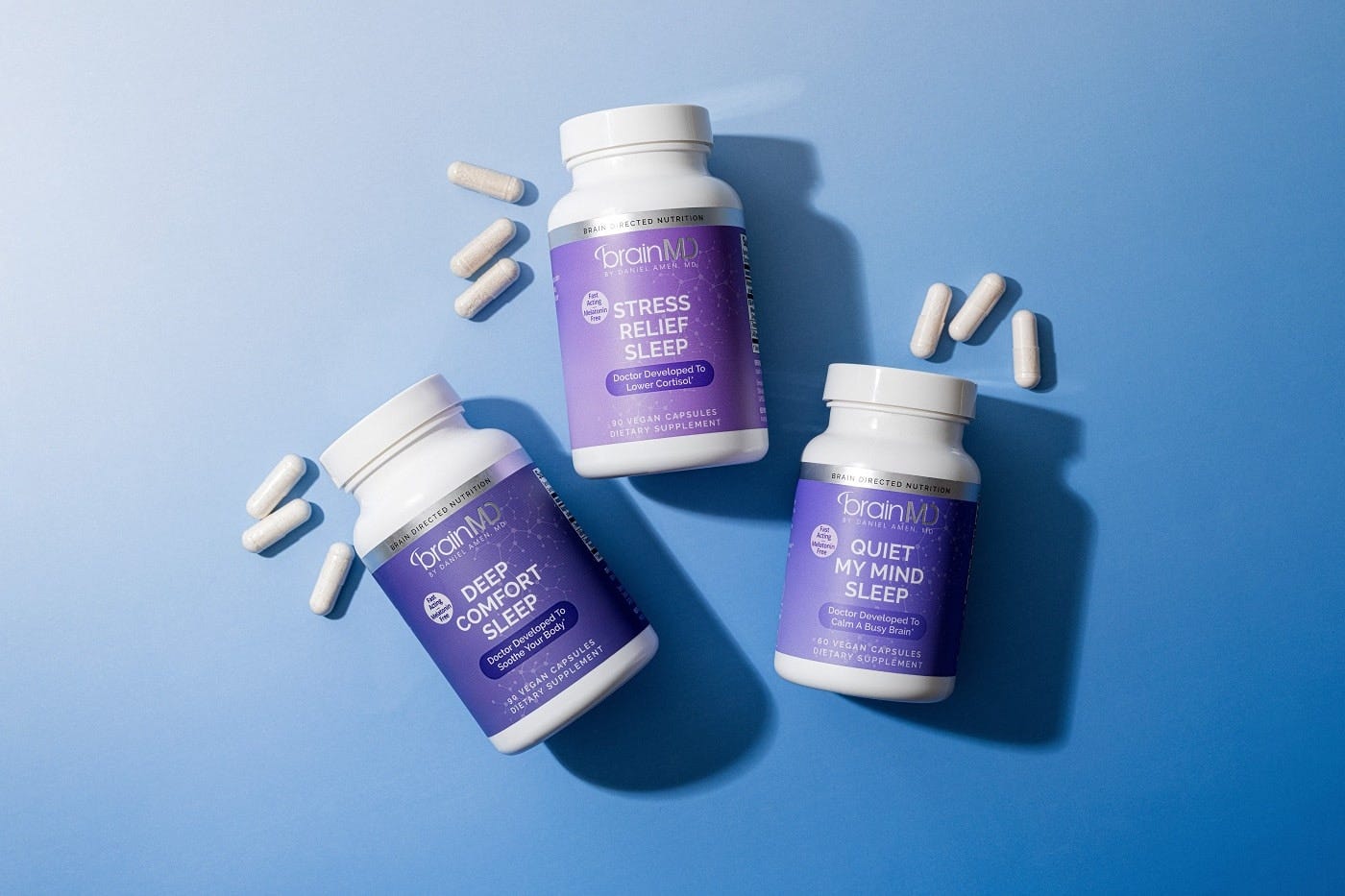



The BrainMD Difference: Natural, High-quality Supplements
Why Supplement? In a society where eating fast or processed food, consuming massive amounts of sugar, skimping on sleep, drinking too much caffeine and/or alcohol and not enough water, and consistently passing up on exercise has become the norm, supplements aren’t just a good idea, they’re critical to supporting and optimizing your health. There are many reasons why taking dietary supplements should be a part of everyone’s daily health routine, including: Our life processes require vitamins, essential minerals, and conditionally-essential nutrients. Deficiencies can lead to illness and death. Practically everyone has genetic mutations or polymorphisms, which increases their need for specific nutrients. Stress (emotional, chemical, physical, infectious), alcohol, smoking, and many medications deplete nutrients from the body. Traditional medicinal plants, when standardized and tested, invariably have superior benefit-risk profiles compared to medications. Dietary supplements based in science can equal or surpass pharmaceuticals. They also help pharmaceuticals work better. One of the best explanations for the importance of taking supplements daily comes from Dr. Mark Hyman, who says: "If people eat wild, fresh, organic, local, non-genetically modified food grown in virgin mineral- and nutrient-rich soils that has not been transported across vast distances and stored for months before being eaten…and work and live outside, breathe only fresh unpolluted air, drink only pure, clean water, sleep nine hours a night, move their bodies every day, and are free from chronic stressors and exposure to environmental toxins, then it is possible that they might not need supplements.” The Nutrition Gap Numerous large population surveys have consistently documented that the foods currently available in the Standard American Diet (SAD) aren’t providing enough of the nutrients the brain and body need. Even if you try to maintain a healthy diet, many foods are so low in nutrients that there will always be a gap in nutrition. That’s where dietary supplements come in – they help fill the gaps in your diet with the nutrients you’re missing by only eating foods. However, supplements are NOT a cure-all. They can’t replace good habits such as a healthy diet, regular exercise, quality sleep, and stress management. But supplements CAN make solid contributions to a healthy lifestyle by giving your body added protection from the everyday assaults of the environmental, biological and chemical toxins that surround you, such as air pollution, pesticides, and the thousands of chemicals that generate dangerous free radical molecules. Supplements also can help bolster inflammatory response, protect your DNA, assist with healthy gene regulation, boost your immune system, improve your mood, and promote overall brain health. The Supplement Trap When you walk into a vitamin store or the health section of a supermarket, what do you see? Hundreds of vitamins and dietary supplements with different ingredients, amounts and sourcing…not to mention bottles in a variety of shapes, sizes, and colors. What’s the one thing they all have in common? They all claim to be the best. Of course, you realize they can’t all live up to their promise. But how can you find a quality dietary supplement amid the sea of inferior products? As you search for effective, high-purity supplements there are many pitfalls to avoid and many elements to consider: 10 Things to Keep in Mind When Purchasing Supplements 1. Absorption The digestive system must extract the vitamins and nutrients you need from food and supplements, but the body’s absorption of vitamins can be affected by several factors, including competition of digestion and the addition of other supplements. For example, sugar interferes with the absorption of vitamin C. Many supplement ingredients (such as magnesium oxide) are known to be poorly absorbed yet are used simply because they’re cheaper or take up less space in a tablet or capsule. 2. Additives Many supplements have fillers, which reduce their effectiveness and may even be harmful to your health. Some companies add agents to their supplements simply for cosmetic reasons, e.g., titanium dioxide for whiteness. Others include artificial dyes, some of which are linked to cancer. Some supplements, particularly those marketed to children, have substantial amounts of sugar added – take a look at the label for a gummy product. Many products that contain minerals have revealed lead contamination when tested. 3. Fad Supplements Perhaps you’ve seen fad supplements being sold on TV. Many of those products claim to have the backing of clinical trials, though often no such trials have been published in scientific journals. The makers of fad supplements can even stoop to adding drugs (pharmaceuticals) into their products labeled as dietary supplements, even though this is expressly prohibited by the U.S. Food and Drug Administration (FDA) and can cause serious harm. If the supplement maker can’t show you controlled clinical trials published in peer-reviewed journals, proceed with great caution. 4. Formulation Just because a product has a certain ingredient in it doesn’t mean there’s enough of that ingredient in each dose proven (in clinical studies) to benefit people. A dirty little secret of the dietary supplement industry is that many products have less-than-proven amounts of ingredients – especially when those ingredients are expensive – to make it seem like the consumer is getting more for their money than with a competing product. Some in the industry call this “dusting” with “Fairy Dust.” Effective dietary supplements provide safe and clinically proven ingredients in doses that have reasonable probability of creating benefits for those who take them. 5. Labels & Claims Before you buy a supplement read the label, especially the Supplement Facts box which, by law, must list the active ingredients. Carefully read the directions for use and any cautions or warnings that follow them. Read the packaging and any claims for efficacy and/or safety that are on the label. The FDA prohibits supplement makers from claiming that their products “treat,” “diagnose,” “prevent,” or “cure” diseases, so carefully read the label to make sure it isn’t making any extravagant claims. 6. Manufacturing GMPs (Good Manufacturing Practices) are the legal requirements for the minimal manufacturing system to ensure a dietary supplement product has the correct ingredient identity, strength, purity, safety, and process documentation that matches the content of its label. The cGMP (current GMP) regulations were developed by the FDA to ensure that dietary supplements are safe to take, by being manufactured to the highest quality possible from the available technology. If the product you’re considering wasn’t manufactured in a GMP certified facility, leave it on the shelf. 7. Marketing Outlandish claims in marketing materials can be an indication that the company is over-promising in order to boost sales. Look for realistic statements about a product for “supporting,” “promoting” or “enhancing” specific structures or functions. Everyone’s body works differently, so supplements are rarely one-size-fits-all. Be sure the supplement’s ingredients have been put through controlled human clinical trials, which are the highest level of proof that they possibly could work for you. 8. Quantity Not all supplements are created equal. The number of ingredients in dietary supplements widely vary, which is especially true of multiple vitamins. Some leading supplement companies take a minimalist approach, claiming that less is more. At BrainMD, we believe that more is more. We include all the vitamins and essential minerals that can be safely combined into one product. 9. Reviews Online reviews can be beneficial when they’re presented in an honest manner. Unfortunately, some websites, including well-regarded ones, pay people to create positive reviews. It can be a good sign to see some average or negative reviews since one supplement won’t have the same effect for every person. However, be cautious when a large number of reviews simply repeat the same claims for the product. 10. Testing Testing is most effectively done on the raw material ingredients before they enter the chain of production. But in-process testing is also necessary, and the finished product must also be tested to ensure the integrity of the entire manufacturing process. Many companies cut corners, so make sure your supplement has gone through identity and potency verification, heavy metal testing, and microbial testing. So, how can you really know if you’re getting a high-quality supplement or just cheap ingredients in a fancy bottle? The BrainMD Difference Our Why At BrainMD, we passionately believe that a better brain leads to a better life. We realize the last thing the world needs is another line of poorly-made supplements. From the moment we started operations in 2009, we’ve committed ourselves to provide ultra-pure, clinical-grade, ethically sourced dietary supplements that can supply you with the nutrients you need to lead a brain-healthy life. We subscribe to a whole-person approach to physical and mental wellness. We’ve dedicated ourselves to helping people feel better by creating the highest quality dietary supplements and nutritional products on the market. The integrity of our work and our devotion to helping people inspires our commitment to excellence. Solid Foundation One of the distinguishing factors of BrainMD is that we’re backed by the combined knowledge, clinical experience, and guidance of an MD and a PhD. Our Founder: Daniel G. Amen, MD Dr. Amen is a double board-certified psychiatrist, clinical neuroscientist, brain-imaging specialist, and multiple New York Times, bestselling author. He is the visionary behind Amen Clinics, Amen University, and the numerous products and services offered by BrainMD. Our Chief Science Officer: Nicole Avena, PhD Dr. Nicole Avena completed her PhD in Neuroscience and Psychology from Princeton University, followed by a postdoctoral training fellowship at The Rockefeller University in New York City. She is a research neuroscientist and expert in the fields of nutrition, diet and addiction, with a special focus on nutrition during early life and pregnancy, and women’s health. In addition to over 100 peer-reviewed scholarly publications, Dr. Avena has written several books, including What to Eat When You’re Pregnant, What to Feed Your Baby and Toddler, and What to Eat When You Want to Get Pregnant. Backed by Science Would it surprise you to know that many of the supplements in the marketplace today have little or no backing from human clinical studies? The BrainMD research team incorporates the latest scientific findings into creating a wide array of specialized formulas that promote optimal brain function. We want you to be fully informed regarding our products. That’s why we’re committed to providing you with educational resources on the clinical research behind our products, and the science that supports our choice of ingredients that comprise our superior grade nutritional formulas. Our ingredient selection process is based on clinical trials and other studies published in peer-reviewed scientific journals and our supplements are formulated to exacting standards. Brain Directed We recognize that the health of your brain is central to your overall success. Feeding your brain properly is essential for optimal fitness and can be the first line of defense in preserving your mental and physical well-being. With the use of brain SPECT imaging, Dr. Amen discovered that some prescription medications can damage the brain. He sought out non-toxic solutions for his patients and developed dietary supplement formulas targeted to memory, mood, focus, and other specific brain functions. Those early formulas were so effective, they eventually led to the creation of the first supplement company solely dedicated to brain health, BrainMD. Rigorously Tested Our products are developed to promote brain-healthy living, and their ingredients, combinations, and dosages are solidly grounded in human brain research. During the product development process, our team may be required to review hundreds of studies to make sure we’re aware of all the research relevant to the product. We work to ensure that the specific ingredients (and the levels of each ingredient) in our products are safe, effective, and well-tolerated. We have stringent standards for selecting the raw materials for our products and work hard to verify that our ingredients are free of heavy metals, pesticides, herbicides, solvents, bacteria, mold, glutens, sugar, egg, dairy, corn, and any other unnecessary additives. Our ingredients undergo extensive testing to establish their identity, purity, potency, and freedom from contamination. We partner with the highest-quality manufacturers, which conform to the cGMP as required by the FDA. We use independent labs to further verify the manufacturer’s quality test results. With BrainMD products, you always get the nutrients promised on the label. Array of Products BrainMD has developed several products that are essential for everyone’s nutritional needs: our premium multivitamin, NeuroVite Plus, ultra-concentrated EPA and DHA fish oil, Omega-3 Power, and high-purity Vitamin D3 5000.* Our line of 30 supplement products was designed to support a wide range of individual needs, including: Everyday Essentials (Brain & Body Power, Brain & Body Power Max) Focus & Attention (Focus & Energy, Attention Support) Mood & Anxiousness (Serotonin Mood Support, SAMe) Food & Drink (Brain Boost On The Go) Protein (OMNI Protein – Vanilla and Chocolate) Kids & Prenatal (Smart Prenatal, Kids’ NeuroVite, Coromega Omega-3 Squeeze) Memory (Bright Minds Memory Powder, Brain & Memory Power Boost, NeuroPS) Stress & Relaxation (GABA Calming Support, Everyday Stress Relief) Sleep (Magnesium Chewables, Restful Sleep) Probiotics (ProBrainBiotics) This extraordinary group of products is the only line of dietary supplements available today that are specifically developed to address the full spectrum of brain health concerns.* Note: it’s important to discuss supplements with your healthcare practitioner. If your doctor isn’t knowledgeable about nutraceuticals (which is common), consult with a naturopathic or integrative medicine physician before starting any supplement regimen. At BrainMD, we’re dedicated to providing the highest quality supplements to improve your physical health and overall well-being. For more information about our full list of brain healthy supplements, please visit us at BrainMD. *These statements have not been evaluated by the FDA. This content is for informational purposes only. It is not meant to substitute for medical or healthcare advice from a physician, nor is it intended to diagnose, treat, cure, or prevent any disease. Consult your healthcare provider before beginning a new health regimen.
Learn more
Here’s How to Cook with MCT Oil (Recipes Included!)
The brain and body derive energy from many sources. One of the most potent sources of energy are the medium-chain triglycerides (MCT) from coconut oil. You’ll find high-quality, ultra-pure MCTs in BrainMD’s new quick energy supplement… Benefits of Organic MCT Oil Brain MCT Energy is an oily dietary supplement that offers medium-chain triglycerides (MCT), which rapidly boost the body’s energy generation, especially in the brain.* These are “good fats” that provide tremendous benefits for mental performance including focus and learning.* MCTs are easily digested in the intestine to make small fatty acids, which are efficiently absorbed. The liver readily converts these fatty acids from MCT into even smaller molecules called ketones, which all our cells can easily use for energy. MCT Oil and Appetite Satiety occurs when a person feels full while eating a meal. A dietary supplement that promotes satiety is useful for those who want to reduce their caloric intake by consuming less food. MCT has shown promise for increasing satiety. Some clinical trials suggest that supplementing with MCT can assist with maintaining a stable weight. By enhancing satiety, which restrains appetite and promotes fat burning, MCT can be helpful for curbing unhealthy eating and stabilizing body weight. MCT Oil Benefits for Brain & Body Besides its benefits for promoting mental performance – including memory, learning, and focus – Brain MCT Energy may help those who tire easily when doing mental work and need more mental energy. It may also benefit individuals who have trouble maintaining a stable blood sugar supply to their brain. Brain MCT Energy supplies biochemical superfuels for an optimal brain and body. How to Cook with MCT Oil Incorporating MCT oil into a meal can be a challenge for some. However, once you get started, there are many ways to cook with MCT oil. From smoothies, soups, and salads to healthy baked goods, MCT oil can lend a smooth taste and energy boost to many types of food. 3 Reasons Why You Should Prepare Foods with MCT Oil: Flavorless and Odorless – MCT oil has a neutral flavor that allows it to blend into many recipes. Doesn’t Need to Be Melted – There’s no need to melt MCT oil since it doesn’t turn solid at room temperature or in the refrigerator. Doesn’t Degrade Quickly – MCT oil doesn’t become as rancid as many other oils and may last for years if stored properly. MCT Oil Meal Prep Tips Healthy Add-on – MCT oil can be added to your morning smoothie, coffee, tea, or yogurt. It also can make the base for a healthy salad dressing. You can also drizzle MCT oil over dips, soups, oatmeal, or roasted vegetables. Swap Out Other Oils – For a change of pace, substitute MCT oil for vegetable, olive, or avocado oil. Preserve Its Potency – MCT oil should be used for low to mid temperature cooking. Its smoke point is 160C/320F. Higher temperatures will damage the fats and reduce the potency of the oil. MCT Oil Recipes Featuring Brain MCT Energy Immunity Green Smoothie 1 small frozen banana 1 cup frozen pineapple 1/2 cup frozen mango or papaya 2-3 cups organic spinach or kale 1 knob fresh ginger, peeled (about 2 inches of ginger or a pinch of powdered ginger) 1 knob turmeric root, peeled (about 2 inches fresh turmeric or a pinch of powdered turmeric) 1/2-1 tablespoon manuka or raw honey Pinch of freshly ground black pepper (optional, but enhances curcumin absorption from turmeric) 1 cup almond, coconut, or non-dairy milk of choice 1 scoop Smart Mushrooms 1 capsule Neuro Zinc (opened and emptied) 1 tablespoon Neuro-C liposomal vitamin C 1 tablespoon Brain MCT Energy organic MCT oil Instructions: Add all ingredients to a high-powered blender. Blend & enjoy! MCT Energy Avocado Salad Dressing 1 small avocado 1/4 cup extra virgin olive oil 1/4 cup roughly chopped fresh parsley 2 tablespoons raw apple cider vinegar 1 clove of fresh garlic (more to taste) 1 1/2 tablespoon of fresh lemon juice 1 tablespoon Brain MCT Energy organic MCT oil Dash Himalayan salt Pinch of freshly ground black pepper Instructions: Combine all ingredients in a high-powered blender or small food processor. Blend on high until mix becomes smooth and creamy. Drizzle onto your favorite salad recipe. Keep leftover dressing stored in an airtight container in the fridge for up to one week. Good, Clean Energy Brain MCT Energy enhances satiety to assist with weight management, improves the brain benefits of aerobic exercise, supports cognitive and memory function, and is vital for whole-body health for people of all ages.* Brain MCT Energy is a clean and fast-acting energy source for peak brain & body performance.* Try these tips for how to cook with MCT oil today! At BrainMD, we’re dedicated to providing the highest quality supplements to improve your physical health and overall well-being. For more information about Brain MCT Energy and our full list of brain healthy supplements, please visit us at BrainMD. *These statements have not been evaluated by the FDA. This content is for informational purposes only. It is not meant to substitute for medical or healthcare advice from a physician, nor is it intended to diagnose, treat, cure, or prevent any disease. Consult your healthcare provider before beginning a new health regimen.
Learn more
4 Natural Ways to Balance Your Hormones at Any Age
Hormones are often associated with teenage angst and/or female menstrual-related moodiness. Yet, they’re involved in much more than reproductive and sexual maturing processes. They also control metabolism, appetite, development and growth, cognition and mood, sleep, body temperature maintenance, and more. What Are Hormones? Hormones are the chemical messengers of the endocrine system, which is made up of eight major glands – the pituitary gland, pineal gland, thymus, thyroid, adrenal glands, pancreas, testes, and ovaries. These glands release hormones into the bloodstream, and the hormones then deliver their messages by locking into the cells of a particular tissue or organ. They control most of the processes that happen in your body. But they aren’t independent contractors; hormones are interconnected. What happens with one hormone may affect another. What Disrupts Hormonal Balance Normally, endocrine glands produce the precise amount of each hormone needed for your body’s various functions. Genetics and medical conditions can affect this delicate hormonal balance, but lifestyle factors can too. Consider our modern lives. We’re exposed to a number of hormone-disrupting chemicals. We get little sleep. Our bodies are often in a continual stress response due to the fast pace at which we live. The typical American diet offers too much unhealthy fat, sugar, and refined carbohydrates, causing 68 percent of us to be overweight. All of these factors (and more) are throwing our hormones off. It’s no surprise then that medical researchers are taking note of the increasing prevalence of hormonal imbalances. According to a 2019 survey of 2,000 American women ages 30 to 60, nearly half of them have experienced the symptoms of a hormone imbalance. So, how do you know if your endocrine system isn’t working optimally? Signs of Hormonal Imbalance Because hormones are involved in so many bodily processes, there’s a broad range of problems that can indicate a possible hormonal imbalance, including: Unexplained weight gain or loss Excessive sweating Very dry skin and rashes Irritability and anxiousness Long-term fatigue Increased thirst Changes in blood pressure, heart rate, and blood sugar Here are some of the most common signs of hormone imbalance in women: Premenstrual mood swings and intense food cravings Heavy, painful periods Missed or irregular menstrual periods Migraines/headaches Excess hair growth on face and body/hair loss Breast changes Low mood Sleeplessness, night sweats Memory fog Trouble conceiving Darkening of the skin, acne, skin tags Vaginal dryness and atrophy Pain during sex And men have their own issues too: Development of breast tissue or tenderness Trouble maintaining an erection Decrease in beard and body hair growth Loss of muscle and bone mass Difficulty concentrating Low libido Low mood Being overweight If you want to take care of your hormonal health, here are 4 different lifestyle actions you can start following today. 4 Natural Ways to Balance Your Hormones 1. Get Regular Exercise Physical exercise is wonderful for overall health and is a great way to balance your hormones. One major benefit is that it helps to reduce insulin levels and increase insulin sensitivity. This is important for maintaining healthy blood sugar levels in the body. Being physically active can help increase levels of muscle-maintaining hormones. It also naturally boosts feel-good hormones in the brain, producing a true natural high! 2. Manage Your Stress The fast pace and multiple demands of modern living too often put us in a state of intense stress, which can put too many stress hormones in your body and cause problems. For instance, too much cortisol can impair communication between the immune system and your body’s HPA axis (the interaction between the hypothalamus, pituitary gland, and adrenal glands), which has been linked to extreme fatigue, blood sugar issues, weight gain, low mood, and immune issues. Make sure you’re doing relaxing activities – such as spending time in nature, laughing with friends, relaxing in a bath, yoga, a walk on the beach, deep breathing, and meditation – to help balance your hormones. 3. Eat Healthy Foods What you choose to eat has a major impact on hormonal balance. Studies have shown that fructose (sugar) can increase insulin levels and promote insulin resistance, particularly in overweight people or people with blood sugar issues. Limit your intake of sugar, as well as refined carbohydrates and alcohol, since they have a similar affect. Instead, enjoy complex carbohydrates (whole foods like fruits and vegetables). They offer great nutrition and usually are high in fiber, which helps to support healthy blood sugar and insulin balance. Fats are really important too. Avoid trans fats, but enjoy omega-3 and monosaturated fats instead. They help to promote satiety, healthy blood sugar levels, and insulin sensitivity. Also, make sure you get adequate amounts of protein. Research has shown that eating protein decreases levels of the “hunger hormone” ghrelin and stimulates the production of hormones that help you feel full. Aim for a minimum of 20 – 30 grams of protein per meal. 4. Get Regular, Restful Sleep Get 7 to 9 hours of restful sleep a night. Poor sleep is linked to imbalances in hormones that regulate your appetite, growth, blood sugar, healthy cognition, libido, and tissue repair. Your brain needs uninterrupted sleep that allows it to go through all five stages of each sleep cycle. Getting quality sleep is just one way to balance your hormones. Final Word If you’re concerned about your hormones, consult your doctor and get your hormone levels checked. Since some imbalances can be life-threatening, hormone health should be taken seriously. At BrainMD, we’re dedicated to providing the highest purity nutrients to improve your physical health and overall well-being. For more information about our full list of brain healthy supplements, please visit us at BrainMD.
Learn more
Does MCT Oil Give You Energy? Here's How to Superfuel Your Brain & Body
The human brain requires lots of energy to function. Though only 2% of he body’s total weight, the brain uses at least 20% of the body’s total energy. The brain and body derive energy from many sources. One of the most potent sources of energy are the medium-chain triglycerides (MCT) from coconut oil. You’ll find high-quality, ultra-pure MCTs in BrainMD’s new quick energy supplement… Brain MCT Energy: Organic MCT Oil Brain MCT Energy is an oily dietary supplement that provides biochemical superfuels which rapidly boost the body’s energy generation, especially in the brain.* These are “good fats” that pose no threat to our health.* MCTs are easily digested in the intestine to make small fatty acids, which are efficiently absorbed. The liver readily converts these fatty acids from MCT into even smaller molecules called ketones, which all our cells can easily use for energy. Our cells get the bulk of their energy from biochemical “fires” stoked by mitochondria, tiny energy generators. The mitochondria use oxygen to convert nutrients from our foods into energy. Of all the nutrients the mitochondria burn, the easiest are ketones – small molecules derived from fatty acids (think of ketones as the kindling for our life energy). MCT are small natural fat molecules (triglycerides) of two kinds: caprylic acid triglyceride, consisting of fatty acids 8 carbons long (“C8”) combined with glycerol; and capric acid triglyceride, which has fatty acids 10 carbons long (“C10”) combined with glycerol. When taken by mouth, both are efficiently digested into their free caprylic (C8) and capric (C10) fatty acids, which are then readily absorbed. These small fatty acid molecules rapidly cross the intestinal lining and reach the large portal vein, which quickly delivers them to the liver. There, instead of being packaged into LDL particles along with cholesterol like larger fatty acids, they’re converted into ketones. These small molecules are then released into the circulation, to be picked up and burned in the mitochondria of any of our cells. MCT Oil and Brain Health The brain relies almost 100% on glucose (“blood sugar”) for energy generation, because that’s typically what it’s fed. But the brain is also capable of making energy from ketones, and even from the C8 and C10 molecules, that aren’t broken down in the liver. For people who struggle to get blood sugar into their brain, these MCT derivatives are a tremendous boon. Clinical research strongly suggests the brain loses its capacity to utilize glucose over time; this process may even begin for some in their youth. Fortunately, the brain seems to retain its full capacity to make energy from the C8 and C10 fatty acids, and especially the ketones produced from them, across the entire lifespan. In 2020, U.S. government researchers published a meta-analysis from 13 clinical studies with MCT. They concluded that MCT improved cognition, including memory. They noted that the higher the blood ketone level achieved, the greater the degree of cognitive benefit. MCT Oil and Exercise Taking an MCT supplement one or two hours prior to a workout supplies the skeletal muscles with ketones to help meet their increased energy needs. As the workout progresses and the muscle mitochondria burn ketones, the body may mobilize additional ketones from adipose tissue or other fat stores. As the ketone blood levels rise, some will be “pushed” into the working muscles and the brain. Findings from a recent controlled clinical trial suggest that taking MCT while on a moderate aerobic exercise program could be a useful tool for achieving higher blood ketone levels. Also, taking MCT lessened the blood sugar spike after consuming carbohydrates, which is consistent with clinical findings that suggest MCT may assist with blood sugar balance. MCT Oil and Appetite Satiety occurs when a person starts to feel full while eating a meal. A dietary supplement that promotes satiety is useful for those who want to reduce their caloric intake by consuming less food. MCT has shown promise for increasing satiety and lowering appetite, which can help reduce caloric consumption. And while MCT can lessen appetite, they also can increase the body’s burning of fat. The body must use energy to process food once it’s consumed. This process is called diet-induced thermogenesis (DIT). Clinical trials spanning more than 30 years have now clearly established that taking MCT increases DIT, mainly by increasing the body’s rate of fat-burning. Though the MCT acceleration of fat-burning and DIT hasn’t been shown to translate directly into weight loss, some of the clinical trials suggest that supplementing with MCT can assist with maintaining a stable weight. By enhancing satiety, MCT can be helpful for curbing unhealthy eating and stabilizing body weight. Clean MCT Oil for Your Brain & Body Besides its benefits for promoting mental performance – including memory, learning, and focus – Brain MCT Energy may help those who tire easily when doing mental work and need more mental energy.* It may also benefit individuals who have trouble maintaining a stable blood sugar supply to their brain.* MCTs are also valuable for whole-body health and overall vitality.* The clinical research with MCT has opened new vistas of brain benefits for people of all ages.* [wc_button type="inverse" url="/brain-mct-energy" title="SHOP MCT OIL" target="" url_rel="" icon_left="" icon_right="" position="center" class=""]SHOP MCT OIL[/wc_button] [wc_box color="secondary" text_align="left" margin_top="" margin_bottom="" class=""] Brain MCT Energy FAQ What Are the Ingredients in Brain MCT Energy? Medium-chain triglycerides of caprylic acid (an 8-carbon fatty acid) and capric acid (a 10-carbon fatty acid), naturally occurring small fat molecules that are sustainably-harvested from organically grown coconuts. Who can benefit from Brain MCT Energy? This supplement is useful for people of any age or state of wellness. It’s recommended for those seeking to improve their energy and mental performance, including learning, focus, and memory. It may also help maintain stable blood sugar supply to the brain. MCT can increase satiety; consuming less food can help slow weight gain or maintain current weight.* For people on a keto diet, taking this supplement may help counteract the elevation of blood triglycerides and LDL cholesterol caused by the consumption of unhealthy fats.* MCT has also been shown to help conserve muscle strength in the elderly.* How can I take this supplement? Brain MCT Energy is odorless, flavorless, and easy to pour. It can be added to coffee, smoothies, shakes, even salad dressings. Adults can take 1 tablespoon (14 grams) daily with food, maximum 2 tablespoons (28 grams) daily. If GI discomfort occurs, take smaller portions more frequently, but always with food. For best fat-burning results take 1-2 hours prior to an aerobic workout. This product is not intended for use by children. MCT products were first developed for use by children with serious medical conditions, and should only be given to children under a physician’s supervision. Can other BrainMD supplements complement or enhance the effectiveness of Brain MCT Energy? Yes! NeuroVite Plus, Omega-3 Power, and Brain & Memory Power Boost complement this product. They provide nutrients our cells need to make the best use of MCT. These especially include the B vitamins, magnesium, zinc, acetylcarnitine, alpha-lipoic acid, coenzyme Q10, and omega-3 EPA+DHA. Since this is such a healthy fat supplement, do I need any other fats? Yes, you still need to take an omega-3 EPA+DHA supplement, unless you eat a lot of carefully-cooked, uncontaminated cold-water fish.* Omega-3s are essential for our cell membranes to function and for healthy inflammatory balance, vital roles not covered by MCT.* Are there any serious side effects to taking Brain MCT Energy? No. As with other BrainMD products, this is a dietary supplement, not a drug, and isn’t habit-forming. Mild GI discomfort can occur with large doses and can be prevented by starting with a low dose and working your way up.* Even 5 grams a day of MCT (one teaspoon) is likely to have some benefit, and this can be split into a half teaspoon twice a day.* This supplement is free from dairy, glutens, sugar, corn, soy, eggs, yeast, and artificial colorings or flavorings. It is made from tree nuts (coconuts). It’s suitable for vegans, and its use is compatible with paleo diet patterns. Taking this product can enhance the benefits of a ketogenic (keto) diet, and MCTs have been used to lessen blood cholesterol difficulties that sometimes result from bad fats in the keto diet.* [/wc_box] Superfuel for a Super You Brain MCT Energy supplies biochemical superfuels for an optimal brain and body.* This natural supplement may help people who tire easily when doing mental work, or who have trouble maintaining a stable blood sugar supply to their brain.* It also enhances satiety to assist with weight management, improves the brain benefits of aerobic exercise, and supports cognitive and memory function.* Brain MCT Energy is a clean and fast-acting energy source for peak brain and body performance.* [wc_button type="inverse" url="/brain-mct-energy" title="SHOP MCT OIL" target="" url_rel="" icon_left="" icon_right="" position="center" class=""]SHOP MCT OIL[/wc_button] At BrainMD, we’re dedicated to providing the highest quality supplements to improve your physical health and overall well-being. For more information about Brain MCT Energy and our full list of brain healthy supplements, please visit us at BrainMD. *These statements have not been evaluated by the FDA. This content is for informational purposes only. It is not meant to substitute for medical or healthcare advice from a physician, nor is it intended to diagnose, treat, cure, or prevent any disease. Consult your healthcare provider before beginning a new health regimen.
Learn more
Benefits of Stretching: Pre & Post Workout Stretches + Desk Stretches
Much emphasis has been placed on exercising your body for health and longevity. The U.S. even makes a recommendation of how much exercise you should get each week. Yet, there’s no official national recommendation for stretching. It’s often mentioned as a sidenote to exercise. Perhaps that’s why just 10 percent of Americans stretch on a regular basis, according to data from Statista. But that’s changing now: Stretching is in! Health experts and institutions are touting stretching as important for posture, mobility, and healthy aging, in addition to being important to do before and after exercise. In fact, regardless of an exercise routine, Harvard Medical School recommends that adults do flexibility exercises (stretches, yoga, or tai chi) for all major muscle-tendon groups at least a couple of times a week, and preferably more. Ideally, we should stretch every day, whether that’s around a workout routine, first thing in the morning, before bed, or at the office. The Benefits of Stretching Every Day There are many benefits of stretching. If you start stretching every day, you’ll be helping your muscles to stay healthy, strong, and flexible – and that flexibility will help you maintain a healthy range of motion in your joints. When you lose flexibility, your muscles shorten and become tight. Then, when you need those muscles, they’re too weak to extend all the way, putting you at risk for pain, strain, and muscle damage. Damaged muscles can put you at risk for joint injury. Stretches can help relieve tension, especially if you sit at a desk all day. A few good stretches can help loosen your shoulders and neck and keep your back and hip flexors from getting too tight. Among the many benefits of stretching, it increases blood flow, which is necessary for healthy brain function as well. If you’re active, stretching can help to improve your joint range of motion and your athletic performance, while decreasing your risk of injury. Are you ready to enjoy the benefits of stretching? Pre-Workout Stretches It’s good to do static stretches before exercise. Static stretches are the kind that are performed in a stationary position with a sustained hold to lengthen the muscle. Interestingly, studies in recent years show that they may not be the best to do pre-workout, or before participating in high-level sports. In fact, static stretching can actually decrease athletic performance, and stretching immediately before an athletic event has been shown to weaken hamstring strength. Also it isn’t a good idea to do sustained hold stretches when your muscles are cold as it could lead to an injury. Instead, dynamic stretches are now preferred pre-workout, or a combination of dynamic and static stretches. As the name implies, dynamic stretching is performed while moving, often doing some of the movements that you’ll do in the sport, workout, or activity you plan to engage in. Imagine swimmers and how they swing their arms around prior to getting in the water, or a runner doing lunges prior to a run. They’re doing dynamic stretches. The movement helps to increase blood flow and warms the muscles, while loosening joints and easing pain. This helps to increase range of motion, reduce injuries, decrease stiffness, and boost athletic performance. Pre-Workout Dynamic Stretches Try some arm circles and shoulder rolls if you’re going for a swim. Or if you run, do some leg pendulums, which means swinging each leg back and forth about a dozen times, or you can swing your leg side to side. Walking lunges are also a great dynamic stretch. Post-Workout Stretches While they may be discouraged pre-workout, static stretches are wonderful after a workout. Your boosted circulation post-workout brings blood to your muscles and joints, allowing for greater flexibility. Stretching can also relieve tired muscles by helping to release lactic acid that builds up during your workout and speeds up recovering time. Consider doing a round of static stretches for your hamstrings, glutes, quads, shoulders, triceps, and wrists. Of course, you can tailor your routine to stretch the muscles used in your workout. A coach, personal trainer, or physical therapist can be helpful in that regard. The Classic Hamstring Post-Workout Stretch Sit on the ground with both legs straight out in front of you, bend the left leg and place the sole of the left foot alongside the knee of the right leg. Allow the left leg to lie relaxed on the ground, bend forward keeping the back straight. You’ll feel the stretch in the hamstring of the right leg. Then, do the same for the other leg. 2 Effective Desk Stretches You Can Do Everyday There are real dangers to sitting for prolonged periods. Spending hours hunched over a desk does a number on your back, hips, neck, and shoulders. Stretching at your desk can help to alleviate the tension and stiffness. Here are a couple of desk stretches to help. You can find many more online – or ask your physical therapist. 1. Hip Opener Sitting tightens your hips and lower back. Try this to open them up. Sit on the edge of your chair with your feet hip-width apart, directly under your knees. Cross one ankle over the opposite knee. Gently stretch forward. 2. Half Downward Dog This full-body stretch is a well-known yoga pose and is excellent for your hamstrings. Stand facing the back of your chair. Place your hands on the back of the chair. Step back as far as you can. Try to keep your arms and legs straight as you stretch your spine. Don’t Stretch Your Limits If you’ve been sedentary and/or have physical limitations or injuries, consult a doctor or physical therapist before you start stretching. If you do too much too soon or stretch incorrectly, you could hurt yourself. Over time, your flexibility and range of motion will surely improve, provided you’re stretching correctly. At BrainMD, we’re dedicated to providing the highest purity nutrients to improve your physical health and overall well-being. For more information about our full list of brain healthy supplements, please visit us at BrainMD.
Learn more
9 Health Benefits of Running & How to Start
We were built to run. Researchers believe that the shape of our bodies evolved to make us extraordinary endurance runners, which helped us to both chase prey to exhaustion and evade predators. Also, our tendency to sweat helps our bodies dissipate heat. Our spring-like Achilles’ tendons and strong leg joints support balance and long-distance running. This natural movement rewards us with a treasure trove of health benefits and longevity. And it doesn’t require much time. Running as little as 5-10 minutes a day at slow speeds is associated with markedly reduced risks of death from all causes – and could add an extra three years to your life! What’s more, running is both free and accessible. You can do it pretty much anywhere at any time. All you need is a supportive pair of running shoes. 9 Health Benefits of Running Here are 9 benefits that may very well inspire even the most reluctant runner to give it a try. 1. Sleep Restorative sleep is critical for healthy brain function, immune response, mood, weight, hormonal balance, blood sugar, athletic performance, and more. Aerobic exercise, such as running, helps you fall asleep more quickly and improves sleep quality. And, counter to what’s believed about evening exercise interrupting sleep, with the exception of hard intervals within an hour of bedtime, research shows that a nighttime run will also help your sleep. 2. Healthy Weight Whether you run lighting fast or slow as a turtle, running burns a lot of calories because you continuously move your entire body weight. It’s estimated that you burn 100 calories per mile of running, which makes running one of the top calorie-burning activities you can do. The National Weight Control Registry has tracked a group of people who have lost an average of 66 pounds and kept it off for more than 5 years. What do nearly all of them have in common? They exercise regularly. Consistent running will make weight management easier. 3. Healthy Knees and Back On average, sedentary, out-of-shape adults suffer more from knee and back problems, than runners do. In one study tracking a group of first-time marathon runners, novice runners actually saw sustained improvement in the bone marrow and cartilage of their knees for at least six months after the race! In a 2020 report, longtime runners had less age-related decline in their lumbar intervertebral disc height than non-runners. That said, health experts suggest that runners maintain a healthy weight and build core strength in order to minimize any running-related knee or back problems. 4. Immune Function While extreme exercise may put you at greater risk for getting sick, consistent moderate amounts of aerobic exercise improves immune function and reduces the likelihood of getting sick. 5. Cognitive Function Running may help protect against cognitive decline as it increases heart rate and blood flow. Plenty of oxygen-rich blood flowing to your brain supports optimal cognitive function. Running also stimulates the release of brain-derived neurotrophic factor (BDNF). BDNF supports the survival of existing neurons, and the growth and differentiation of new neurons and synapses. High fitness is associated with greater brain volume, including gray matter. 6. Cellular Function and Health A 2016 study of 1.44 million American and European adults showed that high-fitness exercisers had a lower risk of developing uncontrolled growth of abnormal cells than non-exercisers. 7. Mood Boost and Stress Relief Running makes us feel good. Research has found that aerobic exercise effectively alleviates low mood and stress. You’ve probably heard of “runner’s high.” That occurs when running releases endocannabinoids in the bloodstream, producing a feeling of well-being and calm. 8. Healthy Blood Sugar Medical professionals have long known that exercise helps to stabilize blood sugar levels in the body. A study focusing on 19,000 adults for more than 6 years comparing blood sugar levels in runners vs. non-runners found that runners were 72 percent less likely to develop blood sugar issues. 9. Healthy Blood Pressure Running and other types of moderate exercise is a proven, non-drug-related way to support healthy blood pressure levels in the body. And while any type of running is good, higher interval training delivers the most healthy blood pressure bang for your buck! How to Start Running as a Beginner If you’re over 40, have a BMI of 35 or higher, or a family history of heart health issues, talk to your doctor before you start running. Running isn’t easy. It’s important to make it habit by choosing a place you like (e.g., a beach, trail, or park) and a time that works for you and commit to showing up. Fitness experts suggest following these tips: Begin with Walking. To start, especially if you’ve been sedentary, be gentle and go slow. Start with a 30-minute walk, 3-5 days a week. Add Running. After a few weeks, add in periods of running to your walk. You might start with as little as a few minutes of running followed by several minutes of walking and then repeating it. Gradually lengthen the time you run. Add Speed and Mileage Last. Continue to ramp up until you’re running a full 30 minutes several days a week. Once you master the time, then consider increasing your mileage and/or speed. Remember to reward yourself after you run, have fun, and enjoy all those wonderful health benefits! At BrainMD, we’re dedicated to providing the highest purity nutrients to improve your physical health and overall well-being. For more information about our full list of brain healthy supplements, please visit us at BrainMD.
Learn more
Tips for How to Recycle: Learn What & How to Recycle in Your Area
It has been said that “recycling turns things into other things, which is like magic.” In the U.S., we need to work more of this magic. These statistics from the Environmental Protection Agency speak volumes: Of the world’s 2.12 billion tons of municipal waste generated each year, the U.S. amasses about 292 million tons. Even though the U.S. accounts for only 4 percent of the planet’s 8 billion people, we make nearly 14 percent of the waste. In 2018, approximately 69 million tons of our waste was recycled, and 25 million tons was composted. One way to improve our recycling numbers is to learn more about how to recycle. What Can You Recycle? Nearly every community in the U.S. has a recycling program with its own specifications. Check with yours to find out what they accept. If you’re fortunate enough to live in a city that provides curbside recycling, you likely can recycle the “Big 5” (bottles, cans, plastic, paper, and cardboard). Even outside of big cities, you can usually recycle these basic materials by taking them to a recycling center. How you prepare items and what you put in your bins can determine how much (or little) of what you collected gets recycled. Common mistakes include placing a non-recyclable item in the recycling bin or bagging recyclables. Both often result in the entire bin getting thrown away instead of recycled. How to Recycle: Tips for What Can be Recycled in Your Area (the Big 5) Glass and Bottles Food jars and beverage bottles are 100% recyclable and can be recycled endlessly without loss in quality or purity. Remarkably, glass bottles can be recycled and back on store shelves in 30 days. Glass is heavy and takes at least 1 million years to biodegrade, so this is an especially important material to recycle. Rinse your food jars and beverage bottles and check with your local waste management company about what to do with the caps. Your state may offer a refund value if you bring your glass to a participating recycling center. They generally pay a nickel per jar or bottle. Some glass cannot be recycled. That includes drinking glasses, glass objects, ceramics, mirrors, electronics glass, and window glass. Check in your community if there’s any individual or company that takes these kinds of glass. You never know, a local artist may have use for them! If you can’t repurpose them, wrap them and place them in your trash. Cans Aluminum beverage and food cans (as well as steel/tin), clean aluminum foil, and foil food trays are also highly efficient recycled materials that can be recycled over and over indefinitely. It can take more than 200 years for aluminum to biodegrade naturally, so your efforts are highly worthwhile. Be sure they’re rinsed, clean, and dry. Unfortunately, some items like baking pans, dirty foil trays and metal electronics cannot go in the recycling bin. Check with your community about recycling centers for household goods and electronics. There’s a good chance you’ll find a company that will recycle or repurpose them. Paper and Cardboard In 2018, roughly 68 percent of paper waste was recycled. Let’s keep it going! Here are some general tips. Keep paper and cardboard clean and dry. Wet and soiled paper/cardboard cannot be recycled. Newspapers, office paper, cardboard and paper bags, magazines and catalogs, food/detergent boxes, junk mail, milk cartons and more make up common recyclable paper goods. Experts also suggest conserving office paper by printing on both sides and using your creativity to repurpose other paper goods. Plastic At least 8 million tons of plastic end up in our oceans every year. Experts estimate that it can take 400 years or more to biodegrade, so it’s vitally important to recycle plastics. Most municipal recycling programs will accept containers marked #1-7, water/juice/soda bottles, food containers, milk/water jugs, detergent/cleaning product bottles, personal care bottles, and plastic shopping bags. What about plastic baggies, wraps, and film? Most curbside recycling bins will not take them, but there are drop-off locations. Check here to see where you can recycle plastic in your area. Potentially Dangerous Materials Beyond the Big 5, you’ll have to do a little more work to recycle hazardous wastes and odd pieces that don’t fit into any category. Hazardous wastes include fluorescent and CFL light bulbs, motor oil, paint, outdated cleaning supplies, electronics (including cell phones, televisions, and computers), needles and medical waste. Challenging items to recycle include a number household goods like lamps, baking pans, oversized items, and furniture. You’ll need to take the initiative to find recycling or refuse centers that handle these responsibly. A simple internet search will usually provide the information you need. In some cases, you may need to pay a small fee to have items properly recycled. Conservation Mindset Every choice we make regarding waste has a collective impact. When you buy food and household items, consider the items full lifecycle, including how it will be disposed of. Ask where you can swap wasteful single-use items with reusable ones. Invest in reusable bags. Avoid items with too much packaging. In short, make recycling a higher priority in your life and take the time to do it carefully and correctly. It will undoubtedly make you feel better and help our planet at the same time. At BrainMD, we’re dedicated to providing the highest quality supplements to improve your physical health and overall well-being. For more information about our full list of brain healthy supplements, please visit us at BrainMD.
Learn more
How Grounding Can Help You Feel Less Stressed & More Balanced!
Did you know the Earth is like a giant battery? The surface of the Earth has an electrical charge (a negative one). Since this natural, electrical energy comes from the ground, electrical systems must be “grounded” for safety purposes. Dangers of Being Ungrounded One of the main jobs of an electrician is to make sure that a house or building is grounded. This includes any part of the structure where electricity will be running through wires or circuits. It also includes wall outlets, which can be extremely dangerous to children if they aren’t protected. An ungrounded outlet increases the possibility of an electrical fire. If an outlet isn’t properly grounded, sparking or arcing may occur, which could set nearby furniture or fixtures on fire. This could lead to health hazards and/or a loss of property or life. Though perhaps not as immediately catastrophic to your health, living an ungrounded existence may be depriving you of influences that can help keep you healthy over the long-term. The sad reality is that while we’re being deprived of the Earth’s electrical potential for healing, we’re also being subjected to the harmful electrical energy that’s part and parcel of modern living. Harmful Effects of EMFs With the prevalence of technology such as cell phones, TVs, computers, and other electronic devices, we’re constantly being bombarded with electromagnetic frequencies (EMF). Though the full impact of EMFs isn’t known at this time (there’s a distressing dearth of independently conducted impact studies regarding the effects of EMFs on humans, especially with respect to the new 5G network for cell phones), it’s believed that the radiation generated by these devices can damage healthy cells and perhaps cause or contribute to an array of negative health issues. A comprehensive health maintenance program is needed to neutralize the potentially harmful effects from EMFs and other environmental toxic influences. One way to reduce the effects of EMFs is to remove TVs, computers, and other electronic devices from your bedroom. Another helpful suggestion is to establish a time when all devices will be turned off for the remainder of the evening. Not only will this provide a break from calling, texting, and browsing the internet, and playing video games, it will help reduce the EMFs in your home. A natural way to protect yourself from the negative effects of EMFs is to engage in the practice of “grounding” (or “Earthing”). What Is Grounding? An emerging field of research suggests that just as electronics and appliances need to be grounded, humans also can benefit from being grounded. This research is based on evidence that touching the ground directly with our skin – which can be achieved by walking around barefoot or by sleeping on grounded surfaces – may allow for electrons to enter our body from the Earth and improve our life functions. These electrons may act as antioxidants, to neutralize “free radical” toxins which are known to be deficient in electrons. Unfortunately, modern living keeps us separated from the ground much of the time, depriving us of access to these health-giving electrons. Most of us wear shoes as we walk around our house, our place of work, inside stores and other buildings, and when we sit in a car, bus, or other form of transportation. Even when we’re outside walking, jogging, or hiking we wear shoes. This presents a health challenge since we’re disconnected from the Earth’s natural electron sources when walking on manufactured surfaces and wearing manufactured foot protection. In centuries past, people walked around on bare feet. Of course, the many hazards (thorns, rocks, snakes, etc.) of walking barefoot led to the sandal and eventually to today’s wide array of footwear. But have we lost something by covering our feet for protection, comfort, and style? Most of the footwear worn today leaves us ungrounded. Some holistic practitioners are convinced this deprives us of the Earth’s healing power and recommend a daily practice of grounding. Benefits of Grounding Results from some small, double-blind, controlled trials suggest that grounding may improve numerous aspects of human health. Many people have responded that their health has improved by grounding themselves regularly. Benefits of grounding include feeling less stressed and more balanced. Here are three other ways that grounding may be beneficial for you… 3 Ways Grounding Can Help Improve Your Health & Well-being 1. Pain Reduction In clinical trials, some individuals have reported reduction in back or other bodily pain after several sessions of grounding. Others have reported less soreness and stiffness in their muscles. One of the many benefits of grounding is improved sleep, which may be the result of pain reduction. 2. Less Stress Stress can increase the hormone cortisol, a steroid that can kill brain cells and has an overall devastating effect on health over time. Controlled trials suggest that cortisol levels tend to improve when people under stress are allowed to be grounded. Grounding also may have a significant impact on sleep. An 8-week study of a dozen men and women found that grounding (with a conductive mattress pad) helped provide better quality sleep. Based on self-reporting, the study revealed that 11 out of 12 of the participants fell asleep faster, and 9 out of 12 woke more refreshed and with more energy. Also, 9 out of 12 subjects reported having less stress, irritability, and mood issues after being grounded. 3. Cardiovascular Health A randomized, blinded controlled trial was conducted at the University of Salzburg in Austria, and published in the journal Frontiers in Physiology in 2019. Healthy participants (22 in all) were subjected to a period of downhill treadmill running, guaranteed to cause muscle soreness. Then, 12 participants were allowed to sleep grounded and 10 ungrounded. They were monitored for 10 days. The grounded group showed less loss of muscle performance, less muscle damage, and less blood inflammation markers, versus the ungrounded group. One double-blind trial found that grounding lowered HRV (heart rate variability), which suggests it may support cardiovascular health. Improved heart rate variability is an accepted positive indicator of heart health. Get Grounded Grounding is an activity that allows you to get back in touch with the natural world by having direct skin contact with the uncovered ground. The practice of grounding may offer a variety of health enhancements. Benefits of grounding include reduced stress, improved sleep, and better balance in life. There’s also growing evidence that grounding can help boost the immune response, prevent pain, and even promote wound healing. Walking on dirt, grass, or sand is a tangible way to enjoy the benefits of grounding (and is also an excellent way for many to re-align their spine). However, some may not have the time, or inclination, to walk around barefoot. Fortunately, there are alternatives to outdoor grounding that you can adopt for your home or office. Many grounding products can be used while relaxing, working, or sleeping. These include desk chairs, chair mats, mattress pads, and blankets. Whatever method appeals to you, give grounding a try. Let us know below if you notice a difference. At BrainMD, we’re dedicated to providing the highest quality supplements to improve your physical health and overall well-being. For more information about our full list of brain healthy supplements, please visit us at BrainMD. These statements have not been evaluated by the FDA. This content is for informational purposes only. It is not meant to substitute for medical or healthcare advice from a physician, nor is it intended to diagnose, treat, cure, or prevent any disease. Consult your healthcare provider before beginning a new health regimen.
Learn more
How to Eat Seasonally: Eat These Delicious Summer Fruits and Vegetables!
Eating seasonally is a popular concept among the sustainability-minded. Followers of this eating style say that consuming in season produce isn’t only more nutritious, but is also better for the economy, environment, and society. This practice isn’t merely relegated to trendy 20-something’s living on the coast carrying wicker baskets through the farmer’s market. There are many ways to make eating seasonally attainable for anyone. There’s no question that eating plenty of summer fruits and vegetables is important for overall health. In this article, we’ll explore some of the potential benefits of eating these items seasonally. What Does It Mean to Eat Seasonally? During different months of the year, different crops are available for harvest. However, in developed countries such as the United States, we have the privilege of having access to foods that wouldn’t be available to us during certain times of the year if they weren’t imported. Take strawberries for example. While they’re ready for harvest primarily in the summertime here in the U.S., you can still find them in the middle of winter at many grocery stores. That’s because they’re often grown in another part of the world and then shipped to us. This increases the cost of the strawberries to the consumer, and some believe it imposes a greater burden on the environment. If it isn’t shipped from elsewhere, it may be produced using technological advancements that allow growers to extend the harvest season of that crop. These advancements may also negatively impact the environment.¹ Seasonal eaters seek to remedy this negative environmental impact by including foods that are locally and seasonally available in their diet. The goal is to reduce their carbon footprint by purchasing food that doesn’t have to travel far or require special agricultural technology to be produced out of season. By reducing the burden on the environment, it is thought that this way of eating is more sustainable. While there are a few different ways to look at what it means to eat seasonally, we’ll focus on the benefits of eating both local and seasonal foods in this article. These foods may be found at your local farmer’s market, directly from a farmer, or at your grocery store. Benefits of Eating Seasonally Now that we’ve discussed what it means to eat seasonally, what are some of the benefits? Seasonal Produce Is More Affordable Because it doesn’t have to be grown in a specialized way or transported as far, local produce is cheaper to move from the farm to the store. These savings are often passed on to the consumer. This results in a more affordable product, meaning you can purchase and enjoy more fruits and veggies in your diet. Many summer fruits and vegetables are more expensive than convenience foods, which makes them less appealing to buy. Combine that with the fact that they’re highly perishable, and you have the reason why many people have a low intake of fruits and veggies. Buying seasonal produce may be a solution to this, as it’s less expensive. Keep in mind that you can always freeze fruits and veggies to prevent them from going bad before you’re able to use them. You can use frozen veggies in soups or frittatas, and frozen fruits in a smoothie or baked goods at a later time. It May Be More Nutritious While fruits and veggies are always a great source of vitamins and minerals, there’s some scientific evidence that suggests they may have a slight edge nutrient-wise over out of season produce. One study² shows broccoli harvested in season had twice as much vitamin C compared to broccoli harvested out of season. There aren’t many studies exploring this topic, but this one does suggest that certain crops are more nutritious when grown under the conditions they’re naturally designed to be produced under. Some Find It Better Tasting Although this is subjective, some people say in season produce has more flavor. This may be because seasonal produce is fresher and grown in more optimal conditions. Since many fruits and veggies continue to ripen after they’re picked, out of season produce is sometimes picked before it’s fully ripe. The idea is that they’ll ripen over their long journey to your grocery store and arrive ready or almost ready to eat. However, this may also mean they’re picked before they can reach their peak nutrient content. Whether or not local, in season produce tastes better to you will vary and there’s no way to guarantee it will taste better than out of season or frozen versions of the same item. May Help Reduce Food Waste As previously mentioned, getting food directly from your local farmer means it doesn’t have to be transported as far. This also reduces the chances that it’ll get damaged when being transferred from truck to truck. Additionally, many grocery stores only place the most pristine food items out for purchase and dispose of the “ugly” or blemished items that are typically still safe to eat. This produces a lot of unnecessary food waste in the industry, which is another downside for the environmentally conscious. By selecting summer fruits and vegetables directly from the farmer, you can choose the produce yourself and help reduce waste. How to Know What’s in Season If you’re ready to start incorporating more locally grown, seasonal produce into your meal plan, here are some trustworthy resources to check out that will show you what’s available in your area. USDA Seasonal Produce Guide FoodPrint.org Seasonal Produce Guide CUESA Seasonal Food Guide You can also check out your local farmer’s market to see what local producers are offering at different times of the year. The farmer’s market is one of the best places to support your local farmers and ensure you’re getting the freshest produce. If you can’t find a farmer’s market near you, some farmers have taken to social media to market their items or have websites you can search for online where they allow people to come and pick produce themselves directly from the plant. Summer Fruits and Vegetables Here are some foods that are in season during the summer across most of the contiguous U. S. Try looking for these when you take your next shopping trip! Zucchini Cucumber Arugula Corn Bell peppers Beets Apricots Strawberries Blackberries Lemons Limes Peaches Tomatoes Summer Squash Avocados Cherries Final Thoughts Eating local, seasonal produce is a popular and trendy lifestyle choice with some research to back up its claims. It’s more sustainable in that it helps reduce your carbon footprint, but it may not be feasible for everyone because it limits variety in your diet. Some say local produce is fresher and tastier, although this is subjective. If you want to include local, in season items into your meal plan, start by researching what’s in season in your region of the country. Then, check out your local farmer’s market or grocery store to find those items. If you decide to try this out, start small and simple. Rather than trying to make a drastic change overnight, select a few recipes that include what’s in season now and purchase those items. After a while, you may find that it saves you some money, helps you reduce waste, and lessens your carbon footprint while encouraging more fruit and vegetable intake in your diet. At BrainMD, we’re dedicated to providing the highest purity nutrients to improve your physical health and overall well-being. For more information about our full list of brain healthy supplements, please visit us at BrainMD. References: 1. Macdiarmid, J. I. (2014). Seasonality and dietary requirements: Will eating seasonal food contribute to health and environmental sustainability? Proceedings of the Nutrition Society, 73(3), 368–375. https://doi.org/10.1017/S0029665113003753 2. Wunderlich, S. M., Feldman, C., Kane, S., & Hazhin, T. (2008). Nutritional quality of organic, conventional, and seasonally grown broccoli using vitamin C as a marker. International Journal of Food Sciences and Nutrition, 59(1), 34–45. https://doi.org/10.1080/09637480701453637
Learn more
Dangers of Sitting: What Happens to Your Body When You Sit All Day!
You’ve probably heard the saying, “Sitting is the new smoking.” Okay, so sitting isn’t exactly like smoking (smoking is much worse). However, like smoking, prolonged sitting is a major health risk for Americans and the catchphrase serves to bring warranted attention to the problem. According to the results of a representative survey of the U.S. population published in the Journal of the American Medical Association, roughly 1 in 4 Americans sit more than 8 hours a day. Additionally, 4 in 10 are physically inactive, and 1 in 10 are both (sedentary for more than 8 hours and physically inactive). America has a sitting problem. Sitting less than 4 hours a day doesn’t seem to affect health, but when we sit longer, studies show an alarming increase in risk of serious health issues as well as an increased rate of mortality in those that sit the most. Thankfully, sitting isn’t an addiction, but a lifestyle habit. That means it’s easier to address. We can absolutely add more activity and standing into our days to counter the dangers of sitting. Let’s take a brief look at what prolonged sitting does to the body. The Dangers of Sitting Here’s what happens to your body when you sit all day. Up to 90% more pressure is applied to your lower back when you sit versus when you stand. (This may be why back pain is one of American’s most common health problems.) Hours of sitting can tighten the hip flexor and hamstring muscles and stiffen your joints, too. Your gait and balance can be affected by the tighter muscles, and they can add to lower back pain and knee stiffness. Your lung capacity is reduced when you’re in a seated position, which means you breathe in less oxygen when you sit than when you stand. Of course, you engage fewer muscles and use less energy when you sit compared to when you stand or move. Internally, your metabolism slows down by 90 percent after 30 minutes of sitting. Your body has a harder time breaking down fats. Unhealthy cholesterol levels increase. Blood sugar increases. Blood flow decreases. Research has linked sitting for long periods of time with increased risk of excess weight, unhealthy blood pressure levels, unhealthy changes in blood sugar and cholesterol levels, and excess body fat around the waist. One very large study involving 800,000 people found that those who sat 7 to 10 hours a day were 147 percent more likely to have a serious cardiovascular event than people who rarely sat down. Research also indicates that too much sitting overall and prolonged periods of sitting may increase the risk of death, particularly from heart health issues and unhealthy cellular function. These are sobering facts, and yet knowing them is key to preventing serious health problems. The Good News For anyone who sits a lot due to work or other reasons, there’s good news. You might be relieved to learn that there’s a lot you can do to lessen the ill effects or dangers of sitting. Here are recommendations from medical experts: Exercise Recent research shows that just 30 to 40 minutes of moderate to vigorous exercise helps mitigate the higher risk of mortality that comes with 10 hours or more of daily sitting. Of course, exercise can provide a host of additional benefits, including better sleep, mood, blood sugar, and brain and heart health. If you’re just starting to get active, try a low-impact sport like simply walking or taking an easy bike ride. Additionally, a new study shows that endurance training helps counter the blood flow restriction that can come with prolonged sitting. Also, be sure to include strength training. It helps support your posture as developing strong core muscles will help your posture when seated. Stand More, Walk More If exercise is hard to fit in, researchers have found that simply standing up and moving more makes a world of difference. Consider any of the following: Take a break from sitting every 30 minutes. If you’re watching television, stand up and move around for 5-10 minutes. Take stretch breaks. Replace your work desk with an adjustable standing desk and alternate between sitting and standing (a total of half your day standing and half sitting is ideal). If you can’t get a standing desk, try a high table or counter. Try walking for a work meeting. Try a treadmill desk or position your workstation above a treadmill so you can walk and work. Stand to fold and iron your laundry while watching television. Take the stairs. Park far away from the store or office to increase your step total. Walk around your office building or outside after completing a task. Or better yet, dance in your office! Be sure to stand up while traveling by plane or make regular stops to stretch your legs if you’re driving longer distances. Use exercise technology to track your daily steps and see if you can gradually increase them each day. Awareness If contemplating adding exercise and more movement into your day is overwhelming, simply being aware of your sitting habits is a great place to start. You can gradually add more movement into your day and reduce sitting time, a little at a time. The goal is permanent, lasting change. Don’t do too much too soon and abandon your efforts altogether. Let’s stand together (pun intended) and share what we’ve learned about the dangers of sitting with others! At BrainMD, we’re dedicated to providing the highest purity nutrients to improve your physical health and overall well-being. For more information about our full list of brain healthy supplements, please visit us at BrainMD.
Learn more
How Aging Is Different For Men & Women
It’s no secret that our culture is uncomfortable with aging. In the U.S., we go to great lengths to make the signs of aging disappear, which is reflected in our $60 billion anti-aging cosmetics and personal care industry, and our $67 billion cosmetic surgery market. Despite these efforts, our bodies still age. And they age differently for men and women. It seems that aging gracefully might entail accepting the inevitable physiological changes that men and women experience as part of the natural cycle of life and taking measures to be as healthy as possible. Let’s take a closer look! Aging in Men vs. Women While science is discovering a host of differences in men and women as they age, here are five major ones you should know. 1. Longevity When it comes to longevity, women outlive men by roughly five years. The most recent data from the U.S. Centers for Disease Control and Prevention shows life expectancy at birth was 75.1 years for males and 80.5 years for females. There are loads of theories as to the cause of this life expectancy gap. Some are biological and some are social factors and behaviors, which are more in our control (such as risky behavior, aggression, smoking, alcohol and drug abuse, poor diet, lack of exercise, little emotional support, and a failure to get routine medical care, to name a few). The takeaway? To live longer and healthier, men really need to make health a priority. 2. Sex Hormones Men and women have different hormonal shifts as they grow older. Women experience the most dramatic hormonal shift with menopause. At around age 50, women stop menstruating and their ovaries stop producing the hormone estrogen. As a result, women can experience a number of symptoms, including hot flashes, fatigue, vaginal dryness, and lower libido. Low levels of estrogen and other changes related to aging (such as weight gain) can raise a woman’s risk of heart health issues, cerebrovascular problems, and bone mineral density loss. New research shows that low estrogen can affect cognitive decline later in life, too. For men, aging brings on a gradual decline in testosterone levels that happens slowly over years. Experts estimate the decline to be about 1 percent each year after age 30. This doesn’t bring on as sudden a change for men as it does for women, but lowered testosterone could lead to poor erectile function, reduced libido, and even changes in sleep patterns. If men or women are experiencing symptoms associated with low estrogen or testosterone, they can get their levels checked with a simple blood test. Discuss natural ways to boost levels if they’re low with your healthcare provider or discuss the benefits and risks of hormone replacement therapy. 3. Heart Health Men and women experience age-related heart health issues differently. Studies show that estrogen provides some protection for women from degenerative heart health issues until after menopause, when estrogen levels decline. That may be why, on average, men experience heart health issues around age 66 and women at age 70. Yet, a serious heart health event is the number one cause of death for both sexes. Symptoms differ during and prior to a heart health event for men and women. Men often describe acute chest pain and some women experience something similar, but they’re more likely to have different, subtler symptoms for three or four weeks prior to the event, including new or dramatic fatigue, shortness of breath or sweating, or pain in the neck, back, or jaw. A heart-healthy diet, regular exercise, and eliminating risk factors such as smoking, excessive alcohol consumption, and unhealthy weight can reduce the chances of heart health issues for both sexes. 4. Skin Even though women tend to care for their skin better than men, men have some biological differences that make their skin less susceptible to the signs of aging. Testosterone helps to thicken their skin, roughly 25 percent thicker than women’s skin. Men also have the benefit of having more collagen in their skin, and they also typically sweat more, which provides moisture. After menopause, women lose more collagen from hormonal changes. That rate increases for about five years, then slows back down. On the other hand, men’s skin loses collagen gradually. Still, with these differences, both men and women can enjoy healthy skin aging by eating a healthy diet rich in nutrient-rich beauty foods, getting adequate water intake, reducing stress, getting plenty of sleep, avoiding smoking, keeping alcohol consumption to a minimum, and wearing sunscreen. 5. Weight Although both men and women lose muscle after age 30, they tend to gain weight in different ways. Men often gain weight until about age 55, and then begin to lose weight later in life. This may be related to a drop in testosterone. On the other hand, women usually gain weight until age 65, and then begin to lose weight. Women tend to carry excess weight on their hips and thighs, while men add it to their waistlines. The belly fat in men increases their risk of serious heart health issue or a cerebrovascular event. For both men and women, exercise habits and a proper diet can go a long way toward supporting healthy weight even with the hormonally driven difference in weight. Age Gracefully If we learn to work with our bodies as they change over time and take steps to maintain health now and in the future, both men and women might find aging a lot easier and enjoyable. At BrainMD, we’re dedicated to providing the highest purity nutrients to improve your physical health and overall well-being. For more information about our full list of brain healthy supplements, please visit us at BrainMD.
Learn more
Daily Habits that Can Sabotage Your Health & How to Overcome Them
When it comes to health, there are no true quick fixes. Rather, the habits you form day-in and day-out largely influence your health and well-being over time. Habits related to daily movement, sleep, stress management, social time, and nutrition all contribute to overall wellness and quality of life. In this article, we’ll discuss how some of these habits can have serious impacts on your short- and long-term health, as well as some tips for how to overcome unhealthy habits in these areas. Key Components of a Healthy Lifestyle Let’s define what a healthy lifestyle is before we discuss what it isn’t. What exactly does a lifestyle that promotes overall health look like? It will vary from person to person and change throughout the stages of your life. However, there are some common things that can stack the health odds in your favor. You likely already know that exercising, eating right, and maintaining a healthy weight are important, and we’ll cover those – but there are more aspects to healthy living that you may not have considered. Here’s a quick run-down of a few basic healthy living principles: Eat plenty of fruits and vegetables Drink lots of water Eat lean meats and/or plant-based proteins, healthy fats, and fiber often Limit excessive caffeine, sugar, and alcohol consumption Get regular exercise Manage your weight Get enough sleep Learn healthy coping mechanisms for managing stress Don’t smoke or stop smoking Strive for balance, not perfection Incorporating these things can help you create a lifestyle that prevents illness and promotes well-being and a good quality of life in the long-term. It’s important to keep in mind that it may not be realistic for you to implement all these things at once. But if you start with one change you can slowly begin to make it a habit. You’ll be surprised at the momentum it provides for you to incorporate the next habit. Now, let’s dive deeper into the unhealthy habits that can sabotage your health journey. While not an exhaustive list, these bad habits may be getting in the way of your ability to have the energy, focus, and health outcomes you’re aiming for. Unhealthy Habits that Can Sabotage Your Health Sedentary Lifestyle A sedentary lifestyle means you spend most of your day sitting or not being active. If you work a desk job or a job that involves a lot of driving (aka sitting), this likely applies to you. Some research suggests a sedentary lifestyle is less than 5,000 steps per day, but there’s some debate over this number. What scientists do know is more activity (10,000 steps a day or more) is linked to better health. This is partly because those who are more active tend to have a lower weight, which is often associated with better heart health and longer life. Not getting enough physical activity can sabotage your health over time. It’s normal to have fluctuations in activity levels. Perfection isn’t required to be healthy but aim for at least 30 minutes of exercise a day. This will help you reduce your risk of illness and have better flexibility, strength, mood, in addition to helping with weight management. Low Fruit or Vegetable Intake Most Americans don’t eat enough fruits and veggies. That means they may be missing out on many essential nutrients. The USDA recommends adults consume at least 2 cups of fruit and 2 1/2 cups of vegetables daily. Getting a variety of fruits and vegetables provides many vitamins, minerals, phytonutrients, antioxidants, and fiber. These help promote immune health and combat everyday stress. Low-Nutrient Beverage Intake Many people start their day with drinks that contain high amounts of added sugars and caffeine. These may include coffee, energy drinks, sodas, or teas. While these may help jump-start your energy for the day, over time they may also increase your risk for weight gain, metabolic issues, poor cardiovascular health, and dental problems. It’s also important to note that these drinks often displace water intake. Much of the human body is water, especially the brain. Getting enough water helps you focus, maintains a healthy mood, and helps lubricate your joints. Combined, too much sugar and caffeine and too little water (or other hydrating drinks) can be damaging to your health. Poor Fiber Intake Less than half of Americans get enough fiber each day. The daily requirement for women is 25g, while for men it’s 38g. Fiber is important for a healthy digestive system. It promotes friendly gut bacteria, which are linked to a strong immune response, healthy mood, and better nutrient absorption. Fiber can also help with weight management. It keeps you full longer by slowing digestion and can decrease the number of calories you need to eat to feel full. Additionally, fiber helps your body get rid of cholesterol, which many people consume too much of. Excreting this extra cholesterol can help keep your heart healthy. Without enough fiber, you can experience digestive problems, weight gain, and reduced quality of life. Fiber can be found in fruits, vegetables, whole grains, and supplements. Poor Portion Control It’s not just with sweets – many people tend to pile their plates high regardless of the course. This habit is easy to form, because hunger sensations can be overwhelming at times, and many people grow up with the “clear your plate” mentality. Though this tradition may be good-intentioned, falling into the trap of overeating can be detrimental to your health. This habit can lead to weight gain, which is linked to a shorter life span and poor health outcomes. While it’s true that everyone who’s considered overweight or obese isn’t necessarily metabolically unhealthy, excess weight can still be hard on your body and reduce your quality of life over time. Aiming to create a balanced plate with modest portions will help promote a healthy lifestyle by reducing excess calorie intake. You can try using a smaller plate and going back for seconds if you’re still hungry. Eating Too Quickly Everyone’s busy, and that often means eating on the go. Unfortunately, this can lead to not eating mindfully, which can have a whole host of consequences. One of these consequences is eating so quickly that you don’t give your body time to register that it’s full, thus leading you to eat more calories than necessary. Research suggests that eating quickly can promote weight gain. As was mentioned earlier, excess body weight is associated with poor health outcomes. Since many people have a goal of losing weight, this is one bad habit that can easily get in the way of you meeting this goal. Removing distractions, planning meals, and being mindful of what you’re eating are all ways to help you slow down and be intentional with each bite. By doing this, you can prevent overconsuming calories and be in tune with your body’s hunger and fullness cues. Focus on Social Health Regular interaction with other people is necessary for mental and emotional health. Studies show that humans in isolation are more vulnerable to low mood. While it may seem outside the realm of traditional wellness, social well-being affects stress levels and brain chemistry, which influence your physical health. Finding people with similar values and goals can keep you on track with your health goals. Also, who you surround yourself with has a large influence on your daily choices that make up your health in the long run. So, that friend that invites you to go for a run or makes healthy treats to share is a good one to keep around! Tips for How to Change Unhealthy Habits Here are some basic tips for getting past unhealthy habits. If you find yourself struggling with any of the unhealthy habits listed above, you’re not alone. Start small. Don’t try to change every bad habit overnight. Burnout with behavior change is real, and it’s important to pace yourself if you want lasting results. Choose one goal that you can implement immediately and focus on it until it becomes a habit. Set realistic goals. Set specific, measurable, achievable, relevant, and realistic goals. That means stating exactly what you want to do, how you’ll know when you’ve accomplished it, and giving yourself enough time to do it. This goal must be realistic for your life at this point. No goal is too small to start with, and the best time to start is now. Don’t compare yourself to others. Your wellness journey is your own, and comparison will only drain your motivation. Although it’s easy to compare yourself to those around you or online, they have their hurdles to overcome just like you. Consider bumps in the road as par for the course and keep challenging yourself daily to meet your health goals. Have accountability partners. Sharing your journey with others can be a healthy way to cope with the challenges that come with changing your habits. Perhaps you’re competitive and you challenge a friend or family member to a goal-oriented challenge or do regular check-ins with a like-minded coworker to keep each other motivated. Whatever it looks like for you, having a good support system can help you stay on track and meet your goals faster. Final Thoughts When it comes to health, daily habits can make a big difference. Many bad habits are commonplace, but that doesn’t mean you can’t change them if they don’t align with your health goals. By creating a realistic plan and surrounding yourself with the right support, you can create a lifestyle that reduces your risk of illness and helps you feel your best. At BrainMD, we’re dedicated to providing the highest purity nutrients to improve your physical health and overall well-being. For more information about our full list of brain healthy supplements, please visit us at BrainMD.
Learn more