 Skip to content


Wellness Blog



Gummy Vitamins vs Pills: Does the Delivery Format Really Matter?
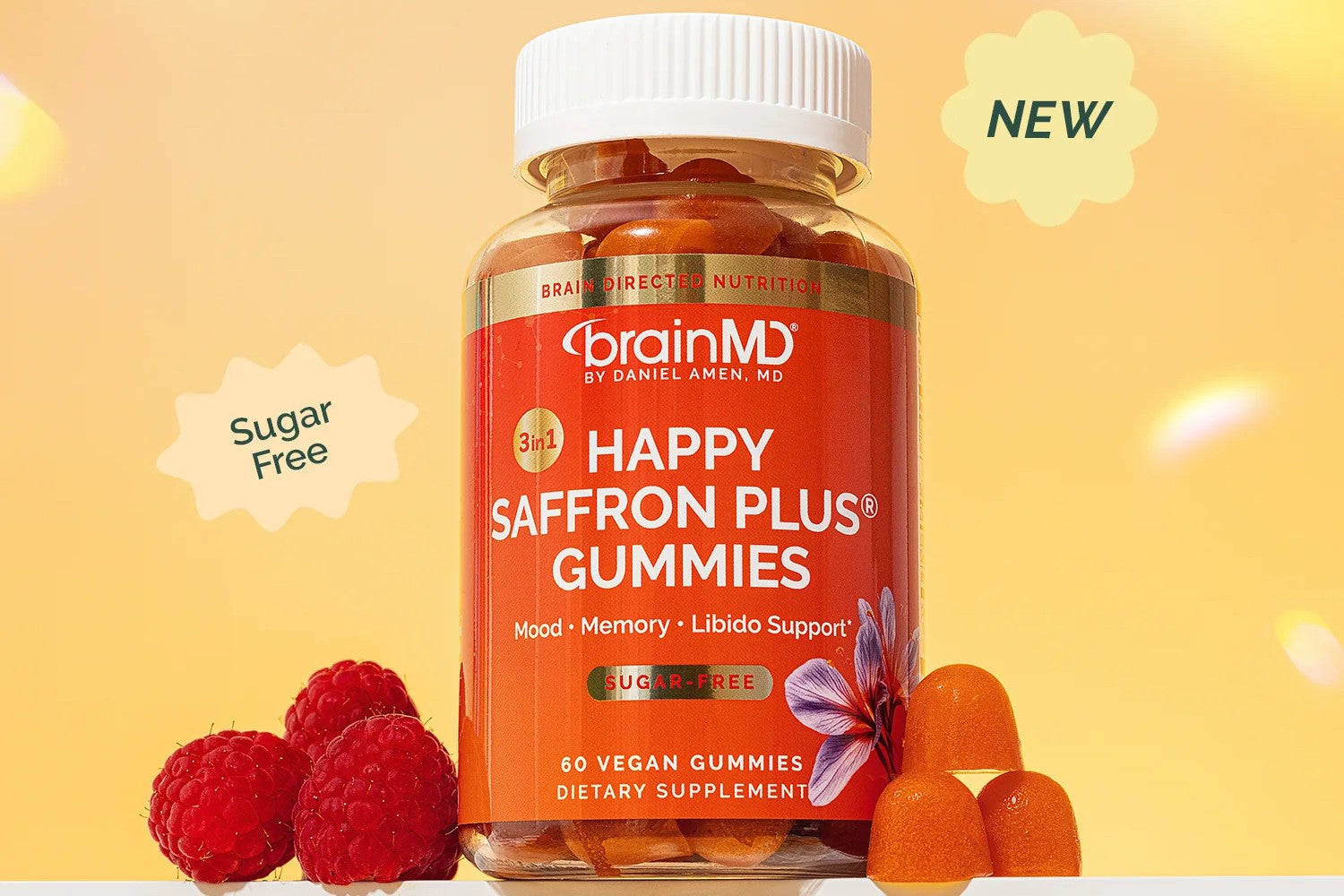
What kind of supplements do you prefer? There are many types of supplements including capsules, tablets, chewables, powders, gummies, liquids, energy bars, and more. With so many delivery formats available, it's natural to wonder: Are gummy vitamins as effective as pills? And does the form of a supplement really matter? The answer may surprise you. While different delivery formats each have their own advantages, the biggest factor isn't whether a supplement comes in a gummy or a capsule. It's the quality of the ingredients, the science behind the formulation, and whether you'll actually take it consistently. Let's take a closer look. Types of Supplements There’s a wide array of supplement types and delivery formats. Here are some of the major types of supplements and a few of their basic benefits and drawbacks. Gummy Vitamins Gummy supplements have come a long way over the past decade. While early gummy vitamins often relied on high amounts of sugar, artificial colors, and lower-potency formulas, today's premium gummies can deliver clinically researched ingredients in a convenient, enjoyable format. For many people, gummies make it easier to stay consistent with a daily supplement routine (especially those who dislike swallowing pills or simply prefer a chewable option). And consistency matters because even the highest-quality supplement can’t provide any benefit if it stays in the bottle. That said, not all gummies are created equal. Some products on the market contain sugar, artificial sweeteners, synthetic dyes, or ingredients in amounts too small to provide meaningful benefits. When choosing a gummy supplement, check the supplement facts panel first. Look for products that: Use clinically studied ingredients. Provide meaningful amounts of active ingredients. Do not use added sugar. Avoid unnecessary artificial colors and flavors. Are manufactured under strict quality standards. A great example is BrainMD's Happy Saffron Plus® Gummies, which combine clinically studied saffron extract with complementary nutrients in a delicious gummy designed to support a positive mood and emotional well-being. For adults who don't enjoy swallowing pills, they offer a convenient way to make mood support part of a daily wellness routine. When it comes to the gummy vitamins vs. pills debate, the better question isn't which format wins, it's which product is more thoughtfully formulated, and which one are you more likely to take consistently. A high-quality gummy can be an excellent delivery system for the right ingredients, while a poorly formulated pill isn't automatically better simply because it's a capsule or tablet. Capsules Pill capsules (“two-piece hardgels”) have a smooth, translucent outer shell that’s filled with a loose powder. They typically come in either a traditional gelatin shell or in a vegetarian (plant-based) shell. Capsules protect their contents against breakdown from direct exposure to the air and humidity. They’re generally easier to swallow than tablets and don’t leave behind an unpleasant taste in the mouth. Hardgels are preferred by people, especially parents of young kids, who opt to open the capsule and pour the powder over food or into a liquid or smoothie. One of the downsides is that capsules may contain lower doses of ingredients than tablets. Also, some may find large capsules just as difficult to swallow as tablets. Softgels Softgel pills typically contain liquid supplements inside a sealed gelatin shell. They are often used to encapsulate fish oil, vitamin D, and other fat-soluble vitamins. Softgels can be an excellent option for liquid ingredients. However, they cannot easily be opened or divided, and some consumers prefer to avoid gelatin-based products. Tablets Tablets are produced by compressing granules or powders into a hard pill. Many times, tablets are single-ingredient supplements, such as iron pills. One advantage of tablets is that they can provide higher amounts of ingredients compared to capsules and softgels. Also, tablets can be split (with a pill cutter) or crushed into a powder to make them easier to swallow. A common complaint against tablets is that they tend to be the hardest pill form to swallow. Also, without a coating, they may have a bitter or unpleasant taste. Unfortunately, to avoid that bitterness or to improve appearance, many tablets are coated with potentially unsafe substances (such as titanium dioxide)¹. Chewable Tablets Chewable tablets are useful for delivering larger amounts of an active ingredient that would otherwise take several hardgel or softgel capsules to deliver. As their name suggests, chewable tablets must be chewed before they’re swallowed. Chewables are ideal for those who don’t enjoy or have difficulty, swallowing pills. Since they must be chewed, chewables often are made to taste more pleasant than some other forms of supplements. As with gummy vitamins, there are a few potential pitfalls to be aware of. Many contain artificial colors and flavors that aren’t proven safe. Also, many chewables have sugar or artificial sweeteners, which are included to appeal to the customer’s tastebuds. Look for chewables that minimize sweeteners and artificial ingredients. Energy Bars The energy bar market has exploded in recent years, perhaps driven by the fast-paced nature of our society. Energy bars are often represented as providing a short-term energy boost to bridge the gap from one meal to the next. Some bars are marketed as food-based supplements that provide fats, proteins, and carbohydrates. Unfortunately, many have inferior sources of these food categories and fail to deliver a lasting energy boost. These convenient meal alternatives may (or many not) have a pleasant taste and may contain some vitamins, minerals, and other nutrients. However, many contain artificial colors, flavors, or sweeteners, which offset some of their benefit. For people with blood sugar problems, bars with lots of added sugar can hurt rather than help their mental focus or physical endurance. Liquids Some people just prefer to drink their vitamins. Liquid supplements have become more popular in recent years due to their convenience. Also, many maintain that a product’s efficacy is sustained over a longer period when it’s kept in the refrigerator. This actually isn’t the case because each time the bottle is opened – regardless of the temperature – the air that gets in delivers oxygen to the liquid, which degrades it. Rancidity sets in long before we can sense it by smell or taste. Liquid supplements can be naturally occurring or suspended in a liquid and may be preferred by people who have difficulty swallowing pills. Some of the benefits of liquid supplements are that its doses can be easily tailored and it doesn’t need to be mixed into liquid or water. Also, some research suggests that nutritional ingredients are more efficiently absorbed from liquid supplements compared to solid supplements.² Other than taking up space in your fridge, one of the biggest challenges with liquid supplements is that its taste tends to be amplified over normal supplements, which is a good thing if the product is pleasant tasting, but not so much if it isn’t. Also, liquid supplements tend to be pricier than their capsule or tablet counterparts and need artificial preservatives to keep them from prematurely breaking down. Powders Powdered supplements are dehydrated ingredients that must be dissolved in water or another liquid before being consumed. These nutrients can be added to fruit/vegetable juices, healthy smoothies, or even soups. As with those who prefer liquid supplements, powdered nutrients may be enjoyed as an alternative to pills and may be quickly absorbed. Powders may offer higher doses than pills since doses are easy to adjust. For some ingredients, the daily dose needed for health benefit is so high that a powder is the only choice a responsible manufacturer can make. The tradeoff is that powdered nutrients may have an unpleasant aftertaste. Also, the need to mix the powder into liquids requires more time spent in the kitchen and messes may be created in the combining process. Gummies vs. Capsules/Tablets Comparison Chart Feature Gummy Vitamins Traditional Pills (Capsules/Tablets) Best Suited For Targeted, low-dose micronutrients and concentrated botanicals (like saffron or vitamin D3) where consistency and taste support a daily routine. Bulky macrominerals (calcium, magnesium) and complex multi-ingredient formulas that require high physical volume. Primary Advantage High compliance; enjoyable to take consistently; excellent for accommodating low-dosage, concentrated extracts. Can hold dense, high-volume nutritional payloads in a single serving size. Active Ingredient Delivery Ideal for concentrated extracts that provide targeted support within a small milligram profile. Ideal for high-volume powder formulas and multi-nutrient combinations. What to Look For Clean formulations with minimal, natural sweeteners, avoiding artificial dyes or excess fillers. High-quality shells (like vegetable capsules) that dissolve reliably in the digestive tract. Which Supplement Format Is Best? There isn't a single delivery format that's best for everyone. Instead, consider your personal preferences, health goals, and the type of nutrient you're supplementing. Capsules are a great choice for many vitamins, minerals, and herbal ingredients. Softgels work especially well for oils and fat-soluble nutrients. Powders are ideal when larger amounts of an ingredient are needed. Liquids can be helpful for flexible dosing or those who have difficulty swallowing. Gummies are an excellent option for people who value convenience, great taste, and daily consistency. Ultimately, the best supplement is one you'll actually take consistently. Quality Matters More Than Format Whether you choose gummies, capsules, tablets, or powders, look beyond the delivery system. Choose supplements that are: Backed by science. Made with high-quality ingredients. Manufactured according to rigorous quality standards. Transparent about what's included, and what's left out. A thoughtfully formulated supplement can support your wellness goals regardless of its format. At BrainMD, we’re dedicated to providing the highest quality supplements to improve your physical health and overall well-being. For more information about our full list of brain healthy supplements, please visit us at BrainMD. These statements have not been evaluated by the FDA. This content is for informational purposes only. It is not meant to substitute for medical or healthcare advice from a physician, nor is it intended to diagnose, treat, cure, or prevent any disease. Consult your healthcare provider before beginning a new health regimen. References: ¹Skocaj, M., Filipic, M., Petkovic, J., & Novak, S. (2011). Titanium dioxide in our everyday life; is it safe? Radiology and Oncology, 45(4), 227–247. https://doi.org/10.2478/v10019-011-0037-0 ²Ko, J., Yoo, C., Xing, D., Gonzalez, D. E., Jenkins, V., Dickerson, B., Leonard, M., Nottingham, K., Kendra, J., Sowinski, R., Rasmussen, C. J., & Kreider, R. B. (2023). Pharmacokinetic analyses of liposomal and non-liposomal multivitamin/mineral formulations. Nutrients, 15(13), 3073. https://doi.org/10.3390/nu15133073
Learn more
Brain Hormones: What They Are and How to Support Them Naturally
The human brain is one of the most complex structures in existence, controlling everything from movement and memory to emotions and decision-making. At the center of this intricate system are brain hormones – chemical messengers that influence mood, behavior, cognition, sleep, appetite, and even social bonding. These hormones are essential for maintaining balance within the body and ensuring that the brain communicates effectively with other organs and systems. Though many people associate hormones with puberty or reproduction, brain hormones play a much broader role in daily life. Every emotion you feel, every burst of motivation, every night of restful sleep, and even your ability to cope with stress is connected to hormonal activity in the brain. Let’s take a closer look at what brain hormones are, how they work, the most important hormones involved in brain function, and how lifestyle choices can influence hormonal balance. What Are Brain Hormones? Brain hormones are chemical substances produced either directly in the brain or by endocrine glands controlled by the brain. They travel through the bloodstream or act within neural pathways to regulate physiological and psychological functions. The brain’s hormonal system is primarily managed by two important structures: Hypothalamus – the control center that links the nervous system to the endocrine system. Pituitary gland – often called the “master gland” because it regulates many other hormone-producing glands in the body. Together, these structures help maintain homeostasis, which is the body’s internal balance. Brain hormones may affect: Mood and emotions Stress response Sleep cycles Learning and memory Motivation and reward Hunger and metabolism Social bonding Sexual behavior An imbalance in these hormones can contribute to mental and physical health problems, including mood, sleep, weight, and cognitive issues. Here Are Some of the Major Brain Hormones and Their Functions Dopamine – The Motivation and Reward Hormone Dopamine is often referred to as the “feel-good” hormone, although its primary role is actually motivation and reward. When you achieve a goal, eat delicious foods, receive praise, or experience pleasure, dopamine levels rise. This hormone makes rewarding experiences feel satisfying. Functions of Dopamine Motivation and drive Pleasure and reward Focus and attention Learning and memory Motor control Healthy dopamine levels help people feel energized, productive, and motivated. Low Dopamine Levels Low dopamine may contribute to: Lack of motivation Fatigue Difficulty concentrating Low mood Excess Dopamine Too much dopamine activity has been associated with addictive or impulsive behaviors. Modern technology and social media can overstimulate dopamine pathways, leading to cycles of instant gratification and reduced attention spans. Serotonin – The Mood Stabilizer Serotonin is strongly linked to happiness, emotional stability, and well-being. While much of the body’s serotonin is produced in the gut, it can have a profound effect on the brain. Functions of Serotonin Regulates mood Supports sleep Influences appetite Helps with digestion Affects memory and learning Balanced serotonin levels contribute to emotional calmness and resilience. Low Serotonin Symptoms Low serotonin is often connected with: Mood issues Irritability Sleep problems Emotional instability Natural Ways to Support Serotonin Regular exercise Sunlight exposure Healthy sleep Foods rich in tryptophan Meditation and stress reduction Cortisol – The Stress Hormone Cortisol is produced by the adrenal glands but regulated through signals originating in the brain. It plays a key role in the body’s fight-or-flight response. Functions of Cortisol Manages stress response Regulates blood sugar Lessens inflammation Supports metabolism Helps maintain alertness In short bursts, cortisol is beneficial because it helps the body respond to danger or pressure. High Cortisol Long-term stress can keep cortisol levels elevated, leading to: Anxiousness Weight gain Sleep disturbances Memory problems High blood pressure Weakened immunity Modern lifestyles filled with work stress, digital overload, and lack of rest can activate cortisol production. Lowering Cortisol Naturally Deep breathing exercises Adequate sleep Physical activity Time spent in nature Reduced caffeine intake Healthy work-life balance Oxytocin – The Love and Bonding Hormone Oxytocin is often called the “love hormone” because it promotes emotional bonding and trust. It’s released during activities such as hugging, childbirth, breastfeeding, and positive social interaction. Functions of Oxytocin Encourages social connections Builds trust and empathy Supports maternal bonding Reduces stress and anxiousness Enhances emotional resilience Strong relationships and social support systems can increase oxytocin production and improve mental well-being. The Importance of Human Connection Research consistently shows that loneliness and social isolation can negatively affect mental and physical health.¹ Simple acts like eye contact, kindness, and physical affection can help stimulate oxytocin release. Melatonin – The Sleep Hormone Melatonin regulates the body’s circadian rhythm, also known as the sleep-wake cycle. The pineal gland releases melatonin in response to darkness, signaling the body that it’s time to prepare for sleep. Functions of Melatonin Promotes sleep Regulates biological rhythms Supports immune health Influences seasonal mood patterns Disrupted Melatonin Production Artificial light exposure – especially from cellphones and screens – can interfere with melatonin production. Low melatonin levels may lead to: Sleep disruptions Fatigue Poor concentration Mood changes Supporting Melatonin Naturally Limit screen time before bed Sleep in a dark room Maintain a regular sleep schedule Avoid caffeine late in the day Getting quality sleep is one of the most important ways to support brain health. Endorphins – The Natural Ache Relievers Endorphins are chemicals released by the brain to reduce physical discomfort and create feelings of pleasure. They are commonly associated with the “runner’s high” experienced after exercise. Functions of Endorphins Relieve aches Reduce stress Improve mood Promote relaxation Activities that can increase endorphins include: Exercise Laughter Music Dancing Meditation In addition to being natural ache relievers, endorphins can contribute significantly to emotional well-being and resilience. Adrenaline – The Energy Booster Adrenaline, also known as epinephrine, prepares the body for immediate action during stressful or exciting situations. Functions of Adrenaline Increases heart rate Boosts energy Sharpens focus Enhances reaction speed Adrenaline is useful during emergencies, athletic competition, or high-pressure situations. However, excessive adrenaline due to stress and worry can contribute to panic attacks, restlessness, and exhaustion. The Brain-Hormone Connection Brain hormones interact in highly complex networks. For example: Extreme stress increases cortisol, which can reduce serotonin and dopamine. Poor sleep can lower melatonin and disrupt dopamine balance. Positive social interactions help boost oxytocin and reduce cortisol. Exercise increases dopamine, serotonin, and endorphins simultaneously. This interconnected system helps explain how mental health can be influenced by multiple lifestyle factors. How Lifestyle Affects Brain Hormones 1. Nutrition The brain requires nutrients to produce hormones efficiently. Important nutrients include: Omega-3 fatty acids Protein Magnesium Zinc B vitamins Highly processed foods and excessive sugar intake may negatively impact hormonal balance and brain function. 2. Exercise Physical activity is one of the most effective ways to support brain hormones. Exercise can help: Increase dopamine Boost serotonin Release endorphins Reduce cortisol Even moderate activities like walking can improve mood and cognitive performance. 3. Sleep Sleep is essential for hormonal regulation. During sleep, the brain: Restores neurotransmitter balance Removes metabolic waste Consolidates memories² Regulates stress hormones Sleep deprivation can disrupt emotional regulation and decision-making. 4. Stress Management Long-term stress can disrupt hormone balance³ and overall brain health. Healthy stress-management techniques include: Meditation Yoga Journaling Mindfulness Social support Relaxation exercises Reducing stress can help improve mental clarity and emotional stability. 5. Social Relationships Humans are social beings, and healthy hormones can have a positive effect on relationships. Supportive social interactions can help increase oxytocin, serotonin, and dopamine. Conversely, isolation and conflict may elevate cortisol and negatively affect emotional health. Find Better Balance Brain hormones are the invisible chemical messengers that shape nearly every aspect of the human experience. From motivation and happiness to stress and sleep, these substances influence how we think, feel, and behave every day. Maintaining healthy hormone balance can help optimize mental clarity, emotional resilience, physical energy, and overall quality of life. Simple lifestyle habits such as regular exercise, healthy nutrition, quality sleep, meaningful relationships, and stress management can positively affect brain chemistry. Though the many stressors of modern living can be overwhelming, implementing these healthy habits can empower you to make healthier choices – which can help you achieve better balance in life. At BrainMD, we’re dedicated to providing the highest quality supplements to improve your physical health and overall well-being. For more information about our full list of brain healthy supplements, please visit us at BrainMD. These statements have not been evaluated by the FDA. This content is for informational purposes only. It is not meant to substitute for medical or healthcare advice from a physician, nor is it intended to diagnose, treat, cure, or prevent any disease. Consult your healthcare provider before beginning a new health regimen. References: ¹Shankar, R. (2023). Loneliness, social isolation, and its effects on physical and mental health. Missouri Medicine, 120(2), 106–108. https://pmc.ncbi.nlm.nih.gov/articles/PMC10121112/ ²Paller, K. A., Creery, J. D., & Schechtman, E. (2021). Memory and sleep: How sleep cognition can change the waking mind for the better. Annual Review of Psychology, 72, 123–150. https://doi.org/10.1146/annurev-psych-010419-050815 ³Ranabir, S., & Reetu, K. (2011). Stress and hormones. Indian Journal of Endocrinology and Metabolism, 15(1), 18–22. https://doi.org/10.4103/2230-8210.77573
Learn more
Tip of the Tongue: Why It Happens & How to Support Memory Recall
Has this ever happened to you… You’re in the middle of a conversation when suddenly your brain blanks out. You can visualize the actor’s face. You know the street’s name starts with “P.” You can practically see the word in your mind, but you just can’t retrieve it. The common response to this inconvenient mental glitch is, “It’s right on the tip of my tongue.” Most people have experienced a recall stall at some point in their lives. It can feel embarrassing or even alarming, especially for those who are middle-aged or older. But in many cases, the tip-of-the-tongue phenomenon¹ isn’t a sign your memory is failing. In fact, it often means the opposite: the information is stored in your brain, but retrieval is being interrupted. Modern neuroscience has revealed fascinating insights into why this happens and how memory recall works. The good news is, several natural habits may help strengthen retrieval pathways, improve focus, and help your brain access information more efficiently over time. Here’s what really happens when your mind goes blank, and what you can do to sharpen memory recall naturally. What Is Tip-of-the-Tongue? The tip-of-the-tongue phenomenon occurs when you’re temporarily unable to retrieve a word or piece of information you’re certain you know. You may remember the first letter, similar-sounding words, related facts, or the context where you learned it, but the exact word remains just out of reach. This may be a retrieval failure, not a storage failure. The memory exists in the brain, but the neural pathway needed to access it isn’t activating fully in that moment. Think of it like opening a file cabinet drawer but getting stuck before reaching the correct folder. Why Does It Happen? Memory retrieval is a complex process. Your brain stores information across vast networks² involving language, sensory experiences, emotions, and associations. When you try to recall a word, your brain reconstructs it through connected pathways. But retrieval may be disrupted by several factors, including: Interference from Similar Information Your brain may store related memories close together. Similar names, words, or concepts may compete with each other. For example: Calling one actor by another actor’s name Mixing up song titles Confusing passwords or dates The stronger or more recently used memory may block access to the correct one. Stress and Mental Overload Stress hormones like cortisol can affect the hippocampus, a brain region essential for memory formation and retrieval.³ When you’re worried, distracted, or under pressure, recall can become less efficient. That’s why forgotten names often pop back into your head later when you’re relaxed. Aging and Slower Retrieval Speed As people age, tip-of-the-tongue experiences tend to increase. This is usually tied more to retrieval speed than memory loss itself. Older adults often possess a larger vocabulary and more accumulated knowledge than younger adults. However, the pathways needed to access specific words may become slightly slower or less efficient. Many tip-of-the-tongue moments are related to cognitive aging, not severe memory issues. Weak Encoding Sometimes the desired information was never properly stored in the first place. Since there’s a greater chance your brain will remember what it focuses on, attention can have a significant impact on memory. For instance, if you weren’t completely paying attention when learning someone’s name, your brain may have created a weak memory link. Later retrieval may become difficult because the original encoding was insufficient. Why Forgotten Words Suddenly Return Later One of the strangest parts of the tip-of-the-tongue phenomenon is that the answer often appears later out of nowhere, during a daily task or completely unrelated activity. This may occur because your brain continues unconscious memory retrieval even after conscious effort stops. When you relax, mental noise tends to decrease. This allows the correct neural pathway to finally activate, which can help the information surface naturally. Ironically, trying too hard can sometimes make recall more difficult.⁴ Natural Ways to Sharpen Memory Recall The good news is that memory retrieval can be strengthened. The brain remains adaptable throughout life thanks to neuroplasticity – the brain’s ability to reorganize and strengthen neural connections.⁵ Here are some evidence-based, natural ways to improve recall and reduce frustrating mental lapses. 9 of the Best Ways to Support Memory Recall…Naturally! 1. Prioritize Deep Sleep Sleep is one of the most powerful memory tools available. During sleep, the brain consolidates memories⁶ and strengthens neural pathways. Lack of sleep can disrupt both memory formation and retrieval speed. Even one poor night of sleep can impair recall. To improve memory-supportive sleep: Maintain a consistent sleep schedule Reduce screen exposure before bed Keep your bedroom cool and dark Limit caffeine later in the day Aim for 7–9 hours nightly 2. Exercise Regularly Physical activity helps boost blood flow to the brain and supports the release of brain-derived neurotrophic factor (BDNF), a protein associated with learning and memory. Exercise may help support executive function, faster recall, better concentration, and reduced risk of cognitive decline. Many physical activities may support health benefits, including: Brisk walking Cycling Swimming Strength training Yoga Dancing Even 20–30 minutes of movement daily can help sharpen mental performance. 3. Use Retrieval Practice One of the best ways to strengthen your memory is to actively recall information. This is called retrieval practice. Examples include: Quizzing yourself Explaining concepts aloud Using flashcards Summarizing information from memory Teaching someone else Every successful retrieval can strengthen the neural pathway, making future recall easier and faster. 4. Slow Down and Focus Modern life constantly fragments attention. Notifications, multitasking, and information overload can disrupt memory encoding. To improve recall: Focus on one task at a time Repeat names immediately after hearing them Make eye contact during conversations Pause before switching activities Reduce background distractions 5. Create Strong Associations The brain remembers meaningful connections far better than isolated facts. Memory experts often use vivid mental associations to recall enormous amounts of information. For example: Associate names with visual imagery Link facts to stories Connect new ideas to existing knowledge Use humor or exaggeration The stranger or more emotional the connection, the more memorable it becomes. 6. Feed Your Brain Nutrition plays a major role in cognitive health. Certain foods are associated with better memory function due to their effects on inflammation, blood flow, and cellular protection. Memory-supportive foods include: Fatty fish rich in omega-3s Blueberries Leafy greens Nuts and seeds Olive oil Eggs Avocados Hydration matters too. Even mild dehydration can impair concentration and recall. 7. Reduce Excessive Stress Short-term stress may help sharpen attention, but severe, long-term stress can negatively affect memory over time. High cortisol levels can interfere with hippocampal function and impair retrieval. Helpful stress-reduction practices include: Meditation Deep breathing Outdoor activities Journaling Mindfulness Prayer Social connections Even spending a few minutes each day on these calming techniques can help improve cognitive clarity. 8. Learn New Things The brain thrives on novelty and challenge. Learning a new language, how to play a musical instrument, a new hobby, strategy games, or other complex skills can help build cognitive reserve – the brain’s resilience against decline. Mental stimulation helps strengthen neural networks and improves flexibility in the retrieval process. 9. Don’t Panic Fretting about forgetting can make memory retrieval harder. If you feel a word stuck on the tip of your tongue, it’s recommended to: Relax Shift attention briefly Think about related concepts If the matter isn’t urgent, come back to the thought later The pressure to remember can create mental interference. Often, the answer emerges naturally once the brain stops straining. When Memory Lapses Become Serious Occasional tip-of-the-tongue moments are extremely common and usually harmless. However, memory changes may warrant medical attention if they involve: Frequently forgetting familiar people Getting lost in known places Difficulty following conversations Repeatedly asking the same questions Normal retrieval lapses are different than significant cognitive impairment. Most people experiencing ordinary moments of forgetfulness are simply dealing with stress, fatigue, distraction, or the natural aging processes. Memory Is Dynamic, Not Perfect Though memory is flexible, associative, emotional, and reconstructive, it isn’t perfect. However, the fact that a word is “on the tip of your tongue” actually reveals something remarkable: your brain knows the information is there. Recall isn’t just about storage. It’s about access, attention, and neural connection strength. And, like many systems in the body, memory can benefit from healthy lifestyle habits like proper sleep, exercise, diet, stress management, and lifelong learning. Small daily habits can compound over time to promote sharper cognition and stronger recall. So, the next time a name, date or fact temporarily slips your mind, there’s no need to panic. Your brain may just need a little more rest, focus, or patience before the word pops into your head like it’s been there all along – because it has. At BrainMD, we’re dedicated to providing the highest quality supplements to improve your physical health and overall well-being. For more information about our full list of brain healthy supplements, please visit us at BrainMD. These statements have not been evaluated by the FDA. This content is for informational purposes only. It is not meant to substitute for medical or healthcare advice from a physician, nor is it intended to diagnose, treat, cure, or prevent any disease. Consult your healthcare provider before beginning a new health regimen. References: ¹Xie, C., & Wang, W. S. (2026). The tip-of-the-tongue phenomenon: Cognitive, neural, and neurochemical perspectives. Biomedicines, 14(2), 269. https://doi.org/10.3390/biomedicines14020269 ²Aljadeff, J., Gillett, M., Pereira, U., & Brunel, N. (2021). From synapse to network: Models of information storage and retrieval in neural circuits. Current Opinion in Neurobiology, 70, 24–33. https://doi.org/10.1016/j.conb.2021.05.005 ³Wiltgen, B. J., Zhou, M., Cai, Y., Balaji, J., Karlson, M. G., Parivash, S. N., Li, W., & Silva, A. J. (2010). The hippocampus plays a selective role in the retrieval of detailed context memories. Current Biology, 20(15), 1336–1344. https://doi.org/10.1016/j.cub.2010.06.068 ⁴Klier, C., & Buratto, L. G. (2020). Stress and long-term memory retrieval: A systematic review. Trends in Psychiatry and Psychotherapy, 42(3), 284–291. https://doi.org/10.1590/2237-6089-2019-0077 ⁵Gazerani, P. (2025). The neuroplastic brain: Current breakthroughs and emerging frontiers. Brain Research, 1858, 149643. https://doi.org/10.1016/j.brainres.2025.149643 ⁶Wamsley, E. J., & Stickgold, R. (2011). Memory, sleep and dreaming: Experiencing consolidation. Sleep Medicine Clinics, 6(1), 97–108. https://doi.org/10.1016/j.jsmc.2010.12.008
Learn more
Taurine Supplement: Why You Need It for Brain Health and Aging
Perhaps you’ve heard about taurine (l-taurine) and have wondered what it is and how it can help you. Let’s examine the benefits, cautions, and best taurine supplement you should take… What Is Taurine? Taurine is a vitamin-like, conditionally essential nutrient that’s concentrated in electrically active tissues such as the retina, heart, and brain. A powerful amino acid, taurine helps protect against calcium overactivity, which can lead to the destruction of brain cells. Taurine is essential for healthy mitochondria, the tiny energy generators in all our cells. It also promotes optimal performance of the GABA and glutamate transmitter systems. Taurine supports healthy blood flow to the brain, is a powerful antioxidant, and is essential for the health of every cell in the body. It’s also beneficial for the adrenal glands, which are crucial for coping with stress. The standard American diet provides 120-180 milligrams of taurine daily.¹ Taurine and Aging Your body naturally produces taurine, but levels gradually decline over time. This decrease may contribute to several factors of biological aging, including reduced mitochondrial efficiency and increased oxidative stress. Taurine plays a key role in cellular energy production, brain communication, and cardiovascular system function. Lower levels of taurine have been associated with reduced metabolic efficiency and disruptions in brain signaling. Supporting taurine levels may help your body maintain resilience at the cellular level as you age. Taurine and Cardiovascular Health One of taurine’s well-established benefits is its role in supporting cardiovascular health. Taurine helps support healthy blood pressure,² cholesterol metabolism, and cardiac rhythm, and may help protect blood vessels from oxidative stress. Taurine enhances the production of nitric oxide, a signaling molecule that promotes blood vessel relaxation. This helps improve vascular tone and support healthy blood pressure levels. Taurine In Energy Drinks Taurine can act as a stimulant to help enhance mental and physical performance. As such, taurine is commonly added to energy drinks to boost their energizing effects. According to the Cleveland Clinic Journal of Medicine, consuming an energy drink can increase daily intake of taurine 6 to 16 times (around 750 mg per 8-ounce serving).³ When paired with caffeine in energy drinks, taurine can increase heart rate and blood pressure, which may lead to serious health risks. When you’re low on energy and need a pick-me-up, resist the urge to reach for a beverage loaded with caffeine, sugar, and other harmful ingredients. Instead, consider taking… BrainMD’s Taurine Supplement BrainMD’s Taurine supplement delivers a clinically researched dose (1000 mg) of taurine to help restore what your body naturally loses with age.* Benefits of Taurine Supports brain signaling and cognitive performance* Promotes cellular energy and healthy aging* Supports healthy blood pressure and circulation* Helps maintain metabolic efficiency and insulin sensitivity* Supports a calm, balanced nervous system* Helps maintain electrolyte balance* Supports cardiovascular function* Taurine Ingredient Taurine 1000 mg Taurine is a conditionally essential amino acid concentrated in the brain, heart, and muscles. It supports cellular energy production, neurotransmitter balance,⁴ and cardiovascular function.* Taurine also plays a role in regulating calcium signaling, oxidative stress, and metabolic processes, making it a key nutrient for whole-body health and longevity.* Taurine FAQ Why do I need taurine if my body already makes it? Your body naturally produces taurine, but levels tend to decline with age and can be lower during periods of stress or poor diet.* Supplementing helps restore healthy levels, especially when your body can no longer produce taurine efficiently.* Will this supplement make me feel calm or sleepy? Taurine helps support a balanced nervous system and may promote a sense of calm.* It doesn’t typically cause drowsiness and can be taken any time during the day.* Who should take Taurine? Adults looking to support brain health, cardiovascular function, metabolic balance, or healthy aging may benefit from taking Taurine, especially individuals 40+ or those who consume a plant-based diet.* Can I take this with other supplements? Yes. BrainMD’s Taurine pairs well with other brain and heart-support supplements such as the Omega-3 Power.* Is this product vegan and clean? Yes. This formula is vegan and free from artificial colors/flavors, gluten, dairy, and soy.* Who shouldn’t take this product? If you’re pregnant, nursing, taking medications, or have a medical condition, it’s recommended that you consult your healthcare provider before using this product.* What Our Experts Say About BrainMD’s Taurine Supplement: “As we age, levels of key nutrients like taurine decline. Supporting those levels can be an important part of maintaining brain function, energy, and overall health.” - Dr. Daniel Amen | Founder, Amen Clinics & BrainMD “Taurine is an amino acid that is known for its impact in promoting cardiovascular, brain, and metabolic health—which can all help to support healthy aging. BrainMD’s Taurine supplement provides the clinically researched and science-backed formulation of taurine to ensure a product that is both high quality and highly effective.” - Dr. Nicole Avena | Chief Science Officer, BrainMD Lean Into Taurine BrainMD’s Taurine supplement provides a clinically researched dose of taurine that helps promote cognitive performance and healthy aging.* Also, it supports cardiovascular health, metabolic balance, and long-term cellular resilience.* Try Taurine today! At BrainMD, we’re dedicated to providing the highest quality supplements to improve your physical health and overall well-being. For more information about Taurine and our full list of brain healthy supplements, please visit us at BrainMD. *These statements have not been evaluated by the FDA. This content is for informational purposes only. It is not meant to substitute for medical or healthcare advice from a physician, nor is it intended to diagnose, treat, cure, or prevent any disease. Consult your healthcare provider before beginning a new health regimen. References: ¹Laidlaw, S. A., Grosvenor, M., & Kopple, J. D. (1990). The taurine content of common foodstuffs. JPEN: Journal of Parenteral and Enteral Nutrition, 14(2), 183–188. ²Sun Q, Wang B, Li Y, et al. Taurine Supplementation Lowers Blood Pressure and Improves Vascular Function in Prehypertension: Randomized, Double-Blind, Placebo-Controlled Study. Hypertension. 2016;67(3):541-549. ³Caine, J. J., & Geracioti, T. D. (2016). Taurine, energy drinks, and neuroendocrine effects. Cleveland Clinic Journal of Medicine, 83(12), 895–904. https://doi.org/10.3949/ccjm.83a.15050 ⁴Wu JY, Prentice H. Role of taurine in the central nervous system. J Biomed Sci. 2010;17 Suppl 1(Suppl 1):S1. Published 2010 Aug 24. doi:10.1186/1423-0127-17-S1-S1.
Learn more
Menopause Brain: What Are the Signs & Symptoms and What Can Help?
Menopause is often associated with hot flashes, night sweats, and hormonal changes – but many women are caught off guard by another deeply impactful aspect of menopause: changes in cognitive function, often referred to as brain fog or menopause brain. While not always discussed openly, these mental shifts are very real and can affect memory, focus, clarity, and overall confidence. If you’ve ever walked into a room and forgotten why, struggled to find the right word mid-sentence, or felt like your once-sharp brain is suddenly sluggish, you’re not alone. Understanding what’s happening – and knowing how to manage it – can make this transition far less overwhelming. What Is Menopause Brain? Menopause brain isn’t a formal medical diagnosis, but it’s a commonly used term to describe the cognitive symptoms that can occur during perimenopause and menopause. These changes are largely linked to fluctuations of, and eventual declines in, hormones like estrogen and progesterone, which play important roles in brain function. Estrogen has a significant impact on neurotransmitters such as serotonin and dopamine – chemicals that regulate mood, memory, and cognition.¹ When estrogen levels vary, brain function may be negatively affected. Signs of Menopause Brain Though cognitive changes can vary in intensity and duration, some of the most commonly reported menopause symptoms are: Memory Lapses You may start forgetting appointments, names, or where you placed your keys. It’s common for menopause to affect memory. Difficulty Concentrating Tasks that once felt simple – reading, working, or even tracking conversations – may require more effort and focus. Word-Finding Problems A particularly frustrating symptom is struggling to recall a word, name, title, or event during conversations. This is often described as having a word “on the tip of your tongue.” Mental Fatigue You might feel mentally drained even after a relatively low-demand day. Also, fatigue may negatively impact decision-making and make it difficult to multitask. Slower Processing Speed It may take longer to assimilate information or respond to questions, which can affect confidence in professional or social settings. Mood Changes Mood swings, irritability, and feelings of anxiousness often accompany brain fog, and can make thinking clearly even more of a challenge. What Causes Menopause Brain? The root cause of menopause brain is largely hormonal; for instance, estrogen supports brain regions like the hippocampus,² which is crucial for memory. However, hormones aren’t the only factor. Several additional influences can amplify symptoms, such as: · Sleep disruptions: Night sweats and restlessness can significantly impair cognitive performance. · Stress and worry: Midlife often comes with significant transitions – such as career changes and caregiving responsibilities – that may lead to mental overload. · Aging: Natural, age-related cognitive changes may overlap with menopause symptoms. · Lifestyle factors: Diet, physical activity, and alcohol consumption can all influence brain health. How Long Does Menopause Brain Last? For many women, menopause brain is temporary. Cognitive symptoms are typically more noticeable during perimenopause – the transitional phase leading up to menopause – when hormones can shift the most. As hormone levels stabilize during post-menopause, many women report improvement in mental clarity. However, this isn’t universal, and some may continue to experience mild symptoms of brain fog past menopause. What Can Help Menopause Brain? Though hormonal changes are inevitable during this period, there are many effective strategies that can help support your brain and relieve symptoms. 8 of the Best Ways to Relieve Menopause Brain 1. Prioritize Sleep Sleep is one of the most powerful tools for cognitive health. Aim for 7–9 hours of sleep per night and focus on improving sleep quality by: · Keeping a consistent sleep schedule · Limiting caffeine and alcohol, especially in the evening · Creating a cool, dark sleeping environment · Practicing relaxation techniques before bed If you’re experiencing severe sleep disturbances, consider speaking with a healthcare provider or sleep specialist. 2. Physical Activity Exercise helps boost blood flow to the brain and supports the growth of new neural connections. It also helps regulate mood and improve sleep. · Aim for at least 150 minutes of moderate exercise per week · Include a mix of cardio, strength training, and flexibility exercises · Daily walks can make a meaningful difference to your health 3. Brain Healthy Diet Nutrition can play a major role in cognitive function. Focus on a balanced diet rich in: · Omega-3 fatty acids – found in fish, flaxseeds, walnuts · Antioxidants – berries, leafy greens, colorful vegetables · Lean protein – chicken, fish, lean cuts of beef Staying hydrated is equally important – dehydration can make brain fog worse. 4. Manage Stress Severe, long-term stress can impair memory and concentration. Incorporate stress-reducing practices into your routine, such as: · Mindfulness or meditation · Yoga or deep breathing exercises · Journaling or creative activities · Spending time in nature Even small, consistent habits can help reduce mental strain. 5. Engage Your Brain Mental stimulation may help maintain, or even improve, cognitive function. · Try puzzles, crosswords, or brain-training apps · Learn a new skill or hobby · Read regularly or take a class · Engage in meaningful conversations The key is to challenge your brain in new, enjoyable ways. 6. Consider Hormone Therapy Hormone replacement therapy (HRT) can help relieve some menopause symptoms, including cognitive issues, for certain women.³ However, it isn’t suitable for everyone and comes with potential risks. A healthcare provider can help determine whether this option is appropriate based on your medical history and symptoms. 7. Stay Organized If your memory is unreliable, external systems may help: · Use planners, calendars, or reminder apps · Write down important tasks · Keep items like keys and glasses in consistent places · Break tasks into smaller, manageable steps These strategies can help reduce cognitive overload and make daily life feel more manageable. 8. Talk It Out Many women feel isolated when experiencing cognitive changes. Talking openly with friends, family, or healthcare providers can provide reassurance and practical advice. Support groups – online or in person – can be incredibly helpful in normalizing the symptoms of menopause brain. When to Seek Help While menopause brain is common, certain symptoms shouldn’t be ignored. Consider consulting a healthcare professional if you experience: · Severe or worsening memory problems · Difficulty performing daily tasks · Confusion or disorientation · Significant personality or behavioral changes These symptoms could indicate other underlying conditions, which may require a medical evaluation. Shift Your Perspective It’s easy to view menopause brain as something purely negative, but it also can be reframed as part of a broader life transition. Many women report gaining new perspectives, emotional resilience, and clarity about priorities during this stage of life. Rather than striving to “get back” to how things were, it can be helpful to focus on adapting and supporting your brain in new ways. Adapting to The Change Menopause brain is real, common, and often temporary – but that doesn’t mean it’s insignificant. The cognitive changes associated with menopause can affect confidence, productivity, and overall well-being. The good news is that there are many effective ways to manage symptoms and support brain health. By prioritizing sleep, staying active, eating well, managing stress, and seeking support when needed, you can navigate this phase of life with greater ease and confidence. Using the above tools can help you cope better with menopause brain. At BrainMD, we’re dedicated to providing the highest quality supplements to improve your physical health and overall well-being. For more information about our full list of brain healthy supplements, please visit us at BrainMD. These statements have not been evaluated by the FDA. This content is for informational purposes only. It is not meant to substitute for medical or healthcare advice from a physician, nor is it intended to diagnose, treat, cure, or prevent any disease. Consult your healthcare provider before beginning a new health regimen. References: ¹Fink, G., Sumner, B. E., Rosie, R., Grace, O., & Quinn, J. P. (1996). Estrogen control of central neurotransmission: Effect on mood, mental state, and memory. Cellular and Molecular Neurobiology, 16(3), 325–344. https://doi.org/10.1007/BF02088099 ²Hara, Y., Waters, E. M., McEwen, B. S., & Morrison, J. H. (2015). Estrogen effects on cognitive and synaptic health over the lifecourse. Physiological Reviews, 95(3), 785–807. https://doi.org/10.1152/physrev.00036.2014 ³Conde, D. M., Verdade, R. C., Valadares, A. L. R., Mella, L. F. B., Pedro, A. O., & Costa-Paiva, L. (2021). Menopause and cognitive impairment: A narrative review of current knowledge. World Journal of Psychiatry, 11(8), 412–428. https://doi.org/10.5498/wjp.v11.i8.412
Learn more
Stress Physiology: How Stress Affects Your Body and Brain
Stress is an unavoidable part of human life. From looming deadlines and financial pressures to physical threats and emotional challenges, stressors come in many forms. To fully appreciate the impact of stress, we must explore stress physiology – the complex interplay between the brain, nervous system, endocrine system, and body – an intricate process that governs how we respond to perceived threats. What Is Stress? Fundamentally, stress is a biological response designed to protect and sustain life. It’s the body’s response to any demand or challenge that disrupts homeostasis, the internal balance necessary for optimal functioning. These stressors may be short-term (such as narrowly avoiding a car accident), or long-term (such as ongoing work pressure or illness). Good Stress/Bad Stress People tend to see stress in a negative light, but stress is both good and bad. A certain amount of stress is actually good because it can motivate you to meet your goals. Low level stress also can help you with resilience, problem-solving, and adapting to everyday challenges. Stress becomes a problem when it’s intense, recurring, or remains unresolved over a sustained period. At that point, stress can take its toll and become harmful to your health. If left unchecked, excessive stress can lead to serious physical, mental, emotional, and social problems. The Two Main Stress Pathways The body’s physiological stress response system operates through two main systems: The Sympathetic-Adreno-Medullary (SAM) Axis This system governs the immediate “fight-or-flight” response: The hypothalamus activates the sympathetic nervous system. The adrenal medulla releases catecholamines – primarily adrenaline (epinephrine) and noradrenaline (norepinephrine). Effects include: Increased heart rate and blood pressure Rapid breathing Dilated pupils Increased glucose availability Heightened alertness This response system prepares the body to react quickly to danger. The Hypothalamic-Pituitary-Adrenal (HPA) Axis The HPA axis regulates longer-term stress responses: The hypothalamus releases corticotropin-releasing hormone (CRH). CRH stimulates the pituitary gland to release adrenocorticotropic hormone (ACTH). ACTH prompts the adrenal cortex to release cortisol. Often called the “stress hormone,” cortisol has widespread effects: Increases blood sugar levels Suppresses the immune system Affects metabolism Influences memory and mood Unlike the SAM axis, which usually acts within seconds, the HPA axis operates within minutes or even hours. Types of Stress Short-term Stress Short-term stress can be beneficial. It enhances focus, boosts energy, and improves performance. This is sometimes referred to as eustress, or positive stress. Examples: Preparing for a presentation Competing in sports Responding to a sudden emergency The body typically returns to homeostasis once the stressor passes. Long-term Stress Problems arise when stress becomes prolonged or repeated without adequate recovery. Sustained activation of the stress response can lead to dysregulation in multiple systems. Physiological consequences include: Persistent elevated cortisol Impaired immune function Increased inflammation Cardiovascular strain Digestive issues Over time, this can contribute to heart, weight, and mood issues. Allostasis and Allostatic Load To understand the effects of long-term stress, some scientists use the concepts of allostasis and allostatic load. Allostasis: The process by which the body achieves stability through change. Allostatic Load: The cumulative wear and tear on the body from repeated stress. When the stress response system is activated too frequently, or fails to shut off properly, the body may experience allostatic overload. The Role of the Autonomic Nervous System The autonomic nervous system (ANS) regulates involuntary bodily functions and has two key areas: Sympathetic Nervous System (SNS) Activates the fight-or-flight response Revs up energy production Parasympathetic Nervous System (PNS) Promotes “rest and digest” functions Conserves energy and supports recovery A healthy stress response depends on a dynamic balance between these two systems. Long-term stress is often the result of excessive sympathetic activity and insufficient parasympathetic recovery. Stress and the Immune System Stress can have a profound effect on immune function. Short-term stress can enhance immune readiness by mobilizing immune cells. Long-term stress can suppress immune function and increase susceptibility to infections. Prolonged elevation of stress can impair immune defenses and delay recovery. Stress and the Cardiovascular System Stress can negatively impact heart health. Increased heart rate and blood pressure during periods of stress can strain blood vessels. Severe stress contributes to increased risk of cardiovascular issues. Behavioral responses to stress – such as poor diet, smoking, and lack of exercise – may further exacerbate these risks. Stress and the Brain Stress perception begins in certain regions of the brain: Amygdala: Detects threats and triggers emotional responses, such as fear. Hippocampus: Processes memories and helps contextualize stressors. Prefrontal Cortex: Regulates decision-making and can help determine if something is a threat or not. When a stressor is identified, the amygdala signals the hypothalamus, which initiates the body’s stress response systems. Stress Hormones Though cortisol is the most well-known stress hormone, others can play important roles too: Adrenaline (Epinephrine): Rapid response to acute stress Norepinephrine: Enhances alertness and focus Dopamine: Influences motivation and reward pathways Serotonin: Affects mood and emotional balance Stress can disrupt the balance of these neurotransmitters, contributing to mood and behavioral issues. Individual Responses to Stress Not everyone responds to stress in the same way. Several factors can influence stress physiology: Genetics Early life experiences Personality traits Social support Coping abilities Individuals with strong social connections often show reduced physiological stress responses. Recovery: The Missing Piece A critical but often overlooked aspect of stress physiology is recovery. Just as the body initially reacts to a stressor, it also must return to a healthy baseline after the stressor has been removed or overcome. Effective recovery mechanisms include: Activation of the PNS Reduction in cortisol levels Regulation of energy levels Without adequate recovery, stress can accumulate and lead to a host of mental and physical issues. Here Are 6 of the Best Ways to Manage Stress Actively managing stress is an important aspect of stress physiology. Effective strategies include: 1. Physical Activity Exercise helps regulate cortisol levels,¹ improves mood, and enhances resilience. 2. Sleep Quality sleep is essential for restoring physiological balance and regulating stress hormones. 3. Mindfulness and Meditation These practices help reduce sympathetic activity and enhance parasympathetic activity. 4. Nutrition A balanced diet supports metabolic² and hormonal health, reducing vulnerability to stress. 5. Social Connection Social support³ helps relieve stress responses and improves overall well-being. 6. Cognitive Strategies Reframing stressors and developing coping skills can help alter how the brain perceives threats. The Future of Stress Research Advances in neuroscience and endocrinology continue to deepen our understanding of stress physiology. Emerging areas of research include: The gut-brain axis and its role in stress Epigenetic changes influenced by extreme stress Personalized stress management interventions These insights may lead to more targeted and effective treatments for stress-related challenges. Manage Your Stress Physiology Stress physiology reveals that stress isn’t inherently harmful – it’s a vital adaptive mechanism. However, when stress becomes excessive, it can disrupt many systems in the body. Understanding how stress operates, at a biological level, can help us better manage it. Balancing activation with recovery, recognizing individual limits, and adopting healthy coping strategies are essential steps toward maintaining both physical and mental health. In a world filled with constant demands, coping with stress isn’t about eliminating it, but about working with it, adapting to it, and ultimately, recovering from it. At BrainMD, we’re dedicated to providing the highest quality supplements to improve your physical health and overall well-being. For more information about our full list of brain healthy supplements, please visit us at BrainMD. These statements have not been evaluated by the FDA. This content is for informational purposes only. It is not meant to substitute for medical or healthcare advice from a physician, nor is it intended to diagnose, treat, cure, or prevent any disease. Consult your healthcare provider before beginning a new health regimen. References: ¹Li, X., Huang, J., & Zhu, F. (2025). The optimal exercise modality and dose for cortisol reduction in psychological distress: A systematic review and network meta-analysis. Sports, 13(12), 415. https://doi.org/10.3390/sports13120415 ²Li, B., Tang, X., & Le, G. (2023). Dietary habits and metabolic health. Nutrients, 15(18), 3975. https://doi.org/10.3390/nu15183975 ³Ozbay, F., Johnson, D. C., Dimoulas, E., Morgan, C. A., Charney, D., & Southwick, S. (2007). Social support and resilience to stress: From neurobiology to clinical practice. Psychiatry (Edgmont), 4(5), 35–40. https://www.ncbi.nlm.nih.gov/pmc/articles/PMC2921311/
Learn more
Wired But Tired: 10 of the Best Ways to Switch Off Your Brain!
You finally crawl into bed after a long, stressful day. You’re exhausted, but for some reason, you can’t fall asleep. And the more you try to relax, the more awake you feel. If this sounds familiar, you may be experiencing a sleep condition some have called “wired but tired.” It’s a frustrating, confusing state that a growing number of people are dealing with in today’s fast-paced, digitally-dependent world. You’re not imagining it—and you’re definitely not alone. Understanding why it happens is the first step. From there, small lifestyle shifts can help make a positive change to your sleeping habits. What Does Wired But Tired Actually Mean? Wired but tired describes a state where your body feels physically exhausted, but your mind remains overstimulated and alert. You might feel drained during the day, struggle with brain fog, or crave rest—but when it’s time to wind down, your system doesn’t cooperate. This mismatch between mental alertness and physical fatigue often stems from severe stress, overstimulation, or disruptions to your natural rhythms. It’s like your nervous system is stuck in “on” mode, even when you desperately need it to power down. Why It Happens This sleep challenge can be the result of several lifestyle factors: 1. Excessive Stress When stress is constant, your body produces higher levels of stress hormones like cortisol¹ and adrenaline. These are helpful in short bursts, but when experienced long-term, they can keep your system in a heightened state of alertness—even when you’re tired. 2. Excessive Screen Time Cellphones, laptops, TVs, and other devices can overstimulate your brain, especially at night. Blue light exposure also can interfere with melatonin production, making it harder for your body to recognize when it’s time to sleep. 3. Irregular Sleep Patterns Going to bed and waking up at inconsistent times may throw off your internal clock. Even if you’re getting enough hours of sleep, disruptions and irregular sleep patterns² can leave you feeling off-balance. 4. Caffeine and Stimulants That afternoon coffee (or even chocolate or soda) can linger in your system longer than you think. For some people, even small amounts of these caffeinated foods and beverages can disrupt the brain’s ability to fully relax later in the day. 5. Mental Overload Endless to-do lists, constant notifications, and information overload can leave your brain reeling long after the day ends. Signs You Might Be Wired But Tired: You feel exhausted but struggle to fall asleep You wake up feeling tired, even after a full night’s sleep Your mind races at night You rely on caffeine to function during the day You feel worried, restless, or “on edge” You experience energy crashes or mental fog Recognizing these signs is important—it means your body needs a reset. 10 Top Tips to Break the Wired-But-Tired Cycle Here’s the good news: you don’t need a complete life overhaul to start feeling better. Small, intentional changes can help regulate your nervous system and restore balance. 1. Create a Wind-Down Ritual Your brain needs cues that it’s time to transition from activity to rest. Instead of going straight from scrolling or working to bed, build a calming routine. Try this: Dim the lights an hour before bed Take a warm shower or bath Read something light (not work-related) Practice gentle stretching or deep breathing Consistency is key—over time, your body may begin to associate these habits with sleep. 2. Set Boundaries with Screens One of the most impactful changes you can make is reducing screen exposure before bed. Start with: No screens 30–60 minutes before sleep Use “night mode” or blue light filters in the evening Keep your phone out of reach once you’re in bed If going screen-free feels too drastic, ease into it. Even small reductions can help. 3. Stabilize Your Sleep Schedule Your body thrives on rhythm. Going to bed and waking up at roughly the same time every day—even on weekends—can significantly improve sleep quality. Tips: Choose a realistic bedtime you can stick to Get natural light exposure in the morning to reset your internal clock Avoid long naps during the day It may take a week or two, but your body will adjust. 4. Rethink Your Relationship with Caffeine Caffeine isn’t the enemy—but timing matters. Consider: Cutting off caffeine by early afternoon (around 1–2 PM) Reducing overall caffeine intake if you’re highly sensitive Swapping in herbal teas or decaf options later in the day Pay attention to how your body responds. Everyone’s tolerance is different. 5. Calm Your Nervous System When you’re wired but tired, it’s not just about “thinking less”—it’s about signaling safety to your body. Try techniques like: Slow, deep breathing (inhale for 4, exhale for 6) Progressive muscle relaxation Gentle yoga or stretching Spending time outdoors These practices help switch your body out of fight-or-flight mode and into a more restful state. 6. Do a “Brain Dump” If your mind tends to race at night, it may be because it’s trying to process unfinished thoughts. A simple strategy: Write down everything you’re concerned with before bed Make a quick to-do list for the next day Get worries out of your head and onto paper This can create a sense of closure and reduce mental chatter. 7. Balance Activity and Rest Ironically, being too sedentary can contribute to feeling wired at night. Your body needs movement to regulate energy. Aim for: At least some physical activity each day (even a walk counts) Breaks from sitting and screen time A balance between productivity and recovery Avoid intense exercise too close to bedtime—it can energize your brain and make it harder to fall asleep at night. 8. Be Mindful of Late-Night Eating Heavy meals, sugar, or alcohol close to bedtime can disrupt sleep quality and keep your system active. Helpful habits: Eat your last main meal 2–3 hours before bed Keep late-night snacks light, if needed Stay hydrated, but don’t overdo fluids right before sleep 9. Lower Your Evening Expectations Many people keep their brains “on” by trying to be productive late into the evening. Give yourself permission to slow down: Avoid work emails or demanding tasks at night Let evenings be a time for recovery, not performance Accept that rest is also productive 10. Address the Bigger Picture If you constantly feel wired but tired, it may be a sign your overall lifestyle needs adjustment—not just your nighttime routine. Ask yourself: Am I taking on too much? Do I have time to relax? Is stress becoming my default state? Sometimes the solution isn’t adding more habits—it’s removing what’s overwhelming you. Progress Takes Time You won’t fix this overnight—and that’s okay. The wired-but-tired pattern often develops over time, and it takes consistency to undo it. Start small. Pick two or three tips that feel doable and build from there. Progress matters more than perfection. Final Thoughts Feeling wired but tired can make you feel stuck in your own body—exhausted yet unable to rest. But it’s not a permanent state. It’s a signal. Your body may be seeking balance and a chance to recover. By creating intentional boundaries around stress, screens, and sleep—and by learning to calm your nervous system—you can gradually shift from constant alertness to genuine rest. And when that happens, sleep may stop being a battle and start being what it should be—a reset and source of real energy for your life. At BrainMD, we’re dedicated to providing the highest quality supplements to improve your physical health and overall well-being. For more information about our full list of brain healthy supplements, please visit us at BrainMD. These statements have not been evaluated by the FDA. This content is for informational purposes only. It is not meant to substitute for medical or healthcare advice from a physician, nor is it intended to diagnose, treat, cure, or prevent any disease. Consult your healthcare provider before beginning a new health regimen. References: 1. Cay, M., Ucar, C., Senol, D., Cevirgen, F., Ozbag, D., Altay, Z., & Yildiz, S. (2018). Effect of increase in cortisol level due to stress in healthy young individuals on dynamic and static balance scores. North Clinical Istanbul, 5(4), 295–301. https://doi.org/10.14744/nci.2017.42103 2. Huang, T., Mariani, S., & Redline, S. (2020). Sleep irregularity and risk of cardiovascular events: The Multi-Ethnic Study of Atherosclerosis. Journal of the American College of Cardiology, 75(9), 991–999. https://doi.org/10.1016/j.jacc.2019.12.054
Learn more
Infrared Brain Light Cap: How Red Light Therapy Can Help You!
Maybe you’ve heard about red light therapy – the non-invasive treatment that’s taking the wellness world by storm. But what is it and can it really help you? Let’s take a closer look at how red light therapy works and its potential benefits. What Is Red Light Therapy? Red light therapy uses low-level wavelengths of red and near-infrared light (NIR) to support the body’s natural recovery processes. Unlike ultraviolet (UV) light, which can damage the skin, red light penetrates the skin safely. It’s commonly delivered through LED panels, handheld devices, or full-body beds, allowing the light to reach the skin and underlying tissues without heat or discomfort. At a cellular level, red light therapy works by stimulating the mitochondria – the “power plants” of our cells. The light helps mitochondria produce more adenosine triphosphate (ATP), a type of natural energy that cells need to function and repair themselves. With increased cellular energy, the body may be better equipped to improve circulation, repair damaged tissues, and promote overall cellular health. Potential Benefits of Red Light Therapy Red light therapy has gained popularity for its wide range of potential benefits. Many people use it to support skin health, as it may help improve the appearance of fine lines, wrinkles, acne, and uneven skin tone by encouraging collagen production. Others turn to red light therapy for muscle recovery, joint comfort, and reduced soreness after exercise, making it popular among athletes and fitness enthusiasts. Beyond skincare and physical recovery, red light therapy is also being explored for its potential effects on mood,¹ sleep, and overall wellness. Some users report feeling more relaxed or energized after red light therapy sessions. Why Do Red Light Wavelengths Matter? Red light therapy works by delivering specific wavelengths of light that penetrate the skin and interact with cells in different ways. Each wavelength is measured in nanometers (nm) and determines how deeply the light can travel into the body and which tissues it affects. Shorter red wavelengths, typically around 630–660 nm, are absorbed more readily by the skin’s surface layers. These wavelengths are commonly associated with skin-focused benefits such as supporting collagen production, improving skin tone, and helping reduce the appearance of fine lines and blemishes. Because they primarily target the epidermis and upper dermis, they’re often used in facial and cosmetic treatments. Longer wavelengths, particularly NIR light in the 810–880 nm range, penetrate much deeper into the body. This allows them to interact with muscles, joints, and connective tissues, making them popular for recovery and overall cellular health. When combined, red and near-infrared wavelengths create a more comprehensive therapy by addressing both surface-level skin health and deeper structural recovery, which is why many modern red light therapy devices include multiple wavelengths for full-body benefits. Red Light Therapy and Brain Health Red light therapy has potential positive effects on brain health, particularly through a process known as photobiomodulation. When specific red and near-infrared wavelengths are applied to the head, they can penetrate the scalp and skull to reach brain tissue. Once absorbed, this light interacts with mitochondria inside neurons, helping support cellular energy production. This increase in cellular energy may enhance overall brain function, supporting processes such as focus, mental clarity, and cognitive performance. In addition to energy support, red light therapy may influence brain health by improving blood flow. NIR light has been shown to encourage vasodilation, which increases oxygen and nutrient delivery to brain cells while assisting in the removal of metabolic waste. These effects have sparked interest in red light therapy as a supportive tool for stress management, mood regulation, and age-related cognitive health. While research is ongoing, early findings suggest that targeted light therapy could play a valuable role in maintaining brain resilience and optimizing neurological wellness² as part of a broader brain-health routine. With so many potential benefits for body and brain wellness, BrainMD is proud to offer the newest innovation in at-home brain support… Infrared Brain Light Cap The Infrared Brain Light Cap is powered by clinical-grade red light technology to support clearer thinking, greater calm, and better mental energy.* The Science of Red & Near-Infrared Light Photobiomodulation therapy (PBMT) is a non-invasive technology that uses red and NIR light to promote the health and functioning of your cells.* These wavelengths help support your brain’s natural energy and circulation pathways.* PBMT also supports the release of nitric oxide, which is essential for healthy blood flow.* The Right Wavelengths The Infrared Brain Light Cap uses a precise combination of red (629 nm) and NIR (850 nm) light; the wavelengths most studied for supporting healthy circulation, cellular energy, emotional balance, and cognitive clarity.* These wavelengths have been shown to gently penetrate the scalp and skull³ to support the wellness systems your brain depends on daily.* Importance of Pulsed Light Not all light therapy is the same. Research suggests pulsed light may stimulate stronger biological responses than continuous light,⁴ especially in brain-related PBMT applications.* The Infrared Brain Light Cap uses hundreds of super-luminous LEDs and automatically cycles through 7 pulsed frequencies during each 20-minute session, delivering a dynamic PBMT experience.* Its targeted, pulsed red light helps support healthy circulation, antioxidant status, cellular energy (ATP) production,⁵ emotional balance, and overall cognitive performance.* Benefits of the Infrared Brain Light Cap Supports clearer thinking & cognitive performance* Helps promote a calmer, more emotionally balanced mood* Encourages steady, consistent mental energy* Supports healthy brain circulation for daily function* Advanced Brain Support As technology becomes more accessible, red light therapy may prove to be a versatile tool for those looking to enhance their health and well-being naturally.* Whether your goal is clearer thinking, better emotional balance, or more consistent energy, the Infrared Brain Light Cap makes advanced brain support simple, reliable, and accessible – right at home.* Try the Infrared Brain Light Cap today! NOTE: Though this device is FDA-cleared to increase circulation and relieve minor aches and physical discomfort, it is not intended to diagnose, treat, cure, or prevent any disease. Results and experiences may vary. At BrainMD, we’re dedicated to providing the highest quality supplements to improve your physical health and overall well-being. For more information about the Infrared Brain Light Cap and our full list of brain healthy supplements, please visit us at BrainMD. *These statements have not been evaluated by the FDA. This content is for informational purposes only. It is not meant to substitute for medical or healthcare advice from a physician, nor is it intended to diagnose, treat, cure, or prevent any disease. Consult your healthcare provider before beginning a new health regimen. References: ¹Wang, L., Mao, L., Huang, Z., Switzer, J. A., Hess, D. C., & Zhang, Q. (2025). Photobiomodulation: Shining a light on depression. Theranostics, 15(2), 362–383. https://doi.org/10.7150/thno.10450 ²Hamblin, M. R. (2016). Shining light on the head: Photobiomodulation for brain disorders. BBA Clinical, 6, 113–124. https://doi.org/10.1016/j.bbacli.2016.09.002 ³Henderson, T. A., & Morries, L. D. (2015). Near-infrared photonic energy penetration: Can infrared phototherapy effectively reach the human brain? Neuropsychiatric Disease and Treatment, 11, 2191–2208. https://doi.org/10.2147/NDT.S78182 ⁴Tang, L., Qin, H., Lin, S., & Liu, M. (2023). Effects of pulsed red and near-infrared light on neuroblastoma cells—Pilot study on frequency and duty cycle. Photonics, 10(3), 315. https://doi.org/10.3390/photonics10030315 ⁵Nairuz, T., Cho, S., & Lee, J.-H. (2024). Photobiomodulation therapy on brain: Pioneering an innovative approach to revolutionize cognitive dynamics. Cells, 13(11), 966. https://doi.org/10.3390/cells13110966
Learn more
Meet Smart Relief: 4 of the Best Nutrients for Brain & Body Comfort
The best way I know to introduce our exciting new product Smart Relief is to tell you a story about Dr. Daniel Amen. I’m not telling stories out of school—Dr. Amen told this one himself on one of his terrific PBS specials, so I’m sure he won’t mind my passing it on to you. Here’s the story. Apparently, Dr. Amen had a close friend, a cardiologist with a major back problem. In fact, the poor guy had been battling back discomfort for over four years, and had tried just about everything: medication, physical therapy, even injections. When an MRI revealed spinal issues, he scheduled surgery, hoping it would finally bring relief. Over dinner one night, Dr. Amen asked his friend a simple question that changed everything for him: “What if the problem isn’t just in your back? What if it’s also stuck in your brain?” He explained that when discomfort drags on for weeks or months, it doesn’t just live in the body anymore—it rewires your brain. The brain starts to expect pain, to anticipate it, to amplify it. In a sense, the body gets trapped in a loop. Dr. Amen told his friend something that stunned him: Over 60% of people over 50 who have no pain at all show abnormal MRIs. By age 70, that number climbs to 80%. The real issue, said Dr. Amen, isn’t the MRI—it’s the fear it creates. The brain begins spinning a story of worry and limitation, locking you into what he calls the “doom loop.” But the beautiful truth is that this story can be rewritten. A few weeks later, the cardiologist called him. His pain was 90% gone. No surgery. No new drugs. Just a new way of finding relief—not starting with his back, but with his brain. Enter Smart Relief That same principle—that comfort begins in the brain—is what inspired Smart Relief, BrainMD’s newest innovation for supporting physical comfort, mobility, and ease.* Because the more we understand the connection between the brain and body, the more we realize that when you support one, the other responds. There’s nothing quite like the feeling of ease—your body moves freely, your mind feels lighter, and you can take on the day without those little reminders that something aches, tugs, or tightens. But let’s be honest—for most of us, that feeling doesn’t come as easily as it used to. Between long hours at a desk, ambitious workouts, and the sheer stress of everyday life, the body takes a beating. You don’t have to be an athlete to feel the effects. By evening, your back talks to you. Your joints grumble. Even your brain seems to slow down when your body’s uncomfortable. That’s exactly why BrainMD created Smart Relief—a science-based formula designed to help your body bounce back, move more easily, and feel more comfortable, day after day.* Why Your Body Deserves Smart Relief Smart Relief isn’t about masking symptoms. It’s about helping your body restore its natural sense of balance and ease.* Modern life throws a lot at us—repetitive motion, screen time, stress hormones, even dietary choices—and they all chip away at the body’s comfort zone. Over time, your internal “inflammation switch” can stay turned on longer than it should, leaving you stiff, sore, or sluggish. Smart Relief was created to help your body maintain a healthy inflammatory balance—the kind that naturally settles once the job’s done.* Because when your body feels supported, recovery happens naturally.* The BrainMD Difference: Four Clinically Studied Ingredients, One Powerful Formula Each capsule of Smart Relief delivers a precise combination of four research-backed nutrients that work together to support comfort, flexibility, and whole-body recovery.* Here’s what’s inside — and why it matters. 1. Palmitoylethanolamide (PEA): Nature's Calming Molecule Palmitoylethanolamide (PEA) is a fatty acid naturally produced by the body to help soothe overstimulated nerves and maintain comfort.* The ultra-micronized form used in Smart Relief dissolves more efficiently, helping your system absorb and utilize it effectively.* Studies show that PEA supports the body’s natural ability to quiet every day physical discomfort and promote a sense of ease and relaxation.* In research, palmitoylethanolamide has been studied for its role in supporting the body’s natural inflammatory balance and overall comfort.* 2. Boswellia Serrata: The Ancient Herb for Modern Mobility Used for centuries in traditional wellness practices, Boswellia is now supported by modern research showing it can help maintain healthy joints and flexibility.* The active compounds, called boswellic acids, support the body’s natural inflammatory balance, helping you move with less stiffness and more flow—whether you’re getting out of bed or back on the tennis court.* 3. Ginger Extract: Powerful Plant Support for Everyday Recovery Ginger is more than a kitchen spice—it’s one of nature’s most reliable comfort allies.* Concentrated ginger extract helps modulate key pathways in the body that influence how you respond to physical stress.* Clinical studies suggest ginger supports joint health, recovery from exercise, and general well-being—all without drowsiness or dependency.* 4. Calcium Fructoborate: A Unique Nutrient Complex for Joint and Cellular Health This patented compound combines calcium, fructose, and boron in a natural form the body easily recognizes.* Research shows it can help maintain healthy levels of C-reactive protein (a key marker of inflammation) while supporting joint comfort and flexibility.* Think of it as foundational nutrition for resilient, comfortable movement.* Why It Works Better—The Magic of Synergy Each ingredient in Smart Relief is effective on its own.* But when combined, they complement one another beautifully—addressing comfort from multiple angles at once.* While most supplements focus on just one ingredient, Smart Relief blends four clinically researched compounds into a single, synergistic formula.* It’s designed to support both short-term recovery and long-term mobility, helping you stay active, independent, and engaged in life.* And because it’s non-drowsy, non-habit-forming, vegan, gluten-free, and free of artificial colors or flavors, it fits seamlessly into your daily routine—whether you take it in the morning before work or after an evening workout.* Who Can Benefit from Smart Relief Active Adults and Athletes – Support faster recovery and ease after intense workouts or long games.* Busy Professionals – Help offset the stiffness that builds up from long hours sitting at a desk.* Older Adults – Support joint comfort and flexibility to stay mobile and confident.* Anyone with an active life – If you move, stretch, lift, or sit all day — your body will thank you.* Smart Relief is for anyone who wants to stay active, vibrant, and comfortable—no matter what life brings.* How to Use Smart Relief Take 2 capsules daily, preferably with food, and use consistently as part of your wellness routine. Like any supplement, consistency is key—Smart Relief works best when you give your body the steady support it needs to stay balanced.* Smart Relief at a Glance Supports a healthy inflammatory response* Helps ease occasional everyday discomfort* Promotes joint comfort, flexibility, and mobility* Encourages faster recovery after physical stress* Enhances overall physical comfort and total wellness* When Your Body Feels Better, Your Brain Does Too At BrainMD, we’ve always believed that body health and brain health are one and the same. When your body is tense, stiff, or uncomfortable, your brain feels it—and when your body moves freely, your mood, focus, and energy all follow.* Smart Relief was developed to help bridge that connection: supporting both brain and body comfort, so you can feel clearer, stronger, and more at ease in your own skin.* Because you deserve more than momentary relief — you deserve lasting comfort that keeps up with your life.* *These statements have not been evaluated by the FDA. This content is for informational purposes only. It is not meant to substitute for medical or healthcare advice from a physician, nor is it intended to diagnose, treat, cure, or prevent any disease. Consult your healthcare provider before beginning a new health regimen. References: Clayton, P., et. al. (2021) Palmitoylethanolamide: A Natural Compound for Health Management https://pubmed.ncbi.nlm.nih.gov/34069940/ Rankin, L., Fowler, C.J. (2020) The Basal Pharmacology of Palmitoylenthanolide https://pubmed.ncbi.nlm.nih.gov/33114698/ Lang-Illievich, K., et. al. (2023) Palmitoylethanolamide in the Treatment of Chronic Pain: A Systematic Review and Meta-Analysis of Double-Blind Randomized Controlled Trials https://pubmed.ncbi.nlm.nih.gov/36986081/ Petrosino, S., Moriello, A.S. (2020) Palmitoylethanolamide: A Nutritional Approach to Keep Neuroinflammation within Physiological Boundaries—A Systematic Review https://pubmed.ncbi.nlm.nih.gov/33333772/ Yu, G., et. al. (2020) Effectiveness of Boswellia and Boswellia extract for osteoarthritis patients: a systematic review and meta-analysis https://pubmed.ncbi.nlm.nih.gov/32680575/ Siddiqui, M. Z. (2011) Boswellia serrata, a potential anti-inflammatory agent: an overview https://pubmed.ncbi.nlm.nih.gov/22457547/ Majeed, M., et. al. (2019) A pilot, randomized, double-blind, placebo-controlled trial to assess the safety and efficacy of a novel Boswellia serrata extract in the management of osteoarthritis of the knee https://pubmed.ncbi.nlm.nih.gov/30838706/ Rondanelli, M, et. al. (2020) Clinical trials on pain lowering effect of ginger: A narrative review https://pubmed.ncbi.nlm.nih.gov/32436242/ Kim, S., et. al. (2022) The Effect of Ginger and Its Sub-Components on Pain https://pubmed.ncbi.nlm.nih.gov/36079679/ Moshfeghinia, R., et. al. (2024) Ginger for Pain Management in Primary Dysmenorrhea: A Systematic Review and Meta-Analysis https://pubmed.ncbi.nlm.nih.gov/38770631/ EFSA Panel on Nutrition, Novel Foods and Food Allergens (NDA), et. al. (2021) Safety of calcium fructoborate as a novel food pursuant to Regulation (EU) 2015/2283 https://pubmed.ncbi.nlm.nih.gov/34257728/ Scorei, R. I., Rotaru, P. (2011) Calcium fructoborate—potential anti-inflammatory agent https://pubmed.ncbi.nlm.nih.gov/21274653/ Scorei, I. D., Scorei, R. I. (2013) Calcium fructoborate helps control inflammation associated with diminished bone health https://pubmed.ncbi.nlm.nih.gov/23982445/
Learn more
The New Science of Sleep: Personalized Supplements for Stress, Discomfort and Racing Thoughts
You’re exhausted. You’ve tried melatonin. You’ve tried magnesium. You’ve even tried cutting off caffeine at 2 PM. And still, you find yourself staring at the ceiling at 3 AM, wondering what it’s going to take to finally get a good night’s sleep. You’re not alone. Roughly one in three American adults reports not getting enough sleep on a regular basis.(1) And here’s the real kicker: most of those people aren’t dealing with the same problem. One person is stressed out and can’t wind down. Another is dealing with physical discomfort. Another is overwhelmed by racing thoughts. And yet most sleep supplements treat all of them exactly the same. That’s where BrainMD’s new line of sleep supplements comes in. Designed by sleep medicine doctor and psychiatrist, Dr. Shane Creado, these three new melatonin-free formulas are built for real people with real sleep issues. They’re science-backed, targeted, and designed to meet your body where it is.* In this blog, we’ll walk through each one, show you how they fit into the bigger BrainMD sleep ecosystem, and explain why personalized sleep support is the future of sleep upgrades. And if you’re not sure which one to start with, that’s okay too. We’ll talk about how to find your best match—and why sometimes, it takes a little trial and error to get there. Why One-Size-Fits-All Sleep Supplements Fall Short Not all sleep problems are created equal. Stress-related sleep issues don’t work the same way as physical discomfort-related sleep disruptions. Restlessness from mental hyperactivity is different from jet lag or night-shift circadian chaos. And yet, most over-the-counter supplements treat all sleep problems with one blanket approach: melatonin. Melatonin can be helpful for some people, but it isn’t a cure-all. And in certain populations—especially children, teens, and those taking certain medications—melatonin can be problematic. A 2023 review of melatonin safety raised concerns about its widespread use in young people, noting insufficient long-term data and potential hormonal impacts.(2) That’s one reason BrainMD chose to go melatonin-free with its new line of sleep supplements. But the real breakthrough isn’t just what they left out. It’s what they put in. Each of the three new formulas is designed to address a specific type of sleep disturbance: Deep Comfort Sleep targets extreme discomfort, gut-related issues, and promotes a healthy inflammatory response.* Stress Relief Sleep helps lower cortisol and soothe the wired-tired brain.* Quiet My Mind Sleep calms mental overactivity and supports focus-driven brains (think shift workers and frequent flyers).* These formulas don’t try to knock you out. They try to help you restore balance—physiologically, neurologically, and emotionally.* That’s what real sleep science is all about. Three Sleep Formulas. One Groundbreaking Shift in How We Think About Rest. Instead of offering one all-purpose pill to “knock you out,” BrainMD created three highly targeted, melatonin-free formulas—each one addressing a specific reason people can’t sleep.* This isn’t marketing fluff. It’s real sleep science in action. Sleep disruption isn’t just a matter of “I’m not tired.” It can be driven by physical discomfort, high levels of cortisol, or mental hyperactivity—and each of those issues has different root causes, biological pathways, and clinical support options.* Here’s how the new sleep supplement line breaks down: Deep Comfort Sleep For sleep that’s sabotaged by physical discomfort or gut-related issues What it targets: Minor aches or body tension* Occasional joint or body discomfort* Gut-brain axis disruption(8)* Fatigue that isn’t resolved with rest* What it’s made for: This formula is built for people who wake up tired, feel stiff or achy at night, or have gut imbalance.* It’s especially relevant for adults over 40 or anyone with autoimmune tendencies, joint stiffness, or digestive struggles.* Why it works: Boswellia(7), and other specific agents that help support a healthy inflammatory response(6) help attain and balanced, whole-body calm so your system can finally enter a true rest-and-repair state.* Stress Relief Sleep For wired brains, tight chests, and cortisol that won’t quit.* What it targets: High cortisol levels* Sleep-onset anxiousness* Mid-night wakeups tied to stress* Emotional exhaustion* What it’s made for: This is the formula for people who can’t shut off their brain—or who wake up at 2 AM feeling like their fight-or-flight system is still in overdrive.* Think: grief, burnout, job loss, divorce, or just life.* Why it works: It supports your adrenal rhythm and helps reduce stress hormone output with ingredients like ashwagandha(9), phosphatidylserine(10), and calming adaptogens that have been shown to reduce nighttime cortisol and improve sleep onset latency.* Quiet My Mind Sleep For the racing-thought crowd—think overthinkers and night owls.* What it targets: Overactive thoughts* Mental restlessness* Shift work, frequent travel, or inconsistent sleep-wake cycles* Seasonal sleep disruption* What it’s made for: If your brain doesn’t know how to “power down,” this is your formula.* It’s safe for adults and teens 14+, and it’s especially useful for people with hyperactive tendencies, neurodivergent patterns, or chaotic sleep schedules.* Why it works: This blend focuses on calming the nervous system with nutrients that promote GABA signaling(11) and serotonin balance—like magnesium, saffron(13), L-theanine(12), and lion’s mane.(14)* These help the brain slow down, reduce mental noise, and support deeper REM cycles.* Each formula is clean, melatonin-free, and built to be part of a system, not a Band-Aid.* You won’t find mystery blends or pixie-dusted herbs here—just targeted, evidence-based ingredients with a clear purpose.* Coming up next: how these products fit into the BrainMD sleep ecosystem, and why Dr. Shane Creado might just be your new favorite sleep whisperer. Designed by a Doctor. Built for Real Life. What sets these new sleep formulas apart isn’t just what’s in them—or what’s left out. It’s who created them—and the clinical reality they were designed to serve. Dr. Shane Creado isn’t your average supplement formulator. He’s a double board-certified sleep medicine doctor and psychiatrist who works with Olympic athletes, professional sports teams, and high-performing professionals who can’t afford to be groggy, foggy, or chemically sedated. His book Peak Sleep Performance for Athletes has become a modern manual for optimizing rest as a tool for mental sharpness, emotional resilience, and physical regeneration.(15) And now, that same expertise is built into every capsule of this new line of high-quality sleep supplements. "Sleep optimization is the last frontier in peak performance.” - Shane Creado, MD But Dr. Creado’s approach isn’t just for athletes. It’s for anyone who’s sick of “sleep hygiene” tips that don’t work, tired of melatonin dependence, or stuck cycling through supplements that don’t address why they’re not sleeping in the first place. These formulas were built to fill the gaps Dr. Creado saw time and again in his clinical practice: People with physical discomfort, whose sleep never really restores them.* People with feelings of anxiousness or trauma, who dread the moment their head hits the pillow.* People with attention issues or stress-fueled busy brains that just…won’t…turn…off.* And because these formulas are melatonin-free and NSF-certified, they’re appropriate for teens, athletes, and professionals with sensitive systems or drug testing requirements.* They’re not meant to be addictive. They’re not meant to zonk you out. They’re meant to reset your system, naturally.* So… Which One Should I Try First? (And What If I Don’t Know?) This is the question everyone asks. And the honest answer? It depends. Some people know exactly what’s keeping them up at night: a sore shoulder, a racing mind, a life falling apart. Others just know they’re tired of being tired. Either way, choosing the right sleep formula shouldn’t feel like guesswork—but it also doesn’t require perfection. Here’s the reframe: Not having a single, perfect answer doesn’t mean this approach is vague or unscientific. It means it’s personalized. In medicine, this is called biochemical individuality—and it’s why even MDs regularly adjust treatments based on how a person responds. It’s not trial-and-error. It’s trial and insight. We see this all the time: Some people respond better to ashwagandha than L-theanine* Some sleep deeper on saffron than magnesium* Some need nervous system support, while others need their physical discomfort dialed down first* That’s not a flaw. That’s your body’s way of telling you what works. Our Advice? Start with the formula that matches your dominant sleep struggle—aches, stress, or mental overactivity.* Give it a solid two weeks.* If it doesn’t get you where you want to go, try layering in another or switching to a different one.* Sleep is a system, not a switch that you can turn off and on like a light. And BrainMD’s sleep ecosystem is designed to support that system holistically.* Also worth noting: some of these products pair beautifully with existing BrainMD formulas like Calm My Brain, NAC, Everyday Stress Relief, or Brain Curcumins. This isn’t a one-and-done approach. It’s a toolkit. The BrainMD Sleep Lineup at a Glance Still not sure which sleep formula is right for you? This quick-reference chart breaks down all five of BrainMD’s core sleep and relaxation products—including the three new melatonin-free formulas, plus the two foundational classics Put Me To Sleep Naturally and Restful Sleep. Whether your challenge is falling asleep, staying asleep, or shutting down a racing brain, this guide will help point you in the right direction.* Each of these formulas stands on its own. But taken together, they form the foundation of BrainMD’s comprehensive, personalized sleep ecosystem—one that honors the fact that no two brains (or sleep problems) are alike.* Pro Tip: If you’ve had mixed results with melatonin, focus on the melatonin-free options first.* They offer a completely different approach to sleep support—one that’s often more sustainable for long-term use.* Final Thoughts: Sleep That Meets You Where You Are Here’s the truth no one tells you: You’re not broken. You’re just mismatched. Most people struggling with sleep don’t need another generic sleep aid. They need a protocol that actually understands what they’re going through—and meets them there. That’s what BrainMD’s new sleep supplement line is about. It’s not about knocking you out. It’s about helping your body do what it already wants to do: rest and repair.* Whether your challenge is stress, physical discomfort, or a mind that just won’t stop running, there’s now a formula built for that exact issue.* One that doesn’t rely on melatonin. One that’s backed by a doctor who’s seen it all.* And one that plays well with your body—not against it.* So, if you’ve been burned by sleep supplements in the past—or if you’ve never really found the right fit—this is your invitation to try again. You deserve sleep that works for you.* Let BrainMD help you find it.* At BrainMD, we’re dedicated to providing the highest quality supplements to improve your physical health and overall well-being. For more information about our full list of brain healthy supplements, please visit us at BrainMD. *These statements have not been evaluated by the FDA. This content is for informational purposes only. It is not meant to substitute for medical or healthcare advice from a physician, nor is it intended to diagnose, treat, cure, or prevent any disease. Consult your healthcare provider before beginning a new health regimen. Meet Dr. Shane Creado Shane Creado, MD is a double board-certified sleep medicine doctor and psychiatrist who specializes in optimizing brain performance through better sleep. He’s worked with Olympic athletes, professional sports teams, and elite performers across the world—from the NBA to the PGA to the U.S. Olympic Committee. Dr. Creado is the author of Peak Sleep Performance for Athletes and serves as the VP for the Americas for the International Society for Sports Psychiatry. He is also the creator of the Overcoming Insomnia course for Amen University and consults with Amen Clinics on clinical strategy and supplement formulation. His mission: to deliver personalized, non-pharmacological sleep supplements that help real people feel and function better—without dependency, grogginess, or guesswork. Learn more at shanecreado.com or follow @peaksleepperformance on Instagram. References: CDC. 1 in 3 adults don’t get enough sleep. https://sleepeducation.org/cdc-americans-sleep-deprived/ Videnovic A, Zee PC. Melatonin use in children: Safety concerns. https://pubmed.ncbi.nlm.nih.gov/37451058/ Xie L, et al. Sleep drives metabolite clearance from the adult brain. Science. 2013. https://pubmed.ncbi.nlm.nih.gov/24136970/ Hogenkamp, et al. Acute sleep deprivation increases portion size and affects food choice in young men, Psychoneuroendocrinology, 2013 https://pubmed.ncbi.nlm.nih.gov/23428257/ Abbasi B, et al. Magnesium supplementation in insomnia. J Res Med Sci. https://pubmed.ncbi.nlm.nih.gov/23853635/ Daily JW, et al. Efficacy of turmeric extracts and curcumin. J Med Food. 2016. https://pubmed.ncbi.nlm.nih.gov/27533649/ Ganpeng, et al. Effectiveness of Boswellia and Boswellia extract for osteoarthritis patients: systematic review and meta-analysis. BMC Complementary Medicine and Therapies, 2020 https://bmccomplementmedtherapies.biomedcentral.com/articles/10.1186/s12906-020-02985-6 Mayer, et al. The gut-brain axis, Annual Review of Medicine, Vol 73, 2022. https://tinyurl.com/2b5n2wdy Chandrasekhar K, et al. A prospective, randomized double-blind, placebo-controlled study of safety and efficacy of a high-concentration full-spectrum extract of ashwagandha root in reducing stress and anxiety in adults Indian J Psychol Med. https://pubmed.ncbi.nlm.nih.gov/23439798/ Starks, et al. The effects of phosphatidylserine on endocrine response…J Int Soc Sports Nutr July, 2008 https://tinyurl.com/hc8he4du Arora, et al. GABAergic implications in anxiety and related disorders, Biochemical and Biophysical Research Communications, Sept 2024. https://tinyurl.com/5rk46hbt Hidese, et al. Effects of L-theanine on Stress-Related Symptoms and Cognitive Functions in Healthy Adults Oct, 2019 https://tinyurl.com/2dnhcj3a Lopresti AL, et al. Effects of saffron on sleep quality in healthy adults with self-reported poor sleep. https://pubmed.ncbi.nlm.nih.gov/32056539/ Lee KE, et al. Hericium erinaceus (Lions Mane) improves mood and sleep disorders…. Evid Based Complement Alternat Med, April 2019 https://pubmed.ncbi.nlm.nih.gov/31118969/ Creado SA. Peak Sleep Performance for Athletes. 2020. https://tinyurl.com/58prxh3k
Learn more
Here Are 6 of the Best Ways to Avoid Cognitive Decline
Let’s start with a hard truth: cognitive decline doesn’t announce itself with a drumroll. It tiptoes in quietly. One day you forget where you parked. Then a friend’s name vanishes mid-sentence. You start writing a grocery list and find yourself staring blankly at the page, wondering why you even picked up the pen. You shrug it off. You tell yourself, “I’m just getting older.” And maybe that’s true. But maybe — just maybe — it’s something more. This article is about recognizing when those little brain blips are just normal aging… and when they’re something else entirely. Memory issues affect millions of older adults and can fly under the radar until it’s too late to do much about it. But that’s not going to be you. You’re here. You’re paying attention. And that makes all the difference. What Is Cognitive Decline? Despite what some may say, there's a gray area between age-related forgetfulness and serious memory issues. There may be a measurable decline in cognitive abilities — usually memory, but sometimes language, attention, or decision-making — that doesn’t yet interfere significantly with day-to-day life.(1) Think of it like a yellow light on your brain’s dashboard. It’s not a full-blown breakdown, but it’s a signal that something’s changing under the hood. Roughly 12–18% of people over age 60 are estimated to have occasional memory issues.(2) Some stay stable. Some even improve. But about 10–15% per year go on to develop serious memory problems.(3) That’s the bad news. The good news? You can slow that progression — or even reverse course — if you catch it early. What Are the Signs? This part is tricky, because everyone forgets stuff occasionally. But those moments may become more frequent and more disruptive over time. Here are some signs that may indicate cognitive decline(2,4): You repeat the same story or question within a short time frame You lose your train of thought mid-sentence — often You forget appointments or plans, even after reminders You misplace items and can’t retrace your steps You find decision-making harder than it used to be You struggle with planning or following instructions You frequently grope for words or names One red flag alone doesn’t mean much. But if these changes are noticeable to others, or are interfering — even subtly — with your normal routine, it’s time to pay attention. What Are the Causes? Let’s be clear: aging is a risk factor, but it’s not the only one. And it’s certainly not the most interesting. Here’s a list of factors associated with an increased risk for memory issues(4): Poor blood sugar control Hypertension and other vascular problems Mood and stress issues Poor sleep — especially sleep apnea Sedentary lifestyle Nutritional deficiencies Smoking or excessive alcohol use Serious brain injuries Low levels of education or cognitive engagement Genetics and family history of dementia First Steps If you or someone close to you suspects cognitive decline, the first step is a thorough evaluation by a qualified provider. This might include: A medical history (including medications, lifestyle, and mental health) Cognitive tests like the Montreal Cognitive Assessment (MoCA) or the Mini-Mental State Examination (MMSE)(5) Blood tests to rule out underlying issues (like B12 deficiency or thyroid problems) Brain imaging (in some cases) The goal isn’t just to label you. It’s to identify reversible causes, establish a baseline, and set a course for intervention. The earlier, the better. What Can You Do About It? There’s a big misconception that lapses in memory may lead to serious cognitive issues. This may not happen. In fact, with the right lifestyle interventions, it’s possible to stabilize or even reverse cognitive decline. The FINGER Study — a landmark, multi-year clinical trial in Finland — showed that a combination of diet, exercise, cognitive training, and vascular risk control could significantly improve cognitive performance in older adults at risk.(6) So let’s break down what actually works. 6 of the Best Ways to Avoid Cognitive Decline 1. Move Your Body If exercise were a pill, it would be on every front page. Regular aerobic exercise (think brisk walking, cycling, swimming) has been shown to increase the size of the hippocampus, the part of the brain responsible for memory.(7) Aim for 150 minutes per week of moderate aerobic activity, plus a couple of sessions of strength training. Movement improves blood flow to the brain, reduces inflammation, and helps clear metabolic waste. 2. Feed Your Brain The MIND Diet, a hybrid of the Mediterranean and DASH diets, is one of the most studied and effective approaches for cognitive health. It emphasizes: Leafy greens and colorful vegetables Berries (especially blueberries) Nuts, seeds, and olive oil Fish (especially fatty fish like salmon or sardines) Whole grains and legumes Limited red meat, sugar, and processed foods One study found that even moderate adherence to the MIND diet lowered severe memory risk by 35%.(8) 3. Sleep Like It Matters Sleep deprivation doesn’t just make you tired. It actually shrinks your brain over time. Poor sleep is associated with beta-amyloid buildup, impaired memory, and faster brain aging.(9) If you’re snoring, gasping, or waking up unrefreshed, talk to a sleep specialist about these issues. Otherwise, shoot for 7–9 hours of high-quality sleep in a dark, quiet, cool room. 4. Manage Stress Stress is a memory killer. It triggers cortisol, which — when significantly elevated — damages the hippocampus, impairs focus, and contributes to mood disorders.(10) Don’t brush it off. Even simple strategies like breathwork, meditation, prayer, yoga, or time in nature can dramatically reduce perceived stress. 5. Challenge Your Mind Mental stimulation builds cognitive reserve, which acts like a buffer against decline.(11) Crossword puzzles are nice. Learning a new skill or language is better. So is social engagement — one of the most protective factors for long-term brain health. 6. Consider Brain-Supportive Nutrients While there’s no “magic bullet,” certain nutrients show real promise for supporting cognition — especially when combined with lifestyle upgrades.(6) Here are some that stand out: Omega-3 fatty acids (especially DHA): support neuron structure and reduce inflammation Phosphatidylserine: aids memory and cell signaling Acetyl-L-carnitine: supports mitochondrial energy in neurons Lion’s Mane mushroom: may stimulate nerve growth factor Curcumin: crosses the blood-brain barrier and combats inflammation B-complex vitamins (especially B6, B12, folate): lower homocysteine, a known neurotoxin(12) Vitamin D: low levels have been linked to increased risk of cognitive decline Ask your healthcare provider to test for deficiencies before supplementing — especially B12 and D. The Bottom Line Cognitive decline isn’t a life sentence. It’s a signal — and it’s not too late to respond. Your brain is dynamic, responsive, and — to an extent — repairable. With the right information, attention, and support, you can make changes today that will matter in a year, a decade, and beyond. So don’t ignore the little things. The missed words. The forgotten names. The hesitation. Notice them. Name them. Then do something about them. Because cognitive health isn’t just about memory. It’s about independence. Identity. Joy. And it’s worth fighting for. References: Petersen RC. Mild cognitive impairment as a diagnostic entity. J Intern Med. 2004;256(3):183–194. Mayo Clinic. Mild Cognitive Impairment. https://www.mayoclinic.org Roberts R, Knopman D. Classification and epidemiology of MCI. Clin Geriatr Med. 2013;29(4):753–772. National Institute on Aging. What Is Mild Cognitive Impairment? https://www.nia.nih.gov Nasreddine ZS, et al. The MoCA: a screening tool for MCI. J Am Geriatr Soc. 2005;53(4):695–699. Ngandu T, et al. FINGER trial. 2015;385(9984):2255–2263. Erickson KI, et al. Exercise and hippocampal volume. 2011;108(7):3017–3022. Morris MC, et al. MIND diet slows cognitive decline. Alzheimers Dement. 2015;11(9):1015–1022. Spira AP, et al. Sleep and β-amyloid deposition. JAMA Neurol. 2013;70(12):1537–1543. Lupien SJ, et al. Chronic stress effects on the brain. Nat Rev Neurosci. 2009;10(6):434–445. Stern Y. Cognitive reserve. Lancet Neurol. 2012;11(11):1006–1012. Smith AD, et al. B vitamins and brain atrophy. PLoS One. 2010
Learn more
Smart Electrolytes: We Just Gave Your Water the Health Boost It Needs!
When you hear the word electrolytes, you probably think of salty sports drinks and sweaty workouts. Or you think of popular electrolyte “sports” formulas with famous brand names and roughly 35 grams of sugar per bottle. No, thank you. True hydration — the kind your brain and body really need — involves more than just replacing lost sodium. It demands a smarter approach to hydration overall, one that fuels energy, focus, muscle recovery, and overall performance. That’s where Smart Electrolytes comes in. BrainMD's Smart Electrolytes Unlike conventional electrolyte products that overload your system with salt, sugar or both, Smart Electrolytes delivers a balanced blend of essential electrolytes — potassium and magnesium — paired with brain- and body-supportive nutrients like B vitamins and Vitamin C.* It’s hydration, upgraded: designed not just to quench thirst, but to optimize the way you feel and function.* Let’s dive into what we really mean by the concept of “smarter hydration” — and why it’s about so much more than salt and water. Hydration Is About Way More Than Water Water is fundamental to life — but it can’t do the job alone. Your brain, made up of nearly 75% water, relies on electrolytes to function properly. Electrolytes like potassium and magnesium regulate fluid balance, support nerve transmission, and enable muscle contractions. Without them, simply drinking water won’t fully rehydrate you — let alone fuel your body’s (or your brain’s) performance. And it’s not just about quenching thirst. The legendary sports nutritionist pioneer of the 80’s and 90’s, Dr. Michael Colgan, warned decades ago that even a small drop in body water is enough to sabotage physical performance—and that is well before thirst even kicks in. He was right. Research now shows that even mild dehydration—we’re talking as low as a 2% loss in body water—can tank your performance, cutting into your endurance, strength, and even mental focus—without any warning. (1,2). Dehydration can lead to brain fog, fatigue, poor mood, and even headaches. Prolonged dehydration has even been linked to cognitive impairment and reduced physical performance (3). Staying properly hydrated, with the right balance of fluids and electrolytes, is key to keeping both mind and body operating at peak levels. What Traditional Electrolyte Formulas Miss Most traditional electrolyte drinks focus narrowly on replenishing sodium, potassium, calcium, magnesium, and chloride. But here’s the thing: While these minerals are indeed important, many formulas wind up overloading the system with salt, which can cause bloating and water retention. Or — sometimes “and” — they add large amounts of sugar, leading to energy crashes later. If you doubt me, read the labels. Even more critically, a lot of electrolyte product designers overlook the bigger picture, which is hydration. Allow me to offer a mantra which we would all do well to keep in mind: Hydration is about more than water. See, proper hydration isn’t just about replacing sweat loss — it’s about supporting cellular function, energy metabolism, and mental performance. And that’s where Smart Electrolytes stands apart. What Makes Smart Electrolytes Different Smart Electrolytes redefines what hydration can do by combining key electrolytes with brain- and body-supportive nutrients: Balanced Electrolytes: Provides potassium and magnesium in amounts that support nerve function, muscle health, and optimal hydration — without excessive sodium (4).* Brain-Supportive Nutrients: Includes B6, B12, niacin (B3), and Vitamin C — nutrients critical for energy production, mental clarity, and immune support (5, 6).* Clean Formula: Zero sugar, no artificial colors or sweeteners, and keto-friendly — ideal for health-conscious individuals.* This smarter combination helps ensure rapid hydration while fueling your brain and body for better performance, all without the common downsides of traditional sports drinks.* How Smart Electrolytes Support Brain and Body Potassium and Magnesium: These essential electrolytes maintain fluid balance, regulate muscle contractions, and support nerve transmission (4).* Potassium helps prevent cramping and supports cardiovascular function, while magnesium plays a critical role in muscle relaxation and brain health.* Magnesium is also involved in over 300 enzymatic reactions, making it indispensable for overall metabolic health (7).* B Vitamins: Niacin (B3), B6, and B12 are vital for converting food into usable energy.* They also support neurotransmitter synthesis, helping to promote mental clarity and reduce brain fog (6, 8).* B vitamins have even been shown to play a protective role against cognitive decline, making them essential for long-term brain health.* Vitamin C: A powerful antioxidant, Vitamin C helps protect cells from oxidative stress, supports immune function, and may reduce inflammation — crucial benefits for anyone with an active lifestyle (9).* Additionally, Vitamin C contributes to collagen production, supporting joint and skin health, both of which are vital for athletes and active individuals.* Together, these nutrients create a formula that addresses hydration at a deeper level, supporting the brain, body, and immune system — all without sugar crashes.* So Why Are There Vitamins in an Electrolyte Formula? At first glance, electrolytes and vitamins might seem like two different worlds — one focused on hydration, the other on general nutrition. But here’s the connection: true hydration isn’t just about replacing water and minerals. It’s about optimizing the way your cells use that water. B vitamins — like B3 (niacin), B6, and B12 — play a critical role in cellular energy production, supporting the mitochondria that power your cells. Hydration and energy production are tightly linked; without adequate B vitamins, your cells can’t efficiently generate the energy needed for muscle contractions, nerve signaling, and recovery (6, 8). Vitamin C, meanwhile, acts as a potent antioxidant, protecting cells from oxidative stress that can be elevated during physical exertion and dehydration (9). It also supports collagen production for healthy joints and skin — critical for athletes and active individuals. In short: hydration isn’t just about replacing what you sweat out — it’s about ensuring your body can “use” the hydration effectively. Adding targeted vitamins amplifies the benefits of electrolytes, helping to fuel performance, recovery, and resilience from the inside out. Hydration, Upgraded: Smarter Ingredients for Smarter Performance Research shows that properly formulated hydration products improve fluid retention, exercise capacity, and reduce fatigue (3, 10). Adding magnesium into the mix has also been associated with reduced muscle cramping and enhanced athletic performance (7). Meanwhile, B vitamins and magnesium have been linked to improved cognitive performance and reduced stress in healthy adults (8, 11). Emerging studies even suggest that maintaining optimal hydration can positively impact mood and cognitive function, particularly under physical or environmental stress (10). Simply put, hydration isn’t just about replacing what you lose — it’s about giving your body and brain what they need to perform at their best. With Smart Electrolytes, you get: Faster rehydration and better muscle recovery* Sustained mental clarity and reduced brain fog* Immune system support without sugar spikes* Enhanced metabolic support and better cardiovascular health* All with a clean, sugar-free formula. When to Use Smart Electrolytes During Exercise: Replenish lost electrolytes and support recovery after workouts.* Daily Hydration: Combat everyday dehydration and support brain performance — perfect for busy professionals, students, and travelers.* Keto & Low-Carb Lifestyles: Stay hydrated without compromising your dietary goals — Smart Electrolytes has zero sugar and no artificial additives.* High-Stress Situations: Hydration isn’t just for athletes. Stress increases your body’s demand for magnesium and B vitamins.* Smart Electrolytes helps replenish these vital nutrients keeping you sharp, alert, and on your game.* The Bottom Line: Hydrate Smarter, Feel Better Smart Electrolytes isn’t just an electrolyte drink — it’s a smarter way to hydrate.* By combining essential electrolytes with brain-boosting nutrients, it offers a more complete approach to hydration, energy, and recovery.* Say goodbye to sugar crashes, bloating, and brain fog.* Say hello to smarter hydration — and a better, brighter you.* At BrainMD, we’re dedicated to providing the highest quality supplements to improve your physical health and overall well-being. For more information about Smart Electrolytes and our full list of brain healthy supplements, please visit us at BrainMD. *These statements have not been evaluated by the FDA. This content is for informational purposes only. It is not meant to substitute for medical or healthcare advice from a physician, nor is it intended to diagnose, treat, cure, or prevent any disease. Consult your healthcare provider before beginning a new health regimen. References: 1. Cheuvront SN, Carter R III, Sawka MN. Fluid balance and endurance exercise performance. *Curr Sports Med Rep*. 2003;2(4):202–208. doi:10.1249/00149619-200308000-00006. 2. Colgan M. *Optimum Sports Nutrition: Your Competitive Edge*. Advanced Research Press; 1993. 3. Orrù S, Imperlini E, Nigro E, et al. Role of Functional Beverages on Sport Performance and Recovery. *Nutrients*. 2018;10(10):1470. doi:10.3390/nu10101470. PMID: 30308976; PMCID: PMC6213308. 4. Choi D, Cho J, Koo J, Kim T. Effects of Electrolyte Supplements on Body Water Homeostasis and Exercise Performance during Exhaustive Exercise. *Applied Sciences*. 2021;11(9093). https://doi.org/10.3390/app11199093. 5. Morris MS. The role of B vitamins in preventing and treating cognitive impairment and decline. *Adv Nutr*. 2012;3(6):801-812. doi:10.3945/an.112.002535. PMID: 23153734; PMCID: PMC3648704. 6. Noah L, Dye L, Bois De Fer B, et al. Effect of magnesium and vitamin B6 supplementation on mental health and quality of life in stressed healthy adults: Post-hoc analysis of a randomized controlled trial. *Stress Health*. 2021;37(5):1000-1009. doi:10.1002/smi.3051. 7. Moretti A. What is the role of magnesium for skeletal muscle cramps? A Cochrane Review summary with commentary. *J Musculoskelet Neuronal Interact*. 2021;21(1):1-3. PMID: 33657750; PMCID: PMC8020016. 8. Kennedy DO. B Vitamins and the Brain: Mechanisms, Dose and Efficacy—A Review. *Nutrients*. 2016;8(2):68. doi:10.3390/nu8020068. 9. Carr AC, Maggini S. Vitamin C and Immune Function. *Nutrients*. 2017;9(11):1211. doi:10.3390/nu9111211. PMID: 29099763; PMCID: PMC5707683. 10. Adams JD, Karpinski A. Hydration status influences mood and cognitive function. *Biol Sport*. 2022;39(4):1047-1055. doi:10.5114/biolsport.2022.109234. 11. Smith AD, Refsum H. Homocysteine, B vitamins, and cognitive impairment. Annu Rev Nutr. 2016;36:211-239. doi:10.1146/annurev-nutr-071715-050947. PMID: 27296501.
Learn more