 Skip to content


Wellness Blog



Wired But Tired: 10 of the Best Ways to Switch Off Your Brain!
You finally crawl into bed after a long, stressful day. You’re exhausted, but for some reason, you can’t fall asleep. And the more you try to relax, the more awake you feel. If this sounds familiar, you may be experiencing a sleep condition some have called “wired but tired.” It’s a frustrating, confusing state that a growing number of people are dealing with in today’s fast-paced, digitally-dependent world. You’re not imagining it—and you’re definitely not alone. Understanding why it happens is the first step. From there, small lifestyle shifts can help make a positive change to your sleeping habits. What Does Wired But Tired Actually Mean? Wired but tired describes a state where your body feels physically exhausted, but your mind remains overstimulated and alert. You might feel drained during the day, struggle with brain fog, or crave rest—but when it’s time to wind down, your system doesn’t cooperate. This mismatch between mental alertness and physical fatigue often stems from severe stress, overstimulation, or disruptions to your natural rhythms. It’s like your nervous system is stuck in “on” mode, even when you desperately need it to power down. Why It Happens This sleep challenge can be the result of several lifestyle factors: 1. Excessive Stress When stress is constant, your body produces higher levels of stress hormones like cortisol¹ and adrenaline. These are helpful in short bursts, but when experienced long-term, they can keep your system in a heightened state of alertness—even when you’re tired. 2. Excessive Screen Time Cellphones, laptops, TVs, and other devices can overstimulate your brain, especially at night. Blue light exposure also can interfere with melatonin production, making it harder for your body to recognize when it’s time to sleep. 3. Irregular Sleep Patterns Going to bed and waking up at inconsistent times may throw off your internal clock. Even if you’re getting enough hours of sleep, disruptions and irregular sleep patterns² can leave you feeling off-balance. 4. Caffeine and Stimulants That afternoon coffee (or even chocolate or soda) can linger in your system longer than you think. For some people, even small amounts of these caffeinated foods and beverages can disrupt the brain’s ability to fully relax later in the day. 5. Mental Overload Endless to-do lists, constant notifications, and information overload can leave your brain reeling long after the day ends. Signs You Might Be Wired But Tired: You feel exhausted but struggle to fall asleep You wake up feeling tired, even after a full night’s sleep Your mind races at night You rely on caffeine to function during the day You feel worried, restless, or “on edge” You experience energy crashes or mental fog Recognizing these signs is important—it means your body needs a reset. 10 Top Tips to Break the Wired-But-Tired Cycle Here’s the good news: you don’t need a complete life overhaul to start feeling better. Small, intentional changes can help regulate your nervous system and restore balance. 1. Create a Wind-Down Ritual Your brain needs cues that it’s time to transition from activity to rest. Instead of going straight from scrolling or working to bed, build a calming routine. Try this: Dim the lights an hour before bed Take a warm shower or bath Read something light (not work-related) Practice gentle stretching or deep breathing Consistency is key—over time, your body may begin to associate these habits with sleep. 2. Set Boundaries with Screens One of the most impactful changes you can make is reducing screen exposure before bed. Start with: No screens 30–60 minutes before sleep Use “night mode” or blue light filters in the evening Keep your phone out of reach once you’re in bed If going screen-free feels too drastic, ease into it. Even small reductions can help. 3. Stabilize Your Sleep Schedule Your body thrives on rhythm. Going to bed and waking up at roughly the same time every day—even on weekends—can significantly improve sleep quality. Tips: Choose a realistic bedtime you can stick to Get natural light exposure in the morning to reset your internal clock Avoid long naps during the day It may take a week or two, but your body will adjust. 4. Rethink Your Relationship with Caffeine Caffeine isn’t the enemy—but timing matters. Consider: Cutting off caffeine by early afternoon (around 1–2 PM) Reducing overall caffeine intake if you’re highly sensitive Swapping in herbal teas or decaf options later in the day Pay attention to how your body responds. Everyone’s tolerance is different. 5. Calm Your Nervous System When you’re wired but tired, it’s not just about “thinking less”—it’s about signaling safety to your body. Try techniques like: Slow, deep breathing (inhale for 4, exhale for 6) Progressive muscle relaxation Gentle yoga or stretching Spending time outdoors These practices help switch your body out of fight-or-flight mode and into a more restful state. 6. Do a “Brain Dump” If your mind tends to race at night, it may be because it’s trying to process unfinished thoughts. A simple strategy: Write down everything you’re concerned with before bed Make a quick to-do list for the next day Get worries out of your head and onto paper This can create a sense of closure and reduce mental chatter. 7. Balance Activity and Rest Ironically, being too sedentary can contribute to feeling wired at night. Your body needs movement to regulate energy. Aim for: At least some physical activity each day (even a walk counts) Breaks from sitting and screen time A balance between productivity and recovery Avoid intense exercise too close to bedtime—it can energize your brain and make it harder to fall asleep at night. 8. Be Mindful of Late-Night Eating Heavy meals, sugar, or alcohol close to bedtime can disrupt sleep quality and keep your system active. Helpful habits: Eat your last main meal 2–3 hours before bed Keep late-night snacks light, if needed Stay hydrated, but don’t overdo fluids right before sleep 9. Lower Your Evening Expectations Many people keep their brains “on” by trying to be productive late into the evening. Give yourself permission to slow down: Avoid work emails or demanding tasks at night Let evenings be a time for recovery, not performance Accept that rest is also productive 10. Address the Bigger Picture If you constantly feel wired but tired, it may be a sign your overall lifestyle needs adjustment—not just your nighttime routine. Ask yourself: Am I taking on too much? Do I have time to relax? Is stress becoming my default state? Sometimes the solution isn’t adding more habits—it’s removing what’s overwhelming you. Progress Takes Time You won’t fix this overnight—and that’s okay. The wired-but-tired pattern often develops over time, and it takes consistency to undo it. Start small. Pick two or three tips that feel doable and build from there. Progress matters more than perfection. Final Thoughts Feeling wired but tired can make you feel stuck in your own body—exhausted yet unable to rest. But it’s not a permanent state. It’s a signal. Your body may be seeking balance and a chance to recover. By creating intentional boundaries around stress, screens, and sleep—and by learning to calm your nervous system—you can gradually shift from constant alertness to genuine rest. And when that happens, sleep may stop being a battle and start being what it should be—a reset and source of real energy for your life. At BrainMD, we’re dedicated to providing the highest quality supplements to improve your physical health and overall well-being. For more information about our full list of brain healthy supplements, please visit us at BrainMD. These statements have not been evaluated by the FDA. This content is for informational purposes only. It is not meant to substitute for medical or healthcare advice from a physician, nor is it intended to diagnose, treat, cure, or prevent any disease. Consult your healthcare provider before beginning a new health regimen. References: 1. Cay, M., Ucar, C., Senol, D., Cevirgen, F., Ozbag, D., Altay, Z., & Yildiz, S. (2018). Effect of increase in cortisol level due to stress in healthy young individuals on dynamic and static balance scores. North Clinical Istanbul, 5(4), 295–301. https://doi.org/10.14744/nci.2017.42103 2. Huang, T., Mariani, S., & Redline, S. (2020). Sleep irregularity and risk of cardiovascular events: The Multi-Ethnic Study of Atherosclerosis. Journal of the American College of Cardiology, 75(9), 991–999. https://doi.org/10.1016/j.jacc.2019.12.054
Learn more
The New Science of Sleep: Personalized Supplements for Stress, Discomfort and Racing Thoughts
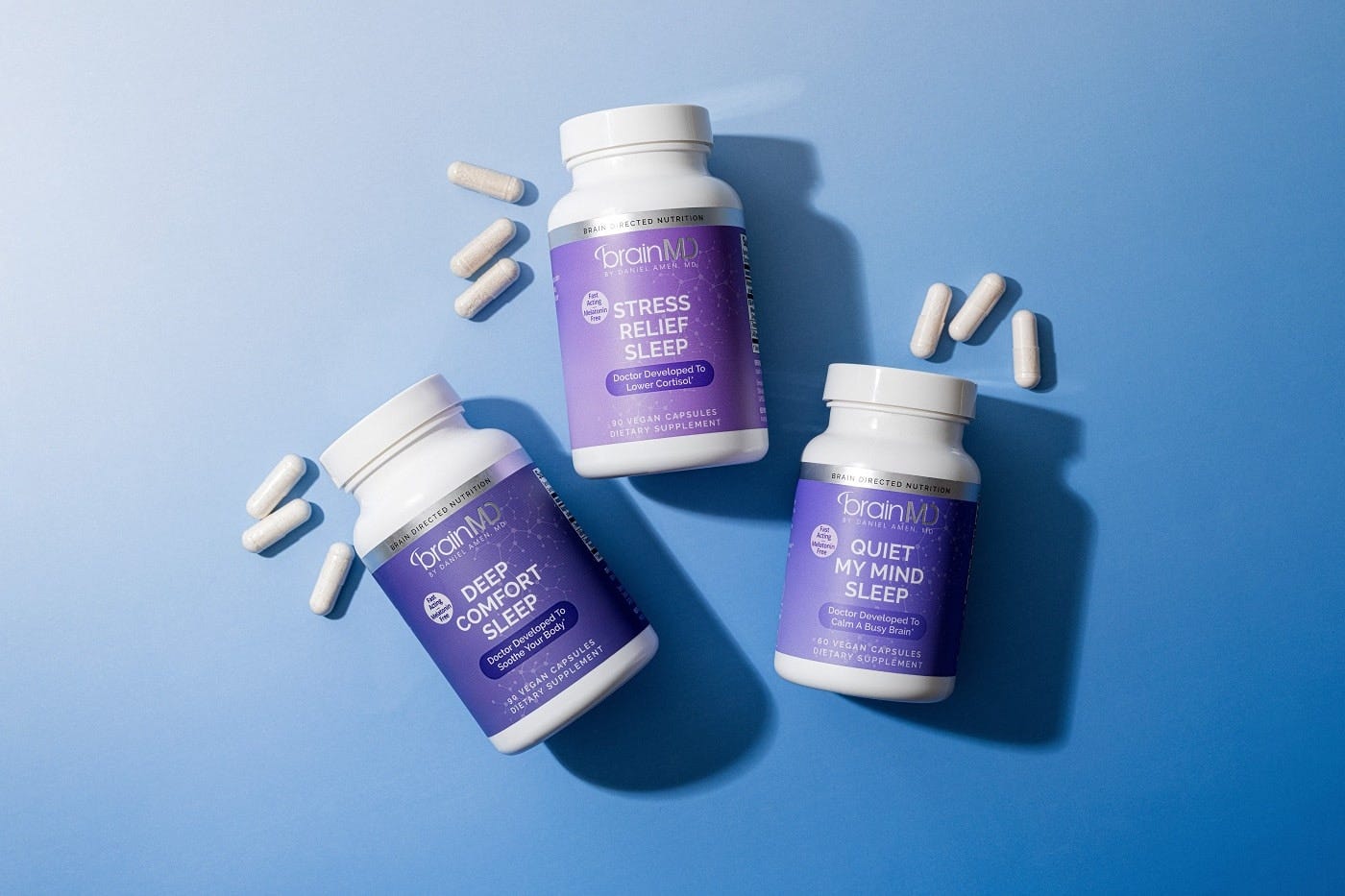
You’re exhausted. You’ve tried melatonin. You’ve tried magnesium. You’ve even tried cutting off caffeine at 2 PM. And still, you find yourself staring at the ceiling at 3 AM, wondering what it’s going to take to finally get a good night’s sleep. You’re not alone. Roughly one in three American adults reports not getting enough sleep on a regular basis.(1) And here’s the real kicker: most of those people aren’t dealing with the same problem. One person is stressed out and can’t wind down. Another is dealing with physical discomfort. Another is overwhelmed by racing thoughts. And yet most sleep supplements treat all of them exactly the same. That’s where BrainMD’s new line of sleep supplements comes in. Designed by sleep medicine doctor and psychiatrist, Dr. Shane Creado, these three new melatonin-free formulas are built for real people with real sleep issues. They’re science-backed, targeted, and designed to meet your body where it is.* In this blog, we’ll walk through each one, show you how they fit into the bigger BrainMD sleep ecosystem, and explain why personalized sleep support is the future of sleep upgrades. And if you’re not sure which one to start with, that’s okay too. We’ll talk about how to find your best match—and why sometimes, it takes a little trial and error to get there. Why One-Size-Fits-All Sleep Supplements Fall Short Not all sleep problems are created equal. Stress-related sleep issues don’t work the same way as physical discomfort-related sleep disruptions. Restlessness from mental hyperactivity is different from jet lag or night-shift circadian chaos. And yet, most over-the-counter supplements treat all sleep problems with one blanket approach: melatonin. Melatonin can be helpful for some people, but it isn’t a cure-all. And in certain populations—especially children, teens, and those taking certain medications—melatonin can be problematic. A 2023 review of melatonin safety raised concerns about its widespread use in young people, noting insufficient long-term data and potential hormonal impacts.(2) That’s one reason BrainMD chose to go melatonin-free with its new line of sleep supplements. But the real breakthrough isn’t just what they left out. It’s what they put in. Each of the three new formulas is designed to address a specific type of sleep disturbance: Deep Comfort Sleep targets extreme discomfort, gut-related issues, and promotes a healthy inflammatory response.* Stress Relief Sleep helps lower cortisol and soothe the wired-tired brain.* Quiet My Mind Sleep calms mental overactivity and supports focus-driven brains (think shift workers and frequent flyers).* These formulas don’t try to knock you out. They try to help you restore balance—physiologically, neurologically, and emotionally.* That’s what real sleep science is all about. Three Sleep Formulas. One Groundbreaking Shift in How We Think About Rest. Instead of offering one all-purpose pill to “knock you out,” BrainMD created three highly targeted, melatonin-free formulas—each one addressing a specific reason people can’t sleep.* This isn’t marketing fluff. It’s real sleep science in action. Sleep disruption isn’t just a matter of “I’m not tired.” It can be driven by physical discomfort, high levels of cortisol, or mental hyperactivity—and each of those issues has different root causes, biological pathways, and clinical support options.* Here’s how the new sleep supplement line breaks down: Deep Comfort Sleep For sleep that’s sabotaged by physical discomfort or gut-related issues What it targets: Minor aches or body tension* Occasional joint or body discomfort* Gut-brain axis disruption(8)* Fatigue that isn’t resolved with rest* What it’s made for: This formula is built for people who wake up tired, feel stiff or achy at night, or have gut imbalance.* It’s especially relevant for adults over 40 or anyone with autoimmune tendencies, joint stiffness, or digestive struggles.* Why it works: Boswellia(7), and other specific agents that help support a healthy inflammatory response(6) help attain and balanced, whole-body calm so your system can finally enter a true rest-and-repair state.* Stress Relief Sleep For wired brains, tight chests, and cortisol that won’t quit.* What it targets: High cortisol levels* Sleep-onset anxiousness* Mid-night wakeups tied to stress* Emotional exhaustion* What it’s made for: This is the formula for people who can’t shut off their brain—or who wake up at 2 AM feeling like their fight-or-flight system is still in overdrive.* Think: grief, burnout, job loss, divorce, or just life.* Why it works: It supports your adrenal rhythm and helps reduce stress hormone output with ingredients like ashwagandha(9), phosphatidylserine(10), and calming adaptogens that have been shown to reduce nighttime cortisol and improve sleep onset latency.* Quiet My Mind Sleep For the racing-thought crowd—think overthinkers and night owls.* What it targets: Overactive thoughts* Mental restlessness* Shift work, frequent travel, or inconsistent sleep-wake cycles* Seasonal sleep disruption* What it’s made for: If your brain doesn’t know how to “power down,” this is your formula.* It’s safe for adults and teens 14+, and it’s especially useful for people with hyperactive tendencies, neurodivergent patterns, or chaotic sleep schedules.* Why it works: This blend focuses on calming the nervous system with nutrients that promote GABA signaling(11) and serotonin balance—like magnesium, saffron(13), L-theanine(12), and lion’s mane.(14)* These help the brain slow down, reduce mental noise, and support deeper REM cycles.* Each formula is clean, melatonin-free, and built to be part of a system, not a Band-Aid.* You won’t find mystery blends or pixie-dusted herbs here—just targeted, evidence-based ingredients with a clear purpose.* Coming up next: how these products fit into the BrainMD sleep ecosystem, and why Dr. Shane Creado might just be your new favorite sleep whisperer. Designed by a Doctor. Built for Real Life. What sets these new sleep formulas apart isn’t just what’s in them—or what’s left out. It’s who created them—and the clinical reality they were designed to serve. Dr. Shane Creado isn’t your average supplement formulator. He’s a double board-certified sleep medicine doctor and psychiatrist who works with Olympic athletes, professional sports teams, and high-performing professionals who can’t afford to be groggy, foggy, or chemically sedated. His book Peak Sleep Performance for Athletes has become a modern manual for optimizing rest as a tool for mental sharpness, emotional resilience, and physical regeneration.(15) And now, that same expertise is built into every capsule of this new line of high-quality sleep supplements. "Sleep optimization is the last frontier in peak performance.” - Shane Creado, MD But Dr. Creado’s approach isn’t just for athletes. It’s for anyone who’s sick of “sleep hygiene” tips that don’t work, tired of melatonin dependence, or stuck cycling through supplements that don’t address why they’re not sleeping in the first place. These formulas were built to fill the gaps Dr. Creado saw time and again in his clinical practice: People with physical discomfort, whose sleep never really restores them.* People with feelings of anxiousness or trauma, who dread the moment their head hits the pillow.* People with attention issues or stress-fueled busy brains that just…won’t…turn…off.* And because these formulas are melatonin-free and NSF-certified, they’re appropriate for teens, athletes, and professionals with sensitive systems or drug testing requirements.* They’re not meant to be addictive. They’re not meant to zonk you out. They’re meant to reset your system, naturally.* So… Which One Should I Try First? (And What If I Don’t Know?) This is the question everyone asks. And the honest answer? It depends. Some people know exactly what’s keeping them up at night: a sore shoulder, a racing mind, a life falling apart. Others just know they’re tired of being tired. Either way, choosing the right sleep formula shouldn’t feel like guesswork—but it also doesn’t require perfection. Here’s the reframe: Not having a single, perfect answer doesn’t mean this approach is vague or unscientific. It means it’s personalized. In medicine, this is called biochemical individuality—and it’s why even MDs regularly adjust treatments based on how a person responds. It’s not trial-and-error. It’s trial and insight. We see this all the time: Some people respond better to ashwagandha than L-theanine* Some sleep deeper on saffron than magnesium* Some need nervous system support, while others need their physical discomfort dialed down first* That’s not a flaw. That’s your body’s way of telling you what works. Our Advice? Start with the formula that matches your dominant sleep struggle—aches, stress, or mental overactivity.* Give it a solid two weeks.* If it doesn’t get you where you want to go, try layering in another or switching to a different one.* Sleep is a system, not a switch that you can turn off and on like a light. And BrainMD’s sleep ecosystem is designed to support that system holistically.* Also worth noting: some of these products pair beautifully with existing BrainMD formulas like Calm My Brain, NAC, Everyday Stress Relief, or Brain Curcumins. This isn’t a one-and-done approach. It’s a toolkit. The BrainMD Sleep Lineup at a Glance Still not sure which sleep formula is right for you? This quick-reference chart breaks down all five of BrainMD’s core sleep and relaxation products—including the three new melatonin-free formulas, plus the two foundational classics Put Me To Sleep Naturally and Restful Sleep. Whether your challenge is falling asleep, staying asleep, or shutting down a racing brain, this guide will help point you in the right direction.* Each of these formulas stands on its own. But taken together, they form the foundation of BrainMD’s comprehensive, personalized sleep ecosystem—one that honors the fact that no two brains (or sleep problems) are alike.* Pro Tip: If you’ve had mixed results with melatonin, focus on the melatonin-free options first.* They offer a completely different approach to sleep support—one that’s often more sustainable for long-term use.* Final Thoughts: Sleep That Meets You Where You Are Here’s the truth no one tells you: You’re not broken. You’re just mismatched. Most people struggling with sleep don’t need another generic sleep aid. They need a protocol that actually understands what they’re going through—and meets them there. That’s what BrainMD’s new sleep supplement line is about. It’s not about knocking you out. It’s about helping your body do what it already wants to do: rest and repair.* Whether your challenge is stress, physical discomfort, or a mind that just won’t stop running, there’s now a formula built for that exact issue.* One that doesn’t rely on melatonin. One that’s backed by a doctor who’s seen it all.* And one that plays well with your body—not against it.* So, if you’ve been burned by sleep supplements in the past—or if you’ve never really found the right fit—this is your invitation to try again. You deserve sleep that works for you.* Let BrainMD help you find it.* At BrainMD, we’re dedicated to providing the highest quality supplements to improve your physical health and overall well-being. For more information about our full list of brain healthy supplements, please visit us at BrainMD. *These statements have not been evaluated by the FDA. This content is for informational purposes only. It is not meant to substitute for medical or healthcare advice from a physician, nor is it intended to diagnose, treat, cure, or prevent any disease. Consult your healthcare provider before beginning a new health regimen. Meet Dr. Shane Creado Shane Creado, MD is a double board-certified sleep medicine doctor and psychiatrist who specializes in optimizing brain performance through better sleep. He’s worked with Olympic athletes, professional sports teams, and elite performers across the world—from the NBA to the PGA to the U.S. Olympic Committee. Dr. Creado is the author of Peak Sleep Performance for Athletes and serves as the VP for the Americas for the International Society for Sports Psychiatry. He is also the creator of the Overcoming Insomnia course for Amen University and consults with Amen Clinics on clinical strategy and supplement formulation. His mission: to deliver personalized, non-pharmacological sleep supplements that help real people feel and function better—without dependency, grogginess, or guesswork. Learn more at shanecreado.com or follow @peaksleepperformance on Instagram. References: CDC. 1 in 3 adults don’t get enough sleep. https://sleepeducation.org/cdc-americans-sleep-deprived/ Videnovic A, Zee PC. Melatonin use in children: Safety concerns. https://pubmed.ncbi.nlm.nih.gov/37451058/ Xie L, et al. Sleep drives metabolite clearance from the adult brain. Science. 2013. https://pubmed.ncbi.nlm.nih.gov/24136970/ Hogenkamp, et al. Acute sleep deprivation increases portion size and affects food choice in young men, Psychoneuroendocrinology, 2013 https://pubmed.ncbi.nlm.nih.gov/23428257/ Abbasi B, et al. Magnesium supplementation in insomnia. J Res Med Sci. https://pubmed.ncbi.nlm.nih.gov/23853635/ Daily JW, et al. Efficacy of turmeric extracts and curcumin. J Med Food. 2016. https://pubmed.ncbi.nlm.nih.gov/27533649/ Ganpeng, et al. Effectiveness of Boswellia and Boswellia extract for osteoarthritis patients: systematic review and meta-analysis. BMC Complementary Medicine and Therapies, 2020 https://bmccomplementmedtherapies.biomedcentral.com/articles/10.1186/s12906-020-02985-6 Mayer, et al. The gut-brain axis, Annual Review of Medicine, Vol 73, 2022. https://tinyurl.com/2b5n2wdy Chandrasekhar K, et al. A prospective, randomized double-blind, placebo-controlled study of safety and efficacy of a high-concentration full-spectrum extract of ashwagandha root in reducing stress and anxiety in adults Indian J Psychol Med. https://pubmed.ncbi.nlm.nih.gov/23439798/ Starks, et al. The effects of phosphatidylserine on endocrine response…J Int Soc Sports Nutr July, 2008 https://tinyurl.com/hc8he4du Arora, et al. GABAergic implications in anxiety and related disorders, Biochemical and Biophysical Research Communications, Sept 2024. https://tinyurl.com/5rk46hbt Hidese, et al. Effects of L-theanine on Stress-Related Symptoms and Cognitive Functions in Healthy Adults Oct, 2019 https://tinyurl.com/2dnhcj3a Lopresti AL, et al. Effects of saffron on sleep quality in healthy adults with self-reported poor sleep. https://pubmed.ncbi.nlm.nih.gov/32056539/ Lee KE, et al. Hericium erinaceus (Lions Mane) improves mood and sleep disorders…. Evid Based Complement Alternat Med, April 2019 https://pubmed.ncbi.nlm.nih.gov/31118969/ Creado SA. Peak Sleep Performance for Athletes. 2020. https://tinyurl.com/58prxh3k
Learn more
Want the Best Rest? Here's Why You Need Serotonin for Sleep!
The human brain naturally produces a soothing neurotransmitter called serotonin, mostly from the amino acid tryptophan that is derived from dietary proteins. Serotonin plays many important roles in the brain’s biochemistry and is intimately involved in maintaining an upbeat mood, boosting self-confidence, sustaining the body’s 24-hour rhythms, and facilitating sustained and deep sleep. Signs of Low Serotonin Unfortunately, far too many people aren’t naturally producing enough serotonin to consistently experience its calming, positive effects. Inadequate serotonin is linked to low mood, negative behaviors, unhealthy sleep patterns, and many other physical and mental problems. Signs of possible low serotonin or functional serotonin deficiency: Racing negative thoughts at night Difficulties with mental sharpness Carbohydrate cravings and binge eating Digestive and other intestinal problems Sleep problems Feeling overwhelmed and unhappy Headaches Anger and irritability Sleep Cycles Most people realize that the quality and quantity of their sleep can have a direct impact on how well they function during the day. But did you know that what you do during the day can affect how well you sleep at night? Getting appropriate levels (at least 10 to 30 minutes) of sunlight on your skin during the day can help maintain your body’s natural production of vitamin D3, which promotes the production of serotonin molecules. In the evening, the brain naturally converts serotonin into melatonin, the main sleep hormone. Getting sufficient levels of serotonin during the day may improve your chances of getting a good night’s sleep. Anything that disrupts this sleep/wake cycle, like excessive caffeine, alcohol or video game playing, can have adverse effects on your ability to effectively perform tasks at work, school or home. Insufficient and inconsistent sleep can increase irritability, moodiness and poor judgment. To remain at the top of your game, it’s recommended that you get between 7-9 hours of sleep each night. If you have difficulties turning off your brain before bedtime, or if you just need more calm in your life, here are 3 ways serotonin can help you stay in a restful state of mind… 3 Ways to Naturally Increase Serotonin For Sleep 1. Consistent Physical Exercise Exercise is a serotonin intervention – it boosts serotonin in your brain. Multiple research studies have demonstrated that exercise increases the blood levels of tryptophan,¹ which gets into the brain to make more serotonin available. Consistent physical exercise is one of the best ways to improve your serotonin levels and has many other positive effects on your brain and body health. 2. Increase Serotonin with Food Very few foods contain premade serotonin and once absorbed into the blood, it can’t get across the blood-brain barrier. However, tryptophan from food proteins does get across this barrier, so it is possible to support the brain’s serotonin needs by eating foods that boost the brain’s tryptophan levels. Some examples of foods rich in L-tryptophan are: spirulina, seeds (especially pumpkin), squash, chia, watermelon, grass-fed meats (beef, lamb, goat), free-range poultry (chicken, turkey, duck), wild caught salmon and tuna, peas and beans (not canned), tofu, tempeh, tahini, natto, edamame, eggs (especially the whites), and spinach. 3. Get Nutritional Support Getting high-quality sleep is essential to wellness. If you have problems falling asleep, a safe, scientifically formulated dietary supplement may help you achieve restful sleep. One of BrainMD’s highly effective, natural sleep aids is Serotonin Mood Support. Naturally Calming Serotonin for Sleep: Serotonin Mood Support BrainMD's Serotonin Mood Support is a natural solution that helps increase the production of calming brain waves, correct stress-related nutritional deficiencies, and promote relaxation that will enable good quality sleep.* It can help you handle the ups and downs of life with more composure.* This formula includes: [wc_box color="inverse" text_align="left" margin_top="" margin_bottom="" class=""] Vitamin B6 is fundamental to healthy brain function.* It’s also an essential cofactor for enzymes that make serotonin and other key transmitters.* It works in harmony with methylfolate and methyl-vitamin B12 to support the brain’s structural brain maintenance and functional efficiency.* Methylfolate is pre-activated and is the body’s most readily utilized form of the folate vitamin.* It’s better utilized than folic acid, which is a manufactured substance not found in nature.* Many people cannot efficiently convert folic acid into usable folate (methylfolate).* Methyl-cobalamin, the body’s most readily-utilized form of vitamin B12, is paired with methylfolate to help ensure the brain has sufficient methyl to make melatonin (our sleep hormone) and has the biochemical tools for renewing and maintaining its nearly 200 billion cells.* We avoid using cyano-cobalamin, which contains toxic cyanide.* Saffron is the world’s most expensive spice, saffron has a long history of being used to induce happiness.* Saffron concentrated extracts have consistently improved mood, stress, and other mental functions in many clinical trials.²* [/wc_box] Lifestyle habits such as consuming smart carbohydrates in moderation, seeking out healthy foods rich in tryptophan, and taking a dietary supplement like Serotonin Mood Support can work together to elevate mood and promote restful sleep.* Try Serotonin Mood Support today! At BrainMD, we’re dedicated to providing the highest purity nutrients to improve your physical health and overall well-being. For more information about Serotonin Mood Support and our full list of brain healthy supplements, please visit us at BrainMD. *These statements have not been evaluated by the FDA. This content is for informational purposes only. It is not meant to substitute for medical or healthcare advice from a physician, nor is it intended to diagnose, treat, cure, or prevent any disease. Consult your healthcare provider before beginning a new health regimen. References: 1. Melancon, M. O., Lorrain, D., & Dionne, I. J. (2012). Exercise increases tryptophan availability to the brain in older men age 57-70 years. Medicine & Science in Sports & Exercise, 44(5), 881-887. https://doi.org/10.1249/MSS.0b013e31823ede8e 2. Jackson, P. A., Forster, J., Khan, J., Pouchieu, C., Dubreuil, S., Gaudout, D., Moras, B., Pourtau, L., Joffre, F., Vaysse, C., Bertrand, K., Abrous, H., Vauzour, D., Brossaud, J., Corcuff, J. B., Capuron, L., & Kennedy, D. O. (2021). Effects of saffron extract supplementation on mood, well-being, and response to a psychosocial stressor in healthy adults: A randomized, double-blind, parallel group, clinical trial. Frontiers in Nutrition, 7, 606124. https://doi.org/10.3389/fnut.2020.606124
Learn more
Rest Easy: This Is THE Sleep Supplement for Kids!
Does your child get enough sleep each night? If not, they could be developing a serious sleep issue. Sleep Deprivation Sleep deprivation has reached epidemic proportions. According to the authoritative Institute of Medicine (US) Committee on Sleep Medicine and Research, as many as 70 million Americans have ongoing sleep problems¹ that interfere with their daily routines. The recommended daily sleep duration for adults is 7 to 8 hours, and children need more. The Committee reported that 5-year-olds may need 11 hours, and adolescents 9 to 10 hours. Yet, adolescents average fewer than 8 hours, and over a quarter of high school students can be sleep-deprived. Losing sleep has been associated with: Lower overall blood flow to the brain Negative effects on cognition, mood, and memory Greater appetite linked to increases of the hunger hormone ghrelin Loss of focus and willpower Mood issues and occasional anxiety Top Sleep Stealers & Sleep Promoters Sleep Stealers The list of reasons why your child might be missing out on a good night’s sleep is extensive. Unfortunately, sleep issues are only getting worse with the prevalence of devices, energy drinks, and video games. One common sleep stealer is caffeine. Too much caffeine from coffee, tea, chocolate, or energy drinks, can disrupt sleep. This is especially true when those foods and beverages are consumed later in the afternoon or evening. Believe it or not, your child’s room can be a sleep stealer. Is the room too hot/cold? Is there too much noise outside or inside the room? Is there too much light coming from outside or inside the room? Another sleep disrupter is medications. Many over the counter (OTC) medications can disturb sleep. These include asthma medications, antihistamines, cough medicines, anticonvulsants, NSAIDs (nonsteroidal anti-inflammatories), and stimulants (such as Adderall or Concerta). Before purchasing an OTC medication, be sure to ask the pharmacist whether it can affect your child’s – or your own – sleep. Sleep Promoters Having your child avoid caffeine and excessive screen time is a good place to start, but there are many other things you can do to improve their sleep. To help your child achieve consistent sleep, make sure they get to bed at the same time each night and wake up at the same time in the morning, including on weekends. Maintaining a regular sleep schedule can help your child feel more rested and ready to face the day. Consider making your child’s bedroom tech-free in the evenings. Remove all electronics from their bedroom and turn off all devices at least an hour before bedtime. Creating a relaxing environment, free from the distractions of the outside world, can help your child enter a restful state. If your child has problems falling asleep, a safe, scientifically formulated dietary supplement may help them achieve restful sleep. Here are some key ingredients to look for in a sleep supplement for kids. 2 Gentle & Natural Ingredients to Help Your Child Get Quality Sleep Melatonin Melatonin is our main sleep hormone. Melatonin is central to all the body’s mechanisms for promoting restful sleep and healthy sleep patterns. It’s made and released from the brain during the night to naturally regulate the body’s 24-hour circadian rhythms and sleep/wake cycle. Recent advances in our understanding of melatonin indicate that for many people, a very low dose – slightly more than one milligram – works better than the previously used doses of several milligrams. That means many sleep supplements offer significantly higher doses of melatonin than required to achieve and maintain restful sleep. Some children require more melatonin, so you may need to gradually increase your child’s dose until they get to sleep within a reasonable 30- to 60-minute period. Magnesium Sometimes called the relaxation mineral, magnesium is fundamental to our health. Sadly, about half of all Americans aren’t getting enough of it.² Magnesium is essential for our cells to make their vital life energy, for the brain to function normally, and for the entire body to be healthy. It plays important roles in muscle relaxation, calming of racing thoughts, and in promoting overall sleep quality. Magnesium is also required for our muscles to maintain healthy tone: for the heart muscle to contract and relax in rhythm, for the voluntary muscles (legs, arms, back, facial) to work without cramping, and for the involuntary muscles to manage the digestive system and other internal organs. Having enough magnesium is essential to maintaining and renewing all these muscles during sleeping and waking hours. BrainMD offers a natural sleep supplement for kids (and adults) that contains effective doses of melatonin, magnesium, and many other sleep-promoting ingredients… Put Me To Sleep Naturally Put Me To Sleep Naturally is based on the most recent nutraceutical research on sleep onset, duration, and quality.* Put Me To Sleep includes six potent ingredients that work synergistically to help relax the mind and body in preparation for sleep: [wc_box color="inverse" text_align="left" margin_top="" margin_bottom="" class=""] Melatonin – the master hormone for regulating the body’s sleep cycle, effective for improving sleep when taken by mouth* GABA – the brain’s major calming neurotransmitter that balances excitation versus inhibition and helps new nerve cells develop and mature* Magnesium – this essential mineral is vital for brain activity during sleep, protects the brain circuits against overload, and helps bring on sleep and improve sleep quality* Vitamin B6 – vitamin B6 is crucial for the enzymes that produce melatonin, as well as for GABA, serotonin, and other sleep-related brain neurotransmitters* 5-HTP – a starting molecule natural to the brain and important to produce not just serotonin, a regulatory neurotransmitter that enables quality sleep, but also melatonin* L-Theanine – a unique green tea amino acid and natural relaxant, l-theanine can improve time to fall asleep, sleep duration, and sleep quality in children and adults* [/wc_box] With a broad range of beneficial actions, these ingredients are carefully combined in Put Me To Sleep to promote recovery from daily stress, calm and relaxation, and fully restful sleep.* Can Children Take It? Yes! Children can be started at 1 tablet per 40 pounds of body weight. Kids who have difficulties with attention, behavior, and social communication, can be increased to 4 tablets per day or more, as recommended by a nutritionally-informed physician.* This supplement was made in chewable tablets to ensure great taste and fast action. Its effects should be felt in just minutes – 1 hour maximum.* Natural Sleep Supplement for Kids If your child has difficulties falling or staying asleep, this natural sleep supplement for kids can help them achieve deep, sustained, and restorative sleep.* Get Put Me To Sleep today so your child can sleep well tonight!* At BrainMD, we’re dedicated to providing the highest purity nutrients to improve your physical health and overall well-being. For more information about Put Me To Sleep Naturally and our full list of brain healthy supplements, please visit us at BrainMD. *These statements have not been evaluated by the FDA. This content is for informational purposes only. It is not meant to substitute for medical or healthcare advice from a physician, nor is it intended to diagnose, treat, cure, or prevent any disease. Consult your healthcare provider before beginning a new health regimen. [wc_button type="primary" url="/supplements/sleep" title="Shop Sleep Supplements" target="blank" url_rel="" icon_left="" icon_right="" position="center" class=""]SHOP SLEEP SUPPLEMENTS[/wc_button] References: Colten, H. R., & Altevogt, B. M. (Eds.). (2006). Sleep disorders and sleep deprivation: An unmet public health problem. National Academies Press. https://doi.org/10.17226/11617 Rosanoff, A., Weaver, C. M., & Rude, R. K. (2012). Suboptimal magnesium status in the United States: Are the health consequences underestimated? Nutritional Reviews, 70(3), 153-164. https://doi.org/10.1111/j.1753-4887.2011.00465.x
Learn more
This Is How Magnesium Can Improve the Quality of Your Sleep
Sleep is essential to your overall health and ability to function in life. But are you getting enough sleep? If not, it’s time to focus on sleep as if it’s one of the most important things in your life…because it is! If you aren’t getting the recommended 7 to 9 hours of sleep each night, you’re setting yourself up for a host of physical and mental issues. When you fall behind on sleep, blood flow to your brain decreases and you are much more likely to make poor decisions. If you’re looking for natural ways to improve the quality of your sleep, implementing these 3 tips can help you achieve peaceful sleep… 3 Natural Ways to Improve the Quality of Your Sleep 1. Create a Restful Environment Since environment can dramatically affect the quality of your sleep, make sure your bedroom is comfortable – not too hot or cold. Also, keep your room as dark as possible while sleeping. Use soothing nature sounds, soft music or even a fan to induce a relaxing mood that can ease you into a restful sleep. 2. Regular Sleep Habits Go to bed at the same time each night and wake up at the same time each morning, even on weekends. Instead of taking a nap to make up for lost sleep, power through until bedtime to maintain a regular sleep schedule. Taking naps when you feel sleepy during the day can disrupt your nighttime sleep cycle. 3. Get Natural Sleep Support Getting high-quality sleep is essential to wellness. If you have healthy habits, such as avoiding caffeine later in the day and getting regular exercise, but still have problems falling asleep, a scientifically formulated and safe dietary supplement that promotes restful sleep may give you the relief you need. If you don’t get quality sleep, consider taking a well-designed sleep supplement. One nutrient that promotes quality sleep and supports our internal clocks is magnesium. Magnesium Essentials Magnesium is a mineral nutrient crucial for our health and survival. Magnesium is necessary for all our cells to make and use energy. It maintains our DNA and gene structure and is required for more than 300 enzyme reactions in the body. It’s vital for brain activity¹ and heartbeat. This powerful nutrient is also essential for healthy blood sugar, blood pressure levels, blood flow and inflammatory response. Magnesium is required to balance calcium for healthy brain electrical activity and for the brain’s trillions of connections to manage information. Magnesium is also required for our muscles to maintain healthy tone: heart muscle, voluntary muscles (legs, arms, back, facial) and involuntary muscles (digestive system, other internal organs). Having sufficient magnesium helps renew and manage all these muscles during sleep. Overall, this key mineral nutrient helps promote a healthier well-being. Yet surveys consistently find that nearly half of all Americans aren’t getting sufficient amounts of magnesium from their foods.² Magnesium Chewables Taking BrainMD’s Magnesium Chewables assist the brain and body in numerous ways. In addition to being crucial for memory, learning and overall mental alertness, magnesium promotes calmness under stress and encourages a relaxed state of mind, positive attitude, and quality sleep.* 3 Key Ingredients of Magnesium Chewables BrainMD’s Magnesium Chewables contain three magnesium compounds that are well absorbed and utilized by the body.* All three – magnesium citrate, magnesium malate, and magnesium glycinate – provide magnesium atoms in the positively charged ionic form.* Unlike the magnesium oxide in cheap supplements, this is pre-activated magnesium ready for use by the brain and other organs.* All three of these magnesium compounds are well tolerated, safe to take, and suitable for use by people of all ages.* The glycinate form is likely absorbed by a unique process helpful for users with digestive limitations.* The citrate and malate not only provide pre-activated magnesium, but are also available to our mitochondria for making precious life energy.* These tablets are free of magnesium oxide, dairy, glutens, corn, egg, yeast, or other allergens, with no artificial colorings or flavorings. They’re also vegan. We recommend chewing one tablet at a time, then washing it down with water. Sweating during workouts and sports activities depletes magnesium, so chewing one or two tablets afterwards is recommended. Muscle cramping or spasms in the head or limbs may be eased by this safe, high-dose magnesium supplement.* Magnesium Chewables FAQ [wc_box color="inverse" text_align="left" margin_top="" margin_bottom="" class=""] How many Magnesium Chewables should I take daily? Just one tablet contributes more than one-third of your minimum total daily requirement.* We recommend a maximum of 4 tabs per day which, in total, is 600 mg of magnesium. Higher intakes may be helpful under the guidance of a nutritionally informed physician. I’m taking several medications. Should I be taking this supplement? Yes. Magnesium is a mineral absolutely crucial for your health and cannot be replaced by a medication.* Medications such as antacids and antibiotics can deplete magnesium and increase the body’s need for supplementing it in the diet.* Are Magnesium Chewables safe to take during pregnancy? Yes. Sufficient daily magnesium intake is crucial to a healthy pregnancy and during the lactation period.* Which other products would make this supplement work even better? Along with a healthy diet, taking BrainMD’s super-multiple NeuroVite Plus Multivitamin and our Omega-3 Power with its ultra-pure, highly concentrated EPA+DHA fish oil will help ensure your brain and other organs have the vitamins and minerals they need to fully utilize magnesium.* [/wc_box] What Others Are Saying Great Taste “They taste just like an orange sweet tart.” -Jen Better Sleep “Every product from BrainMD has worked for me and Chewable Magnesium is no exception. I am sleeping better at night. I am more focused with my memory improving every day. I am overall satisfied with the Magnesium Chewables and plan to keep them in my daily regimen of supplements for a healthier me!” -Lydia Choose These Chews Magnesium is a natural supplement that can help improve the quality of your sleep.* Try Magnesium Chewables today for sweet dreams tonight!* At BrainMD, we’re dedicated to providing the highest quality supplements to improve your physical health and overall well-being. For more information about Magnesium Chewables and our full list of brain healthy supplements, please visit us at BrainMD. *These statements have not been evaluated by the FDA. This content is for informational purposes only. It is not meant to substitute for medical or healthcare advice from a physician, nor is it intended to diagnose, treat, cure, or prevent any disease. Consult your healthcare provider before beginning a new health regimen. References: 1. Chen, F., Wang, J., Cheng, Y., Li, R., Wang, Y., Chen, Y., Scott, T., & Tucker, K. L. (2024). Magnesium and cognitive health in adults: A systematic review and meta-analysis. Advances in Nutrition, 15(8), 100272. https://doi.org/10.1016/j.advnut.2024.100272 2. Rosanoff, A., Weaver, C. M., & Rude, R. K. (2012). Suboptimal magnesium status in the United States: Are the health consequences underestimated? Nutrition Reviews, 70(3), 153-164. https://doi.org/10.1111/j.1753-4887.2011.00465.x
Learn more
Here Are 7 Dangers for Gamers and Top Tips That Can Help
In pixelated realms and sprawling open worlds, players often become so immersed in their quests that real-life dangers lurk just beyond the screen. Since gaming can sometimes come with unfortunate downsides, here are some potential hazards every gamer should be aware of – because leveling up isn’t just about skills and speed, but about safety and awareness. Video Gaming and Its Dangers On Health Video gaming has exploded in popularity over the past few decades. What started as a niche hobby has transformed into a global phenomenon, captivating millions of players across the age spectrum. From immersive storylines to competitive multiplayer battles, there’s no denying the allure of virtual adventures. Though leveling up your character can be thrilling, it’s important for gamers to be aware of the potential dangers of playing video games. Understanding these dangers for gamers can help ensure you enjoy playing video games without sacrificing your well-being. 7 Dangers for Gamers & Top Tips That Can Help Effects on the Musculoskeletal System Long hours spent gaming can lead to serious strain on the musculoskeletal system. Poor posture, from hours spent glued to a screen, is often the culprit. Many gamers find themselves hunched over, which puts pressure on their spine and neck. This unnatural position may cause discomfort that lingers long after leaving the console. Muscle tension in the shoulders and back can become severe if not addressed properly. Stretching and taking breaks are vital but easily forgotten during immersive gameplay sessions. Also, repetitive movements, such as gripping controllers or a computer mouse for extended periods can contribute to hand and wrist issues. Investing in ergonomic furniture may help alleviate some physical risks associated with extended gaming hours. Increased Risk of Health Problems The link between gaming and weight issues is becoming more apparent. Long hours spent in front of a screen can lead to mindless snacking and poor dietary choices. When immersed in virtual worlds, it’s easy to forget about the importance of balanced meals. Also, physical inactivity can play a significant role here. Sitting for extended periods can slow the metabolism and decrease caloric burn. This sedentary behavior¹ can contribute to weight gain over time. The combination of high-calorie snacks and low levels of physical activity can help raise cholesterol levels and blood pressure, which may eventually lead to cardiovascular issues. Eye Strain and Vision Problems Spending long hours in front of a screen can take a toll on your eyes. Many gamers experience visual discomfort, often referred to as digital eye strain. Symptoms may include dryness, irritation, and blurred vision. This occurs when the eyes work overtime to focus on small images and text. The blue light emitted from screens also can contribute to eye fatigue. Taking regular breaks is essential for maintaining eye health. A simple technique is the 20-20-20 rule: every 20 minutes, look at something 20 feet away for at least 20 seconds. Adjusting screen brightness and using proper lighting can make a significant difference too. Consider investing in blue light filters or wearing specialized glasses designed for gaming sessions. Your eyes deserve care just like any other part of your body. Ignoring these cautions may lead to more severe issues down the line. Mental Health Concerns Video gaming can be a double-edged sword when it comes to mental health. On the one hand, it offers an escape and a way to connect with others. On the other hand, the potential for becoming hooked looms large. Some players find themselves trapped in cycles of compulsive behavior that interfere with their daily life. Social isolation is another significant issue. While online interactions may promote friendships, excessive gaming may lead to a detachment from real-world relationships. This disconnect can result in feelings of loneliness and low mood. Cognitive development may suffer if gaming becomes the primary form of engagement for young minds. Also, strategic thinking² skills may potentially stagnate without diverse experiences away from the screen. Balancing time spent in virtual worlds with real-life activities is essential for maintaining mental well-being. Online Safety Concerns The digital gaming world can be thrilling, but it isn’t without its risks. Cyberbullying is a harsh reality for many players. Harassment can escalate quickly, ruining the fun and leaving long-lasting emotional scars. Exposure to inappropriate content is another pressing concern. Many games contain online interactions that might expose younger gamers to adult themes or violent imagery. It’s crucial for parents to monitor their children’s gaming experiences closely. Additionally, protecting personal information should be a top priority. Gamers often share details in chats or forums without realizing the potential consequences. Always use strong passwords and avoid sharing identifying data like your address or school name. Staying informed about these dangers can help create a safer, more enjoyable, environment for gamers. Sleep Deprivation Sleep deprivation is a silent threat that many gamers overlook. Late-night gaming sessions can cut into precious hours of rest. The bright screens and intense gameplay may create an addictive cycle that’s hard to break. Failing to get enough sleep can lead to problems with cognitive function. When operating with less than 6 hours of sleep, your decision-making, focus, and reaction times³ all may suffer. Lack of sleep increases the risk of accidents both in-game and out in the real world. Fatigue behind the wheel or during daily activities not only places you in danger, it also may affect those around you. Establishing good sleep habits is essential for maintaining peak performance while gaming. Also, limiting screen time before bed and creating a calming pre-sleep routine may help you achieve the quality sleep you need. Effects on Brain Function Gaming can significantly impact brain function, often in unexpected ways. While some players may focus on the positive aspects of gaming, such as keeping reflexes sharp and improving hand-eye coordination, excessive playtime may lead to negative consequences such as cognitive decline. Extended periods spent in front of a screen may hinder focus and attention. This is especially true for fast-paced games that demand constant multitasking. Over time, this can make it challenging to concentrate on tasks outside the game. Also, the highly competitive nature of gaming might increase stress levels. Elevated stress hormones can impair memory recall and decision-making abilities. Balancing intense gameplay with other activities may help mitigate these effects. Engaging in offline hobbies or physical exercise may give the brain a chance to recharge. Find Balance, Have Fun! While video games provide enjoyment and social interaction, it’s crucial to be aware of the possible dangers for gamers. Finding a balance between gaming and healthy habits is essential for every gamer. Incorporating regular physical activity into your routine can help mitigate health risks related to a sedentary lifestyle. Maintaining awareness of mental health is equally important; being mindful of the amount of time spent gaming and staying connected with friends outside the virtual world can help prevent feelings of isolation. Also, establishing good sleep habits can help enhance both gaming performance and your overall well-being. Awareness of the above dangers is essential for every gamer looking to maintain their health while enjoying their favorite pastime. Simple lifestyle changes can have a profound impact on long-term wellness without sacrificing gaming enjoyment. At BrainMD, we’re dedicated to providing the highest quality supplements to improve your physical health and overall well-being. For more information about our full list of brain healthy supplements, please visit us at BrainMD. *These statements have not been evaluated by the FDA. This content is for informational purposes only. It is not meant to substitute for medical or healthcare advice from a physician, nor is it intended to diagnose, treat, cure, or prevent any disease. Consult your healthcare provider before beginning a new health regimen. References: 1. Panahi, S., & Tremblay, A. (2018). Sedentariness and health: Is sedentary behavior more than just physical inactivity? Frontiers in Public Health, 6, 258. https://doi.org/10.3389/fpubh.2018.00258 2. Yee, N. (2024, May 21). Gamers have become less interested in strategic thinking and planning. Quantic Foundry. https://www.quanticfoundry.com/2024/05/21/gamers-have-become-less-interested-in-strategic-thinking-and-planning/ 3. Eugene, A. R., & Masiak, J. (2015). The neuroprotective aspects of sleep. MEDtube Science, 3(1), 35–40. https://doi.org/10.24125/mts.2015.3.1.35
Learn more
Top 4 L-Theanine Supplements for Anxious Days & Sleepless Nights
Would you be interested in a natural plant substance that can reduce stress and worry while improving mood, focus, memory, and mental alertness? Meet l-theanine! What Is L-theanine? L-theanine is a unique amino acid that is not used to make proteins and naturally occurs in green tea. When consumed by humans, it can reduce tension and fosters a restful state without diminishing daytime alertness. It also can promote blood pressure stability against the over-excitability associated with stress. Working by way of nerve cell receptors for GABA, glutamate, and other neurotransmitters, l-theanine has calming effects while preserving mental focus. It is rapidly absorbed and quickly shifts the brain toward a predominance of EEG alpha waves, which are associated with relaxation. In clinical research, l-theanine has been found to help improve attention, mood, cognition, and the quality of sleep. As a natural relaxant, l-theanine reduces tension and promotes rest without diminishing alertness. L-theanine is very well tolerated when taken by mouth and has been found safe in numerous clinical studies with both adults and children. Benefits of L-theanine Supplements Among its many benefits, l-theanine: Improves focus and clarity Doesn’t give you the jitters since it’s caffeine-free Has a gentle, relaxing effect without making you sleepy Can improve time to fall asleep, sleep duration, and sleep quality in children and adults L-theanine supplements are a natural and effective way to promote relaxation, reduce stress, and improve mental focus. This unique amino acid, primarily found in green tea leaves, works by increasing alpha brain wave activity, fostering a state of calm alertness without causing drowsiness. It supports the body's ability to manage stress, helping to alleviate feelings of anxiousness while improving focus and concentration. Additionally, L-theanine may enhance sleep quality by reducing racing thoughts, making it an ideal supplement for those seeking a peaceful night's rest. With its gentle, non-habit-forming properties, L-theanine offers a safe and natural alternative for achieving balance and tranquility in daily life. Scientific Research for L-Theanine's Calming Benefits: In a randomized, double-blind, placebo-controlled research trial¹ investigated the effects of AlphaWave® L-theanine on stress markers in healthy adults. Participants who received 400 mg of L-theanine daily for 28 days exhibited significant decreases in perceived stress levels and improvements in cognitive attention compared to the placebo group. These findings suggest that L-theanine supplementation can effectively alleviate stress and enhance cognitive function in individuals experiencing moderate stress. [wc_divider style="dotted" line="single" margin_top="" margin_bottom="" class=""][/wc_divider] Top 4 Calming Supplements with L-Theanine L-Theanine Gummies L-Theanine Gummies, a natural and safe solution to ease stress and boost mental clarity. Each gummy delivers 100 mg of L-theanine, an amino acid known for its ability to promote relaxation without causing drowsiness. By enhancing alpha brain wave activity, these gummies help create a calm and focused state, perfect for managing daily stress or improving concentration. Whether you're looking to unwind after a hectic day or enhance your mental sharpness, these calming gummies offer an effective, science-backed approach. Packed with a refreshing grape-lime flavor, these l-theanine gummies are not just effective but also delightful to consume. Made with clean, natural ingredients, they are free from artificial colors, flavors, and hidden sugars. Sweetened with plant-based alternatives like allulose and erythritol, they are suitable for both adults and children aged 8 and up. Their vegan-friendly, pectin-based formula ensures a chewy texture that's as enjoyable as it is soothing. For a naturally calming experience, simply take one gummy daily—or up to four as needed—and let these L-theanine gummies support your journey to peace and focus. Everyday Stress Relief To stay healthy in today’s fast-paced world, you need to be resilient to stress. Everyday Stress Relief replenishes your body’s levels of magnesium and taurine, which can help you cope during times of excessive stress. In addition to these nutrients, the formula supplies l-theanine and high-quality standardized herbal extracts clinically proven to help support your body’s response to stress on multiple levels. Many anti-stress supplements can make you sleepy, but not Everyday Stress Relief. It’s safe, non-sedating, and non-habit forming. Everyday Stress Relief helps you cope with everyday challenges so you can enjoy the good things in your life. GABA Calming Support GABA Calming Support is a unique combination of clinically proven ingredients that can help you cope with restlessness and irritability. It contains pure GABA (gamma-aminobutyric acid), chemically identical to the substance your brain makes as its main calming neurotransmitter, along with l-theanine and other ingredients that help your nerve cells respond better to GABA. This formula can calm your racing thoughts to help prepare you for sleep. It doesn’t cause drowsiness, so it’s safe to take during the day. GABA Calming Support can help facilitate the production of calming brain waves, correct stress-causing nutritional deficiencies, and promote relaxation. Put Me To Sleep Naturally Put Me To Sleep Naturally is based on the most recent nutraceutical research on sleep onset, duration, and quality. This highly effective sleep supplement includes six potent ingredients that work in concert to help relax the mind and body in preparation for sleep. These ingredients have a broad range of neurotransmitter actions in the brain and are carefully combined to promote recovery from daily stress, calm and relaxation, and fully restful sleep. Put Me To Sleep Naturally is recommended for anyone who has difficulties falling or staying asleep. With a robust combination of ingredients – including GABA, melatonin, and l-theanine – its effects should be felt in just minutes…1 hour maximum. Feel the Calm Utilizing the unique benefits of l-theanine, these supplements can help improve energy, mood, calm, cognition, and quality of sleep. With so many positive indications for your health and well-being, it’s a good idea to start taking supplements with l-theanine today. At BrainMD, we’re dedicated to providing the highest purity nutrients to improve your physical health and overall well-being. For more information about our full list of brain healthy supplements, please visit us at BrainMD. *These statements have not been evaluated by the FDA. This content is for informational purposes only. It is not meant to substitute for medical or healthcare advice from a physician, nor is it intended to diagnose, treat, cure, or prevent any disease. Consult your healthcare provider before beginning a new health regimen. References: ¹White, D. J., de Klerk, S., Woods, W., Gondalia, S., & Scholey, A. (2016). Anti-stress, cognitive, and mood effects of L-theanine: A double-blind, placebo-controlled, crossover study. Nutritional Neuroscience, 19(11), 605–615. https://doi.org/10.1080/1028415X.2016.1183797
Learn more
Here Are Some of the Best Foods for Sleep
What keeps you up at night? The list of reasons why people miss out on a good night’s sleep is extensive. According to the Institute of Medicine (US) Committee on Sleep Medicine and Research, as many as 70 million Americans have ongoing sleep problems that interfere with their daily functioning.¹ High-quality sleep is essential to wellness. If you aren’t getting the recommended 7 to 9 hours of sleep each night,² you’re setting yourself up for a host of physical and mental issues. If you have problems falling asleep at night, a proper diet may help you achieve restful sleep. Here Are Some of the Top Foods That Can Help Improve Your Sleep Tryptophan-rich Foods The human brain naturally produces a soothing neurotransmitter called serotonin, mostly from the amino acid tryptophan that's derived from dietary proteins. Serotonin plays many important roles in the brain’s biochemistry and is intimately involved in maintaining an upbeat mood, boosting self-confidence, sustaining the body’s 24-hour circadian rhythms, and facilitating sustained and deep sleep. Very few foods contain premade serotonin, and once absorbed into the blood it can’t get across the blood-brain barrier. However, tryptophan from food proteins does get across this barrier, so it’s possible to support serotonin needs by eating foods that boost the brain’s tryptophan levels. Examples of foods rich in L-tryptophan are: Spirulina Seeds (especially pumpkin and chia) Squash Watermelon Grass-fed meats (beef, lamb, goat) Free-range poultry (chicken, turkey, duck) Wild-caught salmon and tuna Peas and beans (not canned) Tofu, tempeh, tahini, natto Edamame Eggs (especially the whites) Spinach Magnesium-rich Foods Magnesium is a mineral nutrient essential for over 300 enzymes and is fundamental to your health.³ Magnesium helps promote memory, positivity, and quality sleep. Some leafy-green vegetables, whole grains, nuts and beans are good magnesium foods, but dietary intake has declined by at least 40% in the last 4 decades due to changes in food harvesting and processing, water purification, and overall dietary habits. GABA-rich Foods The neurotransmitter most associated with calming effects in the brain is GABA (technically, Gamma-AminoButyric Acid). Clinical research suggests taking GABA by mouth can help cope with stress, improve mood, and generally have calming effects.⁴ Also, GABA has mild relaxation properties that can support a balanced mood and restful sleep. GABA is naturally found in many teas, such as black, green, and oolong teas. It also can be found in fermented foods including yogurt, kefir, and tempeh. Other foods that may contain GABA (or boost its production in the body) include fava, lentils, beans, nuts and seeds, fish, broccoli, spinach, and berries. Steer Clear of These Sleep Stealing Foods If you struggle with frequent changes in your mood and energy levels, it can be helpful to avoid certain foods and beverages that can trigger mood shifts or energy spikes that can prevent you from getting to sleep at night. Foods to Avoid for Better Sleep: Caffeine Alcohol Sugar Breads Pasta Potatoes White Rice As with any changes in diet, it’s important to introduce new foods gradually to allow your body to adjust to a new routine and ensure that you don’t have any food allergies. You may be amazed at the abundance of energy and the lifted moods these healthful foods can provide. Foods for Better Sleep Remember, fuel your brain with these key foods to reduce stress, improve mood, and increase your chances of getting a great night’s sleep! At BrainMD, we’re dedicated to providing the highest purity nutrients to improve your physical health and overall well-being. For more information about our sleep products and our full list of supplements, please visit us at BrainMD. These statements have not been evaluated by the FDA. This content is for informational purposes only. It is not meant to substitute for medical or healthcare advice from a physician, nor is it intended to diagnose, treat, cure, or prevent any disease. Consult your healthcare provider before beginning a new health regimen. References: 1. Centers for Disease Control and Prevention (US). (2003). Report to Congress on Mild Traumatic Brain Injury in the United States: Steps to Prevent a Serious Public Health Problem. National Center for Injury Prevention and Control. https://www.ncbi.nlm.nih.gov/books/NBK19960/ 2. Lozano, R., Fullman, N., Mumford, J. E., Knight, M., Barthelemy, C. M., Abbafati, C., ... & Murray, C. J. L. (2018). Measuring progress from 1990 to 2016 and projecting attainment to 2030 of the health-related Sustainable Development Goals for 195 countries and territories: A systematic analysis for the Global Burden of Disease Study 2016. The Lancet, 392(10159), 2091-2138. https://doi.org/10.1016/S0140-6736(18)32281-5 3. National Institutes of Health, Office of Dietary Supplements. (2022). Magnesium: Fact sheet for health professionals. https://ods.od.nih.gov/factsheets/Magnesium-HealthProfessional/ 4. Cleveland Clinic. (2022, February 14). Gamma-aminobutyric acid (GABA): What it is, function & benefits. https://my.clevelandclinic.org/health/articles/22857-gamma-aminobutyric-acid-gaba
Learn more
Serotonin: This Is Why You Need More of This Calming Brain Transmitter
Your brain makes this naturally soothing chemical messenger called serotonin from a time before you born and continues throughout your lifetime. It plays many roles in the brain’s biochemistry – and it's intimately involved in enhancing deep sleep, maintaining a healthy mood and self-confidence, even supporting a healthy appetite and social engagement. Produced by the body, this “get happy” chemical also enables the nervous system and your brain cells to communicate back-and-forth. Here's How Serotonin Can Help Boost Your Mood and Curb Cravings People who struggle with low mood often have very low levels of serotonin. Yet, serotonin can be increased in the brain (and body) by eating the proper foods and/or supplementing your diet. Interestingly, certain nutrients may help metabolize and utilize serotonin more efficiently. Some of these nutrients include magnesium, zinc, fish oil, vitamins C and B6. Some studies suggest that women produce 52 percent less serotonin than men.¹ Levels seem to fluctuate with menstrual cycles, which may explain why women are more prone to mood issues. Too little serotonin may affect mood,² while too much serotonin can actually become toxic, according to studies by the National Institutes of Health. The greatest risk of having too much serotonin often occurs when people mix over-the-counter supplements with antidepressants or other prescriptions drugs.³ Always ask your doctor about supplementing, especially if you have a serious condition and take medication every day. Can You Have Too Much of a Good Thing? Yes, you can ingest too much serotonin, although the opposite is much more common. Symptoms of too much serotonin include: Confusion Tremors Dilated pupils Heavy sweating Changes in blood pressure Restlessness and sleep issues The good news is that healthy lifestyle habits – such as daily exercise, consuming “smart” carbohydrates in moderation, and taking supplements – can work together to create a positive mood, which can be the foundation of a happier and more satisfying life! Feeling blue is often accompanied by increased appetite. Balancing your serotonin levels may help minimize that emotional overeating. Plus, supplements can potentially help control your appetite and promote feelings of calm. Certain Foods Naturally Contain Serotonin Eating foods high in tryptophan (the amino acid that helps manufacture serotonin) may include healthy servings of carbohydrates and some lean proteins. Your best chance at staying calm and composed is with a serotonin boost, but if you don't take supplements, at least eat frequent servings of healthy carbohydrates – like oatmeal or whole-grains – along with lean protein sources, such as eggs, poultry, and fatty fish like salmon. If you regularly need to calm yourself down, eat better and improve mental focus and mood, try these good mood boosters. At BrainMD, we’re dedicated to providing the highest quality supplements to improve your physical health and overall well-being. For more information about our full list of brain healthy supplements, please visit us at BrainMD. *These statements have not been evaluated by the FDA. This content is for informational purposes only. It is not meant to substitute for medical or healthcare advice from a physician, nor is it intended to diagnose, treat, cure, or prevent any disease. Consult your healthcare provider before beginning a new health regimen. References: Nishizawa, S., Benkelfat, C., Young, S. N., Leyton, M., Mzengeza, S., De Montigny, C., Blier, P., & Diksic, M. (1997). Differences between males and females in rates of serotonin synthesis in human brain. Proceedings of the National Academy of Sciences, 94(10), 5308-5313. https://doi.org/10.1073/pnas.94.10.5308 Namkung, J., Kim, H., & Park, S. (2015). Peripheral serotonin: A new player in systemic energy homeostasis. Molecules and Cells, 38(12), 1023–1028. https://doi.org/10.14348/molcells.2015.0258 Mayo Clinic Staff. (2023, October 5). Serotonin syndrome: Symptoms & causes. Mayo Clinic. https://www.mayoclinic.org/diseases-conditions/serotonin-syndrome/symptoms-causes/syc-20354758
Learn more
"Fall Back" Basics: How to Increase Your Vitamin D This Winter Season!
We’re rapidly approaching the end of Daylight Saving Time (DST), when clocks will “fall back” an hour and give millions of Americans an extra 60 minutes of shut-eye. At least, in theory. In reality, many people don’t, or can’t, take advantage of the extra hour of sleep. They may see the bonus hour as a prime opportunity to binge-watch another episode of their favorite TV show. Or, they might have problems adjusting to the new sleep schedule and end up wasting the added time tossing and turning. The Internal Clock Even though we gain precious minutes of sleep, turning back time can disrupt our circadian rhythm, the internal clock that helps regulate our sleep. While the fall time change adds an hour to our day, our body may wake at the usual time, which will counter the supposed gain. We might also feel sleepy earlier in the evening, an hour before our regular bed time. It’s a phenomenon similar to jet lag – our internal clock isn’t in synch with the external clock on the wall or nightstand. Harvard Health¹ reported that it can take a week or more for our bodies to adjust to the time change. Even the relatively small 60-minute adjustment can have negative effects on the body, health and even traffic safety! Sadly, the fall time change can affect more than just our sleep... The Winter Blues Many people feel lethargic, fatigued, and moody during the cold, winter months. Some write off these signs and behaviors as just feeling down. Since many don’t believe they need to do anything about it, they don’t take proper care of themselves. As the weather changes, and your normal routine is thrown out of whack by the time change, your brain’s serotonin activity can decrease. As the brain neurotransmitter that plays a major role in outlook, the lowering of serotonin activity is often associated with low mood.² Also, since serotonin is the starting molecule for the brain’s pineal gland to produce melatonin, our main sleep hormone, changes in serotonin activity can rob us of quality sleep. Though falling back gives us an extra hour of sleep, the tradeoff is that the darker months can negatively affect our mood and sleep patterns. With less sunlight, it becomes increasingly important to get adequate levels of vitamin D during the winter months. Increase Your Vitamin D During the Winter Vitamin D, also referred to as the “sunshine vitamin,” is now known to be crucial for the brain’s functioning and maintenance. After it’s made in the skin as vitamin D3 (cholecalciferol), it becomes converted, first by the liver then by the kidneys, into a powerful hormone that regulates not only the brain but the heart, circulation, gut, liver, pancreas, immune system, and practically all our tissues. Among its many benefits, vitamin D3 promotes the actions of serotonin, dopamine, and other key brain neurotransmitters. Unfortunately, many Americans – even those who eat a good diet – are functionally vitamin D deficient. Though definitions of vitamin D deficiency can vary, experts agree that it has nearly reached epidemic status: one research study found that in the U.S., 70% of all adults and 67% of children, aged 1-11, don’t have adequate levels of vitamin D. Vitamin D deficiency has been associated with illness in winter, when the skin gets less sunshine and makes less vitamin D. In fact, vitamin D deficiency may be linked to many serious health concerns. Among these is that low levels of vitamin D have been associated with mood challenges³ and difficulties with sociability, attention, memory, stress and anxiousness. If you’re concerned that you or a family member aren’t getting enough vitamin D, you should consider supplementation. Vitamin D3 5000 IU BrainMD’s Vitamin D3 5000 provides sufficient vitamin D3 to raise your tissue levels into a healthy range within a short time period, while being completely safe to take long-term.* Clinical research has established that taking this safe dose of vitamin D3 daily works better than taking high doses every few weeks or getting a very high dose by injection.* Intensive clinical and scientific research continues to make incredible discoveries about this vitamin-hormone. Vitamin D3 is clearly established as having powerful and extremely versatile effects on health and well-being.* In recent decades, researchers have confirmed its favorable effects on healthy gene regulation, calcium metabolism, cell growth control, hormone balance, and coping with stressful challenges.* Vitamin D3 helps promote: healthy mood* immune response* cognitive function* cardiovascular health* muscle and bone strength* overall brain health* The current U.S. Daily Value recommendation is 600 IU for ages 1-70,⁴ but experts agree this is well below the physiological needs of most individuals and suggest 2,000-10,000 IU daily.* BrainMD’s Vitamin D3 5000 raises your levels on just one softgel a day.* If you typically have a hard time adjusting to the DST time switch, vitamin D3 can help you get into a new rhythm and beat the time change blues!* What Others Are Saying: "Winters are long and cold out here, this product really helped me get through this last one. I’ve had struggles with my mood during the long winters in Wisconsin. I must say, this last one was the easiest one yet! I have so many new things riding on my shoulders and yet I didn’t fall victim to the normal winter blues that I usually deal with. I will order it again this coming winter.” - Mark At BrainMD, we’re dedicated to providing the highest purity nutrients to support your brain health and overall well-being. For more information about our full list of supplements, please visit us at BrainMD. *These statements have not been evaluated by the FDA. This content is for informational purposes only. It is not meant to substitute for medical or healthcare advice from a physician, nor is it intended to diagnose, treat, cure, or prevent any disease. Consult your healthcare provider before beginning a new health regimen. References: ¹Harvard Health Publishing. (2013, November 1). Daylight saving time: "Fall back" doesn't equal sleep gain. Harvard Health Blog. https://www.health.harvard.edu/blog/daylight-saving-time-fall-back-doesnt-equal-sleep-gain-201311012514 ²Cleveland Clinic. (n.d.). Serotonin: What is it, function & levels. Cleveland Clinic. Retrieved December 6, 2024, from https://my.clevelandclinic.org/health/articles/22572-serotonin ³Greenblatt, J. M. (2024, October 16). Mental health in the sun: The role of vitamin D deficiency in mental illness. Psychiatric Times. https://www.psychiatrictimes.com/view/mental-health-in-the-sun-the-role-of-vitamin-d-deficiency-in-mental-illness ⁴Mayo Clinic. (n.d.). Vitamin D. Mayo Clinic. Retrieved December 6, 2024, from https://www.mayoclinic.org/drugs-supplements-vitamin-d/art-20363792
Learn more
How to Calm Your Mind So You Can Achieve Restful Sleep
As many as 70 million Americans have ongoing sleep problems.¹ The list of reasons why people miss out on a good night’s sleep is extensive. So, what keeps you up at night? Do you tend to ruminate over mistakes, grievances or unfinished projects? Do you anticipate the worst and worry about every detail of your life…and the lives of your family and friends? Repetitive or automatic negative thoughts (ANTs), can take their toll on you mentally and prevent you from getting consistent and quality sleep. It’s easy to allow your mood or state of mind to rob you of adequate sleep. Here are a few tips for how to calm your mind so you can achieve restful sleep… 3 Easy, Natural Ways to Achieve Restful Sleep 1. Clear Your Head Before Bed Instead of going to bed worried or angry, try to settle emotional problems before going to sleep. Send a positive text, email, or write down an issue to deal with the next day. Once all matters have been resolved or tabled, forget about them. Clear your mind of stress so you can enter a relaxed state that can lead to peaceful sleep. 2. Breathe Deeply Deep, diaphragmatic breathing is an effective way to overcome stress and quiet your mind.² This simple relaxation method can be done anywhere, anytime. When you take shallow breaths, it reduces the amount of oxygen that reaches your brain cells and reduces your overall brain function. Taking deep breaths relaxes your muscles, relieves tension, and allows your brain to function better. 3. Use Sound Therapy Instead of being awakened by every noise you hear, try sound therapy. This type of therapy can induce a peaceful mood and lull you to sleep. Consider soothing nature sounds, wind chimes, a fan, or soft music. Studies have shown that slower classical music, or any music that has a slow tempo of 60 to 80 beats per minute, can help with sleep. If you share the room with someone who snores, try wearing ear plugs. Getting high-quality sleep is essential to wellness. If you have healthy habits, such as avoiding caffeine later in the day and getting regular exercise, but still have problems falling asleep, a scientifically formulated and safe dietary supplement that promotes restful sleep may give you the relief you need. If you have difficulties turning off your brain before bedtime, you might consider taking serotonin. What is Serotonin? Our brains produce a naturally soothing neurotransmitter called serotonin. Serotonin pathways encompass nearly every brain zone and play many important roles in the brain’s biochemistry and metabolism. Serotonin circuits are intimately involved in facilitating sustained and deep sleep, maintaining healthy mood and self-confidence, and for healthy hormone balance. This versatile neurotransmitter system even supports healthy appetite, blood sugar maintenance, utilization of stored fat for temperature regulation, and healthy liver function. Serotonin Mood Support Taking BrainMD’s Serotonin Mood Support helps increase the production of soothing brain waves, corrects stress-related nutritional deficiencies, and promotes relaxation that will enable good quality sleep.* It can help you handle the ups and downs of life with more composure.* 5 Key Ingredients of Serotonin Mood Support Vitamin B6 This water-soluble vitamin is essential for at least 100 enzymes that help the body utilize amino acids, fatty acids, and carbohydrates. It is essential for aiding the production of serotonin and other brain neurotransmitters. Vitamin B6 is also vital for early brain development and for supporting the body’s innate antioxidant defenses. This formula provides the two chemical forms of B6 that are most fully absorbed and utilized: pyridoxine as hydrochloride, and pyridoxal-5-phosphate.* Folate This formula contains the vitamin folate as methylfolate (MTHF or MethylTetraHydroFolate), which is the most active and easily utilized form of this vitamin.* Your body needs folate for numerous biochemical functions, such as making and repairing DNA, genes and chromosomes. The brain specifically requires MTHF to make neurotransmitters, to produce the myelin insulation of nerve cells, and to make the sleep hormone melatonin. Folate also helps the liver and other organs recycle the metabolic product homocysteine, to prevent it from building up to toxic levels. BrainMD uses methylfolate instead of folic acid, which does not occur in nature and requires the body to use enzymes that can be poorly functional due to mutations.* Vitamin B12 This vitamin is essential for the structural integrity of the brain and spinal cord, and for a variety of essential functions in our nerve cells. Methyl-B12 is fully activated B12 and is superior to cyano-B12 (cyano-cobalamin), which contains potentially harmful cyanide and is found in many multivitamins.* Vegetarians, vegans, smokers, people taking certain over-the-counter medications, and the elderly are at risk of vitamin B12 deficiency. Higher levels of B12 are linked to better control over mood, behavior, personality and mental clarity.* Satiereal® Saffron Satiereal® is a patented standardized concentrate of saffron, a traditional medicine used for a variety of applications in the Middle East, India, China, and Europe.* Saffron is the world’s most expensive spice and its standardized extracts are under intensive investigation for their mood-improving, anti-stress and cognitive benefits.* Saffron contains more than 50 substances that could be contributing to its powerful antioxidant, brain-protective, and considerable brain-enhancing actions, including actions on serotonin receptors as well as other neurotransmitter systems.* Many clinical trials have validated saffron’s mood benefits,³ others are positive against stress and anxiousness, still others have established its benefits for memory.* 5-HTP This metabolite is naturally made by neurons in the brain, and when taken as a supplement, promotes its own conversion to serotonin as needed. 5-HTP promotes calm, positive mood, relaxation and healthy sleep.* The 5-HTP included in Serotonin Mood Support was extracted from the African plant Griffonia simplicifolia. Serotonin Mood Support FAQ [wc_box color="inverse" text_align="left" margin_top="" margin_bottom="" class=""] How do I take Serotonin Mood Support? Take four capsules daily in divided doses with meals. Higher intakes may be beneficial, as recommended by a nutritionally informed physician. Is Serotonin Mood Support safe for long-term use? Yes, as long as you stay within the recommended dosage. If you wish to take higher doses than we recommend, discuss your reasons in advance with your nutritionally informed physician or other qualified healthcare professional. Can I take Serotonin Mood Support if I’m taking an antidepressant medication? BrainMD recommends you not use this product if you are currently taking antidepressant or monoamine oxidase inhibitor medications.* Can I take Serotonin Mood Support if I’m nursing or pregnant? Serotonin Mood Support is not recommended for use in women who are nursing or pregnant. [/wc_box] What Others Are Saying A Miracle “Serotonin Mood Support has been a miracle for me. My world is in color again, I’m happy, the noise in my brain is gone.” -J, verified customer A Supplement That Delivers “I can say without equivocation that this product makes a magnificent difference with respect to sleep issues, outlook, and general feelings of wellbeing.” -Faith, verified customer Achieve Restful Sleep Lifestyle habits such as daily exercise, consuming smart carbohydrates in moderation, and taking a dietary supplement like Serotonin Mood Support can work together to elevate mood, promote calm and help you achieve restful sleep. At BrainMD, we’re dedicated to providing the highest quality supplements to improve your physical health and overall well-being. For more information about Serotonin Mood Support and our full list of brain healthy supplements, please visit us at BrainMD. *These statements have not been evaluated by the FDA. This content is for informational purposes only. It is not meant to substitute for medical or healthcare advice from a physician, nor is it intended to diagnose, treat, cure, or prevent any disease. Consult your healthcare provider before beginning a new health regimen. References: Institute of Medicine (US) Committee on Sleep Medicine and Research. (2006). Sleep disorders and sleep deprivation: An unmet public health problem. National Academies Press. https://pubmed.ncbi.nlm.nih.gov/20669438/ JBI Database of Systematic Reviews and Implementation Reports 17(9):p 1855-1876, September 2019. | DOI: 10.11124/JBISRIR-2017-003848 Hausenblas, H. A., Saha, D., Dubyak, P. J., & Anton, S. D. (2013). Saffron (Crocus sativus L.) and major depressive disorder: A meta-analysis of randomized clinical trials. Journal of Integrative Medicine, 11(6), 377–383. https://doi.org/10.3736/jintegrmed2013056
Learn more
Here’s What You Need to Know About Circadian vs Infradian Rhythms!
Ever noticed your energy peaking at certain times of the day and flagging at others? Or perhaps you experience monthly ebbs and flows in mood or motivation? These patterns aren’t just coincidences, they’re created by powerful, biological rhythms that govern much of your existence. Keep reading to learn how circadian and infradian cycles can influence everything from sleep patterns to hormonal changes, and discover practical tips for how to sync your lifestyle with nature’s beat. What Are Circadian and Infradian Rhythms? Among the intricate patterns of life are two distinct cycles: circadian and infradian. While the former pertains to your daily activities, the latter takes place over longer periods, often shaping the experiences that help define your life. Understanding how these biological cycles function can unlock insights about your health, mood, and productivity. Whether you’re an early bird or a night owl, here’s how circadian and infradian rhythms can affect your body’s unique tempo… [wc_box color="inverse" text_align="left" margin_top="" margin_bottom="" class=""] Circadian Cycle The circadian cycle is a biological rhythm that operates on roughly a 24-hour schedule. This internal clock influences the release of hormones, sleep patterns, and even body temperature. In essence it’s the body’s natural response to light and darkness. During daylight hours, your body is primed for activity. You may feel energized and alert as sunlight cues the production of several hormones including dopamine and serotonin. During evening hours, melatonin takes over, preparing your body for rest. Disruptions to this cycle, such as working late at night or excessive screen time, can lead to various health issues. To cultivate a healthy circadian rhythm, consistency is key. Try going to bed and waking up at the same time every day. Also, try incorporating morning sunlight into your routine, which can help reset your internal clock. [/wc_box] [wc_box color="inverse" text_align="left" margin_top="" margin_bottom="" class=""] Infradian Cycle Infradian cycles are longer biological rhythms that occur over a period of more than 24 hours. Unlike circadian rhythms, which reset every day, these cycles can span weeks or even months. A prime example of infradian rhythms is a woman’s menstrual cycle, which typically lasts about 28 days. Various hormonal changes during this time can affect a woman’s mood and energy levels. Different phases also might trigger bursts of energy and creativity or feelings of sadness or lethargy. These extended cycles can impact many areas of life, including energy levels, emotional states, reproduction, and overall well-being. Understanding the various challenges to your daily life can help you better navigate the emotional and physical challenges you may face along the way. [/wc_box] Circadian vs Infradian Rhythms Circadian and infradian rhythms can have different effects on your biological clock. While both types of rhythms are crucial for maintaining health, they interact uniquely with your lifestyle. Disruptions to circadian rhythms can lead to fatigue or sleep issues, while disturbances in infradian cycles may have an impact on reproductive health. Being aware of these nuances may help provide insights into how your biological function can vary over different timeframes, highlighting the importance of mindfully syncing with each rhythm. Impact of Different Rhythms on Animal Behaviors Did you know that the natural world also runs on circadian and infradian cycles? Animal behavior exhibits these differences in biological rhythms; nocturnal creatures thrive at night while diurnal ones bask in sunlight during the day. Also, some species migrate or breed based on seasonal cues that align with their internal clocks. Observing how these cycles can impact animal behavior should serve as a poignant reminder that we’re all part of a larger biological tapestry. Impact of Different Rhythms on Personal Experiences Circadian and infradian rhythms can affect humans in a variety of ways. For some, the morning sun acts as a natural alarm clock, signaling the start of a productive day. Others may struggle to wake up without an alarm clock blaring in their ear. Some individuals may notice shifts in sleep patterns during specific seasons. Longer days may energize them, while darker months may lead to feelings of fatigue. Each person’s journey through these rhythms is unique, forming an intricate balance that can impact daily choices and overall well-being. Here's the Latest Research on Circadian vs Infradian Rhythms Some exciting research on circadian and infradian rhythms has emerged in recent years. One study explored how the types of biological rhythms can interact with each other. This includes three different time scales: circadian (24-hour cycle), ultradian (less than 24 hours), and infradian (more than 24 hours).¹ The study also explored how the interaction between the different cycles may offer evolutionary advantages for species exposed to changing climatic conditions or different geographic locations. Another study evaluated the ways circadian and infradian rhythms may influence mental aging and the perception of time.² Less conventional is a study that looked at the influence of circadian and infradian rhythms on a specific type of fainting (vasovagal syncope) in young to middle-aged adults.³ As seen from these examples, research on circadian and infradian rhythms is ongoing and underscores the many ways our daily lives may be impacted by these cycles. Find Your Rhythm Circadian and infradian rhythms serve a unique purpose and can have a profound impact on your health and well-being. Circadian rhythms can keep you aligned with the day-night cycle, while infradian rhythms help establish longer patterns that can shape your physical and emotional experiences. Achieving the proper balance with these cycles can help support productivity, mood, and overall health. It also can encourage better self-awareness and empower you to make informed choices about rest, activity levels, and even nutrition aligned with your body’s needs. Personalizing your routine based on these biological cycles can help create harmony in your daily life. So, embrace your unique rhythms today. At BrainMD, we’re dedicated to providing the highest quality supplements to improve your physical health and overall well-being. For more information about our full list of brain healthy supplements, please visit us at BrainMD. These statements have not been evaluated by the FDA. This content is for informational purposes only. It is not meant to substitute for medical or healthcare advice from a physician, nor is it intended to diagnose, treat, cure, or prevent any disease. Consult your healthcare provider before beginning a new health regimen. References: 1. Coomans, C. P., et al. The Times of Our Lives: Interaction Among Different Biological Periodicities. Frontiers in Neuroscience. 2015. DOI: 10.3389/fnins.2015.00422 2. Chronomics, human time estimation, and aging Halberg, et al Clin Interv Aging 2008; 3(4): 749-60 doi: 10.2147/cia.s4194 3. Zoghi, et al. Circadian and infradian rhythms of vasovagal syncope in young and middle-aged subjects Pacing Clin Electrophysiol 2008 Dec;31(12): 1
Learn more