 Skip to content


Wellness Blog



Gummy Vitamins vs Pills: Does the Delivery Format Really Matter?
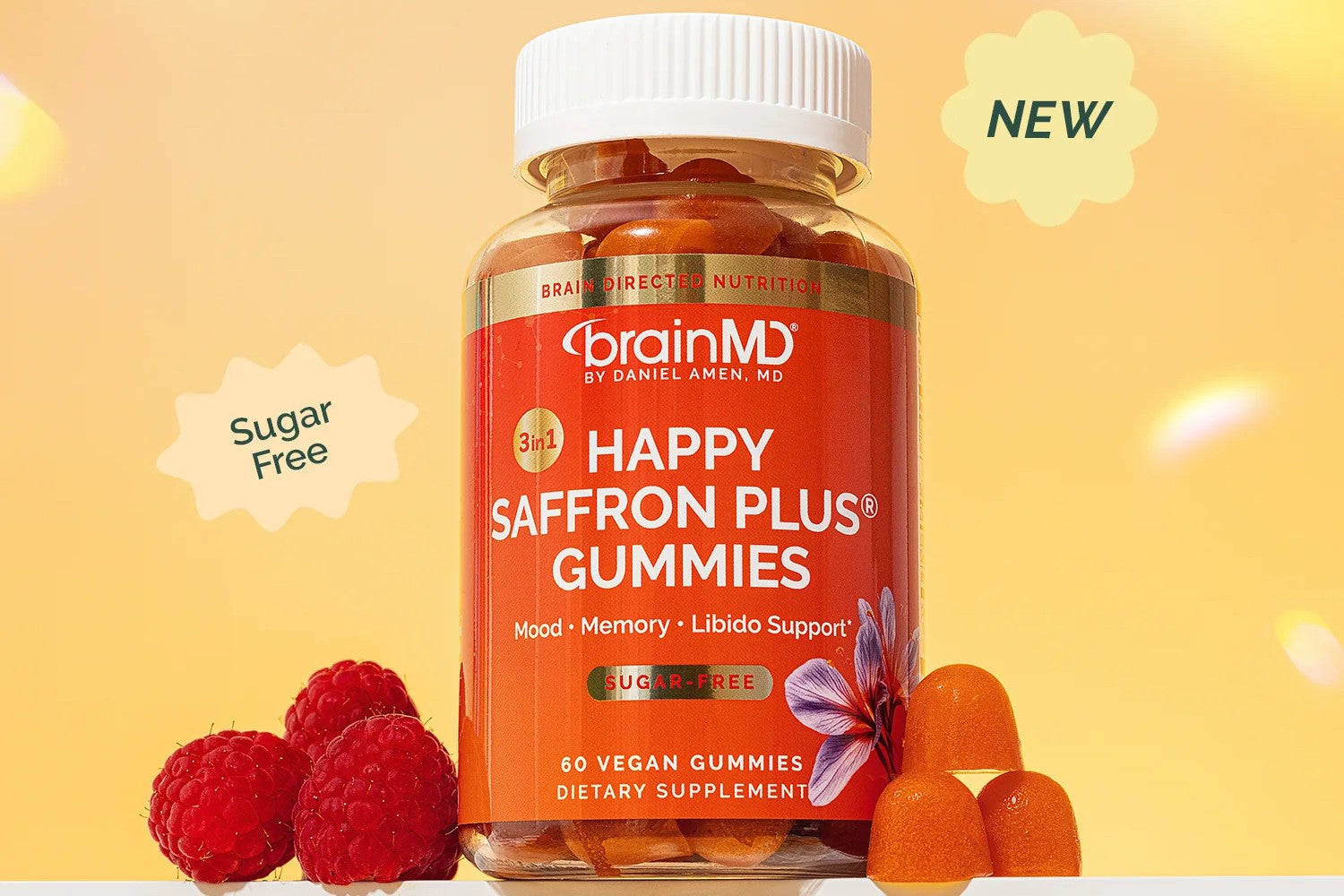
What kind of supplements do you prefer? There are many types of supplements including capsules, tablets, chewables, powders, gummies, liquids, energy bars, and more. With so many delivery formats available, it's natural to wonder: Are gummy vitamins as effective as pills? And does the form of a supplement really matter? The answer may surprise you. While different delivery formats each have their own advantages, the biggest factor isn't whether a supplement comes in a gummy or a capsule. It's the quality of the ingredients, the science behind the formulation, and whether you'll actually take it consistently. Let's take a closer look. Types of Supplements There’s a wide array of supplement types and delivery formats. Here are some of the major types of supplements and a few of their basic benefits and drawbacks. Gummy Vitamins Gummy supplements have come a long way over the past decade. While early gummy vitamins often relied on high amounts of sugar, artificial colors, and lower-potency formulas, today's premium gummies can deliver clinically researched ingredients in a convenient, enjoyable format. For many people, gummies make it easier to stay consistent with a daily supplement routine (especially those who dislike swallowing pills or simply prefer a chewable option). And consistency matters because even the highest-quality supplement can’t provide any benefit if it stays in the bottle. That said, not all gummies are created equal. Some products on the market contain sugar, artificial sweeteners, synthetic dyes, or ingredients in amounts too small to provide meaningful benefits. When choosing a gummy supplement, check the supplement facts panel first. Look for products that: Use clinically studied ingredients. Provide meaningful amounts of active ingredients. Do not use added sugar. Avoid unnecessary artificial colors and flavors. Are manufactured under strict quality standards. A great example is BrainMD's Happy Saffron Plus® Gummies, which combine clinically studied saffron extract with complementary nutrients in a delicious gummy designed to support a positive mood and emotional well-being. For adults who don't enjoy swallowing pills, they offer a convenient way to make mood support part of a daily wellness routine. When it comes to the gummy vitamins vs. pills debate, the better question isn't which format wins, it's which product is more thoughtfully formulated, and which one are you more likely to take consistently. A high-quality gummy can be an excellent delivery system for the right ingredients, while a poorly formulated pill isn't automatically better simply because it's a capsule or tablet. Capsules Pill capsules (“two-piece hardgels”) have a smooth, translucent outer shell that’s filled with a loose powder. They typically come in either a traditional gelatin shell or in a vegetarian (plant-based) shell. Capsules protect their contents against breakdown from direct exposure to the air and humidity. They’re generally easier to swallow than tablets and don’t leave behind an unpleasant taste in the mouth. Hardgels are preferred by people, especially parents of young kids, who opt to open the capsule and pour the powder over food or into a liquid or smoothie. One of the downsides is that capsules may contain lower doses of ingredients than tablets. Also, some may find large capsules just as difficult to swallow as tablets. Softgels Softgel pills typically contain liquid supplements inside a sealed gelatin shell. They are often used to encapsulate fish oil, vitamin D, and other fat-soluble vitamins. Softgels can be an excellent option for liquid ingredients. However, they cannot easily be opened or divided, and some consumers prefer to avoid gelatin-based products. Tablets Tablets are produced by compressing granules or powders into a hard pill. Many times, tablets are single-ingredient supplements, such as iron pills. One advantage of tablets is that they can provide higher amounts of ingredients compared to capsules and softgels. Also, tablets can be split (with a pill cutter) or crushed into a powder to make them easier to swallow. A common complaint against tablets is that they tend to be the hardest pill form to swallow. Also, without a coating, they may have a bitter or unpleasant taste. Unfortunately, to avoid that bitterness or to improve appearance, many tablets are coated with potentially unsafe substances (such as titanium dioxide)¹. Chewable Tablets Chewable tablets are useful for delivering larger amounts of an active ingredient that would otherwise take several hardgel or softgel capsules to deliver. As their name suggests, chewable tablets must be chewed before they’re swallowed. Chewables are ideal for those who don’t enjoy or have difficulty, swallowing pills. Since they must be chewed, chewables often are made to taste more pleasant than some other forms of supplements. As with gummy vitamins, there are a few potential pitfalls to be aware of. Many contain artificial colors and flavors that aren’t proven safe. Also, many chewables have sugar or artificial sweeteners, which are included to appeal to the customer’s tastebuds. Look for chewables that minimize sweeteners and artificial ingredients. Energy Bars The energy bar market has exploded in recent years, perhaps driven by the fast-paced nature of our society. Energy bars are often represented as providing a short-term energy boost to bridge the gap from one meal to the next. Some bars are marketed as food-based supplements that provide fats, proteins, and carbohydrates. Unfortunately, many have inferior sources of these food categories and fail to deliver a lasting energy boost. These convenient meal alternatives may (or many not) have a pleasant taste and may contain some vitamins, minerals, and other nutrients. However, many contain artificial colors, flavors, or sweeteners, which offset some of their benefit. For people with blood sugar problems, bars with lots of added sugar can hurt rather than help their mental focus or physical endurance. Liquids Some people just prefer to drink their vitamins. Liquid supplements have become more popular in recent years due to their convenience. Also, many maintain that a product’s efficacy is sustained over a longer period when it’s kept in the refrigerator. This actually isn’t the case because each time the bottle is opened – regardless of the temperature – the air that gets in delivers oxygen to the liquid, which degrades it. Rancidity sets in long before we can sense it by smell or taste. Liquid supplements can be naturally occurring or suspended in a liquid and may be preferred by people who have difficulty swallowing pills. Some of the benefits of liquid supplements are that its doses can be easily tailored and it doesn’t need to be mixed into liquid or water. Also, some research suggests that nutritional ingredients are more efficiently absorbed from liquid supplements compared to solid supplements.² Other than taking up space in your fridge, one of the biggest challenges with liquid supplements is that its taste tends to be amplified over normal supplements, which is a good thing if the product is pleasant tasting, but not so much if it isn’t. Also, liquid supplements tend to be pricier than their capsule or tablet counterparts and need artificial preservatives to keep them from prematurely breaking down. Powders Powdered supplements are dehydrated ingredients that must be dissolved in water or another liquid before being consumed. These nutrients can be added to fruit/vegetable juices, healthy smoothies, or even soups. As with those who prefer liquid supplements, powdered nutrients may be enjoyed as an alternative to pills and may be quickly absorbed. Powders may offer higher doses than pills since doses are easy to adjust. For some ingredients, the daily dose needed for health benefit is so high that a powder is the only choice a responsible manufacturer can make. The tradeoff is that powdered nutrients may have an unpleasant aftertaste. Also, the need to mix the powder into liquids requires more time spent in the kitchen and messes may be created in the combining process. Gummies vs. Capsules/Tablets Comparison Chart Feature Gummy Vitamins Traditional Pills (Capsules/Tablets) Best Suited For Targeted, low-dose micronutrients and concentrated botanicals (like saffron or vitamin D3) where consistency and taste support a daily routine. Bulky macrominerals (calcium, magnesium) and complex multi-ingredient formulas that require high physical volume. Primary Advantage High compliance; enjoyable to take consistently; excellent for accommodating low-dosage, concentrated extracts. Can hold dense, high-volume nutritional payloads in a single serving size. Active Ingredient Delivery Ideal for concentrated extracts that provide targeted support within a small milligram profile. Ideal for high-volume powder formulas and multi-nutrient combinations. What to Look For Clean formulations with minimal, natural sweeteners, avoiding artificial dyes or excess fillers. High-quality shells (like vegetable capsules) that dissolve reliably in the digestive tract. Which Supplement Format Is Best? There isn't a single delivery format that's best for everyone. Instead, consider your personal preferences, health goals, and the type of nutrient you're supplementing. Capsules are a great choice for many vitamins, minerals, and herbal ingredients. Softgels work especially well for oils and fat-soluble nutrients. Powders are ideal when larger amounts of an ingredient are needed. Liquids can be helpful for flexible dosing or those who have difficulty swallowing. Gummies are an excellent option for people who value convenience, great taste, and daily consistency. Ultimately, the best supplement is one you'll actually take consistently. Quality Matters More Than Format Whether you choose gummies, capsules, tablets, or powders, look beyond the delivery system. Choose supplements that are: Backed by science. Made with high-quality ingredients. Manufactured according to rigorous quality standards. Transparent about what's included, and what's left out. A thoughtfully formulated supplement can support your wellness goals regardless of its format. At BrainMD, we’re dedicated to providing the highest quality supplements to improve your physical health and overall well-being. For more information about our full list of brain healthy supplements, please visit us at BrainMD. These statements have not been evaluated by the FDA. This content is for informational purposes only. It is not meant to substitute for medical or healthcare advice from a physician, nor is it intended to diagnose, treat, cure, or prevent any disease. Consult your healthcare provider before beginning a new health regimen. References: ¹Skocaj, M., Filipic, M., Petkovic, J., & Novak, S. (2011). Titanium dioxide in our everyday life; is it safe? Radiology and Oncology, 45(4), 227–247. https://doi.org/10.2478/v10019-011-0037-0 ²Ko, J., Yoo, C., Xing, D., Gonzalez, D. E., Jenkins, V., Dickerson, B., Leonard, M., Nottingham, K., Kendra, J., Sowinski, R., Rasmussen, C. J., & Kreider, R. B. (2023). Pharmacokinetic analyses of liposomal and non-liposomal multivitamin/mineral formulations. Nutrients, 15(13), 3073. https://doi.org/10.3390/nu15133073
Learn more
Here Are the 9 Vital Functions of Vitamin D for Your Health
Vitamin D, which is technically a hormone rather than a vitamin, is a crucial nutrient. Unfortunately, many Americans – even those who eat a good diet – are deficient in vitamin D.¹ Though definitions of vitamin D deficiency can vary, experts agree that it has nearly reached epidemic status. Analysis of the ongoing national survey data from the US Centers for Disease Control indicates that a majority of Americans may not be getting sufficient vitamin D. One way to get a natural vitamin D boost is from exposure to sunlight. But since we're wearing more sunscreen while outside and spending more time inside, our levels of vitamin D have fallen in recent decades. Why does that matter? Some research has linked vitamin D deficiency to serious, long-term health issues.² Those who think of vitamin D only as the “sunshine vitamin” may fail to fully understand the significant ways vitamin D affects their brain, body and overall health.³ Let's take a closer look at how vitamin D works in key areas of the brain and body, as well as how to increase levels of this essential vitamin...naturally! Here Are 9 Vital Functions of Vitamin D Immunity Vitamin D receptors are found all over the body, including the immune cells. Research has clearly shown that vitamin D deficiency is part of the seasonal nature of cold and flu outbreaks⁴ – less sunlight means less vitamin D, which can lead to lower immunity and more illness. Bones It’s well-documented that vitamin D is essential for the proper absorption of calcium, and it’s been shown to greatly reduce fracture risk in two ways. First, it helps with the formation of stronger bones; second, vitamin D helps improve balance and prevent falls by enhancing muscle contraction.⁵ Muscles One of the byproducts of vitamin D’s breakdown, called 1,25(OH)2D, enters muscle cells and affects the nucleus. Once there, the vitamin D metabolite enhances the cell’s contraction ability. Since muscles work by contraction and relaxation, a muscle’s ability to contract is essential to its strength and response to outside forces. As such, vitamin D helps make muscles stronger in a very direct way. Lungs As many studies indicate, vitamin D plays a role in keeping our lungs healthy due to vitamin D possessing a range of anti-inflammatory properties – with greater concentrations of vitamin D resulting in greater lung health benefits.⁶ Heart Research has demonstrated an inverse relationship between vitamin D levels in the blood and high blood pressure (HBP or hypertension). In other words, the lower the vitamin D, the higher the blood pressure. The excess strain and resulting damage from high blood pressure can cause the coronary arteries serving the heart to slowly narrow and harden, greatly increasing the risk of a heart attack. Kidneys Because vitamin D is a fat-soluble vitamin, it helps to regulate kidney function and plays a very beneficial role in treating serious kidney issues.⁷ Mood When it comes to being happy, the scientific evidence is clear. The lower your vitamin D levels, the more likely you are to feel blue rather than happy. Vitamin D deficiency has long been associated with higher incidences of low mood. Interestingly, in a 2014 study, the positive effect of vitamin D3 on mood was comparable to the effects of the anti-depressants.⁸ Weight Loss When you don’t have enough vitamin D, you can feel hungry all the time, no matter how much you eat. That's because low levels of vitamin D can interfere with the effectiveness of leptin, the appetite hormone that tells you when you're full. When vitamin D is replenished and back to normal levels, leptin’s actions are restored, thus creating feelings of satiety and aiding in weight loss. Cognitive Function In the past few years, many studies have linked shortage of vitamin D with cognitive issues in older men and women. Research has demonstrated that vitamin D has a variety of neuroprotective roles, including helping to rid the brain of beta-amyloid, an abnormal protein that is believed to be a major cause of severe memory issues.⁹ Other studies have shown that seniors with very low levels of vitamin D are at an increased risk of serious, long-term memory issues. Recommended Daily Vitamin D In the US, the current recommended daily dose of vitamin D is 600 IU. However, most experts agree that this is well below the physiological needs of most individuals. Some experts have suggested that all adults should take at least 2000 IU of vitamin D daily, but for many people, this daily dose doesn’t raise their vitamin D levels into a healthy range. What Can Help? BrainMD offers two high-quality, ultra-pure vitamin D formulas: Vitamin D3 5000 Vitamin D3 5000 delivers 5,000 IU of your body’s preferred form (cholecalciferol) in one high-potency capsule—supporting brain function, emotional well-being, immune strength, and bone health.* Vitamin D3 + K2 This powerful combination of vitamin D3 (as cholecalciferol) and vitamin K2 (as MK-7) helps strengthen bones, promote cardiovascular health, fight oxidative stress, support the immune system, preserve cognitive function and more.* Let the Sunshine (Vitamin) In! These powerful vitamins work hard to promote strong bones, support cognitive functioning, and maintain a healthy circulatory system.* Try Vitamin D3 5000 and Vitamin D3 + K2 today!* At BrainMD, we’re dedicated to providing the highest quality supplements to improve your physical health and overall well-being. For more information about our full list of brain healthy supplements, please visit us at BrainMD. *These statements have not been evaluated by the FDA. This content is for informational purposes only. It is not meant to substitute for medical or healthcare advice from a physician, nor is it intended to diagnose, treat, cure, or prevent any disease. Consult your healthcare provider before beginning a new health regimen. References: 1. Cui, A., Xiao, P., Ma, Y., Fan, Z., Zhou, F., Zheng, J., & Zhang, L. (2022). Prevalence, trend, and predictor analyses of vitamin D deficiency in the US population, 2001–2018. Frontiers in Nutrition, 9, 965376. https://doi.org/10.3389/fnut.2022.965376 2. Holick, M. F., & Chen, T. C. (2008). Vitamin D deficiency: A worldwide problem with health consequences. The American Journal of Clinical Nutrition, 87(4), 1080S–1086S. https://doi.org/10.1093/ajcn/87.4.1080S 3. Aranow, C. (2011). Vitamin D and the immune system. Journal of Investigative Medicine, 59(6), 881–886. https://doi.org/10.231/JIM.0b013e31821b8755 4. Cannell, J. J., Vieth, R., Umhau, J. C., Holick, M. F., Grant, W. B., Madronich, S., Garland, C. F., & Giovannucci, E. (2006). Epidemic influenza and vitamin D. Epidemiology and Infection, 134(6), 1129–1140. https://doi.org/10.1017/S0950268806007175 5. Bischoff-Ferrari, H. A., Dawson-Hughes, B., Willett, W. C., Staehelin, H. B., Bazemore, M. G., Zee, R. Y., & Wong, J. B. (2004). Effect of vitamin D on falls: A meta-analysis. JAMA, 291(16), 1999–2006. https://doi.org/10.1001/jama.291.16.1999 6. Hughes, D. A., & Norton, R. (2009). Vitamin D and respiratory health. Clinical and Experimental Immunology, 158(1), 20–25. https://doi.org/10.1111/j.1365-2249.2009.04001.x 7. Williams, S., Malatesta, K., & Norris, K. (2009). Vitamin D and chronic kidney disease. Ethnicity & Disease, 19(4 Suppl 5), S5–8–S5–11. 8. Spedding, S. (2014). Vitamin D and depression: A systematic review and meta-analysis comparing studies with and without biological flaws. Nutrients, 6(4), 1501–1518. https://doi.org/10.3390/nu6041501 9. Banerjee, A., Khemka, V. K., Ganguly, A., Roy, D., Ganguly, U., & Chakrabarti, S. (2015). Vitamin D and Alzheimer’s disease: Neurocognition to therapeutics. International Journal of Alzheimer’s Disease, 2015, 192747. https://doi.org/10.1155/2015/192747
Learn more
Smart Electrolytes: We Just Gave Your Water the Health Boost It Needs!
When you hear the word electrolytes, you probably think of salty sports drinks and sweaty workouts. Or you think of popular electrolyte “sports” formulas with famous brand names and roughly 35 grams of sugar per bottle. No, thank you. True hydration — the kind your brain and body really need — involves more than just replacing lost sodium. It demands a smarter approach to hydration overall, one that fuels energy, focus, muscle recovery, and overall performance. That’s where Smart Electrolytes comes in. BrainMD's Smart Electrolytes Unlike conventional electrolyte products that overload your system with salt, sugar or both, Smart Electrolytes delivers a balanced blend of essential electrolytes — potassium and magnesium — paired with brain- and body-supportive nutrients like B vitamins and Vitamin C.* It’s hydration, upgraded: designed not just to quench thirst, but to optimize the way you feel and function.* Let’s dive into what we really mean by the concept of “smarter hydration” — and why it’s about so much more than salt and water. Hydration Is About Way More Than Water Water is fundamental to life — but it can’t do the job alone. Your brain, made up of nearly 75% water, relies on electrolytes to function properly. Electrolytes like potassium and magnesium regulate fluid balance, support nerve transmission, and enable muscle contractions. Without them, simply drinking water won’t fully rehydrate you — let alone fuel your body’s (or your brain’s) performance. And it’s not just about quenching thirst. The legendary sports nutritionist pioneer of the 80’s and 90’s, Dr. Michael Colgan, warned decades ago that even a small drop in body water is enough to sabotage physical performance—and that is well before thirst even kicks in. He was right. Research now shows that even mild dehydration—we’re talking as low as a 2% loss in body water—can tank your performance, cutting into your endurance, strength, and even mental focus—without any warning. (1,2). Dehydration can lead to brain fog, fatigue, poor mood, and even headaches. Prolonged dehydration has even been linked to cognitive impairment and reduced physical performance (3). Staying properly hydrated, with the right balance of fluids and electrolytes, is key to keeping both mind and body operating at peak levels. What Traditional Electrolyte Formulas Miss Most traditional electrolyte drinks focus narrowly on replenishing sodium, potassium, calcium, magnesium, and chloride. But here’s the thing: While these minerals are indeed important, many formulas wind up overloading the system with salt, which can cause bloating and water retention. Or — sometimes “and” — they add large amounts of sugar, leading to energy crashes later. If you doubt me, read the labels. Even more critically, a lot of electrolyte product designers overlook the bigger picture, which is hydration. Allow me to offer a mantra which we would all do well to keep in mind: Hydration is about more than water. See, proper hydration isn’t just about replacing sweat loss — it’s about supporting cellular function, energy metabolism, and mental performance. And that’s where Smart Electrolytes stands apart. What Makes Smart Electrolytes Different Smart Electrolytes redefines what hydration can do by combining key electrolytes with brain- and body-supportive nutrients: Balanced Electrolytes: Provides potassium and magnesium in amounts that support nerve function, muscle health, and optimal hydration — without excessive sodium (4).* Brain-Supportive Nutrients: Includes B6, B12, niacin (B3), and Vitamin C — nutrients critical for energy production, mental clarity, and immune support (5, 6).* Clean Formula: Zero sugar, no artificial colors or sweeteners, and keto-friendly — ideal for health-conscious individuals.* This smarter combination helps ensure rapid hydration while fueling your brain and body for better performance, all without the common downsides of traditional sports drinks.* How Smart Electrolytes Support Brain and Body Potassium and Magnesium: These essential electrolytes maintain fluid balance, regulate muscle contractions, and support nerve transmission (4).* Potassium helps prevent cramping and supports cardiovascular function, while magnesium plays a critical role in muscle relaxation and brain health.* Magnesium is also involved in over 300 enzymatic reactions, making it indispensable for overall metabolic health (7).* B Vitamins: Niacin (B3), B6, and B12 are vital for converting food into usable energy.* They also support neurotransmitter synthesis, helping to promote mental clarity and reduce brain fog (6, 8).* B vitamins have even been shown to play a protective role against cognitive decline, making them essential for long-term brain health.* Vitamin C: A powerful antioxidant, Vitamin C helps protect cells from oxidative stress, supports immune function, and may reduce inflammation — crucial benefits for anyone with an active lifestyle (9).* Additionally, Vitamin C contributes to collagen production, supporting joint and skin health, both of which are vital for athletes and active individuals.* Together, these nutrients create a formula that addresses hydration at a deeper level, supporting the brain, body, and immune system — all without sugar crashes.* So Why Are There Vitamins in an Electrolyte Formula? At first glance, electrolytes and vitamins might seem like two different worlds — one focused on hydration, the other on general nutrition. But here’s the connection: true hydration isn’t just about replacing water and minerals. It’s about optimizing the way your cells use that water. B vitamins — like B3 (niacin), B6, and B12 — play a critical role in cellular energy production, supporting the mitochondria that power your cells. Hydration and energy production are tightly linked; without adequate B vitamins, your cells can’t efficiently generate the energy needed for muscle contractions, nerve signaling, and recovery (6, 8). Vitamin C, meanwhile, acts as a potent antioxidant, protecting cells from oxidative stress that can be elevated during physical exertion and dehydration (9). It also supports collagen production for healthy joints and skin — critical for athletes and active individuals. In short: hydration isn’t just about replacing what you sweat out — it’s about ensuring your body can “use” the hydration effectively. Adding targeted vitamins amplifies the benefits of electrolytes, helping to fuel performance, recovery, and resilience from the inside out. Hydration, Upgraded: Smarter Ingredients for Smarter Performance Research shows that properly formulated hydration products improve fluid retention, exercise capacity, and reduce fatigue (3, 10). Adding magnesium into the mix has also been associated with reduced muscle cramping and enhanced athletic performance (7). Meanwhile, B vitamins and magnesium have been linked to improved cognitive performance and reduced stress in healthy adults (8, 11). Emerging studies even suggest that maintaining optimal hydration can positively impact mood and cognitive function, particularly under physical or environmental stress (10). Simply put, hydration isn’t just about replacing what you lose — it’s about giving your body and brain what they need to perform at their best. With Smart Electrolytes, you get: Faster rehydration and better muscle recovery* Sustained mental clarity and reduced brain fog* Immune system support without sugar spikes* Enhanced metabolic support and better cardiovascular health* All with a clean, sugar-free formula. When to Use Smart Electrolytes During Exercise: Replenish lost electrolytes and support recovery after workouts.* Daily Hydration: Combat everyday dehydration and support brain performance — perfect for busy professionals, students, and travelers.* Keto & Low-Carb Lifestyles: Stay hydrated without compromising your dietary goals — Smart Electrolytes has zero sugar and no artificial additives.* High-Stress Situations: Hydration isn’t just for athletes. Stress increases your body’s demand for magnesium and B vitamins.* Smart Electrolytes helps replenish these vital nutrients keeping you sharp, alert, and on your game.* The Bottom Line: Hydrate Smarter, Feel Better Smart Electrolytes isn’t just an electrolyte drink — it’s a smarter way to hydrate.* By combining essential electrolytes with brain-boosting nutrients, it offers a more complete approach to hydration, energy, and recovery.* Say goodbye to sugar crashes, bloating, and brain fog.* Say hello to smarter hydration — and a better, brighter you.* At BrainMD, we’re dedicated to providing the highest quality supplements to improve your physical health and overall well-being. For more information about Smart Electrolytes and our full list of brain healthy supplements, please visit us at BrainMD. *These statements have not been evaluated by the FDA. This content is for informational purposes only. It is not meant to substitute for medical or healthcare advice from a physician, nor is it intended to diagnose, treat, cure, or prevent any disease. Consult your healthcare provider before beginning a new health regimen. References: 1. Cheuvront SN, Carter R III, Sawka MN. Fluid balance and endurance exercise performance. *Curr Sports Med Rep*. 2003;2(4):202–208. doi:10.1249/00149619-200308000-00006. 2. Colgan M. *Optimum Sports Nutrition: Your Competitive Edge*. Advanced Research Press; 1993. 3. Orrù S, Imperlini E, Nigro E, et al. Role of Functional Beverages on Sport Performance and Recovery. *Nutrients*. 2018;10(10):1470. doi:10.3390/nu10101470. PMID: 30308976; PMCID: PMC6213308. 4. Choi D, Cho J, Koo J, Kim T. Effects of Electrolyte Supplements on Body Water Homeostasis and Exercise Performance during Exhaustive Exercise. *Applied Sciences*. 2021;11(9093). https://doi.org/10.3390/app11199093. 5. Morris MS. The role of B vitamins in preventing and treating cognitive impairment and decline. *Adv Nutr*. 2012;3(6):801-812. doi:10.3945/an.112.002535. PMID: 23153734; PMCID: PMC3648704. 6. Noah L, Dye L, Bois De Fer B, et al. Effect of magnesium and vitamin B6 supplementation on mental health and quality of life in stressed healthy adults: Post-hoc analysis of a randomized controlled trial. *Stress Health*. 2021;37(5):1000-1009. doi:10.1002/smi.3051. 7. Moretti A. What is the role of magnesium for skeletal muscle cramps? A Cochrane Review summary with commentary. *J Musculoskelet Neuronal Interact*. 2021;21(1):1-3. PMID: 33657750; PMCID: PMC8020016. 8. Kennedy DO. B Vitamins and the Brain: Mechanisms, Dose and Efficacy—A Review. *Nutrients*. 2016;8(2):68. doi:10.3390/nu8020068. 9. Carr AC, Maggini S. Vitamin C and Immune Function. *Nutrients*. 2017;9(11):1211. doi:10.3390/nu9111211. PMID: 29099763; PMCID: PMC5707683. 10. Adams JD, Karpinski A. Hydration status influences mood and cognitive function. *Biol Sport*. 2022;39(4):1047-1055. doi:10.5114/biolsport.2022.109234. 11. Smith AD, Refsum H. Homocysteine, B vitamins, and cognitive impairment. Annu Rev Nutr. 2016;36:211-239. doi:10.1146/annurev-nutr-071715-050947. PMID: 27296501.
Learn more
What Is Neuroplasticity? 5 of the Best Ways to Avoid a Head Injury!
Head injuries, ranging from mild concussions to severe traumatic brain injuries (TBI), can have a negative effect on mental and physical health. Whether the result of a sports injury, vehicle accident, or fall, head injuries can have a lasting impact on an individual’s quality of life. A common question many people have is: Can the brain be repaired over time? Let’s explore the brain’s capacity for recovery, the factors influencing rehabilitation, and some practical ways to prevent head injuries. Can the Brain Recover from a Head Injury? Once a head injury has occurred, recovery becomes complex and highly individualized process. The degree of recovery often depends on the extent of the damage. • Mild Injuries: For individuals with mild head injuries, such as minor concussions, the brain can often fully recover, especially if proper care is taken early on. However, it’s important to closely follow medical advice, get adequate rest, and avoid risky behaviors and activities that might reaggravate or worsen the condition. • Moderate to Severe Injuries: For moderate to severe head injuries, full recovery is less certain. While some brain functions may be restored soon after the event, others may only slightly improve over an extended period. Individuals who experience partial recovery may still have an acceptable quality of life. However, those who’ve experienced significant brain injury may never recover to the level of pre-trauma functionality. So, what allows the brain to rejuvenate from injury? One of the main factors involved in brain recovery is neuroplasticity. What Is Neuroplasticity? One of the most fascinating aspects of the brain is its ability to adapt and repair itself after an injury, due to a process known as neuroplasticity. Neuroplasticity refers to the brain’s capacity to reorganize and form new neural connections in response to injury. This means that if one part of the brain is damaged, other parts may take over its functions. For example, if a region of the brain responsible for speech is injured, other areas may adapt and help regain the lost function over time. Neuroplasticity can play a pivotal role in recovery from head injuries,¹ especially in the early stages. Mechanisms of Brain Repair While neuroplasticity is a central mechanism in brain repair, other factors also may contribute to the recovery process. Some of these include: Neurogenesis is the process by which new neurons (brain cells) are created. In certain regions of the brain, like the hippocampus (responsible for memory and learning), neurogenesis can help replace damaged cells and promote recovery. Synaptic Plasticity refers to the strengthening or weakening of synapses (the connections between neurons). When the brain experiences an injury, synaptic plasticity can help reestablish lost connections or enhance existing ones, improving cognitive function. Glial Cells provide support and protection for neurons. After an injury, glial cells can help in the repair process by removing debris,² reducing inflammation, and facilitating the regeneration of neural pathways. Factors That Influence Brain Recovery Many things can affect the brain’s recovery process, including: • Age: Younger brains tend to recover more quickly and completely than older brains, due to their more robust neuroplasticity and neurogenesis capabilities. • General Health: A person’s overall physical and mental health can significantly impact the recovery process. Factors such as nutrition, exercise, sleep, and stress levels all can play vital roles in recovery. • Early Intervention: The sooner a person receives appropriate care and rehabilitation, the better their chances of recovery. Early intervention – including physical therapy, cognitive rehabilitation, and nutritional support – may help accelerate the healing process. • Severity and Location of Injury: The severity of the injury and the area of the brain affected are crucial factors in determining recovery. Injuries to critical areas responsible for motor skills, speech, or memory may have greater long-term effects than injuries to other regions. General Timeline and Expectations for Recovery The timeline for brain recovery can vary widely depending on the severity of the injury: Mild Concussions: Most individuals with a mild concussion may experience noticeable recovery within 7-10 days, provided they get plenty of rest and avoid activities that could further exacerbate their condition. Moderate to Severe Head Injuries: It may take months, or even years, to recover from moderate to severe TBIs. While some individuals may experience significant improvements in the short-term, others may face long-term challenges. Rehabilitation strategies – such as physical, occupational, and speech therapy – may be recommended for months or years after the injury. In many cases, brain recovery is a slow and ongoing process. It’s essential for patients to set realistic expectations and remain patient while actively participating in their recovery plan. 5 of the Best Ways to Prevent a Head Injury Preventing brain injury should be a top priority for anyone who has experienced a head injury in the past or who is at risk of sustaining one. Here are some practical tips to help reduce the risk of sustaining a head injury: 1. Wear Protective Gear If you participate in sports or activities with a risk of head injury, such as cycling, football, or skiing, always wear the appropriate protective gear (e.g., helmets, mouthguards, etc.). If you have kids, you might consider steering them away from high-risk sports and toward brain healthy ones instead. 2. Follow Safety Protocols Always adhere to safety guidelines, whether on the job, in sports, or during recreational activities. Avoid risky behaviors that could lead to falls or accidents. 3. Monitor Symptoms After a head injury, closely monitor for symptoms such as headaches, dizziness, or confusion, and seek out prompt medical care if needed. Early detection of these symptoms may help prevent further damage. 4. Take Time to Recover Don’t rush back into physical activities after an injury. It’s important to give the brain time to rest and rejuvenate. Gradually ease back into activities and listen to your body for signs that you’re overdoing it. 5. Maintain Overall Health Good nutrition, regular physical activity, adequate sleep, and stress management can all contribute to better brain health and a quicker recovery. Recovery is a Journey The brain is an incredibly resilient organ. While complete restoration from a head injury isn’t always possible, the potential for recovery is substantial. Neuroplasticity allows the brain to reorganize and form new connections, which can significantly aid in the recovery process. By understanding the brain’s restorative mechanisms and taking proactive steps to prevent head injuries, individuals can better navigate the recovery process and improve their long-term outcomes. NOTE: Always consult with a healthcare professional for personalized advice and treatment plans tailored to your specific needs. At BrainMD, we’re dedicated to providing the highest quality supplements to improve your physical health and overall well-being. For more information about our full list of brain healthy supplements, please visit us at BrainMD. These statements have not been evaluated by the FDA. This content is for informational purposes only. It is not meant to substitute for medical or healthcare advice from a physician, nor is it intended to diagnose, treat, cure, or prevent any disease. Consult your healthcare provider before beginning a new health regimen. References: 1. Zotey, V., Andhale, A., Shegekar, T., & Juganavar, A. (2023). Adaptive neuroplasticity in brain injury recovery: Strategies and insights. Cureus, 15(9), e45873. https://doi.org/10.7759/cureus.45873 2. Neumann, H., Kotter, M. R., & Franklin, R. J. M. (2008). Debris clearance by microglia: An essential link between degeneration and regeneration. Brain, 132(2), 288–295. https://doi.org/10.1093/brain/a
Learn more
These Are 9 of the Best Joint Health Supplements
Do your knees pop every time you stand up? Do you experience discomfort in your joints when you walk or run? Pain in the joints is common, especially as we age. For some, taking a medication, topical agent, joint support supplement, or wearing a brace might help. Others may need occasional injections (steroids, platelet-rich plasma, etc.) to improve mobility and reduce unhealthy inflammatory status. Still, others may end up needing surgery for their knees (common), shoulders, hips, elbows, or other joints. If you’re experiencing discomfort in any of these joint zones, make sure you’re practicing these joint-healthy tips every day. Tips for Better Joint Health Consistent Exercise Exercise is vital to building and maintaining strong joints, so one of the worst things you can do is to stop working out (unless you’re experiencing intense joint discomfort or are recovering from a knee, hip, or other joint surgery). Without a consistent exercise regimen, your muscles can become weak and flabby and your joints stiff and brittle. It’s okay to ease off your full routine while the discomfort persists, but once your body has recovered, gradually return to normal workouts. On the flip side, don’t overdo it. Avoid excessive exercise, which can cause severe joint and muscle discomfort. It also can release potentially toxic free radicals which are generated as you burn more oxygen. These can modify your DNA, break down the structure of your cells, and generally lower the quality of your life. Stay Hydrated It’s vital to stay properly hydrated while exercising. Drinking water helps to prevent muscle cramping and provides the basis for production of the fluid that lubricates your joints. Additionally, drinking water can help your muscles stay strong. When you exercise, you lose water, so your muscle fibers need adequate hydration in order to work longer and harder before they feel tired. By providing those fibers with the water they need to continue making and using energy, you’re helping them build more muscle. Daily Stretches This step should go without saying, but many people skip it or ignore it…to their detriment. Stretching is especially important after the cooldown phase of your workout, as it prevents the buildup of lactate and other energy generation metabolites which can lead to muscle cramping, spasming, and soreness. Also, don’t forget to stretch the muscles around the areas you worked out; an important step that’s easy to forget. Doing daily stretches can help keep your vertebral discs well-hydrated and flexible, lubricate your spinal and other joints, strengthen your muscles, and increase your overall flexibility. Also, many people enjoy yoga or other workout routines that involve stretching and movement. In addition to these daily maintenance prompts, consider incorporating joint-healthy nutrients into your diet… Joint Health Supplements: 9 Nutrients That Can Support Your Joints 1. Omega-3 Fatty Acids The omega-3 fatty acids EPA (eicosapentaenoic acid) and DHA (docosahexaenoic acid) have a wide range of profound health benefits, from supporting heart and joint health to promoting healthy cognition and mood. Omega-3s play a crucial role in regulating the body’s healthy inflammatory responses, which reduce the chances of having problems with your circulation, joints, and other organs. 2. Collagen Collagen is a family of large proteins that provide strength to the body’s connective tissues, which are the packing material into which our cells, tissues, and even organs are fitted. Collagen is a major structural component of this connective tissue “glue” that holds everything in place within the body. Collagen supplements are made up of collagen peptides (also known as hydrolyzed collagen), which is collagen that has been broken down into shorter chains of two or three amino acids so it can be easily absorbed in the GI tract. Some of the peptides of hydrolyzed collagen are uniquely required for making collagen in the body – they aren’t well supplied by the diet. The body can utilize newly-absorbed peptides from hydrolyzed collagen in areas that need repair the most. Collagen sources most commonly include marine (from fish skin and scales), bovine (from cow hide), and porcine (from pork skin). The brain needs collagen, too: for the walls of its blood vessels, for connective tissue packing, even to make and maintain its hundreds of trillions of synapses. 3. Vitamin C Vitamin C (ascorbic acid) is essential for human life. The body needs it but cannot make it, so we must get it from our diet. U.S. Govt surveys indicate a substantial percentage of Americans aren’t getting adequate amounts of vitamin C.¹ The body needs vitamin C as a required cofactor for a major collagen-producing enzyme. Getting sufficient vitamin C means being able to make collagen for healthy circulation, skin, joints, bone and other hard tissues, and all the body’s organs. Collagen is a major component of the connective-type tissues that line our joints. As a major antioxidant protector for the body, vitamin C helps to defend against free radicals and the many toxins that can enter the body via the air, water, or foods. The brain needs vitamin C to make a variety of transmitters and energy-related substances. 4. Curcumin Curcumin (a mixture of 3 highly beneficial curcuminoids) from the turmeric root can be excellent for joint health. Modern science has extensively researched the curcumin complex of curcuminoids and established their powerful antioxidant benefits, in addition to their powerful support for healthy inflammatory balance. In addition to supporting the brain, curcumin has been shown to benefit the eyes, heart and circulation, joints, intestinal tract, skin, prostate, muscles, nerves, and numerous other human tissues. However, turmeric powder is very poorly-absorbed. There are high-absorption curcumin supplements available, but before trying one, make sure the product has improved joint health in clinical trials. 5. SAMe S-Adenosyl-Methionine (SAMe) is a naturally-occurring, hard-working molecule that’s found in almost every tissue and fluid in the body. It’s organically produced in our bodies from the amino acid methionine in the presence of the cofactors B12 and folate and is critical to brain and body health. It powers over 200 enzymes necessary for healthy cell growth, maturation, and specialization. The unique benefits of SAMe are linked to the high energy charge it carries. This enables SAMe to be a cofactor for a broad array of enzymes, by contributing precious energy to power enzyme reactions that otherwise would not occur. The vast majority of methyl group transfer reactions involve SAMe. Methyl transfers are necessary to make DNA, to repair damaged DNA, for the production of joint cells and tissues, and for overall functioning of the entire body. People who don’t make enough SAMe naturally may be helped by taking SAMe as a supplement. Widely studied for the treatment of joint discomfort, SAMe can help more than just joints. Numerous controlled clinical trials support its benefits for mood, cognition, the liver, the gastrointestinal system, and the other organs. 6. Vitamin D3 Vitamin D used to be respected only for building bones. However, this highly-potent vitamin is essential for overall brain and body health. The key to understanding the importance of vitamin D3 is that the body transforms it into a hormone, which has receptors (cell-level sensors) distributed throughout practically all our tissues, including the joints. The vitamin D hormone is crucial for healthy immune system regulation, and high-normal vitamin D levels help ensure healthy immune and inflammatory balance in the joints. Vitamin D levels can help improve your mood, boost your overall brain function, and generally improve your well-being. Vitamin D may be involved in the healthy regulation of as many as 900 human genes. It’s well-documented that vitamin D is essential for the proper absorption of calcium,² and it’s been shown to greatly reduce fracture risk in three ways. First, it helps with the complex process of formation of stronger bones, which involves much more than just adding calcium. Second, vitamin D helps maintain and strengthen muscles, which helps hold joints in healthy position. Last but not least, vitamin D helps improve balance and helps prevent falls. Be sure to purchase vitamin D3, not D2 which is less effective. Aim for a blood level of at least 30 nanograms per milliliter (100 nanomoles per liter). 7. Glucosamine Sulfate Glucosamine is a well-known ingredient in joint care supplements. It’s a substance that naturally occurs in the body. It’s also a building block of connective tissue, working along with cartilage to serve as protective packing within the linings of the joints. In clinical trials, glucosamine sulfate has worked better than glucosamine by itself. Glucosamine is an amino sugar often made from shellfish, but vegetarian forms are also available. Aim for 1500 mg per day of glucosamine sulfate, in a single daily dose or in divided doses. A word of caution: studies suggest glucosamine supplements can negatively interact with the anticoagulant medication warfarin. 8. Chondroitin Sulfate Chondroitin sulfate naturally occurs in the connective tissues of animals and people, as a large molecular complex associated with connective tissue. In clinical trials, it has shown modest benefits for joint comfort, and it’s best used in combination with glucosamine sulfate and other beneficial joint support nutrients. Aim for 800 milligrams per day, from a reputable supplier. 9. MSM (MethylSulfonylMethane) Sulfur is an essential mineral for humans, and substances that supply sulfur often promote joint health. MSM occurs naturally in plants and in the human body. It began to find use among athletes decades ago, and is now an important component of joint health supplements. In clinical trials, MSM has been particularly effective when used in combination with glucosamine sulfate and chondroitin sulfate. Its effective dose range is 1500 to 3000 mg per day, or even higher. It’s affordable and using it can make a huge difference to the health of your joints. Support Your Joints Many people develop problems with their joints, especially their knees, as they age. Before surgery becomes necessary, there are several natural strategies you can try. These include daily stretches, low impact exercises, and joint-supporting nutrients. Taking care of your joints now can pay off dividends in the future. Start strengthening your joints by implement these helpful steps today! At BrainMD, we’re dedicated to providing the highest purity nutrients to improve your physical health and overall well-being. For more information about our full list of brain healthy supplements, please visit us at BrainMD. These statements have not been evaluated by the FDA. This content is for informational purposes only. It is not meant to substitute for medical or healthcare advice from a physician, nor is it intended to diagnose, treat, cure, or prevent any disease. Consult your healthcare provider before beginning a new health regimen. References: 1. Crook, J., Horgas, A., Yoon, S.-J., Grundmann, O., & Johnson-Mallard, V. (2021). Insufficient vitamin C levels among adults in the United States: Results from the NHANES surveys, 2003–2006. Nutrients, 13(11), 3910. https://doi.org/10.3390/nu13113910 2. Khazai, N., Judd, S. E., & Tangpricha, V. (2008). Calcium and vitamin D: Skeletal and extraskeletal health. Current Rheumatology Reports, 10(2), 110–117. https://doi.org/10.1007/s11926-008-0020-y
Learn more
This Is How Rhodiola Rosea Can Help Boost Your Energy
In our fast-paced world, many people have tried different ways to increase their energy. When energy levels become depleted, many look for a quick fix to combat fatigue. However, there are healthy and unhealthy ways to increase energy. Unhealthy Ways to Boost Your Energy Energy Drinks Energy drinks are the fastest-growing segment of the beverage industry. By now, it’s no secret that energy drinks are bad for the brain and body. Most of them contain large amounts of sugar or artificial sweeteners, caffeine, and other stimulants that provide a temporary energy boost followed by an energy crash. Energy drinks are often accompanied by adverse conditions, such as: Nervousness Headaches Upset stomach Irritability Sleep issues Rapid heartbeat Increased blood pressure Dehydration Caffeinated Drinks While it’s true that caffeine can lead to a temporary increase in alertness, excessive caffeine consumption can constrict blood flow¹ to your brain and many other organs. Caffeine causes the release of adrenaline, which puts the body into a “fight or flight” mode. Caffeine increases dopamine levels in a similar manner to amphetamines, though its effects are far less than amphetamines. Dopamine is a neurotransmitter that activates the pleasure centers of the brain, so drinking caffeinated beverages may trigger your cravings for even more caffeine and sugar. If you’re searching for an alternative to coffee or energy drinks, here are 3 ways to increase your energy naturally: 3 of the Best, Natural Ways to Boost Energy and Fight Fatigue 1. Go Nuts Almonds and cashews are an amazing source of healthy fats, fiber, and protein that help balance blood sugar levels. They’re also packed with magnesium, a mineral that plays a key role in converting food into energy. Being low in magnesium can drain your body of energy. Organic nut butters also can provide a great-tasting energy boost. To avoid added sugars, try all-natural nut butters that contain nothing but nuts. 2. Get a Move On Though it may seem like an unlikely way to combat fatigue, research² validates that expending energy in a moderate workout actually can increase energy. Regular exercise can raise the levels of energy-promoting and mood-enhancing neurotransmitters – such as dopamine, norepinephrine, and serotonin – in the brain. Exercise has also been associated with improved mood and a positive outlook on life. Even moderate exercise can help increase energy, so get moving. 3. Nutritional Support Are you looking to boost your energy without adding calories to your diet or harming your brain? Meet Rhodiola rosea. What is Rhodiola Rosea? Rhodiola rosea (or simply, rhodiola) is a hardy plant that’s adapted to living in extremely challenging environments. Rhodiola is found mainly in Arctic environments and at high altitudes in the northern hemisphere, including parts of Europe, Asia, and North America. A favorite in the East, Rhodiola’s root, technically an underground stem, is the main source of its beneficial substances. Often referred to as “golden root,” rhodiola has been used for centuries by many different cultures to help with energy and a variety of other health issues. Benefits of Rhodiola Rosea Rhodiola rosea has been studied for many different benefits and has been shown to counter fatigue, sharpen attention, and increase mental capacity. Additionally, rhodiola has strong antioxidant properties to fight free radicals. It also has been found to have a beneficial effect on mood. Rhodiola is one of the best-studied and most potent adaptogens. It is fast-acting and helps increase the availability of energy during the day. Its anti-stress effects help lower anxiousness, which promotes restful sleep at night. A generous dose (200 mg) of this versatile and effective nutrient is offered in BrainMD’s premier energy supplement… Focus & Energy Focus & Energy was designed to promote sharpness and improve productivity without lowering blood sugar.* It's formulated specifically to reinforce the brain and the body’s ability to fight fatigue and adapt to stress.* Focus & Energy includes standardized, ultra-pure extracts of 3 powerful adaptogens: rhodiola, ashwagandha, and ginseng: Rhodiola (Rhodiola rosea) acts swiftly and has been shown to reduce fatigue, promote positive mood, and improve physical and mental performance. This standardized extract provides the stress-fighting rosavins and salidrosides along with powerful antioxidants.* Ashwagandha (Withania somnifera, root/leaves) is revered in Ayurvedic medicine. It helps the body stay calm and mentally focused while under stress and has been associated with improved memory and attention.* Asian Ginseng (Panax ginseng) is the best-studied and fastest acting of all the ginsengs.* This standardized extract helps improve focus, memory, and overall well-being, as well as help, maintain blood sugar within normal range.* Focus & Energy also provides a generous allowance of standardized green tea extract, which is excellent for promoting blood flow to the brain and the rest of the body.* Green tea helps deliver the active substances in the 3 adaptogens to the brain.* Rounding out Focus & Energy is a nutrient now recognized as essential for human life. Choline has many life functions, including being a building block for acetylcholine, the major transmitter required for sharp mental focus.* If you’re looking to support your focus and increase your energy, Focus & Energy is an excellent choice.* Unlike the energy rollercoaster you can experience with coffee or energy drinks, there’s no dramatic drop in mood and energy with this dietary supplement.* Focus & Energy is safe, natural, and non-habit forming.* Try it today! At BrainMD, we’re dedicated to providing the highest quality supplements to improve your physical health and overall well-being. For more information about Focus & Energy and our full list of brain healthy supplements, please visit us at BrainMD. *These statements have not been evaluated by the FDA. This content is for informational purposes only. It is not meant to substitute for medical or healthcare advice from a physician, nor is it intended to diagnose, treat, cure, or prevent any disease. Consult your healthcare provider before beginning a new health regimen. References: 1. Addicott, M. A., Yang, L. L., Peiffer, A. M., Burnett, L. R., Burdette, J. H., Chen, M. Y., Hayasaka, S., Kraft, R. A., Maldjian, J. A., & Laurienti, P. J. (2009). The effect of daily caffeine use on cerebral blood flow: How much caffeine can we tolerate? Human Brain Mapping, 30(10), 3102–3114. https://doi.org/10.1002/hbm.20732 2. Puetz, T., O’Connor, P., & Dishman, R. (2006, November 8). Regular exercise plays a consistent and significant role in reducing fatigue. ScienceDaily. Retrieved March 18, 2025, from https://www.sciencedaily.com/releases/2006/11/061101151005.htm
Learn more
This Is What You Need to Know About the Standard American Diet!
In our fast-paced world, there’s an overabundance of foods that are harmful to our health. While most people realize that eating a steady diet of hamburgers, French fries, and soft drinks isn’t beneficial for our health, the convenience of junk or fast food is a dangerous trap that many in our society fall into on a consistent basis. The Diet Downfall The standard American diet (SAD), or Western pattern diet (WPD), is filled with pro-inflammatory and allergenic foods, many of which are laced with artificial chemicals. This diet can damage and prematurely age your brain and increase your risk for many physical and mental issues. The SAD diet is largely composed of unhealthy foods that Dr. Daniel Amen refers to as weapons of mass destruction. These foods are: Highly processed- essential nutrients lost Pro-inflammatory- injurious to muscles, joints, and organs Artificially colored and sweetened- toxic to the liver and other organs High glycemic index- overworks the body’s sugar processing system Low in fiber- robs probiotics of the food they need Laden with hormones- can adversely affect the body’s delicate hormone balance Pesticide sprayed- toxic to humans Tainted with antibiotics- harmful to probiotics This diet typically is high in sodium, refined sugars, omega-6 fatty acids, trans fats, and excess calories. It’s also low in the vitally important long-chain omega-3 fatty acids, EPA and DHA. People who maintain a diet loaded with simple carbohydrates (such as bread, pasta, potatoes, rice, fruit juices, and sugar) have an increased risk for problems with their digestive system, liver, pancreas, heart, circulation, and overall brain health. A SAD Study According to a recent study,¹ published by the Royal Society, consuming the SAD diet for just one week may decrease learning and increase desire to munch on junk food. For this trial, volunteers spent one week splurging on high-fat foods and sweet treats with high amounts of added sugar. The SAD diet led to worse performance on memory tests and an increased desire to overeat junk food after they had finished consuming a meal. The researchers suggest that the typical Western diet – think high-glycemic foods like waffles and high-fat fare like milkshakes – can rapidly impair function in the region of the brain called the hippocampus. One of the brain’s major memory centers, the hippocampus is also involved in appetite regulation. Dysfunction in this area is associated with memory issues and troubles with appetite control. This study is just the latest to confirm the strong relationship between what you put in your mouth and the moment-by-moment functioning of your brain. Its finding suggests a vicious cycle where eating junk food impairs hippocampal function and appetite control, which leads to craving more junk food, and so on. It helps explain why the SAD diet is contributing to widespread weight problems in America where approximately 70% of the population is overweight, and 40% fall into the obese category. Fast Food, Low Mood A fascinating recent study² revealed a new twist in the food/mood connection. Researchers went to two remote islands in Australia – one with plentiful fast food and lower fish consumption, the other without fast food, and higher fish consumption. On the island with fast food, 16% of the people had moderate-to-severe mood issues, compared to only 3% on the island without fast food. That’s a 500% increased risk of low mood, based on diet. This study doesn’t prove fast food causes mood challenges, but it does suggest a suspicious connection. Good Mood Foods Making healthier choices in your diet can benefit your waistline, help lift your mood, and provide a long-lasting increase in energy and focus. Your brain requires foods that are high in vitamins, essential minerals, and other nutrients to help meet its huge energy requirements throughout the day. Consider adding these good mood foods to your grocery list: fresh vegetables, fruits, seeds, nuts, berries, beans, free-range poultry, grass-fed meats, and wild-caught, cold-water fish. This diet tends to be higher in omega-3 fatty acids, folate, fiber, and many essential vitamins and minerals. Brain Healthy Supplements Due to the poor nutritional quality of the SAD diet, many people aren’t receiving proper nutrition from the foods they eat. Even those who eat a relatively healthy diet may find it challenging to get all the nutrients they need daily. By only eating foods, there will always be a gap in nutrition. To help fill that gap, it’s essential to get energy-enhancing, stress-reducing nutrients. That’s where supplements come in. The reason they’re called supplements is because they supplement your diet with the nutrients you might be missing by fueling your body with food alone. In a society where eating fast or processed food, consuming massive amounts of sugar, skimping on sleep, drinking too much caffeine and/or alcohol and not enough water, and consistently passing up on exercise has become the norm, supplements aren’t just a good idea, they’re critical to supporting and optimizing your health. Daily Essentials BrainMD has developed several products that are essential for everyone’s nutritional needs: our premium multivitamin, NeuroVite Plus Multivitamin, ultra-concentrated EPA and DHA fish oil, Omega-3 Power, and high-purity Vitamin D3 5000. Our line of over 30 supplement products was designed to support a wide range of individual needs and is the only line of dietary supplements available today that was specifically developed to address the full spectrum of brain health concerns. Never Too Late Even if you’ve been eating the SAD diet your whole life, there is hope. Though eating junk food is bad for the brain, it’s never too late to start fueling your brain with healthy foods that boost brain function. Feeding your brain and body with healthy foods, and high-quality, brain directed supplements, can provide tremendous nutritional health support for you and everyone in your family. At BrainMD, we’re dedicated to providing the highest purity nutrients to improve your energy, focus, mood, stress, immunity, and overall well-being. For more information about our full list of brain healthy supplements, please visit us at BrainMD. These statements have not been evaluated by the FDA. This content is for informational purposes only. It is not meant to substitute for medical or healthcare advice from a physician, nor is it intended to diagnose, treat, cure, or prevent any disease. Consult your healthcare provider before beginning a new health regimen. References: 1. Stevenson, R. J., Francis, H. M., Attuquayefio, T., Gupta, D., Yeomans, M. R., Oaten, M. J., & Davidson, T. (2020). Hippocampal-dependent appetitive control is impaired by experimental exposure to a Western-style diet. Royal Society Open Science, 7(2), 191338. https://doi.org/10.1098/rsos.191338 2. Berger, M., Taylor, S., Harriss, L., Campbell, S., Thompson, F., Jones, S., Makrides, M., Gibson, R., Amminger, G. P., Sarnyai, Z., & McDermott, R. (2020). Cross-sectional association of seafood consumption, polyunsaturated fatty acids and depressive symptoms in two Torres Strait communities. Nutritional Neuroscience, 23(5), 353–362. https://doi.org/10.1080/1028415X.2018.1504429
Learn more
10 of the Best Ways to Support a Healthy Spine
How many hours a day do you sit? How often do you slouch in a chair or sofa? How long have you had pain in your back? Standard health checks may include your eyes (optometrist), teeth (dentist), skin (dermatologist), heart (cardiologist), or overall physical health (general practitioner). But how often do you consider your spine? Have you ever had chiropractic care, and if so, when was your last adjustment? If you’re experiencing back pain, it might be related to issues with your spine. In fact, many health problems may be traced to the spine since each region of the spine is linked to different organs or body systems. 5 Spine Regions The spine – or spinal column – is divided into five regions (from top to bottom): cervical, thoracic, lumbar, sacrum and coccyx. [wc_box color="inverse" text_align="left" margin_top="" margin_bottom="" class=""] Cervical This is structurally linked to the skull, neck, brain, mouth, and jaw. It protects the spinal cord as it emerges from the skull and supports the head’s movements. Thoracic This area of the spine is closely associated with the heart and lungs and provides support to the rib cage. Lumbar This area of the spine is associated with the abdominal organs and the lower back. It also supports the upper spine. Sacrum The sacrum is where the spinal column tapers off. It’s structurally associated with the pelvis, buttocks, feet, and sciatic nerve. Coccyx Also known as the tailbone, the coccyx is linked to the pelvis. It also helps with balance and stability when walking or running. Both the sacrum and coccyx contain nerve roots that innervate the lower body. [/wc_box] Spine Facts The average adult spine consists of 33 vertebrae (bones that protect the nervous tissues of the spinal cord). It also has connections with over a hundred muscles, which is why it’s so flexible. The spinal column is the body’s main structure enabling its upright posture. When healthy, it’s a strong framework that includes nerves, joints, bones, ligaments, muscles, and tendons. The spinal cord is the main route for nerve fibers that send and receive messages to and from the brain for all functions in the body. The spine actually has a structural type of memory…its posture changes as it grows accustomed to how you stand and sit. That’s why undoing bad posture can be so difficult. The good news is that the spine can “remember” good posture, as well. Aside from the common cold, back pain is the number one reason people visit their doctor. It’s also the leading reason why people miss work. Most back pain is concentrated in the lower back. It’s estimated that 80% of people in the U.S. will experience back pain¹ at some point in their lives. It’s important to establish healthy habits that can protect your spine and help you maintain good posture. Here are just a few… Top 10 Tips for Supporting a Healthy Spine & Relieving Back Pain 1. Reduce Sitting Time Over time, sitting at a desk (for work or school) may damage your spine…and ruin your posture. Prolonged sitting also can lower metabolic rate and increase the risk of blood pressure and weight issues. Set a timer to remind you to take a break. It’s recommended that you stand for at least one minute every hour. Also, avoid sitting in the same position for more than 30 minutes. 2. Supportive Footwear One of the best things you can do for the health of your spine is to wear comfortable, and supportive footwear. This is especially true if you frequently walk or jog. Be sure the back of your foot is snug in the heel, but not too tight. For women, avoid wearing high heels, which can put added stress on the spine. 3. Exercise Your Core The muscles in your abdomen (“abs”) and back are crucial to spine support. For many people, these muscles are weak and must be strengthened with exercise. Exercises that strengthen your core, neck, and back muscle groups will improve your spine health. Doing daily stretches can help keep your vertebral discs flexible, lubricate your spinal and other joints, strengthen your muscles, and increase your overall flexibility. Also, many people enjoy yoga or other workout routines that involve stretching and movement. 4. Posture-promoting Chair Sadly, many desk chairs don’t properly support the spine. This is especially true of older chairs that have worn padding or lean to one side. Invest in a desk chair that’s ergonomically suited for your body. 5. Stretch Your Hamstrings If your hamstring muscles are tight, your lower back and sacroiliac joints might experience increased pain. It’s a good idea to stretch your hamstrings if you’ve been sitting for an extended period or if you’re preparing to engage in physical activity. Here are a few effective hamstring stretches² you can try. 6. Proper Lifting Have you ever pulled a muscle or thrown out your back while lifting something? Maybe it wasn’t even a large or heavy object that caused the pain in your back. Maybe it was the way you lifted it. There are correct and potentially injurious ways to lift something. Rather than bending over, keep your back straight and bend your knees; then, lift with your legs, not your back. This should reduce the strain on your back and help prevent a serious back injury. Wearing a back brace is a good idea if you’re moving many heavy items. For large objects like couches or other pieces of furniture, be sure to enlist the help of others to do a team lift rather than a DIY approach that can lead to injury. 7. Get Restorative Sleep Pain is a leading cause of sleeplessness. Inadequate sleep may prevent the body from properly healing, which may make back pain worse. For proper spine support, sleep on a medium-firm mattress and place a pillow between your legs when sleeping on your side. This will help keep your hips aligned with the rest of your body. If you have difficulty falling asleep due to back pain, or any other reason, consider taking a natural sleep aid to ease you into a restful night’s sleep. 8. Release Your Endorphins Endorphins are feel-good chemicals that the body produces. Endorphins can help block pain signals from registering in your brain. Acupuncture performed by a trained practitioner can release pleasant feeling endorphins and help with lower back pain.³ Aerobic exercise, meditation, deep breathing, and massage therapy also have been shown to increase endorphin levels in the body. A massage can loosen tight muscles, increase blood flow, and boost feelings of calm and well-being. 9. Stand Up Many people use a standing desk, which can help maintain good posture and blood flow. It also helps prevent the slouching and spine alignment issues that can come from excessive sitting. Another way to maintain good posture while working or studying is to get a treadmill desk. Walking at a very slow pace while you write or reply to emails can improve your focus and energy. Caveat: standing too long (especially in one position) can put a strain on the lower back, joints, and feet, so take occasional breaks from standing. 10. Spine-friendly Nutrients The spine is living tissue composed of a variety of cell types that require all the vitamins, essential minerals, and other nutrients the other organs need. Some details on nutrients and your spine: [wc_box color="secondary" text_align="left" margin_top="" margin_bottom="" class=""] Vitamin C One of vitamin C’s many benefits is that it’s essential for making collagen, which is fundamental to the structure of the discs as well as the connective tissue matrix that forms bone. Vitamin D The body uses this vitamin to make a hormone that controls calcium absorption and its utilization to make bone as well as for maintaining muscle health. Vitamin K This vitamin helps ensure calcium is directed into bone and not into arteries and other soft tissues where it can cause damage. Calcium This mineral makes up the bulk of bone, and is needed for nerve transmission and muscle function. Magnesium Also essential for making strong bones, magnesium helps balance calcium in your body. It also helps protect against muscle spasms, which can make a minor spinal posture problem much worse. Iron This essential mineral is vital to the health of all our tissues. Iron is vital for the delivery of oxygen via hemoglobin, and for myoglobin, an oxygen-binding protein found in muscles. Omega-3 Fatty Acids Omega-3 EPA and DHA help maintain a healthy anti-inflammatory balance in the living bone tissue and nerves and muscles associated with the spine. Phosphorus This essential mineral works with calcium to form bone. It’s also needed to make energy. Vitamin A A vitamin crucial for forming and repairing all our tissues. B Vitamins The B vitamins, including folate and vitamin B12, are all important for bone, nerve, and muscle function. [/wc_box] Keep A Healthy Spine in Mind The spine provides the framework for your entire body and is connected to every vital system in your body. Keeping your spine strong, aligned, and free of blockages is important not only for your posture but for your overall health and well-being. If you’ve been experiencing back pain, seriously consider seeing a trained chiropractor or orthopedist. A chiropractor can help correct spinal misalignments, which in turn may help relieve other bodily issues resulting from misaligned muscle and nerve groups connected to the spine. If you’ve never been to a chiropractor, or if it’s been a while since you’ve had an adjustment, consider making an appointment to have a chiropractor take a look at your spine. Back pain can be resolved or lessened by using the resources available to you, including the self-help techniques we’ve listed above. If you want to have a healthy spine, today and throughout your life, it's a good idea to practice these practical tips. We hope you feel a positive difference soon. At BrainMD, we’re dedicated to providing the highest purity nutrients to improve your physical health and overall well-being. For more information about our full list of brain healthy supplements, please visit us at BrainMD. These statements have not been evaluated by the FDA. This content is for informational purposes only. It is not meant to substitute for medical or healthcare advice from a physician, nor is it intended to diagnose, treat, cure, or prevent any disease. Consult your healthcare provider before beginning a new health regimen. References: Vällfors, B. (1985). Acute, subacute and chronic low back pain: Clinical symptoms, absenteeism and working environment. Scandinavian Journal of Rehabilitation Medicine. Supplement, 11, 1–98. PMID: 3161177. Sears, B. (2024, June 7). 6 easy hamstring stretches to do at home: Loosen tight hamstring muscles with these simple moves. Verywell Fit. https://www.verywellfit.com/ Trigkilidas, D. (2010). Acupuncture therapy for chronic lower back pain: A systematic review. Annals of the Royal College of Surgeons of England, 92(7), 595–598. https://doi.org/10.1308/003588410X12699663904196
Learn more
How Caffeine Effects Your Brain: Truths and Myths
It suddenly seems as though there’s a new coffee shop on every corner, selling highly caffeinated drinks packed with sugar and fat. As a society, we are going from drinking 1-2 cups of coffee a day to 1-2 cups – three or four times a day. It’s the new comfort food, especially in cold weather. In order to make it in today’s fast-paced world, you’ve got to stay focused with plenty of energy – both physical and mental energy. It’s easy to see why your body craves caffeine in the short term, especially if you’re sleep-deprived and feeling down. As energy levels dip because of an overstressed lifestyle, though, have you ever wondered what all that caffeine is doing to your brain? Many people don’t know of an alternative to caffeine. Negative Effects of Caffeine on the Brain Granted, caffeine can lead to temporary increased alertness, and sports medicine research does promote it as an athletic performance enhancer under certain conditions. However, excessive caffeine every day also constricts blood flow to your brain¹ and many other organs. A daily cup of joe probably isn't a problem, but more than 3-4 cups of caffeine, which is metabolized in your hard-working liver, may raise a few issues. Adenosine is a chemical in the brain that causes drowsiness by slowing down nerve cell activity – and it’s the key to understanding caffeine dependence. When we are tired, adenosine triggers the brain to slow down so we will go to sleep and naturally rejuvenate our own brain function. Caffeine blocks the effects of adenosine² by occupying the adenosine receptor sites and preventing the brain from seeing it. So even if you are tired and in need of sleep to revitalize brain chemistry, caffeine tricks the brain into thinking it is wide awake. Additionally, caffeine causes the release of adrenaline from the adrenal glands, putting the body into a stressful fight or flight mode, whereby: Your pupils dilate Your heart beats faster Blood vessels on the skin constrict to slow blood flow from cuts Blood flow increases to working muscles Blood pressure rises Blood flow to the stomach slows Your liver releases sugar into the bloodstream for extra energy Muscles tighten up, ready for action Caffeine also increases dopamine levels in the same way that amphetamines do. Dopamine is a brain neurotransmitter that activates the pleasure centers of the brain. While caffeine's effects are far less than amphetamines, it is a similar process. Long-term Effects of Caffeine: Bad for Your Brain? Excessive caffeine use is associated with serious dehydration (which can harm your body in numerous ways), added stress on your heart, high blood pressure, jitteriness and headaches. Truth is, depending on your own body chemistry, when the effects of the caffeine wear off, you can actually feel fatigued and moody. So, you consume more caffeine to re-energize. Soon enough, you're hooked on the stuff – and it takes more and more to achieve that same feeling. After years of studying brain scans at Amen Clinics, it is clear that reduced cerebral blood flow is the opposite of what you want for optimal brain function. “In fact, decreased cerebral blood flow lowers cognitive function and can exacerbate emotional and mental health problems,” says Dr. Daniel Amen. So, how can you enjoy all-day alertness and productivity without the caffeine jitters? BrainMD is proud to offer its premium, all-natural, all day energy supplement... Focus & Energy BrainMD’s Focus & Energy was designed to promote sharpness, improve mental and physical productivity, and prevent fatigue without lowering blood sugar.* Unlike many other dietary supplements, Focus & Energy provides nutritional and medicinal plant concentrates that are traditionally used as adaptogens and are clinically researched for these benefits.* Focus & Energy is formulated specifically to reinforce the brain and body’s ability to fight fatigue and adapt to stress.* Its 55 milligrams of choline makes a substantial contribution to the recommended intakes.* It contains a potent green tea extract, high in EGCG and other polyphenol antioxidants, chosen specifically to intensify blood flow that enables oxygen and nutrient delivery to the brain.* Focus & Energy also contains three highly concentrated plant adaptogens, renowned for helping brain and body cope with mental or physical stress: Ashwagandha is an Ayurvedic medicinal revered over thousands of years for its mental sharpening benefits.* Modern clinical research reveals it is also superb for coping with stress³ and occasional anxiety.* Rhodiola thrives in the most extreme Siberian climates and is a favorite in the East. This concentrate is doubly standardized and has shown strong anti-stress benefits in clinical trials.* Asian (Panax) ginseng leads all other ginsengs for its almost immediate mental focus benefits.* This concentrate is loaded with 15% brain-active ginsenosides and has been subjected to intensive research, with excellent results.* If you’re looking for a safe, effective, and natural way to support your mental focus while conserving your mental and physical energy, Focus & Energy is an excellent choice.* And unlike the energy rush, you can get from your stimulant of choice (coffee, diet soda, caffeine pills), there’s no dramatic drop in mood and energy with this dietary supplement.* Focus & Energy is safe, natural, and non-habit-forming.* Try it today! At BrainMD, we’re dedicated to providing the highest quality supplements to improve your physical health and overall well-being. For more information about Focus & Energy and our full list of brain healthy supplements, please visit us at BrainMD. *These statements have not been evaluated by the FDA. This content is for informational purposes only. It is not meant to substitute for medical or healthcare advice from a physician, nor is it intended to diagnose, treat, cure, or prevent any disease. Consult your healthcare provider before beginning a new health regimen. References: 1. Addicott, M. A., Yang, L. L., Peiffer, A. M., Burnett, L. R., Burdette, J. H., Chen, M. Y., Hayasaka, S., Kraft, R. A., Maldjian, J. A., & Laurienti, P. J. (2009). The effect of daily caffeine use on cerebral blood flow: How much caffeine can we tolerate? Human Brain Mapping, 30(10), 3102–3114. https://doi.org/10.1002/hbm.20732 2. Ribeiro, J. A., & Sebastião, A. M. (2010). Caffeine and adenosine. Journal of Alzheimer's Disease, 20(Suppl 1), S3–S15. https://doi.org/10.3233/JAD-2010-1379 3. Baker, C., Kirby, J. B., O'Connor, J., Lindsay, K. G., Hutchins, A., & Harris, M. (2022). The perceived impact of ashwagandha on stress, sleep quality, energy, and mental clarity for college students: Qualitative analysis of a double-blind randomized control trial. Journal of Medicinal Food, 25(12), 1095–1101. https://doi.org/10.1089/jmf.2022.0042
Learn more
These Are 11 of the Top Foods High in Magnesium
Most people think of magnesium as a calming mineral – and, in fact, it has calming effects which may counter stress, support sleep, and boost mood. But this hard-working mineral does so much more. Critical to more than 300 biochemical reactions in the body, magnesium is needed to make protein, ensure healthy muscle and nerve function, maintain healthy blood sugar levels, and regulate blood pressure. We need magnesium for the development and structure of our bones, DNA and RNA synthesis, and the production of the important antioxidant glutathione. This important mineral plays a key role in nerve impulse conduction, muscle contraction, and ensuring a healthy heart rhythm. Magnesium is needed for the brain to process information and plays a vital role in memory, learning, and mental alertness. And that’s just the highlights…there’s more! It isn’t an overstatement to say that ensuring ample magnesium is essential to health and longevity. Low Magnesium Among Americans Nutritional surveys clearly show that about half of all Americans are low in this important mineral.¹ The standard American diet – low in nutrient-dense whole grains, fresh fruits, and vegetables and high in unhealthy fats, sugars, processed foods, and refined carbohydrates – is a major factor in magnesium deficiency. Here’s the good news: it’s an easy fix. For most people (unless you have a medical condition that disrupts magnesium absorption), consuming a diet filled with magnesium-rich foods can help solve the problem. Even better, if you aim to consume foods high in magnesium every day, you’ll be doing a lot for your overall health too as these foods typically have loads of other nutrients. It’s truly a win-win proposition. 11 of the Best Foods High in Magnesium Here’s a list of some of the foods most abundant in magnesium to get you started. 1. Hemp Seeds You get a lot of magnesium bang for your buck with hulled hemp seeds. Just a handful (1 ounce) delivers almost 200 mg of magnesium – that’s about half your daily requirement of the mineral. In fact, most seeds are good sources of magnesium – especially pumpkin seeds, ground flax seeds, sesame seeds, and chia seeds. Add them to salads, in a smoothie, or sprinkle them on avocado toast. 2. Whole Grains Whole grains such as brown rice, oats, quinoa, amaranth, and buckwheat are great sources of magnesium – and they provide a measure of nutrient-rich, satiating, slow-burning (lots of fiber), nutty flavor to any meal. On the higher end, a half-cup of cooked amaranth or quinoa delivers about 60 mg of magnesium; on the lower end, a half-cup of brown rice provides about 43 mg and cooked oats about 32 mg. 3. Dark Leafy Greens Incorporate greens like spinach and Swiss chard – the most magnesium-rich green leafy vegetables – into your meals to boost your magnesium intake. Steam or sauté a cup of spinach or Swiss chard, or add it to a favorite soup, and you’ll be giving your body a boost of about 150 mg of magnesium! 4. Chocolate Here’s a fun one. Enjoy just a 1-ounce piece of dark chocolate (70-80% cocoa, preferably sweetened with stevia or another natural sugar alternative) and you’ll not only get the sweet satisfaction of the chocolate, but about 65 mg of magnesium too. 5. Beans, Lentils, and Peas (Legumes) Where there’s fiber, there’s often magnesium, and such is the case for beans, lentils, and peas.² Enjoy a cup of soybeans (edamame), and you’ll have met over one-third of your daily magnesium needs. Navy, white, and black beans also are rich sources of magnesium with 120 mg per cup. They make a delicious, three-bean chili! Don’t forget lentils and peas. They’re good sources of magnesium too. 6. Non-Fat Plain Yogurt One cup of non-fat yogurt will supply your body with more than 40 mg of magnesium, as well as beneficial bacteria to support your gut health. Add some magnesium-rich fruit, unsweetened cocoa (or your own healthy sweetener), or whole oats for an added boost! 7. Coconut Milk Surprisingly, one cup of unsweetened coconut milk provides roughly 90 mg of magnesium. There are a number of inventive recipes using unsweetened coconut milk. It’s wonderful in curries, soups, and smoothies. Use it instead of whole milk in warm beverages like hot cocoa or try a coconut milk ice cream. 8. Nuts If you want to boost your magnesium intake, go nuts for nuts! A handful of Brazil nuts will give you a quarter of your daily magnesium requirement. Other nuts high in magnesium include cashews, almonds, pine nuts, walnuts, and pecans. 9. Fruit Loaded with vitamins, minerals, antioxidants, and fiber, it’s no surprise that fruit makes the list of foods rich in magnesium. Dried figs are by far the richest with about 100 mg of magnesium per cup. Other high magnesium fruits include avocado, bananas, guava, kiwi fruit, and papaya. 10. Mackerel Holy mackerel! Six ounces of cooked Atlantic mackerel will give you nearly 40% of your daily magnesium requirements. Other seafood loaded with this mineral include oysters, tuna, Alaskan king crab, sardines, and Atlantic cod. An added bonus, these foods provide your body with brain healthy omega-3 fatty acids! 11. Veggies You really can’t go wrong with eating plenty of vegetables in your quest to add more magnesium to your diet. Artichoke, squash (acorn, butternut), broccoli, and potatoes will all give you a good dose of magnesium. Plus, they’re filled with many other phytonutrients, antioxidants, vitamins, minerals, and fiber. Try these high-magnesium foods today and let us know (below) if you notice a difference. At BrainMD, we’re dedicated to providing the highest purity nutrients to improve your physical health and overall well-being. For more information about our full list of brain healthy supplements, please visit us at BrainMD. These statements have not been evaluated by the FDA. This content is for informational purposes only. It is not meant to substitute for medical or healthcare advice from a physician, nor is it intended to diagnose, treat, cure, or prevent any disease. Consult your healthcare provider before beginning a new health regimen. References: 1. Rosanoff, A., Weaver, C. M., & Rude, R. K. (2012). Suboptimal magnesium status in the United States: Are the health consequences underestimated? Nutrition Reviews, 70(3), 153-164. https://doi.org/10.1111/j.1753-4887.2011.00465.x 2. Mitchell, D. C., Lawrence, F. R., Hartman, T. J., & Curran, J. M. (2009). Consumption of dry beans, peas, and lentils could improve diet quality in the US population. Journal of the American Dietetic Association, 109(5), 909-913. https://doi.org/10.1016/j.jada.2009.02.029
Learn more
What Are the Pros and Cons of Western vs. Eastern Medicine?
Many different medical philosophies have been developed and adopted over the centuries. In modern times, two major approaches have emerged – Western and Eastern medicine. Let’s take a closer look at the methodologies, as well as benefits and drawbacks, of Western and Eastern medicine to help determine which is best for you. Western vs. Eastern Medicine Medicine is a broad term that encompasses various disciplines, approaches, and philosophies regarding the treatment of many mental and physical illnesses. While both Western and Eastern medicine aim to improve overall health, their methods and techniques can vary significantly. Here are some of the fundamental aspects of these two systems of medicine... Western Medicine Also known as conventional or allopathic medicine,¹ Western medicine has its roots in ancient Greek medical practices dating back to 460 BC. It focuses on using evidence-based treatments such as pharmaceutical medications and surgical procedures for the treatment of injuries or illnesses. Western medicine is ostensibly based on scientific research and clinical trials to determine the effectiveness of treatments. One of the main principles of Western medicine is identifying the underlying cause of an illness or disease by examining physical symptoms. Physicians rely heavily on diagnostic tools such as blood tests, x-rays, CT scans, MRIs, etc., to accurately identify the source of the pain or discomfort. Another important aspect of Western medicine is its emphasis on specialized fields such as cardiology (heart), neurology (brain), pulmonology (lungs), gastroenterology (digestive system), etc. When a patient has a complication related to a specific area of the body, a general practitioner can refer them out to a specialist for more intensive or individualized treatment. Eastern Medicine Eastern medicine² was developed in China over five centuries ago. It’s a holistic approach that emphasizes balancing energies within the body and maintaining good physical and mental health. Unlike Western medicine, which focuses solely on treating illnesses after their onset with medication or surgery, Eastern medicine stresses preventative measures like healthy lifestyle choices through diet modifications and exercises like qigong or tai chi. The foundation of Eastern medicines lies in Taoism – an ancient Chinese philosophy that refers to the interconnection and balance between yin (female energy) and yang (male energy). According to Taoism, any disruption in this balance can lead to sickness. Unlike Western medicine’s reliance on modern technology for diagnosis, Eastern medicine relies on traditional methods like pulse reading, tongue inspection, and asking questions about a patient’s overall health and lifestyle. These techniques are believed to provide a more comprehensive understanding of an individual’s overall well-being. One of the most prominent features of Eastern medicine is its use of natural treatments such as herbal medicines, acupuncture, cupping therapy, meditation, and massage. These therapies aim to restore the body’s balance by stimulating its self-healing abilities. Although Western and Eastern medicine have different origins and principles, they both seek to improve the physical and mental well-being of their patients. However, their approaches to health and wellness, treatment methods, and philosophies include many notable contrasts. Western vs. Eastern Medicine: Approaches, Treatments & Philosophies Approach to Wellness Western medicine is reductionist – it breaks the body down into smaller parts or systems and focuses on treating specific issues. This means Western medicine primarily addresses the symptoms rather than the root cause of a problem. While this approach can be effective in treating common illnesses or injuries, and perhaps even serious conditions, it tends to be less focused on prevention. On the other hand, Eastern medicine sees health as a harmonious balance between mind, body, and spirit. Illnesses are seen as disruptions to this balance caused by external factors like stress or poor diet. The goal of Eastern medicine is to restore balance and harmony within the body using a holistic approach. Treatment Methods While Western medicine often relies on pharmaceutical drugs and surgery for treatment, in recent years there’s been a shift toward natural treatments such as physical therapy, chiropractic care, and massage therapy to compliment traditional treatments. In contrast, Eastern medicine utilizes natural treatments, such as herbal medicines, to stimulate self-healing abilities within the body. Other therapies, like acupuncture, can play a significant role in restoring balance by targeting specific points on the body through which qi (energy) flows. Philosophies While Western medicine aims to treat illnesses using evidence-based treatments, Eastern medicine emphasizes prevention through lifestyle changes and maintaining balance within the body. Western vs. Eastern Medicine: Which Is Better? After comparing the various aspects of Western and Eastern medicine, it’s clear that both have their own strengths and weaknesses. Each approach has its own set of values and principles that guide its practices. There’s no right or wrong answer as it ultimately comes down to personal choice. For some individuals, Western medicine may be preferable due to its scientific basis and advanced technology. The use of pharmaceuticals and medical procedures have been proven effective in treating serious illnesses in emergency situations. The rigorous testing and research conducted on these treatments also provides a sense of assurance for many patients. On the other hand, Eastern medicine focuses more on holistic healing by addressing the root cause rather than the symptom. Its emphasis on preventive care through lifestyle changes such as diet, exercise, and herbal treatments can be appealing to those seeking a more natural approach to healthcare. Also, Eastern medicine considers emotional well-being an integral part of overall health. When it comes to healthcare, there’s no one-size-fits-all solution. A person’s genetics, cultural background, beliefs, and individual preferences may play a significant role in determining their preferred form of treatment. For instance, someone who grew up in a Western society may feel more comfortable with conventional medicine while someone from an Eastern culture may prefer traditional practices. Ultimately, finding the proper balance between both types of medicine may prove helpful in addressing an individual’s unique needs. In certain situations, a combination of Western and Eastern methods may yield the best results. Which Type of Medicine is Best for You? Since both Western and Eastern medicine have their merits and limits, it’s recommended to consult with your doctor or healthcare professional about what medical approach or treatment is best for you. At BrainMD, we’re dedicated to providing the highest purity nutrients to improve your physical health and overall well-being. For more information about our full list of brain healthy supplements, please visit us at BrainMD. These statements have not been evaluated by the FDA. This content is for informational purposes only. It is not meant to substitute for medical or healthcare advice from a physician, nor is it intended to diagnose, treat, cure, or prevent any disease. Consult your healthcare provider before beginning a new health regimen. References: 1. Uher, I., Cholewa, J., Kunicki, M., Švedová, M., Cimboláková, I., Kůchelová, Z., Kimáková, T., & Jusková, M. (2020). Allopathic and naturopathic medicine and their objective consideration of congruent pursuit. Evidence-Based Complementary and Alternative Medicine, 2020, 7525713. https://doi.org/10.1155/2020/7525713 2. Lu, D. P., Chen, Y., Xu, L., & Lee, L. M. (2014). Eastern medicine: From nutritional supplements to cancer research. Evidence-Based Complementary and Alternative Medicine, 2014, 817126. https://doi.org/10.1155/2014/817126
Learn more
Why Experts Say You Should Take Vitamin C, Vitamin D3 and Zinc
While the warmer months promote the proliferation of bugs (insects), the colder months can encourage the spread of other kinds of bugs (colds/flus/viruses). Though there’s no surefire way to avoid getting sick, enhancing your immune system is a smart place to start. Vitamins, essential minerals, and other nutrients are needed by the immune system to help protect your body from billions of potentially harmful bacteria, viruses, and other germs. Some home remedies that support healthy immunity include such staples as garlic, ginger, and echinacea. But these aren’t essential for the immune system to work. Recent research¹ has underscored the potential synergetic effects of essential nutrients – such as vitamin C, vitamin D3 and zinc – in supporting the immune system. Let’s take a closer look at the benefits of this potent vitamin/mineral trio. Why Experts Say You Should Take Vitamin C, Vitamin D3 and Zinc for Immunity Vitamin C Vitamin C (ascorbic acid) is essential for human life. Many enzymes in our brain and body need vitamin C to do their jobs. Since the body can’t make vitamin C, we must get it from our diet. U.S. Govt surveys indicate a substantial percentage of Americans aren’t getting adequate amounts of vitamin C. Vitamin C is the best-studied and understood antioxidant: a substance that readily donates electrons to neutralize potentially damaging oxidative “free radicals.” As our cells use oxygen to make energy, they create oxygen free radicals, which must be tightly controlled or they can destroy DNA, proteins, and other key cell components. As a cornerstone of our natural antioxidant defense system, vitamin C helps to defend against free radicals and the many toxins that can enter the body via the air, water, or foods. Infectious agents also make toxins in the body, against which vitamin C provides an adequate defense. Trouble on the High Cs In centuries past, sailors on long voyages often would run out of fresh food and become malnourished – depleted in vitamins and minerals. Many would develop scurvy, a life-threatening vitamin C deficiency. It’s almost unthinkable that in the land of orange juice and SunnyD, many Americans are deficient in this essential vitamin. Sadly, those beverages often are loaded with sugar (which blocks vitamin C absorption), and many have less vitamin C than you think. Orange juice, for example, may have only 10 milligrams of vitamin C per glass, so you’d have to drink at least 9 glasses of it to get the bare minimum of vitamin C you’d need for that day. Tablet or chewable supplements also can contain sugar (most gummies are loaded with it), and many provide minimal or no vitamin C benefit to the consumer. Vitamin C and Immunity Much of our immune system consists of mobile single cells that circulate with the blood or patrol our tissues looking for hostile invaders. They need high levels of vitamin C to power their movements. Without sufficient C, they’re unable to do their job. Many of the circulating immune cells produce highly toxic free radicals to destroy bacteria, viruses, or other harmful agents. These need to carry high internal levels of C to protect them against accidental self-destruction. The solid tissues of the immune system also need C for optimal function. Recommended Daily Vitamin C Recently, the recommended Daily Value for intake of vitamin C was raised to 90 mg per day. Sugary drinks or foods are unlikely to provide that much functional vitamin C. Unless you have a well-balanced diet rich in citrus fruits you may be at risk of not obtaining sufficient vitamin C. So, how can you ensure that you get enough of this essential nutrient? To protect against vitamin C deficiency and to fuel better brain health, neurotransmitter production, and antioxidant protection, try BrainMD’s Neuro-C Liposomal Vitamin C, which provides 1000 mg of liposomal vitamin C per serving.* Vitamin D Vitamin D primarily has been known for building bones. However, intensive clinical research in recent years established that this is a highly potent vitamin that becomes converted to a hormone essential for overall brain and body health. Optimal vitamin D3 levels can help improve your mood, boost your brain function, and generally improve your well-being. Sometimes referred to as the “sunshine vitamin,” vitamin D3 promotes the actions of serotonin, dopamine, and other key brain neurotransmitters. It also is involved in the healthy regulation of thousands of human genes. And it’s crucial for immunity. After it’s made in the skin as vitamin D3 (cholecalciferol), it becomes converted by the liver and kidney into a “secosteroid” hormone (calcitriol) that has receptors in practically all our tissues. It’s so important to brain function that its receptors are distributed throughout the brain. This powerful hormone regulates not only the brain but the heart, circulation, gut, liver, pancreas, immune system, and other organ systems. Vitamin D3 is critical for a healthy pregnancy. It also plays a critical role in the brain’s early development, its ongoing maintenance, and its functions that underlie healthy mood and basic cognition, such as learning and making memories. The Vitamin D Challenge Getting necessary amounts of vitamin D can be particularly challenging during the winter season – typically from November to March – when there are fewer hours of sunlight and when the sun itself is less intense. This is particularly true if you live in the northern half of the US. Due to colder temperatures and inclement weather, the tendency for many people is to stay inside where it’s warm and hunker down for the winter. However, failure to get enough vitamin D, as well as exercise, can lead to health problems and other mental and physical difficulties. For individuals who struggle with low mood during the winter, the colder months can produce feelings of melancholy and anxiousness. Vitamin D and Immunity Vitamin D receptors are found all over the body, including the immune cells. Research² has shown that vitamin D deficiency or insufficiency contributes to the seasonal nature of cold and flu outbreaks – less sunlight means less vitamin D production in the skin, which is linked to lower immunity and the possibility of more illness. Exciting new research suggests vitamin D3 may help safeguard against difficulties with upper respiratory function.³ Currently there at least 35 randomized controlled clinical trials underway on vitamin D for its respiratory and immune benefits. Avoid Vitamin D3 Deficiency Though definitions of vitamin D deficiency can vary, experts agree that it has nearly reached epidemic status. Analysis of the ongoing national survey data from the US Centers for Disease Control indicate over 95% of Americans may not be getting sufficient vitamin D; of those who took supplements, 65% weren’t getting enough D. Unfortunately, vitamin D deficiencies are becoming more and more common, in part because we’re spending more time indoors due to at-home restrictions. Also, with the current high level of concern about possible skin damage from sun exposure, many people cover up or use so much sunscreen that the sun cannot access their skin to make vitamin D3. Low levels of vitamin D have been associated with low mood and behavioral difficulties in children, and psychological difficulties, such as feelings of anxiety, in adults. Vitamin D supplementation is consistently linked to a higher quality of life and better well-being as we age. Recommended Daily Vitamin D In the US, the current recommended daily dose of vitamin D is 400 IU. However, most experts agree that this is well below the physiological needs of most individuals. Some experts have suggested that all adults take at least 2000 IU of vitamin D daily, but for many people, this daily dose doesn’t raise their vitamin D3 levels into a healthy range. BrainMD’s Vitamin D3 supplement has 5000 IU, which is significantly more than the average vitamin D supplement on the market.* Research shows that increasing the daily intake to 5000 IU per day will help ensure that you get the right amount of absorption so you can feel the benefits long-term.* Zinc This mineral is essential for the functioning of at least 2000 enzymes and other proteins essential for our life processes. Zinc is essential for healthy development of the brain and other organs. All our cells need zinc to maintain the structure of their DNA and the actions of their genes, but also for a diverse array of other essential cell functions. Zinc is crucial for the body’s antioxidant defenses. It’s structurally built into the enzyme superoxide dismutase (SOD), and is essential for the functioning of this enzyme, which is our first line of defense against free radical toxins. This mineral is also urgently needed during pregnancy and for childhood development, sexual maturation, and male fertility. The Missing Zinc Substantial numbers of Americans are at risk for zinc deficiency. In the U.S. and other industrialized countries, the demographic most likely to be zinc deficient is the elderly (up to 1 in 4 of those over age 60). Deficiency of zinc allows oxygen free radicals originating in the mitochondria to threaten our antioxidant defenses, which creates oxidative stress. Zinc deficiency also allows increases in immune system messenger proteins – cytokines – that tend to promote inflammation. Zinc deficiency can be due to inherited mutations, but most often is related to inadequate dietary intake and/or excessive loss from the body. Whatever its origins, zinc deficiency can pose very serious health challenges. Zinc and Mood In the U.S., at least 1 in 5 people experience serious mood problems and at least 1 in 4 experience serious feelings of anxiousness. Results from 6 double-blind randomized, controlled trials suggest supplementing with zinc can improve mood. People with mood problems typically have low blood levels of zinc. Zinc is documented to improve mood in controlled human clinical trials and supplementing with zinc often enhances mood. It’s also important for attention in children. Zinc and Immunity Poor zinc status can cause immune problems in adults, particularly in the elderly, which often can be fixed by zinc supplementation. Older persons with digestive problems that impair their dietary nutrient absorption may avoid zinc deficiency by taking supplemental zinc. In children, zinc deficiency has been linked to problems with the immune functioning of the lower respiratory tract. In a clinical trial, correcting the zinc deficiency with zinc glycinate improved the problem. Recommended Daily Zinc The zinc Tolerable Upper Level (UL) developed by the U.S. government is 40 mg per day for age 19 years and older, and 34 mg per day for ages 14-18 years. If consumed at more than 50 mg per day for a period of weeks, zinc can begin to lower the body’s copper levels. BrainMD’s Neuro Zinc supplies 25 mg of zinc in one capsule. This product isn’t intended for children under age 14, because their UL is set below 25 mg per day. Neuro Zinc is a pure and effective source of zinc.* It’s well absorbed and gentle on the stomach.* [wc_box color="inverse" text_align="left" margin_top="" margin_bottom="" class=""] Daily Immune Essentials When taken together, vitamin C, vitamin D3 and zinc are a potent combination for delivering many health benefits, including immune support: Neuro-C Liposomal Vitamin C – advanced brain and immune defense*[wc_spacing size="15px" class=""][/wc_spacing] Vitamin D3 5000 – highly-potent and pure vitamin D3*[wc_spacing size="15px" class=""][/wc_spacing] Neuro Zinc – a mineral vital for health and survival*[wc_spacing size="15px" class=""][/wc_spacing] [/wc_box] These supplements support each other’s actions to offer maximum immune protection, so add them to your health regimen today!* At BrainMD, we’re dedicated to providing the highest purity nutrients and standardized herbal ingredients to support your immunity and overall well-being. For more information about our full list of supplements, please visit us at BrainMD. *These statements have not been evaluated by the FDA. This content is for informational purposes only. It is not meant to substitute for medical or healthcare advice from a physician, nor is it intended to diagnose, treat, cure, or prevent any disease. Consult your healthcare provider before beginning a new health regimen. References 1. Name, J. J., Souza, A. C. R., Vasconcelos, A. R., Prado, P. S., & Pereira, C. P. M. (2020). Zinc, vitamin D and vitamin C: Perspectives for COVID-19 with a focus on physical tissue barrier integrity. Frontiers in Nutrition, 7, 606398. https://doi.org/10.3389/fnut.2020.606398 2. Cannell, J. J., Vieth, R., Umhau, J. C., Holick, M. F., Grant, W. B., Madronich, S., Garland, C. F., & Giovannucci, E. (2006). Epidemic influenza and vitamin D. Epidemiology and Infection, 134(6), 1129–1140. https://doi.org/10.1017/S0950268806007175 3. Kaufman, H. W., Niles, J. K., Kroll, M. H., Bi, C., & Holick, M. F. (2020). SARS-CoV-2 positivity rates associated with circulating 25-hydroxyvitamin D levels. PLOS ONE, 15(9), e0239252. https://doi.org/10.1371/journal.pone.0239252
Learn more