 Skip to content


Wellness Blog



The Partner's Guide to Perimenopause
Perimenopause can bring big changes. Learn what your partner may be experiencing and how you can help her feel understood, supported, and loved.
Learn more
How Your Brain Responds to Gratitude Practice
Some mornings, gratitude feels easy. Other mornings, it doesn't. When you're dealing with financial stress, health problems, relationship difficulties, grief, or uncertainty, being told to "just be grateful" can sound less like helpful advice and more like a dismissal. Gratitude doesn't have to mean pretending that everything is fine. It means deliberately noticing and acknowledging something you value, appreciate, or have received, even when other parts of life are difficult. Researchers have been studying gratitude for more than two decades. Randomized trials and meta-analyses suggest that gratitude practices can help improve psychological well-being and positive emotion, with some evidence for reductions in symptoms of anxiety and depression [1,2]. Neuroscience research is also beginning to reveal something intriguing: experiencing and expressing gratitude engages brain systems involved in value, social cognition, decision-making, and emotional experience [3,4]. So what actually happens in your brain when you practice gratitude? Your Brain Naturally Pays Attention to Problems Human attention isn't evenly distributed across everything happening around us. Potential threats, losses, mistakes, and emotionally significant events can capture attention quickly. From a survival standpoint, that makes sense: failing to notice a potential danger can have greater consequences than failing to notice something pleasant. The brain is sensitive to negative or threatening information. Dr. Daniel Amen has a memorable name for the thoughts that swarm in and steal your peace: ANTs: automatic negative thoughts. Left unchecked, they multiply, and they shape both your mood and your brain. Gratitude is one of the most effective ways to fight back. A gratitude practice deliberately directs attention toward something that has value to you: a person who helped you, an experience you enjoyed, an opportunity you received, or even a small moment that might otherwise have gone unnoticed. Gratitude doesn't require ignoring problems. It asks you to notice something else in addition to them. What Happens in Your Brain When You Feel Gratitude? The neuroscience of gratitude is still a relatively young field, so it's important not to overstate what brain-imaging studies can tell us. But several studies provide clues. Researchers have associated the experience of gratitude with activity in brain regions involved in value judgments, social cognition, moral cognition, and understanding other people's intentions [5]. That makes sense when you consider what gratitude requires. To feel grateful, you often have to recognize that something valuable happened, consider another person's intentions, evaluate what the experience means to you, and integrate those pieces into an emotional response. Your brain is doing much more than simply "feeling good." Can Practicing Gratitude Change the Brain? This is where the science becomes particularly interesting. One randomized study examined people who were entering psychotherapy for anxiety or depression. Some participants completed a gratitude-writing intervention in addition to psychotherapy, while a comparison group received psychotherapy without the writing intervention. Approximately three months later, participants underwent functional MRI while completing a task designed to elicit gratitude. The researchers found that participants who had completed the gratitude writing showed greater neural sensitivity to gratitude, including greater modulation in the medial prefrontal cortex [3]. Another randomized experiment assigned participants to either a gratitude-journaling condition or an active-neutral journaling condition for three weeks. Following gratitude practice, researchers observed changes in responses in the ventromedial prefrontal cortex during a task examining charitable giving [4]. These findings suggest that repeated gratitude practice may influence how particular neural systems respond during subsequent experiences involving gratitude and value. It may be an oversimplification to say gratitude “rewires” the brain, but repeated gratitude practice may influence the activity of neural systems involved in how we process value, social information, and gratitude itself [3,4]. So yes, the way your brain works is changing. It's the same principle at the heart of Dr. Amen's message: you are not stuck with the brain you have. You can change it. And gratitude is one of the simplest ways to start. What Does Gratitude Do for Psychological Well-Being? The psychological evidence for gratitude is considerably larger than the brain-imaging literature. One of the best-known early experiments came from psychologists Robert Emmons and Michael McCullough. Participants were assigned to focus on things for which they were grateful, daily hassles, or comparison material. Across three studies, the gratitude groups showed greater well-being on several measures. The most consistent finding was an improvement in positive emotions and behavior [2]. Since then, researchers have conducted dozens of randomized trials. A 2023 systematic review and meta-analysis included 64 randomized clinical trials of gratitude interventions. Overall, participants receiving gratitude interventions reported modest but notable increases in gratitude, better mental-health measures, more positive mood and emotion, and fewer symptoms of anxiety and depression [1]. More recently, a large 2025 meta-analysis covering 145 papers, 163 samples, 727 effect sizes, and more than 24,000 participants across 28 countries found that gratitude interventions produced overall improvement in well-being [7]. That's a useful way to understand gratitude. It's not a cure or a miracle. It's a mental practice that appears capable of producing meaningful psychological benefits. Gratitude Trains Attention Toward What You Value One possible reason gratitude practices are useful is remarkably straightforward: They give your attention a job. Consider the difference between asking yourself: "How was my day?" and asking: "What happened today that I genuinely appreciated?" The second question creates a more specific attentional target. Maybe it was a conversation with a friend. A beautiful morning. Something your child said. Someone holding the door. Finishing something difficult. Your dog greeting you when you came home. None of these observations requires you to deny what went wrong that day. Instead, you're intentionally noticing information that might otherwise receive less attention. With repetition, that can become a mental habit: not forced positivity, but greater awareness of experiences that have value. How to Practice Gratitude You don't need an elaborate ritual. Start with something small enough that you're likely to continue doing it. Write down a few specific things you appreciated. Instead of writing "my family," identify the particular experience: "My daughter made me laugh at dinner." Pay attention to people. Gratitude is often inherently social. Think about something another person did that you valued and why it mattered. Write a gratitude letter. Several gratitude interventions involve writing about appreciation for another person. You can send the letter, share it personally, or simply use the exercise to clarify what you appreciate. Don't force gratitude for painful experiences. You don't need to be thankful for illness, grief, trauma, or loss. You can acknowledge something difficult while also noticing something valuable elsewhere in your experience. Make it concrete. Rather than trying to manufacture a general feeling of positivity, identify something specific that actually happened. Give it time. The research on gratitude interventions generally involves repeated practice rather than a single moment of positive thinking [1,3,4]. Most importantly, don't turn gratitude into another reason to criticize yourself. The goal isn't to feel grateful every minute. The goal is to become better at noticing when there is genuinely something to appreciate. Gratitude Is One Part of Brain Health Gratitude can be a useful mental-health practice, but it isn't a substitute for taking care of the brain and body. Sleep, physical activity, nutrition, cardiovascular and metabolic health, relationships, substance use, stress exposure, and appropriate treatment of medical and psychiatric conditions can all influence how you think and feel. If someone is experiencing major depression, an anxiety disorder, trauma, or another mental-health condition, a gratitude journal shouldn't be presented as an alternative to evidence-based treatment. It can be one tool among many. That distinction matters because gratitude is most useful when it expands your perspective; not when it asks you to deny your experience. Support on Your Gratitude Journey There are numerous options when it comes to guidance for starting a gratitude practice. Maybe it feels personal and something you want to explore independently. But, if you are looking for a community-based program where you can endeavor to change not only your outlook, but all aspects of a healthier life, you may be interested in learning more about the Amen WHOLE-4 program. Discover the Amen WHOLE-4 and start your whole-person journey today. References Diniz G, et al. The effects of gratitude interventions: a systematic review and meta-analysis. Einstein (São Paulo). 2023;21:eRW0371. doi:10.31744/einstein_journal/2023RW0371. Emmons RA, McCullough ME. Counting blessings versus burdens: an experimental investigation of gratitude and subjective well-being in daily life. Journal of Personality and Social Psychology. 2003;84(2):377–389. doi:10.1037/0022-3514.84.2.377. Kini P, Wong J, McInnis S, Gabana N, Brown JW. The effects of gratitude expression on neural activity. NeuroImage. 2016;128:1–10. doi:10.1016/j.neuroimage.2015.12.040. Karns CM, Moore WE III, Mayr U. The Cultivation of Pure Altruism via Gratitude: A Functional MRI Study of Change with Gratitude Practice. Frontiers in Human Neuroscience. 2017;11:599. doi:10.3389/fnhum.2017.00599. Fox GR, Kaplan J, Damasio H, Damasio A. Neural correlates of gratitude. Frontiers in Psychology. 2015;6:1491. doi:10.3389/fpsyg.2015.01491. Davis DE, et al. Thankful for the little things: A meta-analysis of gratitude interventions. Journal of Counseling Psychology. 2016;63(1):20–31. Choi, H., Cha, Y., McCullough, M. E., Coles, N. A., & Oishi, S. (2025). A meta-analysis of the effectiveness of gratitude interventions on well-being across cultures. Proceedings of the National Academy of Sciences, 122(28), e2425193122. Disclaimer: This article is for educational purposes only and is not intended as medical advice, diagnosis, or treatment. Always consult your healthcare provider before beginning any new treatment or therapy, especially if you have a medical condition, are pregnant, or have recently undergone surgery. Never delay or disregard professional medical advice because of something you have read in this article.
Learn more
What's Happening in Your Brain When You Pray or Meditate?
Your body may be sitting still, but your brain rarely is. At any given moment, it may be planning tomorrow, replaying yesterday, monitoring the environment, anticipating problems, or jumping between competing demands. When stress enters the picture, those patterns can become even harder to disengage from. For thousands of years, people across cultures have used practices such as prayer and meditation to become still, direct attention, reflect, cope with uncertainty, or connect with something meaningful. Today, neuroscience is beginning to investigate what happens during these experiences. Using tools such as functional MRI (fMRI), electroencephalography (EEG), SPECT, and physiological measurements, researchers have found that prayer and meditation can involve brain systems related to attention, self-reflection, emotional processing, stress regulation, and social cognition [1,3]. There are important differences between the practices, however, and the evidence should be considered separately. So what is actually happening in your brain when you pray or meditate? First, What Stress Does to the Brain To understand why contemplative practices have attracted so much scientific interest, it helps to understand the brain under stress. When your brain detects a potential threat, a coordinated biological response begins. The amygdala, hypothalamus, autonomic nervous system, and hormonal stress systems all play roles in preparing the body to respond. Heart rate can rise. Attention narrows. Muscles tense. Stress hormones such as cortisol and catecholamines may increase. That's useful when a threat requires immediate action, but less useful when the "threat" is an overflowing inbox, financial uncertainty, relationship conflict, or a minor problem you start to spiral on at 3 a.m. Chronic stress is associated with changes in systems involved in memory, attention, mood, and executive function [7]. During periods of intense stress, it can also become more difficult to engage the prefrontal brain systems that help with impulse control, planning, and thoughtful decision-making [8]. Practices that can interrupt persistent stress and deliberately redirect attention may give these systems an opportunity to operate differently. Your Brain Is Designed to Adapt One of the most important principles in modern neuroscience is neuroplasticity: the brain's ability to adapt in response to experience. Every time you learn something, practice a skill, form a habit, or repeatedly direct your attention in a particular way, neural circuits are being used and may change with repeated experience. That doesn't mean every thought permanently "rewires" your brain. Neuroplasticity is more complex than that. But it does mean that the brain is dynamic, not fixed. This is why researchers have become so interested in contemplative practices. Meditation and prayer are not simply abstract mental events. They involve patterns of attention, thought, emotion, and, in some cases, social or relational processing [1,3]. What Happens in Your Brain When You Meditate? Meditation is less specific than prayer. Mindfulness meditation, focused-attention meditation, loving-kindness meditation, mantra meditation, and other practices ask the brain to do somewhat different things [1]. Mindfulness is among the most extensively researched. In a basic mindfulness exercise, you might direct attention toward your breathing. Eventually your attention wanders. You allow yourself to notice it. Then you bring your attention back. That seemingly insignificant moment is important. You're asking your brain to monitor attention, recognize distraction, disengage from it, and redirect attention toward a chosen target. Training Attention Neuroimaging research on meditation frequently highlights areas involved in attention and cognitive control, including portions of the prefrontal cortex and anterior cingulate cortex [1]. These regions are known to participate in maintaining attention, detecting competing information, regulating behavior, and shifting cognitive focus. In other words, meditation repeatedly exercises the process of noticing where your mind has gone and deciding where you want it to go next. Changing the Relationship With Wandering Thoughts Researchers have also studied meditation's relationship with the default mode network, or DMN [1]. This network participates in internally focused processes including autobiographical thinking, imagining the future, thinking about ourselves, and mind-wandering. Mind-wandering itself isn't bad. It's an essential human ability. The problem comes when internally generated thoughts become repetitive or difficult to disengage from. Meditation research suggests that practice may alter activity and connectivity among the default mode network and brain networks responsible for attention and cognitive control [1]. Rather than "turning off" thought, meditation may help people become more aware of their thoughts, without automatically following every one of them. Emotional Regulation and Stress The amygdala is another area researchers have examined. Some studies have found changes in amygdala activity, reactivity, or connectivity associated with mindfulness training. These findings are consistent with research suggesting mindfulness can influence perceived stress and emotional regulation [1]. Researchers have even reported structural changes following meditation training. In one randomized study of young adults who were new to meditation, approximately 10 hours of integrative body-mind training was associated with increased gray-matter volume in a portion of the posterior cingulate cortex compared with relaxation training [2]. These findings are intriguing, but they shouldn't be exaggerated. Study sizes, meditation techniques, training duration, and imaging methods vary considerably [1,2]. The bigger picture is more useful: Meditation repeatedly engages brain systems involved in directing attention, monitoring internal experience, and regulating responses to thoughts and emotions [1]. What Happens in Your Brain When You Pray? Like meditation, prayer cannot be simplified as one mental activity. Prayer can involve spoken or silent language, repetition, gratitude, petition, confession, contemplation, surrender, reflection, or a sense of communication with a divine being.3 Because these experiences differ, scientists should not expect all prayer to produce a single pattern of brain activity. One especially interesting area of research concerns social cognition [3]. Prayer as a Relational Experience Some forms of personal prayer involve thinking about and communicating with a perceived divine presence. That introduces cognitive processes that can include relationship, trust, perspective-taking, attachment, and thinking about another mind [3]. Neuroimaging research has therefore examined whether prayer engages brain systems that are also involved when people think about other individuals and relationships. A 2025 systematic review examining Christian prayer and attachment reported convergence involving regions associated with the DMN and theory-of-mind processing [3]. Theory of mind refers to our capacity to recognize, and to some degree empathize, with the thoughts, intentions, feelings, and perspectives of others. This raises an interesting scientific possibility: for a person who believes they are communicating with a divine being, certain forms of prayer may recruit some of the social-cognitive systems involved in representing meaningful relationships [3]. The research should not be generalized too broadly. The 2025 systematic review specifically examined Christian prayer, and the authors identified limitations in the existing literature [3]. Prayer practices vary considerably across religions, cultures, and individuals. Prayer, Emotion, and Coping Prayer can incorporate several psychological processes known to influence emotional experience. A prayer of gratitude directs attention toward something valued. A prayer for help may involve identifying a problem and expressing distress. Contemplative prayer may involve sustained attention and quiet reflection. A prayer centered on surrender may change how a person thinks about an uncontrollable situation. Researchers studying religion, spirituality, and health have reported associations with outcomes including well-being, hope, optimism, depression, anxiety, and coping [4]. But that finding requires an important qualification: These effects may not be from prayer alone. Community, relationships, beliefs, health behaviors, meaning, social support, and other variables may contribute to the associations observed in this research [4]. The more precise scientific conclusion is that prayer is a complex cognitive and emotional behavior capable of engaging measurable brain processes, and the neural activity likely depends on the type of prayer and what that prayer means to the individual [3]. What Prayer and Meditation Can Have in Common Although prayer and meditation are distinct practices, they can share certain mental processes. Depending on the specific practice, both can involve sustained attention, reduced external distraction, repetition, self-reflection, emotional processing, and shifts in attention [1,3]. This overlap helps explain why researchers sometimes discuss them within the broader category of contemplative practices. But the important scientific question isn't whether prayer and meditation are "the same." It's: What is the brain being asked to do during this particular practice? Focused-attention meditation asks the brain to repeatedly notice and redirect attention [1]. Mindfulness asks a person to observe present-moment experience with less automatic judgment or reaction [1]. Conversational prayer may involve language, social cognition, and relational processing [3]. Contemplative prayer may involve sustained attention and reduced external distraction [3]. Gratitude practice incorporates still another set of processes related to gratitude and valuation [5,6]. The contents of the practice matter. The Gratitude Connection Gratitude provides another interesting example because it can occur during prayer, during meditation, or completely independently of either. Brain-imaging studies have associated gratitude with activity in areas of the medial and ventromedial prefrontal cortex, regions involved in processes such as valuation, decision-making, and social cognition [5,6]. In one study involving people entering psychotherapy, participants who completed a gratitude-writing intervention subsequently showed greater neural sensitivity to gratitude in the medial prefrontal cortex approximately three months later [5]. Another randomized study found that three weeks of gratitude journaling was associated with changes in neural responses involving the ventromedial prefrontal cortex during a task examining charitable giving [6]. These findings don't mean gratitude simply "turns on the prefrontal cortex" or "turns off the amygdala." The brain doesn't work through such simple on/off switches. Instead, these studies suggest that gratitude involves neural systems related to valuation and social cognition and that repeated gratitude practice may influence how those systems respond [5,6]. The Brain You Bring to the Practice Matters There is another important piece of this conversation that can easily be overlooked. Prayer and meditation happen inside a biological organ. Your ability to sustain attention, regulate emotion, and manage stress is influenced by the health of your brain [8]. That's why prayer or meditation should be considered one part of a broader brain-health strategy, rather than a substitute for appropriate medical or mental-health care. Try It: Pay Attention to What Your Brain Is Practicing You don't need sophisticated brain imaging to begin observing some of these processes yourself. During meditation, notice the moment your attention wanders. Then deliberately return it to your chosen focus. Instead of becoming frustrated that your mind wandered, recognize that redirecting attention is part of the practice [1]. If you pray, notice the mental processes involved. Are you expressing gratitude? Recalling another person? Asking for guidance? Reflecting on something difficult? Experiencing connection? Sitting quietly? Repeating familiar words? Those are meaningfully different cognitive activities. You can also practice gratitude independently by regularly identifying specific people, experiences, or events that you value. Rather than searching for a particular feeling, pay attention to what you are repeatedly asking your brain to practice. What's Happening in Your Brain When You Pray or Meditate? Neuroscience is beginning to provide an intriguing answer. When you meditate, you're not simply "doing nothing." Your brain may be practicing attention, monitoring internal experience, recognizing distraction, and regulating your response to thoughts and emotions [1]. When you pray, your brain is also active. Depending on the form of prayer, it may engage systems involved in attention, self-reflection, social cognition, emotion, and perceived relationship [3]. Some of those processes overlap, some do not [1,3]. The brain is an adaptive organ, and repeated mental practices can influence the neural systems we use [1,2]. We no longer have to think of stillness, meditation, or prayer as experiences occurring separately from biology. They are experiences in which the brain actively participates. And understanding that biology gives us a fascinating new window into one of the oldest human behaviors: deliberately becoming quiet, directing our attention, and changing what we do with our thoughts. If you have a specific interest in how brain science and prayer overlap, you may be interested in learning more about the Amen WHOLE-4 program from Dr. Daniel Amen, offered through Amen University. You can explore the vision behind it in Where Brain Science Meets Scripture: Inside Amen WHOLE-4 and Find a New Path to Whole-Person Healing with Amen WHOLE-4. References Calderone A, et al. Neurobiological Changes Induced by Mindfulness and Meditation: A Systematic Review. Biomedicines. 2024;12(11):2613. Tang R, Friston KJ, Tang YY. Brief Mindfulness Meditation Induces Gray Matter Changes in a Brain Hub. Neural Plasticity. 2020;2020:8830005. Haverkamp E, et al. The convergent neuroscience of Christian prayer and attachment relationships in the context of mental health: a systematic review. Frontiers in Psychology. 2025;16:1569514. Koenig HG. Religion, Spirituality, and Health: The Research and Clinical Implications. ISRN Psychiatry. 2012;2012:278730. Brown J, et al. The effects of gratitude expression on neural activity. NeuroImage. 2016;128:1–10. Karns CM, et al. The Cultivation of Pure Altruism via Gratitude: A Functional MRI Study of Change with Gratitude Practice. Frontiers in Human Neuroscience. 2017;11:599. McKlveen JM, Myers B, Herman JP. “The Medial Prefrontal Cortex: Coordinator of Autonomic, Neuroendocrine, and Behavioral Responses to Stress.” Journal of Neuroendocrinology. 2015. Arnsten AFT. “Stress signalling pathways that impair prefrontal cortex structure and function.” Nature Reviews Neuroscience. 2009;10:410–422. Disclaimer: This article is for educational purposes only and is not intended as medical advice, diagnosis, or treatment. Always consult your healthcare provider before beginning any new treatment or therapy, especially if you have a medical condition, are pregnant, or have recently undergone surgery. Never delay or disregard professional medical advice because of something you have read in this article.
Learn more
Creatine for Women: Brain Health, Energy, and Aging Support
For years, when I heard the word “creatine”, I thought about bodybuilders, men trying to bulk up, and professional athletes. Normal women trying to stay fit and healthy? Not so much. But more recent creatine research has seriously shifted my perspective, especially when you start looking at what it may do above the neck. Your brain is an energy hog. Even though it makes up only ~2% of your body weight, it consumes roughly 20% of the body's energy. And, just like your muscles, your brain needs a constant supply of cellular energy to think, remember, focus, regulate your mood, and respond to all the surprises life throws your way, daily. That’s where creatine comes in. Science is finally shining a brighter light on the importance of creatine for women. Yes, it supports exercise performance and muscle strength, but creatine also offers benefits to brain energy, cognition, mood, sleep, and healthy aging [1,2]. As a nurse, health coach, and someone who has spent years teaching women how to make better choices for their brains and bodies, that gets my attention. Here’s what I think women should know: What Is Creatine? Creatine is not a steroid (just to get that out of the way). Creatine is a naturally occurring compound made primarily from the amino acids arginine, glycine, and methionine. You can supplement it, but your body also makes some creatine internally from the amino acids you consume, and you can also get whole creatine from food, particularly meat and fish. Most of the creatine in your body is stored in skeletal muscle, but your brain also contains creatine. Why? Energy. Your cells run on a molecule called adenosine triphosphate, or ATP. Think of ATP as your body's cellular energy currency. Every thought you have, every muscle you move, and every task your brain performs requires energy. But, your cells can't store unlimited ATP. Creatine helps your body regenerate ATP quickly, through what's known as the creatine-phosphocreatine system. To simplify, phosphocreatine acts like an emergency energy reserve that helps your cells recharge ATP when demand increases [3,2]. And our brains can be incredibly demanding. Why Creatine for Women Is Especially Interesting Male and female physiologies are different, so certain nutrients work differently when we consume them. Unfortunately, women are historically underrepresented in nutritional research, and especially in sports nutrition. Creatine is no exception [1]. Because of this, I was pleasantly surprised to read a scientific review published in Nutrients that reported important sex-related differences in creatine metabolism and suggested that hormonal changes throughout a woman's life may influence creatine metabolism and the creatine-phosphocreatine system [1]. Creatine supplementation deserves particular attention during hormonally dynamic periods such as menstruation, pregnancy, postpartum, and menopause [1,7]. Something fascinating that’s come from this new research: evidence suggests creatine may support a more favorable energetic environment in the female brain [1]. That doesn't mean all women need to take creatine. It does mean we need to stop assuming that studies conducted on men’s bodies and brains can be applied to all women. We’re different! Creatine and the Brain When Daniel and I talk about brain health, one of the messages we repeat constantly is: When your brain works right, you work right. Your ability to remember where you left your phone, concentrate during a meeting, control your impulses, manage stress, and stay emotionally balanced all depend on healthy brain function. Healthy brain function requires adequate energy. Creatine appears to act as an energy buffer in the brain, helping maintain ATP availability when energy demand increases [2,3]. Researchers have therefore become interested in whether increasing creatine availability might help the brain perform better; particularly when it is under greater metabolic stress [2,3]. “Greater metabolic stress” could include aging, sleep deprivation, or other circumstances (outside the gym) in which brain energy demands are harder to meet [3]. Creatine, Brain Fog, and Menopause If you've gone through perimenopause, you may know exactly what "brain fog" feels like. You walk into the kitchen and forget why you're there. A word you've used a million times suddenly disappears. You're staring at an email you've read three times and wondering why your brain refuses to cooperate. Hormonal changes during perimenopause and menopause can coincide with changes in sleep, mood, metabolism, and cognitive function. Researchers are now investigating whether brain energy metabolism (yes, including creatine) could be part of this picture [7,6]. A fascinating exploratory study published in 2026 examined brain creatine concentrations in 12 healthy perimenopausal women who were experiencing symptoms such as irregular menstrual cycles and neurocognitive complaints [7]. Using magnetic resonance spectroscopy, researchers measured creatine in multiple regions of the brain. They found associations between brain creatine concentrations and certain cognitive complaints [7]. Twelve women is a very small study. It doesn't prove that low brain creatine causes menopausal brain fog, nor does it prove that taking creatine will fix it. But, it does raise an important question. What happens if we improve creatine availability in the female brain? Researchers have started testing that too. Putting Creatine to the Test Another clinical trial studied 36 healthy perimenopausal and menopausal women with an average age of about 50 [5]. Participants received one of several low-dose creatine formulations or a placebo for 8 weeks [5]. One of the creatine groups showed an increase in frontal brain creatine, compared with the placebo group. And, that group also performed better than the placebo group on a measure of reaction time [5]. Researchers weren't just asking women whether they felt sharper. They asked the question while measuring the actual creatine levels inside the brain [5]. Again, this was a very small study using specific forms and doses of creatine, so I’m not suggesting we extrapolate those findings to every creatine supplement on the market. But again, it does provide more evidence that the relationship between creatine, menopause, and the female brain deserves more investigative attention. Could Creatine Help When You're Sleep-Deprived? This may be particularly relevant for women because let's face it: there are seasons of life when getting enough sleep can feel impossible. New baby Parenting teenagers Work deadlines Perimenopause Caring for aging parents The surprise 3 a.m. hormonal panic when your brain decides to review every embarrassing thing you've said since high school Your brain has a harder time performing when it's exhausted. Research on creatine and brain health suggests its cognitive effects may become especially relevant when the brain is metabolically stressed, including during sleep deprivation [3,2]. This makes biological sense. When the brain's energy demands are high, having a larger energy reserve may matter more [3]. Please don't interpret this as permission to trade creatine for sleep. Nothing replaces sleep. Creatine is a supplement, not a substitute for any of the daily habits that protect your brain health. But, it may help when you’re struggling. What About Mood? This is another area of early scientific exploration. Research reviews have identified potential relationships between creatine supplementation, brain energy metabolism, and mood [1,6]. That's particularly interesting for women, because hormonal fluctuations can influence both mood and brain energy metabolism [1]. If you're struggling with a chronically low mood, significant anxiousness, or a mental health condition, creatine alone is probably not the solution (or any other supplement, for that matter). This is a job for a qualified healthcare professional who can work through the whole picture with you. Brain health is never about just one thing. Creatine for Women Over 40 I think this is where the conversation needs to include, but expand beyond, creatine. After 40, and especially around menopause, women need to become more intentional about protecting both their brains and their bodies. Muscle matters to your brain Blood sugar matters to your brain Sleep matters to your brain Exercise matters to your brain Hormones matter to your brain Metabolic health matters to your brain Creatine is one tool that may have the interesting advantage of supporting two tissues we desperately want to protect as we age: muscle and brain. Creatine's benefits for muscular performance are much better established than its cognitive benefits [1,4]. Research also suggests it may be particularly useful for postmenopausal women when paired with resistance training [1]. That's why I wouldn't think about creatine as something you take instead of exercising. Think of it as something that may help support a comprehensive healthy-aging program that already includes strength training, movement, nutritious food, good sleep, stress management, and continuous learning. What Foods Contain Creatine? You naturally consume creatine when you eat animal products, especially: Beef Pork Salmon Tuna Herring Other fish and seafood Plant foods contain little to no creatine, which is one reason vegetarians and vegans generally consume much less dietary creatine. Your body can manufacture some creatine on its own, but dietary intake contributes to your overall creatine availability. This is another example of why I prefer to start with food. Eat high-quality, lean protein. Eat plenty of colorful, organic vegetables. Avoid ultra-processed food whenever possible. Keep your blood sugar healthy. Once your balanced diet is in place, then ask whether targeted supplementation makes sense for you. How Much Creatine Should Women Take? Most of the extensive research on creatine supplementation has used creatine monohydrate, and common maintenance protocols use approximately 3-5 grams per day [1,4]. Some athletic protocols begin with a much larger "loading phase," but that doesn't mean every woman needs one, particularly if your primary interest is long-term brain and healthy-aging support. There also isn't yet a scientifically established "perfect" dose specifically for women's brain health [7]. That's important because supplement marketing often gets way ahead of the science. More is not automatically better. If you're considering creatine, talk with your healthcare provider about your health history, medications, whether supplementation is appropriate for you, and what dose makes the most sense for your goals. Is Creatine Safe for Women? Creatine is one of the most extensively studied sports supplements available, and research generally supports a good safety profile in healthy people when used appropriately [1]. Of course, you should choose a brand you trust to provide a high-quality product. Look for a product that is NSF Certified for Sport, as a symbol of purity, label accuracy, and quality manufacturing. Kidney concerns come up frequently because creatine supplementation can affect creatinine, a blood marker commonly used when evaluating kidney function. That can complicate interpretation without necessarily meaning that creatine is damaging healthy kidneys [1]. However, if you have kidney disease, reduced kidney function, diabetes, hypertension, are pregnant or breastfeeding, take medications that can affect kidney function, or have another significant medical condition, don't start taking creatine just because you saw it on social media. Always talk to your healthcare professional first. Your brain deserves thoughtful decisions, not trendy ones. The Bottom Line on Creatine for Women The science is strongest for creatine’s role in exercise performance and muscle [1,4]. Research into creatine for women's brain health is new, but the emerging evidence around brain energy, memory, cognition, menopause, and metabolic stress is intriguing [2,3,5,7]. And I love that researchers are finally asking more questions specifically about women. At the end of the day, I think creatine shows a lot of promise for women’s health. But, just like every supplement, it works best when you are supplementing an otherwise healthy lifestyle. Yes, creatine may help support your brain's energy system, and combining creatine with resistance training can help maintain your muscles. You also need omega-3s to support healthy cell membranes. Exercise to support blood flow. Sleep to allow your brain to restore itself. A better brain isn't built on a single decision. It's built on many small ones, made intentionally, day after day. Creatine could be one of yours. References Smith-Ryan AE, Cabre HE, Eckerson JM, Candow DG. Creatine supplementation in women's health: A lifespan perspective. Nutrients. 2021;13(3):877. Roschel H, Gualano B, Ostojic SM, Rawson ES. Creatine supplementation and brain health. Nutrients. 2021;13(2):586. Dolan E, Gualano B, Rawson ES. Beyond muscle: The effects of creatine supplementation on brain creatine, cognitive processing, and traumatic brain injury. European Journal of Sport Science. 2019;19(1):1-14. Xu C, Bi S, Zhang W, Luo L. The effects of creatine supplementation on cognitive function in adults: A systematic review and meta-analysis. Frontiers in Nutrition. 2024;11:1424972. Korovljev D, Ostojic J, Panic J, et al. The effects of 8-week creatine hydrochloride and creatine ethyl ester supplementation on cognition, clinical outcomes, and brain creatine levels in perimenopausal and menopausal women (CONCRET-MENOPA): A randomized controlled trial. Journal of the American Nutrition Association. 2026;45(3):199-210. Smith-Ryan AE, DelBiondo GM, Brown AF, Kleiner SM, Tran NT, Ellery SJ. Creatine in women's health: Bridging the gap from menstruation through pregnancy to menopause. Journal of the International Society of Sports Nutrition. 2025;22(1):2502094. Ostojic J, et al. Brain creatine concentrations and neurocognitive symptoms in perimenopausal women: associations with serum estradiol. Neuroscience Letters. 2026;880. Medical disclaimer: This article is for educational purposes only and is not intended to diagnose, treat, cure, or prevent any disease or replace individualized medical advice. Consult your healthcare professional before beginning a new supplement, particularly if you are pregnant or breastfeeding, have kidney disease or another medical condition, or take prescription medications.
Learn more
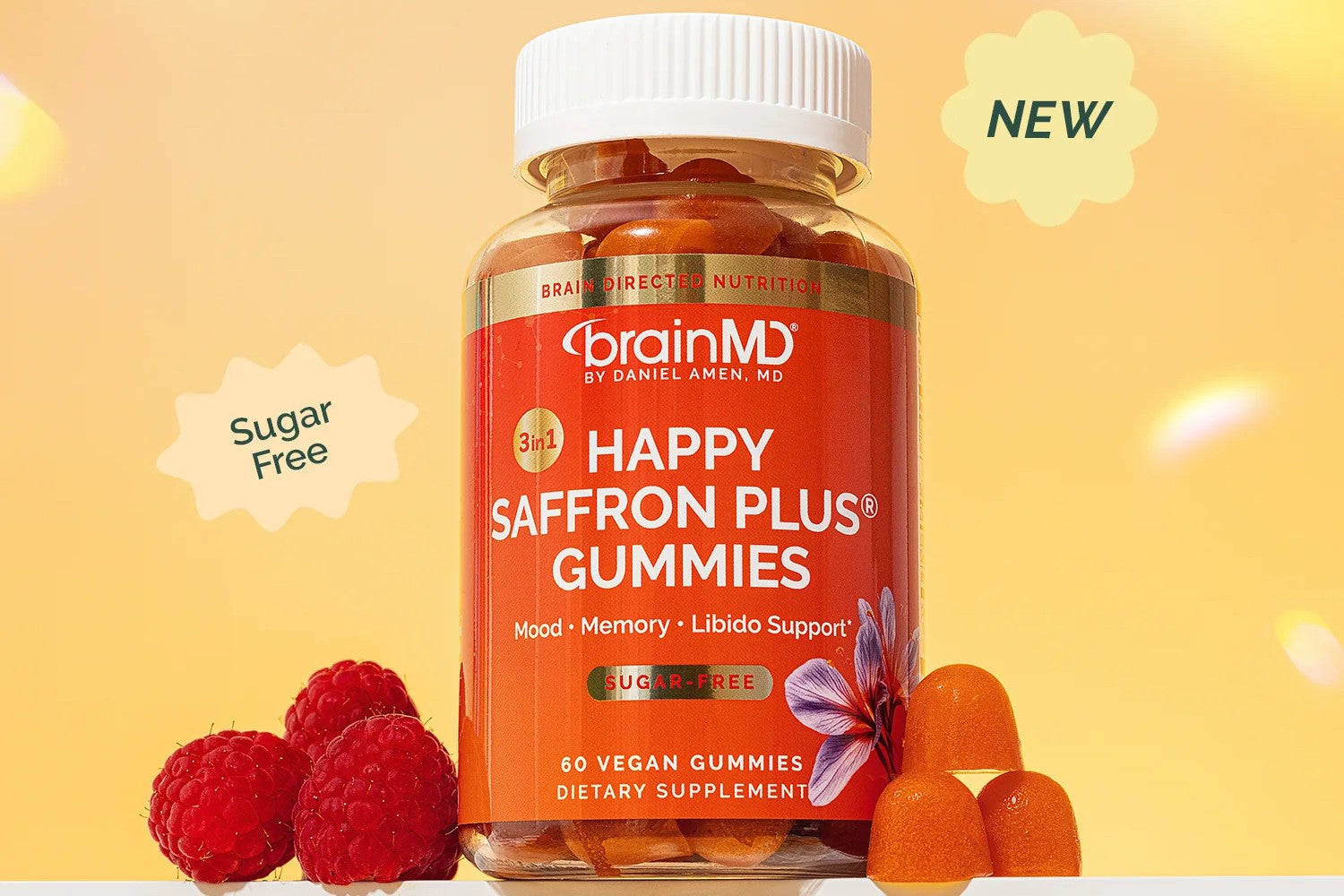
You Know When You Just Don't Feel Like Yourself? Meet Happy Saffron Plus® Gummies
You don't have to feel your worst to want to feel your best. Learn how Happy Saffron Plus Gummies support mood, resilience, and emotional well-being.
Learn more
Here Are the 9 Vital Functions of Vitamin D for Your Health
Vitamin D, which is technically a hormone rather than a vitamin, is a crucial nutrient. Unfortunately, many Americans – even those who eat a good diet – are deficient in vitamin D.¹ Though definitions of vitamin D deficiency can vary, experts agree that it has nearly reached epidemic status. Analysis of the ongoing national survey data from the US Centers for Disease Control indicates that a majority of Americans may not be getting sufficient vitamin D. One way to get a natural vitamin D boost is from exposure to sunlight. But since we're wearing more sunscreen while outside and spending more time inside, our levels of vitamin D have fallen in recent decades. Why does that matter? Some research has linked vitamin D deficiency to serious, long-term health issues.² Those who think of vitamin D only as the “sunshine vitamin” may fail to fully understand the significant ways vitamin D affects their brain, body and overall health.³ Let's take a closer look at how vitamin D works in key areas of the brain and body, as well as how to increase levels of this essential vitamin...naturally! Here Are 9 Vital Functions of Vitamin D Immunity Vitamin D receptors are found all over the body, including the immune cells. Research has clearly shown that vitamin D deficiency is part of the seasonal nature of cold and flu outbreaks⁴ – less sunlight means less vitamin D, which can lead to lower immunity and more illness. Bones It’s well-documented that vitamin D is essential for the proper absorption of calcium, and it’s been shown to greatly reduce fracture risk in two ways. First, it helps with the formation of stronger bones; second, vitamin D helps improve balance and prevent falls by enhancing muscle contraction.⁵ Muscles One of the byproducts of vitamin D’s breakdown, called 1,25(OH)2D, enters muscle cells and affects the nucleus. Once there, the vitamin D metabolite enhances the cell’s contraction ability. Since muscles work by contraction and relaxation, a muscle’s ability to contract is essential to its strength and response to outside forces. As such, vitamin D helps make muscles stronger in a very direct way. Lungs As many studies indicate, vitamin D plays a role in keeping our lungs healthy due to vitamin D possessing a range of anti-inflammatory properties – with greater concentrations of vitamin D resulting in greater lung health benefits.⁶ Heart Research has demonstrated an inverse relationship between vitamin D levels in the blood and high blood pressure (HBP or hypertension). In other words, the lower the vitamin D, the higher the blood pressure. The excess strain and resulting damage from high blood pressure can cause the coronary arteries serving the heart to slowly narrow and harden, greatly increasing the risk of a heart attack. Kidneys Because vitamin D is a fat-soluble vitamin, it helps to regulate kidney function and plays a very beneficial role in treating serious kidney issues.⁷ Mood When it comes to being happy, the scientific evidence is clear. The lower your vitamin D levels, the more likely you are to feel blue rather than happy. Vitamin D deficiency has long been associated with higher incidences of low mood. Interestingly, in a 2014 study, the positive effect of vitamin D3 on mood was comparable to the effects of the anti-depressants.⁸ Weight Loss When you don’t have enough vitamin D, you can feel hungry all the time, no matter how much you eat. That's because low levels of vitamin D can interfere with the effectiveness of leptin, the appetite hormone that tells you when you're full. When vitamin D is replenished and back to normal levels, leptin’s actions are restored, thus creating feelings of satiety and aiding in weight loss. Cognitive Function In the past few years, many studies have linked shortage of vitamin D with cognitive issues in older men and women. Research has demonstrated that vitamin D has a variety of neuroprotective roles, including helping to rid the brain of beta-amyloid, an abnormal protein that is believed to be a major cause of severe memory issues.⁹ Other studies have shown that seniors with very low levels of vitamin D are at an increased risk of serious, long-term memory issues. Recommended Daily Vitamin D In the US, the current recommended daily dose of vitamin D is 600 IU. However, most experts agree that this is well below the physiological needs of most individuals. Some experts have suggested that all adults should take at least 2000 IU of vitamin D daily, but for many people, this daily dose doesn’t raise their vitamin D levels into a healthy range. What Can Help? BrainMD offers two high-quality, ultra-pure vitamin D formulas: Vitamin D3 5000 Vitamin D3 5000 delivers 5,000 IU of your body’s preferred form (cholecalciferol) in one high-potency capsule—supporting brain function, emotional well-being, immune strength, and bone health.* Vitamin D3 + K2 This powerful combination of vitamin D3 (as cholecalciferol) and vitamin K2 (as MK-7) helps strengthen bones, promote cardiovascular health, fight oxidative stress, support the immune system, preserve cognitive function and more.* Let the Sunshine (Vitamin) In! These powerful vitamins work hard to promote strong bones, support cognitive functioning, and maintain a healthy circulatory system.* Try Vitamin D3 5000 and Vitamin D3 + K2 today!* At BrainMD, we’re dedicated to providing the highest quality supplements to improve your physical health and overall well-being. For more information about our full list of brain healthy supplements, please visit us at BrainMD. *These statements have not been evaluated by the FDA. This content is for informational purposes only. It is not meant to substitute for medical or healthcare advice from a physician, nor is it intended to diagnose, treat, cure, or prevent any disease. Consult your healthcare provider before beginning a new health regimen. References: 1. Cui, A., Xiao, P., Ma, Y., Fan, Z., Zhou, F., Zheng, J., & Zhang, L. (2022). Prevalence, trend, and predictor analyses of vitamin D deficiency in the US population, 2001–2018. Frontiers in Nutrition, 9, 965376. https://doi.org/10.3389/fnut.2022.965376 2. Holick, M. F., & Chen, T. C. (2008). Vitamin D deficiency: A worldwide problem with health consequences. The American Journal of Clinical Nutrition, 87(4), 1080S–1086S. https://doi.org/10.1093/ajcn/87.4.1080S 3. Aranow, C. (2011). Vitamin D and the immune system. Journal of Investigative Medicine, 59(6), 881–886. https://doi.org/10.231/JIM.0b013e31821b8755 4. Cannell, J. J., Vieth, R., Umhau, J. C., Holick, M. F., Grant, W. B., Madronich, S., Garland, C. F., & Giovannucci, E. (2006). Epidemic influenza and vitamin D. Epidemiology and Infection, 134(6), 1129–1140. https://doi.org/10.1017/S0950268806007175 5. Bischoff-Ferrari, H. A., Dawson-Hughes, B., Willett, W. C., Staehelin, H. B., Bazemore, M. G., Zee, R. Y., & Wong, J. B. (2004). Effect of vitamin D on falls: A meta-analysis. JAMA, 291(16), 1999–2006. https://doi.org/10.1001/jama.291.16.1999 6. Hughes, D. A., & Norton, R. (2009). Vitamin D and respiratory health. Clinical and Experimental Immunology, 158(1), 20–25. https://doi.org/10.1111/j.1365-2249.2009.04001.x 7. Williams, S., Malatesta, K., & Norris, K. (2009). Vitamin D and chronic kidney disease. Ethnicity & Disease, 19(4 Suppl 5), S5–8–S5–11. 8. Spedding, S. (2014). Vitamin D and depression: A systematic review and meta-analysis comparing studies with and without biological flaws. Nutrients, 6(4), 1501–1518. https://doi.org/10.3390/nu6041501 9. Banerjee, A., Khemka, V. K., Ganguly, A., Roy, D., Ganguly, U., & Chakrabarti, S. (2015). Vitamin D and Alzheimer’s disease: Neurocognition to therapeutics. International Journal of Alzheimer’s Disease, 2015, 192747. https://doi.org/10.1155/2015/192747
Learn more
One of the Best Ways to Relieve Stress & Anxiousness!
Sometimes it seems like there's no way to turn off the steady stream of stress. Whether it’s taxes, a deadline at work, family conflict, dealing with an illness, school exams, or needing to make an important decision, it's safe to say that all of us have experienced stress in one form or another. In today’s fast-paced world, it's virtually impossible to avoid. What is Stress? Contrary to popular belief, not all stress is bad. It's a part of normal living that helps us be productive and is reported by folks at all ages.¹ In fact, stress actually can be a positive that helps us learn things like: Resilience Problem solving How to adapt to everyday challenges Stress becomes a problem when it's intense, recurring, or remains unresolved over a period of time. At that point, stress takes a toll and can be very damaging. It can affect the way we learn, our behavior, peace of mind, and ultimately, our health. By some estimates, as much as 90% of all illness is initiated and aggravated by stress.² Over the long term, it can increase your chances of developing diseases like blood sugar and heart issues, substance abuse, and feelings of anxiousness. What is Anxiousness? Many people use the terms stress and anxiousness interchangeably in everyday conversation. But there is a difference. Stress is a response to the pressures we feel in life. These pressures, in turn, cause adrenaline to be released. Too much adrenaline produced for an extended period can lead to low mood, a rise in blood pressure, and other negative effects. One of these negative effects is anxiousness. It's the process by which a person becomes scared and apprehensive of what lies ahead, and often manifests itself in physical problems like dizziness, pain, shortness of breath, and panic attacks. In other words, stress is a response to an existing stress-causing factor (stressor). Anxiousness is the continued experience of stress that is out of proportion to the stressor or that continues well after the stressor is gone. Though they are closely related, not all people who experience stress will experience anxiousness. Properly managing your stress is a critical factor in preventing anxiousness and the host of other problems that it can lead to. Be sure to educate yourself on the strategies to manage stress. Everyday Stress Relief Everyday Stress Relief helps replenish your brain and body’s stores of magnesium, a mineral crucial for practically all our life processes and which can be depleted during times of increased stress.* This science-based supplement also includes herbal extracts clinically proven to have calming and anti-stress effects, helping to ease anxiousness without causing sleepiness.* This formula helps you cope with apprehension, tension, worry, and fatigue.* It includes: Magnesium – magnesium is a major mineral important for us to make energy and keep our brain connections (“synapses”) fine-tuned so that we can stay calm, balanced and maintain a mentally focused demeanor in the face of stress.* Taurine – a nutrient classified as conditionally-essential because some people need it from their diet, taurine has versatile benefits for electrical transmission in the brain.* It also supports the adrenal glands, which are crucial for coping with stress.* Holy Basil – holy basil (Ocimum sanctum, also called Tulsi), is revered both in Europe and the East for improving adaptation to occasional anxiousness, feelings of exhaustion, forgetfulness and other problems related to stress.* L-theanine – derived from green tea, l-theanine is a unique amino acid found in clinical trials to improve mood, reduce anxiousness, and cognition as well as the quality of sleep in people coping with stress.* Relora® – a unique mix of two herbs (Magnolia officinalis and Phellodendron amurense) that can enhance healthy management of the stress hormone cortisol while easing tension, anger, negative mood, and confusion.* This safe, non-sedating, and non-habit-forming formula combines the multiple beneficial actions of these well-studied herbs and nutrients to help your brain and body cope with stress on multiple levels.* Relieve Stress & Anxiousness One of the best ways to manage stress and improve your mood is with Stress & Mood supplements like Everyday Stress Relief.* They’ve been formulated with the highest-quality nutrients and ingredients to help you feel calm, content, and better able to manage stress or mental strain.* Try Everyday Stress Relief today! At BrainMD, we’re dedicated to providing the highest quality supplements to improve your physical health and overall well-being. For more information about our full list of brain healthy supplements, please visit us at BrainMD. *These statements have not been evaluated by the FDA. This content is for informational purposes only. It is not meant to substitute for medical or healthcare advice from a physician, nor is it intended to diagnose, treat, cure, or prevent any disease. Consult your healthcare provider before beginning a new health regimen. References: 1. McManus, E., Haroon, H., Duncan, N. W., Elliott, R., & Muhlert, N. (2022). The effects of stress across the lifespan on the brain, cognition and mental health: A UK biobank study. Neurobiology of Stress, 18, 100447. https://doi.org/10.1016/j.ynstr.2022.100447 2. Salleh, M. R. (2008). Life event, stress and illness. Malaysian Journal of Medical Sciences, 15(4), 9–18.
Learn more
7 of the Best Ways to Naturally Increase Dopamine
Does it feel like you never have enough energy? Do you find it hard to concentrate? Have you lost your zest for life? If you answered yes to any of these, your neurotransmitters may be out of balance. What Are Neurotransmitters? Neurotransmitters (or transmitters) are small molecules that communicate information between neurons or other brain cells, both within your brain and to and from the rest of your body.¹ Most typically, a nerve cell, when electrically stimulated, releases transmitters that travel to other cells and bind with sensors on those cells (receptors) that turn those cells on or off. Transmitters influence and regulate the functioning of practically every cell, tissue, and organ in your body. While the exact number isn’t known, the human body has at least 60 different transmitters. Since the body’s transmitter systems are also intricately involved with its hormone systems, neurotransmitter imbalances can cause serious health problems. Balanced Brain Transmitters Transmitters coordinate and regulate every feature of your mind and body. More important than the activity of any one transmitter system is the overall balance between all the systems in the brain. When your brain transmitters are balanced, you may think more clearly, feel happier, and experience greater well-being. But when your transmitters are out of balance, you may experience difficulties in every area of your life. Proper neurotransmitter system balance is essential for living a brain-healthy life. The better your transmitters work with each other, the closer you’ll be to having optimal mental function. Transmitters such as acetylcholine, serotonin‚ norepinephrine, glutamate, dopamine‚ and GABA play key roles in optimal brain functioning‚ which is essential to healthy behaviors and decision-making. What is Dopamine? Dopamine is the main neurotransmitter responsible for making you feel motivated.² In fact, it’s often called the “motivation molecule.” Dopamine provides the drive and focus you need to be productive. It’s heavily involved with your attention span, focus, follow-through, motivation, and ability to experience pleasure. Dopamine helps deliver a sense of satisfaction when playing sports, learning something new, accomplishing a task or project, or getting a promotion at work. Dangers of the “Dopamine Fix” There are both healthy and unhealthy ways to get a dopamine fix. Unfortunately, many of the things people do to boost their focus and energy end up backfiring, as dopamine overactivation increases risk for addiction. Anything potentially addicting, like nicotine, excessive caffeine, alcohol/drugs, or sugar-laden/fat-filled treats, can increase brain dopamine activity and cause compulsive behaviors in your life. These unhealthy ways of getting a quick dopamine boost tend to increase the brain’s demand for dopamine. This can hinder the brain’s natural function, which can result in a disruption of the natural dopamine production process and low dopamine system activity in the long-term. Signs of Dopamine System Imbalance Having a dopamine system imbalance can cause significant functional issues in your brain. Underactivity of dopamine can be associated with: Fatigue Apathy Lack of focus Forgetfulness Moodiness Sleep issues Sugar cravings Lower motivation Poor motor control Fortunately, there are also healthy ways to balance your brain’s dopamine system. Here are some of the best ways to support healthy dopamine activity in your brain with vitamins, minerals, herbs, and other natural ingredients… 7 Healthy Nutrients to Help Naturally Increase Dopamine in Your Brain Cocoa Flavanols Chocolate is made from the beans that mature in the seed pods of the tropical Theobroma cacao plant. For centuries, dark chocolate has been honored for its healing and medicinal qualities. Aztecs and ancient Mayans even drank theirs in a brew made from natural cacao beans; they believed it provided strength and energy. When the Europeans first brought cacao home from the Americas, they used it as an all-purpose tonic to treat dozens of health conditions. Some Europeans referred to chocolate as “the food of the gods.” Chocolate has been shown to increase blood flow to the brain.³ Also, dark chocolate contains health-promoting properties that support a positive mood, the ability to think clearly, and a healthy cardiovascular system. Chocolate contains a wide variety of brain-active substances, including salsolinol, which binds to dopamine receptors and likely contributes to the mood-enhancing effects. Chocolate also contains the amino acid l-tryptophan, which can be converted to serotonin (the “don’t worry, be happy” neurotransmitter) activity in your brain. Curcumin Curcumin is an umbrella name for the three main active curcuminoids of turmeric known to improve health: curcumin, demethoxy-curcumin and bis-demethoxycurcumin. Each brand of curcumin concentrate prepared from the turmeric root has a different ratio of these three curcuminoids. Modern science has extensively researched the curcumin complex of curcuminoids and established their powerful antioxidant and inflammatory response benefits. Curcumin brands have a myriad of clinically proven actions, including benefits to memory and mood. Animal studies suggest curcumin’s mood benefits may be linked to dopamine elevation, perhaps also with elevation of serotonin and norepinephrine activity (single transmitters rarely affect complex brain functions such as mood on their own). In addition to supporting the brain, curcumin has been shown to help the eyes, heart and circulation, joints, intestinal tract, skin, prostate, muscles, nerves, and numerous other human tissues. Magnesium Sometimes called the relaxation mineral, magnesium is necessary for all our cells to make and use energy. It maintains our DNA and gene structure and is required for more than 300 energy-processing enzymes in the body. Sadly, surveys consistently find that nearly half of all American adults may be deficient in magnesium.⁴ This powerful nutrient helps to regulate blood sugar, blood pressure, and maintain normal heart rhythm and blood flow. Magnesium supports electrical activity in the brain and aids the brain’s ability to process information. Magnesium is fundamental to the functioning of the brain’s trillions of synapses, the connections between neurons and other cells where dopamine and virtually all the other transmitters released from one cell influence a “downstream” cell. Magnesium helps promote memory, positivity, and quality sleep. It’s used by the body for healthy aging, digestive efficiency, to prevent calcium overload, and to strengthen the immune system as an antioxidant. For those with weight challenges, kidney stones, or heart problems, this nutrient can help promote a healthier well-being. Tyrosine Tyrosine is an amino acid required to produce three major brain neurotransmitters: dopamine, epinephrine, and norepinephrine. Your adrenal glands, located on top of your kidneys, work with your brain to manage stress. These glands also utilize tyrosine to produce more of these key brain neurotransmitters. Your body uses tyrosine to create chemical messengers that can help conditions that start in the brain, including low mood and prolonged fatigue. Vitamin D Vitamin D is best known for building bones. However, this highly potent vitamin is essential for overall brain and body health. Vitamin D function involves regulating the brain and other organs and may be involved in the healthy regulation of as many as 900 human genes. Vitamin D is actually a hormone builder. Once made in the skin or taken as a supplement, it becomes converted by the liver and kidney into a hormone (“secosteroid”) that’s so important to health that its receptors are found throughout the brain and practically all our tissues. Vitamin D plays a critical role in the brain’s early development, its ongoing maintenance, and in its functions that underlie healthy mood and many of the most basic cognitive functions including learning and making memories. Vitamin D promotes the actions of serotonin, dopamine, and other key brain neurotransmitters. Optimal vitamin D levels promote positive mood, support your overall brain function, and generally improve your well-being. Sadly, vitamin D deficiency is currently epidemic worldwide: CDC reports more than 9 in 10 Americans aren’t getting enough of it from their foods.⁵ Fish Oil Omega-3 fatty acids are vital for our brain cells – and all our cells – to make the energy they need to function. EPA (eicosapentaenoic acid) and DHA (docosahexaenoic acid) fatty acids are essential to the functioning of all our 30 trillion cells. They’re building blocks for the membrane systems that do most of the heavy lifting for our cells. We require premade EPA+DHA from our diet. Unfortunately, the modern diet has an unhealthy balance of fatty acids: we get an abundance of saturated and omega-6 fatty acids and not nearly enough omega-3s. Also, most of the omega-3s we do get must be converted to EPA+DHA, which the body doesn’t do effectively. Numerous surveys indicate populations that don’t consume adequate amounts of seafood (such as the U.S.) don’t get sufficient supplies of EPA and DHA from their diet. Since plant foods don’t supply them, the main dietary sources of EPA and DHA are cold-water fish and dietary supplements. Considering the widespread contamination of seafood by mercury and other toxins, many experts advise that taking a purified fish oil supplement could be a smart choice. Omega-3 DHA is absolutely crucial for the brain’s synapses to work. The routine actions of dopamine and other major transmitters hinge on there being sufficient DHA in the nerve cell membranes that make the synapse junction. Panax Ginseng One of the most popular medicinal substances in the world, ginseng is a root that contains naturally occurring ginsenosides. These play a role in improving focus, sharpening memory, and supporting overall well-being. Ginseng promotes the release of nitric oxide, a very small molecule but a very important transmitter, which opens blood vessels and improves blood flow to the brain and muscles. Panax ginseng, also known as Asian ginseng, is a potent adaptogen. It’s the best-studied of the ginsengs and leads all other ginsengs for its almost immediate mental focus benefits. Animal studies indicate it has numerous beneficial actions in the brain, one of which involves increasing the activity of the dopamine system. Balanced Brain, Balanced Life Maintaining healthy lifestyle habits, such as daily exercise, consuming whole foods, and taking dietary supplements, can help keep your brain transmitters balanced. Having a balanced brain can lead to a balanced life, so support healthy dopamine activity with these natural ingredients. At BrainMD, we’re dedicated to providing the highest quality supplements to improve your physical health and overall well-being. For more information about our full list of brain healthy supplements, please visit us at BrainMD. These statements have not been evaluated by the FDA. This content is for informational purposes only. It is not meant to substitute for medical or healthcare advice from a physician, nor is it intended to diagnose, treat, cure, or prevent any disease. Consult your healthcare provider before beginning a new health regimen. References: 1. Teleanu, R. I., Niculescu, A.-G., Roza, E., Vladâcenco, O., Grumezescu, A. M., & Teleanu, D. M. (2022). Neurotransmitters—Key factors in neurological and neurodegenerative disorders of the central nervous system. International Journal of Molecular Sciences, 23(11), 5954. https://doi.org/10.3390/ijms23115954 2. Bromberg-Martin, E. S., Matsumoto, M., & Hikosaka, O. (2010). Dopamine in motivational control: Rewarding, aversive, and alerting. Neuron, 68(5), 815–834. https://doi.org/10.1016/j.neuron.2010.11.022 3. Socci, V., & Tempesta, D. (2017). Enhancing human cognition with cocoa flavonoids. Frontiers in Nutrition, 4, Article 19. https://doi.org/10.3389/fnut.2017.00019 4. Workinger, J. L., Doyle, R. P., & Bortz, J. (2018). Challenges in the diagnosis of magnesium status. Nutrients, 10(9), 1202. https://doi.org/10.3390/nu10091202 5. Reider, C. A., Chung, R.-Y., Devarshi, P. P., Grant, R. W., & Mitmesser, S. H. (2020). Inadequacy of immune health nutrients: Intakes in US adults, the 2005–2016 NHANES. Nutrients, 12(6), 1735. https://doi.org/10.3390/nu12061735
Learn more
7 Ways to Reduce Holiday Stress and Make the Seasons More Joyful
For many people, the holiday season represents a joyful time of the year. But for others, it’s a period of added stress that can result in exhaustion, weight gain, mounting debt, and…relatives. Seems like every family has at least one relative who creates drama during the holidays. Think about the “crazy maker” at your family gatherings and see if they’re among this cast of characters: Uncle Jim is intoxicated by 4 pm. He has brutally honest conversations with anyone he can corner. He excels at sticking his nose where it doesn’t belong and instigating arguments. Then there’s Cousin Lucy. She still holds a grudge over the rude comment Uncle Jim made to her last year. Of course, she’s “confidentially” shared this story with every member of the family. And what about Grandpa Joe? He sits in the corner of the living room and watches TV all day. Even though he refuses to participate in family games or activities, he complains about being bored all the time. So, how can you handle someone who thrives on making everyone else around them miserable? If someone in your family loves to stir the pot during family gatherings, here are some practical steps you can take to reduce holiday stress. 7 Practical Ways to Prevent a Crazy Maker from Ruining Your Holiday 1. Show Kindness When greeting your quarrelsome relative, find something nice to say about them. Complimenting them on their outfit, hairstyle, or other accessory may help improve their disposition. This preemptive gesture of goodwill may help to set a positive tone for the family gathering and help prevent holiday stress. Kind words can create a positive feedback loop – the person giving the compliment often ends up feeling just as uplifted as the receiver of the compliment. As difficult as it may be at first, get in the habit of complimenting your disagreeable relative. Who knows, you may be able to find common ground with them, which can be a win for everyone in the family. 2. Get Moving If you need a break from a movie marathon or if you just want to work off that extra slice of turkey or ham, get the family outside for some fresh air and exercise. Engage in a brain-safe activity or take a long walk. Walking can help you clear your mind, decrease anxious thoughts, improve your mood,¹ and burn some calories all at the same time. Physical exercise boosts blood flow to the brain. When everyone in the family is thinking clearly, better decisions and behaviors should follow. It’s always better to stimulate the brain with physical activity than family drama. 3. Avoid Alcohol Many people think serving alcohol at a holiday gathering will help settle everyone down, but it actually can act like rocket fuel for impulsivity and family conflict (especially when consumed by the Uncle Jim’s of the world). Alcohol stimulates your appetite, prolongs the time you sit during a meal and is associated with continued eating even when you feel full. Alcohol exerts substantial influence on the circulation in your pancreas, which increases the production of insulin.² This can lead to low blood sugar levels, which can negatively affect your decision-making. Instead of alcohol, serve a low-sugar, hot apple cider – it makes the house smell amazing and will warm cold hands after outdoor family fun. 4. Minimize Conflict Many people can function well with stress, but not well without it. Conflict-seeking behavior can be used as a form of self-medication to wake up the brain, and some people can get addicted to it. This can cause family friction and lead to even more holiday stress. Resist the urge to participate in discussions that can offend or create family strife. Always look for a way to redirect negative tirades or inappropriate conversations. If that doesn’t work, isolate the offending individual from the rest of the group to prevent them from ruining the holidays. 5. Eliminate Sugar There’s mounting evidence that sugar is toxic. Excessive sugar intake, which is linked to insulin imbalance, heart problems, and other organ issues, is responsible for 35 million deaths a year globally.³ If you find it difficult to resist holiday treats, be sure to steer clear of the dessert table (and make sure your troublemaking relative does the same). Sugar increases erratic brain cell firing and has been implicated in aggression. Low blood sugar levels are associated with overall lower brain activity, which means more cravings and more bad decisions, like reaching for a sugary snack or soda. The best way to regulate your blood sugar is to eat a healthy snack every 3 to 4 hours. Natural snacks, like whole fruits, seeds, and nuts, are portable and are ideal for fending off hunger between meals. 6. Say Sorry Perhaps there’s something in our DNA that makes us want to be right all the time, but many people have a hard time saying sorry. Even if you feel like you’ve been wronged, say you’re sorry to your antagonizing relative. Offering an apology can help build a bridge in a relationship, and the other person might be grateful that you took the initiative in trying to resolve the disagreement. In the end, it’s far better to apologize than to cast blame and cause a meltdown at the dinner table. 7. Be Mindful In our “take care of number one” society, our focus tends to be on ourselves rather than on others. Try to be more mindful of those around you. If they have a need, try to meet it. Force yourself to stay attentive in every conversation. Be an active listener and make eye contact with the person talking to you. Chances are, they’ll appreciate you taking the time to really listen to them, which in turn will make you grateful for being able to participate in a meaningful conversation. Reduce Holiday Stress Implementing these proactive strategies can help safeguard you and your family from a crazy maker so that you can enjoy a fun-filled and stress-free holiday. The BrainMD team wishes you and yours a safe, healthy, and happy Holiday Season! At BrainMD, we’re dedicated to providing the highest purity nutrients to improve your physical health and overall well-being. For more information about our full list of brain healthy supplements, please visit us at BrainMD. These statements have not been evaluated by the FDA. This content is for informational purposes only. It is not meant to substitute for medical or healthcare advice from a physician, nor is it intended to diagnose, treat, cure, or prevent any disease. Consult your healthcare provider before beginning a new health regimen. References: 1. Mayo Clinic Staff. (2021, March 19). Exercise and stress: Get moving to manage stress. Mayo Clinic. https://www.mayoclinic.org/healthy-lifestyle/stress-management/in-depth/exercise-and-stress/art-20044469 2. Steiner, J. L., Crowell, K. T., & Lang, C. H. (2015). Impact of alcohol on glycemic control and insulin action. Biomolecules, 5(4), 2223–2246. https://doi.org/10.3390/biom5042223 3. Arnone, D., Chabot, C., Heba, A.-C., Kökten, T., Caron, B., Hansmannel, F., Dreumont, N., Ananthakrishnan, A. N., Quilliot, D., & Peyrin-Biroulet, L. (2022). Sugars and gastrointestinal health. Clinical Gastroenterology and Hepatology, 20(9), 1912–1924.e7. https://doi.org/10.1016/j.cgh.2021.12.011
Learn more
How to Avoid Family Conflict During the Holidays
In an ideal world, the holidays would only be filled with good times and happy memories. Unfortunately, most people don’t exist in that uncomplicated reality. It seems like every family has at least one relative who excels at creating drama during the holidays. When you’re around such negative or aggressive people, it’s common to feel apprehensive, defensive, and uncomfortable. Your body may react to heightened situations by secreting excessive amounts of adrenaline or cortisol, which can make you feel even more worried and stressed. Family Conflict Instigators There are many reasons why arguments flare up during holiday gatherings. Some people want to be the center of every conversation. Other family members just enjoy creating drama. Here’s a look at some stock characters who create family conflict: The Meddler Every family gathering is sure to have a gossiper, whose negative or critical remarks ignite emotional brushfires everywhere she goes. Also present at many holiday get-togethers is the offensive loudmouth, who has no filter and doesn’t hesitate to inform you that you’ve gained weight since the last time he saw you. The Liquidator Alcohol can make some people happy and others moody and mean.¹ Liquid courage has been known to loosen tongues and lower inhibitions. For people who love stirring the pot by bringing up controversial or politically charged topics, alcohol can act as an accelerant for all manner of bad behaviors. The Antagonizer A family member may have aggressive tendencies that drives them to be combative. Many people are stimulated by arguments and seek out family conflict. If they can lure you into a debate, the low energy in their frontal brain is stimulated, and that rush temporarily makes them feel better. Don’t let your anger become their medication. They can get addicted to it! So, how do you handle someone who thrives on instigating family conflict? Fighting fire with fire, by raising your voice or using abusive or unsavory language, certainly won’t help matters. Avoiding confrontations isn’t the answer either, since minimizing or brushing aside a dispute may further embolden the aggressor and make things even worse. To effectively deal with disagreements, handle them calmly and appropriately as they happen. Here are some practical ways to prevent family conflict this holiday season: Simple Ways to Keep the Peace & Avoid Holiday Feuds Keep Your Cool To prevent a pressure-packed situation from getting out of hand, always keep your cool. Discipline yourself to remain quiet until you’re calm enough to speak at a normal volume and in a kind tone. Closely monitor your comments and reactions to make sure they’re coming from a rational place, rather than an emotional one. Be sure to offer thoughtful advice rather than criticism. Tone of voice is crucial in disarming a potentially volatile situation. Always model calm behavior and others will likely follow your example. Take a Time-out When someone raises their voice or begins to lose their temper, take a family time-out. This type of collective breather involves everyone in the family going to a separate part of the house for a designated period (typically 10-15 minutes). Spending some time away from other family members may help everyone settle down and forget about the argument. A cooldown period only works if you have buy-in from the entire family, so make sure everyone agrees with taking a time-out to avoid starting yet another argument. Distract Yourself Some people have the ability to mentally escape to a happy place during heated discussions or tense moments. Others can sing a song in their head to distract themselves. Hopefully, you won’t have to literally bite your tongue to remain silent, but whatever you need to do to keep from being dragged into the middle of a family feud is worth trying. Try Whispering When others are yelling, start whispering. The dramatic change in the decibel level of your voice will most likely make everyone stop talking to hear what you have to say. Something in our psyche makes us lean in and listen more attentively when someone is whispering. This tactic has been used with great success from board rooms to political assemblies. If a family argument is getting out of control, try whispering to see if you can get everyone’s attention. Then you can attempt to deescalate the conflict. Build a Bridge Instead of trying to convince the other person that your viewpoint is correct, attempt to understand their perspective as well. The main objective isn’t to win the argument but to remove potential threats, address concerns, and find common ground with the other person. Building a bridge is one of the best ways to avert a quarrel before it even starts. Take It Outside When drawn into a discussion that makes you feel uncomfortable, look for a way to redirect the conversation. If that doesn’t work, find a polite way to remove yourself from the situation. Another strategy is to get the entire family outside for some fun and exercise.² This is an effective way to let off some steam when things get too tense inside the house. It’s been said that the holidays bring out the best and worst in people. When it comes to the latter, you don’t have to let someone else ruin your holiday. Practicing these conflict management strategies can help to ensure that everyone in your family enjoys a fun-filled, stress-free holiday season. The BrainMD team wishes you and yours a safe, healthy, and happy Holiday Season! At BrainMD, we’re dedicated to providing the highest quality supplements to improve your physical health and overall well-being. For more information about our full list of brain healthy supplements, please visit us at BrainMD. These statements have not been evaluated by the FDA. This content is for informational purposes only. It is not meant to substitute for medical or healthcare advice from a physician, nor is it intended to diagnose, treat, cure, or prevent any disease. Consult your healthcare provider before beginning a new health regimen. References: 1. Beck, A., & Heinz, A. (2013). Alcohol-related aggression—Social and neurobiological factors. Deutsches Ärzteblatt International, 110(42), 711–715. https://doi.org/10.3238/arztebl.2013.0711 2. Twohig-Bennett, C., & Jones, A. (2018). The health benefits of the great outdoors: A systematic review and meta-analysis of greenspace exposure and health outcomes. Environmental Research, 166, 628–637. https://doi.org/10.1016/j.envres.2018.06.030
Learn more
This Is What You Need to Know About the Standard American Diet!
In our fast-paced world, there’s an overabundance of foods that are harmful to our health. While most people realize that eating a steady diet of hamburgers, French fries, and soft drinks isn’t beneficial for our health, the convenience of junk or fast food is a dangerous trap that many in our society fall into on a consistent basis. The Diet Downfall The standard American diet (SAD), or Western pattern diet (WPD), is filled with pro-inflammatory and allergenic foods, many of which are laced with artificial chemicals. This diet can damage and prematurely age your brain and increase your risk for many physical and mental issues. The SAD diet is largely composed of unhealthy foods that Dr. Daniel Amen refers to as weapons of mass destruction. These foods are: Highly processed- essential nutrients lost Pro-inflammatory- injurious to muscles, joints, and organs Artificially colored and sweetened- toxic to the liver and other organs High glycemic index- overworks the body’s sugar processing system Low in fiber- robs probiotics of the food they need Laden with hormones- can adversely affect the body’s delicate hormone balance Pesticide sprayed- toxic to humans Tainted with antibiotics- harmful to probiotics This diet typically is high in sodium, refined sugars, omega-6 fatty acids, trans fats, and excess calories. It’s also low in the vitally important long-chain omega-3 fatty acids, EPA and DHA. People who maintain a diet loaded with simple carbohydrates (such as bread, pasta, potatoes, rice, fruit juices, and sugar) have an increased risk for problems with their digestive system, liver, pancreas, heart, circulation, and overall brain health. A SAD Study According to a recent study,¹ published by the Royal Society, consuming the SAD diet for just one week may decrease learning and increase desire to munch on junk food. For this trial, volunteers spent one week splurging on high-fat foods and sweet treats with high amounts of added sugar. The SAD diet led to worse performance on memory tests and an increased desire to overeat junk food after they had finished consuming a meal. The researchers suggest that the typical Western diet – think high-glycemic foods like waffles and high-fat fare like milkshakes – can rapidly impair function in the region of the brain called the hippocampus. One of the brain’s major memory centers, the hippocampus is also involved in appetite regulation. Dysfunction in this area is associated with memory issues and troubles with appetite control. This study is just the latest to confirm the strong relationship between what you put in your mouth and the moment-by-moment functioning of your brain. Its finding suggests a vicious cycle where eating junk food impairs hippocampal function and appetite control, which leads to craving more junk food, and so on. It helps explain why the SAD diet is contributing to widespread weight problems in America where approximately 70% of the population is overweight, and 40% fall into the obese category. Fast Food, Low Mood A fascinating recent study² revealed a new twist in the food/mood connection. Researchers went to two remote islands in Australia – one with plentiful fast food and lower fish consumption, the other without fast food, and higher fish consumption. On the island with fast food, 16% of the people had moderate-to-severe mood issues, compared to only 3% on the island without fast food. That’s a 500% increased risk of low mood, based on diet. This study doesn’t prove fast food causes mood challenges, but it does suggest a suspicious connection. Good Mood Foods Making healthier choices in your diet can benefit your waistline, help lift your mood, and provide a long-lasting increase in energy and focus. Your brain requires foods that are high in vitamins, essential minerals, and other nutrients to help meet its huge energy requirements throughout the day. Consider adding these good mood foods to your grocery list: fresh vegetables, fruits, seeds, nuts, berries, beans, free-range poultry, grass-fed meats, and wild-caught, cold-water fish. This diet tends to be higher in omega-3 fatty acids, folate, fiber, and many essential vitamins and minerals. Brain Healthy Supplements Due to the poor nutritional quality of the SAD diet, many people aren’t receiving proper nutrition from the foods they eat. Even those who eat a relatively healthy diet may find it challenging to get all the nutrients they need daily. By only eating foods, there will always be a gap in nutrition. To help fill that gap, it’s essential to get energy-enhancing, stress-reducing nutrients. That’s where supplements come in. The reason they’re called supplements is because they supplement your diet with the nutrients you might be missing by fueling your body with food alone. In a society where eating fast or processed food, consuming massive amounts of sugar, skimping on sleep, drinking too much caffeine and/or alcohol and not enough water, and consistently passing up on exercise has become the norm, supplements aren’t just a good idea, they’re critical to supporting and optimizing your health. Daily Essentials BrainMD has developed several products that are essential for everyone’s nutritional needs: our premium multivitamin, NeuroVite Plus Multivitamin, ultra-concentrated EPA and DHA fish oil, Omega-3 Power, and high-purity Vitamin D3 5000. Our line of over 30 supplement products was designed to support a wide range of individual needs and is the only line of dietary supplements available today that was specifically developed to address the full spectrum of brain health concerns. Never Too Late Even if you’ve been eating the SAD diet your whole life, there is hope. Though eating junk food is bad for the brain, it’s never too late to start fueling your brain with healthy foods that boost brain function. Feeding your brain and body with healthy foods, and high-quality, brain directed supplements, can provide tremendous nutritional health support for you and everyone in your family. At BrainMD, we’re dedicated to providing the highest purity nutrients to improve your energy, focus, mood, stress, immunity, and overall well-being. For more information about our full list of brain healthy supplements, please visit us at BrainMD. These statements have not been evaluated by the FDA. This content is for informational purposes only. It is not meant to substitute for medical or healthcare advice from a physician, nor is it intended to diagnose, treat, cure, or prevent any disease. Consult your healthcare provider before beginning a new health regimen. References: 1. Stevenson, R. J., Francis, H. M., Attuquayefio, T., Gupta, D., Yeomans, M. R., Oaten, M. J., & Davidson, T. (2020). Hippocampal-dependent appetitive control is impaired by experimental exposure to a Western-style diet. Royal Society Open Science, 7(2), 191338. https://doi.org/10.1098/rsos.191338 2. Berger, M., Taylor, S., Harriss, L., Campbell, S., Thompson, F., Jones, S., Makrides, M., Gibson, R., Amminger, G. P., Sarnyai, Z., & McDermott, R. (2020). Cross-sectional association of seafood consumption, polyunsaturated fatty acids and depressive symptoms in two Torres Strait communities. Nutritional Neuroscience, 23(5), 353–362. https://doi.org/10.1080/1028415X.2018.1504429
Learn more
10 Ways Inner Work Can Bring Peace and Purpose to Your Life
When was the last time you did outer work? Outer work may involve consistent exercise, proper nutrition, and quality sleep. These healthy lifestyle factors address the physical elements of existence. However, there are also emotional, psychological, and spiritual aspects to consider. So, when was the last time you did inner work? Inner Work The phrase “inner work” might initially deter some people since it conjures images of mystical trances or therapies such as hypnotism. The thought of doing “work” on one’s personality and psyche might be a tough sell for some. Though it may feel uncomfortable at first, inner work can bring about insight, inspiration, and personal growth. Inner work is frequently overlooked in daily life. Perhaps this is because it’s often easier to evaluate physical results than emotional or psychological progress. Also, in a society preoccupied with physical appearance, outer work typically takes precedence over inner work in daily routines. At its core, inner work is the process of getting to know yourself. It’s a form of introspective self-care where you can help yourself let go of harmful attachments, habits, people, and thoughts. Negative Thoughts Beliefs are powerful. Sadly, it’s common for people to believe things about themselves that just aren’t true. The trouble with negative thinking is that it can distort perceptions of reality. When left unchecked, negative self-talk can create serious self-esteem and mood problems. Have you ever had a limiting belief such as, “I’ll never be good enough?” When these thoughts occur, challenge them with questions like, “Is that really true?” Talking back to negative thoughts can help you retrain your brain, which will allow you to focus on the positive and leave the past where it is. Overcoming negative self-talk is just one of many types of inner work you can do. Here are some helpful ways for you to become more mindful of your inner life… 10 Ways Inner Work Can Bring Peace & Purpose to Your Life 1. Just Breathe Relaxation techniques can help you gain better control over stress and worry. Deep breathing is an effective therapy that can be done anywhere, anytime! Take deep breaths and let your mind and body start to relax. A simple exercise to reduce stress is breathe in for 8 seconds; hold it for 8 seconds; breathe out for 8 seconds, and then hold it for 8 seconds. Repeat 4 times. Try it. You should feel more focused and relaxed almost immediately. 2. One-Page Miracle Clear and focused objectives are essential to achieving goals. The One-Page Miracle is a powerful exercise that can make a dramatic difference in your life. Here are the simple steps: On a piece of paper, write down the specific goals for each area of your life, including your health (physical, emotional, and spiritual), relationships, work/school, and finances. Post it where you’ll see it every day. Ask yourself, “Is my behavior today getting me what I want?” Focusing on what’s important to you daily may make it easier for you to attain your goals. 3. Soothing Tunes Listening to music raises dopamine levels, which can increase pleasurable feelings, improve mood, boost energy, and help with focus and concentration. Remaining in a relaxed state of mind is easier to accomplish when you have a happy tune running through your head. Listen to brain enhancing music specifically composed to boost mood, gratitude, motivation, and inspiration. 4. Visit a Haven Choose a haven – a place where you feel comfortable and that you can imagine with all your senses. If it’s the beach, visualize the ocean, feel the sand between your toes, and the warm sun on your skin. Your haven can be any real or imaginary place where you’d like to spend time. During each session, choose one goal to work on. Stay with that goal until you can imagine yourself reaching it, going through each of the steps required to attain it. Begin to envision yourself not as you are, but as you want to be. Spend at least 20 minutes a day on this refueling, life-changing exercise. You might be amazed at the results. 5. Practice Mindfulness One of the best ways to achieve a state of calm is with mindfulness. Well-designed human studies show that daily mindfulness can help improve your brain.¹ Yoga, tai chi, and other mindfulness exercises can help reduce anxious and depressive thoughts and increase focus. Many people think that yoga is just stretching. While stretching is certainly involved, yoga can help decrease stress. As with exercise, start with short periods of 5 or 10 minutes and work your way into longer sessions. 6. Write It Down The process of journaling gives stressful thoughts a place to live other than your brain. Once those concerns have been expressed, they often lose their intensity and urgency, which will help you mentally relax. Writing in your journal 10 minutes before you go to bed can help relieve the worries of the day and put you in a restful state of mind. 7. Strong Connections Social connections can significantly affect your brain,² mood, and overall well-being. Building and maintaining healthy relationships may help you feel understood and cared for. When you care for others and feel cared for, your brain releases oxytocin, the “bonding” hormone, which can counteract some of the negative effects of stress. The health habits of the people you spend time with can have a dramatic impact on your own health. Surround yourself with people who are happy, upbeat, kind, and who challenge you to be the best version of yourself. 8. Practice Gratitude Did you know that practicing gratitude actually makes your mind work better? People who express gratitude on a regular basis are healthier, more optimistic, make more progress toward their goals, have a greater sense of well-being, and are more helpful to others. Write down three things you’re grateful for every day. Then, experience the joy that gratitude can bring. 9. Daily Meditation Make time for yourself every day. Taking breaks for meditation and relaxation provides benefits for both your physical and mental health. Spending just 15 minutes alone may refresh your mind. Clearing your mind and slowing your breathing can help restore inner calm. Repeating simple words like “May I be safe and secure” can increase positive emotions and decrease negative ones. Loving Kindness Meditations (LKM) can reduce pain and improve other mental health challenges. 10. Reach Out for Help Though isolating yourself during tough times may feel like the safest option, closing yourself off from the world can intensify negative feelings. Resist the urge to shut out the individuals who can offer you encouragement and support. Reach out to friends and family and let them know when you’re emotionally overwhelmed. Seek professional help if necessary, but don’t fight your battles alone. Find Your Quiet Place A foundational element of inner work is seclusion. To clear your mind and attain a peaceful state, it’s important to shut out external distractions. This includes turning off TVs, cell phones, and other devices. Also, it’s important to get away from loud traffic, noisy neighbors, or screaming kids. It might be best to find a place of solitude away from your home, at a park or other outdoor area. Inner work can be a journey of self-discovery that allows you to look at your life honestly and objectively. There may be highs and lows along the way, but don’t give up. Many have found this process to be freeing and rewarding...even life-changing. You may find that the results are well worth the investment, so set aside some time to focus on yourself today. At BrainMD, we’re dedicated to providing the highest purity nutrients so you can do the things you love. For more information about our full list of brain healthy supplements, please visit us at BrainMD. These statements have not been evaluated by the FDA. This content is for informational purposes only. It is not meant to substitute for medical or healthcare advice from a physician, nor is it intended to diagnose, treat, cure, or prevent any disease. Consult your healthcare provider before beginning a new health regimen. References: 1. Khoury, B., Lecomte, T., Fortin, G., Masse, M., Therien, P., Bouchard, V., Chapleau, M.-A., Paquin, K., & Hofmann, S. G. (2013). Mindfulness-based therapy: A comprehensive meta-analysis. Clinical Psychology Review, 33(6), 763–771. https://doi.org/10.1016/j.cpr.2013.05.005 2. Holt-Lunstad, J. (2024). Social connection as a critical factor for mental and physical health: Evidence, trends, challenges, and future implications. World Psychiatry, 23(3), 312–332. https://doi.org/10.1002/wps.21224
Learn more