 Skip to content


Wellness Blog



6 of the Best Benefits of Eating Healthy Dark Chocolate
Chocolate is known as the food of lovers, but in ancient civilizations, it was considered the food of the gods! Origins of Dark Chocolate Theobroma cacao, the botanical name given to the cacao tree (from which we derive cacao beans to make cocoa and chocolate), literally translates as “food of the gods” in Latin. Both the Mayan and Aztec civilizations valued and even revered cacao. It was prized for its enlivening, stimulating health effects, and used in rituals and celebrations. Evidence shows that cacao beans were even used as currency. When it comes to the researched benefits of healthy dark chocolate, it appears that the Mayans and Aztecs were ahead of their time. In recent years, studies have found that dark chocolate, when consumed moderately, offers a treasure trove of health benefits for your brain and body. Loaded with polyphenols, antioxidants, minerals, B vitamins and other key compounds, dark chocolate is showing itself to be a remarkable health food that can boost blood flow, cognition, mood, gut health, skin health, and more. Here are some of chocolate’s studied health benefits. 6 Benefits of Eating Healthy Dark Chocolate! 1. Mood Boost Most of us have heard of or experienced chocolate’s mood-enhancing properties firsthand. In a review¹ of eight studies, five of them found that chocolate consumption showed either an improvement in mood state or an attenuation of negative mood in participants. Another study had subjects drink a polyphenol-rich, dark chocolate beverage for 30 days, after which they observed a significant increase in self-rated calmness and contentedness relative to placebo. Scientists are still determining what mechanism might drive elevated mood. It could be due to the pleasant experience of smooth and creamy chocolate in the mouth, or its tryptophan, a precursor to serotonin (the good mood hormone), which may increase serotonin levels in the brain. Or it could be a result of chocolate’s phenethylamine and tyrosine, which are associated with increased levels of the serotonin and dopamine, which can lift mood. Research has also proposed that chocolate’s caffeine and theobromine may be its mood-altering agents. 2. Healthy Blood Flow Dark chocolate’s rich flavanol content helps to boost vasodilation, which allows for increased blood flow to all parts of the body, including the brain. One study that gave adults high-flavanol cocoa for two weeks found blood flow to the brain increased by 8% after one week and 10% after two weeks. Additionally, magnetic resonance imaging studies have shown increased blood flow to the brain’s gray matter three hours after consuming cocoa, as well as other changes to regional blood flow. Of course, greater blood flow to the brain is critical to optimal brain function. Indeed, research has shown improved mental function with daily intake of flavanol-rich cocoa in subjects with and without cognitive impairments. 3. Neuroprotection A small portion of dark chocolate a day may keep cognitive decline and memory issues at bay. Oxidative stress and neuroinflammation play a role in neurodegenerative issues. Hence, dark chocolate’s polyphenols, with their antioxidant and anti-inflammatory properties, may potentially have a neuroprotective effect. Researchers believe that flavonoid-rich foods in the diet may be able to target multiple sites in the brain and protect against neurodegenerative problems. Additionally, chocolate contains caffeine and theobromine, which have separately been studied and shown to have neuroprotective properties. 4. Heart Health As nature would have it, the food synonymous with love is also good for your heart. Research indicates that chocolate’s high polyphenol content may help mitigate several risk factors for heart health issues. Specifically, chocolate’s polyphenol antioxidant action may potentially help to keep oxidized LDL cholesterol (the bad kind) levels in check by combating free radicals. LDL cholesterol oxidizes when it reacts with free radicals, and high levels of oxidized LDL cholesterol is a heart health risk factor. One clinical trial, published in the Journal of Nutrition,² showed that cocoa powder consumption was associated with a significant decrease of LDL cholesterol in male subjects – as well an increase of the good kind of cholesterol for a lower total LDL for subjects who had high cholesterol levels. Another study found that dark chocolate may improve insulin sensitivity and support healthy blood pressure levels in patients with blood sugar and blood pressure issues – two major heart health risk factors. 5. Supports Gut Health Surprisingly, research in recent years shows that chocolate is a prebiotic, helping to feed the good bacteria in your gut. One study showed significant increases of Bifidobacteria and Lactobacilli in subjects who consumed flavanol-rich cocoa for four weeks. These beneficial bacteria help to ferment dark chocolate fiber into short-chain fatty acids that help to fend off harmful microbes and feed the cells lining your gut, promoting gut health. 6. Skin Health Here’s a surprise: consuming cocoa can benefit your skin. In a study where women drank a high-flavanol cocoa drink for 12 weeks, there was greater blood flow to the skin, greater skin density, healthy hydration, and a decrease in skin roughness. Additionally, the cocoa flavanols helped to protect against sun damage. Healthy Dark Chocolate Most chocolate bars are full of unhealthy ingredients like sugar, dairy, and synthetic flavors – virtually canceling out chocolate’s powerful health benefits. Be sure to choose dark chocolate that has a high cocoa content, at least 60% or higher, and is low in sugar. The higher the cocoa content, the greater the health benefits. Brain In Love sugar-free dark chocolate bars are an excellent choice!* At BrainMD, we’re dedicated to providing the highest purity nutrients to improve your physical health and overall well-being. For more information about our full list of brain healthy supplements, please visit us at BrainMD. *These statements have not been evaluated by the FDA. This content is for informational purposes only. It is not meant to substitute for medical or healthcare advice from a physician, nor is it intended to diagnose, treat, cure, or prevent any disease. Consult your healthcare provider before beginning a new health regimen. References: Scholey, A., & Owen, L. (2013). Effects of chocolate on cognitive function and mood: A systematic review. Nutrition Reviews, 71(10), 665–681. https://doi.org/10.1111/nure.12065 Wan, Y., Vinson, J. A., Etherton, T. D., Proch, J., Lazarus, S. A., & Kris-Etherton, P. M. (2001). Effects of cocoa powder and dark chocolate on LDL oxidative susceptibility and prostaglandin concentrations in humans. The American Journal of Clinical Nutrition, 74(5), 596–602. https://doi.org/10.1093/ajcn/74.5.596
Learn more
This Is Why You Need To Know These 3 Unexpected Benefits of Saffron
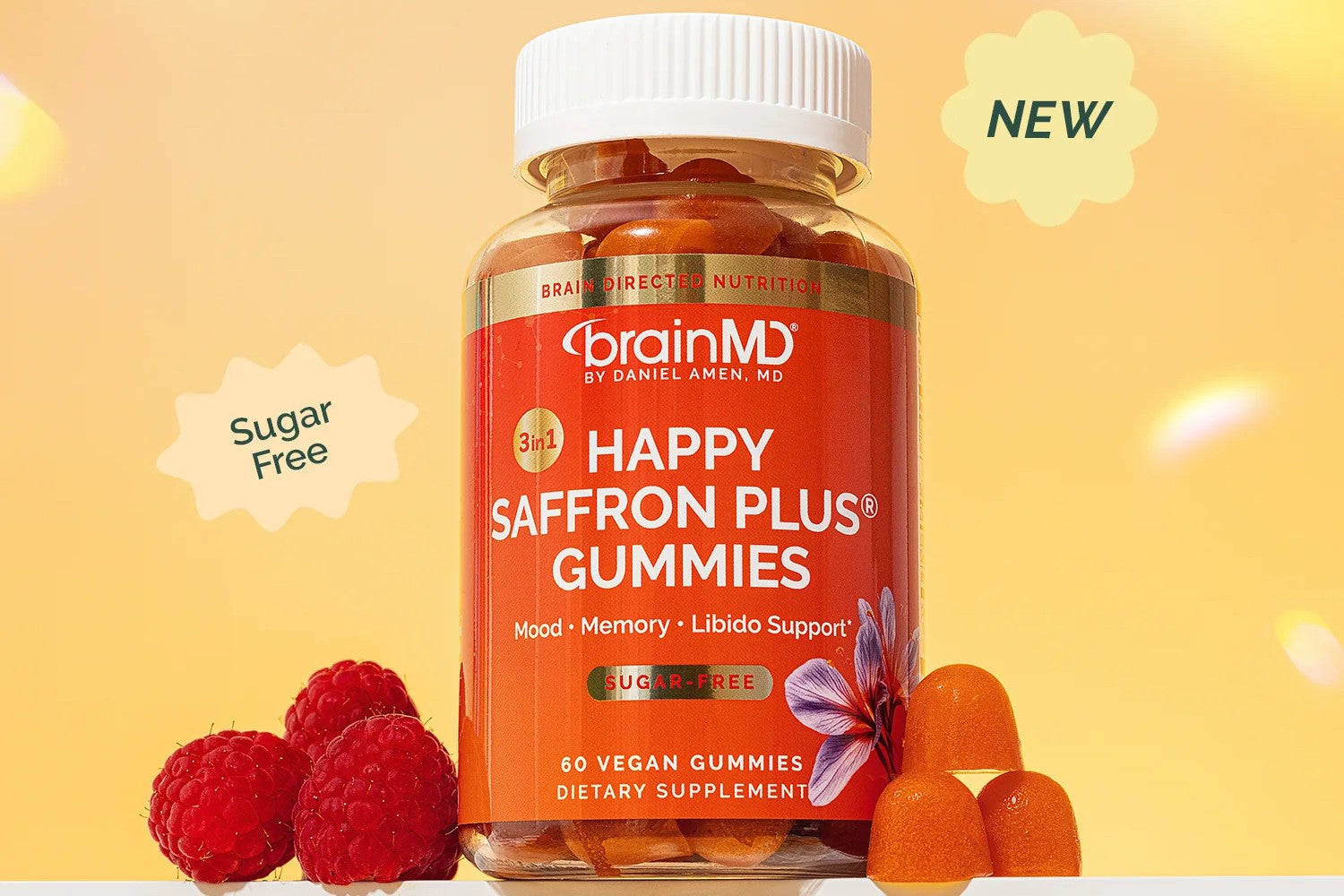
According to the National Institutes of Health (NIH), over 1 in 5 Americans¹ suffer with mental health issues each year, and an estimated 78 million will be afflicted at some point in their lives. Left untreated, mood issues can have serious personal, relational, occupational, financial, and social consequences. The Problem with Mood Problems In the past, some people associated mood problems with a weak will, a character flaw, or heredity. Recent brain research has revealed that these challenges are, in large part, the result of chemical changes in the brain. Depressive thoughts are associated with low activity of certain neurotransmitters in the brain, especially serotonin, norepinephrine, and dopamine, as well as less than optimal levels of nutrients such as folate, vitamin B12, vitamin D, and omega-3 fatty acids. When people with persistent anxious or depressive thoughts seek help (typically from a primary care physician or therapist), most receive medication as the only intervention. However, these medications often have significant side effects, especially in the areas of sexual dysfunction, weight gain, and relapse. Natural Mood Support Cultures around the world have cherished saffron for centuries and have cultivated it for a variety of purposes. Saffron has been used as a culinary spice, digestive aid, aphrodisiac, and mood-booster. It's the only spice able to give color, flavor, and aroma to foods. Derived from the female reproductive parts (stigma) of the flower of Crocus sativus, saffron is produced today just as it has been since ancient times…by hand. The stigmas must be carefully handpicked and dried since machines can’t perform this delicate work. It’s staggering to consider that it takes 4,500 Crocus sativus flowers just to produce one ounce of saffron spice. This labor-intensive extraction process has made saffron the most expensive spice in the world. Saffron = Mood Boost Saffron has been extensively researched in double-blind clinical trials, especially for mood. Several meta-analyses (sophisticated statistical analyses of pooled data from as many as 12 trials) found saffron to be highly effective for mood. Saffron is a valuable addition to comprehensive personalized regimens for mood improvement. Just how saffron works to have this highly impressive mood effect isn't clear at this time. What is clear is that saffron has considerable antioxidant power, due to a uniquely diversified content of carotenoids known as crocins, along with picrocrocin, safranal and well over 100 other plant chemicals with potential health benefits. Some of these work within cell membranes, which are fundamental to the body's ability to make and use energy, and to the brain's trillions of synapses that functionally connect the nerve cells. In addition to its well-established mood benefits, there are other, lesser-known, aspects of saffron that can help support a healthy lifestyle… 3 Unexpected Benefits of Saffron That Can Improve Your Health 1. Supports Learning and Memory Five clinical trials conducted to date suggest saffron has a beneficial impact on cognitive function.² As with mood, the current clinical evidence suggests saffron could be a useful addition to a personalized regimen to improve memory and perhaps also learning, concentration, and other higher brain functions that can deteriorate with advancing age. 2. Helps Suppress Cravings A patented saffron extract called Satiereal® was found to reduce food cravings and other inappropriate food habits in a clinical trial. It reduced feelings of hunger and lowered the frequency of snacking by supporting appetite moderation and healthy weight management. 3. Promotes Healthy Libido Another benefit of saffron observed in its clinical trials for mood, is that it improved sex drive in men and women who experienced difficulties while on a mood medication regimen. Saffron + Curcumin Research has demonstrated that curcumin, the complex of 3 naturally occurring active chemicals in the turmeric root, is a potent and safe ingredient for people with mood and memory challenges. A study published in the Journal of Affective Disorders looked at the efficacy of both curcumin and saffron³ in treating major mood issues. In this randomized, double-blind, placebo-controlled study of 123 individuals with major mood disorder, it was shown that doses of curcumin and combined curcumin/saffron were effective in reducing anxious and depressive thoughts. If you struggle with maintaining a positive mood or just want to have more happiness in your life, try BrainMD’s mood-boosting saffron supplement... Happy Saffron Plus® The breakthrough formula in Happy Saffron Plus® was scientifically designed to promote a positive mood. It brings together nutraceutical preparations of the two most traditionally revered “happiness herbals” – saffron flower extract and curcumin from the turmeric root – with zinc, a mineral essential for life and vital for positive mood. Why You Need It In the U.S., at least 1 in 5 people endure serious mood problems, and at least 1 in 4 experience significant feelings of anxiousness. Happy Saffron Plus® was developed from clinical research with three nutraceuticals for brightening mood, coping with anxious feelings, and enhancing focus while under mental strain. Benefits Of Happy Saffron Plus® Based on clinical and scientific research, this powerful 3-in-1 formula helps support: Positive mood & emotional well-being Memory & cognitive performance Healthy stress response Relaxation & sleep quality Sexual health What’s In Happy Saffron Plus®? Here’s a closer look at the three high-quality ingredients behind the formula. affron® Standardized Saffron Extract This is a highly concentrated and standardized nutraceutical extract of saffron, a spice that has been used in the Middle East for at least 2600 years. Modern clinical research with this specific ingredient fully supports the traditional reverence for saffron's mood-elevating effects. In clinical trials at a dose of just 28 mg per day, this extract has performed extremely well for improving mood and anxiousness in both adults and adolescents. In a recent trial it was also found to improve quality of sleep in adults with sleep complaints. Longvida® Optimized Curcumin Extract The turmeric root has paralleled saffron as an herbal greatly revered for its wide range of benefits, for at least 2600 years. However, consuming turmeric root doesn't get much curcumin into the bloodstream, and nutraceutical technology has now overcome this problem. The Longvida® curcumin preparation, developed at the University of California, Los Angeles, features excellent absorption of curcumin and has worked well in clinical trials at 400 mg per day or higher. Besides being found to improve mood in clinical trials, Longvida was recently shown to improve memory as well. Zinc Bisglycinate This mineral is essential for the functioning of at least 300 enzymes essential for our life processes, and about 2,000 different human proteins. People with mood problems typically have low blood levels and supplementing with zinc often enhances mood. In contrast to zinc sulfate can cause digestive discomfort, zinc bisglycinate is very well tolerated. Choose Your Favorite Way To Support Your Mood Whether you prefer capsules or gummies, Happy Saffron Plus® makes it easy to give your brain daily support. Our original Happy Saffron Plus® capsules deliver the complete 3-in-1 formula featuring affron® saffron extract, Longvida® Optimized Curcumin, and zinc bisglycinate to support mood, memory, focus, and emotional wellness. And now, NEW Happy Saffron Plus® Gummies offer the same clinically studied dose of affron® saffron extract in a delicious, sugar-free gummy. Choose the Happy Saffron Plus® formula that fits your routine. At BrainMD, we’re dedicated to providing the highest purity nutrients and standardized herbal ingredients to support your mood, focus, and overall well-being. For more information about Happy Saffron Plus®, Happy Saffron Plus® Gummies and our full list of supplements, please visit us at BrainMD. *These statements have not been evaluated by the FDA. This content is for informational purposes only. It is not meant to substitute for medical or healthcare advice from a physician, nor is it intended to diagnose, treat, cure, or prevent any disease. Consult your healthcare provider before beginning a new health regimen. References: 1. National Institute of Mental Health. (n.d.). Mental illness. National Institute of Mental Health. Retrieved February 28, 2025, from https://www.nimh.nih.gov 2. Akhondzadeh, S., Shafiee Sabet, M., Harirchian, M. H., Togha, M., Cheraghmakani, H., Razeghi, S., Hejazi, S. H., Yousefi, M. H., Alimardani, R., Jamshidi, A., Zare, F., & Moradi, A. (2010). Saffron in the treatment of patients with mild to moderate Alzheimer's disease: A 16-week, randomized and placebo-controlled trial. Journal of Clinical Pharmacy and Therapeutics, 35(5), 581–588. https://doi.org/10.1111/j.1365-2710.2009.01133.x 3. Lopresti, A. L., & Drummond, P. D. (2017). Efficacy of curcumin, and a saffron/curcumin combination for the treatment of major depression: A randomised, double-blind, placebo-controlled study. Journal of Affective Disorders, 207, 188–196. https://doi.org/10.1016/j.jad.2016.09.047
Learn more
Here Are Some of the Best Tips for How to Overcome the Winter Blues
Like it or not, winter is here. For some people, this season is filled with enjoyable things, like: crisper air, snowy vistas and winter sports. But for others, the colder months represent a downturn in mood and energy that leaves them feeling sad, lethargic, and fatigued. Some refer to this as the "winter blues." There are several reasons why a change in seasons can negatively affect a person’s thoughts and feelings.¹ Due to colder temperatures and inclement weather, the tendency for many people is to stay inside where it’s warm and hunker down for the winter. Spending more time indoors can create physiological changes in the brain, which can have a significant impact on attitude and outlook. Also, getting insufficient sunlight can trigger the winter blues. Signs of Winter Blues Many people deal with low mood during the winter months. Whether initiated by the demands of work, relationship challenges, or excessive stress, negative thoughts can come on without warning. Low mood can contribute to adverse physical consequences and also can lead to possible mental health concerns. The signs of winter blues may include: Negative or guilty thoughts Mental fogginess Purposefully avoiding social interaction Overeating and emotional eating Periods of low appetite Difficulty with concentration and memory Since many people dismiss these issues as just feeling down, they may not get the help they need, which can result in serious mental or emotional difficulties. Nutrient Deficiencies A variety of things can affect your mood, but one reason why a change in seasons can cause negative mood is lack of nutrients: [wc_box color="inverse" text_align="left" margin_top="" margin_bottom="" class=""] Low Serotonin The human brain naturally produces a neurotransmitter called serotonin. Serotonin plays many important roles in the brain’s functioning and is involved in maintaining quality sleep, positive mood, self-confidence, and even healthy appetite and social engagement. The winter months tend to keep people indoors, which can lead to weight gain, low energy, negative mood and a falloff in serotonin brain activity. As the neurotransmitter that plays a vital role in mood, a serotonin activity decrease is often linked with an increase in depressive thoughts and feelings. Fluctuations in Melatonin Changing seasons can affect your mood and sleep. Melatonin may help your body adapt to these changes. When sudden drops in this hormone occur, mood and sleep can get out of sync, causing either increased sleep, low mood or mood swings. Taking melatonin may help promote positive mood and maintain normal sleep cycles. If your normal melatonin production is off, a supplement with melatonin may help you feel more balanced. Vitamin D Deficiency Getting necessary amounts of vitamin D can be particularly challenging during the winter season when there are fewer hours of sunlight and when the sun itself is less intense. However, failure to make or absorb enough vitamin D can lead to health problems and other mental and physical difficulties.² The lower your vitamin D levels, the more likely you’ll be to feel blue rather than happy. Low levels of vitamin D have been associated with higher incidences of stress, anxious thoughts and mood issues. [/wc_box] There are many ways you can naturally improve your outlook and help alleviate the issues that come with low mood. Here are just a few… 6 of the Best Ways to Beat the Winter Blues 1. Stay Connected Social connections are incredibly important to your overall well-being. Since the health habits of the people you spend time with can have a dramatic impact on your own health, surround yourself with people who are happy, upbeat, and kind. Also, for personal growth, you need people in your life who will push, teach, and guide you. Spending time in a community of like-minded people is a wonderful way to boost your bliss hormones, such as oxytocin. Focusing your energy on positive people can affect your everyday life and longevity. 2. Supplemental Light Source Daily exposure to appropriate levels (even just 10 to 30 minutes a day) of direct sunlight can boost vitamin D3 levels which can help improve your mood. If you find it challenging to get enough natural light during the winter, consider buying a light box or vitamin D lamp for your home or work desk. These alternate light sources simulate noontime sunshine without the UV rays that cause skin cancers. Be sure to purchase a light box that’s proven to increase vitamin D levels, features several different settings to prevent eyestrain and is as close to the natural sunlight spectrum as possible. 3. Good Mood Foods Since your brain uses more than 20% of your body’s total energy, it requires high-quality food with specific vitamins and nutrients to use as fuel throughout the day. What you eat can greatly affect your brain’s overall performance. Making healthier choices in your diet will not only help control your waistline, it can also help lift your mood and provide a long-lasting increase in energy and focus. Add a variety of mood-boosting foods to your next grocery list. 4. Take a Trip If getting enough UVA (ultraviolet A) rays from the sun proves difficult during the winter months, especially for those who live in the northern half of the U.S., consider saving up some money during the summer for a vacation to a sunny destination (the Caribbean, for instance) during the winter. This will make enduring the cold, dark months more bearable, and boost your vitamin D levels. 5. Pamper Yourself If you typically feel down or get stressed out during the winter months, look for ways to pamper yourself. Getting a massage can do more than just improve your physical function. Clinical studies indicate that a massage is beneficial for improving mood³ and coping with stress. Massages can help to reduce the stress hormone cortisol and increase the activity of such neurotransmitters as dopamine and serotonin. 6. Get Dietary Supplement Support Whether you find yourself having negative thoughts, or if you feel that your stress levels have nearly reached the breaking point, BrainMD offers a range of powerful supplements for mood and stress that can help turn your day around.* These brain-directed supplements have been formulated with the highest quality ingredients that can help you feel calm, content, and able to manage stress or mental strain.* Adopting these healthy habits can help improve your mood during the winter months. At BrainMD, we’re dedicated to providing the highest quality supplements to improve your physical health and overall well-being. For more information about our full list of brain healthy supplements, please visit us at BrainMD. *These statements have not been evaluated by the FDA. This content is for informational purposes only. It is not meant to substitute for medical or healthcare advice from a physician, nor is it intended to diagnose, treat, cure, or prevent any disease. Consult your healthcare provider before beginning a new health regimen. References: 1. National Institute of Mental Health. (n.d.). Seasonal affective disorder. National Institutes of Health. https://www.nimh.nih.gov/health/topics/seasonal-affective-disorder 2. Silva, M. R. M., Barros, W. M. A., da Silva, M. L., da Silva, J. M. L., Souza, A. P. S., da Silva, A. B. J., Fernandes, M. S. S., de Souza, S. L., & Souza, V. O. N. (2021). Relationship between vitamin D deficiency and psychophysiological variables: A systematic review of the literature. Clinics (Sao Paulo), 76, e3155. https://doi.org/10.6061/clinics/2021/e3155 3. Sharpe, P. A., Williams, H. G., Granner, M. L., & Hussey, J. R. (2007). A randomised study of the effects of massage therapy compared to guided relaxation on well-being and stress perception among older adults. Complementary Therapies in Medicine, 15(3), 157-163. https://doi.org/10.1016/j.ctim.2007.01.004
Learn more
How to Have Better Balance in Your Life
To be your best, you need your brain to be its best. When your brain works right, you tend to be effective, thoughtful, creative and energetic. But when your brain function is out of balance, you may have problems with mood, stress, impulsivity, anger, inflexibility, memory, work performance, and your relationships. It’s estimated that your brain has 86 billion nerve cells,¹ with each one connected to other cells by up to ten thousand individual connections. They communicate using electrical signals and messenger chemicals called neurotransmitters. Neurotransmitter Essentials Neurotransmitters (or just transmitters) are substances selectively produced and released by individual nerve cells to pass across the trillions of junctions between the cells (synapses) and coordinate clear communications both within your brain, and between your brain and the rest of your body. These back-and-forth transmissions influence practically every cell, tissue, and biological decision in your body. As transmitters are released by the nerve cells, they quickly travel across the synapse and impact receptors, proteins built into the receiving cell. These tiny antennas, and the transmitters to which they respond, make up a transmitter system. Proper neurotransmitter balance via the harmonious coordination of their systems is essential for living a brain healthy life. The better your transmitters work with each other, the closer you are to having optimal mental function. Transmitters such as serotonin‚ dopamine‚ and GABA play key roles in healthy brain functioning‚ which is essential to healthy behaviors and decision-making. More important than the activity of any one transmitter system is the overall balance between all the systems in the brain. When your brain transmitters are balanced, you may think more clearly, feel happier, and experience greater well-being. But when your transmitters are out of balance, you may experience difficulties in every area of your life. If you feel overly stressed or out of whack, the good news is that you can change how your brain functions. Try these 6 tips for achieving better balance in your brain and life… 6 of the Best Ways to Stay Balanced in Life 1. Prioritize Your Goals If working on all your goals at once becomes overwhelming, set up a hierarchy. Select a few things you absolutely must accomplish, several things you want to complete and many things that would be nice to finish in the future. Not only will this organizational structure allow you to focus on the essentials, it will also help to reduce the debilitating pressure of trying to juggle so many objectives at one time. 2. Soothing Tunes It’s no surprise that listening to music can increase pleasurable feelings, improve mood, boost energy, raise your brain’s dopamine activity and help with focus and concentration. Remaining in a relaxed state of mind is easier to accomplish when you have a happy tune running through your head. Listen to brain-enhancing music specifically composed to enhance mood, gratitude, motivation, and inspiration. 3. Happy Place As a coping mechanism, many people retreat to a “happy place.” Choose a haven, a place where you feel comfortable and that you can imagine with all your senses. If it’s the beach, visualize the ocean, feel the sand between your toes and the warm sun on your skin. Your haven can be any real or imaginary place where you’d like to spend time. Spend at least 10 minutes a day on this relaxing, life-changing exercise. You should feel calmer in a short period of time. 4. Brain-healthy Smoothie Unlike a caffeinated, sugar-laden breakfast on the run, choosing a healthy protein smoothie can help stabilize your blood sugar and prevent energy crashes. Getting a healthy serving of protein provides the brain with the nutrition you need to do your best thinking. Not only can protein smoothies provide high value nutrition, they also hydrate your brain and body too. Our bodies dehydrate during the night, so re-hydrating the brain first thing in the morning is a great way to get your mental function flowing and attain better balance throughout the day. 5. Deep Breathing Deep breathing is an effective relaxation technique that can be done anywhere, anytime. Whenever you feel angry, moody or stressed, take a deep breath, hold it for one or two seconds, then slowly exhale for about five seconds. Do this about 10 times and you’ll start to feel more relaxed. It’s much easier to achieve a balanced mood when you slow down and become more efficient with your breathing. 6. Get Nutritional Support If you have excessive stress or anxious/negative thoughts, help has arrived. BrainMD provides potent, high-purity nutrients to support the brain’s neurotransmitter systems. These brain-directed supplements have been formulated with the most clinically researched, highest quality ingredients that can help you feel calm, content, and able to manage stress or mental strain. Here are 2 of our top supplements to keep your brain and body balanced… NeuroLink BrainMD’s NeuroLink supports a diverse array of such key transmitters as adrenaline, noradrenaline, dopamine, serotonin, GABA, and glutamate.* NeuroLink provides an exclusive blend of nutrients that can help you maintain a positive mood, keep your focus, and deal with stressful challenges by helping your neurotransmitters stay in balance.* 5-HTP– In the brain, 5-HTP (5-hydroxytryptophan) is readily converted to serotonin to help maintain mental and emotional well-being, reduce anxious feelings, promote calm and relaxation, and enhance the quality of sleep.* GABA – This amino acid, technically gamma-aminobutyric acid, regulates excitability of nerve circuits in the brain and is considered the brain’s main calming neurotransmitter.* Taurine – Taurine, another amino acid, helps stabilize our nerve cell electrical activity and is known to enhance GABA’s calming effects.* Tyrosine – Tyrosine is required for the production of the neurotransmitters dopamine, adrenaline and noradrenaline. Having sufficient tyrosine in the brain promotes mental clarity in dealing with stress.* NeuroLink helps relieve stress, improve mood and provide better balance, so you can feel brighter again.* Serotonin Mood Support Our brain produces the naturally soothing neurotransmitter called serotonin. Serotonin plays many important roles in the brain’s biochemistry and is involved in maintaining healthy mood and promoting feelings of calmness. Serotonin Mood Support was developed to promote serotonin activity in the brain.* This formula includes: Vitamin B6 – This vitamin is fundamental to healthy brain function.* Vitamin B6 is also an essential cofactor for enzymes that make serotonin and other key transmitters.* Methylfolate – Methylfolate is pre-activated and is the body’s most readily utilized form of the folate vitamin.* It is better utilized than folic acid, which is a manufactured substance not found in nature.* Methylfolate is paired in this formula with methyl-vitamin B12 to help ensure the brain has sufficient methyl to make melatonin (our sleep hormone) and has the biochemical tools for renewing and maintaining its nearly 200 billion cells.* Saffron – The world’s most expensive herb, saffron has a long history of traditional use for inducing happiness.* Saffron has consistently improved mood,² stress, and other mental functions in many clinical trials.* Lifestyle habits such as consuming smart carbohydrates in moderation and taking a dietary supplement like Serotonin Mood Support can work together to elevate mood and promote calm.* Adopting these brain healthy habits can help to improve your emotional well-being and provide better balance in your life. At BrainMD, we’re dedicated to providing the highest quality supplements to improve your physical health and overall well-being. For more information about NeuroLink, Serotonin Mood Support and our full list of brain healthy supplements, please visit us at BrainMD. *These statements have not been evaluated by the FDA. This content is for informational purposes only. It is not meant to substitute for medical or healthcare advice from a physician, nor is it intended to diagnose, treat, cure, or prevent any disease. Consult your healthcare provider before beginning a new health regimen. References: 1. National Institutes of Health. (2023, October 31). Scientists build largest maps to date of cells in human brain. NIH Research Matters. Retrieved February 7, 2025, from https://www.nih.gov/news-events/nih-research-matters/scientists-build-largest-maps-date-cells-human-brain 2. Jackson, P. A., Forster, J., Khan, J., Pouchieu, C., Dubreuil, S., Gaudout, D., Moras, B., Pourtau, L., Joffre, F., Vaysse, C., Bertrand, K., Abrous, H., Vauzour, D., Brossaud, J., Corcuff, J. B., Capuron, L., & Kennedy, D. O. (2021). Effects of saffron extract supplementation on mood, well-being, and response to a psychosocial stressor in healthy adults: A randomized, double-blind, parallel group, clinical trial. Frontiers in Nutrition, 7, 606124. https://doi.org/10.3389/fnut.2020.606124
Learn more
This Is What You Need to Know About EMDR Therapy!
Are you looking to overcome past traumas and break free from limiting beliefs? One treatment that might help is Eye Movement Desensitization and Reprocessing (EMDR). From possible benefits to potential drawbacks, here’s what you need to know about EMDR therapy and how it might be able to help you. What is EMDR Therapy? EMDR therapy was developed by psychologist Dr. Francine Shapiro in the late 1980s and is a scientifically proven method for treating traumatic events, negative beliefs, difficult emotions, and other distressing psychological experiences. It has gained popularity as an effective treatment for various mental health issues including psychological or emotional trauma, mood issues, and addiction. How Does EMDR Work? EMDR therapy differs from traditional talk therapy in that it doesn’t solely rely on verbal communication between the therapist and client. Instead, it uses bilateral stimulation techniques such as eye movements, hand taps, or auditory tones to stimulate both sides of the brain while an individual recalls traumatic events or distressing memories. This process helps to integrate unresolved emotions and beliefs associated with these memories into more adaptive thoughts. This therapy involves identifying the target memory or distressing experience. Once the traumatic event is identified, the therapist asks the client to recall specific details of this experience while simultaneously triggering bilateral stimulation. The goal of this process is to activate traumatic memories while keeping the body in a state of relaxation through rhythmic movement. This allows clients to safely process repressed emotions and negative self-perceptions related to their past experiences. As therapy continues, clients are encouraged to process new thoughts or insights before moving on to other traumatic memories or issues in subsequent sessions. This repetition can help individuals by reducing the negative thoughts or sensations associated with a traumatic event. Part of what makes EMDR an effective therapy is that it follows an eight-phase protocol… 8 Phases of EMDR Therapy Phase 1: History and Treatment Plan The therapist will review your clinical history and discuss the reasons you’re seeking treatment. Then the therapist will help you identify specific memories to target, and have you rate your level of distress caused by them. From there, a treatment plan will be created. Phase 2: Preparation The therapist will use one of several techniques to help you relax and cope with any emotional reactions that may arise during treatment, and make sure you feel emotionally safe before proceeding. The therapist will also let you know that you can stop the process any time you feel uncomfortable or overwhelmed. Phase 3: Assessment During this portion of therapy, you’ll be directed to identify three things associated with the targeted memory: a visual image related to the memory a negative belief about yourself that the memory triggers your emotional reactions and/or any physical sensations associated with the memory The therapist will also ask you to choose a positive belief about yourself within the context of the distressing memory, even if it isn’t a belief you fully accept at this moment. Phase 4: Desensitization As you hold the image from the memory in mind, the EMDR processing begins. After the therapist has done the hand movements (or one of the other types of brain stimulation), you’ll be given the opportunity to share your thoughts. Then you may either resume processing that memory or begin processing another one. Phase 5: Installation Here you replace the negative belief you had about yourself with a positive affirmation. For example, a victim of assault may change their beliefs from “I am powerless” to “I am in control.” Phase 6: Body Scan During this phase, your therapist will work with you to resolve any remaining physical tension or bodily sensations related to the memory. Phase 7: Closure The therapist will provide you with strategies to help you handle any distressing emotions that may come up between sessions. They also may recommend that you write down those thoughts or emotions in a journal so that you can share them in your next session. Phase 8: Re-evaluation At the end of each session, the therapist will assess your progress and adjust your treatment plan as needed. Advantages of EMDR Therapy One significant advantage of EMDR therapy over traditional talk therapy is the speed at which it can yield results. While traditional therapy may take months or even years to show improvements, studies¹ have shown that EMDR can help provide relief from emotional or psychological trauma after only a few sessions. Also, EMDR therapy has been found highly effective in treating a wide range of mental health issues and is especially useful for individuals who have difficulty articulating their thoughts and feelings. It also can foster a greater sense of empowerment as clients are actively involved in the process. EMDR FAQ [wc_box color="inverse" text_align="left" margin_top="" margin_bottom="" class=""] Who can benefit from EMDR therapy? EMDR therapy may be effective for individuals who have experienced various forms of trauma, including childhood abuse, sexual assault, accidents, and natural disasters. It also can be helpful for those who struggle with phobias, grief, or other emotional distress. Is EMDR therapy evidence-based? Yes. Multiple research studies² have demonstrated its effectiveness in treating trauma-related symptoms. EMDR has been recognized as an evidence-based treatment by organizations such as the American Psychological Association (APA), Department of Veterans Affairs (VA), Department of Defense (DOD), World Health Organization (WHO), and many others. How long does it take to see results from EMDR therapy? The number of sessions needed varies depending on individual circumstances; however, many people report significant relief after just a few sessions. The length of each session may depend on various factors, including the complexity of the traumatic event or any underlying mental health conditions. Is EMDR therapy suitable for everyone? EMDR therapy may not be appropriate for individuals with certain medical or mental health conditions that could interfere with the processing of traumatic memories. These will be assessed by a trained therapist during an initial consultation to determine if EMDR therapy is a suitable treatment option. How can I find an EMDR therapist? It’s essential to find a qualified and experienced EMDR therapist who has completed an accredited training program. You can search for therapists in your area through the official website of the EMDR International Association (EMDRIA). Are there any risks associated with EMDR therapy? As with any form of psychotherapy, there are potential risks involved with EMDR therapy. In some cases, individuals may experience temporary disturbances in thoughts or emotions during or after a session, but these are typically resolved over time or with additional sessions. Is EMDR therapy covered by insurance? Many insurance providers cover EMDR therapy. However, coverage varies by provider and plan, so it’s best to check with your specific insurance company before starting EMDR sessions. Can EMDR therapy be done remotely? Originally, EMDR therapy was only conducted in person, but now there are options for remote treatment through online video conferencing. However, it’s essential to ensure the therapist you choose has received proper training in providing EMDR remotely. [/wc_box] Is EMDR Right for You? EMDR therapy has emerged as a promising treatment option for those struggling with various emotional or mental health concerns. It’s been a successful method for reprocessing negative or traumatic memories and has helped many achieve improved emotional well-being. So, is EMDR right for you? As with any therapy, it’s recommended that you speak with a medical professional before beginning any treatment. At BrainMD, we’re dedicated to providing the highest purity nutrients to improve your physical health and overall well-being. For more information about our full list of brain healthy supplements, please visit us at BrainMD. These statements have not been evaluated by the FDA. This content is for informational purposes only. It is not meant to substitute for medical or healthcare advice from a physician, nor is it intended to diagnose, treat, cure, or prevent any disease. Consult your healthcare provider before beginning a new health regimen. References: 1. Shapiro, F. (2014). The role of eye movement desensitization and reprocessing (EMDR) therapy in medicine: Addressing the psychological and physical symptoms stemming from adverse life experiences. Perm Journal, 18(1), 71–77. https://doi.org/10.7812/TPP/13-098 2. Wilson, G., Farrell, D., Barron, I., Hutchins, J., Whybrow, D., & Kiernan, M. D. (2018). The use of eye-movement desensitization reprocessing (EMDR) therapy in treating post-traumatic stress disorder—a systematic narrative review. Frontiers in Psychology, 9, 923. https://doi.org/10.3389/fpsyg.2018.00923
Learn more
Here Are 6 of the Best Ways to Build Resilience
How do you handle life’s curve balls? When you’ve experienced loss, adversity, trauma, or perhaps an ongoing period of high stress – what did you do to cope? How we handle life’s difficulties indicates our level of resilience. If you lack resilience, you might get overwhelmed by life’s challenges, shut down, and emotionally isolate. You might act out in unhealthy ways such as drinking too much alcohol or using another substance, risk-taking, undereating or overeating. Additionally, you might obsess or dwell on your problems and feel victimized. You might become unable to take action to help yourself. On the other hand, if you have greater resilience, you may adapt to life’s curve balls pretty well. You might draw on your inner reserves or faith as you move through the challenge, practicing a high level of self-care. You might readily rely on the social support you have already developed. You also might ensure you have downtime to be with your grief and feelings, and adopt a positive outlook, knowing your hardship will not last forever. You may even find positive actions to take that boost your self-esteem and well-being. Without resilience, life may be more difficult. With greater resilience, life may be more manageable. Difficulties even may become opportunities for profound personal growth. If you aren’t as resilient as you’d like to be, don’t worry. The good news is that you can develop more of this indispensable quality. Here’s how to build resilience. Defining Resilience Resilience is “the power or ability of a material to return to its original form, position, etc., after being bent, compressed, or stretched.” This definition suggests elasticity or flexibility, which is a great way to think about human resilience. However, human resilience also embodies something greater. Having the capacity to adapt and be flexible in our feelings, behaviors, and thinking when exposed to challenges is definitely a big part of being resilient. But there’s a personal growth or spiritual part of resilience too. A calamity or period of difficulty can alter us in a positive way, making us more able, wiser, and stronger. Resilience is adapting positively in the face of change or adversity. It comes with a load of benefits, too. The cognitive and emotional tools we develop when we adapt to adversity equip us to deal with what we may face in the future. Research¹ shows that resilience is protective against the effects of stress and a number of mental health issues, including persistent low mood and feelings of anxiousness. If you have a mental health condition, being resilient may help to improve your coping abilities. People who develop their resilience tend to enjoy stronger social connections as well. The following tips come from mental health experts and can help you become more resilient. 6 Simple Tips to Help You Build Resilience 1. Practice Excellent Self-Care This is a great place to start, especially if you’re currently dealing with something difficult. Ensure you’re taking excellent care of yourself. Start with the basics: restful sleep regular exercise nutritious meals a relaxation technique or spiritual practice (meditation/yoga, prayer, deep breathing, guided imagery, etc.) get outside in nature enjoy a hobby listen to some music you love watch a good program time to do nothing at all Excellent self-care, of course, also means avoiding negative outlets like numbing pain with alcohol, excess food, or other substances. 2. Develop Social Connections Having social support is one of the most foundational components of resilience.² Cultivate meaningful, positive relationships with friends and loved ones. These social connections can provide you with sustaining love, wisdom, support, guidance, and acceptance during good and difficult times. Don’t overlook connections outside of your inner circle. Join a spiritual group or community or even your neighborhood book club. 3. Look for Growth in Your Experiences Start developing a mindset that gleans the personal growth you’ve gained from life experiences, good and bad. That horrible breakup last summer? Write down a few things you learned from it. Consider how you have dealt with past hardships. What worked? What didn’t? If you’re currently challenged, is there something you’re learning? 4. Stay Positive and Hopeful Try to stay positive and expect good things to happen. Even if you feel awful currently, cultivate an inner knowing that the difficult time will pass. Times of adversity will not last forever. Find enjoyment in small pleasures. Practice acceptance as it will allow you to deal with your current situation with less anxiousness. Accepting circumstances that cannot be changed can help clarify what can be changed. 5. Find a Purpose Having a greater purpose can keep your sights on the horizon rather than focused on your problems. Take actions, no matter how small, that serve your greater purpose each day. It doesn’t have to be complicated. It could be simple like aiming to be of service to others or to be kind to others. Consider volunteering. Whether you help out at a local food pantry or just listen to a friend going through a hard time, it will help give you a sense of purpose. (It will also boost your self-esteem and connect you with others, further boosting your resilience!) 6. Become a Problem-Solver and Goal-Setter Exercise your problem-solving abilities by facing your challenges head-on. Enlist the help of others to help you, if need be. Write your problem down in black and white. Determine what you can do to make it better. Figure out what action you need to take, make a plan, and then do it. The same goes for goal-setting. Develop some well-defined and achievable goals and then take consistent, small steps toward achieving them. Taking steps towards solving a problem or reaching a goal can provide you with a sense of accomplishment – and that can help build resilience. Even small steps can help to improve your circumstances, build confidence, and reduce feelings of anxiousness. Seek Help Using your own resources and embracing these tips may not be enough. Don’t hesitate to reach out to a mental health professional. They may provide the added support you need to become more resilient. At BrainMD, we’re dedicated to providing the highest purity nutrients to improve your physical health and overall well-being. For more information about our full list of brain healthy supplements, please visit us at BrainMD. These statements have not been evaluated by the FDA. This content is for informational purposes only. It is not meant to substitute for medical or healthcare advice from a physician, nor is it intended to diagnose, treat, cure, or prevent any disease. Consult your healthcare provider before beginning a new health regimen. References: Shrivastava, A., & Desousa, A. (2016). Resilience: A psychobiological construct for psychiatric disorders. Indian Journal of Psychiatry, 58(1), 38–43. https://doi.org/10.4103/0019-5545.174365 Ozbay, F., Johnson, D. C., Dimoulas, E., Morgan, C. A., Charney, D., & Southwick, S. (2007). Social support and resilience to stress: From neurobiology to clinical practice. Psychiatry (Edgmont), 4(5), 35–40. https://www.ncbi.nlm.nih.gov/pmc/articles/PMC2921311/
Learn more
Therapy Lamps: One of the Best Ways to Boost Your Energy and Mood
Do you feel like you don’t have enough energy to get through the day? Is it hard to finish things once you’ve started them? Have you lost your zest for life? If you answered yes to any of those questions, you may have low energy. What You Need to Know About Low Energy & Low Mood Low Energy It isn’t uncommon for people to go through cycles where they feel tired or exhausted. But a sustained period of fatigue may be a sign of low energy. Having low energy can cause many imbalances in your life. Low energy is associated with: Apathy Lack of focus Forgetfulness Moodiness Difficulty concentrating Sleep issues Sugar cravings Lower motivation As energy levels are depleted by increased stress and extreme physical exertion, many people look for a quick fix to combat fatigue. Those who are desperate to increase their energy levels may be tempted to try unhealthy methods. Energy boosters to avoid include diet pills, energy drinks, excessive coffee, sugar-filled caffeinated sodas, and smoking. All of these are harmful to the health of your brain and body. Low Mood Though they might not even realize it, many people struggle with low mood. Whether initiated by the demands of work, relationship challenges or excessive stress, anxious or depressive thoughts can come on without warning. Low mood can contribute to adverse physical consequences¹ and can also lead to possible psychological concerns. The signs of low mood may include: Negative or guilty thoughts Mental fogginess Purposefully avoiding social interaction Overeating and emotional eating Periods of low appetite Difficulty with concentration and memory Since many people dismiss these issues as just feeling down, they may not get the help they need, which can result in serious mental or emotional difficulties. Spending more time indoors, due to work or seasonal conditions, can create physiological changes in the brain, which can have a significant impact on attitude and outlook. Also, getting insufficient sunlight can trigger a low mood. Supplemental Light Source If getting enough natural light proves to be a challenge, consider investing in a therapy lamp for your home or work desk. Known for their effectiveness in helping to alleviate low mood, therapy lamps even can help with mood problems that aren’t related to the seasons.² Clinical research shows they also can improve mental focus (especially for those with attention challenges), and sometimes overall energy and well-being as they improve the body’s sleep patterns. If you’re looking for a safe and natural way to boost your energy and mood, BrainMD proudly recommends the Bright Minds Therapy Lamp. Bright Minds Therapy Lamp The Bright Minds Therapy Lamp is ideal for home or office use as a supplemental light source.* There are many potential benefits to using an indoor light-box, including: Boosted energy* Sharpened focus* Enhanced mood* Improved sleep quality* Verified safe and efficient indoor light source* Bright Minds Benefits The Bright Minds Therapy Lamp is a full spectrum LED light that’s sleek and ultra-safe.* It offers up to 10000 LUX brightness and includes 2 light modes: White and Blue. With so many features and potential health benefits coming from such a small, portable device, the Bright Minds Therapy Lamp can help bring more joy and energy to your life.* Note: If you have retinal problems or are hypersensitive to light, consult your physician before using this lamp.* At BrainMD, we’re dedicated to providing high-quality supplements and devices to improve your physical health and overall well-being. For more information about Bright Minds Therapy Lamp and our full list of products, please visit us at BrainMD. *These statements have not been evaluated by the FDA. This content is for informational purposes only. It is not meant to substitute for medical or healthcare advice from a physician, nor is it intended to diagnose, treat, cure, or prevent any disease. Consult your healthcare provider before beginning a new health regimen. References: 1. Trivedi, M. H. (2004). The link between depression and physical symptoms. Primary Care Companion to The Journal of Clinical Psychiatry, 6(suppl 1), 12–16. https://doi.org/10.4088/PCC.v06n0103 2.American Psychiatric Association. (2025, January 6). Bright light therapy: Growing evidence beyond seasonal depression. Psychiatry.org. https://www.psychiatry.org/newsroom/bright-light-therapy-growing-evidence-beyond-seasonal-depression
Learn more
Top 10 Ways to Help a Friend with Depressive Thoughts
In 2019, before the COVID pandemic hit, the Centers for Disease Control and Prevention estimated roughly 18.5 percent of American adults experienced frequent depressive thoughts.¹ A recent survey showed that 23.5 percent of U.S. adult women and 21 percent of adult men self-reported having depressive thoughts. That means most of us know someone – perhaps a friend, colleague, neighbor, or family member – who’s suffering from this brain health issue. It’s useful then for us all to learn how to help someone with low mood. Spotting Low Mood Any of the following signs could indicate depression: Feelings of sadness, tearfulness, emptiness, or hopelessness Anger outbursts, irritability, or frustration Loss of interest or pleasure in most or all normal activities Too little or too much sleep Fatigue and lack of energy Changes in appetite and weight Anxiousness, agitation, or restlessness Slowed thinking, speaking, or body movements Feelings of worthlessness or guilt, fixating on past failures, self-blame Trouble thinking, concentrating, making decisions, and remembering things Frequent or recurrent mention of death or suicidal thoughts Unexplained physical problems, pain It can be alarming to recognize the signs in someone you care about. Follow these tips from mental health professionals about how to help someone who’s feeling low before you take action. 10 Ways to Help A Friend with Depressive Thoughts 1. Communicate Communicate with your friend about their feelings. Be kind, honest, and understanding. Let them know you care about them. Share your concerns and what you’ve observed and ask them about what they’re feeling and how you can be useful. Stay calm. Try to listen without reacting. Earn their confidence by setting judgment aside. Don’t scold them or blame them and be careful not to dismiss their pain. Having low mood might not be their fault. 2. Don’t Try to Fix It Resist the impulse to get into “fix it” mode with your friend or loved one. It isn’t your job to fix them and trying to often makes things worse. Their depressive thoughts may be linked to psychological or physiological issues. It may require a medical evaluation by a qualified professional. However, don’t underestimate your power to make a positive impact by providing loving support as your friend walks through a difficult challenge. 3. Don’t Take It Personally People with low mood can be difficult to be around. They’re often angry, apathetic, and withdrawn. Know that these are indications of their painful state of mind and body. Understanding this can keep you from feeling hurt, angry, or defensive. 4. Listen Giving the gift of your presence and listening with empathy can help your friend more than you know. Find the part in you that identifies with how they’re feeling. It isn’t easy. But this is what promotes real connection and makes someone feel heard. You can even reflect back what you heard to your friend and ask if you understood them correctly. “Tell me more,” is a great way to encourage your friend to open up about their struggles. 5. Get Informed Having low mood can be complicated. Brain health, stress, early losses and trauma, temperament, medical problems, and genetics can all factor into having consistent negative thoughts. Educate yourself. There are numerous books available and many excellent online resources. 6. Be Positive and Hopeful People with low mood usually have a hopeless outlook on life and feel helpless to do anything about it. They also have a lot of negative self-talk. Always be positive in your interactions with your friend. Let them know you believe in their ability to get better. A great way to help a friend is to remind them of their positive qualities and how much they mean to you and others. 7. Encourage Seeing a Medical Professional Low mood is treatable. If your friend hasn’t already consulted a medical professional, encourage them to do so. An accurate diagnosis from a medical professional and a personalized treatment plan can put them on the path to recovery. Of course, if you think your friend is in immediate danger of harming him/herself or others, call 911 or take your friend to the nearest emergency department. 8. Offer Assistance Often, people with low mood have difficulty with some of the basics of day-to-day living. They need support. Determine what you might be able to do and suggest a task you can take on for them. For example, they may need help going to the grocery store, cleaning their home, or paying bills. Hygiene can be difficult for them to maintain as well. Encourage them to shower, to eat something healthy, or to get outside for some fresh air. 9. Stay Connected People with low mood tend to isolate themselves from the rest of the world.² Stay connected. Find activities you can do with your friend and see them regularly. Meet them for a walk, watch a movie or TV show, or cook/bake something with them. Suggest doing an activity or hobby that they previously enjoyed. But if it’s too much, respect their limits. 10. Take Care of Yourself It’s important to step back and take care of yourself. Make sure you have healthy boundaries. Practice good self-care with brain-healthy habits such as exercising, eating right, meditating, getting good sleep, and challenging negative thoughts. Your healthy routine is one of the best things you can do to help your friend! Final Thought Be patient. It may take a while for him/her to feel bright and hopeful again. If you care enough to read this, you’re likely a very supportive friend! At BrainMD, we’re dedicated to providing the highest purity nutrients to improve your physical health and overall well-being. For more information about our full list of brain healthy supplements, please visit us at BrainMD. These statements have not been evaluated by the FDA. This content is for informational purposes only. It is not meant to substitute for medical or healthcare advice from a physician, nor is it intended to diagnose, treat, cure, or prevent any disease. Consult your healthcare provider before beginning a new health regimen. References: 1. Villarroel, M. A., & Terlizzi, E. P. (2020). Symptoms of depression among adults: United States, 2019 (NCHS Data Brief No. 379). National Center for Health Statistics. https://www.cdc.gov/nchs/products/databriefs/db379.htm 2. Luo, M. (2022). Social isolation, loneliness, and depressive symptoms: A twelve-year population study of temporal dynamics. Journal of Gerontology: Series B, Psychological Sciences and Social Sciences, 78(2), 280–290. https://doi.org/10.1093/geronb/gbac174
Learn more
Did You Know That Stress Affects Men and Women Differently?
Did you know that women report being more stressed out than men? According to the American Psychological Association’s Stress in America survey, on a scale of 1 to 10, women rated their stress levels at an average of 5.1, compared to an average rating of 4.6 among men. Researchers are only beginning to understand how stress affects women differently than men. Here’s what we know about stress and women, as well as an easy and effective way to help keep stress in check. About Stress It’s important to acknowledge that some stress in life is good (the kind that allows us to achieve, take on challenges, and strive to meet goals). However, prolonged stress can be destructive to health. Severe stress happens when our healthy “fight or flight” stress response stays activated. Designed to protect us from danger, the stress response comes into play when we detect a threat, whether real or perceived. Our pulse quickens, muscles tense, and stress hormones put us on alert so that we can react quickly to either fight off the threat or flee to safety. After the threat has passed, our body returns to normal functioning. However, when we perceive “threats” all day, as we often do in modern life, the stress response remains active. Over time, it can lead to many health problems. It’s no wonder that 60-80 percent of primary care doctor visits are related to stress!¹ Women and Stress Interestingly, there are differences that women experience related to the stress response. When it’s activated, both genders release a number of the same hormones, however, research shows that women also release oxytocin in greater amounts than men. While it’s not fully understood, experts believe that this might be one reason women are reportedly more sensitive to stress. Additionally, there’s stress inherent in the roles women play in today’s world, which often includes family obligations, caregiving for children and/or elderly parents (statistically more likely to be a woman), and work-related responsibilities. In particular, midlife women are more stress-ridden than men and women of any other age.² Common Stress Symptoms While there are many stress symptoms that both sexes experience (headaches, sleeplessness, irritability, addictive behavior, low mood, etc.), experts have noted certain symptoms that are more pronounced in women, especially in women who are overly stressed. These include: Women were almost twice as likely as men to have symptoms of low mood than men and were more likely to have anxious feelings or related mental health issues. Tension headaches are common in women. Long-term stress can lead to bowel health issues, which are twice as common in women as in men. Stress increases the amount of the hormone cortisol in your body, which can trigger overeating and weight gain. The link between stress and weight gain is greater for women than for men. Women with higher levels of stress are more likely to have problems getting pregnant than women with lower levels of stress. Women who experience extreme stress may have more severe premenstrual syndrome (PMS) symptoms or irregular periods. Women under chronic stress may take longer to get aroused and may have less sex drive than women with lower levels of stress. Women, particularly under work stress, have shown greater incidence of cardiovascular problems. Having high levels of cortisol has been linked to brain shrinkage and memory issues in healthy, middle-aged adults – with more pronounced effects in women than men. The surveys and studies underscore an even greater need for women to find calm and reduce stress to lead healthy lives. Benefits of Stress Support Supplements Getting proper sleep, eating well, exercising regularly, meditating, and cultivating satisfying relationships are all brain-healthy ways to soothe your stress. Yet, when women are busy and stressed, many of those healthy lifestyle habits fall by the wayside. Stress support supplements offer a great way to combat the effects of stress. We’re proud to offer… Everyday Stress Relief Everyday Stress Relief is designed to help replenish nutrients that can be depleted by stress.* It includes herbal extracts clinically proven to have calming and anti-stress effects, which can dial down anxious feelings without making you sleepy, and help reduce apprehension, tension, worry, and fatigue.* The formula’s Holy Basil, an herb revered both in Europe and the East, helps to improve adaptation to occasional anxiety and other problems related to stress, while Relora®, a unique mix of two herbs, helps enhance the healthy management of cortisol and ease tension, irritability, and confusion.* Other ingredients include magnesium, which is a well-known calming mineral that promotes a balanced and mentally focused demeanor, as well as a phytochemical derived from green tea, l-theanine, to help reduce tension.* Finally, the amino acid taurine is added to support the adrenal gland function, which is crucial for coping with stress.* Don’t Stress Be careful not to get stressed about reducing your stress! Instead, let this information inspire you to prioritize your life and keep stress in check. Taking a stress support supplement offers a simple and easy way to get started.* At BrainMD, we’re dedicated to providing the highest purity nutrients to improve your physical health and overall well-being. For more information about our full list of brain healthy supplements, please visit us at BrainMD. *These statements have not been evaluated by the FDA. This content is for informational purposes only. It is not meant to substitute for medical or healthcare advice from a physician, nor is it intended to diagnose, treat, cure, or prevent any disease. Consult your healthcare provider before beginning a new health regimen. References: 1. Nerurkar, A., Bitton, A., Davis, R. B., Phillips, R. S., & Yeh, G. (2013). When physicians counsel about stress: Results of a national study. JAMA Internal Medicine, 173(1), 76–77. https://doi.org/10.1001/2013.jamainternmed.480 2. Sievert, L. L., Jaff, N., & Woods, N. F. (2018). Stress and midlife women’s health. Women's Midlife Health, 4(1), 4. https://doi.org/10.1186/s40695-018-0034-1
Learn more
Vitamin D: Why We Need "Sun Vitamins" All Year Round
During the winter months, when we spend more time indoors and the Northern Hemisphere is farther away from the sun with fewer hours of daylight, our body’s natural way of synthesizing vitamin D from sun exposure is highly compromised, which can lead to suboptimal vitamin D levels. Of course, it’s especially vital to ensure your body has plenty of this sun vitamin for immune function at this time of year when colds, flus, and other viruses abound. Indeed, vitamin D, which is considered a hormone, plays a critical role in immune response, calcium absorption and bone health, colon health, muscle movement, healthy nerve messaging, and many other functions throughout your body. Perhaps that’s why nearly every cell in your body has the vitamin D receptor. What’s more, observational studies have shown an increased risk of a number of health issues that are associated with low levels of vitamin D – including low mood, mental health issues, poor cognitive function, being overweight, heart health problems, blood sugar issues, and even increased mortality, to name a few. However, on a brighter note, research suggests that a number of these risks can be mitigated with vitamin D supplementation. When you can’t support your body’s ability to make vitamin D with adequate sunlight, vitamin D must come from the diet or through supplementation. Since dietary sources of vitamin D are limited (mostly found in fatty fish, mushrooms, or fortified cereals milk or juice), the supplementation is your best option. Here’s what you need to know about the health benefits of vitamin D supplementation. Sun Vitamins: What Are the Benefits of Vitamin D for Your Health? As mentioned above, your body is built to synthesize vitamin D. When your skin is exposed to the sun’s ultraviolet B (UVB) rays, it interacts with a protein in your skin, converting it into vitamin D3, the active form of vitamin D. Many experts recommend spending 10-15 minutes exposing your face, arms, and legs without sunscreen to the sun two to three times a week. Keep in mind that fair skin more readily synthesizes vitamin D than darker skin, so darker skin may need slightly more sun exposure. Also, you don’t get the needed UVB light exposure through windows or in tanning beds. Since sun exposure increases your risk of developing skin cancers, be sure to wear sunscreen or cover up immediately after getting the necessary exposure for vitamin D synthesis. If you choose to forgo sun exposure, you can get vitamin D from your diet and through supplementation. While most people get enough sun exposure in the summer, interestingly, the 37th Parallel appears to be the demarcation line for inadequate levels of sun exposure in the winter months for optimal vitamin D synthesis. Living north of this Parallel increases your risk of vitamin D deficiency. (The 37th extends roughly from Santa Cruz, California, to the bottom of Utah and Colorado, to Hampton, Virginia). Vitamin D Deficiency and Testing Lack of sun exposure isn’t the only reason many people fail to get enough vitamin D. Surprisingly, breastmilk alone doesn’t provide adequate amounts of vitamin D for infants – supplementation or diet fortification is necessary. Elderly folks tend to be deficient in vitamin D as the body is less effective at both synthesizing and absorbing vitamin D as it ages. Certain health issues can make vitamin D absorption difficult, such as digestive health problems. And since most people don’t consume enough fatty fish or vitamin-D fortified foods, that can cause deficiency too. Research¹ from the National Institutes of Health indicates that roughly 41% of Americans have insufficient levels of vitamin D. The best and most accurate way to determine your vitamin D levels is to request a simple blood test. Vitamin D levels are often measured as part of a typical blood test. Just ask your doctor for a 25-hydroxyvitamin D (25 OH D) test. Vitamin D levels are measured in nanograms per milliliter (ng/mL). The latest National Institutes of Health update² on vitamin D sufficiency from September, 2022, states that vitamin D is, “required to maintain serum calcium concentration within the normal physiologic range for musculoskeletal health” and sites deficient and optimal (preferred) levels from The Endocrine Society, the National and International Osteoporosis Foundation, and the American Geriatric Society as <30 ng/mL and 40 to 60 ng/mL, respectively. Taking these recommendations and others, here is a general guideline about what a test reading means: Deficient: <30 ng/mL Normal: 30-100 ng/mL Low-Normal: 30-50 ng/mL Optimal: 50-100 ng/mL Vitamin D deficiency may have many health implications. In cases of severe vitamin D deficiency (levels are typically <20 ng/mL), research indicates a much greater risk of bone density loss, serious bone health issues, and fractures. In children, it can lead to serious bone health issues that cause bones to become soft and bend. How to Supplement with Vitamin D There are two forms of vitamin D supplements: D2 (ergocalciferol) and D3 (cholecalciferol). Although both forms may increase vitamin D in your blood, research shows that D3 is likely better absorbed and may raise it higher and for longer than D2. Hence, most experts recommend choosing vitamin D3. The Endocrine Society recommends an intake of 400 to 1,000 International Units (IU) daily for infants under one year, 600 to 1,000 IU for children and adolescents from 1 to 18 years, and 1,500 to 2,000 IU for adults. The National Institute of Medicine has set vitamin D’s upper limit for daily intake at 4,000 IU. However, many experts suggest 2,000-5,000 IU of vitamin D3 per day for optimal health. Talk to your medical doctor to determine what is right for you. Vitamin D is fat-soluble and should be taken with a meal or snack that includes some fat as it can increase absorption by roughly 30-50%. Some research indicates it’s best to take vitamin D in the morning as it can interfere with sleep by suppressing melatonin levels if taken late in the day or at night. Of course, consistent supplementation yields the best results. Make vitamin D supplementation part of your daily routine! At BrainMD, we’re dedicated to providing the highest purity nutrients to improve your physical health and overall well-being. For more information about our full list of brain healthy supplements, please visit us at BrainMD. These statements have not been evaluated by the FDA. This content is for informational purposes only. It is not meant to substitute for medical or healthcare advice from a physician, nor is it intended to diagnose, treat, cure, or prevent any disease. Consult your healthcare provider before beginning a new health regimen. References: Liu, X., Baylin, A., & Levy, P. D. (2018). Vitamin D deficiency and insufficiency among US adults: Prevalence, predictors and clinical implications. British Journal of Nutrition, 119(8), 928–936. https://doi.org/10.1017/S0007114518000491 Chauhan, K., Shahrokhi, M., & Huecker, M. R. (2023). Vitamin D. In StatPearls. StatPearls Publishing. https://www.ncbi.nlm.nih.gov/books/NBK441912/
Learn more
This Is What Stress Can Do To Your Body
Merriam-Webster Dictionary defines stress as “a physical, chemical, or emotional factor that causes bodily or mental tension and may be a factor in disease causation.” The “tension” caused by stress can serve a purpose. At times, our body needs a certain amount of tension to help us meet goals, solve problems, adapt to challenges, and help us to be resilient. A healthy stress response can also protect us from danger, and in some instances, be life-saving! However, as the definition suggests, stress “may be a factor in disease causation.” In fact, research cited by the American Institute of Stress estimates 60-80% of all primary care doctor visits are for stress-related causes.¹ So why is stress causing so many problems? Let’s look at what stress does to your body. Short-Term Effects of Stress Your body has a built-in fight or flight stress response that’s truly remarkable. Imagine a scenario where you encounter a threat. Almost instantaneously, your hypothalamus at the base of your brain sends an alert signal out to your body. A combination of neural and hormonal signals direct your adrenal glands to release a surge of hormones, which includes adrenaline and cortisol. The adrenaline increases your heart rate and blood pressure and provides you with a boost of energy. In a flash, you react. Cortisol, your body’s primary stress hormone, then immediately releases glucose into your bloodstream, and boosts your brain’s use of glucose and signal substances to be on the ready for tissue repair. Then it shifts your body to survival mode, reducing nonessential functions – altering immune responses while slowing the digestive and reproductive systems and growth processes. Next, your body’s natural alarm response communicates with the area of your mind that manages mood, motivation, and fear. Your singular focus becomes survival and safety. Once the threat has passed, hormone levels subside and your body responds by normalizing heart rate and blood pressure. Soon, the body resumes regular functioning. Long-Term Effects of Stress Unfortunately, modern living is chock-full of stressors, and many over-doers don’t take much-needed downtime to rejuvenate. When you deal with multiple stressors every day, you may experience extreme stress. When this occurs, your stress response system never turns off and your body becomes overexposed to cortisol and other stress hormones. This can impact most of your body’s processes and cause a host of problems over time. Prolonged stress can lead to: Anxious feelings Low mood Compromised memory and concentration Sleeplessness Greater risk of heart and blood pressure issues Fertility problems Weakened immune system Digestive issues Weight gain/loss Headache/Stomachache Learning to keep stress levels in check is an essential part of healthy living. While the term “stress reduction” may not be glamorous, the good news is many activities that reduce stress are enjoyable, and can even enhance your quality of life. Here are several research-backed, stress-reducing ideas to get you started: 8 Ways to Manage Stress So You Can Enjoy Your Life 1. Build a Healthy Support Network We all need encouraging and trustworthy people we can rely on during difficult times. Having just a few good friends and confidants can make a world of difference. 2. Spend Time in Nature Visiting natural environments can be beneficial in reducing both physical and psychological stress levels. Start with a simple walk in the park or stroll along the beach. 3. Practice Yoga Don’t worry, you need not be overly bendy. There are plenty of yoga classes available in most communities for all ages and skill levels. 4. Get Regular Massages Depending on your budget, treat yourself to a 20-minute chair massage or a full-body massage. 5. Meditate Not all meditation is difficult. There are many options out there. Try one that works for you and do it on a consistent basis. 6. Deep Breathing A simple exercise to reduce stress is to breathe in for 8 seconds; hold it for 8 seconds; breathe out for 8 seconds, and then hold it for 8 seconds. Repeat 4 times. Try it. You should feel the difference right away. 7. Regular Physical Exercise The stress-reducing effects of exercise are well-documented.² Pick up a new sport, dance, go for a run, walk, or bike ride. Whatever activity you enjoy, do it regularly. 8. Learn to Laugh Laughter can help relieve stress, especially in difficult situations. Humor can lighten the mood and make things feel a little less tense. Since having a good laugh may give you a much-needed mood boost, go out and have fun with a group of friends or watch a comedy movie or TV show. Give Stress a Rest It’s important to make sure your stress-reducing activities don’t cause you more stress. Pick one, or more, of the above stress-less habits and start experiencing the calm they can bring today! At BrainMD, we’re dedicated to providing the highest purity nutrients to improve your physical health and overall well-being. For more information about our full list of brain healthy supplements, please visit us at BrainMD. These statements have not been evaluated by the FDA. This content is for informational purposes only. It is not meant to substitute for medical or healthcare advice from a physician, nor is it intended to diagnose, treat, cure, or prevent any disease. Consult your healthcare provider before beginning a new health regimen. References: Nerurkar, A., Bitton, A., Davis, R. B., Phillips, R. S., & Yeh, G. (2013). When physicians counsel about stress: Results of a national study. JAMA Internal Medicine, 173(1), 76–77. https://doi.org/10.1001/2013.jamainternmed.480 Childs, E., & de Wit, H. (2014). Regular exercise is associated with emotional resilience to acute stress in healthy adults. Frontiers in Physiology, 5, 161. https://doi.org/10.3389/fphys.2014.00161
Learn more
These Are the Best Benefits of Dark Chocolate for Your Brain
"All you need is love. But a little chocolate now and then doesn’t hurt.” – Charles M. Schulz Chocolate lovers rejoice! Studies have shown that dark chocolate is actually good for your brain. Healthy Chocolate? Turns out chocolate, in its natural form, isn’t bad for you. In fact, there are many health benefits to chocolate. For instance, chocolate has been shown to increase blood flow to the brain.¹ Also, dark chocolate contains health-promoting properties that support a positive mood, the ability to think clearly, and a healthy cardiovascular system. 7 Ways Dark Chocolate Can Boost the Brain and Body Benefits of Dark Chocolate Include: 1. Loaded with flavonoids² and other polyphenols, which offer numerous benefits 2. High in fiber 3. A substantial source of B vitamins 4. Filled with a variety of antioxidants 5. Rich in essential minerals including calcium, magnesium, iron, and potassium 6. Beneficial for circulation in the body 7. A good source of N-acylethanolamines, which can stimulate the brain’s built-in cannabinoid receptors to help reduce negative thoughts and feelings Perhaps you were already familiar with some of the benefits of dark chocolate. Now let’s see how much you know about the origins of chocolate and what makes it so special… Fun Facts About Chocolate Chocolate is made from beans in the fruit of the tropical Theobroma cacao The earliest use of chocolate dates back to ancient American civilizations. For centuries, dark chocolate has been honored for its healing and medicinal qualities. Aztecs and Mayans drank a form of chocolate made from natural cacao beans. They believed it provided strength and energy. When Europeans first brought cacao home from the Americas, they used it as an all-purpose tonic to treat dozens of health conditions including sleeplessness. They referred to chocolate as “the food of the gods.” Chocolate contains a wide variety of brain-active substances, including phenylethylamine or PEA, a psycho-active compound that may alert your brain that something fun is about to happen. It acts as a stimulant that makes you feel really good when you eat it, probably by increasing brain dopamine activity. Chocolate also increases serotonin³ (the “don’t worry, be happy” neurotransmitter) activity in your brain. Sadly, not all the facts about chocolate are positive. The Dark Side of Chocolate Most commercial chocolate bars are processed, loaded with artificial chemicals and filled with unhealthy ingredients like sugar, dairy, and synthetic flavors. These ingredients virtually cancel out chocolate’s powerful health benefits. So, while native chocolate (cacao) itself is healthy for you, all the added ingredients are not. Answering the demand for healthy chocolate, BrainMD is happy to offer Brain in Love Chocolate Bars. Brain In Love Chocolate Bars Did you know as you savor a piece of dark chocolate, your brain responds as if you are falling in LOVE? Chocolate contains hundreds of blissful, health-promoting properties that support a positive mood and the ability to think clearly.* Now you can enjoy guilt-free, brain-healthy chocolate with BrainMD's Brain in Love Chocolate Bars!* What's in Brain in Love Chocolate Bars? 60% Dark – 100% Decadent Free of Sugar, Cholesterol, and Gluten + it's Vegan and Non-GMO Low Glycemic and Diabetic Safe Natural Allulose Sweetener Organic Ingredients: Cacao, Sunflower Lecithin, and Vanilla Powder 90 Calories Per Serving 2 Grams of Dietary Fiber Per Serving Who Can Benefit from Brain in Love Chocolate Bars? Brain in Love Chocolate is for individuals seeking a guilt-free indulgence that supports brain health.* This sugar-free snack may appeal to health-conscious consumers, chocolate lovers, and those looking for a treat that aligns with their wellness goals. It’s perfect for those who enjoy dark chocolate and want a daily dose of antioxidants and flavanols to promote a healthy brain.* What Others Are Saying How Sweet It Is! “To get great brain nutrients in such a delicious treat! Pure heaven!” -Brenda Delicious, Very Satisfying! “I love this product. It is just the right size. At the end of my often very long hard days, it hits the spot for brain satisfaction.” -Linda Dark chocolate is loaded with antioxidants and can help improve blood flow to the brain, which is crucial for boosting focus, memory, and overall brain function." -Daniel G. Amen, MD Brain Healthy Dark Chocolate Promoting focus, memory, and overall brain health, Brain in Love Chocolate Bars are the perfect guilt-free treat.* They're rich in decadence and made with love. Try Brain in Love Chocolate Bars today! At BrainMD, we’re dedicated to providing the highest quality supplements to improve your physical health and overall well-being. For more information about Brain in Love Chocolate Bars and our full list of brain healthy supplements, please visit us at BrainMD. *These statements have not been evaluated by the FDA. This content is for informational purposes only. It is not meant to substitute for medical or healthcare advice from a physician, nor is it intended to diagnose, treat, cure, or prevent any disease. Consult your healthcare provider before beginning a new health regimen. References: 1. Nehlig, A. (2013). The neuroprotective effects of cocoa flavanol and its influence on cognitive performance. British Journal of Clinical Pharmacology, 75(3), 716–727. https://doi.org/10.1111/j.1365-2125.2012.04378.x 2. Francis, S. T., Head, K., Morris, P. G., & Macdonald, I. A. (2006). The effect of flavanol-rich cocoa on the fMRI response to a cognitive task in healthy young people. Journal of Cardiovascular Pharmacology, 47(Suppl 2), S215–S220. https://doi.org/10.1097/00005344-200606001-00018 3. Garbarino, S., Garbarino, E., & Lanteri, P. (2022). Cyrcadian rhythm, mood, and temporal patterns of eating chocolate: A scoping review of physiology, findings, and future directions. Nutrients, 14(15), 3113. https://doi.org/10.3390/nu14153113
Learn more