 Skip to content


Wellness Blog



Top 4 L-Theanine Supplements for Anxious Days & Sleepless Nights
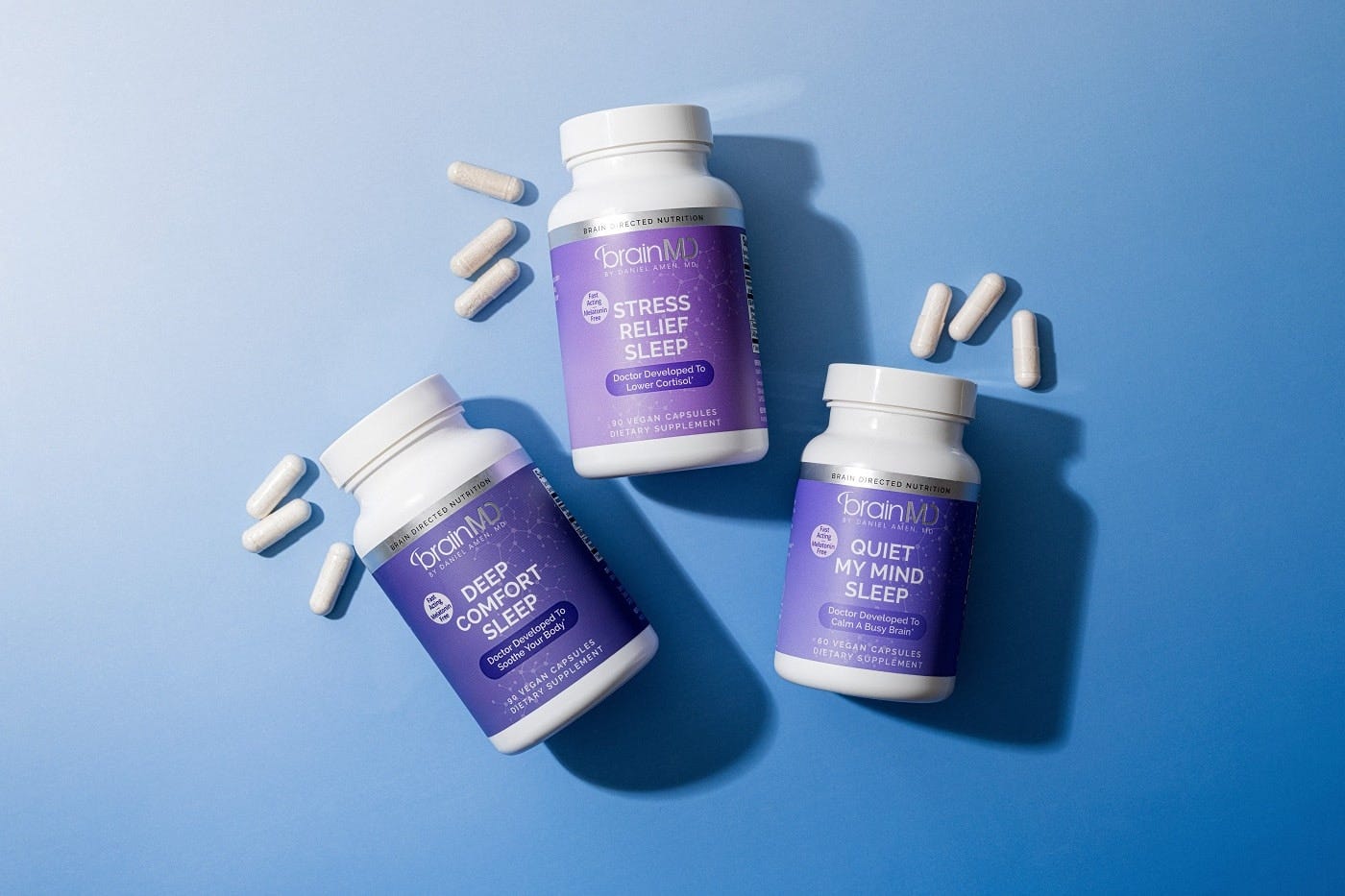
Would you be interested in a natural plant substance that can reduce stress and worry while improving mood, focus, memory, and mental alertness? Meet l-theanine! What Is L-theanine? L-theanine is a unique amino acid that is not used to make proteins and naturally occurs in green tea. When consumed by humans, it can reduce tension and fosters a restful state without diminishing daytime alertness. It also can promote blood pressure stability against the over-excitability associated with stress. Working by way of nerve cell receptors for GABA, glutamate, and other neurotransmitters, l-theanine has calming effects while preserving mental focus. It is rapidly absorbed and quickly shifts the brain toward a predominance of EEG alpha waves, which are associated with relaxation. In clinical research, l-theanine has been found to help improve attention, mood, cognition, and the quality of sleep. As a natural relaxant, l-theanine reduces tension and promotes rest without diminishing alertness. L-theanine is very well tolerated when taken by mouth and has been found safe in numerous clinical studies with both adults and children. Benefits of L-theanine Supplements Among its many benefits, l-theanine: Improves focus and clarity Doesn’t give you the jitters since it’s caffeine-free Has a gentle, relaxing effect without making you sleepy Can improve time to fall asleep, sleep duration, and sleep quality in children and adults L-theanine supplements are a natural and effective way to promote relaxation, reduce stress, and improve mental focus. This unique amino acid, primarily found in green tea leaves, works by increasing alpha brain wave activity, fostering a state of calm alertness without causing drowsiness. It supports the body's ability to manage stress, helping to alleviate feelings of anxiousness while improving focus and concentration. Additionally, L-theanine may enhance sleep quality by reducing racing thoughts, making it an ideal supplement for those seeking a peaceful night's rest. With its gentle, non-habit-forming properties, L-theanine offers a safe and natural alternative for achieving balance and tranquility in daily life. Scientific Research for L-Theanine's Calming Benefits: In a randomized, double-blind, placebo-controlled research trial¹ investigated the effects of AlphaWave® L-theanine on stress markers in healthy adults. Participants who received 400 mg of L-theanine daily for 28 days exhibited significant decreases in perceived stress levels and improvements in cognitive attention compared to the placebo group. These findings suggest that L-theanine supplementation can effectively alleviate stress and enhance cognitive function in individuals experiencing moderate stress. [wc_divider style="dotted" line="single" margin_top="" margin_bottom="" class=""][/wc_divider] Top 4 Calming Supplements with L-Theanine L-Theanine Gummies L-Theanine Gummies, a natural and safe solution to ease stress and boost mental clarity. Each gummy delivers 100 mg of L-theanine, an amino acid known for its ability to promote relaxation without causing drowsiness. By enhancing alpha brain wave activity, these gummies help create a calm and focused state, perfect for managing daily stress or improving concentration. Whether you're looking to unwind after a hectic day or enhance your mental sharpness, these calming gummies offer an effective, science-backed approach. Packed with a refreshing grape-lime flavor, these l-theanine gummies are not just effective but also delightful to consume. Made with clean, natural ingredients, they are free from artificial colors, flavors, and hidden sugars. Sweetened with plant-based alternatives like allulose and erythritol, they are suitable for both adults and children aged 8 and up. Their vegan-friendly, pectin-based formula ensures a chewy texture that's as enjoyable as it is soothing. For a naturally calming experience, simply take one gummy daily—or up to four as needed—and let these L-theanine gummies support your journey to peace and focus. Everyday Stress Relief To stay healthy in today’s fast-paced world, you need to be resilient to stress. Everyday Stress Relief replenishes your body’s levels of magnesium and taurine, which can help you cope during times of excessive stress. In addition to these nutrients, the formula supplies l-theanine and high-quality standardized herbal extracts clinically proven to help support your body’s response to stress on multiple levels. Many anti-stress supplements can make you sleepy, but not Everyday Stress Relief. It’s safe, non-sedating, and non-habit forming. Everyday Stress Relief helps you cope with everyday challenges so you can enjoy the good things in your life. GABA Calming Support GABA Calming Support is a unique combination of clinically proven ingredients that can help you cope with restlessness and irritability. It contains pure GABA (gamma-aminobutyric acid), chemically identical to the substance your brain makes as its main calming neurotransmitter, along with l-theanine and other ingredients that help your nerve cells respond better to GABA. This formula can calm your racing thoughts to help prepare you for sleep. It doesn’t cause drowsiness, so it’s safe to take during the day. GABA Calming Support can help facilitate the production of calming brain waves, correct stress-causing nutritional deficiencies, and promote relaxation. Put Me To Sleep Naturally Put Me To Sleep Naturally is based on the most recent nutraceutical research on sleep onset, duration, and quality. This highly effective sleep supplement includes six potent ingredients that work in concert to help relax the mind and body in preparation for sleep. These ingredients have a broad range of neurotransmitter actions in the brain and are carefully combined to promote recovery from daily stress, calm and relaxation, and fully restful sleep. Put Me To Sleep Naturally is recommended for anyone who has difficulties falling or staying asleep. With a robust combination of ingredients – including GABA, melatonin, and l-theanine – its effects should be felt in just minutes…1 hour maximum. Feel the Calm Utilizing the unique benefits of l-theanine, these supplements can help improve energy, mood, calm, cognition, and quality of sleep. With so many positive indications for your health and well-being, it’s a good idea to start taking supplements with l-theanine today. At BrainMD, we’re dedicated to providing the highest purity nutrients to improve your physical health and overall well-being. For more information about our full list of brain healthy supplements, please visit us at BrainMD. *These statements have not been evaluated by the FDA. This content is for informational purposes only. It is not meant to substitute for medical or healthcare advice from a physician, nor is it intended to diagnose, treat, cure, or prevent any disease. Consult your healthcare provider before beginning a new health regimen. References: ¹White, D. J., de Klerk, S., Woods, W., Gondalia, S., & Scholey, A. (2016). Anti-stress, cognitive, and mood effects of L-theanine: A double-blind, placebo-controlled, crossover study. Nutritional Neuroscience, 19(11), 605–615. https://doi.org/10.1080/1028415X.2016.1183797
Learn more
Meet Vitamin D3 + K2: Support for Your Heart, Bones and Brain
Vitamins and minerals are essential for our survival. Our foods should be providing the energy we need to power our brain and body, but ongoing population surveys indicate the standard American diet is failing to do this job. Among the many vitamins most of us aren’t getting enough of daily are vitamins D3 and K2. Vitamin D3 Basics Vitamin D is primarily known for building bones. However, healthy vitamin D3 levels also can help support your mood, boost your brain function, and generally improve your well-being. Sometimes referred to as the sunshine vitamin, vitamin D3 promotes the actions of serotonin, dopamine, and other key brain neurotransmitters. It’s involved in the healthy regulation of thousands of human genes and is crucial for a strong immune system. After it’s made in the skin as vitamin D3 (cholecalciferol), it becomes converted by the liver and kidney into a hormone (calcitriol) that has receptors in practically all our tissues. D3 is so important to brain function that its receptors are distributed throughout the brain. This powerful hormone also helps regulate the heart, circulation, gut, liver, pancreas, immune system, and other organ systems. Healthy vitamin D3 levels also can help balance your mood, support your brain function, and generally improve your well-being. Vitamin D3 is critical for a healthy pregnancy. It also plays a critical role in the brain’s early development, its ongoing maintenance, and its functions that underlie healthy mood and basic cognition, such as learning and making memories. Vitamin D3 May Help… [wc_box color="inverse" text_align="left" margin_top="" margin_bottom="" class=""] strengthen bones* bolster immune function* enhance mood* encourage weight loss* promote oral health* assist with healthy blood flow* regulate blood pressure* support cognitive function* [/wc_box] Vitamin K2 Basics Vitamin K’s positive actions for the brain and body are frequently underestimated. Vitamin K2, as menaquinone-7 (MK-7), is much more active than vitamin K1. K2 activates brain proteins that not only help control calcium’s potential to do damage, but also support brain cell maturation, survival, and electrical conduction. Outside the brain, uncontrolled calcium can form stony deposits in the heart valves, large arteries, and elsewhere in the body. Vitamin K2 proteins help direct calcium away from the brain, heart, blood vessels, and other soft tissues and towards the bone, teeth, and nails that need it. K2 also is essential for the coagulation processes required for healthy wound healing. Vitamin K2 May Help… [wc_box color="inverse" text_align="left" margin_top="" margin_bottom="" class=""] build healthy bones* aid the process of blood clotting* protect circulatory and heart health* avert serious memory issues* prevent kidney stone formation and UTIs* fight stress- and mood-related symptoms* [/wc_box] Better Together: Benefits of Vitamin D3 + K2 When combined with vitamin K2, vitamin D3 helps move calcium into your bones (where it’s needed most), which prevents it from forming deposits in your arteries and blood vessels. One randomized controlled trial¹ conducted with postmenopausal women who suffered from weak and brittle bones found that after 2 years of supplementation with vitamin D3, vitamin K2, or both, the women who received both vitamin D3 and K2 experienced better bone mineral density compared to the other groups that took only vitamin D3 or vitamin K2. Vitamin D3 and K2 both have antioxidant properties. Inadequate amounts of each of these essential vitamins may lead to higher risks of inflammation, memory loss, and neurodegenerative issues. Exciting research has indicated that supplementing with vitamins D3 and K2 may help reduce the mortality rate of viral infections and help prevent long-term health risks. From this and other research, it seems that vitamins D3 and K2 can provide greater benefit together than what each nutrient offers individually. That’s why BrainMD is proud to offer this unique vitamin tandem in its ultra-pure nutraceutical formulation… Vitamin D3 + K2: Synergistic Support for Your Heart, Bones & Brain Vitamin D3 (cholecalciferol) and vitamin K2 (MK-7) are two fat-soluble vitamins that work together to strengthen bones, promote normal blood clotting, and maintain a healthy heart and arteries.* Together, these vitamins work to combat an unhealthy inflammatory response and protect against serious illness and cognitive decline.* Here are some of the benefits of taking Vitamin D3 + K2: Supports a healthy immune system* Promotes cognitive function* Builds healthy bones* Antioxidant protection* Cardiovascular support* Better blood flow and circulation* Also, Vitamin D3 + K2 was developed for optimized bioavailability and absorption.* Who Can Benefit from Vitamin D3 + K2? Several groups of individuals can benefit from taking vitamins D3 and K2, including: Middle-aged and Elderly Individuals – Current clinical evidence suggests that a moderate to high vitamin K status can help prevent the onset and progression of age-related illness.² Vitamin K has been shown to help against oxidative stress by blocking the generation of reactive oxygen species. Both vitamins D3 and K2 have been shown to decrease frailty in aging populations. Post-Menopausal Women – Due to the hormone changes that occur during menopause, women are more at risk for developing weak or brittle bones. The hormone oestrogen is an essential hormone for bone health. After menopause, oestrogen levels can fall and lead to a decrease in bone mass density.³ Supplementing with vitamin K2 can help inhibit bone loss in postmenopausal women. Anyone with Low Vitamin D Status – Adequate vitamin D3 is especially important for people who have less access to regular sunlight, live in regions where winters are dark and cold, or have been diagnosed with vitamin D deficiency. For these individuals, and anyone seeking to maintain a healthy D3 status, supplementation is incredibly important. Work with your physician to get your D3 levels checked, which will allow them to recommend an appropriate daily D3 dosage for you. Vitamin D3 + K2 Ingredients Vitamin D3 + K2 contains a dynamic duo of clinically tested ingredients that help provide vital nutrients for your brain and body.* These ultra-pure nutrients are: Vitamin D3 Vitamin D3 (cholecalciferol) is a fat-soluble vitamin needed by nearly every cell in the body to function and thrive. It helps regulate the immune system, aids in calcium absorption, balances mood, and promotes optimal health. Although the body produces vitamin D naturally when exposed to sunlight, research⁴ suggests that up to 95% of American adults are not getting enough, so supplementation is often recommended. Vitamin K2 The most potent form of vitamin K is vitamin K2 as menaquinone-7 (MK-7). This vitamin activates proteins that support brain cell maturation, survival, and electrical conduction. Vitamin K2 promotes the coagulation mechanisms needed for healthy wound healing. It also helps ensure that calcium will only form hard deposits in the bones, teeth and nails – not in the heart, blood vessels, brain and other soft tissues where they can cause harm. Vitamin D3 + K2 FAQ [wc_box color="inverse" text_align="left" margin_top="" margin_bottom="" class=""] How do I take Vitamin D3 + K2? Adults 18 and older are recommended to consume 1 capsule daily – this provides 125 mcg (5000 IU) of vitamin D as cholecalciferol and 180 mcg of vitamin K as MK-7. These dosages have been researched and shown to be effective in clinical trials. The dose and form of the vitamins provided in this supplement ensures adequate coverage across different adult populations. To maximize absorption, it’s best to take this supplement in combination with a meal or snack containing healthy fat (olive oil, avocado, coconut oil, etc.). Can this supplement make me dependent on it, or addicted? No. Like other BrainMD products, this is a dietary supplement, not a drug, and is not habit-forming. Is this supplement beneficial for brain health? Yes. Both vitamins D3 and K2 have been shown to help support a healthy brain. Vitamin D3 + K2 is an excellent addition to other BrainMD supplements to aid in healthy aging and cognitive functioning.* Is this product safe to take during pregnancy? Yes, these vitamins are safe to take during pregnancy. However, it’s best to work with your healthcare provider to determine the appropriate dosage. Are there any allergens in Vitamin D3 + K2? These capsules are free from dairy, sugar, soy, nuts, eggs, yeast, and contain no artificial colorings or flavorings. They’re also gluten free and non-GMO. [/wc_box] Here’s What Others Are Saying About Vitamin D3 + K2: Game Changer “This is a game changer for me. Wow, do I have energy, feel great, and handle stress better. This product has sealed the deal! I sleep better, not tired during the day for no reason, no aches, great skin, and my nails and hair seem to be healthier!” – Ashley M., Verified Buyer Unmatched Quality “Really enjoying this product. My blood levels are enhanced, my cognitive functioning seems better, and I feel a peace of mind knowing I’m taking a supplement backed by rigorous science and unmatched quality. Strongly recommend this to all.” – Scott P., Verified Buyer "This synergistic combination is so powerful, it’s like sunshine in a bottle and can help support your mood, bone health, immune function, and cognition.” – Daniel G. Amen, MD D3 + K2 = 1 Powerful Supplement This unique supplement combination – vitamin D3 as cholecalciferol and vitamin K2 as MK-7 – can help prevent vitamin deficiency (especially during winter months), fight oxidative stress, promote normal blood clotting, and support a healthy immune system.* These two powerful, fat-soluble vitamins also work synergistically to promote strong bones, healthy cognitive functioning, and maintain a healthy circulatory system.* Try Vitamin D3 + K2 today! At BrainMD, we’re dedicated to providing the highest purity nutrients to improve your physical health and overall well-being. For more information about Vitamin D3 + K2 and our full list of brain healthy supplements, please visit us at BrainMD. *These statements have not been evaluated by the FDA. This content is for informational purposes only. It is not meant to substitute for medical or healthcare advice from a physician, nor is it intended to diagnose, treat, cure, or prevent any disease. Consult your healthcare provider before beginning a new health regimen. References: Ushiroyama, T., Ikeda, A., & Ueki, M. (2002). Effect of continuous combined therapy with vitamin K₂ and vitamin D₃ on bone mineral density and coagulofibrinolysis function in postmenopausal women. Maturitas, 41(3), 211–221. https://doi.org/10.1016/s0378-5122(01)00275-4 Simes, D. C., Viegas, C. S. B., Araújo, N., & Marreiros, C. (2019). Vitamin K as a powerful micronutrient in aging and age-related diseases: Pros and cons from clinical studies. International Journal of Molecular Sciences, 20(17), 4150. https://doi.org/10.3390/ijms20174150 Knapen, M. H. J., Drummen, N. E. A., Smit, E., Vermeer, C., & Theuwissen, E. (2013). Three-year low-dose menaquinone-7 supplementation helps decrease bone loss in healthy postmenopausal women. Osteoporosis International, 24(9), 2499–2507. https://doi.org/10.1007/s00198-013-2325-6 Parva, N. R., Tadepalli, S., Singh, P., Qian, A., Joshi, R., Kandala, H., Nookala, V. K., & Cheriyath, P. (2018). Prevalence of vitamin D deficiency and associated risk factors in the US population (2011–2012). Cureus, 10(6), e2741. https://doi.org/10.7759/cureus.2741
Learn more
What Are the Best Ways to Promote Testosterone Levels?
Did you know that testosterone isn’t just a male hormone? Both men and women have testosterone. In fact, men and women have virtually identical types of hormones. The relative amounts of the various hormones can differ and traditionally assigned gender differences often come from these variances in hormone levels.¹ Testosterone Essentials Testosterone is a vital hormone that’s important for male development. It’s responsible for the deepening of the voice, the growth of facial hair, and many other features typically associated with maleness. Besides being an androgenic, or masculinizing hormone, testosterone is also an anabolic, or tissue-building hormone across the gender spectrum.² Though men have more testosterone than women, women produce and need testosterone too (just as men have some estrogen), just in smaller amounts. In both men and women, testosterone helps protect the nervous system and helps ward off low mood and serious cognitive and memory issues.³ Testosterone is the primary hormone responsible for libido in men, and likely helps maintain libido in women.⁴ Like many hormones, testosterone levels decrease with age.⁵ The aging process can leave some men with low testosterone levels that have been shown to increase anxiousness, low mood, and a host of other issues.⁶ Testosterone also can be prematurely reduced (at any age) by long-term stress, environmental pollutant exposures, insulin imbalance, narcotic use, and many other lifestyle factors.⁷ Some men go through a form of menopause called “andropause.” This phase can begin even in their 40s and 50s. The complications surrounding andropause include a wide array of manifestations, some of which also occur in women going through menopause.⁸ Common Signs of Low Testosterone in Men Low libido Decreased frequency of morning erection Difficulty maintaining an erection Fatigue Loss of ability to engage in vigorous activity Falling asleep after eating Memory loss Loss of pubic hair Sadness and irritability Lowered ability to experience pleasure Lowered endurance Loss of facial hair Loss of motivation at work Increased body fat and reduced lean muscle Low bone density Hot flashes Excessive sweating Hormones and the Brain Hormones are chemical messengers produced in the body that control and regulate the activity of certain cells or organs. Hormones such as estrogen and testosterone play a key role in helping maintain the health and vitality of your brain and body.⁹ Communication between the brain and hormones is bidirectional. The brain sends out signals that instruct your body’s glands to produce and release hormones, and hormones travel back to the brain and influence its activity.¹⁰ The human body produces hundreds of hormones, but the following five probably have the most direct influence on brain/mental health: thyroid (energy regulation), melatonin (sleep patterns and 24-hour cycling), estrogen (cognition and mood), progesterone (sexual behavior, stress, and mood), and testosterone (mood, motivation, sexuality, and strength).¹¹ Hormonal Imbalances When hormones are healthy, you tend to feel vibrant and energetic. When hormones are off, you’re likely to feel off. This may change the way you think, feel, and act. There are many potential causes of hormonal imbalances in both men and women. The most common causes are diet, stress (from the hormone cortisol), environment, age, or lifestyle.¹² Women are more likely to experience imbalances in estrogen, progesterone, and thyroid. In men, low testosterone levels are common. Both women and men can have imbalances in other hormones that affect the brain. If you don’t get your hormones checked, you may never know the root cause of your issues. Hormone Replacement Therapy Those who have low insulin, or use narcotics regularly for pain control, can have low testosterone. Many women on birth control pills can have an extremely low testosterone level because of the increase in SHBG (sex hormone-binding globulin) caused by the pills, that absorb the available testosterone. Women suffering from fatigue, extreme pain, low mood, and other issues often have very low testosterone levels and can improve dramatically with testosterone replacement. Testosterone can be replaced at any age and in both genders. Testosterone replacement therapy can help: Relieve low mood Revive libido Return motivation Revitalize energy There are hundreds of studies showing the medical benefits of testosterone replacement therapy. Not only is testosterone helpful for improving libido and mood, but also for improving cognition, cardiac function, wound healing, muscle strength, stamina, recovery, and energy.¹³ However, it’s crucial that testosterone and any other hormone used for replacement therapy be chemically identical to the hormones the body makes (“bioidentical”).¹⁴ It’s also important to understand that hormone replacement therapy has risks of adverse effects and should be undertaken only in close cooperation with an endocrinologist – an MD-level hormone specialist. Proper Testing As is the case with many hormones, having your testosterone in the “normal range” doesn’t always mean it’s optimal. It’s essential to check your free testosterone level in addition to your total testosterone level, due to the SHBG issue noted above. Ideally, your hormones should be in the upper-third of the normal range. Moving up from the lower third to the upper third of the normal range can dramatically improve your quality of life. Your testosterone level can only be fully assessed in the context of your other sex hormone levels, so be sure to get a broad profile hormone lab assessment. If you feel like you’re experiencing a hormone imbalance, don’t settle for the typical “your blood tests are normal so you’re fine” response from your doctor. Seek out an endocrine specialist who can assist you through the process of hormone optimization, which can be lengthy and complex. Supplements & Foods That Promote Testosterone Levels Several foods are helpful for supporting healthy testosterone levels in the body. Many of these include vitamin D and zinc, which assist the body in making testosterone. Testosterone-boosting Foods [wc_box color="inverse" text_align="left" margin_top="" margin_bottom="" class=""] Beans – such as chickpeas, legumes, and lentils, are good sources of zinc. Beef – liver is rich in vitamin D and some lean cuts of beef are high in zinc. Egg Yolks – provide carotenoids like lutein and zeaxanthin, and are a good source of vitamin D. Oysters – are an excellent source of zinc, which can help with low T. Tuna – is low in calories, rich in protein, and high in vitamin D, which is linked to testosterone production. [/wc_box] Natural Supplements that Promote Testosterone When purchasing supplements, be sure to look for these ingredients that can help support healthy testosterone levels: [wc_box color="inverse" text_align="left" margin_top="" margin_bottom="" class=""] Ashwagandha – is a powerful adaptogen that can help reduce stress and increase testosterone levels. Panax Ginseng – is more potent for male health than any of the other ginsengs. Vitamin D3 – sometimes called the “sunshine vitamin,” this vitamin very likely assists with testosterone production.¹⁵ Zinc – is essential for at least 100 enzymes and has been linked to healthy testosterone levels in the body.¹⁶ [/wc_box] Support your testosterone levels naturally with these nutrition and lifestyle recommendations for optimal health and well-being. At BrainMD, we’re dedicated to providing the highest purity nutrients to improve your physical health and overall well-being. For more information about our full list of brain healthy supplements, please visit us at BrainMD. These statements have not been evaluated by the FDA. This content is for informational purposes only. It is not meant to substitute for medical or healthcare advice from a physician, nor is it intended to diagnose, treat, cure, or prevent any disease. Consult your healthcare provider before beginning a new health regimen. References: 1. Basaria S. Male hypogonadism. Lancet. 2014;383(9924):1250-1263. 2. Moffat SD, Zonderman AB, Metter EJ, et al. Longitudinal assessment of serum free testosterone concentration predicts memory performance and cognitive status in elderly men. J Clin Endocrinol Metab. 2002;87(11):5001-5007. 3. Fink G, Sumner BE, Rosie R, et al. Testosterone control of brain function: effects on cognition and mood. Front Neuroendocrinol. 1999;20(3):229-260. 4. Traish AM, Saad F, Guay A. The dark side of testosterone deficiency: I. Metabolic syndrome and erectile dysfunction. J Androl. 2009;30(1):10-22. 5. Grossmann M, Thomas MC, Panagiotopoulos S, et al. Low testosterone levels are common and associated with insulin resistance in men with diabetes. J Clin Endocrinol Metab. 2008;93(5):1834-1840. 6. Wang C, Nieschlag E, Swerdloff R, et al. Investigation, treatment and monitoring of late-onset hypogonadism in males. Aging Male. 2008;11(1):1-27. 7. Weinstein MM, Heaton JP. Andropause: hormonal changes in middle-aged men. Exp Gerontol. 2014;50:77-82. 8. Roth MY, Amory JK. The effect of low testosterone on health in aging men: a review. Aging Male. 2014;17(3):161-170. 9. Fink G. Hormones and the brain. Front Neuroendocrinol. 1999;20(3):229-260. 10. Traish AM. Hormonal regulation of mood and behavior. J Androl. 2009;30(1):10-22. 11. Grossmann M. Hormones, Health and Aging. J Clin Endocrinol Metab. 2008;93:1834-1840. 12. Reis E, Ramalingam AT, Chokkalingam U. Effect of vitamin D and zinc supplementation on testosterone levels: A meta-analysis. Clin Nutr. 2020;39(2):447-455. 13. Araujo AB, O'Donnell AB, Brambilla DJ, et al. Prevalence and incidence of androgen deficiency in middle-aged and older men: estimates from the Massachusetts Male Aging Study. J Clin Endocrinol Metab. 2004;89(12):5920-5926. 14. Zinc & testosterone. Curr Urol Rep. 2016;17(5):36. 15. Wang C, et al. The Modern Approach to Testosterone Therapy. Aging Male. 2008;11(1):1-27. 16. Roth MY. Vitamin D, Zinc, and Testosterone Production. Clin Nutr. 2020;39:447-455.
Learn more
These Are the Best Ways to Boost Your Happiness Neurotransmitters
Do you ever feel emotional or irritable for no reason? What about feeling anxious or worried? Do you struggle with being unfocused? All these can be linked to neurotransmitter levels being out of whack. Proper neurotransmitter balance is absolutely essential for optimal brain function. (1) What Are the Happiness Neurotransmitters? Neurotransmitters are the chemical messengers released from neurons so that they can communicate to neighboring cells throughout your brain and body. While the exact number is not known, there are well over 100 neurotransmitters. (2) Here are the functions of three major "happiness neurotransmitters:" SEROTONIN Serotonin is known as the “don’t worry, be happy” soothing neurotransmitter. It plays multiple roles in the brain’s biochemistry including: Facilitating sustained and deep sleep (3) Maintaining a balanced mood (4) Boosting self-confidence and social engagement (5) Supporting a healthy appetite (6) Decreasing worries and concerns (7) Additionally, serotonin is associated with learning and memory. (8) Interestingly, although serotonin is manufactured in the brain, where it performs its primary functions, it is estimated that about 90% of our serotonin supply is found in the digestive tract and in blood platelets. (9) DOPAMINE Often called the “motivation molecule,” dopamine provides the drive and focus you need to be productive. Dopamine delivers a sense of satisfaction in our mind after accomplishing a task. It also is released when playing sports, learning something new, finishing a task or project, or getting the big promotion you wanted at work. (10) It is heavily involved with: Attention span (11) Focus (12) Follow-through (13) Motivation (14) Motor movements (15) The ability to experience pleasure (16) GAMMA-AMINOBUTYRIC ACID (GABA) GABA is an amino acid that also functions as a neurotransmitter that is considered the brain’s main “calming” neurotransmitter. It is essential for brain metabolism and works to decrease neuronal activity and inhibit nerve cells from excess firing. (17) Although GABA’s primary responsibility is to help regulate the activity of neurons, it is also very important for the maturation of new nerve cells (neurogenesis). (18) In addition, GABA has mild relaxation properties and can enhance mood and support sleep. (19) Better Brain Chemistry = Better Quality of Life Since your brain and life are inseparably linked, when your neurotransmitters are out of balance, you may experience difficulties in school, at work, at home, in relationships, or emotionally within yourself. The brain is constantly seeking to keep itself balanced through increasing or decreasing amounts of these substances. (20) NeuroLink BrainMD’s NeuroLink supports a diverse array of such key transmitters as adrenaline, dopamine, serotonin, GABA, and glutamate.* NeuroLink provides an exclusive blend of nutrients that can help you maintain a positive mood, keep your focus, and deal with stressful challenges by helping your neurotransmitters stay in balance.* NeuroLink delivers powerful brain-balancing ingredients: 5-HTP – In the brain, 5-HTP is readily converted to serotonin to help maintain mental and emotional well-being, reduce anxious feelings, and promote calm and relaxation.* GABA – This amino acid regulates excitability of nerve circuits in the brain and is considered the brain’s main calming neurotransmitter.* Taurine – Taurine, an amino acid that helps stabilize our nerve cell electrical activity, is known to enhance GABA’s calming effects.* Tyrosine – Tyrosine is required for the production of the neurotransmitter dopamine.* Having sufficient tyrosine in the brain promotes mental clarity in dealing with stress.* Here's what others are saying about NeuroLink: [wc_box color="inverse" text_align="left" margin_top="" margin_bottom="" class=""] “NeuroLink helped me feel a better sense of well-being. Great product! It helped me feel more emotionally balanced, calmer dealing with stress and my mood is better.” - Shirley “No more feelings of 'fly off the handle' impatience and instant anger. Wow. Thank you. I got my life back.” - Paris [/wc_box] Mental strain can change your brain. NeuroLink can help change it back.* When your happiness neurotransmitters are balanced, you can think more clearly, feel happier, and experience greater well-being.* Let NeuroLink support balance in YOUR brain!* Now available in capsule and powder form. Try it today! At BrainMD, we’re dedicated to providing the highest quality supplements to improve your physical health and overall well-being. For more information about NeuroLink and our full list of brain healthy supplements, please visit us at BrainMD. *These statements have not been evaluated by the FDA. This content is for informational purposes only. It is not meant to substitute for medical or healthcare advice from a physician, nor is it intended to diagnose, treat, cure, or prevent any disease. Consult your healthcare provider before beginning a new health regimen. References: 1. Young SN. How to increase serotonin in the human brain without drugs. J Psychiatry Neurosci. 2007;32(6):394-399. 2. Purves D, Augustine GJ, Fitzpatrick D, et al. Neuroscience. 5th edition. Sunderland (MA): Sinauer Associates; 2012. 3. Berger M, Gray JA, Roth BL. The expanded biology of serotonin. Annu Rev Med. 2009;60:355-366. 4. Meyer JH, McMain S, Kennedy SH, et al. Dysfunctional attitudes and serotonin synthesis in unmedicated depression. Am J Psychiatry. 2003;160(4):883-885. 5. Panksepp J. Affective neuroscience: The foundations of human and animal emotions. Oxford University Press; 1998. 6. Nemeroff CB. The neurobiology of depression. Sci Am. 1998;278(6):42-49. 7. Young SN. Serotonin’s role in anxiety. J Psychiatry Neurosci. 2007;32(6):394-399. 8. Dunlop BW, Nemeroff CB. The role of serotonin in mood disorders. Arch Gen Psychiatry. 2007;64(3):327-337. 9. Berger M, Gray JA, Roth BL. Serotonin in the gut and its systemic effects. Annu Rev Med. 2009;60:355-366. 10. Montague PR, Hyman SE, Cohen JD. Computational roles for dopamine in behavioural control. Nature. 2004;431(7010):760-767. 11. Grace AA. Dopamine system dysregulation by the hippocampus: implications for the pathophysiology and treatment of schizophrenia. Neuropharmacology. 2016;107:126-135. 12. Farrant M, Nusser Z. Variations on an inhibitory theme: phasic and tonic activation of GABA(A) receptors. Nat Rev Neurosci. 2005;6(3):215-229. 13. Panksepp J. The Foundations of Human Emotions. Oxford University Press; 1998. 14. Erickson KI, Gildengers AG, Butters MA. Physical activity and brain plasticity in late adulthood. Dialogues Clin Neurosci. 2013;15(1):99-108. 15. Maddock RJ, Buonocore MH. MR spectroscopic studies of the brain in psychiatric disorders. Curr Top Behav Neurosci. 2010;4:199-251. 16. Grace AA. The Role of Dopamine in Motivation. Neuropharmacology. 2016;107:126-135. 17. Farrant M, Nusser Z. GABA(A) Receptors and Brain Function. Nat Rev Neurosci. 2005;6(3):215-229. 18. Huang Y, Ferrell JE Jr. Ultrasensitivity in the Mitogen-Activated Protein Kinase Cascade. Proc Natl Acad Sci U S A. 1996;93(19):10078-10083. 19. Maddock RJ, Buonocore MH. The Role of GABA in the Brain. Curr Top Behav Neurosci. 2010;4:199-251. 20. Panksepp J. Neurotransmitter Balance and Emotional Well-being. Oxford University Press; 1998.
Learn more
How to Increase Your Happiness and Give Yourself More Grace
Do you worry that you’ll never be happy again? Maybe you feel stuck in a dead-end job, or you’re dealing with relationship issues. Or, perhaps spending a year at home has drained your energy and enthusiasm. There’s no doubt that the world is full of things that can steal your happiness. With so many external pressures, it can be easy to blame other people or circumstances for the misfortunes in your life. But here’s a question: how often do you sabotage your own happiness? Maybe you tend to see the glass as half empty or struggle with negative thoughts. Aside from causing you to feel dissatisfied with your life, depressive thoughts can reinforce feelings of unhappiness. How can you improve your situation so you can feel happy again? A big step is to identify what’s making you unhappy so you can take steps to break free from it. Things That Can Steal Your Joy & How to Fix Them Negative Thoughts Habitual, negative self-talk trains the brain to see things pessimistically. Negative thinking can effectively rewrite your neural networks,¹ reinforcing pathways in the brain that make it more likely you’ll have a gloomy outlook. Additionally, having persistent negative thoughts can reduce brain activity related to self-control, judgment, and planning. This can lead to harmful behaviors and poor decisions. Dr. Daniel Amen refers to these as automatic negative thoughts (ANTs). ANTs can cause your brain to release chemicals able to make you feel awful. The opposite is also true – positive, happy, hopeful thoughts release chemicals that help make you feel good. Take captive every negative thought that enters your mind and ask yourself if it’s true. If it isn’t, disregard it. Over time, you can recondition your mind to filter out negative thoughts, which should also help increase your happiness. Expectations Has there ever been a time in your life when your perfect plan suddenly went down the drain? If you’re like most people, this has happened to you repeatedly in life. It’s natural to be temporarily frustrated by such setbacks before moving on with your life. But some people set expectations for nearly everything in their life to protect them from possible negative outcomes. These behaviors might be motivated by internal insecurities or a desire to control people or circumstances. It’s been said (in A.A. meetings and elsewhere) that expectations are premeditated resentments. Having expectations of others (a spouse, friend, family member, etc.) is like setting a trap for them, and when they don’t do what you expect or want, you trigger the “Why didn’t you ____?” landmine. Expecting people to guess what you want can wreak havoc in relationships. It’s great when others can anticipate your needs, but most people are too busy to do it effectively, and no one can read minds. It’s important to speak up about what you need, rather than remaining silent and holding a grudge when others fail to act in the way you want them to. Having expectations of a situation or another person can make you miserable, especially when they don’t live up to your preconceived or idealistic notions of how they should respond or behave. Expectations can lead to resentments, disrupt connections with others, and interfere with personal growth. Of course, some of the worst expectations are the ones you place on yourself. Did you expect to get your degree 10 years ago? Did you expect to be married 5 years ago? Over time, the emotional weight of such expectations can become unbearable and steal your happiness. Perfectionism You may pride yourself on having high standards, which isn’t necessarily a bad thing. However, if you’re the type who’s so focused on getting every little detail just right, you’re sure to be disappointed with many aspects of life. The perfectionist’s paradox is that you may feel superior for having lofty goals but feel inferior when you fail to attain them. Here are 3 common types of perfectionism: [wc_box color="inverse" text_align="left" margin_top="" margin_bottom="" class=""] Socially prescribed perfectionism – the belief that other people will only value you if you’re perfect Other-oriented perfectionism – demanding perfection from others Self-oriented perfectionism – an internal desire to achieve perfection [/wc_box] All types can be detrimental, but socially prescribed perfectionism can be potentially harmful and even fatal. 5 Ways Perfectionism Can Disrupt Your Life + Helpful Tips 1. Unrealistic Goals Perfectionists tend to set extremely high goals, which might be unattainable. They may fail to reach their goals or give up due to fear of failure. Either way, they might buckle under the incredible pressure they’ve placed on themselves. Helpful Tip: Set Realistic Goals Goal-setting isn’t a vague idea of something you’d like to obtain at some undetermined point in the future. Write down your specific goals in a calendar and then review them every day to make progress toward completing them. Success can come much easier when you make small, manageable goals. Setting realistic goals, that you can focus on daily, can help reduce stress and make a significant difference in your outlook on life. 2. Toxic Thinking Perfectionists are often filled with ANTs, especially All-or-Nothing ANTs (thinking of things as being either all good or all bad) or Just the Bad ANTs (seeing only the bad in a situation). For example, if you need to create a multimedia presentation for work, unless it’s the best one ever created, you may think it’s a tragic failure (All-or-Nothing ANTs). Helpful Tip: Kill the ANTs Learning to challenge the All-or-Nothing or Just the Bad ANTs that infest your brain can help you accept that doing the best you can is far better than trying to be perfect and never completing anything. As Winston Churchill said, “Perfection is the enemy of progress.” You can disinfect your thoughts by exterminating the ANTs that steal your happiness. Whenever you feel sad, mad, nervous, or stressed, write down what you’re thinking and then challenge that ANT. When you stop believing every fearful thought you have, you can start to regain control of your life. 3. Procrastination Perfectionism often leads to paralyzing procrastination. For example, while trying to write a presentation for work or a paper for school, you may feel like you can’t start writing until you’ve looked up more sources, interviewed more people, and come up with an amazing introduction. Before you know it, it’s the night before the deadline, and you need to crank out something to avoid being late. Now you’re kicking yourself for letting it slide for so long. Once again, you may feel like a failure. Helpful Tip: Prioritize Your Life Don’t wait for everything to be absolutely perfect before you dive into a project. Remember, it’s okay to get started now and incorporate additional materials as you go. If working on all your projects or goals at once becomes overwhelming, set up a hierarchy. Select a few things you absolutely must accomplish, several things you want to complete, and many things that would be nice to finish in the future. Not only will this pyramid structure allow you to focus on the essentials, it will also help to reduce the debilitating pressure of trying to juggle so many objectives at one time. 4. Mood Issues Decades of research have found that perfectionism fuels mental health problems. Even more disturbing is the link between perfectionism and suicide. A 2014 study in Review of General Psychology suggests that perfectionism is a bigger risk factor² for suicide than previously thought. Research has found that among young people who die by suicide, nearly 70% placed high demands on themselves and had high expectations. Helpful Tip: Get Outside Engaging in outdoor activities is important for everyone. Whether you enjoy hiking, biking, horseback riding, or just taking a walk, being outdoors has an overall positive effect on mood and vitality. While enjoying the great outdoors you’ll get the added benefit of sunlight, which is a natural way to increase your vitamin D levels. When it comes to mood, the scientific evidence³ is clear; the higher your vitamin D levels, the more likely you are to feel happy rather than blue. Daily exposure to just 10 to 30 minutes of direct sunlight can boost vitamin D levels, which can help improve your mood. 5. Eating Irregularities Several studies have found links between self-oriented perfectionism and eating irregularities. People may have an intense fear of gaining weight and seek to control their caloric intake by attempting to create a perfect diet. Others may feel frustrated by the slow progress of their diet and decided to put it on hold or just give up and return to regular eating habits. Helpful Tip: Avoid Triggers It’s important to acknowledge what emotions (stress, loneliness, boredom, etc.) are driving you to make bad food choices. Sometimes it isn’t even an emotional trigger, but the sight or smell that makes you crave certain foods…many people can’t resist buying popcorn once they’ve smelled it in a theater lobby. A good strategy is to be prepared with a healthy alternative before you encounter a triggering event. Healthier swaps of your favorite foods are a great way to outsmart your triggers. Increase Your Happiness Even if you’ve spent much of your life chasing perfection, you can learn to let go of your unhealthy tendencies. Letting yourself (and others) off the hook for past mistakes, especially common ones, can help you overcome negative thought patterns or destructive behaviors. You might find that your outlook on life is much more positive when you’re not being so hard on yourself. Giving yourself more grace might improve your circumstances and increase your happiness. Hopefully, these practical tips will help you break free from the negative thinking, unrealistic expectations, and oppressive perfectionism that can prevent you from being your best self. Remember, you don’t have to be perfect to be happy. At BrainMD, we’re dedicated to providing the highest purity nutrients to improve your physical health and overall well-being. For more information about our full list of brain healthy supplements, please visit us at BrainMD. These statements have not been evaluated by the FDA. This content is for informational purposes only. It is not meant to substitute for medical or healthcare advice from a physician, nor is it intended to diagnose, treat, cure, or prevent any disease. Consult your healthcare provider before beginning a new health regimen. References: 1. Vaish, A., Grossmann, T., & Woodward, A. (2008). Not all emotions are created equal: The negativity bias in social-emotional development. Psychological Bulletin, 134(3), 383–403. https://doi.org/10.1037/0033-2909.134.3.383 2. Flett, G. L., Hewitt, P. L., & Heisel, M. J. (2014). The Destructiveness of Perfectionism Revisited: Implications for the Assessment of Suicide Risk and the Prevention of Suicide. Review of General Psychology, 18(3), 156-172. https://doi.org/10.1037/gpr0000011 3. Spedding, S. (2014). Vitamin D and depression: A systematic review and meta-analysis comparing studies with and without biological flaws. Nutrients, 6(4), 1501–1518. https://doi.org/10.3390/nu6041501
Learn more
Serotonin: This Is Why You Need More of This Calming Brain Transmitter
Your brain makes this naturally soothing chemical messenger called serotonin from a time before you born and continues throughout your lifetime. It plays many roles in the brain’s biochemistry – and it's intimately involved in enhancing deep sleep, maintaining a healthy mood and self-confidence, even supporting a healthy appetite and social engagement. Produced by the body, this “get happy” chemical also enables the nervous system and your brain cells to communicate back-and-forth. Here's How Serotonin Can Help Boost Your Mood and Curb Cravings People who struggle with low mood often have very low levels of serotonin. Yet, serotonin can be increased in the brain (and body) by eating the proper foods and/or supplementing your diet. Interestingly, certain nutrients may help metabolize and utilize serotonin more efficiently. Some of these nutrients include magnesium, zinc, fish oil, vitamins C and B6. Some studies suggest that women produce 52 percent less serotonin than men.¹ Levels seem to fluctuate with menstrual cycles, which may explain why women are more prone to mood issues. Too little serotonin may affect mood,² while too much serotonin can actually become toxic, according to studies by the National Institutes of Health. The greatest risk of having too much serotonin often occurs when people mix over-the-counter supplements with antidepressants or other prescriptions drugs.³ Always ask your doctor about supplementing, especially if you have a serious condition and take medication every day. Can You Have Too Much of a Good Thing? Yes, you can ingest too much serotonin, although the opposite is much more common. Symptoms of too much serotonin include: Confusion Tremors Dilated pupils Heavy sweating Changes in blood pressure Restlessness and sleep issues The good news is that healthy lifestyle habits – such as daily exercise, consuming “smart” carbohydrates in moderation, and taking supplements – can work together to create a positive mood, which can be the foundation of a happier and more satisfying life! Feeling blue is often accompanied by increased appetite. Balancing your serotonin levels may help minimize that emotional overeating. Plus, supplements can potentially help control your appetite and promote feelings of calm. Certain Foods Naturally Contain Serotonin Eating foods high in tryptophan (the amino acid that helps manufacture serotonin) may include healthy servings of carbohydrates and some lean proteins. Your best chance at staying calm and composed is with a serotonin boost, but if you don't take supplements, at least eat frequent servings of healthy carbohydrates – like oatmeal or whole-grains – along with lean protein sources, such as eggs, poultry, and fatty fish like salmon. If you regularly need to calm yourself down, eat better and improve mental focus and mood, try these good mood boosters. At BrainMD, we’re dedicated to providing the highest quality supplements to improve your physical health and overall well-being. For more information about our full list of brain healthy supplements, please visit us at BrainMD. *These statements have not been evaluated by the FDA. This content is for informational purposes only. It is not meant to substitute for medical or healthcare advice from a physician, nor is it intended to diagnose, treat, cure, or prevent any disease. Consult your healthcare provider before beginning a new health regimen. References: Nishizawa, S., Benkelfat, C., Young, S. N., Leyton, M., Mzengeza, S., De Montigny, C., Blier, P., & Diksic, M. (1997). Differences between males and females in rates of serotonin synthesis in human brain. Proceedings of the National Academy of Sciences, 94(10), 5308-5313. https://doi.org/10.1073/pnas.94.10.5308 Namkung, J., Kim, H., & Park, S. (2015). Peripheral serotonin: A new player in systemic energy homeostasis. Molecules and Cells, 38(12), 1023–1028. https://doi.org/10.14348/molcells.2015.0258 Mayo Clinic Staff. (2023, October 5). Serotonin syndrome: Symptoms & causes. Mayo Clinic. https://www.mayoclinic.org/diseases-conditions/serotonin-syndrome/symptoms-causes/syc-20354758
Learn more
8 Simple Ways to Calm Your Mind During Stressful Times
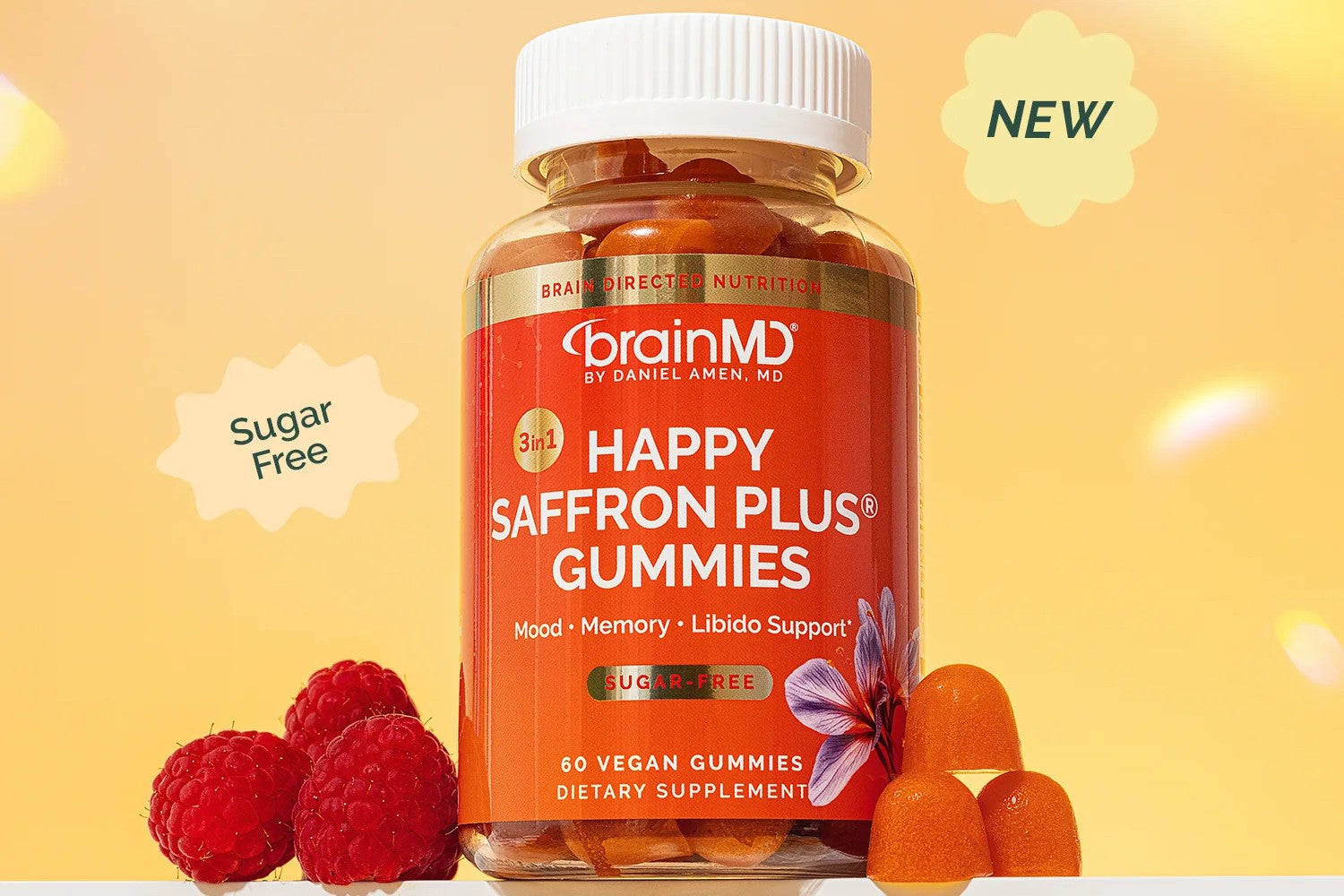
Do you find yourself frequently filled with worry, fear, or occasional anxious thoughts? You aren’t alone. In today’s fast-paced world, many people experience periods of stress. Since stress affects millions of American adults, let’s take a closer look at some of the best ways to address it...naturally. 8 Simple Strategies to Help Ease Your Stress and Calm Your Mind 1. It's Okay If You're Not Okay For starters, acknowledge that it’s completely normal to experience a certain amount of stress and worry in life. In fact, having a degree of healthy fear can be a good thing. Studies show that the “don’t worry, be happy” people—like those who crowd the beaches in Florida every Spring Break—may die the earliest from accidents and preventable illnesses.¹ Having appropriate levels of worry actually may help keep you safe. 2. Stay Connected By nature, we're social creatures who need connection. Having strong social connections can help give you a sense of purpose and belonging. Since it's so important to stay connected with others, be sure to surround yourself with people who are happy, upbeat, kind and who challenge you to be the best version of yourself. 3. Slow Your Breathing Diaphragmatic breathing is an effective way to overcome stress and quiet your mind.² This simple relaxation method can be done anywhere, anytime. Taking deep breaths can help relax your muscles, relieve tension, and allow your brain to function better. Do this simple exercise anytime you feel stressed or on edge. 4. Kill the ANTs Did you know mental hygiene is just as important as physical hygiene? Learn to disinfect your thoughts by killing the ANTs (automatic negative thoughts) that steal your happiness. Anytime you feel nervous, stressed, or panicky, write down what you’re thinking, then talk back to the ANTs. This robs them of their power and puts you in control of your thoughts and moods. It’s easy—just grab a piece of paper and write down what has you concerned today. 5. Get Hip to Hypnosis You might think hypnosis is just for stage acts, but the medical community has long viewed it as a serious science. Using hypnosis has been shown to help reduce stress, lower feelings of anxiousness, and enhance mood.³ Give it a try in the comfort of your own home with a hypnosis audio. 6. Loving Kindness Meditation This easy meditation is intended to boost positive emotions and reduce negative feelings. Just sit quietly and allow your stress to melt away as you breathe deeply (see #3 above). Then say the following phrases aloud or silently to yourself: May I be safe and secure. May I be healthy and strong. These meditations can help reduce stress and improve your overall outlook on life, so give it a try. 7. Consider Nutritional Support Your body’s nutrient levels can be depleted during times of excessive stress. One of the best ways to replenish nutrients and fuel your brain is with high-quality supplements. Everyday Stress Relief is a premier stress-reducing supplement that harnesses the power of five natural ingredients to help soothe your frazzled nerves.* GABA Calming Support boosts GABA to help calm your brainwaves and pump the brakes on anxious and fearful thoughts.* Serotonin Mood Support contains key nutrients that promote serotonin balance and a sense of calmness.* Significant research shows saffron can help boost serotonin and benefit mood.*⁴ Happy Saffron Plus® has three ingredients designed to improve mood, help you cope with feelings of anxiousness, and enhance focus under mental strain.* Plus, its now available in a delicious gummy format. 8. Know Your Brain Type Every brain is different and should be treated as such. Based on the brain imaging work conducted at Amen Clinics, we've identified 16 Brain Types. To discover your Brain Type, take the free online Brain Health Assessment. It only takes about 5 minutes to complete and you’ll get a targeted treatment plan, including lifestyle tips and recommended supplements for your specific Type, to help optimize brain function so you can better cope with stress. Calm Your Mind...Naturally! These are just a few of the many practical, natural techniques that can help keep your body’s production of the stress hormone cortisol in check. Adopting these healthy tips can help reduce stress levels and increase your inner calm. Give them a try today! Note: while it’s natural to feel the effects of stress, if you're experiencing intense, ongoing stress, you might consider seeking out the support of a health coach or trained counselor. At BrainMD, we’re dedicated to providing the highest purity nutrients to improve your physical health and overall well-being. For more information about our full list of supplements, please visit us at BrainMD. These statements have not been evaluated by the FDA. This content is for informational purposes only. It is not meant to substitute for medical or healthcare advice from a physician, nor is it intended to diagnose, treat, cure, or prevent any disease. Consult your healthcare provider before beginning a new health regimen. References: Diener, E., & Chan, M. Y. (2011). Happy people live longer: Subjective well-being contributes to health and longevity. Applied Psychology: Health and Well-Being, 3(1), 1–43. JBI Database of Systematic Reviews and Implementation Reports 17(9):p 1855-1876, September 2019. | DOI: 10.11124/JBISRIR-2017-003848 Karrasch, L., Koole, S. L., Funk, B., Kettner, H., & Pittig, A. (2023). Effects of relaxation hypnosis on mood and state anxiety in chronically stressed individuals: A randomized controlled trial. Journal of Psychotherapy and Psychosomatics, 92(2), 1-12. https://doi.org/10.1026/1616-3443/a000679 Shafiee, M., Arekhi, S., Omranzadeh, A., & Sahebkar, A. (2018). Saffron in the treatment of depression, anxiety, and other mental disorders: Current evidence and potential mechanisms of action. Nutrition Reviews, 77(8), 557–578. https://doi.org/10.1093/nutrit/nuz034
Learn more
"Fall Back" Basics: How to Increase Your Vitamin D This Winter Season!
We’re rapidly approaching the end of Daylight Saving Time (DST), when clocks will “fall back” an hour and give millions of Americans an extra 60 minutes of shut-eye. At least, in theory. In reality, many people don’t, or can’t, take advantage of the extra hour of sleep. They may see the bonus hour as a prime opportunity to binge-watch another episode of their favorite TV show. Or, they might have problems adjusting to the new sleep schedule and end up wasting the added time tossing and turning. The Internal Clock Even though we gain precious minutes of sleep, turning back time can disrupt our circadian rhythm, the internal clock that helps regulate our sleep. While the fall time change adds an hour to our day, our body may wake at the usual time, which will counter the supposed gain. We might also feel sleepy earlier in the evening, an hour before our regular bed time. It’s a phenomenon similar to jet lag – our internal clock isn’t in synch with the external clock on the wall or nightstand. Harvard Health¹ reported that it can take a week or more for our bodies to adjust to the time change. Even the relatively small 60-minute adjustment can have negative effects on the body, health and even traffic safety! Sadly, the fall time change can affect more than just our sleep... The Winter Blues Many people feel lethargic, fatigued, and moody during the cold, winter months. Some write off these signs and behaviors as just feeling down. Since many don’t believe they need to do anything about it, they don’t take proper care of themselves. As the weather changes, and your normal routine is thrown out of whack by the time change, your brain’s serotonin activity can decrease. As the brain neurotransmitter that plays a major role in outlook, the lowering of serotonin activity is often associated with low mood.² Also, since serotonin is the starting molecule for the brain’s pineal gland to produce melatonin, our main sleep hormone, changes in serotonin activity can rob us of quality sleep. Though falling back gives us an extra hour of sleep, the tradeoff is that the darker months can negatively affect our mood and sleep patterns. With less sunlight, it becomes increasingly important to get adequate levels of vitamin D during the winter months. Increase Your Vitamin D During the Winter Vitamin D, also referred to as the “sunshine vitamin,” is now known to be crucial for the brain’s functioning and maintenance. After it’s made in the skin as vitamin D3 (cholecalciferol), it becomes converted, first by the liver then by the kidneys, into a powerful hormone that regulates not only the brain but the heart, circulation, gut, liver, pancreas, immune system, and practically all our tissues. Among its many benefits, vitamin D3 promotes the actions of serotonin, dopamine, and other key brain neurotransmitters. Unfortunately, many Americans – even those who eat a good diet – are functionally vitamin D deficient. Though definitions of vitamin D deficiency can vary, experts agree that it has nearly reached epidemic status: one research study found that in the U.S., 70% of all adults and 67% of children, aged 1-11, don’t have adequate levels of vitamin D. Vitamin D deficiency has been associated with illness in winter, when the skin gets less sunshine and makes less vitamin D. In fact, vitamin D deficiency may be linked to many serious health concerns. Among these is that low levels of vitamin D have been associated with mood challenges³ and difficulties with sociability, attention, memory, stress and anxiousness. If you’re concerned that you or a family member aren’t getting enough vitamin D, you should consider supplementation. Vitamin D3 5000 IU BrainMD’s Vitamin D3 5000 provides sufficient vitamin D3 to raise your tissue levels into a healthy range within a short time period, while being completely safe to take long-term.* Clinical research has established that taking this safe dose of vitamin D3 daily works better than taking high doses every few weeks or getting a very high dose by injection.* Intensive clinical and scientific research continues to make incredible discoveries about this vitamin-hormone. Vitamin D3 is clearly established as having powerful and extremely versatile effects on health and well-being.* In recent decades, researchers have confirmed its favorable effects on healthy gene regulation, calcium metabolism, cell growth control, hormone balance, and coping with stressful challenges.* Vitamin D3 helps promote: healthy mood* immune response* cognitive function* cardiovascular health* muscle and bone strength* overall brain health* The current U.S. Daily Value recommendation is 600 IU for ages 1-70,⁴ but experts agree this is well below the physiological needs of most individuals and suggest 2,000-10,000 IU daily.* BrainMD’s Vitamin D3 5000 raises your levels on just one softgel a day.* If you typically have a hard time adjusting to the DST time switch, vitamin D3 can help you get into a new rhythm and beat the time change blues!* What Others Are Saying: "Winters are long and cold out here, this product really helped me get through this last one. I’ve had struggles with my mood during the long winters in Wisconsin. I must say, this last one was the easiest one yet! I have so many new things riding on my shoulders and yet I didn’t fall victim to the normal winter blues that I usually deal with. I will order it again this coming winter.” - Mark At BrainMD, we’re dedicated to providing the highest purity nutrients to support your brain health and overall well-being. For more information about our full list of supplements, please visit us at BrainMD. *These statements have not been evaluated by the FDA. This content is for informational purposes only. It is not meant to substitute for medical or healthcare advice from a physician, nor is it intended to diagnose, treat, cure, or prevent any disease. Consult your healthcare provider before beginning a new health regimen. References: ¹Harvard Health Publishing. (2013, November 1). Daylight saving time: "Fall back" doesn't equal sleep gain. Harvard Health Blog. https://www.health.harvard.edu/blog/daylight-saving-time-fall-back-doesnt-equal-sleep-gain-201311012514 ²Cleveland Clinic. (n.d.). Serotonin: What is it, function & levels. Cleveland Clinic. Retrieved December 6, 2024, from https://my.clevelandclinic.org/health/articles/22572-serotonin ³Greenblatt, J. M. (2024, October 16). Mental health in the sun: The role of vitamin D deficiency in mental illness. Psychiatric Times. https://www.psychiatrictimes.com/view/mental-health-in-the-sun-the-role-of-vitamin-d-deficiency-in-mental-illness ⁴Mayo Clinic. (n.d.). Vitamin D. Mayo Clinic. Retrieved December 6, 2024, from https://www.mayoclinic.org/drugs-supplements-vitamin-d/art-20363792
Learn more
How to Be Resilient and Positive in a Negative World
You’ve probably heard the expression, “When life knocks you down, get back up.” Easier said than done. There are no magic words that can make things better when tragedy enters the life of an unsuspecting soul. Friends or acquaintances may attempt to soothe emotional wounds with tired platitudes (like “Into each life, some rain must fall”) or nuggets of pop psychology. Though well-meaning, such sentiments can end up doing more harm than good. So, when words fail, what’s the best way to comfort someone who’s endured an unexpected loss? Here are some helpful tips on how to be resilient and how to help others through tough times... The Present of Presence One of the best things you can do for someone who has suffered a loss is to just be there for them. Showing up during a difficult time reveals more than just your support…it reveals your heart. They might forget the card or casserole, but they won’t forget you being there during one of the lowest points in their life. The most important thing to remember when practicing presence is to listen. If they want to speak, to express their feelings, actively listen to them. Otherwise, if they remain silent, just be with them. Sitting in silence may make you feel awkward or helpless, but it’s a far better option than trying to ease their pain by telling them of a hardship from your past (which minimizes their suffering) or filling the time with Band-Aid bromides, like the one referenced earlier. If they ask for your advice, resist the urge to fix the problem. Keep your responses compassionate, but brief. Here’s a good guideline to follow: the greater the tragedy, the fewer words you should speak. The Stages of Grief Regardless of the severity of a challenge or setback, identifying and processing your feelings can be a significant step in moving past loss or grief. Although models vary, many counselors follow the 5 Stages of Grief (Kubler-Ross Grief Cycle)¹ when helping their patients. The 5 Stages are: [wc_box color="inverse" text_align="left" margin_top="" margin_bottom="" class=""] Denial – This is typically the first stage (but some quickly proceed to Anger). When faced with an unexpected or tragic situation, many people resist the facts or enter a state of disbelief. Anger – As the reality of the situation sets in, many people become outraged and may even start to blame others. This is especially true when an avoidable or senseless tragedy has occurred. Bargaining – When people feel helpless and vulnerable, they may try to regain control with “If only” statements like, “If only we’d gotten that second opinion.” Depression – Depression may manifest itself as mourning, sadness, regret, helplessness, or hopelessness. Acceptance – People who arrive at this stage have come to terms with what happened and are trying to figure out how to move forward with their lives. Some reach this stage only after extreme effort. Sadly, some never fully reach this stage. [/wc_box] If you or someone you know has been knocked down by recent events, working through this cycle can be a huge help. The Process of Recovery So, how do you get back up? Is there a special formula that allows some people to bounce back while others throw in the towel? The first step is to realize that people react differently to adversity. Some immediately get up swinging, eager to rebound from life’s sucker punch. For others, it may take more time to heal and find the strength to get back on their feet. It’s important to have patience during this process, especially if someone in your life isn’t progressing as quickly as you think they should. Though the natural tendency is to rush the healing process, there’s no set time limit. Just as grieving is a process, so is recovery. How to Be Resilient: According to Brain Experts Recently, Dr. Daniel Amen and Dr. Robert Johnson held a video conference with Amen Clinics staff members. One of the many topics discussed was the importance of resilience. Dr. Amen referenced the work of Dr. Martin Seligman, which frequently focuses on positivity and mental toughness. According to Dr. Seligman’s research, people who are more resilient see problems as being temporary, local, and that they have some degree of control over the situation.² Unfortunately, many people today see their problems as being permanent, global, and that they have no control over what’s going on in the world. The good news is, we aren’t powerless. As Dr. Amen helpfully reaffirmed, we all have control over how we respond to circumstances. The Power of Thoughts Advancing Dr. Amen’s comment, Dr. Johnson underscored the importance of dealing with the ANTs (Automatic Negative Thoughts) that can infest our mind and cause us to obsess over the “What ifs?” of life. Feelings of fear and worry can lead to a kind of hypervigilance where we overfocus on the negative. The trouble with such negative thinking is that it can distort our perceptions of reality. When we engage in negative forecasting (worrying about things that may or may not happen), problems can seem bigger than they really are. Feelings of unease and apprehension have become a universal experience in recent years. Many people are drifting toward a negative bias due to the ambient stress created by the media.³ This kind of stress may raise cortisol levels and negatively affect a person’s exercise, nutrition, and sleep habits. If stress is taking its toll on you, Dr. Johnson suggests taking some time to reground yourself. He recommends getting back to a routine and structure that supports healthy thinking and accurate perceptions. These perceptions aren’t as much about positive thinking as they are about data-based thinking. Where to Find Help So, where can you get help? Many people receive support from a therapist or counselor. Speaking with a trained counselor can make a significant improvement in your outlook and ability to bounce back from life’s challenges. If you’re dealing with fear, anger, guilt, sadness, or mood issues, you don’t have to continue struggling by yourself. Amen Clinics offers in-clinic and telehealth (via telephone and video conferencing) services. To learn more about the full range of services at Amen Clinics or to set up an appointment, please call 888-288-9834. At BrainMD, we’re dedicated to providing the highest quality supplements to improve your physical health and overall well-being. For more information about our full list of brain healthy supplements, please visit us at BrainMD. These statements have not been evaluated by the FDA. This content is for informational purposes only. It is not meant to substitute for medical or healthcare advice from a physician, nor is it intended to diagnose, treat, cure, or prevent any disease. Consult your healthcare provider before beginning a new health regimen. References: 1. Tyrrell, P., Harberger, S., Schoo, C., & Siddiqui, W. (2023). Kubler-Ross stages of dying and subsequent models of grief. In StatPearls. StatPearls Publishing. 2. Seligman, M. E. P. (2011). Building resilience. Harvard Business Review, 89(4), 100–106. 3. Holman, E. A., Garfin, D. R., & Silver, R. C. (2013). Media’s role in broadcasting acute stress following the Boston Marathon bombings. Proceedings of the National Academy of Sciences of the United States of America, 111(1), 93–98.
Learn more
How to Calm Your Mind So You Can Achieve Restful Sleep
As many as 70 million Americans have ongoing sleep problems.¹ The list of reasons why people miss out on a good night’s sleep is extensive. So, what keeps you up at night? Do you tend to ruminate over mistakes, grievances or unfinished projects? Do you anticipate the worst and worry about every detail of your life…and the lives of your family and friends? Repetitive or automatic negative thoughts (ANTs), can take their toll on you mentally and prevent you from getting consistent and quality sleep. It’s easy to allow your mood or state of mind to rob you of adequate sleep. Here are a few tips for how to calm your mind so you can achieve restful sleep… 3 Easy, Natural Ways to Achieve Restful Sleep 1. Clear Your Head Before Bed Instead of going to bed worried or angry, try to settle emotional problems before going to sleep. Send a positive text, email, or write down an issue to deal with the next day. Once all matters have been resolved or tabled, forget about them. Clear your mind of stress so you can enter a relaxed state that can lead to peaceful sleep. 2. Breathe Deeply Deep, diaphragmatic breathing is an effective way to overcome stress and quiet your mind.² This simple relaxation method can be done anywhere, anytime. When you take shallow breaths, it reduces the amount of oxygen that reaches your brain cells and reduces your overall brain function. Taking deep breaths relaxes your muscles, relieves tension, and allows your brain to function better. 3. Use Sound Therapy Instead of being awakened by every noise you hear, try sound therapy. This type of therapy can induce a peaceful mood and lull you to sleep. Consider soothing nature sounds, wind chimes, a fan, or soft music. Studies have shown that slower classical music, or any music that has a slow tempo of 60 to 80 beats per minute, can help with sleep. If you share the room with someone who snores, try wearing ear plugs. Getting high-quality sleep is essential to wellness. If you have healthy habits, such as avoiding caffeine later in the day and getting regular exercise, but still have problems falling asleep, a scientifically formulated and safe dietary supplement that promotes restful sleep may give you the relief you need. If you have difficulties turning off your brain before bedtime, you might consider taking serotonin. What is Serotonin? Our brains produce a naturally soothing neurotransmitter called serotonin. Serotonin pathways encompass nearly every brain zone and play many important roles in the brain’s biochemistry and metabolism. Serotonin circuits are intimately involved in facilitating sustained and deep sleep, maintaining healthy mood and self-confidence, and for healthy hormone balance. This versatile neurotransmitter system even supports healthy appetite, blood sugar maintenance, utilization of stored fat for temperature regulation, and healthy liver function. Serotonin Mood Support Taking BrainMD’s Serotonin Mood Support helps increase the production of soothing brain waves, corrects stress-related nutritional deficiencies, and promotes relaxation that will enable good quality sleep.* It can help you handle the ups and downs of life with more composure.* 5 Key Ingredients of Serotonin Mood Support Vitamin B6 This water-soluble vitamin is essential for at least 100 enzymes that help the body utilize amino acids, fatty acids, and carbohydrates. It is essential for aiding the production of serotonin and other brain neurotransmitters. Vitamin B6 is also vital for early brain development and for supporting the body’s innate antioxidant defenses. This formula provides the two chemical forms of B6 that are most fully absorbed and utilized: pyridoxine as hydrochloride, and pyridoxal-5-phosphate.* Folate This formula contains the vitamin folate as methylfolate (MTHF or MethylTetraHydroFolate), which is the most active and easily utilized form of this vitamin.* Your body needs folate for numerous biochemical functions, such as making and repairing DNA, genes and chromosomes. The brain specifically requires MTHF to make neurotransmitters, to produce the myelin insulation of nerve cells, and to make the sleep hormone melatonin. Folate also helps the liver and other organs recycle the metabolic product homocysteine, to prevent it from building up to toxic levels. BrainMD uses methylfolate instead of folic acid, which does not occur in nature and requires the body to use enzymes that can be poorly functional due to mutations.* Vitamin B12 This vitamin is essential for the structural integrity of the brain and spinal cord, and for a variety of essential functions in our nerve cells. Methyl-B12 is fully activated B12 and is superior to cyano-B12 (cyano-cobalamin), which contains potentially harmful cyanide and is found in many multivitamins.* Vegetarians, vegans, smokers, people taking certain over-the-counter medications, and the elderly are at risk of vitamin B12 deficiency. Higher levels of B12 are linked to better control over mood, behavior, personality and mental clarity.* Satiereal® Saffron Satiereal® is a patented standardized concentrate of saffron, a traditional medicine used for a variety of applications in the Middle East, India, China, and Europe.* Saffron is the world’s most expensive spice and its standardized extracts are under intensive investigation for their mood-improving, anti-stress and cognitive benefits.* Saffron contains more than 50 substances that could be contributing to its powerful antioxidant, brain-protective, and considerable brain-enhancing actions, including actions on serotonin receptors as well as other neurotransmitter systems.* Many clinical trials have validated saffron’s mood benefits,³ others are positive against stress and anxiousness, still others have established its benefits for memory.* 5-HTP This metabolite is naturally made by neurons in the brain, and when taken as a supplement, promotes its own conversion to serotonin as needed. 5-HTP promotes calm, positive mood, relaxation and healthy sleep.* The 5-HTP included in Serotonin Mood Support was extracted from the African plant Griffonia simplicifolia. Serotonin Mood Support FAQ [wc_box color="inverse" text_align="left" margin_top="" margin_bottom="" class=""] How do I take Serotonin Mood Support? Take four capsules daily in divided doses with meals. Higher intakes may be beneficial, as recommended by a nutritionally informed physician. Is Serotonin Mood Support safe for long-term use? Yes, as long as you stay within the recommended dosage. If you wish to take higher doses than we recommend, discuss your reasons in advance with your nutritionally informed physician or other qualified healthcare professional. Can I take Serotonin Mood Support if I’m taking an antidepressant medication? BrainMD recommends you not use this product if you are currently taking antidepressant or monoamine oxidase inhibitor medications.* Can I take Serotonin Mood Support if I’m nursing or pregnant? Serotonin Mood Support is not recommended for use in women who are nursing or pregnant. [/wc_box] What Others Are Saying A Miracle “Serotonin Mood Support has been a miracle for me. My world is in color again, I’m happy, the noise in my brain is gone.” -J, verified customer A Supplement That Delivers “I can say without equivocation that this product makes a magnificent difference with respect to sleep issues, outlook, and general feelings of wellbeing.” -Faith, verified customer Achieve Restful Sleep Lifestyle habits such as daily exercise, consuming smart carbohydrates in moderation, and taking a dietary supplement like Serotonin Mood Support can work together to elevate mood, promote calm and help you achieve restful sleep. At BrainMD, we’re dedicated to providing the highest quality supplements to improve your physical health and overall well-being. For more information about Serotonin Mood Support and our full list of brain healthy supplements, please visit us at BrainMD. *These statements have not been evaluated by the FDA. This content is for informational purposes only. It is not meant to substitute for medical or healthcare advice from a physician, nor is it intended to diagnose, treat, cure, or prevent any disease. Consult your healthcare provider before beginning a new health regimen. References: Institute of Medicine (US) Committee on Sleep Medicine and Research. (2006). Sleep disorders and sleep deprivation: An unmet public health problem. National Academies Press. https://pubmed.ncbi.nlm.nih.gov/20669438/ JBI Database of Systematic Reviews and Implementation Reports 17(9):p 1855-1876, September 2019. | DOI: 10.11124/JBISRIR-2017-003848 Hausenblas, H. A., Saha, D., Dubyak, P. J., & Anton, S. D. (2013). Saffron (Crocus sativus L.) and major depressive disorder: A meta-analysis of randomized clinical trials. Journal of Integrative Medicine, 11(6), 377–383. https://doi.org/10.3736/jintegrmed2013056
Learn more
10 Best Ways to Take Care of Your Mental Health This Winter
Winter is finally here! For many, this season is associated with happy things like crisp weather, warm beverages, and dazzling light displays. But for others, the weather change and shorter days signal a downturn in mood¹ and energy that leaves them feeling sad, lethargic, and fatigued. There are several reasons why a change in seasons can negatively affect a person’s thoughts and feelings. Spending more time indoors can trigger physiological changes in the brain, which can have a significant impact on attitude and outlook. Also, less sunlight may cause a decrease in serotonin, which can trigger low mood. Seasonal Low Mood Many people deal with low mood during the winter months or holiday season. Whether brought on by unrealistic expectations, excessive stress or family drama, anxious or depressive thoughts can come on without warning. Low mood can lead to possible mental health concerns. It can also contribute to adverse physical consequences. Symptoms of seasonal low mood can include: Negative or guilty thoughts Mental fogginess Purposefully avoiding social interaction Overeating and emotionally eating Periods of starving and bingeing Difficulty with concentration and memory Since many people dismiss these symptoms as just feeling down, they may not get the help they need, which can result in serious mental or emotional difficulties. The good news is that there are numerous natural ways to support your mental health and reduce the symptoms that come with winter blues. To promote full brain and body wellness, here are 10 healthy strategies for boosting your mood this holiday season: Top 10 Ways to Take Care of Your Mental Health This Winter! Alternate Light Source Daily exposure to appropriate levels (even just 10 to 30 minutes a day) of direct sunlight can boost vitamin D3 levels, which can help improve your mood. If you have a hard time getting enough natural light during the winter, consider buying a therapy lamp² for your home or work desk. Though many artificial light boxes claim to do the job, make sure to purchase one that’s as close as possible to the natural sunlight spectrum and proven to increase vitamin D levels. Deep Breathing Whenever you feel angry, moody or stressed, take a deep breath, hold it for one or two seconds, then slowly exhale for about five seconds. Do this about 10 times and you will start to feel more relaxed. It sounds so simple, but breathing is essential to life. It’s much easier to achieve a balanced mood when you slow down and become more efficient with your breathing. Healthy Pleasure Centers Deep inside your brain, your pleasure centers respond to several neurotransmitters, particularly dopamine. When your dopamine pathways aren’t working well, negative thoughts and low motivation are much more common – it can be harder to find your sense of joy and lift yourself out of a funk. Increase dopamine naturally by engaging in meaningful and beneficial activities on a regular basis. Do work that you enjoy and take time to have fun with your loved ones. It’s equally important to avoid wearing out your pleasure centers with substance abuse, gambling, video games, and compulsive eating or shopping. Find Support in Community Having a strong community means that support is just a phone call, email or visit away. Spending time in a positive community of like-minded people is a wonderful way to boost your bliss hormones, such as oxytocin. To improve your mental and emotional fitness, focus your energy on people who are positive and engage in healthy habits. Get Your Rest Many people sacrifice quality sleep to keep up with the increased demands of the stressful holiday season. Lack of sleep often leads to illness, which makes it that much harder to accomplish everything on your to-do list. To ensure that you have the energy you need to get the most out of the holiday season, it’s recommended that you get 7-9 hours of sleep each night. Remember Happy Times If it’s been a while since you worked on a scrapbook or photo album, the holidays are the perfect time to preserve your memories (especially if the weather isn’t so nice). Also, editing, archiving and watching old family videos can serve the double purpose of providing hours of enjoyment working on a project while also reminding you of some of the happier moments in your life. Burn Some Calories Physical exercise is perhaps the single most important thing you can do to keep your brain healthy. Exercise increases levels of dopamine and can boost blood flow to deliver oxygen and other positive nutrients to the brain. It also increases a growth factor called BDNF (brain-derived neurotrophic factor), which helps generate new brain cells and can assist the brain in self-regulating mood, attitude, and focus. To maintain an even mood and a sense of mind-body balance, establish a daily exercise routine that works for you and stick to it. Write it Down One of the best ways to remain grateful is to write down the positive things that have taken place that day. Keeping a journal can be an enjoyable hobby as well as a great way to unwind after a stressful day. One of the biggest benefits of journaling is when you look back at earlier entries and see the many blessings you’ve enjoyed in your life. Jot down three things that you’re grateful for every day. Then, experience the bliss that gratitude can bring. Reach Out for Help Though isolating yourself during tough times may feel like the safest option, closing yourself off from the world can aggravate your feelings of negativity. Resist the urge to shut out the individuals who can offer you encouragement and support. Let friends and family know when you’re emotionally overwhelmed. Seek professional help if necessary, but don’t fight your battles alone. Get Nutritional Support Whether you find yourself having negative or anxious thoughts, or if you feel that your stress levels have nearly reached the breaking point, BrainMD offers a range of powerful supplements for mood and stress that can help turn your day around. These brain-directed supplements have been formulated with the highest quality nutrients and ingredients that can help you feel calm, content, and able to manage stress or mental strain. Winter Mental Health Matters Adopting these brain healthy habits can help to improve your mental and emotional well-being during the holiday season. Try them today! At BrainMD, we’re dedicated to providing the highest quality supplements to improve your physical health and overall well-being. For more information about our full list of brain healthy supplements, please visit us at BrainMD. These statements have not been evaluated by the FDA. This content is for informational purposes only. It is not meant to substitute for medical or healthcare advice from a physician, nor is it intended to diagnose, treat, cure, or prevent any disease. Consult your healthcare provider before beginning a new health regimen. References: 1. UChicago Medicine. (2024, January 5). Seasonal affective disorder: How to spot and treat the ‘winter blues’. 2. Rohan, K. J., & Roecklein, K. A. (2014). Cognitive-behavioral therapy and light therapy for preventing seasonal affective disorder in winter. Journal of Affective Disorders, 156, 227-234. doi:10.1016/j.jad.2013.12.011
Learn more
Heavy PMS Symptoms & Period Cramps? Here’s What Your Body is Telling You
Your body follows a natural rhythm each month, and the physical symptoms you experience – whether it’s heavy periods, painful cramps, or breakouts – are signals. These signals are your body’s way of communicating what’s happening on the inside and what it might need from you. Instead of simply enduring these symptoms, tune into your body and recognize that they are important alerts that can guide you to better balance, understanding, and wellness. We’ll explore what’s normal and present natural solutions that you can implement to support your body through its cycle when you experience some of the most frustrating and disruptive symptoms. What’s Normal? Fluctuating hormones, while sometimes challenging, play a crucial role in women’s health. They regulate and affect our reproductive systems, metabolism, and mood. Helping your body to move through a healthy cycle each month can benefit you for years to come. Your estrogen level is dropping during the luteal phase of your cycle, which is 1-2 weeks before your period starts.1 Progesterone levels fall, then rise.1 Serotonin, a brain chemical that affects mood, is also fluctuating.2 These changing hormones may account for the unwanted premenstrual syndrome PMS symptoms that you experience regularly each month. PMS is common for most women. However, as you age, your symptoms may change. The PMS symptoms that you experience in your teens may differ from those you experience in your 20’s, 30’s, or 40’s.3 They may also change before and after you have children. The most common physical and emotional PMS symptoms include: Abdominal cramps Hormonal acne Headaches Fatigue Bloating Body aches Breast tenderness Changes in libido Irritability Mood swings Feelings of anxiousness or sadness If you’re experiencing intense PMS symptoms that aren’t helped by natural treatments, consult with a healthcare provider to find more effective solutions. While this list of symptoms doesn’t sound fun, don’t lose hope! There are ways to manage and ease the discomforts that accompany your monthly cycle. Natural Solutions for Severe PMS and Period Symptoms There are times when certain symptoms feel more intense than normal, or are disrupting your life. When this happens, you need to know how to quickly target these problems. We’ve got you. Heavy Flow Periods Heavier than usual flow during your period can be due to normal hormonal fluctuations, or a side effect of birth control.4 When it happens occasionally, it isn’t usually a cause for concern. However, if heavy bleeding persists, it may be a sign of a more serious health concern. Always check with your healthcare provider if you’re unsure. Although there aren’t any foods that can specifically stop heavy bleeding, maintaining adequate hydration and consuming a nutrient-dense diet can ease other symptoms that come along with heavy bleeding such as anemia and fatigue. Increase Water Intake It is vital to drink more water to counteract the loss of fluids that happens during your period. You may need to drink an additional 16-32 ounces of water each day during bleeding to feel your best. Staying hydrated can help fight fatigue, bloating, and cramps. Eat Iron-rich foods Blood loss can lead to iron deficiency.5 Iron deficiency can cause the muscles in the uterus to weaken and actually cause more heavy bleeding, creating a vicious cycle.6 Get ahead of the game and be sure to get enough iron to reduce the incidence of future heavy flows. Get Extra Vitamin C Vitamin C helps your body absorb iron.7 In fact, it’s so essential that research has shown that if you’re consuming iron without adequate vitamin C, your body won’t be able to absorb the iron.7 Cramps Normal menstrual cramps should not be debilitating. If they are, your body is trying to tell you that something is going on that you need to pay attention to. They could simply be caused by dehydration, poor sleep, stress, a hormonal imbalance, or a more serious health concern. For immediate relief of menstrual cramps the best and easiest go-to is heat therapy.8 Use a warm compress for 15-20 minutes on your abdomen, or take a warm bath or shower. As counterintuitive as it might seem, moving your body during your period can help alleviate aches and cramps.9 Opt for low-intensity exercises like yoga, walking, or stretching. Certain vitamins and minerals can help to relieve cramping. These include: Magnesium – relaxes muscles10 Iron – replenishes iron lost through blood loss Omega-3 fatty acids – reduces inflammation11 Potassium – reduces bloating and muscle cramps12 Vitamin B6 – improves mood and reduces pain13 Fiber – reduces inflammation and bloating Zinc – reduces inflammation and supports antioxidant defense14 10 Foods that can ease period cramps: Dark Leafy Greens – Spinach and Kale: Contain magnesium and iron Bananas: Rich in potassium and vitamin B6 Salmon: High in omega-3 fatty acids Ginger: Contains anti-inflammatory and pain-relieving properties Dark Chocolate: Contains magnesium and mood-boosting properties Walnuts: Contain magnesium and omega-3 fatty acids Avocados: Good source of healthy fats, magnesium and potassium Berries: Rich in antioxidants and fiber Oats: High in fiber, magnesium, and zinc Pumpkin Seeds: Packed with magnesium, zinc, and iron Hormonal Acne It may be a natural response to hormone fluctuations, but acne might be one of the most frustrating symptoms to manage.. As a teen, hormonal acne appears mainly in the T-Zone on your face, the forehead, and nose. As you age, hormonal acne is more likely to appear on the jawline. If you experience hormonal acne, do some investigative work and consider if you’re managing your stress, staying hydrated, and eating a healthy diet. If not, these are the first areas to address to minimize breakouts. 5 Natural Skincare Treatments for Hormonal Acne Tea Tree Oil: Dilute with a carrier oil and use as a spot treatment.15 Aloe Vera: Apply pure aloe vera gel to problem areas to soothe and moisturize.16 Honey: Use raw honey as a mask. Apply a thin layer to a wet face for 10 minutes before rinsing.17 Green Tea: Apply cooled green tea as a toner to your face to reduce inflammation and oil production.18 Witch Hazel: Apply witch hazel as a toner with a cotton pad after cleansing to soothe inflammation.19 Irritability and Mood Swings Irritability and mood swings commonly appear as PMS symptoms, but don’t let them get you down! With all the changes happening in your body, and the fluctuation of hormones, it’s normal to experience mood swings. However, if you’re also dealing with extra stress, your cortisol levels may rise, which can further disrupt your hormones and worsening irritability.20 If your irritability level seems worse than normal, you might simply need a little extra self-care: Go for a walk Try meditation Journal your thoughts Do something that you love Practice yoga or gentle exercise The practice of cycle-syncing—adjusting your exercise, self-care routines, and nutrition to match your cycle phases—can help you work with your body, improving your mood significantly.21 Your mood swings and irritability could also be tied to your diet. Eating a balanced diet including complex carbs, protein, and healthy fats can stabilize blood sugar and reduce mood swings.21 Herbal supplements like chasteberry, evening primrose oil, lemon balm, and St. John’s wort may also help to lessen irritability associated with PMS. To lift your mood, consider increasing your intake of these 2 essential nutrients: Magnesium – found in spinach, almond, dark chocolate, or targeted supplements13 Vitamin B6 – found in bananas, chickpeas, avocados, or B6 vitamins13 Insomnia Trouble sleeping is the last thing you want to deal with in this busy world.. Research suggests that women are twice as likely to experience insomnia – trouble falling or staying asleep – before or during their period.22 If you struggle with insomnia at certain times of the month, establishing a more consistent bedtime routine could be a simple solution. A good bedtime routine might include: Consistent sleep schedule: Go to bed and wake up at the same time every day Wind down activities: Try reading, stretching, journaling, or meditating Dim lighting: Avoid screens and lower the lights to signal to your brain that it’s time for sleep Warmth: Take a warm bath or shower, or enjoy a warm cup of tea Other things that may help with PMS insomnia: Cutting back on caffeine and alcohol Daily exercise Meditation before bed Optimizing your sleep environment – keep your room cool and dark, use white noise, and ensure you have a comfortable pillow Use natural sleep aids like chamomile tea, magnesium, or valerian root supplements The Takeaway Natural remedies can be highly effective when you’re experiencing frustrating symptoms that come along with your monthly cycle. One of the best steps you can take is to track your cycle, which allows you to identify what’s normal for you. Although natural remedies may help, if your symptoms persist, and you don’t find relief, be sure to consult a doctor. At BrainMD, we’re dedicated to providing the highest quality supplements to improve your physical health and overall well-being. For more information about our full list of brain healthy supplements, please visit us at BrainMD. References: Reed BG, Carr BR. The Normal Menstrual Cycle and the Control of Ovulation. In: Feingold KR, Anawalt B, Blackman MR, et al., eds. Endotext. South Dartmouth (MA): MDText.com, Inc.; August 5, 2018. Draper CF, Duisters K, Weger B, et al. Menstrual cycle rhythmicity: metabolic patterns in healthy women [published correction appears in Sci Rep. 2019 Apr 3;9(1):5797. doi: 10.1038/s41598-019-41392-x]. Sci Rep. 2018;8(1):14568. Published 2018 Oct 1. doi:10.1038/s41598-018-32647-0 Office on Women’s Health. Your menstrual cycle. Womenshealth.gov. https://www.womenshealth.gov/menstrual-cycle/your-menstrual-cycle#:~:text=Throughout%20a%20monthly%20menstrual%20cycle%2C%20your%20body%20makes,normal%20cycle%20lasts%20between%2024%20and%2038%20days. Updated February 22, 2021. Accessed September 2024. Cleveland Clinic. Menorrhagia (Heavy Menstrual Bleeding). My.clevelandclinic.org. https://my.clevelandclinic.org/health/diseases/17734-menorrhagia-heavy-menstrual-bleeding. Reviewed July 1, 2024. Accessed September 2024. Fernandez-Jimenez MC, Moreno G, Wright I, Shih PC, Vaquero MP, Remacha AF. Iron Deficiency in Menstruating Adult Women: Much More than Anemia. Womens Health Rep (New Rochelle). 2020;1(1):26-35. Published 2020 Jan 29. doi:10.1089/whr.2019.0011 Munro MG, Mast AE, Powers JM, et al. The relationship between heavy menstrual bleeding, iron deficiency, and iron deficiency anemia. Am J Obstet Gynecol. 2023;229(1):1-9. doi:10.1016/j.ajog.2023.01.017 Deeny J. Vitamin C and the Menstrual Function. Ulster Med J. 1940;9(2):117-124. Jo J, Lee SH. Heat therapy for primary dysmenorrhea: A systematic review and meta-analysis of its effects on pain relief and quality of life. Sci Rep. 2018;8(1):16252. Published 2018 Nov 2. doi:10.1038/s41598-018-34303-z Cleveland Clinic. How To Get Rid of Period Cramps. Health.clevelandclinic.org. https://health.clevelandclinic.org/how-to-stop-period-cramps. Published June 1, 2022. Accessed September 2024. Harvard Health. What you should know about magnesium. Health.harvard.edu. https://www.health.harvard.edu/staying-healthy/what-you-should-know-about-magnesium2. Published December 17, 2021. Accessed September 2024. Wierenga KA, Pestka JJ. Omega-3 Fatty Acids And Inflammation - You Are What You Eat!. Front Young Minds. 2021;9:601068. doi:10.3389/frym.2021.601068 Cleveland Clinic. The Power of Potassium: Why You Need This Essential Mineral. My.clevelandclinic.org. Wierenga KA, Pestka JJ. Omega-3 Fatty Acids And Inflammation - You Are What You Eat!. Front Young Minds. 2021;9:601068. doi:10.3389/frym.2021.601068. Published March 25, 2024. Accessed September 2024. Noah L, Dye L, Bois De Fer B, Mazur A, Pickering G, Pouteau E. Effect of magnesium and vitamin B6 supplementation on mental health and quality of life in stressed healthy adults: Post-hoc analysis of a randomised controlled trial. Stress Health. 2021;37(5):1000-1009. doi:10.1002/smi.3051 Marreiro DD, Cruz KJ, Morais JB, Beserra JB, Severo JS, de Oliveira AR. Zinc and Oxidative Stress: Current Mechanisms. Antioxidants (Basel). 2017;6(2):24. Published 2017 Mar 29. doi:10.3390/antiox6020024 Cleveland Clinic. Could Tea Tree Oil Be the Acne-Fighting Ingredient of Your Dreams? Health.clevelandclinic.org. https://health.clevelandclinic.org/tea-tree-oil-for-acne. Published May 16, 2023. Accessed September 2024. Zhong H, Li X, Zhang W, Shen X, Lu Y, Li H. Efficacy of a New Non-drug Acne Therapy: Aloe Vera Gel Combined With Ultrasound and Soft Mask for the Treatment of Mild to Severe Facial Acne. Front Med (Lausanne). 2021;8:662640. Published 2021 May 21. doi:10.3389/fmed.2021.662640 Julianti E, Rajah KK, Fidrianny I. Antibacterial Activity of Ethanolic Extract of Cinnamon Bark, Honey, and Their Combination Effects against Acne-Causing Bacteria. Scientia Pharmaceutica. 2017; 85(2):19. https://doi.org/10.3390/scipharm85020019 Kim S, Park TH, Kim WI, Park S, Kim JH, Cho MK. The effects of green tea on acne vulgaris: A systematic review and meta-analysis of randomized clinical trials. Phytother Res. 2021;35(1):374-383. doi:10.1002/ptr.6809 Thring TS, Hili P, Naughton DP. Antioxidant and potential anti-inflammatory activity of extracts and formulations of white tea, rose, and witch hazel on primary human dermal fibroblast cells. J Inflamm (Lond). 2011;8(1):27. Published 2011 Oct 13. doi:10.1186/1476-9255-8-27 Cleveland Clinic. Cortisol. My.clevelandclinic.org. https://my.clevelandclinic.org/health/articles/22187-cortisol. Reviewed December 10, 2021. Accessed September 2024. Cleveland Clinic. Nutrition and Exercise Throughout Your Menstrual Cycle. Health.clevelandclinic.org. https://health.clevelandclinic.org/nutrition-and-exercise-throughout-your-menstrual-cycle. Published April 4, 2024. Accessed September 2024. Lin PC, Ko CH, Lin YJ, Yen JY. Insomnia, Inattention and Fatigue Symptoms of Women with Premenstrual Dysphoric Disorder. Int J Environ Res Public Health. 2021;18(12):6192. Published 2021 Jun 8. doi:10.3390/ijerph18126192
Learn more