 Skip to content


Wellness Blog



5 Low Impact Exercises to Try This Year
Exercise is one of the best things you can do for your physical and mental well-being. It delivers immediate health benefits such as improved brain function, energy and mood, better sleep, and a reduction of anxious feelings. It also promotes cardiovascular health, healthy blood sugar levels, strong bones and muscles, and healthy weight. So, how do you go from being someone who doesn’t exercise to someone who does? Experts agree that any amount of exercise is better than none, and that the best exercise for you is the one you’ll actually do. So, discover what physical activity is enjoyable to you and then set a low bar that you can raise over time. Most importantly, let go of the pressure to exercise solely for your physique and/or weight loss. Research shows that too much “weight stigma” can decrease your desire to exercise. Enjoyment and ease are the key ingredients for effective exercise. Here are several easy exercises for beginners. Walking There’s a reason walking is the most popular exercise in the U.S. You can do it virtually anywhere at any time, with or without company, indoors or outdoors, and at pretty much any age or fitness level. It’s low impact, yet it still provides numerous health benefits. All you need is a good pair of shoes. Start easy and gradually increase your distance. For some, that means taking a walk around the block a few days a week. Try using a step counting app or invest in a fitness tracker that you can wear like a watch. Marking your progress will motivate you to continue. You can take several smaller walks throughout the day or a long one at the start or end of the day. Walk with friends. Walk with your dog. Walk in nature or in the city. Walk at lunch or during your breaks. Walk listening to music. Just walk. We also love the approach of "cozy cardio" that helps to get your body moving even if you are stuck at home or don't feel like it. Any movement is great for your health! Yoga A lot has been written about yoga and its stress reducing, health promoting benefits. Yoga is for everybody, young or old. One upside of the pandemic is that many yoga classes have moved online. It’s easier than ever to find a yoga class in the comfort of your own home. If you take a beginner or “gentle” yoga class and pay close attention to your body, you should have no problem getting started. There are also many therapeutic types of yoga designed to help people with limitations or injuries. As you grow in strength and flexibility, you can seek out more challenging classes. Be careful though, yoga is addicting! Swimming Though availability might be a challenge for many during the pandemic, if you have access to a pool, swim. Great for all ages and fitness levels, swimming is easy on the joints, wonderful for toning muscles and the cardiovascular system, and it burns a lot of calories. If you don’t know how to swim, don’t worry. Find a local swim school with experts who can teach you how. When you’re ready to swim for fitness, check out lap swimming and water aerobics classes in your local area. Or you can even jump in the deep end of a pool (or lake, or ocean) a few times a week and tread water for 20 minutes. It builds core strength and burns calories. The water will also help you feel terrific. Cycling Remember the excitement of learning how to ride a bike? When was the last time you sped down a hill feeling as free as the wind? Talk about fun and easy. All you truly need is a bike and a helmet. Kids love it, and adults appreciate that it’s easy on the joints. You can get a beach cruiser to start for easy riding. If you get more serious, you might graduate to a mountain bike for challenging off-road terrain or a road bike for long distances, to increase your speed and endurance. Make sure your bike fits you well with a comfortable saddle set at the right height. You can usually find someone at the local bike shop who can help you with these details. Just make sure you don’t go too far or too fast. Build up slowly. Give your body time to adjust. Sports Is there a sport you played when you were younger or one that you’ve always wanted to play? Well, now’s the time. Take a beginning tennis, basketball, or volleyball class. Pickle ball (a variant of paddle tennis) has become increasingly popular and is easy to learn. Don’t overlook something as simple as playing smash ball on the beach. Sports can be synonymous with fun! You may be drawn to adventure sports like climbing, kayaking, or standup paddle boarding. They’re all excellent for beginners, but usually require instruction. The point with sports is to follow your joy. It could very well transform your life! The Long Game It might take a few tries to find an exercise that sticks. Keep at it. Once you find it, you’ll know. Remarkably, once you get started, a world of new possibilities may open to you. All that’s required now is a beginning. At BrainMD, we’re dedicated to providing the highest purity nutrients to improve your physical health and overall well-being. For more information about our full list of brain healthy supplements, please visit us at BrainMD.
Learn more
Benefits of Weight Training for Your Mental Health
At the outset of a New Year, many of us are looking for new ways to support our physical and mental health. Thankfully, there’s a natural mood-boosting, brain, and body strengthening practice that delivers big health results: weight training. Yes, weight training is a wellness marvel. And, you don’t have to become a bodybuilder or join a gym to do it. Weight training is incredibly user-friendly and easy to do at home. Strength, or resistance, training can be adjusted so that people of all ages, body types and fitness levels can participate. Strength training is a physical activity designed to improve muscular fitness by exercising a specific muscle or muscle group against external resistance. That resistance can come from any number of things including traditional free weights/dumbbells, weight machines, elastic tubing, resistance bands, medicine balls, your own body weight, or even soup cans or milk jugs filled with sand. Benefits of Weight Training In addition to the fitness rewards that come with strength and weight training, you’ll likely receive numerous health returns on the time and effort you invest. One of the greatest physical benefits of resistance training is that it combats muscle loss and helps to increase bone mineral density. As we age, muscle mass decreases approximately 3-8% per decade after the age of 30, and this rate of decline is even higher after the age of 60. Post-menopausal women are also at a greater risk for bone loss. This makes weight training a great practice for aging bodies. Using resistance exercises to work your muscles can help fire up the metabolism to burn more calories, which can aid in weight loss and help to lower abdominal fat. It can also improve sleep, normalize blood sugar and cholesterol levels, boost cardiovascular health, and improve flexibility and mobility. There are a host of brain health benefits, too. Over the past few years, several studies have shown that resistance training is linked to improved cognition, memory, mood, and a reduction in anxious feelings. Relief for Mood Challenges While research on the mental health benefits of aerobic exercise have been studied for a long time, the mental health effects of strength training are only now being understood. Some clinical trials have found that resistance training is associated with a significant reduction of low mood. Although researchers aren’t entirely sure how weight training changes the brain to boost mood, there are some clues. First, similar to aerobic exercise, strength training stimulates the brain’s pituitary gland to release endorphins, which are morphine-like hormone molecules that enter the brain’s neurons. This action can block pain impulses, resulting in a mildly euphoric feeling. Another chemical stimulated by aerobic exercise and strength training is called brain-derived neurotrophic factor (BDNF). BDNF is produced in the hippocampus and has mood-boosting properties. BDNF is found in lower levels in people who suffer from low mood, hence the benefit of ensuring healthy levels of this protein. There are some feel-good brain effects thought to be unique to strength training. Researchers have hypothesized that physiological adaptations associated with strength gains and muscle growth from resistance training might interact with the neurobiology associated with low mood, resulting in a mood boost. Resistance exercise may help to reduce anxious feelings, too. Weight training can help to lessen anxious thoughts in both healthy participants and those with mental health issues. Understanding exactly how strength exercises may help with low mood and anxious thoughts, by acting on the same neurobiological systems, offers a rich opportunity for further study. How to Start Weight Training The great news is that you can start weight training right now at home. You can begin by doing squats with a chair, push-ups, planks, or other movements that require you to use your own body weight as resistance. These exercises will strengthen your core and help your posture (a strong posture is also linked to a positive outlook). The American College of Sports Medicine recommends doing 8-12 repetitions of 8-10 different exercises that target all major muscle groups at least twice a week, and to give yourself at least one day off after a strength training session. The American Council on Exercise offers a free collection of body-weight exercises. These are great for all levels of fitness. Of course, you can work with a personal trainer too or take a strength training fitness course. Many personal trainers and fitness studios have online offerings at this time. A Final Thought Researchers and laypeople alike have discovered the positive mental effects associated with weight training. Many with a consistent weight training regimen can attest to how much more confident they feel and how much more physically able they are to do daily tasks. At BrainMD, we’re dedicated to providing the highest purity nutrients to improve your physical health and overall well-being. For more information about our full list of brain healthy supplements, please visit us at BrainMD.
Learn more
Top 4 Wellness Tips to Transform Your Life
A fresh new year offers an opportunity for transformation. It provides a little extra motivation for kickstarting new habits. What new healthy habits have you chosen this year? For inspiration, here are four foundational wellness tips to transform your life. Warning: They’re potent. Practicing even one of them can make a positive change in your overall well-being! 4 Wellness Tips to Help You Transform Your Life 1. Eat Plant-Based Foods Plant-based nutrition has exploded in popularity in recent years, and for good reason. Nuts, legumes, grains, vegetables, and fruits are rich sources of vitamins, minerals, phytonutrients, antioxidants, healthy fats, and fiber. Adding more of them into your diet can do wonders for the health of your brain and body. When you eat more plant-based foods, you crowd out offending foods that negatively impact your health, like refined sugars and carbohydrates, unhealthy fats, and animal products laden with hormones and antibiotics. Instead, the healthful nutrients and fiber in plants provide real nourishment. It’s no surprise then that plant-based foods promote health in consequential ways like supporting healthy blood sugar and cholesterol levels, mood, energy, weight, cognition, and memory function, as well as hormonal balance, optimal cellular, and immune function, and cardiovascular health. So, what are you waiting for? Have fun with this one! Take it as a challenge to find ways to make your diet more plant centric. Try out new plant-powered recipes. Replace that morning Danish with a healthy smoothie chock-full of antioxidant-rich berries, greens, and plant protein. Instead of an afternoon cookie or candy bar, pair fiber-rich apple slices with a delicious nut butter. Once you get the ball rolling, you’ll likely start to feel better and it will inspire you to continue on the plant-based path. 2. Get Restorative Sleep Restful sleep is as essential to your health and well-being as fresh air, water, and food. It’s not virtuous or admirable to deprive yourself of it. Your brain and body need restorative sleep to perform critical functions during your waking hours (such as temperature regulation, immune defense, hormonal balance, and healthy appetite). Sleep helps repair and renew all the cells in the body, and it gives the brain a chance to wash away toxins that build up during the day. Deep, restful sleep is linked to improved mood, overall health brain and body health, and longevity. Conversely, lack of proper sleep will slowly bankrupt your health. It’s associated with lower overall blood flow to the brain, loss of focus and willpower, and poor cognition, mood, and memory. Experts recommend 7 to 9 hours of sleep for adults. Follow these tips to ensure you get plenty of quality rest each night: Stick to consistent bedtimes and wake times Ensure you have a comfortable room temperature Take measures to keep your room dark when you sleep Avoid alcohol as it disrupts your body from falling into deep sleep Avoid exercise and large meals before bed as they stimulate the body Don’t drink caffeinated beverages after noon Turn digital devices off a couple hours before bedtime Exercise outdoors in the morning as it helps regulate melatonin at night 3. Move Your Body Exercise is one of the best things you can do for brain and body wellness. Among its many benefits, exercise strengthens the cardiovascular system and helps to increase blood flow, which helps bring important nutrients to your brain and body. This, in turn, boosts brain function, thinking and mood, as well as helps to promote hormonal balance, calm, healthy blood sugar levels, immune health, longevity, and general well-being. Exercise also helps to build and strengthen muscles, support bone health, burn calories, and maintain a healthy weight. It can even help increase your energy levels when you’re tired. If you sit a lot, don’t worry. Some exercise is better than none. Start with 15 minutes a day and build on that. Find exercises you enjoy! For optimal benefits, walk at a fast pace for 30 to 45 minutes 4 to 7 days a week. Also, consider doing strength training twice a week to increase muscle mass, hormone function, and bone density. 4. Meditate If you haven’t yet adopted a meditation practice, it’s time. In today’s world, we all need to develop a place of calm and well-being within – the counterbalance to stress. Among its multiple benefits, meditation can help reduce anxious feelings, improve emotional balance, promote better focus and recall, strengthen impulse control, and boost self-awareness and kindness. If you’re a high-energy, active person who has trouble sitting still, movement meditation practices such as yoga, tai chi, or qi gong might be a good fit. Some may prefer a seated meditation practice. One involves the meditator focusing his or her attention on something specific – such as the breath, a mantra, single object, thought, or sound – while letting go of distracting thoughts. The other is broad and open, where the meditator sits quietly and simply brings inner awareness to his/her thoughts, surrounding sounds, physical feelings, and other senses. Of course, there’s a host of guided meditations available via online apps. Also, check for local meditation classes. Many are held online. Like with exercise, start with short periods of 5 or 10 minutes and work your way into longer sessions. While any amount of meditation is helpful, one recent study found that a 20-minute sitting can help boost cognition. Transformation Is a Process Transformation doesn’t happen overnight, but gradually, like the changing of the seasons. Remember that the little actions you take each day add up to overall health and well-being. At BrainMD, we’re dedicated to providing the highest purity nutrients to improve your physical health and overall well-being. For more information about our full list of brain healthy supplements, please visit us at BrainMD.
Learn more
How to Fuel Your Brain & Body for Optimal Performance
The war for your health is won or lost in your brain. You must do everything you can to take care of your brain. To accomplish that, you need to be a Brain Warrior for yourself and the ones you love. Become a Brain Warrior Becoming a Brain Warrior is for those who, either out of desire or necessity, are serious about their health. It’s for people who want to look and feel their best for as long as possible and want to excel at work, school, and in their relationships. Being a Brain Warrior is for those who want to leave behind a legacy of health rather than illness. The rewards of living a brain-healthy life can have far-reaching implications for you and even future generations. One of the ways Brain Warriors can accomplish these goals is by getting proper nutrition. Food is Fuel Food is medicine or it’s poison. "You can’t exercise, meditate, or supplement your way out of a poor diet." - Dr. Daniel Amen Getting high-quality nutrition is one of the most important ways to win the war for your health. So, what’s the typical Brain Warrior’s diet? Eating a diet that’s 70 percent plant-based foods and 30 percent high-quality protein, with healthy fat mixed in, is extremely well-balanced. This diet restores energy, optimizes brain and hormone functioning, reduces the risk of illness, and often produces dramatic weight loss as a result. To live right, you need to eat right. With a little forethought, you can eat better and get the proper nutrients your body needs. Here are 10 simple nutrition tips that can help build and sustain your health… Top 10 Nutrition Tips: Daily Fuel for Optimal Brain & Body Performance 1. High-Quality Calories The quality of your food is far more important than the quantity of it for getting healthy, losing weight, or preventing illness. Compare a 500-calorie cinnamon roll to a 500-calorie plate of salmon, spinach, red bell peppers, blueberries, and walnuts. One will drain your energy and the other will supercharge your mind and decrease your risk of accelerated aging. 2. Drink More Water Your brain is 80% water. Being dehydrated by just 2% impairs performance in tasks that require attention, immediate memory skills, and physical performance. It’s recommended that you drink half your body weight in ounces – for example, if you weigh 160 pounds, drink 80 ounces of water daily. 3. Lean, Clean Protein Protein should be taken in small doses at least every 4 to 5 hours, with each meal and snack. Consuming lean protein helps to stave off hunger. You’ll feel fuller longer and burn more calories when eating a protein-rich meal or snack than you will eating high-carb, sugar-filled foods. 4. Get Smart Carbohydrates The fastest way to lower insulin levels, balance blood sugar, curb cravings, and jumpstart weight loss is to decrease the amount of high glycemic, low-fiber carbohydrates you eat. Focus on smart carbohydrates, which are low glycemic and won’t quickly raise your blood sugar levels. Smart carbs are also high in fiber, such as those found in non-starchy vegetables and lower glycemic fruits like blueberries, pears, and apples. 5. Focus on Healthy Fats While it’s important to avoid fried fats, trans fats, and some saturated fats, cutting back on healthy fats can be harmful, because your body needs them for many crucial functions. For instance, your body uses healthy fats to build cells, support proper brain function, prevent oxidative damage, and manufacture hormones. Fat is required for your body to absorb and store certain vitamins, minerals, and nutrients, and you need a substantial amount of healthy fats (especially omega-3 fatty acids) in your diet. 6. Eat from the Rainbow Colorful plant foods have tremendous health benefits. It’s recommended that you eat natural foods from the full spectrum of colors and flavors, such as blueberries, pomegranates, yellow squash, and red bell peppers. Eating these foods can provide power-packed flavonoids, elevate antioxidant levels in your body, and help keep your brain young. 7. Healthy Herbs and Spices Herbs and spices are one of the few food categories that provide both nutrition and flavor. Hippocrates listed over 500 medicinal uses for herbs and spices that included ways to prevent illness and increase longevity. Herbs and spices contain so many health-promoting substances, it almost makes more sense to store them in the medicine cabinet than the spice rack. 8. Organic, Whole Foods In many cases, food can be as effective as, or even more effective than, pharmaceutical medications. Whenever possible, eat organically grown or raised foods, since pesticides used in commercial farming can accumulate in your brain and body. Also, choose hormone-free, antibiotic-free meat from animals that are free range and grass fed. 9. Eliminate Potential Allergens If you really want to get and stay healthy, it’s critical you start choosing foods that serve your health and lose the ones that steal from it. It’s recommended that you eliminate wheat, dairy, corn, soy, processed foods, all forms of sugar and sugar alternatives, food dyes, and additives from your diet. Many people find that when they eliminate gluten (such as wheat, barley, and rye) from their diet, their stomach and brain start functioning better. 10. Try 12-hour Fasting For breakfast, be sure to include some healthy fat in your meal to prevent cravings later in the day and to help you better absorb your vitamins. Throughout the day it’s critical to eat healthy food and never allow your blood sugar to get too low. It’s also important to fast for at least 12 hours each night, between the last meal in the evening and the first in the morning (begin fasting at least 3 hours before bedtime). In addition to quality, whole foods, it’s also vital to get daily allowances of high-purity nutrients. The three supplements BrainMD recommends for supporting optimal brain function is our scientifically formulated multivitamin, ultra-pure fish oil softgel, and high-potency vitamin D3. Best Daily Essential Vitamins & Supplements NeuroVite Plus Multivitamin According to recent studies, more than 50 percent of Americans don’t eat at least five servings of fruits and vegetables a day – the minimum required for your body to get the nutrition it needs. In an editorial in the Journal of the American Medical Association, researchers recommended a daily vitamin for all adults to help prevent serious illness. BrainMD’s NeuroVite Plus is the first and only daily multivitamin that contains over 50 vitamins, minerals, and plant extracts developed through clinical studies. NeuroVite Plus was formulated to provide whole-body wellness with additional key brain-healthy nutrients. It provides advanced nutrition in a way that far surpasses big box store or drugstore multivitamins. Learn more about NeuroVite Plus Multivitamin. Omega-3 Power Research has found that omega-3 fatty acids are essential for optimal brain and body health. According to researchers at the Harvard School of Public Health, having low levels of omega-3 fatty acids is one of the leading preventable causes of death. It’s recommended for most adults to take between 1 to 2 grams of high-quality fish oil (with generous amounts of EPA and DHA fatty acids) per day. Sourced from pelagic, short-lived fish species (anchovies, sardines, and mackerel), the fish oil in Omega-3 Power undergoes the most advanced purification process in the supplement industry. It is produced in a facility recognized by the FDA and certified for its GMP (Good Manufacturing Practices). To ensure purity, Omega-3 Power is tested by independent labs to ensure lack of rancidity and for over 400 potential environmental contaminants, including mercury, lead, and other heavy metals; PCBs, PBBs, dioxins, furans; and a diverse range of other organic pollutants. Learn more about Omega-3 Power. Vitamin D3 5000 Often called the “sunshine vitamin,” vitamin D is best known for building bones and boosting the immune system. It’s also an essential vitamin for mood, memory, and brain health. The current recommended dose for vitamin D is 400 IU daily, but most experts agree that this is well below the physiological needs of most individuals and instead suggest 2,000 IU of vitamin D daily. BrainMD’s Vitamin D3 has 5000 IU, which is significantly more than the average vitamin D supplement on the market. Research shows that increasing daily intake to 5000 IU per day can produce long-term benefits. Vitamin D3 promotes healthy mood, cognitive function, immune response, cardiovascular health, muscle and bone strength, and many other incredible benefits. Learn more about Vitamin D3 5000. For optimal wellness, fuel your brain and body with these high-quality foods and ultra-pure supplements. It’s the healthy way…the Brain Warrior’s way! At BrainMD, we’re dedicated to providing the highest quality supplements to improve your physical health and overall well-being. For more information about our full list of brain healthy supplements, please visit us at BrainMD. *These statements have not been evaluated by the FDA. This content is for informational purposes only. It is not meant to substitute for medical or healthcare advice from a physician, nor is it intended to diagnose, treat, cure, or prevent any disease. Consult your healthcare provider before beginning a new health regimen.
Learn more
6 Foods to Help Regulate Your Blood Pressure Naturally
Having healthy blood pressure is critically important to your life. High blood pressure is the number one risk factor for death in the world. That’s a scary statistic. Even if you’re young, that should concern you. While unhealthy blood pressure levels don’t generally become apparent until middle age, key risk factors for elevated blood pressure start much earlier. Years of poor eating and unhealthy lifestyle habits can take their toll over time. You’ll rarely experience symptoms while your blood pressure slowly increases. That’s why high blood pressure is called the silent killer. This underscores the importance of being aware of what helps to maintain healthy blood pressure levels…at any age. Let’s take a closer look at what blood pressure is. Understanding Blood Pressure Quite simply, blood pressure is the force of the blood pushing against the walls of your blood vessels. It’s determined by both the volume of blood your heart pumps and the amount of resistance the blood flow meets in your arteries, veins, and capillaries. Its measurement is recorded by two numbers. The first (systolic pressure) is the higher number, measured after the heart contracts. The second (diastolic pressure) is the lower number, measured before the heart contracts. Normal blood pressure is 120/80 millimeters of mercury (mm Hg) or lower. When the pressure of your blood increases, it pushes harder against the artery walls, which can damage their delicate lining. Fat and calcium can then build up in the artery wall, forming plaque, which stiffens your arteries and, consequently, constricts blood flow. Poor blood flow increases blood pressure, and it becomes a vicious cycle. Your body needs a healthy flow of blood carrying oxygen and nutrients to its organs and tissues, and to carry away waste. Blood Pressure and the Brain Blood pressure and the brain are inextricably linked. That’s because your brain needs about 20 % of your body’s blood flow and oxygen to function. Hence, healthy blood pressure and blood flow are key to vibrant brain health. A recent study found that uncontrolled high blood pressure damages both the brain’s structure and function even in early middle age. The same study found that middle-aged people who have mildly elevated blood pressure (but not clinically high) showed evidence of silent structural brain damage. When blood pressure is high and blood flow is low, all your body’s systems have trouble. You might experience low libido and you’ll be at greater risk for cardiovascular issues or cerebrovascular events, vision impairment due to retinal damage, and renal failure. Who wants to set themselves up for any of that? Well, you don’t have to. Starting with the foods you eat, you can help to keep your blood pressure in check. Foods to Reduce Blood Pressure In general, health experts agree that eating mostly plant-based whole foods, such as fatty fish and lean poultry, moderate amounts of low-fat dairy, nuts, seeds, fruits, vegetables, and non-saturated plant oils, is ideal for healthy blood pressure. They also recommend avoiding saturated fats and trans fats as much as possible, minimizing sodium intake, red meat consumption, and alcohol. Refined carbohydrates found in processed foods, baked goods, and snacks, are also to be avoided. But let’s get more specific. Here are six exceptional foods for reducing blood pressure that you can start eating today. 6 Natural and Delicious Foods to Help Reduce Blood Pressure 1. Beets Beets may have blood pressure lowering effects, according to several studies. They are a rich source of nitrates. When ingested, nitrates convert to nitrite and help form nitric oxide, which can have a relaxing effect on blood vessels, lowering blood pressure. 2. Pomegranate Several studies have shown that blood pressure can be reduced after pomegranate juice consumption. This autumn fruit’s ruby gems are additionally loaded with antioxidants, which offer a host of benefits beyond healthy blood pressure levels. 3. Berries Berries are a rich source of antioxidants, including anthocyanins, which give them their vibrant color and may be correlated with reduced blood pressure. Like nitrates, anthocyanins may help to relax and widen the blood vessels. 4. Beans and lentils Beans and lentils are rich in fiber, magnesium, and potassium – nutrients that help to regulate blood sugar. Studies have shown that eating beans and lentils may help to lower high blood pressure, too. 5. Fatty Fish Salmon, mackerel, sardines, trout, and other fatty fish are excellent sources of omega-3 fatty acids, which may help reduce blood pressure levels and decrease compounds that tend to constrict blood vessels. 6. Leafy Green Vegetables Nitrate-rich leafy green vegetables such as spinach, kale, mustard greens, cabbage, collard greens, lettuce, and Swiss chard, are rich in nitrates. As mentioned above, nitrates may help to support relaxed and open blood vessels, which can reduce blood pressure. They are loaded with other vitamins and minerals too – in some cases potassium and magnesium, which further help to support healthy blood pressure levels. This list is by no means exhaustive, but it gives you a starting point. Work these delicious and nutritious foods into your diet and you’ll be doing what you can to ensure healthy blood pressure levels for the long haul. At BrainMD, we’re dedicated to providing the highest purity nutrients to improve your physical health and overall well-being. For more information about our full list of brain healthy supplements, please visit us at BrainMD.
Learn more
10 Ways to Be a Champion for Your Health
You’re in a war for your health. The war is won or lost in your brain. When your brain works right, your decisions are more likely to have a positive effect on your life. When your brain is troubled, your decisions are more likely to have a negative, even catastrophic, impact on your life. As the executive control center of the entire body – and the supervisor of every thought, mood, memory, and action – your brain makes you you. You must do everything you can to take care of your brain. To accomplish that, you need to be a Brain Warrior for yourself and the ones you love. What’s a Brain Warrior? Bushido (Japanese for “way of the warrior”) was the code of ethics adhered to by some ancient warriors. Those warriors constantly focused on self-improvement to protect themselves and the ones they loved. Are you that dedicated to your health? Since you only have one brain, you must do everything you can to nurture and protect it. Becoming a Brain Warrior is for those who, either out of desire or necessity, are serious about their health. It’s for people who want to look and feel their best for as long as possible and want to excel at work, school and in their relationships. A Brain Warrior is someone who has M.A.S.T.E.R.Y over the health of their brain and body. Mindset – know your motivation to be healthy and focus on abundance, never deprivation Assessment – develop a clear plan, optimize your important numbers, and prevent future trouble Sustenance – consume food and supplements to fuel success Training – learn the daily habits and routines that can protect your health Essence – transform your pain into purpose and find your passion in life Responsibility – share what you learn with others and create your own tribe of Brain Warriors Years – commit to making lasting changes and gain tools that will last a lifetime Being a Brain Warrior is for those who want to leave behind a legacy of health rather than illness. The rewards of living a brain-healthy life can have far-reaching implications for you and even future generations. Here’s how Brain Warrior strategies can help you overcome 3 common health traps… Brain Warrior Basic Training Screenbound Hobbyist to Exercise Enthusiast Perhaps you’ve let your health habits slip a little over the last few months. Living an at-home existence can be isolating and demotivating. But don’t worry, you can get back on track in no time with these Brain Warrior basics. You should stretch, train, exercise regularly, and prepare every day for the challenges that lie ahead. Maintaining a strong mind and body can help equip you to handle possible crises or health problems in the future. So, put down the remote control or game controller and pick up some hand weights. Training Tip: Brain Warriors discipline themselves to lift weights twice a week and walk like they’re late 3 to 4 times a week. Video Games to Brain Games With the prevalence of digital devices and video games, people today are more glued to their screens than ever. Unfortunately, overdependence on devices can cause people to feel isolated – which is a double whammy during a quarantine. Studies show that brain exercises can help prevent cognitive decline. Some of the best learning activities for your brain are chess, sudoku, jigsaw puzzles, brain games, or an online course. Training Tip: Brain Warriors make lifelong learning a priority. SAD Diet to Healthy Diet While most people know that eating a steady diet of hamburgers, French fries, and soft drinks isn’t beneficial for your health, the convenience of junk and fast food is a dangerous trap that many people fall into on a consistent basis. The standard American diet (SAD) is filled with pro-inflammatory and allergenic foods, many of which are laced with artificial chemicals. This diet can damage and prematurely age your brain and increase your risk for many physical and mental issues. Consider adding these good mood foods to your grocery list: fresh vegetables, fruits, seeds, nuts, berries, beans, free-range poultry, grass-fed meats, and wild-caught, cold-water fish. This diet tends to be higher in omega-3 fatty acids, folate, fiber, and many essential vitamins and minerals. Training Tip: Brain Warriors eat whole foods and healthy snacks, and avoid trigger foods. The above strategies involve making serious changes and actively resisting the things that can harm you. In addition to these basic training exercises, here are 10 proven ways to reduce stress and boost your overall mental and physical well-being. 10 Mood-Boosting, Stress Busting Daily Habits to Supercharge Your Health 1. Start on a Positive Note Begin each day with words like, “Today is going to be a great day.” Such a simple sentence can cause your brain to look for ways to fulfill that affirmative statement. It also establishes a healthy thought pattern that you can continue throughout the day. 2. Avoid Negative News Stay informed, but don’t let fear-inducing headlines and news programs ramp up your stress and worry. Watching news on TV or the internet can increase both anxious and sad moods. Limit your exposure to negative news and stop watching TV at least an hour before you go to sleep at night. 3. Just Let Go There are plenty of things in the world right now that you can’t control. Feeling a lack of control over a concerning or frustrating situation can increase your stress levels. Training your brain to think about the things you can control, and not about the things you can’t, helps alleviate anxiousness and provides a more optimistic outlook. 4. Write It Down Journaling helps to get negative thoughts out of your head and can help you gain a new perspective. Jot down 3 things you’re grateful for every day. Writing in your journal 10 minutes before you go to bed can help relieve worries and put you in a restful state of mind. 5. Eat Dark Chocolate Dark chocolate contains health-promoting properties that support a positive mood, the ability to think clearly, and a healthy cardiovascular system. In one study, people who rated themselves as highly stressed lowered their levels of the stress hormones cortisol and catecholamines after eating dark chocolate every day for 2 weeks. So, eat a sensible portion of brain healthy chocolate every day! 6. Brain Enhancing Music Listening to music can increase pleasurable feelings, improve mood, boost energy, raise dopamine levels, and help with focus and concentration. Remaining in a relaxed state of mind is easier to accomplish when you have a happy tune running through your head. According to a 2016 study, listening to Mozart, Strauss, or ABBA (disco isn’t dead) for just 25 minutes can help lower blood pressure and stress. 7. Drink Green Tea Green tea helps reduce stress, improve intestinal bacterial balance, and increase carbohydrate and fat burning. It naturally contains l-theanine, which can enhance mental focus yet has a calming effect without making you sleepy. It only has half the amount of caffeine compared to coffee. 8. Take a Walk Walking is one of the simplest and healthiest exercises. Walking stimulates blood flow and provides oxygen to the brain. Walking can help clear your mind, improve your mood, and burn calories all at the same time, so get outside for some fresh air and exercise. 9. Exterminate the ANTs Whenever you feel stressed, sad, mad, nervous, or out of control, write down your negative thoughts. Next, challenge the ANT (automatic negative thought) by asking yourself if the thought is accurate. Rejecting negative thoughts and focusing your mind on positive, rational thoughts should help you feel much better. 10. Loving Kindness Meditations A Loving Kindness Meditation, which is directed at showing kindness to yourself and others, is a proven way to relieve stress and improve your mood. Repeating simple words like “May I be safe and secure” can increase positive emotions and decrease negative ones. These meditations can help reduce stress and improve your overall outlook on life, so give it a try. These are just some of the many practical and natural techniques practiced daily by Brain Warriors. Share them with your friends and family and start your own tribe of Brain Warriors! At BrainMD, we’re dedicated to providing the highest quality supplements to improve your physical health and overall well-being. For more information about our full list of brain healthy supplements, please visit us at BrainMD. These statements have not been evaluated by the FDA. This content is for informational purposes only. It is not meant to substitute for medical or healthcare advice from a physician, nor is it intended to diagnose, treat, cure, or prevent any disease. Consult your healthcare provider before beginning a new health regimen.
Learn more
Top 5 Most Important Nutrients & Vitamins for Your Memory
Have you ever wondered why some people age more gracefully than others? Is it purely a matter of genetics? Or is it because they favored crossword puzzles over Sudoku? Or is because they were born on a Tuesday…at night…with a full moon out? The longevity code has perplexed scientists and medical practitioners for centuries. Although holistic interventions—consistent exercise and quality sleep—can help to reduce the effects of aging, a cure for severe memory problems has yet to be discovered. One of the best ways to prevent premature aging is with proper nutrition, especially getting nutrients that are specifically designed for your memory to keep your mind sharp and efficient. But even if you eat the healthiest diet, there will always be a gap in nutrition by only eating foods. That’s why supplements are called dietary supplements because they help fill in the gaps in your diet with the nutrients and vitamins you’re missing by eating foods alone, especially vitamins that are specifically designed to improve your memory. But in a market inundated with supplements all claiming to be the best, which ones are the best for your memory? The Best Nutrients & Vitamins for Memory Here are the 5 best concentrated, bioavailable, and naturally derived nutrients that are clinically studied to improve memory: 1. PhosphatidylSerine PhosphatidylSerine (PS) occurs naturally in all cells, being a universal building block for the dynamic membrane systems that make cells work. In double-blind clinical research trials, PS enhanced recall of names, faces, words, and numbers, and improved verbal fluency. PS is better documented for these benefits than any other nutrient. 2. Huperzine A Extracted from Huperzia serrata (club moss), a traditional Chinese medicinal herb, Huperzine A improves the actions of the acetylcholine neurotransmitter system, which plays a central role in improving memory storage and retrieval. 3. Vitamin D3 Sufficiency (5000 IU) of vitamin D3 promotes healthy mood, cognitive function, cardiovascular function, immune response, muscle and bone strength, and other important indicators of overall vitality. Vitamin D3 also benefits numerous other functions that promote healthy aging. 4. EPA and DHA The long-chain omega-3 fatty acids EPA and DHA are fundamental to the structure and functioning of all your cell membranes and particularly for those of your brain cells. DHA also facilitates nerve cells making functional connections (synapses) and supports healthy memory and overall cognition. 5. Ginkgo Biloba This intensively researched plant extract promotes healthy blood flow, which is crucial for optimal brain function. Ginkgo biloba's unique combination of antioxidants and blood vessel protectants also helps the brain defend against toxins while promoting overall mental sharpness. How to Get All of Your Brain-Healthy Nutrients Each Day? BrainMD offers all of the required brain-directed nutrients to help you feel your very best each day.* With clinical strength supplements that can help improve and preserve your cognition and memory.* Don't like swallowing capsules? Now there’s an easier way to get all of the nutrients you need…try a memory-boosting vitamin drink! BRIGHT MINDS Memory Multivitamin BRIGHT MINDS Memory Multivitamin, a robust formula of 34 effective nutrients, is a highly concentrated, memory-targeting daily supplement system.* With carefully crafted and clinically proven ingredients, BRIGHT MINDS Memory Multivitamin is a tasty, citrus-flavored drink mix that can be added to water, juice or even a fruit smoothie.* BRIGHT MINDS Memory Multivitamin contains all of the best nutrients for memory enhancement.* Why Do Memory Supplements Work? Enhance Blood Delivery The better the brain’s circulation, the more oxygen, and nutrients it can receive to support memory all through life.* Ginkgo, resveratrol, lutein, zeaxanthin, CoQ10, as well as vitamins and minerals in this powder, promote healthy blood flow to the brain.* Boost Energy The brain weighs just 2-3 pounds, yet it uses at least 20 percent of all the body’s energy. PS, ALC, B vitamins, magnesium, chromium, alpha-lipoic acid, CoQ10 and other nutraceuticals in this formula can aid in energizing the memory process.* Promote Brain Connectivity The brain’s trillions of synapses rely on PS for their electrical activity.* The numerous antioxidants in BRIGHT MINDS Memory Multivitamin help protect these synapses against damage.* Additionally, numerous methyl nutrients in the formula support synapse maintenance and protect the brain against damage from homocysteine buildup.* Improve Neurotransmitter Support Neurotransmitters are the chemical messengers that travel along synapses in the brain. Huperzine A, ALC and choline promote acetylcholine, a key memory transmitter. PS, Vitamin D3, all the B vitamins, magnesium, and other minerals support the production, release, and synapse actions of multiple neurotransmitter systems across the brain.* Best Vitamins for Your Memory Since your memory is what allows you to treasure and revisit the most special moments in your life, be sure to fortify your brain with the nutrients that can strengthen and restore it.* At BrainMD, we’re dedicated to providing the highest quality supplements to improve your physical health and overall well-being. For more information about BRIGHT MINDS Memory Multivitamin and our full list of brain healthy supplements, please visit us at BrainMD. *These statements have not been evaluated by the FDA. This content is for informational purposes only. It is not meant to substitute for medical or healthcare advice from a physician, nor is it intended to diagnose, treat, cure, or prevent any disease. Consult your healthcare provider before beginning a new health regimen.
Learn more
7 Ways to Stop Negative Thoughts & Feel Happy Every Day
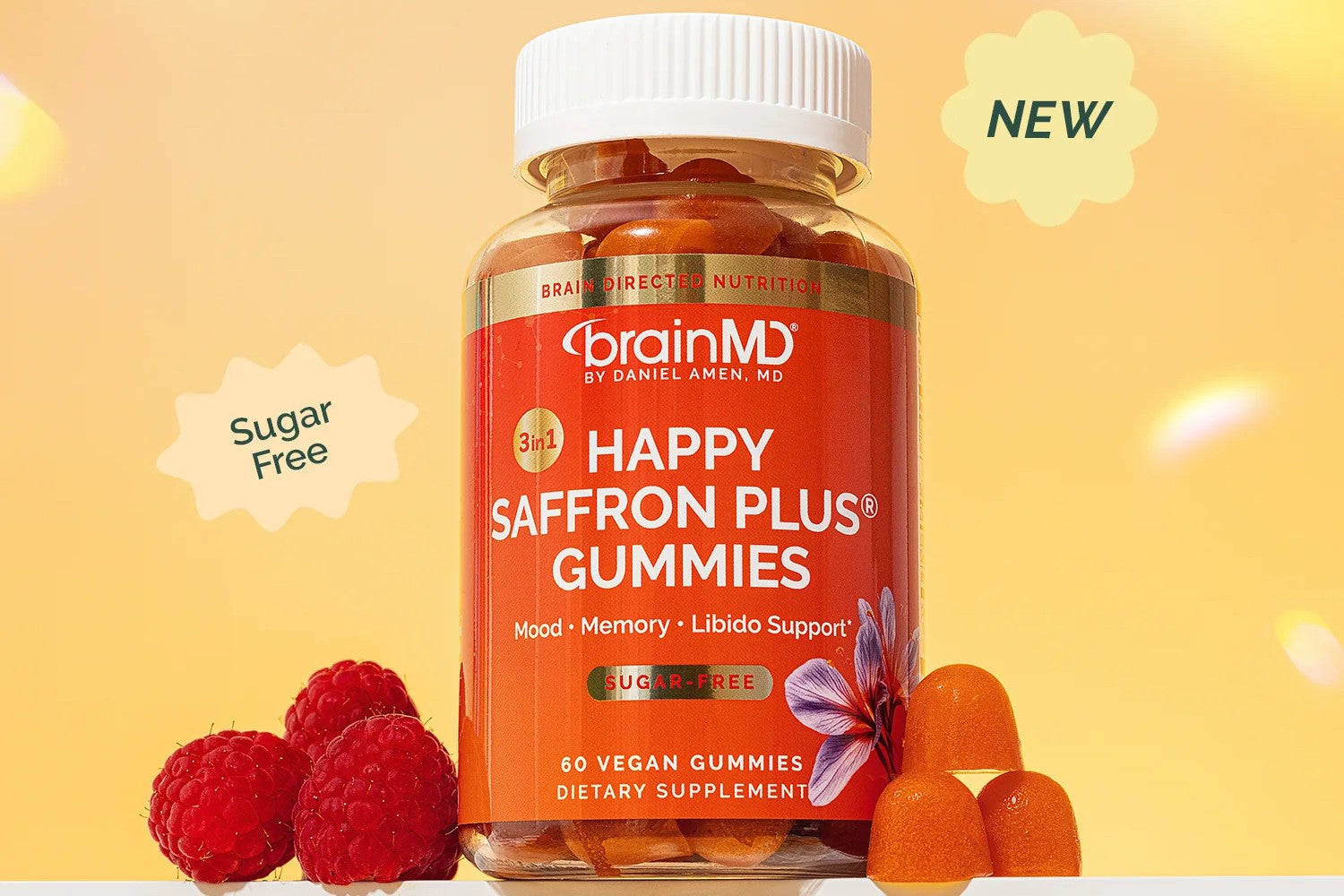
Thousands of thoughts run through your mind each day. How many are positive? How many are negative? With so many things going on in the world right now, it can be extremely difficult to keep negative thoughts from festering in your mind. Though wholly justified in light of recent events, concerns over your (and your family’s) physical, mental, and financial future can keep you in a perpetual state of fear. Unfortunately, the impact of negative thoughts can go even deeper. Do you have hurtful statements, made by a teacher, relative, or bully in the past, set on repeat in your mind? Or, are you plagued with self-doubt to the point where you believe negative thoughts about yourself? The Truth About Thoughts What you think has a powerful effect on your life. While it’s common to trust everything you think, the reality is many thoughts can skew in a negative direction. For example, you may incorrectly assume something about another person. Or, you may inaccurately interpret how others view you. This presents a real danger: if you think the same thoughts enough, they become your beliefs. Negative Self-Talk Habitual, negative self-talk trains the brain to see things pessimistically. Negative thinking can effectively rewrite your neural networks, reinforcing pathways in the brain that make it more likely you’ll continue seeing the glass as half empty. Additionally, having negative thoughts can reduce activity in the area of the brain involved with self-control, judgment, and planning. This can lead to harmful behaviors and poor decisions. So, how can you keep from believing every negative thought that enters your mind? These 7 strategies can help retrain your brain to think more positively and stop negative thoughts so you can have more fulfillment in life… 7 Helpful Ways to Stop Negative Thoughts So You Can Feel Happier 1. Exterminate the ANTs Automatic negative thoughts (ANTs) can cause your brain to release chemicals able to negatively affect every cell in your body and make you feel bad. The opposite is also true – positive, happy, hopeful thoughts release chemicals that help make you feel good. You can disinfect your thoughts by exterminating the ANTs that steal your happiness. Whenever you feel sad, mad, nervous, or stressed, write down what you’re thinking and then challenge that ANT. When you stop believing every fearful thought you have, you can start to regain control of your life. 2. Turn Off the News When news channels present unsettling projections and shocking images, the fear centers of your brain may be activated. News can induce a state of FOMO (fear of missing out) that keeps you riveted to each new alarming or controversial event, which can make you feel even more on edge. Watching news on TV or the internet can infest your mind with negative thoughts. In fact, it can increase both anxious and sad moods. Minimize your exposure to negative news by establishing time limits and stop watching TV at least an hour before you go to sleep at night. 3. Relaxation and Meditation Make time for yourself every day. Taking breaks for meditation and relaxation provides benefits for both your physical and mental health. Spending just 15 minutes alone, without distractions, may give you a fresh perspective. Clearing your mind and slowing your breathing can help restore inner calm. Repeating a simple Loving Kindness Meditation like “May I be safe and secure,” can increase positive thoughts and decrease negative ones. 4. Visit a Haven Choose a haven – a place you can imagine with all your senses. If it’s the beach, visualize the ocean, feel the sand beneath your feet, and the warm sun on your skin. Your haven can be any real or imaginary place where you feel comfortable. Begin to envision yourself not as you currently are, but as you want to be. Spending 20 minutes a day on this refueling exercise can help banish negative thoughts from your mind. 5. Write It Down The process of journaling gives negative thoughts a place to live other than your brain. Once those thoughts have been expressed, they often lose their intensity and urgency, which will allow you to focus on the positive things in your life. Writing in your journal 10 minutes before you go to bed can help release the stresses of the day and put you in a restful state of mind. 6. Give Grace How easy is it for you to give grace to others? Okay, now how easy is it for you to give grace to yourself? Letting yourself off the hook for past mistakes, especially common ones, can help you overcome negative thought patterns or destructive behaviors. You might find that your outlook on life is much more positive when you’re not being so hard on yourself. 7. Nutritional Support If you struggle with regulating your mood, you might consider getting nutritional support. BrainMD offers brain directed dietary supplements formulated with ultra-pure ingredients to help you feel calm and content. We’re pleased to present our premier mood supplement… Happy Saffron Plus® This breakthrough formula was scientifically designed to promote a positive mood. It brings together highly refined nutraceutical preparations of the two most traditionally revered “happiness herbals” – saffron flower extract and curcumin from the turmeric root – with zinc, a mineral essential for life and vital for positive mood. Now, its available as capsules or gummies. Why You Need It It's been estimated that in the U.S. at least 1 in 5 people endure serious mood problems and at least 1 in 4 experience significant feelings of anxiousness at some point in their life. Happy Saffron Plus® was developed from clinical research with three nutraceuticals for brightening mood, coping with anxious feelings, and enhancing alertness while under mental strain. Benefits of Happy Saffron Plus® Based on the most current research, this supplement provides: Powerful support for a positive mood Increased capacity for coping with anxiousness Enhanced alertness under stress What’s in Happy Saffron Plus®? Here are the 3 highly effective ingredients found in Happy Saffron Plus®: 1. affron® Standardized Saffron Extract. Saffron has been the happiness spice in the Middle East for at least 2600 years. affron® is a water-extracted saffron concentrate standardized for its most active constituents. In clinical trials, this extract has improved mood and anxiousness in adults and adolescents. 2. Longvida® Optimized Curcumin Extract. Like saffron, the turmeric root has been hailed as a happiness herbal in Asia for at least 2600 years. Curcumin is the molecular complex from turmeric root that improves mood, but is very poorly absorbed from turmeric powder. The Longvida® curcumin preparation features excellent absorption of curcumin and has worked well in clinical trials at 400 mg per day or higher. 3. Zinc, as Glycinate. This mineral is essential for the functioning of at least 300 enzymes essential for our life processes, and for the functioning of about 2000 different human proteins. People with mood problems typically have low blood levels, and taking supplements with zinc often enhances mood. Zinc glycinate is excellently absorbed and well tolerated. The combination of zinc with affron® saffron and Longvida® curcumin has the potential to elevate mood, perhaps even in individuals who don’t realize they have a mood problem. All three of these ingredients are documented to improve mood in controlled human clinical trials. [wc_box color="secondary" text_align="left" margin_top="" margin_bottom="" class=""] What others are saying about Happy Saffron Plus®: “Much less apt to feel down by current events or being cooped up in the house.” – Sally “Gives you a nice feeling of wellness & happiness.” – Jennifer [/wc_box] Give Happy Saffron Plus® a try today! The only thing you’ve got to lose is your blues. At BrainMD, we’re dedicated to providing the highest quality supplements to improve your physical health and overall well-being. For more information about Happy Saffron Plus® and our full list of brain healthy supplements, please visit us at BrainMD. *These statements have not been evaluated by the FDA. This content is for informational purposes only. It is not meant to substitute for medical or healthcare advice from a physician, nor is it intended to diagnose, treat, cure, or prevent any disease. Consult your healthcare provider before beginning a new health regimen.
Learn more
Parenting Tips: How to Successfully Work from Home with a Toddler
While many adults without kids have busy lives, those of us who have kids at home may be feeling more stressed and overwhelmed than ever, juggling the demands of work while also trying to be an attentive parent. Even if you’re fortunate enough to have access to a daycare, a babysitter, or grandparent, these tips can still help you better manage your time as you work throughout the day. Nap times are also when the most work gets done. If 2020 has taught me anything, it’s that I need to be willing to adapt each day to the needs of my child, have more grace with myself as a parent, and celebrate accomplishments more, no matter how small. With this in mind, here are some of my top tips for how to work from home with a toddler: 5 Tips for Working from Home with a Toddler 1. Find the Best Morning Routine Most parents have heard that kids thrive with some sort of structure or routine. Well, the same is true for adults. Even with a simple morning routine like waking up at the same time every day, making your bed, showering, eating a healthy breakfast, and checking your emails can jumpstart your day without having to use much brainpower. So, add a toddler or two into the mix and you know mornings can be very messy and chaotic. My recommendation is to wake up before the kids. Make time for your personal routine to get up, get yourself ready, exercise, or jumpstart a work project so you feel like you’ve accomplished something even before the kids are up. Then, take a break to help them through their morning routines so they feel just as happy and ready to go for the day. 2. Set Timers Time management may sound cliché when it comes to tackling many daily tasks, but it really does work! Whether you need to focus on work, family, or chores in the home, managing your time is an extremely important skill to master. Using timers throughout your day can help keep your focus on one thing at a time and allows you to fit in much more than you ever thought possible. Set timers for work tasks that you know you need to get done that day. Turn your phone on “Do Not Disturb” mode and avoid your work emails until you finish the task at hand. So, how do you do this with a toddler at home? Set timers for chunks of time throughout the day so you can give your child 100% of your attention. Whether to play with toys, to eat a meal together, read books, or go for a walk outside. By setting a timer it allows you to be present and avoid other distractions. Even if it’s just a 10-minute break from work to go for a walk to get the mail with your toddler, they notice and appreciate that you aren’t trying to do a million things at once. Set a 5-minute timer to clean up the toys or put away the dishes. Allow your toddler to participate in daily jobs so they can learn these important skills. You’d be surprised how clean your house can look after just 5 minutes of quick cleanup. Set a timer for screen time. While I personally know the struggle of trying to keep your toddler occupied with a screen while you’re also on a screen getting work done, it’s important to limit screen time for young brains. This is where it really helps to have someone you trust who can support you as a working parent and help care for the kids. 3. Embrace Flexibility If I had a dollar for every time I was about to do something work-related and had to quickly shift into “mom mode,” I’d be rich. This was something that, as a new mom, was hard for me to juggle. Now, with a toddler, I’ve come to embrace it. I’ve accepted and acknowledged that I wear many hats and need to be flexible while working from home. Not only that but fortunately, my employer allows some level of flexibility. This is key, and I feel that many companies are learning that employees can still be successful and productive if some things are completed outside the normal 9 am to 5 pm hour window. I also had to learn to be more flexible when it came to setting expectations. No human being can work 8 hours entirely on the computer, while also keeping a tidy home, a toddler busy and happy, meals prepared, and taking care of myself. I felt a lot of pressure in the beginning months after maternity leave to keep up this impossible pace. However, it just isn’t realistic…some things can and WILL fall through the cracks. It became a matter of simply prioritizing each day which things didn’t matter as much and which things were non-negotiable. 4. Evaluate Your Space Keeping your workspace separate from the rest of the home is definitely ideal. This helps you get into work mode, helps you to focus on your meetings or calls, and reduces distractions. If possible, find your own personal workspace within your home that inspires you. Another space in your home that’s important to evaluate is your child’s play space. I learned early on how quickly my daughter would get bored of her toys if they were just in a big chest or bin. It was too hard for her to see what she had, and with too many toys she didn’t last very long playing on her own. Instead of allowing the toys to take over the play space, pick only a few toys to have out for a few days. Cycling toys is a great way to keep your toddlers interested and playing with their toys. It’s also best to have their toys visible, on a small bookshelf or where they can see and pull them out on their own. 5. End the Day Right Be proud of what you accomplished, both in work and in parenting. Acknowledge your efforts each day and focus on the things that you were able to cross off your list. When it comes time to end your workday, try to unplug. Take some time for yourself or your family. Still have something on your list for work that day? I like to simply plan on waking up just a little bit earlier the next day to complete it. Try to separate your work from your life in the evenings and enjoy your unwind time. Hopefully, these tips will inspire you to make some minor changes that could make a big impact in your career and parenting success. Having a sense of accomplishment each day while also being there for those sweet moments with your toddler can be very rewarding. At BrainMD, we’re dedicated to providing the highest purity nutrients to improve your physical health and overall well-being. For more information about our full list of brain healthy supplements, please visit us at BrainMD.
Learn more
10 Foods & Beverages to Warm You Up This Winter
Q: What keeps you warm but doesn’t involve turning up the thermostat, starting a fire, or putting on a coat? (No, this isn’t a riddle.) A: Warming foods. It’s true. Some foods can make you feel warmer. The following 10 foods, spices, and beverages have properties that can stoke your metabolism and help increase blood flow to warm your body while also delighting your senses and taste buds. 10 Delicious Foods & Beverages to Keep Warm This Winter 1. Garlic Garlic is well-known for its warming properties, as are its close relatives – onion, shallot, leek, and chives. Research shows that garlic enhances thermogenesis (the body’s process of metabolizing a substance or nutrient to produce heat). Enjoy garlic and onion together as the perfect additions to any winter soup and stew. 2. Root Vegetables Root vegetables (such as beets, carrots, parsnips, sweet potatoes, and yams) can make a perfect side dish for winter meals. Made of complex carbohydrates, which are high in fiber, they digest more slowly, which generates heat in the body. It’s no accident that many traditional holiday meals include whole, sliced, or mashed vegetables…they help keep us warm! 3. Ginger Whether you enjoy ginger in tea or a savory stir-fry, it will deliver heat. Ginger has vasodilating properties, meaning it relaxes blood vessels, which helps to increase blood flow causing a warming effect throughout the body. A 2018 study found that ginger increased body temperature in women just ten minutes after consuming a ginger tea and that it kept women warm for longer than other hot beverages. Ginger tea is also soothing for the tummy. 4. Cayenne Spicy foods are often eaten in warm climates as they promote sweating, which cools you down. But this versatile spice also can warm you up. Cayenne contains a phytochemical called capsaicin, which helps turn up the heat in your body. Capsaicin digests slowly and increases gastric blood flow, which benefits your gut and warms your body. Jalapeños and ultra-spicy habaneros also contain capsaicin. Add a warming “kick” to a winter meal with any of these hot spices. 5. Meat Proteins are harder to digest than carbs or fats, and an intensely protein-rich meal can help warm you up. A study found that meat-based protein requires more energy to break down than plant-sourced protein, such as soy. Meats are also rich in minerals such as iron and B vitamins, which can help warm you if you’re iron deficient. Winter is the perfect time to make a savory beef stew or a chicken casserole dish. 6. Black Beans If you aren’t a meat-eater, enjoy a plant-based protein, like black beans, to produce warmth. A half-cup of these beans contains nearly eight grams of protein and lots of fiber to help keep you full. Black beans also have loads of nutrients, some of which enhance blood flow. A study that looked at thermogenesis with protein-rich and fat-rich meals found that protein will keep you three times warmer than a fat. Make a delicious black bean soup on a cold day to stoke your inner heat. Add some cayenne or other hot peppers for a warming boost. 7. Coffee Turn on your body heat with a morning cup of Joe. It’s actually the caffeine in coffee that activates thermogenesis, warming you up (so don’t drink decaf). If you prefer black or green tea, you’ll still warm up as they contain some caffeine. 8. Oats Whole grains such as oats are high in bran and fiber, which are slow to break down. The slow digestion releases warming energy and prevents spikes in blood sugar that can heat you up before quickly cooling you down. Other whole grains, such as brown rice, quinoa, millet, barley, and buckwheat, also break down slowly and deliver similar warming effects. Make yourself a delicious hot cereal with nuts and dried fruit for a thoroughly warming breakfast. Enjoy it with a caffeinated, warm beverage for an extra boost of heat. 9. Cinnamon Cinnamon is the spice of winter. There’s a reason for that. It has thermogenic properties that can raise your body temperature in cold weather. As an added bonus, cinnamon may help boost memory, learning, and mood, as well as help support healthy blood sugar levels. You can warm your body and boost your mood and brain function at the same time. Enjoy it in beverages (hot apple cider anyone?) or on your morning oats. 10. Bananas It may seem unlikely that a tropical fruit can warm you up, but banana’s B vitamins and magnesium can help do the trick. These nutrients support thyroid and adrenal gland health, which help regulate body temperature in cold weather. Enjoy a banana on a winter’s day with a nut butter, which adds complexity to create further warmth in the body. While these foods may warm you up from the inside this winter, don’t forget to put on your coat! At BrainMD, we’re dedicated to providing the highest purity nutrients to improve your physical health and overall well-being. For more information about our full list of brain healthy supplements, please visit us at BrainMD.
Learn more
5 Plant-Based Foods That Can Help You Build Lean Muscle
What do elephants, horses, Venus Williams, and Colin Kaepernick all have in common? They’re plant-based eaters who exhibit incredible strength and endurance. If you’re a plant-based eater wondering if you can build lean muscle, these magnificent herbivores and world-class athletes are a testament that you most certainly can. Plant-Based Protein for Muscle Gain When it comes to building lean muscle, protein reigns supreme. But protein doesn’t need to come from animal sources. A 2017 study in the American Journal of Clinical Nutrition found that plant protein and animal protein equally benefit your muscles. Increased protein intake, animal or plant, contributes to greater strength and muscle mass gains when coupled with resistance exercise. Protein is also needed to recover from training and to repair and grow muscle tissue. Adequate protein helps your body maintain muscle mass, too. Carbs and Fats Building lean muscle from a plant-based diet is about more than just protein. You need quality carbohydrates and healthy fats as well. Carbohydrates are vital for sustained energy, athletic performance, and overall muscle building. They help to increase your glycogen stores, which you need to power your workouts. And they refuel your body post-workout. Healthy fats provide satiety and help you store energy, absorb nutrients, synthesize protein, and maintain healthy hormone levels. 5 Plant-Based Foods that Promote Lean Muscle The following five plant-based foods are rich in macronutrients (proteins, carbs, and fats) as well as micronutrients (vitamins, minerals, fiber, and antioxidants), and can help you on your way to building lean muscle. 1. Can You Say Quinoa? Quinoa is an ideal food for building muscle as it’s naturally gluten-free, yields about 8 grams of protein per cooked cup, and roughly 40 grams of complex carbohydrates. It also provides 5 grams of fiber, which ensures sustained energy and helps with satiety. Quinoa is rich in important minerals such as magnesium, manganese, and phosphorous. Magnesium plays a role in muscle contraction, boosts energy levels, and helps to reduce muscle cramps and fatigue. Manganese helps with protein and amino acid digestion. Phosphorous is needed for the body to make protein for the growth, maintenance, and repair of cells and tissues. Be sure to enjoy other whole grains, including brown rice, oats, barley, buckwheat, and spelt, to name a few. 2. Top-Seeded Hemp Hulled hemp seeds (also called hemp hearts) deliver quality protein (about 9 grams per ounce) to your body along with the perfect ratio of omega-3 and omega-6 essential fatty acids. Hemp contains a complete profile of essential amino acids. They’re a bounty of micronutrients, including iron, calcium, magnesium, and vitamin E. Try them on salads, hot cereals, or in rice dishes or a smoothie for a protein boost. Enjoy other nutrient-dense, protein-rich seeds such as flaxseeds, chia seeds, pumpkin seeds, and sunflower seeds. And don’t forget nuts – almonds, walnuts, Brazil nuts, pecans, pistachios, and more – similarly provide your body with protein, healthy fats, and a host of vitamins and minerals. 3. Your Go-To Tofu Made from condensed soy milk, tofu is an excellent source of protein and a fantastic meat substitute. A half-cup serving yields roughly 10 grams of protein and all nine of the essential amino acids your body needs. It’s also a good source of calcium and iron, which support proper muscle function and bone health. Numerous studies have demonstrated the link between soy protein consumption helping to promote fat loss while preserving muscle mass and supporting lean body mass gains. Enjoy it scrambled for breakfast with onions and spinach, use it in a vegetable kabob, stir-fry or casserole. It’s versatile and easy to flavor. You can try other soy-based products, including soybeans, soymilk, miso, tempeh and edamame. The beans and edamame are great sources of fiber, iron, magnesium, potassium, protein, and zinc. 4. Get a Pulse Pulses include low-fat protein-, nutrient- and fiber-rich beans such as kidney beans, black beans, mung beans, pinto beans, and garbanzos (chickpeas), as well as lentils and split peas. Lentils and split peas lead the pack in terms of protein content. Pulses also contain important vitamins and minerals like iron, potassium, magnesium, calcium, zinc, and folate. What’s more, they’re inexpensive, highly versatile, and relatively simple to make. Use them in a soup, in hummus, add them to a salad, or combine them with rice. 5. How Sweet It Is One of the healthiest foods on the planet, sweet potatoes, can be eaten at any meal. They’re the perfect complex carbohydrate. The sweet potato’s low glycemic index stabilizes blood sugar and reduces insulin resistance while fueling the body before or after strength training. Sweet potatoes are rich in beta-carotene, a potent antioxidant responsible for aiding growth and repair of the body’s tissues, which includes muscle. Remember, all potatoes (provided they’re not fried) are great sources of complex carbohydrates. And they do offer some protein! (A medium-sized russet potato contains about 4 grams of protein.) In addition to these foods, there are many vegetables that contain protein, albeit in smaller amounts. Bananas and dried fruit are other terrific sources of complex carbohydrates and key minerals. Combine them with nuts and seeds for a power-packed snack. Bottom line: plant-based eating gives you myriad options for strengthening your body. There’s no reason a plant-based eater can’t reach optimal levels of fitness! At BrainMD, we’re dedicated to providing the highest quality supplements to improve your physical health and overall well-being. For more information about our full list of brain healthy supplements, please visit us at BrainMD. *These statements have not been evaluated by the FDA. This content is for informational purposes only. It is not meant to substitute for medical or healthcare advice from a physician, nor is it intended to diagnose, treat, cure, or prevent any disease. Consult your healthcare provider before beginning a new health regimen.
Learn more
4 Simple & Healthy Mushroom Recipes to Try Today
In part one, nutritionist Zoe Davis took a deep dive into the science, health benefits, and sample uses of the six superfood mushrooms found in BrainMD’s Smart Mushrooms. In this article, Zoe gives preparation tips for how to use these immune-boosting mushrooms in delicious foods and beverages. Below are some healthy mushroom recipes to try with the six mushroom varieties available in concentrated form in Smart Mushrooms. If you aren’t a huge fan of the texture of mushrooms you find in these recipes, you might try cutting them up into super small pieces to use in a veggie sauté so that they blend in more with the other flavors you prefer, or puree them in soups with strong flavors like garlic, ginger, or peppers. I’ve gotten away with “hiding” mushrooms many times this way with my family. 4 Simple & Healthy Mushroom Recipes to Try Thai Chicken & Shiitake Mushroom Soup Ingredients 1 ½ tsps Coconut Oil 1 Garlic (clove, minced) 1 tsp Ginger (minced) 3 cups Organic Chicken Broth 1 TB Coconut Aminos ¼ oz Lemongrass (peeled, chopped into large pieces) 8 ozs Organic, Pasture-raised Chicken Breast (skinless, boneless, chopped into cubes) 1 ½ cups Shiitake Mushrooms (sliced) 1 cup Organic Coconut Milk (canned) 1 TB Lime Juice ¼ cup Thai Basil (chopped) How to Cook: In a pot over medium heat, add the coconut oil, garlic, and ginger. Sauté for 1 minute. Then add the broth, coconut aminos and lemongrass. Bring to a simmer, reduce heat to medium-low and cook for 15 to 20 minutes. Add the chicken and mushrooms and cook for 10 minutes or until the chicken is cooked through. Remove from heat. Remove the lemongrass stalks and discard. Add the coconut milk and lime juice. Stir to combine. Divide into bowls and garnish with basil. Enjoy! Reishi Tea Ingredients 3 cups Water 1 TB Hibiscus Tea (loose leaf or bagged) ⅟16 oz Reishi-containing Smart Mushrooms powder ¼ cup Mint Leaves (optional but delicious!) How to Prepare: Bring the water to a boil and steep the hibiscus tea for about 10 minutes. Mix in the Super Mushrooms powder, if using, and stir vigorously to combine. Add the tea to a pitcher and refrigerate until cold. Divide the ice cubes between glasses and pour the chilled tea overtop. Garnish with mint, if desired. Enjoy! Lion’s Mane Roast Ingredients 12 ozs of Lion’s Mane Mushroom, slice to desired thickness 2 TB Avocado Oil 6 large Shallots or small Yellow Onions (sliced) ½ tsp Sea Salt ¼ tsp ground Black Pepper 1 TB Miyokos Coconut/Cashew Butter or ½ TB Ghee ⅓ cup Veggie Broth 1 TB Apple Cider Vinegar 1 TB fresh Thyme Leaves How to Prepare: Preheat oven to 425 degrees (may vary depending on oven) Heat 1 TB of avocado in pan at medium heat, coating pan evenly. Add in onions or shallots, thyme, and a pinch of salt, stirring regularly. After 5 minutes, add in veggie broth, cover pan and reduce heat. Simmer for 10-12 minutes or until onions/shallots are tender. Add apple cider vinegar and pepper. Stir thoroughly. Remove from direct heat, but keep covered. Heat a large skillet over medium-high heat. Once hot, add 1 TB avocado oil, coating whole pan. Add in mushrooms with the fuzzier side down. Cook 3-5 minutes or until light brown, then turn over to repeat. Top each with a small piece of Miyoko’s coconut/cashew butter or drop/flick of ghee. Immediately put pan in oven and bake for 5-7 minutes or until tender when putting a fork through them. Remove from oven. To serve, scoop a spoonful of the onion/shallot mixture onto a plate (this recipe serves 4), then add a few mushrooms to the top of the onions. You can sprinkle with fresh herbs of choice such as rosemary or chives if desired. Agaricus Blazei Tea or Soup Ingredients Dried Agaricus Blazei Hot Water How to Prepare: Bring pot of water to boil Soak dried agaricus blazei in hot water for at least 30 minutes or to desired strength. Discard the mushroom and drink the broth as is, or use in soups with chicken, beans, or vegetables like kale, other forms of mushrooms, onion, etc. Spice with fresh ginger, garlic, or other fresh herbs as desired. Reishi and Turkey Tail These forms are not commonly eaten due to super-fibrous nature, but can be steeped in hot water for tea, or used in powdered form in beverages and smoothies as in Smart Mushrooms. Smart Mushrooms Smart Mushrooms is firmly grounded in the most recent clinical and scientific research on medicinal mushrooms. All six mushrooms are highly nutritious, and together they offer a broad spectrum of health benefits. These can be added to any recipe! Benefits of Smart Mushrooms The mushrooms in this formula are high in protein and fiber, low in calories and sodium, and contribute many vitamins and minerals to the diet. They include glucans, unique fibers that can enhance immunity, provide antioxidant benefits, and promote healthy gut microbial balance. The Smart Choice Smart Mushrooms offers substantial promise for improving memory, mood, and other cognitive functions. These six mushrooms are functional foods that can help increase energy, wellness, and high-level brain performance. It’s the smart choice for immune and whole-body support.
Learn more