 Skip to content


Wellness Blog



Are You Ignoring the Most Common Signs of Stress?
Common Signs of Symptoms of Stress: [wc_row][wc_column size="one-half" position="first"] Frequent headaches or migraines Gritting or grinding of teeth Tremors or trembling lips or hands Neck ache, back pain or muscle spasms Light-headedness, faintness, dizziness Hearing ringing, buzzing or popping sounds Frequent blushing or sweating Cold or sweaty hands or feet Dry mouth or problems swallowing Frequent colds, infections or herpes sores Rashes, itching, hives or goose bumps Unexplained or frequent allergy attacks Stomach pain or nausea Constipation or diarrhea Difficulty breathing or signing Sudden panic attacks Chest pain or heart palpitations Frequent urination Poor sexual desire or performance Excessive anxiety, worry, guilt or nervousness Increased anger, frustration or hostility Depression, frequent or wild mood swings Increased or decreased appetite Insomnia, nightmares or disturbing dreams [/wc_column][wc_column size="one-half" position="last"] Difficulty concentrating, racing thoughts Trouble learning new information Forgetfulness, disorganization or confusion Difficulty in making decisions Feeling overwhelmed Frequent crying spells or suicidal thoughts Feelings of loneliness and worthlessness Little interest in appearance or punctuality Nervous habits, fidgeting or feet tapping Increased irritability or edginess Overreaction to petty annoyances Increased number of minor accidents Reduce work efficiency or productivity Lies or excuse to cover up poor work Excessive defensiveness or suspiciousness Problems in communication or sharing Social withdrawal& or isolation Constant fatigue or weakness Frequent or weakness Frequent use of over the counter drugs Weight gain or loss without diet Increased smoking Increased alcohol or drug use [/wc_column][/wc_row] *Source: The American Institute of Stress
Learn more
NeuroVite Plus Supplements
BrainMD Health makes getting brain nutrients simple and easy with NeuroVite Plus. It’s the first and only daily broad spectrum, brain directed supplement that provides superior nutritional support with a well-rounded and complete balance of vitamins, minerals, phytonutrients and digestive enzymes. Dr. Amen takes it every day! As you’ll soon discover, NeuroVite Plus is no ordinary vitamin. It contains expert recommended amounts of important nutrients that many multivitamin formulas overlook such as vitamin D, vitamin B6 and B12, folic acid and more. It includes BrainMD Health's proprietary, brain-boosting blend of clinically researched brain health nutrients. Each daily serving also provides antioxidant benefits from the most nutrient dense and nutrient diverse fruits and vegetables. And added digestive enzyme support helps your body break down and assimilate its healthy nutrients! But perhaps what’s most extraordinary about NeuroVite Plus is what the people behind the product have to say about it in this video—that is, the people who use NeuroVite Plus daily. Here are just a few of the positive comments they share: “NeuroVite Plus is the one and done supplement. It helps me focus better when I’m at work.” – Jasmine “This is the first vitamin that I’ve taken that actually works for me.” – Sapphire “I needed more energy and improvement in my memory, so I started taking NeuroVite Plus, and after four weeks, I noticed a significant improvement.” – Terry “Once I was introduced to NeuroVite Plus, I realized that my energy levels started to come up more.” – Sarah To get better brain nutrition to look, feel and think your best, check out NeuroVite Plus right now, click here.
Learn more
Support Healthy Levels of Serotonin
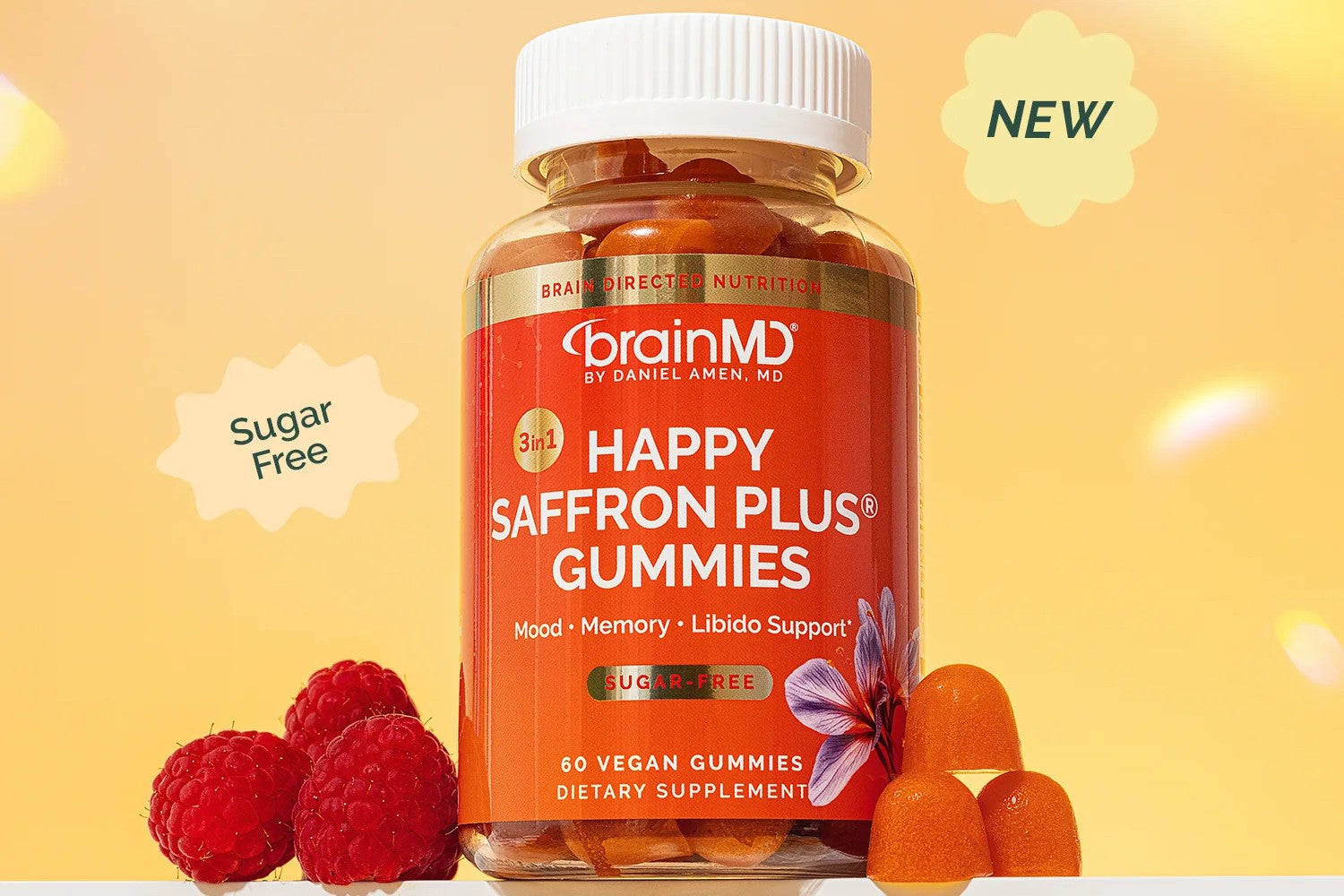
If the New Year has you feeling low, there is a way to turn that mood from bad to good! According to clinical neuroscientist, board certified psychiatrist, and ten-time New York Times bestselling author Daniel G. Amen, MD, feeling down might be related to the production of serotonin in your brain. Reduced sunlight exposure and chronic stress are two factors that have been associated with lower levels of serotonin and low mood, he says. In response, BrainMD Health has created a science-based natural formula to support healthy levels of serotonin in the brain and healthy mood. It’s called Serotonin Mood Support. This winning formula contains saffron, which has been shown in clinical studies to support a healthy mood. It also includes 5-HTP, a precursor to serotonin that helps support healthy serotonin levels. Additional synergistic support is provided by vitamin B6 and inositol. Nothing speaks louder than the voice of someone who has seen positive results using Serotonin Mood Support. “…Took about a week and a half, but I started noticing that I felt like my mood was more steady.” – Larry “…I wake up every morning feeling great!” – Luciano “…I feel much happier and pleasant to be around.” – Lisa “It was a natural way for me to even out…” – Bianca
Learn more
Best Supplements To Get to Optimal Brain Health
Clinical neuroscientist, board-certified psychiatrist and brain imaging expert Daniel G. Amen, MD, created a line of supplements to help your brain as well as your body function at peak performance. Here are the four supplements to get you on your way to optimal brain health. Of course, when you take care of the brain, you take care of the entire body too! 4 of the Best Supplements to Optimize Your Brain Health Brain & Memory Power Boost This formula includes a natural combination of antioxidants and clinically tested nutraceuticals to support healthy memory, optimal cognitive clarity and mental focus. Who doesn’t want that? There are 6 ingredients in all. Brain studies conducted at the Amen Clinics have shown that the formula supports enhanced blood flow to the brain as well as cognitive function. It is one of the most comprehensive brain directed supplements available anywhere addressing the most common brain concerns. Omega-3 Power Why did Dr. Amen create his own fish oil supplement? It was personal. He created Omega-3 Power quite simply because he wanted everyone connected to him to have access to the highest quality Omega-3 supplement available anywhere. Starting with the very best fish species and then using the most advanced detoxification and purification process in the supplement industry at a pharmaceutical drug-licensed facility with the most stringent manufacturing standards, Omega-3 Power is as pure as it gets. Omega-3 fatty acids are very important structural components of brain cell membranes. Supplementation is necessary because the body does not manufacture them on its own, and most Americans do not get enough from the diet alone. Focus & Energy To make it in today’s fast-paced world, you’ve got to stay focused with plenty of mental energy. Focus & Energy optimizer helps your brain maintain focus, and also supports a healthy energy level to support peak performance – all without caffeine. It includes green tea and choline to support concentration along with three powerful adaptogens: ashwagandha, rhodiola and panax ginseng. Combined, these ingredients support mental endurance, stamina, a healthy immune system, healthy brain blood flow and a healthy response to every day stress. NeuroVite Plus Multivitamin Dr. Amen takes NeuroVite Plus Multivitamin every day. It is the first and only daily broad-spectrum, brain-directed supplement that provides superior nutritional support through a well-rounded and complete balance of vitamins, minerals, phytonutrients and digestive enzymes. It uniquely includes a proprietary brain-boosting blend of clinically researched brain health nutrients. A whopping 91% of Americans consume less than five servings of fruits and vegetables a day – the minimum nutritional requirement. That’s why each daily serving of NeuroVite Plus also provides antioxidant benefits of the most nutrient-dense and nutrient-diverse fruits and vegetables. Try these 4 high-quality, brain directed supplements today!
Learn more
New Brain Healthy Chocolate called Brain in Love
Grandson of a Candy Maker My grandfather was a candy maker. He was very special to me. In fact, I was named after him. He was my best friend growing up. I used to stand at the stove and make fudge, chocolate and pralines with him. But his chocolate was filled with all the wrong stuff—a lot of sugar and dairy. It made him sick and it took him away from me way too early.I loved him. And I love chocolate. So I used my wonderful brain to create a truly healthy chocolate. Brain in Love is made with dark chocolate, stevia and erythritol. It’s only 140 calories and has 9 grams of fiber, which is great for your entire system. Take it from this candy maker, it tastes absolutely delicious! Good For Your Brain But better yet, it’s good for your brain. Chocolate has been shown to increase blood flow to the brain, increase antioxidants and increase a chemical called phenylethylamine, which alerts your brain stem that something fun is about to happen. A lot of studies show that chocolate is good for your brain. “The One Thing” About Health People generally have the wrong idea about making a serious commitment to health. They think it is about deprivation, when it is really about abundance. You get an abundance of great energy, clarity of thought and good health. If you ever saw the film “City Slickers,” the old, rough cowboy character played by Jack Palance talks about the “One Thing” on his dying breath, but we never hear what it is! Earlier this year, I channeled that character and discovered the “One Thing” about getting healthy: When you start doing the right thing, you stop feeling deprived. That’s why I created Brain in Love. You can get healthy and enjoy awesome treats that are both good for your soul and healthy for your brain! This is a great video to share with your chocolate-loving friends who want to be healthier.
Learn more
How Natural Supplements Can Boost Your Memory
Having reviewed many thousands of brain scans over several decades, I had concern about the effects I observed that medication had on the brain. With the philosophy, “First, do no harm” and aiming to use the least toxic, most effective solutions, I became very interested in natural supplements. Since incorporating them into the Amen Clinics program, the physiological effects and benefits we’ve observed in our patients are undeniable. Yet, I recognize there are real concerns about natural supplementation as a whole, and that it’s not the solution for everyone. Let’s take a look at the benefits and drawbacks. The Good When prescribed properly, they work! You don’t have to tell your insurance company you are taking them. (Most people are unaware that taking psychiatric medications for your mind can have an unfortunate negative impact on your health insurance, life insurance, disability insurance and long-term care insurance.) Fewer side effects (In my clinical experience, drastically fewer side effects.) The Bad Quality control (Too often, your nutritional supplement consultant is a teenage clerk at the health food store—yikes!) When we first began suggesting supplements to our patients, we vetted the best multivitamin and fish oil brands and made recommendations. But soon I found that I wanted a multivitamin with specific brain healthy nutrients at efficacious levels as well as a very specific type of fish oil that I believed would be best for the brain. The need gave birth to the BrainMD line of supplements, an extraordinary line of brain directed formulas designed specifically to optimize both brain and body health. To get started on a natural supplement program, I recommend starting with the following: 1. High-Quality Multivitamin I believe everyone should start with a high-quality multivitamin. BrainMD's multivitamin, NeuroVite Plus Multivitamin, has fifty brain healthy nutrients at just the right levels to ensure optimal brain and body function. I take it every day! 2. Ultra-Pure Fish Oil with the Right Amount of DHA and EPA I believe everyone should take a high-quality fish oil, rich in the right kinds of omega-3 fatty acids. I choose fish oil over plant-based flax oil because only fish oil has two very important brain and heart healthy ingredients: EPA and DHA. EPA and DHA are well-studied and very important to optimal brain function as well as heart health. BrainMD's fish oil with EPA and DHA in balanced amounts is called Omega-3 Power. 3. Vitamin D Vitamin D deficiency is prevalent. Get your vitamin D levels tested and if your levels are low, be sure to take vitamin D every day. Vitamin D is essential for ensuring normal calcium absorption and maintenance of healthy calcium plasma levels. Numerous scientists now feel that supplementation with vitamin D at levels greater than previously thought necessary is critical to helping maintain healthy bone remodeling as we age. While these are three basic supplements, you may likely benefit from other natural supplements, based on your particular health needs. We are really proud of the BrainMD Health supplement line and we want them to work for you. That’s why we offer a 100% money back guarantee if you are not fully satisfied. Click here to check out our line of supplements.
Learn more
N-acetyl-cysteine: The Natural Supplement
It’s official—the holiday season has arrived! Yet, for those who suffer from food addiction, ‘tis the season to be on alert. Food triggers are everywhere, often rooted in childhood memories or traditions that come with strong emotional ties. The intense, rich, high-fat and sugary foods of the holidays have the potential to unleash addictive eating. While sticking with brain healthy foods during this time is critical, taking a nutritional supplement that helps support healthy craving levels in the brain could make the difference between failure and success. In fact, food cravings are more powerful than once thought. Over the past two decades, research has uncovered that it is possible to be dependent on food in the same way it is possible to be dependent on drugs or alcohol. Eating foods high in fat and sugar has been documented to release the same pleasurable chemical — the neurotransmitter dopamine — as using heroin, cocaine, nicotine, and alcohol! This indicates that substances that have been shown to reduce cravings for drugs and alcohol may also reduce cravings for food. But there is an amazing natural supplement that can help take the edge off cravings: N-acetyl-cytsteine (NAC). NAC is an amino acid that is needed to produce glutathione, which is a very powerful antioxidant. NAC binds to and removes dangerous toxic elements within the cells, making it a molecule critical to brain health. The typical adult serving for NAC is 600 to 1,200 mg twice a day to support healthy craving levels. NAC Combination Formulas You’ll find that NAC formulas are frequently combined with additional craving-curbing ingredients. These types of formulas are terrific. Look for NAC combination formulas that include either or both of these winning ingredients: L-glutamine. An amino acid that has been shown to stabilize blood sugar and increase insulin levels and action. The typical recommended adult dosage for healthy craving support is 500 to 1,000 mg a day. Chromium (or chromium picolinate). Chromium helps with the regulation of insulin, which enhances its ability to efficiently metabolize glucose and fat. There is a strong link between low moods, decreased insulin sensitivity, and diabetes. The typical recommended adult dosage for healthy craving support is 200 to 600 mcg a day. Formulas with these ingredients offer a great way to strengthen your commitment to health by helping to keep your brain’s craving center in check. Wishing you a happy, healthy Thanksgiving and holiday season! References: Amen SA, et al. Repeated N-acetyl cysteine reduces cocaine seeking in rodents and craving in cocaine-dependent humans. Neuropsychopharmacology. 2011 Mar;36(4):871-8. LaRowe SD, et al. Safety and tolerability of N-acetylcysteine in cocaine-dependent individuals. Am J Addict. 2006 Jan-Feb;15(1):105-10. LaRowe SD, et al. A double-blind placebo-controlled trial of N-acetylcysteine in the treatment of cocaine dependence. Am J Addict. 2013 Sep-Oct;22(5):443-52. Schmaal L, et al. Efficacy of N-acetylcysteine in the treatment of nicotine dependence: a double-blind placebo-controlled pilot study. Eur Addict Res. 2011;17(4):211-6. Grant, JE, et al. N-acetyl cysteine, a glutamate-modulating agent, in the treatment of pathological gambling: a pilot study. Biol Psychiatry. 2007 Sep 15;62(6):652-7. Rogers LL, Pelton RB. Glutamine in the treatment of alcoholism. Q J Stud Alcohol. 1957;18:581–7. Jukic T, et al. The use of a food supplementation with D-phenylalanine, L-glutamine and L-5-hydroxytriptophan in the alleviation of alcohol withdrawal symptoms. Coll Antropol. 2011 Dec;35(4):1225-30. Blum K. A commentary of neurotransmitter restoration as a common mode of treatment for alcohol, cocaine, and opiate abuse. Integr Psychiatry. 1986;6:199-204. Samocha-Bonet D, et al. Glutamine reduces postprandial glycemia and augments the glucagon-like peptide-1 response in type 2 diabetes patients. J Nutr. 2011 Jul;141(7):1233-8. Greenfield JR, et al. Oral glutamine increases circulating glucagon-like peptide 1, glucagon, and insulin concentrations in lean, obese, and type 2 diabetic subjects. Am J Clin Nutr. 2009 Jan;89(1):106-13. Badole SL, et al. Oral L-glutamine increases active GLP-1 (7-36) amide secretion and improves glycemic control in stretpozotocin-nicotinamide induced diabetic rats. Chem Biol Interact. 2013 Apr 25;203(2):530-41. Anton SD, et al. Effects of chromium picolinate on food intake and satiety. Diabetes Technol Ther. 2008 Oct;10:(5):405-12. Anderson RA, Cheng N, Bryden NA, et al. Elevated intakes of supplemental chromium improve glucose and insulin variables in individuals with type 2 diabetes. Diabetes. 1997;46:1786-91. Jovanovic L, Gutierrez M, Peterson CM. Chromium supplementation for women with gestational diabetes mellitus. J Trace Elem Med Biol. 1999;12:917. Ghosh D, et al. Role of chromium supplementation in Indians with type 2 diabetes mellitus. J Nutr Biochem. 2002;13:690-697. Martin J, et al. Chromium picolinate supplementation attenuates body weight gain and increases insulin sensitivity in subjects with type 2 diabetes. Diabetes Care. 2006;29:1826-32. Cefalu WT, et al. Effect of chromium picolinate on insulin sensitivity in vivo. J Trace Elem Exp Med. 1999;12:71-83.
Learn more
Counter Holiday Stress with Everyday Stress Relief
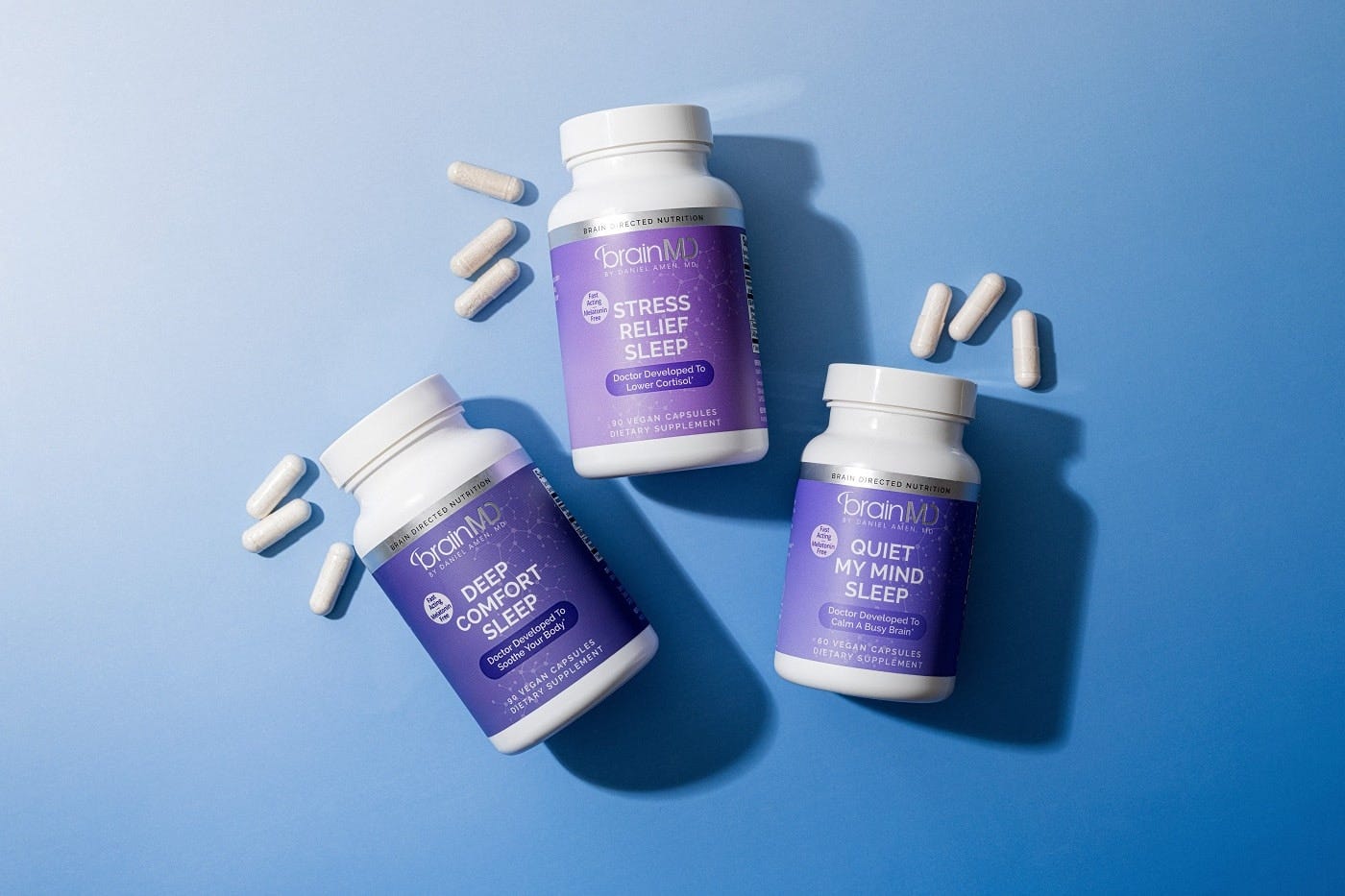
While the holidays can indeed be magical and full of warmth as we spend time with family and close friends, it’s more evident than ever that they also come with a dark under belly of expectations and pressures that can cause stress. Not fun! Unaddressed, these forces have the power to steal your joy and trigger unproductive behaviors, which can absolutely ruin a holiday. Yet, with a nutritional support plan in place, and some awareness, you can navigate the holidays with calm and enjoy the pleasures they have to offer. The Perfect “Stress” Storm At holiday time, we’re at the mercy of many stress-causing influences. Let’s look at a few. Even before Thanksgiving arrives, we are blitzed with media images depicting unrealistic portrayals of happy, affluent families in holiday settings. Who are these people? And where does this really exist?! School breaks mean unstructured time for children—and often additional stress for parents! Children tend to act out at this time of year due to sensory overload from all the excitement and expectations of the season as well as too many sugary treats. The holidays put a very real demand on our time and energy in order to make it all happen. Stressful! Without a doubt, there’s mounting financial pressure to meet the increased expenses that go along with gift giving, holiday entertaining and travel! It’s accurate to say that stress figures prominently in the holiday experience! Relaxation Nutrients What do stressed out people do? Unfortunately, too often, they self-medicate—with alcohol, drugs or food, which only serve to temporarily relieve the issue, but make stress worse in the long run. A better solution is to take a brain-directed nutritional approach, such as BrainMD Health's Everyday Stress Relief, the perfect stress support supplement for daily living! Everyday Stress Relief! Everyday Stress Relief’s combination of L-theanine, holy basil, magnesium and Relora®, is designed to: Promote calm without drowsiness Support mental focus Provide adrenal support L-theanine, a clinically proven amino acid found in green tea, and holy basil, a treasured adaptogen in Ayurvedic medicine, help to support healthy cortisol levels in the body. Combined with magnesium, the “relaxation” mineral, these natural ingredients promote calm while supporting focus. Relora is an efficacious clinically studied proprietary blend of extracts of Magnolia officinalis and Phellodendron amurense. It may help to support healthy cortisol levels in the body, which tend to rise under stress, while promoting calm and improved mood states, according to clinical research. A placebo-controlled study published in the Journal of the International Society of Sports Nutrition measured both mood and cortisol levels of moderately healthy individuals having received Relora compared to placebo over a four-week period. The researchers concluded, “the results indicate that daily supplementation with a combination of Magnolia bark extract and Phellodendron bark extract (Relora®) reduces cortisol exposure and perceived daily stress, while improving a variety of mood state parameters, including lower fatigue and higher vigor.” Remember this Thanksgiving, instead of being stressed out, calm your stress and enjoy your loved ones. Wishing you and your loved ones a very happy, brain-healthy Thanksgiving! References: Kalman, DS, et al. Effect of a proprietary Magnolia and Phellodendron extract on stress levels in healthy women: a pilot, double-blind, placebo-controlled clinical trial. Nutr J. 2008 Apr 21;7:11. Talbott, SM, et al. Effect of Magnolia officinalis and Phellodendron amurense (Relora®) on cortisol and psychological mood state in moderately stressed subjects. J Int Soc Sports Nutr. 2013 Aug 7;10(1):37.
Learn more
How Acetyl-carnitine Helps Produce Energy
November marks a BIG month for brain health! We observe National Alzheimer’s Disease Awareness Month as well as Veterans Day, which bring to light some fairly alarming brain health statistics. Currently, an estimated 5.2 million Americans have Alzheimer's disease, including approximately 200,000 individuals younger than age 65 who have younger-onset Alzheimer's, according to the latest information from the Alzheimer’s Association. Traumatic brain injury (TBI) and its correlated symptoms affect hundreds of thousands of veterans. The Brain Trauma Foundation reports that based on existing data, veterans’ advocates believe that between 10-20% of Iraq veterans, or 150,000 and 300,000 people, have some level of TBI. Among wounded troops, the rate of TBI rises to 33%! While no cure yet exists for Alzheimer’s, and cases of TBI can only be managed, there are ways to support brain health, naturally. We can let Alzheimer’s and the prevalence of TBI among our veterans be reminders to us all that it’s critical to be proactive in caring for our brains. Let’s not forget that our brain is the control center of our body—and to a large extent, the determinant of our individual well-being! The Little Known Standout Brain Health Supplement While getting plenty of nutrient-rich whole foods in your diet is extremely important for brain health, there are standout nutritional supplements that are showing promising results in scientific research. While many have heard of the blood flow and memory support herb Ginkgo biloba, a lesser-known supplement called acetyl l-carnitine is also showing promise in research studies—and it’s worth your attention. Acetyl-L-carnitine (ALCAR) is an amino acid that’s produced naturally in the body and helps the body produce energy. However, it is also a powerful antioxidant and can cross the blood-brain barrier where it plays a role in the production of the neurotransmitter acetylcholine as well as supports healthy blood flow to the brain. ALCAR’s role in supporting healthy acetylcholine levels in the brain makes all the difference. That’s because acetylcholine is integral to healthy memory, learning, computation, analysis, perception and a host of other cognitive functions. Increased acetylcholine levels can translate to increased synaptic flexibility and memory formation, which are both indicative of healthy brain function. Nice in theory, but let’s take a look at some of the research. One promising study examined aged subjects that supplemented with ALCAR over a course of time. The researchers observed increased acetylcholine levels as well as indications of increased synaptic transmission and improved learning capacity after supplementation. While ALCAR supports healthy acetylcholine levels, it’s believed that its antioxidant activity benefits the brain as well by helping to reduce the signs of oxidative stress and helping to remove toxins from the brain. One study, conducted by Dr. Daniel Amen and a team of researchers that was published in the Journal of Psychoactive Drugs, examined the results of an outpatient protocol designed to help improve brain function in retired NFL players with brain injuries. While only a component of the entire program, the participants were given a daily brain-directed nutritional supplement containing acetyl l-carnitine. Overall results showed improvements in the majority of participants. If you are looking to support your brain health, a supplement containing ALCAR appears to be a great way to go. Of course, before taking any new supplement, it’s strongly advised that you consult your medical doctor. Here’s to taking steps to protect your brain health! References: White, HL, et al. Acetyl-L-carnitine as a precursor of acetylcholine. Neurochem Res. 1990 Jun;15(6):597-601. Kobayashi, S, et al. Acetyl-L-carnitine improves aged brain function. Geriatr Gerontol Int. 2010 Jul;10 Suppl 1:S99-106. Gavrilova, SI, et al. Acetyl-L-carnitine (carnicetine) in the treatment of early stages of Alzheimer's disease and vascular dementia Zh Nevrol Psikhiatr Im S S Korsakova. 2011;111(9):16-22. Zhou, P. et al. Acetyl-L-carnitine attenuates homocysteine-induced Alzheimer-like histopathological and behavioral abnormalities. Rejuvenation Res. 2011 Dec;14(6):669-79. Goo, MJ, et al. Protective effects of acetyl-L-carnitine on neurodegenarative changes in chronic cerebral ischemia models and learning-memory impairment in aged rats. Arch Pharm Res. 2012 Jan;35(1):145-54. Jiang, X, et al. Acetyl-L-carnitine ameliorates spatial memory deficits induced by inhibition of phosphoinositol-3 kinase and protein kinase C. J Neurochem. 2011 Sep;118(5):864-78. Amen, DG, et al. Reversing brain damage in former NFL players: implications for traumatic brain injury and substance abuse rehabilitation. J Psychoactive Drugs. 2011 Jan-Mar;43(1):1-5.
Learn more
Beat the Time Change Blues
When Daylight Saving Time begins in the spring, we sacrifice an hour of sleep, and we are rewarded handsomely with an extra glorious hour of daylight. It’s a good deal. Yet, when the autumn time change comes around, we lose that daylight hour and fall into…darkness. While a lesser deal, it’s at least tempered with a bonus hour of sleep—and we can all use that! But do we really get more sleep? Not necessarily so, according to a recent study in Sleep Medicines Review. While the fall time change adds an hour to our day, the study points out that our body will likely wake at the usual time, which will counter the supposed “gain.” And we’ll feel sleepy earlier in the evening, an hour before our regular bed time. It’s a phenomena similar to jet lag—our body clock doesn’t match the external clock we see on the wall. Adjustment to this time change can take days to weeks. The changes to daylight can also wreak havoc on our circadian rhythms—the internal body clock that sets our daily sleep/wake patterns based on darkness and lightness. For those who already have disturbed sleep patterns, this can often translate to more insomnia. It’s important to understand how our internal body clock works… Circadian rhythms are controlled by an area of the brain called the suprachiasmatic nucleus (SCN), found right above the point in the brain where the optic nerve fibers cross. The positioning enables the SCN to receive light cues from the retina. When evening falls and there’s less light input to the SCN, a message is sent to the pineal gland and the production of melatonin, the hormone responsible for making us feel sleepy, increases. In the morning, as it becomes light, melatonin secretion is inhibited, and the brain's awake circuits resume. This illustrates how closely our biology relates to the natural world—and more importantly, the powerful role melatonin plays in our sleep/wake cycle! If you are struggling with the daylight savings time change, most experts recommend simply getting to bed earlier. For those experiencing insomnia or night owls, that’s hardly simple. Here’s where melatonin supplementation can make a difference. Taking a melatonin sleep supplement or formula a couple hours before your desired bed time may help your body’s own natural sleep mechanism kick in and bring on much-needed Zzz’s. In fact, a 2012 study found a correlation between an increase in melatonin in the body and improved sleep duration and quality in healthy men and women, and concluded that melatonin might be of benefit in managing disturbed sleep. Remember, when it’s time to “fall back,” a melatonin sleep support formula may be just what you need to literally get into a new rhythm and beat the time change blues! References Harrison,Y. The impact of daylight saving time on sleep and related behaviours. Sleep Med Rev. 2013 Aug;17(4):285-92. Howatson, G, et al. Effect of tart cherry juice (Prunus cerasus) on melatonin levels and enhanced sleep quality. Eur J Nutr. 2012 Dec;51(8):909-16.
Learn more
Get Closer to Your "Brainiac" Potential
Few people walking this planet are gifted with a genius brain. And that’s just fine. We don’t all need to be geniuses. However, we do all possess our own inner “brainiac”—that is, the potential to operate at our individual optimal brain function capacity. Isn’t that an exciting thought? So, how do we realize our inner brainiac? While many factors contribute to optimal brain function, supplementing with well-studied, efficacious nutritional supplements provides one way to get you closer to your “brainiac” potential. Here’s one winning herbal ingredient to keep in mind (Pun intended, of course!) when choosing a quality, brain-directed supplement. Unforgettable Ginkgo It’s apt that the herb Ginkgo biloba has such a memorable name as it may play a role in supporting healthy memory function. Ginkgo extract comes from the leaves of the Ginkgo biloba tree, the oldest living tree on the planet, dating back roughly 200 million years! Studies show that ginkgo extract supplementation supports healthy cerebral blood flow, which brings more oxygen to the brain, promoting cognitive health. In fact, a brand-new meta-analysis evaluated nine different randomized controlled studies and found that ginkgo supplementation helped to stabilize or slow the decline in those with less-than-optimal cognitive health. Just remember, ginkgo for blood flow. One More Important Aspect of Ginkgo Ginkgo also possesses antioxidant and free radical-scavenging properties that support health and integrity of neurons, which is extremely important to brain health! As you can see, there are many good reasons to get ginkgo. Look for it when you shop for a high-quality brain health formula and you’ll be one step closer to becoming a brainiac in your own right! References: Mashayekh, A, et al. Effects of Ginkgo biloba on cerebral blood flow assessed by quantitative MR perfusion imaging: a pilot study. Neuroradiology. 2011 Mar;53(3):185-91. Tan, MS et al. Efficacy and adverse effects of Ginkgo biloba for cognitive impairment and dementia: A systematic review and meta-analysis. J Alzheimers Dis. 2014 Aug 11. [Epub ahead of print] Bastianetto, S, et al. The Ginkgo biloba extract (EGb 761) protects hippocampal neurons against cell death induced by beta-amyloid. Eur J Neurosci. 2000 Jun;12(6):1882-90. Amieva, H, et al. Ginkgo biloba extract and long-term cognitive decline: a 20-year follow-up population-based study. PLoS One. 2013;8(1):e52755.
Learn more
Brain Healthy Foods
We all want to feed our children healthy, well-balanced meals loaded with healthy protein, grains, fruits and vegetables. But there are…uh…“things” that sometimes get in the way—like having a picky eater. Getting any nutrition at all into a picky eater is an achievement in itself! And unfortunately, healthy food is not very fashionable among most youngsters. They like the junk that they see their friends having at school. Even when a parent makes an awesomely healthy lunch, it often boomerangs home barely touched. Then there’s that “thing” called modern living. With more working parents—and single working moms and dads than ever before, who has the time and energy to shop, prepare meals and lunches—and clean up afterwards day in and day out? It’s no wonder that parents rely on takeout and school cafeteria lunches to feed their children at least some of the time. Last, there’s the very real issue of soil depletion yielding fruits and vegetables with fewer and fewer nutrients and the advent of processed foods…oh, but let’s not go there! As much as we’d like these “things” not to factor into nutritional deficiencies, they undoubtedly do. Studies show that a high percentage of children in North America and other developed countries eat less than the minimum daily allowance of many essential nutrients. Chances are pretty high that our children’s brains are not getting all the nutrients they need to function optimally. Time for a Supplementation Intervention Don’t worry or waste energy feeling guilty! If you want to gain some peace of mind, simply take out some “nutritional” insurance with a quality children’s supplement. It will of course need to taste good and be free of artificial colors, sweeteners or additives. But most important of all, make brain health a priority and look for adequate amounts of nutrients for the brain. While conventional brands may give you a smattering of vitamins and minerals, they typically overlook providing the amounts needed for optimal brain health support. In choosing a multi, be sure you get these vitamins at 100 % recommended daily allowance or more: B Vitamins Too many children’s supplements do not provide adequate amounts of the B vitamins! B vitamins are important to the nervous system, and vitamin B6 and B12 play a role in the synthesis of neurotransmitters. Studies show that adolescents who have a borderline level of vitamin B12 can develop signs of cognitive changes. And a recent study on children showed a statistically significant association with cobalamin (vitamin B12) and folate supplementation and cognitive performance. Remember, B vitamins for the brain! Vitamin D Most of us know that vitamin D helps a child’s body absorb minerals like calcium and build strong teeth and bones. Yet, in the last 20 years, a resurgence in vitamin D deficiency and nutritional rickets has been reported throughout the world, including the United States! Vitamin D also acts as a hormone, supporting immune system health, insulin production, and regulation of cell growth. And recent research suggests a correlation with mental health issues and vitamin D deficiency. A recent study found that mentally ill children have twice the rate of vitamin D insufficiency as mentally healthy children. Another study showed that cystic fibrosis patients with depressive symptoms also had low levels of vitamin D. Support your child’s mental well-being with plenty of vitamin D. Vitamins C and E When fresh fruit and vegetable consumption is less than optimal, ensure your child gets ample amounts of these two antioxidants, which are both vital to brain health. Vitamins C and E are both important to immune health and protect against the brain’s oxidative stress. Your child’s brain also needs ample amounts of healthy fat in the form of omega-3s. Omega-3s Good things happen when kids begin to get enough of omega-3 essential fatty acids (EFAs). EFAs from fish oil play an important role in brain cell membrane structure, which allows for better intercellular communication. Be sure to select a quality supplement that is ultra-pure and provides at least 100 mg of the omega-3s EPA and DHA and preferably 500 mg or more at a 60/40 ratio. Conventional brands typically skimp on the amounts of EPA and DHA or give the wrong proportions. Remember that when “things” get in the way of your child’s nutrition, you can always take out some nutritional insurance. Here’s to Children’s Health Week and your brain healthy child! References Bourne, JM. Effects of nutrients (in food) on the structure and function of the nervous system: update on dietary requirements for brain. Part 1: micronutrients. J Nutr Health Aging. 2006 Sep-Oct;10(5):377-85. Strand, TA, et al. Cobalamin and folate status predicts mental development scores in North Indian children 12-18 mo of age. Am J Clin Nutr. 2013 Feb;97(2):310-7. Walker, VP, et al. The vitamin D connection to pediatric infections and immune function. Pediatr Res. 2009 May;65(5 Pt 2):106R-113R. Zhang, M, et al. Do children with mental disorders have higher prevalence of hypovitaminosis D?F1000Res. 2013 Jul 17;2:159. Smith, BA, et al. Vitamin D and depressive symptoms in children with cystic fibrosis. Psychosomatics. 2014 Jan-Feb;55(1):76-81. Widenhorn-Muller, K, et al. Effect of supplementation with long-chain ω-3 polyunsaturated fatty acids on behavior and cognition in children with attention deficit/hyperactivity disorder (ADHD): a randomized placebo-controlled intervention trial. Prostaglandins Leukot Essent Fatty Acids. 2014 Jul-Aug;91(1-2):49-60. Heilskov, R, et al. Diet in the treatment of ADHD in children-A systematic review of the literature. Nord J Psychiatry. 2014 Jun 16:1-18. Montgomery, P, et al. Low blood long chain omega-3 fatty acids in UK children are associated with poor cognitive performance and behavior: a cross-sectional analysis from the DOLAB study. PLoS One. 2013 Jun 24;8(6):e66697.
Learn more