 Skip to content


Wellness Blog



How to Make Good on New Year's Resolutions
“A goal without a plan is just a wish.” -Antoine de Saint-Exupery Have you been setting New Year's Resolutions year after year without ever taking the first step to accomplishing it? Or have you, at least, attempted only to fall short soon after and give up? Life is full of things that can consume your time and prevent you from fulfilling your plans. If you find it difficult to make and keep goals, you’re not alone. Research has shown that while almost half of Americans set New Year’s resolutions, only 8% of them are successful at achieving them. So why even set New Year's Resolutions if the odds are against you reaching them? Without clearly defined objectives, it’s impossible to be successful in life. When you know what you want, you are more likely to change your behaviors to get it. Setting goals and working hard to achieve them provides a sense of accomplishment. When you have a purpose and mission, life comes into focus and your energy is spent on healthy pursuits. 7 Proven Strategies To Achieve Your New Year's Resolutions 1. Set Realistic Goals Goal-setting isn’t having a vague idea of something you’d like to obtain at some undetermined point in the future. The time to be intentional is now. Write down your resolutions in a calendar and then review them every day to make progress toward completing them. Making realistic goals that you can focus on daily will make a significant difference in your outlook on life. 2. Find a Fitness Friend One of the best ways to achieve fitness goals is to exercise with a partner or in a group. Besides making a workout more fun and interactive, having a buddy to keep you accountable on days when you feel like slacking off can be a huge help. Plus, you’ll be less likely to hit the snooze button when your fitness friend is counting on you to join them at the gym or for a morning jog. 3. Get Nutritional Support If one of your resolutions is to sharpen mental focus and boost your energy, getting nutritional support is a must. For starters, try taking a good multi-vitamin with vitamin B6, D, and magnesium. Then add other supplements to boost mood, focus, or memory. Properly fueling your brain and body can also help support your daily performance and help you accomplish all your goals. 4. Prioritize Your Goals If working on all your goals at once becomes overwhelming, set up a hierarchy. Select a few things you absolutely must accomplish, several things you want to complete and many things that would be nice to finish by the end of the year. Not only will this pyramid structure allow you to focus your time and energy on the essentials, it will also help to reduce the debilitating pressure of trying to juggle so many objectives at one time. 5. Ready to Get Sweaty? The most common resolutions involve diet and exercise. Maintaining a consistent fitness plan can be a challenge in today’s busy world. To increase your chances of reaching your New Year’s goals, set yourself up for mind-body success. Get motivated and ramp up your workout routines by attending a group hike, bike class, or Pilates sessions 2-3 times a week for one month. Above all, find physical activities that you enjoy…exercise doesn’t have to be a chore. 6. One-page Miracle (OPM) What all successful people have in common is a sense of personal responsibility and clear-cut objectives. An OPM will help you make better choices, which will enable you to achieve more in life. Write down the specific goals you have for each major area of your life. Then ask yourself every day, “Is my behavior getting me what I want?” This simple but profound activity can aid the process of turning your thoughts into reality. Click here for tips on how to create your own OPM. 7. Treat Yourself It’s important to celebrate your wins. When establishing your exercise goals, write down the reward you’ll get once you attain that goal. But simplify your goals in the process and create markers of accomplishment. For example, instead of saying you’ll celebrate when you lose 20 lbs., which could take months, set goals like consistently working out 3x a week. Then celebrate at the end of the week or two weeks. These wins will keep you motivated. Ideas to celebrate: treat yourself to a massage or a movie night. Set yourself up for success in the New Year by implementing some, or all, of these strategies and supporting your brain and body with dietary supplements. At BrainMD, we’re dedicated to providing the highest quality supplements to improve your physical health and overall well-being. For more information about our full list of brain healthy supplements, please visit us at BrainMD. *These statements have not been evaluated by the FDA. This content is for informational purposes only. It is not meant to substitute for medical or healthcare advice from a physician, nor is it intended to diagnose, treat, cure, or prevent any disease. Consult your healthcare provider before beginning a new health regimen.
Learn more
The Ultimate Holiday Survival Guide: How to Reduce Stress
The holidays are quickly approaching. Are you feeling more overwhelmed and frazzled than merry and cheerful? Not sure how to reduce stress? You’re not alone. A survey by Consumer Reports revealed that 90 percent of Americans find at least one thing stressful about the holiday season. Ironically, most people will experience more stress and worry during the holidays than at any other time of the year. Many factors contribute to that stress, such as: monitoring the kids full-time, needing to accomplish more in shorter days, trying to stay active during the colder months, and allocating money for gifts, groceries, charities, concerts, and travel. So with everything going on, how is it possible to reduce stress, and experience a joyful, calm holiday? The first thing to be mindful of is that the holidays tend to be filled with unrealistic expectations and unforeseen pressures that can cause mood and sleep issues. Unaddressed, these forces have the power to steal your joy, ruin your health and trigger unproductive behaviors, which can absolutely ruin your holiday. We understand these mixed emotions and are here to help. Below are our top recommendations for reducing stress this holiday season. 5 of the Best Ways to Reduce Holiday Stress Burn Some Calories Instead of wasting the holidays watching TV or playing video games, get the whole family outside for safe exercises (and please be careful with brain injuring sports, i.e., football, hockey, or soccer). Try going for long brisk walks or try a dancing class. Exercise increases blood flow to all parts of the body, including the brain. It’s recommended to get 30 to 45 minutes of exercise daily. Feast Well Many people experience weight gain during the holidays. Portion sizes certainly contribute to waistline struggles. Eating foods saturated with fat and sugar can also pack on the pounds. When sitting down to a holiday feast, select foods that are high in protein, healthy fats and fiber. Eating a healthy meal before arriving is one way to maintain a healthy diet at family gatherings and holiday parties. Fill the Gap Due to the Standard American Diet (SAD), many people aren’t receiving proper nutrition from the foods they eat. To fill in the nutritional gap during the holidays, it’s essential to take the brain and mood-boosting supplements. Having a brain-directed supplement support plan will help you navigate the holidays more calmly and with better energy so that you can keep the seasons bright. Here are 3 of BrainMD Health’s top holiday survival supplements: Everyday Stress Relief promotes calm without drowsiness, maintains a positive mood, and manages healthy stress hormone levels. Omega-3 Power is essential for our brain cells to make the trillions of connections that enable peak cognitive, mood, and behavioral performance. Serotonin Mood Support facilitates sustained and deep sleep, maintains healthy mood and self-confidence, and even supports a healthy appetite. Show Gratitude Did you know that practicing gratitude actually makes your brain work better? Research has demonstrated that people who express gratitude on a regular basis are healthier, more optimistic, make more progress toward their goals, have a greater sense of well-being, and are more helpful to others. Write down three things that you’re grateful for every day. Then experience the joy that gratitude can bring. Stay Well Rested To keep up with the increased demands of the hectic holiday season, many people sacrifice quality sleep. Lack of sleep often leads to illness, which makes it that much harder to accomplish everything on your to-do list. To ensure that you have the energy you need to get the most out of the holiday season, it’s recommended that you get 7-9 hours of sleep each night. Sleep is a sure fire way to reduce stress, feel more energized, and focus on the positive during the holiday season. BrainMD Health’s supplements have a 100% satisfaction, money-back guarantee. You have nothing to lose except for stress and worry. At BrainMD, we’re dedicated to providing the highest quality supplements to improve your physical health and overall well-being. For more information about our full list of brain healthy supplements, please visit us at BrainMD. *These statements have not been evaluated by the FDA. This content is for informational purposes only. It is not meant to substitute for medical or healthcare advice from a physician, nor is it intended to diagnose, treat, cure, or prevent any disease. Consult your healthcare provider before beginning a new health regimen.
Learn more
How to Keep Calm This Holiday Season
The holidays. That time of year that we both cherish and dread. Parties, travel, gifting, family, these can be both magical, and the reason many people experience increased stress and worry during the holidays. So how do you keep calm when the kids start fighting in the backseat or you get a flat tire on the way to your parent’s house? How do you keep from getting totally overwhelmed at the thought of driving great distances to be stuck in a room with those family members that know just how to drive you mad? Though we tend to look for help everywhere else, the solution to many of our problems can be found between our ears. The ability to manage stress and adapt to new situations starts in the brain. Proper neurotransmitter balance is essential to brain health. The better our transmitters operate in harmony with each other, the closer we are to having optimal mental function. Having a balanced brain is especially important during the holidays when things seldom go according to plan and stress levels can threaten to reach critical mass making it hard to keep calm. 3 Tips for How to Keep Calm & Achieve Emotional Balance During the Holidays 1. Home Field Advantage To avoid the stress of holiday travel, offer to host the family gathering at your house this year. This strategy is particularly helpful if you’re constantly torn between visiting different sets of relatives. Even though hosting adds additional responsibilities, the celebration will be held on home turf, with your rules. Plus, when everybody else heads for home, you’ll already be home. 2. Manage Expectations If you know from past encounters that Aunt Karen starts telling crass jokes after her second drink or that Uncle Greg likes to engage in heated political debates at the dinner table, be prepared to handle those situations before arriving at a holiday get-together. Resist the urge to participate in discussions that can offend or create family strife. Always look for a way to redirect negative tirades or inappropriate conversations. If that doesn’t work, isolate the individual from the rest of the group by suggesting an activity that will allow others to leave the situation. A walk, a board game, a movie, or even asking for help clearing some of the mess can give you and others an outlet to “escape” the situation. 3. Mood Balancing Nutrition The traditional holiday meal, though offering some healthy selections, is frequently accompanied with many nutritional pitfalls (i.e., stuffing, pumpkin pie and eggnog). To fill in the nutritional gap during the holidays, it’s essential to take mood-boosting supplements. NeuroLink BrainMD’s NeuroLink supports a diverse array of such key transmitters as adrenaline, dopamine, serotonin, GABA, and glutamate.* NeuroLink provides an exclusive blend of nutrients that can help you maintain a positive mood, keep your focus, and deal with stressful challenges by helping your neurotransmitters stay in balance.* NeuroLink is available in capsule and powder form and has a 100% money-back guarantee. You have nothing to lose except for stress. At BrainMD, we’re dedicated to providing the highest quality supplements to improve your physical health and overall well-being. For more information about our full list of brain healthy supplements, please visit us at BrainMD. *These statements have not been evaluated by the FDA. This content is for informational purposes only. It is not meant to substitute for medical or healthcare advice from a physician, nor is it intended to diagnose, treat, cure, or prevent any disease. Consult your healthcare provider before beginning a new health regimen.
Learn more
Learn How to Stress Less During the Holidays
Do you ever feel sad or irritable for no reason? What about feeling anxious or worried? Unfocused? All these can be linked to brain neurotransmitters being out of whack. Your mental state is affected greatly by your brain chemistry. When your brain transmitters are balanced, you can think more clearly, feel happier, and experience greater well-being. Some people have a sunny outlook on life, but others struggle to remain positive and even-tempered from day to day. Proper neurotransmitter balance is essential for living a brain healthy life. The better our transmitters operate in balance with each other, the closer we are to having optimal mental function. Having a balanced brain is especially important during the holidays when plans often go awry, and stress levels are pushed to the boiling point. 3 Ways to Reduce Holiday Stress 1. Soothing Tunes Remaining in a blissful state of mind is easier to accomplish when you have a happy tune running through your head. Listen to brain-enhancing music specifically composed to enhance mood, gratitude, energy, focus, motivation, and inspiration. 2. Walk It Off If you need a break from a movie marathon or if you just want to work off that extra slice of turkey or ham, taking a walk can be beneficial for you both physically and mentally. Walking can help you clear your mind, decrease anxiety, improve your mood and burn some calories all at the same time. 3. Mood Enhancing Nutrition Due to the Standard American Diet (SAD), many people aren’t receiving proper nutrition from the foods they eat. The traditional holiday meal, though offering some healthy selections, is frequently accompanied by many nutritional pitfalls (i.e., stuffing, pumpkin pie and eggnog). To fill in the nutritional gap during the holidays, it’s essential to take brain and mood-boosting supplements, such as: 5-HTP In the brain, 5-HTP is readily converted to serotonin to help maintain mental and emotional well-being, reduce feelings of anxiety, and promote calm and relaxation. B6 As one of the B complex vitamins, B6 is a metabolic aid that maintains healthy nerve function. Taking B6 during the winter season can be a boon to your health since it helps support the body’s antioxidant defense enzyme network. GABA This amino acid regulates the excitability of nerve circuits in the brain and is considered the brain’s main “calming” neurotransmitter. Taking GABA during the holidays can be a huge help, especially when trying to find a parking spot at the mall or standing in line to purchase gifts or food for the holiday meal. Taurine Taurine, an amino acid that helps stabilize our nerve cell electrical activity, is known as a mood booster. Taking taurine can help to keep the seasons bright. Tyrosine Tyrosine is required for the production of the neurotransmitter dopamine. Having sufficient tyrosine in the brain promotes mental clarity in dealing with stress, which always comes in handy when attending family get-togethers. The great news is that you can save a lot of money by getting all these nutrients in one supplement. BrainMD’s NeuroLink supports a diverse array of such key transmitters as adrenaline, dopamine, serotonin, GABA, and glutamate. NeuroLink provides an exclusive blend of nutrients that can help you maintain a positive mood, keep your focus, and deal with stressful challenges by helping your neurotransmitters stay in balance. NeuroLink has a 100% money-back guarantee. You have nothing to lose except for stress and worry. At BrainMD, we’re dedicated to providing the highest quality supplements to improve your physical health and overall well-being. For more information about our full list of brain healthy supplements, please visit us at BrainMD. These statements have not been evaluated by the FDA. This content is for informational purposes only. It is not meant to substitute for medical or healthcare advice from a physician, nor is it intended to diagnose, treat, cure, or prevent any disease. Consult your healthcare provider before beginning a new health regimen.
Learn more
5 of the Best Ways to Keep Kids Healthy During the Holidays
Of the many responsibilities parents have during the holiday season, making sure their kids are safe and healthy is among the most important. But with the demands of holiday shopping, wrapping gifts, making travel plans, preparing the big holiday meals, and putting up decorations, it’s easy to overlook some of the basics, like making sure your kids are getting proper nutrition. Unfortunately, the holidays are a time of the year where maintaining a healthy diet can be extremely challenging. Holiday feasts often come with a variety of unhealthy menu selections, especially desserts, which are loaded with fat and sugar. Since sugar weakens the immune system (which increases the chances of getting sick) be sure to closely monitor your children’s sugar intake. Getting proper physical exercise is usually a challenge when it starts getting colder outside. Winter months also have reduced hours of sunlight, so maintaining optimal vitamin D levels is crucial in staving off sickness. With longer lines and shorter days, another area of life that can suffer from the busyness of the seasons is sleep. With so many things to consider during this hectic time of the year, here are some practical ways to keep your kids healthy during the winter months. 5 Ways to Keep Your Kids Healthy for the Holidays Eat from the Rainbow This does NOT mean Skittles or jelly beans. It means teaching your children to eat healthy fruits and vegetables in assorted colors, such as blueberries, spinach, pomegranates, yellow squash, and red bell peppers, at every meal. Challenge your kids to eat meals that consist of every color of the rainbow… And don’t forget to set the example! Disguise Healthy Snacks Even the pickiest kids are more likely to try new foods when they’re disguised as boats, cars, butterflies, or cows. Learn how you can make a healthy penguin snack. Get Nutritional Support Studies have shown that an alarmingly high percentage of children eat less than the minimum daily allowance of many essential nutrients and that modern foods don’t meet children’s needs for those nutrients. Adding an expertly designed multivitamin/mineral supplement to your kids’ diet can help provide the nutritional support they need. BrainMD’s Kids’ NeuroVite Chewables were designed to bridge any nutritional gaps and take the guesswork out of which multivitamin to use for your kids. Our science-based formulation provides generous amounts of nutrients to support the brain’s maturation over the long term. Children LOVE the taste of the orange-flavored penguin chewables which are free from sugar, dairy, gluten, wheat, eggs, and artificial colorings or flavorings. Bundle Up It’s common for kids to forget to put on a jacket or hat when rushing outside for a fun activity. Ensure that your kids stay warm by dressing them in layers. Also, monitor their time to make sure they don’t stay outside too long or after dark when temperatures can rapidly plummet. Indoor Activities Instead of sitting around the TV all day, get up and do a fun activity inside your house. There are many ways to get the blood flowing without facing the elements or contracting pneumonia. Examples of indoor activities are musical chairs, scavenger hunts or hula hoop contests. Managing everyday stress and balancing your life will allow you to fully enjoy the seasons and focus on what matters most…your friends and family. Implementing these strategies can help keep you and your kids happy and healthy during the holidays. For a complete list of Dr. Amen’s brain healthy supplements, visit the online store at BrainMD.
Learn more
Are You Taking the Right Supplements?
Many have wondered which is the better source of nutrients: food or supplements. As a rule, it’s typically better to get your vitamins naturally from foods. But there are always exceptions to the rule, such as with vitamin D (read below). Since the verdict isn’t so clear-cut, it’s important to consider several key points in the food vs. supplements debate. The first matter is quality. Not all supplements are created equal. Aside from sourcing and formulations, there’s a whole side argument over natural versus synthetic supplements. Also, many supplements have fillers, which reduce their effectiveness and may even be harmful to your health. In response to this, many people purchase premium supplements, but when tested, even some whole food products have revealed lead contamination. And then there’s the issue of absorption. The digestive system must extract the nutrients you need from food and supplements, but the body’s absorption of vitamins can be affected by several factors, including competition of digestion and the addition of other supplements. With so many elements to consider in the discussion over food vs. supplements, let’s see how a handful of common vitamins perform head-to-head with food: Food v Supplements: A Head-to-Head Comparison Vitamin B12 Vitamin B12 contains the mineral cobalt which is necessary for proper red blood cell formation. B12 is naturally found in animal products but typically isn’t found in plant foods. Since 10-30 percent of older people don’t properly digest vitamin B12, it’s recommended that anyone older than 50 take a B12 supplement daily. For Vitamin B12, the winner is supplements. Calcium When you consider the word calcium, the first thing that pops into your mind is probably milk (specifically) or dairy (generally). While those are excellent sources of calcium, the mineral can also be found in leafy greens, tofu, and almonds. The positive effects of calcium are well known: the mineral strengthens bones and prevents fractures. As the most abundant mineral in the entire body, the safest way to ingest calcium is through food. Additionally, older women who get too much calcium from supplements have an increased risk of kidney stones and strokes. For calcium, the winner is food. Vitamin D Vitamin D can be found in many foods, such as fish, eggs, fortified milk, and cod liver oil. Vitamin D may protect against high blood pressure, osteoporosis, and cancer. Although foods and supplements are both great sources of vitamin D, controlled sun exposure (just 10 minutes) is the quickest and best way to get your daily amount of vitamin D. For Vitamin D, the winner is both. It’s a tie. Iron Approximately 7 percent of the American population is iron deficient. Iron can be found in a wide range of foods, such as seafood, coconut milk, lean beef, mushrooms, spinach, and beans. Iron is essential to the production of red blood cells. Since the nutrient is found in many plant and animal sources, taking supplements isn’t necessary so long as you eat an iron-rich diet. For iron, the winner is food. Turmeric Turmeric is a dried powder used as a spice in cooking. Turmeric’s health benefits are numerous. It helps in the digestion of fat, maintains healthy blood sugar levels and contains curcumin, a powerful anti-inflammatory. A daily serving of turmeric is 1 ½ teaspoons of dried powder. And turmeric is just 3% curcuminoids, compared to Longvida curmins standardized to 23%. So it’s recommended to take the supplement. For turmeric, the winner is supplements. In Conclusion: By only eating foods, there will always be a gap in nutrition. That’s why they’re called supplements because they supplement your diet with the nutrients you might be missing by fueling your body with food alone. Some doctors have claimed that you don’t need to take supplements. However, targeted supplements can make a significant difference in your overall health. The best argument for taking supplements daily comes from Dr. Mark Hyman, who says that if people, “eat wild, fresh, organic, local, non-genetically modified food grown in virgin mineral- and nutrient-rich soils that has not been transported across vast distances and stored for months before being eaten…and work and live outside, breathe only fresh unpolluted air, drink only pure, clean water, sleep nine hours a night, move their bodies every day, and are free from chronic stressors and exposure to environmental toxins,” …then they might not need supplements. Bottom line, it’s recommended to take the most bioavailable supplements that are concentrated, naturally derived, and made with integrity. For all of the above, check out the full line of clinical strength, brain directed supplements at BrainMD. At BrainMD, we’re dedicated to providing the highest quality supplements to improve your physical health and overall well-being. For more information about our full list of brain healthy supplements, please visit us at BrainMD. These statements have not been evaluated by the FDA. This content is for informational purposes only. It is not meant to substitute for medical or healthcare advice from a physician, nor is it intended to diagnose, treat, cure, or prevent any disease. Consult your healthcare provider before beginning a new health regimen.
Learn more
A Sugar-Free, Caffeine-Free Energy Boost
You’re halfway through your long road trip and feel your eyes getting heavy. It’s 2PM and your ability to focus on work seems to have completely escaped you. After a less-than-optimal night’s sleep you just can’t get your brain going to knock out that to-do list. Have you ever been there? What do you do? It’s in these moments that most people reach for a caffeine-packed energy drink or giant (probably sugar-filled) cup of coffee. Don’t be too proud if you use a sugar substitute instead, that may not be much better for you. What if there was another way to boost your energy and focus without adding calories to your diet or harming your brain? Meet: Rhodiola rosea. What is it and where is it from? Rhodiola rosea is a plant that is found mainly in arctic environments and high altitudes in the northern hemisphere including parts of Europe, Asia, and North America. The underground stem contains the nutrients commonly used in supplementation. Many different cultures have used rhodiola, historically referred to as “golden root,” for centuries, to help with energy, fatigue, and a variety of other health issues. How can Rhodiola Help You? Rhodiola rosea has been studied for many different benefits including physical performance and mental performance, and has been shown to have immense therapeutic potential. Rhodiola rosea's consistent benefits include countering fatigue, sharpening attention, and increasing mental capacity. It doesn’t just help your brain though; it has also been shown to help energy levels when exercising. This incredible root has even been found to have a beneficial effect on mood. Additionally, rhodiola has strong antioxidant properties to fight free radicals and has been shown to be a powerful adaptogen which helps the body adapt to and resist stress. Where can you get it? Think this energy-supporting, wonder-root sounds too exotic to get your hands on? Think again. Rhodiola rosea can be found at a clinical dose in BrainMD’s Focus & Energy. Supported by rhodiola rosea and four other ingredients like the powerful Asian ginseng root extract and decaffeinated green tea extract, Focus & Energy can help to promote concentration, energy and a healthy response to stress. So next time you hit the road, or the afternoon wall, reach for Focus & Energy instead of those unhealthy beverages.
Learn more
5 Dos And Don’ts For Calming Anxiety
You’ve had a long and stressful day, as a matter of fact, this whole week has been pretty crazy, now what? You finally have a chance to stop, have some time for yourself, but what you choose to do next could help or hurt you. Here is a list of what you should be doing, and what you definitely should NOT be doing. DON’T: Have A Drink, Or Two – While drinking to deal with stress has shown to be more common in men than in women, the truth is it’s just not good for anyone. Research shows that alcohol use may compound the effects of stress, by changing the brain’s chemistry over time, causing higher levels of the stress hormone cortisol. Even though you think it’s making you feel better in the short term, in the long term you may be making your body more susceptible to the effects of stress. Not to mention the litany of other reasons alcohol is bad for your brain and body. DO: Exercise – Besides the benefits of exercise for your heart, your muscles, and your memory, exercise has a long history of being a stress-buster. Even though you’re tired from your long day, a good workout can boost your energy, boost your mood, and help you sleep better. DON’T: Watch TV – TV has become such a large part of our culture that for many of us, sitting down for a bit – or a lot – of screen time at the end of our day is an unbreakable habit. For some, the habit is so extreme that our day doesn’t feel complete without it. The problem is that being sedentary to watch TV isn’t a great habit to have. Even worse is what it can do to your brain and your stress. Watching the news is one of the worst ways to relax. While staying informed is important, too much news and at the wrong time of day can give you major feelings of anxiety. Even entertainment that helps you “escape” your daily life can give you anxious feelings without you even realizing it. It’s not just from suspenseful or frightening scenarios; research has shown that watching TV to escape stress can make you feel guilty because you are not being productive. Knowing you are procrastinating and leaving tasks to loom for later makes true relaxation difficult to achieve. MAYBE: Eat Food – This one is entirely dependent on what food you choose to eat. Yes, we need food to survive; and yes, the right foods can improve our health. But no, that snickers bar and those three and a half servings of mac and cheese are not helping you with either of those. When you’re stressed, you often want food that will make you feel better right now. You probably crave sugar, salt, and simple carbohydrates, but these foods can make you feel worse by causing your blood sugar to spike and then crash. As difficult and unnatural as it may be for you at first, try to go for healthy foods when you’re overwhelmed. The omega-3 fatty acids in walnuts have many health benefits including boosting mood and cognition. DO: Take GABA – GABA is an amino acid that controls excitability of the brain by suppressing the excessive firing of nerves cells. Research studies using EEG have shown the positive effects of GABA on alpha brain waves and its ability to decrease beta waves, which means that it induces relaxation and reduces anxious feelings. So when you can’t get your brain to settle down, GABA can help you calm down and feel more relaxed. Try GABA Calming Support and see the benefits for yourself. Abby said, “Zen- Absolutely love this product. Truly amazing how much calmer my mind became.”
Learn more
6 Tips For School Success
Ready or not, summer break is winding down and the new school year is almost here! Did you know that children, teens, and young adults spend more than a third of lives in school or working on schoolwork? Many parents do not realize that success, or failure, at school starts at home. Studies have linked poor academic performance to factors such as obesity, poor sleep patterns and nutrition, and a lack of parental support. The good news is that those same studies also show improved performance for students who live in homes where predictable routines, healthy habits, and good communication exist. Believe it or not, NOW is the time to plan for a successful school year. While this can benefit all children, it is particularly important if your child struggled in school last year. So how can you ensure your child heads off to school this fall with the best possible foundation? 6 Top Tips to Help Your Child Thrive 1. Focus on what has WORKED in the past. Spend some time thinking about last year. What was good about it? What came easily for your child? Every success your child has ever had can be translated into an academic skill. If your child planned a successful sleepover with friends this summer, he or she can learn to plan out their homework. If he or she found a way to remember to take care of the animals, then chances are he or she can find a way to remember to turn in their homework. 2. Learn to be the ultimate planner. Talk through organizational systems with your child – what worked and what didn’t? Consider color-coding binders and folders, buy each child their own planner, and have them organize it all. Shop for school supplies together. Getting kids involved in the planning stages can smooth the transition to school. 3. Create the right study space. It’s time to determine where your kids can study – and where they can’t. Work with your child to create a space where he or she can keep school materials organized. Any quiet area with good lighting and a writing surface can make a study space so long as it’s out of TV earshot. 4. Figure out how to streamline mornings. Think about what would make before-school hours simpler for everyone. Practice picking out clothes and making lunches the night before. Organize and gather everything together that your kids will need to walk out the door in the morning before going to bed. 5. Adopt a school schedule early. For many kids, summer is a time for staying up later and sleeping in as well as grazing throughout the day. Have your children begin to start adjusting their eating and sleeping schedules to school-year hours. 6. Support focus and thoughtfulness. Having a short attention span affects nearly every aspect of school, including a student's ability to follow teachers in lectures, participate in small groups, attend while reading, and perform consistently on class assignments and tests. Additionally, blurting out answers in class, speaking tactlessly or disrespectfully to teachers, and responding impulsively on quizzes or tests is also a recipe for academic challenges. BrainMD’s Attention Support can help your child relax, stay calm, focus, and make better decisions – all at the same time. All its ingredients were picked for their clinically proven benefits to attention, concentration, calm, and overall self-control. Listen to what other students are reporting: “College students like myself need all the help we can get to maintain a sweet GPA. These six ingredients working together keep the "green lights lit" on all the roads throughout my mind. Last October came the invitation from Phi Theta Kappa Honor Society. Attention Support definitely is a factor in my continued academic success. Cheers!” by Harry “Prior to this supplement, my daughter was unable to sustain her attention long enough to actually learn something. Her grades are much better now & she's even on the honor roll.” by Michael “It's been a full year since I've been giving this to my daughter. She is now more focused and more attentive to the task at hand. She stopped forgetting to write her name on test papers. She has not forgotten any assignments anymore. Her math grade is 85 without us helping her. She's happier and her self-confidence is back. Her grades have now steadied to A- and B’s.” by Ingrid “I homeschool my granddaughter who, in the past has had difficulty sitting through even an hour of school time quietly without fidgeting. In just the short time since she has been taking Attention Support I have seen a dramatic improvement. Even she has noticed that it's easier for her to complete her work.” by Terri “My son's attention span is very short, his teacher noticed a difference in his attention and grades within a week of taking this product. If he notices his supplement is getting low he reminds me to order this product. He also notices a difference in his own body. Great product.” by Grace “Our son has several neurological concerns. We brought him to the Amen Clinic in VA and he was started on Attention Support and one other supplement. Within 2 weeks I was getting emails from his school teachers sharing how well our son was dealing with transitions, challenges and multi-tasking. Thank you for this wonderful product!” by Pamela
Learn more
How Balancing His Brain Changed This Man’s Life
“The past year has been very difficult on me and I’m convinced I could not have come through it without NeuroLink” -Clyde When I saw this review that had been posted on our website, I knew I had to learn more. You see, quite frankly, NeuroLink is my favorite product. It, along with the entire BrainMD line, is based on the very personal story of how I helped my niece, Jennifer. Her dramatically positive response to the powerful combination of supplements I gave her caused me to get really excited about using natural supplements to help people in a multiple mechanism approach. NeuroLink is the perfect example of that! It’s a helpful way to support the balanced production of certain neurotransmitters which enables you to think more clearly, be more relaxed, and have a healthy, balanced brain. This powerful and effective supplement delivers six powerful brain-balancing ingredients which have three main functions: To support a healthy balance of brain chemistry Promote positive outlook and relaxation Support the brain and adrenals to cope with stress I asked Clyde to tell me more about how NeuroLink had helped him. When did you start taking NeuroLink and why? “I have been taking NeuroLink for 3 months now and I’m amazed how effective it has been helping me cope and relieve the daily stress I’m under at work and in all areas of my life. I work in the food business delivering food to customers and it’s a rat race to get the food prepared and shipped to them within a very short time frame. So, it’s very fast paced and highly stressful to accomplish this. My doctor told me 6 months ago that I might want to consider a new field of work that would be less hectic and stressful.” What difference has taking NeuroLink made in your life? “It's made all the difference in the world for me. NeuroLink has made it possible for me to keep this job by being able to cope with the demands of the job. It’s like night and day the difference it continues to make every day. I've noticed and my fellow work mates have commented how more relaxed and calm I've been since using it daily. The constant stress and worry is less impactful on my emotions by a huge amount than before I started using this supplement. “I cannot thank Dr. Amen enough for caring so much about my mental health as I become better and better, day by day. I’ll be a loyal customer for hopefully many more years.” When BrainMD’s Chief Science Officer and Director of Quality Control, the renowned Dr. Parris Kidd, joined our team, he was incredibly impressed with the uniqueness of NeuroLink. “There are very, very few dietary supplements that aim across the entire spectrum of neurotransmitters,” he said, “and this product is going to be affecting at least seven neurotransmitters…it’s really a great broad-spectrum dietary supplement for balance in the brain. When your neurotransmitters are balanced, you can think more clearly, feel happier, and experience greater well-being. Let NeuroLink support and promote balance in YOUR brain!
Learn more
6 Tips For Beating Jet Lag While Traveling
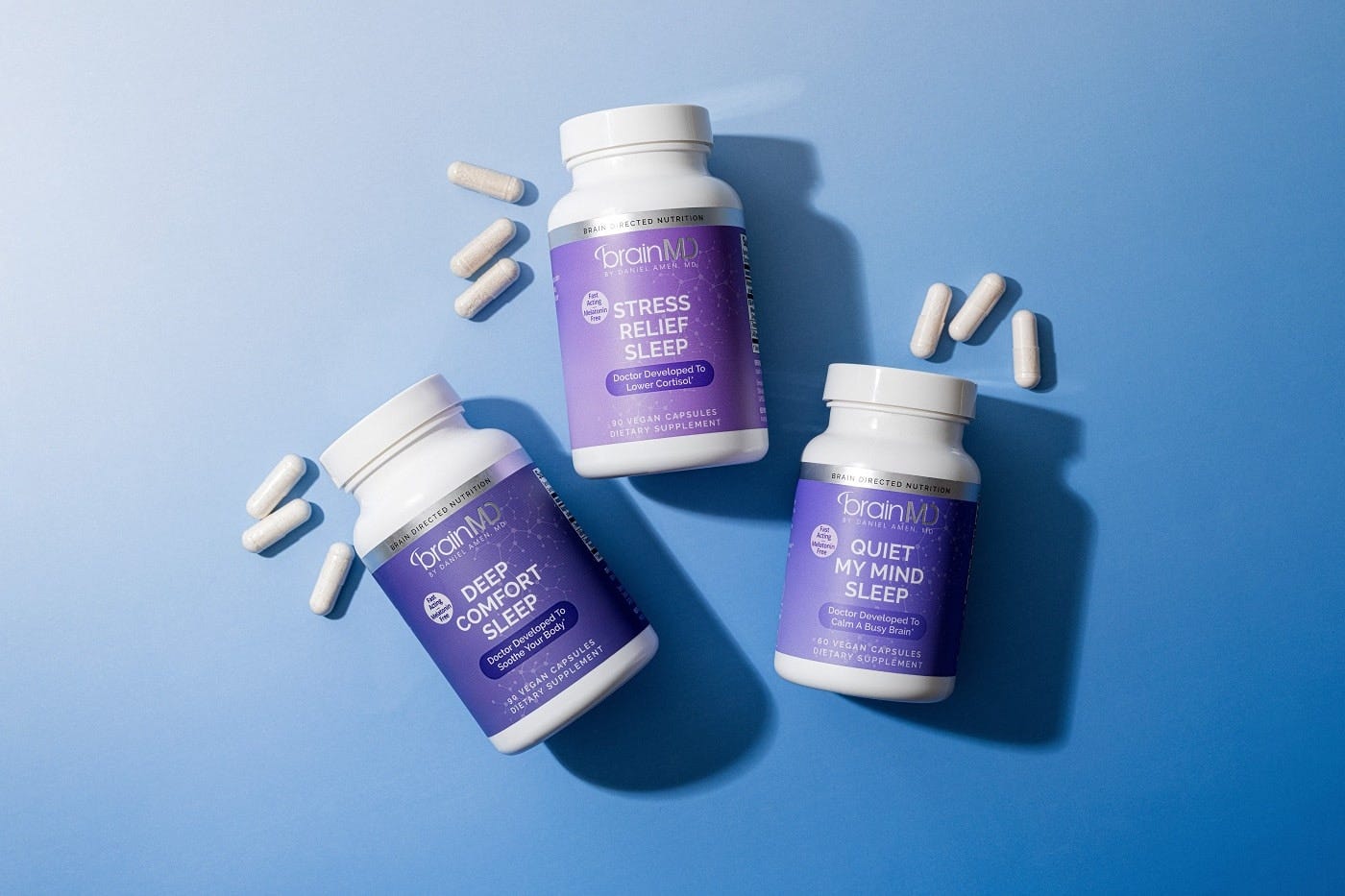
Have you ever experienced disturbed sleep? Dangers of Sleep Deprivation Sleep deprivation has reached epidemic proportions. According to the authoritative Institute of Medicine (US) Committee on Sleep Medicine and Research, as many as 70 million Americans have ongoing sleep problems¹ that interfere with their daily routines. The recommended daily sleep duration for adults is 7 to 9 hours, and children need more. Losing sleep has been associated with: Lower overall blood flow to the brain Negative effects on cognition,² mood, and memory Greater appetite linked to increases of the hunger hormone ghrelin Loss of focus and willpower Mood issues and occasional anxiety Have you ever experienced disturbed sleep, daytime fatigue, difficulty concentrating and functioning, or stomach problems following international travel or frequent flying? If so, then you were likely experiencing the symptoms of jet lag. What is Jet Lag? Also known as desynchronosis or time zone change syndrome, jet lag is a physiological disorder that disrupts your body's circadian rhythms. It occurs when you travel across two or more time zones which results in your body’s internal clock being out of sync with cues, such as light exposure and eating times, of the new time zone. The more time zones you cross, the worse the jet lag will be. Additionally, traveling from west to east is associated with more severe jet lag.³ It can take up to a full day for each time zone crossed for your body’s internal clock to adjust fully to the local time. Jet Lag Symptoms Symptoms of jet lag vary widely and can be affected by a variety of factors such as number of time zones crossed, age of the traveler, and general state of health. Typical symptoms of jet lag include: Headaches Lethargy Difficulty concentrating Sleep issues Loss of appetite Irritability Low mood Slight confusion Gastrointestinal disturbances Although you may not be able to eliminate jet lag entirely, you can greatly lessen its effects by following 6 simple strategies. 6 Simple Strategies to Prevent Jet Lag While Traveling 1. Stay Hydrated Dehydration reduces your body’s ability to produce melatonin, making it hard to both fall asleep and stay asleep when you want and need to. In addition, being dehydrated often makes the symptoms of jet lag much worse. It is recommended that you drink at least 84 ounces of water a day. 2. Avoid Alcohol and Caffeine While it may be tempting to try a cocktail to get drowsy or caffeine to stay alert, these two beverages can contribute to dehydration (see #1) and negatively affect your sleep patterns. 3. Start Your Trip Well-rested Starting your trip out sleep-deprived can make the symptoms of jet lag worse. 4. Simulate Your New Schedule Before You Leave The long-standing recommendation is that if you are traveling east, move your bedtime earlier by 30 minutes per day for a few days prior to your trip and do the opposite if you are traveling west. Research has demonstrated that that changing your meals⁴ to match the time in your destination prior to your trip can help synchronize your internal body clock to help beat jet lag. 5. Establish Your New Routine One of the best ways to combat jet lag is to get in the rhythm of your destination the second you get off the plane. If you arrive in the morning or early afternoon, resist the urge to nap and do your best to stay awake until the local nighttime. Your body may beg for sleep, but stand firm and force your body's transition to the local time. 6. Try Melatonin Melatonin is released by your body produced when it gets dark to let your brain know that it’s time for your body to sleep. You may find it very helpful to use a supplement containing melatonin to help you sleep at night when your body is finding it difficult to adjust to the new time zone. BrainMD’s Restful Sleep combines melatonin with four other ingredients to help you fall asleep, stay asleep and enjoy a better quality of sleep.* Restful Sleep Restful Sleep contains the body’s own sleep hormone, melatonin, to help you get you to sleep.* It also includes the calming neurotransmitter GABA, as well as the relaxing mineral magnesium, vitamin B6, and valerian, to help keep you asleep.* This nutritional-herbal combination produces a soothing effect that can help ease you into a peaceful sleep.* These capsules include: Melatonin – melatonin is a hormone naturally produced by the brain to initiate sleep and promotes healthy sleep patterns.* Vitamin B6 – vitamin B6 helps with the production of neurotransmitters (serotonin, dopamine, norepinephrine, and GABA), which need to be balanced for healthy sleep.* Magnesium – sometimes called “the relaxation mineral,” magnesium helps calm the mind and enhance overall sleep quality.* GABA – GABA is the brain’s major inhibitory (calming) neurotransmitter, inducing calm by inhibiting excessive firing of neurons distributed throughout the brain.* Valerian – an herb used traditionally for centuries for its calming and sleep-inducing effects, valerian supports deep, restful, quality sleep.* Restful Sleep eases you to sleep and helps you stay asleep all night so you can wake up feeling refreshed in the morning.* Beating Jet Lag Traveling is so fun and fulfilling, even if it can be a bit exhausting. No matter how challenging, try your hardest to follow these 6 tips and you'll be living like a local in no time! At BrainMD, we’re dedicated to providing the highest quality supplements to improve your physical health and overall well-being. For more information about our full list of brain healthy supplements, please visit us at BrainMD. *These statements have not been evaluated by the FDA. This content is for informational purposes only. It is not meant to substitute for medical or healthcare advice from a physician, nor is it intended to diagnose, treat, cure, or prevent any disease. Consult your healthcare provider before beginning a new health regimen. References: ¹Colten, H. R., & Altevogt, B. M. (Eds.). (2006). Sleep disorders and sleep deprivation: An unmet public health problem. National Academies Press. https://doi.org/10.17226/11617 ²Csipo, T., Lipecz, A., Owens, C., Mukli, P., Perry, J. W., Tarantini, S., Balasubramanian, P., Nyúl-Tóth, Á., Yabluchanska, V., Sorond, F. A., Kellawan, J. M., Purebl, G., Sonntag, W. E., Csiszar, A., Ungvari, Z., & Yabluchanskiy, A. (2021). Sleep deprivation impairs cognitive performance, alters task-associated cerebral blood flow and decreases cortical neurovascular coupling-related hemodynamic responses. Scientific Reports, 11(1), 20994. https://doi.org/10.1038/s41598-021-00188-8 ³Choy, M., & Salbu, R. L. (2011). Jet lag: Current and potential therapies. P & T, 36(4), 221–224, 231. ⁴Ruscitto, C., & Ogden, J. (2017). The impact of an implementation intention to improve mealtimes and reduce jet lag in long-haul cabin crew. Psychology & Health, 32(1), 61–77. https://doi.org/10.1080/08870446.2016.1240174.
Learn more
7 Ways To Keep Calm While Preparing For Vacation
Now that summer is officially here, it’s that time of year again…VACATION! You’ve worked hard all year so it’s time for a break and time to relax. Time off is essential to personal wellbeing, professional success, business performance, and more, but nearly half of American employees don't use all of their vacation days each year![1] Research has even demonstrated that taking a vacation can have similar biological benefits to your health as meditating.[2] In short, vacations are good for your health. So why don’t more people take vacations? Often the reason is that planning and preparing for a vacation is too stressful an experience. It sounds like extra work, having to prepare for vacation. It can be easy to get caught up in the stress of everyday life, even in the summer. How do you transition from a stress-inducing life to relaxation mode? It’s difficult to get into the right mindset, but you can more calmly prepare yourself for vacation if you follow a few simple steps: 7 of the Best Ways to Keep Your Vacation Prep Stress-free 1. Have Realistic Expectations Resist the urge to plan every minute of your vacation and maintain realistic expectations about your trip. Your flight could be delayed. It might rain the afternoon you plan to go jet skiing. Mishaps and meltdowns happen, but they don’t have to ruin a trip. If you expect that things will go less than perfectly, you will be better prepared to handle whatever does happen. 2. Focus On The Positive This can feel "easier said than done," but it's very effective. As mentioned above, a lot can go wrong when you travel. However, as with life in general, negative things won't feel like they have as much power when you notice the silver lining of the situation. For example, if your flight is delayed, focus on how you have extra time to catch up on reading a novel you enjoy. 3. Plan Ahead There is nothing more stressful than realizing the day before you leave that you still haven’t checked the oil level of your car, gone to the bank, bought the extra socks you needed, set up the timer for your house lights, or had your mail held. There are countless vacation preparation checklists available online – download one ahead of time and check items off to reduce your preparation stress. 4. Pack In Advance This might sound overwhelming, since you’re already stressed and still trying to get into the vacation mindset. However, it’s important to remember to work toward your goal of relaxation in advance or you might never get there! Make or download a packing list and begin to assemble necessary items with plenty of time to spare. That way you won’t find yourself running around like crazy the night before trying to get everything together. 5. Get Plenty Of Rest Speaking of the night before your vacation, make sure to get plenty of sleep so that you do NOT travel tired. Certainly, rushing to get everything done before your vacation can leave you worn out. However, navigating unfamiliar roads or airports will be much more difficult and stressful when you are sleep deprived. 6. Know What Works For You You may have heard the tip to clean your house while you’re packing for a vacation so that you aren’t stressed about a mess when you return. While some people might benefit from a little prep work beforehand, it won’t necessarily make re-entry easier for everyone. For others, the prep only adds more stress. The same goes for work. Many folks stress about doing extra work before leaving in hopes of cutting down on the amount they have when they come back. But it seems like there’s always a lot of work when you get back, no matter how you prep. Prioritize and focus on those tasks that have a deadline while you’re gone and put non-pressing items on the back burner. 7. Supplement To Manage Stress Natural relaxation substances can be incredibly effective in helping you manage your stress and feel more calm. Drink some spearmint or chamomile teas. Put dried lavender in a vase near your bed. Use calming essential oil aromas such as clary sage, bergamot, or ylang ylang. Try BrainMD’s Everyday Stress Relief – a nutritional supplement that can help promote a tranquil mind and body while supporting healthy adrenal and cortisol levels. It includes well-studied herbs and nutrients to support your body’s response to stress on multiple levels. References https://www.shrm.org/topics-tools/news/benefits-compensation/nearly-half-of-employees-expect-to-leave-vacation-time-unused--w https://www.tandfonline.com/doi/full/10.1080/17439760.2019.1610480
Learn more