 Skip to content


Wellness Blog



This Is Why You Need To Know These 3 Unexpected Benefits of Saffron
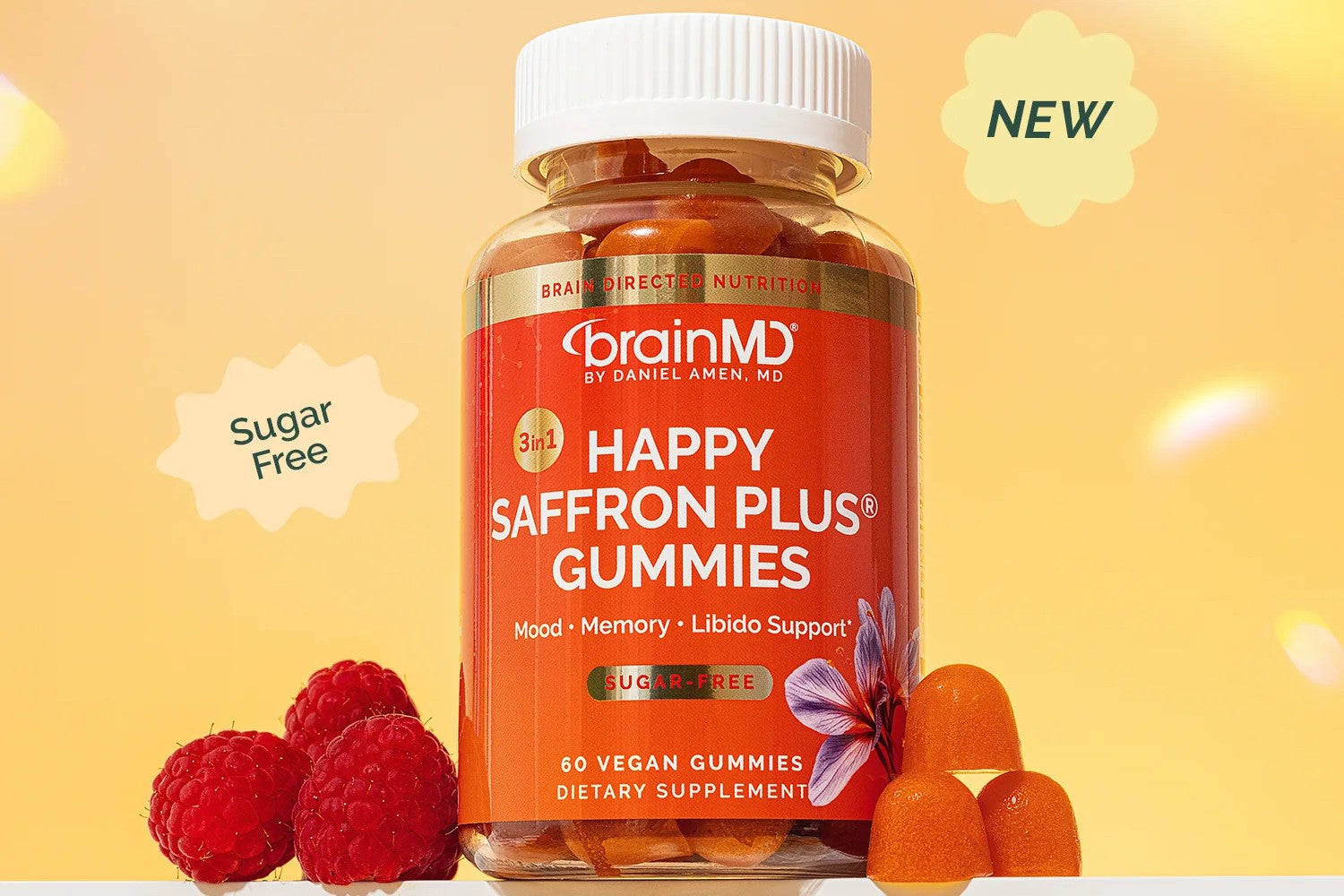
According to the National Institutes of Health (NIH), over 1 in 5 Americans¹ suffer with mental health issues each year, and an estimated 78 million will be afflicted at some point in their lives. Left untreated, mood issues can have serious personal, relational, occupational, financial, and social consequences. The Problem with Mood Problems In the past, some people associated mood problems with a weak will, a character flaw, or heredity. Recent brain research has revealed that these challenges are, in large part, the result of chemical changes in the brain. Depressive thoughts are associated with low activity of certain neurotransmitters in the brain, especially serotonin, norepinephrine, and dopamine, as well as less than optimal levels of nutrients such as folate, vitamin B12, vitamin D, and omega-3 fatty acids. When people with persistent anxious or depressive thoughts seek help (typically from a primary care physician or therapist), most receive medication as the only intervention. However, these medications often have significant side effects, especially in the areas of sexual dysfunction, weight gain, and relapse. Natural Mood Support Cultures around the world have cherished saffron for centuries and have cultivated it for a variety of purposes. Saffron has been used as a culinary spice, digestive aid, aphrodisiac, and mood-booster. It's the only spice able to give color, flavor, and aroma to foods. Derived from the female reproductive parts (stigma) of the flower of Crocus sativus, saffron is produced today just as it has been since ancient times…by hand. The stigmas must be carefully handpicked and dried since machines can’t perform this delicate work. It’s staggering to consider that it takes 4,500 Crocus sativus flowers just to produce one ounce of saffron spice. This labor-intensive extraction process has made saffron the most expensive spice in the world. Saffron = Mood Boost Saffron has been extensively researched in double-blind clinical trials, especially for mood. Several meta-analyses (sophisticated statistical analyses of pooled data from as many as 12 trials) found saffron to be highly effective for mood. Saffron is a valuable addition to comprehensive personalized regimens for mood improvement. Just how saffron works to have this highly impressive mood effect isn't clear at this time. What is clear is that saffron has considerable antioxidant power, due to a uniquely diversified content of carotenoids known as crocins, along with picrocrocin, safranal and well over 100 other plant chemicals with potential health benefits. Some of these work within cell membranes, which are fundamental to the body's ability to make and use energy, and to the brain's trillions of synapses that functionally connect the nerve cells. In addition to its well-established mood benefits, there are other, lesser-known, aspects of saffron that can help support a healthy lifestyle… 3 Unexpected Benefits of Saffron That Can Improve Your Health 1. Supports Learning and Memory Five clinical trials conducted to date suggest saffron has a beneficial impact on cognitive function.² As with mood, the current clinical evidence suggests saffron could be a useful addition to a personalized regimen to improve memory and perhaps also learning, concentration, and other higher brain functions that can deteriorate with advancing age. 2. Helps Suppress Cravings A patented saffron extract called Satiereal® was found to reduce food cravings and other inappropriate food habits in a clinical trial. It reduced feelings of hunger and lowered the frequency of snacking by supporting appetite moderation and healthy weight management. 3. Promotes Healthy Libido Another benefit of saffron observed in its clinical trials for mood, is that it improved sex drive in men and women who experienced difficulties while on a mood medication regimen. Saffron + Curcumin Research has demonstrated that curcumin, the complex of 3 naturally occurring active chemicals in the turmeric root, is a potent and safe ingredient for people with mood and memory challenges. A study published in the Journal of Affective Disorders looked at the efficacy of both curcumin and saffron³ in treating major mood issues. In this randomized, double-blind, placebo-controlled study of 123 individuals with major mood disorder, it was shown that doses of curcumin and combined curcumin/saffron were effective in reducing anxious and depressive thoughts. If you struggle with maintaining a positive mood or just want to have more happiness in your life, try BrainMD’s mood-boosting saffron supplement... Happy Saffron Plus® The breakthrough formula in Happy Saffron Plus® was scientifically designed to promote a positive mood. It brings together nutraceutical preparations of the two most traditionally revered “happiness herbals” – saffron flower extract and curcumin from the turmeric root – with zinc, a mineral essential for life and vital for positive mood. Why You Need It In the U.S., at least 1 in 5 people endure serious mood problems, and at least 1 in 4 experience significant feelings of anxiousness. Happy Saffron Plus® was developed from clinical research with three nutraceuticals for brightening mood, coping with anxious feelings, and enhancing focus while under mental strain. Benefits Of Happy Saffron Plus® Based on clinical and scientific research, this powerful 3-in-1 formula helps support: Positive mood & emotional well-being Memory & cognitive performance Healthy stress response Relaxation & sleep quality Sexual health What’s In Happy Saffron Plus®? Here’s a closer look at the three high-quality ingredients behind the formula. affron® Standardized Saffron Extract This is a highly concentrated and standardized nutraceutical extract of saffron, a spice that has been used in the Middle East for at least 2600 years. Modern clinical research with this specific ingredient fully supports the traditional reverence for saffron's mood-elevating effects. In clinical trials at a dose of just 28 mg per day, this extract has performed extremely well for improving mood and anxiousness in both adults and adolescents. In a recent trial it was also found to improve quality of sleep in adults with sleep complaints. Longvida® Optimized Curcumin Extract The turmeric root has paralleled saffron as an herbal greatly revered for its wide range of benefits, for at least 2600 years. However, consuming turmeric root doesn't get much curcumin into the bloodstream, and nutraceutical technology has now overcome this problem. The Longvida® curcumin preparation, developed at the University of California, Los Angeles, features excellent absorption of curcumin and has worked well in clinical trials at 400 mg per day or higher. Besides being found to improve mood in clinical trials, Longvida was recently shown to improve memory as well. Zinc Bisglycinate This mineral is essential for the functioning of at least 300 enzymes essential for our life processes, and about 2,000 different human proteins. People with mood problems typically have low blood levels and supplementing with zinc often enhances mood. In contrast to zinc sulfate can cause digestive discomfort, zinc bisglycinate is very well tolerated. Choose Your Favorite Way To Support Your Mood Whether you prefer capsules or gummies, Happy Saffron Plus® makes it easy to give your brain daily support. Our original Happy Saffron Plus® capsules deliver the complete 3-in-1 formula featuring affron® saffron extract, Longvida® Optimized Curcumin, and zinc bisglycinate to support mood, memory, focus, and emotional wellness. And now, NEW Happy Saffron Plus® Gummies offer the same clinically studied dose of affron® saffron extract in a delicious, sugar-free gummy. Choose the Happy Saffron Plus® formula that fits your routine. At BrainMD, we’re dedicated to providing the highest purity nutrients and standardized herbal ingredients to support your mood, focus, and overall well-being. For more information about Happy Saffron Plus®, Happy Saffron Plus® Gummies and our full list of supplements, please visit us at BrainMD. *These statements have not been evaluated by the FDA. This content is for informational purposes only. It is not meant to substitute for medical or healthcare advice from a physician, nor is it intended to diagnose, treat, cure, or prevent any disease. Consult your healthcare provider before beginning a new health regimen. References: 1. National Institute of Mental Health. (n.d.). Mental illness. National Institute of Mental Health. Retrieved February 28, 2025, from https://www.nimh.nih.gov 2. Akhondzadeh, S., Shafiee Sabet, M., Harirchian, M. H., Togha, M., Cheraghmakani, H., Razeghi, S., Hejazi, S. H., Yousefi, M. H., Alimardani, R., Jamshidi, A., Zare, F., & Moradi, A. (2010). Saffron in the treatment of patients with mild to moderate Alzheimer's disease: A 16-week, randomized and placebo-controlled trial. Journal of Clinical Pharmacy and Therapeutics, 35(5), 581–588. https://doi.org/10.1111/j.1365-2710.2009.01133.x 3. Lopresti, A. L., & Drummond, P. D. (2017). Efficacy of curcumin, and a saffron/curcumin combination for the treatment of major depression: A randomised, double-blind, placebo-controlled study. Journal of Affective Disorders, 207, 188–196. https://doi.org/10.1016/j.jad.2016.09.047
Learn more
Here Are 5 of the Best Reasons to Practice Lifelong Learning!
Have you ever made a list of goals that you wanted to accomplish? Maybe some of the goals were fitness or health-related? Many of us enjoy the process of working on our own personal goals, but how many of us think to focus on lifelong learning? By lifelong learning, we mean, training your brain to enjoy learning new things! There are so many benefits to lifelong learning for your overall health and specifically for your brain. Benefits of Lifelong Learning Sharpens your memory – Specifically your working memory (multitasking) and for remembering small details day-to-day Boost your self-confidence – Who doesn't want to feel proud of themselves? Learn new practical skills – Learn how to manage your finances better, computer skills, or even improving your communication skills! Discover new hobbies or talents – You won't know what you're good at unless you try! Become a positive example for your children – Teaching by example works wonders with little ones, especially when they see how fun learning can be. What are some of the best ways to practice lifelong learning? In today's digital age, there are countless opportunities to practice lifelong learning that you can do in the comfort of your own home anytime that's convenient for you. That's why it's recommended you consider taking an online course. Continuing your lifelong learning online can be more cost-effective and convenient, especially if you’re a working professional or busy raising a family. Embracing new knowledge will help keep your brain young and pliable while enriching every experience in your life. To keep your brain sharp, here are our best ways to practice lifelong learning. 5 Ways to Practice Lifelong Learning 1. Use It or Lose It One of the best ways to expand your horizons is to continually engage in new learning. When you stop learning, you start dying. Since your brain is like a muscle – the more you use it, the stronger it gets.¹ When you learn something, new neural connections are created, which improves your capacity to remember. In fact, regardless of your age, mental exercise has an overall positive effect on your brain. On the other hand, when you stop learning, cognitive performance suffers as the internal connections in your brain begin to break apart. 2. Avoid Repetition Even if your routine tasks are fairly complicated, such as teaching a college course or fixing a crashed computer network, they won’t help your brain as much as learning something new. Whenever the brain does something over and over, it learns how to do it using less and less energy. That tells us something about how to exercise the brain. Just doing crossword puzzles or Sudoku isn’t enough to actually enough to strengthen your brain. To get the maximum benefit from a brain training exercise, our brains need to be challenged with new forms of stimulation. Try something you haven’t done before such as doing math in your head, learning a foreign language, or trying new recipes. 3. Online Learning To create a brighter future, learn to master your health, emotions, relationships, and brain with online courses. Founded in 2015, Dr. Amen’s Amen University helps teach people of all ages from all over the world about practical neuroscience. The courses center around the Amen Clinics Method, which has been used to help tens of thousands of patients from 111 countries. Here are just a few of the courses available at Amen University that you can start learning from today! Amen University Courses [wc_box color="inverse" text_align="left" margin_top="" margin_bottom="" class=""] The Brain Warriors Way is a comprehensive online course to help you learn how to have self-mastery in your overall health. Taught by Daniel Amen, MD and Tana Amen, BSN RN to help you learn how to shift your mindset, develop daily habits to protect your brain, healthy nutrition, and establish long-lasting brain health in every aspect of your life. You also get to join the brain warrior tribe with access to a community that is centered around mastering brain healthy goals for life! Brain Thrive by 25 is made for students. Earn 3 transferable undergraduate credits through this scientifically-designed, research-based course designed for teenagers and young adults. Multi-Dimensional Education, Inc. (MDEI), an independent education research group, found that the 12-lesson course significantly decreased drug, alcohol and tobacco use, decreased depression, and improved self-esteem. Change Your Brain Masters course is for anyone interested in taking a deep dive into personal brain improvement. This course teaches you how to implement brain health in your life. Learn basic neuroscience and how the brain works, how to manage others and their brain types, and learn how to utilize the Amen Clinic’s Alzheimer’s Risk Reduction Program. Healing ADD at Home in 30 Days is for anyone who wants to learn more about ADD. Comprehensive, thorough and powerful—this course was designed to teach anyone with ADD, or anyone who has a loved one with ADD, the tools, and strategies to succeed in the classroom, work, relationships and in life. [/wc_box] 4. Give Yourself a Break Many people equate taking breaks with wasting time, but research demonstrates that taking breaks actually improves your focus and efficiency and can help your brain learn new skills.² If you focus on a task for too long, your cognitive control system can start to fail. By switching your attention to something else briefly, you can then return to your original task with renewed focus. 5. Get Learning Support Trouble Focusing? If you’re easily distracted when you study, boost your potential with Attention Support.* Its ingredients were carefully chosen for their clinically proven benefits to concentration, calm, and overall self-control without pharmaceutical side effects.* Mentally Exhausted? If you get tired after a brief period of studying, Focus & Energy can help you power through your coursework.* If you’re looking for a smoother “pick me up,” Focus & Energy naturally supports your body’s energy level with green tea, choline, and ginseng.* And unlike the quick burst and sudden drop in energy you get from go-to daily stimulants (coffee, diet soda, caffeine pills), you’ll experience consistent and clean energy.* Start Your Journey Today Regardless of your age, it's never too late to start learning with Amen University courses, or supporting your attention and energy with BrainMD supplements.* Take the first step in the journey of lifelong learning today! At BrainMD, we’re dedicated to providing the highest quality supplements to improve your physical health and overall well-being. For more information about our full list of brain healthy supplements, please visit us at BrainMD. *These statements have not been evaluated by the FDA. This content is for informational purposes only. It is not meant to substitute for medical or healthcare advice from a physician, nor is it intended to diagnose, treat, cure, or prevent any disease. Consult your healthcare provider before beginning a new health regimen. References: 1. Kidd, K. (2022, December 29). 6 tips to keep your brain healthy. Mayo Clinic Health System. https://www.mayoclinichealthsystem.org 2. National Institutes of Health. (2021, June 8). Study shows how taking short breaks may help our brains learn new skills. National Institutes of Health. https://www.nih.gov/news-events/news-releases/study-shows-how-taking-short-breaks-may-help-our-brains-learn-new-skills
Learn more
This Is What You Need to Know About Adaptogenic Mushrooms
Did you know that mushrooms are fungi? Technically, they’re the spore-bearing fruiting body of a fungus. They can grow above ground, on soil, or on its food source. Mushrooms have been used for their medicinal benefits for centuries. They’re also a unique food that can add flavor and texture to a wide variety of meals. Let’s look at some of the beneficial substances that are abundant in mushrooms. Powerful Substances Found in Mushrooms Ergothioneine and Glutathione Mushrooms contain ergothioneine and glutathione, as well as other desirable substances thought to contribute to human health and well-being. Ergothioneine is a powerful antioxidant that doesn’t get destroyed during the cooking process and may enhance immunity. Glutathione is an extremely important antioxidant that can help protect against free radicals. One recent study¹ found that mushrooms are one of the richest dietary sources of ergothioneine and glutathione, potent antioxidants that may protect against oxidative stress and age-related diseases by combating free radicals. Glucans Glucans are a fibrous substance in the cell wall of mushrooms that have been shown to have immune-enhancing abilities² by increasing production of immune “fighter” cells, and supporting the health of the digestive tract where most of the immune tissue in our body resides. Glucans act as a food source for beneficial bacteria in our gut, provide antioxidant activity, and signal the presence of potentially harmful pathogens, thus triggering an essential immune response. Beta-glucans (a unique category of large, branching, complex carbohydrates) don’t affect blood sugar, but can enhance immune activity against infections. Adaptogens According to the Cleveland Clinic, “Adaptogens are plants and mushrooms that help your body respond to stress, anxiety, fatigue and overall wellbeing. You can take adaptogens by adding them to food or beverages or take them as tinctures. Adaptogens bring your body back to a steady balance by managing both physical and mental stressors.”³ The first thing to know about adaptogenic mushrooms is that they aren’t hallucinogenic in nature. However, they can help increase focus and reduce the negative effects of stress. Capsules and powders containing adaptogenic mushrooms have become increasingly popular and prevalent in the world of health and wellness. Here’s a closer look at three of the most well-know and well-studied adaptogenic mushrooms… 3 Types of Adaptogenic Mushrooms [wc_box color="inverse" text_align="left" margin_top="" margin_bottom="" class=""] Cordyceps Cordyceps (Cordyceps militaris), the orange caterpillar fungus, is among the most exotic mushrooms. Cordyceps is widely revered in the East for its benefits to vitality and overall wellness. It helps fight fatigue, supports immunity, helps counter stress, and benefits blood flow and oxygen utilization. Cordyceps is unique for having nucleosides, nutrients essential for our cells to make energy. Nucleosides are also essential building blocks for the DNA of our genes, and for RNA which has numerous vital functions including protein production. It has been found to support immunity in multiple clinical trials. Lion’s Mane Perhaps due to its appearance or name, lion’s mane (Hericium erinaceus) is one of the most well-known mushrooms. Leading all other mushrooms in brain benefits, the lion’s mane mushroom contains unique hericenones and erinacines, which can increase nerve growth factor (NGF)⁴ in the brain. NGF supports nerve cell maintenance and survival, especially in acetylcholine circuits, which are required for focus, memory, as well as for nervous system control of the other organs. Physical activity helps increase brain-derived neurotrophic factor (BDNF), which promotes improved brain function. According to studies, decreased levels of BDNF may increase susceptibility to stress and mood issues. Lion’s mane has shown promise in several clinical trials for improving cognition and mood. Reishi Reishi (Ganoderma lucidum) has been revered for over 2,000 years in Asia as “the mushroom of immortality.” These mushrooms help support the adrenal glands, which secrete cortisol, the body’s primary stress hormone. The mushroom also may help protect against stressors such as low oxygen levels and extreme cold temperatures, and to help people adjust to high altitude environments.⁵ In addition to beta-glucans, reishi contains triterpenes, which can boost both NGF and BDNF while also contributing to immunity and healthy inflammatory response. Reishi has potential to improve human brain health even as it sustains immunity. [/wc_box] These mushrooms are proven tonic medicinals, offering a wide variety of benefits for the brain and body. You’ll find these potent, adaptogenic mushrooms in BrainMD’s… Smart Mushrooms Smart Mushrooms is firmly grounded in the most recent clinical and scientific research on medicinal mushrooms.* It includes six mushrooms that have been revered for hundreds to thousands of years.* All six are highly nutritious, and together they offer a broad spectrum of health benefits.* Here’s a breakdown of the many powerful superfoods you’ll find in Smart Mushrooms: Lion’s Mane has shown promise in several clinical trials for improving cognition and mood, and its glucans also help boost immunity.* Turkey Tail provides protein-bound glucan polysaccharides, intensively researched for their immune benefits.* Cordyceps fights fatigue, supports immunity, helps counter stress, and benefits blood flow and oxygen utilization.* Reishi’s immune and inflammatory response benefits help account for its 2,000-year popularity.* Shiitake provides the glucan called lentinan, which improves immunity, and also has lung, liver, cardiovascular, and gastrointestinal benefits.* Agaricus has a variety of glucans with immune benefits, and supports healthy blood sugar, cholesterol, and liver functions.* Smart Mushrooms offers substantial promise for improving memory, mood, and other cognitive functions.* This functional, full-spectrum superfood blend features six USA grown organic mushrooms, scientifically formulated to promote vitality, stress resistance, immune support, energy, wellness, and high-level brain performance.* It’s the Smart choice for immune and whole-body support.* Eat More Mushrooms Though they may be beneficial for many people, adaptogenic mushrooms may not be a safe choice for everyone. It’s a good idea to speak with a healthcare professional before eating adaptogenic mushrooms or taking them in capsule or powdered form in supplements. If you’re looking for ways to get more mushrooms into your diet, check out these delicious mushroom recipes. At BrainMD, we’re dedicated to providing the highest quality supplements to improve your physical health and overall well-being. For more information about Smart Mushrooms and our full list of brain healthy supplements, please visit us at BrainMD. *These statements have not been evaluated by the FDA. This content is for informational purposes only. It is not meant to substitute for medical or healthcare advice from a physician, nor is it intended to diagnose, treat, cure, or prevent any disease. Consult your healthcare provider before beginning a new health regimen. References: 1. Beelman, R. B., Kalaras, M. D., & Richie, J. P. (2017). Mushrooms: A rich source of the antioxidants ergothioneine and glutathione. Food Chemistry, 233, 429-433. 2. Kidd, P. M. (2000). The use of mushroom glucans and proteoglycans in cancer treatment. Alternatives in Medicine Review, 5(1), 4-27. https://pubmed.ncbi.nlm.nih.gov/10696116/ 3. Cleveland Clinic. (n.d.). Adaptogens. Cleveland Clinic. Retrieved February 20, 2025, from https://my.clevelandclinic.org/health/drugs/24189-adaptogens 4. Ma, B.-J., Shen, J.-W., Yu, H.-Y., Ruan, Y., Wu, T.-T., & Zhao, X. (2010). Hericenones and erinacines: Stimulants of nerve growth factor (NGF) biosynthesis in Hericium erinaceus. Mycology: An International Journal on Fungal Biology, 1(2), 92-98. https://doi.org/10.1080/21501201003735556 5. Sharma, P., Tulsawani, R., & Agrawal, U. (2019). Pharmacological effects of Ganoderma lucidum extract against high-altitude stressors and its subchronic toxicity assessment. Journal of Food Biochemistry, 43(12), e13081. https://doi.org/10.1111/jfbc.13081
Learn more
Menopause Essentials+: Say Goodbye to Hot Flashes and Night Sweats!
Menopause is the stage in a woman’s life when she stops menstruating. What some have termed “the change” actually involves 3 distinct phases: Perimenopause – generally starts in the mid-40s and is the time when a woman’s ovaries gradually stop producing eggs Menopause – usually occurs between ages 45-55 and marks the end of a woman’s reproductive years Postmenopause – occurs when a woman hasn’t had a period for an entire year It can take anywhere from 7-14 years to fully move through these stages. During menopause, the body’s production of the hormones estrogen and progesterone can vary significantly. These hormonal shifts can cause unpleasant symptoms such as hot flashes, mood swings, and sleep problems. To help alleviate these unwanted symptoms, it’s important to maintain a healthy lifestyle during this pivotal time. One way to accomplish this is by taking high-quality supplements like BrainMD’s new… Menopause Essentials+ Formulated with clinically-effective doses of essential vitamins and proprietary ingredients, Menopause Essentials+ offers comprehensive menopausal symptom support.* Designed specifically for women navigating perimenopause and menopause, Menopause Essentials+ is clinically studied to help: Lessen hot flashes and night sweats* Regulate mood and energy* Balance hormone levels* Enhance skin and hair health* Maintain healthy body weight* Support libido* Menopause Essentials+ Ingredients Navigating perimenopause and menopause can be challenging, but Menopause Essentials+ is here to support you every step of the way.* This premium dietary supplement is expertly formulated with clinically effective doses of key ingredients to help alleviate a wide range of menopause symptoms and promote overall well-being.* These high-purity ingredients include: EstroG-100® A proprietary blend of Cynanchum wilfordii, Phlomis umbrosa, and Angelica gigas root extracts, EstroG-100® has been clinically shown to improve hot flashes, night sweats, vaginal dryness,¹ and fatigue. Red Orange Complex® (ROC) Sourced from the sun-soaked fields Sicily, ROC® (Citrus sinensis [L.] Osbeck), has been clinically shown in eight human trials to decrease inflammation,² oxidative stress, and DNA damage. It promotes collagen synthesis, supports healthy glutathione levels, and improves skin radiance and moisturization. ROC® also can reduce wrinkle depth and alleviate menopause symptoms such as hot flashes, night sweats, and sleep problems. Trans-Resveratrol Known for its heart-healthy benefits, trans-resveratrol exerts anti-inflammatory activities and supports mental performance, circulation, and skin health. It helps reduce blood glucose levels and insulin resistance, enhancing overall metabolic health. Vitamin D3 Essential for bone health, vitamin D3 helps reduce systemic inflammation and improve muscle strength. It supports optimal blood levels to reduce metabolic disturbances and improve overall health during menopause. Vitamin K2 (MK-7) Vitamin K2 helps support bone strength and circulation. It aids in preventing arterial calcification and enhances the transport of calcium to the bones. Who Can Benefit from Menopause Essentials+? Women experiencing weight gain and metabolic changes: Menopause Essentials+ contains ingredients that can help mitigate weight gain, improve insulin sensitivity, reduce inflammation, and support a healthier metabolism.* Women with thinning hair and dry skin: The supplement promotes collagen synthesis, improves skin elasticity and moisturization, and supports hair growth with its antioxidant-rich ingredients.* Women at risk of bone loss: With vitamins D3 and K2, Menopause Essentials+ supports bone mineral density and reduces the risk of fractures and age-related bone loss.* Women dealing with fatigue, mood swings, and cognitive issues: The blend of trans-resveratrol and ROC® helps support cognitive performance, mood, and overall well-being, while enhancing mental clarity and reducing feelings of anxiousness.* Women suffering from hot flashes and night sweats: The potent combination of EstroG-100® and ROC® can help reduce the frequency and severity of hot flashes and night sweats, helping you stay comfortable and sleep better.* Here’s Why You Can Trust Menopause Essentials+ Scientifically Backed: Each ingredient in Menopause Essentials+ is included at clinically effective doses to help ensure users receive the maximum benefit from this advanced nutrient formulation.* Broad Symptom Support: The combination of ingredients in Menopause Essentials+ targets a wide array of menopause symptoms, from physical issues like hot flashes and night sweats to cognitive and emotional challenges like mood swings and fatigue.* High-Quality Ingredients: Ethically sourced and manufactured in state-of-the-art facilities, Menopause Essentials+ guarantees high purity, potency, and safety.* Menopause Essentials+ FAQ Who should take Menopause Essentials+? Menopause Essentials+ is ideal for women experiencing perimenopause or menopause symptoms such as hot flashes, night sweats, fatigue, weight gain, thinning hair, dry skin, and cognitive issues.* It’s also beneficial for women at risk of bone loss or those looking to improve their overall metabolic health.* If you’re looking for a natural, hormone-free solution to support your well-being during menopause, this product is for you.* How do I take Menopause Essentials+? As a dietary supplement, take Menopause Essentials+ twice daily (2 capsules) with water, preferably with a meal, or as directed by a doctor. This ensures you receive the clinically tested, highly absorbable doses of each ingredient, which can help manage your menopause symptoms.* Can this product make me dependent or addicted? No. Like other BrainMD products, this is a dietary supplement, not a drug, and isn’t habit-forming.* Does this product have any side effects? Menopause Essentials+ is formulated with natural ingredients and is generally well-tolerated.* However, if you have any specific allergies or medical conditions, it’s always advisable to consult with your healthcare provider before starting any new supplement. Is this product safe to take during pregnancy or while breastfeeding? This product isn’t intended for use during pregnancy or when breastfeeding.* What other supplements complement this product? Menopause Essentials+ can be taken with other BrainMD supplements, such as Omega-3 Power, Smart Creatine+, and Smart Collagen to help enhance overall wellness, support hormonal balance, and improve skin health.* Can I take Menopause Essentials+ with other medications or supplements? Menopause Essentials+ can be taken alongside most medications and supplements.* However, to avoid any potential interactions, it’s best to consult with your healthcare provider, especially if you’re on medications for a serious health condition. How long does it take to see results with Menopause Essentials+? Based on leading research, women can expect to notice improvements in their symptoms within a few weeks of consistent use.* However, for optimal results, it’s recommended to take Menopause Essentials+ for at least 8-12 weeks.* Does Menopause Essentials+ contain any allergens? No. It’s free of dairy, eggs, nuts, sugar, soy, yeast, gluten, and artificial colors and flavors. Also, it’s suitable for vegans and is non-GMO. Support For Every Stage Menopause Essentials+ is meticulously crafted to provide effective doses of clinically-tested, highly absorbable, and bioactive compounds.* Taking Menopause Essentials+ daily can help ensure you receive the powerful benefits of these ingredients, which can help you navigate menopause with greater confidence and comfort.* Invest in your health and well-being with this comprehensive supplement designed to support you through every stage of menopause and beyond.* Try Menopause Essentials+ today! At BrainMD, we’re dedicated to providing the highest quality supplements to improve your physical health and overall well-being. For more information about Menopause Essentials+ and our full list of brain healthy supplements, please visit us at BrainMD. *These statements have not been evaluated by the FDA. This content is for informational purposes only. It is not meant to substitute for medical or healthcare advice from a physician, nor is it intended to diagnose, treat, cure, or prevent any disease. Consult your healthcare provider before beginning a new health regimen. References: 1. Chang, A., Kwak, B.-Y., Yi, K., & Kim, J. S. (2012). The effect of herbal extract (EstroG-100) on pre-, peri-, and post-menopausal women: A randomized double-blind, placebo-controlled study. Phytotherapy Research, 26(4), 510–516. https://doi.org/10.1002/ptr.3597 2. Grosso, G., Galvano, F., Mistretta, A., Marventano, S., Nolfo, F., Calabrese, G., Buscemi, S., Drago, F., Veronesi, U., & Scuderi, A. (2013). Red orange: Experimental models and epidemiological evidence of its benefits on human health. Oxidative Medicine and Cellular Longevity, 2013, 157240. https://doi.org/10.1155/2013/157240
Learn more
Here Are Some of the Best Tips for How to Overcome the Winter Blues
Like it or not, winter is here. For some people, this season is filled with enjoyable things, like: crisper air, snowy vistas and winter sports. But for others, the colder months represent a downturn in mood and energy that leaves them feeling sad, lethargic, and fatigued. Some refer to this as the "winter blues." There are several reasons why a change in seasons can negatively affect a person’s thoughts and feelings.¹ Due to colder temperatures and inclement weather, the tendency for many people is to stay inside where it’s warm and hunker down for the winter. Spending more time indoors can create physiological changes in the brain, which can have a significant impact on attitude and outlook. Also, getting insufficient sunlight can trigger the winter blues. Signs of Winter Blues Many people deal with low mood during the winter months. Whether initiated by the demands of work, relationship challenges, or excessive stress, negative thoughts can come on without warning. Low mood can contribute to adverse physical consequences and also can lead to possible mental health concerns. The signs of winter blues may include: Negative or guilty thoughts Mental fogginess Purposefully avoiding social interaction Overeating and emotional eating Periods of low appetite Difficulty with concentration and memory Since many people dismiss these issues as just feeling down, they may not get the help they need, which can result in serious mental or emotional difficulties. Nutrient Deficiencies A variety of things can affect your mood, but one reason why a change in seasons can cause negative mood is lack of nutrients: [wc_box color="inverse" text_align="left" margin_top="" margin_bottom="" class=""] Low Serotonin The human brain naturally produces a neurotransmitter called serotonin. Serotonin plays many important roles in the brain’s functioning and is involved in maintaining quality sleep, positive mood, self-confidence, and even healthy appetite and social engagement. The winter months tend to keep people indoors, which can lead to weight gain, low energy, negative mood and a falloff in serotonin brain activity. As the neurotransmitter that plays a vital role in mood, a serotonin activity decrease is often linked with an increase in depressive thoughts and feelings. Fluctuations in Melatonin Changing seasons can affect your mood and sleep. Melatonin may help your body adapt to these changes. When sudden drops in this hormone occur, mood and sleep can get out of sync, causing either increased sleep, low mood or mood swings. Taking melatonin may help promote positive mood and maintain normal sleep cycles. If your normal melatonin production is off, a supplement with melatonin may help you feel more balanced. Vitamin D Deficiency Getting necessary amounts of vitamin D can be particularly challenging during the winter season when there are fewer hours of sunlight and when the sun itself is less intense. However, failure to make or absorb enough vitamin D can lead to health problems and other mental and physical difficulties.² The lower your vitamin D levels, the more likely you’ll be to feel blue rather than happy. Low levels of vitamin D have been associated with higher incidences of stress, anxious thoughts and mood issues. [/wc_box] There are many ways you can naturally improve your outlook and help alleviate the issues that come with low mood. Here are just a few… 6 of the Best Ways to Beat the Winter Blues 1. Stay Connected Social connections are incredibly important to your overall well-being. Since the health habits of the people you spend time with can have a dramatic impact on your own health, surround yourself with people who are happy, upbeat, and kind. Also, for personal growth, you need people in your life who will push, teach, and guide you. Spending time in a community of like-minded people is a wonderful way to boost your bliss hormones, such as oxytocin. Focusing your energy on positive people can affect your everyday life and longevity. 2. Supplemental Light Source Daily exposure to appropriate levels (even just 10 to 30 minutes a day) of direct sunlight can boost vitamin D3 levels which can help improve your mood. If you find it challenging to get enough natural light during the winter, consider buying a light box or vitamin D lamp for your home or work desk. These alternate light sources simulate noontime sunshine without the UV rays that cause skin cancers. Be sure to purchase a light box that’s proven to increase vitamin D levels, features several different settings to prevent eyestrain and is as close to the natural sunlight spectrum as possible. 3. Good Mood Foods Since your brain uses more than 20% of your body’s total energy, it requires high-quality food with specific vitamins and nutrients to use as fuel throughout the day. What you eat can greatly affect your brain’s overall performance. Making healthier choices in your diet will not only help control your waistline, it can also help lift your mood and provide a long-lasting increase in energy and focus. Add a variety of mood-boosting foods to your next grocery list. 4. Take a Trip If getting enough UVA (ultraviolet A) rays from the sun proves difficult during the winter months, especially for those who live in the northern half of the U.S., consider saving up some money during the summer for a vacation to a sunny destination (the Caribbean, for instance) during the winter. This will make enduring the cold, dark months more bearable, and boost your vitamin D levels. 5. Pamper Yourself If you typically feel down or get stressed out during the winter months, look for ways to pamper yourself. Getting a massage can do more than just improve your physical function. Clinical studies indicate that a massage is beneficial for improving mood³ and coping with stress. Massages can help to reduce the stress hormone cortisol and increase the activity of such neurotransmitters as dopamine and serotonin. 6. Get Dietary Supplement Support Whether you find yourself having negative thoughts, or if you feel that your stress levels have nearly reached the breaking point, BrainMD offers a range of powerful supplements for mood and stress that can help turn your day around.* These brain-directed supplements have been formulated with the highest quality ingredients that can help you feel calm, content, and able to manage stress or mental strain.* Adopting these healthy habits can help improve your mood during the winter months. At BrainMD, we’re dedicated to providing the highest quality supplements to improve your physical health and overall well-being. For more information about our full list of brain healthy supplements, please visit us at BrainMD. *These statements have not been evaluated by the FDA. This content is for informational purposes only. It is not meant to substitute for medical or healthcare advice from a physician, nor is it intended to diagnose, treat, cure, or prevent any disease. Consult your healthcare provider before beginning a new health regimen. References: 1. National Institute of Mental Health. (n.d.). Seasonal affective disorder. National Institutes of Health. https://www.nimh.nih.gov/health/topics/seasonal-affective-disorder 2. Silva, M. R. M., Barros, W. M. A., da Silva, M. L., da Silva, J. M. L., Souza, A. P. S., da Silva, A. B. J., Fernandes, M. S. S., de Souza, S. L., & Souza, V. O. N. (2021). Relationship between vitamin D deficiency and psychophysiological variables: A systematic review of the literature. Clinics (Sao Paulo), 76, e3155. https://doi.org/10.6061/clinics/2021/e3155 3. Sharpe, P. A., Williams, H. G., Granner, M. L., & Hussey, J. R. (2007). A randomised study of the effects of massage therapy compared to guided relaxation on well-being and stress perception among older adults. Complementary Therapies in Medicine, 15(3), 157-163. https://doi.org/10.1016/j.ctim.2007.01.004
Learn more
This Is How to Boost Your Attention and Energy with Choline Supplements
Do you feel like you don’t have enough energy to get through the day? Is it difficult for you to finish things once you’ve started them? Do you find it hard to concentrate? If you answered yes to any of those questions, you might be low in choline and could benefit from choline supplements. What is Choline? Though not traditionally regarded as a vitamin, choline was recently reclassified as an essential nutrient. Choline is fundamental to all our cell, tissue, and organ functions, and is crucial for brain function. Choline also is very important for a healthy pregnancy. The U.S. Govt. has made recommendations for adequate dietary intake of choline. Surveys indicate that as many as 9 of 10 Americans, including most pregnant and lactating women,¹ have intakes well below the recommended Adequate Intake for choline. Choline and the Brain Choline is an essential molecular building block for acetylcholine, our most abundant and versatile nerve transmitter. As its name suggests, acetylcholine has choline as part of its molecular structure. Brain circuits that use this transmitter are called cholinergic, and cholinergic neurotransmission is crucial for memory, learning,² mental clarity, focus, and concentration. Choline also plays an important role in maintaining cell membranes, the thin molecular sheets that define most of the structure and functioning of all our cells. Choline is part of the structure of phosphatidylcholine, a key membrane building block. Choline and Methyl Groups Choline is fundamental to all life as a source of methyl groups, each a deceptively simple combination of one carbon atom with three hydrogen atoms. Choline is a major dietary source of methyl groups, which the brain needs for making the neurotransmitter epinephrine, the sleep hormone melatonin, and the myelin insulation of its nerve cells. The brain and other organs routinely have a high demand for methyl, and choline’s methyl groups back up the methyls we obtain from dietary methylfolate and methyl vitamin B12. As a methyl backup, choline also helps ensure healthy gene function. Our neurons and all our other cells require methyl to make and maintain their DNA, to turn their genes on and off (epigenetic controls), for growth and maintenance, to regulate homocysteine which is a potentially toxic metabolic byproduct, and for numerous other life functions. The liver is the body’s main methyl coordinator and needs choline to make bile for healthy digestive function; choline deficiency is associated with liver fat buildup (“fatty liver”) and risk for ongoing liver damage. Liver problems also can drain the energy of the entire body. Choline-rich Foods Our bodies normally can make a small amount of choline, but some people have gene mutations that impair their capacity to make it. Though all of us rely on food sources for some of our daily intake, a large percentage of women, children, and older men are not receiving adequate choline in their diets. Choline deficiency can increase the risk of poor concentration, poor memory, and other cognitive impairments, especially as we age. Choline can be found in many foods, including liver, beef, salmon, cod, cauliflower, and Brussel sprouts. Many refer to eggs as a “brain food,” since the yolks are rich in choline. Choline is especially present in animal products, so vegetarians and vegans are more prone to experiencing a deficiency in choline. Although eating a varied diet increases the likelihood that you are consuming enough choline, you may consider trying a supplement that contains choline – especially if you find yourself struggling with memory, focus, attention, or learning. BrainMD recognizes choline’s importance by including it in our premier multiple, NeuroVite Plus Multivitamin. Choline is also featured in two of our specialized brain supplements. 2 Powerful Choline Supplements to Boost Your Attention and Energy Focus & Energy It’s not uncommon for people to have periods where they feel tired or unfocused. BrainMD’s Focus & Energy was designed to promote sharpness, improve mental and physical productivity, and prevent fatigue without lowering blood sugar.* Unlike many other dietary supplements, Focus & Energy provides nutritional and medicinal plant concentrates that are traditionally used as adaptogens and are clinically researched for these benefits.* Focus & Energy is formulated specifically to reinforce the brain and body’s ability to fight fatigue and adapt to stress.* Its 55 milligrams of choline makes a substantial contribution to the recommended intakes.* It contains a potent green tea extract, high in EGCG and other polyphenol antioxidants, chosen specifically to intensify blood flow that enables oxygen and nutrient delivery to the brain.* Focus & Energy also contains three highly concentrated plant adaptogens, renowned for helping brain and body cope with mental or physical stress: Ashwagandha is an Ayurvedic medicinal revered over thousands of years for its mental sharpening benefits.* Modern clinical research reveals it is also superb for coping with stress³ and occasional anxiety.* Rhodiola thrives in the most extreme Siberian climates and is a favorite in the East. This concentrate is doubly standardized and has shown strong anti-stress benefits in clinical trials.* Asian (Panax) ginseng leads all other ginsengs for its almost immediate mental focus benefits.* This concentrate is loaded with 15% brain-active ginsenosides and has been subjected to intensive research, with excellent results.* If you’re looking for a safe, effective, and natural way to support your mental focus while conserving your mental and physical energy, Focus & Energy is an excellent choice.* And unlike the energy rush, you can get from your stimulant of choice (coffee, diet soda, caffeine pills), there’s no dramatic drop in mood and energy with this dietary supplement.* Focus & Energy is safe, natural, and non-habit forming.* Attention Support Attention Support can increase your attention span while helping you stay relaxed and calm.* Increase your (or your child’s) potential with Attention Support’s natural focus boosters.* Its ingredients were picked for their clinically proven benefits for attention, concentration, calm, and overall self-control.* It also promotes healthy memory and learning in both children and adults.* This formula includes: Choline – a vitamin-like nutrient that supports the brain’s production of acetylcholine, which is also the nerve transmitter that triggers our muscles to contract.* Magnesium – magnesium is fundamental to the brain’s ability to generate energy, maintain its nerve cell connections, and conduct the electrical activity that underlies all its functions.* PhosphatidylSerine (PS) – as a cell membrane building block, PS is highly concentrated in the brain and is clinically proven to support healthy attention, learning, and memory.* Pycnogenol® – a uniquely powerful antioxidant concentrate that promotes the delivery of blood to the brain, Pycnogenol® is the most extensively researched of all the herbal antioxidants.* Vitamin B6 – an essential cofactor for a number of enzymes involved in the production of several neurotransmitters linked to attention and a healthy mood.* Zinc – an essential mineral, required by at least 100 enzymes and crucial for antioxidant protection of the brain, is often found deficient in people with mood problems.* Attention Support gives your brain the nutrients it needs, so its self-regulating processes can keep on top of challenges and allow you to stay focused and productive.* To be successful in today’s world, you need a clear mind and sharp focus. Focus & Energy and Attention Support are two of the best ways to help you achieve your goals.* At BrainMD, we’re dedicated to providing the highest purity nutrients to help give you the attention, focus, and energy you need to do the things you love. For more information about our full list of brain healthy supplements, please visit us at BrainMD. *These statements have not been evaluated by the FDA. This content is for informational purposes only. It is not meant to substitute for medical or healthcare advice from a physician, nor is it intended to diagnose, treat, cure, or prevent any disease. Consult your healthcare provider before beginning a new health regimen. References: Brunst, K. J., Wright, R. O., DiGioia, K., Enlow, M. B., Fernandez, H., Wright, R. J., & Kannan, S. (2014). Racial/ethnic and sociodemographic factors associated with micronutrient intakes and inadequacies among pregnant women in an urban US population. Public Health Nutrition, 17(9), 1960–1970. https://doi.org/10.1017/S1368980013003224 Huang, Q., Liao, C., Ge, F., Ao, J., & Liu, T. (2022). Acetylcholine bidirectionally regulates learning and memory. Journal of Neurorestoratology, 10(2), 100002. https://doi.org/10.1016/j.jnrt.2022.100002 Baker, C., Kirby, J. B., O'Connor, J., Lindsay, K. G., Hutchins, A., & Harris, M. (2022). The perceived impact of Ashwagandha on stress, sleep quality, energy, and mental clarity for college students: Qualitative analysis of a double-blind randomized control trial. Journal of Medicinal Food, 25(12), 1095–1101. https://doi.org/10.1089/jmf.2022.0042
Learn more
How to Have Better Balance in Your Life
To be your best, you need your brain to be its best. When your brain works right, you tend to be effective, thoughtful, creative and energetic. But when your brain function is out of balance, you may have problems with mood, stress, impulsivity, anger, inflexibility, memory, work performance, and your relationships. It’s estimated that your brain has 86 billion nerve cells,¹ with each one connected to other cells by up to ten thousand individual connections. They communicate using electrical signals and messenger chemicals called neurotransmitters. Neurotransmitter Essentials Neurotransmitters (or just transmitters) are substances selectively produced and released by individual nerve cells to pass across the trillions of junctions between the cells (synapses) and coordinate clear communications both within your brain, and between your brain and the rest of your body. These back-and-forth transmissions influence practically every cell, tissue, and biological decision in your body. As transmitters are released by the nerve cells, they quickly travel across the synapse and impact receptors, proteins built into the receiving cell. These tiny antennas, and the transmitters to which they respond, make up a transmitter system. Proper neurotransmitter balance via the harmonious coordination of their systems is essential for living a brain healthy life. The better your transmitters work with each other, the closer you are to having optimal mental function. Transmitters such as serotonin‚ dopamine‚ and GABA play key roles in healthy brain functioning‚ which is essential to healthy behaviors and decision-making. More important than the activity of any one transmitter system is the overall balance between all the systems in the brain. When your brain transmitters are balanced, you may think more clearly, feel happier, and experience greater well-being. But when your transmitters are out of balance, you may experience difficulties in every area of your life. If you feel overly stressed or out of whack, the good news is that you can change how your brain functions. Try these 6 tips for achieving better balance in your brain and life… 6 of the Best Ways to Stay Balanced in Life 1. Prioritize Your Goals If working on all your goals at once becomes overwhelming, set up a hierarchy. Select a few things you absolutely must accomplish, several things you want to complete and many things that would be nice to finish in the future. Not only will this organizational structure allow you to focus on the essentials, it will also help to reduce the debilitating pressure of trying to juggle so many objectives at one time. 2. Soothing Tunes It’s no surprise that listening to music can increase pleasurable feelings, improve mood, boost energy, raise your brain’s dopamine activity and help with focus and concentration. Remaining in a relaxed state of mind is easier to accomplish when you have a happy tune running through your head. Listen to brain-enhancing music specifically composed to enhance mood, gratitude, motivation, and inspiration. 3. Happy Place As a coping mechanism, many people retreat to a “happy place.” Choose a haven, a place where you feel comfortable and that you can imagine with all your senses. If it’s the beach, visualize the ocean, feel the sand between your toes and the warm sun on your skin. Your haven can be any real or imaginary place where you’d like to spend time. Spend at least 10 minutes a day on this relaxing, life-changing exercise. You should feel calmer in a short period of time. 4. Brain-healthy Smoothie Unlike a caffeinated, sugar-laden breakfast on the run, choosing a healthy protein smoothie can help stabilize your blood sugar and prevent energy crashes. Getting a healthy serving of protein provides the brain with the nutrition you need to do your best thinking. Not only can protein smoothies provide high value nutrition, they also hydrate your brain and body too. Our bodies dehydrate during the night, so re-hydrating the brain first thing in the morning is a great way to get your mental function flowing and attain better balance throughout the day. 5. Deep Breathing Deep breathing is an effective relaxation technique that can be done anywhere, anytime. Whenever you feel angry, moody or stressed, take a deep breath, hold it for one or two seconds, then slowly exhale for about five seconds. Do this about 10 times and you’ll start to feel more relaxed. It’s much easier to achieve a balanced mood when you slow down and become more efficient with your breathing. 6. Get Nutritional Support If you have excessive stress or anxious/negative thoughts, help has arrived. BrainMD provides potent, high-purity nutrients to support the brain’s neurotransmitter systems. These brain-directed supplements have been formulated with the most clinically researched, highest quality ingredients that can help you feel calm, content, and able to manage stress or mental strain. Here are 2 of our top supplements to keep your brain and body balanced… NeuroLink BrainMD’s NeuroLink supports a diverse array of such key transmitters as adrenaline, noradrenaline, dopamine, serotonin, GABA, and glutamate.* NeuroLink provides an exclusive blend of nutrients that can help you maintain a positive mood, keep your focus, and deal with stressful challenges by helping your neurotransmitters stay in balance.* 5-HTP– In the brain, 5-HTP (5-hydroxytryptophan) is readily converted to serotonin to help maintain mental and emotional well-being, reduce anxious feelings, promote calm and relaxation, and enhance the quality of sleep.* GABA – This amino acid, technically gamma-aminobutyric acid, regulates excitability of nerve circuits in the brain and is considered the brain’s main calming neurotransmitter.* Taurine – Taurine, another amino acid, helps stabilize our nerve cell electrical activity and is known to enhance GABA’s calming effects.* Tyrosine – Tyrosine is required for the production of the neurotransmitters dopamine, adrenaline and noradrenaline. Having sufficient tyrosine in the brain promotes mental clarity in dealing with stress.* NeuroLink helps relieve stress, improve mood and provide better balance, so you can feel brighter again.* Serotonin Mood Support Our brain produces the naturally soothing neurotransmitter called serotonin. Serotonin plays many important roles in the brain’s biochemistry and is involved in maintaining healthy mood and promoting feelings of calmness. Serotonin Mood Support was developed to promote serotonin activity in the brain.* This formula includes: Vitamin B6 – This vitamin is fundamental to healthy brain function.* Vitamin B6 is also an essential cofactor for enzymes that make serotonin and other key transmitters.* Methylfolate – Methylfolate is pre-activated and is the body’s most readily utilized form of the folate vitamin.* It is better utilized than folic acid, which is a manufactured substance not found in nature.* Methylfolate is paired in this formula with methyl-vitamin B12 to help ensure the brain has sufficient methyl to make melatonin (our sleep hormone) and has the biochemical tools for renewing and maintaining its nearly 200 billion cells.* Saffron – The world’s most expensive herb, saffron has a long history of traditional use for inducing happiness.* Saffron has consistently improved mood,² stress, and other mental functions in many clinical trials.* Lifestyle habits such as consuming smart carbohydrates in moderation and taking a dietary supplement like Serotonin Mood Support can work together to elevate mood and promote calm.* Adopting these brain healthy habits can help to improve your emotional well-being and provide better balance in your life. At BrainMD, we’re dedicated to providing the highest quality supplements to improve your physical health and overall well-being. For more information about NeuroLink, Serotonin Mood Support and our full list of brain healthy supplements, please visit us at BrainMD. *These statements have not been evaluated by the FDA. This content is for informational purposes only. It is not meant to substitute for medical or healthcare advice from a physician, nor is it intended to diagnose, treat, cure, or prevent any disease. Consult your healthcare provider before beginning a new health regimen. References: 1. National Institutes of Health. (2023, October 31). Scientists build largest maps to date of cells in human brain. NIH Research Matters. Retrieved February 7, 2025, from https://www.nih.gov/news-events/nih-research-matters/scientists-build-largest-maps-date-cells-human-brain 2. Jackson, P. A., Forster, J., Khan, J., Pouchieu, C., Dubreuil, S., Gaudout, D., Moras, B., Pourtau, L., Joffre, F., Vaysse, C., Bertrand, K., Abrous, H., Vauzour, D., Brossaud, J., Corcuff, J. B., Capuron, L., & Kennedy, D. O. (2021). Effects of saffron extract supplementation on mood, well-being, and response to a psychosocial stressor in healthy adults: A randomized, double-blind, parallel group, clinical trial. Frontiers in Nutrition, 7, 606124. https://doi.org/10.3389/fnut.2020.606124
Learn more
This Is What You Need to Know About EMDR Therapy!
Are you looking to overcome past traumas and break free from limiting beliefs? One treatment that might help is Eye Movement Desensitization and Reprocessing (EMDR). From possible benefits to potential drawbacks, here’s what you need to know about EMDR therapy and how it might be able to help you. What is EMDR Therapy? EMDR therapy was developed by psychologist Dr. Francine Shapiro in the late 1980s and is a scientifically proven method for treating traumatic events, negative beliefs, difficult emotions, and other distressing psychological experiences. It has gained popularity as an effective treatment for various mental health issues including psychological or emotional trauma, mood issues, and addiction. How Does EMDR Work? EMDR therapy differs from traditional talk therapy in that it doesn’t solely rely on verbal communication between the therapist and client. Instead, it uses bilateral stimulation techniques such as eye movements, hand taps, or auditory tones to stimulate both sides of the brain while an individual recalls traumatic events or distressing memories. This process helps to integrate unresolved emotions and beliefs associated with these memories into more adaptive thoughts. This therapy involves identifying the target memory or distressing experience. Once the traumatic event is identified, the therapist asks the client to recall specific details of this experience while simultaneously triggering bilateral stimulation. The goal of this process is to activate traumatic memories while keeping the body in a state of relaxation through rhythmic movement. This allows clients to safely process repressed emotions and negative self-perceptions related to their past experiences. As therapy continues, clients are encouraged to process new thoughts or insights before moving on to other traumatic memories or issues in subsequent sessions. This repetition can help individuals by reducing the negative thoughts or sensations associated with a traumatic event. Part of what makes EMDR an effective therapy is that it follows an eight-phase protocol… 8 Phases of EMDR Therapy Phase 1: History and Treatment Plan The therapist will review your clinical history and discuss the reasons you’re seeking treatment. Then the therapist will help you identify specific memories to target, and have you rate your level of distress caused by them. From there, a treatment plan will be created. Phase 2: Preparation The therapist will use one of several techniques to help you relax and cope with any emotional reactions that may arise during treatment, and make sure you feel emotionally safe before proceeding. The therapist will also let you know that you can stop the process any time you feel uncomfortable or overwhelmed. Phase 3: Assessment During this portion of therapy, you’ll be directed to identify three things associated with the targeted memory: a visual image related to the memory a negative belief about yourself that the memory triggers your emotional reactions and/or any physical sensations associated with the memory The therapist will also ask you to choose a positive belief about yourself within the context of the distressing memory, even if it isn’t a belief you fully accept at this moment. Phase 4: Desensitization As you hold the image from the memory in mind, the EMDR processing begins. After the therapist has done the hand movements (or one of the other types of brain stimulation), you’ll be given the opportunity to share your thoughts. Then you may either resume processing that memory or begin processing another one. Phase 5: Installation Here you replace the negative belief you had about yourself with a positive affirmation. For example, a victim of assault may change their beliefs from “I am powerless” to “I am in control.” Phase 6: Body Scan During this phase, your therapist will work with you to resolve any remaining physical tension or bodily sensations related to the memory. Phase 7: Closure The therapist will provide you with strategies to help you handle any distressing emotions that may come up between sessions. They also may recommend that you write down those thoughts or emotions in a journal so that you can share them in your next session. Phase 8: Re-evaluation At the end of each session, the therapist will assess your progress and adjust your treatment plan as needed. Advantages of EMDR Therapy One significant advantage of EMDR therapy over traditional talk therapy is the speed at which it can yield results. While traditional therapy may take months or even years to show improvements, studies¹ have shown that EMDR can help provide relief from emotional or psychological trauma after only a few sessions. Also, EMDR therapy has been found highly effective in treating a wide range of mental health issues and is especially useful for individuals who have difficulty articulating their thoughts and feelings. It also can foster a greater sense of empowerment as clients are actively involved in the process. EMDR FAQ [wc_box color="inverse" text_align="left" margin_top="" margin_bottom="" class=""] Who can benefit from EMDR therapy? EMDR therapy may be effective for individuals who have experienced various forms of trauma, including childhood abuse, sexual assault, accidents, and natural disasters. It also can be helpful for those who struggle with phobias, grief, or other emotional distress. Is EMDR therapy evidence-based? Yes. Multiple research studies² have demonstrated its effectiveness in treating trauma-related symptoms. EMDR has been recognized as an evidence-based treatment by organizations such as the American Psychological Association (APA), Department of Veterans Affairs (VA), Department of Defense (DOD), World Health Organization (WHO), and many others. How long does it take to see results from EMDR therapy? The number of sessions needed varies depending on individual circumstances; however, many people report significant relief after just a few sessions. The length of each session may depend on various factors, including the complexity of the traumatic event or any underlying mental health conditions. Is EMDR therapy suitable for everyone? EMDR therapy may not be appropriate for individuals with certain medical or mental health conditions that could interfere with the processing of traumatic memories. These will be assessed by a trained therapist during an initial consultation to determine if EMDR therapy is a suitable treatment option. How can I find an EMDR therapist? It’s essential to find a qualified and experienced EMDR therapist who has completed an accredited training program. You can search for therapists in your area through the official website of the EMDR International Association (EMDRIA). Are there any risks associated with EMDR therapy? As with any form of psychotherapy, there are potential risks involved with EMDR therapy. In some cases, individuals may experience temporary disturbances in thoughts or emotions during or after a session, but these are typically resolved over time or with additional sessions. Is EMDR therapy covered by insurance? Many insurance providers cover EMDR therapy. However, coverage varies by provider and plan, so it’s best to check with your specific insurance company before starting EMDR sessions. Can EMDR therapy be done remotely? Originally, EMDR therapy was only conducted in person, but now there are options for remote treatment through online video conferencing. However, it’s essential to ensure the therapist you choose has received proper training in providing EMDR remotely. [/wc_box] Is EMDR Right for You? EMDR therapy has emerged as a promising treatment option for those struggling with various emotional or mental health concerns. It’s been a successful method for reprocessing negative or traumatic memories and has helped many achieve improved emotional well-being. So, is EMDR right for you? As with any therapy, it’s recommended that you speak with a medical professional before beginning any treatment. At BrainMD, we’re dedicated to providing the highest purity nutrients to improve your physical health and overall well-being. For more information about our full list of brain healthy supplements, please visit us at BrainMD. These statements have not been evaluated by the FDA. This content is for informational purposes only. It is not meant to substitute for medical or healthcare advice from a physician, nor is it intended to diagnose, treat, cure, or prevent any disease. Consult your healthcare provider before beginning a new health regimen. References: 1. Shapiro, F. (2014). The role of eye movement desensitization and reprocessing (EMDR) therapy in medicine: Addressing the psychological and physical symptoms stemming from adverse life experiences. Perm Journal, 18(1), 71–77. https://doi.org/10.7812/TPP/13-098 2. Wilson, G., Farrell, D., Barron, I., Hutchins, J., Whybrow, D., & Kiernan, M. D. (2018). The use of eye-movement desensitization reprocessing (EMDR) therapy in treating post-traumatic stress disorder—a systematic narrative review. Frontiers in Psychology, 9, 923. https://doi.org/10.3389/fpsyg.2018.00923
Learn more
Here Are 6 of the Best Ways to Build Resilience
How do you handle life’s curve balls? When you’ve experienced loss, adversity, trauma, or perhaps an ongoing period of high stress – what did you do to cope? How we handle life’s difficulties indicates our level of resilience. If you lack resilience, you might get overwhelmed by life’s challenges, shut down, and emotionally isolate. You might act out in unhealthy ways such as drinking too much alcohol or using another substance, risk-taking, undereating or overeating. Additionally, you might obsess or dwell on your problems and feel victimized. You might become unable to take action to help yourself. On the other hand, if you have greater resilience, you may adapt to life’s curve balls pretty well. You might draw on your inner reserves or faith as you move through the challenge, practicing a high level of self-care. You might readily rely on the social support you have already developed. You also might ensure you have downtime to be with your grief and feelings, and adopt a positive outlook, knowing your hardship will not last forever. You may even find positive actions to take that boost your self-esteem and well-being. Without resilience, life may be more difficult. With greater resilience, life may be more manageable. Difficulties even may become opportunities for profound personal growth. If you aren’t as resilient as you’d like to be, don’t worry. The good news is that you can develop more of this indispensable quality. Here’s how to build resilience. Defining Resilience Resilience is “the power or ability of a material to return to its original form, position, etc., after being bent, compressed, or stretched.” This definition suggests elasticity or flexibility, which is a great way to think about human resilience. However, human resilience also embodies something greater. Having the capacity to adapt and be flexible in our feelings, behaviors, and thinking when exposed to challenges is definitely a big part of being resilient. But there’s a personal growth or spiritual part of resilience too. A calamity or period of difficulty can alter us in a positive way, making us more able, wiser, and stronger. Resilience is adapting positively in the face of change or adversity. It comes with a load of benefits, too. The cognitive and emotional tools we develop when we adapt to adversity equip us to deal with what we may face in the future. Research¹ shows that resilience is protective against the effects of stress and a number of mental health issues, including persistent low mood and feelings of anxiousness. If you have a mental health condition, being resilient may help to improve your coping abilities. People who develop their resilience tend to enjoy stronger social connections as well. The following tips come from mental health experts and can help you become more resilient. 6 Simple Tips to Help You Build Resilience 1. Practice Excellent Self-Care This is a great place to start, especially if you’re currently dealing with something difficult. Ensure you’re taking excellent care of yourself. Start with the basics: restful sleep regular exercise nutritious meals a relaxation technique or spiritual practice (meditation/yoga, prayer, deep breathing, guided imagery, etc.) get outside in nature enjoy a hobby listen to some music you love watch a good program time to do nothing at all Excellent self-care, of course, also means avoiding negative outlets like numbing pain with alcohol, excess food, or other substances. 2. Develop Social Connections Having social support is one of the most foundational components of resilience.² Cultivate meaningful, positive relationships with friends and loved ones. These social connections can provide you with sustaining love, wisdom, support, guidance, and acceptance during good and difficult times. Don’t overlook connections outside of your inner circle. Join a spiritual group or community or even your neighborhood book club. 3. Look for Growth in Your Experiences Start developing a mindset that gleans the personal growth you’ve gained from life experiences, good and bad. That horrible breakup last summer? Write down a few things you learned from it. Consider how you have dealt with past hardships. What worked? What didn’t? If you’re currently challenged, is there something you’re learning? 4. Stay Positive and Hopeful Try to stay positive and expect good things to happen. Even if you feel awful currently, cultivate an inner knowing that the difficult time will pass. Times of adversity will not last forever. Find enjoyment in small pleasures. Practice acceptance as it will allow you to deal with your current situation with less anxiousness. Accepting circumstances that cannot be changed can help clarify what can be changed. 5. Find a Purpose Having a greater purpose can keep your sights on the horizon rather than focused on your problems. Take actions, no matter how small, that serve your greater purpose each day. It doesn’t have to be complicated. It could be simple like aiming to be of service to others or to be kind to others. Consider volunteering. Whether you help out at a local food pantry or just listen to a friend going through a hard time, it will help give you a sense of purpose. (It will also boost your self-esteem and connect you with others, further boosting your resilience!) 6. Become a Problem-Solver and Goal-Setter Exercise your problem-solving abilities by facing your challenges head-on. Enlist the help of others to help you, if need be. Write your problem down in black and white. Determine what you can do to make it better. Figure out what action you need to take, make a plan, and then do it. The same goes for goal-setting. Develop some well-defined and achievable goals and then take consistent, small steps toward achieving them. Taking steps towards solving a problem or reaching a goal can provide you with a sense of accomplishment – and that can help build resilience. Even small steps can help to improve your circumstances, build confidence, and reduce feelings of anxiousness. Seek Help Using your own resources and embracing these tips may not be enough. Don’t hesitate to reach out to a mental health professional. They may provide the added support you need to become more resilient. At BrainMD, we’re dedicated to providing the highest purity nutrients to improve your physical health and overall well-being. For more information about our full list of brain healthy supplements, please visit us at BrainMD. These statements have not been evaluated by the FDA. This content is for informational purposes only. It is not meant to substitute for medical or healthcare advice from a physician, nor is it intended to diagnose, treat, cure, or prevent any disease. Consult your healthcare provider before beginning a new health regimen. References: Shrivastava, A., & Desousa, A. (2016). Resilience: A psychobiological construct for psychiatric disorders. Indian Journal of Psychiatry, 58(1), 38–43. https://doi.org/10.4103/0019-5545.174365 Ozbay, F., Johnson, D. C., Dimoulas, E., Morgan, C. A., Charney, D., & Southwick, S. (2007). Social support and resilience to stress: From neurobiology to clinical practice. Psychiatry (Edgmont), 4(5), 35–40. https://www.ncbi.nlm.nih.gov/pmc/articles/PMC2921311/
Learn more
Here Are Some of the Best-Absorbed Vitamins
Vitamins and certain mineral nutrients are essential for our survival. The body runs on thousands of enzymes, most of which need vitamins or minerals to be part of their structure or as necessary cofactors for the reactions they make happen. Without essential nutrients, we cannot make and use energy. And without energy, there’s no life. The Nutrition Gap Based on large surveys of Americans’ dietary patterns, the U.S. Centers for Disease Control and Prevention (CDC) consistently reports insufficient average intakes of various essential nutrients, vitamins, and minerals. Due to the poor nutritional quality of the standard American diet (SAD), many people aren’t receiving proper nutrition from the foods they eat. Since so many American foods are grown in poor soils, sprayed with poisons, and technologically manipulated, even those who eat a relatively healthy diet may find it challenging to get all the nutrients they need. Also, due to genetic individuality, some people need more of certain vitamins and minerals than the average person does. Everyday stress also can burn away nutrients. To help fill the nutrient gap, it’s crucial to get additional supplies of these nutrients. That’s where supplements come in. The reason they’re called supplements is because they supplement your diet with the nutrients you might be missing by only fueling your body with food. As you search for effective, high-purity supplements, there are many elements to consider…such as bioavailability. What is Bioavailability? According to the National Institute of Health’s Office of Dietary Supplements, bioavailability is defined as “the amount of (a given nutrient) in food, medications, and supplements that are absorbed in the intestines and ultimately available for biological activity in your cells and tissues.” Bioavailability has also been referred to as one of the least appreciated and understood factors¹ of nutritional health as it pertains to longevity, morbidity, and overall quality of life. In pharmacology, bioavailability refers to the percentage of an administered substance that reaches the bloodstream. A medication delivered intravenously is considered 100% bioavailable. With respect to dietary supplements, bioavailability is not just the amount or fraction of the nutrient that’s absorbed into the bloodstream, but also how much of it is used by the body or stored for future use. Due to their oral consumption, dietary supplements take longer to enter the bloodstream than a substance administered intravenously. One of the most important aspects of bioavailability is absorption. Absorption Basics The digestive system uses enzymes and emulsifiers to convert the vitamins and nutrients from your food and supplements into tiny, molecule-sized dispersions, which are then absorbed across your gut lining into the blood. This absorption process can be affected by many factors, including competition of digestion and the addition of other supplements. Mineral molecules need to be broken down into charged ions for efficient absorption. Many supplements contain minerals as oxides, which makes them poorly absorbed since they don’t easily form ions. Magnesium is commonly used as an oxide because it takes up less space in the tablet or capsule (and it’s cheaper than the better absorbed ionic magnesium compounds). Following dispersion by the digestive system, practically all the vitamins and ionic essential minerals are picked up by transport proteins located in the intestinal lining, then transported into the blood. Sugar (sucrose) interferes with the absorption of vitamin C by blocking the vitamin C transporter. Bioavailability Inhibitors Many things can adversely affect bioavailability, such as the quality of food, the overall health of the GI tract, pregnancy status, and genetic makeup. Here are some additional factors to be mindful of: Alcohol – Alcohol can interfere with the intake and absorption of vitamins A, D, E, K, practically all the B vitamins, and the minerals magnesium and zinc. Alcohol increases the metabolic demands for nutrients, accelerates their loss from the body, and impairs their storage and utilization. Caffeine – Caffeine can reduce the absorption of nutrients and increase the excretion of important vitamins and minerals. It also contains tannins, which can inhibit the absorption of the B vitamins, calcium, iron, and magnesium. Digestive issues – Crohn’s, irritable bowel syndrome (IBS), celiac disease, and other digestive problems can significantly hinder the body’s ability to properly absorb and utilize nutrients. Medications – Many over-the-counter and prescription drugs impair nutrient absorption and/or utilization. A well-known example is statins, which impair the absorption of coenzyme Q10. Stress – Excessive stress can increase cortisol, the body’s primary stress hormone. Stress can deplete the body of its nutrients and wreak havoc on the digestive system. Bioavailability Enhancers Just as there are many things that reduce nutrient absorption and metabolism, there are also many things that can help increase the bioavailability of nutrients. Time of Day – Some supplements may have more benefits when taken at certain times during the day. For instance, magnesium should be taken in the evening since it has calming properties. Take with Food – Since supplements generally aren’t well tolerated when taken on an empty stomach, most should be taken with a meal. Fat-soluble supplements, like vitamins A, D, and E, should be taken with a meal containing fat to aid in their digestion. Supporting Ingredients – Some ingredients can increase the bioavailability of other nutrients. One example is vitamin C, which can enhance the bioavailability of iron. Proper Storage – To help ensure the efficacy of your supplements, be sure to store them in a cool, dry area away from direct sunlight (try this handy vitamin organizer). It’s a good idea to store fish oil and other liquid or liposomal products in the fridge. Make sure they’re tightly sealed to prevent moisture from getting in. [wc_box color="secondary" text_align="left" margin_top="" margin_bottom="" class=""] Absorb This Ongoing population surveys clearly indicate the modern diet isn’t providing sufficient average intakes of various essential nutrients.² Failing to get enough of these vitamins and essential nutrients may lead to serious, long-term health issues. Bioavailability is the percentage of the dose of a nutrient or other substance that is absorbed into the bloodstream and used by the body’s cells. Many things can interfere with nutrient absorption including alcohol, caffeine, stress, and some prescription drugs. You can potentially get more from your supplements by taking them with food, following the directions for use, and making sure they’re properly sealed and stored. One thing to keep in mind is that just because a supplement claims to contain a particular amount of a specific nutrient doesn’t mean your body will absorb the entire amount. Always conduct thorough research on the nutrients included in a dietary supplement before adding it to your daily regimen. BrainMD’s vitamins are ultra-pure, science-based, and brain directed. Our high-quality supplements are made from ingredients that have undergone rigorous clinical testing and have been formulated for maximum bioavailability, to give you the nutrients you need to be your best self. [/wc_box] At BrainMD, we’re dedicated to providing the highest quality supplements to improve your physical health and overall well-being. For more information about our full list of brain healthy supplements, please visit us at BrainMD. These statements have not been evaluated by the FDA. This content is for informational purposes only. It is not meant to substitute for medical or healthcare advice from a physician, nor is it intended to diagnose, treat, cure, or prevent any disease. Consult your healthcare provider before beginning a new health regimen. References: 1. Pressman, P., Clemens, R. A., & Hayes, A. W. (2017). Bioavailability of micronutrients obtained from supplements and food: A survey and case study of the polyphenols. Toxicology Research and Application. https://doi.org/10.1177/2397847317696366 2. Passarelli, S., Free, C. M., Shepon, A., Beal, T., Batis, C., & Golden, C. D. (2024). Global estimation of dietary micronutrient inadequacies: A modelling analysis. The Lancet Global Health, 12(10), e1590–e1599. https://doi.org/10.1016/S2214-109X(24)00276-6
Learn more
Here Are 5 of The Best Ways to Stay Calm Every Day
Do you ever feel sad or irritable for no reason? Do you tend to worry or have occasional anxious thoughts? To a large extent, your mental state is affected by your brain chemistry. The brain uses various messenger substances (neurotransmitters) to regulate mood, behavior, and other mental functions.¹ When your brain transmitters are balanced, you can think more clearly, feel happier, and experience greater well-being. Proper neurotransmitter balance is essential for living a brain healthy life. The better your transmitters work with each other, the closer you are to having optimal mental function, which is especially important when stress reaches an unhealthy level. Good Stress/Bad Stress Contrary to popular belief, not all stress is bad. A little bit of stress is actually good because it can motivate you to meet your goals. Low level stress can also help you with resilience, problem solving and adapting to everyday challenges. Stress becomes a problem when it’s intense, recurring, or remains unresolved over a sustained period. At that point, stress takes a toll and can become harmful to your health. Too much stress can: Produce fear, anxiousness, worry, irrational excitement, and avoidance Decrease your overall brain function Create hormone imbalances Cause inappropriate eating, which can result in weight gain Make you more vulnerable to physical illness Unfortunately, when people have too much stress in their life, they often turn to unhealthy ways of dealing with it; such as using alcohol, illicit drugs, or food to feel better. However, these choices can end up doing more harm than good. Since there are many ways stress can ruin your health, here are a few tips for how to remain calm as you live your crazy, busy life… 5 of the Best Ways to Relieve Everyday Stress 1. Get Your Rest Lack of sleep often leads to illness, which makes it that much harder to accomplish everything on your to-do list. To ensure that you have the energy you need to keep up with a hectic schedule, it’s recommended that you get 7-9 hours of sleep each night. Sleep is an effective way to reduce stress, feel more energized, and focus on the positive things in your life. 2. Pet Your Pet Spending time with your pet has been shown to promote calmness by increasing levels of the stress-reducing hormone oxytocin and decreasing production of the stress hormone cortisol. Owning a pet that needs to be walked means you’ll get outside for fresh air and sunshine, which can lower your blood pressure, reduce your stress, and perhaps even help you lose weight. 3. Circle of Friends Social connections are incredibly important to your overall health and well-being. Never underestimate the power of community. The health habits of the people you spend time with can have a dramatic impact on your own health. Surround yourself with people who are happy, upbeat, and kind. 4. Brain Boosting Food Making healthier choices in your diet can benefit your waistline, help lift your mood, and provide a long-lasting increase in energy and focus. Your brain requires foods that are high in vitamins, essential minerals, and other nutrients to help meet its huge energy requirements throughout the day. Add these stress relieving, good mood foods to your next grocery list. 5. Stress Reducing Nutrients Due to the poor nutritional quality of the so-called Standard American Diet (SAD), many people aren’t receiving proper nutrition from the foods they eat. To help fill in the nutrition gap, it’s essential to get energy enhancing , stress-reducing nutrients, such as: [wc_box color="inverse" text_align="left" margin_top="" margin_bottom="" class=""] Magnesium Magnesium is an essential mineral for all the cells of the body, and is fundamental for the electrical activity of the brain’s nerve cells and for the healthy functioning of their trillions of information connections (synapses). Dietary surveys indicate magnesium deficiency² is widespread. Magnesium lowers irritability while promoting calm, balanced and mentally focused demeanor. Relora In a double-blind clinical trial,³ this patented blend of Magnolia officinalis and Phellodendron amurense extracts helped to lower occasional anxiety, including feelings of apprehension, tension, nervousness and worry. Relora® also can enhance healthy regulation of the stress hormone cortisol, while easing anger, fatigue, negative mood, and confusion. Holy Basil Extract Holy Basil or Tulsi (Ocimum sanctum) is an herb that’s been used in the East for over 3,000 years. It’s revered in the Indian Ayurveda tradition as “The Queen of Herbs.” In clinical trials,⁴ it improved adaptation to problems associated with stress, including occasional anxiety, forgetfulness, lowered attention, feelings of exhaustion, and frequent sleep problems. Taurine This vitamin-like conditionally essential nutrient is concentrated in electrically active tissues such as the retina, heart, and brain. Taurine is important for energy generation and is a protective nutrient for all the tissues, including the adrenal glands which are crucial for coping with stress. L-Theanine Extensive clinical research links this amino acid with the health benefits of green tea. It enhances relaxing alpha brain wave activity, reduces tension, and fosters a restful state without diminishing daytime alertness. It also promotes healthy blood pressure stability against the over-excitability associated with stress. [/wc_box] If you’re wondering where you can get all 5 of these ultra-pure, high-potency nutrients in a single vitamin capsule, look no further… Everyday Stress Relief To stay healthy in today’s fast-paced world, you need to be resilient to stress. Everyday Stress Relief replenishes your body’s levels of magnesium and taurine, which can help you cope during times of excessive stress.* In addition to these nutrients the formula supplies high-quality standardized herbal extracts clinically proven to help support your body’s response to stress on multiple levels.* Many relaxation supplements can make you sleepy, but not Everyday Stress Relief.* It’s completely safe, non-sedating and non-habit forming.* When taken as directed, Everyday Stress Relief helps to: Maintain a positive mood with sharp mental focus* Promote healthy stress hormone levels* Support your brain and adrenals in dealing with stress* Enhance your energy, endurance and vigor* Bottom line: Everyday Stress Relief can help you stay calm so that you can enjoy the good things in your life.* Try it today! At BrainMD, we’re dedicated to providing the highest quality supplements to improve your physical health and overall well-being. For more information about Everyday Stress Relief and our full list of brain healthy supplements, please visit us at BrainMD. *These statements have not been evaluated by the FDA. This content is for informational purposes only. It is not meant to substitute for medical or healthcare advice from a physician, nor is it intended to diagnose, treat, cure, or prevent any disease. Consult your healthcare provider before beginning a new health regimen. References: 1. Teleanu, R. I., Niculescu, A.-G., Roza, E., Vladâcenco, O., Grumezescu, A. M., & Teleanu, D. M. (2022). Neurotransmitters—Key factors in neurological and neurodegenerative disorders of the central nervous system. International Journal of Molecular Sciences, 23(11), 5954. https://doi.org/10.3390/ijms23115954 2. Office of Dietary Supplements. (n.d.). Magnesium - Health professional fact sheet. National Institutes of Health. Retrieved February 7, 2025, from https://ods.od.nih.gov/factsheets/Magnesium-HealthProfessional/ 3. Talbott, S.M., Talbott, J.A. & Pugh, M. Effect of Magnolia officinalis and Phellodendron amurense (Relora®) on cortisol and psychological mood state in moderately stressed subjects. J Int Soc Sports Nutr 10, 37 (2013). https://doi.org/10.1186/1550-2783-10-37 4.Cohen, M. M. (2014). Tulsi - Ocimum sanctum: A herb for all reasons. Journal of Ayurveda and Integrative Medicine, 5(4), 251–259. https://doi.org/10.4103/0975-9476.146554
Learn more
What Are the Top Folate Benefits for Men?
You may be familiar with B vitamins such as vitamin B1 (thiamin), vitamin B2 (riboflavin), and vitamin B3 (niacin). But do you know what vitamin B9 is named? What Is Folate? Vitamin B9 is called folate. It’s a group of substances that supply the body with chemically simple methyl groups. The body needs folates but can’t make them from scratch and, therefore, must get them from foods or dietary supplements. Folate is vital at every life stage, from early development in the womb through birth and all the way through adulthood. But for many people, lifestyle factors, popularly used medications, or common gene mutations can deplete their folate stores. For these individuals, and most everyone else, the best dietary form of folate is methylfolate (MF). What Is Methylfolate? Methylfolate (technically methyltetrahydrofolate) is the body’s most active form of folate. All our cells need MF to drive specialized enzymes that make our DNA, genes, and chromosomes. Also, our cells need MF to repair damage to DNA. Methyl, coming mainly from folate, also is very important for epigenetics – turning genes on and off using methyl – as well as to enable cells to grow, maintain their structure, and make new cells. Our estimated 200 billion brain cells need MF for all these reasons. But they also need MF to enable them to make nerve cells’ electrical insulation and important neurotransmitters. While considering these impressive benefits of MF, it’s also important to be aware of the potential dangers of not taking MF. Folate Mutations When consumed, methylfolate doesn’t need to be converted into active folate – as the body’s most active folate form, it can be immediately used by our folate enzyme systems. One of the most common human gene mutations is the C677T mutation in the enzyme Methylenetetrahydrofolate Reductase (MTHFR), whose function is to produce MF. This mutation is associated with impaired folate utilization from food. Taking MF by mouth bypasses this mutation: as premade, authentic MF, it doesn’t need to be produced by MTHFR. For people with C677T, or various other less common MTHFR mutations, methylfolate is a health breakthrough! Folate-Rich Foods [wc_box color="inverse" text_align="left" margin_top="" margin_bottom="" class=""] 1. Avocados This incredibly underrated fruit is full of healthy fats that help to sustain brain blood flow and maintain blood pressure already within a normal range. Avocados are rich in many vitamins, including folate. 2. Asparagus Asparagus generates energy for your brain and body and is an incredible source of fiber and folate. It’s also an excellent source of vitamins A, E, and K. Asparagus is loaded with polyphenols and provides generous amounts of phosphorus, iron, and chromium. 3. Cruciferous Vegetables Cruciferous vegetables, especially broccoli and Brussels sprouts, are rich in folate. They also contain sulforaphane, which our friendly gut bacteria can convert into substances that help the body detoxify various potential toxins. They’re also high in carotenoids which are powerful antioxidants and assist with our vision and brain function. 4. Leafy Green Vegetables Leafy green vegetables have tremendous health benefits. They provide an enormous array of vitamins, essential minerals, carotenoids, and free-radical blocking antioxidants to help protect the brain and body against toxins. One of the vitamins abundant in these nutrient-dense vegetables is folate. 5. Spinach This nutrient-dense vegetable is a good source of fiber and is rich in magnesium, potassium, and vitamins A and K. Spinach also contains a high level of folate, which may help relieve mood issues. [/wc_box] What Are the Top Folate Benefits for Men? Here are just a few of the many folate benefits for men: Fundamental to the growth, renewal, and functioning of cells, tissues, and organs.* Helps support a healthy mood, memory, cognition, and behavior.* Enhances the clinically demonstrated mood benefits of SAMe (s-adenosyl-methionine).* Essential for the brain to make the key neurotransmitters serotonin, dopamine, and norepinephrine.* Promotes the brain’s healthy production of melatonin, our main sleep hormone.* Enhances the body’s regulation of homocysteine, a potentially toxic human metabolic product.* Other folate benefits for men may include mood¹ and cardiovascular² support. Folate Supplements Most folate vitamins use inexpensive, synthetic folic acid. This is a problem because folic acid can’t be used by the body until it’s converted to methylfolate. If your body can’t convert folic acid to MF, you’re missing out on the benefits of this vitamin for mood, brain, and organ function.* Since MF isn’t commonly found in foods and very rarely provided by dietary supplements, BrainMD has made MF a priority ingredient in our brain-directed dietary supplements. To ensure you’re receiving enough MF daily, consider taking… BrainMD’s MethylFolate Supplement Methylfolate is a form of the folate vitamin that’s better utilized than folic acid or other folates.* BrainMD’s MethylFolate is essential for mood, cognition, behavior, and overall brain and body health.* Methylfolate is the body’s most fully active form of folate, a vitamin that provides methyl groups (-CH3) which are crucial for a broad range of brain functions, including healthy mood.* Highly Bioavailable Source of Methyl Groups To be utilized by the body, dietary folates from foods or supplements must first be converted to methylfolate. But the enzymes involved in this conversion process often carry mutations that can interfere with their activity. High-quality MF supplements bypass these enzymes, directly supplying methyl to make SAMe and other methyl cofactors that manage the body’s extensive networks of methyl metabolism. Promotes Metabolic Recycling of Homocysteine Homocysteine (HCy) is a byproduct of SAMe production from MF and the amino acid methionine. If allowed to build up in the blood and other tissues, HCy can become toxic. MF facilitates the recycling of HCy to methionine, which helps reduce its toxic potential. Supports Brain Health and DNA Methyl from MF is needed from the moment of fertilization of the human egg, through the development of the brain, heart, and other organs, to birth, and across the lifespan. All our cells need methyl groups to make their DNA, repair ongoing DNA damage, and regulate their utilization of DNA. Methylfolate is Great! Taking folate as MethylFolate can help provide nutritional support for your brain and body.* This versatile supplement is also fundamental to the growth and renewal of our cells, helps regulate potentially harmful homocysteine, and much more.* You can enjoy all these benefits of methylfolate for men in BrainMD’s MethylFolate supplement. Try it today! At BrainMD, we’re dedicated to providing the highest purity nutrients to improve your physical health and overall well-being. For more information about MethylFolate and our full list of brain healthy supplements, please visit us at BrainMD. *These statements have not been evaluated by the FDA. This content is for informational purposes only. It is not meant to substitute for medical or healthcare advice from a physician, nor is it intended to diagnose, treat, cure, or prevent any disease. Consult your healthcare provider before beginning a new health regimen. References: 1. Bender, A., Hagan, K. E., & Kingston, N. (2017). The association of folate and depression: A meta-analysis. Journal of Psychiatric Research, 95, 9–18. https://doi.org/10.1016/j.jpsychires.2017.07.019 2. U.S. Department of Health & Human Services, National Institutes of Health, Division of Program Coordination, Planning, and Strategic Initiatives, The Office of Dietary Supplements. (n.d.). Folate - Fact sheet for health professionals. National Institutes of Health. https://ods.od.nih.gov/factsheets/Folate-HealthProfessional/
Learn more