 Skip to content


Wellness Blog



What Are Microgreens & How to Grow Your Own at Home in 1 Week!
We’ve all heard the saying, “Good things come in small packages.” That’s certainly the case with microgreens, which have been gaining popularity in recent years. Nowadays, we see tons of restaurants, chefs, and farmer’s markets offering these miniature plant powerhouses. And it’s no wonder—they provide a winning combination of flavor, visual appeal and, most importantly, a concentrated dose of health-boosting nutrients. On the other hand, they can be pricey when purchased from the store, and they have a notoriously short shelf life. In some areas of the United States, they also can be difficult or impossible to find. But the good news is, you can grow your own with minimal fuss. And the ability to take your microgreens straight from seed to table (in as little as 1 week!) ensures optimal freshness and nutrient retention. If you don’t have a green thumb, don’t worry. We’ll cover the basics you need to know to quickly and easily start your own microgreens garden at home. What Are Microgreens? Microgreens are just what they sound like: vegetables in their young forms, before they grow into the full-size versions. They’re slightly older than sprouts, which are picked at the stage before any leaves grow. Microgreens do have leaves, although they’re tiny ones—and it’s these leaves that are prized for their flavor and nutrients. Microgreens varieties, just like their full-size counterparts, run the gamut. You’re likely already familiar with some common types, such as kale, parsley, arugula, cress or watercress, beet, and basil. Others are a bit lesser-known, such as chervil, lemon balm, sorrel, mizuna, daikon, and purslane. And these are only a few options—the world of microgreens is rich, with dozens of varieties available. Do some research and try different kinds to find your own favorites. The Benefits of Microgreens Before we delve into the growing process, let’s break down why microgreens are such a wonderful addition to your diet. Yes, they offer concentrated flavor and a lot of versatility, but the most exciting aspect of these small wonders is their nutritional content. Research has shown that microgreens generally have higher concentrations of vitamins than the same plants grown to maturity. These findings were published more than a decade ago in the Journal of Agricultural and Food Chemistry, after a study was conducted to evaluate the concentrations of ascorbic acid, carotenoids, phylloquinone, and tocopherols in 25 commercially available microgreens. Researchers established that red cabbage, cilantro, garnet amaranth, and green daikon radish contained the highest concentrations of ascorbic acids, carotenoids, phylloquinone, and tocopherols, respectively. And, when compared with the nutritional stats of these plants’ mature leaves (according to the USDA National Nutrient Database), the microgreens’ leaves contained higher nutritional densities. A comprehensive review of microgreens research, published in 2023 in the scientific journal Molecules, concluded that microgreens are highly sought after for their intense flavors, scents, and textures, as well as their abundance of vitamins, minerals, and other bioactive compounds. In addition to the contents listed above, they contain folate, tocotrienols, anthocyanins, and glucosinolates. Researchers have noted that the nutrient profiles of microgreens point to the potential for preventing malnutrition, inflammation, and other chronic ailments. This includes diseases that thrive due to modern sedentary lifestyles, such as cardiovascular disease, type 2 diabetes, certain cancers, and obesity. For these reasons, microgreens have been hailed as “the next generation of superfoods or functional foods.” Like their full-grown counterparts, they’re low in calories. But their younger form makes them easier to digest than traditional greens. Experts have also pointed to their potential for improving everything from gut health and vision to cognitive function. As researchers continue to study these tiny nutritional powerhouses, their list of benefits will likely continue to grow. How to Grow Microgreens Want to start reaping the benefits of these mighty miniatures? Good news—they’re generally easy to grow yourself. And, due to their small size, they don’t need much space. Home gardeners can nurture their microgreens on windowsills, outdoor patios, or in greenhouses. Gathering & Planting Microgreen Seeds Seeds are now even available in prepackaged mixes, with some major retailers selling easy-to-use starter kits. Alternatively, you also can plant seeds of greens that are not specifically dedicated to growing as microgreens. But, if you choose this route, here’s one important tip before you begin: According to the College of Agricultural Sciences at Pennsylvania State University (PSU), it’s especially important to plant organic or non-treated seeds. Because microgreens can still carry the seed coating on the plant, this selection process is crucial to prevent ingesting any pesticides. PSU notes that growing microgreens is a relatively simple task in many ways. For example, the plants can be ready to harvest as quickly as 7 to 21 days after seeding. They prefer air temperatures in the 60- to 70-degree range, so they’re great for keeping inside the home, and they can grow even in low lighting. Planting & Harvesting Microgreens However, the planting and harvesting stages require slightly more care. Specifically, it’s best to sow the seeds in thicker concentrations in the soil, so that they grow in lush bunches. PSU suggests planting 10 to 15 grams of seed for each standard-size (12 inches by 20 inches) 10-row seeding tray. Or, for each square inch of space, plant 6 to 8 large seeds or 10 to 12 small seeds. Generally, it’s best to select one type of microgreen for each tray, since each variety grows at different speeds. You don’t need fertilizer, and when they’re grown, you can simply cut the stems from the roots with sharp scissors or a knife. Finally, keep in mind that microgreens have a fairly short shelf life after they’re harvested. This makes them an ideal choice for growing at home—you can simply clip them as needed for dishes, rather than risking waste or spending money on maintaining a constant supply. Harvest them just before using, if possible, or store them in the fridge if needed to prolong their life. You can rinse them just before using to wash off any soil residue. Using Microgreens at Home If you’re growing a variety of microgreens, you can mix and match them to create different effects and nutrient profiles for your dishes. For example, you might want to combine a few different colors, flavors, and textures. They can be a great addition to salads and soups, or as attractive and nutrient-packed garnishes on just about any dish. You can use them in smoothies or desserts, too—don’t be afraid to get creative with your recipes. And, because home growing allows you to cut microgreens straight from the plant and eat them raw, they’re simple to add and incorporate into your favorite meals. We’ve all heard of the farm-to-table movement, but this is even better—from your own kitchen to table. Staying close to the process helps get the most out of all those key nutrients, as produce that travels lengthy distances inevitably loses micronutrients along the journey. Microgreens for Better Health With relatively simple growing methods, a dense nutrient profile, and impressive versatility, microgreens are the perfect additions to your kitchen. Their speedy growth means you can easily experiment with different combinations of flavors in a matter of days. Discover which ones you and your family love best and start enjoying the many benefits of these small wonders in all your meals.
Learn more
The Power of Positive Thinking for Personal Growth
Does mindset really matter when it comes to your health and personal growth? Yes, it does! Your thoughts can be a powerful influence on many aspects of your life from mood and physical health to personal success. Positive thinking is a tool that’s often overlooked. Growing research indicates a connection between a positive outlook and overall health. Choosing helpful thoughts can also encourage you to make better choices, leading to better health. Health Benefits Linked to Positive Thinking: Improved mood Resilience when encountering challenges Lower risk of developing serious, long-term health problems Lower levels of distress and pain Healthier weight All emotions are natural and normal. Even negative emotions are important for our survival under appropriate circumstances. The key is to move through the negative emotions and not hold on to them. Dr. Daniel Amen calls these habitual negative thinking patterns ANTs (Automatic Negative Thoughts). They can leave you feeling bad and hinder your ability to reach your goals. Focusing on positive thinking doesn’t mean that you’re ignoring life’s problems and challenges, it means that you’re approaching them in a more helpful and productive way. Positive Thinking and Personal Growth When pursuing a goal, large or small, the way you think about your goal and think about yourself can have a huge effect on the outcome. Believing in yourself and being kind to yourself when you face challenges along the way will not only help you feel happier but will help you persist and be more likely to succeed. This is good news! Cultivating a more positive outlook is worthwhile and highly doable. 6 Simple Ways to Increase Positive Thinking Daily 1. Affirmations Affirmations are short mantras that can help you focus your thinking. You can write them down, repeat them silently, or simply say them out loud to yourself. Affirmations for a quick boost: I am enough. I am full of energy. I am strong. I am grateful. I am getting better and better every day. I am living with abundance. I am kind to myself. I am optimistic about the future. I choose to be happy. I attract all good things. 2. Reframe Try turning your negative thoughts around when they pop up. Our minds sometimes want to give us absolutes, meaning they’re 100% true all the time. This is rarely the case, and often an exaggeration. For example: Instead of thinking, “I never make healthy food choices.” Try, “In the past, I haven’t always made the best food choices. Now, I am working on making better food choices.” Or, instead of thinking, “I am never going to succeed.” Try, “If I keep trying, I can figure this out.” 3. Smile More Simply smiling more, even fake smiling, can help you feel more peaceful. This is where that idea of “fake it ‘till you make it” comes in. You can look for humor in even difficult situations. Give it a try, and you might find that not only your smiles will be contagious, but your increased positivity and optimism are contagious too. 4. Journal Keeping a journal can be a good place to write down affirmations that you want to practice. It also can be helpful to write down the things that you’re grateful for. Expressing gratitude can increase your optimism, reduce stress, and make you more resilient in trying times. 5. Play Who isn’t happy when they’re having fun? Playing isn’t just for kids, it’s for everyone in all seasons of life. It’s easy to get caught up in all the things on your to-do list, that you neglect getting involved in hobbies and taking time to play. Remember that sometimes you don’t need to do less, you just need to do more of what you love. Playing is an important form of self-care. When we spend more time doing things we love, we will naturally experience a more positive outlook on life. Fill your life with things that bring joy and peace into your day. 6. Spend Time in Nature Research has shown that getting outside is an important factor in your overall well-being. Spending time in nature is good for your brain and mood. It can even make you more caring and compassionate. Being outside in nature can help you clear your mind and broaden your perspective. How Do You Speak to Yourself? You can choose the way that you talk to yourself! You really can. We all talk to ourselves – sometimes it’s good, and other times it isn’t so good. The next time negative self-talk enters your mind, give yourself permission to dismiss it. Negative self-talk can dampen your mood, ignite stress, and hold you back from achieving your dreams. Positive self-talk examples you can try: [wc_row] [wc_column size="one-half" position="first"] Negative Self-Talk It’s too hard I’m lazy No one listens to me I’ll never figure this out I can’t do this [/wc_column] [wc_column size="one-half" position="last"] Positive Self-Talk I believe in my ability to figure this out I need time to rest I’m capable of expressing myself With persistence, I can find the answers I need I can do anything I set my mind to [/wc_column] [/wc_row] Keep it simple by following this rule: Don’t say anything to yourself that you wouldn’t be comfortable saying to a friend. Could You Be Putting Your Happiness on Hold? It’s common to believe the thought, “When I achieve this certain thing, I will be happy.” Or, “when this thing happens, then I can have joy.” Try living like you’ve already reached those milestones or goals and let yourself be happy today. Allowing yourself to be happy now can increase positive thoughts and feelings and actually help you be more successful as you work towards personal growth. If you’ve gotten used to negative thinking, it may take some time to change your thinking patterns, but it is possible! When you notice those ANT’s creeping in, practice some of the ideas and techniques you’ve learned here. Paying attention to your thoughts can help you unlock the power of positive thinking for personal growth. You’ve got this! At BrainMD, we’re dedicated to providing the highest purity nutrients to improve your physical health and overall well-being. For more information about our full list of brain healthy supplements, please visit us at BrainMD.
Learn more
The Red Meat Debate: Is It Really Bad for You?
Do you love red meat? Perhaps you’ve heard that red meat can be harmful to your health. But is it true? Let’s attempt to separate fact from fiction and explore whether indulging in that juicy burger or sizzling T-bone is truly detrimental to your health. What is Red Meat? Before delving into the debate, it’s essential to define what constitutes red meat. According to the United States Department of Agriculture (USDA), red meat includes all types of mammalian muscle meat, such as beef, pork, lamb, and veal. It also includes processed meats like bacon, sausage, hot dogs, and deli meats. Red meats are often classified into two main categories – unprocessed (fresh) or processed. Unprocessed Red Meats are those that haven’t undergone the curing or smoking process. They’re simply cooked for consumption using various methods such as grilling, roasting, or pan-frying. Processed Red Meats have been modified through curing methods like salting or smoking to extend their shelf life or enhance their flavor. The Red Meat Debate: Is Eating Red Meat Healthy or Harmful? Loved for its delicious taste and versatility in cooking, red meat has been a staple in many diets around the world. In recent years, there’s been an ongoing debate among health professionals and nutritionists regarding the consumption of red meat. Some claim that red meat is an essential part of a balanced diet while others warn against its potential negative impact on our health. This heated discussion has left many individuals confused and unsure about whether they should continue incorporating red meat into their diets. The Controversy Surrounding Red Meat Consumption Despite its reputation as a nutrient-dense food, red meat has come under scrutiny in recent years due to possible health risks associated with its consumption. These concerns center around two main issues: the presence of saturated fats and the potential for creating serious health problems. Health Risks A hotly debated topic surrounding red meat is its potential role in causing various illnesses. Some people maintain there’s a link between red meat consumption and an increased risk of developing colon, heart, and other organ system issues. Others blame potential health risks on cooking methods (e.g., grilling or charbroiling) rather than the meat itself. Saturated Fat While red meat does provide many nutritional benefits, it’s also high in saturated fat – the type of fat known to increase levels of bad cholesterol in the blood, which has been linked to an increased risk of developing cardiovascular and heart health issues. Red meat can be a nutritious addition to your diet when consumed as part of a balanced meal plan. However, it’s important to choose lean cuts, limit portion sizes, and balance it with other protein sources such as fish or poultry. Now that we’ve evaluated the negative aspects of red meat, let’s look at its nutritional benefits. The Nutritional Value of Red Meat Red meat is considered an excellent source of protein in many diets. It’s also rich in essential vitamins and nutrients. These elements are vital for maintaining healthy bones and muscles while supporting proper immune function. Some believe that grass-fed red meats contain higher amounts of nutrients than their grain-fed counterparts. Grass-fed animals are generally raised on pasture and allowed to consume natural foods like grasses and legumes. In contrast, grain-fed animals are typically confined to feedlots where they’re fed a diet primarily consisting of corn or soy-based feeds. Here are just a few nutrients that make red meat so healthy... Protein One of the main reasons people include red meat in their diet is because it’s an excellent source of protein. Protein plays a vital role in building and repairing tissues in our body including muscles, skin cells, and organs. It also helps to maintain strong bones and aids in muscle growth. Iron Red meat is also one of the best sources of iron – an essential mineral responsible for transporting oxygen to our cells and tissues. Iron deficiency can lead to anemia, fatigue, and weakness, so including red meat in your diet can help prevent these health issues. B Vitamins Red meat is a rich source of B vitamins such as vitamin B12, which is important for maintaining a healthy nervous system and producing red blood cells. It also contains other B vitamins like thiamine, riboflavin, niacin, and vitamin B6, which are all important for converting food into energy. Zinc Another important mineral found in red meat is zinc. This nutrient plays a vital role in supporting a strong immune system, promoting wound healing, and helping with cell growth. Despite these potential health benefits of eating red meat, what if an individual would prefer to skip it altogether? Here are some of the healthiest red meat swaps… 3 of the Healthiest Alternatives to Eating Red Meat When it comes to protein sources, red meat may be the go-to option for many people. However, with recent concerns about its negative impact on health and the environment, more individuals are looking for alternative protein sources to incorporate into their diets. If you’re considering reducing your red meat intake, or cutting it out completely, here are some alternative protein sources to consider: 1. Poultry Poultry, such as chicken and turkey, are popular alternatives to red meat due to their high protein content and lower fat content. They also provide essential vitamins and minerals like iron, zinc, and B vitamins. When choosing poultry, opt for lean cuts without the skin. 2. Fish Fish is a great source of high-quality protein that’s also low in saturated fat. Fatty fish, like salmon and tuna, are rich in omega-3 fatty acids, which have been linked to numerous health benefits. 3. Legumes Legumes – such as beans, lentils, and peas – are excellent plant-based sources of protein that can easily replace red meat in any dish. They’re also high in fiber, complex carbohydrates, and various vitamins and minerals making them a nutritious addition to any meal. To Eat, or Not to Eat (Red Meat)? After evaluating the above evidence, it seems clear the red meat debate isn’t a simple, clear-cut issue. While both sides have valid arguments, it ultimately comes down to individual factors such as personal values, lifestyle choices, and health concerns. As with most things in life, balance is crucial when making dietary choices. Consuming large quantities of red meat on a regular basis may not be beneficial for your health or the environment. However, having it occasionally as part of a well-rounded diet may not pose significant harm. The decision to consume or avoid red meat also may take into consideration personal beliefs and values. For some individuals who prioritize animal welfare or follow specific dietary guidelines (such as vegetarianism or veganism), avoiding red meat may align with their principles. Others may choose to support sustainable and ethical farming practices by purchasing locally-sourced, grass-fed beef. In the end, it’s important to make informed decisions about what you eat and why. This means considering scientific evidence, personal values, and individual needs. Red meat can have a place in a healthy diet, but it’s recommended to consult with a healthcare practitioner who can give you a customized diet plan, including the proper portions of red meat, that’s best for your health needs. At BrainMD, we’re dedicated to providing the highest quality supplements to improve your physical health and overall well-being. For more information about our full list of brain healthy supplements, please visit us at BrainMD. *These statements have not been evaluated by the FDA. This content is for informational purposes only. It is not meant to substitute for medical or healthcare advice from a physician, nor is it intended to diagnose, treat, cure, or prevent any disease. Consult your healthcare provider before beginning a new health regimen.
Learn more
The Life-Changing Morning Routine To Help Clear Your Mind
Who doesn’t love the fresh start feeling of a new day? Do you have a pattern you follow regularly upon waking to start your day off on the right foot? If not, you might want to establish a few morning rituals to begin your day with a clear mind and set yourself up for success. Each new day is a new opportunity, but if you don’t have intentional routines in place, you may feel a bit of chaos as you struggle through your morning tasks. Making a change may seem daunting, but don’t worry, the ideas to follow are simple and can help you to feel instantly more calm. You know what they say: a little goes a long way. Here’s why establishing a morning routine can help you feel energized and clear your mind. Why Routines are Important: Eliminate decision fatigue Solidify positive habits Keep you moving towards your goals Give structure to your day Routines are helpful because they eliminate decision-making around good habits. The more you repeat a helpful routine or ritual, the easier it will become to perform subconsciously. Research has shown that having routines around desired healthy habits will make them easier to keep. Instead of trying to change your lifestyle to fit a new desired behavior, try to fit the new behavior into your current lifestyle. For example, if you want to add a gratitude practice to your morning, you can add it during or after something you're already doing like brushing your teeth, or after a prayer. 6-Step Easy Morning Routine for Your Brain & Body Your thoughts and patterns first thing in the morning are powerful and can set the tone for your day whether it’s good or bad. Follow this 6-step morning routine that's designed to help you start your day with a clear mind. The first three can be thought of as your “brain work,” and the last three as your physical “bodywork.” They are all healthy habits individually. If you choose to add even one into your morning routine you'll likely feel increased mental clarity and positive effects. All six combined together are the ultimate recipe for a clear mind to start your day: 1. Breathing The average human takes around 20,000 breaths per day. It's something we do without even thinking about it. But, if you take a moment to consciously deepen your breathing at the beginning of the day (or anytime), it can reduce stress and anxiety, increase energy, and strengthen your immune system. It sounds too good to be true, but breathing more deeply is a FREE and EASY way to become a happier, healthier you. It's Dr. Amen’s number one way to help you feel instantly calmer and begin to unwind your anxious or stressful thoughts. Try the following breathing exercise upon waking, before you do anything else. 4-7-8 Technique This breathing technique is based on yogi pranayama breathing. It involves silently counting in your head while consciously controlling your breaths. Find a comfortable position and relax the muscles of your face, resting your tongue behind your teeth. Try to keep your tongue still while breathing. Count to four in your head while inhaling through your nose with closed lips. Next, hold your breath for seven seconds. Finally, release your breath through an exhale from your mouth for the complete eight seconds. Repeat as desired. 2. Gratitude Considering the things you're grateful for is another powerful practice that can improve brain function, self-motivation, optimism, and overall happiness levels. All it takes is a moment. You can choose to show gratitude by writing down what you're grateful for, offering a prayer, or simply thinking grateful thoughts. You can be grateful for the simple pleasures like your soft pillow and cozy bed. Or, some days your gratitude might be more profound; the blessing of family or a safe community. Even when life seems hard, and maybe especially when life is hard, choosing gratitude can help shape your day in an amazing way. Our thoughts are so powerful and when we choose to actively find the things we're grateful for, even when it’s hard, we're rewiring our thought patterns to eventually see more of the good. 3. Visualization This technique is all about imagining things going your way. It can be a fun and uplifting exercise. Think about what you need and want to accomplish today, and in your mind's eye, see yourself succeeding. That tough workout, important work meeting, handling parenting challenges; you rock them all. The more you visualize something going in your favor, the more you will believe it's possible for you, creating positive motivation and momentum. With this final piece of brain work, you can confidently move into your day. 4. Hydration Water makes up roughly 80% of your brain. It’s no wonder drinking more water in the morning can clear your mind. If you think about it, you just spent (hopefully) 7+ hours fasting from food and water while your body slept. You may be tempted to reach for the coffee or juice first thing, but your body and mind will thank you if you give it water first. A helpful tip is to keep a water bottle near you before you go to bed, so it's the most convenient beverage in the morning. It's recommended that you drink half your body weight in ounces of water each day. Starting early can help you to get your ounces in! 5. Nutrition Choosing good, whole foods first can really make a difference to the energy you bring to your day. Although delicious, a chocolate croissant isn’t going to provide you with the same health benefits and energy as say, a veggie omelette or green smoothie. Let food be thy medicine and medicine be thy food. – Hippocrates In an ideal world, our brains and bodies would receive all the essential vitamins and minerals from the foods we eat. However, this isn’t always the case. Consider adding a daily vitamin along with your morning meal. 6. Movement The final step in this morning routine is movement to get your blood flowing and your muscles loosened. Small investments in this area can lead to big returns in the long run. Simple stretches are the most obvious choice for a quick and easy way to wake up your body and clear your mind. However, choose a movement that you enjoy. The more you enjoy it, the more likely you are to stick with it! Morning movement ideas that can be done in a matter of minutes: Yoga Stretching Jumping jacks Push ups Walking Stationary bike So wake up and breathe, give gratitude, visualize success, hydrate, choose good nutrition, and move your body. And, you'll be better prepared to meet what each day has to offer. Even if you can only start with adding one of these steps to your morning routine at a time, you'll feel a difference in your mood, and energy, and can tackle the day feeling calmer. Give it a try for yourself. It’s never too early or late to have a healthy morning routine!
Learn more
What's At the Root of Your Sciatic Nerve Pain?
Do you occasionally have a sciatica flare-up? If so, you aren’t alone. Millions of Americans endure sciatic nerve pain every day. This debilitating condition is one of the most frequent contributors to intense, low back pain. It can arise from a variety of factors including a herniated disc or even pregnancy-related pressure on the sciatic nerve. But is there a common cause of sciatica that many people overlook? Here to explain more about sciatica and how to get relief is Blair Chiropractic practitioner, Dr. Elizabeth Hoefer. Sciatica Basics Sciatica refers to pain that radiates along the sciatic nerve, which is the longest nerve in the body. The nerve starts in the lower back and runs through the hips, buttocks, and down the legs. Sciatica is often caused by compression or irritation of the nerve, which can be due to a herniated disc, spinal stenosis, or a misaligned vertebra. Sciatica and Neck Issues The connection between the upper cervical spine’s structural integrity and the sciatic nerve lies in the complex interplay between the nervous system and the musculoskeletal system. One way in which upper cervical misalignments can impact the sciatic nerve is by altering the alignment and function of the pelvis. The pelvis is a complex structure that includes the hip bones, sacrum, and coccyx, and is connected to the lower spine. When the upper cervical spine is misaligned, it can affect the alignment and function of the entire spine, including the pelvis. This alteration in pelvic alignment can, in turn, impact the sciatic nerve. For example, a misaligned pelvis can create tension in the muscles and ligaments that attach to the hip bones, leading to compression or irritation of the sciatic nerve as it passes through the buttocks and down the leg. What Is Blair Chiropractic? Blair Chiropractic is a specific technique within the chiropractic profession that focuses on the upper cervical spine, particularly the atlas (C1) and axis (C2) vertebrae. However, it’s important to note that the Blair Chiropractic analysis also includes the entire cervical spine. Remarkably, there’s never any twisting, popping or cracking of the neck with Blair Chiropractic adjustments. In Blair Chiropractic, the focus on correcting misalignments in the upper cervical spine is believed to improve the function of the nervous system, including the sciatic nerve, by allowing the brain to connect to the body more effectively and correcting postural distortions that can happen as a result of compensation while translating gravity through the body. By addressing the root cause of the problem (misalignments in the neck), Blair chiropractors aim to alleviate sciatic pain and other related symptoms. By assessing the entire cervical spine, Blair Chiropractic doctors can provide a comprehensive treatment plan that addresses the underlying causes of pain and dysfunction, rather than just addressing symptoms. This approach may help patients achieve long-term relief from conditions such as sciatica and other neurological conditions. If you’re dealing with sciatic nerve pain, or if you’re interested in the Blair Chiropractic approach, please contact the friendly office staff at Well Connected Chiropractic to set up an appointment today! Dr. Elizabeth S. Hoefer (Hay-fer) earned her Doctor of Chiropractic degree, Bachelor of Science, and Associate of Science in Chiropractic Technology at Palmer College of Chiropractic in Davenport, Iowa (the birthplace of Chiropractic). She recently earned her Diplomate in Craniocervical Junction Procedures, D.C.C.J.P., which is a 3 year post graduate training in upper cervical procedures. This is the most advanced degree available in the field of upper cervical chiropractic. In 2015, Dr. Hoefer was awarded Blair Chiropractor of the Year. Dr. Hoefer was voted New Chiropractor of the Year 2013 by the California Chiropractic Association for the State of California. She currently serves as the President for the California Chiropractic Association (CalChiro). With such extensive and advanced training in chiropractic, Dr. Hoefer offers patients a wealth of knowledge and a passion to serve. Having personally experienced the healing power of Blair Upper Cervical Chiropractic, she is dedicated to the advancement of this work and committed to educating the public about the vast benefits Blair Chiropractic has to offer. Dr. Hoefer lives in Southern California with her husband and three lovely daughters.
Learn more
What Is Andropause? What You Need to Know and What Can Help!
Do you have less energy than you used to? Is your waistline increasing while your libido is decreasing? If you’re a man in or approaching your 50s, these are some potential problems to be mindful of, as well as some strategies that might help your situation. Signs Of Aging In Men If you’re a middle-aged male, there may be signs that your age is catching up with you. Here are just a few: Low energy/fatigue Loss of ambition/low enthusiasm Reduced sex drive/erectile dysfunction Low mood/mood swings Poor concentration/memory problems Loss of muscle mass/joint pain Sleep issues/tiredness This is just a short list of symptoms; other, more serious, conditions may involve your heart or other organs. For many adult men, the culprit for their issues with energy, mood, and libido is low testosterone. Low Testosterone Testosterone is a hormone that’s important for male development. It’s responsible for the deepening of the voice, the growth of facial hair, and many other features traditionally associated with maleness. Also, testosterone is the primary hormone responsible for libido in men. As with many hormones, testosterone levels decrease with age. Testosterone peaks in adolescence and gradually declines around 1% each year thereafter. Those affected by this gradual decline in testosterone may experience emotional changes, physical changes, and changes in sexual function. The aging process can leave some men with low testosterone levels that have been shown to increase feelings of anxiousness, low mood, and a host of other issues. Testosterone also can be prematurely reduced (at any age) by long-term stress, environmental pollutant exposures, insulin imbalance, narcotic use, and many other lifestyle factors. If you find yourself gaining weight, even if your diet has remained consistent, you may be experiencing declining androgen levels. What Is Andropause? Androgens are a group of sex hormones, of which testosterone is the most well-known. Many men approaching their 40s and 50s go through a form of menopause called andropause. The symptoms of andropause include: lowered sex drive mood issues lack of motivation fatigue increased body fat decreased muscle mass, strength, and stamina Some men dealing with the symptoms of andropause may have problems with concentration and memory. Also, having low androgen levels may lead to metabolic issues, such as high blood pressure, high cholesterol, and high blood sugar. Having any of these symptoms may lead to significant health risks and potential higher incidences of premature aging and death. Treatments for Andropause Typical treatments for andropause may include medications and testosterone replacement therapy. However, getting testosterone injections can be expensive and may make health issues even worse for some individuals. Fortunately, there are some natural ways to treat andropause, too. In addition to common lifestyle interventions, such as getting consistent exercise and quality sleep, eating a healthy diet can be an important way to mitigate the symptoms of andropause. Here are some of the best nutrients to help relieve the issues related to andropause… 3 Best Nutrients for Managing the Symptoms of Andropause [wc_box color="inverse" text_align="left" margin_top="" margin_bottom="" class=""] Ashwagandha Ashwagandha (Withania somnifera) is a well-known herb that’s been used for centuries in Ayurvedic medicine. It’s an adaptogen that supports the body’s healthy response to stress by promoting calm and overall mental focus.* In addition, ashwagandha may help improve memory and attention.* A study conducted on overweight, andropausal men between 40-70, found that ashwagandha, when taken daily, can have a positive impact on such male hormones as DHEA and testosterone. Red Ginseng Red ginseng, from Korea, is a powerful anti-inflammatory and antioxidant.* This form of ginseng may help support energy and raise testosterone to a healthy level in the body.* A recent randomized, controlled trial involved overweight men struggling with the metabolic issues associated with low testosterone. After four weeks, participants who took red ginseng every day saw improvement in their total testosterone level, compared to the placebo group. Vitamin D Vitamin D is primarily known for building bones. However, healthy vitamin D3 levels also can help support your mood, boost your brain function, and generally improve your well-being.* Sometimes referred to as the sunshine vitamin, vitamin D3 promotes the actions of serotonin, dopamine, and other key brain neurotransmitters.* It’s involved in the healthy regulation of thousands of human genes and is crucial for a strong immune system.* So, is there a link between vitamin D and testosterone? One study, involving 54 men with low testosterone and vitamin D, saw increased concentrations of vitamin D in the supplement group. This increase led to a rise in bioactive, free, and total testosterone levels in the supplement group; the placebo group showed no significant change in testosterone levels. [/wc_box] Stay Proactive If you feel like you might be dealing with the symptoms of andropause, be sure to support your testosterone levels naturally with these nutrition and lifestyle recommendations for optimal health and well-being. Scheduling regular check-ups with your doctor is a smart way to maintain a healthy testosterone level. Men over 50 should educate themselves about andropause and its potential risk factors. Also, consider getting regular blood work, as recommended by your doctor. Early detection and treatment can help manage symptoms and prevent complications down the road, so don’t delay in reaching out to a trained medical professional if you’re having any of the above symptoms. At BrainMD, we’re dedicated to providing the highest purity nutrients to improve your physical health and overall well-being. For more information about our full list of brain healthy supplements, please visit us at BrainMD. *These statements have not been evaluated by the FDA. This content is for informational purposes only. It is not meant to substitute for medical or healthcare advice from a physician, nor is it intended to diagnose, treat, cure, or prevent any disease. Consult your healthcare provider before beginning a new health regimen.
Learn more
Meal Planning for Weight Loss: Best Tips to Help You Reach Your Goals
If you need or want to shed some weight, one winning strategy is planning your meals ahead of time. It’s one of the simplest ways for you to ensure you nourish your body well while also working toward weight-loss goals. Indeed, studies show meal planning can be helpful for losing weight. A 2021 weight-loss study found that participants who more frequently engaged in meal planning lost more weight over the course of the program. The meal planning appeared to be even more important than exercise planning in terms of effective weight loss. In a 2017 study conducted by French researchers, meal planning was associated with participants having both a healthier diet and less obesity. Here are some meal planning for weight loss tips gleaned from health experts and researchers. Top Meal Planning Tips to Help Maximize Weight Loss Getting Started To shed pounds, you’ll need to create a calorie deficit over the long run. Researchers have discovered that the most successful weight loss usually happens by reducing caloric intake enough to be effective, but not so much that it causes a great deal of discomfort (hunger) or restriction (deprivation). It’s a tricky balance. If your meal plan is too restrictive, you run the risk of losing control when less-than-ideal food choices are present. Generally, health experts recommend reducing calories by no more than 250-500 a day for safe, sustainable weight loss. Ensuring your meals are satiating and satisfying by including healthy fats, protein, and foods rich in fiber can help to protect against getting too hungry. Also, seriously cutting back on refined carbohydrates, saturated fat, and sugary foods will help to keep cravings down and blood sugar levels more even. If you plan to do any weight training or aerobic exercise, your physical activity needs to be considered in your food intake. Protein requirements increase if you plan to build muscle. Also, exercise is a major factor in calorie burning. Consult a registered dietician or healthcare provider to help you determine what type of food plan and caloric intake will be ideal. Your health, weight, age, activity level, and more can all factor into what will work best for you. It’s also important to consult your medical doctor before making any major changes to your diet, especially if you have any health conditions. What Foods Are Best? While there’s no one perfect eating plan for weight loss, choosing foods that support optimal brain and body health is a great place to start. That includes the following nutrient-dense foods: Colorful vegetables and fruits, as well as beans and legumes Healthy fats from nuts, seeds, avocado, olive oil, and omega-3 rich fatty fish Whole grains such as quinoa, rye, brown rice, whole oats, barley, and other cereal grains Lean, organic natural meats, poultry, and eggs; wild-caught fish Moderate amounts of dairy such as probiotic-rich plain yogurt or kefir and low-fat cheese as they are important sources for calcium, B vitamins, and vitamin D (unsweetened, enriched soy alternatives can work if you don’t eat dairy) Herbs and spices To support your brain and body health, there are some foods you need to limit: Refined carbs and added sugars (less than 10% of daily food intake) Saturated fat (less than 10% of daily food intake) Additives, preservatives, artificial sweeteners (try other sweeteners like stevia) Processed foods Alcohol The latest U.S. macronutrient guidelines suggest your diet be comprised of 10% to 35% protein; 25% to 35% healthy fat; and 45% to 65% quality carbohydrates. You may need to alter this ratio depending on your specific needs. Meal Planning Start by going online to get ideas for healthy and delicious meals, knowing your own personal restrictions. If you have family members or a spouse to consider, try to find recipes that can be modified for you. Once you have an idea of what you’d like, sketch out breakfast, lunch, and dinner, as well as snack options for 3-4 days to start. You can plan for longer periods after you get the hang of it. Plan healthy meals you think you’ll really enjoy. Here are some highly nutritious, brain healthy meal ideas to help inspire you: [wc_box color="inverse" text_align="left" margin_top="" margin_bottom="" class=""] Breakfast Overnight oats with chia seeds, Greek yogurt, and berries Scrambled eggs with added spinach, whole grain toast Protein smoothie with unsweetened protein powder, Greek yogurt, plant milk, berries, ground flaxseed and banana Lunch Tuna salad with quinoa, avocado and sunflower seeds Hummus and tofu hand roll on whole-wheat tortilla/chapati Egg salad over spinach and baby green salad with cucumber, beets, and walnuts Dinner Healthy turkey vegetable chili, garlic whole grain or sourdough toast, green salad Broiled salmon, steamed broccoli, and yam Chicken or tofu stir fry over brown rice Snacks Almond butter and sliced apples Greek yogurt and berries Veggie sticks and hummus Almonds and an ounce of dark chocolate [/wc_box] Devise a grocery list based on what you’ll need for your meals. Stick to it when you go to the market! Meal Prep Take an hour or two, perhaps on a Sunday, to do your meal prep. If you live with others, get them involved! Do all that you can ahead of time to facilitate ease during the week. The more prepared your meals and snacks are ahead of time, the easier it will be to stick to them. Here are some ideas of what you can prepare ahead of time. Consider using healthy cooking techniques to maximize the nutritional value of your food. You may need to invest in some glass containers for storage! Bake or grill chicken with olive oil, garlic, and seasonings. Chop when cooled and store. Cut and bake sweet potato brushed with olive oil. Store when cooled. Wash, dry, and chop lettuce, cabbage, and raw veggies, etc. Don’t do more than a few days’ worth to ensure freshness. Store. Bake beets and other mixed veggies together with olive oil and seasoning. Store. Cut fruit. Drizzle a little lemon on top to maintain freshness and dissuade bruising (especially when cutting apples). Store. Boil eggs. Peel and store. Make some quinoa and/or brown rice. Store when cooled. Prep overnight oats. Prep salmon with lemon and olive oil and your favorite seasoning so that it’s ready to broil. Store. Make your turkey chili. Portion and store when fully cooked. Freeze some for future use. Make your hummus. (You can also buy hummus at the market if you don’t want to make it. It doesn’t take long to make though and tastes delicious fresh!) Make a healthy salad dressing ready to go. Make some green iced tea or herbal iced tea to have on the ready. Once you have your bulk items prepared, portion out your meals and snacks for at least the next day – or maybe two days so they’re ready to go. Make a Change It may seem like a lot, but meal planning for weight loss is easier than you think. Enjoy the process as you’re taking time to really care for your health and action to ensure weight loss. At BrainMD, we’re dedicated to providing the highest purity nutrients to improve your physical health and overall well-being. For more information about our full list of brain healthy supplements, please visit us at BrainMD.
Learn more
Healthy Cooking Techniques: How to Maximize the Nutritional Value of Your Meals
Shall I steam or boil my corn? Will the microwave zap my veggie soup of nutrients? Should I chop my veggies or cook them whole? These are excellent questions to ask when you want to ensure you’re maximizing the nutritional value of the foods you eat. Depending on the type of food, the way you choose to prepare it may increase or decrease how much of its vital nutrients are available to you. Here’s how various cooking techniques can maximize the nutritional value of the food you consume. Benefits of Cooking Food While nutrient-rich raw foods are undeniably healthy, cooked foods offer an equally important way to nourish your body. Aside from being delicious and warming, certain cooked foods can boost digestion and even improve the absorption of many nutrients. Indeed, the cooking process can help to break down the tough outer layer and cellular structure of a number of vegetables, allowing for easier absorption of their nutrients. For example, when tomatoes are cooked, their lycopene is more readily available. The same goes for antioxidants in carotenoids such as carrots, spinach, sweet potatoes, and peppers. Cooked spinach has been shown to have more calcium, magnesium, and iron than raw spinach. And cooked eggs offer protein that’s 180% more digestible than the protein in raw eggs. That said, nutrients can be lost in the cooking process too – especially water-soluble vitamins (vitamin C and B vitamins), fat-soluble vitamins (vitamins A, D, E, and K), and minerals. There are a few tips to follow to minimize nutrient loss. For example, using less water, lower temperatures, and shorter cooking times generally helps to retain nutrients in food. Also, cutting food after cooking can help to lessen nutrient loss as less of the food is exposed to heat and water when cooked whole. Steaming Is Best When it comes to maintaining nutrients in the vegetables you consume, steaming is one of the best methods for cooking. Steaming is a gentler way to cook because the vegetables don’t come in contact with the boiling water. One research study compared cooking methods and nutritional value with broccoli. Steaming maintained the highest levels of nutrients over boiling, microwaving, or stir-frying. Steaming even helps to preserve water-soluble vitamins like vitamin C. Only 9-15% of vitamin C was lost in a study that steamed broccoli, spinach, and lettuce. Some may think steaming is too bland, but you can usually flavor it well with spices, a little lemon, and perhaps some olive oil after your vegetables are cooked. Microwaving Is Good Surprisingly, while microwaving tends to take moisture out of food – it holds nutrients very well. Although it doesn’t always cook or warm foods evenly, microwaving is safe, fast, and easy. The short cooking time and reduced exposure to heat are what make it a great way to retain your food’s nutrients. A Harvard Medical School report explains, “Using the microwave with a small amount of water essentially steams food from the inside out. That keeps in more vitamins and minerals than almost any other cooking method and shows microwave food can indeed be healthy.” Who knew? Careful When Boiling Boiling food is easy, fast, and convenient. But there are a few important things to know in order to minimize nutrient depletion when boiling foods. When you boil food, water-soluble vitamins are lost at a higher rate than other methods of cooking as they leach out of foods immersed in water. For example, green veggies such as broccoli and spinach may lose as much as 50% or more of their vitamin C in boiling water. Similarly, when meat is boiled, it can lose as much as 60% of its B vitamins. However, the water retains most of the soluble vitamin content and all the minerals that leach out of the vegetables and meat during boiling. If you reserve boiling foods for soups, stews, and other recipes that are broth-based, you can capture a lot of the water-soluble nutrients that leach out! Boiling has some benefits too. Vegetables and whole grains contain anti-nutrients that may make absorption of nutrients more challenging. For example, lectins in legumes and whole grains can interfere with the absorption of iron, calcium, zinc, and phosphorus. When you boil these foods, it reduces anti-nutrients that impede nutrient absorption, reports Harvard University School of Public Health. Simmering and poaching, which involve immersing foods in water at lower temps, have very similar effects as boiling. The Take on “Roast and Bake” Roasting and baking are synonymous. They both use dry heat to cook foods. Roasted and baked foods generally lose a minimal amount of nutrients. But meats do lose their vitamin B content (as much as 40%) due to the longer cooking times at high temperatures. However, you can counter this loss by simply adding the juices back on top of your roasted meat. When roasting vegetables, you can boost nutrient and fiber content by not peeling them. Also, using oil when roasting can speed up the cooking process and help increase fat-soluble vitamin absorption from vegetables. Consider baking your veggies in a covered casserole dish. That way much of their natural moisture is retained – as well as their water-soluble vitamins. The Benefits of Sautéing and Stir-Frying Sautéing and stir-frying with a moderate amount of healthy fat like olive oil is a great way to cook and boost nutritional value. The added healthy fat has been shown to improve absorption of the beneficial antioxidants and compounds found in fresh produce. For example, absorption of beta carotene was nearly 7 times greater in stir-fried carrots over raw ones in one study. When people consumed tomatoes cooked in olive oil, blood lycopene levels increased 80% more than without the oil! About Grilling and Broiling Grilling and broiling, like roasting, use dry heat either from below (grilling) or above (broiling). Unfortunately, when grilling meats, up to 40% of the minerals and B vitamins are lost as the meat juices fall away. Keep in mind also that grilling may pose a health risk. Potentially cancer-causing substances called polycyclic aromatic hydrocarbons (PAHs) can form during the process of grilling meat when fat drips onto a hot surface. On a brighter note, nutrient loss is less with broiling as more juices are retained. And these are great cooking methods for vegetables without losing too many nutrients. They can make tougher vegetables more flavorful and easier to digest too! Frying Pros and Cons In general, frying is not a recommended cooking method for health, but it isn’t so bad when it comes to nutrient retention. The fiber content of potatoes is increased by frying due to the formation of resistant starch. And frying vegetables does tend to retain nutrients. Fried foods are generally a good source of vitamin E as well. However, frying can damage the omega-3s in fish, reducing omega-3 content by 70% or more. Stay Informed Research continues to reveal new insights on how cooking methods impact nutritional content. Stay informed. Regardless of the cooking method, remember that you can’t really go wrong with a brain healthy diet filled with colorful vegetables, legumes, fruits, whole grains, lean meats, fatty fish, fermented foods, and healthy fats. At BrainMD, we’re dedicated to providing the highest purity nutrients to improve your physical health and overall well-being. For more information about our full list of brain healthy supplements, please visit us at BrainMD.
Learn more
What is Serotonin? Serotonin Functions, Ranges, Side Effects & More!
Do you ever wonder what makes us feel happy? One possible happiness generator is serotonin – the brain neurotransmitter responsible for mood regulation and overall well-being. Let’s look at the science behind serotonin to learn more about its functions and importance in our moods and daily lives. What Is Serotonin? Serotonin is a chemical found in the human body that helps regulate mood and social behavior. While serotonin is best known for its importance in the brain, it’s also present in other parts of the body, including the blood, central nervous system, and gastrointestinal (GI) tract. In fact, most of the body’s serotonin is found in the gut, where it helps to regulate digestion. So, how does serotonin work? When levels of serotonin are low, it can cause feelings of sadness or distress. But when levels are high, it can lead to mania or even psychosis. That’s why it’s important to have a balanced level of serotonin in your system. Low serotonin can be caused by genetic factors, stress, or certain medical conditions. High levels of serotonin can be caused by certain medications or drugs. Serotonin and the Brain Serotonin is involved in numerous brain functions, including mood, appetite, sleep, learning, and memory. This neurotransmitter is produced in the brain by neurons. It’s then stored in synaptic vesicles, which are tiny sacs that store neurotransmitters. When a neuron is stimulated, the vesicles release their contents into the synaptic cleft, which is the space between neurons. The serotonin then binds to receptors on the next neuron and activates them. This process allows serotonin to relay messages from one neuron to another. This chemical messenger is thought to help regulate mood and emotions. Low levels of serotonin can disrupt communication between neurons, and can lead to: feelings of sadness and hopelessness low mood loss of appetite sleep pattern disruptions feelings of anxiousness High/Low Serotonin Serotonin levels can affect a person’s mood and well-being. Having too much or too little serotonin can come with side effects. If there’s too much serotonin in the brain, it can lead to a condition called serotonin syndrome, which can be fatal. Symptoms of serotonin syndrome include high blood pressure, increased heart rate, sweating, agitation, confusion, and seizures. Having too little serotonin in the brain can cause mood and sleep problems. Low serotonin also may lead to problems such as migraines and irritable bowel syndrome. For those with extremely high or low levels, a serotonin level test may be recommended. Serotonin Level Test The serotonin level test is usually conducted on individuals who may have carcinoid syndrome (a group of symptoms associated with carcinoid tumors). Those with carcinoid syndrome often have high levels of serotonin in the blood. The serotonin level test can help determine the amount of serotonin in the blood. This simple procedure involves drawing blood from a vein, typically inside the elbow or on the back of the hand. Ranges can vary from lab to lab, but normal serotonin levels are generally accepted to be between 50 to 200 ng/mL. Though there’s some debate over what’s considered normal, levels lower than 50 ng/mL may be an indication of potential mood problems. A higher-than-normal range may indicate carcinoid syndrome. Be sure to consult with your healthcare provider before getting the serotonin level test to determine if it’s the right option for you. Since the serotonin level test might not be necessary for everyone, other natural wellness interventions can be explored to help support your serotonin status and improve your daily health. 2 Ways to Support Healthy Levels of Serotonin Healthy serotonin activity can be maintained in the brain and body by eating certain foods and supplementing your diet with nutrients that can help facilitate serotonin production. Dietary Sources of Serotonin You can find serotonin in some foods, but it’s also produced naturally by your body. Some dietary sources of serotonin include: Nuts and Seeds: Almonds, walnuts, pumpkin seeds, and sunflower seeds are all good sources of tryptophan, an amino acid that’s converted into serotonin in the brain. Eggs: Eggs are another good source of tryptophan. Eating eggs regularly can help increase serotonin levels. Fish: Tuna, salmon, and halibut contain high levels of omega-3 fatty acids. These fats are essential for proper brain function and may help increase levels of serotonin. Fruits and Vegetables: Fruits and vegetables contain vitamins and minerals that are necessary to produce serotonin. Dark leafy greens, bananas, oranges, berries, and tomatoes are all healthy choices. Incorporating these foods into your diet may help increase serotonin levels, which may improve your mood and overall sense of well-being. Serotonin Supplements BrainMD’s Serotonin Mood Support was created specifically to promote multiple mechanisms that maintain healthy serotonin levels in the brain.* It can help increase the production of soothing brain waves, correct stress-related nutritional deficiencies, and promote relaxation that can facilitate quality sleep.* This supplement contains essential nutrients and herbs that can help support serotonin production, such as vitamin B6, vitamin B12, folate and, 5-HTP, as well as a patented form of saffron.* It’s always recommended to consult with your doctor or healthcare practitioner before beginning any supplement regimen. Support Your Serotonin Functions While serotonin plays an important role in regulating many bodily functions, it’s also a vital component for mental and emotional well-being. When serotonin levels are balanced, you may experience an improved mood, higher energy levels, and better overall health. Supporting serotonin – with diet, supplements, and other lifestyle measures – can help you maintain good physical and mental health over the long haul. At BrainMD, we’re dedicated to providing the highest quality supplements to improve your physical health and overall well-being. For more information about our full list of brain healthy supplements, please visit us at BrainMD. *These statements have not been evaluated by the FDA. This content is for informational purposes only. It is not meant to substitute for medical or healthcare advice from a physician, nor is it intended to diagnose, treat, cure, or prevent any disease. Consult your healthcare provider before beginning a new health regimen.
Learn more
Here’s How You Can Try Quality Mood Supplements for FREE!
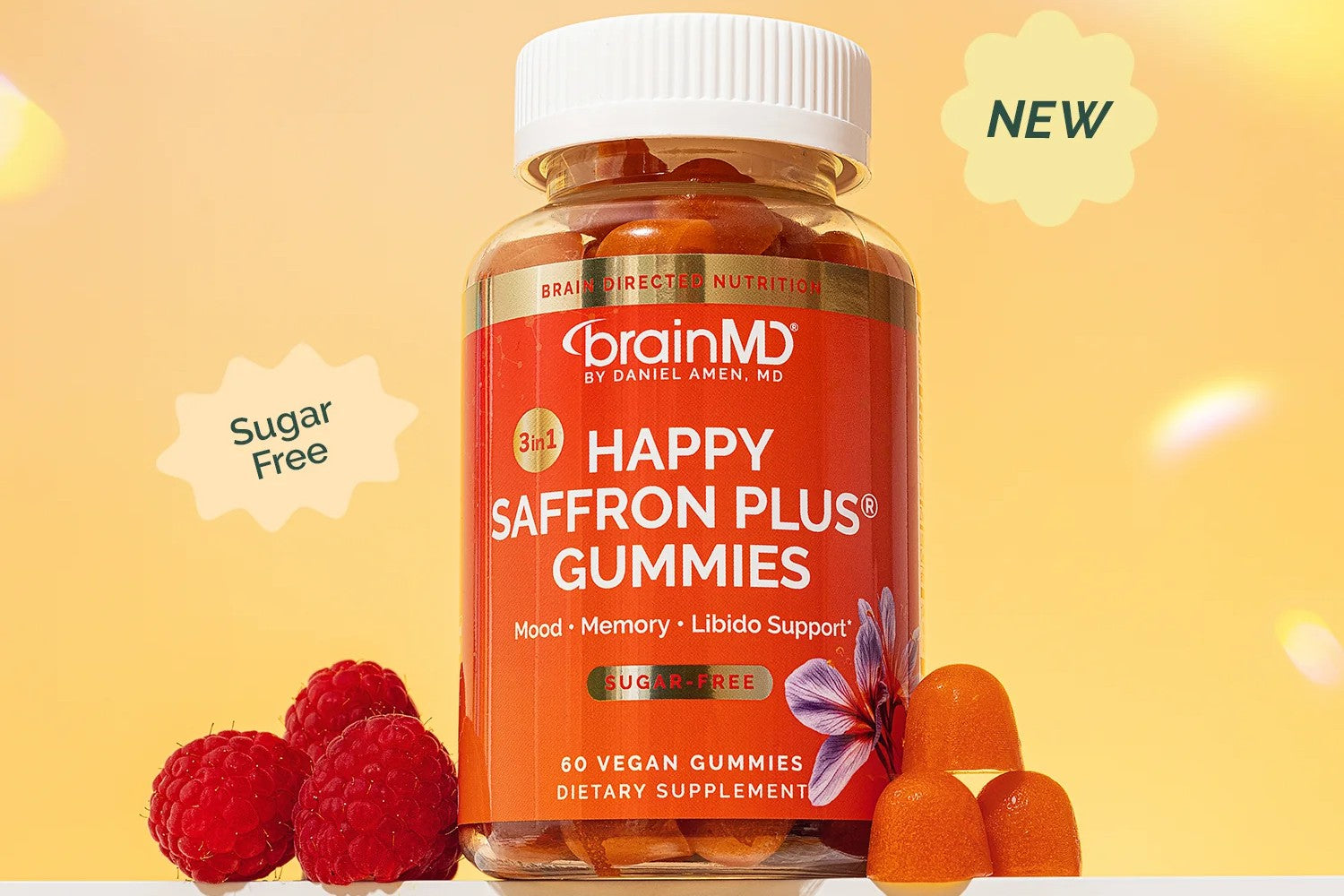
Many things can provide happiness in our lives. Unfortunately, there are also many things that can steal our happiness, such as persistent negative thoughts and periods of low mood. Low Mood Mood issues can make everyday life feel draining. Low mood is often linked to low energy and lack of sleep. Other signs of low mood may include: Negative or guilty thoughts Mental fogginess Avoiding social interaction Overeating and emotional eating Periods of low appetite Difficulty with concentration and memory Since many people dismiss these issues as just feeling down, they may not get the help they need, which can result in serious physical or emotional difficulties. Standard Treatment for Mood Issues Most people who experience mood issues are desperate to regain their energy and positive outlook on life. Though some of these individuals might be tempted to try a quick fix (by taking a medication or other illicit substance) to help mitigate their problems, it might be better for them to seek out natural solutions first. Certain nutrients may help to improve their mood…without the side effects. However, if you’re experiencing severe mood issues, such as extreme mood swings, it may be necessary to seek out medical help. Extreme mood problems may require medication or other forms of treatment, as recommended by a doctor. However, unless otherwise advised by your healthcare provider, it’s always best to seek out natural support for mood problems before automatically turning to high-powered medications, which may worsen existing issues or cause other mental or physical challenges. Natural Mood Support Mood problems may be caused by several factors, such as unhealthy habits and lifestyle factors, or may be instigated or exacerbated by nutrient deficiencies. The good news is that many nutraceuticals have been researched for their mood-supporting benefits, with promising results. One of the best nutrients that can help support mood is saffron. What Is Saffron? For centuries, cultures around the world have cultivated saffron for a variety of purposes. Saffron has been used as a culinary spice, digestive aid, aphrodisiac, and mood-booster. It’s a spice able to give color, flavor, and aroma to foods. Derived from the female reproductive parts (stigma) of the flower of Crocus sativus, saffron is produced today just as it has been since ancient times…by hand. The stigmas must be carefully handpicked and dried since machines can’t perform this delicate work. It takes 4,500 Crocus sativus flowers just to produce one ounce of saffron spice. This labor-intensive extraction process has made saffron the most expensive spice in the world. The best ways to consume saffron are by using it as a spice in cooking or by taking high-purity supplements. If you struggle with maintaining a positive mood or just want to have more happiness in your life, consider taking BrainMD’s mood-supporting saffron supplement… Happy Saffron Plus ® This breakthrough nutraceutical formula was scientifically designed to promote a positive mood.* It brings together nutraceutical preparations of the two most traditionally revered “happiness herbals” – saffron flower extract and curcumin from the turmeric root – with zinc, a mineral essential for life and vital for positive mood.* Benefits of Happy Saffron Plus This supplement combines three potent ingredients to provide maximum mood support.* Now, Happy Saffron Plus® is available in both capsule or gummy formats. Based on considerable clinical and other scientific research, this formula offers: Powerful support for positive mood* Increased capacity for coping with feelings of anxiousness* Enhanced alertness under stress* Happy Saffron Plus ® Ingredients Here are the 3 ultra-pure, high-potency ingredients found in Happy Saffron Plus®: affron® Standardized Saffron Extract. Saffron has been the “happiness spice” in the Middle East for centuries. Modern clinical benefits fully support the traditional reverence for saffron. affron® is a water-extracted saffron concentrate standardized for its most active constituents. This extract has performed extremely well for improving mood, both in adults and adolescents, in clinical trials at a dose of 28 mg per day.* Longvida® Optimized Curcumin Extract. The turmeric root parallels saffron as an Asian happiness herbal. Curcumin is the molecular complex from turmeric root that can help improve mood.*¹ This Longvida® ingredient features excellent absorption of curcumin and has worked well in clinical trials at 400 mg per day or higher.* Zinc, as Glycinate. This mineral is essential for the functioning of at least 300 enzymes essential for our life processes, and about 2000 different human proteins.* People with mood problems typically have low blood levels and supplementing with zinc often supports a healthy mood.* The combination of zinc with affron® saffron and Longvida® curcumin has the potential to elevate mood, perhaps even in individuals who don’t feel they have a mood problem.* All three of these ingredients are documented to improve mood in controlled human clinical trials.² BrainMD’s Free Trial Program BrainMD’s Free Trial program offers a sample package of some of our top-selling supplements, including Happy Saffron Plus®. After 14 days, you’ll be enrolled into a subscription service and receive a monthly supply of Happy Saffron Plus® for the low price of $43.74. BrainMD will notify you prior to the subscription upgrade and before processing any payments for your first Subscription Delivery shipment. Every 30 days, your credit card will be charged, and a new shipment will be sent to the address supplied at the time of enrollment. You may adjust, pause, or cancel your subscription at any time and for any reason by contacting BrainMD’s Customer Care Team (see below). This offer is only valid in the U.S. One trial program may be purchased at a time by each customer. Be Healthier and Happier Happier people tend to be healthier, live longer, have better relationships, and experience more success in life. Boost your bliss with quality mood supplements like Happy Saffron Plus®. Order your FREE sample today! BrainMD Customer Care Team Email: support@brainmdhealth.com Phone: (888) 850-5287 M-F 6 AM – 5 PM PST At BrainMD, we’re dedicated to providing the highest purity nutrients to improve your physical health and overall well-being. For more information about Happy Saffron Plus and our full list of brain healthy supplements, please visit us at BrainMD. *These statements have not been evaluated by the FDA. This content is for informational purposes only. It is not meant to substitute for medical or healthcare advice from a physician, nor is it intended to diagnose, treat, cure, or prevent any disease. Consult your healthcare provider before beginning a new health regimen. References: 1. Fusar-Poli, L., Vozza, L., Gabbiadini, A., Vanella, A., Concas, I., Tinacci, S., Petralia, A., Signorelli, M. S., & Aguglia, E. (2020). Curcumin for depression: A meta-analysis. Critical Reviews in Food Science and Nutrition, 60(15), 2643–2653. https://doi.org/10.1080/10408398.2019.1653260 2. Jackson, P. A., Forster, J., Khan, J., Pouchieu, C., Dubreuil, S., Gaudout, D., Moras, B., Pourtau, L., Joffre, F., Vaysse, C., Bertrand, K., Abrous, H., Vauzour, D., Brossaud, J., Corcuff, J. B., Capuron, L., & Kennedy, D. O. (2021). Effects of saffron extract supplementation on mood, well-being, and response to a psychosocial stressor in healthy adults: A randomized, double-blind, parallel group, clinical trial. Frontiers in Nutrition, 7, 606124. https://doi.org/10.3389/fnut.2020.606124
Learn more
Here Are Some of the Best Foods to Lower A1C
Are you tired of worrying about your A1C levels? Are you looking for natural ways to manage your A1C? We’ve got you covered! Below is a list of delicious, natural foods that may help lower your A1C levels. Say goodbye to bland diets and restrictive meal plans, these superfoods are loaded with flavor and can help you maintain optimal blood sugar levels. Let’s take a closer look at what A1C is and how you can better manage it with healthy foods… What is A1C and How Does it Affect Your Health? A1C is a test that measures your average blood sugar level over the past 3 months. The A1C test can be used by doctors to diagnose diabetes and prediabetes. Levels above 6.5% indicate diabetes, and levels between 5.7% and 6.4% indicate prediabetes. A1C levels Even a small reduction in A1C can reduce your risk of developing long-term health problems. What Are the Risks of Having High A1C? There are many risks associated with high A1C levels, and people with blood sugar issues may be at a greater risk of developing serious health conditions. When blood sugar levels are consistently elevated, it can damage blood vessels in the eyes, kidneys, and feet, which can lead to vision loss, kidney failure, and amputations, respectively. High A1C levels also can lead to an increased risk of stroke. What Does an A1C-Lowering Diet Look Like? There are several types of natural foods that may help lower your A1C levels: Fiber-rich foods: Foods high in fiber can help slow down the absorption of sugar into the bloodstream, which can help keep blood sugar levels under control. Good sources of fiber include beans, fruits, and vegetables. Protein-rich foods: Protein helps stabilize blood sugar levels by slowing down the rate at which sugar is absorbed into the bloodstream. Lean meats, fish, and legumes are all excellent sources of protein. Healthy fats: Healthy fats can help improve blood sugar management by providing energy and helping to slow down the absorption of sugar into the bloodstream. Examples of healthy fats are avocados, nuts, seeds, and olive oil. Making small changes to your diet can have a big impact on your A1C levels. To help lower your A1C, be sure to incorporate these healthy foods into your diet. 7 Delicious Natural Foods That Can Help Lower A1C Levels 1. Leafy Greens Dark, leafy greens are packed with nutrients that can help improve your health. They’re loaded with vitamins and minerals, and contain high levels of fiber which can help regulate digestion and elimination. Also, they’re low in carbohydrates, which makes them a great option for people with blood sugar issues. Some of the healthiest leafy greens are: Kale Spinach Swiss chard Collard greens Mustard greens Introducing a variety of leafy greens into your diet may be an important step toward lowering your A1C levels. Also, adding leafy greens to smoothies, juices, salads, soups, and stir-fries is an easy way to boost your nutrient intake. 2. Fatty Fish Salmon, mackerel, herring, and sardines are excellent sources of omega-3 fatty acids, which may help lower A1C levels. These healthy fats may help to lower inflammation and improve insulin sensitivity. 3. Beans and Legumes Beans and legumes, like black beans and lentils, are a great source of fiber and protein. They also can help stabilize blood sugar levels and keep you feeling full longer (satiety). They’re also high in antioxidants and phytochemicals, which can help to protect cells from damage and reduce inflammation. Legumes are an excellent source of protein and essential nutrients, making them a perfect food for those looking to lower their A1C levels. 4. Nuts and Seeds Nuts and seeds are a nutritious snack that can help to regulate blood sugar levels. They’re also a good source of healthy fats, protein, and fiber. Almonds are a good source of magnesium Walnuts are packed with protein and fiber Pumpkin seeds are rich in vitamins, minerals, antioxidants, and fiber Find a variety you like and go nuts! 5. Berries Berries are packed with antioxidants, which may help to lower your A1C levels. Also, compared to processed snacks, berries are low in sugar and calories, making them a healthy way to satisfy your sweet tooth without raising your blood sugar levels. 6. Flaxseed Ground flaxseed is an excellent source of fiber and magnesium. These nutrients can help improve insulin sensitivity and lower A1C levels. 7. Healthy Fats Healthy sources of fat – like avocados, extra virgin olive oil, and coconut oil – are great for reducing inflammation in the body and supporting healthy blood sugar levels. Foods to Lower A1C Lowering your A1C levels doesn’t need to be an arduous task. Making these suggested tweaks to your diet can help improve glycemic control. Not only are these delicious food options low cost and easy-to-find, but they also provide essential nutrients to support your energy, circulation, and much more. So, if you’re looking for all-natural ways to bring down your blood sugar, start incorporating more of these powerhouse foods into your meals today! At BrainMD, we’re dedicated to providing the highest purity nutrients to improve your physical health and overall well-being. For more information about our full list of brain healthy supplements, please visit us at BrainMD. These statements have not been evaluated by the FDA. This content is for informational purposes only. It is not meant to substitute for medical or healthcare advice from a physician, nor is it intended to diagnose, treat, cure, or prevent any disease. Consult your healthcare provider before beginning a new health regimen.
Learn more
What is Holy Basil? One of the Best Ways to Address Your Stress!
In today’s fast-paced world, many people experience periods of stress. Since stress affects millions of American adults, let’s take a closer look at this issue and how to address it naturally. Basics of Stress Contrary to popular belief, not all stress is bad. Stress is a normal part of living and affects those of all ages. It can help improve your: Resilience Productivity Problem solving Ability to adapt to new challenges Stress can become a problem when it’s intense, recurring, or remains unresolved over an extended period. At that point, stress can take a toll both physically and mentally. Stress can affect behavior, outlook, and overall health. Many health concerns may be initiated or aggravated by stress. When stress is ongoing, it can increase the risk of developing problems related to your weight, heart, and mood. One of the best natural ways to manage a healthy response to stress is with adaptogens. What Are Adaptogens? According to the Cleveland Clinic, “Adaptogens are plants and mushrooms that help your body respond to stress, anxiety, fatigue and overall wellbeing. You can take adaptogens by adding them to food or beverages or take them as tinctures. Adaptogens bring your body back to a steady balance by managing both physical and mental stressors.” Adaptogens are widely considered to be any natural substance that helps the body “adapt” to a variety of difficulties. They’re a unique class of herbs that can help the body resist physical, chemical, and biological stressors. They’ve been used for centuries in traditional medicine systems such as Ayurveda and Chinese Medicine. Today, adaptogens are gaining popularity for their purported ability to improve health and well-being. This is likely due to our lives becoming more and more inundated with stress. Many people are bombarded with stressors from work, family life, and the 24/7 news cycle. Adaptogens work by helping to regulate the body’s stress response. This regulation can occur at the level of the adrenal glands, the hypothalamic-pituitary-adrenal (HPA) axis, or the sympathetic nervous system. By regulating these stress response systems, adaptogens can help keep the body in a state of homeostasis (balance). There are many different types of adaptogens, and each has its own set of benefits. However, they all share one common goal: to help the body better cope with stress. Let’s take a closer look at one of the most potent adaptogens. Holy Basil What is holy basil? Also referred to as Tulsi, holy basil (Ocimum sanctum) is an Eastern herb that’s been revered as “The Queen of Herbs” in Ayurvedic medicine for over 3,000 years. An adaptogenic herb, holy basil supports the body’s natural protective response to physical and emotional stress.* Adaptogenic herbs don’t alter mood, but they can help the body function optimally during times of stress.* Research demonstrates that they do this by modulating the production of stress hormones like cortisol and adrenaline.* Holy basil has been long revered as a powerful antioxidant with antibacterial, analgesic, antifungal, and anti-inflammatory properties.* Compelling research data suggests that holy basil’s greatest potential lies in the areas of promoting relaxation and a healthy response to stress.* According to clinical research, holy basil may help support the body’s natural response to stress. A six-week, double-blind, placebo-controlled human study examined subjects with stress symptoms. Those who received a holy basil extract formula showed a 39% greater improvement in stress symptoms than those who received a placebo. If you’re dealing with excessive stress, consider trying holy basil, which is different than the basil used as an herb in many meals. BrainMD offers high-quality, brain directed supplements that can help you feel calm, content, and better able to manage stress or mental strain. If you’re looking for a premium stress support supplement that includes holy basil, we’re proud to offer… Everyday Stress Relief Everyday Stress Relief was designed to help replenish your brain and body’s nutrients that can be depleted by stress. This supplement includes herbal extracts clinically proven to have calming and anti-stress effects, without making you sleepy.* It also helps with apprehension, tension, worry, and fatigue.* Here’s what you’ll find in this high-potency formula: Magnesium is a well-known calming mineral. It promotes a balanced and mentally focused demeanor.* The amino acid taurine supports the adrenal glands and is crucial for coping with stress.* The herb holy basil, revered both in Europe and the East, helps to improve adaptation to occasional anxious thoughts and other problems related to stress.* A phytochemical derived from green tea, l-theanine helps to manage tension.* Relora®, which is a unique mix of two herbs, may enhance healthy management of the stress hormone cortisol while easing tension, anger, negative mood, and confusion.* This safe, non-sedating, and non-habit-forming formula combines the multiple beneficial actions of these well-studied herbs and nutrients to help your brain and body cope with stress on multiple levels.* Natural, Nutritional Boost While it’s perfectly natural to feel the effects of stress, if you need a little added support to provide some relief and peace of mind, look for foods and supplements with holy basil. Getting more adaptogenic herbs, like holy basil, into your diet may be an important step in optimizing your health. If you’re looking for a natural way to help manage stress, give Everyday Stress Relief a try today. At BrainMD, we’re dedicated to providing the highest purity nutrients to improve your physical health and overall well-being. For more information about Everyday Stress Relief or our full list of brain healthy supplements, please visit us at BrainMD. *These statements have not been evaluated by the FDA. This content is for informational purposes only. It is not meant to substitute for medical or healthcare advice from a physician, nor is it intended to diagnose, treat, cure, or prevent any disease. Consult your healthcare provider before beginning a new health regimen.
Learn more