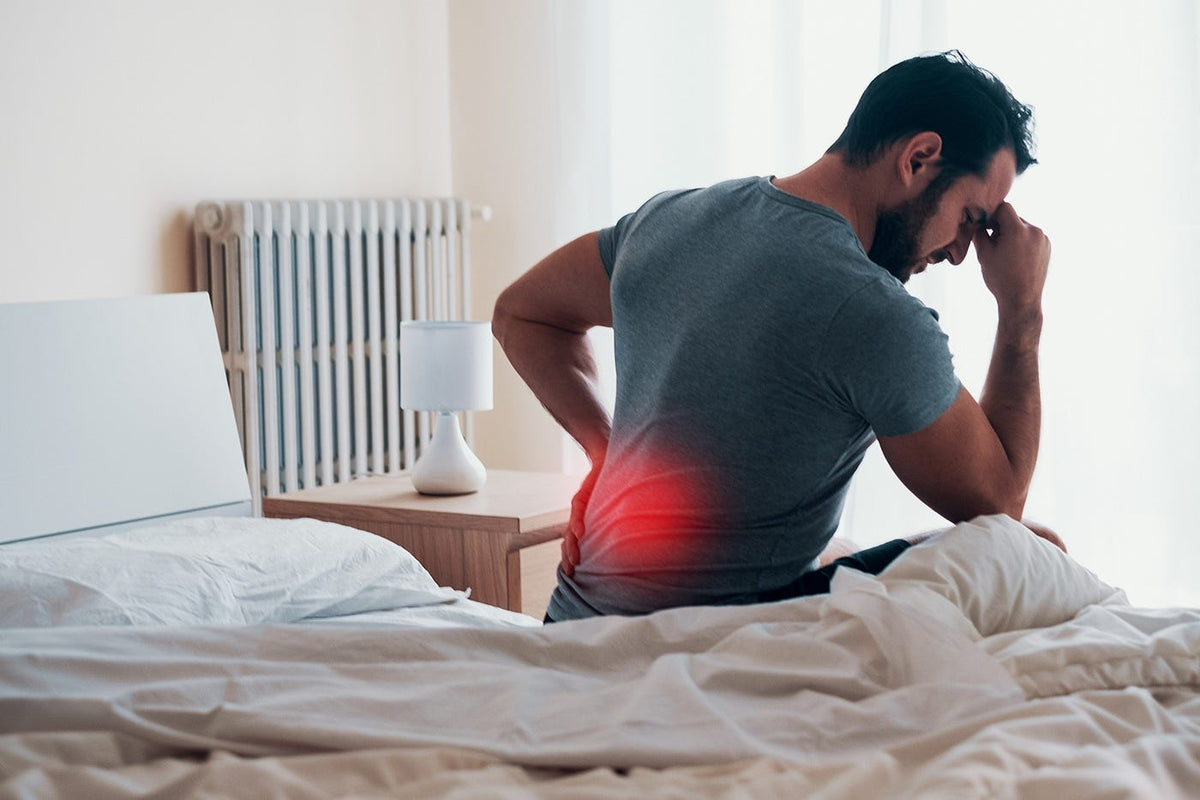
If so, you aren’t alone. Millions of Americans endure sciatic nerve pain every day.
This debilitating condition is one of the most frequent contributors to intense, low back pain. It can arise from a variety of factors including a herniated disc or even pregnancy-related pressure on the sciatic nerve.
But is there a common cause of sciatica that many people overlook?
Here to explain more about sciatica and how to get relief is Blair Chiropractic practitioner, Dr. Elizabeth Hoefer.
Sciatica Basics
Sciatica refers to pain that radiates along the sciatic nerve, which is the longest nerve in the body. The nerve starts in the lower back and runs through the hips, buttocks, and down the legs. Sciatica is often caused by compression or irritation of the nerve, which can be due to a herniated disc, spinal stenosis, or a misaligned vertebra.
Sciatica and Neck Issues
The connection between the upper cervical spine’s structural integrity and the sciatic nerve lies in the complex interplay between the nervous system and the musculoskeletal system.
One way in which upper cervical misalignments can impact the sciatic nerve is by altering the alignment and function of the pelvis. The pelvis is a complex structure that includes the hip bones, sacrum, and coccyx, and is connected to the lower spine.
When the upper cervical spine is misaligned, it can affect the alignment and function of the entire spine, including the pelvis. This alteration in pelvic alignment can, in turn, impact the sciatic nerve. For example, a misaligned pelvis can create tension in the muscles and ligaments that attach to the hip bones, leading to compression or irritation of the sciatic nerve as it passes through the buttocks and down the leg.
What Is Blair Chiropractic?
Blair Chiropractic is a specific technique within the chiropractic profession that focuses on the upper cervical spine, particularly the atlas (C1) and axis (C2) vertebrae. However, it’s important to note that the Blair Chiropractic analysis also includes the entire cervical spine. Remarkably, there’s never any twisting, popping or cracking of the neck with Blair Chiropractic adjustments.
In Blair Chiropractic, the focus on correcting misalignments in the upper cervical spine is believed to improve the function of the nervous system, including the sciatic nerve, by allowing the brain to connect to the body more effectively and correcting postural distortions that can happen as a result of compensation while translating gravity through the body. By addressing the root cause of the problem (misalignments in the neck), Blair chiropractors aim to alleviate sciatic pain and other related symptoms.
By assessing the entire cervical spine, Blair Chiropractic doctors can provide a comprehensive treatment plan that addresses the underlying causes of pain and dysfunction, rather than just addressing symptoms. This approach may help patients achieve long-term relief from conditions such as sciatica and other neurological conditions.
If you’re dealing with sciatic nerve pain, or if you’re interested in the Blair Chiropractic approach, please contact the friendly office staff at Well Connected Chiropractic to set up an appointment today!
Dr. Elizabeth S. Hoefer (Hay-fer) earned her Doctor of Chiropractic degree, Bachelor of Science, and Associate of Science in Chiropractic Technology at Palmer College of Chiropractic in Davenport, Iowa (the birthplace of Chiropractic). She recently earned her Diplomate in Craniocervical Junction Procedures, D.C.C.J.P., which is a 3 year post graduate training in upper cervical procedures. This is the most advanced degree available in the field of upper cervical chiropractic.
In 2015, Dr. Hoefer was awarded Blair Chiropractor of the Year. Dr. Hoefer was voted New Chiropractor of the Year 2013 by the California Chiropractic Association for the State of California. She currently serves as the President for the California Chiropractic Association (CalChiro).
With such extensive and advanced training in chiropractic, Dr. Hoefer offers patients a wealth of knowledge and a passion to serve. Having personally experienced the healing power of Blair Upper Cervical Chiropractic, she is dedicated to the advancement of this work and committed to educating the public about the vast benefits Blair Chiropractic has to offer.
Dr. Hoefer lives in Southern California with her husband and three lovely daughters.
Meet Our Expert
Nicole Avena, PhD
Dr. Nicole Avena completed her PhD in Neuroscience and Psychology from Princeton University, followed by a postdoctoral training fellowship at The Rockefeller University in New York City. She is a research neuroscientist and expert in the fields of nutrition, diet and addiction, with a special focus on nutrition during early life and pregnancy, and women’s health. In addition to over 100 peer-reviewed scholarly publications, Dr. Avena has written several books, including What to Eat When You’re Pregnant, What to Feed Your Baby and Toddler and What to Eat When You Want to Get Pregnant.
Head injuries, ranging from mild concussions to severe traumatic brain injuries (TBI), can have a negative effect on mental and physical health. Whether the result of a sports injury, vehicle accident, or fall, head injuries can have a lasting impact on an individual’s quality of life.
A common question many people have is: Can the brain be repaired over time?
Let’s explore the brain’s capacity for recovery, the factors influencing rehabilitation, and some practical ways to prevent head injuries.
Can the Brain Recover from a Head Injury?
Once a head injury has occurred, recovery becomes complex and highly individualized process. The degree of recovery often depends on the extent of the damage.
• Mild Injuries: For individuals with mild head injuries, such as minor concussions, the brain can often fully recover, especially if proper care is taken early on. However, it’s important to closely follow medical advice, get adequate rest, and avoid risky behaviors and activities that might reaggravate or worsen the condition.
• Moderate to Severe Injuries: For moderate to severe head injuries, full recovery is less certain. While some brain functions may be restored soon after the event, others may only slightly improve over an extended period. Individuals who experience partial recovery may still have an acceptable quality of life. However, those who’ve experienced significant brain injury may never recover to the level of pre-trauma functionality.
So, what allows the brain to rejuvenate from injury? One of the main factors involved in brain recovery is neuroplasticity.
What Is Neuroplasticity?
One of the most fascinating aspects of the brain is its ability to adapt and repair itself after an injury, due to a process known as neuroplasticity.
Neuroplasticity refers to the brain’s capacity to reorganize and form new neural connections in response to injury. This means that if one part of the brain is damaged, other parts may take over its functions. For example, if a region of the brain responsible for speech is injured, other areas may adapt and help regain the lost function over time.
Neuroplasticity can play a pivotal role in recovery from head injuries,¹ especially in the early stages.
Mechanisms of Brain Repair
While neuroplasticity is a central mechanism in brain repair, other factors also may contribute to the recovery process. Some of these include:
Neurogenesis is the process by which new neurons (brain cells) are created. In certain regions of the brain, like the hippocampus (responsible for memory and learning), neurogenesis can help replace damaged cells and promote recovery.
Synaptic Plasticity refers to the strengthening or weakening of synapses (the connections between neurons). When the brain experiences an injury, synaptic plasticity can help reestablish lost connections or enhance existing ones, improving cognitive function.
Glial Cells provide support and protection for neurons. After an injury, glial cells can help in the repair process by removing debris,² reducing inflammation, and facilitating the regeneration of neural pathways.
Factors That Influence Brain Recovery
Many things can affect the brain’s recovery process, including:
• Age: Younger brains tend to recover more quickly and completely than older brains, due to their more robust neuroplasticity and neurogenesis capabilities.
• General Health: A person’s overall physical and mental health can significantly impact the recovery process. Factors such as nutrition, exercise, sleep, and stress levels all can play vital roles in recovery.
• Early Intervention: The sooner a person receives appropriate care and rehabilitation, the better their chances of recovery. Early intervention – including physical therapy, cognitive rehabilitation, and nutritional support – may help accelerate the healing process.
• Severity and Location of Injury: The severity of the injury and the area of the brain affected are crucial factors in determining recovery. Injuries to critical areas responsible for motor skills, speech, or memory may have greater long-term effects than injuries to other regions.
General Timeline and Expectations for Recovery
The timeline for brain recovery can vary widely depending on the severity of the injury:
Mild Concussions: Most individuals with a mild concussion may experience noticeable recovery within 7-10 days, provided they get plenty of rest and avoid activities that could further exacerbate their condition.
Moderate to Severe Head Injuries: It may take months, or even years, to recover from moderate to severe TBIs. While some individuals may experience significant improvements in the short-term, others may face long-term challenges. Rehabilitation strategies – such as physical, occupational, and speech therapy – may be recommended for months or years after the injury.
In many cases, brain recovery is a slow and ongoing process. It’s essential for patients to set realistic expectations and remain patient while actively participating in their recovery plan.
5 of the Best Ways to Prevent a Head Injury
Preventing brain injury should be a top priority for anyone who has experienced a head injury in the past or who is at risk of sustaining one. Here are some practical tips to help reduce the risk of sustaining a head injury:
1. Wear Protective Gear
If you participate in sports or activities with a risk of head injury, such as cycling, football, or skiing, always wear the appropriate protective gear (e.g., helmets, mouthguards, etc.). If you have kids, you might consider steering them away from high-risk sports and toward brain healthy ones instead.
2. Follow Safety Protocols
Always adhere to safety guidelines, whether on the job, in sports, or during recreational activities. Avoid risky behaviors that could lead to falls or accidents.
3. Monitor Symptoms
After a head injury, closely monitor for symptoms such as headaches, dizziness, or confusion, and seek out prompt medical care if needed. Early detection of these symptoms may help prevent further damage.
4. Take Time to Recover
Don’t rush back into physical activities after an injury. It’s important to give the brain time to rest and rejuvenate. Gradually ease back into activities and listen to your body for signs that you’re overdoing it.
5. Maintain Overall Health
Good nutrition, regular physical activity, adequate sleep, and stress management can all contribute to better brain health and a quicker recovery.
Recovery is a Journey
The brain is an incredibly resilient organ. While complete restoration from a head injury isn’t always possible, the potential for recovery is substantial. Neuroplasticity allows the brain to reorganize and form new connections, which can significantly aid in the recovery process.
By understanding the brain’s restorative mechanisms and taking proactive steps to prevent head injuries, individuals can better navigate the recovery process and improve their long-term outcomes.
NOTE: Always consult with a healthcare professional for personalized advice and treatment plans tailored to your specific needs.
At BrainMD, we’re dedicated to providing the highest quality supplements to improve your physical health and overall well-being. For more information about our full list of brain healthy supplements, please visit us at BrainMD.
These statements have not been evaluated by the FDA. This content is for informational purposes only. It is not meant to substitute for medical or healthcare advice from a physician, nor is it intended to diagnose, treat, cure, or prevent any disease. Consult your healthcare provider before beginning a new health regimen.
References:
1. Zotey, V., Andhale, A., Shegekar, T., & Juganavar, A. (2023). Adaptive neuroplasticity in brain injury recovery: Strategies and insights. Cureus, 15(9), e45873. https://doi.org/10.7759/cureus.45873
2. Neumann, H., Kotter, M. R., & Franklin, R. J. M. (2008). Debris clearance by microglia: An essential link between degeneration and regeneration. Brain, 132(2), 288–295. https://doi.org/10.1093/brain/a
 Skip to content


 The connection between the upper cervical spine’s structural integrity and the sciatic nerve lies in the complex interplay between the nervous system and the musculoskeletal system.
 Dr. Elizabeth S. Hoefer (Hay-fer) earned her Doctor of Chiropractic degree, Bachelor of Science, and Associate of Science in Chiropractic Technology at Palmer College of Chiropractic in Davenport, Iowa (the birthplace of Chiropractic). She recently earned her Diplomate in Craniocervical Junction Procedures, D.C.C.J.P., which is a 3 year post graduate training in upper cervical procedures. This is the most advanced degree available in the field of upper cervical chiropractic.


