 Skip to content


Wellness Blog



7 of the Best Reasons to Become a Health Coach
Have you always wanted to work a job that gives back to others? One occupation that might fill that need is to become a health coach. What’s A Health Coach? People may view the role of a life/health coach in different ways, from guide, to partner, or even health cheerleader. The purpose for becoming a health coach might be different for different people but may include helping others improve their mental or physical health by implementing lifestyle changes. Some of the main areas a health coach may focus on are: Bad habits (alcohol/drugs, smoking, etc.) Diet (fatty, sugary, unhealthy foods) Physical activity Sleep Stress Time management Often, if one of these areas is a problem, others may be as well. For instance, lack of sleep can create a chain reaction that affects many, if not all, of these areas. A health coach can help individuals set up goals and reach those goals by breaking things down into incremental steps. Some may see this process as a journey. Hopefully, the individual will learn many insights about themselves and others along the way. Health coaches may contact their clients via phone, email, or through in-person visits. Sessions may last for three months or more depending on what the individual needs and the availability of the coach. If you’ve been thinking about transitioning to a career where you can help people in tangible ways, here are some of the top reasons to consider becoming a health coach... 7 Reasons to Become a Health Coach Find Your Passion If you’re interested in nutrition and wellness, and have a heart to help people, becoming a health coach might be a natural career option for you. It can be very fulfilling to pass on to others the helpful lifestyle strategies you’ve learned. It’s important to find work you enjoy, that excites you when you roll out of bed in the morning. By contrast, doing work that’s a drudgery can create additional stress, mood issues,¹ and personal/relational problems. Find what you’re passionate about, whether it’s being a health coach or something else, and throw yourself into it. Flexible Learning Many coaching certificates can be earned online. That means you can work at home, Starbucks, or wherever you do your best learning. Once you’ve earned your certificate and have built a client base, you can make appointments to fit your schedule. And, thanks to programs like Zoom, you can meet with people from anywhere in the country, or other parts of the world. Work-Life Balance Helping others become the best versions of themselves can help you do the same. Be sure to build time into your schedule to take walks in nature or engage in a hobby you enjoy. Creating a healthy work-life balance is vital for you and those you counsel. Meet New People If you’re an extrovert or just like to meet new people, being a health coach might be the perfect opportunity for you. Not only will you meet new people while studying to become a wellness coach, you also may meet other coaches during live or online events. This can lead to forging friendships with people all around the world. Help Others Feel Good Imagine how it would feel to help others overcome obstacles and achieve their goals. Being a health coach can create a positive feedback loop where helping others can be personally gratifying. Assisting those who need help can be a win/win for you and the person you’re assisting. Be the Best Version of Yourself As you learn new aspects of health and wellness, you may try to apply them to your own daily routines. Learning about diet, exercise, and other lifestyle factors may encourage you to adjust your behaviors and adopt healthy habits. This, in turn, may inspire you to pass on your insights and discoveries to others. Make the World a Better Place Helping people improve their lives is an honorable occupation. It can be personally satisfying to help others make healthier choices for their lives and to watch their progress and personal growth. Your efforts can help make the world a better place…one person at a time. Next Steps If you’re energized by helping others and are looking for a career where you can help people in practical, meaningful ways, becoming a health coach might be right for you. Helping others set and attain personal or health goals can be rewarding and provide a sense of satisfaction² and fulfillment. There are several places you can go to begin the process of becoming a health coach, including the National Board for Health & Wellness Coaching (NBC-HWC). Run an online search to see which coaching program is the best fit for you. Take the first step in starting a career that can help you and others today. At BrainMD, we’re dedicated to providing the highest purity nutrients to improve your physical health and overall well-being. For more information about our full list of brain healthy supplements, please visit us at BrainMD. These statements have not been evaluated by the FDA. This content is for informational purposes only. It is not meant to substitute for medical or healthcare advice from a physician, nor is it intended to diagnose, treat, cure, or prevent any disease. Consult your healthcare provider before beginning a new health regimen. References: 1. Melchior, M., Caspi, A., Milne, B. J., Danese, A., Poulton, R., & Moffitt, T. E. (2007). Work stress precipitates depression and anxiety in young, working women and men. Psychological Medicine, 37(8), 1119–1129. https://doi.org/10.1017/S0033291707000414 (PMCID: PMC2062493, PMID: 17407618) 2. Weiss-Sidi, M., & Riemer, H. (2023). Help others—be happy? The effect of altruistic behavior on happiness across cultures. Frontiers in Psychology, 14, 1156661. https://doi.org/10.3389/fpsyg.2023.1156661 (PMCID: PMC10326385, PMID: 37425146)
Learn more
10 of the Best Ways to Overcome Adversity in Your Life
You can’t have a hero’s journey without adversity. After all, how satisfying would Harry Potter’s adventures be without Voldemort? Or, how complicated would Frodo Baggins’ life be without the One Ring (or Sauron, Gollum, etc.)? And what would Luke Skywalker be without Darth Vader/Anakin Skywalker? (Trick question: Anakin is Luke’s father, so the answer is “nothing.” But you get the point.) Other than death and taxes, one of life’s other absolutes is that we all will face problems and dark times. Though the tendency is to bemoan life’s challenges, would we have any wisdom, character, or achievements without them? Turning Pain into Purpose “Although the world is full of suffering, it is also full of the overcoming of it.” - Helen Keller Some people who suffer great pain and injustice become devastated. Many never learn how to cope with their struggles. Others use food, drugs, alcohol, or sex as a form of self-medication, or become a victim to their tragedy, using pain as an excuse to hurt themselves or others. It seems to be in our nature to complain about the hardships in life. Yet, it’s through trials that we can develop resilience and effective coping strategies. By overcoming obstacles and troubles, we can become stronger and better able to handle a variety of challenges in the future. One of the best ways you can turn pain into purpose is to know your “essence.” Discover Your Essence “Spirituality is the aspect of humanity that refers to the way individuals seek and express meaning and purpose and the way they experience their connectedness to the moment, to self, to others, to nature, and to the significant or sacred.” - Dr. Christina Puchalski Your essence refers to the passion deep within that stirs your soul. It can be described as your spirit and is often born out of frustration or pain. In fact, the Latin root for the word “passion” is pati, meaning to “suffer” or “endure.” Your essence is connected to something bigger and more important than yourself. So, what’s your essence? Clear your mind and meditate on the following questions, or journal your thoughts and responses to them. Get in touch with past or present pain and injustice in your life. Where in your body do you feel it? Where does it hurt? Think about what you’re truly passionate about. What connection might there be to your suffering? What are you willing to suffer for? Write down the things you believe in so strongly that you would fight for them without concern about criticism or ostracism. Meditate or pray daily and focus on what you’re most passionate about. Ask yourself, “Why is the world a better place because I breathe?” If you aren’t sure, start journaling your personal skills, interests, and passions, and ask yourself what small step you can take today to make a difference, to create happiness and healing in the world. Find someone with passion, whom you respect, and ask them to mentor you. Find someone else to mentor. The most effective way to increase your passion for something you love is to mentor someone else and watch them grow. As they flourish, so will you. Knowing your essence can better equip you to handle crises when they arise. Here are some other effective strategies for dealing with challenges in life… 10 Ways to Overcome Adversity and Remove the Obstacles in Your Life 1. Write It Down Writing down your thoughts can get them out of your head so you can view them more rationally. Jot down any major issues you faced during the day. Writing in your journal about your challenges, and possible solutions can help alleviate the worries of the day and put you in a restful state of mind at night. 2. Don’t Back Down Unless the situation is life-threatening, don’t ignore or run away from whatever is causing issues in your life. Like standing up to a bully, you must face the fear or concern directly, or it will have control over you and increase your stress and worry. Though there are many ways to tackle a problem, sitting on the sideline isn’t one of them. 3. Be Realistic Goal-setting isn’t having a vague idea of something you’d like to obtain at some undetermined point in the future. Write down your specific goals in a calendar and then review them every day to make progress toward completing them. Success comes much more easily if you set small and manageable goals. Setting realistic goals, that you can focus on daily, can help reduce stress and make a significant difference in your outlook on life. 4. Thought Stopping An important part of gaining control over automatic negative thoughts (ANTs) is to become aware of them when they occur. When negative thoughts start to creep into your mind, envision a red stop sign, and say to yourself, “STOP!” The more you practice this, the more you will gain control over your thoughts. “Your thoughts really matter. Left unchecked, ANTs will cause an infection in your whole bodily system. If you can catch them at the moment they occur and correct them, you take away the power they have over you.” - Dr. Daniel Amen 5. Stay Positive Though easier said than done, staying positive is essential for maintaining physical and mental well-being. Begin each day with positive affirmations like, “Today is going to be a great day.” Such a simple sentence can cause your brain to look for ways to fulfill that affirmative statement. It also establishes a healthy thought pattern that you can continue throughout the day. 6. Learn to Let Go Accept that you can’t control everything. If you’re holding on too tightly, you might be causing yourself unnecessary stress,¹ which can only make your problems worse. There are plenty of things in the world right now you can’t control. Feeling a lack of control over a concerning or frustrating situation can increase your stress levels. Training your brain to think about the things you can control, and not about the things you can’t, can help relieve anxiousness and provide a more optimistic outlook. 7. Quality Connections Social connections are incredibly important to your overall health and well-being. When you’re faced with a problem, seeking advice from a friend or family member can be an important step in helping you overcome the obstacle. It’s recommended that you surround yourself with people who are upbeat, kind, and who have proven themselves to be trustworthy allies during difficult times. 8. Break It Down If working on all your goals at once becomes overwhelming, set up a hierarchy. Select a few things you absolutely must accomplish, several things you want to complete, and many things that would be nice to finish. Not only will this pyramid structure allow you to focus your time and energy on the essentials, but it will also help to reduce the debilitating pressure of trying to juggle so many objectives at one time. “Efforts and courage are not enough without purpose and direction.” - John F. Kennedy 9. Laugh It Off Aside from making you feel good, laughing provides many health benefits,² not the least of which is to relieve tension during hard times. Another perk of levity is that laughing releases stress-reducing endorphins into your bloodstream. Laughter truly is the best medicine…it can work wonders in relieving stress and helping you deal with life’s challenges. 10. Reach Out for Help Though isolating yourself during tough times may feel like the safest option, closing yourself off from the world can intensify your feelings of grief and loneliness. Resist the urge to shut out the individuals who can offer you encouragement and support. Talking through your problems is an absolute must. Reach out to friends and family members and let them know when you’re emotionally overwhelmed. Seek professional help if necessary, but don’t fight your battles alone. Final Encouragement “Those things that hurt, instruct.” - Benjamin Franklin Though they’re seldom enjoyable in the moment, challenges can actually produce long-term gains in your life. How you handle those obstacles largely depends on your mindset. So, wherever your hero’s journey takes you, always look for ways to turn roadblocks into stepping-stones…it’s what Messrs. Potter, Baggins, and Skywalker did. At BrainMD, we’re dedicated to providing the highest quality supplements to improve your physical health and overall well-being. For more information about our full list of brain healthy supplements, please visit us at BrainMD. *These statements have not been evaluated by the FDA. This content is for informational purposes only. It is not meant to substitute for medical or healthcare advice from a physician, nor is it intended to diagnose, treat, cure, or prevent any disease. Consult your healthcare provider before beginning a new health regimen. References: 1. Bhanji, J. P., Kim, E. S., & Delgado, M. R. (2016). Perceived control alters the effect of acute stress on persistence. Frontiers in Psychology, 7, 1159. https://doi.org/10.3389/fpsyg.2016.01159 2. Gropper, S., Tkachuk, C., & Smith, L. (2014). The relationship between executive function and academic achievement in children with mild intellectual disabilities. Journal of Intellectual Disability Research, 58(8), 705–715. https://doi.org/10.1111/jir.12095
Learn more
8 Simple Ways to Calm Your Mind During Stressful Times
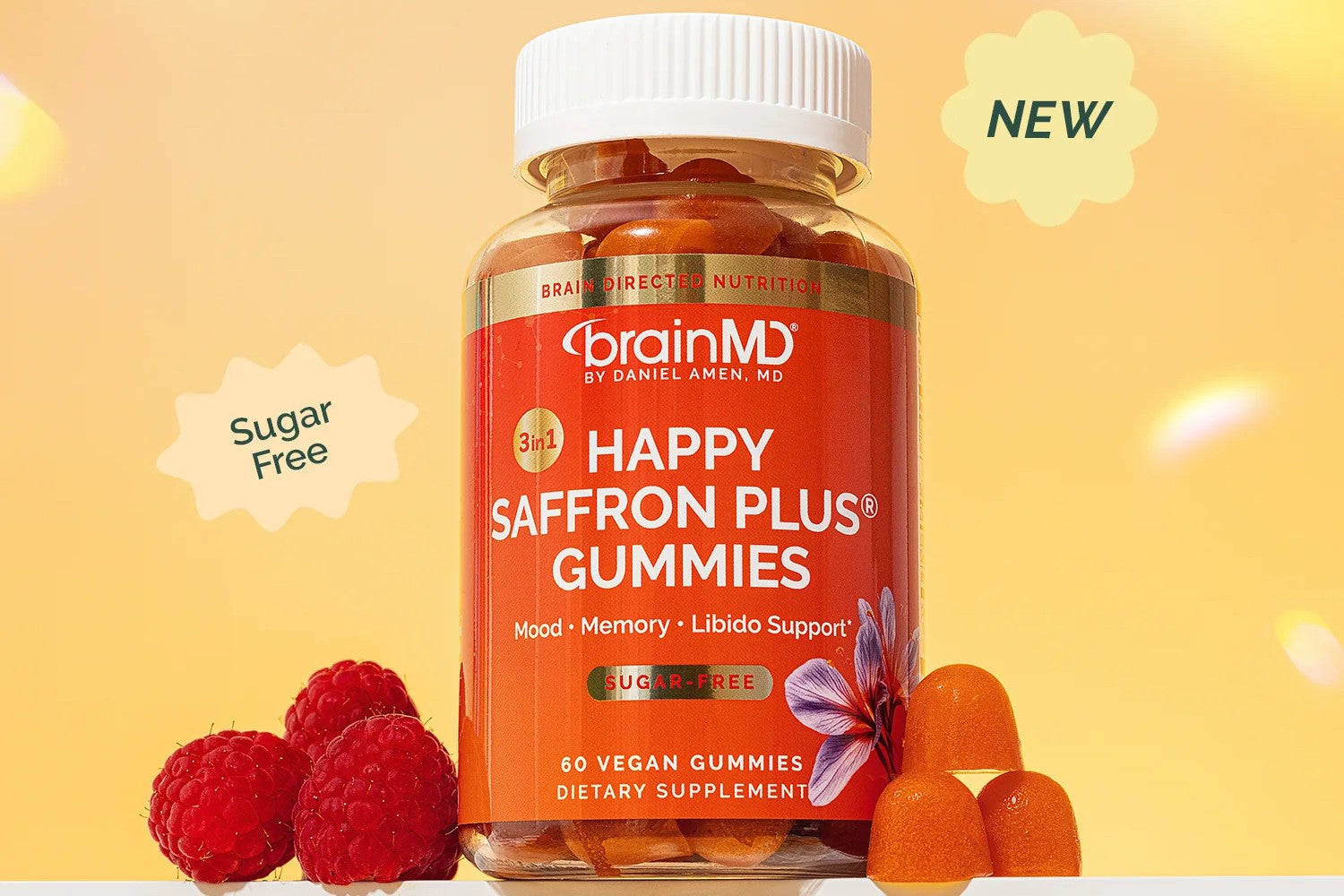
Do you find yourself frequently filled with worry, fear, or occasional anxious thoughts? You aren’t alone. In today’s fast-paced world, many people experience periods of stress. Since stress affects millions of American adults, let’s take a closer look at some of the best ways to address it...naturally. 8 Simple Strategies to Help Ease Your Stress and Calm Your Mind 1. It's Okay If You're Not Okay For starters, acknowledge that it’s completely normal to experience a certain amount of stress and worry in life. In fact, having a degree of healthy fear can be a good thing. Studies show that the “don’t worry, be happy” people—like those who crowd the beaches in Florida every Spring Break—may die the earliest from accidents and preventable illnesses.¹ Having appropriate levels of worry actually may help keep you safe. 2. Stay Connected By nature, we're social creatures who need connection. Having strong social connections can help give you a sense of purpose and belonging. Since it's so important to stay connected with others, be sure to surround yourself with people who are happy, upbeat, kind and who challenge you to be the best version of yourself. 3. Slow Your Breathing Diaphragmatic breathing is an effective way to overcome stress and quiet your mind.² This simple relaxation method can be done anywhere, anytime. Taking deep breaths can help relax your muscles, relieve tension, and allow your brain to function better. Do this simple exercise anytime you feel stressed or on edge. 4. Kill the ANTs Did you know mental hygiene is just as important as physical hygiene? Learn to disinfect your thoughts by killing the ANTs (automatic negative thoughts) that steal your happiness. Anytime you feel nervous, stressed, or panicky, write down what you’re thinking, then talk back to the ANTs. This robs them of their power and puts you in control of your thoughts and moods. It’s easy—just grab a piece of paper and write down what has you concerned today. 5. Get Hip to Hypnosis You might think hypnosis is just for stage acts, but the medical community has long viewed it as a serious science. Using hypnosis has been shown to help reduce stress, lower feelings of anxiousness, and enhance mood.³ Give it a try in the comfort of your own home with a hypnosis audio. 6. Loving Kindness Meditation This easy meditation is intended to boost positive emotions and reduce negative feelings. Just sit quietly and allow your stress to melt away as you breathe deeply (see #3 above). Then say the following phrases aloud or silently to yourself: May I be safe and secure. May I be healthy and strong. These meditations can help reduce stress and improve your overall outlook on life, so give it a try. 7. Consider Nutritional Support Your body’s nutrient levels can be depleted during times of excessive stress. One of the best ways to replenish nutrients and fuel your brain is with high-quality supplements. Everyday Stress Relief is a premier stress-reducing supplement that harnesses the power of five natural ingredients to help soothe your frazzled nerves.* GABA Calming Support boosts GABA to help calm your brainwaves and pump the brakes on anxious and fearful thoughts.* Serotonin Mood Support contains key nutrients that promote serotonin balance and a sense of calmness.* Significant research shows saffron can help boost serotonin and benefit mood.*⁴ Happy Saffron Plus® has three ingredients designed to improve mood, help you cope with feelings of anxiousness, and enhance focus under mental strain.* Plus, its now available in a delicious gummy format. 8. Know Your Brain Type Every brain is different and should be treated as such. Based on the brain imaging work conducted at Amen Clinics, we've identified 16 Brain Types. To discover your Brain Type, take the free online Brain Health Assessment. It only takes about 5 minutes to complete and you’ll get a targeted treatment plan, including lifestyle tips and recommended supplements for your specific Type, to help optimize brain function so you can better cope with stress. Calm Your Mind...Naturally! These are just a few of the many practical, natural techniques that can help keep your body’s production of the stress hormone cortisol in check. Adopting these healthy tips can help reduce stress levels and increase your inner calm. Give them a try today! Note: while it’s natural to feel the effects of stress, if you're experiencing intense, ongoing stress, you might consider seeking out the support of a health coach or trained counselor. At BrainMD, we’re dedicated to providing the highest purity nutrients to improve your physical health and overall well-being. For more information about our full list of supplements, please visit us at BrainMD. These statements have not been evaluated by the FDA. This content is for informational purposes only. It is not meant to substitute for medical or healthcare advice from a physician, nor is it intended to diagnose, treat, cure, or prevent any disease. Consult your healthcare provider before beginning a new health regimen. References: Diener, E., & Chan, M. Y. (2011). Happy people live longer: Subjective well-being contributes to health and longevity. Applied Psychology: Health and Well-Being, 3(1), 1–43. JBI Database of Systematic Reviews and Implementation Reports 17(9):p 1855-1876, September 2019. | DOI: 10.11124/JBISRIR-2017-003848 Karrasch, L., Koole, S. L., Funk, B., Kettner, H., & Pittig, A. (2023). Effects of relaxation hypnosis on mood and state anxiety in chronically stressed individuals: A randomized controlled trial. Journal of Psychotherapy and Psychosomatics, 92(2), 1-12. https://doi.org/10.1026/1616-3443/a000679 Shafiee, M., Arekhi, S., Omranzadeh, A., & Sahebkar, A. (2018). Saffron in the treatment of depression, anxiety, and other mental disorders: Current evidence and potential mechanisms of action. Nutrition Reviews, 77(8), 557–578. https://doi.org/10.1093/nutrit/nuz034
Learn more
How to Be Resilient and Positive in a Negative World
You’ve probably heard the expression, “When life knocks you down, get back up.” Easier said than done. There are no magic words that can make things better when tragedy enters the life of an unsuspecting soul. Friends or acquaintances may attempt to soothe emotional wounds with tired platitudes (like “Into each life, some rain must fall”) or nuggets of pop psychology. Though well-meaning, such sentiments can end up doing more harm than good. So, when words fail, what’s the best way to comfort someone who’s endured an unexpected loss? Here are some helpful tips on how to be resilient and how to help others through tough times... The Present of Presence One of the best things you can do for someone who has suffered a loss is to just be there for them. Showing up during a difficult time reveals more than just your support…it reveals your heart. They might forget the card or casserole, but they won’t forget you being there during one of the lowest points in their life. The most important thing to remember when practicing presence is to listen. If they want to speak, to express their feelings, actively listen to them. Otherwise, if they remain silent, just be with them. Sitting in silence may make you feel awkward or helpless, but it’s a far better option than trying to ease their pain by telling them of a hardship from your past (which minimizes their suffering) or filling the time with Band-Aid bromides, like the one referenced earlier. If they ask for your advice, resist the urge to fix the problem. Keep your responses compassionate, but brief. Here’s a good guideline to follow: the greater the tragedy, the fewer words you should speak. The Stages of Grief Regardless of the severity of a challenge or setback, identifying and processing your feelings can be a significant step in moving past loss or grief. Although models vary, many counselors follow the 5 Stages of Grief (Kubler-Ross Grief Cycle)¹ when helping their patients. The 5 Stages are: [wc_box color="inverse" text_align="left" margin_top="" margin_bottom="" class=""] Denial – This is typically the first stage (but some quickly proceed to Anger). When faced with an unexpected or tragic situation, many people resist the facts or enter a state of disbelief. Anger – As the reality of the situation sets in, many people become outraged and may even start to blame others. This is especially true when an avoidable or senseless tragedy has occurred. Bargaining – When people feel helpless and vulnerable, they may try to regain control with “If only” statements like, “If only we’d gotten that second opinion.” Depression – Depression may manifest itself as mourning, sadness, regret, helplessness, or hopelessness. Acceptance – People who arrive at this stage have come to terms with what happened and are trying to figure out how to move forward with their lives. Some reach this stage only after extreme effort. Sadly, some never fully reach this stage. [/wc_box] If you or someone you know has been knocked down by recent events, working through this cycle can be a huge help. The Process of Recovery So, how do you get back up? Is there a special formula that allows some people to bounce back while others throw in the towel? The first step is to realize that people react differently to adversity. Some immediately get up swinging, eager to rebound from life’s sucker punch. For others, it may take more time to heal and find the strength to get back on their feet. It’s important to have patience during this process, especially if someone in your life isn’t progressing as quickly as you think they should. Though the natural tendency is to rush the healing process, there’s no set time limit. Just as grieving is a process, so is recovery. How to Be Resilient: According to Brain Experts Recently, Dr. Daniel Amen and Dr. Robert Johnson held a video conference with Amen Clinics staff members. One of the many topics discussed was the importance of resilience. Dr. Amen referenced the work of Dr. Martin Seligman, which frequently focuses on positivity and mental toughness. According to Dr. Seligman’s research, people who are more resilient see problems as being temporary, local, and that they have some degree of control over the situation.² Unfortunately, many people today see their problems as being permanent, global, and that they have no control over what’s going on in the world. The good news is, we aren’t powerless. As Dr. Amen helpfully reaffirmed, we all have control over how we respond to circumstances. The Power of Thoughts Advancing Dr. Amen’s comment, Dr. Johnson underscored the importance of dealing with the ANTs (Automatic Negative Thoughts) that can infest our mind and cause us to obsess over the “What ifs?” of life. Feelings of fear and worry can lead to a kind of hypervigilance where we overfocus on the negative. The trouble with such negative thinking is that it can distort our perceptions of reality. When we engage in negative forecasting (worrying about things that may or may not happen), problems can seem bigger than they really are. Feelings of unease and apprehension have become a universal experience in recent years. Many people are drifting toward a negative bias due to the ambient stress created by the media.³ This kind of stress may raise cortisol levels and negatively affect a person’s exercise, nutrition, and sleep habits. If stress is taking its toll on you, Dr. Johnson suggests taking some time to reground yourself. He recommends getting back to a routine and structure that supports healthy thinking and accurate perceptions. These perceptions aren’t as much about positive thinking as they are about data-based thinking. Where to Find Help So, where can you get help? Many people receive support from a therapist or counselor. Speaking with a trained counselor can make a significant improvement in your outlook and ability to bounce back from life’s challenges. If you’re dealing with fear, anger, guilt, sadness, or mood issues, you don’t have to continue struggling by yourself. Amen Clinics offers in-clinic and telehealth (via telephone and video conferencing) services. To learn more about the full range of services at Amen Clinics or to set up an appointment, please call 888-288-9834. At BrainMD, we’re dedicated to providing the highest quality supplements to improve your physical health and overall well-being. For more information about our full list of brain healthy supplements, please visit us at BrainMD. These statements have not been evaluated by the FDA. This content is for informational purposes only. It is not meant to substitute for medical or healthcare advice from a physician, nor is it intended to diagnose, treat, cure, or prevent any disease. Consult your healthcare provider before beginning a new health regimen. References: 1. Tyrrell, P., Harberger, S., Schoo, C., & Siddiqui, W. (2023). Kubler-Ross stages of dying and subsequent models of grief. In StatPearls. StatPearls Publishing. 2. Seligman, M. E. P. (2011). Building resilience. Harvard Business Review, 89(4), 100–106. 3. Holman, E. A., Garfin, D. R., & Silver, R. C. (2013). Media’s role in broadcasting acute stress following the Boston Marathon bombings. Proceedings of the National Academy of Sciences of the United States of America, 111(1), 93–98.
Learn more
5 Powerful Benefits of Having a Healthy Daily Routine
Routines can be incredibly grounding. They can root us into our lives by providing just enough structure to shape our days and nights, while allowing us freedom to work toward our goals and find meaningful pursuits. Who knew that simply getting up at the same time every day, brushing your teeth, getting dressed, and making your bed would be the secret for how to regulate your mood and maintain well-being? Here are some of the benefits of establishing a healthy daily routine, as well as some suggestions on how to do it! Benefits of Daily Routines Establishing healthy routines is chock-full of benefits including the following: Increases Efficiency When you have an established routine, it takes care of multiple decisions. For example, there’s no question about what you need to do when you wake up in the morning. You already know the routine. This is very important because too many decisions can drain your energy. A recent American Medical Association article calls this phenomenon “decision fatigue,”¹ which is the mental and emotional exhaustion you may experience after making thousands of decisions. Decision fatigue can lead to procrastination, impulsivity, avoidance, and indecision. On average, we make about 35,000 decisions every day – eliminating what decision-making we can with routine helps us to be more efficient! Reduces Stress/Promotes Health All the decision-making throughout your day can be really stressful. When you have a routine established, it eliminates a lot of stress. Stress hormones aren’t good for your brain or body. Plus, what you include in your routine can help counter stress and boost your happiness. For example, your routine may be to get up early and meditate and/or exercise. That time for yourself will allow you to face the stresses of the day with more equanimity and make better decisions. Boosts Creativity Though following a routine sounds like it might kill creativity, research shows the opposite to be true. One study examined how, in a corporate environment, having regular, routine work processes implemented for more mundane tasks helped employees conserve their cognitive energies for creative problem solving on other projects. Influential artists often have well-defined work routines, which allow their creativity to flourish –unlocking it, rather than constraining it! Provides Meaning Research has found a positive relationship between people who have routines and finding fulfillment or meaning in life. Managing our time well through our individual routines appears to promote well-being. One study² examining routines and life meaning concluded that “life is not only made meaningful through extraordinary experiences but also in its daily living.” 5 Simple Tips to Build a Healthy Routine Stay regulated, healthy, and happy with these routine-building tips! Make Health Your Foundation Make health the foundation of your daily routine and start with the basics: diet, exercise, and sleep. If you feel off or dysregulated, returning to these basics will help you to feel grounded again. Diet - Allot time for food shopping each week, as well as healthy snack and meal prep, and time to sit down and nourish yourself with breakfast, lunch, and dinner. Also, always have healthy snack options available in your home, car, and at the office. Exercise - Schedule time for regular exercise that you actually enjoy and will do. Exercise can increase blood flow to the brain, boost your mood, and improve sleep, to name just a few benefits. It can be social and fun too. Sleep - Stick to a regular bedtime and wake time that provides you with plenty of rest. Adequate sleep is essential to brain function, immune health, mood, appetite, libido, and more. Take It Slow Add one new habit into your routine at a time. If you try to add too many things all at once, you’ll likely abandon your efforts and be back at square one. Think about the person you wish to become or acquiring habits that reflect your values. Replace one unhealthy habit you want to let go of with one of these new habits until it becomes routine. For example, perhaps you want to start your day with calm. Instead of habitually waking up and checking your phone immediately, try a new habit. Instead, go outside or look outside at a tree or the sky, take in a few deep breaths, and do some stretches. Plan Ahead and Organize Consider making planning ahead and organization part of your routine. Add these new organizational habits (if they work for you) into your routine. For example, end your day by preparing for the following day. Have your keys and bag/brief case out and ready, prepare your lunch, tidy up, and select your clothes. Make your “tomorrow” turn-key ready so that you can slip into your day like a duck to water. Include Fun and Enjoyment A routine must include pleasure and joy every day. It can be simple and easy. Take a 15-minute walk outside Listen to a piece of music you love Add in weekly and monthly activities Take a weekly yoga or dance class, or maybe a singing or guitar lesson Once a month, see a live performance, get a massage, or go for a hike at a new area. Eat a Healthy Snack A healthy, on-the-run snack, such as protein bar, can add to a healthy routine. Here’s why BrainMD’s new Brain Boost Plant-Powered Protein Bar is the perfect healthy snack to keep on hand: It’s delicious, made with chocolate and almonds, and only healthy ingredients. It’s loaded with 12 grams of healthy plant-based protein. The protein fuels your brain, helps build muscle, and helps to keep blood sugar levels stable.* It’s made with polyphenol-rich dark chocolate, which helps support healthy circulation and blood flow to the brain.* It’s sweetened naturally with allulose, stevia, and monk fruit, which don’t spike blood sugar levels.* It contains prebiotic fiber, which aids digestion and supports a healthy microbiome.* It’s balanced with healthy fats to help provide satiety.* Structure with Freedom Regulating yourself with a routine that supports your health may seem mundane, but it’s actually the secret to a happy and purposeful life. Remember to wear it loosely though. No one follows their routine perfectly, and sometimes purposely breaking from your routine can be a good thing. Here’s to creating routines that provide both structure and freedom for a happy, healthy life! At BrainMD, we’re dedicated to providing the highest purity nutrients to improve your physical health and overall well-being. For more information about Brain Boost Plant-Powered Protein Bars and our full list of brain healthy supplements, please visit us at BrainMD. *These statements have not been evaluated by the FDA. This content is for informational purposes only. It is not meant to substitute for medical or healthcare advice from a physician, nor is it intended to diagnose, treat, cure, or prevent any disease. Consult your healthcare provider before beginning a new health regimen. References: 1. Berg, S. (2025, March 21). What doctors wish patients knew about decision fatigue. American Medical Association. 2. Heintzelman, S. J., & King, L. A. (2019). Routines and meaning in life. Personality and Social Psychology Bulletin, 45(5), 688–699. https://doi.org/10.1177/0146167218795
Learn more
Is There a Link Between Nutrition and Mental Health?
Here’s a new, compelling reason to prioritize your diet: the food you consume plays an influential role in your mood and mental well-being. Indeed, a growing body of nutritional research indicates a significant link between dietary patterns and mental health. This new field of study is called nutritional psychiatry. Unfortunately, only half of U.S. adults claim they try to eat a healthy diet, according to data from Statista. Too often, food choices are driven by convenience, affordability, cravings, bad habits, or mood. On a brighter note, there’s a lot of room for mental health to improve if more people focus on upgrading the nutritional quality of their diet. Here’s what you need to know about nutrition and mood, as well as tips on how to eat to support your mental health! Food and Mood As one might expect, research shows that greater well-being, happiness, and a positive mood are highly associated with healthy dietary patterns. A healthy dietary pattern may include: whole grains fiber-rich fresh fruits, veggies, and nuts/seeds fatty fish and seafood lean, quality poultry and meat It would also limit amounts of processed foods, added sugars, and unhealthy fats. Tragically, the standard American diet (SAD) is low in these healthy foods. Instead, it’s loaded with added sugars, refined carbohydrates, unhealthy fats, and food additives. Research shows that the SAD diet is an apt acronym as it’s associated with low mood, feelings of anxiousness, and poor mental health. One recently published review went as far as to suggest that poor nutrition may play a causal role in a number of mental health disorders – and dietary interventions may help people who struggle to maintain their mental health! Nutrition and Mental Health Your brain uses more than 20% of the total energy you take in. The food you consume provides key nutrients your brain requires to produce neurotransmitters such as serotonin, dopamine, and norepinephrine. These neurotransmitters are central to the regulation of cognition, mood, and appetite. Additionally, your brain is very metabolically active. It needs antioxidants to protect against oxidative stress and neural inflammation, which are linked to low mood and other brain health issues. The gut is in constant communication with the brain and synthesizes neurotransmitters that regulate mood. Consuming foods to promote gut health is critical to healthy mental hygiene. Keeping these interconnections in mind, here’s how helping your brain and body can help you feel your best mentally. 4 Eating Habits That Can Improve Your Mental Health 1. Eat More Fruits and Veggies If you want to support a positive mental outlook, make sure you get the recommended five or more servings of fresh fruits and vegetables each day. Fruits and veggies are rich in vitamins, minerals, polyphenols, and fiber. The antioxidant power of certain vitamins and polyphenols may help protect your brain and body against oxidative stress – too much unchecked oxidative stress is correlated with low mood. Additionally, the high fiber content is beneficial to your gut microbiome – which supports healthy production of serotonin – a key neurotransmitter for regulating mood. Leafy greens and certain fruits provide your body with minerals that are important to maintaining mental health. Mineral deficiencies have been found to contribute to mood issues. A study that followed the eating habits and mental wellness of more than 80,000 individuals showed that mental well-being increased with the servings of fruits and vegetables participants consumed. Measures of well-being (such as life satisfaction and happiness, amongst others) peaked at 7 portions a day. In comparison, the average American eats about 1 serving of fruit and 1½ servings of vegetables a day. 2. Ditch the Sweets and Refined Carbs Ice cream, sugary sodas, crackers, cookies, and cakes may give your mood a temporary lift but end up worsening your mood in the long run. If you want to promote mental health, cut them out! These sugary foods score high on the glycemic index and typically worsen the body’s regulation of insulin, which can cause mood shifts and other mental issues. It also can fan the flames of oxidative stress and inflammation – which aren’t good for your brain or mental wellness. Lots of research has found a correlation between consumption of these foods and low mood, feelings of anxiousness, and mental health issues – whereas low (added) sugar intake is associated with better mental health. Eat whole fruit or berries in place of sugary treats. Stevia is a great healthy alternative to artificial sweeteners. 3. Take Care of Your Gut Health Did you know that your gastrointestinal tract is lined with a hundred million neurons, and roughly 95% of your serotonin is synthesized in your gut? It’s crucial for your brain health and overall mental health to eat in a way that supports your gut health. Enjoy fermented foods like sauerkraut, kimchi, kefir, yogurt, and kombucha – which are loaded with beneficial bacteria – or take a quality probiotic supplement. Also, be sure to eat prebiotic foods that feed the good bacteria in your gut. Some great prebiotic foods include lentils, chickpeas, beans, oats, bananas, asparagus, leeks, garlic, onions, nuts, and Jerusalem artichokes. Stay away from foods that can harm your gut health like alcohol, artificial sweeteners, salty foods, fried foods, too much saturated fat, too much red meat, refined carbohydrates, and added sugars. 4. Embrace the Mediterranean Diet When contemplating what dietary pattern to follow – trade in the SAD diet for a Mediterranean one. Observational research shows that the Mediterranean dietary pattern is associated with a lower risk of problems with mood. Traditional diets also are good patterns to follow. That means consuming loads of fruits, vegetables, whole grains, fish and seafood, nuts and seeds, and only modest amounts of lean meats and dairy. Foods that are especially good for mood include berries, avocados, leafy greens, beans and legumes, olive oil, fatty fish, dark chocolate, green tea, and herbs and spices. Eating for Mental Health When it comes to your health, nutrition matters. Any effort to consume more nutrient-rich foods will likely benefit your mood and overall mental health. At BrainMD, we’re dedicated to providing the highest purity nutrients to improve your physical health and overall well-being. For more information about our full list of brain healthy supplements, please visit us at BrainMD.
Learn more
Stop an Argument Before It Starts with These 8 Helpful Tips!
Arguments can be emotionally and mentally draining. They can lead to increased stress, hurt feelings, and broken relationships. So, what can you do when a conversation starts to get heated? To help prevent misunderstandings from escalating into full-blown fights, try these practical tips to improve your daily communications with others. 8 Top Tips for How to Stop an Argument Before It Starts Keep Your Cool To prevent a pressure-packed situation from getting out of hand, always keep your cool. It’s vital to remain levelheaded when voices are raised and tempers flare. Try removing the emotional charge from your conversations by speaking in a calm and caring tone. Tone of voice can be crucial in disarming a potentially volatile situation. Also, closely monitor your comments and reactions to make sure they’re coming from a rational place, rather than an emotional one. Instead of saying something negative or critical try your best to say something positive and constructive. Many times, this approach will result in a better outcome for you and the other individual/s. In short, always model calm behavior and others will likely follow your example. Take a Time-out When someone raises their voice or begins to lose their temper, take a time-out. This type of collective breather involves everyone in the discussion retreating to a separate space for a designated period (typically 10-15 minutes). Spending some time apart from the other member/s involved in the dispute may help you, and them, settle down and forget about the argument. A cooldown period only works if you get buy-in from everyone involved, so make sure all parties agree with taking a time-out to avoid starting yet another argument. Try Whispering When others are yelling, start whispering. The dramatic change in the decibel level of your voice will most likely make everyone stop talking to hear what you have to say. Something in our psyche makes us lean in and listen more attentively when someone is whispering. This tactic has been used with great success from board rooms to political assemblies. If an argument is getting out of control, try whispering to see if you can get everyone’s attention. Then you can attempt to de-escalate the conflict. Build a Bridge Instead of trying to convince the other person that your viewpoint is correct, attempt to see things from their perspective. The main objective shouldn’t be to win the argument but to remove potential threats, address concerns, and find common ground with the other person. Building a bridge is one of the best ways to avert a quarrel before it even starts. Get Outside When drawn into a discussion that makes you feel uncomfortable, look for a way to redirect the conversation. If that doesn’t work, find a polite way to remove yourself from the situation or postpone the discussion. Another strategy is to get outside for some exercise, such as a walk or jog, which is an effective way of letting off some steam when things get too tense. Getting some fresh air and exercise may help clear your mind so you can approach the problem or argument from a broader perspective. You may find that the point of contention you had with the other individual/s wasn’t that significant after all. Focus on the Positive This is one of those “easier said than done” tips, but it’s essential for maintaining healthy relationships. It’s easy to notice what you don’t like in a relationship, but when you spend more time appreciating what’s working well, you’re more likely to see an increase in positive behavior. Change takes time, but this is one step that can pay off big dividends if you consistently work at it. Deal with Difficult Issues Whenever you concede a point just to avoid an argument, you give away a little bit of your power. Over time, this loss of control can make you resent the other person. Avoiding conflict in the short run often has devastating long-term effects. In a firm but kind way, express your opinion or concern. This will help keep the relationship open and balanced. Overcome Poor Communication Poor communication is at the core of many relationship problems. Jumping to conclusions, expecting others to read your mind, and needing to be right all the time are just a few negative traits that can cause a breakdown in communication. Working with a trained counselor or therapist may help you overcome these bad habits and improve your communications skills. Additional Tools to Help Stop Arguments…NOW! Knowing how to prevent arguments is crucial for maintaining healthy relationships with others. Rational tips, such as de-escalating a potential argument or suggesting compromises, can help stop an argument before it starts. Disengaging when necessary, breaking negative thought patterns, and listening with empathy are other, powerful tools that can help prevent arguments. Also, admitting when you’re wrong can go a long way in diffusing tensions and earning the respect of those you’ve had disagreements with in the past. Remember that conflict is a normal part of the human experience, and how we handle it can define our relationships. By implementing these strategies into your daily life, you’ll be equipped to navigate disagreements with greater ease. If you’d like more information on how to stop arguments or improve your communication skills, check out these resources: Crucial Conversations by Kerry Patterson Getting to Yes by Roger Fisher and William Ury Nonviolent Communication by Marshall B. Rosenberg Also, Amen Clinics offers in-clinic and telehealth (via telephone and video conferencing) services to those dealing with behavioral or relational issues. To learn more about the clinics’ full range of services, or to set up an appointment, please call 866-347-6076. Thanks for reading this article! Hopefully it has provided practical solutions that you can use to prevent conflicts in the future. At BrainMD, we’re dedicated to providing the highest quality supplements to improve your physical health and overall well-being. For more information about our full list of brain healthy supplements, please visit us at BrainMD. These statements have not been evaluated by the FDA. This content is for informational purposes only. It is not meant to substitute for medical or healthcare advice from a physician, nor is it intended to diagnose, treat, cure, or prevent any disease. Consult your healthcare provider before beginning a new health regimen.
Learn more
8 of the Best Ways to Improve Your Self-Esteem and Confidence
Is receiving criticism painfully hard for you? Do you notice that you judge yourself harshly most of the time? Do you feel nervous or shy when you’re in social situations? Do you tend to doubt your capabilities? If you answered yes to any of these questions, you might benefit from working to improve your self-esteem. Improve Your Self-esteem Having a strong sense of self-worth, research shows, is associated with greater happiness, life satisfaction, and fewer negative moods. Conversely, when poor self-esteem goes unaddressed, it can impact your entire life trajectory. Having low self-worth can lead to inaction, underachieving when it comes to realizing dreams, and remaining in unsatisfying and even unhealthy relationships. In terms of mental health, people with low self-esteem tend to struggle more with low mood, feelings of anxiousness, thoughts of self-harm, addictions, and more. Indeed, taking steps to improve your self-esteem and confidence is a worthy investment of time and energy. It has the potential to improve virtually every area of your life. The following tips are based on the collective wisdom of mental health experts and published research. Practicing them can help to improve your self-esteem from the inside out and naturally boost your confidence. 8 Ways to Improve Your Self-Esteem and Confidence 1. Change Your Self-Talk You can start building your self-esteem and confidence right this moment by becoming aware of how you talk to yourself and making a concerted effort to reframe negative thoughts. Dr. Daniel Amen calls these not-so-friendly thoughts that destroy self-confidence automatic negative thoughts (ANTs). They’re often extreme, all-or-nothing statements, like, “You’re always such an idiot” or “You never do it right.” One way to combat ANTs is by using the work of author and speaker Byron Katie. Write down some of your persistent negative thoughts and ask yourself these 4 questions about them: Is this thought true? Can I absolutely know that it is true? How do I react or feel when I think that thought? Who would I be without that thought? Or, how would I feel if I didn’t have that thought? If you practice this regularly, it will likely put some space between yourself and your negative thoughts, allowing for kinder, more accurate, and constructive thoughts – which will likely have a positive effect on your self-esteem. 2. Give Yourself Credit People who struggle with self-esteem tend to have a more pronounced negative bias. They see what they haven’t done rather than noticing progress. Start giving yourself credit for the small wins. Research shows that celebrating smaller achievements boosts morale and resilience, promoting overall positivity. What does that look like? If you sit down to work on something even for 20 minutes, give yourself credit for making progress. If you hurt someone and you earnestly apologize and make a point to correct the wrong or behave differently, give yourself kudos for apologizing and making amends – rather than beating yourself up for your behavior. 3. Practice Gratitude An abundance of research shows that contemplating what you’re grateful for builds greater self-esteem and well-being. Make it a habit or ritual. List what you’re grateful for every evening before going to sleep. It could be as simple as appreciating your lungs and the ability to freely breathe in and out, or the beautiful blossom that appeared in your garden overnight, or the kindness of someone you encountered during your day. Look for gratitude even in seemingly unpleasant or difficult life situations. Perhaps there’s a challenging person at work and it’s forcing you to be more assertive. You might find appreciation in the growth opportunity it’s providing. 4. Move Your Body Engaging in physical activity not only boosts your mood, it increases your self-esteem as well. Developing muscle tone, strength, coordination, balance, and flexibility creates an overall feeling of being more physically competent, which contributes to a better body image and self-esteem. Additionally, the stress relief that comes from exercise, as well as the increased blood flow, which supports better brain function, add to overall well-being. Of course, there’s the sense of accomplishment after exercise that contributes to positive self-regard, too. Be sure you approach exercise gently without a lot of high expectations or perfectionist demands related to body image, kindly giving yourself ample credit for any progress made. 5. Practice Forgiveness Research indicates that forgiveness is associated with higher self-esteem and greater life satisfaction, as well as fewer instances of low mood, feelings of anxiousness, and hostility. Experts suggest you can begin practicing forgiveness in small ways. When someone cuts you off in traffic, consider it isn’t personal and forgive the offender. Let people off the hook. By practicing forgiveness of others, you might find that it’s a little easier to forgive yourself too – which is a big boon to self-esteem! 6. Form Positive Relationships Take steps to foster positive social relationships. Research reported by the American Psychological Association shows that social support and social acceptance overwhelmingly help shape the development of self-esteem in people of all ages. This may sound like a tall order if you’re lacking in self-esteem and confidence. A first step might be joining some kind of support group. Or, if you’re feeling more comfortable about increasing your social connections, take a look at online groups like Meet Up. Pursuing a hobby is a great way to make new, positive connections. At the same time, you’ll have the added bonus of developing one of your genuine interests, which is good for self-esteem too! Ask a friendly neighbor, or perhaps someone from work, to join you for coffee. The key is to spend time with positive people. 7. Speak Up One vital way to value yourself is to honor your needs and speak your mind. This might mean speaking up and setting boundaries as needed. When you lack healthy levels of self-esteem, it’s common to fall into people pleasing and doing things you don’t want to. Start being assertive by simply saying “no.” Watch people who are assertive and let them serve as inspiration for you. Emulate what they do until you find your own rhythm in speaking your mind. 8. Seek Help It’s possible you may need the support of a qualified mental health professional to help you build your self-esteem. Having a professional in your corner is a very powerful way to help you to face past traumas, shame, addictions, or mental health issues that may be impacting your self-esteem. Research shows that cognitive behavioral therapy (CBT) is highly effective in self-esteem building. There’s no weakness in asking for help; it’s a strength, and another reason to feel good about yourself. Be Patient Cultivating healthy self-esteem is a lifelong practice. It takes time. If you notice you have a little more confidence, or are taking on challenges, or treating yourself with more compassion, these are all signs that your self-esteem is growing. At BrainMD, we’re dedicated to providing the highest purity nutrients and standardized herbal ingredients to support your energy, focus and overall well-being. For more information about our full list of supplements, please visit us at BrainMD.
Learn more
Top 10 Benefits of Therapy and Where You Can Go to Get Help
According to the National Institutes of Mental Health, over 50% of the U.S. population will suffer from a mental health issue at some point in their lives. Since people don’t want to be seen as different, foolish, or abnormal, fewer than half of those who suffer from mental health problems ever seek help. Sadly, the issue of mental health remains shrouded by misconceptions and harmful stereotypes. If you’re one of the millions of people dealing with a mental or emotional challenge, there is hope for a lasting change. One of the best ways to accomplish that is to… Talk It Out Though many people have trouble expressing their feelings, opening up about personal issues can have big benefits for those struggling with mental or emotional problems. Whether in a support group setting or a one-on-one session with a trained therapist, talking it out can help reduce your sense of hopelessness and provide relief from your pressing concerns. Talk therapy is a proven technique used by: Health Coaches Psychologists Psychiatrists Therapists Another name for talk therapy is psychotherapy. Psychotherapy Basics Some types of therapy can help you learn how to cope with emotional traumas from the past, stressful situations, or everyday life challenges. Finding the right kind of therapy can help you gain control over your negative or harmful thoughts, which can promote a better mood and brighter outlook. Also, it may improve your relationships and family dynamics by helping you develop healthier ways of interacting with your friends and loved ones. Psychotherapy can help people with a range of psychological, emotional, and relationship challenges. The goal of psychotherapy is to help you learn how to minimize troubling or triggering issues while enhancing your sense of well-being. There are many types of psychotherapy, and each employs a wide variety of unique tools and strategies. Types of Psychotherapy Group Therapy Family Therapy Individual Therapy Marital and Couples Therapy Cognitive Behavioral Therapy (CBT) No matter which type of psychotherapy is best for you, here are some of the top benefits of speaking with a trained therapist… 10 of the Best Benefits of Therapy & Where to Go to Get Help 1. Improve Communication Skills Poor communication is at the core of many relationship problems. Jumping to conclusions, expecting others to read your mind, and needing to be right all the time are just a few negative traits that can cause a breakdown in communication. Working with a therapist may help you overcome these bad habits and improve your communications skills. 2. Effective Coping Strategies Many people cope with a problem by avoiding it. Unfortunately, avoiding painful thoughts, feelings, and memories can do more harm than good and may lead to a host of issues such as low mood, binge eating, persistent pain, poor academic performance, and more. Regardless of how you deal with problems, a counselor can give you proven strategies for how best to cope with personal or relational issues. 3. Relieve Ongoing Stress Stress can affect behavior, mood, and overall health. Many health concerns may result from stress, especially when it’s intense, recurring, or remains unresolved over an extended period. Since intense, long-term stress may increase the risk of weight, heart, and mood problems, enlisting the help of a therapist may be a smart move if you’re dealing with ongoing stress. 4. Strengthen Your Relationships Make a relationship inventory and take note of common themes in your previous relationships. Meeting with a therapist can help you accurately identify your attachment patterns and address any deep-seeded issues that are holding you back, such as low self-worth, fear of intimacy, distrust, and jealousy. With professional guidance, you may learn new ways to strengthen your relationships with those closest to you. 5. Increase Inner Happiness Learning how to focus on the positive is essential for maintaining healthy relationships and personal happiness. It’s easy to notice what you don’t like in a relationship (or yourself), but when you spend more time appreciating what’s working well, you’re more likely to see an increase in positive behavior. Change takes time, but this is one step that can pay off huge dividends if you consistently work at it with the help of a trained counselor. 6. Take Personal Responsibility Taking personal responsibility for what happens to you and looking for creative ways to solve your problems will help you feel less like a victim and more like you’re in control of your life. This practice can be uncomfortable at first, but a qualified therapist can give you the tools to take personal responsibility for your actions so you can feel a greater sense of freedom in the long run. 7. Learn Conflict Resolution For better or worse, conflicts are part of the human experience. Unfortunately, having strained relations with others can affect your health and well-being. An experienced counselor can give you effective strategies for how to avoid or resolve relational conflicts so you can begin the process of repairing frayed connections with others. 8. Exterminate Negative Thoughts At the heart of many types of therapy is learning about automatic negative thoughts (ANTs), the gloomy and unhealthy thoughts that can come into your mind without warning. Learning how to exterminate the ANTs can help reduce your stress and mood issues. Therapy also can help you clear up past traumas that might trigger you and cause more stress in your life. 9. Improve Overall Wellness Working with a therapist may improve your mental and physical health. Learning proven techniques from a trained therapist can help improve your sleep, blood pressure, and overall wellness. Often, treating mental issues can have a positive effect on the body as well. 10. Treat Mental Struggles If you have concentration issues, severe mood swings, or emotional trauma, one of the best ways to get help is to meet with a trained counselor or therapist. When left untreated, mental issues can get worse over time, so if you’re struggling with personal or relational problems, it’s recommended to get help right away. Where to Get Help Many people receive invaluable guidance and emotional support during talk therapy sessions. Speaking with a trained therapist or counselor can make a significant improvement in your outlook and ability to bounce back from life’s challenges. It’s important to remember that your mental well-being is just as important as your physical well-being. If you’re dealing with anger, guilt, sadness, or mood issues, you don’t have to suffer in silence. Amen Clinics offers in-clinic and telehealth (via telephone and video conferencing) services. To learn more about the full range of services at Amen Clinics or to set up an appointment, please call 866-347-6076. At BrainMD, we’re dedicated to providing the highest quality supplements to improve your physical health and overall well-being. For more information about our full list of brain healthy supplements, please visit us at BrainMD. These statements have not been evaluated by the FDA. This content is for informational purposes only. It is not meant to substitute for medical or healthcare advice from a physician, nor is it intended to diagnose, treat, cure, or prevent any disease. Consult your healthcare provider before beginning a new health regimen.
Learn more
Change Your Brain Everyday: How Dr. Amen's Book Can Help Improve Your Mental Health
Are you looking for simple daily practices to strengthen your mind, memory, mood, focus, energy, habits, and relationships? We’ve got the book for you! Change Your Brain Every Day In Change Your Brain Every Day, psychiatrist and clinical neuroscientist Daniel Amen, MD, draws on over 40 years of clinical practice overseeing the treatment of tens of thousands of patients to give you the most effective daily habits that can help improve your brain, master your mind, boost your memory, and make you feel happier, healthier, and more connected to those you love. Incorporating Dr. Amen’s recommended habits and practices over the course of a year can help you: Manage your mind to support your happiness, inner peace, and success Develop lifelong strategies for dealing with whatever stresses come your way Create an ongoing sense of meaning and purpose in a way that informs your daily actions Learn the major life lessons Dr. Amen has gleaned from studying hundreds of thousands of brain scans 366 Days to a Better Brain Each day’s reading spotlights a specific subject culled from a broad array of health and wellness topics. The 366 days (including Leap Year) are broken down into several focused sections. Some of the section topics are: Brain Typing Building Brain Skills Relationships and the Brain Practical Neuroscience Nutrition Eliminating Bad Habits The Chemicals of Happiness Each day’s reading comes with a “Today’s Practice” application; a thought, question, or challenge to help you dig deeper and get more from what you’ve read that day. You’ll find daily insight, introspection, and inspiration on every page. Sample Entry [wc_box color="inverse" text_align="left" margin_top="" margin_bottom="" class=""] Day 206 Remember the 18-40-60 Rule Stop caring about what other people think of you, because they are mostly not thinking about you at all. I teach all of my patients the 18-40-60 rule: When you’re 18 you worry about what everyone else is thinking of you; when you’re 40 you don’t care what anyone else is thinking about you; and when you’re 60, you realize no one has been thinking about you at all. People spend their days worrying and thinking about themselves, not you. “With age, you figure out that life is too short to waste time thinking about what other people think about you.” That’s what Grammy Award-winning superstar Christina Aguilera told Health magazine about turning 40. She’s not alone. A 2021 survey of 2,000 older adults found that 72 percent of them felt more content and more comfortable in their own skin when they hit their forties and stopped worrying about what other people think of them. These people may not be aware of it, but they’re prime examples of the most life-changing rule you never learned. This single piece of insight into human nature is so powerful that it can literally change your life by reducing negativity, anxiety, and worry and increasing self-esteem, joy, and overall happiness. It’s a shame it isn’t taught in schools. Think how much happier and less stressed you might have been if you had known this earlier. TODAY’S PRACTICE: When you find yourself worrying about what others think of you, remind yourself that they are thinking about themselves, not you. [/wc_box] A Word from Dr. Amen “Your brain controls everything you do and everything you are. Each day it is changing. Either it is getting better and growing younger, or it is getting worse and growing older due to your daily diet, supplements, thoughts, decisions, and habits. This daily reader is designed to help you be the master of your brain’s destiny and boost your memory, mood, focus, and overall sense of happiness and peace. Learning to love and care for your brain will also decrease your stress, improve your relationships, increase your chances of success in every area of life, help you stave off dementia, and prevent you from becoming a burden to those you love.” What Others Are Saying About Change Your Brain Every Day "Want to think smarter, feel happier, have better focus, and remember more? The neuroscience-backed strategies to make that happen are all within the pages of Dr. Amen’s new book Change Your Brain Every Day.” -Uma Naidoo, MD, Harvard nutritional psychiatrist and international bestselling author of This Is Your Brain on Food. "Change Your Brain Every Day is like getting a daily dose of Dr. Amen to enhance your memory, mood, and mindset.” -Jim Kwik, New York Times bestselling author of Limitless: Upgrade Your Brain, Learn Anything Faster, and Unlock Your Exceptional Life. Change Your Brain…Today! Imagine what you could learn while meeting with a psychiatrist every day for a year. In the pages of Change Your Brain Every Day, you’ll get a year’s worth of life-changing daily wisdom from Dr. Amen, one of the world’s most influential psychiatrists. Practicing the practical principles in Change Your Brain Every Day can help support your brain, manage your thoughts, sharpen your memory, and help you feel happier and healthier. Today is the day to start changing the trajectory of your life, one step at a time. Buy Change Your Brain Every Day today! About the Author Daniel G. Amen, MD, has helped millions of people change their brains and lives. He is the founder of Amen Clinics with 11 locations across the United States, an 18-time national bestselling author, and the creator of online videos about the brain and mental health that have been viewed over 300 million times. He has written and produced 17 national public television specials about the brain that have aired more than 140,000 times across North America. Dr. Amen believes we can end mental illness by creating a revolution in brain health, and he regularly speaks to businesses, organizations, and churches about how to have a better brain and a better life. For more about Dr. Amen’s other books, and our full catalog of brain healthy supplements that can boost focus, energy, and memory, please visit us at BrainMD.
Learn more
9 of the Best Ways to Have Healthy, Happy Relationships
As Valentine’s Day is upon us, it’s the perfect time to examine what habits make a love relationship lasting and happy. Compiled from research conducted by leading experts in the field, here are 9 habits that make for contented couples! 9 Helpful Habits for Having Happy Relationships 1. Treat Each Other With Kindness If you want to know how to keep a relationship strong, research resoundingly shows that kindness is key. Kindness means using kind words and generously assuming your partner has good intentions. When they’re upset, it means listening to their perspective without getting defensive. When they share their feelings and thoughts, kindness is giving your partner your attention (not being distracted on your phone!). Kindness is a decision and muscle that you can exercise, experts say. And evidence shows that when kindness is extended, it inspires others to act in…kind! It’s called the cascade effect. 2. Apologize and Forgive In any relationship, it’s inevitable that we will act and do things that will hurt our partners at times. Research has shown that the happiest couples know how to take responsibility for their mistakes, genuinely apologize, and forgive. One study found that couples were more forgiving when they believed their partner sincerely expressed remorse in their apology. “I’m sorry your feelings are hurt,” is not an apology, experts say. An apology necessitates owning what you did wrong, expressing regret for how that impacted your partner, and making an effort to not do it again. This habit, practiced regularly, appears to allow for repair and resilience, ultimately allowing couples to live more amicably in the present, rather than getting stuck nursing grudges from the past. 3. Honest and Open Communication The number-one trait in happy relationships that last, according to a Cornell University study, is communication. Participants in the study said that most of their problems could be worked out through open communication. What does that look like? In addition to sharing life’s joys, happy couples are able to have uncomfortable conversations where they communicate difficult emotions with each other. They regularly communicate their needs, feelings, concerns, wants, desires, etc., in positive and constructive ways. They don’t engage in destructive communication such as insulting, blaming, dismissing, name-calling, using sarcasm, and lying. When their concerns are seen and heard by each other, a couple’s bond becomes stronger. They become more resilient and can experience greater happiness. 4. Protect the Relationship as a Whole A research study that looked at happy, long-term marriages found the participating couples showed a mutual commitment to protecting what they call “marital cohesion.” Happy couples tend to treat each other with care and respect – because they know that a happy relationship requires these ingredients. Ultimately, a couple that works to protect their relationship will interact in ways that are constructive, not destructive. They will take actions that promote closeness and harmony rather than creating distance and conflict. 5. Make Rituals Together Relationship expert, Esther Perel, says that happy relationships use ritual to elevate the routine from the mundane to something more significant. For example, a couple that goes for a jog together every morning has an exercise routine. However, a couple that goes to the beach every Sunday morning for a walk to their favorite lookout where they sit and share a thermos of fresh, hot coffee – has created a special ritual for spending quality time together. The difference is in the specificity, details, and meaning a couple attaches to the activity. Instead of a date night on Friday evenings, a couple could make a ritual of sharing a bubble bath and lighting a candle together to unwind from the week. Making these special rituals a habit keeps a relationship alive and vibrant! 6. Make Time for Sexual Connection This one is pretty simple: Happy couples have sex! Research shows that in happy long-term relationships, both individuals strive to improve sexual relations. Happy couples mutually listen to each other’s desires and preferences and are willing to both give and receive pleasure and try new things. For older couples, the more often they engage in sexual activity, the more likely they are to be happy, multiple studies have found. For a menopausal woman, trying hormone replacement therapy might be practicing this habit. For a man with erectile dysfunction, it might mean taking a medication or a nutritional supplement that promotes healthy blood flow. Of course, physical intimacy is an extension of emotional intimacy. So, all of that kindness, communication, ritual making, and making amends carries over into the bedroom! 7. Try New Things One way to keep your relationship happy and strong is to continue to share new experiences together. It has to do with brain science. New experiences engage the brain’s reward system, flooding it with dopamine and norepinephrine. Of course, this is the very same part of the brain that is activated when we fall in love. Some research suggests that doing new things together as a couple may actually recreate the same brain chemicals that were flowing in early courtship. Sharing new and exciting experiences with another person is also incredibly bonding. It can be as simple as taking a different drive to a new hiking trail or park – or perhaps cooking a new recipe together. Or it can be big, like planning an annual trip to a new place where you can adventure together. 8. Share the Power While power dynamics shift back and forth in couples, happy relationships generally have a balance of power, research has found. That means that both individuals within a relationship feel that they have the power to speak up and make decisions and no one person gets their way all the time. Rather, there’s a give and take. Being aware of power dynamics and being willing to share power with your partner is a great habit for a lasting, happy love relationship. 9. Laughter Happy couples laugh together. Research has found this to be true. When we laugh heartily, our brains release endorphins, which lessen pain and help us to feel good. It’s no wonder giggles make us feel loving towards our partner. Finding humor together is a healthy habit for couples to create. Watch funny shows or go see live comedy together Create inside jokes together Tease each other lovingly Also, as you get more comfortable together, let the little kid in you out and be silly. Habitual Happiness Every day can be Valentine’s Day when you adopt habits that reinforce love and connection! At BrainMD, we’re dedicated to providing the highest purity nutrients to improve your physical health and overall well-being. For more information about our full list of brain healthy supplements, please visit us at BrainMD.
Learn more
Some of the Best Positive Affirmations to Think Throughout Your Day
You’ve probably heard the expression “always take care of number one.” Although that saying might not be the best advice in business, team sports, relationships, or many other areas of life, it definitely applies to your personal health. How you treat your brain and body may well determine your ability to function in an increasingly stressful world. A great way to improve your wellness is to adopt self-care practices. Self-Care Basics Consistent self-care can pay huge dividends for the health of your brain and body in the future. These habits include: energizing exercise maintaining a healthy diet meditating (yoga, tai chi, and other mindfulness practices) getting good sleep challenging negative thoughts Negative Thoughts It’s common for people to believe things about themselves that just aren’t true. The trouble with negative thinking is that it can distort perceptions of reality. When left unchecked, these negative thoughts can create serious self-esteem and mood problems. Have you ever had a limiting belief such as, “I’ll never be good enough?” When these thoughts occur, challenge them with questions like, “Is that really true?” Talking back to negative thoughts can help you retrain your brain, which will allow you to focus on the positive and leave the past where it is. An effective strategy for overcoming negative thoughts is to focus on positive, life-affirming thoughts. Here are some of the best ways to do that every day… 3 Tips for Maintaining Positive Thoughts Throughout Your Day 1. Start on a Positive Note An effective routine is to begin each morning by saying something like, “Today is going to be a great day!” Such a simple sentence can cause your brain to look for ways to fulfill that affirmative statement. It also establishes a healthy thought pattern you can continue throughout the day. Focusing on positive thoughts helps your brain discover ways to turn them into reality. This easy strategy can make a significant difference in your life, so do it first thing in the morning to set the tone for your entire day. 2. Clear Your Mind Clearing your mind and slowing your breathing can help restore inner calm. Taking breaks for meditation and relaxation can provide benefits for both your physical and mental health. Spending just 15 minutes alone, without distractions, may help give you a fresh perspective on life. Listening to music may increase pleasurable feelings, boost energy, and help with focus and concentration. Remaining in a positive state of mind is easier to accomplish when you have a happy tune running through your head. Listen to brain enhancing music specifically composed to enhance mood, gratitude, motivation, and inspiration. 3. Repeat Positive Affirmations Positive affirmations are short phrases that can help you focus on the positive things in life. There are many applications for positive affirmations: you can write them in a journal, read/ponder/internalize them, or, to give the words more power, say them out loud (preferably in a private place). Though the list of affirmations is extensive, here are just a few that you can use to kickstart your positivity: Morning Mood-Setters [wc_box color="inverse" text_align="left" margin_top="" margin_bottom="" class=""] I’m refreshed and full of energy I choose to let go of yesterday’s problems and start today fresh I have everything I need to make today a great day Today will be the best day of my life I’m thankful for new opportunities today I will make a positive difference today I will accomplish my goals today I will live today with passion and purpose Today, I’m going to be my best self [/wc_box] Anytime Affirmations [wc_box color="inverse" text_align="left" margin_top="" margin_bottom="" class=""] I’m smart/intelligent I will be kind to myself I can make good choices I’m ready to be positive I will focus on living in the moment My life has meaning I deserve to be happy I like myself for who I am I’m grateful for what I have I won’t live in fear It’s okay if I make mistakes I’m healthy and happy I’m getting better every day I’m confident/powerful/successful [/wc_box] Next Level Mantras [wc_box color="inverse" text_align="left" margin_top="" margin_bottom="" class=""] I spread positivity to everyone I meet I will use obstacles as motivation to adapt, learn, and grow I finish what matters and let go of what doesn’t I’m inspired by my work and inspire others with my work I’ll make the most of every single moment of my life I forgive myself and set myself free I’ve made it through difficult times and will do so again I have the power to achieve anything I desire Amazing transformations are taking place in my life right now Self, I’m going to make you so proud today I’m not defined by my past; I’m driven by my future I’m an unstoppable force of nature Happiness is a choice, and today I choose to be happy [/wc_box] Release the Positivity Your daily health routine is one of the best things you can do to support your overall wellness. One of the ways you can practice self-care every day is to regain control of your thoughts with the help of positive affirmations. With practice, your thinking can become more positive, which can help improve your mental and emotional health. Try these powerful affirmations to decrease negativity and release positivity in your life today! At BrainMD, we’re dedicated to providing the highest quality supplements to improve your physical health and overall well-being. For more information about our full list of brain healthy supplements, please visit us at BrainMD. These statements have not been evaluated by the FDA. This content is for informational purposes only. It is not meant to substitute for medical or healthcare advice from a physician, nor is it intended to diagnose, treat, cure, or prevent any disease. Consult your healthcare provider before beginning a new health regimen.
Learn more