 Skip to content


Wellness Blog



Dr. Amen Supplements: The Foundation He Recommends Before Anything Else
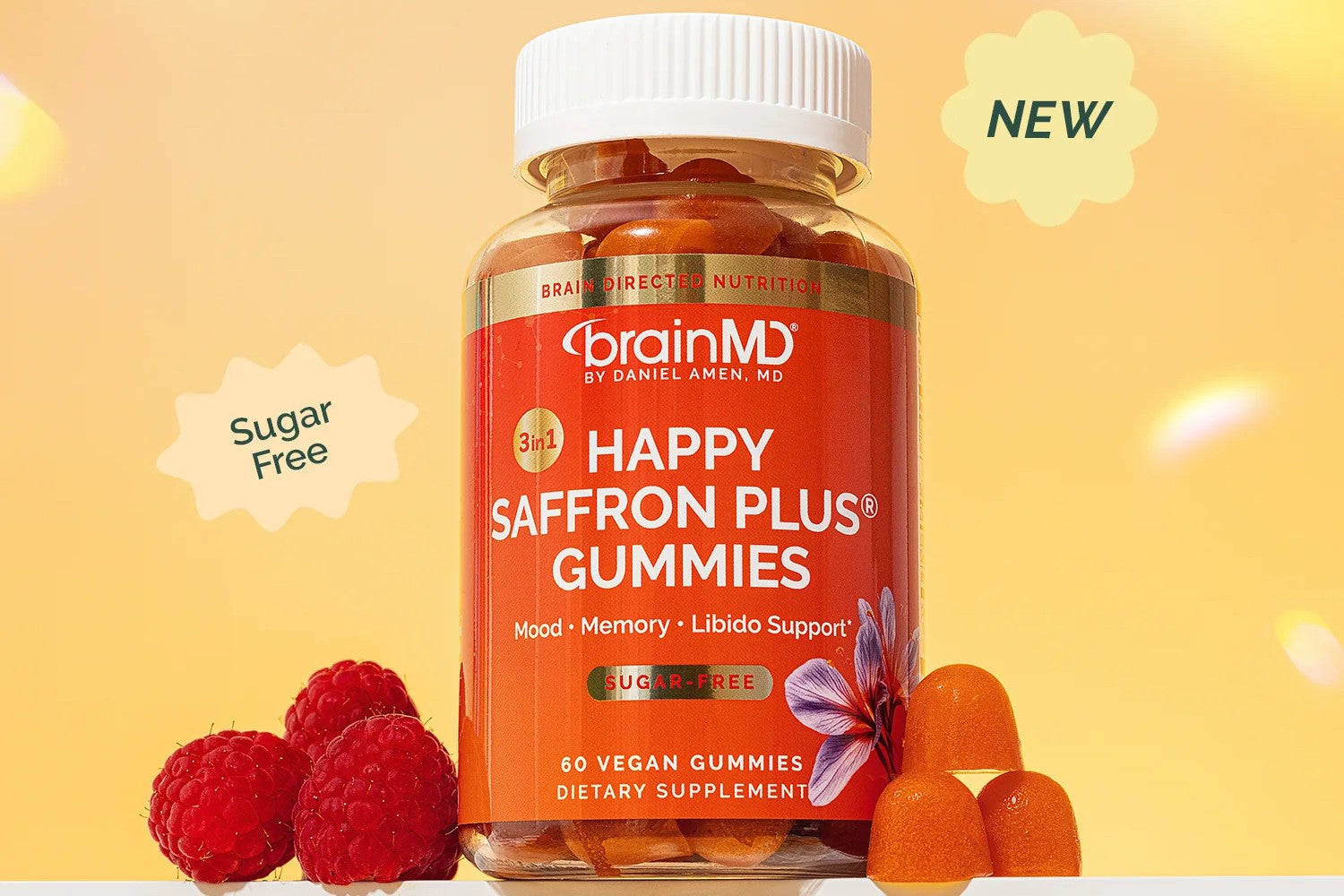
If you've spent any time looking into Dr. Amen supplements, you've probably noticed something: the list of nutrients, botanicals, and targeted formulations for different brain health goals is long. However, before he ever recommends nootropics, adaptogens, or specialty blends for unique needs, he starts in the same place every time. Three basics: A multivitamin An omega-3 A probiotic After decades of scanning brains at Amen Clinics and reviewing what actually supports positive changes to cognitive health, Dr. Amen keeps coming back to the same foundation because it works. Most people (even health-conscious ones) are unknowingly missing the basics. If you're the kind of person who reads ingredient labels, asks your doctor real questions, and wants to feel sharp at 45, 65, or 105, this is worth understanding. Not as a sales pitch, but as an actual explanation of why these three categories earn their spot at the front of the line in Dr. Amen’s favorite supplement list. Why Start Here? Yes, BrainMD® offers products that can provide extra support for things like focus, energy, blood-sugar control, or physical performance. But, your brain, like the rest of your body, requires some fairly unglamorous inputs for baseline function: it needs a full set of vitamins and minerals to run its chemistry, fat (specifically the right kind of fat) to build and maintain its physical structure, and a functioning gut, because your gut and brain are in constant conversation with each other. Skip any of those three, and the powerful additions you layer on top can’t function to their full potential. That's the logic behind BrainMD's foundational lineup, and it's why products like NeuroVite Plus Multivitamin, Omega-3 Power, and ProBrainBiotics show up again and again as Dr. Amen's favorite supplements. Step One: A Real Multivitamin Most multivitamins are built for general wellness, aimed at the broadest possible audience. NeuroVite Plus was built differently, for people who know brain health is the basis for whole body health. It contains the vitamins, minerals, and cofactors your brain specifically draws on to make neurotransmitters, manage inflammatory balance, and keep cellular energy production running. They’re also included in forms that your body can readily absorb and use, which can’t be said for all multivitamins. If you’re looking for even more comprehensive brain health support, BRIGHT MINDS™ Memory Multi is a great alternative product. Instead of a capsule, it’s a powdered full spectrum multivitamin and mineral formula, combined with active botanicals, antioxidants, and other nutrients clinically shown to support numerous aspects of memory, mood, and cognition.* In a large, three-year randomized trial following more than 2,000 older adults, daily multivitamin-mineral supplementation was associated with meaningfully better performance on measures of memory and executive function compared to placebo. It was the first large-scale study to suggest multivitamin use may help slow age-related cognitive changes [1]. A follow-up analysis comparing that trial with two others found the same pattern held up: better global cognition and episodic memory with daily multivitamin use [2]. None of this means a multivitamin is a substitute for medical care. What it does mean is that "just take a multivitamin" isn't throwaway advice. Nutrient gaps are common even in people who eat a well balanced diet, and a well-formulated multivitamin is one of the simplest ways to close them. Step Two: Omega-3s, Because Your Brain Is Mostly Fat Here's a fact that surprises people: your brain is close to 60% fat, and DHA (one of the two main omega-3s) is one of its primary structural building blocks. Your body doesn't make much of it on its own. It has to come from diet or supplementation, and most Americans simply don't eat enough fatty fish to get there. Omega-3 Power is BrainMD's answer to that gap, formulated with significantly more DHA and EPA per serving than most drugstore fish oil. The dosing isn't arbitrary. In the MIDAS trial, a randomized, placebo-controlled study of 485 older adults with mild memory complaints, six months of daily DHA supplementation led to meaningfully better performance on tests of learning and memory compared to placebo, an effect researchers likened to shaving several years off the participants' cognitive age [3]. Broader reviews of omega-3 research have also linked long-term supplementation to better-preserved white matter and gray matter volume over time [4]. Fish oil isn't a cure-all, and results across the broader research base are mixed. Some trials, especially shorter ones in people who already eat fish regularly, show smaller effects. But for the average person whose diet is genuinely low in omega-3s, topping up that supply appears to give the brain more of the literal material it needs to maintain its structure. Step Three: The Oft-Forgotten Probiotic This is the piece that catches most people off guard. What does gut bacteria have to do with brain fog or mood? More than you'd think. Your gut and brain are connected by a direct communication line, sometimes called the gut-brain axis, that runs through the vagus nerve, the immune system, and a whole slew of chemical messengers your gut bacteria help produce [5]. Plus, roughly 70% of your immune system actually lives in your gut, which means an out-of-balance microbiome doesn't just affect digestion, it can ripple into the inflammatory processes tied to mood and cognitive function [6]. This is exactly the territory "psychobiotics" (probiotic strains specifically studied for their effect on this gut-brain communication) were termed to describe [7]. In one randomized trial, a specific combination of Lactobacillus and Bifidobacterium strains was associated with a more balanced stress response and lower markers of stress in healthy adults over several weeks [8]. A broader review of more than fifty clinical trials found consistent signals of benefit from psychobiotic strains, particularly around mood-related outcomes [9]. ProBrainBiotics was formulated with this research in mind. It was built around strains studied specifically for gut-brain communication, not just general digestive support. For anyone who's diligent about diet and exercise, but has never thought about their microbiome, this is often the missing third leg of the stool. Putting Your Stack Together None of these three does its job in isolation. A multivitamin without enough dietary fat still leaves your brain short on raw building material. An omega-3 without the cofactors a multivitamin provides has less support for the metabolic work of actually using that fat well. And a gut under chronic inflammatory imbalance makes it harder for either one to do its job efficiently, because so much of the communication between body and brain runs straight through it. That's the logic behind treating these three as a foundation. Of course, you are encouraged to build outward from here. Some of Dr. Amen’s other personal favorite supplements are: Happy Saffron Plus® for mood and emotional well-being* Smart Mushrooms for mental performance and immune support* Smart Relief for body comfort and joint mobility* Peak Energy for a fast-acting alternative to caffeine* Adaptogens, superfoods, nootropics, whatever fits your specific goals, most products in the BrainMD line are complementary to the foundational products. Just don’t skip the base 3. If you're not sure where your own gaps might be, or where your brain and body could use a little extra boost, BrainMD's Brain Health Assessment is a great starting point. It takes about 5 minutes and you learn your brain type (there are 16 types), which will guide you to the best specific products for your unique needs. BrainMD’s full supplement collection is organized by health goal (focus, mood, sleep, memory, etc.) if you want to go beyond the basics once your foundation is in place. As always, talk with your doctor before starting any new supplement, especially if you're pregnant, nursing, managing a health condition, or taking prescription medication. Supplements are meant to complement, not replace, healthy habits (good sleep, regular movement, real food) and medical care when you need it. *These statements have not been evaluated by the Food and Drug Administration. These products are not intended to diagnose, treat, cure, or prevent any disease. References Baker, L. D., Manson, J. E., Rapp, S. R., Sesso, H. D., Gaussoin, S. A., Shumaker, S. A., & Espeland, M. A. (2022). Effects of cocoa extract and a multivitamin on cognitive function: A randomized clinical trial. Alzheimer's & Dementia. https://doi.org/10.1002/alz.12767 Vyas, C. M., Manson, J. E., Sesso, H. D., et al. (2024). Effect of multivitamin-mineral supplementation versus placebo on cognitive function: Results from the clinic subcohort of the COSMOS randomized clinical trial and meta-analysis of 3 cognitive studies within COSMOS. The American Journal of Clinical Nutrition. Yurko-Mauro, K., McCarthy, D., Rom, D., Nelson, E. B., Ryan, A. S., Blackwell, A., Salem, N., Jr., & Stedman, M. (2010). Beneficial effects of docosahexaenoic acid on cognition in age-related cognitive decline. Alzheimer's & Dementia, 6(6), 456–464. https://doi.org/10.1016/j.jalz.2010.01.013 Shahinfar, H., Yazdian, Z., Avini, N. A., Torabinasab, K., & Shab-Bidar, S. (2025). A systematic review and dose response meta analysis of Omega 3 supplementation on cognitive function. Scientific Reports, 15(1), 30610. Bonaz, B., Bazin, T., & Pellissier, S. (2018). The vagus nerve at the interface of the microbiota-gut-brain axis. Frontiers in Neuroscience, 12, Article 49. https://doi.org/10.3389/fnins.2018.00049 Belkaid, Y., & Hand, T. W. (2014). Role of the microbiota in immunity and inflammation. Cell, 157(1), 121–141. https://doi.org/10.1016/j.cell.2014.03.011 Dinan, T. G., Stanton, C., & Cryan, J. F. (2013). Psychobiotics: A novel class of psychotropic. Biological Psychiatry, 74(10), 720–726. https://doi.org/10.1016/j.biopsych.2013.05.001 Messaoudi, M., Lalonde, R., Violle, N., Javelot, H., Desor, D., Nejdi, A., Bisson, J.-F., Rougeot, C., Pichelin, M., Cazaubiel, M., & Cazaubiel, J.-M. (2011). Assessment of psychotropic-like properties of a probiotic formulation (Lactobacillus helveticus R0052 and Bifidobacterium longum R0175) in rats and human subjects. British Journal of Nutrition, 105(5), 755–764. https://doi.org/10.1017/S0007114510004319 Mosquera, F. E. C., Lizcano Martinez, S., & Liscano, Y. (2024). Effectiveness of psychobiotics in the treatment of psychiatric and cognitive disorders: A systematic review of randomized clinical trials. Nutrients, 16(9), Article 1352. https://doi.org/10.3390/nu16091352
Learn more
EPA vs DHA: Some of the Best Sources of Omega-3s
You probably know that omega-3 fatty acids are good for circulatory health. But did you know they’re also crucial for brain health? When it comes to the benefits of omega-3s, what supports a healthy heart also supports a healthy brain. EPA vs DHA Only two fatty acids have been proven essential for humans: linoleic acid (LA), the parent fatty acid of the omega-6 series, and alpha-linolenic acid (ALA), the parent fatty acid of the omega-3 series. Two of the most important omega-3 fatty acids are EPA (eicosapentaenoic acid) and DHA (docosahexaenoic acid). They’re called essential for a reason – our brains need these specific omega-3 essential fatty acids to function optimally. Here are some of the top health benefits of these long-chain fatty acids: EPA fatty acids are less abundant in brain cells than DHA fatty acids but are known to be essential for healthy inflammatory responses¹ and are necessary to produce new nerve cells. DHA is the most prevalent fatty acid found in the brain. It’s also vital to the creation and maintenance of all the cells in both the brain and the retina (which functionally is an extension of the brain). The human body requires premade EPA and DHA from our diet. Unfortunately, the standard American diet (SAD) has an unhealthy balance of fatty acids: we get an abundance of saturated and omega-6 fatty acids and not nearly enough omega-3s. Most of the omega-3s we do get must be converted to EPA and DHA, which the body doesn’t do efficiently. Power Team: EPA and DHA When it comes to EPA and DHA, there’s no competition. Though they have different features and functions, EPA and DHA are a highly effective power team. And like good teammates, they work hard to maximize the benefits of each other. Both are fundamental to the structure and functioning of all our cells, particularly our 200 billion brain cells. EPA and DHA are required for our brain’s nerve cells to make energy and to use that energy for their growth, maintenance, and repair. These fatty acids are practically vitamins because we must get most of our daily allowance of them from our diet. However, since the body is inefficient at converting plant ALA into EPA and DHA, we need to eat foods that contain these omega-3s preformed, namely cold-water fish. Considering costs, convenience, and the dangers of contamination of fish with mercury and hundreds of other environmental pollutants, many authoritative organizations recommend taking reputable, concentrated fish oil or algal oil supplements to ensure adequate daily intakes of EPA and DHA. If you’re looking for the best omega-3 supplement for your unique needs, here’s a closer look at BrainMD’s 3 high-quality, ultra-pure omega-3 supplements… 3 of the Cleanest Sources of Omega-3 Fatty Acids EPA & DHA Omega-3 Power Omega-3 Power is a potent fish oil concentrate that supplies substantial amounts of EPA and DHA.* EPA - Each 2-softgel serving of Omega-3 Power delivers 860 mg of this long-chain omega-3 fatty acid. DHA - Each 2-softgel serving of Omega-3 Power delivers 580 mg of this long-chain omega-3. A highly concentrated fish oil product, Omega-3 Power provides 1,600 mg of EPA, DHA, and other omega-3s to power your mood, focus, memory, cognition, and heart.* Our omega-3s are in the bioavailable triglyceride form, thoroughly tested for freshness and screened for 200+ contaminants.* Omega-3 Power Squeeze Omega-3 Power Squeeze is a pleasant-tasting fish oil liquid emulsion, customized for children and adults seeking an alternative to taking large capsules. It delivers 910 mg EPA and 590 mg DHA for a total of 1500 mg per serving. Top reasons to take Omega-3 Power Squeeze: Ultra-safe – The ultra-pure fish oil in Omega-3 Power Squeeze is extracted in its natural triglyceride form from sustainably harvested fish. The fish oil is tested by independent labs to exclude over 250 toxic contaminants, heavy metals, and other substances.* It is maintained fresh throughout the verification process and then is gently purified and emulsified for better absorption and taste.* Well Absorbed – The advanced emulsification technology behind Omega-3 Power Squeeze makes it better absorbed than standard fish oils.* Pleasant Tasting – One serving of this citrus-flavored emulsion gives the body considerably more EPA and DHA than a serving of conventional fish or krill oil, without the fishy smell/taste or unpleasant reflux problems.* Omega-3 Power Squeeze is a liquid omega-3 supplement that tastes like an orange creamsicle and is enjoyed by adults and children alike.* Vegan Omega-3 Power Vegan Omega-3 Power is a vegan algal oil capsule, customized for children and adults. It supplies clinically effective doses of omega-3s (700 mg EPA and 300 mg DHA), nutrients that are practically vitamins since the body can’t make them in the sufficient amounts needed to meet its requirements.* Many vegetarians supplement with flax seed, chia seed, or hemp seed oils, which contain the omega-3 ALA. It’s possible for the body to convert ALA to EPA and DHA, but it’s a difficult process.* EPA and DHA, typically found in fish, are the only forms of omega-3 the body readily uses.* A superior alternative to flax oil, Vegan Omega-3 Power features natural oil from marine algae² – a direct source of vegan EPA and DHA.* This highly concentrated formula rivals fish oil in its purity and potency.* Get Your EPA and DHA Today Getting adequate amounts of EPA and DHA is a great way to improve overall brain and body function and well-being.* While it’s possible to get some omega-3s from your diet, those who don’t regularly consume fish and vegans may benefit from taking a high EPA and DHA omega-3 supplement such as BrainMD’s Omega-3 Power, Omega-3 Power Squeeze, and Vegan Omega-3 Power.* Try them today! At BrainMD, we’re dedicated to providing the highest purity nutrients to improve your physical health and overall well-being. For more information about our full list of brain healthy supplements, please visit us at BrainMD. *These statements have not been evaluated by the FDA. This content is for informational purposes only. It is not meant to substitute for medical or healthcare advice from a physician, nor is it intended to diagnose, treat, cure, or prevent any disease. Consult your healthcare provider before beginning a new health regimen. References: 1. Calder, P. C. (2010). Omega-3 fatty acids and inflammatory processes. Nutrients, 2(3), 355–374. https://doi.org/10.3390/nu2030355 2. Priyadarsini, M., Nivetha, X. R., Mathimani, T., Anto, S., Krishnan, H. H., Glivin, G., Premalatha, M., Mariappan, V., & Sekhar, J. (2022). Omega-3 fatty acids from algae for health benefits. Materials Today: Proceedings, 66(Part 3), 1514–1518. https://doi.org/10.1016/j.matpr.2022.07.177
Learn more
Fish Oil Facts: Do You Know If You're Taking the Right Omega-3 Supplements?
Many people know that the omega-3 fatty acids found in fish oil are good for their circulatory health. But many are unaware that these fatty acids are crucial for brain health too. When it comes to the benefits of omega-3 supplements, it supports both a healthy heart and healthy mind. With strong evidence supporting omega-3s positive effects on the brain, heart and whole body, taking fish oil should be an essential part of your daily supplement regimen. This is especially true if you’re experiencing brain fog or memory struggles. A recent study revealed that, when combined, omega-3 fatty acids, aerobic exercise, and cognitive stimulation can prevent mild cognitive issues¹ and the decline of gray matter in the brain. Whether you’re still in the research phase, or if you currently take supplements and want to find out if you’ve selected the right kind, here are some quick facts you need to know about fish oil: Omega-3 Fatty Acid Facts The fish oils come from cold water fish and are rich sources of long-chain omega-3 fatty acids called EPA and DHA. These are essential for human health, functioning in all our cells and way more active than the shorter-chain omega-3s that come from plants. They are practically vitamins since the body can't make them from scratch but must get them from food. It has been scientifically demonstrated that your brain needs these essential omega-3 fatty acids to function optimally. Unfortunately, most Americans are deficient in omega-3s, and studies indicate that as many as 90% of adults have suboptimal levels of EPA and DHA.² What Are EPA and DHA? EPA (eicosapentaenoic acid) and DHA (docosahexaenoic acid) are both critical to building the cell membranes that all our cells use to survive and carry out their functions. EPA and DHA are essential for our brain cells to make the trillions of connections that enable the brain to work at all, and for peak cognitive, mood, and behavioral performance. The only practical way to ensure we get the recommended proper amounts of EPA and DHA we need is through foods or supplements. DHA makes up a large portion of the brain. EPA works with DHA to enable healthy blood flow to the brain, which supports memory, attention, mood and overall mental functioning. EPA and DHA work along with other fatty acids coming from our foods, to optimize the cell membrane functions of all the brain's nerve cells AND the equal numbers of cells that provide crucial support for their information processing functions. Deficiencies in these vital omega-3 fatty acids are associated with age-related cognitive decline, psychological disturbances, mood challenges, behavioral issues, and a broad array of other nervous system problems, as well as with issues with the circulation, joints, and other tissues and organs. Benefits of Omega-3 EPA and DHA The huge and rapidly-growing body of clinical research on EPA and DHA in fish oils indicates they are vital to the brain's blood flow,³ its overall information processing capabilities, and memory. This also includes other cognitive functions such as mood, the brain's executive functioning to make good decisions, and a calm and controlled demeanor. Omega-3 EPA and DHA are vital nutritional support for the healthy early development, maturation, and optimal functioning of the brain, heart and circulation, and all the body's other organs. They are also vital to the survival and optimal functioning of mind and body, across our entire lifespan. Which Fish Oil Supplement is Best? When searching for a high-quality fish oil supplement, keep these shopping tips in mind: Since toxins such as mercury and other heavy metals, solvents, dioxins, PCBs, furans, and more than 250 environmental pollutants can become concentrated in fish, it’s extremely important to choose a fish oil product that is highly purified and analyzed in a laboratory to verify that it is clean. Fish oil spoils easily. Look for a product that has added vitamin E, vitamin C, rosemary, or other safe and effective stabilizers. Avoid suppliers that are not reputable, because more and more fish oils are being diluted with oils that don't have omega-3 activity. Choose a product that has high amounts of EPA and DHA. The cheap fish oils can say "1000 mg" on the label but only provide 300 mg of EPA plus DHA, which for most people is not an adequate daily dose. Learn your Omega-3 Index, which is the percentage of EPA plus DHA in your body's cell membranes. It's the only way for you to know if you're getting enough EPA and DHA. It can cost as little as $55 online. You want to aim for an Index of between 8 and 12 percent. Omega-3-Rich Foods Focus your diet on foods that contain omega-3 fatty acids, which are found in chia seeds, flaxseeds, walnuts, avocados and leafy green vegetables. The body can convert some of these into small amounts of EPA and DHA, but cold-water fish such as salmon, tuna, mackerel, and sardines are the sources of actual, preformed EPA and DHA. Avoid farmed salmon and try to get these and other cold-water fish from Alaska or close to the Antarctic, where the ocean waters are the least contaminated. If getting EPA and DHA from your foods becomes a challenging task, consider a highly concentrated, purified fish oil or algal oil supplement. These will ensure you're not getting low-grade, toxin-filled omega-3s that your body may not even be able to convert. 2 Pure & Potent Omega-3 Supplements! OMEGA-3 POWER Omega-3 Power is a potent fish oil concentrate that supplies substantial allowances of EPA and DHA. EPA- Each 2-softgel serving of Omega-3 Power delivers 860 mg of this long-chain omega-3 fatty acid. Clinical trials established EPA’s importance for attention in children and adults.* Its necessity for heart and blood vessel health is undisputed.* DHA- Each 2-softgel serving of Omega-3 Power delivers 580 mg of this long-chain omega-3. DHA is structurally essential for the nerve cells to make their functional connections and supports healthy memory, mood and overall cognition.* EPA and DHA are required for our brain’s nerve cells to make energy and to use that energy for their growth, maintenance, and repair.* Since neither of these omega-3s can be efficiently made by the body, optimal intakes must come from foods and supplements.* Premium Fish Oil Without the Fishy Flavor Sourced from pelagic (not bottom-feeders) fish species with short lifespans (so that they don’t accumulate as many toxins), the fish oil in Omega-3 Power undergoes the most advanced purification process in the supplement industry.* Omega-3 Power is tested by independent labs to ensure freshness (lack of rancidity) and for over 250 potential environmental contaminants, including mercury, lead and other heavy metals, PCBs, PBBs, dioxins, furans, and a diverse range of other organic pollutants.* The oil in Omega-3 Power is also recognized by several international organizations as a sustainably managed ingredient.* VEGAN OMEGA-3 POWER Vegan Omega-3 Power is a vegan algal oil capsule, customized for children and adults. It supplies clinically effective doses of omega-3s (700 mg EPA and 300 mg DHA), nutrients that are practically vitamins since the body can’t make them in the sufficient amounts needed to meet its requirements.* We Searched the Seas for Omega-3s Many vegetarians supplement with flax seed, chia seed, or hemp seed oils, which contain the omega-3 ALA. But EPA and DHA, typically found in fish, are the only forms of omega-3 the body uses.* It’s possible for the body to convert ALA to EPA and DHA, but it’s a difficult process.* A superior alternative to flax oil, Vegan Omega-3 Power features natural oil from marine algae – a direct source of vegan EPA and DHA.* This highly concentrated formula rivals fish oil in its purity and potency.* Get all the power of fish oil without the fish! How Much Fish Oil Should I Take? Based on clinical research that examined how intakes of EPA and DHA improved the Omega-3 Index, we recommend that most adults take 1,400 to 2,800 mg of EPA and DHA omega-3 fatty acids a day.* Children should get at least 700 mg per 40 pounds of body weight.* If you want to remain at the top of your game, both mentally and physically, be sure to incorporate high-quality omega-3 supplements into your daily wellness regimen.* At BrainMD, we’re dedicated to providing the highest purity nutrients to improve your physical health and overall well-being. For more information about Omega-3 Power, Vegan Omega-3 Power and our full list of brain healthy supplements, please visit us at BrainMD. *These statements have not been evaluated by the FDA. This content is for informational purposes only. It is not meant to substitute for medical or healthcare advice from a physician, nor is it intended to diagnose, treat, cure, or prevent any disease. Consult your healthcare provider before beginning a new health regimen. References: Köbe, T., Witte, A. V., Schnelle, A., Lesemann, A., Fabian, S., Tesky, V. A., Pantel, J., & Flöel, A. (2016). Combined omega-3 fatty acids, aerobic exercise and cognitive stimulation prevents decline in gray matter volume of the frontal, parietal and cingulate cortex in patients with mild cognitive impairment. NeuroImage, 131, 226–238. https://doi.org/10.1016/j.neuroimage.2015.09.050 Richter, C. K., Bowen, K. J., Mozaffarian, D., Kris-Etherton, P. M., & Skulas-Ray, A. C. (2017). Total long-chain n-3 fatty acid intake and food sources in the United States compared to recommended intakes: NHANES 2003–2008. Lipids, 52(11), 917–927. https://doi.org/10.1007/s11745-017-4297-3 von Schacky, C. (2021). Importance of EPA and DHA blood levels in brain structure and function. Nutrients, 13(4), 1074. https://doi.org/10.3390/nu13041074
Learn more
Top Benefits of EPA and DHA Fish Oil for Your Health
It has been scientifically demonstrated that your brain needs the omega-3 fatty acids EPA and DHA to function optimally. Though not technically classed as essential, these fatty acids are called essential for a reason – our bodies need them, and the only sure way to get enough of them is through foods or supplements. Let’s take a closer look at these two most important omega-3 fatty acids. Power Team: EPA + DHA Humans need a variety of fatty acids for our cell membranes to function. EPA (eicosapentaenoic acid) and DHA (docosahexaenoic acid) are essential to the functioning of all our 30 trillion cells. They’re building blocks for the membrane systems that do most of the heavy lifting for our cells. We require premade EPA+DHA from our diet. Unfortunately, the modern diet has an unhealthy balance of fatty acids: we get an abundance of saturated and omega-6 fatty acids and not nearly enough omega-3s. Also, most of the omega-3s we do get must be converted to EPA+DHA, which the body doesn’t do effectively. Numerous surveys indicate populations that don’t consume a lot of seafood (such as the U.S.) don’t get sufficient supplies of EPA and DHA from their diet.¹ Since plant foods don’t supply them, the main dietary sources of EPA and DHA are cold-water fish and dietary supplements. Considering the widespread contamination of seafood by mercury and other toxins, many experts advise that taking a purified fish oil supplement could be a smart choice. Here Are 6 of the Top Benefits of EPA and DHA 1. Promotes Healthy Mood EPA+DHA have been tested on adults with mood problems in at least 26 randomized, controlled clinical trials. Two meta-analyses, which analyze the data pooled from all the best trials, have concluded that these omega-3s are consistently beneficial for mood.² These meta-analyses also suggest that fish oils with more EPA than DHA work better, with the best ratio being around 1.5 to 1 EPA to DHA. Children and adolescents with mood difficulties commonly have problems with academic performance, self-esteem, and socialization. In two clinical trials with youth aged 7-14 years, EPA+DHA 1600 mg per day (1400 mg EPA, 200 mg DHA) for 12 weeks substantially improved coping with distraction and stress – as well as mood, irritability, and self-esteem – compared with placebo. 2. Improves Attention and Behavior Children and adolescents with attention and learning challenges often have low Omega-3 Index values (about 3% on average, compared to a healthy 8% or higher). A 2017 meta-analysis concluded that supplementation with EPA+DHA improved parental reports of attention³ and behavior, as well as mental focus on cognitive tests. The researchers concluded that to ensure the most benefit, the EPA dose should be at least 500 mg per day. 3. Essential for the Heart and Circulation Numerous health agencies worldwide recommend EPA and DHA for promoting and enhancing cardiovascular health. Meta-analyses clearly indicate that supplementation with EPA+DHA at doses of 2-3 grams per day can promote healthy triglyceride status and blood pressure regulation. Additionally, EPA+DHA supplementation can improve blood vessel function, especially their capacities for relaxation and flexibility. 4. Supports Healthy Immunity The immune system is the body’s security force. When the body is invaded, it goes on full alert to eliminate the threat. EPA and DHA support healthy immune responsiveness. Having sufficient EPA+DHA in our tissues gives the immune system the option to generate messengers from them to coordinate its activities. Healthy immunity is held in delicate balance by EPA and DHA. No other omega-3s can substitute for EPA and DHA in this crucial role. 5. Vital for Healthy Pregnancy Babies of mothers who have good EPA+DHA status through pregnancy have a lower risk for problems with mood, cognition, and behavior in their early childhood. DHA, the predominant omega-3 in our cell membranes, is essential to the developing fetal heart, brain, and retina. A meta-analysis of 38 trials⁴ concluded that children born to mothers with higher prenatal EPA+DHA intakes show better motor, vision, and cognitive development in their first two years of life. Yet U.S. women on average have considerably lower EPA+DHA intakes than recommended by the U.S. National Institute of Medicine. 6. Total Brain and Body Protection EPA and DHA have been shown to protect brain circulatory function and preserve memory and other cognitive capacities. EPA and DHA support many other organs and body systems including the liver (by preventing triglyceride buildup), the joints (promoting joint comfort), eyes (essential for retinal function), and muscles (protecting against mobility loss as we age). With strong evidence supporting the positive effects of omega-3s EPA and DHA on the brain, heart, and entire body, taking a fish oil supplement daily can have a significant impact on individual wellness. BrainMD is proud to recommend its new, high EPA and DHA premium liquid fish oil… Omega-3 Power Squeeze - Liquid Omega-3 Supplement Omega-3 Power Squeeze is a pleasant-tasting fish oil liquid emulsion, customized for children and adults seeking an alternative to taking large capsules. It delivers 910mg EPA and 590 DHA, as their triglyceride forms that occur naturally in fish, for a total of 1500 mg per serving. Omega-3 Power Squeeze FAQ [wc_box color="inverse" text_align="left" margin_top="" margin_bottom="" class=""] Is Omega-3 Power Squeeze well absorbed? Yes. The advanced emulsification technology behind Omega-3 Power Squeeze makes it better absorbed than fish oil that is not emulsified.* However, since individuals differ in their absorption and utilization of EPA and DHA, it would be prudent to measure your Omega-3 Index every 4-5 months and increase your daily intake as needed to cross the 8% threshold.* With concerns over mercury and other potential toxins, how safe is Omega-3 Power Squeeze? The ultra-pure fish oil in Omega-3 Power Squeeze is extracted in its natural triglyceride form from wild-caught, sustainably harvested fish.* It is maintained fresh while being tested by independent labs to exclude over 250 toxic contaminants, such as mercury, lead, arsenic, cadmium, and other heavy metals, dioxins, polychlorinated biphenyls (PCBs), furans, and other substances. It is gently purified and then emulsified for better absorption and taste.* Is it fishy or unpleasant tasting? No. One serving of this citrus-flavored emulsion gives the body at least 5 times more EPA and DHA than a serving of conventional fish or krill oil, without the fishy smell/taste or unpleasant reflux problems experienced with many fish oils.* Is it safe for pregnant/lactating women? Not only is the EPA and DHA in Omega-3 Power Squeeze safe, but it’s also absolutely vital for a healthy pregnancy and for breastfeeding.* Also, the US National Academies recommend omega-3s for toddlers and older children.* Children aged 1-3 can take a half tablespoon every other day. Is it safe to take Omega-3 Power Squeeze with other BrainMD products? Absolutely! We recommend pairing this supplement with NeuroVite Plus Multivitamin, our unique brain directed multiple. Together these are an excellent means for closing the nutrient gaps in today’s diet.* For users seeking to optimize their memory, Omega-3 Power Squeeze also can be taken along with Bright Minds Memory Multivitamin.* This powder delivers a clinically effective dose of phosphatidylserine (PS), the nutrient best documented for memory, along with the vital vitamins and minerals of NeuroVite Plus.* Does this supplement contain allergens? Omega-3 Power Squeeze is free from dairy, glutens, sugar, corn, soy, nuts, eggs, yeast, and artificial colorings or flavorings. It is also non-GMO. [/wc_box] Experience the Benefits of EPA and DHA Getting adequate amounts of EPA and DHA is a great way to improve overall brain and body function and well-being. The ultra-pure EPA and DHA omega-3 fatty acids in this well absorbed, proprietary fish oil liquid promote positive mood, healthy attention, and whole-body health. Try Omega-3 Power Squeeze today! At BrainMD, we’re dedicated to providing the highest quality supplements to improve your physical health and overall well-being. For more information about Omega-3 Power Squeeze and our full list of brain healthy supplements, please visit us at BrainMD. *These statements have not been evaluated by the FDA. This content is for informational purposes only. It is not meant to substitute for medical or healthcare advice from a physician, nor is it intended to diagnose, treat, cure, or prevent any disease. Consult your healthcare provider before beginning a new health regimen. References: 1. Thompson, M., Hein, N., Hanson, C., Smith, L. M., Anderson-Berry, A., Richter, C. K., Bisselou, K. S., Appiah, A. K., Kris-Etherton, P., Skulas-Ray, A. C., & Nordgren, T. M. (2019). Omega-3 fatty acid intake by age, gender, and pregnancy status in the United States: National Health and Nutrition Examination Survey 2003–2014. Nutrients, 11(1), 177. https://doi.org/10.3390/nu11010177 2. Mehdi, S., Manohar, K., Shariff, A., Kinattingal, N., Wani, S. U. D., Alshehri, S., Imam, M. T., Shakeel, F., & Krishna, K. L. (2023). Omega-3 fatty acids supplementation in the treatment of depression: An observational study. Journal of Personalized Medicine, 13(2), 224. https://doi.org/10.3390/jpm13020224 3. Chang, J. P.-C., Su, K.-P., Mondelli, V., & Pariante, C. M. (2017). Omega-3 polyunsaturated fatty acids in youths with attention deficit hyperactivity disorder: A systematic review and meta-analysis of clinical trials and biological studies. Neuropsychopharmacology, 43(3), 534–545. https://doi.org/10.1038/npp.2017.160 4. Weiser, M. J., Butt, C. M., & Mohajeri, M. H. (2016). Docosahexaenoic acid and cognition throughout the lifespan. Nutrients, 8(2), 99. https://doi.org/10.3390/nu8020099
Learn more
Here's Why You Need to Take the Omega-3 Index Test
Your brain needs specific types of omega-3 fatty acids to function optimally. Though not technically classified as essential, these fatty acids are often considered essential for a reason – our bodies need them, and the only way to get enough of them is through foods or supplements. Adding appropriate amounts of healthy fats into your diet can have lasting benefits for your health. One of the best sources of healthy fats is omega-3 fatty acids. Omega-3 Basics Omega-3 fatty acids are vital for our nerve cells and other brain cells to make and maintain the trillions of connections that our brain uses for information processing. They’re also crucial for all our cells to make the energy they need to function. Sadly, today’s modern diet is typically low in omega-3-rich foods (which include fish, grass-fed meats, nuts, seeds, and dark leafy greens) and high in omega-6-rich foods with saturated fats and oils (corn, safflower, soybean, cottonseed, peanut). Let’s take a closer look at the two most important omega-3 fatty acids. EPA and DHA Only two fatty acids have been proven essential for humans: linoleic acid (LA), the parent fatty acid of the omega-6 series, and alpha-linolenic acid (ALA), the parent fatty acid of the omega-3 series. Omega-3’s health benefits primarily come from their long-chain fatty acids EPA and DHA. EPA fatty acids are less abundant in brain cells than DHA fatty acids but are known to be essential for healthy inflammatory responses as well as for the production of new nerve cells. DHA is the most prevalent fatty acid found in the brain. It’s also vital to the creation and maintenance of all the cells in both the brain and the retina (which functionally is an extension of the brain). Since the body is inefficient at converting plant ALA into EPA and DHA, we need to eat foods that contain these omega-3s performed, namely cold-water fish. Considering costs, convenience, and the dangers of contamination of fish with mercury and hundreds of other environmental pollutants, many authoritative organizations recommend taking reputable, concentrated fish oil supplements to ensure adequate daily intakes of EPA and DHA. Healthy Omega Levels Surveys indicate most people don’t get enough omega-3s in their diet.¹ Research consistently shows that most Americans aren’t getting the amounts of EPA and DHA in their tissues that they likely require for optimal brain and heart health. Some studies demonstrate that as many as 90% of adults have suboptimal levels. Omega-3 EPA and DHA, and certain omega-6 fatty acids, are important for our health, but the standard American diet (SAD) gives us too little of the former and too much of the latter. Appropriate ratios are key. Eating too many foods rich in omega-6 fatty acids may be a problem because they can cancel out the benefits of omega-3 fatty acids when the ratio of omega-6 to omega-3 is too high. One way to balance this ratio is to eat fewer foods that contain omega-6 fatty acids and more that contain omega-3 fatty acids. Another way to help balance the omega-6 to omega-3 ratio is to take a high-quality omega-3 supplement every day.* Omega-3s and Aging As the body ages, it seems to become less efficient at using omega-3 EPA and DHA. Whether you’re young, middle-aged, or moving on in years, it’s important to have your Omega-3 Index measured. Here’s Why You Should Take the Omega-3 Index Test Omega-3 Index Test Basics The Omega-3 Index test only requires a single drop of blood to measure the total amount of omega-3 fatty acids EPA and DHA in the membranes of your red blood cells. It also directly reflects the levels of these fatty acids in the brain and other organs. The test is a clinically validated biomarker of your overall health, and a low level suggests your brain health may be at risk. In fact, your Healthy Omega-3 Level The optimal ratio isn’t known, except that we need at least an Omega-3 Index of However, most Americans are running an index under 8 percent, with an average index of 5.1. It’s recommended to aim for a level above 8 percent; 4 percent or lower suggests risk for cardiovascular, brain, and other health problems. How to Get to 8 Percent Based on clinical research² that examined how intakes of EPA and DHA improved the Omega-3 Index, it’s recommended that most adults take 1,400 to 2,800 mg of EPA and DHA omega-3 fatty acids a day. Children should get at least 700 mg per 40 pounds of body weight. When purchasing an omega-3 supplement, be sure to carefully read the label to find the EPA and DHA content, not the total fish oil content. Many budget fish oil supplements supply only 300 mg, not 1000 mg of EPA and DHA as their recommended daily dose. Optimize Your Omegas Getting adequate amounts of omega-3 fatty acids EPA and DHA can help improve overall brain and body function and well-being.* To ensure you’re getting enough Omega 3s, it’s recommended that you take the Omega-3 Index test. You can purchase the test here. Remember, an index value greater than 8 percent suggests you have sufficient omega-3 status. It’s important for anyone looking to stay on top of their physical and mental game to incorporate omega-3 supplements into their healthcare regimen and maintain their Omega-3 Index between 8 and 12 percent.* At BrainMD, we’re dedicated to providing the highest purity nutrients to improve your physical health and overall well-being. For more information about our full list of brain healthy supplements, please visit us at BrainMD. *These statements have not been evaluated by the FDA. This content is for informational purposes only. It is not meant to substitute for medical or healthcare advice from a physician, nor is it intended to diagnose, treat, cure, or prevent any disease. Consult your healthcare provider before beginning a new health regimen. References: 1. Papanikolaou, Y., Brooks, J., Reider, C., & Fulgoni, V. L. III. (2014). U.S. adults are not meeting recommended levels for fish and omega-3 fatty acid intake: Results of an analysis using observational data from NHANES 2003–2008. Nutrition Journal, 13, 31. https://doi.org/10.1186/1475-2891-13-31 2. von Schacky, C. (2014). Omega-3 index and cardiovascular health. Nutrients, 6(2), 799–814. https://doi.org/10.3390/nu6020799
Learn more
Here Are 8 of the Best Omega-3 Rich Foods You Should Be Eating
My first nutrition teacher – the late, great Robert Crayhon – was once asked what single action he would take if he had a magic wand and could instantly change one single thing about the American diet. “That’s simple,” he said. “I’d give every woman of childbearing age omega-3 supplements.” I never forgot that answer. And in the 25 years or so since Crayhon said that, research has continued to pile up proving the wisdom of his answer. Wellness Molecules Omega-3s – once labeled by researchers as the “wellness molecule” – have been studied since the 1970’s when researchers were trying to figure out why the Inuit in Greenland had so little heart disease, despite eating a diet high in fatty fish. (Spoiler alert: it was the omega-3s in the fatty fish!) And ever since then, it seems like omega-3s have been researched for their effect on just about everything listed in the CDC’s list of diseases and conditions. Omega-3s have been shown to have a positive effect on heart disease and stroke and may even – according to the Harvard School of Public Health – play a protective role in cancer. Food manufacturers have done everything they can to capitalize on the public’s relatively newfound awareness of the value of omega-3. Some of those food manufacturers are not, shall we say, terribly burdened by a sense of ethics, which is why you frequently see “now with omega-3!” on the label of all kinds of junk food, many of which have been “enriched” with a microdose of omega-3, not enough to give the slightest health benefit to any human. So, let’s talk about the foods that don’t have to be “enriched” with omega-3s because they’re naturally high in them. These foods, by virtue of their omega-3 content, will be healthy for both heart and brain. (By the way, that’s almost always the case. I wrote the book The 150 Healthiest Foods on Earth and I truthfully can’t think of a single food that’s good for the brain that isn’t also good for the heart, and vice versa!) So where do we get them? What foods do they come in? [wc_box color="inverse" text_align="left" margin_top="" margin_bottom="" class=""] Omega-3 from Animal vs Plant Sources: Is There a Difference? So here’s the politically unfortunate truth: there’s a big difference between omega-3s from plants and omega-3s from animals. Let me explain. There are basically three omega-3 fatty acids we need to be concerned with. The first is ALA, which stands for alpha-linolenic acid. That’s the kind of omega-3 found in all plant foods, at least those that have omega-3. (There are small amounts of DHA and EPA in a very few select algaes, but for all intents and purposes, ALA is the plant-based omega-3, and is very plentiful in flaxseed, flaxseed oil, and chia seeds. ALA is considered one of two “essential” fatty acids because the body can’t make it on its own. It has to come from the diet. One of the reasons ALA is so important is that it’s the parent molecule for the other two omega-3 fatty acids, DHA (docasahexaenoic acid) and EPA (eicosapentaenoic acid), which in my opinion, are the ones that make the most difference to human health. Theoretically, the body can make DHA and EPA out of ALA, which is why ALA is the one considered “essential.” Note the word “theoretically” – more on that in a moment. DHA and EPA are the real workhorses of the omega-3 trio. These two omega-3s get the lion’s share of work in the body, doing their anti-inflammatory magic and helping both heart and brain. (ALA has some anti-inflammatory magic of its own, but DHA and EPA are the Special Forces of the omega-3 army.) Here’s the kicker: as mentioned, the body is theoretically able to convert ALA to its “older brothers”…but it does an absolutely terrible job of actually doing so. Which means if the only omega-3 you’re consuming is ALA from plants, it’s really tough to get the amount of DHA and EPA you need for optimal functioning of brain and heart. We understand the ethical and religious reasons for veganism, but from a science and health perspective, the body really needs DHA and EPA, and if you’re not getting it from food (like fish), you’re going to have to consume a ton of ALA. Less than 10% of that ALA winds up actually being converted to DHA and EPA. While some algaes appear to have good amounts of DHA and EPA, this is a relatively recent discovery. Hopefully we’ll soon find out whether omega-3s from algae can actually raise blood levels of EPA and DHA to optimal levels. EPA and DHA – which arrive fully formed when you eat cold water fish – don’t require any conversion process and therefore arrive in the body ready for action! [/wc_box] Here Are 8 of the Best Foods Rich in Omega-3 Fatty Acids 1. Flaxseeds and Flaxseed Oil Flaxseed oil has the highest omega-3 content of any food at 7269 mg per tablespoon, with flax seeds coming in second right behind it (6479 mg per ounce). That’s a ton of omega-3, far more than you could get from any single capsule supplement. Remember, though, that the omega-3 found in flaxseed (and also in chia seeds, coming up next) is not the same omega-3 as is found in fish oil. Be sure to read the sidebar about plant vs animal-source omega-3s and adjust your intake accordingly. The great thing about flaxseeds is that omega-3 isn’t the only thing they provide. They’re actually an excellent source of fiber and can be sprinkled on virtually anything. Their omega-3 content is an added bonus! 2. Chia Seeds Chia seeds have even more omega-3 content than flax oil and flaxseeds, weighing in at a whopping 5064 mg per ounce. (For comparison, one capsule of a typical flaxseed oil softgel contains 500 mg of that very same omega-3 fat, about 10% of the amount found in the chia seeds and only 6% of the amount found in flax oil.) That’s why I always recommend the actual chia and flax seeds and oils over the capsules if it’s at all possible. If you have to take the capsules, be prepared to take at least four to six to get a decent dosage. 3. Wild Salmon Wild Alaskan salmon is the poster child for animal-based omega-3s. Atlantic salmon has omega-3 also, but there are a lot of problems with farmed salmon and I personally don’t recommend it except if it’s the only salmon available. You’ll get about 1.7 grams of omega-3 (1700 mg) per six-ounce serving and it’s one of the easiest foods for even non-cooks (like me) to make. Three to four minutes on each side on the grill, or rubbed with olive oil, lemon and garlic, and baked in tin foil at 350 degrees for about 6-7 minutes. It’s, as my grandmother used to say, “to die for.” 4. Sardines Sardines are a health food in a can. I first discovered this way of thinking about sardines in Florida. My friend, the great New York celebrity nutritionist and author Oz Garcia and I were in Miami Beach to jointly lead a seminar on nutrition for personal trainers. We were driving around near the hotel looking for something remotely healthy to eat but we were in a food desert. Garcia, who is a Miami native, stopped the car at a local bodega and came out with two cans of sardines and a couple of plastic forks. They were delicious and filling, loaded with protein and omega-3s, low in calories. What’s not to like? They’re also low on the food chain, so they’re relatively unpolluted. Ever since that day in Miami, sardines have been on my top ten list of the healthiest and most convenient foods on the planet. 5. Bluefin Tuna Three ounces of Bluefin tuna contains 1136 mg (over 1 gram) of omega-3s, from EPA and DHA. Tuna is a terrific source of protein (as well as omega-3s), is easy to find, and easy to prepare. You can use canned tuna in salads, sandwiches, and casseroles. Like diamonds, tuna is rated on clarity and color. The deeper the color, and the more translucent the meat, the better the quality. 6. Mackerel Mackerel has long been one of the most underappreciated fish. It’s a sleek, oily fish with a forked tail and it actually contains two different kinds of meat: the red outer meat and the light inner meat. You can get it canned, whole, as mackerel fillets, and as mackerel steaks. Pacific jack mackerel (also called horse mackerel) is often canned, while Atlantic mackerel (also known as Boston mackerel) is often used in sashimi. Mackerel has a rich flavor and has a similar amount of omega-3 as salmon, though in some databases it has even more. 7. Walnuts Walnuts have traditionally been thought of as a “brain food,” perhaps it’s because they actually resemble the human brain (look for yourself). But “walnuts as brain food” isn’t just another myth – there’s real science supporting it. Walnuts contain the highest amount of omega-3 of any nut, and omega-3 is itself as close to “brain food” as we’re likely to find, so there’s a lot of truth to the “walnuts and brain food” thing. (Let’s remember, though, that walnuts contain ALA, the plant-based omega-3. That’s not necessarily bad at all – but there’s a significant difference. See the sidebar on plant vs animal based omega-3 to understand it better). Several studies have demonstrated greater attention, reduction in behavioral problems, and less “ADD-like” behaviors in school kids when they’re given omega-3s. Since it’s hard to get kids to eat fish, let alone carry it to school in their lunchbox, walnuts are a really smart idea for a kid snack. 8. Grass-fed Butter Butter may not be an omega-3 superstar food, but we included it because it’s still a decent (and unexpected) source of omega-3. It also contains an important fatty acid called CLA, which is very hard to get in the diet. But mostly, we included it because it’s a totally misunderstood food that many people wrongly avoid because of misconceptions about “saturated fat.” Saturated fat isn’t even the main fat in butter – monounsaturated fat (the kind found in olive oil) is. And grass-fed butter has 26% more omega-3 than regular butter. You wouldn’t use butter as a main source of either micronutrients or fatty acids, but it’s nice to know that when you use it as a condiment, flavor enhancer, or cooking oil, you’re getting some nice nutritional bonus points. Summing It Up Finally, don’t neglect other unexpected sources of omega-3 that may not be powerhouses like salmon or flax, but nonetheless contribute to your daily intake. A cup of sauteed green peppers, for example, might be the last place you’d look for omega-3. You’d be surprised to learn that one cup of the stuff provides a respectable 886 mg! Remember what health professionals teach us about exercise, because the same holds true for omega-3s: Every little bit counts, and, at the end of the day, it all adds up! [wc_box color="inverse" text_align="left" margin_top="" margin_bottom="" class=""] Salmon, Sunset and Dr. Bill Sears Dr. Bill Sears – also known as “America’s Pediatrician” – is, with his wife Martha, the author of over 28 books on childhood and parenting. He’s also a good friend of mine. One night we were having “Salmon and Sunset,” which is exactly what it sounds like, at his beautiful home in Southern California. At the time, I had a friend who was thinking about having a baby with his vegan wife, who took her veganism very seriously and wouldn’t consider eating any animal-based products for any reason. I was concerned about this so I asked Bill about it. “What do you say to your vegan patients who are pregnant and want to only take plant-based omega-3s like chia seeds and flaxseeds?” I asked him. “Do you worry they won’t be getting enough DHA and EPA since our bodies are so lousy at converting ALA?” “Oh, I don’t worry at all,” he told me. “I just ask them to monitor their blood levels. I tell them take whatever plant-based omega-3 you want just promise me you’ll measure.” Then he smiled his wise smile. “I show them a chart that illustrates where their omega-3 blood levels need to be for the optimal health of the baby, and then I tell them to use the home testing kit and measure regularly.” I asked him if any of his pregnant vegan patients ever reached the optimal levels using only plant-based omega-3s. He smiled again. “Oh, I think there might have been two or three over the last decades.” I asked him what the women did once they saw the results of plant-only omega-3 supplementation, which was that their blood levels of omega-3 were just not getting to optimal levels. “Oh, they immediately switch to fish oil,” he said. [/wc_box] At BrainMD, we’re dedicated to providing the highest purity nutrients to improve your physical health and overall well-being. For more information about our full list of brain healthy supplements, please visit us at BrainMD.
Learn more
Best Vegetarian & Vegan Friendly Omega-3 Supplement: Introducing Vegan Omega-3 Power!
Getting enough healthy fats in your diet can have lasting benefits for your health. One of the best sources of healthy fats is omega-3 fatty acids. Omega-3 Basics Omega-3s are vital for our nerve cells and other brain cells to make and maintain the trillions of connections that our brain uses for information processing. They’re also crucial for all our cells to make the energy they need to function. Omega-3 fatty acids are essential, meaning your body needs to get them from your diet. Unfortunately, today’s modern diet is typically low in omega-3-rich foods (which include fish, grass-fed meats, nuts, seeds, and dark leafy greens) and high in omega-6-rich foods with saturated fats and oils (corn, safflower, soybean, sunflower, cottonseed, peanut, etc.). This is why it's so important to take omega-3 supplements daily for whole body nutrition. What Are EPA and DHA? Omega-3 fatty acids EPA (eicosapentaenoic acid) and DHA (docosahexaenoic acid) are essential to the functioning of all our 30 trillion cells. Clinical research documents their benefits for brain and body health. The main dietary sources of EPA and DHA are cold-water fish and dietary supplements. Considering the widespread contamination of seafood by mercury and other toxic contaminants, taking a purified fish oil supplement (like BrainMD’s Omega-3 Power and Omega-3 Power Squeeze) could be a smart choice. Plant Sources Though many plant oils are being promoted as sources of omega-3s, land plants don’t make EPA or DHA. The only way for us to get enough of them is through foods or supplements. A few plant foods have omega-3 alpha linolenic acid (ALA), an omega-3 fatty acid that’s important for our heart health. But it’s hard for the body to convert ALA into EPA and DHA. The best estimates are that only about 5 mg of DHA can be made from 1000 mg of ALA. Also, some people have enzyme mutations that make this conversion process complicated, if not impossible. This means that if you’re only eating plants, you may be getting ALA, but not enough EPA and DHA. So, how can you get enough omega-3s in your diet if you’re vegan or vegetarian and don’t like the fishy flavor of fish oil supplements? Vegetarian & Vegan Omega-3 Supplements Vegan Omega-3 Power is a vegan algal oil capsule, customized for children and adults. It supplies clinically effective doses of omega-3s (700 mg EPA and 300 mg DHA), nutrients that are practically vitamins since the body can’t make them in the sufficient amounts needed to meet its requirements.* Omega-3s and the Brain The brain’s nerve cells (neurons) are the body’s largest cells and therefore have considerable cell membrane area. Neuronal membranes contain very little EPA, but this could be due to high EPA turnover related to messenger activity. Neurons are highly enriched in DHA, especially where they come together to communicate at synapses. There are trillions of synapses in the brain. DHA’s fluidity is essential for synapses. By making synaptic membrane fluid, DHA facilitates their neurotransmitter packaging, release, and receptor actions. Omega-3s and the Heart There’s widespread acceptance for the cardiovascular benefits of EPA and DHA, especially their support for healthy heart function, healthy blood pressure regulation, and healthy triglyceride regulation. Numerous health agencies worldwide recommend EPA and DHA for promoting and enhancing cardiovascular health. The Omega-3s for Immune Support The immune system is the body’s security force. Its mobile cells patrol the tissues, backed up by the lymphatic system, bone marrow, spleen, and thymus. Under healthy conditions it helps “keep the peace.” When the body is invaded, it goes on full alert to eliminate the threat. EPA and DHA support healthy immune responsiveness. Immune cells on guard in the skin, lungs, and other tissues can become overly sensitive to non-living invaders such as pollen, dust, pollutants, even substances in common foods. Other Benefits of Omega-3s Omega-3’s EPA and DHA have been well studied and have many positive actions for the brain and body. Here are just a few parts of the body that can benefit from omega-3s: Blood Vessels – EPA and DHA are important for blood vessel function. The one-cell thin inner lining of the vessels (“endothelium”) makes messengers from EPA and DHA. EPA and DHA supplementation can improve blood vessel contraction – relaxation and flexibility capacities. Eyes – The retina’s sensory cells contain rhodopsin, a membrane protein that responds to light by making cyclic shape changes thousands of times per second. Rhodopsin molecules are bathed by DHA in the cell membranes, which allows them sufficient fluidity for such freedom of movement. EPA and DHA have improved retinal function in various randomized controlled trials (RCT). Joints – Immune system activity in which immune cells attack the body’s own tissues has been linked to joint problems. A 2012 meta-analysis suggested EPA and DHA supplementation at or above 2.7 grams per day could improve comfort in patients who had joint pain. Liver – The liver is the body’s workhorse organ. One of its jobs is to manage blood triglyceride levels, but sometimes these fats accumulate within the liver itself and can cause damage. Three meta-analyses indicate EPA and DHA supplementation can help to lower fatty buildup in the liver. Vegan Omega-3 supplements are also important for mood support and a healthy pregnancy. VEGAN OMEGA-3 INGREDIENTS Natural, algal oil from marine algae. Contains 700 EPA and 300 DHA per serving of 2 tablets, making it a comparable source of omega-3s without environmental harm. This sustainable form of marine algae oil gives the perfect ratio of EPA to DHA for optimal absorption. “You asked for it, we created it — a powerful vegan version of our popular omega-3 supplements that delivers the EPA and DHA you need.” Daniel G. Amen, MD Founder of BrainMD & Amen Clinics Vegan Omega-3 Power FAQ Here are the most frequently asked questions about BrainMD's Vegan Omega-3 Supplement. How do I take Vegan Omega-3 Power? Age 4 and up: take 2 capsules per day or as directed by a nutritionally-informed healthcare provider. Who can benefit from taking Vegan Omega-3 Power? Practically everyone, including those following a plant-based diet. Can this supplement make me dependent on it, or addicted? No. Like other BrainMD products, this is a dietary supplement, not a drug, and isn’t habit-forming.* Is this product safe to take during pregnancy? Yes! This omega-3 supplement is a great addition to any pregnancy diet.* Taking omega-3s during pregnancy has been shown to improve fetal outcomes and brain development.* What other supplements would make Vegan Omega-3 Power work even better? Taking BrainMD’s NeuroVite Plus Multivitamin can help ensure you're getting the core essential nutrients your brain and body needs.* What makes this product different from the competition? Unlike other omega-3 supplements, many of which are created with fish oil that isn’t sustainably sourced, Vegan Omega-3 Power is 100% vegan, non-GMO, and clinically proven for better absorption.* This product contains algal oil from Pure Algae, a company whose mission it is to farm only the best marine algae without harming the ocean life around it. NOTHING FISHY ABOUT THESE OMEGA-3S Omega-3 fatty acids are important for health and longevity. While it’s possible to get some omega-3s from your diet, those who don’t regularly consume fish and vegans may benefit from taking a high EPA and DHA omega-3 supplement. If you’re searching for a sustainably sourced, full-spectrum EPA and DHA supplement without the fishy aftertaste, algal oil may be the answer. Get all the benefits of fish oil without the fish!* At BrainMD, we’re dedicated to providing the highest quality supplements to improve your physical health and overall well-being. For more information about Vegan Omega-3 Power and our full list of brain healthy supplements, please visit us at BrainMD. *These statements have not been evaluated by the FDA. This content is for informational purposes only. It is not meant to substitute for medical or healthcare advice from a physician, nor is it intended to diagnose, treat, cure, or prevent any disease. Consult your healthcare provider before beginning a new health regimen.
Learn more
Why Your Brain Needs Different Types of Omega-3 Fatty Acids
Once while on vacation in Alaska, I saw a bumper sticker that read, “Fish Control My Brain.” I smiled when I realized the saying had an element of truth to it, beyond the obsession with fishing. For years, I have been writing about the benefits of omega-3 fatty acids, which are found in fish oil supplements. Fish oils, also known as marine oils, are fats found in fish, particularly cold-water fish, and other marine life such as phytoplankton and krill. These oils are rich sources of long-chain polyunsaturated fatty acids (LCPUFA), also called omega-3 fatty acids. It has been scientifically demonstrated that your brain needs specific types of essential omega-3 fatty acids to function optimally. These fats are called essential for a reason—our bodies need them, and the only way to get them is through foods or supplements. Personally, I take omega-3 fatty acids every day and recommend ALL of my patients do the same. When you look at the mountain of scientific evidence, it is easy to understand why. For example, according to researchers at the Harvard School of Public Health, having low levels of omega-3 fatty acids is one of the leading preventable causes of death and has been associated with: Cardiovascular issues Strokes Low mood Negative behaviors Attention issues Memory challenges Obesity The two most studied omega-3 fatty acids are eicosapentaenoic acid (EPA) and docosahexaenoic acid (DHA). While both EPA and DHA are components of cellular membranes throughout the body, they each have specific functions in our health. EPA plays a critical role in supporting the healthy regulation of cellular inflammation while DHA is the most abundant omega-3 found in the brain and is important in maintaining nerve cell structure and function. DHA is a critical component of cell membranes, especially those in the brain and retina. It is also vital for normal brain development for the fetus and infant and for the maintenance of normal brain function throughout life. Furthermore, DHA appears to be a major factor in how fluid or flexible brain cells membranes are. This could play a major role in the maintenance of how we think and feel. EPA is well known for reducing cellular inflammation, especially neuro-inflammation. This may explain why there are many links to improvement in occasional depressive thoughts, attention issues, and impacts to the head due to high levels of EPA. It has also been shown to help with childhood behavior and academic performance, as well as focus, attention and reducing aggression. Regardless of their differences, it is important to have a healthy balance with both EPA and DHA – typically 60 percent EPA to 40 percent DHA – as they are both essential to the body. Most people get far too little omega-3 fatty acids in their diet. In fact, research consistently indicates that most Americans have just slightly over half the EPA and DHA in their tissues that they likely require for optimum brain and body health. This is partly due to high dietary intakes of less healthy fats and partly to inadequate intakes of EPA and DHA. That's where dietary supplementation can be extremely helpful to your health. If getting enough EPA and DHA from foods has become a challenge, consider taking a highly concentrated, thoroughly purified fish oil supplement. 2 of the Best High-Quality Omega-3 Supplements Omega-3 Power Omega-3 Power is a potent fish oil supplement developed by neuroscientist and brain expert Dr. Daniel Amen, Omega-3 Power provides high-quality, ultra-pure EPA and DHA fatty acids. EPA- Each 2-softgel serving of Omega-3 Power delivers 860 mg of this long-chain omega-3 fatty acid. Clinical trials established EPA’s importance for attention in children and adults. Its necessity for heart and blood vessel health is undisputed. DHA- Each 2-softgel serving of Omega-3 Power delivers 580 mg of this long-chain omega-3. DHA is structurally essential for the nerve cells to make their functional connections and supports healthy memory, mood, and overall cognition. Sourced from pelagic (not bottom-feeders) fish species with short lifespans (so that they don’t accumulate toxins), the fish oil in Omega-3 Power undergoes the most advanced purification process in the supplement industry. The oil in Omega-3 Power is also recognized by several international organizations as a sustainably managed ingredient. Vegan Omega-3 Power Vegan Omega-3 Power is a vegan algal oil capsule, customized for children and adults. It supplies clinically effective doses of omega-3s (700 mg EPA and 300 mg DHA), nutrients that are practically vitamins since the body can’t make them in the sufficient amounts needed to meet its requirements. Many vegetarians supplement with flax seed, chia seed, or hemp seed oils, which contain the omega-3 ALA. But EPA and DHA, typically found in fish, are the only forms of omega-3 the body uses. It’s possible for the body to convert ALA to EPA and DHA, but it’s a difficult process. A superior alternative to flax oil, Vegan Omega-3 Power features natural oil from marine algae – a direct source of vegan EPA and DHA. This highly concentrated formula rivals fish oil in its purity and potency. Try These 2 Omega-3s Omega-3 fatty acids are important for health and longevity. While it’s possible to get some omega-3s from your diet, those who don’t regularly consume fish and vegans may benefit from taking a high EPA and DHA omega-3 supplement. Try Omega-3 Power and Vegan Omega-3 Power today! At BrainMD, we’re dedicated to providing the highest purity nutrients to improve your physical health and overall well-being. For more information about Omega-3 Power, Vegan Omega-3 Power and our full list of brain healthy supplements, please visit us at BrainMD.
Learn more
What Are the Best High-Quality Omega-3 Sources?
With strong evidence supporting the positive effects of omega-3s EPA and DHA on the brain, heart and entire body, taking a fish oil supplement daily can have a significant impact on individual wellness. EPA and DHA The omega-3 essential fatty acids, EPA (eicosapentaenoic acid) and DHA (docosahexaenoic acid), are called essential for a reason – our brains need these specific omega-3 essential fatty acids to function optimally. They’re practically vitamins because we have to get most of our daily allowance of them from our diet. Both are fundamental to the structure and functioning of all our cells, particularly our 200 billion brain cells. In a 2017 study, the Amen group and other researchers reported that individuals with higher EPA and DHA levels tended to have higher blood flow to the brain, as measured from SPECT scans. The heart and circulation followed a similar scenario: higher levels of EPA and DHA translated to better overall health. Omega-3 Foods Omega-3 EPA and DHA and certain omega-6 fatty acids are essential for our health, but the modern diet gives us too little of the former and too much of the latter. Most Americans eat a diet light on omega-3 rich foods (fatty cold-water fish, grass-fed meats, and to a lesser extent walnuts and oils of canola and soybeans); and heavy on omega-6 foods (feedlot meats, farmed fish, oils of corn, safflower, sunflower, cottonseed, and peanuts). Even with the most carefully selected diet, it’s difficult to have a healthy balance of omega-3s to omega-6s. Numerous scientific surveys have reported that most American adults aren’t getting enough EPA and DHA in their diet. The daily average runs around 100 mg for kids and 140 mg for adults. The minimum intake recommendations are 500 mg per day, and recent research suggests they should be even higher. Many packaged foods that claim to contain omega-3s may only offer a marginal health benefit. In addition to concerns over the quality of their ingredients, many of these processed foods have minimal amounts of omega-3s. Read the label carefully. Unless it specifically states EPA or DHA, you’re unlikely to get any omega-3 benefit from these foods. Omega-3 Fish Sources Commercially available cold-water fish, such as salmon, tuna, and sardines, are sources of actual, preformed EPA and DHA. Avoid farmed salmon (which are much higher in omega-6s and often carry toxins) and try to get cold-water fish from Alaska or close to the Antarctic, where the ocean waters are the least contaminated. Vegans and vegetarians can take algae-sourced supplements that provide EPA and/or DHA, but these can be expensive. Omega-3 Plant Sources Though plant oils are being promoted as omega-3 sources, land plants don’t make EPA or DHA. The only way for us to get enough of them is through foods or supplements. A few plant foods have omega-3 alpha linolenic acid (ALA), but this has practically no function in our cells and is hard for the body to convert into EPA and DHA. Best estimates are that only about 5 mg of DHA can be made from 1000 mg of ALA. Some people have enzyme mutations that make this conversion process complicated, if not impossible. If you need a natural omega-3 supplement from either a fish source or plant source, we've got you covered... 2 Ultra-Pure, High-Quality Omega-3 Supplements We all have nutrition gaps. That’s where dietary supplements come in. They’re called supplements because they supplement our diet with the nutrients we might be deficient in. If getting enough EPA and DHA from foods has become a challenge, consider taking a highly concentrated, thoroughly purified fish oil supplement. Omega-3 Power Omega-3 Power is a potent fish oil concentrate that supplies substantial allowances of EPA and DHA. EPA- Each 2-softgel serving of Omega-3 Power delivers 860 mg of this long-chain omega-3 fatty acid. Clinical trials established EPA’s importance for attention in children and adults. Its necessity for heart and blood vessel health is undisputed. DHA- Each 2-softgel serving of Omega-3 Power delivers 580 mg of this long-chain omega-3. DHA is structurally essential for the nerve cells to make their functional connections and supports healthy memory, mood and overall cognition. EPA and DHA are required for our brain’s nerve cells to make energy and to use that energy for their growth, maintenance, and repair. Since neither of these omega-3s can be efficiently made by the body, optimal intakes must come from foods and supplements. Ultra-pure Fish Oil Sourced from pelagic (not bottom-feeders) fish species with short lifespans (so that they don’t accumulate as many toxins), the fish oil in Omega-3 Power undergoes the most advanced purification process in the supplement industry. Omega-3 Power is tested by independent labs to ensure freshness (lack of rancidity) and for over 250 potential environmental contaminants, including mercury, lead and other heavy metals, PCBs, PBBs, dioxins, furans, and a diverse range of other organic pollutants. The oil in Omega-3 Power is also recognized by several international organizations as a sustainably managed ingredient. Vegan Omega-3 Power Vegan Omega-3 Power is a vegan algal oil capsule, customized for children and adults. It supplies clinically effective doses of omega-3s (700 mg EPA and 300 mg DHA), nutrients that are practically vitamins since the body can’t make them in the sufficient amounts needed to meet its requirements. Algae Omega-3 Many vegetarians supplement with flax seed, chia seed, or hemp seed oils, which contain the omega-3 ALA. But EPA and DHA, typically found in fish, are the only forms of omega-3 the body uses. It’s possible for the body to convert ALA to EPA and DHA, but it's a difficult process. A superior alternative to flax oil, Vegan Omega-3 Power features natural oil from marine algae – a direct source of vegan EPA and DHA. This highly concentrated formula rivals fish oil in its purity and potency. 2 Omega-3s To Meet Your Needs Omega-3 fatty acids are important for health and longevity. While it’s possible to get some omega-3s from your diet, those who don’t regularly consume fish and vegans may benefit from taking a high EPA and DHA omega-3 supplement. Try Omega-3 Power and Vegan Omega-3 Power today! At BrainMD, we’re dedicated to providing the highest purity nutrients to improve your physical health and overall well-being. For more information about Omega-3 Power, Vegan Omega-3 Power and our full list of brain healthy supplements, please visit us at BrainMD. Further Reading Amen, DG, Harris WS, Kidd PM, others, 2017. Quantitative erythrocyte omega-3 EPA + DHA levels are related to higher regional cerebral blood flow on brain SPECT. Journal of Alzheimer's Disease 58, 1189-1199. Harris WS, Mozaffarian D, Lefevre M, others, 2009. Towards establishing dietary reference intakes for eicosapentaenoic and docosahexaenoic acids. Journal of Nutrition 139, 804S-819S. Tan ZS, Harris WS, Beiser AS, others, 2012. Red blood cell omega-3 fatty acid levels and markers of accelerated brain aging. Neurology 78, 658-664. Messamore E, McNamara RK, 2016. Detection and treatment of omega-3 fatty acid deficiency in psychiatric practice: Rationale and implementation. Lipids in Health and Disease 15:25 (13 pages).
Learn more
Why Eating High-quality Fish Is Good for You
Do you get enough fish in your diet? (If you don’t enjoy the taste of fish, keep reading for a healthy alternative to eating fish). 4 Major Benefits of Eating Fish There are many evidence-based reasons to eat a diet rich in fish. One reason is that fish supply high-quality protein and many vitamins and minerals. Fatty fish – such as salmon, mackerel, herring, sardines, lake trout, and tuna – are particularly rich in fat-based nutrients like vitamin D. Here are 4 other major health benefits of eating fatty fish: 1. Heart Health- The omega-3 fatty acids in fish are important for improving cardiovascular health, promoting healthy triglyceride status, and supporting healthy blood pressure regulation. 2. Mood Support- Numerous studies have shown that omega-3 fatty acids in fish can help improve mood, self-esteem, and coping with distraction and stress. 3. Improves Attention- Omega-3s have been shown to reduce stress and anxiousness, and improve attention and behavior in children. 4. Brain Boost- An important reason to eat fish is because of its omega-3 fatty acids help preserve memory and protect brain circulatory function. Facts About Fatty Acids Fish oils are oily fats found in fish, particularly cold-water fish, and in marine oils from other sea life such as krill. These oils are rich sources of functional omega-3 fatty acids. Our cells are equipped with membranes, thin sheets of molecules, that manage most of our life functions. We need a variety of fatty acids for our cell membranes to function, including omega-3s. The two most studied omega-3 fatty acids are eicosapentaenoic acid (EPA) and docosahexaenoic acid (DHA). These are major building blocks for the membrane systems and are needed for a diverse range of essential life functions. EPA + DHA Each of our nearly 30 trillion cells needs EPA and DHA. The only practical way to ensure we get the amounts of EPA and DHA we need is through foods or supplements. Unfortunately, the modern diet has an unhealthy balance of fatty acids: we get an abundance of saturated and omega-6s and not nearly enough omega-3s. Also, most of the omega-3s we do get are not long-chain and must be converted to EPA, which is less than 5 percent efficient; then EPA must be converted to DHA, which is an even less efficient conversion. As a result of this complicated process, most people worldwide have poor nutritional status of EPA and DHA. Numerous surveys indicate populations that don’t consume a lot of seafood (such as the U.S.) don’t get nearly enough EPA and DHA from their diet. Since plant foods don’t supply them, the main dietary sources of EPA and DHA are cold-water fish. Certain commercially available cold-water fish, such as salmon, tuna, and sardines, are sources of actual, preformed EPA and DHA. Avoid farmed salmon (which are much higher in omega-6 fatty acids and often carry toxins) and try to get salmon and other cold-water fish from Alaska, the Arctic Circle, or the Antarctic, where the ocean waters are the least contaminated. Purity and Safety While the desired omega-3 fatty acids reside in the fatty tissue of fish, so can environmental toxins. Oil derived from these tissues often contains high levels of these impurities. That’s why it’s dangerous to consume fish caught in ocean zones that are known to be contaminated. Fish (especially longer-lived species, and higher-level predators that consume other fish) will bioaccumulate heavy metals such as mercury, arsenic, cadmium, and lead that originated from industrial sources and reached the body of water in which they feed. These contaminants often end up in the flesh of the fish, as well as in the oil derived from such flesh. In addition to heavy metals, there are also other toxic compounds that bioaccumulate in fish. Some of the most toxic chemicals known to science, including hundreds of different PCBs (polychlorinated biphenyls), PBBs (polybrominated biphenyls), dioxins and furans, can bioaccumulate in fish and have been linked to problems with the functioning of the brain, liver, immune system, endocrine, and reproductive systems, and essentially all the organs. Considering the widespread contamination of seafood by mercury and other toxins, many experts advise that taking a purified fish oil supplement could be a smart choice. For those concerned over the impurities in fish or who don’t enjoy the taste of fish, BrainMD offers an advanced liquid omega-3 fatty acid supplement… Liquid Fish Oil Supplement: Omega-3 Power Squeeze Omega-3 Power Squeeze is a pleasant-tasting fish oil liquid emulsion, customized for children and adults seeking an alternative to taking large capsules. It delivers 910 mg EPA and 590 mg DHA for a total of 1500 mg per serving. Why You Should Try Omega-3 Power Squeeze: Quality Sourcing - Sourced from wild-caught fish species (mainly anchovies) that are pelagic (don’t feed on the bottom and therefore pick up fewer contaminants), the fish oil in Omega-3 Power Squeeze undergoes the most advanced purification processes in the supplement industry. Ultra-safe - The ultra-pure fish oil in Omega-3 Power Squeeze is extracted in its natural triglyceride form from sustainably harvested fish. The fish oil is tested by independent labs to exclude over 250 toxic contaminants, heavy metals, and other substances. It is maintained fresh throughout the verification process and then is gently purified and emulsified for better absorption and taste. Well Absorbed - The advanced emulsification technology behind Omega-3 Power Squeeze makes it better absorbed than standard fish oils. However, since individuals differ in their absorption and utilization of EPA and DHA, it would be prudent to measure your Omega-3 Index every 4-5 months and increase your daily intake as needed to cross the 8% threshold. Pleasant Tasting - One serving of this citrus-flavored emulsion gives the body at least 5 times more EPA and DHA than a serving of conventional fish or krill oil, without the fishy smell/taste or unpleasant reflux problems experienced with many fish oils. Healthy Pregnancy - Not only is the EPA and DHA in Omega-3 Power Squeeze safe, but it’s also absolutely vital for a healthy pregnancy and for breastfeeding. Also, the US National Academies recommend omega-3s for toddlers and older children. Children aged 1-3 can take a half tablespoon every other day. Allergy-Free - Omega-3 Power Squeeze is free from dairy, gluten, sugar, corn, soy, nuts, eggs, yeast, and artificial colorings or flavorings. It is also non-GMO. Getting adequate amounts of EPA and DHA is a great way to improve overall brain and body function and well-being. The ultra-pure EPA and DHA omega-3 fatty acids in this well absorbed, proprietary fish oil liquid promote positive mood, healthy attention, and whole-body health. At BrainMD, we’re dedicated to providing the highest quality supplements to improve your physical health and overall well-being. For more information about Omega-3 Power Squeeze and our full list of brain healthy supplements, please visit us at BrainMD. *These statements have not been evaluated by the FDA. This content is for informational purposes only. It is not meant to substitute for medical or healthcare advice from a physician, nor is it intended to diagnose, treat, cure, or prevent any disease. Consult your healthcare provider before beginning a new health regimen.
Learn more
What Are the Benefits of Taking Omega-3 Supplements?
When it comes to the benefits of omega-3 supplementation with fish oil, there’s absolutely no conflict between mind and heart—the evidence shows it’s one mighty supplement that benefits both. What Are the Benefits of Omega-3 Supplements? First, the most important fact to remember about omega-3 essential fatty acids (EFAs) is that they are indeed essential, meaning that your body needs to get them from your diet. Unfortunately, with today’s modern diet, which is light on omega-3-rich foods (fish, grass-fed meats, nuts, seed and dark leafy greens) and heavy on foods with saturated fats and oils (corn, safflower, soybean, sunflower, cottonseed, peanut, etc.) that are rich in omega-6 EFAs—we are falling short. Way short. A Harvard School of Public Health study published in 2011 found that omega-3 deficiency is likely the sixth biggest killer of Americans, and maybe the underlying factor of roughly 96,000 premature deaths each year!1 Our brains, hearts, and bodies appear to suffer when we don’t get enough of these healthy fats. In terms of brain and heart health, omega-3s derived from wild cold water fish oil (or grass-fed animal fat and other kinds of seafood) are best because they are loaded with two particular brain- and heart-healthy EFAs called eicosapentaenoic acid (EPA) and docosahexaenoic acid (DHA). Literally, thousands of scientific studies have been conducted using fish oil rich in these two nutritional dynamos—with mostly promising results. Your Brain Needs Fat Fat plays an important structural role in our brain cell membranes, which are fatty by nature. In fact, DHA makes up a full quarter of all brain fat, and it is the brain’s preferred fat for building brain cell membranes. DHA’s shape is highly flexible, which is needed for efficient cellular communication. However, when your brain doesn’t get adequate amounts of DHA through the diet, it’s forced to use inferior fats, such as saturated and trans fats. Brain cell membranes can become more rigid with these less flexible fats, which can slow information processing and overall brain function. In an omega-3 deficient world, some pretty cool stuff can happen when the brain gets enough DHA. A recent double-blind, placebo-controlled study of healthy young adults whose diets were low in DHA found that supplementation with the fatty acid improved memory and reaction time.2 DHA also benefit seniors experiencing mild memory problems associated with aging. After one year, elderly subjects taking a DHA-concentrated fish oil supplement showed significant improvements in short-term and working memory compared to those taking placebo.3 Memory is just one aspect of cognitive function that Omega-3 supplementation supports, however. A meta-analysis of 10 randomized controlled trials found it also enhances attention and processing speed.4 But let’s not forget EPA. Although it doesn’t play the structural role that DHA does, it helps support mood and emotional balance. It’s thought that EPA may help by reducing inflammatory processes in the brain and by balancing out metabolic pathways. A recent meta-analysis of 19 different trials in people with blue mood “demonstrated a significant clinical benefit of omega-3 …treatment compared to placebo.”5 In this regard, EPA appears to be more effective than DHA.6 Omega-3 supplementation has also been found effective in people who are prone to mood swings and helps alleviate occasional stress.7,8,9 Omega-3 Supplements Benefit Brain & Heart With World Heart Day upon us on September 29, it would be remiss not to mention the numerous heart-healthy benefits to be had from EPA and DHA. Seriously, when health authorities such as the American Heart Association recommend at least two oily fish meals per week (which equates to roughly 500 mg per day of EPA and DHA), a full gram per day for those with coronary heart disease—and even more for those with high triglyceride levels—there’s good reason. Let’s start with inflammation. Studies indicate that DHA and EPA from fish oil may support healthy inflammation levels in the body.10 Keeping inflammation levels in check supports a healthy vascular system. Then there’s blood pressure and heart function. Research has also correlated adequate amounts of DHA and EPA with healthy blood pressure levels.11 And while still inconclusive, some studies have shown that EPA and DHA may play a role in healthy heart rhythm.12 Last, let’s not forget triglycerides. Having a high level of triglycerides, a type of fat (lipid) in your blood, can increase your risk of heart disease. A very strong body of research suggests that DHA and EPA help to maintain healthy triglyceride levels.13 For omega-3 deficient Americans concerned about heart health, this is really good news. Taking an EPA- and DHA-rich fish oil supplement and/or simply eating more fish may make a difference. A study published just this month found that omega-3 deficient subjects with cardiovascular disease showed reduced cardiovascular risk factors and improved lipid profiles after a period of supplementation with DHA and EPA.14 What to Look for in High-Quality Omega-3 Supplements If you want the heart and health support benefits that taking a quality fish oil supplement high in EPA and DHA can bring, keep these shopping tips in mind: Because fish can accumulate toxins such as mercury, dioxins, and PCBs, it’s extremely important that the product be highly purified. Fish oil spoils easily; look for a product that is manufactured according to the highest quality standards. Choose a product that has high amounts of EPA and DHA. Some inferior quality brands are lacking in one or the other or sometimes both. Look for at least 500 mg of each. Here’s to a sound mind and a strong heart! References: 1Danaei G, et al. The preventable causes of death in the United States: comparative risk assessment of dietary, lifestyle, and metabolic risk factors. PLoS Med. 2009 Apr 28;6(4) 2Stonehouse W, et al. DHA supplementation improved both memory and reaction time in healthy young adults: a randomized controlled trial. Am J Clin Nutr. 2013 May;97(5):1134-43. 3Lee LK, et al. Docosahexaenoic acid-concentrated fish oil supplementation in subjects with mild cognitive impairment (MCI): a 12-month randomised, double-blind, placebo-controlled trial. Psychopharmacology (Berl). 2013 Feb;225(3):605-12. 4Mazereeuw G, et al. Effects of omega-3 fatty acids on cognitive performance: a meta-analysis. Neurobiol Aging. 2012 Jul;33(7):1482 e17-29. 5Grosso G, et al. Role of omega-3 fatty acids in the treatment of depressive disorders: a comprehensive meta-analysis of randomized clinical trials. PLoS One. 2014 May 7;9(5):e96905. 6Martins JG. EPA but not DHA appears to be responsible for the efficacy of omega-3 long chain polyunsaturated fatty acid supplementation in depression: evidence from a meta-analysis of randomized controlled trials. J Am Coll Nutr. 2009 Oct;28(5):525-4 7Sarris J, Mischoulon D, Schweitzer I. Omega-3 for bipolar disorder: meta-analyses of use in mania and bipolar depression. J Clin Psychiatry. 2012 Jan;73(1):81-6. 8Buydens-Branchey L, Branchey M, Hibbeln JR. Associations between increases in plasma n-3 polyunsaturated fatty acids following supplementation and decreases in anger and anxiety in substance abusers. Prog Neuropsychopharmacol Biol Psych. 2008 Feb 15;32(2):568-75. 9Buydens-Branchey L, Branchey M. n-3 polyunsaturated fatty acids decrease anxiety feelings in a population of substance abusers. J Clin Psychopharmacol. 2006 Dec;26(6):661-5. 10Duda, MK, et al. Fish oil, but not flaxseed oil, decreases inflammation and prevents pressure overload-induced cardiac dysfunction. Cardiovasc Res. 2009 Feb 1;81(2):319-27. 11Miller, PE, et al. Long-chain omega-3 fatty acids eicosapentaenoic acid and docosahexaenoic acid and blood pressure: a meta-analysis of randomized controlled trials. Am J Hypertens. 2014 Jul;27(7):885-96. 12Ramadeen, A, et al. How Are n-3 LCPUFAs Antiarrhythmic? A Reassessment of n-3 LCPUFAs in Cardiac Disease. Cardiol Res Pract. 2012;2012:746709. 13Bradberry JC, Hilleman DE. Overview of omega-3 Fatty Acid therapies. P T. 2013 Nov;38(11):681-91. 14Shaikh NA, et al. Efficacy of a unique omega-3 formulation on the correction of nutritional deficiency and its effects on cardiovascular disease risk factors in a randomized controlled VASCAZEN® REVEAL Trial. Mol Cell Biochem. 2014 Sep 4. [Epub ahead of print]
Learn more
Omega Fatty Acids – Proper Ratio Is Key
The EPA - DHA Ratio Considering that on any given day, about 60% of the solid weight of your brain is fat – giving your brain plenty of healthy fat is kind of a (excuse the pun) no brainer. Your brain loves healthy fat and here’s why: fat plays an important structural role in your brain cell membranes as well as a vital role in how your cells function. For example, the omega-3 essential fatty acid docosahexaenoic acid (DHA) makes up a full quarter of all brain fat, and it’s the brain’s favorite fat for building membranes! Another omega-3 essential fatty acid called eicosapentaenoic acid (EPA) helps support mood and emotional balance. In fact, in a new research paper by Daniel Amen, MD and associates, researchers found that for patients with high omega-3 levels, blood flow in specific areas of the brain is increased. This indicates an association between higher Omega-3 index scores and overall better brain and cognitive health. Your brain NEEDS fat – just the right kind of fat. What Are Fatty Acids? Fatty acids are the building blocks of the fat in your body and in the food you eat. They have a variety of roles in the body. In addition to being the primary component of stored fat and serving as important building blocks of cell membranes, they also regulate inflammatory processes. Your body can synthesize most of the fats it needs from the diet. However, some necessary fatty acids cannot be synthesized in the body and must be obtained from food – these are called essential fatty acids. Only two fatty acids are known to be essential for humans: alpha-linolenic acid (ALA), the parent fatty acid of the omega-3 series, and linoleic acid (LA), the parent fatty acid of the omega-6 series. Having optimal omega-3 and omega-6 fatty acids lead to many healthy benefits. Omega-3 Fatty Acids The family of omega-3 fatty acids is comprised of at least 11 different types with complicated names like hexadecatrienoic acid (HTA), stearidonic acid (SDA), and eicosatrienoic acid (ETE). However, the three primary ones involved in human physiology are ALA, DHA, and EPA. ALA is mostly found in plants, while EPA and DHA are mostly found in animal foods like fatty fish. ALA, the most common omega-3 fat, is not biologically active in the body. It needs to be converted into EPA and/or DHA to become active, but this conversion process is VERY inefficient in humans. Research has found that omega-3 fatty acids are essential for optimal brain and body health. For example, according to researchers at the Harvard School of Public Health, having low levels of omega-3 fatty acids is one of the leading preventable causes of death. Deficiencies in these vital fatty acids have been shown to be associated with age-related cognitive decline, psychological disturbances, mood swings, and neuropathy (tingling in hands and feet). Similarly, these critical fatty acids are necessary for optimal immune response and supporting cardiovascular health, joint health, skin quality, vision, and wound healing. Omega-6 Fatty Acids Although omega-6 fatty acids are necessary, they can be harmful when you eat them in excess, so they’re both good and bad for your health. Omega-6 fatty acids are found in most vegetable oils (soybean, sunflower, safflower, corn, and canola), as well as in many fried foods, cereals, and whole-grain breads. Some of the benefits of omega-6 fatty acids are that they contribute to muscle health, support bone health, help reduce nerve pain, and act as a transmitter of nerve impulses. However, these health benefits are only realized when omega-6 fatty acids are eaten in moderation. Why You Need Both Omega-3 and Omega-6 Fatty Acids Appropriate ratios are key. Eating too much of omega-6 fatty acids is a problem because they cancel out the benefits of omega-3 fatty acids when the ratio of omega-6 to omega-3 is too high. The optimal ratio is 2 to 1 (omega-6 to omega-3), and not higher than 3 to 1. However, most people who eat the standard American diet, which contains high levels of omega-6-rich vegetable oils, have an appalling ratio of 20-50 to 1! Think of omega-6 as an accelerator—it hastens the creation of inflammation. Omega-3 is like the brake—it decreases inflammation. You need to be able to create inflammation, sometimes, in the right amounts and at the right times, such as when you are hurt or sick. However, if it goes too far and inflammation becomes chronic, it’s like having a slow-burning fire in your body that never goes out. It begins damaging the immune system, arteries, nerve cells, and organs. The best way to balance the ratio is to eat fewer foods that contain omega-6 fatty acids and more that contain omega-3 fatty acids, such as salmon, tuna, and seaweed. Unfortunately, even if you are eating a diet rich in foods containing omega-3 fatty acids, you are likely still not getting sufficient amounts of these crucial fatty acids that your body needs for optimal health (including creating an optimal ratio with the amount of omega-6 fatty acids you are consuming), so it will be important to supplement your diet. BrainMD Omega-3 Power provides highly purified omega-3 fatty acids at optimal dose levels from the most advanced production and detoxification.
Learn more