 Skip to content


Wellness Blog



Inside Calm My Brain: An Interview With Integrative Medicine Expert Dr. Parris Kidd
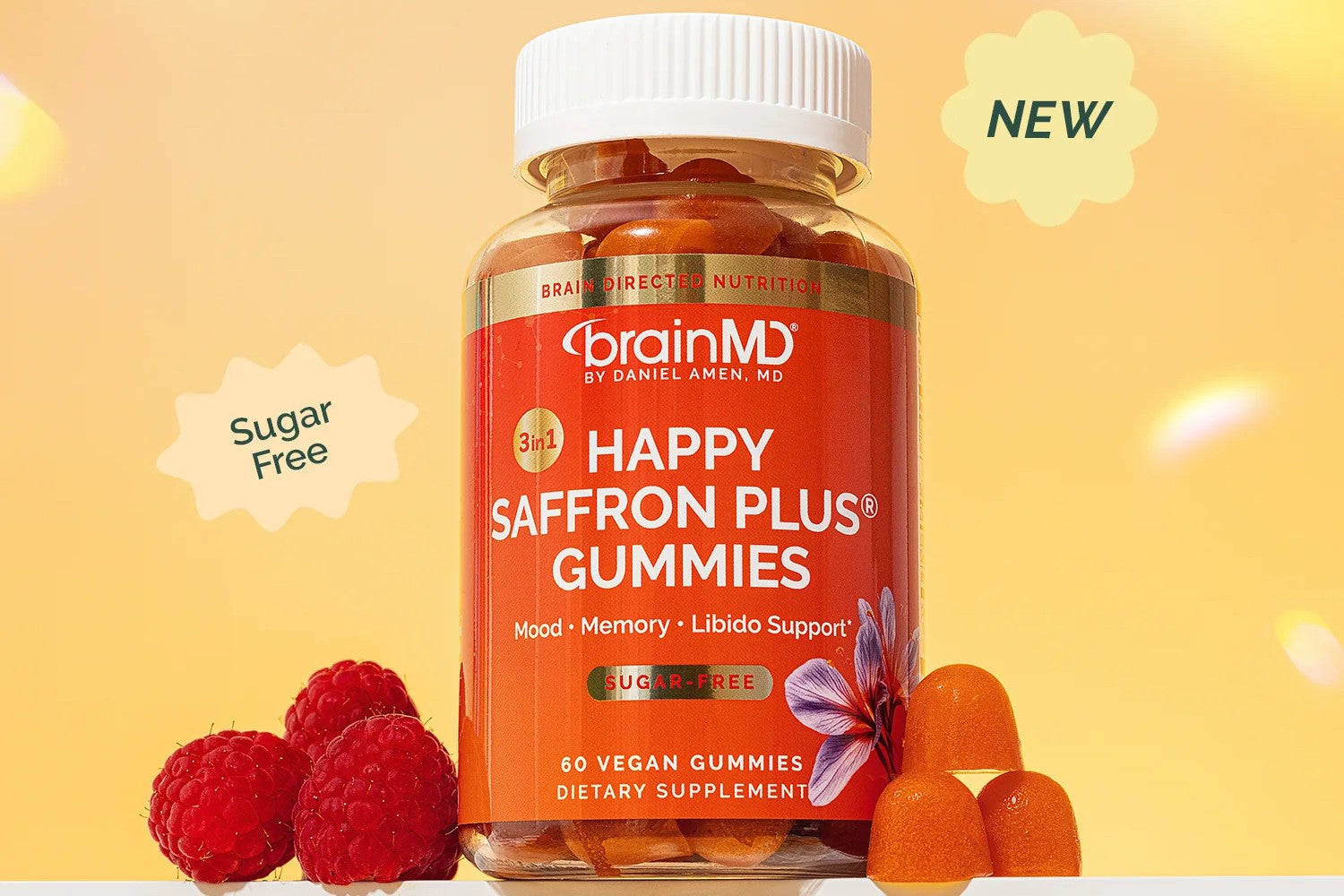
According to the National Alliance on Mental Illness, over 40 million adults in the U.S. and approximately 7% of children aged 3-17 experience anxiousness each year. If you experience anxiousness, you know that it can have a crippling effect on your productivity and well-being. Calm My Brain was scientifically formulated by BrainMD's Dr. Parris Kidd, working with CEO Dr. Daniel Amen, to specifically target this problem. With generous daily doses of magnesium - 100 mg per serving (as citrate, malate, glycinate, and threonate in equal amounts), the ashwagandha standardized root extract KSM-66® - 600 mg per serving, and l-theanine - 400 mg per serving, no other brand offers a formula for anxiousness as effective and meticulously researched as this one. An Inside Look At Calm My Brain Today we’re joined by Dr. Parris Kidd for a master class on Calm My Brain: what it does, how it works, who it’s for, and if it’s right for you. In his deep dive, he breaks down the clinical research that directed his careful ingredient selection, shares the science behind why you can feel the benefits – calm and relaxation (potentially within just minutes) and in the longer term, less anxiousness and lowered levels of the stress hormone cortisol – and reveals other BrainMD supplements that can make Calm My Brain work even better. Class is in session, and this is one you don’t want to miss. An Interview With Integrative Medicine Expert Dr. Parris Kidd [wc_box color="secondary" text_align="left" margin_top="" margin_bottom="" class=""] BrainMD: Why did you develop Calm My Brain? Kidd: I monitor the clinical and other scientific research on nutrients and herbals very carefully, and I noticed that the evidence that certain ingredients could improve anxiousness had reached a breakthrough point. It had become very clear that dietary supplementation can be used to relieve feelings of anxiousness. For some people the action may be quite rapid. The BrainMD science team brings a new supplement to the marketplace when – and only when the clinical trial research has reached consensus that the ingredients have a very good chance to work for a specific brain benefit. BrainMD follows the science and acts on it responsibly and ethically. And what better time to tackle anxiousness, than now? BrainMD: BrainMD is known for its science-based formulas and high-quality ingredients. Can you discuss how you selected the three ingredients found in Calm My Brain? Kidd: This concept grew and matured in my mind for over 3 years. I used my science training and my 38 years' experience with supplements to laser-focus on the clinical track records of the most promising ingredients. I reviewed ALL the clinical trials to determine the benefits and the overall strength of the evidence - animal and "test-tube" studies don't cut it. BrainMD: You reviewed more than 50 scientific resources and clinical studies during the research and development stage of formulating this product. Do you have any advice for people at home trying to do their own research when shopping for supplements? Is there anything consumers should look out for? Kidd: Actually, I reviewed literally hundreds of clinical trials, other clinical research, and other scientific background on at least 60 potential ingredients. I made sure BrainMD used the best ingredients - identical to those used in the clinical trials. It's very important that we educate consumers that supplements work best when they're grounded in actual science. BrainMD: Calm My Brain is unique in that it can provide calming relief from anxiousness within the first 40-60 minutes. What makes this supplement so fast-acting? Kidd: The very generous dose of l-theanine. In human brain studies it boosted alpha wave activity, which is linked to calm and relaxation. The most anxious persons showed the most alpha-activation. The trials suggest many individuals may experience improvement within 2 weeks. BrainMD: Aside from increased calm and relaxation, what else can you expect from taking Calm My Brain? Kidd: Lowering of that feeling of being stressed, including when you're engaged in mentally challenging tasks - a tough work project, for example, or an academic exam. The stress hormone, heart rate, other stress indicators all may improve. High-anxiety students may experience less stress and sharpened focus - begin on it 2-3 weeks prior to your exams. BrainMD: Is it best to take Calm My Brain every day or intermittently for occasional support and relief? Kidd: This supplement, like others, should be taken daily. Supplements are not drugs. KSM-66 ashwagandha and magnesium have important dimensions of benefit in addition to the potential rapid action of l-theanine, but take days to weeks to develop their greatest benefits. I settled on these 3 ingredients to optimize the ongoing benefits from Calm My Brain. More than half all Americans aren't getting sufficient magnesium from their foods. Also, many use popular over-the-counter or prescription meds that deplete magnesium. Ashwagandha is highly revered in the East, and its KSM-66 extract consistently improves anxiousness, stress, mood, and sleep quality. It also reduced food cravings, which improved weight management. BrainMD: What are the long-term benefits of taking this product every day? Kidd: Greater resistance to becoming anxious, apprehensive or otherwise fearful, particularly when in stressful situations. Better sleep quality is also a strong possibility. BrainMD: Which supplements do you suggest pairing with Calm My Brain? Are there any other supplements that improve its efficacy? Kidd: I strongly urge everyone that it's crucial for their overall wellbeing to take a science-based multiple vitamin-mineral and a highly concentrated fish oil. The best of these provide the nutrients that are the "nuts and bolts" of our capacity to make and utilize life energy. BrainMD's NeuroVite Plus and Omega-3 Power are the best in these categories. If you're really struggling with anxiousness and also having mood problems, I recommend adding in Happy Saffron Plus, another excellent product from my collaboration with Dr. Amen. If severe stress is exacerbating the anxiousness problem, try adding Everyday Stress Relief. If your sleep problems are relatively severe, add in Put Me To Sleep. BrainMD: Calm My Brain is great for adults and children with anxiousness, people challenged by food cravings related to stress, anyone with nervous tension, elderly individuals, people who have trouble sleeping or difficulty winding down in preparation for going to sleep, and those low in magnesium. Is there anyone that shouldn’t take Calm My Brain? Kidd: No one I can think of. Practically everyone can benefit from the highest-grade magnesium in this supplement, especially since so many other brands have magnesium oxide which is very poorly absorbed. This product has no common (or rare) allergens and is suitable for vegetarians and vegans. BrainMD: As an integrative medicine expert, can you make other recommendations for people coping with stress and anxiousness? Kidd: Sure. Whether it's people in your life who are increasing your level of stress, a bad job situation, or some other mental burden you've had for a long time, face up to the situation. Get professional help if you can - many community organizations can assist with the financial cost. Meditation or even brief periods of "emptying" your mind during the day can be helpful. BrainMD: Thank you, Dr. Kidd. With all the stress and worry out there, this product has the potential to help millions. [/wc_box] Is there a question we haven’t answered? Please share it in the comments! At BrainMD, we’re dedicated to providing the highest purity nutrients and standardized herbal ingredients to support your overall well-being. For more information about Calm My Brain and our full list of supplements, please visit us at BrainMD.
Learn more
How Can Ginkgo Biloba Promote a Better Memory?
Ginkgo biloba is the most ancient living tree. It has been around for at least 200 million years and is often referred to as a living fossil. This tree is extremely hardy, resistant to pests, can reach 100 feet in height and can live for over a century. Ginkgo has been used in traditional medicine for thousands of years. Standardized extracts prepared from the leaf have existed for over 50 years and are used worldwide for a diverse range of health benefits. The ginkgo biloba extract is prepared from the leaves and standardized to two sets of beneficial substances: powerfully antioxidant flavone glycosides (22-27%, including quercetin, kaempferol, isorhamnetin, isoquercetin and rutin); and terpene trilactones (5-7%, including several ginkgolides along with bilobalide). A competently prepared ginkgo biloba extract also is free of ginkgolic acid, a known toxin. The exceptional health benefits of ginkgo biloba extract are linked to synergy: the individual constituents multiplying each others' benefits. The flavone glycosides improve the body's antioxidant defenses while lowering free radical and other potentially toxic activity. The terpene trilactones promote healthy inflammation control and enhance cell replacement in the brain and other organs. Both sets of constituents have numerous other beneficial actions. Standardized ginkgo biloba supplements have been successfully used for decades. The sections that follow review their best-documented benefits for brain and body. One recurring theme is improvement of blood flow. Top Benefits of Ginkgo Biloba for Brain & Body Ginkgo Biloba for Memory and Other Brain Functions In clinical trials, ginkgo biloba supplements have improved working and long-term memory in both young and old, healthy adults. In some trials it also improved speed of information processing and word and face recognition. These benefits are consistent with its improvement of brain blood flow, to deliver oxygen and all the other nutrients the brain needs for generating a minimum 20% of the body's total energy. SPECT scanning (Single Photon Emission Computed Tomography) is a powerful and precise tool for imaging blood flow in the brain. In a 2003 double-blind trial, healthy volunteers aged 60-70 years received either ginkgo biloba extract (80 mg) or a placebo daily for 8 months. SPECT documented improved blood flow in both brain hemispheres for the ginkgo group, statistically better than the placebo group. This trial included a number of cognition tests, most of which documented superior results from the ginkgo biloba extract over the placebo. The ginkgo group improved more than the placebo group in information processing speed, attention, "visuospatial" tests (tracking and manually arranging blocks into patterns), and "general intelligence" (including vocabulary and comprehension). Ginkgo biloba supplements also can reduce anxiousness better than placebo, even in subjects of advanced age with cognitive challenges. Unlike some other options for anxiousness, ginkgo biloba extract is very well tolerated, doesn't cause dependence or impair mental sharpness, and so can be used by the young or elderly while driving, going about their other daily activities or even while at work. Ginkgo Biloba Benefits for The Heart and Circulation Besides increasing the brain's blood flow, ginkgo biloba supplements can increase blood flow elsewhere in the body. Their awesome antioxidant array protects blood vessel walls and positively influences their capacity to dilate or contract as needed. The multiple active substances in the extract operate via support for healthy inflammation control, regulation of tissue messenger substances, and numerous other possible actions. Ginkgo biloba supplements are known to improve blood flow to the heart. Heart surgery typically causes "free radical" damage to the heart muscle. In a French trial, men and women received either a ginkgo supplement (360 mg) or a placebo daily for 5 days leading up to their aortic valve replacement surgery. The ginkgo group released less free radical and other damage products from their hearts than did the placebo group. Ginkgo Biloba Benefits for the Eye and Vision Healthy volunteers of average age 34 years who took a ginkgo biloba supplement taken at 120 mg daily showed improved blood flow to their eyes after just 2 days, compared to a placebo. Ginkgo also can protect and enhance functioning of the retina, the eye's sensing tissue that is constantly vulnerable to damage from intense light exposure. Ginkgo Biloba Benefits for the Ear and Hearing We need our ears to hear, of course. But literally overnight, a person can suddenly lose their hearing in one ear. Often hearing returns on its own, but sometimes it doesn't. European physicians found that giving ginkgo biloba extract (240 mg daily) increased the chances for complete hearing recovery after one week. There were cases in which hearing returned at a better level in the affected ear and even also in the other ear. The middle ear is very important for managing balance, and difficulties with this tissue can cause dizziness and vertigo. Double-blind trials found ginkgo effective for these problems, compared to placebo. It may also help relieve ringing or buzzing of the ears (tinnitus) in some individuals. Ginkgo Biloba Benefits for Women A large percentage of women of reproductive age experience a range of discomforts for days leading up to and following their menstrual period. Taking ginkgo biloba supplements has produced substantial relief of breast tenderness and other of these discomforts, when started during the 16th day of the menstrual cycle and continued until the 5th day of the following cycle, for at least one or two cycles. Ginkgo Biloba for Kids Ginkgo biloba supplements have shown some promise for children with attention and behavior challenges, in two double-blind trials. In the first trial, children received either ginkgo biloba extract at 80 to 120 mg daily, or methylphenidate (MPH) at 20 to 30 mg daily, for 6 weeks. Ginkgo worked less well than MPH but had fewer adverse effects. In the second double-blind trial, children and adolescents received either MPH (20 to 30 mg daily) + ginkgo (80 to 120 mg daily) or MPH + a placebo, for 6 weeks. The MPH + ginkgo group came out better on both the parent and teacher attention ratings, and those receiving ginkgo had a far higher positive response rate. A subsequent "open" trial (conducted without a placebo) tried ginkgo at a higher dose (up to 240 mg daily). Twenty children aged 6-13 years safely tolerated the ginkgo biloba extract for 5 weeks. The parents rated attention and "prosocial behavior" as improved, and the researchers rated hyperactivity and impulsivity as improved. The children's self-reported quality of life did not change. Ginkgo also showed promise for children with dyslexia-type problems in another open trial. Ginkgo biloba supplements certainly deserve further exploration via larger, well-controlled clinical trials for children with attention, learning, or behavior problems. The Safety of Ginkgo Biloba Extract When competently prepared and standardized, ginkgo biloba supplements are very well tolerated, with less than 2 of every 100 consumers reporting gastrointestinal discomfort. It is safe to take long-term: clinical trials have lasted for as long as 6 years. Non-standardized ginkgo leaf or seeds are likely unsafe due to high content of the toxin ginkgolic acid. Ginkgo supplements are not recommended for women who are pregnant or lactating, due to lack of sufficient data. Ginkgo Biloba Interactions The main concern here is possible negative interactions between ginkgo and anticoagulant drugs. There is evidence for and against such harmful interactions: though several large-scale clinical trials found no bleeding risk, there is other evidence to the contrary. From an abundance of caution, BrainMD recommends against combining Ginkgo use with warfarin or other anticoagulant drugs. Closing Remarks Ginkgo biloba has been a medicinal treasure for thousands of years, and a dietary supplement herbal ingredient for over half a century. BrainMD employs it mainly to enhance blood flow, and it does this so well it very likely improves the delivery – and therefore the benefits – of the nutrients that we mix with it. For its incredibly diverse benefits, its safety, and its added value for delivering other dietary supplement ingredients, ginkgo biloba extract is in a class of its own. Key Scientific References Napolitano JG, others. Complete 1H NMR spectral analysis of ten chemical markers of Ginkgo biloba. Magnetic Resonance Chemistry 50 (8):569-575 (2012). Pietri S, others. Ginkgo biloba extract (EGb 761) pretreatment limits free radical-induced oxidative stress in patients undergoing coronary bypass surgery. Cardiovascular Drugs and Therapy 11:121-131 (1997). Silberstein RB, others. Examining brain-cognition effects of Ginkgo biloba extract: brain activation in the left temporal and left prefrontal cortex in an object working memory task. Evidence-Based Complementary and Alternative Medicine 2011:Article ID 164139, 10 pages (2011). Stough C, others. Neuropsychological changes after 30-day Ginkgo biloba administration in healthy participants. International Journal of Neuropsychopharmacology 4:131-134 (2001). Wu Y, others. Ginkgo biloba extract improves coronary blood flow in healthy elderly adults: role of endothelium-dependent vasodilation. Phytomedicine 15 (3):164-169 (2008). Santos RF, others. Cognitive performance, SPECT, and blood viscosity in elderly non-demented people using Ginkgo biloba. Pharmacopsychiatry 36:127-133 (2003). Singh SK, others. Ginkgo biloba as an alternative medicine in the treatment of anxiety in dementia and other psychiatric disorders. Current Drug Metabolism 18 (2):112-119 (2017) Gavrilova SI, others. Efficacy and safety of Ginkgo biloba extract EGb 761® in mild cognitive impairment with neuropsychiatric symptoms: a randomized, placebo-controlled, double-blind, multi-center trial. International Journal of Geriatric Psychiatry 29:1087-1095 (2014). Spiegel R, others. Ginkgo biloba extract EGb 761® alleviates neurosensory symptoms in patients with dementia: a meta-analysis of treatment effects on tinnitus and dizziness in randomized, placebo-controlled trials. Clinical Interventions in Aging 13:1121-1127 (2018). Donfrancesco R, Ferrante L. Ginkg biloba in dyslexia: a pilot study. Phytomedicine 14:367-370 (2007). Chung HS, others. Ginkgo biloba extract increases ocular blood flow velocity. Journal of Ocular Pharmacology and Therapeutics 15 (3):233-240 (1999). Burschka MA, others. Effect of treatment with Ginkgo biloba extract EGb 761 (oral) on unilateral idiopathic sudden hearing loss in a prospective randomized double-blind study of 106 outpatients. European Archives of Otorhinolaryngology 258 (5):213-219 (2001). Sokolova L, others. Treatment of vertigo: a randomized, double-blind trial comparing efficacy and safety of Ginkgo biloba EGb 761 and betahistine. International Journal of Otolaryngology 2014: Article ID 682439, 6 pages, https://dx.doi.org/10.1155/2014/682439 (2014). Hudson T. Ginkgo is effective for relief of PMS symptoms. Natural Medicine Journal (online) 2(3), naturalmedicinejournal.com (accessed 25 June 2019). Salehi B, others. Ginkgo biloba for attention-deficit/hyperactivity disorder in children and adolescents: a double blind, randomized controlled trial. Progress in Neuro-Psychopharmacology and Biological Psychiatry 34:76–80 (2010). Uebel-von Sandersleben H, others. Ginkgo biloba extract EGb 761® in children with ADHD. Zeitschrift fur Kinder - und Jugendpsychiatrie und Psychotherapie 42:337–347 (2014). Shakibaei F, others. Ginkgo biloba in the treatment of attention-deficit/hyperactivity disorder in children and adolescents. A randomized, placebo-controlled trial. Complementary Therapies in Clinical Practice 21 (2):61-67 (2015).
Learn more
The Multivitamin Quality Check: Are You Missing Vital Nutrients? Part 2
In Part 1, we looked at the high-quality vitamins contained in BrainMD's premier multiple vitamin-mineral supplement, NeuroVite Plus. In addition to NeuroVite Plus' potent vitamins, this robust multiple also offers many essential minerals needed for optimal brain and body health. The Essential Minerals of NeuroVite Plus Certain minerals are built into the structures of enzymes and are essential for their activity. These are the essential minerals, of which NV supplies all but two. Iron can be dangerous when combined with other nutrients so must be taken separately. Copper also has this capability and is rarely deficient since it is relatively abundant in the diet. NV's mineral ingredients are carefully selected for both safety and optimal health benefit. Magnesium and Calcium are both essential for health, and they have a yin-yang relationship by which each helps balance the actions of the other. This formula supplies calcium and magnesium in forms that are most readily absorbed and best tolerated. Unlike other multiples, NV avoids using oxide forms since these are very poorly absorbed. Calcium is needed only in small amounts in the brain, heart and other "soft" organs, is relatively abundant in the diet, and high intakes can pose a safety risk. Magnesium helps counterbalance any negative effects from calcium, and is needed wherever calcium is needed (including in the formation of bone), so that calcium supplements should always include magnesium. Magnesium is required by practically all the body's 300 energy-related enzymes so is needed for our cells to make energy. Yet the surveys consistently find at least 1 in 2 Americans may be deficient in this mineral. Magnesium is fundamental to the brain's electrical activity via the nerve cell synapse connections. It is also crucial for many other functions including healthy heart rhythm and other muscle functions. Iodine is essential for the thyroid gland to make hormones that control our metabolic thermostats for energy generation and overall activity levels, all through life. Thyroid hormones are crucial for the brain and body to develop, and iodine deficiency is the greatest cause of mental retardation worldwide. In the U.S. and other countries, declines in consumption of dairy, eggs and iodized salt and exposures to environmental pollutants are linked to widespread iodine deficiency in women of reproductive age with potential catastrophic consequences once they become pregnant. Zinc is essential for at least 100 enzymes, and for healthy development of the brain and other organs. All our cells need zinc to maintain the structure of their DNA and the actions of their genes. Zinc is structurally built into the enzyme superoxide dismutase (SOD), which is our first line of defense against free radical toxins. This mineral is also urgently needed during pregnancy and for childhood development, sexual maturation, and male fertility. Selenium is required by at least 25 enzymes and other selenium proteins, which are foundational to life and are important for brain development. Selenium enzymes also provide antioxidant defense against toxins. Selenium enzymes help keep our genes working optimally, regulate production of the thyroid hormones that help control our energy levels, and also regulate muscle development, heart muscle function, and immunity. Manganese is needed for the major antioxidant enzyme SOD2 (superoxide dismutase 2), localized within the mitochondria to help control potentially harmful oxygen free radicals. This mineral works along with selenium in enzymes that are our cells' primary defense against toxins. All our organs need manganese in order to process cholesterol, carbohydrates, and amino acids, and to produce tissue matrix components called proteoglycans. Chromium is essential for healthy blood sugar metabolism. This formula provides it as chromium picolinate, which is very well absorbed, helps in coping with carbohydrate cravings, and supports healthy mood management. In a clinical trial by Krikorian and colleagues, this chromium ingredient even improved brain activity in older adults. Molybdenum is required by at least five detoxifying enzymes that work closely with the antioxidant enzymes. Among their other functions, molybdenum enzymes help neutralize sulfites and bisulfites, potentially toxic substances generated by the body’s normal sulfur metabolism. Molybdenum enzymes also help detoxify the sulfites and bisulfites that are often sprayed onto foods as preservatives, and added into wines, vinegars, even medical products. The Proprietary Brain Boosting Blend This blend's hefty 575 milligram daily allowance provides: PhosphatidylSerine (PS), the only nutrient granted two Qualified Health Claims by the U.S. FDA, related to its brain benefits. PS has over 35 double-blind clinical trials and is proven useful for attention in children as well as for memory in adults. Acetyl-L-Carnitine (ALC, aka acetyl l carnitine), fuels energy generation by the mitochondria, and supplies acetyl groups for the brain to make the important neurotransmitter acetylcholine. ALC's acetyl groups to help regulate their gene activity. Alpha-Lipoic Acid (ALA), a conditionally-essential nutrient vital for energy. ALA is a structural component of three of our most major energy enzymes. ALA is also a powerful antioxidant. Clinical trials indicate it enhances nerve cell energy, maintenance and repair. Coenzyme Q10 (CoQ), another conditionally essential nutrient vital for energy, and also a powerful antioxidant. CoQ is an essential cofactor and protectant for the mitochondria of our cells, which generate over 90 percent of all our energy. Additional Important Nutrients Choline is an essential nutrient and source of vital methyl groups. Choline's methyl groups back up the methyls from dietary methylfolate and methyl B12. Choline readily enters the brain to promote the production of acetylcholine, our most abundant nerve transmitter. As a methyl backup, choline helps ensure healthy gene functions and is crucial for liver functions. Lutein and Zeaxanthin are carotenoid nutrients essential for vision and eye health, and recent research indicates they also can enhance brain function. Very few multiples provide them. They are mostly present in leafy-green and yellow-red vegetables, and surveys indicate many people aren't getting enough from their foods. These nutrients are practically vitamins, since the body can't make them and we have to get them from our diet. NeuroVite Plus also is designed to promote healthy blood flow to the brain. The brain needs very substantial blood flow to provide it with sufficient oxygen and the other nutrients it needs. Resveratrol is a plant polyphenol clinically found to promote blood flow. Pterostilbene is chemically related to resveratrol and complements its actions. Hesperidin Flavonoid Complex provides antioxidants that protect the delicate blood vessel walls. Boron is likely an essential mineral and is known to support healthy brain function. It also supports the body's utilization of vitamin D and magnesium, both very important for maintenance of brain health. Silicon supports renewal of the connective tissues that build the tissue matrix glue in the brain and other organs. The Organic Fruit and Vegetable Blend Individuals who don't manage to consume the optimal amounts of fruits and veggies every day - that's practically all of us - get help from this formulation. It provides the antioxidant and numerous other health benefits of wild blueberries, broccoli sprouts, tomatoes, spinach, acai, carrots, strawberries, and alfalfa sprouts. The Digestive Enzyme Blend This plant-derived enzyme blend includes lipase, amylase, lactase, cellulase and protease, which are all able to tolerate chemical stresses while helping us digest our foods. NeuroVite Plus provides vitamins for memory - and a whole lot more, including mood, attention, learning, behavior, and the functioning of all our organs. BrainMD monitors ongoing research to ensure NV's ingredients are optimal for individuals of all ages. NV is essential to overall health and well-being. Key Scientific References U.S. Department of Health and Human Services and U.S. Department of Agriculture. 2015-2020 Dietary Guidelines for Americans, 8th Edition. 2015: https://health.gov (accessed 20 May 2019). Blumberg JB, others. Contribution of dietary supplements to nutritional adequacy by socioeconomic subgroups in adults of the United States. Nutrients 10, 4; doi:10.3390/ nu10010004 (2018). Ames BN. Low micronutrient intake may accelerate the degenerative diseases of aging through allocation of scarce micronutrients by triage. PNAS (Proceedings National Academy of Sciences US) 103 (47):17589-17594 (2006). Harrison FE, May JM. Vitamin C function in the brain. Free Radicals in Biology and Medicine 46 (6): 719-730 (2009). Pilz S, others. Vitamin D and mortality. Anticancer Research 26:1379-1388 (2016). Douaud G, others. Preventing Alzheimer's disease-related gray matter atrophy by B-vitamin treatment. PNAS (Proceedings National Academy of Sciences US) 110 (23):9523-9528 (2013). Reynolds EH. Methylfolate as adjunctive treatment in major depression. American Journal of Psychiatry 170(5), 560 (2013). Botto LD, Yang Q. 5, 10-methylenetetrahydrofolate reductase gene variants and congenital anomalies: a HuGE review. American Journal of Epidemiology 151:862-877 (2000). Wallace TC, others. Choline: The underconsumed and underappreciated essential nutrient. Nutrition Today 53(6):240-253 (2018). Kidd P. Magnesium: cornerstone of nutritional health insurance. Natural Products Insider 2019 Mar 20:7 pages. https://www.naturalproductsinsider.com/vitamins-minerals/magnesium-cornerstone-nutritionalhealth-insurance. Gower-Winter SD, Levenson CW. Zinc in the central nervous system: From molecules to behavior. Biofactors 38(3):186-193 (2012). Krikorian R, others. Improved cognitive-cerebral function in older adults with chromium supplementation. Nutritional Neuroscience 13(3):116-122 (2010). Panth P, others. A review of iodine status of women of reproductive age in the USA. Biological Trace Element Research 188:208-220 (2019). Renzi-Hammond LM, others. Effects of a lutein and zeaxanthin intervention on cognitive function: a randomized, double-masked, placebo-controlled trial of younger healthy adults. Nutrients 9, 1246: doi:10.3390/nu9111246 (2017). Kidd P. The most proven nutrient for memory and brain health: phosphatidylserine (PS). https://www.brainmd.com > HOME > BRAIN HEALTH blog, Nov 21, 2018. Di Stefano G, others. Acetyl-l-carnitine in painful peripheral neuropathy: A systematic review. Journal of Pain Research 12:1341-1351 (2019). Tibullo D, others. Biochemical and clinical relevance of alpha lipoic acid: antioxidant and anti-inflammatory activity, molecular pathways and therapeutic potential. Inflammation Research DOI 10.1007/s00011-017-1079-6 (2017). Qu H, others. Effects of coenzyme Q10 on statin-induced myopathy; an updated meta-analysis of randomized controlled trials. Journal of the American Heart Association 2018: e009835 (2018).
Learn more
Are You Getting the Best Nutrients in Your Multivitamin?, Part 1
Vitamins and minerals are essential for our survival. Our foods provide the energy we need to power our brain and body. But to unlock this energy, we need the "essential nutrients" that power our enzyme systems. They should be coming from our foods, but ongoing population surveys clearly indicate the modern diet is not doing this job. BrainMD developed a multiple vitamin-mineral supplement to help close this dietary gap while additionally prioritizing the brain. Based on large surveys of Americans' dietary patterns, the U.S. Centers for Disease Control and Prevention (CDC) consistently reports insufficient average intakes of various essential nutrients: the vitamins A, C, D, E, and choline; the minerals magnesium, iodine, and zinc; and omega-3 EPA+DHA. Nutritionists advise taking dietary supplements to ensure getting enough of these nutrients. Since nothing else can work until these essential nutrients are fully supplied, the cornerstone of nutritional health insurance is a really good multiple. BrainMD's NeuroVite Plus Multivitamin (NV, for short) supplies over 50 vitamins, essential minerals, conditionally essential nutrients, and plant concentrates, along with digestive enzymes to assist with their utilization. Let's review how these work together for brain and body health. Nutrients for Memory, Brain, Body, Genetics and Lifestyle This formulation is unique among multiples by providing all these nutrients: Vitamins (14), including all 8 B vitamins with methylfolate. Absence of any of these leads to deficiency symptoms and increasingly worsening health Essential Minerals (8), all required by specific enzymes (except for iron and copper, due to safety issues) Conditionally essential nutrients (14), so named because some individuals can't make sufficient amounts so must get them from their diet A proprietary brain-boosting blend of clinically researched nutrients (4) Other clinically researched substances from plants, known to promote health (3) Organically grown fruit and vegetable concentrates (8) Digestive enzymes from plants (5) The ingredients in NeuroVite Plus are painstakingly selected for their superior absorption, utilization, lack of adverse effects when taken, and long-term safety. Their diverse array of nutrients was assembled to address individual requirements that vary greatly from person to person due to genetics, lifestyle, stress levels, medication regimens, age and other real-life factors. The Vitamins Vitamin A is crucial for the brain to develop and maintain its trillions of nerve cell connections (synapses). It is also crucial for vision, intestinal function, lung function, and immune defenses. Unlike many multiples, this formulation provides authentic vitamin A rather than beta-carotene, which 1 in 2 people can't efficiently convert into vitamin A. More than 2 in 10 Americans may not be getting sufficient vitamin A from their foods. Vitamin C gives the body powerful antioxidant protection but is also needed for certain enzymes to work. It reaches very high levels in the brain, where it promotes acetylcholine, dopamine, and norepinephrine neurotransmitter activity. Vitamin C has crucial importance for the brain, and scurvy (vitamin C deficiency) features prominent mental deterioration. Throughout the body, vitamin C is needed by enzymes that make collagen, for the connective tissues that hold the organs together. Vitamin C is also essential for healthy immunity and used by the liver to neutralize toxins. The CDC reports more than 4 in 10 adult Americans aren't getting enough vitamin C from their foods. Vitamin D deficiency is currently epidemic worldwide: CDC reports more than 9 in 10 Americans aren't getting enough of it from their foods. Vitamin D3 (cholecalciferol) is converted into a hormone that regulates about 900 different genes. Vitamin D function involves regulating the brain and other organs. Vitamin D promotes the actions of serotonin, dopamine, and other key brain neurotransmitters. Vitamin E is an important antioxidant, helping protect the membrane systems of all our cells. It especially protects the brain, which can sometimes have antioxidant deficits. NV provides vitamin E not only as the natural d-alpha tocopherol but as the full family of 8 tocopherol and tocotrienol vitamin Es naturally present in a healthy diet. More than 8 in 10 Americans likely aren't getting enough E from their foods. Vitamin K is highly underestimated for brain and body. NV provides Vitamin K2 as menaquinone-7 (MK-7), which is much more active than the vitamin K1 used in many multiples. Vitamin K2 activates brain proteins that not only help control calcium's potential to do damage but also support brain cell maturation, survival, and electrical conduction. Outside the brain, uncontrolled calcium can readily form stony deposits in the heart valves, large arteries, and elsewhere. Vitamin K2 proteins help direct calcium away from the brain, heart, blood vessels, and other soft tissues and towards the bone, teeth and nails that need it. Vitamin K2 also is essential for the coagulation processes required for healthy wound healing. The B Vitamins are provided in their most active forms in NV. The brain has special transport systems to move B vitamins across the blood-brain barrier and deliver them to the brain cells. In a two-year double-blind trial at Oxford University, Douaud and colleagues found a B vitamin combination slowed brain decline in elderly people. All our cells need the 8 B vitamins, and they work best when administered together. Thiamin (Vitamin B1) is essential for all the cells in our brain and other organs to process proteins, carbohydrates, and fats into energy. The body's thiamin reserves are very low and are readily depleted by high-sugar diets, alcohol abuse, and various prescription drugs. Thiamin deficiency is common in pregnancy. Riboflavin (Vitamin B2) is essential for the body to process carbs, fats and amino acids coming from proteins, and especially for energy production by the mitochondria, our cells' tiny powerhouses. Our cells also need riboflavin to repair damage to their DNA and to regulate their gene activity. This vitamin is also essential for an enzyme that helps conserve glutathione, the predominant antioxidant found inside human cells. Vitamin B3 as Niacinamide is a fully active B3 without the uncomfortable skin flush linked to niacin B3. Our cells' mitochondria need it to make NAD, a high-energy nutrient that works very closely with ATP in the body's energy economy. NAD is also essential for enzymes that regulate gene actions. B3 is readily depleted by excessive alcohol intake and by smoking. Pantothenic Acid (Vitamin B5) is needed not just for energy but for making amino acids, proteins and hormones, and converting fats into fatty acids used in building cell membranes. B5 deficiency is linked to loss of nerve cell electrical insulation, which can impair brain functions. Canning and refining deplete this vitamin from foods. Pregnant and lactating women tend to have low levels, another reason for them to take a really good multiple. Vitamin B6, equally well utilized as both pyridoxine and pyridoxal-5-phosphate, is vital for the major brain transmitters serotonin, noradrenaline, adrenaline, and GABA. B6 is required by about 100 enzymes that help the body utilize amino acids, fatty acids, and carbohydrates. This vitamin helps with the conversion of homocysteine, a potential toxin, into useful antioxidants. Good B6 levels promote mother and child health during lactation. Methylfolate provides methyl chemical groups, fundamental to practically all our processes. In comparing folate vs folic acid it's crucial to understand that folate is the vitamin we need whereas folic acid is a man-made chemical that interferes with our utilization of folate. Most multiples provide just folic acid; NV's methylfolate is efficiently absorbed and goes right to work without the need for conversion. Methylfolate is immensely important to the brain, including for the serotonin and dopamine transmitter systems. In clinical studies at Harvard and elsewhere, supplementation with methylfolate consistently improved mood. Also, up to 1 in 4 people have mutant genes (MTHFR C677T and sometimes others) that severely limit their capacity to utilize folic acid or even the folates from their foods. Taking methylfolate bypasses these mutations. All our cells need methylfolate to make their DNA, package it into genes, repair it when damage occurs, and to regulate their overall gene activity (called epigenetics). The brain's nerve cell also need it to make their electrical insulation (myelin), to make the serotonin and dopamine neurotransmitters, even to make the sleep hormone melatonin. Methylfolate also works with vitamin B6 and vitamin B12 (see below) in the detoxication of homocysteine. Vitamin B12 is active mostly in its methyl form, and backs up methylfolate. Yet many multiples have B12 in a cyanide form (cyano-cobalamin). Cyanide is extremely toxic for everyone, and should not be in a dietary supplement. BrainMD provides vitamin B12 as methyl-B12, in amount sufficient to be effective when taken by mouth, as has been done in Sweden for decades. Plants don't make vitamin B12, so vegetarians and vegans often have very low levels. Also, B12 absorption can be impaired by various over-the-counter and pharmaceutical medications, and declines with advancing age. NV's ample allowance of methyl B12 will be helpful to many of the individuals facing such challenges. Biotin is another B vitamin, required by at least 3 key enzymes that help the mitochondria generate life energy. Biotin is also vital for healthy gene regulation, and for cell to cell communication. Though called the "Hair, Skin and Nails Vitamin," biotin is vital for the brain and all the organs. Deficiency is increasingly common. Alcohol intake can deplete this vitamin, as can intestinal absorption problems and anticonvulsant drugs. Next time, we’ll take a closer look at the essential minerals contained in NeuroVite Plus, and how they can help optimize your brain and body. Continue reading about the best nutrients you need in your multivitamin in Part 2.
Learn more
One of the Best Ways to Maximize Your Health
Wherever they are in life, men want to be as healthy as they can be. But men's health is constantly vulnerable to the pressures of everyday life. Health requires life energy, most of which comes from foods. But the modern diet is falling way short. The U.S. Govt's Dietary Guidelines for Americans lists a number of nutrients that are being "underconsumed." Our foods are supplying lots of calories, but not enough nutrients to process these calories. A nutrient is a substance essential for growth and the maintenance of life. We use "macro" nutrients such as proteins, fats and carbohydrates from our foods as sources of energy ("calories") to sustain our bodies. We are equipped with thousands of enzymes to extract and utilize this energy, but to function they need an array of vitamins, certain minerals and other nutrients. When our diet lacks these "micro" nutrients our health is endangered. Ongoing surveys by scientists from the U.S. Centers for Disease Control and Prevention (CDC), working with academic centers, report that Americans' daily diets aren't providing enough of vitamins A, C, D, E, or choline; the minerals magnesium or zinc; or the cell building blocks omega-3 EPA+DHA. Nutritionists advise taking dietary supplements to get these nutrients we need to preserve our health. Think nutritional health insurance. Deficiencies of any of these nutrients cause health problems that threaten life itself. Most classic is vitamin C deficiency, scurvy, known since ancient times. The CDC reports that more than 4 in 10 Americans aren't getting enough vitamin C from their foods. Even worse, more than 9 in 10 don't get enough vitamin D or omega-3 EPA+DHA from their foods. Obtaining these and other nutrients from supplements is prudent nutritional health insurance. Best Supplements to Maximize Your Health Brain & Body Power MAX (MAX) is a dietary supplement system developed by BrainMD. MAX supplies all these vitamins and minerals lacking in the American diet, plus many other nutrients essential for health. In all, MAX supplies some 62 different substances known to support or improve men's health. Here are brief summaries of how they benefit men's various organ systems. Heart According to the CDC, heart disease kills 1 in 4 men. MAX provides magnesium, a mineral vital for healthy heart rhythm; 1 in 2 Americans aren't getting enough of this nutrient, which 300 of our enzymes need in order to generate and utilize energy. MAX also supplies coenzyme Q10 ("CoQ"), vital for the heart muscle to make energy and helpful for the muscle problems sometimes linked to cholesterol management. CoQ energizes the mitochondria, our cells' tiny energy factories. MAX also provides ALA (alpha-lipoic acid), ALC (acetylcarnitine), and PS (phosphatidylserine), all of which work with CoQ to enable the heart muscles' mitochondria to make life energy. The mitochondria also need all 8 of the powerful B vitamins that MAX provides, along with MAX's minerals such as zinc, selenium, manganese, chromium, calcium and the always-needed magnesium Blood Vessels Vitamins C and E from MAX give the blood vessels antioxidant protection against toxins (such as smoke from cigarettes, marijuana, air pollution, or other inhaled sources). Vitamins D3 and K2 are essential for controlling calcium, which otherwise can form hard deposits harmful to the blood vessels and the heart. All the B vitamins, but particularly B6, B12 and folate, help protect the vessels. Ginkgo, resveratrol and pterostilbene give added benefit. The omega-3 nutrients EPA and DHA are also vital for the blood vessels, and are dietary essentials because the body is very inefficient at making them. MAX supplies them as highly concentrated fish oil, sufficient to raise your Omega-3 Index to a range protective for your circulatory, heart and brain health (click here for how to track your Omega-3 Index). MAX's fish oil has no fish smell or taste and is screened against 250 possible contaminants. Brain The MAX supplement system combines 3 different BrainMD supplements, all designed to enhance brain function. First, there are capsules of NeuroVite Plus Multivitamin, the most versatile "multiple" available anywhere. Beyond its complement of vitamins and minerals, NeuroVite gives you brain-active nutrients you won't find in other multiples, such as PS, CoQ, ALA, ALC, lutein and zeaxanthin. To buy these separately would cost you twice the price of MAX. MAX's NeuroVite Plus capsules also supply folate as methyl-folate and not as folic acid, which doesn't occur naturally in foods. Methyl-folate is the body's naturally most active form, and Harvard physicians find it very useful for improving mood problems. NeuroVite Plus also provides methyl-vitamin B12, which is methyl-folate's natural biochemical backup, and not the cheap cyanide-B12 which is potentially toxic for men who smoke. Methyl-folate and methyl-B12 also help men (and women, and children) avoid the serious health consequences of a commonly inherited mutation, the C677T of the enzyme MTHFR (MethyleneTetraHydroFolate Reductase). Up to 1 in 4 individuals of certain ethnic groups have this mutation, which impairs folic acid utilization. These methyl forms bypass C677T and another 40-plus mutations of the MTHFR enzyme. MAX's second component is Omega-3 Power softgels, which deliver a whopping 2,880 milligrams of EPA+DHA, 10 times the power of standard fish oil or krill oil. This is what's needed to effectively raise the Omega-3 Index. Experts estimate over 90% of men are deficient in EPA+DHA, and men having problems with attention, memory, mood or behavior often have a very low Index. EPA+DHA are essential for brain AND body all through life. MAX's third component is Brain & Memory Power Boost capsules. Their 7 ingredients promote key brain functions. PS, the most proven memory nutrient, works closely with EPA+DHA to power the nerve cell connections ("synapses"). ALA and ALC power the brain's mitochondria. Ginkgo and vinpocetine promote the brain's blood flow, to deliver oxygen and the other nutrients. NAC (N-Acetylcysteine) supplies antioxidant power. Huperzine A supports the acetylcholine neurotransmitter system, important for attention and memory. All these are available in MAX as clinically proven "nutraceutical" ingredients. In 2011, Dr. Daniel Amen, founder of BrainMD, and his colleagues tested MAX in a comprehensive dietary-lifestyle-sleep-weight management program for retired NFL football players. Using SPECT imaging, they observed improved blood flow to the brain. They also documented improvements in memory, attention, information processing speed, and overall cognition. MAX has great potential to help men wanting better mental performance. Reproductive System The prostate helps prepare sperm to fertilize an egg. The healthy prostate has a lot of zinc, which it loads into the semen. Men lose a lot of zinc during sexual activity, and zinc deficiency is associated with reproductive problems. The CDC reports more than 12% of Americans aren't getting enough zinc. MAX provides zinc as glycinate, a well-utilized form, but many multiples have zinc oxide, which the body can hardly absorb and utilize. For humanity to survive, sperm have to be healthy. First, their genes must be intact and protected. They need zinc to stabilize their DNA and their genes, which, of course, are crucial for successful fertilization and pregnancy. Their genes are also regulated by methyl-folate plus methyl-B12. This is all part of "nutrigenetics" – the healthy regulation of gene activity by nutrients. The choline, biotin and acetylcarnitine in MAX are also nutrigenetic regulators. Second, the sperm cells need energy to swim to and penetrate the egg. For this they have huge mitochondria, which (as in all our other cells) need the CoQ, ALA and ALC in MAX. Third, sperm generate a lot of free radicals and need antioxidant protection. MAX supplies the antioxidant vitamins A, C, and E; zinc, manganese and selenium for antioxidant enzymes; and other antioxidants NAC, lutein, zeaxanthin, resveratrol, hesperidin, and pterostilbene. Healthy blood flow to the penis requires all the nutrients for blood vessel health, as previously summarized. Men's erectile issues are related to poor circulation elsewhere in the body, and all our blood vessels have practically identical nutrient needs. It shouldn't be surprising, then, that research links poor erectile function to poor brain blood flow. As it promotes healthy blood flow to the brain, MAX is also supporting healthy erectile function. Muscles Our muscles – both the "voluntary" types that we can consciously work and the "involuntary" types that work our heart, digestive and other internal organs – contract then relax based on calcium (tiny amounts) and magnesium (a lot). But also they need all the nutrients that the heart muscles need, all the nutrients supplied by MAX. We can consume lots of protein powder for workouts, but without MAX's fundamental nutrients we may not build muscle. Vision The eyes' tissues need a lot of energy nutrients, omega-3s, and antioxidants. Light entering the eye creates high-energy "free radicals" which the healthy eye tissues must neutralize. They rely on the usual antioxidant nutrients in MAX, but especially on lutein and zeaxanthin, which give the retina its yellow-gold color. The retina's electrical activity relies on omega-3 DHA, as also happens in the brain. MAX vigorously promotes eye and vision health. Other Organs, Whole-Body Benefits Since BrainMD is a science-driven organization, we've summarized the clinical proof of benefit from the various categories of MAX's 62 active nutrient ingredients. It's a simple reality, though, that ALL of men's approximately 30 trillion cells need the same nutrient arrays in order to maintain their healthy structure and to function at their best. Every part of the body needs the essentials loaded into MAX and can benefit from its other ingredients. Men taking MAX obtain 21 essential nutrients, 17 "conditionally essential" nutrients (those that some men can't make); 14 other health-giving ingredients; 8 concentrates of fruits and veggies; and 5 digestive enzymes. MAX supplies an unmatched diversity of energizing, protective and clinically proven nutrients. Whatever very young or very old, whether very healthy or very sick, men can benefit from MAX's nutritional health insurance. MAX's 3 types of capsules come sealed in handy packets that are easy to take with you. Though not a magic bullet for men, MAX is a safe supplement system that reinforces the other healthy lifestyle choices men can choose to make. Any man can maximize his brain, eyes, heart, circulation, immune system, prostate, muscles, joints, liver, kidneys, skin, and entire body, with this premier supplement system from BrainMD. Key Scientific References U.S. Department of Health and Human Services and U.S. Department of Agriculture. 2015-2020 Dietary Guidelines for Americans, 8th Edition. 2015: https://health.gov (accessed 20 May 2019). Centers for Disease Control and Prevention. Men and Heart Disease Fact Sheet. 2017: https://www.cdc.gov (accessed 7 June 2019). Amen DG, others. Reversing brain damage in former NFL players: implications for traumatic brain injury and substance abuse rehabilitation. Journal of Psychoactive Drugs 43:1-5 (2011). Thompson M, others. Omega-3 fatty acid intake by age, gender, and pregnancy status in the United States. Nutrients 11, 177: doi: 10.3390/nu11010177 (2019). Qu H, others. Effects of coenzyme Q10 on statin-induced myopathy; an updated meta-analysis of randomized controlled trials. Journal of the American Heart Association 2018:e009835 (2018). Kidd P. Magnesium: cornerstone of nutritional health insurance. Natural Products Insider 2019 Mar 20:7 pages. https://www.naturalproductsinsider.com/vitamins-minerals/magnesium-cornerstone-nutritionalhealth-insurance. Kidd P. The most proven nutrient for memory and brain health: phosphatidylserine (PS). https://www.brainmd.com > HOME > BRAIN HEALTH blog, Nov 21, 2018. Kelleher SL, others. Zinc in specialized secretory tissues: roles in the pancreas, prostate, and mammary gland. Advances in Nutrition 2:101-111 (2011). Alahmar AT. Role of oxidative stress in male infertility: an update. Journal of Human Reproductive Science 12(1):14-18 (2019). Renzi-Hammond LM, others. Effects of a lutein and zeaxanthin intervention on cognitive function: a randomized, double-masked, placebo-controlled trial of younger healthy adults. Nutrients 1246;doi:10.3390/nu9111246 (2017). Sarris J, others. Adjunctive nutraceuticals for depression: a systematic review and meta-analysis. American Journal of Psychiatry 173:575-587 (2016).
Learn more
10 Things About Probiotics For Gut and Brain Health
Our gastrointestinal (GI) tract or “gut” houses a diverse population of bacteria (along with some viruses and fungi) that are friendly to us: we give them food and shelter and they help us run our life processes. In ecology, this is called symbiosis – both sides helping each other. At the level of the individual human body, there are numerous symbiotic bacterial communities associated with its various “microecologic” zones. The gut bacterial community is the best understood and is technically called the “gut microbiome.” I’ve been closely following this research since the late 80s, and here are some things you need to know about it: Top 10 Things You Should Know About Probiotics 1. The Gut Microbiome: Diverse, Balanced, Essential for Health The healthy gut (from mouth through to rectum) altogether carries at least 160 out of a possible 1000 different bacterial species. And bacteria are so changeable that the species have subcategories called strains. Each strain has its own genetic profile, its own enzyme profile, and its own environmental preferences such as acid-alkali level, oxygen level, where it attaches, what it feeds on, and so on. Each person has their own individual gut bacteria strain profile, operating in mutual cooperation with their more complicated tissue cells for the body’s greater good. If we take good care of our gut bacteria by taking good care of our whole body, they can have a good balance, with the majority of the strains being positive for our health. If we do bad things to our body, they (like our tissue cells) can be pushed out of balance so that unfavorable strains come to dominate. As the balance worsens, unless we take steps to clean up our act, even the dreaded Candida fungus or parasitic protozoa can increase in numbers and create a major problem. Managing your gut bacterial balance is a little like managing a fast-growing garden. 2. Good Gut Bacteria Sustain Health In Numerous Ways Good gut bacterial balance has a great variety of benefits. Some of these are: Supporting healthy digestion and intestinal motility for bowel regularity. Helping neutralize potentially toxic substances that reach the gut. Generating butyrate, vitamin K and other nutrients that nourish the body. Supporting the structure of the one cell-thick intestinal lining. Maintaining this tight seal helps ensure against “leaky gut,” to keep undigested food molecules and other inappropriate junk from reaching the bloodstream and causing damage to the tissues. Helping program healthy immunity from birth onwards. Positively influencing intestinal antioxidant defenses. Competing against and “crowding out” disease-causing bacteria, fungi or protozoa. 3. Diet Can Help or Hurt the Gut Bacterial Balance The foods that we eat and supplements we take to influence our bacterial friends for good or bad. Junk foods can change the microbial balance in a bad direction. High sugar intake can bias the balance in favor of Candida. In contrast, early human societies discovered they could benefit more from certain foods if they fermented them first. Certain of the bacteria traditionally used in food fermentation is closely related to good bacteria that reside in the gut, and by eating those foods you can bias the balance in favor of these good bacteria. It’s possible to improve your microbiome balance by consuming well-defined fermented foods low in sugar. 4. Dietary Fiber “Prebiotics” Help Sustain Your Gut Bacteria Fiber is the component of food that’s not digestible, usually some form of complex carbohydrate. The favorable gut bacteria love certain fibers. Among the best-proven prebiotics are inulin, fructo-oligosaccharides (FOS), and galacto-oligosaccharides (GOS). Usually, it takes at least several grams a day of a prebiotic to make the difference, so it’s hard to get benefit from prebiotic supplements as capsules or tablets. Powders are best. 5. Lifestyle and Stress Also Affect Gut Balance Our gut bacteria are vulnerable to assault, most notoriously by antibiotics. But the emotional stress, negative lifestyle factors such as smoking or drinking or other addictions, overweight or obesity, and environmental pollutants all take their toll and deplete the friendly gut bacteria. Having any or all of these factors in your life, or simply having a lack of bowel comfort and regularity, are good reasons to take a probiotic supplement. Physical exercise does reliably improve gut balance. 6. Probiotic Supplements Need Clinical Testing To Prove Their Worth The World Health Organization in 2001 defined probiotics as “live microorganisms that, when administered in adequate amounts, confer a health benefit on the host.” In the intervening decades, clinical research on probiotics has exploded. However, most commercially available probiotic supplements aren’t adequately documented for health benefits. Those that aren’t clinically researched may not help at all. As you research probiotic supplements it’s crucial that you ask, “Does this product have clinical trials?” 7. Probiotic Benefits Extend Beyond the Gut To prove its health benefit a probiotic supplement needs to be put through a controlled clinical trial, performed on the very same strains in the very same ratio as present in the supplement, because even good bacteria can compete or interfere with each other. Certain strain combinations have been found to improve immune, intestinal, liver, lung, and skin health, as well as healthy glucose metabolism and healthy inflammatory balance. Science-based probiotic supplements have been found to benefit practically every organ system, including the brain. 8. With Probiotics, Size May Or May Not Matter Currently, many probiotic retailers are telling consumers that the more strains there are in a product, and the higher their counts, the better they’ll work. But more strains and higher counts don’t mean a thing unless the combination has been shown to actually have benefit in at least one well designed clinical trial. In fact, the vast majority of the hundreds of good gut bacteria found in healthy people still can’t be cultured out of the body for commercial application. 9. The Exciting New Field of Psychobiotics The gut bacterial community can communicate with the brain and vice versa. This two-way communication is now called “the gut-brain axis.” There’s good evidence that a healthy balance of gut bacteria can stimulate immune cells in the gut lining, and probably also nerve cells, to convey messages to the brain. In turn, the brain can dispatch regulatory signals that further improve their living environment – symbiosis in practice, “you help me, and I’ll help you.” Some friendly bacteria even can produce neurotransmitters identical to some made in the brain. Scientists’ recognition of the gut-brain axis has led to a “paradigm shift” in brain science, which now gives the gut microbiome central importance in regulating brain functions. This paradigm also ushered in psychobiotics—probiotic strains that have shown brain benefits in clinical trials. 10. Clinical Validation of the First Psychobiotic The earliest solid support for a psychobiotic came from a 2008 double-blind, placebo-controlled clinical trial. It involved 72 volunteers aged 18 to 60 years, documented as suffering from stress, including gut discomfort. In the trial, a specific combination of Lactobacillus helveticus Strain R0052 and Bifidobacterium longum Strain R0175 taken daily for three weeks improved their nausea, vomiting, and abdominal pain compared to the placebo. Then came another double-blind, placebo-controlled clinical trial with this very same probiotic strain combination, published in 2011. A total of 55 volunteers aged 30 to 60 years, reporting stress and anxiety, received the probiotic or a placebo for 30 days. The probiotic improved their mood, anxiousness, anger, and hostility. These two trials with the identical combination of two probiotic strains established their psychobiotic credentials, as they improved both mental and the physical challenges of coping with stress. The BrainMD team used the precise probiotic combination that was validated in these two clinical trials to make a psychobiotic BrainMD supplement, which we named ProBrainBiotics. We used the identical strains, at the identical potencies used in the two double-blind clinical trials, obtained from the same supplier. This is the best-documented probiotic supplement for helping the brain while also helping the gut. As we continue to follow the exciting developments around probiotics for the brain we’ll be sure to keep you posted. Key Scientific References Mayer EA, others. Gut microbes and the brain: a paradigm shift in neuroscience. The Journal of Neuroscience 34:15490 (2014). Diop L, others. Probiotic food supplement reduces stress-induced gastrointestinal symptoms in volunteers: a double-blind, placebo-controlled, randomized trial. Nutrition Research 28:1 (2008). Messaoudi M, others. Assessment of psychotropic properties of a probiotic formulation (Lactobacillus helveticus R0052 and Bifidobacterium longum R0175) in rats and human subjects. British Journal of Nutrition 105:755 (2011). Messaoudi M, others. Beneficial psychological effects of a probiotic formulation (Lactobacillus helveticus R0052 and Bifidobacterium longum R0175) in healthy human volunteers. Gut Microbes 2:256 (2011).
Learn more