 Skip to content


Wellness Blog



Is There a Link Between Stress and Digestion?
Have you ever had a public performance or speech to give and not been able to eat beforehand? Or have you experienced constant stomach upset during a stressful time? These are examples of how stress can impact your digestion. Indeed, the body’s nervous system and gut are closely linked. Intense stress may have a temporary impact on digestion. However, extreme stress can lead to more serious digestive health issues. Here’s what you need to know about stress and digestion, as well as ways to find calm to protect your gut. The Gut-Brain Connection Did you know your gut is lined with millions upon millions of neurons? It’s true – some experts report there’s more neurons in the gut than in the human spinal cord. These millions of nerve cells line your gut from your esophagus to your rectum – and comprise what’s called the enteric nervous system that regulates digestion. It’s sometimes called the “second brain.” The enteric nervous system is part of the greater autonomic nervous system, which controls involuntary life-sustaining functions such as breathing, your heartbeat, blood pressure, and body temperature. Your gut’s close connection to the brain is what makes it so sensitive to stress. Stress and Digestion When the body’s “fight or flight” stress response is activated by what your brain perceives to be a threat, it triggers a cascade of physiological changes controlled by the sympathetic nervous system. Your heart rate, blood pressure, and respiration increase – and your digestion slows. These changes allow your body to fight off the threat or flee. The body slows the processes that aren’t necessary for survival (such as digestion) and quickens the ones that are critical. Once the threat has passed, the parasympathetic nervous system is activated, and your body’s blood pressure returns to normal, heart rate comes down, breathing settles down – and digestion resumes. The parasympathetic nervous system is often referred to as the “rest and digest” response. It returns the body to homeostasis after a stressful event. The sympathetic and parasympathetic nervous systems are also part of the autonomic nervous system. However, in today’s world, there are numerous perceived threats in daily living, which can keep the body in a fight or flight stress response continually. This intense, persistent stress can wreak havoc on digestive health. Stress-Related Digestive Issues Temporary and milder bouts of stress can cause nausea, indigestion, diarrhea, and constipation. Research¹ has shown that prolonged, extreme stress can decrease blood flow to the gut and lead to cramping, inflammation, and an imbalance of gut bacteria. These, in turn, can exacerbate more serious gastrointestinal (GI) health problems. Intense stress can lead to acid reflux, inflammatory issues in the gut, and irritable gut health problems too. The American Psychological Association reports that stress in early life can alter the development of the nervous system as well as the body’s reaction to stress.² These changes can increase the risk for later gut health issues as well. What’s more, having these conditions may trigger feelings of anxiousness, causing a vicious circle of stress. Stress can create digestive distress in other insidious ways too. These include: Making the process of swallowing foods difficult or increasing the swallowing of air, which increases burping, gassiness, and bloating. Causing stomach pain – when stress makes pain, bloating, nausea, and other stomach distress may be felt more acutely. Severe stress can cause vomiting. Dramatically increasing or decreasing appetite. An increased appetite can promote unhealthy food choices, which can cause more stress. Affecting motility in the GI tract – either by speeding it up or slowing it down, which can cause either diarrhea or constipation – and in some cases may cause painful muscle spasms in the bowel. 5 of the Best Ways to Manage Stress and Support Healthy Digestion The good news is that there’s a lot you can do to keep stress levels in check to allow your body to “rest and digest.” Among the top recommendations are the following: Diaphragmatic Breathing – Shown to help calm feelings of anxiousness, practice taking deep breaths for a number of counts, holding it in between, and then breathing out to the same number of counts. Do it 10 times. Practice Regular Exercise – Aerobic exercise, when you get your heart rate up, is especially good for relieving stress. Yoga and Meditation – Yoga and meditation may help to reduce feelings of anxiousness. Practice one or both regularly to help you handle stressful life situations better. Psychotherapy – Psychotherapy (especially cognitive behavioral therapy) can help you better manage the stresses and challenges that can contribute to digestive distress. Hobbies – When you get lost in a hobby or activity you enjoy, it helps you to get into a flow state of relaxation, which can activate the parasympathetic nervous system and help you to relax. A Calming Note Sometimes doing nothing at all except for sipping a cup of herbal tea and staring out the window is all one needs for relaxation. Keep your thoughts calm, and your gut will follow. However, if you’re experiencing serious gut health problems, be sure to reach out to your medical doctor. At BrainMD, we’re dedicated to providing the highest purity nutrients to improve your physical health and overall well-being. For more information about our full list of brain healthy supplements, please visit us at BrainMD. These statements have not been evaluated by the FDA. This content is for informational purposes only. It is not meant to substitute for medical or healthcare advice from a physician, nor is it intended to diagnose, treat, cure, or prevent any disease. Consult your healthcare provider before beginning a new health regimen. References: 1. American Psychological Association. (2024, October 21). Stress effects on the body. https://www.apa.org/topics/stress/body 2. Konturek, P. C., Brzozowski, T., & Konturek, S. J. (2011). Stress and the gut: Pathophysiology, clinical consequences, diagnostic approach, and treatment options. Journal of Physiology and Pharmacology, 62(6), 591–599. https://pubmed.ncbi.nlm.nih.gov/22314561/
Learn more
This Is What Stress Can Do To Your Body
Merriam-Webster Dictionary defines stress as “a physical, chemical, or emotional factor that causes bodily or mental tension and may be a factor in disease causation.” The “tension” caused by stress can serve a purpose. At times, our body needs a certain amount of tension to help us meet goals, solve problems, adapt to challenges, and help us to be resilient. A healthy stress response can also protect us from danger, and in some instances, be life-saving! However, as the definition suggests, stress “may be a factor in disease causation.” In fact, research cited by the American Institute of Stress estimates 60-80% of all primary care doctor visits are for stress-related causes.¹ So why is stress causing so many problems? Let’s look at what stress does to your body. Short-Term Effects of Stress Your body has a built-in fight or flight stress response that’s truly remarkable. Imagine a scenario where you encounter a threat. Almost instantaneously, your hypothalamus at the base of your brain sends an alert signal out to your body. A combination of neural and hormonal signals direct your adrenal glands to release a surge of hormones, which includes adrenaline and cortisol. The adrenaline increases your heart rate and blood pressure and provides you with a boost of energy. In a flash, you react. Cortisol, your body’s primary stress hormone, then immediately releases glucose into your bloodstream, and boosts your brain’s use of glucose and signal substances to be on the ready for tissue repair. Then it shifts your body to survival mode, reducing nonessential functions – altering immune responses while slowing the digestive and reproductive systems and growth processes. Next, your body’s natural alarm response communicates with the area of your mind that manages mood, motivation, and fear. Your singular focus becomes survival and safety. Once the threat has passed, hormone levels subside and your body responds by normalizing heart rate and blood pressure. Soon, the body resumes regular functioning. Long-Term Effects of Stress Unfortunately, modern living is chock-full of stressors, and many over-doers don’t take much-needed downtime to rejuvenate. When you deal with multiple stressors every day, you may experience extreme stress. When this occurs, your stress response system never turns off and your body becomes overexposed to cortisol and other stress hormones. This can impact most of your body’s processes and cause a host of problems over time. Prolonged stress can lead to: Anxious feelings Low mood Compromised memory and concentration Sleeplessness Greater risk of heart and blood pressure issues Fertility problems Weakened immune system Digestive issues Weight gain/loss Headache/Stomachache Learning to keep stress levels in check is an essential part of healthy living. While the term “stress reduction” may not be glamorous, the good news is many activities that reduce stress are enjoyable, and can even enhance your quality of life. Here are several research-backed, stress-reducing ideas to get you started: 8 Ways to Manage Stress So You Can Enjoy Your Life 1. Build a Healthy Support Network We all need encouraging and trustworthy people we can rely on during difficult times. Having just a few good friends and confidants can make a world of difference. 2. Spend Time in Nature Visiting natural environments can be beneficial in reducing both physical and psychological stress levels. Start with a simple walk in the park or stroll along the beach. 3. Practice Yoga Don’t worry, you need not be overly bendy. There are plenty of yoga classes available in most communities for all ages and skill levels. 4. Get Regular Massages Depending on your budget, treat yourself to a 20-minute chair massage or a full-body massage. 5. Meditate Not all meditation is difficult. There are many options out there. Try one that works for you and do it on a consistent basis. 6. Deep Breathing A simple exercise to reduce stress is to breathe in for 8 seconds; hold it for 8 seconds; breathe out for 8 seconds, and then hold it for 8 seconds. Repeat 4 times. Try it. You should feel the difference right away. 7. Regular Physical Exercise The stress-reducing effects of exercise are well-documented.² Pick up a new sport, dance, go for a run, walk, or bike ride. Whatever activity you enjoy, do it regularly. 8. Learn to Laugh Laughter can help relieve stress, especially in difficult situations. Humor can lighten the mood and make things feel a little less tense. Since having a good laugh may give you a much-needed mood boost, go out and have fun with a group of friends or watch a comedy movie or TV show. Give Stress a Rest It’s important to make sure your stress-reducing activities don’t cause you more stress. Pick one, or more, of the above stress-less habits and start experiencing the calm they can bring today! At BrainMD, we’re dedicated to providing the highest purity nutrients to improve your physical health and overall well-being. For more information about our full list of brain healthy supplements, please visit us at BrainMD. These statements have not been evaluated by the FDA. This content is for informational purposes only. It is not meant to substitute for medical or healthcare advice from a physician, nor is it intended to diagnose, treat, cure, or prevent any disease. Consult your healthcare provider before beginning a new health regimen. References: Nerurkar, A., Bitton, A., Davis, R. B., Phillips, R. S., & Yeh, G. (2013). When physicians counsel about stress: Results of a national study. JAMA Internal Medicine, 173(1), 76–77. https://doi.org/10.1001/2013.jamainternmed.480 Childs, E., & de Wit, H. (2014). Regular exercise is associated with emotional resilience to acute stress in healthy adults. Frontiers in Physiology, 5, 161. https://doi.org/10.3389/fphys.2014.00161
Learn more
What Are Some of the Best Ways to Manage Stress and Anxiousness?
Occasional stress and anxiousness are a normal part of life. But sometimes unexpected circumstances arise that prove to be anything but normal. During periods of uncertainty, it’s easy to give in to fear and worry. When people have too much stress in their life, they often turn to unhealthy ways of dealing with it to feel better. However, these choices can end up doing more harm than good in the long-term. So, what positive coping strategies can you adopt during seasons of stress? Let’s take a look at some practical “dos” and “don’ts” for how to respond to adverse or stressful situations. Dos & Don’ts of Managing Stress [wc_box color="inverse" text_align="left" margin_top="" margin_bottom="" class=""] Don’t Increase Alcohol Intake While drinking to deal with stress is more common in men than in women, the truth is, it isn’t healthy for anyone. Research shows that alcohol use may compound the effects of stress.¹ The numerous scientific studies on alcohol indicate there is no minimum intake that is safe or beneficial to our health. Alcohol use can change the functioning of the brain’s stress response system and impair your ability to cope with stress. In the long run, excessive alcohol consumption may make your body more susceptible to the effects of stress. Alcohol is a toxin, and this is just one of the many ways alcohol use negatively affects the brain and body. Do Drink More Water Since your brain is mostly water, drinking plenty of water can help the brain and body in numerous ways, including: Helping prevent fatigue Sustaining attention and mental performance Helping to balance mood and emotions Maintaining short-term memory function Supporting healthy blood volume to deliver oxygen to the brain Helping prevent and relieve minor headaches Supporting brain mineral balance to promote coping with stress Don’t Binge-Watch TV While staying informed is important, too much news can produce feelings of anxiousness. Switching away from the news might not yield a more favorable result since the suspenseful, frightening, or violent scenarios often featured in fictional entertainment can raise stress levels without you even realizing it. If that wasn’t bad enough, research has shown that watching TV to escape stress can make you feel guilty because you aren’t being productive, which may make it that much harder for you to relax. Do Get Consistent Physical Activity Exercise is a great way to increase your feel-good neurotransmitters, such as serotonin and dopamine. It also can help raise your heart rate and lower stress hormones. Exercise equips you to better handle stress and possible crises in the future because it raises beta-endorphins, the brain’s natural form of morphine. As a bonus, exercise is a well-documented way to raise the brain growth factor called BDNF,² which promotes the brain’s capacity to make new nerve cells. Don’t Eat Unhealthy Foods When you’re stressed out, you may be tempted to use food as a coping mechanism. Craving foods loaded with sugar, salt, and simple carbohydrates can make you feel worse by causing your blood sugar to spike and then crash. As difficult as it may be at first, try reaching for healthy, whole foods when you’re emotionally overwhelmed. Do Eat Brain-Boosting Foods Making healthier choices in your diet can benefit your waistline, help lift your mood, and provide a long-lasting increase in energy and focus. Your brain requires foods that are high in vitamins, essential minerals, and other nutrients to help meet its huge energy requirements throughout the day. Consider adding these good mood foods to your grocery list. [/wc_box] Due to the poor nutritional quality of the standard American diet (SAD), many people aren’t receiving proper nutrition from the foods they eat. To help fill in the nutrition gap, it’s essential to get energy-enhancing, stress-reducing nutrients. 2 of the Best Ways to Reduce Your Stress and Anxiousness Everyday Stress Relief To stay healthy in today’s fast-paced world, you need to be resilient to stress. Everyday Stress Relief helps replenish your brain and body’s stores of magnesium, a mineral crucial for practically all our life processes and which can be depleted during times of increased stress.* This science-based supplement also includes herbal extracts clinically proven to have calming and anti-stress effects, helping to ease anxiousness without causing sleepiness.* This formula helps you cope with apprehension, tension, worry, and fatigue.* It includes: Magnesium – magnesium is a major mineral important for us to make energy and keep our brain connections (“synapses”) fine-tuned so that we can stay calm, balanced and maintain a mentally focused demeanor in the face of stress.* Taurine – a nutrient classified as conditionally-essential because some people need it from their diet, taurine has versatile benefits for electrical transmission in the brain.* It also supports the adrenal glands, which are crucial for coping with stress.* Holy Basil – holy basil (Ocimum sanctum, also called Tulsi), is revered both in Europe and the East for improving adaptation to occasional anxiety, feelings of exhaustion, forgetfulness and other problems related to stress.* L-theanine – derived from green tea, l-theanine is a unique amino acid found in clinical trials to improve mood, anxiousness, and cognition as well as the quality of sleep in people coping with stress.* Relora® – a unique mix of two herbs (Magnolia officinalis and Phellodendron amurense) that can enhance healthy management of the stress hormone cortisol while easing tension, anger, negative mood, and confusion.* This safe, non-sedating, and non-habit-forming formula combines the multiple beneficial actions of these well-studied herbs and nutrients to help your brain and body cope with stress on multiple levels.* GABA Calming Support GABA Calming Support is a unique combination of clinically proven ingredients that can help you cope with restlessness, irritability and other challenges associated with occasional anxiety.* This formula can help calm your racing thoughts to help prepare you for sleep; it doesn’t cause drowsiness, so it’s safe to take during the day.* It includes: GABA – the brain’s main calming neurotransmitter, GABA supports the body’s natural mechanisms for quieting the mind and gradually falling asleep.* L-Theanine – this unique amino acid has also been found to have calming and relaxing effects while preserving mental sharpness.* Lemon balm (Melissa officinalis) – a member of the mint family that has been used as a medicinal herb for over 2000 years, lemon balm likely increases GABA’s calming activity in the brain.* Magnesium – magnesium has calming and relaxing effects and promotes overall sleep quality.* Vitamin B6 – also known as pyridoxine and pyridoxal-5-phosphate, vitamin B6 is essential for over 100 enzyme reactions.* The brain’s circuits need adequate vitamin B6 to produce various neurotransmitters, including GABA, dopamine, and serotonin, all of which help promote calm and relaxation while helping you stay in a good mood.* GABA Calming Support can help facilitate the production of calming brain waves, correct stress-causing nutritional deficiencies, and promote relaxation.* You’ll find Everyday Stress Relief and GABA Calming Support, along with other natural and effective products, in our Stress & Relaxation category. Try them both today! At BrainMD, we’re dedicated to providing the highest quality supplements to improve your physical health and overall well-being. For more information about our full list of brain healthy supplements, please visit us at BrainMD. *These statements have not been evaluated by the FDA. This content is for informational purposes only. It is not meant to substitute for medical or healthcare advice from a physician, nor is it intended to diagnose, treat, cure, or prevent any disease. Consult your healthcare provider before beginning a new health regimen. References: 1. Anthenelli, R. M. (2012). Overview: Stress and alcohol use disorders revisited. Alcohol Research, 34(4), 386–390. PMID: 23584104 2. Sleiman, S. F., Henry, J., Al-Haddad, R., El Hayek, L., Abou Haidar, E., Stringer, T., Ulja, D., Karuppagounder, S. S., Holson, E. B., Ratan, R. R., Ninan, I., & Chao, M. V. (2016). Exercise promotes the expression of brain derived neurotrophic factor (BDNF) through the action of the ketone body β-hydroxybutyrate. eLife, 5, e15092. https://doi.org/10.7554/eLife.15092
Learn more
7 of the Best Ways to Keep Your Relationships Positive
Do you know people who look at everything in a negative light? Or someone who struggles with feelings of sadness, lack of motivation, or hopelessness? If so, they could be having troubles with the limbic system in their brain. What’s the Limbic System? The limbic system, sometimes referred to as the emotional brain, lies near the center of the brain. From an evolutionary standpoint, the limbic system is an older part of the brain¹ that enables humans to experience and express emotions, helping us move beyond primitive behaviors and facilitating development of the cerebral cortex, the brain’s most recently evolved zone and major processor of our advanced mental functions. Despite its small size – about that of a walnut – the limbic system is packed with brain circuitry critical for human behavior and survival. It impacts our mood,² processes our sense of smell, stores highly charged emotional memories, and affects sleep and appetite cycles. When the limbic system is less active than normal there’s generally a positive, more hopeful state of mind. When it’s relatively overactive, negativity can take over. Problems with the limbic system can result in: Sadness Increased negative thinking Gloomy outlook or perception of events A flood of pessimistic emotions, such as hopelessness, helplessness, and guilt Decreased or abnormally increased sexual responsiveness Appetite and sleep problems Social isolation Pain It’s been shown that enhancing emotional bonds between people can help heal the limbic system. How you relate to others can either help or hurt your limbic system. In general, the better you get along with those around you, the better you will feel. These 7 steps can help lift your mood and keep your relationships positive… 7 Ways to Keep Your Relationships Positive 1. Focus on the Positive This is one of those “easier said than done” tips, but it really is essential for maintaining healthy relationships. It’s easy to notice what you don’t like in a relationship, but when you spend more time appreciating what’s working well, you’ll be more likely to see an increase in positive behavior. Change takes time, but this is one step that can pay off big dividends if you consistently work at it. 2. Listen Before You Speak Instead of trying to convince the other person that your viewpoint is correct, attempt to see things from their perspective. The main objective shouldn’t be to win an argument, but to remove potential threats, address concerns and find common ground with the other person. Building a bridge is the best way to avert a quarrel before it even starts. 3. Healthy Community Social connections can significantly affect your health. Building and maintaining healthy relationships can lead to understanding and respect. When you care for others and feel cared for, your brain tends to release the bonding hormone oxytocin, which can counteract many of the negative effects of stress and low mood. The health habits of the people you spend time with can have a dramatic impact on your own health and habits. So, surround yourself with people who are happy, upbeat, kind and who challenge you to be the best version of yourself. 4. Keep Your Cool Remain levelheaded when voices are raised and tempers flare. Try removing the emotional charge from your conversations by speaking in a calm and caring tone. Be mindful of your comments and make sure your responses are coming from a logical, impartial point of view rather than an emotional, one-sided perspective. Instead of saying something negative or critical try your best to say something positive and constructive. Many times, this approach will result in a positive outcome for you and the other person. 5. Help Others Together Consider volunteering at a homeless shelter, food bank or animal refuge. In addition to being personally gratifying, serving others can alleviate stress, increase health and happiness, and make you feel grateful for the positive things in your life. Volunteering for a cause you believe in can give you something to look forward to and is a great way to find like-minded friends. Doing any of these activities with a partner or in a group can promote bonding and make the experience even richer. 6. Deal with Difficult Issues Whenever you concede a point just to avoid an argument, you give away a little bit of your power. Over time, this loss of control can make you resent the other person. Avoiding conflict in the short run often has devastating long-term effects. In a firm but kind way, express your opinion or concern. This will help keep the relationship open and balanced. 7. Remove Negative Influences Just as it’s important to minimize contact with negative people, it’s also crucial to rid yourself of negative habits that can sabotage your relationships with others. Smoking, drug and alcohol abuse, unhealthy diet, and all forms of self-abuse can increase your risk of many brain problems, including memory loss, extreme stress and anxiousness, focus and processing issues, poor sleep patterns, and other inappropriate behaviors. Alcohol should be used in moderation. Even one glass of wine or a hard alcohol per day can negatively affect the brain and body. Make it a priority to stop these harmful habits immediately. Get Support for Mood and Stress If you find yourself having negative/anxious thoughts or notice that your stress levels have gotten out of hand, we offer a range of powerful supplements for stress and mood that can help turn your day around. These brain-boosting supplements have been formulated with the highest-quality nutrients and ingredients to increase serotonin, dopamine, GABA, and other key brain transmitter systems that help you feel calm, content, and able to manage stress or mental strain. BrainMD’s supplement formulas are grounded in the latest clinical and scientific research.* We optimize the many vitamins, minerals, and other nutrients the brain needs to produce the neurotransmitters, brain cell connections, and hormones that can improve your mood and help you cope with everyday stress.* These supplements include Serotonin Mood Support, Everyday Stress Relief, GABA Calming Support, and many others to help keep your relationships positive.* Try them today! At BrainMD, we’re dedicated to providing the highest quality supplements to improve your physical health and overall well-being. For more information about our full list of brain healthy supplements, please visit us at BrainMD. *These statements have not been evaluated by the FDA. This content is for informational purposes only. It is not meant to substitute for medical or healthcare advice from a physician, nor is it intended to diagnose, treat, cure, or prevent any disease. Consult your healthcare provider before beginning a new health regimen. References: 1. Morgane, P. J., Galler, J. R., & Mokler, D. J. (2005). A review of systems and networks of the limbic forebrain/limbic midbrain. Progress in Neurobiology, 75(2), 143–160. https://doi.org/10.1016/j.pneurobio.2005.01.001 2. Cleveland Clinic. (n.d.). Limbic system. Cleveland Clinic. Retrieved January 28, 2025, from https://my.clevelandclinic.org/health/articles/21206-limbic-system
Learn more
A Guide to the 5 Stress Languages and How to Find Yours!
Are you exhausted from dealing with stress? Have you ever wondered why two people faced with the same stressful situation can react completely opposite? Like a unique dialect, each of us has our own “stress language” – a set of behaviors and responses that reveal how we cope with life’s pressures. Understanding this secret code can not only help you navigate challenging situations but also empower you to manage stress more effectively. Discovering your personal stress language may be the first step towards reclaiming your peace of mind. Below, we’ll explore the distinct types of stress languages and provide insightful tips on how to identify yours. Prevalence of Stress Stress has become commonplace in our fast-paced lives. Whether it’s the pressure of work deadlines, family responsibilities, or the constant influx of information from social media, many of us feel overwhelmed. The impact can be profound, negatively affecting our mental and physical health¹ in ways we often don’t realize until life becomes unmanageable. But did you know that how you respond to stress is unique? Understanding your stress language can be a game-changer. It allows you to identify not just how stress manifests for you, but also gives insight into healthier coping strategies. This exploration of the different types of stress can offer guidance on your journey toward self-discovery and well-being. What Are Stress Languages? Stress languages can be defined as the way individuals experience and react to stress. The notion here is that just as we have different spoken languages, our responses to stress can vary greatly. The origin of this idea comes from the understanding that emotional and psychological responses are often influenced by personality traits, upbringing, and past experiences. Numerous therapists and mental health professionals have sought to identify distinct patterns in how people cope with pressure. These patterns can help us recognize our own reactions better. They also provide insights into how others might respond when faced with stressful situations. Understanding these differences can foster greater empathy towards ourselves and those around us during challenging times. The 5 Types of Stress Languages There are distinct types of stress languages, each reflecting specific traits and behaviors. Understanding these types can help you navigate your own stress responses. Here are the 5 Stress Languages: Physical Language People with this type often experience bodily reactions like headaches or fatigue during stressful times. Emotional Language Those belonging to this group may feel overwhelming emotions such as anger or anxiousness when stressed. They might cry easily or express their frustrations openly. Cognitive Language This type is characterized by racing thoughts and overthinking things. Those who belong to this category may find it hard to focus, dwelling on problems rather than seeking solutions. Behavioral Language Individuals who exhibit changes in behavior under stress – like withdrawing from social interactions or overeating – may belong to this group. Verbal Language Those fluent in this form tend to articulate their feelings clearly but may come off as overly critical of themselves or others during tense moments. How to Identify Your Stress Language Identifying your stress language starts with self-awareness. Be mindful of how you react during stressful situations. Do you withdraw, become aggressive, or overanalyze things? Your initial response can reveal a lot about how you handle stress. Next, reflect on your thoughts. Are they filled with negativity, fear, and worry or focused on problem-solving? Journaling may help clarify these thought processes and help relieve stress. Emotional cues are also telling indicators. Notice if you feel overwhelmed by sadness or frustration when under pressure. These emotions can relate directly to the way you express and cope with stress. During stressful times, be aware of physical manifestations² like muscle tension or fatigue. They might help clarify your specific stress language. Each clue can paint a clearer picture of how you experience and respond to stress in your life. Is Your Stress Level Normal? So, how much stress is too much? The answer varies, depending on individual tolerances to different kinds of stresses. However, while stress is a natural part of life, it shouldn’t control your life. If you want to learn how to tackle stress with personalized strategies and expert recommendations tailored just for you, consider taking... BrainMD’s Stress Quiz Having helped hundreds of thousands of patients over the past 35 years, Amen Clinics has identified 5 different Stress Types: Anxious Negative Overloaded Tense Worried Which type are you? Take the quiz and get a personalized stress reduction plan (for free) Benefits of Taking the Stress Quiz BrainMD’s Stress Quiz offers… Science-Backed Stress Solutions Based on Proven Psychiatric Methods Tailored Stress Management Strategies and Personalized Recommendations A Deeper Understanding of Your Stress Triggers Improved Mental Health and Well-Being* Customized Supplement Recommendations Unlock the secret to better stress management with our FREE 5-minute quiz.* "Our Stress Quiz is an expert-backed tool rooted in insights from over 250,000 brain scans. It’s designed to help you uncover your unique Stress Type and receive personalized recommendations. If you want to better understand and manage stress, this quiz offers science-based insights that can truly make a difference.” -Daniel G. Amen, MD Don’t let stress hold you back. Take the free Stress Quiz now! At BrainMD, we’re dedicated to providing the highest quality supplements to improve your physical health and overall well-being. For more information about the Stress Quiz and our full list of brain healthy supplements, please visit us at BrainMD. *These statements have not been evaluated by the FDA. This content is for informational purposes only. It is not meant to substitute for medical or healthcare advice from a physician, nor is it intended to diagnose, treat, cure, or prevent any disease. Consult your healthcare provider before beginning a new health regimen. References: 1. Yaribeygi, H., Panahi, Y., Sahraei, H., Johnston, T. P., & Sahebkar, A. (2017). The impact of stress on body function: A review. EXCLI Journal, 16, 1057–1072. https://doi.org/10.17179/excli2017-480 2. Attia, M., Ibrahim, F. A., Elsady, M. A.-E., Khorkhash, M. K., Rizk, M. A., Shah, J., & Amer, S. A. (2022). Cognitive, emotional, physical, and behavioral stress-related symptoms and coping strategies among university students during the third wave of COVID-19 pandemic. Frontiers in Psychiatry, 13, 933981. https://doi.org/10.3389/fpsyt.2022.933981
Learn more
10 of the Best Ways to Have Emotional Stability in an Uncertain World
On a scale from 1 to 10, how anxious are you feeling right now? Do you feel like everything’s up in the air and you can’t make any solid plans? Are you living in a constant state of worry and stress? Perhaps a crisis at home or work has completely disrupted your daily schedule, creating a variety of lifestyle changes that have impacted your focus, sleep, and mood. Or, maybe the unique stressors of these uncertain times have impaired your ability to cope, making you feel completely overwhelmed most of the time. Though you can’t stop what’s happening around the globe, you can change what’s going on inside your brain to prevent fear from dominating your life. If you need some relief from all the chaos or uncertainty in your life, here are 10 helpful ways to dial back the stress and fear… 10 Ways to Help You Find Emotional Stability & Overcome Fear in an Uncertain World 1. Start Out Positive Begin each morning by saying something like, “Today is going to be a great day!” Such a simple sentence can cause your brain to look for ways to fulfill that hopeful statement. It also establishes a healthy thought pattern that you can continue throughout the day. When you focus on positive affirmations, your brain can help you discover ways to turn them into reality. This simple strategy can make a significant difference in your life, so do it first thing in the morning to set the tone for your entire day. 2. Mental Hygiene While physical cleanliness is extremely important, many fail to realize that it’s just as important to practice mental hygiene. Letting your fears run wild in your mind can leave you feeling stressed or worried, so be proactive at curbing negative thoughts. You can disinfect your thoughts by exterminating the ANTs (automatic negative thoughts) that steal your happiness. Anytime you feel sad, mad, nervous, or stressed, write down what you’re thinking and then challenge that ANT. When you stop believing every fearful thought you have, you can start to regain control of your life. 3. Healthy Fears During hectic, tragic, or unpredictable seasons of life, it’s completely normal to feel stressed or worried. It’s also natural to have fears or occasional feelings of anxiousness. Not all fears are bad; appropriate levels of worry can keep you sharp and safe. In fact, having a healthy fear of potentially harmful things can save your life. That may be why the “don’t worry, be happy” types – like those who crowd Florida’s beaches during Spring Break – tend to be the earliest to die from accidents and preventable illnesses. 4. Just Breathe Whenever you feel worried, frustrated, angry, or tense, consider doing a deep breathing exercise. Take a deep breath, hold it for one to two seconds, and then slowly exhale for about five seconds. Do this 10 times and you should start to feel very relaxed, perhaps even a little sleepy. It sounds so simple, but breathing is essential to life. When you slow down and become more efficient with your breathing, you may find that your problems aren’t as dire as you thought they were before you started the exercise. 5. Visit a Haven Choose a haven – a place you can imagine with all your senses. If it’s the beach, visualize the ocean, feel the sand beneath your feet, and the warm sun on your skin. Your haven can be any real or imaginary place where you feel comfortable. Begin to envision yourself not as you currently are, but as you want to be. Spend at least 20 minutes a day on this refueling, life-changing exercise. You’ll be amazed at the results. 6. Avoid Alcohol Frequent consumption of alcohol is associated with lowered brain volume. The functional consequences of this effect can be life-altering in their scope. Many people use alcohol to calm their worries, but this coping strategy can significantly backfire. Alcohol’s impact on health is serious: though well known to harm the liver, it also can damage the heart, lungs, and pancreas. It also affects mood, which can make what’s going on in your life or the world seem even gloomier. 7. Outdoor Activities Engaging in outdoor activities is important for everyone. Exercise can increase blood flow¹ to deliver oxygen and other positive nutrients to the brain. Physical activity has also been associated with improved mood and a more optimistic outlook on life. Whether you enjoy hiking, biking, or horseback riding, being outdoors has an overall positive effect on vitality. Walking can help clear your mind, improve your mood, and burn some calories all at the same time. 8. Tea Time Drinking a cup of warm tea can help relieve stress and lift your spirits. Many teas are low calorie, sugar-free, high in antioxidants, and low in caffeine. Some decaffeinated teas can help you feel more at ease. For centuries, chamomile tea has been hailed for its calming effects. This herbal tea helps promote relaxation and can help alleviate the stresses of the day, so you can turn off your brain and get some quality sleep. 9. Turn Off the News When news channels present unsettling projections and shocking images, the fear centers of the brain may be activated. News can induce a state of FOMO (fear of missing out) that keeps you riveted to each new alarming or controversial event, which can make you feel even more on edge. Obsessively scrolling through news sites on the internet also can fill you with fear. In fact, watching negative news can increase both anxious and sad moods. Minimize your exposure to the news by establishing time limits and stop watching TV at least an hour before you go to sleep at night. 10. End the Day Well At night, ask yourself, “What went well today?” Even if you’re struggling with emotions, worried about finances, or having relationship issues, there’s sure to be at least one good thing that happened earlier in the day. Right before bed, write down 3 things that went well during the day. Train your brain to review the positive events of the day and create your own nightly highlight reel. It will help you sleep better, which will enhance your mood and energy levels the next day. Research has shown that people who did this exercise were happier and less depressed at 1-month and 6-month follow-ups than at the study’s outset. In a 2017 study,² this simple exercise was found to help people in stressful jobs develop a more positive sense of well-being. This easy activity can help you end each day on a positive note. Found, Emotional Stability These are just a few of the proven techniques you can use to reduce the stress and fear in your life. Try these tips and see which ones work best for you. Then, feel free to share them with your friends and family. At BrainMD, we’re dedicated to providing the highest purity nutrients to improve your physical health and overall well-being. For more information about our full list of brain healthy supplements, please visit us at BrainMD. These statements have not been evaluated by the FDA. This content is for informational purposes only. It is not meant to substitute for medical or healthcare advice from a physician, nor is it intended to diagnose, treat, cure, or prevent any disease. Consult your healthcare provider before beginning a new health regimen. References: 1. Mulser, L., & Moreau, D. (2023). Effect of acute cardiovascular exercise on cerebral blood flow: A systematic review. Brain Research, 1809, Article 148355. https://doi.org/10.1016/j.brainres.2023.148355 2. Rippstein-Leuenberger, K., Mauthner, O., Sexton, J. B., & Schwendimann, R. (2017). A qualitative analysis of the Three Good Things intervention in healthcare workers. BMJ Open, 7(5), e015826. https://doi.org/1. /bmjopen-2017-015826
Learn more
4 of the Best Ways to Relieve Holiday Stress
For many of us, the holiday season represents a much-anticipated, joyous time of the year. But for others, it’s a hectic and stressful period that’s become synonymous with exhaustion, overeating, accruing debt, and family drama. Just hearing the word “holiday” can create stress and feelings of anxiousness for some people. In fact, a survey by Consumer Reports found that 90 percent¹ of Americans find at least one thing stressful about the holiday season. However, the holidays don’t have to be something you dread. With practical planning and brain-directed supplement support, you can successfully navigate the holidays with happiness and good cheer. Taking these four steps can help reduce the stress of the holiday season: 4 Simple Ways to Relieve Holiday Stress Be Grateful Did you know that practicing gratitude can make your brain work better? Research² has demonstrated that people who express gratitude on a regular basis are healthier, more optimistic, make more progress toward their goals and have a greater sense of well-being. Experience the joy that gratitude can bring this holiday season. Delegate While You Celebrate You don’t have to do everything yourself—you can tackle your “to do” list with others. Spending time with friends and family while you share tasks, like preparing the holiday meal, shopping, cleaning and decorating, can be an enjoyable time of bonding. You don’t have to be the holiday hero. Just Say No The holidays can make people feel out of control and at the mercy of traditions or expectations. But you can take control of the holidays by refusing to let them control you. Say “no” to events and activities that aren’t making you happy or are causing holiday stress. Get Calming Support One of the best ways to relieve holiday stress is to take BrainMD’s Everyday Stress Relief, the perfect stress support supplement for daily living. Everyday Stress Relief Everyday Stress Relief, which contains a combination of magnesium, Relora®, holy basil, taurine, and l-theanine, is designed to: Promote calmness without drowsiness* Maintain a positive mood with sharp mental focus* Manage healthy stress hormone levels* Support your brain and adrenals when dealing with stress* Enhance your energy, endurance and vigor* Relieve Holiday Stress...Naturally Keeping up with a busy schedule can leave you feeling stressed out and exhausted, especially during the holidays. As a premier stress-reducing supplement, Everyday Stress Relief harnesses the power of five natural ingredients to soothe your frazzled nerves so you can meet the stresses of the season head-on.* Everyday Stress Relief has a 100% satisfaction, money-back guarantee. You have nothing to lose except your stress. Try Everyday Stress Relief today! The BrainMD team wishes you and yours a safe, healthy, and happy Holiday Season! At BrainMD, we’re dedicated to providing the highest quality supplements to improve your physical health and overall well-being. For more information about Everyday Stress Relief and our full list of brain healthy supplements, please visit us at BrainMD. *These statements have not been evaluated by the FDA. This content is for informational purposes only. It is not meant to substitute for medical or healthcare advice from a physician, nor is it intended to diagnose, treat, cure, or prevent any disease. Consult your healthcare provider before beginning a new health regimen. References: 1. Consumer Reports. (2011, November 29). Americans' top holiday dreads—being nice makes the list. Consumer Reports. https://www.consumerreports.org 2. Fekete, E. M., & Deichert, N. T. (2022). A brief gratitude writing intervention decreased stress and negative affect during the COVID-19 pandemic. Journal of Happiness Studies, 23(6), 2427–2448. https://doi.org/10.1007/s10902-022-00505-6
Learn more
Holiday Survival Guide: Top 10 Ways to Have a Stress-free Holiday!
You’ve probably seen one of the many survival guides while perusing the shelves of a bookstore or browsing online. These books address a diverse array of topics ranging from wilderness survival to tips for staying alive during a zombie apocalypse. Did you ever wish you had a holiday survival guide? Season of Stress Though many agree with Andy Williams’ song that the holiday season is “the most wonderful time of the year,” others may see it as a period of added stress that can result in exhaustion, weight gain, and mounting debt. Just hearing the word “holidays” can create stress for some people. In fact, a survey¹ by Consumer Reports found that 90 percent of Americans find at least one thing stressful about the holiday season. To prevent seasonal stress, here are some practical ways to stay healthy and sane during the holidays… Holiday Survival Guide: 10 Ways to Keep the Seasons Bright 1. Healthy Foods Since people tend to consume more calories during the holidays, resist the temptation to stray from your well-established diet. Before attending a gathering or party where unhealthy foods will be served, eat a healthy meal first. That way, you won’t feel hungry and will be less likely to eat foods that are high in fat and sugar. Always make sure you have emergency rations handy to fend off a snack attack. Eating the right foods can help you have increased energy, a better mood, and more mental sharpness. 2. Get Moving Instead of wasting the holidays watching TV or playing video games, get outside for some exercise. Take a jog or long brisk walk (always test the surface before departing, as it might be icy). The CDC² recommends getting 30 minutes of exercise daily, 5 days a week. 3. Take a Timeout Take time out of your day to enjoy relaxing activities, like listening to music or meditating. When you experience stress, your body releases hormones (like cortisol and adrenaline) which can tax your immune system and increase your risk of contracting the common cold and other viruses. Stress-reducing activities can have a positive effect on the immune system…and your overall well-being. 4. Pet Your Pet Spending time with your pet may promote calmness by increasing levels of the stress-reducing hormone oxytocin and decreasing production of the stress hormone cortisol. Owning a pet that needs to be walked means you’ll get outside for fresh air and sunshine, which can help lower your blood pressure, reduce your stress, and perhaps even help you lose weight. 5. Delegate While You Celebrate Enlist the help of others when tackling your “to do” list. Spending time with friends and family while you share tasks – like preparing the holiday meal, shopping, cleaning, and decorating – can be an enjoyable time of bonding. Don’t try to be the holiday hero. You don’t have to do everything yourself. Learning how to delegate while you celebrate can help you stay sane during the hectic holiday season. 6. Practice Gratitude According to a recent study, practicing gratitude causes changes in your brain³ that can make you feel better. People who express gratitude on a regular basis tend to be healthier, more optimistic, may make more progress toward their goals, and have a greater sense of well-being. Take some time to jot down five things you’re grateful for every day. Then experience the joy that gratitude can bring. 7. Hydrate, Don’t Inebriate Drinking water is key not only to brain function but to whole-body health. Every system in the body needs adequate hydration to function properly. Water helps to cleanse the body and remove toxins, including germs. Also, be mindful of your alcohol consumption during the holidays. If you’re invited to a meal or party where you know alcohol will be served, consider bringing your own non-alcoholic beverage. This will help ensure that you don’t drink, or drink too much, at the gathering. 8. Volunteer The holidays are usually a time when everyone is focused on their families and friends. However, it’s also a wonderful time to focus on giving to others in need. Volunteering not only helps alleviate stress, it also can increase health and happiness. Making a difference by assisting others may produce feelings of satisfaction and joy. Some ideas: shovel an elderly neighbor’s driveway, donate clothes or blankets to a shelter, work a few shifts at the local food bank, sponsor a wild animal through wildlife rescue, or donate a few gifts to a charity for children and families. 9. Quality Nutrition Due to shorter days and colder weather, lifestyle changes can be difficult to implement during the winter season. However, this is a crucial time of year to focus on staying healthy. To provide natural protection for your immune system, it’s important to create healthy habits for overall well-being. One of the best ways to support your immunity during cold and flu season is with high-quality vitamins, minerals, and nutrients. Developing a supplement routine to complement your healthy diet can help you achieve winter wellness. 10. Just Say No The holidays can make people feel out of control and at the mercy of tradition or expectations. The key is to take control over the holidays, rather than allowing them to take control you. Say “no” to events and activities that aren’t important to you. If what you’re doing is causing holiday stress, it’s time to do something different. Stress-Free Holiday It’s been said that the holidays bring out the best and worst in people. When it comes to the latter, you don’t have to let someone else ruin your holiday. Applying the tips in this holiday survival guide can help ensure that everyone in your family enjoys a fun-filled, stress-free holiday. The BrainMD team wishes you and yours a safe, healthy, and happy Holiday Season! At BrainMD, we’re dedicated to providing the highest purity nutrients to improve your physical health and overall well-being. For more information about our full list of brain healthy supplements, please visit us at BrainMD. These statements have not been evaluated by the FDA. This content is for informational purposes only. It is not meant to substitute for medical or healthcare advice from a physician, nor is it intended to diagnose, treat, cure, or prevent any disease. Consult your healthcare provider before beginning a new health regimen. References: 1. Consumer Reports. (2011, November). Americans' top holiday dreads—Being nice makes the list. Consumer Reports. https://www.consumerreports.org/cro/news/2011/11/americans-top-holiday-dreads-mdash-being-nice-makes-the-list/index.htm 2. Centers for Disease Control and Prevention. (2023, December 20). Physical activity basics: Adult activity: An overview. Centers for Disease Control and Prevention. 3. Kyeong, S., Kim, J., Kim, D. J., Kim, H. E., & Kim, J.-J. (2017). Effects of gratitude meditation on neural network functional connectivity and brain-heart coupling. Scientific Reports, 7, 5058. https://doi.org/10.1038/s41598-017-05520-9https://www.cdc.gov/physicalactivity/basics/adults.html
Learn more
These Are Some of the Best Brain-Healthy Ways to Soothe Your Stress
In today’s world, we’re faced with all kinds of stress on a daily basis. While most people think ALL stress is bad, it's both good and bad for you. A little bit of stress is actually a good thing because it can motivate you and lead to an appropriate amount of worry to help you meet your goals. However, too much stress can: impair brain function create hormone imbalances cause gain weight lead to greater vulnerability to illness When people have too much stress in their life, they often turn to unhealthy ways of coping with it, such as using alcohol, illicit drugs, or food. However, these choices can end up doing more harm than good. Here Are 11 Brain-Healthy Ways to Reduce & Soothe Your Stress! 1. Deep Breathing is an effective method for overcoming stress; one that can be done anywhere, anytime! When you take shallow breaths, it reduces the amount of oxygen that reaches your brain cells, reducing overall brain function. As you inhale, let your abdomen expand. When you exhale, pull your stomach in to push the air out of your lungs. This allows you to expel more air, which in turn, encourages you to inhale more deeply. 2. Exercise can help you manage stress by rapidly lowering stress hormones and helping you become more resistant to stress over time.¹ Raising your heart rate through exercise also can help you handle stress better because it raises beta-endorphins, the brain’s own natural morphine. 3. Meditation is a wonderful way to soothe your mind and help you create a state of deep relaxation. Meditating actually stimulates the brain, increasing blood flow to the areas responsible for attention and forethought, while calming down the areas that perceive pain. You can receive the positive benefits of meditating in just minutes per day. 4. Social Connections are incredibly important to your overall health and well-being. Never underestimate the power of being around the right people. The health habits of the people you spend time with can have a dramatic impact on your own health and habits. So, be sure to surround yourself with people who are happy, upbeat, and kind. 5. Yoga has been shown in a number of studies to help reduce stress and worry. Its unique combination of physical poses and deep breathing techniques also can help enhance your mood and overall sense of well-being. 6. Listening to Soothing Music can help relieve stress by triggering biochemical stress reducers in your brain.² 7. Laughter can help reduce the physical effects of stress on the body. Lighten up by watching your favorite sitcom or comedy movie, reading the comics, or chatting with someone who makes you laugh. 8. Getting a Massage can do more than alleviate physical pain. Studies suggest massage is also beneficial for fighting stress.³ 9. Natural Relaxation Substances can be highly effective in reducing stress. Drink some soothing spearmint or chamomile teas. Put dried lavender in a vase near your bed to help you relax before bedtime. Also, using essential oils, such as clary sage, bergamot, or ylang ylang, can be a pleasant way to relieve stress. 10. Spending Time with Your Pet may help reduce stress by increasing levels of the stress-reducing hormone oxytocin and decreasing production of the stress hormone cortisol. 11. Keeping a Journal may be an effective way to relieve stress-related symptoms due to its meditative and reflective effects. A gratitude journal really can help put things in perspective. Every day, write down three things you appreciate and make you happy. Another way to soothe stress is with high-quality supplements like BrainMD's... Everyday Stress Relief Everyday Stress Relief was specifically formulated to help replenish your brain and body’s nutrients that can be depleted by stress.* This supplement includes herbal extracts clinically proven to have calming and anti-stress effects, helping you to feel less on edge without making you sleepy.* It also helps with apprehension, tension, worry, and fatigue.* Here’s what you’ll find in this high-potency formula: [wc_box color="inverse" text_align="left" margin_top="" margin_bottom="" class=""] Magnesium is a well-known calming mineral.* It promotes a balanced and mentally focused demeanor.* The amino acid taurine supports the adrenal glands and is crucial for coping with stress.* The herb holy basil, revered both in Europe and the East, helps to improve adaptation to occasional feelings of anxiousness and other problems related to stress.* A phytochemical derived from green tea, l-theanine helps to reduce tension.* Relora®, which is a unique mix of two herbs, may help enhance healthy management of the stress hormone cortisol while easing tension, anger, negative mood, and confusion.* [/wc_box] This safe, non-sedating, and non-habit-forming formula combines the multiple beneficial actions of these well-studied herbs and nutrients to help your brain and body cope with stress on multiple levels.* Soothe Your Stress Lifestyle habits – such as mind-body relaxation techniques, healthy dietary routines, and the daily use of ultra-pure supplements – may help manage stress levels throughout the day.* Everyday Stress Relief is formulated with the highest-quality nutrients and ingredients to help you feel calm, content, and better able to manage stress or mental strain.* Try Everyday Stress Relief today! At BrainMD, we’re dedicated to providing the highest quality supplements to improve your physical health and overall well-being. For more information about Everyday Stress Relief and our full list of brain healthy supplements, please visit us at BrainMD. *These statements have not been evaluated by the FDA. This content is for informational purposes only. It is not meant to substitute for medical or healthcare advice from a physician, nor is it intended to diagnose, treat, cure, or prevent any disease. Consult your healthcare provider before beginning a new health regimen. References: Childs, E., & de Wit, H. (2014). Regular exercise is associated with emotional resilience to acute stress in healthy adults. Frontiers in Physiology, 5, 161. https://doi.org/10.3389/fphys.2014.00161 Adiasto, K., Beckers, D. G. J., van Hooff, M. L. M., Roelofs, K., & Geurts, S. A. E. (2022). Music listening and stress recovery in healthy individuals: A systematic review with meta-analysis of experimental studies. PLOS ONE, 17(6), e0270031. https://doi.org/10.1371/journal.pone.0270031 Mayo Clinic Staff. (n.d.). Mayo Clinic explores the role of massage therapy for mental health. Mayo Clinic Press. https://mcpress.mayoclinic.org/mental-health/mayo-clinic-explores-the-role-of-massage-therapy-for-mental-health/
Learn more
8 Simple Ways to Calm Your Mind During Stressful Times
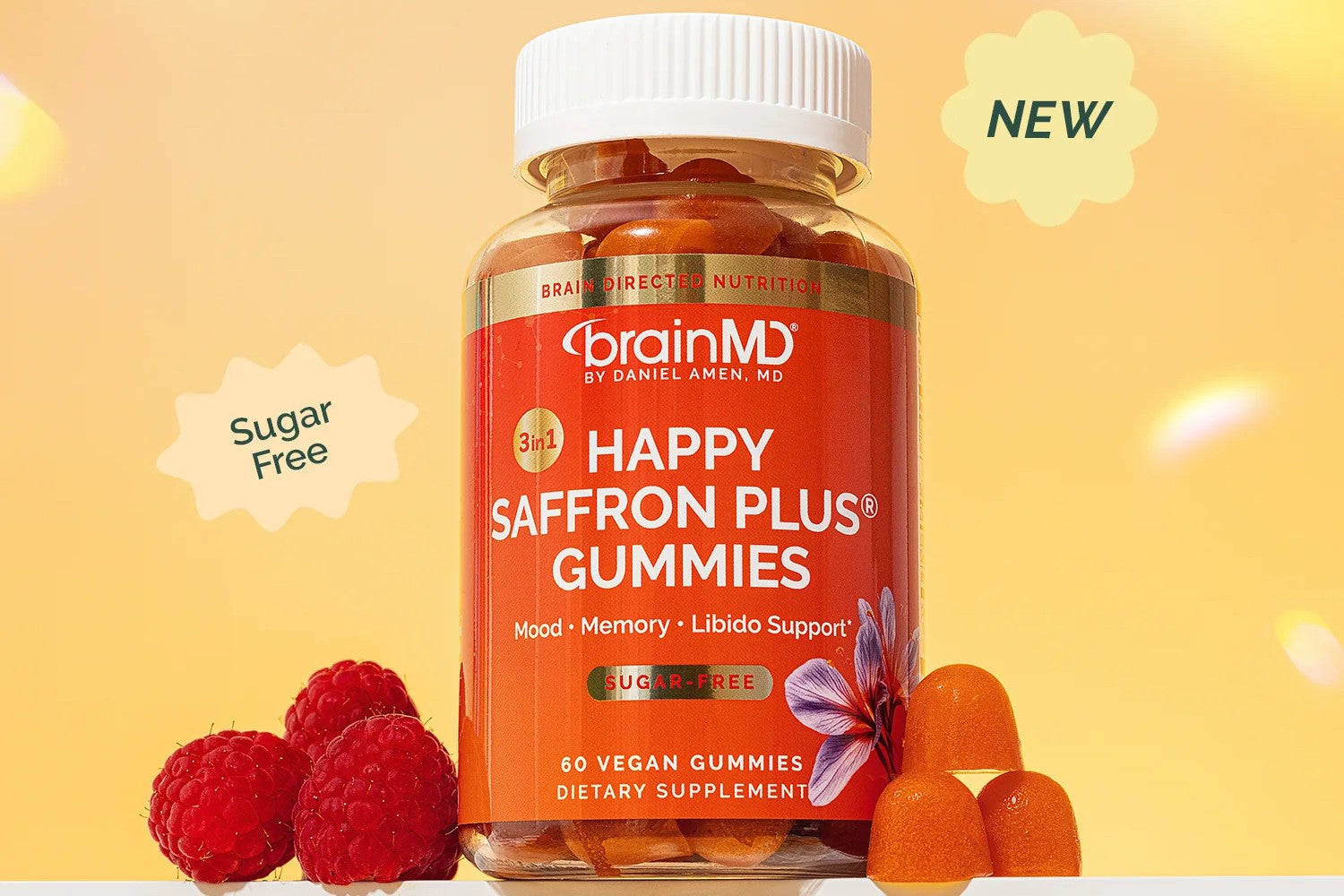
Do you find yourself frequently filled with worry, fear, or occasional anxious thoughts? You aren’t alone. In today’s fast-paced world, many people experience periods of stress. Since stress affects millions of American adults, let’s take a closer look at some of the best ways to address it...naturally. 8 Simple Strategies to Help Ease Your Stress and Calm Your Mind 1. It's Okay If You're Not Okay For starters, acknowledge that it’s completely normal to experience a certain amount of stress and worry in life. In fact, having a degree of healthy fear can be a good thing. Studies show that the “don’t worry, be happy” people—like those who crowd the beaches in Florida every Spring Break—may die the earliest from accidents and preventable illnesses.¹ Having appropriate levels of worry actually may help keep you safe. 2. Stay Connected By nature, we're social creatures who need connection. Having strong social connections can help give you a sense of purpose and belonging. Since it's so important to stay connected with others, be sure to surround yourself with people who are happy, upbeat, kind and who challenge you to be the best version of yourself. 3. Slow Your Breathing Diaphragmatic breathing is an effective way to overcome stress and quiet your mind.² This simple relaxation method can be done anywhere, anytime. Taking deep breaths can help relax your muscles, relieve tension, and allow your brain to function better. Do this simple exercise anytime you feel stressed or on edge. 4. Kill the ANTs Did you know mental hygiene is just as important as physical hygiene? Learn to disinfect your thoughts by killing the ANTs (automatic negative thoughts) that steal your happiness. Anytime you feel nervous, stressed, or panicky, write down what you’re thinking, then talk back to the ANTs. This robs them of their power and puts you in control of your thoughts and moods. It’s easy—just grab a piece of paper and write down what has you concerned today. 5. Get Hip to Hypnosis You might think hypnosis is just for stage acts, but the medical community has long viewed it as a serious science. Using hypnosis has been shown to help reduce stress, lower feelings of anxiousness, and enhance mood.³ Give it a try in the comfort of your own home with a hypnosis audio. 6. Loving Kindness Meditation This easy meditation is intended to boost positive emotions and reduce negative feelings. Just sit quietly and allow your stress to melt away as you breathe deeply (see #3 above). Then say the following phrases aloud or silently to yourself: May I be safe and secure. May I be healthy and strong. These meditations can help reduce stress and improve your overall outlook on life, so give it a try. 7. Consider Nutritional Support Your body’s nutrient levels can be depleted during times of excessive stress. One of the best ways to replenish nutrients and fuel your brain is with high-quality supplements. Everyday Stress Relief is a premier stress-reducing supplement that harnesses the power of five natural ingredients to help soothe your frazzled nerves.* GABA Calming Support boosts GABA to help calm your brainwaves and pump the brakes on anxious and fearful thoughts.* Serotonin Mood Support contains key nutrients that promote serotonin balance and a sense of calmness.* Significant research shows saffron can help boost serotonin and benefit mood.*⁴ Happy Saffron Plus® has three ingredients designed to improve mood, help you cope with feelings of anxiousness, and enhance focus under mental strain.* Plus, its now available in a delicious gummy format. 8. Know Your Brain Type Every brain is different and should be treated as such. Based on the brain imaging work conducted at Amen Clinics, we've identified 16 Brain Types. To discover your Brain Type, take the free online Brain Health Assessment. It only takes about 5 minutes to complete and you’ll get a targeted treatment plan, including lifestyle tips and recommended supplements for your specific Type, to help optimize brain function so you can better cope with stress. Calm Your Mind...Naturally! These are just a few of the many practical, natural techniques that can help keep your body’s production of the stress hormone cortisol in check. Adopting these healthy tips can help reduce stress levels and increase your inner calm. Give them a try today! Note: while it’s natural to feel the effects of stress, if you're experiencing intense, ongoing stress, you might consider seeking out the support of a health coach or trained counselor. At BrainMD, we’re dedicated to providing the highest purity nutrients to improve your physical health and overall well-being. For more information about our full list of supplements, please visit us at BrainMD. These statements have not been evaluated by the FDA. This content is for informational purposes only. It is not meant to substitute for medical or healthcare advice from a physician, nor is it intended to diagnose, treat, cure, or prevent any disease. Consult your healthcare provider before beginning a new health regimen. References: Diener, E., & Chan, M. Y. (2011). Happy people live longer: Subjective well-being contributes to health and longevity. Applied Psychology: Health and Well-Being, 3(1), 1–43. JBI Database of Systematic Reviews and Implementation Reports 17(9):p 1855-1876, September 2019. | DOI: 10.11124/JBISRIR-2017-003848 Karrasch, L., Koole, S. L., Funk, B., Kettner, H., & Pittig, A. (2023). Effects of relaxation hypnosis on mood and state anxiety in chronically stressed individuals: A randomized controlled trial. Journal of Psychotherapy and Psychosomatics, 92(2), 1-12. https://doi.org/10.1026/1616-3443/a000679 Shafiee, M., Arekhi, S., Omranzadeh, A., & Sahebkar, A. (2018). Saffron in the treatment of depression, anxiety, and other mental disorders: Current evidence and potential mechanisms of action. Nutrition Reviews, 77(8), 557–578. https://doi.org/10.1093/nutrit/nuz034
Learn more
What Are the 7 Healing Frequencies and Benefits of Sound Healing?
As humans, we respond to music and sound in powerful ways – including healing ways. Indeed, sacred sound vibrations or frequencies – generated from chants, drums, gongs, chimes, tuning forks, singing bowls, and more – have been valued across cultures and for millennia for their ability to promote healing, balance, restoration, and well-being, as well as enhance spiritual practices. Today, the use of sound frequencies to calm and balance the mind and body is called “sound healing.” Emerging scientific research appears to validate a number of sound healing’s purported health benefits, making the use of sacred sound vibrations an increasingly popular alternative health modality for stress reduction and overall wellness. Here’s a closer look at sound healing, the 7 healing frequencies, and the benefits you may receive from a sound healing session. What Is Sound Healing? Sound healing, sometimes called sound therapy or sound bathing, is the use of tonal frequencies to harmonize and balance your body’s vibrations. Offered in a group setting or one-on-one by a trained practitioner, sound healing typically incorporates 7 specific frequencies or sound vibrations – which are measured in hertz (Hz). These 7 healing frequencies are purported to stimulate, restore, and balance the corresponding seven chakras of the body – which are believed to be the main energy points in your body that run down the spine. The concept of energy chakras originated in India and were first mentioned in the Vedas, which are ancient sacred texts of spiritual knowledge. A sound healing session typically involves lying down comfortably on a floor or mat and simply listening to and soaking in the calming sounds and vibrations a practitioner creates using specific instruments (mentioned above) and/or vocal tones. The healing frequencies of the sounds are believed to lull the brain into a deeply restorative state, which calms the nervous system and promotes balance, restoration, and healing throughout the body. The 7 healing frequencies are a subset of what’s called the solfeggio frequencies, which are well-known sound frequencies that have been used throughout history – from Gregorian chants to ancient healing/spiritual practices. What Are the 7 Healing Frequencies? The 7 healing frequencies are the most used frequencies in sound healing, and, as mentioned, they correspond with the 7 chakras of the body. They are as follows: 1. Root Chakra The root chakra, located at the base of the spine in the tailbone area, is stimulated by the lowest solfeggio frequency of 396 Hz. It’s associated with feeling grounded, safe, and secure. Purported benefits: reduced anxiousness and fear. 2. Sacral Chakra The solfeggio frequency of 417 Hz is believed to balance the sacral chakra, located just below the navel. It’s associated with pleasure, creativity, and sexuality. Purported benefits: improved sleep and trauma healing. 3. Solar Plexus Chakra Located just above the navel, the solar plexus chakra is energized by the solfeggio frequency of 528 Hz, which is believed to support greater confidence, strength, and mental clarity. Purported benefits: reduced stress and feelings of anxiousness, enhanced mental clarity, and better balance. A small study found that listening to this frequency, even for a short time, significantly reduced stress levels and anxious feelings in participants. Interestingly, another published study showed that this vibration may have a protective effect on cells from the damaging effects of alcohol! 4. Heart Chakra Sound healing at 639 Hz is believed to balance the heart chakra located at the center of the chest – associated with compassion, understanding, forgiveness, connection with others, and our own inner wisdom. Purported benefits: increased mental balance. 5. Throat Chakra Associated with the throat chakra and communication, the solfeggio frequency of 741 Hz is believed to help strengthen our ability to express ourselves authentically, creatively, and with empathy. Purported benefits: detox, pain relief, deep relaxation, and improved sleep quality. 6. Third Eye Chakra The solfeggio frequency of 852 Hz balances the energy in the middle of the forehead, often called the third eye or pineal gland area. This is important for both physical eyesight and insight or intuitive abilities. Purported benefits: deep relaxation. 7. Crown Chakra Stimulated by the solfeggio frequency of 963 Hz, the crown of our head is associated with a high state of consciousness or spirituality. Purported benefits: increased feelings of well-being, mental clarity, and positive outlook. Sound Healing Research Findings Although the 7 healing sound frequencies and chakras may sound “woo-woo,” emerging science shows that basking in their sound vibrations may deliver real benefits. A recent overview study on the benefits of singing bowl sound meditation noted that this type of sound healing can produce physiological and psychological responses, reducing negative effects and increasing positive effects. Specifically, the physiological benefits mentioned include promoting healthy blood pressure levels, as well as heart and respiratory rates. The psychological benefits noted may include promoting spiritual well-being, while reducing feelings of anxiousness, tension, and low mood. Another recently published study using sound healing on a small population of subjects during the pandemic noted marked mental health improvements. Participants were given hour-long virtual sound healing treatments three times a week over a period of one month. The majority of participants experienced dramatic reductions in feelings of anxiousness. An observational study involving 62 participants who were exposed to sound healing via a singing bowl meditation, noted reductions in pain especially in participants new to sound healing. (That was in addition to reductions in tension, feelings of anxiousness, and low mood, as well as increased spiritual well-being.) Cognitive benefits have also been observed in studies involving sound healing with Tibetan singing bowls. Sound Appears to Heal Although the studies on sound healing are small and more research is needed, it appears to offer real benefits in stress reduction, relaxation, and general well-being, which are all sorely needed in today’s world. Don’t let sound healing’s unconventionality keep you from giving it a try! At BrainMD, we’re dedicated to providing the highest purity nutrients to improve your physical health and overall well-being. For more information about our full list of brain healthy supplements, please visit us at BrainMD.
Learn more
Here’s How L-Theanine and Magnesium Can Help Calm Your Mind and Body!
In the fast-paced world we live in, stress is no stranger to many of us. But what if there was a natural solution that could help bring balance back to your life? Enter one of the best ways to help reduce stress and support your mental health and overall well-being…supplements. Supplements for Stress and Mood In recent years there’s been increasing interest in using natural supplements as part of a holistic approach for managing stress and mood. Among these supplement ingredients are l-theanine and magnesium. Both l-theanine and magnesium have shown promising results in supporting a healthy response to stress and improving mood [1]. When taken together, these two supplements can work synergistically to provide a more comprehensive approach to managing stress and occasional feelings of anxiousness. Let’s take a closer look at these calming nutrients. L-theanine L-theanine is a unique amino acid found primarily in green tea leaves and is commonly known for its ability to promote relaxation. Chemically speaking, l-theanine is structurally like the neurotransmitter glutamate, which plays a role in transmitting nerve impulses in the brain [2]. This similarity allows l-theanine to bind to the same receptors as glutamate, producing an inhibitory effect on the brain’s excitatory (stimulating) activity. This means l-theanine can help calm overactive neurons and induce a state of relaxed alertness. L-Theanine may help elevate levels of GABA (gamma-aminobutyric acid), another important neurotransmitter associated with relaxation and mood regulation. By supporting GABA production, l-theanine promotes feelings of calmness while reducing feelings of being stressed. In addition to its calming effects, l-theanine also may help improve focus and concentration without causing drowsiness. It does this by increasing alpha wave activity in the brain – electrical patterns that promote a state of wakeful relaxation. Alpha waves are associated with increased creativity, mental clarity, and reduced stress levels. Another benefit of l-theanine is its potential to enhance sleep quality. Studies indicate that taking l-theanine before bedtime may help improve sleep efficiency by promoting deep relaxation without negatively affecting REM or dream sleep stages [2]. Magnesium Magnesium is a vital mineral that plays numerous roles in the body. It’s the fourth most abundant mineral in the human body and is involved in over 300 biochemical reactions. This crucial nutrient is necessary for maintaining various bodily functions, including muscle and nerve function, blood sugar regulation, blood pressure control, energy production, and protein synthesis. Magnesium is often associated with strong bones and teeth. While this is one of its essential functions, there’s much more to this powerful mineral. Magnesium also aids in the proper functioning of our nervous system by regulating the levels of neurotransmitters such as serotonin and dopamine. These chemical messengers play a crucial role in the regulation of emotions, making magnesium a significant factor in managing stress and mood. Also, magnesium helps regulate levels of the stress hormone cortisol, which can become elevated during periods of extreme stress. Having sufficient amounts of magnesium in our bodies can help reduce stress responses and promote relaxation. One indication of magnesium deficiency is muscular tension or spasms. This can occur when calcium accumulates in muscles causing them to contract involuntarily. Supplementing with magnesium can relax tense muscles and help prevent cramping or stiffness. Another way that magnesium contributes to stress reduction is through its role in improving sleep quality. Lack of sleep may cause irritability due to imbalances in neurotransmitters such as GABA. This inhibitory neurotransmitter promotes relaxation and counteracts excitatory brain chemicals responsible for triggering stress responses. Calming Couple: L-theanine and Magnesium So, how exactly do l-theanine and magnesium work together to combat stress and negative emotions? The combination of both supplements helps promote balance between excitatory neurotransmitters like glutamate with inhibitory ones like GABA, resulting in increased mental alertness coupled with reduced nervous thoughts. Additionally, l-theanine and magnesium have neuroprotective properties, helping to shield the brain from oxidative stress. They also work together to enhance focus and concentration while decreasing mental fatigue caused by stress. These two supplements work synergistically to help support a healthy response to stress, promote relaxation, balance neurotransmitter levels in the brain, and regulate hormones involved in stress responses. Incorporating these nutrients into your daily routine can help provide a natural way to manage your stress levels and maintain a sense of calm in your life. That’s why BrainMD is proud to offer its stress-reducing, calm-inducing formula… Calm My Brain Calm My Brain provides generous daily doses of high-potency ingredients to manage stress, promote calm, and relieve anxiousness.* This product is a combination of three pure and potent ingredients that have been intensively researched for feelings of anxiousness, and with positive benefits for stress, relaxation, and sleep.* Magnesium – 100 mg Ashwagandha – 600 mg L-theanine – 400 mg Benefits of Calm My Brain These ingredients have been shown to help with: managing anxiousness and stress* reducing tension and irritability* regulating unhealthy eating* supporting calmness* improving sleep quality* Calm My Brain is a unique blend of dynamic nutraceutical ingredients for reducing anxiousness, promoting relaxation, and preparing you for restorative sleep.* Perfect Pair: L-theanine and Magnesium L-Theanine and magnesium are both natural ingredients that may help reduce stress.* By working together, these nutrients can provide even greater benefits by supporting GABA, which helps promote relaxation in the brain.* Incorporating these two ingredients (along with ashwagandha) into your daily routine may help manage stress and improve your mental well-being.* Try Calm My Brain today! Be sure to consult with a healthcare professional before starting any supplement regimen. References Noah, L., Morel, V., Bertin, C., Pouteau, E., Macian, N., Dualé, C., ... & Pickering, G. (2022). Effect of a combination of magnesium, B vitamins, rhodiola, and green tea (L-theanine) on chronically stressed healthy individuals—a randomized, placebo-controlled study. Nutrients, 14(9), 1863. Adhikary, R., & Mandal, V. (2017). L-theanine: A potential multifaceted natural bioactive amide as health supplement. Asian Pacific Journal of Tropical Biomedicine, 7(9), 842-848. At BrainMD, we’re dedicated to providing the highest quality supplements to improve your physical health and overall well-being. For more information about Calm My Brain and our full list of brain healthy supplements, please visit us at BrainMD. *These statements have not been evaluated by the FDA. This content is for informational purposes only. It is not meant to substitute for medical or healthcare advice from a physician, nor is it intended to diagnose, treat, cure, or prevent any disease. Consult your healthcare provider before beginning a new health regimen.
Learn more