 Skip to content


Wellness Blog



Here's Why You Should Try Box Breathing to Reduce Stress
What if someone offered you a way to relax your body, clear your mind, and enhance your focus in a few minutes – for free? Would you wonder what the pill was, or the catch? Well, there really is a way to receive those health benefits in a few minutes, and you can do it virtually anywhere. All it requires is breath. It’s called box breathing. It’s a simple relaxation technique that involves breathing in and out and holding in between. It’s designed to facilitate a calming response after experiencing something stressful. The best part? It’s easy and it works! What Is Box Breathing? Box breathing is a deep breathing technique designed to calm the mind and body after a stressful experience. Also known as equal breathing, four-square breathing, or just square breathing, the technique’s roots come from the ancient yoga practice of pranayama (breath control); the Sanskrit word for box breathing is sama vritti pranayama. Pranayama involves regulating the breath, which may improve mental and physical well-being. Just as a box has four sides, the breathing sequence involves a slow count to 4 for a total of 4 times. Here’s how it works: Breathe in through the nose for a count of 4. Hold your breath for a count of 4. Breathe out for a count of 4. Hold your breath for a count of 4. Repeat 4 times. Today, box breathing has gained popularity due its use in medical settings and in the U.S. military. Patients use box breathing to help manage feelings of anxiousness and pain during procedures. Navy SEALs use it to boost mental focus and promote calm in high-stress scenarios – as well as help ward off panic attacks and reduce feelings of anxiousness in combat situations. It’s no doubt valued because it delivers measurable results, having been shown to have a healthy impact on blood pressure, heart rate, and cortisol levels (the body’s main stress hormone). Benefits of Box Breathing Box breathing is actually a form of deep (diaphragmatic) breathing, which has myriad proven benefits. Here’s how it works. In times of stress, your sympathetic nervous system goes on high alert, readying your body for fight or flight. The breathwork from box breathing helps to calm the stress response and engage the parasympathetic nervous system, also known as the “rest and digest” nervous system. When this happens, all the physiological changes of the stress response can return to normal. Indeed, markers of relaxation have been noted in multiple studies following deep breathing exercises. A 2017 study showed a reduction of cortisol as well as improved attention following deep breathing. It also noted that deep breathing may be helpful in calming stress, reducing feelings of anxiousness, and boosting low mood. The breath counting used in box breathing can be meditative too. In another study, breath counting was associated with greater focus and better mood. What’s more, research shows that yoga, which incorporates deep breathing, especially over time, may help an individual react differently to stress in the future. Evidence suggests that the relaxation response resulting from deep breathing may alter how certain genes are switched on. Also, it may help to reduce the activation of genes associated with stress and inflammation. In a recent study, it was demonstrated that box breathing produced a greater stress-reducing impact on the body than mindfulness meditation – although mindfulness meditation did have benefits as well. One measurable effect was a greater reduction in heart rate. Imaging studies of brains after deep breathing exercises show changes that tend to increase comfort, relaxation, pleasantness, energy, and alertness, while reducing arousal, feelings of anxiousness, low mood, anger, and confusion. Box Breathing for Well-Being Breath is a powerful tool available for you to use at any time of day, virtually anywhere. You can adjust the counts of each step as needed but keep them consistent. Experts say it’s effective before, during, or after a stressful event. It doesn’t require a calm environment to work. Try it in an airport before you board, during an exam, or after a difficult conversation. Practice it at your desk in the afternoon to relieve stress, refresh your focus, and boost your energy. Use the technique as a ritual before you go to sleep. Or start your day with it and add in some positive affirmations. The benefits are waiting! At BrainMD, we’re dedicated to providing the highest purity nutrients to improve your physical health and overall well-being. For more information about our full list of brain healthy supplements, please visit us at BrainMD.
Learn more
What Is the Impact of Perfectionism on Health?
In our society, we’re constantly bombarded with images and messages that promote perfection, telling us that anything less than the best is unacceptable. But what happens when this need for an impeccable performance in all areas of life starts to wreak havoc on your mental and physical well-being? Let’s take a closer look at how to find balance in a world obsessed with being perfect. What is Perfectionism? Perfectionism may be defined as the relentless pursuit of flawlessness. It also may involve setting impossibly high goals and standards for self and others. Perfectionists may use their pursuit of the ideal as a way of coping with stress or gaining a sense of control in their lives. Though the term is commonly used today, its true meaning and impact on our lives may not be fully understood. Perfectionism typically includes excessively high expectations for performance, behavior, appearance, and overall success. While many people strive to do their best and achieve excellence in various aspects of their lives, perfectionists tend to take this drive toward peak performance to a whole new level. What Causes Perfectionism? The root cause of perfectionism can vary from person to person. Some individuals may have a genetic predisposition towards perfectionist tendencies, while others may be influenced by environmental factors or a past trauma. Most likely, both nature and nurture contribute to the development of perfectionistic traits. One common misconception about perfectionism is that it equates to being motivated by or driven toward personal, relational, educational, or occupational achievement (or all the above). However, this may be inaccurate. Perfectionists are often driven by fear – fear of failure, criticism, or not meeting their own impossibly high standards. This type of thinking can lead to immense pressure and stress, which can ultimately become detrimental to one’s mental and physical well-being. Growing up in an environment where mistakes were heavily criticized, or were met with harsh consequences, also can contribute to developing perfectionistic tendencies later in life. On the other end of the spectrum, being praised only for achievements rather than effort or progress can perpetuate the constant need for approval and validation through an exemplary performance. Technology and social media also have played a significant role in the rise of perfectionistic tendencies. With the prevalence of curated and edited versions of people’s lives online, there’s growing pressure to always present oneself in a perfect light. Constantly comparing yourself to others can fuel feelings of inadequacy. Societal and cultural expectations also may contribute to the perpetuation of perfectionism. The pressure to be successful, have a perfect body, or maintain a clean and organized home are just some examples of societal standards that can lead to perfectionism. In some cases, perfectionism also can stem from underlying mental health issues such as obsessive or anxious thoughts. The Perfection Paradox Healthy Perfectionism Perfectionism is often seen as a desirable trait, associated with high standards, determination, and success. However, there’s a darker side to perfectionism that’s rarely talked about – the paradox of healthy perfectionism. While striving for excellence can be beneficial in certain situations, it can have detrimental effects on one’s mental and emotional well-being when taken to extremes. The concept of healthy perfectionism refers to having high standards and setting ambitious goals in pursuit of personal growth and achievement. It involves a positive mindset where mistakes are viewed as learning opportunities rather than failures. Healthy perfectionists are driven by their passion for self-improvement and don’t let setbacks discourage them from pursuing their goals. Unhealthy Perfectionism Unhealthy (or toxic) perfectionism is characterized by an unrelenting desire to achieve flawlessness that goes beyond what’s realistically achievable. Individuals who exhibit unhealthy perfectionism tend to be overly critical of themselves, constantly seeking external validation and approval for their work. They set impossibly high standards that are difficult to attain and maintain, which can lead to intense feelings of dissatisfaction despite any level of success achieved. One significant aspect of the paradox of healthy perfectionism is how it impacts a person’s overall well-being. While healthy perfectionists may experience short-term satisfaction from achieving their goals, they also prioritize self-care and take breaks when needed to protect their mental health. In contrast, unhealthy perfectionists often neglect self-care practices, such as rest and relaxation, because they fear taking a break will hinder their progress towards reaching their goals. As a result, they’re more prone to burnout. The way healthy and unhealthy perfectionists deal with setbacks also differs. For healthy perfectionists, mistakes and failures are viewed as necessary steps on the path to success. They use these experiences as learning opportunities and adapt their approach accordingly. Conversely, unhealthy perfectionists tend to be highly self-critical and can become easily discouraged when things don’t go as planned. Their need for perfection can lead them to ruminate over their mistakes, making it difficult for them to move forward. Perfectionism and Relationships Another aspect of the perfectionism paradox is its impact on relationships. While healthy perfectionists may have high standards for themselves, they may not impose the same expectations on others. They recognize that everyone has their own strengths and weaknesses and strive for collaborative improvement rather than individual perfection. On the other hand, unhealthy perfectionists may struggle in relationships due to their unrealistic or unclear expectations of themselves and others, which may result in disappointment and conflict. Some of the Best Ways to Break Free from the Cycle of Perfectionism So, how can you break free from the vicious cycle of unhealthy perfectionism? Challenge Your Beliefs It’s important to challenge your beliefs about what it means to be perfect. Striving for excellence doesn’t mean everything has to be perfect. Since perfection is an unattainable and arbitrary standard, it’s okay to make mistakes or fall short sometimes. Practice Self-Compassion Next, practice self-compassion. Instead of beating yourself up over real or perceived failures, learn to give yourself grace and understanding. Treat yourself as you would a friend, with empathy and forgiveness. Set Realistic Goals It’s important to set realistic goals and expectations for yourself. This means acknowledging your limitations and accepting that you’re human – we all make mistakes and have room for growth. Setting achievable goals can help you feel a sense of accomplishment without the pressure of perfection. Prioritize Self-Care Finally, take breaks and prioritize self-care. It’s easy to get caught up in the pursuit of perfectionism, but it’s essential to step back and recharge regularly. Taking care of your overall wellness – both physically and mentally – is crucial in breaking free from the cycle of perfectionism. Embrace Imperfection Perfectionism has been a widely praised trait in our society and is often associated with ambition and success. However, perfectionism can have detrimental effects on your physical and mental well-being. The constant drive for flawlessness can lead to an unhealthy obsession with diet, exercise, and overall appearance. This extreme focus on achieving the perfect body or lifestyle can result in disordered eating habits, over-exercising, and mood issues. In these cases, what’s perceived as healthy becomes an unhealthy pursuit that can take away from the joy of life. It’s essential to shift your mindset from seeking perfection towards embracing imperfection in pursuit of true health. Embracing imperfections means accepting yourself as an imperfect being and giving yourself more grace. It involves letting go of unrealistic expectations and focusing on progress rather than perfection. True health goes beyond just physical appearance; it encompasses mental well-being and finding balance in all aspects of life. By embracing imperfection, you can give yourself room for growth without the pressure of constantly trying to meet unattainable goals. At BrainMD, we’re dedicated to providing the highest purity nutrients to improve your physical health and overall well-being. For more information about our full list of brain healthy supplements, please visit us at BrainMD. These statements have not been evaluated by the FDA. This content is for informational purposes only. It is not meant to substitute for medical or healthcare advice from a physician, nor is it intended to diagnose, treat, cure, or prevent any disease. Consult your healthcare provider before beginning a new health regimen.
Learn more
Some of the Best Self-Care Tips for When You’re Feeling Overwhelmed
Does it feel like your to-do list is a never-ending abyss that consistently generates feelings of anxiousness and stress? In today’s fast-paced world, it may feel like you’re drowning in responsibilities. But what can you do when stress becomes overwhelming? Let’s take a closer look at the top signs of stress and some of the most effective self-care practices that can help relieve stress! Feeling Overwhelmed? For millions of Americans, feeling overwhelmed or being stressed out are common experiences. From the pressure to succeed in our careers to juggling multiple responsibilities at home, it can feel like we’re inundated with a steady stream of tasks. For better or worse, stress is pervasive and has become a normal part of life for many people today. Good Stress/Bad Stress Did you know that not all stress is bad? Some stress can be beneficial as it can motivate you to take action and complete necessary tasks. However, when stress becomes overwhelming for an extended period, it can lead to burnout, exhaustion, and other negative physical and mental health effects. Beware the Stress Trap One major reason for the prevalence of stress is the constant need to keep up with the demands set by society. We live in an age where success is highly valued, often at the expense of our well-being. With technology allowing us to work from anywhere at any time, there may be an expectation to always be available and productive. This pressure can lead many individuals to push themselves beyond their limits, resulting in increased levels of stress. Societal norms also can play a significant role in ratcheting up stress levels. It seems like there’s an unspoken rule that individuals must have everything together – a successful career, a happy family life, and an active social life. This pressure to have it all can lead to feelings of inadequacy and failure when we’re unable to live up to these lofty standards. Social media also can contribute to this type of perfectionism, as we often compare ourselves to others…at least to their curated images and seemingly perfect lives online. The increasing demands of work and personal responsibilities may leave us with less time for self-care and relaxation. The persistent need to be connected and accessible may reduce the time we have for activities that bring us joy and help us unwind. This lack of balance may lead to even greater levels of stress in our lives. Also, the current global climate – with its political unrest, economic instability, and health concerns – has only added to the already high stress levels in our society. The uncertainty and fear brought about by these ongoing issues can take a toll on our mental health, making it even more challenging to cope with everyday stressors. Some of the Top Signs That You Might Be Feeling Overwhelmed Symptoms of being overwhelmed can manifest in different ways and may vary from person to person. It’s important to identify these symptoms so you can take the necessary steps to manage stress before it becomes unbearable. Here are some common symptoms associated with being stressed or feeling overwhelmed: 1. Physical Symptoms When you experience stress, your body goes into a “fight or flight” response where your heart rate increases, muscles tense up, and stress hormones such as cortisol are released. This can lead to physical symptoms such as headaches, fatigue, changes in appetite (either increased or decreased), stomachaches, and difficulty sleeping. Extreme stress levels also may create bodily reactions such as an increased heart rate, rapid breathing, sweaty palms, and tense muscles. These symptoms can make pre-existing medical conditions even worse. 2. Emotional Symptoms Stress can wreak havoc on your emotions. When you’re feeling overwhelmed, you may find that you’re more irritable, impatient, or angry than usual. Also, you may experience feelings of desperation or helplessness when you’re overburdened with responsibilities. 3. Cognitive Symptoms When your mind is bogged down with too many tasks, it tends to have trouble focusing and concentrating on one thing at a time. Due to this type of cognitive overload, you may find yourself easily distracted, forgetful, or more prone to making mistakes. 4. Beating Yourself Up Another common symptom of being overwhelmed is negative self-talk. For example, you may criticize yourself for not being able to keep up with demands or clear everything off your plate. This constant self-criticism may add fuel to the fire and make you feel even more stressed. 5. Avoiding Responsibilities Feeling overwhelmed can make you procrastinate or avoid tasks that need to be done, leading to an ever-growing cycle of stress and guilt. Avoidance can cause your responsibilities to pile up, making you feel further behind and unable to take control of your life. 6. Isolation When feeling overwhelmed, it’s common to isolate from friends and family. You may find that you just don’t have the energy or motivation to socialize. However, isolation can lead to feelings of loneliness, which can further exacerbate stress levels. 7. Loss of Interest in Activities When you’re feeling overwhelmed, you may lose interest in activities you used to enjoy. This could be due to a lack of time or energy. It also may contribute to feelings of hopelessness, which can lead to mood issues. 8. Feeling Exhausted Constantly feeling tired or drained physically and emotionally are signs that you may be overwhelmed. While trying its best to cope with stress, your body may become exhausted and run down, which may lead to illness or other physical and mental problems. How to Create a Self-Care Routine Creating a self-care routine is essential for managing the stress caused by mounting responsibilities. With the constant demands of work, family, and other commitments, it can be easy to neglect your own well-being. Prioritizing self-care is crucial for maintaining mental and emotional balance in the face of overwhelming stress. Importance of Self-Care It’s important to understand why self-care is necessary. Many individuals view self-care as indulgent or selfish. However, taking care of yourself allows you to better take care of others. Self-care may help reduce stress levels, increase energy and productivity, and improve overall health and well-being. Here are just a few self-care practices you should adopt to counter everyday stress… [wc_box color="inverse" text_align="left" margin_top="" margin_bottom="" class=""] Identify Your Needs The first step in creating a self-care routine is identifying your specific needs. Take some time to reflect on what makes you feel relaxed and rejuvenated – it could be anything from reading a book to going for a walk outdoors. Make a list of activities that help you feel less stressed and try one of them today. Schedule Time for Self-Care It’s common for people to put their own needs last on their never-ending to-do list. But, just like any other important task, self-care needs to be scheduled into your daily and weekly routine. Set aside a block of time each day for self-care activities and adhere to it (barring emergencies). Focus on Physical Health Taking care of your physical health is an important aspect of self-care that often gets neglected when you’re overwhelmed with responsibilities. Make sure to prioritize eating well, exercising regularly, and getting enough sleep. Practice Mindfulness Mindfulness is the act of being fully present in the moment without judgment. It can be a useful tool for managing stress as it allows you to focus on the present rather than worrying about the past or future. Incorporating mindfulness techniques, such as meditation or deep breathing, into your self-care routine may help to reduce the stress you’re experiencing. Set Boundaries One way to keep from overextending yourself is to set boundaries with others. This could mean saying “no” to certain requests or limiting your availability during specific times to focus on self-care activities. Find Support It’s important to have a support system in place when managing overwhelming stress. Reach out to friends or family for emotional support or consider seeking professional help from a therapist if needed. [/wc_box] Assess & Adjust The prevalence of stress in today’s world is a result of various factors including societal pressures, technological advancements, lack of work-life balance, and external events beyond our control. Though stress is an inevitable part of life, there are practical ways to cope with feeling overwhelmed such as identifying your needs, setting boundaries, and practicing mindfulness. Remember, self-care looks different for everyone and may change over time. It’s important to regularly assess and adjust your self-care routine to ensure it continues to meet your needs. If you’re experiencing any of the above symptoms, it’s recommended to take a step back and make some changes in your life. Be sure to seek help from a friend or medical professional if overwhelming stress is threatening to negatively affect your mental and physical health. Most importantly, make self-care a priority – taking care of yourself isn’t selfish, it’s necessary for overall well-being. At BrainMD, we’re dedicated to providing the highest quality supplements to improve your physical health and overall well-being. For more information about our full list of brain healthy supplements, please visit us at BrainMD. These statements have not been evaluated by the FDA. This content is for informational purposes only. It is not meant to substitute for medical or healthcare advice from a physician, nor is it intended to diagnose, treat, cure, or prevent any disease. Consult your healthcare provider before beginning a new health regimen.
Learn more
Could Your Mood Issues Be Linked to a Pain In the Neck?
Mood issues affect millions of people worldwide. Low mood is characterized by persistent feelings of sadness, hopelessness, and a lack of interest in activities that were previously enjoyable. While there are several treatment options available, including medication, many individuals are turning to alternative therapies such as Blair Chiropractic to help manage their symptoms. Let’s explore the importance of Blair Chiropractic in helping people who suffer from mood problems. What’s Blair Chiropractic? Blair Chiropractic is a specific type of upper cervical chiropractic that focuses on correcting misalignments in the cervical spine (generally referred to as the neck). The first two bones in the cervical spine surround the brainstem, which controls several essential functions in the body, including breathing, heart rate, and digestion. Misalignments in the upper cervical spine can disrupt the signals between the brain and the body, leading to various symptoms, including those associated with mood issues. Blair Chiropractic aims to correct these misalignments by using gentle, precise adjustments in the cervical spine. By doing so, it can help restore proper communication between the brain and the body, which may lead to improvements in mood. Mood Issues and Neck Pain One of the main benefits of Blair Chiropractic in treating mood is that it’s a non-invasive, drug-free approach. Many individuals who suffer from mood problems prefer to avoid medication due to the potential side effects, and Blair Chiropractic offers a natural alternative. Unlike medication, Blair Chiropractic works to address the underlying causes of mood issues, rather than simply masking the symptoms by reducing the stress in the nervous system. Low mood can be a complex condition, and what works for one person may not work for another. Blair Chiropractic offers a comprehensive and personalized approach to care, with each adjustment tailored to the individual’s specific needs. By addressing the misalignment of the cervical spine, Blair Chiropractic may offer relief for individuals who haven’t found relief from other treatment options. Another benefit of Blair Chiropractic is that it can help reduce stress and improve overall well-being. Extreme stress is a common trigger for mood problems, and by reducing stress levels in the body, Blair Chiropractic may help alleviate symptoms. Additionally, Blair Chiropractic can help improve sleep quality, which is essential for managing mood symptoms. Proper sleep is crucial for overall health and well-being, and individuals who suffer from mood issues often have trouble sleeping. Blair Chiropractic can help improve sleep quality by reducing pain and discomfort in the body. Blair Chiropractic also can help improve posture, which is essential for optimal wellness. Poor posture can lead to intense pain and discomfort, which can exacerbate symptoms of low mood. By improving posture, Blair Chiropractic can help reduce pain, which may lead to a reduction in mood symptoms. A Natural Approach to Care Blair Chiropractic is an effective, non-invasive, drug-free approach to managing mood symptoms. By correcting misalignments in the cervical spine, Blair Chiropractic can help restore proper communication between the brain and the body, leading to improvements in mood and overall well-being. If you or someone you know suffers from mood issues, consider exploring Blair Chiropractic as a natural, holistic approach to care. Please contact the friendly office staff at Well Connected Chiropractic to set up an appointment today! Dr. Elizabeth S. Hoefer (Hay-fer) earned her Doctor of Chiropractic degree, Bachelor of Science, and Associate of Science in Chiropractic Technology at Palmer College of Chiropractic in Davenport, Iowa (the birthplace of Chiropractic). She recently earned her Diplomate in Craniocervical Junction Procedures, D.C.C.J.P., which is a 3 year post graduate training in upper cervical procedures. This is the most advanced degree available in the field of upper cervical chiropractic. In 2015, Dr. Hoefer was awarded Blair Chiropractor of the Year. Dr. Hoefer was voted New Chiropractor of the Year 2013 by the California Chiropractic Association for the State of California. She currently serves as the President for the California Chiropractic Association (CalChiro). With such extensive and advanced training in chiropractic, Dr. Hoefer offers patients a wealth of knowledge and a passion to serve. Having personally experienced the healing power of Blair Upper Cervical Chiropractic, she is dedicated to the advancement of this work and committed to educating the public about the vast benefits Blair Chiropractic has to offer. Dr. Hoefer lives in Southern California with her husband and three lovely daughters.
Learn more
What is Holy Basil? One of the Best Ways to Address Your Stress!
In today’s fast-paced world, many people experience periods of stress. Since stress affects millions of American adults, let’s take a closer look at this issue and how to address it naturally. Basics of Stress Contrary to popular belief, not all stress is bad. Stress is a normal part of living and affects those of all ages. It can help improve your: Resilience Productivity Problem solving Ability to adapt to new challenges Stress can become a problem when it’s intense, recurring, or remains unresolved over an extended period. At that point, stress can take a toll both physically and mentally. Stress can affect behavior, outlook, and overall health. Many health concerns may be initiated or aggravated by stress. When stress is ongoing, it can increase the risk of developing problems related to your weight, heart, and mood. One of the best natural ways to manage a healthy response to stress is with adaptogens. What Are Adaptogens? According to the Cleveland Clinic, “Adaptogens are plants and mushrooms that help your body respond to stress, anxiety, fatigue and overall wellbeing. You can take adaptogens by adding them to food or beverages or take them as tinctures. Adaptogens bring your body back to a steady balance by managing both physical and mental stressors.” Adaptogens are widely considered to be any natural substance that helps the body “adapt” to a variety of difficulties. They’re a unique class of herbs that can help the body resist physical, chemical, and biological stressors. They’ve been used for centuries in traditional medicine systems such as Ayurveda and Chinese Medicine. Today, adaptogens are gaining popularity for their purported ability to improve health and well-being. This is likely due to our lives becoming more and more inundated with stress. Many people are bombarded with stressors from work, family life, and the 24/7 news cycle. Adaptogens work by helping to regulate the body’s stress response. This regulation can occur at the level of the adrenal glands, the hypothalamic-pituitary-adrenal (HPA) axis, or the sympathetic nervous system. By regulating these stress response systems, adaptogens can help keep the body in a state of homeostasis (balance). There are many different types of adaptogens, and each has its own set of benefits. However, they all share one common goal: to help the body better cope with stress. Let’s take a closer look at one of the most potent adaptogens. Holy Basil What is holy basil? Also referred to as Tulsi, holy basil (Ocimum sanctum) is an Eastern herb that’s been revered as “The Queen of Herbs” in Ayurvedic medicine for over 3,000 years. An adaptogenic herb, holy basil supports the body’s natural protective response to physical and emotional stress.* Adaptogenic herbs don’t alter mood, but they can help the body function optimally during times of stress.* Research demonstrates that they do this by modulating the production of stress hormones like cortisol and adrenaline.* Holy basil has been long revered as a powerful antioxidant with antibacterial, analgesic, antifungal, and anti-inflammatory properties.* Compelling research data suggests that holy basil’s greatest potential lies in the areas of promoting relaxation and a healthy response to stress.* According to clinical research, holy basil may help support the body’s natural response to stress. A six-week, double-blind, placebo-controlled human study examined subjects with stress symptoms. Those who received a holy basil extract formula showed a 39% greater improvement in stress symptoms than those who received a placebo. If you’re dealing with excessive stress, consider trying holy basil, which is different than the basil used as an herb in many meals. BrainMD offers high-quality, brain directed supplements that can help you feel calm, content, and better able to manage stress or mental strain. If you’re looking for a premium stress support supplement that includes holy basil, we’re proud to offer… Everyday Stress Relief Everyday Stress Relief was designed to help replenish your brain and body’s nutrients that can be depleted by stress. This supplement includes herbal extracts clinically proven to have calming and anti-stress effects, without making you sleepy.* It also helps with apprehension, tension, worry, and fatigue.* Here’s what you’ll find in this high-potency formula: Magnesium is a well-known calming mineral. It promotes a balanced and mentally focused demeanor.* The amino acid taurine supports the adrenal glands and is crucial for coping with stress.* The herb holy basil, revered both in Europe and the East, helps to improve adaptation to occasional anxious thoughts and other problems related to stress.* A phytochemical derived from green tea, l-theanine helps to manage tension.* Relora®, which is a unique mix of two herbs, may enhance healthy management of the stress hormone cortisol while easing tension, anger, negative mood, and confusion.* This safe, non-sedating, and non-habit-forming formula combines the multiple beneficial actions of these well-studied herbs and nutrients to help your brain and body cope with stress on multiple levels.* Natural, Nutritional Boost While it’s perfectly natural to feel the effects of stress, if you need a little added support to provide some relief and peace of mind, look for foods and supplements with holy basil. Getting more adaptogenic herbs, like holy basil, into your diet may be an important step in optimizing your health. If you’re looking for a natural way to help manage stress, give Everyday Stress Relief a try today. At BrainMD, we’re dedicated to providing the highest purity nutrients to improve your physical health and overall well-being. For more information about Everyday Stress Relief or our full list of brain healthy supplements, please visit us at BrainMD. *These statements have not been evaluated by the FDA. This content is for informational purposes only. It is not meant to substitute for medical or healthcare advice from a physician, nor is it intended to diagnose, treat, cure, or prevent any disease. Consult your healthcare provider before beginning a new health regimen.
Learn more
Here Are Some of the Best Reasons You Should Take N-Acetyl L-Cysteine
If you’re looking for a super-nutrient that can help support your immunity and longevity, consider taking a N-Acetyl L-Cysteine (NAC) supplement. NAC Basics NAC is a supplement form of cysteine, a non-essential amino acid. Similar to cysteine, NAC bonds glutamine and glycine to form glutathione, which is a powerful anti-inflammatory and antioxidant. Antioxidants combat oxidative stress (or free radicals), which can cause damage to the body on a cellular level. An increase in free radicals can lead to cellular damage and the development of cardiovascular and neurodegenerative issues. In addition to its antioxidant effects, NAC may help to improve brain health and benefit people dealing with serious cognitive or memory issues. It may have the capability of crossing the blood brain barrier. Also, NAC can bind to and remove dangerous toxic elements within the cells, making it a molecule critical to brain health. Though small amounts of NAC can be found in some vegetables and fruits, many people take it as a nutritional supplement. NAC has been safely used for many years as an adjunctive therapy in treating many serious conditions, including immune and sleep issues. To support your immunity, memory, cognition, and more, BrainMD is proud to announce its new NAC supplement. BrainMD’s NAC Supplement: Antioxidant + Immune Support! N-Acetyl L-Cysteine is a powerful neuroprotective antioxidant that supports healthy glutathione levels, helps to reduce oxidative stress, and promotes detoxification and fertility.* It also supports respiratory and immune function, liver and kidney activity, and cognition.* Next-Level Nutrition BrainMD’s NAC N-Acetyl L-Cysteine supplement contains 600 mg of NAC. When consumed, NAC breaks down into cysteine, then metabolizes into glutathione, the body’s master antioxidant and most integral part of the detoxification system.* Without sufficient glutathione, your brain and body may not function at their best. Supplementing with glutathione’s precursor, N-Acetyl L-Cysteine, can help support your brain health, keep your cells energized, and your immune system functioning on high alert.* Top Benefits of NAC Here are some of the potential benefits of taking BrainMD’s NAC supplement: Enhanced immunity* Optimal brain function* Healthy glutathione levels* Antioxidant protection and detoxification* Fertility support* Healthy respiratory and lung functioning* Who Can Benefit from NAC? Men and women of all ages: NAC modulates oxidative stress and other pathophysiologic processes implicated in serious illness in both men and women. These include mitochondrial dysfunction, apoptosis, inflammation, and more. Men and women who suffer from neurodegenerative conditions: This neurotropic supplement may support brain health and slow cognitive aging in people with serious memory problems. Given its powerful antioxidant capabilities, NAC works to combat free radicals that contribute to neurodegenerative issues. Men and women with infertility: When taken with selenium, research shows that NAC can improve semen parameters in infertile men, making this nutrient combination an effective way to support male fertility. Also, in women with polycystic ovarian syndrome, NAC may improve insulin resistance; when added as an adjunct to the infertility treatment clomiphene, it increased ovulation and pregnancy rates. NAC Ingredient N-Acetyl L-Cysteine N-Acetyl L-Cysteine (NAC) provides powerful antioxidant defense against free radicals. NAC also enhances the electrochemical balance within nerve cells, helping to maintain optimal conditions for their metabolic and neurotransmitter activities. As a vasodilator, NAC helps to relax blood vessels, which can support the flow of blood, nutrients, and oxygen throughout the body. NAC FAQ [wc_box color="inverse" text_align="left" margin_top="" margin_bottom="" class=""] How do I take NAC? Adults (18+) should take 1 to 2 capsules per day, or as directed by your healthcare provider. As with other amino acids, it’s recommended to take NAC either 30 minutes before or 2 hours after eating a meal to avoid competing with protein for absorption. Can this supplement make me dependent on it, or addicted? No. Like other BrainMD products, this is a dietary supplement, not a drug, and is not habit-forming. Is this product safe to take during pregnancy? NAC should be taken under the guidance of a nutritionally-informed healthcare professional. If you’re pregnant or breastfeeding, it’s best to speak with your healthcare provider before starting any supplement. Are there any allergens in NAC? These vegan capsules are free from added dairy, sugar, soy, legumes, tree nuts, eggs, corn, and contain no artificial colorings or flavorings. They’re also gluten free, non-GMO, and are Kosher and Halal certified. Was anything intentionally left out of this product that other companies use in their formulations? Some companies add inactive ingredients – such as lecithin, gelatin, flour, and oils – to help fill up their capsules. Our capsules don’t contain these fillers. Where should I store this supplement? It’s recommended to store NAC somewhere cool and dry, away from water, sunlight, heat, and out of the reach of children. [/wc_box] Get To Know NAC NAC is a potent antioxidant that has been shown to support cognition, fertility, respiratory health, and immune function.* Also, along with naturally increasing glutathione levels, NAC stabilizes protein structures and demonstrates mucolytic and antiviral properties.* BrainMD’s NAC supplement is a 600 mg capsule that can be taken by mouth once or twice daily by adults ages 18 and older. As with all dietary supplements, it’s recommended that NAC be taken under the guidance of a nutritionally-informed healthcare professional. For added antioxidant and immune system support, try BrainMD’s NAC today! At BrainMD, we’re dedicated to providing the highest purity nutrients to improve your physical health and overall well-being. For more information about NAC and our full list of brain healthy supplements, please visit us at BrainMD. *These statements have not been evaluated by the FDA. This content is for informational purposes only. It is not meant to substitute for medical or healthcare advice from a physician, nor is it intended to diagnose, treat, cure, or prevent any disease. Consult your healthcare provider before beginning a new health regimen.
Learn more
5 of the Best Adaptogenic Herbs You Should Get More of In Your Diet
Are you feeling overwhelmed by the demands of everyday life? If you’re searching for a natural way to cope with modern challenges, look no further than adaptogens. What Are Adaptogens? According to the Cleveland Clinic, “Adaptogens are plants and mushrooms that help your body respond to stress, anxiety, fatigue and overall wellbeing. You can take adaptogens by adding them to food or beverages or take them as tinctures. Adaptogens bring your body back to a steady balance by managing both physical and mental stressors.” Adaptogens are widely considered to be any natural substance that helps the body “adapt” to a variety of difficulties. They’re a unique class of herbs that can help the body resist physical, chemical, and biological stressors. They’ve been used for centuries in traditional medicine systems such as Ayurveda and Chinese Medicine. Today, adaptogens are gaining popularity for their purported ability to improve health and well-being. This is likely due to our lives becoming increasingly stressful. We’re constantly being bombarded with stressors from work, family life, and the 24/7 news cycle. Adaptogens work by helping to regulate the body’s stress response. This regulation can occur at the level of the adrenal glands, the hypothalamic-pituitary-adrenal (HPA) axis, or the sympathetic nervous system. By regulating these stress response systems, adaptogens help to keep the body in a state of homeostasis (balance). There are many different types of adaptogens, and each has its own distinct set of benefits. However, they all share one common goal: to help the body better cope with stress. Let’s take a closer look at some of the health benefits of adaptogens. Health Benefits of Adaptogens Adaptogens are relatively new to the world of natural medicine, but they’ve gained recognition for their potential health benefits. Early research suggests that adaptogens offer several potential health benefits, including: improved energy levels reduced levels of stress and anxiousness enhanced cognitive function improved immunity If you’re looking for a natural way to improve your health and well-being, consider adding adaptogens to your daily wellness regimen. Many foods and supplements contain adaptogenic herbs. Here are some of the most popular ones… 5 of the Best Adaptogenic Herbs You Should Get More of In Your Diet [wc_box color="inverse" text_align="left" margin_top="" margin_bottom="" class=""] Ashwagandha Ashwagandha (Withania somnifera) is a well-known herb that’s been used for centuries in Ayurvedic medicine. It’s an adaptogen that supports the body’s healthy response to stress by promoting calm and overall mental focus.* In addition, ashwagandha has been associated with improved memory and attention.* Cordyceps Cordyceps (Cordyceps militaris), the orange caterpillar fungus, is among the most exotic mushrooms in the world. Cordyceps is widely revered in the East for its benefits to vitality and overall wellness. It helps fight fatigue, bolster immunity, counter stress, and support blood flow and oxygen utilization.* Cordyceps is unique for having nucleosides, nutrients essential for our cells to make energy. Nucleosides also are essential building blocks for the DNA of our genes, and for RNA which has numerous vital functions including protein production. Ginseng Asian Ginseng (Panax ginseng) is a potent adaptogen and is the best-studied and fastest acting of all the ginsengs. Some standardized extracts contain naturally occurring ginsenosides, which play a role in improving focus, sharpening memory, and supporting overall well-being.* Ginseng promotes the release of nitric oxide, which opens blood vessels and supports blood flow to the brain and muscles.* Holy Basil Holy basil (Ocimum sanctum), also referred to as Tulsi, is an Eastern herb that’s been revered as “The Queen of Herbs” in Ayurvedic medicine for over 3,000 years. An adaptogenic herb, holy basil enhances the body’s natural protective response to physical and emotional stress.* Adaptogenic herbs don’t alter mood, but they can help the body function optimally during times of stress.* Research demonstrates that they do this by modulating the production of stress hormones like cortisol and adrenaline.* Holy basil has been long revered as a powerful antioxidant with antibacterial, analgesic, antifungal, and anti-inflammatory properties.* Compelling research data suggests that holy basil’s greatest potential lies in the areas of stress relief and the promotion of relaxation.* Rhodiola Rosea Rhodiola rosea is one of the best studied and most potent adaptogens. Rhodiola is fast-acting and has been shown to reduce fatigue, promote positive mood, and improve physical and mental performance.* Some standardized extracts provide stress-fighting rosavins and salidrosides as well as powerful antioxidants. It also helps increase the availability of energy during the day and promote restful sleep at night.* [/wc_box] Side Effects and Precautions Though adaptogens are generally safe for most people, there are a few potential side effects and precautions to be aware of. When taking adaptogens, it’s important to start with lower doses and increase gradually, as needed. This will help your body adjust and avoid any negative reactions that may come with increasing your intake of adaptogens. Those who overdo it, by consuming large amounts of foods or supplements with adaptogenic herbs or mushrooms, may encounter certain physical issues. Some common side effects include upset stomach, diarrhea, and headaches. If you experience any of these symptoms, immediately reduce the dose or discontinue use of the food or supplement containing adaptogens. Adaptogens also may interact with certain medications, so it’s important to talk to your doctor before taking them. The Power of Adaptogens Adaptogens are a class of natural compounds with incredible, potential health benefits. Their unique ability to reduce stress levels and combat fatigue makes them an attractive option for anyone looking to improve their energy, focus, and overall well-being. But, be sure to consult with your doctor before consuming foods or supplements with adaptogens. Getting more adaptogenic herbs into your diet may be an important step in optimizing your health. Give them a try today! At BrainMD, we’re dedicated to providing the highest purity nutrients to improve your physical health and overall well-being. For more information about our full list of brain healthy supplements, please visit us at BrainMD. These statements have not been evaluated by the FDA. This content is for informational purposes only. It is not meant to substitute for medical or healthcare advice from a physician, nor is it intended to diagnose, treat, cure, or prevent any disease. Consult your healthcare provider before beginning a new health regimen.
Learn more
How to Be Less Stressed & Feel Happier Each Day
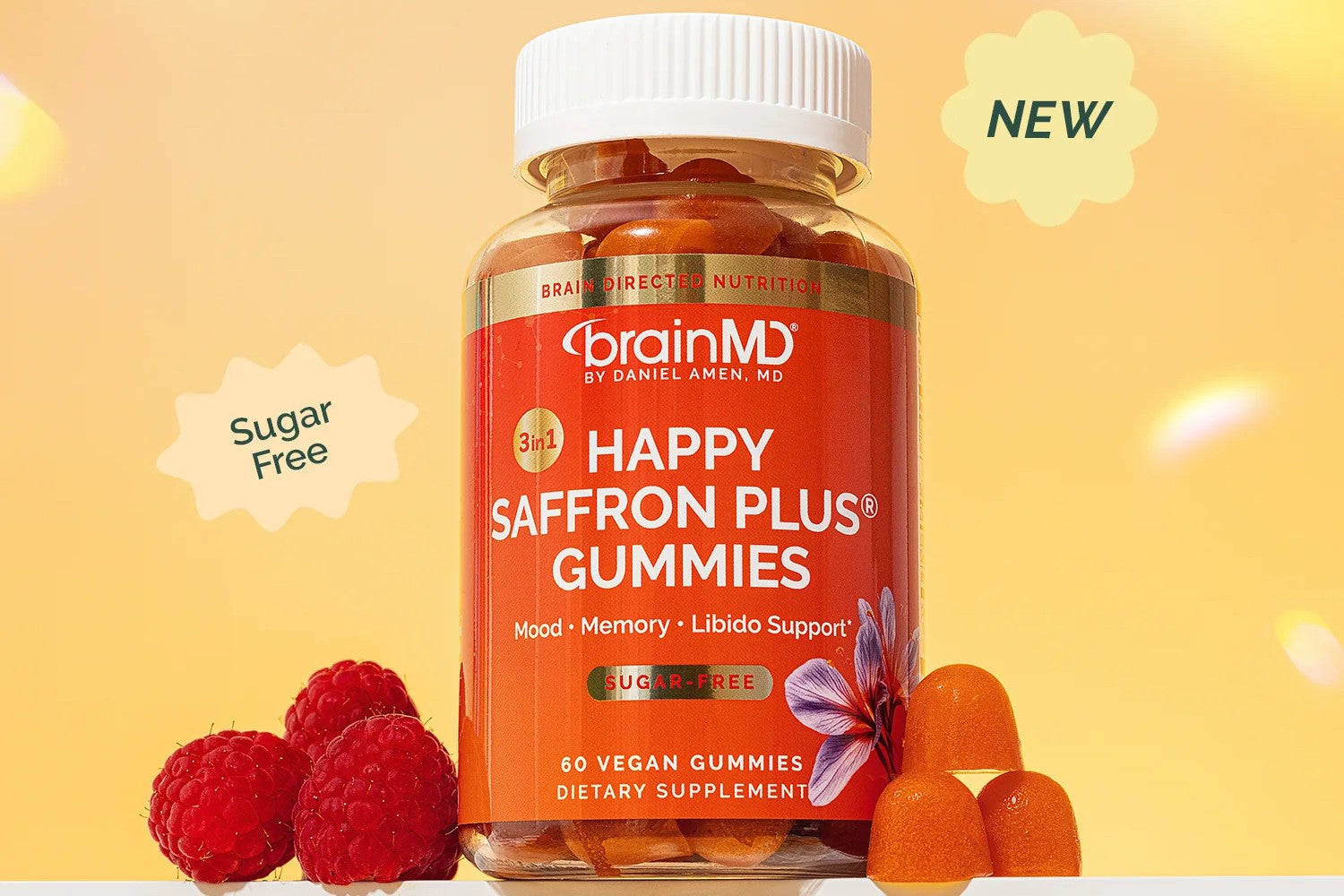
When the world stops, and your health, finances, and relationships are suddenly at risk, the stress can feel like it’s too much to handle. What can you do to keep negativity, sadness, anxiousness, and stress under control? Here are 6 strategies on how to be less stressed and feel happier. How to Be Less Stressed & Feel Happier Each Day 1. Plan for things to go wrong. If you’re the kind of person who expects everything to go perfectly all the time, you’re setting yourself up for disappointment and aggravation. When you train yourself to expect a few snafus, you’ll find that you won’t get as upset. Especially in situations where things are out of your control—like when the grocery store is out of toilet paper again!—planning for a few every day “fails” can keep you from falling into a funk. 2. Repeat positive mantras. Letting negative thoughts run wild in your head can create a tornado of stress, worry, and sadness. Directing your thinking to reaffirming mantras can help change your mental state. Repeat some soothing mantras that promote positive feelings, such as: I know we’ll get through this. I am confident that better days are coming. I am staying focused on what I can control. I think having more family time is a blessing. 3. Live in the present and plan for a better future. People who dwell in the past with regret tend to experience sadness and negativity. Those who anticipate the future with fear are wracked with worries. Practicing mental discipline to stay in the present can help keep your mind from spinning out of control. In a pandemic, think about the things you can do to protect your health—washing your hands, wearing a mask outside, wearing gloves at the grocery store—and feel good about your efforts. In addition, think of ways your life is going to change for the better from this experience and write it down. Seek out strategies to help prepare for post-pandemic growth. For inspiration, check out these episodes of the Brain Warrior’s Way Podcast, hosted by Dr. Daniel Amen and Tana Amen: How to Discover Your Purpose and How to Use Your Unique Value to Bring Money & Success with guest Lisa Sasevich, a business and sales expert. How to Create Energy to Help Transform Your Life with Julianne Hough from Dancing With the Stars How You Can Use Your Pain to Your Advantage with Dr. Derwin Gray, a former NFL player turned pastor and author. 4. Get moving. Decades of research point to the physical and mental health benefits of exercise. A 2019 cross-sectional study in Mental Health and Physical Activity found that getting some physical activity reduces the odds of experiencing depression in adolescence and anxiety in childhood and adolescence. And a prospective cohort study in a 2020 issue of The Lancet Psychiatry suggests that replacing sedentary behavior with light activity during adolescence could reduce the risk of depression. If you can’t get outside due to the pandemic, try dancing to your favorite tunes, do some jumping jacks, or walk laps inside your home. Any movement counts. 5. Eat right to think right. If you’re stuffing yourself with quarantine comfort foods like cookies, ice cream, and pizza, and taking part in Zoom happy hours, you’re increasing the likelihood of experiencing anxiousness, negativity, and worry. To help your brain handle the stress that’s surrounding us, you need to fuel it with great nutrition. Here are 3 of the most important eating strategies to help reduce stress, worry, and bad moods. Eat small amounts of high-quality protein at every meal to help balance blood sugar as research in Case Reports in Psychiatry shows that blood sugar highs and lows are linked to anxiety and depression as well as to irritability and anger. Include foods that are high in omega-3 fatty acids—such as salmon, avocado, and walnuts—which a 2018 review in Frontiers in Physiology suggested may help reduce anxiousness and negative mood. Stay hydrated with 8-10 glasses of total fluids per day since research in the journal Perceptual and Motor Skills shows that being even mildly dehydrated can make you feel more tense, depressed, confused, fatigued, or angry. 6. Supplement your diet with a dose of happiness. Among the most well-studied nutraceutical ingredients for mood, anxiety, and stress are: Saffron: A 2018 review or 7 studies in Neuropsychiatric Disease and Treatment found that saffron was more effective than a placebo for mood problems. In randomized parallel trials, 30 mg per day of standardized saffron extracts were consistently helpful for mood problems. Other studies suggest standardized saffron extracts can improve anxiousness. Curcumin: Studies have found that curcumin—not as turmeric root but as Longvida, a highly concentrated curcumin extract from turmeric, proven to be more efficiently absorbed—helps with mood challenges. Zinc: A review of existing studies suggests potential benefits of zinc supplementation—either when used by itself or when added into a personalized program for mood improvement. BrainMD’s Happy Saffron Plus combines all 3 of these potent nutraceutical ingredients to improve mood and help cope with anxious and stressful feelings. When you’re flooded with stress, it’s one of the tools you should have in your stress-relief kit. The following content was originally presented during a special Facebook Live event by Dr. Daniel Amen. Click here to view the full video. At BrainMD, we’re dedicated to providing the highest purity nutrients to improve your physical health and overall well-being. For more information about our full list of supplements, please visit us at BrainMD. References: Saffron Study Khaksarian, M., Behbahani, A. A., Rajabpour, M., & Hosseini, S. A. (2018). Comparative efficacy and safety of Crocus sativus L. (saffron) for treating mild to moderate depression: A meta-analysis of randomized controlled trials. Neuropsychiatric Disease and Treatment, 14, 1297–1305. https://doi.org/10.2147/NDT.S157550 Curcumin Study Cox, K. H., Pipingas, A., & Scholey, A. B. (2015). Investigation of the effects of solid lipid curcumin on cognition and mood in a healthy older population. Journal of Psychopharmacology, 29(5), 642-651. https://doi.org/10.1177/0269881114552744 Zinc Study Li, Z., Li, B., Song, X., & Zhang, D. (2017). Dietary zinc and iron intake and risk of depression: A meta-analysis. Psychiatry Research, 251, 41–47. https://doi.org/10.1016/j.psychres.2017.01.021
Learn more
What Are Some of the Top Signs of Stress and Anxiousness?
In today’s fast-paced world, most people experience periods of stress or occasional feelings of anxiousness. Since stress and mood affect millions of American adults, let’s take a closer look at these issues and some natural ways to help address them… Stress Contrary to popular belief, not all stress is bad. Stress is a normal part of living and affects those of all ages. It can help you become more productive and can help improve your: Resilience Problem solving Ability to adapt to new challenges Stress becomes a problem when it’s intense, recurring, or remains unresolved over an extended period. At that point, stress can take a toll both physically and mentally. Stress can affect behavior, outlook, and overall health. Many health concerns may be initiated or aggravated by stress. When stress is ongoing, it can increase the risk of developing problems related to your weight, heart, and mood. Signs of Stress When intense stress isn’t relieved, it can lead to many adverse health issues. These problems may include: low mood digestive problems headaches heart health issues addictive behavior a weakened immune system sleeplessness weight gain Stress also may cause cognitive issues such as difficulties with memory and concentration. Anxiousness Stress is a response to the pressures we feel in life. These pressures, in turn, can cause the release of adrenaline. Too much adrenaline can lead to an increase in blood pressure, mood issues, and other negative effects on the brain or body. One of these effects is feelings of anxiousness; these feelings may be triggered by an immediate challenge or apprehension over something in the future. Many people who struggle with anxious thoughts and feelings can end up predicting the worst, avoiding conflict, and being plagued with self-doubt and phobias. Anxiousness often manifests itself in physical problems like chewing on fingernails, dizziness, pain, shortness of breath, and panic attacks. Anxiousness is the continued experience of stress that is out of proportion to the stressor or that continues well after the stressor is gone. Managing your stress is a critical factor in preventing anxiousness and the host of other problems that it can lead to. Signs of Anxiousness Though it’s normal to have periods of stress or worry, persistent anxiousness can lead to serious physical and mental problems. Some common signs of anxiousness include: nervousness/restlessness worrying muscle tension (stress related) irritability/anger attention issues fatigue difficulty sleeping Having all, or even a few, of these signs of anxiousness may be a cause for concern. Stress vs Anxiousness Many people use the terms “stress” and “anxiety” interchangeably in everyday conversation. But there is a difference between them. Stress is a response to an existing stress-causing factor (stressor). Anxiousness may be the result of intense, prolonged stress. Though stress and anxiousness are closely related, not all people who deal with excessive stress will experience feelings of anxiousness. However, anxiousness can be exacerbated by stress, which can be measured as elevated levels of the stress hormone cortisol. Often, there’s a correlation between being stressed out and experiencing occasional anxious thoughts. Stress doesn’t just negatively affect your mood (though that can become the most visible side effect), it also can adversely impact the way your brain and body work, so managing stress may help lessen feelings of anxiousness. If you find yourself having negative or anxious thoughts, or notice that your stress levels have become unbearable, high-quality supplements may help. BrainMD offers an array of supplements to help relieve stress and improve your mood.* Best Supplements to Support Feelings of Stress & Anxiousness! Our Stress & Anxiousness supplements are based on the latest science and medical data and are developed by one of the world’s leading brain-health experts, Dr. Daniel Amen. Here’s a look at some of BrainMD’s best Stress & Anxiousness supplements… [wc_box color="inverse" text_align="left" margin_top="" margin_bottom="" class=""] Calm My Brain This 100% natural, science-based formula provides fast-acting relief from stress and anxiousness while supporting emotional, physical, and mental well-being.* Unlike many anxiousness-relief products, Calm My Brain can be safely used by both adults and children. Everyday Stress Relief Everyday Stress Relief harnesses the power of five natural ingredients to help calm your nerves and soothe stress.* This amino acid is clinically shown to promote alpha wave production in the brain, and can provide stress relief quickly.* GABA Calming Support GABA Calming Support features gamma-amino-butyric acid (GABA) – one of the brain’s main calming neurotransmitters – and a supporting cast of relaxing vitamin, mineral, herbal, and amino acid ingredients.* GABA Calming Support can help flip the “off” switch on worrisome, ruminating thoughts, and supports the body’s natural mechanism for quieting the mind.* Happy Saffron Plus Three nutraceutical ingredients with proven mood and cognitive benefits team up in Happy Saffron Plus, a mood supplement formulated to help you feel happier, calmer, and mentally sharp.* Happy Saffron Plus features three nutraceutical ingredients that support a calm, positive mood: affron® saffron extract, Longvida® curcumin extract, and zinc glycinate.* L-Theanine Gummies When taken over the long-term, l-theanine can help support healthy stress levels, lessen anxiousness, and improve sleep.* L-Theanine Gummies offer fast-acting relief in delicious, plant-based gummy form – without hidden sugar, artificial colors or flavors.* [/wc_box] More Calm, Less Stress One of the best ways to manage stress and improve your mood is with these Stress & Anxiousness supplements.* They’ve been formulated with the highest-quality nutrients and ingredients to help you feel calm, content, and better able to manage stress or mental strain.* Try them today! At BrainMD, we’re dedicated to providing the highest purity nutrients to improve your physical health and overall well-being. For more information about our full list of brain healthy supplements, please visit us at BrainMD.
Learn more
Some of the Best Ways to Relieve Stress and Improve Your Mood
Did you know that not all stress is bad? Good Stress? People tend to think of stress as all bad. But stress can be both good and bad. A little bit of stress can be a good thing because it can motivate you to meet your goals. Low level stress also can help you with resilience, problem solving, and adapting to everyday challenges. Stress can become a problem when it remains unresolved over a sustained period. At that point, stress takes a toll and can become harmful to your health. If left unchecked, excessive stress can lead to serious personal and social consequences, including: Family conflict Low self-esteem Disability Withdrawal from social activities Alcohol and substance abuse Legal and criminal problems Anxiousness and other mental problems Suicide For many people, dealing with consistent, intense stress can lead to low mood. Low Mood Mood issues can make everyday life feel draining. Low mood is often linked to low energy and lack of sleep. Other signs of low mood may include: Negative or guilty thoughts Mental fogginess Purposefully avoiding social interaction Overeating and emotional eating Periods of low appetite Difficulty with concentration and memory Since many people dismiss these issues as just feeling down, they may not get the help they need, which can result in serious physical or emotional difficulties. Stress and Mood Often, there’s a correlation between being stressed out and experiencing occasional anxious thoughts or bouts of low mood. Stress doesn’t just negatively affect your mood (though that can become the most visible side effect), it also can adversely impact the way your brain and body work, so it’s important to try to manage your stress. If you find yourself having negative or anxious thoughts, or notice that your stress levels have gone through the roof, high-quality supplements may help. BrainMD offers an array of supplements to help relieve stress and improve your mood. Some of the Best Natural Ways to Manage Stress and Mood Issues Stress & Anxiousness Category Manage anxiousness and support a healthy stress response with clinically-proven nutrients and herbs.* Here are the high-quality supplements offered in BrainMD’s Stress & Mood Category: Calm My Brain L-Theanine Gummies Everyday Stress Relief GABA Calming Support Happy Saffron Plus® Happy Saffron Plus® Gummies Magnesium Chewables Brain Curcumins Focus & Energy ProBrainBiotics ProBrainBiotics MAX Vitamin D3 5000 MethylFolate NeuroVite Plus Multivitamin Vegan Omega-3 Power Omega-3 Power Omega-3 Power Squeeze Neuro-C Vitamin C Here’s a closer look at a some of our top Stress & Mood supplements… Calm My Brain Calm My Brain provides generous daily doses of high-potency ingredients to manage stress, promote calm, and relieve anxiousness.* Benefits of Calm My Brain This product is a combination of three pure and potent ingredients that have been intensively researched for occasional feelings of anxiousness, and with positive benefits for stress, relaxation, and sleep.* The ingredients have been shown to help with: managing anxiousness and stress* reducing tension and irritability* regulating unhealthy eating* supporting calmness* improving sleep quality* The three high-quality ingredients in this formula work synergistically to help relieve anxiousness. Magnesium (as threonate, bisglycinate chelate, malate, and citrate) Often referred to as “the relaxation mineral,” magnesium plays an important role in hydration, muscle relaxation, energy production, regulation of adrenaline and overall sleep quality. Magnesium promotes a calm, balanced, and mentally focused demeanor.* Ashwagandha (standardized root extract KSM-66®) The ashwagandha herb (Withania somnifera) has long been revered for its medicinal powers in Indian Ayurveda and other traditional medicine systems in the Mediterranean, Africa, and China. As an adaptogen, it helps the body adjust to psychological or physical stress by promoting calm and overall mental focus.* Ashwagandha has been associated with improved memory and attention, and also benefits feelings of anxiousness and sleep.* L-theanine Extensive clinical research links this amino acid with the health benefits of green tea. L-theanine enhances relaxing alpha brain wave activity, reduces tension, and fosters a restful state without diminishing daytime alertness.* It also can promote healthy blood pressure stability against the over-excitability associated with stress.* The clinically researched ingredients in Calm My Brain can make a substantial difference in improving the well-being of individuals living with feelings of anxiousness.* Everyday Stress Relief Everyday Stress Relief was specifically formulated to help replenish your brain and body’s nutrients that can be depleted by stress. This supplement includes herbal extracts clinically proven to have calming and anti-stress effects, helping you to feel less anxious without making you sleepy.* It also helps with apprehension, tension, worry, and fatigue.* Here’s what you’ll find in this high-potency formula: Magnesium is a well-known calming mineral. It promotes a balanced and mentally focused demeanor.* The amino acid taurine supports the adrenal glands and is crucial for coping with stress.* The herb holy basil, revered both in Europe and the East, helps to improve adaptation to occasional anxiety and other problems related to stress.* A phytochemical derived from green tea, l-theanine helps to manage tension.* Relora®, which is a unique mix of two herbs, may enhance healthy management of the stress hormone cortisol while easing tension, anger, negative mood, and confusion.* This safe, non-sedating, and non-habit-forming formula combines the multiple beneficial actions of these well-studied herbs and nutrients to help your brain and body cope with stress on multiple levels.* Mood Support Category Powerful nutritional relief for your mood-related issues, these targeted formulas promote feelings of positivity and happiness.* Here are the high-quality supplements offered in BrainMD’s Mood Support Category: L-Theanine Gummies Serotonin Mood Support Happy Saffron Plus Lithium Orotate MethylFolate Vitamin D3 5000 SAMe Mood & Movement 400 NeuroVite Plus Multivitamin Omega-3 Power Omega-3 Power Squeeze Betaine TMG Brain Curcumins Craving Control Magnesium Chewables ProBrainBiotics MAX Here’s a closer look at a some of our top Mood Support supplements… Happy Saffron Plus This breakthrough formula was scientifically designed to promote a positive mood. It brings together highly refined nutraceutical preparations of the two most traditionally revered “happiness herbals” with a supporting mineral. What’s In Happy Saffron Plus? Here are the 3 highly effective ingredients found in Happy Saffron Plus: affron® Standardized Saffron Extract. Saffron has been the happiness spice in the Middle East for at least 2600 years. affron® is a water-extracted saffron concentrate standardized for its most active constituents. This extract has shown promise for improving mood and anxiousness in adults and adolescents.* Longvida® Optimized Curcumin Extract. Like saffron, the turmeric root has been hailed as a happiness herbal in Asia for centuries. Curcumin is the molecular complex from turmeric root that helps improve mood but is very poorly absorbed from turmeric powder. The Longvida® preparation features excellent absorption of curcumin and has worked well in clinical trials at 400 mg per day or higher. Zinc, as Glycinate. This mineral is essential for the functioning of at least 300 enzymes essential for our life processes, and for the functioning of about 2000 different human proteins. People with mood problems typically have low blood levels and taking supplements with zinc often enhances mood. Zinc glycinate is excellently absorbed and well tolerated.* The combination of zinc with affron® saffron and Longvida® curcumin has the potential to elevate mood, perhaps even in individuals who don’t realize they have a mood problem. L-Theanine Gummies These convenient, easy-to-take gummies can help lessen feelings of anxiousness and promote an overall state of rest and relaxation.* By helping to manage stress, L-Theanine Gummies also helps promote quality sleep.* L-theanine can rapidly increase your brain’s production of calming alpha waves without making you drowsy.* Say Goodbye to Stress Here are some of the key benefits of l-theanine: Fast-acting relief from stress and anxiousness* Lessens stress-producing cortisol* Provides sharper mental focus* What is L-theanine? L-theanine is an amino acid that occurs naturally in green tea and is credited with the tea’s highly valued relaxing effects. It has been researched in Asia, as well as the West, and found to bring on relaxation, often within minutes. Over a longer period, it can improve coping with stress, lessen anxiousness, and support quality sleep.* Relieve Stress and Improve Your Mood One of the best ways to relieve stress and improve your mood is with these Stress & Anxiousness and Mood Support supplements. They've been formulated with the highest-quality nutrients and ingredients to help you feel calm, content, and better able to manage stress or mental strain.* Try them today! At BrainMD, we’re dedicated to providing the highest purity nutrients to improve your physical health and overall well-being. For more information about our full list of brain healthy supplements, please visit us at BrainMD. *These statements have not been evaluated by the FDA. This content is for informational purposes only. It is not meant to substitute for medical or healthcare advice from a physician, nor is it intended to diagnose, treat, cure, or prevent any disease. Consult your healthcare provider before beginning a new health regimen.
Learn more
10 of the Best Ways to Manage the Holidays Without Overdoing It
How do you feel about the holidays? For many, the holiday season is the most wonderful time of the year. But for others, it’s a stressful period that’s become synonymous with exhaustion, overeating, accruing debt, and family drama. The holidays tend to be filled with unrealistic expectations and unforeseen pressures that can cause mood and sleep issues. Unaddressed, these forces have the power to steal your joy, impair your health, and trigger unproductive behaviors that can ruin your holiday. The good news is there are ways to reduce seasonal stress and remain sane during the holidays. Here are some of the best ways to keep from overspending and overdoing it this holiday season… 10 Simple Ways to Manage the Holidays without Overdoing It How to Keep from Overdoing It This Holiday Season Feast Healthy Many people experience weight gain during the holidays. Large portion sizes can contribute to waistline struggles. Eating foods saturated with fat and sugar also can help pack on the pounds. When sitting down to a holiday feast, select foods that are high in protein, healthy fats, and fiber. Also, eating a healthy meal before arriving is one way to maintain a healthy diet at family gatherings and holiday parties. Delegate While You Celebrate You don’t have to do everything yourself; you can tackle your to-do list with others. Spending time with friends and family while you share tasks – like preparing the holiday meal, shopping, cleaning, and decorating – can be an enjoyable time of bonding. Remember, you don’t have to be the holiday hero. Stay Well Rested Many people sacrifice quality sleep to keep up with the increased demands of the hectic holiday season. Lack of sleep often leads to illness, which can make it that much harder to accomplish everything on your task list. To ensure that you have the energy you need to get the most out of the holiday season, it’s recommended that you get 7-9 hours of sleep each night. Getting quality sleep is a sure-fire way to reduce stress, feel more energized, and focus on the positive during the holidays. Limit Alcohol Alcohol can be a triple whammy: alcoholic drinks are often high in calories, bad for the health of your brain, and can decrease your resistance to temptations. You’ll need all your willpower to resist the cheese dip and delicious desserts, so staying sober is the best policy during the holidays. A good strategy is to be prepared with a healthy alternative before you’re tempted to drink. If you’re invited to a meal or party where you know alcohol will be served, consider bringing your own non-alcoholic beverage. This will help ensure that you don’t drink, or drink too much, at the gathering. Just Say No The holidays can make people feel out of control and at the mercy of traditions or expectations. But you can take control of the holidays by refusing to let them control you. Say “no” to events and activities that aren’t making you happy or are causing holiday stress. How to Keep from Overspending This Holiday Season Know Your Spending Limit Financial worries are one of the biggest causes of stress during the holiday season. Make a realistic budget to determine how much you can spend without jeopardizing your financial health. Then stick to it! Creating debt will only add to the stress you’re already feeling. Shop Year-Round A great way to beat the year-end financial crunch is to purchase gifts throughout the year. Set a goal of buying all holiday gifts by Halloween or Thanksgiving. Be sure to periodically scan sales racks/tables at a variety of stores (or shop online discounts) to find the perfect gifts for everyone on your shopping list. If you see a great last-minute gift, it’s okay to purchase it, but make sure you stay within your budget. Holiday Savings Account Perhaps you’ve used the envelope system, where you lay aside a certain amount of money for entertainment, a trip, a medical procedure, etc. Use the same idea for building a holiday gift fund and add to it as you can throughout the year. You can even take it to the next level by opening a bank account dedicated to saving money for holiday gifts. Personalize Your Gifts You can save money during the holidays by creating handmade cards for mailing or by designing holiday cards digitally that you can send via email. Also, you can make a homemade book of coupons (i.e., taking on someone else’s chores, doing something nice for them, engaging in their favorite hobby, etc.) that a family member can redeem after the holiday. This can be a fun way to get the kids involved and is a great way to extend a gift long after the holiday. Gift of Time If you’re able to travel to a relative’s house this year, or even if you can only afford to visit a local friend or family member, make time to be with the ones you care about this holiday season. Spending time with those closest to you can allow you to catch up with them, which may lead to forging some happy memories. Sometimes showing up is the greatest gift of all; they may not remember the present you gave them, but they’ll remember that you cared enough to visit them. Stress-Free Holiday While you may not be able to completely avoid stressful situations during the holidays, you can plan to respond to them in a healthy way. Applying the above tips can keep you from overspending and overdoing it this year, so that everyone in your family can have a fun-filled, stress-free holiday. The BrainMD Team wishes you and yours a safe, healthy, and happy Holiday Season! At BrainMD, we’re dedicated to providing the highest quality supplements to improve your physical health and overall well-being. For more information about our full list of brain healthy supplements, please visit us at BrainMD. These statements have not been evaluated by the FDA. This content is for informational purposes only. It is not meant to substitute for medical or healthcare advice from a physician, nor is it intended to diagnose, treat, cure, or prevent any disease. Consult your healthcare provider before beginning a new health regimen.
Learn more
Here Are Some of the Best Ways to Handle Anger
Anger is a powerful emotion. It takes skill to learn how to handle anger well. With the mounting divisiveness in our culture, it’s a good idea to brush up on a few anger management strategies. Anger Basics Anger isn’t necessarily a bad thing. In fact, some anger can be good…even lifesaving. For example, a flash of anger can trigger our “fight or flight” response helping to protect us in dangerous situations. Anger also motivates us to take action and stand up for things like justice. And interpersonally, healthy expressions of anger can foster more harmonious relationships. Yet, anger’s fiery nature means it can be highly destructive if it goes unchecked. Types of Anger Did you know there are different types of anger? Here are just a few: Impulsive, externalized anger can destroy relationships in a moment, or worse, lead to aggression and violence. Passive-aggressive anger often expresses itself as cynicism, hostility, putting others down, or being highly critical. Internalized, repressed anger is highly destructive, and can lead to mental health problems such as low mood, addiction, and low self-esteem, as well as issues with interpersonal relationships and general health. Physiologically, anger is associated with cardiovascular health issues and lowered immune function. It’s essential to health and well-being to know how to calm anger when needed, understand it, use it constructively, and take measures to ensure it doesn’t burn out of control. Here are some proven tips to help you handle anger better. Handle Anger Better with These 7 Calming Steps 1. Practice Deep Breathing One surefire way to dial down intense, acute anger, is to do some deep breathing exercises. Breathing from your belly calms the fight or flight response that often gets activated with sharp anger. It can help you to think more clearly and calm feelings of anxiousness too. Here’s a simple exercise you can use the next time you feel anger rising. Breathing with your diaphragm (or stomach) rather than your chest: Inhale for a count of 3 to 4 seconds Pause for beat Exhale for a count of 6 to 8 seconds Pause for a beat Repeat this pattern 10 times The calming effects of deep breathing are usually immediate. 2. Drop Any Judgments There can be a lot of shame tied to anger, especially if you have emotional outbursts that involve other people. Try to have compassion for yourself. Life is full of challenging stressors. Relationship conflicts, family issues, financial stress, memories of painful events, work problems, and the frustrations we encounter every day can easily wake the tiger of anger. Don’t judge your feelings but take responsibility for your actions. Make amends, if needed. Then focus your efforts on learning to calm that inner tiger. 3. Get Curious Anger is a signal that something is amiss. We generally experience it when we feel the need to defend ourselves. Get curious about it. Mental health experts often refer to anger as a secondary emotion that covers up any number of primary emotions. Anger is more protective, while primary emotions leave us feeling vulnerable, which can be very uncomfortable. These types of emotions may include feelings of sadness/grief, abandonment, betrayal, fear, loneliness, insecurity/lack of safety, being taken advantage of, shame, and more. So, when you feel angry, ask yourself what other emotions might be lurking beneath the surface, driving the anger. 4. Practice Self-Care Adults aren’t unlike small children – when our most basic needs go unmet, we can get very cranky! Ensuring you get plenty of restful sleep is an essential self-care strategy. Also, eat an abundance of brain healthy foods like lean protein (especially in the morning!), colorful fruits and vegetables, and healthy fats. Avoid excessive alcohol, caffeine, and refined carbohydrates as they can disturb sleep, spike blood sugar levels, and fuel anger. Providing your brain with the restorative sleep it needs helps to balance hormones, which can help regulate anger. Keeping blood sugar levels steady helps to promote a more positive mood. Of course, getting regular exercise is a fantastic way to boost mood and keep anger in check. 5. Learn to Communicate Constructively Experts suggest that you express your anger or frustration in a simple, direct, and nonconfrontational manner. Communicate your concerns and needs clearly and check yourself for any hidden desire to hurt or control. Think constructively and identify potential solutions. Speak only in “I” statements. Always be respectful. Don’t be accusatory and stay away from statements with “always” and “never.” The more specific you can be when expressing yourself, the better. For example, “I’m frustrated because I’m doing the dishes every day, and I’d like you to pitch in” instead of “You never do the dishes, and I can’t stand it any longer.” 6. Be Open to a New Perspective Our minds often tell us things that aren’t true. It may not actually be the situation that makes us angry, but what we think about the situation. Our minds have thousands of thoughts every day, and many of them are automatic negative thoughts (ANTs). These ANTs may make up all sorts of things about events, people, and situations. Question them. You’ll likely feel less angry if you choose a different thought. Psychologists call this technique cognitive reframing. Another helpful practice is to imagine being in another person’s shoes. Try to see a situation from their perspective. 7. Cultivate Relaxation In addition to deep breathing and excellent self-care, find ways to bring more relaxation into your life. That may include practicing a hobby or going on a travel adventure. It might be reading a book (rather than scrolling through social media!) on your lunch break. Perhaps it’s playing fun and social sports like pickleball. Take up a meditation practice. Get out into nature. Research shows that people who spend time in nature tend to have less anger and hostility. Anger Is Serious Anger issues aren’t to be taken lightly. If your anger feels out of control, causes you to act in ways you regret, or harms those around you, reach out to a mental health professional for help. At BrainMD, we’re dedicated to providing the highest purity nutrients to improve your physical health and overall well-being. For more information about our full list of brain healthy supplements, please visit us at BrainMD.
Learn more