 Skip to content


Wellness Blog



Kid's NeuroVite Supplements
By definition, vitamins and essential minerals are substances that are essential for normal health and functioning. Without them we develop deficiency symptoms that can be serious. Since they cannot be made by the body in sufficient quantities, they must be taken in from the environment – typically through food. Thanks to the dramatic amount of growth and development they are experiencing, children are especially in need of generous allowances of vitamins and minerals, which are critical for healthy growth, activity, learning, and behavior. Without question, the best possible source of vitamins and minerals for kids is high-quality, organic, locally-grown, unprocessed food. However, for most time-crunched families, eating home-cooked, well-balanced meals made from these ingredients 100% of the time just isn’t possible. Additionally, it is possible for genetic variation to raise an individual's requirements for a vitamin or mineral to way higher than they can obtain even from a perfect diet. Many Children Eat Less Than a Minimum Daily Allowance of Nutrients Alarming studies show that a high percentage of children in North America and other developed countries eat less than the minimum daily allowance of many essential nutrients. Additional studies indicate that modern foods don't meet children's needs for these nutrients. Adding an expertly designed multivitamin/mineral supplement to their diet helps to fill any nutritional gaps. Many clinical research studies have established that supplementing children's diets with multiple vitamins and essential minerals supports their brain and body development. So now that you know the importance of giving your child a multiple vitamin-mineral supplement, you are still faced with trying to figure out which one to buy: There are a lot of multiples out there – if you’ve ever walked down the vitamin aisle of your local health food store, pharmacy, or grocery store, you know how many choices there are. That’s why Dr. Amen and his BrainMD team developed Kids’ NeuroVite – to take the guess work out of what multiple vitamin-mineral supplement to use for your kids. This science-based formulation provides generous amounts of well-utilized nutrients for: making energy (magnesium, the B vitamins) supporting the brain's maturation (methylfolate, methylB12, choline) improving immunity (vitamin C, zinc, selenium) supporting vision (lutein, zeaxanthin) "Get kids started with the support they need. Kids’ NeuroVite was developed for my own children and grandchildren. It can help yours, too." – Daniel G. Amen, MD The BrainMD team scoured the clinical research to document which nutrients are best proven for kids over the long term. We didn't take any shortcuts when selecting the ingredients for our Kids’ NeuroVite. A broad spectrum of nutrients for healthy minds and active bodies was chosen while paying close attention to purity, optimal absorption, and utilization. You know what you WON’T find in Kids’ NeuroVite? Ingredients that you might find in other kids’ multivitamin/mineral supplements that: May be unsafe, such as cyanocobalamin (cyanide with vitamin B12) Are poorly absorbed, such as magnesium oxide, zinc oxide, other oxides Are poorly utilized once absorbed, such as folic acid, beta-carotene (poorly converted to vitamin A), and vitamin D2 Are simply unnecessary, such as titanium dioxide, artificial colorants, and sugar Your child will LOVE the taste of the orange-flavored penguin chewables which are free from sugar, dairy, gluten, wheat, eggs, and artificial colorings or flavorings. Give BrainMD’s Kids’ NeuroVite a try- risk free! We offer a 1-year, money back guarantee on your first bottle of any supplement. And you will have peace of mind knowing that you are providing your child with high-quality "nutritional health insurance," adds Dr. Amen.
Learn more
Struggling with a Vitamin B6 Deficiency?
Do you struggle with a low mood? Are you challenged with irritability? Do you worry frequently? Are you feeling fatigued? If you answered yes to some or all of these questions, it is possible that you are experiencing a vitamin B6 deficiency. Previously thought to be relatively rare in the United States, research conducted at Tufts University has demonstrated that vitamin B6 deficiency is much more common than previously thought. The B vitamin family is made up of eight B vitamins, each of which performs unique and important functions. Additionally, these important vitamins are water-soluble. Since they are eliminated in urine, we require a continuous daily supply in our diet as our bodies cannot store it. Otherwise, it is important to supplement to ensure sufficient intake. Many people are surprised to learn about the critical role that vitamin B6, also known as pyridoxine, plays in their health. It is important in the production of such critical neurotransmitters as serotonin, epinephrine, norepinephrine, GABA – which help improve mood – and melatonin, a hormone that supports your natural body clock. Additionally, vitamin B6 is essential for at least 100 enzymes that help the body utilize amino acids, fatty acids, and carbohydrates. It is also vital for early brain development and for supporting the body’s innate antioxidant defenses. B vitamins, including vitamin B6, also help support adrenal function and help calm and maintain a healthy nervous system. Although vitamin B6 is found in a variety of foods – like leafy green vegetables, chickpeas, tuna, beans, beef, liver, and bananas – there is growing evidence which suggests that the systemic inflammation underlying most chronic diseases may impair vitamin B6 metabolism. Therefore, BrainMD Health is proud to utilize the two chemical forms of vitamin B6 that are most fully absorbed and utilized. Two of the products where these special forms of vitamin B6 can be found are Serotonin Mood Support and GABA Calming Support. If you are interested in trying a supplement that promotes a tranquil mind and body while supporting your vitamin B6 levels, give Serotonin Mood Support or GABA Calming Support a try. Your satisfaction is guaranteed!
Learn more
Focus on Choline: Improve Focus & Memory
Believe it or not, summer is coming to an end. It is the back-to-school and, for a lot of people, back-to-work, time of year – a time requiring focus, concentration, and memory. Plenty of people struggle with those…and if you are one of those, it is time to pay attention to choline. Choline? Many have never even heard of it before, let alone been aware they needed to pay attention to it. So what is choline? Although not technically a vitamin by strict definition, it is an essential nutrient required for many functions of the body, especially for brain function. It is also involved in healthy liver function, nerve function, and muscle movement, as well as supporting energy levels and maintaining a healthy metabolism. One of the primary functions of choline is helping brain cells in the production of acetylcholine, a key neurotransmitter for mental focus and learning. A choline deficiency can result in poor concentration, poor memory, mood changes and other cognitive impairments, especially as someone ages. Additionally, choline plays an important role in maintaining the structural integrity of cell membranes and for cholinergic neurotransmission, which is responsible for memory, mental clarity, focus and concentration. Choline has been shown in research to be helpful in improving cognitive performance in a young, cognitively healthy, community-based population of 1,391 subjects. Furthermore, choline is a major dietary source of methyl groups, which the brain needs for making the neurotransmitter epinephrine, the sleep hormone melatonin, and the myelin insulation of its nerve cells. Our neurons and all our other cells also require methyl to make and maintain their DNA, to manage their healthy gene activity (epigenetics), for growth and maintenance, regulation of potentially toxic homocysteine, and for numerous other life functions. While our bodies are able to make a small amount of choline on their own, we must obtain the rest from food sources. Choline can be found in foods including egg yolks, liver, beef, salmon, cod, cauliflower, Brussel sprouts, and peanut butter. You may have heard eggs referred to as “brain food” because they are so rich in choline. Research indicates that a large percentage of women, children, and older men are not receiving adequate choline in their diets. Choline is especially present in animal products, so vegetarians and vegans are more prone to experiencing a deficiency in choline. Although eating a varied diet increases the likelihood that you are consuming enough choline, you may want to consider trying a supplement that contains choline – especially if you find yourself struggling with memory, focus, attention, or learning. The nutritional ingredients in our BrainMD products are specifically designed for the health of the organ that controls everything we do, think and feel—the brain. Focus & Energy and Attention Support both contain Choline for improved focus. Read more about these two different products on the BrainMD website to better understand how they may benefit you.
Learn more
The Problem With Some Turmeric and Curcumin Supplements
Although often used interchangeably, the words curcumin and turmeric actually describe two different things. Turmeric is a yellow-orange spice, related to ginger, that is found in curry, while curcumin is the naturally occurring chemical compound in turmeric. There are three major curcumins – curcumin, demethoxy-curcumin, and bis-demethoxycurcumin – which are the substances most responsible for the 4,000-plus years of traditional medicinal use of turmeric root. Modern science has extensively researched these curcumins (technically, curcuminoid polyphenols) and established their powerful antioxidant and anti-inflammatory benefits along with a myriad of other positive actions. It isn't difficult to find research demonstrating the health benefits of curcumin, including benefits to cardiovascular health, cognitive health, and mood. But they have a fatal flaw: they are normally very poorly absorbed when taken by mouth. In fact, conventional curcumin powders and supplements can be so poorly absorbed that NO curcumin is actually found in the bloodstream – which translates to no appreciable benefit to the brain and body. Additionally, there is very little consistency in terms of quality control among curcumin supplements. Research done by ConsumerLab.com found that more than 20% of turmeric and curcumin supplements they selected for review delivered less than 15% of the advertised amount of the compounds. BrainMD Health is very proud to introduce Brain Curcurmins containing LONGVIDA® Optimized Curcumin Extract – a breakthrough formula optimized to deliver curcumin into target tissues through the critical bioavailability requirements of permeability, solubility, and stability. This dramatically improved oral absorption is verified by human trials. Furthermore, a triple-blinded clinical trial revealed important brain benefits of LONGVIDA®: conservation of working memory, improved calmness and "contentedness" (roughly equating to satisfaction) when under mental strain, and less tendency to physical fatigue from such challenges. In this trial the curcumin group also showed cardiovascular benefit, by lowering total and LDL cholesterol statistically better than the placebo group. The Brain Curcumins supplement from the BrainMD Health team supplies 25% more LONGVIDA® per capsule (500 mg) than was used in the clinical trial (400 mg), for additional benefit to mind and body. So if you are looking for a supplement that promotes alertness and calmness, supports working memory while under mental strain, and which is protective to your brain and body through powerful antioxidants, give BrainMD Health’s Brain Curcumins a try – your satisfaction is guaranteed!
Learn more
Health Benefits of Saffron
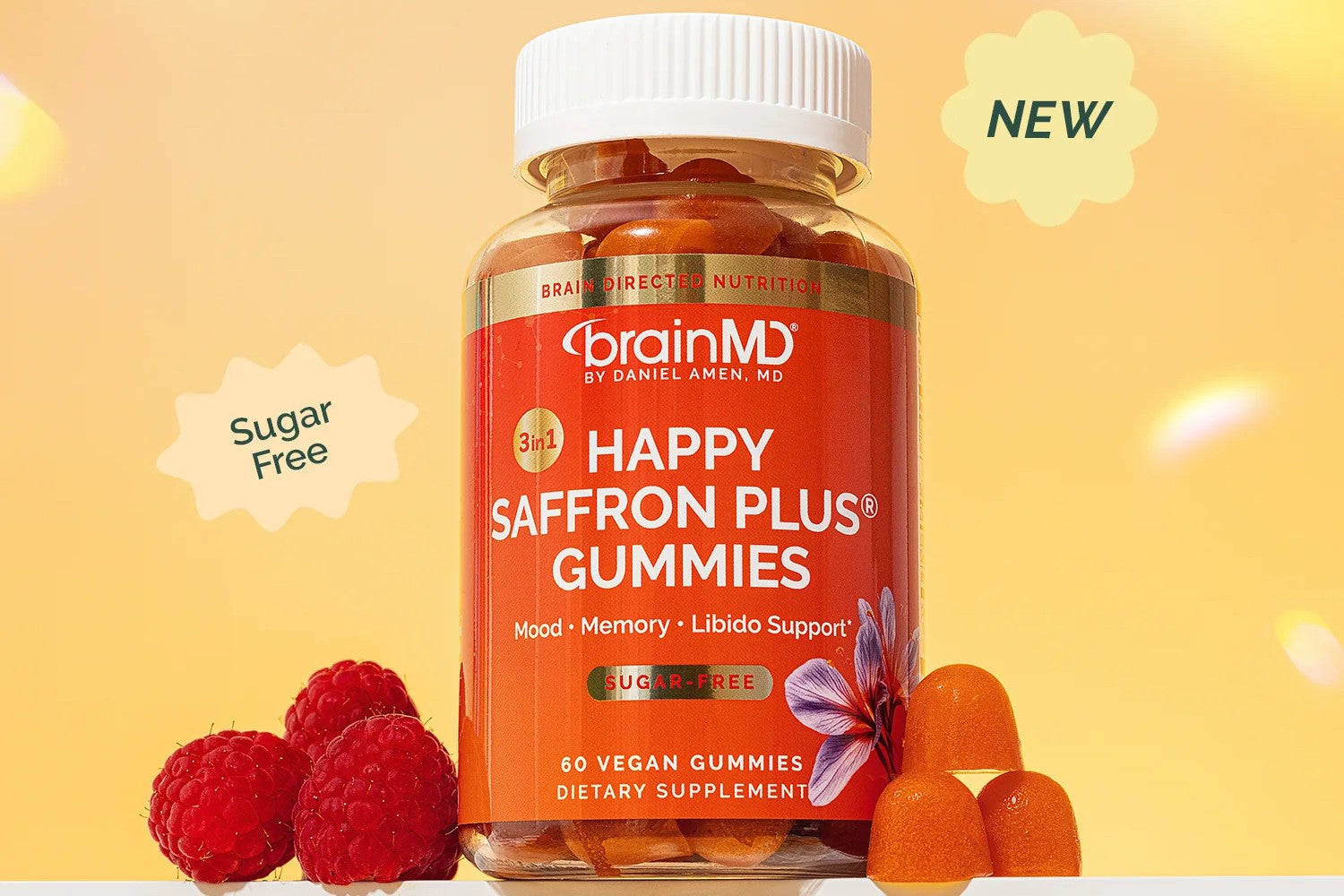
Ancient cultures around the world have cherished saffron for centuries and have cultivated it for a variety of reasons, including use as a culinary spice, digestive aid, and mood-boosting aphrodisiac. Derived from the flower of Crocus sativus, saffron is produced just as it has been since ancient times…by hand. The stigmas (the inside part of the flower which catches pollen) must be painstakingly handpicked and dried as machines are not delicate enough. Additionally, it takes 4,500 Crocus sativus flowers to produce just one ounce of saffron spice. This has earned saffron the position and title as the most expensive spice in the world – for good reason! In addition to being a delicious and valuable ingredient, vibrantly-hued saffron has several surprising health benefits. Consider the following ways: These Are 4 Surprising Health Benefits of Saffron 1. Help Your Mood Multiple research studies suggest that saffron may support healthy levels of serotonin in the brain, a neurotransmitter that contributes to feelings of happiness and well-being. Saffron is high in carotenoids and B vitamins that help increase the levels of serotonin and other chemicals in the brain that are associated with depression. In fact, a meta-analysis of five studies found saffron extract to be as effective as antidepressant medication in treating people with major depression.1 Another study found saffron to be as effective as fluoxetine (Prozac) in reducing mild to moderate depression.2 2. Support Your Immune System This colorful and delicious spice has many components, many of which are important antioxidants, such as a-crocin, zea-xanthin, lycopene, a- and ß-carotenes, that help protect the human body from infections, oxidant-induced stress, cancers, and which act as immune modulators. Furthermore, research has demonstrated that saffron can also help aid in a person's fight with cancer.3 Saffron is thought to help fight cancer by triggering apoptosis (programmed cell death) in a number of different types of human cancer cells. 3. Promote Learning And Memory Saffron also has a beneficial impact on learning, concentration, memory, and age related mental impairment. A recent study published in the Journal of Clinical Pharmacy and Therapeutics found that saffron improved cognitive function in study participants with mild to moderate Alzheimer’s disease.4 4. Suppress Your Appetite Studies show that saffron intake effectively enhances the serotonin levels in our body, which helps suppress the appetite or the impulse to eat. A particular saffron extract was found to reduce food cravings and other inappropriate food habits in clinical trials.5 It reduced feelings of hunger and lowered frequency of snacking, supporting appetite moderation and healthy weight management. References 1 Hausenblas HA, Saha D, Dubyak PJ, Anton SD. Saffon (Crocus sativus L.) and major depressive disorder: a meta-analysis of randomized clinical trials. Journal of Integrative Medicine. 2013;11(6):377–83. 2 Noorbala AA, Akhondzadeh S, Tahmacebi-Pour N, Jamshidi AH. Hydro-alcoholic extract of Crocus sativus L. versus fluoxetine in the treatment of mild to moderate depression: a double-blind, randomized pilot trial. J Ethnopharmacol. 2005 Feb 28;97(2):281-4. 3 Abdullaev FI, Cancer chemopreventive and tumoricidal properties of saffron (Crocus sativus L.). Exp Biol Med (Maywood). 2002 Jan;227(1):20-5. 4Akhondzadeh S1, Sabet MS, Harirchian MH, Togha M, Cheraghmakani H, Razeghi S, Hejazi SSh, Yousefi MH, Alimardani R, Jamshidi A, Zare F, Moradi A. Saffron in the treatment of patients with mild to moderate Alzheimer's disease: a 16-week, randomized and placebo-controlled trial. J Clin Pharm Ther. 2010 Oct;35(5):581-8. 5Gout B, Bourges C, Paineau-Dubreuil S. Satiereal, a Crocus sativus L extract, reduces snacking and increases satiety in a randomized placebo-controlled study of mildly overweight, healthy women. Nutr Res. 2010 May;30(5):305-13.
Learn more
5 Ways to Overcome Impulses
Ask anyone what they crave, and almost everyone will be able to, without hesitation, name off at least a couple of things. For example, some research studies indicate that almost 100% of young women and nearly 70% of young men reported experiencing specific food cravings within the past year. Everywhere you go someone is trying to shove bad food down your throat that will kill you early; news corporations repeatedly pour fear and disaster images into your brain to boost their ratings; and tech companies create addictive gadgets that hook your attention and distract you from your loved ones. Unfortunately, many of our daily habits actually make cravings more intense and frequent, making healthy decisions harder. But that doesn't mean you can't do something about it. Read on and learn 5 simple, but effective, ways to deal with your cravings. Start a Cravings Journal If you have a real problem with food cravings, keep a cravings journal for a month. If you don't understand why, you can't do anything about it. List the times of day you have cravings, the emotions you're feeling at the time, and the things you crave. When you look back through your journal, ask yourself if there are any patterns, such as certain times of day when you tend to experience cravings. Are there certain emotions or situations that tend to bring them on? Learn from your mistakes; they are your best teachers, especially if you are curious, rather than just harshly judging yourself. Know your triggers for both good decisions and poor decisions. Be aware of the landmines in your life. Create a Pattern Interrupt A “pattern interrupt” is a strategy that disrupts your focus from whatever triggered your craving. Make a list of simple things that that can be quickly executed when a craving strikes. Some our favorite options include: Going for a walk, drinking a tall glass of water or a cup of green tea, eating a plate of veggies, calling a friend, taking a shower, listening to brain healthy music, going for a drive, or if you’re home, simply getting out of the house (and away from your temptation) usually does the trick. Be a Good Parent to Yourself: Firm and Kind We see people allowing their spoiled, bratty inner child get away with what they’d never allow from their children. So many people stay stuck, singing the same old refrain, “I want what I want when I want it. I don’t want to be deprived.” They want a magic pill instead of a logical solution. You need to start being a better parent to yourself. When you give in to your own tantrums you are creating your own internal behavior disorder, which is ruining your health and killing you early. When you experience a craving, be a loving, effective parent to yourself. Handle Your Stress When you're under stress, your body releases the hormone cortisol, which signals your brain to seek out rewards. For many of us, our cravings are triggered by unpleasant emotions, including stress and anxiety, as well as being sleep deprived due to stress. Making sure to get enough sleep can actually reduce cravings and help you feel level-headed enough to deal with the cravings. And rather than give in to your cravings, utilize stress management techniques -- take a vigorous walk, meditate, do yoga, or relax in a hot bath. Seek Supplemental Support Multiple research studies have found that increasing omega-3 intake can actually decrease cravings for things like nicotine, alcohol, and sugar. Additionally, BrainMD Health’s Craving Control contains six active ingredients that work synergistically to help calm the craving centers in the brain, balance blood sugar and insulin levels and promote a positive mood with clinically studied, all-natural ingredients. In addition, it can diminish the frequency and intensity of your cravings, helping you to more effectively achieve better control over your behavior.
Learn more
4 of the Best Ways to Calm Anxious Thoughts
In today’s ever-changing, fast-paced world, we’re faced with a variety of responsibilities and stress on a daily basis – there’s no escaping it! For many, it can be difficult to cope with everyday situations and experience peace, calm and happiness. See if any of these questions apply to you: Do you often feel overwhelmed? Is it difficult to relax? Does your mind race with anxious or stressful thoughts? Do you find yourself being irritable with those around you? Is it hard to handle life’s ups and downs? If so, you are not alone! When you calm your mind, you’re much less likely to overreact to the inevitable frustrations of life AND you can begin to experience clarity, happiness and a sense of wellbeing. Much easier said than done, though, right? Some of the tools that can help you cope with daily stress are things like exercising, eating right, getting plenty of sleep, meditating, and nurturing relationships with positive people. However, adding a supplement containing nutrients that help act as the biochemical “brakes” your brain needs to slow down your anxious or fretful thoughts can be a huge help. As you will learn in this short video featuring Dr. Amen and BrainMD’s Chief Science Officer, Dr. Parris Kidd, BrainMD Health’s GABA Calming Support [insert link] is made up of several potent nutrients that support a healthy response to everyday stress and promote relaxation and a tranquil body and mind, naturally. https://www.youtube.com/watch?v=e_HOp1jIZgg “Taming your anxious thoughts is integral to good quality of life. GABA Calming Support supports your body’s own mechanisms for achieving a calm, relaxed state.”– Daniel G. Amen, MD Here’s what you get with GABA Calming Support: GABA - Gamma-aminobutyric acid (GABA) is an amino acid and neurotransmitter widely distributed throughout the brain that regulates brain excitability by inhibiting excessive firing of neurons, resulting in a sense of calm. Supplementing with GABA can help flip the "off" switch on worrisome, ruminating thoughts by supporting the body’s natural mechanism for quieting the mind. Additionally, GABA has mild relaxation properties and can enhance mood and support sleep. Lemon Balm - a member of the mint family and has been used as a medicinal herb in Southern Europe for many years. It has been attributed as a calming agent with mild sedative effects and is often used to reduce anxiety and stress. Research suggests that lemon balm may inhibit GABA transaminase, the main enzyme that breaks down GABA, therefore ensuring the brain maintains a healthy supply. Magnesium - Known as "the relaxation mineral," magnesium plays an important role in muscle relaxation, energy production, and the de-activation of adrenaline. Research suggests that magnesium’s calming properties are enhanced when taken with Vitamin B6. Magnesium may also help to correct stress-causing nutrient deficiencies. Vitamin B6 - Vitamin B6 (pyridoxine) is a water-soluble vitamin essential in the production of such critical neurotransmitters as serotonin, epinephrine, norepinephrine, GABA – which help improve mood -- and melatonin, a hormone that supports your natural body clock. It is required by the nervous system and is needed for normal brain function as well as DNA synthesis. Stay calm, cool and even-keeled with BrainMD Health’s GABA Calming Support.
Learn more
How to Love Your Brain
Anyone who wants their body to be healthy and perform optimally realizes the need to supplement their healthy diet with nutrient concentrates. While the food we eat goes a long way toward supporting this goal, in this stressful day and age food unfortunately may not be the total answer. The brain, just like the rest of the body, needs to be nutritionally supported as well. Even adding just a few key brain nutrients into your daily regimen can go a long way in terms of helping to keep you focused and sharp. One that's absolutely critical is phosphatidylserine (PS). This nutrient is required for a great variety of the body's essential functions, based on its fundamental importance for the functioning of all the body's cells, and by extension for the functioning of the body as whole. So what exactly is PS? PS is a phospholipid, one of a unique molecular category that are essential building blocks for all our cells. Though PS is essential for every cell of the body, it is highly concentrated in the brain where it is crucial for information transfer between nerve cells at the synapses. It is also essential for the mitochondria, the cell’s energy generators. PS has been extensively researched in numerous double-blind clinical trials and found to support brain health across the human lifespan. Research has demonstrated some of the ways PS is critical to optimal brain function: Facilitating the actions of key neurotransmitters including acetylcholine, dopamine, norepinephrine, and serotonin. Facilitating energy generation, so crucial to the brain's health and performance. Supporting numerous nerve cell functions including their maintenance and renewal Enabling efficient passage of electrical signals along nerve cells and across their connections (the synapses). Supporting other cell to cell communications in the brain via nerve growth factor, omega-3 DHA, and other messenger substances. Randomized, placebo-controlled, double-blind clinical research trials have shown that dietary supplementation with PS has measurable brain benefits. PS promotes attention, learning, and other cognitive functions. PS especially can enhance memory for words, faces, names, and numbers, and supports brain health not just in adults but in children as well.1-3 Outside the brain, PS is essential for healthy wound healing and for the immune system to dispose of dead cells. While the body can make PS, it also gets some from foods. However, unless you like eating lots of brains or other organ foods your best bet is to take a dietary supplement that provides PS. Supplemental PS has been most commonly manufactured from soy. This is bad news for those who are allergic to soy. That is why BrainMD Health is proud to announce that we have updated our Brain & Memory Power Boost to contain a high-quality PS derived from sunflower lecithin, a vegetarian source free from soy allergens. If you want to improve your mental focus and your memory for words, faces, names and numbers try adding PS to your supplement regimen. References: 1 Crook TH, Tinklenberg J, Yesavage J, others. Neurology 1991;41:644-649. 2 Kato-Kataoka A, Sakai M, Ebina R, others. J. Clin. Biochem. Nutr. 2010;47:246-255. 3 Hirayama S, Terasawa K, Rabeler R, others. J. Hum. Nutr. Diet. 2014;27 (Suppl. 2):284-291.
Learn more
6 Ingredients to a Healthy, Balanced Brain
Do you struggle to stay focused? Are you easily irritated? Do you struggle with your mood? Are you just feeling a bit “off”? If you answered yes to any of these questions, then it is possible that your brain chemistry needs a tune up. To be your best self, you must have a brain that works at its best. The brain is the supercomputer that runs your life. When your brain works right, you tend to be effective, thoughtful, creative and energetic. But when your brain function is out of balance, you may have problems with mood, stress, work performance, impulsivity, anger, inflexibility, memory, and your relationships. It is estimated that your brain has one hundred billion cells, with each one connected to other cells by up to ten thousand individual connections. This would mean that you have more connections in your brain than there are stars in the universe! These cells communicate through electrical and chemical signals. Neurotransmitters are the chemical messengers responsible for transmitting information between brain cells. Chemicals such as serotonin‚ dopamine‚ and GABA play key roles in healthy brain functioning‚ which is so essential to healthy behaviors and decision making. Since your brain and life are inseparably linked, when your neurotransmitters are out of balance, you may experience difficulties in school, at work, at home, in relationships, or within yourself. The great news is that the brain is adaptable and able to change how it functions. BrainMD Health’s NeuroLink is exclusively formulated to support balanced brain chemistry... naturally. Watch this short video featuring Dr. Amen and BrainMD Health’s Chief Science Officer, Dr. Parris Kidd, to learn more about the ways in which this supplement promotes concentration, focus, positive mood, emotional balance, and a tranquil body and mind. Additionally, you will hear about Dr. Amen’s very personal reason for creating NeuroLink and the entire BrainMD Health line of supplements. Here’s what you get with NeuroLink: Vitamin B6 (as Pyridoxal-5-Phosphate) - a water-soluble vitamin essential in the production and function of various neurotransmitters. It is also essential for early brain development. Vitamin B6 is also needed by at least 100 enzymes that help the body utilize amino acids, fatty acids, and carbohydrates. L-Tyrosine - an amino acid required for the production of the neurotransmitters dopamine, epinephrine, and norepinephrine. The adrenal glands work together with the brain to manage stress, and also use tyrosine to make these same three transmitters. Your brain needs tyrosine to promote mental clarity during times of stress. GABA (Gamma-Aminobutyric Acid) - an amino acid that regulates the excitability of nerve circuits in the brain, and is considered the brain’s main “calming” neurotransmitter. GABA tightly regulates the activity of synapses but also remains important for the growth of new nerve cells. Low levels of GABA are associated with brain hyper-excitability, untypical behavior, cognitive difficulties, and mood challenges. L-Glutamine - an amino acid important in the synthesis of glutamate, an excitatory neurotransmitter, and the calming transmitter GABA. Glutamate is a near-universal neurotransmitter, present in 80 percent of the brain’s nerve cells. It is an important regulator of learning and memory processes and is involved in healthy mood management. L-Taurine - an amino acid that fulfills important regulatory roles in the brain, the eyes, and the other organs. It helps stabilize our nerve cell electrical activity, and protects against calcium overload that can kill brain cells. Taurine is also essential for healthy mitochondria, the tiny energy generators of all our cells, and promotes optimal performance of the GABA and glutamate transmitter systems. 5-HTP (5-Hydroxytryptophan) - a modified amino acid that, in the brain, is easily converted into serotonin. 5-HTP helps maintain mental and emotional well-being, reduce occasional feelings of anxiety, support behavioral self-control, promote calm and relaxation, and facilitate going to sleep. It’s also a powerful brain antioxidant. When your brain transmitters are balanced you can think more clearly, feel happier, and experience greater well-being. Let BrainMD Health’s Neurolink support and promote balance in YOUR brain! Better brain chemistry = Better quality of life
Learn more
Supercharge Your Memory
Can’t find your phone? Don’t remember what’s on your grocery list? Forget the name of your personal trainer? You're not alone. Everyone forgets things occasionally. However, if it is happening more than every once in awhile, it is time to pay attention. Memory problems need to be taken seriously at any age! Losing your memory or developing brain fog in your 40s, 50s, 60s, 70s, or even 80s is NOT normal. Just because it happens to so many people doesn’t mean that it’s optimal or healthy. Did you know there is no such thing as a "bad memory"? Rather, there is a trained memory and an untrained memory. With a simple plan you can dramatically improve your brain’s ability to think and remember. Here are some immediate tips to implement in your life. Use mnemonics. These triggers to aid memory are a great way to boost your brain while developing a system to remember things. When memorizing a list, associate it with the craziest picture you can think of to help your brain recall it later. No one sees the image you are holding in the privacy of your mind, so be creative and have fun with it. To remember names, repeat the name, use it once or twice in natural conversation, visualize the name as a picture (perhaps on the person’s forehead) and use their name when saying good-bye. Exercise your brain. Cognitive skills tend to dip after we graduate from college or retire from work. Don’t stop challenging your brain on a daily basis! The world is endlessly fascinating for those who never stop learning, and it helps your brain thrive. No matter what your age, mental exercise has a global, positive effect on the brain. Take note. Note-taking increases comprehension and retention. When you read, take notes in the margin of a book. If it is a textbook that you cannot mark in, or a library book, keep a notepad handy as you read. Jot down notes on the strips of paper then tuck them in the pages where you found the quote or point you liked. Find your style. Everyone has a preferred learning style. Do you learn best by reading, hearing, talking, writing or doing? Or some combination? Try to learn something new via your best learning style. If you are an auditory learner, listen to a book on tape. If you a kinesthetic learner, take a class where you’ll have hands-on experiences. Get still. Meditation has been shown to boost activity in the prefrontal cortex and sharpen your mind. Just a few meditative minutes a day can make a dramatic difference in your mental abilities. Choose smart supplements. BrainMD Health’s Brain and Memory Power Boost is formulated with seven brain boosters which help promote brain energy, support important neurons, and defend against free radical damage to the brain. Together they help power up mental sharpness and cognition so you can think fast on your feet again. Stay childlike. Did you know that preschoolers ask between 300 and 400 questions a day? Not only should we never stop asking questions, but we should be actively curious. Ask yourself, “What if?” or “I wonder?” and then seek out the answers. Get a good night’s sleep. The brain has a special waste management system to help eliminate toxins that build up during the day, including the plaques thought to be responsible for Alzheimer’s disease. During the day, your brain is so busy managing your life that this cleaning system is pretty much turned off. Without healthy sleep, the cleaning crew does not have enough time to do their job and trash builds up, causing brain fog and memory problems. Balance your stress. Whenever you’re exposed to a flood of stress hormones, it not only disrupts your sleep, but it can damage your immune system and actually shrink the memory centers in your brain. Drink. Water that is. Being dehydrated by just 2% impairs performance in tasks that require attention, immediate memory skills, and physical performance. It is also associated with brain atrophy (shrinkage), poor concentration, memory difficulties, diminished school performance, and increased sensitivity to pain. Cut the sweets. Refined sugar is devoid of minerals needed for enzymes and can cause mineral deficiencies. It interferes with the actions of calcium and magnesium, increases inflammation, and erratic brain cell firing, and has been implicated in aggression. In brain imaging studies it increases “slow brain waves,” and a study at UCLA showed that sugar alters learning and memory—not for the better. Quit multitasking. Can't find your keys? It's probably because you weren't paying attention when you put them down. When you're juggling too many things, you're bound to forget. As it turns out, the brain doesn't actually multitask. Instead, it switches focus from one thing to another, which is why it is difficult to read a book and hold a conversation at the same time. Multitasking will slow you down, so make it a point to concentrate on the task at hand. Jog your memory. Literally. Physical activity increases blood flow to your whole body—including your brain—and helps keep your memory sharp. Exercise delivers extra oxygen to the brain and also appears to stimulate the growth of new cells and blood vessels in the brain. Even though getting older isn’t optional, having a brain that looks and feels old is!
Learn more
6 Ingredients to Increase Your Focus
Is it hard for you to sit still? Do you have trouble concentrating? Are you finding it difficult to focus when you need to? If so, you are not alone! Disturbing new research reports that humans lose their concentration after about 8 seconds, while the simple goldfish loses its focus after about 9 seconds. It seems like evolution may be going in the wrong direction. In 2000, the average human attention span was estimated at 12 seconds, which is not great; but losing a third of our attention span in 15 years is alarming! This rapid rise of attention problems is due to many factors, including low-fat, low-fiber, high-glycemic diets, increased use of electronics, decreased exercise, and diminished sleep. While supplements can’t take the place of important health-supporting habits such as eating right, exercising, and sleeping, BrainMD Health’s Attention Support can help mind the gap. Watch this short video where Dr. Amen and BrainMD Health’s Chief Science Officer, Dr. Parris Kidd tell you all about Attention Support and how its winning combination of clinically researched ingredients can help our distractible brains stay on track! “I’ve seen the attention of my patients go down over the last 30 years with the constant distractions we all face from the Internet and multiple gadgets. I designed Attention Support to give children and adults something natural that would actually help support their attention in multiple ways.” – Daniel G. Amen, MD Here’s what you get with Attention Support: PhosphatidylSerine – a natural building block for cell membranes that supports healthy cognitive function Pycnogenol® – a powerful antioxidant that promotes delivery of blood to the brain demonstrated to help with attention through over 100 clinical trials Choline – vitamin-like nutrient that supports the brain’s production of acetylcholine, a key neurotransmitter for mental focus Zinc – an essential mineral clinically proven to benefit attention in kids Magnesium – the most bioavailable form of this critical mineral that helps assure a calm, even mood and good mental focus Vitamin B6 – involved in the metabolism of all of the neurotransmitters that have to do with attention In order to be successful in today’s world, you need to be able to focus and pay attention. Support your maximum potential through multiple mechanisms with BrainMD Health’s Attention Support.
Learn more
Boost Your Brain Power
Did you know the fountain of youth is between your ears? It is your brain that makes the decisions that keep you healthy, happy and on track to live a long time. Likewise, it is your brain that makes the bad decisions that ruin your health and send you off to the undertaker early. If you want to live a long, happy life, the first place to start is by having a better brain! Through the imaging work done over the past 26 years at Amen Clinics with tens of thousands of patients from around the world, it is very clear that you have a choice: You can either accelerate the aging process and make your brain look and feel older than your chronological age, or you can decelerate it and have a brain that looks and feels much younger than your age. Even though getting older is not optional, having a brain that looks and feels old is! The brain is the most complicated organ in the universe and thus the most vulnerable to damage and aging. It is estimated that your brain has one hundred billion neurons (brain cells), with each one having by up to ten thousand individual connections to other cells. This means that you have more connections in your brain than there are stars in the universe! As you can probably imagine, all of these cells and connections need a tremendous amount of energy in order to function. So even though your brain is only about 2 percent of your body’s weight (about three pounds), it uses 20 to 30 percent of the calories you consume, 20 percent of your body’s blood flow, and 20% of the oxygen you breathe – and even more than that when your brain is on “overdrive”! BrainMD Health’s Brain and Memory Power Boost is exclusively formulated to promote healthy brain metabolism and optimal functioning of its staggering amount of cells. Watch this short video featuring Dr. Amen and BrainMD Health’s Chief Science Officer, Dr. Parris Kidd, to learn more about the ways in which this supplement supports memory, learning, attention, mood, and behavior. Brain and Memory Power Boost is formulated with seven brain boosters, which help promote brain energy, support important neurons, and defend against free radical damage to the brain. Together they help power up mental sharpness and cognition so you can think fast on your feet again. Brain and Memory Power Boost contains: PhosphatidylSerine – a natural building block for cell membranes that supports healthy cognitive function Acetyl-L-Carnitine – an amino acid which helps protect against mental fatigue and can enhance mood N-AcetylCysteine – an amino acid that supports healthy cognition and mood and enhancing coping Alpha-Lipoic Acid – a potent antioxidant that protects against cell damage Ginkgo Biloba Extract – helps ensure reliable and sufficient blood flow to the brain Vinpocetine – works with ginkgo to support healthy brain blood flow Huperzine A - improves the actions of the acetylcholine neurotransmitter system, which plays a central role in memory and behavior If you are looking for a brain-boosting formula that will provide you with an all-star lineup of potent ingredients to support your brain’s energy, connectivity, and overall performance, look no further than Brain and Memory Power Boost. “This is one of the best brain-health supplements available, offering support for a wide range of cognitive functions including focus, memory and mental clarity.” – Daniel G. Amen, MD
Learn more