 Skip to content


Wellness Blog
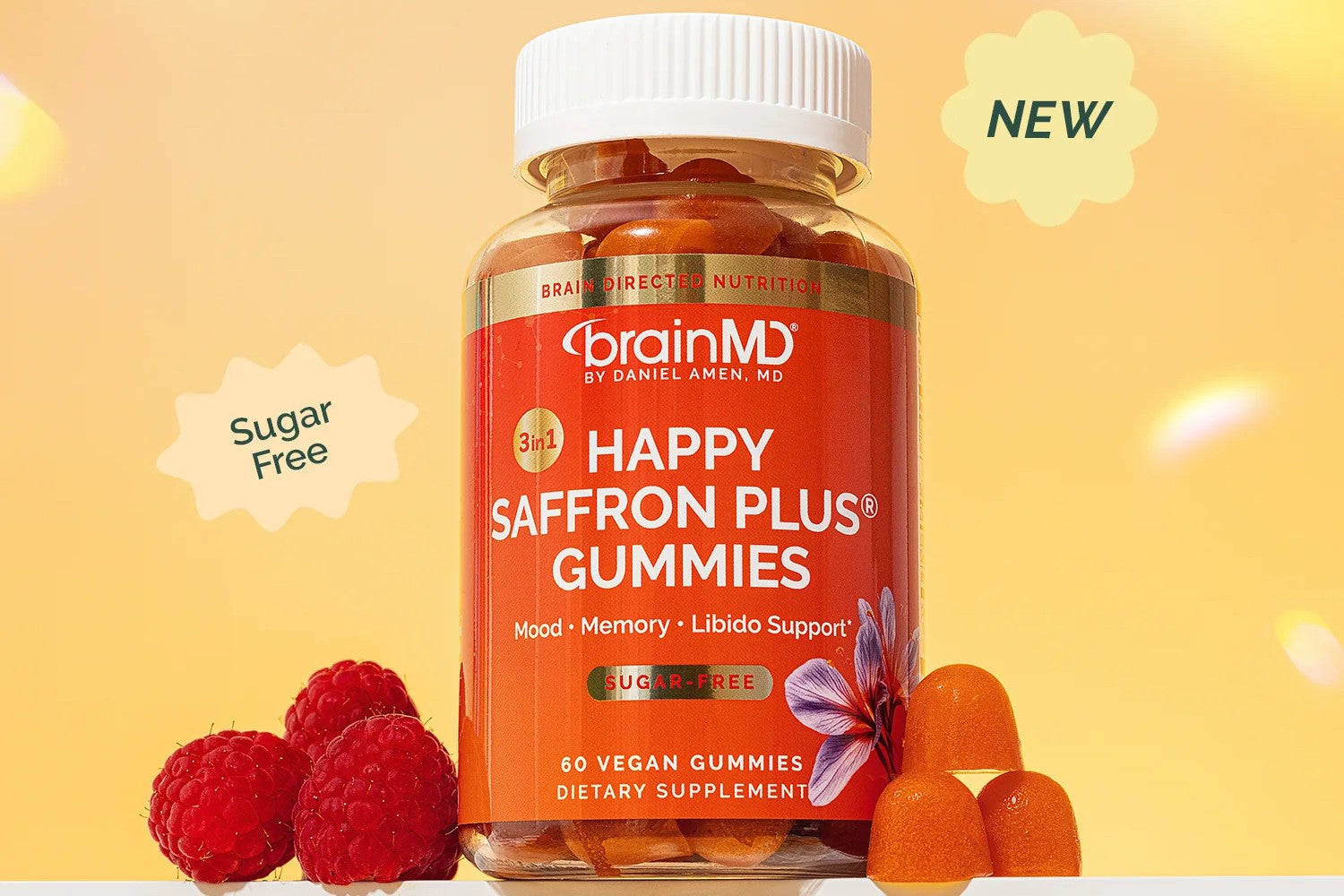
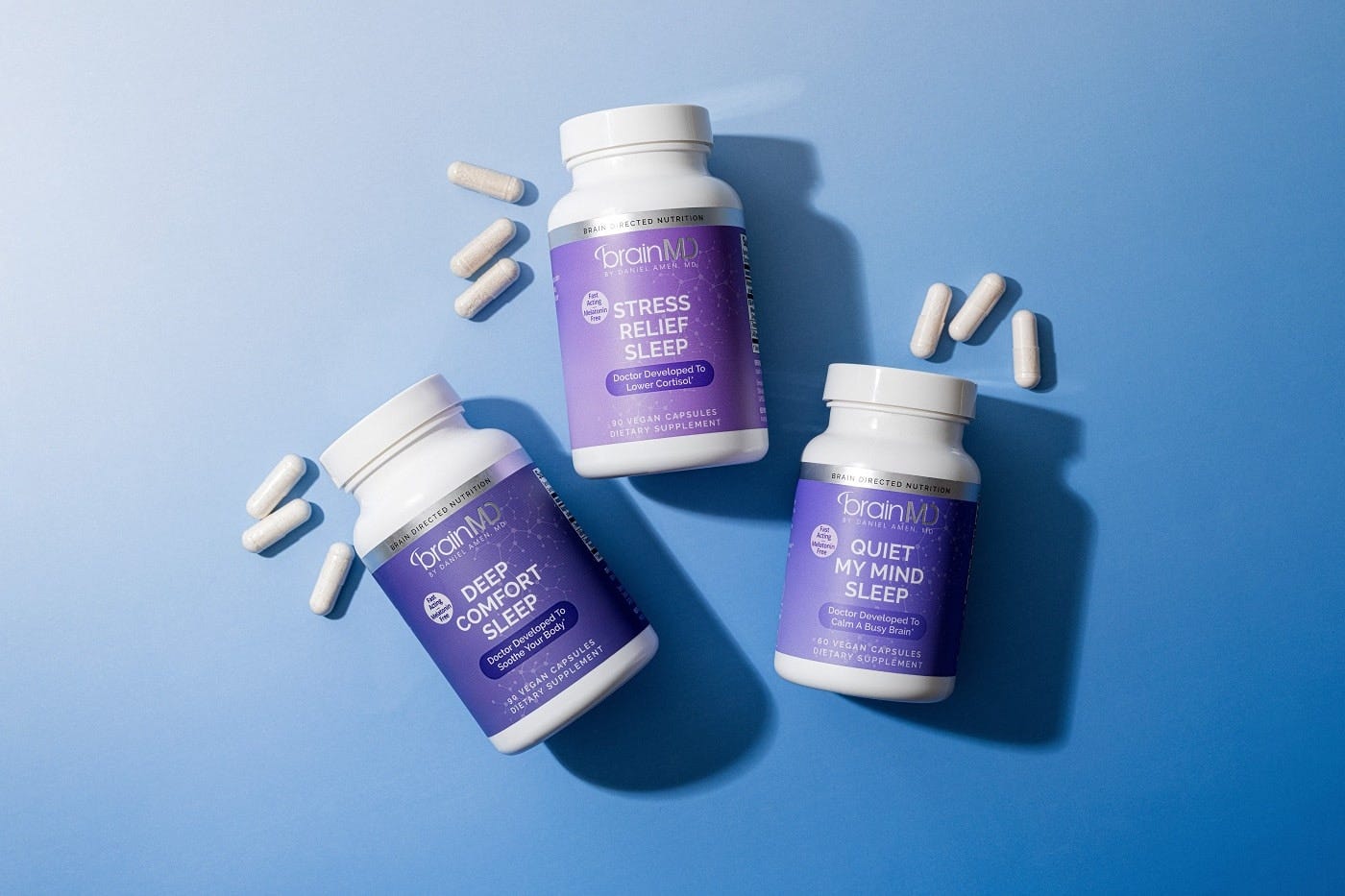



You Know When You Just Don't Feel Like Yourself? Meet Happy Saffron Plus® Gummies
You don't have to feel your worst to want to feel your best. Learn how Happy Saffron Plus Gummies support mood, resilience, and emotional well-being.
Learn more
Gummy Vitamins vs Pills: Does the Delivery Format Really Matter?
What kind of supplements do you prefer? There are many types of supplements including capsules, tablets, chewables, powders, gummies, liquids, energy bars, and more. With so many delivery formats available, it's natural to wonder: Are gummy vitamins as effective as pills? And does the form of a supplement really matter? The answer may surprise you. While different delivery formats each have their own advantages, the biggest factor isn't whether a supplement comes in a gummy or a capsule. It's the quality of the ingredients, the science behind the formulation, and whether you'll actually take it consistently. Let's take a closer look. Types of Supplements There’s a wide array of supplement types and delivery formats. Here are some of the major types of supplements and a few of their basic benefits and drawbacks. Gummy Vitamins Gummy supplements have come a long way over the past decade. While early gummy vitamins often relied on high amounts of sugar, artificial colors, and lower-potency formulas, today's premium gummies can deliver clinically researched ingredients in a convenient, enjoyable format. For many people, gummies make it easier to stay consistent with a daily supplement routine (especially those who dislike swallowing pills or simply prefer a chewable option). And consistency matters because even the highest-quality supplement can’t provide any benefit if it stays in the bottle. That said, not all gummies are created equal. Some products on the market contain sugar, artificial sweeteners, synthetic dyes, or ingredients in amounts too small to provide meaningful benefits. When choosing a gummy supplement, check the supplement facts panel first. Look for products that: Use clinically studied ingredients. Provide meaningful amounts of active ingredients. Do not use added sugar. Avoid unnecessary artificial colors and flavors. Are manufactured under strict quality standards. A great example is BrainMD's Happy Saffron Plus® Gummies, which combine clinically studied saffron extract with complementary nutrients in a delicious gummy designed to support a positive mood and emotional well-being. For adults who don't enjoy swallowing pills, they offer a convenient way to make mood support part of a daily wellness routine. When it comes to the gummy vitamins vs. pills debate, the better question isn't which format wins, it's which product is more thoughtfully formulated, and which one are you more likely to take consistently. A high-quality gummy can be an excellent delivery system for the right ingredients, while a poorly formulated pill isn't automatically better simply because it's a capsule or tablet. Capsules Pill capsules (“two-piece hardgels”) have a smooth, translucent outer shell that’s filled with a loose powder. They typically come in either a traditional gelatin shell or in a vegetarian (plant-based) shell. Capsules protect their contents against breakdown from direct exposure to the air and humidity. They’re generally easier to swallow than tablets and don’t leave behind an unpleasant taste in the mouth. Hardgels are preferred by people, especially parents of young kids, who opt to open the capsule and pour the powder over food or into a liquid or smoothie. One of the downsides is that capsules may contain lower doses of ingredients than tablets. Also, some may find large capsules just as difficult to swallow as tablets. Softgels Softgel pills typically contain liquid supplements inside a sealed gelatin shell. They are often used to encapsulate fish oil, vitamin D, and other fat-soluble vitamins. Softgels can be an excellent option for liquid ingredients. However, they cannot easily be opened or divided, and some consumers prefer to avoid gelatin-based products. Tablets Tablets are produced by compressing granules or powders into a hard pill. Many times, tablets are single-ingredient supplements, such as iron pills. One advantage of tablets is that they can provide higher amounts of ingredients compared to capsules and softgels. Also, tablets can be split (with a pill cutter) or crushed into a powder to make them easier to swallow. A common complaint against tablets is that they tend to be the hardest pill form to swallow. Also, without a coating, they may have a bitter or unpleasant taste. Unfortunately, to avoid that bitterness or to improve appearance, many tablets are coated with potentially unsafe substances (such as titanium dioxide)¹. Chewable Tablets Chewable tablets are useful for delivering larger amounts of an active ingredient that would otherwise take several hardgel or softgel capsules to deliver. As their name suggests, chewable tablets must be chewed before they’re swallowed. Chewables are ideal for those who don’t enjoy or have difficulty, swallowing pills. Since they must be chewed, chewables often are made to taste more pleasant than some other forms of supplements. As with gummy vitamins, there are a few potential pitfalls to be aware of. Many contain artificial colors and flavors that aren’t proven safe. Also, many chewables have sugar or artificial sweeteners, which are included to appeal to the customer’s tastebuds. Look for chewables that minimize sweeteners and artificial ingredients. Energy Bars The energy bar market has exploded in recent years, perhaps driven by the fast-paced nature of our society. Energy bars are often represented as providing a short-term energy boost to bridge the gap from one meal to the next. Some bars are marketed as food-based supplements that provide fats, proteins, and carbohydrates. Unfortunately, many have inferior sources of these food categories and fail to deliver a lasting energy boost. These convenient meal alternatives may (or many not) have a pleasant taste and may contain some vitamins, minerals, and other nutrients. However, many contain artificial colors, flavors, or sweeteners, which offset some of their benefit. For people with blood sugar problems, bars with lots of added sugar can hurt rather than help their mental focus or physical endurance. Liquids Some people just prefer to drink their vitamins. Liquid supplements have become more popular in recent years due to their convenience. Also, many maintain that a product’s efficacy is sustained over a longer period when it’s kept in the refrigerator. This actually isn’t the case because each time the bottle is opened – regardless of the temperature – the air that gets in delivers oxygen to the liquid, which degrades it. Rancidity sets in long before we can sense it by smell or taste. Liquid supplements can be naturally occurring or suspended in a liquid and may be preferred by people who have difficulty swallowing pills. Some of the benefits of liquid supplements are that its doses can be easily tailored and it doesn’t need to be mixed into liquid or water. Also, some research suggests that nutritional ingredients are more efficiently absorbed from liquid supplements compared to solid supplements.² Other than taking up space in your fridge, one of the biggest challenges with liquid supplements is that its taste tends to be amplified over normal supplements, which is a good thing if the product is pleasant tasting, but not so much if it isn’t. Also, liquid supplements tend to be pricier than their capsule or tablet counterparts and need artificial preservatives to keep them from prematurely breaking down. Powders Powdered supplements are dehydrated ingredients that must be dissolved in water or another liquid before being consumed. These nutrients can be added to fruit/vegetable juices, healthy smoothies, or even soups. As with those who prefer liquid supplements, powdered nutrients may be enjoyed as an alternative to pills and may be quickly absorbed. Powders may offer higher doses than pills since doses are easy to adjust. For some ingredients, the daily dose needed for health benefit is so high that a powder is the only choice a responsible manufacturer can make. The tradeoff is that powdered nutrients may have an unpleasant aftertaste. Also, the need to mix the powder into liquids requires more time spent in the kitchen and messes may be created in the combining process. Gummies vs. Capsules/Tablets Comparison Chart Feature Gummy Vitamins Traditional Pills (Capsules/Tablets) Best Suited For Targeted, low-dose micronutrients and concentrated botanicals (like saffron or vitamin D3) where consistency and taste support a daily routine. Bulky macrominerals (calcium, magnesium) and complex multi-ingredient formulas that require high physical volume. Primary Advantage High compliance; enjoyable to take consistently; excellent for accommodating low-dosage, concentrated extracts. Can hold dense, high-volume nutritional payloads in a single serving size. Active Ingredient Delivery Ideal for concentrated extracts that provide targeted support within a small milligram profile. Ideal for high-volume powder formulas and multi-nutrient combinations. What to Look For Clean formulations with minimal, natural sweeteners, avoiding artificial dyes or excess fillers. High-quality shells (like vegetable capsules) that dissolve reliably in the digestive tract. Which Supplement Format Is Best? There isn't a single delivery format that's best for everyone. Instead, consider your personal preferences, health goals, and the type of nutrient you're supplementing. Capsules are a great choice for many vitamins, minerals, and herbal ingredients. Softgels work especially well for oils and fat-soluble nutrients. Powders are ideal when larger amounts of an ingredient are needed. Liquids can be helpful for flexible dosing or those who have difficulty swallowing. Gummies are an excellent option for people who value convenience, great taste, and daily consistency. Ultimately, the best supplement is one you'll actually take consistently. Quality Matters More Than Format Whether you choose gummies, capsules, tablets, or powders, look beyond the delivery system. Choose supplements that are: Backed by science. Made with high-quality ingredients. Manufactured according to rigorous quality standards. Transparent about what's included, and what's left out. A thoughtfully formulated supplement can support your wellness goals regardless of its format. At BrainMD, we’re dedicated to providing the highest quality supplements to improve your physical health and overall well-being. For more information about our full list of brain healthy supplements, please visit us at BrainMD. These statements have not been evaluated by the FDA. This content is for informational purposes only. It is not meant to substitute for medical or healthcare advice from a physician, nor is it intended to diagnose, treat, cure, or prevent any disease. Consult your healthcare provider before beginning a new health regimen. References: ¹Skocaj, M., Filipic, M., Petkovic, J., & Novak, S. (2011). Titanium dioxide in our everyday life; is it safe? Radiology and Oncology, 45(4), 227–247. https://doi.org/10.2478/v10019-011-0037-0 ²Ko, J., Yoo, C., Xing, D., Gonzalez, D. E., Jenkins, V., Dickerson, B., Leonard, M., Nottingham, K., Kendra, J., Sowinski, R., Rasmussen, C. J., & Kreider, R. B. (2023). Pharmacokinetic analyses of liposomal and non-liposomal multivitamin/mineral formulations. Nutrients, 15(13), 3073. https://doi.org/10.3390/nu15133073
Learn more
Taurine Supplement: Why You Need It for Brain Health and Aging
Perhaps you’ve heard about taurine (l-taurine) and have wondered what it is and how it can help you. Let’s examine the benefits, cautions, and best taurine supplement you should take… What Is Taurine? Taurine is a vitamin-like, conditionally essential nutrient that’s concentrated in electrically active tissues such as the retina, heart, and brain. A powerful amino acid, taurine helps protect against calcium overactivity, which can lead to the destruction of brain cells. Taurine is essential for healthy mitochondria, the tiny energy generators in all our cells. It also promotes optimal performance of the GABA and glutamate transmitter systems. Taurine supports healthy blood flow to the brain, is a powerful antioxidant, and is essential for the health of every cell in the body. It’s also beneficial for the adrenal glands, which are crucial for coping with stress. The standard American diet provides 120-180 milligrams of taurine daily.¹ Taurine and Aging Your body naturally produces taurine, but levels gradually decline over time. This decrease may contribute to several factors of biological aging, including reduced mitochondrial efficiency and increased oxidative stress. Taurine plays a key role in cellular energy production, brain communication, and cardiovascular system function. Lower levels of taurine have been associated with reduced metabolic efficiency and disruptions in brain signaling. Supporting taurine levels may help your body maintain resilience at the cellular level as you age. Taurine and Cardiovascular Health One of taurine’s well-established benefits is its role in supporting cardiovascular health. Taurine helps support healthy blood pressure,² cholesterol metabolism, and cardiac rhythm, and may help protect blood vessels from oxidative stress. Taurine enhances the production of nitric oxide, a signaling molecule that promotes blood vessel relaxation. This helps improve vascular tone and support healthy blood pressure levels. Taurine In Energy Drinks Taurine can act as a stimulant to help enhance mental and physical performance. As such, taurine is commonly added to energy drinks to boost their energizing effects. According to the Cleveland Clinic Journal of Medicine, consuming an energy drink can increase daily intake of taurine 6 to 16 times (around 750 mg per 8-ounce serving).³ When paired with caffeine in energy drinks, taurine can increase heart rate and blood pressure, which may lead to serious health risks. When you’re low on energy and need a pick-me-up, resist the urge to reach for a beverage loaded with caffeine, sugar, and other harmful ingredients. Instead, consider taking… BrainMD’s Taurine Supplement BrainMD’s Taurine supplement delivers a clinically researched dose (1000 mg) of taurine to help restore what your body naturally loses with age.* Benefits of Taurine Supports brain signaling and cognitive performance* Promotes cellular energy and healthy aging* Supports healthy blood pressure and circulation* Helps maintain metabolic efficiency and insulin sensitivity* Supports a calm, balanced nervous system* Helps maintain electrolyte balance* Supports cardiovascular function* Taurine Ingredient Taurine 1000 mg Taurine is a conditionally essential amino acid concentrated in the brain, heart, and muscles. It supports cellular energy production, neurotransmitter balance,⁴ and cardiovascular function.* Taurine also plays a role in regulating calcium signaling, oxidative stress, and metabolic processes, making it a key nutrient for whole-body health and longevity.* Taurine FAQ Why do I need taurine if my body already makes it? Your body naturally produces taurine, but levels tend to decline with age and can be lower during periods of stress or poor diet.* Supplementing helps restore healthy levels, especially when your body can no longer produce taurine efficiently.* Will this supplement make me feel calm or sleepy? Taurine helps support a balanced nervous system and may promote a sense of calm.* It doesn’t typically cause drowsiness and can be taken any time during the day.* Who should take Taurine? Adults looking to support brain health, cardiovascular function, metabolic balance, or healthy aging may benefit from taking Taurine, especially individuals 40+ or those who consume a plant-based diet.* Can I take this with other supplements? Yes. BrainMD’s Taurine pairs well with other brain and heart-support supplements such as the Omega-3 Power.* Is this product vegan and clean? Yes. This formula is vegan and free from artificial colors/flavors, gluten, dairy, and soy.* Who shouldn’t take this product? If you’re pregnant, nursing, taking medications, or have a medical condition, it’s recommended that you consult your healthcare provider before using this product.* What Our Experts Say About BrainMD’s Taurine Supplement: “As we age, levels of key nutrients like taurine decline. Supporting those levels can be an important part of maintaining brain function, energy, and overall health.” - Dr. Daniel Amen | Founder, Amen Clinics & BrainMD “Taurine is an amino acid that is known for its impact in promoting cardiovascular, brain, and metabolic health—which can all help to support healthy aging. BrainMD’s Taurine supplement provides the clinically researched and science-backed formulation of taurine to ensure a product that is both high quality and highly effective.” - Dr. Nicole Avena | Chief Science Officer, BrainMD Lean Into Taurine BrainMD’s Taurine supplement provides a clinically researched dose of taurine that helps promote cognitive performance and healthy aging.* Also, it supports cardiovascular health, metabolic balance, and long-term cellular resilience.* Try Taurine today! At BrainMD, we’re dedicated to providing the highest quality supplements to improve your physical health and overall well-being. For more information about Taurine and our full list of brain healthy supplements, please visit us at BrainMD. *These statements have not been evaluated by the FDA. This content is for informational purposes only. It is not meant to substitute for medical or healthcare advice from a physician, nor is it intended to diagnose, treat, cure, or prevent any disease. Consult your healthcare provider before beginning a new health regimen. References: ¹Laidlaw, S. A., Grosvenor, M., & Kopple, J. D. (1990). The taurine content of common foodstuffs. JPEN: Journal of Parenteral and Enteral Nutrition, 14(2), 183–188. ²Sun Q, Wang B, Li Y, et al. Taurine Supplementation Lowers Blood Pressure and Improves Vascular Function in Prehypertension: Randomized, Double-Blind, Placebo-Controlled Study. Hypertension. 2016;67(3):541-549. ³Caine, J. J., & Geracioti, T. D. (2016). Taurine, energy drinks, and neuroendocrine effects. Cleveland Clinic Journal of Medicine, 83(12), 895–904. https://doi.org/10.3949/ccjm.83a.15050 ⁴Wu JY, Prentice H. Role of taurine in the central nervous system. J Biomed Sci. 2010;17 Suppl 1(Suppl 1):S1. Published 2010 Aug 24. doi:10.1186/1423-0127-17-S1-S1.
Learn more
Meet Smart Relief: 4 of the Best Nutrients for Brain & Body Comfort
The best way I know to introduce our exciting new product Smart Relief is to tell you a story about Dr. Daniel Amen. I’m not telling stories out of school—Dr. Amen told this one himself on one of his terrific PBS specials, so I’m sure he won’t mind my passing it on to you. Here’s the story. Apparently, Dr. Amen had a close friend, a cardiologist with a major back problem. In fact, the poor guy had been battling back discomfort for over four years, and had tried just about everything: medication, physical therapy, even injections. When an MRI revealed spinal issues, he scheduled surgery, hoping it would finally bring relief. Over dinner one night, Dr. Amen asked his friend a simple question that changed everything for him: “What if the problem isn’t just in your back? What if it’s also stuck in your brain?” He explained that when discomfort drags on for weeks or months, it doesn’t just live in the body anymore—it rewires your brain. The brain starts to expect pain, to anticipate it, to amplify it. In a sense, the body gets trapped in a loop. Dr. Amen told his friend something that stunned him: Over 60% of people over 50 who have no pain at all show abnormal MRIs. By age 70, that number climbs to 80%. The real issue, said Dr. Amen, isn’t the MRI—it’s the fear it creates. The brain begins spinning a story of worry and limitation, locking you into what he calls the “doom loop.” But the beautiful truth is that this story can be rewritten. A few weeks later, the cardiologist called him. His pain was 90% gone. No surgery. No new drugs. Just a new way of finding relief—not starting with his back, but with his brain. Enter Smart Relief That same principle—that comfort begins in the brain—is what inspired Smart Relief, BrainMD’s newest innovation for supporting physical comfort, mobility, and ease.* Because the more we understand the connection between the brain and body, the more we realize that when you support one, the other responds. There’s nothing quite like the feeling of ease—your body moves freely, your mind feels lighter, and you can take on the day without those little reminders that something aches, tugs, or tightens. But let’s be honest—for most of us, that feeling doesn’t come as easily as it used to. Between long hours at a desk, ambitious workouts, and the sheer stress of everyday life, the body takes a beating. You don’t have to be an athlete to feel the effects. By evening, your back talks to you. Your joints grumble. Even your brain seems to slow down when your body’s uncomfortable. That’s exactly why BrainMD created Smart Relief—a science-based formula designed to help your body bounce back, move more easily, and feel more comfortable, day after day.* Why Your Body Deserves Smart Relief Smart Relief isn’t about masking symptoms. It’s about helping your body restore its natural sense of balance and ease.* Modern life throws a lot at us—repetitive motion, screen time, stress hormones, even dietary choices—and they all chip away at the body’s comfort zone. Over time, your internal “inflammation switch” can stay turned on longer than it should, leaving you stiff, sore, or sluggish. Smart Relief was created to help your body maintain a healthy inflammatory balance—the kind that naturally settles once the job’s done.* Because when your body feels supported, recovery happens naturally.* The BrainMD Difference: Four Clinically Studied Ingredients, One Powerful Formula Each capsule of Smart Relief delivers a precise combination of four research-backed nutrients that work together to support comfort, flexibility, and whole-body recovery.* Here’s what’s inside — and why it matters. 1. Palmitoylethanolamide (PEA): Nature's Calming Molecule Palmitoylethanolamide (PEA) is a fatty acid naturally produced by the body to help soothe overstimulated nerves and maintain comfort.* The ultra-micronized form used in Smart Relief dissolves more efficiently, helping your system absorb and utilize it effectively.* Studies show that PEA supports the body’s natural ability to quiet every day physical discomfort and promote a sense of ease and relaxation.* In research, palmitoylethanolamide has been studied for its role in supporting the body’s natural inflammatory balance and overall comfort.* 2. Boswellia Serrata: The Ancient Herb for Modern Mobility Used for centuries in traditional wellness practices, Boswellia is now supported by modern research showing it can help maintain healthy joints and flexibility.* The active compounds, called boswellic acids, support the body’s natural inflammatory balance, helping you move with less stiffness and more flow—whether you’re getting out of bed or back on the tennis court.* 3. Ginger Extract: Powerful Plant Support for Everyday Recovery Ginger is more than a kitchen spice—it’s one of nature’s most reliable comfort allies.* Concentrated ginger extract helps modulate key pathways in the body that influence how you respond to physical stress.* Clinical studies suggest ginger supports joint health, recovery from exercise, and general well-being—all without drowsiness or dependency.* 4. Calcium Fructoborate: A Unique Nutrient Complex for Joint and Cellular Health This patented compound combines calcium, fructose, and boron in a natural form the body easily recognizes.* Research shows it can help maintain healthy levels of C-reactive protein (a key marker of inflammation) while supporting joint comfort and flexibility.* Think of it as foundational nutrition for resilient, comfortable movement.* Why It Works Better—The Magic of Synergy Each ingredient in Smart Relief is effective on its own.* But when combined, they complement one another beautifully—addressing comfort from multiple angles at once.* While most supplements focus on just one ingredient, Smart Relief blends four clinically researched compounds into a single, synergistic formula.* It’s designed to support both short-term recovery and long-term mobility, helping you stay active, independent, and engaged in life.* And because it’s non-drowsy, non-habit-forming, vegan, gluten-free, and free of artificial colors or flavors, it fits seamlessly into your daily routine—whether you take it in the morning before work or after an evening workout.* Who Can Benefit from Smart Relief Active Adults and Athletes – Support faster recovery and ease after intense workouts or long games.* Busy Professionals – Help offset the stiffness that builds up from long hours sitting at a desk.* Older Adults – Support joint comfort and flexibility to stay mobile and confident.* Anyone with an active life – If you move, stretch, lift, or sit all day — your body will thank you.* Smart Relief is for anyone who wants to stay active, vibrant, and comfortable—no matter what life brings.* How to Use Smart Relief Take 2 capsules daily, preferably with food, and use consistently as part of your wellness routine. Like any supplement, consistency is key—Smart Relief works best when you give your body the steady support it needs to stay balanced.* Smart Relief at a Glance Supports a healthy inflammatory response* Helps ease occasional everyday discomfort* Promotes joint comfort, flexibility, and mobility* Encourages faster recovery after physical stress* Enhances overall physical comfort and total wellness* When Your Body Feels Better, Your Brain Does Too At BrainMD, we’ve always believed that body health and brain health are one and the same. When your body is tense, stiff, or uncomfortable, your brain feels it—and when your body moves freely, your mood, focus, and energy all follow.* Smart Relief was developed to help bridge that connection: supporting both brain and body comfort, so you can feel clearer, stronger, and more at ease in your own skin.* Because you deserve more than momentary relief — you deserve lasting comfort that keeps up with your life.* *These statements have not been evaluated by the FDA. This content is for informational purposes only. It is not meant to substitute for medical or healthcare advice from a physician, nor is it intended to diagnose, treat, cure, or prevent any disease. Consult your healthcare provider before beginning a new health regimen. References: Clayton, P., et. al. (2021) Palmitoylethanolamide: A Natural Compound for Health Management https://pubmed.ncbi.nlm.nih.gov/34069940/ Rankin, L., Fowler, C.J. (2020) The Basal Pharmacology of Palmitoylenthanolide https://pubmed.ncbi.nlm.nih.gov/33114698/ Lang-Illievich, K., et. al. (2023) Palmitoylethanolamide in the Treatment of Chronic Pain: A Systematic Review and Meta-Analysis of Double-Blind Randomized Controlled Trials https://pubmed.ncbi.nlm.nih.gov/36986081/ Petrosino, S., Moriello, A.S. (2020) Palmitoylethanolamide: A Nutritional Approach to Keep Neuroinflammation within Physiological Boundaries—A Systematic Review https://pubmed.ncbi.nlm.nih.gov/33333772/ Yu, G., et. al. (2020) Effectiveness of Boswellia and Boswellia extract for osteoarthritis patients: a systematic review and meta-analysis https://pubmed.ncbi.nlm.nih.gov/32680575/ Siddiqui, M. Z. (2011) Boswellia serrata, a potential anti-inflammatory agent: an overview https://pubmed.ncbi.nlm.nih.gov/22457547/ Majeed, M., et. al. (2019) A pilot, randomized, double-blind, placebo-controlled trial to assess the safety and efficacy of a novel Boswellia serrata extract in the management of osteoarthritis of the knee https://pubmed.ncbi.nlm.nih.gov/30838706/ Rondanelli, M, et. al. (2020) Clinical trials on pain lowering effect of ginger: A narrative review https://pubmed.ncbi.nlm.nih.gov/32436242/ Kim, S., et. al. (2022) The Effect of Ginger and Its Sub-Components on Pain https://pubmed.ncbi.nlm.nih.gov/36079679/ Moshfeghinia, R., et. al. (2024) Ginger for Pain Management in Primary Dysmenorrhea: A Systematic Review and Meta-Analysis https://pubmed.ncbi.nlm.nih.gov/38770631/ EFSA Panel on Nutrition, Novel Foods and Food Allergens (NDA), et. al. (2021) Safety of calcium fructoborate as a novel food pursuant to Regulation (EU) 2015/2283 https://pubmed.ncbi.nlm.nih.gov/34257728/ Scorei, R. I., Rotaru, P. (2011) Calcium fructoborate—potential anti-inflammatory agent https://pubmed.ncbi.nlm.nih.gov/21274653/ Scorei, I. D., Scorei, R. I. (2013) Calcium fructoborate helps control inflammation associated with diminished bone health https://pubmed.ncbi.nlm.nih.gov/23982445/
Learn more
The New Science of Sleep: Personalized Supplements for Stress, Discomfort and Racing Thoughts
You’re exhausted. You’ve tried melatonin. You’ve tried magnesium. You’ve even tried cutting off caffeine at 2 PM. And still, you find yourself staring at the ceiling at 3 AM, wondering what it’s going to take to finally get a good night’s sleep. You’re not alone. Roughly one in three American adults reports not getting enough sleep on a regular basis.(1) And here’s the real kicker: most of those people aren’t dealing with the same problem. One person is stressed out and can’t wind down. Another is dealing with physical discomfort. Another is overwhelmed by racing thoughts. And yet most sleep supplements treat all of them exactly the same. That’s where BrainMD’s new line of sleep supplements comes in. Designed by sleep medicine doctor and psychiatrist, Dr. Shane Creado, these three new melatonin-free formulas are built for real people with real sleep issues. They’re science-backed, targeted, and designed to meet your body where it is.* In this blog, we’ll walk through each one, show you how they fit into the bigger BrainMD sleep ecosystem, and explain why personalized sleep support is the future of sleep upgrades. And if you’re not sure which one to start with, that’s okay too. We’ll talk about how to find your best match—and why sometimes, it takes a little trial and error to get there. Why One-Size-Fits-All Sleep Supplements Fall Short Not all sleep problems are created equal. Stress-related sleep issues don’t work the same way as physical discomfort-related sleep disruptions. Restlessness from mental hyperactivity is different from jet lag or night-shift circadian chaos. And yet, most over-the-counter supplements treat all sleep problems with one blanket approach: melatonin. Melatonin can be helpful for some people, but it isn’t a cure-all. And in certain populations—especially children, teens, and those taking certain medications—melatonin can be problematic. A 2023 review of melatonin safety raised concerns about its widespread use in young people, noting insufficient long-term data and potential hormonal impacts.(2) That’s one reason BrainMD chose to go melatonin-free with its new line of sleep supplements. But the real breakthrough isn’t just what they left out. It’s what they put in. Each of the three new formulas is designed to address a specific type of sleep disturbance: Deep Comfort Sleep targets extreme discomfort, gut-related issues, and promotes a healthy inflammatory response.* Stress Relief Sleep helps lower cortisol and soothe the wired-tired brain.* Quiet My Mind Sleep calms mental overactivity and supports focus-driven brains (think shift workers and frequent flyers).* These formulas don’t try to knock you out. They try to help you restore balance—physiologically, neurologically, and emotionally.* That’s what real sleep science is all about. Three Sleep Formulas. One Groundbreaking Shift in How We Think About Rest. Instead of offering one all-purpose pill to “knock you out,” BrainMD created three highly targeted, melatonin-free formulas—each one addressing a specific reason people can’t sleep.* This isn’t marketing fluff. It’s real sleep science in action. Sleep disruption isn’t just a matter of “I’m not tired.” It can be driven by physical discomfort, high levels of cortisol, or mental hyperactivity—and each of those issues has different root causes, biological pathways, and clinical support options.* Here’s how the new sleep supplement line breaks down: Deep Comfort Sleep For sleep that’s sabotaged by physical discomfort or gut-related issues What it targets: Minor aches or body tension* Occasional joint or body discomfort* Gut-brain axis disruption(8)* Fatigue that isn’t resolved with rest* What it’s made for: This formula is built for people who wake up tired, feel stiff or achy at night, or have gut imbalance.* It’s especially relevant for adults over 40 or anyone with autoimmune tendencies, joint stiffness, or digestive struggles.* Why it works: Boswellia(7), and other specific agents that help support a healthy inflammatory response(6) help attain and balanced, whole-body calm so your system can finally enter a true rest-and-repair state.* Stress Relief Sleep For wired brains, tight chests, and cortisol that won’t quit.* What it targets: High cortisol levels* Sleep-onset anxiousness* Mid-night wakeups tied to stress* Emotional exhaustion* What it’s made for: This is the formula for people who can’t shut off their brain—or who wake up at 2 AM feeling like their fight-or-flight system is still in overdrive.* Think: grief, burnout, job loss, divorce, or just life.* Why it works: It supports your adrenal rhythm and helps reduce stress hormone output with ingredients like ashwagandha(9), phosphatidylserine(10), and calming adaptogens that have been shown to reduce nighttime cortisol and improve sleep onset latency.* Quiet My Mind Sleep For the racing-thought crowd—think overthinkers and night owls.* What it targets: Overactive thoughts* Mental restlessness* Shift work, frequent travel, or inconsistent sleep-wake cycles* Seasonal sleep disruption* What it’s made for: If your brain doesn’t know how to “power down,” this is your formula.* It’s safe for adults and teens 14+, and it’s especially useful for people with hyperactive tendencies, neurodivergent patterns, or chaotic sleep schedules.* Why it works: This blend focuses on calming the nervous system with nutrients that promote GABA signaling(11) and serotonin balance—like magnesium, saffron(13), L-theanine(12), and lion’s mane.(14)* These help the brain slow down, reduce mental noise, and support deeper REM cycles.* Each formula is clean, melatonin-free, and built to be part of a system, not a Band-Aid.* You won’t find mystery blends or pixie-dusted herbs here—just targeted, evidence-based ingredients with a clear purpose.* Coming up next: how these products fit into the BrainMD sleep ecosystem, and why Dr. Shane Creado might just be your new favorite sleep whisperer. Designed by a Doctor. Built for Real Life. What sets these new sleep formulas apart isn’t just what’s in them—or what’s left out. It’s who created them—and the clinical reality they were designed to serve. Dr. Shane Creado isn’t your average supplement formulator. He’s a double board-certified sleep medicine doctor and psychiatrist who works with Olympic athletes, professional sports teams, and high-performing professionals who can’t afford to be groggy, foggy, or chemically sedated. His book Peak Sleep Performance for Athletes has become a modern manual for optimizing rest as a tool for mental sharpness, emotional resilience, and physical regeneration.(15) And now, that same expertise is built into every capsule of this new line of high-quality sleep supplements. "Sleep optimization is the last frontier in peak performance.” - Shane Creado, MD But Dr. Creado’s approach isn’t just for athletes. It’s for anyone who’s sick of “sleep hygiene” tips that don’t work, tired of melatonin dependence, or stuck cycling through supplements that don’t address why they’re not sleeping in the first place. These formulas were built to fill the gaps Dr. Creado saw time and again in his clinical practice: People with physical discomfort, whose sleep never really restores them.* People with feelings of anxiousness or trauma, who dread the moment their head hits the pillow.* People with attention issues or stress-fueled busy brains that just…won’t…turn…off.* And because these formulas are melatonin-free and NSF-certified, they’re appropriate for teens, athletes, and professionals with sensitive systems or drug testing requirements.* They’re not meant to be addictive. They’re not meant to zonk you out. They’re meant to reset your system, naturally.* So… Which One Should I Try First? (And What If I Don’t Know?) This is the question everyone asks. And the honest answer? It depends. Some people know exactly what’s keeping them up at night: a sore shoulder, a racing mind, a life falling apart. Others just know they’re tired of being tired. Either way, choosing the right sleep formula shouldn’t feel like guesswork—but it also doesn’t require perfection. Here’s the reframe: Not having a single, perfect answer doesn’t mean this approach is vague or unscientific. It means it’s personalized. In medicine, this is called biochemical individuality—and it’s why even MDs regularly adjust treatments based on how a person responds. It’s not trial-and-error. It’s trial and insight. We see this all the time: Some people respond better to ashwagandha than L-theanine* Some sleep deeper on saffron than magnesium* Some need nervous system support, while others need their physical discomfort dialed down first* That’s not a flaw. That’s your body’s way of telling you what works. Our Advice? Start with the formula that matches your dominant sleep struggle—aches, stress, or mental overactivity.* Give it a solid two weeks.* If it doesn’t get you where you want to go, try layering in another or switching to a different one.* Sleep is a system, not a switch that you can turn off and on like a light. And BrainMD’s sleep ecosystem is designed to support that system holistically.* Also worth noting: some of these products pair beautifully with existing BrainMD formulas like Calm My Brain, NAC, Everyday Stress Relief, or Brain Curcumins. This isn’t a one-and-done approach. It’s a toolkit. The BrainMD Sleep Lineup at a Glance Still not sure which sleep formula is right for you? This quick-reference chart breaks down all five of BrainMD’s core sleep and relaxation products—including the three new melatonin-free formulas, plus the two foundational classics Put Me To Sleep Naturally and Restful Sleep. Whether your challenge is falling asleep, staying asleep, or shutting down a racing brain, this guide will help point you in the right direction.* Each of these formulas stands on its own. But taken together, they form the foundation of BrainMD’s comprehensive, personalized sleep ecosystem—one that honors the fact that no two brains (or sleep problems) are alike.* Pro Tip: If you’ve had mixed results with melatonin, focus on the melatonin-free options first.* They offer a completely different approach to sleep support—one that’s often more sustainable for long-term use.* Final Thoughts: Sleep That Meets You Where You Are Here’s the truth no one tells you: You’re not broken. You’re just mismatched. Most people struggling with sleep don’t need another generic sleep aid. They need a protocol that actually understands what they’re going through—and meets them there. That’s what BrainMD’s new sleep supplement line is about. It’s not about knocking you out. It’s about helping your body do what it already wants to do: rest and repair.* Whether your challenge is stress, physical discomfort, or a mind that just won’t stop running, there’s now a formula built for that exact issue.* One that doesn’t rely on melatonin. One that’s backed by a doctor who’s seen it all.* And one that plays well with your body—not against it.* So, if you’ve been burned by sleep supplements in the past—or if you’ve never really found the right fit—this is your invitation to try again. You deserve sleep that works for you.* Let BrainMD help you find it.* At BrainMD, we’re dedicated to providing the highest quality supplements to improve your physical health and overall well-being. For more information about our full list of brain healthy supplements, please visit us at BrainMD. *These statements have not been evaluated by the FDA. This content is for informational purposes only. It is not meant to substitute for medical or healthcare advice from a physician, nor is it intended to diagnose, treat, cure, or prevent any disease. Consult your healthcare provider before beginning a new health regimen. Meet Dr. Shane Creado Shane Creado, MD is a double board-certified sleep medicine doctor and psychiatrist who specializes in optimizing brain performance through better sleep. He’s worked with Olympic athletes, professional sports teams, and elite performers across the world—from the NBA to the PGA to the U.S. Olympic Committee. Dr. Creado is the author of Peak Sleep Performance for Athletes and serves as the VP for the Americas for the International Society for Sports Psychiatry. He is also the creator of the Overcoming Insomnia course for Amen University and consults with Amen Clinics on clinical strategy and supplement formulation. His mission: to deliver personalized, non-pharmacological sleep supplements that help real people feel and function better—without dependency, grogginess, or guesswork. Learn more at shanecreado.com or follow @peaksleepperformance on Instagram. References: CDC. 1 in 3 adults don’t get enough sleep. https://sleepeducation.org/cdc-americans-sleep-deprived/ Videnovic A, Zee PC. Melatonin use in children: Safety concerns. https://pubmed.ncbi.nlm.nih.gov/37451058/ Xie L, et al. Sleep drives metabolite clearance from the adult brain. Science. 2013. https://pubmed.ncbi.nlm.nih.gov/24136970/ Hogenkamp, et al. Acute sleep deprivation increases portion size and affects food choice in young men, Psychoneuroendocrinology, 2013 https://pubmed.ncbi.nlm.nih.gov/23428257/ Abbasi B, et al. Magnesium supplementation in insomnia. J Res Med Sci. https://pubmed.ncbi.nlm.nih.gov/23853635/ Daily JW, et al. Efficacy of turmeric extracts and curcumin. J Med Food. 2016. https://pubmed.ncbi.nlm.nih.gov/27533649/ Ganpeng, et al. Effectiveness of Boswellia and Boswellia extract for osteoarthritis patients: systematic review and meta-analysis. BMC Complementary Medicine and Therapies, 2020 https://bmccomplementmedtherapies.biomedcentral.com/articles/10.1186/s12906-020-02985-6 Mayer, et al. The gut-brain axis, Annual Review of Medicine, Vol 73, 2022. https://tinyurl.com/2b5n2wdy Chandrasekhar K, et al. A prospective, randomized double-blind, placebo-controlled study of safety and efficacy of a high-concentration full-spectrum extract of ashwagandha root in reducing stress and anxiety in adults Indian J Psychol Med. https://pubmed.ncbi.nlm.nih.gov/23439798/ Starks, et al. The effects of phosphatidylserine on endocrine response…J Int Soc Sports Nutr July, 2008 https://tinyurl.com/hc8he4du Arora, et al. GABAergic implications in anxiety and related disorders, Biochemical and Biophysical Research Communications, Sept 2024. https://tinyurl.com/5rk46hbt Hidese, et al. Effects of L-theanine on Stress-Related Symptoms and Cognitive Functions in Healthy Adults Oct, 2019 https://tinyurl.com/2dnhcj3a Lopresti AL, et al. Effects of saffron on sleep quality in healthy adults with self-reported poor sleep. https://pubmed.ncbi.nlm.nih.gov/32056539/ Lee KE, et al. Hericium erinaceus (Lions Mane) improves mood and sleep disorders…. Evid Based Complement Alternat Med, April 2019 https://pubmed.ncbi.nlm.nih.gov/31118969/ Creado SA. Peak Sleep Performance for Athletes. 2020. https://tinyurl.com/58prxh3k
Learn more
Smart Electrolytes: We Just Gave Your Water the Health Boost It Needs!
When you hear the word electrolytes, you probably think of salty sports drinks and sweaty workouts. Or you think of popular electrolyte “sports” formulas with famous brand names and roughly 35 grams of sugar per bottle. No, thank you. True hydration — the kind your brain and body really need — involves more than just replacing lost sodium. It demands a smarter approach to hydration overall, one that fuels energy, focus, muscle recovery, and overall performance. That’s where Smart Electrolytes comes in. BrainMD's Smart Electrolytes Unlike conventional electrolyte products that overload your system with salt, sugar or both, Smart Electrolytes delivers a balanced blend of essential electrolytes — potassium and magnesium — paired with brain- and body-supportive nutrients like B vitamins and Vitamin C.* It’s hydration, upgraded: designed not just to quench thirst, but to optimize the way you feel and function.* Let’s dive into what we really mean by the concept of “smarter hydration” — and why it’s about so much more than salt and water. Hydration Is About Way More Than Water Water is fundamental to life — but it can’t do the job alone. Your brain, made up of nearly 75% water, relies on electrolytes to function properly. Electrolytes like potassium and magnesium regulate fluid balance, support nerve transmission, and enable muscle contractions. Without them, simply drinking water won’t fully rehydrate you — let alone fuel your body’s (or your brain’s) performance. And it’s not just about quenching thirst. The legendary sports nutritionist pioneer of the 80’s and 90’s, Dr. Michael Colgan, warned decades ago that even a small drop in body water is enough to sabotage physical performance—and that is well before thirst even kicks in. He was right. Research now shows that even mild dehydration—we’re talking as low as a 2% loss in body water—can tank your performance, cutting into your endurance, strength, and even mental focus—without any warning. (1,2). Dehydration can lead to brain fog, fatigue, poor mood, and even headaches. Prolonged dehydration has even been linked to cognitive impairment and reduced physical performance (3). Staying properly hydrated, with the right balance of fluids and electrolytes, is key to keeping both mind and body operating at peak levels. What Traditional Electrolyte Formulas Miss Most traditional electrolyte drinks focus narrowly on replenishing sodium, potassium, calcium, magnesium, and chloride. But here’s the thing: While these minerals are indeed important, many formulas wind up overloading the system with salt, which can cause bloating and water retention. Or — sometimes “and” — they add large amounts of sugar, leading to energy crashes later. If you doubt me, read the labels. Even more critically, a lot of electrolyte product designers overlook the bigger picture, which is hydration. Allow me to offer a mantra which we would all do well to keep in mind: Hydration is about more than water. See, proper hydration isn’t just about replacing sweat loss — it’s about supporting cellular function, energy metabolism, and mental performance. And that’s where Smart Electrolytes stands apart. What Makes Smart Electrolytes Different Smart Electrolytes redefines what hydration can do by combining key electrolytes with brain- and body-supportive nutrients: Balanced Electrolytes: Provides potassium and magnesium in amounts that support nerve function, muscle health, and optimal hydration — without excessive sodium (4).* Brain-Supportive Nutrients: Includes B6, B12, niacin (B3), and Vitamin C — nutrients critical for energy production, mental clarity, and immune support (5, 6).* Clean Formula: Zero sugar, no artificial colors or sweeteners, and keto-friendly — ideal for health-conscious individuals.* This smarter combination helps ensure rapid hydration while fueling your brain and body for better performance, all without the common downsides of traditional sports drinks.* How Smart Electrolytes Support Brain and Body Potassium and Magnesium: These essential electrolytes maintain fluid balance, regulate muscle contractions, and support nerve transmission (4).* Potassium helps prevent cramping and supports cardiovascular function, while magnesium plays a critical role in muscle relaxation and brain health.* Magnesium is also involved in over 300 enzymatic reactions, making it indispensable for overall metabolic health (7).* B Vitamins: Niacin (B3), B6, and B12 are vital for converting food into usable energy.* They also support neurotransmitter synthesis, helping to promote mental clarity and reduce brain fog (6, 8).* B vitamins have even been shown to play a protective role against cognitive decline, making them essential for long-term brain health.* Vitamin C: A powerful antioxidant, Vitamin C helps protect cells from oxidative stress, supports immune function, and may reduce inflammation — crucial benefits for anyone with an active lifestyle (9).* Additionally, Vitamin C contributes to collagen production, supporting joint and skin health, both of which are vital for athletes and active individuals.* Together, these nutrients create a formula that addresses hydration at a deeper level, supporting the brain, body, and immune system — all without sugar crashes.* So Why Are There Vitamins in an Electrolyte Formula? At first glance, electrolytes and vitamins might seem like two different worlds — one focused on hydration, the other on general nutrition. But here’s the connection: true hydration isn’t just about replacing water and minerals. It’s about optimizing the way your cells use that water. B vitamins — like B3 (niacin), B6, and B12 — play a critical role in cellular energy production, supporting the mitochondria that power your cells. Hydration and energy production are tightly linked; without adequate B vitamins, your cells can’t efficiently generate the energy needed for muscle contractions, nerve signaling, and recovery (6, 8). Vitamin C, meanwhile, acts as a potent antioxidant, protecting cells from oxidative stress that can be elevated during physical exertion and dehydration (9). It also supports collagen production for healthy joints and skin — critical for athletes and active individuals. In short: hydration isn’t just about replacing what you sweat out — it’s about ensuring your body can “use” the hydration effectively. Adding targeted vitamins amplifies the benefits of electrolytes, helping to fuel performance, recovery, and resilience from the inside out. Hydration, Upgraded: Smarter Ingredients for Smarter Performance Research shows that properly formulated hydration products improve fluid retention, exercise capacity, and reduce fatigue (3, 10). Adding magnesium into the mix has also been associated with reduced muscle cramping and enhanced athletic performance (7). Meanwhile, B vitamins and magnesium have been linked to improved cognitive performance and reduced stress in healthy adults (8, 11). Emerging studies even suggest that maintaining optimal hydration can positively impact mood and cognitive function, particularly under physical or environmental stress (10). Simply put, hydration isn’t just about replacing what you lose — it’s about giving your body and brain what they need to perform at their best. With Smart Electrolytes, you get: Faster rehydration and better muscle recovery* Sustained mental clarity and reduced brain fog* Immune system support without sugar spikes* Enhanced metabolic support and better cardiovascular health* All with a clean, sugar-free formula. When to Use Smart Electrolytes During Exercise: Replenish lost electrolytes and support recovery after workouts.* Daily Hydration: Combat everyday dehydration and support brain performance — perfect for busy professionals, students, and travelers.* Keto & Low-Carb Lifestyles: Stay hydrated without compromising your dietary goals — Smart Electrolytes has zero sugar and no artificial additives.* High-Stress Situations: Hydration isn’t just for athletes. Stress increases your body’s demand for magnesium and B vitamins.* Smart Electrolytes helps replenish these vital nutrients keeping you sharp, alert, and on your game.* The Bottom Line: Hydrate Smarter, Feel Better Smart Electrolytes isn’t just an electrolyte drink — it’s a smarter way to hydrate.* By combining essential electrolytes with brain-boosting nutrients, it offers a more complete approach to hydration, energy, and recovery.* Say goodbye to sugar crashes, bloating, and brain fog.* Say hello to smarter hydration — and a better, brighter you.* At BrainMD, we’re dedicated to providing the highest quality supplements to improve your physical health and overall well-being. For more information about Smart Electrolytes and our full list of brain healthy supplements, please visit us at BrainMD. *These statements have not been evaluated by the FDA. This content is for informational purposes only. It is not meant to substitute for medical or healthcare advice from a physician, nor is it intended to diagnose, treat, cure, or prevent any disease. Consult your healthcare provider before beginning a new health regimen. References: 1. Cheuvront SN, Carter R III, Sawka MN. Fluid balance and endurance exercise performance. *Curr Sports Med Rep*. 2003;2(4):202–208. doi:10.1249/00149619-200308000-00006. 2. Colgan M. *Optimum Sports Nutrition: Your Competitive Edge*. Advanced Research Press; 1993. 3. Orrù S, Imperlini E, Nigro E, et al. Role of Functional Beverages on Sport Performance and Recovery. *Nutrients*. 2018;10(10):1470. doi:10.3390/nu10101470. PMID: 30308976; PMCID: PMC6213308. 4. Choi D, Cho J, Koo J, Kim T. Effects of Electrolyte Supplements on Body Water Homeostasis and Exercise Performance during Exhaustive Exercise. *Applied Sciences*. 2021;11(9093). https://doi.org/10.3390/app11199093. 5. Morris MS. The role of B vitamins in preventing and treating cognitive impairment and decline. *Adv Nutr*. 2012;3(6):801-812. doi:10.3945/an.112.002535. PMID: 23153734; PMCID: PMC3648704. 6. Noah L, Dye L, Bois De Fer B, et al. Effect of magnesium and vitamin B6 supplementation on mental health and quality of life in stressed healthy adults: Post-hoc analysis of a randomized controlled trial. *Stress Health*. 2021;37(5):1000-1009. doi:10.1002/smi.3051. 7. Moretti A. What is the role of magnesium for skeletal muscle cramps? A Cochrane Review summary with commentary. *J Musculoskelet Neuronal Interact*. 2021;21(1):1-3. PMID: 33657750; PMCID: PMC8020016. 8. Kennedy DO. B Vitamins and the Brain: Mechanisms, Dose and Efficacy—A Review. *Nutrients*. 2016;8(2):68. doi:10.3390/nu8020068. 9. Carr AC, Maggini S. Vitamin C and Immune Function. *Nutrients*. 2017;9(11):1211. doi:10.3390/nu9111211. PMID: 29099763; PMCID: PMC5707683. 10. Adams JD, Karpinski A. Hydration status influences mood and cognitive function. *Biol Sport*. 2022;39(4):1047-1055. doi:10.5114/biolsport.2022.109234. 11. Smith AD, Refsum H. Homocysteine, B vitamins, and cognitive impairment. Annu Rev Nutr. 2016;36:211-239. doi:10.1146/annurev-nutr-071715-050947. PMID: 27296501.
Learn more
These Are 9 of the Best Joint Health Supplements
Do your knees pop every time you stand up? Do you experience discomfort in your joints when you walk or run? Pain in the joints is common, especially as we age. For some, taking a medication, topical agent, joint support supplement, or wearing a brace might help. Others may need occasional injections (steroids, platelet-rich plasma, etc.) to improve mobility and reduce unhealthy inflammatory status. Still, others may end up needing surgery for their knees (common), shoulders, hips, elbows, or other joints. If you’re experiencing discomfort in any of these joint zones, make sure you’re practicing these joint-healthy tips every day. Tips for Better Joint Health Consistent Exercise Exercise is vital to building and maintaining strong joints, so one of the worst things you can do is to stop working out (unless you’re experiencing intense joint discomfort or are recovering from a knee, hip, or other joint surgery). Without a consistent exercise regimen, your muscles can become weak and flabby and your joints stiff and brittle. It’s okay to ease off your full routine while the discomfort persists, but once your body has recovered, gradually return to normal workouts. On the flip side, don’t overdo it. Avoid excessive exercise, which can cause severe joint and muscle discomfort. It also can release potentially toxic free radicals which are generated as you burn more oxygen. These can modify your DNA, break down the structure of your cells, and generally lower the quality of your life. Stay Hydrated It’s vital to stay properly hydrated while exercising. Drinking water helps to prevent muscle cramping and provides the basis for production of the fluid that lubricates your joints. Additionally, drinking water can help your muscles stay strong. When you exercise, you lose water, so your muscle fibers need adequate hydration in order to work longer and harder before they feel tired. By providing those fibers with the water they need to continue making and using energy, you’re helping them build more muscle. Daily Stretches This step should go without saying, but many people skip it or ignore it…to their detriment. Stretching is especially important after the cooldown phase of your workout, as it prevents the buildup of lactate and other energy generation metabolites which can lead to muscle cramping, spasming, and soreness. Also, don’t forget to stretch the muscles around the areas you worked out; an important step that’s easy to forget. Doing daily stretches can help keep your vertebral discs well-hydrated and flexible, lubricate your spinal and other joints, strengthen your muscles, and increase your overall flexibility. Also, many people enjoy yoga or other workout routines that involve stretching and movement. In addition to these daily maintenance prompts, consider incorporating joint-healthy nutrients into your diet… Joint Health Supplements: 9 Nutrients That Can Support Your Joints 1. Omega-3 Fatty Acids The omega-3 fatty acids EPA (eicosapentaenoic acid) and DHA (docosahexaenoic acid) have a wide range of profound health benefits, from supporting heart and joint health to promoting healthy cognition and mood. Omega-3s play a crucial role in regulating the body’s healthy inflammatory responses, which reduce the chances of having problems with your circulation, joints, and other organs. 2. Collagen Collagen is a family of large proteins that provide strength to the body’s connective tissues, which are the packing material into which our cells, tissues, and even organs are fitted. Collagen is a major structural component of this connective tissue “glue” that holds everything in place within the body. Collagen supplements are made up of collagen peptides (also known as hydrolyzed collagen), which is collagen that has been broken down into shorter chains of two or three amino acids so it can be easily absorbed in the GI tract. Some of the peptides of hydrolyzed collagen are uniquely required for making collagen in the body – they aren’t well supplied by the diet. The body can utilize newly-absorbed peptides from hydrolyzed collagen in areas that need repair the most. Collagen sources most commonly include marine (from fish skin and scales), bovine (from cow hide), and porcine (from pork skin). The brain needs collagen, too: for the walls of its blood vessels, for connective tissue packing, even to make and maintain its hundreds of trillions of synapses. 3. Vitamin C Vitamin C (ascorbic acid) is essential for human life. The body needs it but cannot make it, so we must get it from our diet. U.S. Govt surveys indicate a substantial percentage of Americans aren’t getting adequate amounts of vitamin C.¹ The body needs vitamin C as a required cofactor for a major collagen-producing enzyme. Getting sufficient vitamin C means being able to make collagen for healthy circulation, skin, joints, bone and other hard tissues, and all the body’s organs. Collagen is a major component of the connective-type tissues that line our joints. As a major antioxidant protector for the body, vitamin C helps to defend against free radicals and the many toxins that can enter the body via the air, water, or foods. The brain needs vitamin C to make a variety of transmitters and energy-related substances. 4. Curcumin Curcumin (a mixture of 3 highly beneficial curcuminoids) from the turmeric root can be excellent for joint health. Modern science has extensively researched the curcumin complex of curcuminoids and established their powerful antioxidant benefits, in addition to their powerful support for healthy inflammatory balance. In addition to supporting the brain, curcumin has been shown to benefit the eyes, heart and circulation, joints, intestinal tract, skin, prostate, muscles, nerves, and numerous other human tissues. However, turmeric powder is very poorly-absorbed. There are high-absorption curcumin supplements available, but before trying one, make sure the product has improved joint health in clinical trials. 5. SAMe S-Adenosyl-Methionine (SAMe) is a naturally-occurring, hard-working molecule that’s found in almost every tissue and fluid in the body. It’s organically produced in our bodies from the amino acid methionine in the presence of the cofactors B12 and folate and is critical to brain and body health. It powers over 200 enzymes necessary for healthy cell growth, maturation, and specialization. The unique benefits of SAMe are linked to the high energy charge it carries. This enables SAMe to be a cofactor for a broad array of enzymes, by contributing precious energy to power enzyme reactions that otherwise would not occur. The vast majority of methyl group transfer reactions involve SAMe. Methyl transfers are necessary to make DNA, to repair damaged DNA, for the production of joint cells and tissues, and for overall functioning of the entire body. People who don’t make enough SAMe naturally may be helped by taking SAMe as a supplement. Widely studied for the treatment of joint discomfort, SAMe can help more than just joints. Numerous controlled clinical trials support its benefits for mood, cognition, the liver, the gastrointestinal system, and the other organs. 6. Vitamin D3 Vitamin D used to be respected only for building bones. However, this highly-potent vitamin is essential for overall brain and body health. The key to understanding the importance of vitamin D3 is that the body transforms it into a hormone, which has receptors (cell-level sensors) distributed throughout practically all our tissues, including the joints. The vitamin D hormone is crucial for healthy immune system regulation, and high-normal vitamin D levels help ensure healthy immune and inflammatory balance in the joints. Vitamin D levels can help improve your mood, boost your overall brain function, and generally improve your well-being. Vitamin D may be involved in the healthy regulation of as many as 900 human genes. It’s well-documented that vitamin D is essential for the proper absorption of calcium,² and it’s been shown to greatly reduce fracture risk in three ways. First, it helps with the complex process of formation of stronger bones, which involves much more than just adding calcium. Second, vitamin D helps maintain and strengthen muscles, which helps hold joints in healthy position. Last but not least, vitamin D helps improve balance and helps prevent falls. Be sure to purchase vitamin D3, not D2 which is less effective. Aim for a blood level of at least 30 nanograms per milliliter (100 nanomoles per liter). 7. Glucosamine Sulfate Glucosamine is a well-known ingredient in joint care supplements. It’s a substance that naturally occurs in the body. It’s also a building block of connective tissue, working along with cartilage to serve as protective packing within the linings of the joints. In clinical trials, glucosamine sulfate has worked better than glucosamine by itself. Glucosamine is an amino sugar often made from shellfish, but vegetarian forms are also available. Aim for 1500 mg per day of glucosamine sulfate, in a single daily dose or in divided doses. A word of caution: studies suggest glucosamine supplements can negatively interact with the anticoagulant medication warfarin. 8. Chondroitin Sulfate Chondroitin sulfate naturally occurs in the connective tissues of animals and people, as a large molecular complex associated with connective tissue. In clinical trials, it has shown modest benefits for joint comfort, and it’s best used in combination with glucosamine sulfate and other beneficial joint support nutrients. Aim for 800 milligrams per day, from a reputable supplier. 9. MSM (MethylSulfonylMethane) Sulfur is an essential mineral for humans, and substances that supply sulfur often promote joint health. MSM occurs naturally in plants and in the human body. It began to find use among athletes decades ago, and is now an important component of joint health supplements. In clinical trials, MSM has been particularly effective when used in combination with glucosamine sulfate and chondroitin sulfate. Its effective dose range is 1500 to 3000 mg per day, or even higher. It’s affordable and using it can make a huge difference to the health of your joints. Support Your Joints Many people develop problems with their joints, especially their knees, as they age. Before surgery becomes necessary, there are several natural strategies you can try. These include daily stretches, low impact exercises, and joint-supporting nutrients. Taking care of your joints now can pay off dividends in the future. Start strengthening your joints by implement these helpful steps today! At BrainMD, we’re dedicated to providing the highest purity nutrients to improve your physical health and overall well-being. For more information about our full list of brain healthy supplements, please visit us at BrainMD. These statements have not been evaluated by the FDA. This content is for informational purposes only. It is not meant to substitute for medical or healthcare advice from a physician, nor is it intended to diagnose, treat, cure, or prevent any disease. Consult your healthcare provider before beginning a new health regimen. References: 1. Crook, J., Horgas, A., Yoon, S.-J., Grundmann, O., & Johnson-Mallard, V. (2021). Insufficient vitamin C levels among adults in the United States: Results from the NHANES surveys, 2003–2006. Nutrients, 13(11), 3910. https://doi.org/10.3390/nu13113910 2. Khazai, N., Judd, S. E., & Tangpricha, V. (2008). Calcium and vitamin D: Skeletal and extraskeletal health. Current Rheumatology Reports, 10(2), 110–117. https://doi.org/10.1007/s11926-008-0020-y
Learn more
How Caffeine Effects Your Brain: Truths and Myths
It suddenly seems as though there’s a new coffee shop on every corner, selling highly caffeinated drinks packed with sugar and fat. As a society, we are going from drinking 1-2 cups of coffee a day to 1-2 cups – three or four times a day. It’s the new comfort food, especially in cold weather. In order to make it in today’s fast-paced world, you’ve got to stay focused with plenty of energy – both physical and mental energy. It’s easy to see why your body craves caffeine in the short term, especially if you’re sleep-deprived and feeling down. As energy levels dip because of an overstressed lifestyle, though, have you ever wondered what all that caffeine is doing to your brain? Many people don’t know of an alternative to caffeine. Negative Effects of Caffeine on the Brain Granted, caffeine can lead to temporary increased alertness, and sports medicine research does promote it as an athletic performance enhancer under certain conditions. However, excessive caffeine every day also constricts blood flow to your brain¹ and many other organs. A daily cup of joe probably isn't a problem, but more than 3-4 cups of caffeine, which is metabolized in your hard-working liver, may raise a few issues. Adenosine is a chemical in the brain that causes drowsiness by slowing down nerve cell activity – and it’s the key to understanding caffeine dependence. When we are tired, adenosine triggers the brain to slow down so we will go to sleep and naturally rejuvenate our own brain function. Caffeine blocks the effects of adenosine² by occupying the adenosine receptor sites and preventing the brain from seeing it. So even if you are tired and in need of sleep to revitalize brain chemistry, caffeine tricks the brain into thinking it is wide awake. Additionally, caffeine causes the release of adrenaline from the adrenal glands, putting the body into a stressful fight or flight mode, whereby: Your pupils dilate Your heart beats faster Blood vessels on the skin constrict to slow blood flow from cuts Blood flow increases to working muscles Blood pressure rises Blood flow to the stomach slows Your liver releases sugar into the bloodstream for extra energy Muscles tighten up, ready for action Caffeine also increases dopamine levels in the same way that amphetamines do. Dopamine is a brain neurotransmitter that activates the pleasure centers of the brain. While caffeine's effects are far less than amphetamines, it is a similar process. Long-term Effects of Caffeine: Bad for Your Brain? Excessive caffeine use is associated with serious dehydration (which can harm your body in numerous ways), added stress on your heart, high blood pressure, jitteriness and headaches. Truth is, depending on your own body chemistry, when the effects of the caffeine wear off, you can actually feel fatigued and moody. So, you consume more caffeine to re-energize. Soon enough, you're hooked on the stuff – and it takes more and more to achieve that same feeling. After years of studying brain scans at Amen Clinics, it is clear that reduced cerebral blood flow is the opposite of what you want for optimal brain function. “In fact, decreased cerebral blood flow lowers cognitive function and can exacerbate emotional and mental health problems,” says Dr. Daniel Amen. So, how can you enjoy all-day alertness and productivity without the caffeine jitters? BrainMD is proud to offer its premium, all-natural, all day energy supplement... Focus & Energy BrainMD’s Focus & Energy was designed to promote sharpness, improve mental and physical productivity, and prevent fatigue without lowering blood sugar.* Unlike many other dietary supplements, Focus & Energy provides nutritional and medicinal plant concentrates that are traditionally used as adaptogens and are clinically researched for these benefits.* Focus & Energy is formulated specifically to reinforce the brain and body’s ability to fight fatigue and adapt to stress.* Its 55 milligrams of choline makes a substantial contribution to the recommended intakes.* It contains a potent green tea extract, high in EGCG and other polyphenol antioxidants, chosen specifically to intensify blood flow that enables oxygen and nutrient delivery to the brain.* Focus & Energy also contains three highly concentrated plant adaptogens, renowned for helping brain and body cope with mental or physical stress: Ashwagandha is an Ayurvedic medicinal revered over thousands of years for its mental sharpening benefits.* Modern clinical research reveals it is also superb for coping with stress³ and occasional anxiety.* Rhodiola thrives in the most extreme Siberian climates and is a favorite in the East. This concentrate is doubly standardized and has shown strong anti-stress benefits in clinical trials.* Asian (Panax) ginseng leads all other ginsengs for its almost immediate mental focus benefits.* This concentrate is loaded with 15% brain-active ginsenosides and has been subjected to intensive research, with excellent results.* If you’re looking for a safe, effective, and natural way to support your mental focus while conserving your mental and physical energy, Focus & Energy is an excellent choice.* And unlike the energy rush, you can get from your stimulant of choice (coffee, diet soda, caffeine pills), there’s no dramatic drop in mood and energy with this dietary supplement.* Focus & Energy is safe, natural, and non-habit-forming.* Try it today! At BrainMD, we’re dedicated to providing the highest quality supplements to improve your physical health and overall well-being. For more information about Focus & Energy and our full list of brain healthy supplements, please visit us at BrainMD. *These statements have not been evaluated by the FDA. This content is for informational purposes only. It is not meant to substitute for medical or healthcare advice from a physician, nor is it intended to diagnose, treat, cure, or prevent any disease. Consult your healthcare provider before beginning a new health regimen. References: 1. Addicott, M. A., Yang, L. L., Peiffer, A. M., Burnett, L. R., Burdette, J. H., Chen, M. Y., Hayasaka, S., Kraft, R. A., Maldjian, J. A., & Laurienti, P. J. (2009). The effect of daily caffeine use on cerebral blood flow: How much caffeine can we tolerate? Human Brain Mapping, 30(10), 3102–3114. https://doi.org/10.1002/hbm.20732 2. Ribeiro, J. A., & Sebastião, A. M. (2010). Caffeine and adenosine. Journal of Alzheimer's Disease, 20(Suppl 1), S3–S15. https://doi.org/10.3233/JAD-2010-1379 3. Baker, C., Kirby, J. B., O'Connor, J., Lindsay, K. G., Hutchins, A., & Harris, M. (2022). The perceived impact of ashwagandha on stress, sleep quality, energy, and mental clarity for college students: Qualitative analysis of a double-blind randomized control trial. Journal of Medicinal Food, 25(12), 1095–1101. https://doi.org/10.1089/jmf.2022.0042
Learn more
These Are 11 of the Top Foods High in Magnesium
Most people think of magnesium as a calming mineral – and, in fact, it has calming effects which may counter stress, support sleep, and boost mood. But this hard-working mineral does so much more. Critical to more than 300 biochemical reactions in the body, magnesium is needed to make protein, ensure healthy muscle and nerve function, maintain healthy blood sugar levels, and regulate blood pressure. We need magnesium for the development and structure of our bones, DNA and RNA synthesis, and the production of the important antioxidant glutathione. This important mineral plays a key role in nerve impulse conduction, muscle contraction, and ensuring a healthy heart rhythm. Magnesium is needed for the brain to process information and plays a vital role in memory, learning, and mental alertness. And that’s just the highlights…there’s more! It isn’t an overstatement to say that ensuring ample magnesium is essential to health and longevity. Low Magnesium Among Americans Nutritional surveys clearly show that about half of all Americans are low in this important mineral.¹ The standard American diet – low in nutrient-dense whole grains, fresh fruits, and vegetables and high in unhealthy fats, sugars, processed foods, and refined carbohydrates – is a major factor in magnesium deficiency. Here’s the good news: it’s an easy fix. For most people (unless you have a medical condition that disrupts magnesium absorption), consuming a diet filled with magnesium-rich foods can help solve the problem. Even better, if you aim to consume foods high in magnesium every day, you’ll be doing a lot for your overall health too as these foods typically have loads of other nutrients. It’s truly a win-win proposition. 11 of the Best Foods High in Magnesium Here’s a list of some of the foods most abundant in magnesium to get you started. 1. Hemp Seeds You get a lot of magnesium bang for your buck with hulled hemp seeds. Just a handful (1 ounce) delivers almost 200 mg of magnesium – that’s about half your daily requirement of the mineral. In fact, most seeds are good sources of magnesium – especially pumpkin seeds, ground flax seeds, sesame seeds, and chia seeds. Add them to salads, in a smoothie, or sprinkle them on avocado toast. 2. Whole Grains Whole grains such as brown rice, oats, quinoa, amaranth, and buckwheat are great sources of magnesium – and they provide a measure of nutrient-rich, satiating, slow-burning (lots of fiber), nutty flavor to any meal. On the higher end, a half-cup of cooked amaranth or quinoa delivers about 60 mg of magnesium; on the lower end, a half-cup of brown rice provides about 43 mg and cooked oats about 32 mg. 3. Dark Leafy Greens Incorporate greens like spinach and Swiss chard – the most magnesium-rich green leafy vegetables – into your meals to boost your magnesium intake. Steam or sauté a cup of spinach or Swiss chard, or add it to a favorite soup, and you’ll be giving your body a boost of about 150 mg of magnesium! 4. Chocolate Here’s a fun one. Enjoy just a 1-ounce piece of dark chocolate (70-80% cocoa, preferably sweetened with stevia or another natural sugar alternative) and you’ll not only get the sweet satisfaction of the chocolate, but about 65 mg of magnesium too. 5. Beans, Lentils, and Peas (Legumes) Where there’s fiber, there’s often magnesium, and such is the case for beans, lentils, and peas.² Enjoy a cup of soybeans (edamame), and you’ll have met over one-third of your daily magnesium needs. Navy, white, and black beans also are rich sources of magnesium with 120 mg per cup. They make a delicious, three-bean chili! Don’t forget lentils and peas. They’re good sources of magnesium too. 6. Non-Fat Plain Yogurt One cup of non-fat yogurt will supply your body with more than 40 mg of magnesium, as well as beneficial bacteria to support your gut health. Add some magnesium-rich fruit, unsweetened cocoa (or your own healthy sweetener), or whole oats for an added boost! 7. Coconut Milk Surprisingly, one cup of unsweetened coconut milk provides roughly 90 mg of magnesium. There are a number of inventive recipes using unsweetened coconut milk. It’s wonderful in curries, soups, and smoothies. Use it instead of whole milk in warm beverages like hot cocoa or try a coconut milk ice cream. 8. Nuts If you want to boost your magnesium intake, go nuts for nuts! A handful of Brazil nuts will give you a quarter of your daily magnesium requirement. Other nuts high in magnesium include cashews, almonds, pine nuts, walnuts, and pecans. 9. Fruit Loaded with vitamins, minerals, antioxidants, and fiber, it’s no surprise that fruit makes the list of foods rich in magnesium. Dried figs are by far the richest with about 100 mg of magnesium per cup. Other high magnesium fruits include avocado, bananas, guava, kiwi fruit, and papaya. 10. Mackerel Holy mackerel! Six ounces of cooked Atlantic mackerel will give you nearly 40% of your daily magnesium requirements. Other seafood loaded with this mineral include oysters, tuna, Alaskan king crab, sardines, and Atlantic cod. An added bonus, these foods provide your body with brain healthy omega-3 fatty acids! 11. Veggies You really can’t go wrong with eating plenty of vegetables in your quest to add more magnesium to your diet. Artichoke, squash (acorn, butternut), broccoli, and potatoes will all give you a good dose of magnesium. Plus, they’re filled with many other phytonutrients, antioxidants, vitamins, minerals, and fiber. Try these high-magnesium foods today and let us know (below) if you notice a difference. At BrainMD, we’re dedicated to providing the highest purity nutrients to improve your physical health and overall well-being. For more information about our full list of brain healthy supplements, please visit us at BrainMD. These statements have not been evaluated by the FDA. This content is for informational purposes only. It is not meant to substitute for medical or healthcare advice from a physician, nor is it intended to diagnose, treat, cure, or prevent any disease. Consult your healthcare provider before beginning a new health regimen. References: 1. Rosanoff, A., Weaver, C. M., & Rude, R. K. (2012). Suboptimal magnesium status in the United States: Are the health consequences underestimated? Nutrition Reviews, 70(3), 153-164. https://doi.org/10.1111/j.1753-4887.2011.00465.x 2. Mitchell, D. C., Lawrence, F. R., Hartman, T. J., & Curran, J. M. (2009). Consumption of dry beans, peas, and lentils could improve diet quality in the US population. Journal of the American Dietetic Association, 109(5), 909-913. https://doi.org/10.1016/j.jada.2009.02.029
Learn more
Here Are Some of the Best Benefits of Ginger Extract for PMS Symptoms!
Many women seeking support for premenstrual syndrome (PMS) discomfort have turned to natural substances to help reduce the severity that accompanies their monthly cycle. One popular, go-to nutrient is chasteberry, which comes from a shrub native to Central Asia and the Mediterranean. Widely used in Europe for gynecological support, chasteberry may help lessen symptoms associated with PMS by supporting regular menstrual cycles and uterine health. Its use as an herbal supplement in the U.S. for women’s health is relatively new, but its popularity is on the rise. Another natural nutrient that may help reduce the severity of PMS symptoms is ginger. Ginger Basics Ginger is a root that’s widely revered as a food, spice, and medicine in the Ayurveda tradition. It helps improve circulation, is protective for the brain, and is especially sought out for its digestive benefits. Ginger’s warming effect is great for soothing the stomach and combating queasiness. It’s particularly effective in reducing inflammation in the digestive system. Also, some research indicates that ginger may help speed up stomach emptying,¹ relieve upset stomach, and reduce intestinal cramping, bloating, and gas. It also may be an effective way to alleviate headaches. You can add ginger as a spice to your foods or drink ginger tea. Ginger Tea Ginger tea is an effective alternative to an energy drink. Ginger is a mild stimulant, and its spiciness can aid the conversion of food into energy. Ginger tea is rich in antioxidants and nutrients that can give you an energy lift. Ginger and other herbs (peppermint, spearmint, and lemon balm) have been used to soothe digestive issues for hundreds of years. Ginger tea can help settle an upset stomach and ease abdominal discomfort. It has anti-inflammatory properties and is especially helpful for combating nausea. However, if you’re vomiting (as opposed to merely feeling nauseous), you may want to try a cooling tea instead, since ginger can cause a hot or burning sensation when swallowed. Ginger Supplements For those who don’t prefer to eat foods with ginger or drink ginger tea, it’s possible to get the benefits of ginger by taking it in supplement form. One supplement ingredient that has shown great promise in relieving PMS symptoms is Ginfort. Ginfort® – Powerful Ginger Extract Ginfort is a groundbreaking nutrient that may help improve PMS symptoms with consistent use. An exceptionally high-quality, proprietary ginger root extract, Ginfort may help reduce a number of symptoms associated with PMS, including menstrual discomfort.* Ginfort is a highly concentrated ginger root extract that contains a minimum of 26% gingeroid polyphenols (many ginger extracts only contain 5-6 % gingeroids), which are the primary actives in ginger known for their potent mood-boosting and anti-inflammatory properties. This potent, PMS-relieving nutrient can be found in BrainMD’s new supplement… PMS Relief+ Of the many PMS support supplements on the market today, PMS Relief+ is distinguished by its advanced formula, which includes 5 essential vitamins and minerals plus the proprietary ginger extract, Ginfort.* While many PMS supplements only address premenstrual cramps, PMS Relief+ offers natural support for a wide range of symptoms and may help with… Premenstrual nausea* Premenstrual acne* Premenstrual mood changes* Painful periods* Abdominal/uterine cramping* What the Science Says About Ginfort PMS Relief+ uses the exact ginger extract (Ginfort) at the precise dose that was clinically shown to produce notable relief of PMS symptoms² within the first 30 days of use.* Specifically, it was shown to help alleviate PMS-associated menstrual discomfort and cramping by 80%, fatigue by 92%, and back aches by 95%.* By contrast, other ginger extracts have been shown to help reduce 54% of total PMS severity, 52% reduction of physical symptoms, as well as help alleviate feelings of anxiousness and cravings, as well as behavioral and mood symptoms. When measured against the efficacy levels of other leading PMS supplement brands, the results of taking Ginfort are truly remarkable. Benefits of PMS Relief+ Taking PMS Relief+ may help: Ease PMS symptoms, including low mood and energy* Support your monthly cycle* Reduce bloating and cramps* Better equip you to handle emotional ups and downs* PMS Relief+ Ingredients Ginfort is accompanied by clinically-effective doses of other essential nutrients, which are often deficient in reproductive age women. Here are the supporting ingredients in PMS Relief+: [wc_box color="inverse" text_align="left" margin_top="" margin_bottom="" class=""] Magnesium is a powerhouse mineral that functions in combination with other minerals to help regulate muscle contraction and relaxation. Vitamin B1 is known for helping the body convert carbohydrates or glucose into ATP for energy. Lesser known is B1’s vital role in muscle contraction and nerve signaling, which may be the mechanism of action for PMS symptom management. Vitamin B6 is an essential nutrient utilized by the body to help regulate the immune and nervous systems. Vitamin D promotes the uptake of calcium, supports immune function, and helps reduce inflammation. Zinc is included for its role in the body’s hormone release, immunological response, and reproductive health. [/wc_box] Benefits of Ginger Extract PMS Relief+ contains 5 ingredients in the exact clinical doses shown to improve PMS symptoms. Formulated with the highest quality ingredients, PMS Relief+ is designed to help reduce the discomfort of premenstrual symptoms. It’s free of dairy, eggs, gluten, sugar, nuts, artificial flavors and colors, and is non-GMO. If you’ve tried, but failed, to find relief from other PMS supplements in the past, give PMS Relief+ a try today. At BrainMD, we’re dedicated to providing the highest quality supplements to improve your physical health and overall well-being. For more information about PMS Relief+ and our full list of brain healthy supplements, please visit us at BrainMD. *These statements have not been evaluated by the FDA. This content is for informational purposes only. It is not meant to substitute for medical or healthcare advice from a physician, nor is it intended to diagnose, treat, cure, or prevent any disease. Consult your healthcare provider before beginning a new health regimen. References: 1. Hu, M.-L., Rayner, C. K., Wu, K.-L., Chuah, S.-K., Tai, W.-C., Chou, Y.-P., Chiu, Y.-C., Chiu, K.-W., & Hu, T.-H. (2011). Effect of ginger on gastric motility and symptoms of functional dyspepsia. World Journal of Gastroenterology, 17(1), 105–110. https://doi.org/10.3748/wjg.v17.i1.105 2. Nirvanashetty, S., Panda, S. K., & Jackson Michel, S. (2023). High potency ginger extract reduces menstrual discomfort in healthy participants with recurrent dysmenorrhea linked to hypercontractility of the uterus: A randomized, double-blind, placebo-controlled trial. Open Access Journal of Complementary & Alternative Medicine, 5(1), 594–601. https://doi.org/10.32474/OAJCAM.2023.05.000203
Learn more
Balance My Blood Sugar: One of the Best Ways to Avoid Spikes & Cravings!
If you want to take control of your metabolism, you have to start with blood sugar. Period. That might not be what you’ve been told. It certainly wasn’t what I was told when I started in the health and fitness world over 30 years ago. The diet industry—and just about everybody else, including doctors—taught us that metabolism is just about burning fat, and that to lose weight, all you had to do was cut out some calories and spend more time on the Stairmaster. But that was then, and this is now. When I entered the field, almost no one—save for Dr. Atkins and a few other renegade docs—was talking about hormones or blood sugar, just about calories. Sadly, many still take that approach today. But the truth is that at its core, metabolism is about how your body processes and uses calories, not the calories themselves. Calories from sugar are treated quite differently than, say, calories from salmon. Those two kinds of calories produce quite different metabolic results, and, as you can imagine, the ones from sugar do metabolic damage while the ones from salmon do not, even when calorie count is identical. And that metabolic damage almost always starts with out-of-control blood sugar. So it makes good sense that blood sugar regulation would be the foundation of metabolic health. And guess what? It is. The Blood Sugar Roller Coaster Take a look at this chart... To most people, unfortunately, it makes complete sense, because they experience some version of it every day. When blood sugar levels swing too high or too low, the effects ripple across your entire system—fatigue, cravings, weight gain, brain fog, and eventually, even more serious health risks. Why Blood Sugar Balance Matters Have you noticed how many people are wearing Continuous Glucose Monitors these days? Known as CGMs, these blood sugar monitors look like a small white tiddlywink, usually worn on the upper arm. Diabetics use CGMs all the time to monitor their blood sugar and dose their insulin accordingly, but now non-diabetics have discovered them and they’re all over the news. Athletes, high-performance health-conscious individuals, and biohackers trying to live forever are all using them. Why? Because these high-performers understand that keeping blood sugar levels stable and appropriate is extremely important to both their long-term health and their everyday performance. Your body’s ability to regulate blood sugar is critical to energy stability, mental clarity, and long-term metabolic function. When blood sugar is severely imbalanced: You experience energy crashes and constant cravings. Your body struggles to use insulin efficiently, increasing the risk of insulin resistance, which in turn increases the risk of weight gain and prediabetes. Fat storage becomes easier, and weight management becomes harder. In short, uncontrolled blood sugar is the essence of metabolic dysfunction. If you’re not managing blood sugar, everything else falls apart. But what if you could support stable, healthy blood sugar levels naturally? Balance My Blood Sugar Enter BrainMD’s Balance My Blood Sugar, a science-backed supplement designed to help keep your blood sugar in check while optimizing metabolic health. Meet Balance My Blood Sugar: A Smarter Approach Balance My Blood Sugar is a scientifically formulated, elegantly designed blend of natural ingredients that work together to support healthy blood sugar levels, enhance insulin function, and improve glucose metabolism. Unlike generic blood sugar supplements that rely on a single ingredient, Balance My Blood Sugar takes a multi-pathway approach—delivering synergistic compounds that work better together to promote blood sugar stability. How Is Balance My Blood Sugar Different from Smart Metabolic Burn? BrainMD already has a metabolic support supplement, and a very good one at that—Smart Metabolic Burn. So let’s compare. Both Balance My Blood Sugar and Smart Metabolic Burn feature berberine as an ingredient, and it is a powerful ingredient indeed. But Balance My Blood Sugar was specifically formulated to support glucose metabolism, with additional ingredients known to support insulin sensitivity and stable blood sugar levels. Smart Metabolic Burn focuses more on broad metabolic function. Blood sugar control and metabolic function go hand in hand, so the answer to the obvious question is, “Yes! You most certainly can take both at once.” What’s Inside? Key Ingredients & Their Benefits Balance My Blood Sugar isn’t just about one ingredient—it’s about synergy. Here’s what makes it so effective: Berberine – One of the most powerful natural compounds for blood sugar regulation. Research shows it supports insulin sensitivity and glucose metabolism (1). Chromium – An essential trace mineral that plays a key role in carbohydrate metabolism and insulin function (2). Alpha-Lipoic Acid – A potent antioxidant that supports insulin activity and reduces oxidative stress (3). Gymnema Sylvestre – Known as the “sugar destroyer,” it helps reduce sugar cravings and supports glucose control (4). [wc_box color="inverse" text_align="left" margin_top="" margin_bottom="" class=""] The Power of Berberine Berberine is one of the most well-researched natural compounds for blood sugar support. Found in plants like Berberis and Goldenseal, this alkaloid has been shown to activate AMPK (adenosine monophosphate-activated protein kinase), a key enzyme in regulating energy balance (5). Studies suggest berberine can: Improve insulin sensitivity (6). Enhance glucose metabolism (7). Reduce fasting blood sugar levels (8). This makes berberine an essential ingredient in both Balance My Blood Sugar and Smart Metabolic Burn, though in different formulations to target specific metabolic needs. [/wc_box] Supplements to Lower Blood Sugar Naturally—How Balance My Blood Sugar Fits Into The Picture No supplement can act as a counterweight to bad food, lots of stress, little sleep, and no exercise. But if you’re doing the right stuff in those departments, which I hope you are, then targeted supplementation can be a game-changer—especially when you choose the right product. If you’re looking for supplements to lower blood sugar naturally, Balance My Blood Sugar is designed to be the most effective, research-backed option. Who Should Take Balance My Blood Sugar? Anyone looking for better blood sugar control. Those experiencing energy crashes, sugar cravings, and metabolic slowdowns. Individuals concerned about prediabetes or metabolic health. The Smart Choice for Blood Sugar Health If you care about metabolism, you should care about blood sugar first. Balance My Blood Sugar delivers science-backed, natural support for healthy glucose levels, helping you stay energized, balanced, and metabolically strong. Want to take control of your blood sugar naturally? Balance My Blood Sugar is the smarter way to do it. References: (1) Yin J, Xing H, Ye J. "Efficacy of berberine in patients with type 2 diabetes mellitus." Metabolism. 2008;57(5):712-717. (2) Vincent JB. "Chromium: is it essential, pharmacologically relevant, or toxic?" J Trace Elem Med Biol. 2017;44:69-74. (3) Packer L, Kraemer K, Rimbach G. "Molecular aspects of lipoic acid in the prevention of diabetes complications." Nutrition. 2001;17(10):888-895. (4) Baskaran K, Kizar Ahamath B, Radha Shanmugasundaram K, Shanmugasundaram ER. "Antidiabetic effect of a leaf extract from Gymnema sylvestre in non-insulin-dependent diabetes mellitus patients." J Ethnopharmacol. 1990;30(3):295-300. (5) Turner N, Li JY, Gosby A, et al. "Berberine and its role in chronic disease." Adv Exp Med Biol. 2016;928:27-45. (6) Lee YS, Kim WS, Kim KH, et al. "Berberine, a natural plant product, activates AMP-activated protein kinase with beneficial metabolic effects in diabetic and insulin-resistant states." Diabetes. 2006;55(8):2256-2264. (7) Zhang H, Wei J, Xue R, et al. "Berberine lowers blood glucose in type 2 diabetes mellitus patients through increasing insulin receptor expression." Metabolism. 2010;59(2):285-292. (8) Dong H, Wang N, Zhao L, Lu F. "Berberine in the treatment of type 2 diabetes mellitus: a systemic review and meta-analysis." Evid Based Complement Alternat Med. 2012;2012:591654.
Learn more
Peak Energy: How to Get Clean Energy Without the Crash!
As you go about your day, do you ever wish you had more energy? You aren’t alone. Unfortunately, many of the things people do to boost their focus and energy end up backfiring. These include drinking caffeinated beverages and sugary energy drinks. Unhealthy Ways to Boost Energy Caffeine Caffeine consumption has significantly increased over the past decades. Intakes of more than two cups a day can have detrimental side effects. While caffeine can provide a temporary increase in alertness, excessive caffeine consumption can constrict blood flow to your brain and many other organs. Energy Drinks Energy drinks – which contain high amounts of caffeine, sugar or artificial sweeteners, and other stimulants – can provide a temporary energy boost, which is inevitably followed by an energy crash. Since they fail to fuel the body’s natural energy processes, the effects of these beverages are typically short-lived and may cause serious issues for the brain and body. If you struggle with low or inconsistent energy throughout the day, it’s a good idea to avoid these unhealthy sources of energy. Instead, consider clean, long-lasting energy from high-purity supplements like BrainMD’s new… Peak Energy Amplify endurance, sharpen focus, and boost mental + physical performance with BrainMD’s Peak Energy.* This advanced, fast-acting formula helps sustain focus and provides long-lasting energy without a crash.* Peak Energy Ingredients PeakATP® 400 mg A researched and patented form of Adenosine 5’Triphosphate (ATP) Disodium, PeakATP® is structurally identical to the body’s ATP, which is utilized by all the cells for energy. ATP is important during physical activity, especially high-intensity workouts. PeakATP® provides a sustainable source of energy that directly fuels working muscles when they need it most. Benefits of PeakATP®: Supports blood flow Helps with muscle activation* Supports total strength* Lessen muscular fatigue* Increases post-exercise ATP levels* Mitigates cognitive issues* Promotes recovery* Enfinity® Paraxanthine 200 mg Paraxanthine is a metabolite of caffeine in the human body. Enfinity® Paraxanthine stimulates the central nervous system and contributes to many of the benefits that come from caffeine intake. Despite the widespread consumption of caffeine, only an estimated 30% of people metabolize caffeine efficiently. When it comes to energy, Enfinity® Paraxanthine produces more consistent results than caffeine without the undesirable side effects. Benefits of Enfinity® Paraxanthine: Supports sustained attention* Helps with short-term memory* Mitigates mental fatigue* Bolsters cognitive function* Sharpens reasoning and response time* Boosts cognitive performance/function* Produces powerful thermogenic effects* Who Can Benefit from Peak Energy? Everyone: Peak Energy provides the body with the clean energy it needs to power through even the toughest days.* Although caffeine can have a similar effect on the body, the powerful properties of PeakATP® and Enfinity® Paraxanthine work together to produce an impact that’s similar to caffeine but without the jitters and unwanted side effects.* Athletes: Peak Energy contains a powerful, well researched ATP supplement for athletes.* One study¹ looked at the effects of ATP supplementation on postexercise ATP levels in 42 healthy males. Oral ATP supplementation was provided in doses of 400 mg for 2 weeks prior to exercise sessions. The study concluded that oral ATP could help prevent exercise-induced declines in ATP and its metabolites, which can help enhance peak power and muscular excitability. Those Looking to Quit Caffeine: Caffeine is used by more than 90% of adults² on a regular basis with most of them consuming more than 200 mg daily. As the main metabolite of caffeine in humans, paraxanthine has many of the same properties, and offers similar benefits, as caffeine. Studies have found that paraxanthine has an improved safety profile over caffeine and has low abuse liability³ and anxiolytic (produces feelings of anxiousness) activity. One study found that in both sedentary and active individuals between 7 to 65 years old, oral ATP supplementation helped reduce fatigue, increase muscle strength,⁴ and enhance cardiovascular health. People Who Want to Boost Their Energy During Workouts: Many people use pre-workout powders that contain significant levels of caffeine (upwards of 300 mg). PeakATP® and Enfinity® Paraxanthine provide caffeine-like benefits regardless of activity levels. In fact, studies have shown fewer negative consequences for individuals who use supplements with these ingredients as opposed to consuming caffeine. Individuals Seeking to Strengthen Their Cardiovascular Health: Various studies looking at the impact of paraxanthine on athletic performance have suggested that it may help support cardiovascular health. Studies indicate that paraxanthine has less cardiovascular side effects⁵ in comparison to caffeine. Similarly, the impact of oral ATP has been shown in studies to enhance cardiovascular health⁶ in individuals of varying ages and athletic abilities. Peak Energy FAQ Why should I take Peak Energy? Peak Energy works to stimulate the nervous system and helps enhance energy levels in the body.* Taking Peak Energy can help improve physical performance during high intensity activities or assist in providing a much-needed boost in energy, which may have a similar effect to caffeine but without the side effects.* In conjunction with a healthy lifestyle, taking Peak Energy as suggested may help support energy levels while also sharpening focus and memory.* How do I take Peak Energy? Peak Energy is available in both capsule and powder forms: Capsule Form Adults take one capsule, but not more than 2 capsules, per day. Powder Form (Natural Blackberry Flavor) Adults mix 1 scoop of powder into 6-8 ounces of water and drink once a day. For best results, do not consume within 4 hours of bedtime. Peak Energy is not recommended for use with caffeine or other stimulants. Can this product make me dependent or addicted? The natural ingredients in Peak Energy, PeakATP® and Enfinity® Paraxanthine, aren’t habit-forming. Does Peak Energy contain any allergens? No. Peak Energy is a natural supplement and is free from corn, dairy, eggs, nuts, soy, sugar, and yeast. Also, it’s vegan and gluten-free. What other BrainMD products complement or enhance the effectiveness of this supplement? Peak Energy can be taken with many other BrainMD supplements including Advanced Blood Flow to increase circulation, and Omega-3 Power to support brain and heart health. [/wc_box] "Peak Energy is a breakthrough in clean, sustained energy. This unique formula fuels your brain and body without the crash, helping you stay focused, strong, and productive all day.” - Daniel G. Amen, MD Live Life at the Peak! Peak Energy provides generous doses of proprietary ingredients PeakATP® and Enfinity® Paraxanthine for improved blood flow and muscle strength as well as support for attention, memory, and overall cognition.* Having sufficient levels of these potent ingredients can help fight fatigue and keep you energized throughout the day!* Available in both capsule and powder forms, Peak Energy is a high-quality ATP supplement that’s clean, effective, and safe.* Try Peak Energy today! At BrainMD, we’re dedicated to providing the highest quality supplements to improve your physical health and overall well-being. For more information about Peak Energy and our full list of brain healthy supplements, please visit us at BrainMD. *These statements have not been evaluated by the FDA. This content is for informational purposes only. It is not meant to substitute for medical or healthcare advice from a physician, nor is it intended to diagnose, treat, cure, or prevent any disease. Consult your healthcare provider before beginning a new health regimen. References: 1. Purpura, M., Rathmacher, J. A., Sharp, M. H., Lowery, R. P., Shields, K. A., Partl, J. M., Wilson, J. M., & Jäger, R. (2017). Oral adenosine-5'-triphosphate (ATP) administration increases postexercise ATP levels, muscle excitability, and athletic performance following a repeated sprint bout. Journal of the American College of Nutrition, 36(3), 177–183. https://doi.org/10.1080/07315724.2016.1246989 2. Meredith, S. E., Juliano, L. M., Hughes, J. R., & Griffiths, R. R. (2013). Caffeine use disorder: A comprehensive review and research agenda. Journal of Caffeine Research, 3(3), 114–130. https://doi.org/10.1089/jcr.2013.0016 3. Szlapinski, S. K., Charrette, A., Guthrie, N., & Hilmas, C. J. (2023). Paraxanthine safety and comparison to caffeine. Frontiers in Toxicology, 5, Article 1117729. https://doi.org/10.3389/ftox.2023.1117729 4. González-Marenco, R., Estrada-Sánchez, I. A., Medina-Escobedo, M., Chim-Aké, R., & Lugo, R. (2024). The effect of oral adenosine triphosphate (ATP) supplementation on anaerobic exercise in healthy resistance-trained individuals: A systematic review and meta-analysis. Sports, 12(3), 82. https://doi.org/10.3390/sports12030082 5. Yoo, C., Xing, D., Gonzalez, D. E., Jenkins, V., Nottingham, K., Dickerson, B., Leonard, M., Ko, J., Lewis, M. H., Faries, M., Kephart, W., Purpura, M., Jäger, R., Wells, S. D., Liao, K., Sowinski, R., Rasmussen, C. J., & Kreider, R. B. (2024). Paraxanthine provides greater improvement in cognitive function than caffeine after performing a 10-km run. Journal of the International Society of Sports Nutrition, 21(1), 2352779. https://doi.org/10.1080/15502783.2024.2352779 6. Jäger, R., Purpura, M., Rathmacher, J. A., Fuller, J. C., Jr., Pitchford, L. M., Rossi, F. E., & Kerksick, C. M. (2021). Health and ergogenic potential of oral adenosine-5′-triphosphate (ATP) supplementation. Journal of Functional Foods, 78, 104357. https://doi.org/10.1016/j.jff.2021.104357
Learn more