 Skip to content


It’s highly likely that you’ve heard of berberine.
It's recently become one of the most talked-about ingredients in metabolic health. Berberine's reputation, stemming from clinical research, has now infiltrated the world of podcasts and social media discussions about blood sugar, weight, and healthy aging.
And there's good reason for the attention! Berberine is a plant-based compound that has been studied for its ability to support glucose metabolism, insulin sensitivity, and healthy lipid levels [1,2].
But, if you’re taking berberine to support your metabolism, there's another naturally-occurring compound you should know about. It's called oleoylethanolamide, or OEA. While it’s currently lesser-known than berberine, it certainly deserves a place in the conversation.
OEA helps regulate feelings of fullness and how your body uses fat for energy [3,4]. And, unlike berberine, which only comes from plants, OEA is something your body already makes.
Here's where the story gets even better: Berberine and OEA influence different, yet complementary, aspects of metabolic health.
One helps support how your cells process and use energy, while the other helps to boost your body's natural satiety signals and fat metabolism.
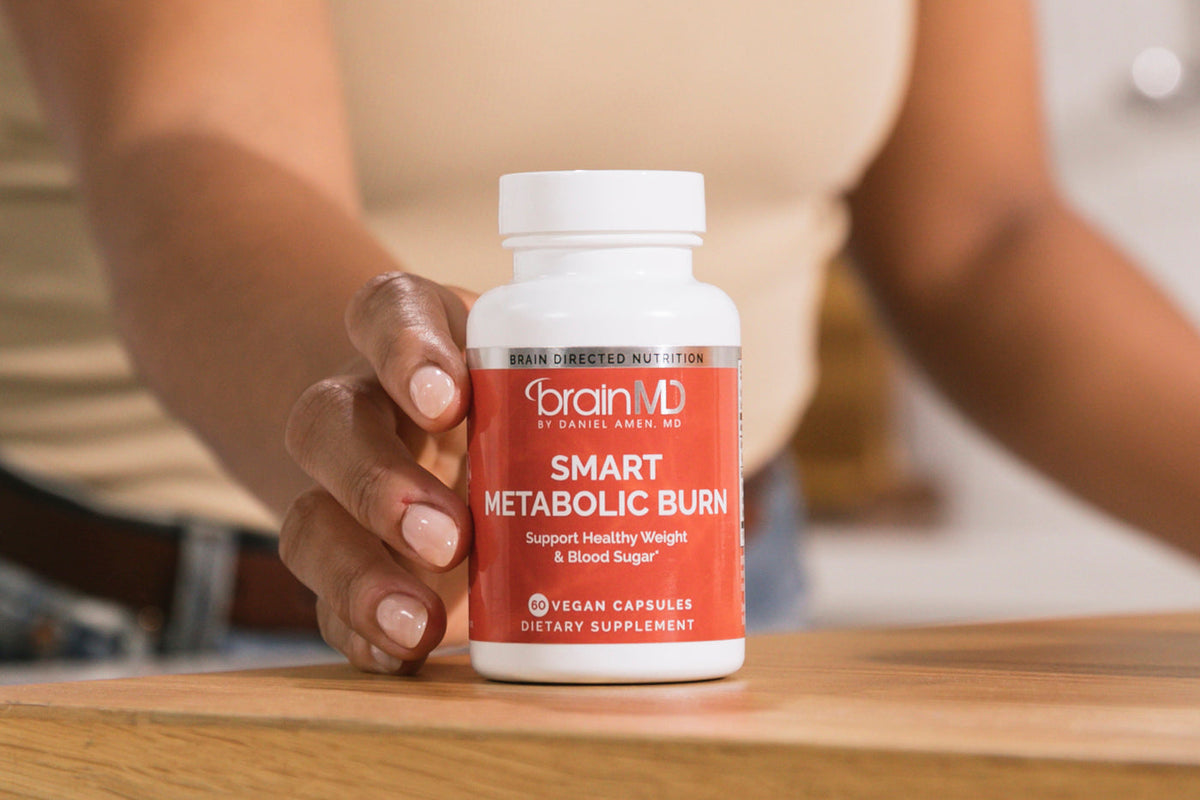
It's this complementary relationship that inspired BrainMD's Smart Metabolic Burn, a formula that brings berberine and OEA together to support healthy metabolic function.*
At a Glance: Berberine + OEA for Metabolic Health
- Berberine supports healthy blood sugar, insulin sensitivity, and energy metabolism.
- OEA supports natural satiety signals, helping regulate hunger and feelings of fullness.
- OEA also supports fat metabolism, including pathways involved in using fat for energy.
- Together, berberine and OEA target complementary metabolic pathways for more comprehensive support.
- Smart Metabolic Burn combines both ingredients, including two forms of berberine, to support healthy metabolic function.
Why Is Berberine So Popular Right Now?
Berberine isn't a new discovery. Berberine is found in plants such as barberry, goldenseal, and Oregon grape, and has a long history of use in traditional Chinese and Ayurvedic medicine [5].
What is relatively new is the clinical research that has uncovered some of the mechanisms by which it supports metabolism.
One of berberine's activities involves an enzyme called AMP-activated protein kinase, or AMPK.
Somewhat like an energy sensor inside your cells, AMPK changes how the body uses and stores energy. That includes helping to regulate processes involved in glucose uptake, fat metabolism, and ATP production [6].
Laboratory research suggests that berberine can influence this AMPK pathway, providing one possible mechanism behind its metabolic effects [6].
Human research offers other insights.
A 2023 systematic review and meta-analysis of 20 randomized controlled trials found that berberine supplementation improved several measures of glucose metabolism, including fasting glucose and insulin-related markers [1].
A later review provided substantial evidence that berberine supplementation supports glucose regulation and a healthy inflammatory response [2].
These findings help explain why berberine has become such a popular ingredient for people interested in maintaining healthy metabolic function.
Beyond blood sugar however, your metabolism also depends on how effectively your body recognizes hunger, registers fullness, and uses available fuel.
Meet OEA: The Metabolic Messenger You Probably Haven't Heard Of
The human body contains complex and constant communication feedback systems.
Your digestive system sends signals to your brain about what and how much you've eaten. Your brain responds by sending signals about the availability of energy for your cells.
Together, hormones and other signaling molecules help coordinate when you feel hungry, when you're satisfied, and how the different parts of your body should utilize those nutrients.
OEA is one of those signaling molecules.
Short for oleoylethanolamide, OEA is a naturally occurring lipid compound produced primarily in the small intestine. When what you’ve eaten reaches your gut, OEA is released, helping your body recognize that it has received nourishment.
How does it do that? One way, specifically, is that OEA activates a receptor called peroxisome proliferator-activated receptor alpha, or PPAR-alpha [3].
PPAR-alpha is involved in regulating genes associated with fatty acid metabolism.
In animal experiments, OEA's interaction with this receptor influenced feeding behavior and the body's use of fat as fuel. This particular discovery helped researchers understand that OEA isn't just a byproduct of digestion: it actively participates in metabolic signaling [7].
How OEA Helps Turn Down “Food Noise”
Hunger isn't always an exact reflection of how much food your body needs.
Our appetites are regulated by hunger and satiety signals from the gut, but the signals often get crossed when stress, fatigue, and mood get involved.
Feeling tired, stressed, or low can often turn up the “food noise”, or the distracting thoughts about “what’s for dessert?” after a proper meal, or “what crunchy snack would make me feel better in the moment?” That’s not true hunger.
As a biological satiety signal, OEA can help turn up the feeling of satisfaction, so you may be less inclined to reach for more food when your body doesn’t actually need it [8].
Luckily, you don’t have to rely solely on the OEA your gut produces naturally. OEA can also be introduced as a supplement.
Supplementary OEA has been shown to support both feelings of fullness and increased PPAR-alpha gene expression [9]. That suggests that OEA supplements may provide immediate satiety signals and influence the number of signal receptors, so that messaging gets stronger over time.
In a nutshell, OEA supports the biological communication involved in feeling satisfied after eating.
When your body's hunger and satiety signals are in balance, it can be easier to maintain consistent, healthy habits around the way you eat.
OEA Does More Than Support Satiety
OEA's involvement in metabolism goes beyond meal-related signaling.
Through PPAR-alpha, OEA participates in pathways involved in fatty acid oxidation; the process your cells use to break down fats and convert them into usable energy [10].
OEA supplementation has also been associated with favorable changes in several metabolic and oxidative stress markers, including triglycerides, fasting glucose, and measures of antioxidant activity [11].
OEA's ability to interact with pathways involved in both satiety and fat metabolism makes it an especially interesting ingredient, and it helps explain why pairing OEA with berberine is such a compelling approach.
Why Berberine and OEA Make a Smart Pair
Metabolism is more like a complicated switchboard than a single knob or switch.
Your body has to recognize when nourishment is available, process nutrients efficiently, regulate glucose, and determine how to use or store energy.
That's why a more comprehensive metabolic supplement supports more than one metabolic pathway.
Berberine and OEA offer two complementary approaches:
- Berberine supports the way your body processes glucose and energy.
- OEA supports the way your body responds to fullness and breaks down fat.
They perform different jobs, so they make sense together. The combination offers a way to support multiple aspects of healthy metabolism by supporting multiple mechanisms.
The Science Behind Smart Metabolic Burn
Smart Metabolic Burn combines berberine and OEA in a formula designed to support a healthy and balanced metabolism.*
Rather than focusing exclusively on glucose metabolism or satiety, Smart Metabolic Burn brings together ingredients that address both.
The formula includes berberine in two forms: HCl and dihydroberberine (DHB), selected with absorption considerations in mind.
Berberine has relatively limited oral bioavailability, meaning that only a portion of an ingested dose reaches systemic circulation in its original form. Dihydroberberine is an alternative delivery approach that can be absorbed and converted into berberine [12].
Smart Metabolic Burn also contains OEA to complement berberine's cellular metabolic activity with support for satiety signaling and fatty acid metabolism.*
The product's two-ingredient approach reflects an important principle: Metabolic health involves several interconnected systems, and nutritional support can be designed with more than one pathway in mind.
What About GLP-1?
Due to its popularity, it’s possible you came across berberine due to its proposed relationship with GLP-1.
GLP-1, short for glucagon-like peptide-1, is a hormone released by specialized cells in the intestine in response to food. GLP-1 plays a role in glucose regulation, digestive function, and signaling between the gut and brain. Because of its importance in metabolic health and weight maintenance, researchers are interested in nutritional compounds that may influence the body's natural GLP-1 pathways.
Experimental research has found berberine can stimulate GLP-1 secretion, connecting it to one of the body's natural pathways for regulating blood sugar and appetite [13].
However, when it comes to satiety, OEA has a more established body of evidence (especially if what you seek is to turn down food noise).
Neither ingredient should be confused with prescription GLP-1 medications. Berberine and OEA are nutritional ingredients that support the body's existing metabolic processes.
Supporting Your Metabolism Is a Daily Practice
Even the most thoughtfully formulated supplement can't replace the habits that keep your metabolism healthy.
Your muscles, digestive system, brain, and metabolic hormones respond best to consistency.
Eating protein-rich, fiber-rich meals can help support fullness and steady energy [14]. Regular physical activity helps maintain muscle mass and healthy glucose utilization [15].
Inadequate sleep can affect appetite-related hormones and make it more difficult to maintain healthy eating habits, and stress can influence both the types of food you choose and metabolic regulation [16,17].
Smart Metabolic Burn is intended to complement these foundational habits, not replace them.
Supporting a healthy metabolism isn't about chasing the latest fad to shift the numbers on the scale. It's about understanding how your body works and giving it the functional support it needs to perform at its best.
Discover Smart Metabolic Burn and learn how berberine and OEA can complement your daily metabolic wellness routine.*
Frequently Asked Questions
1. What is the difference between berberine and OEA?
Berberine is a plant-derived compound studied for its effects on blood sugar regulation, insulin sensitivity, and cellular energy metabolism. OEA (oleoylethanolamide) is a naturally occurring compound produced by the body that helps regulate satiety signals and fat metabolism. Together, they support different but complementary aspects of metabolic health.
2. Can berberine and OEA help with food cravings?
OEA participates in the body's natural fullness-signaling system, which may help regulate appetite and reduce the urge to keep eating after a meal. Berberine works through different metabolic pathways, primarily related to glucose regulation.
3. Does berberine work like a GLP-1 medication?
No. Experimental studies suggest that berberine may stimulate the body's natural GLP-1 secretion, a process involved in blood sugar and appetite regulation. However, berberine is not a GLP-1 receptor agonist and should not be considered equivalent to prescription medications such as semaglutide.
4. Why does Smart Metabolic Burn contain two forms of berberine?
Smart Metabolic Burn combines berberine HCl with dihydroberberine (DHB). Conventional berberine has relatively low oral bioavailability, while dihydroberberine can be more readily absorbed and converted into berberine. Including both forms reflects a formulation approach that takes absorption into consideration.
5. What else can I do to support a healthy metabolism?
Start with the fundamentals: Eat protein- and fiber-rich meals, exercise regularly, prioritize quality sleep, and manage daily stress. These habits support appetite regulation, muscle maintenance, insulin sensitivity, and overall metabolic health. Supplements such as Smart Metabolic Burn are intended to complement these habits, not replace them.
References
- Zhao, J. V., Huang, X., Zhang, J., Chan, Y. H., Tse, H. F., & Blais, J. E. (2023). Overall and sex-specific effect of berberine on glycemic and insulin-related traits: a systematic review and meta-analysis of randomized controlled trials. The Journal of nutrition, 153(10), 2939-2950.
- Nazari, A., Ghotbabadi, Z. R., Kazemi, K. S., Metghalchi, Y., Tavakoli, R., Rahimabadi, R. Z., & Ghaheri, M. (2024). The effect of berberine supplementation on glycemic control and inflammatory biomarkers in metabolic disorders: an umbrella meta-analysis of randomized controlled trials. Clinical Therapeutics, 46(2), e64-e72.
- Fu, J., Gaetani, S., Oveisi, F., Lo Verme, J., Serrano, A., Rodríguez de Fonseca, F., ... & Piomelli, D. (2003). Oleylethanolamide regulates feeding and body weight through activation of the nuclear receptor PPAR-α. Nature, 425(6953), 90-93.
- Tutunchi, H., Saghafi‐Asl, M., & Ostadrahimi, A. (2020). A systematic review of the effects of oleoylethanolamide, a high‐affinity endogenous ligand of PPAR‐α, on the management and prevention of obesity. Clinical and Experimental Pharmacology and Physiology, 47(4), 543-552.
- National Center for Complementary and Integrative Health (NCCIH). In the News: Berberine. National Institutes of Health. 2023. https://www.nccih.nih.gov/health/in-the-news-berberine
- Turner N, et al. Berberine and its more biologically available derivative, dihydroberberine, inhibit mitochondrial respiratory complex I: A mechanism for the action of berberine to activate AMP-activated protein kinase and improve insulin action. Diabetes. 2008;57(5):1414–1418.
- Fu J, Gaetani S, Oveisi F, et al. (2003). "Oleylethanolamide regulates feeding and body weight through activation of the nuclear receptor PPAR-alpha." Nature, 425, 90–93.
- Rodríguez de Fonseca F, Navarro M, Gómez R, et al. (2001). "An anorexic lipid mediator regulated by feeding." Nature, 414, 209–212.
- Laleh, P., Yaser, K., Abolfazl, B., Shahriar, A., Mohammad, A. J., Nazila, F., & Alireza, O. (2018). Oleoylethanolamide increases the expression of PPAR-Α and reduces appetite and body weight in obese people: a clinical trial. Appetite, 128, 44-49.
- Guzmán M, Lo Verme J, Fu J, Oveisi F, Blázquez C, Piomelli D. (2004). "Oleoylethanolamide Stimulates Lipolysis by Activating the Nuclear Receptor Peroxisome Proliferator-activated Receptor α (PPAR-α)." Journal of Biological Chemistry, 279(27), 27849–27854.
- Eslahi, M., Rohani, P., Fatahi, S., & Sohouli, M. H. (2025). The effect of oleoylethanolamide supplementation on cardiometabolic factors: a systematic review and meta-analysis. Cardiovascular Endocrinology & Metabolism, 14(3), e00339.
- Feng, R., Shou, J. W., Zhao, Z. X., He, C. Y., Ma, C., Huang, M., ... & Jiang, J. D. (2015). Transforming berberine into its intestine-absorbable form by the gut microbiota. Scientific Reports, 5(1), 12155.
- Yu, Y., Liu, L., Wang, X., Liu, X., Liu, X., Xie, L., & Wang, G. (2010). Modulation of glucagon-like peptide-1 release by berberine: in vivo and in vitro studies. Biochemical pharmacology, 79(7), 1000-1006.
- Leidy, H. J., Clifton, P. M., Astrup, A., Wycherley, T. P., Westerterp-Plantenga, M. S., Luscombe-Marsh, N. D., ... & Mattes, R. D. (2015). The role of protein in weight loss and maintenance. The American journal of clinical nutrition, 101(6), 1320S-1329S.
- Colberg, S. R., Sigal, R. J., Yardley, J. E., Riddell, M. C., Dunstan, D. W., Dempsey, P. C., ... & Tate, D. F. (2016). Physical activity/exercise and diabetes: a position statement of the American Diabetes Association. Diabetes care, 39(11), 2065.
- Spiegel, K., Tasali, E., Penev, P., & Cauter, E. V. (2004). Brief communication: sleep curtailment in healthy young men is associated with decreased leptin levels, elevated ghrelin levels, and increased hunger and appetite. Annals of internal medicine, 141(11), 846-850.
- Greer, S. M., Goldstein, A. N., & Walker, M. P. (2013). The impact of sleep deprivation on food desire in the human brain. Nature communications, 4(1), 2259.
These statements have not been evaluated by the Food and Drug Administration. This product is not intended to diagnose, treat, cure, or prevent any disease.
This article is for educational and informational purposes only and is not intended to provide medical advice, diagnosis, or treatment. Research on berberine and oleoylethanolamide (OEA) is ongoing, and results from laboratory, animal, and human studies may not apply to everyone. Individual responses to supplements can vary. Berberine may interact with certain medications, including those used to manage blood sugar. Consult your healthcare provider before starting any new supplement, especially if you are pregnant, nursing, have a medical condition, or take prescription medications.
