 Skip to content


Wellness Blog



Creatine for Women: Brain Health, Energy, and Aging Support
For years, when I heard the word “creatine”, I thought about bodybuilders, men trying to bulk up, and professional athletes. Normal women trying to stay fit and healthy? Not so much. But more recent creatine research has seriously shifted my perspective, especially when you start looking at what it may do above the neck. Your brain is an energy hog. Even though it makes up only ~2% of your body weight, it consumes roughly 20% of the body's energy. And, just like your muscles, your brain needs a constant supply of cellular energy to think, remember, focus, regulate your mood, and respond to all the surprises life throws your way, daily. That’s where creatine comes in. Science is finally shining a brighter light on the importance of creatine for women. Yes, it supports exercise performance and muscle strength, but creatine also offers benefits to brain energy, cognition, mood, sleep, and healthy aging [1,2]. As a nurse, health coach, and someone who has spent years teaching women how to make better choices for their brains and bodies, that gets my attention. Here’s what I think women should know: What Is Creatine? Creatine is not a steroid (just to get that out of the way). Creatine is a naturally occurring compound made primarily from the amino acids arginine, glycine, and methionine. You can supplement it, but your body also makes some creatine internally from the amino acids you consume, and you can also get whole creatine from food, particularly meat and fish. Most of the creatine in your body is stored in skeletal muscle, but your brain also contains creatine. Why? Energy. Your cells run on a molecule called adenosine triphosphate, or ATP. Think of ATP as your body's cellular energy currency. Every thought you have, every muscle you move, and every task your brain performs requires energy. But, your cells can't store unlimited ATP. Creatine helps your body regenerate ATP quickly, through what's known as the creatine-phosphocreatine system. To simplify, phosphocreatine acts like an emergency energy reserve that helps your cells recharge ATP when demand increases [3,2]. And our brains can be incredibly demanding. Why Creatine for Women Is Especially Interesting Male and female physiologies are different, so certain nutrients work differently when we consume them. Unfortunately, women are historically underrepresented in nutritional research, and especially in sports nutrition. Creatine is no exception [1]. Because of this, I was pleasantly surprised to read a scientific review published in Nutrients that reported important sex-related differences in creatine metabolism and suggested that hormonal changes throughout a woman's life may influence creatine metabolism and the creatine-phosphocreatine system [1]. Creatine supplementation deserves particular attention during hormonally dynamic periods such as menstruation, pregnancy, postpartum, and menopause [1,7]. Something fascinating that’s come from this new research: evidence suggests creatine may support a more favorable energetic environment in the female brain [1]. That doesn't mean all women need to take creatine. It does mean we need to stop assuming that studies conducted on men’s bodies and brains can be applied to all women. We’re different! Creatine and the Brain When Daniel and I talk about brain health, one of the messages we repeat constantly is: When your brain works right, you work right. Your ability to remember where you left your phone, concentrate during a meeting, control your impulses, manage stress, and stay emotionally balanced all depend on healthy brain function. Healthy brain function requires adequate energy. Creatine appears to act as an energy buffer in the brain, helping maintain ATP availability when energy demand increases [2,3]. Researchers have therefore become interested in whether increasing creatine availability might help the brain perform better; particularly when it is under greater metabolic stress [2,3]. “Greater metabolic stress” could include aging, sleep deprivation, or other circumstances (outside the gym) in which brain energy demands are harder to meet [3]. Creatine, Brain Fog, and Menopause If you've gone through perimenopause, you may know exactly what "brain fog" feels like. You walk into the kitchen and forget why you're there. A word you've used a million times suddenly disappears. You're staring at an email you've read three times and wondering why your brain refuses to cooperate. Hormonal changes during perimenopause and menopause can coincide with changes in sleep, mood, metabolism, and cognitive function. Researchers are now investigating whether brain energy metabolism (yes, including creatine) could be part of this picture [7,6]. A fascinating exploratory study published in 2026 examined brain creatine concentrations in 12 healthy perimenopausal women who were experiencing symptoms such as irregular menstrual cycles and neurocognitive complaints [7]. Using magnetic resonance spectroscopy, researchers measured creatine in multiple regions of the brain. They found associations between brain creatine concentrations and certain cognitive complaints [7]. Twelve women is a very small study. It doesn't prove that low brain creatine causes menopausal brain fog, nor does it prove that taking creatine will fix it. But, it does raise an important question. What happens if we improve creatine availability in the female brain? Researchers have started testing that too. Putting Creatine to the Test Another clinical trial studied 36 healthy perimenopausal and menopausal women with an average age of about 50 [5]. Participants received one of several low-dose creatine formulations or a placebo for 8 weeks [5]. One of the creatine groups showed an increase in frontal brain creatine, compared with the placebo group. And, that group also performed better than the placebo group on a measure of reaction time [5]. Researchers weren't just asking women whether they felt sharper. They asked the question while measuring the actual creatine levels inside the brain [5]. Again, this was a very small study using specific forms and doses of creatine, so I’m not suggesting we extrapolate those findings to every creatine supplement on the market. But again, it does provide more evidence that the relationship between creatine, menopause, and the female brain deserves more investigative attention. Could Creatine Help When You're Sleep-Deprived? This may be particularly relevant for women because let's face it: there are seasons of life when getting enough sleep can feel impossible. New baby Parenting teenagers Work deadlines Perimenopause Caring for aging parents The surprise 3 a.m. hormonal panic when your brain decides to review every embarrassing thing you've said since high school Your brain has a harder time performing when it's exhausted. Research on creatine and brain health suggests its cognitive effects may become especially relevant when the brain is metabolically stressed, including during sleep deprivation [3,2]. This makes biological sense. When the brain's energy demands are high, having a larger energy reserve may matter more [3]. Please don't interpret this as permission to trade creatine for sleep. Nothing replaces sleep. Creatine is a supplement, not a substitute for any of the daily habits that protect your brain health. But, it may help when you’re struggling. What About Mood? This is another area of early scientific exploration. Research reviews have identified potential relationships between creatine supplementation, brain energy metabolism, and mood [1,6]. That's particularly interesting for women, because hormonal fluctuations can influence both mood and brain energy metabolism [1]. If you're struggling with a chronically low mood, significant anxiousness, or a mental health condition, creatine alone is probably not the solution (or any other supplement, for that matter). This is a job for a qualified healthcare professional who can work through the whole picture with you. Brain health is never about just one thing. Creatine for Women Over 40 I think this is where the conversation needs to include, but expand beyond, creatine. After 40, and especially around menopause, women need to become more intentional about protecting both their brains and their bodies. Muscle matters to your brain Blood sugar matters to your brain Sleep matters to your brain Exercise matters to your brain Hormones matter to your brain Metabolic health matters to your brain Creatine is one tool that may have the interesting advantage of supporting two tissues we desperately want to protect as we age: muscle and brain. Creatine's benefits for muscular performance are much better established than its cognitive benefits [1,4]. Research also suggests it may be particularly useful for postmenopausal women when paired with resistance training [1]. That's why I wouldn't think about creatine as something you take instead of exercising. Think of it as something that may help support a comprehensive healthy-aging program that already includes strength training, movement, nutritious food, good sleep, stress management, and continuous learning. What Foods Contain Creatine? You naturally consume creatine when you eat animal products, especially: Beef Pork Salmon Tuna Herring Other fish and seafood Plant foods contain little to no creatine, which is one reason vegetarians and vegans generally consume much less dietary creatine. Your body can manufacture some creatine on its own, but dietary intake contributes to your overall creatine availability. This is another example of why I prefer to start with food. Eat high-quality, lean protein. Eat plenty of colorful, organic vegetables. Avoid ultra-processed food whenever possible. Keep your blood sugar healthy. Once your balanced diet is in place, then ask whether targeted supplementation makes sense for you. How Much Creatine Should Women Take? Most of the extensive research on creatine supplementation has used creatine monohydrate, and common maintenance protocols use approximately 3-5 grams per day [1,4]. Some athletic protocols begin with a much larger "loading phase," but that doesn't mean every woman needs one, particularly if your primary interest is long-term brain and healthy-aging support. There also isn't yet a scientifically established "perfect" dose specifically for women's brain health [7]. That's important because supplement marketing often gets way ahead of the science. More is not automatically better. If you're considering creatine, talk with your healthcare provider about your health history, medications, whether supplementation is appropriate for you, and what dose makes the most sense for your goals. Is Creatine Safe for Women? Creatine is one of the most extensively studied sports supplements available, and research generally supports a good safety profile in healthy people when used appropriately [1]. Of course, you should choose a brand you trust to provide a high-quality product. Look for a product that is NSF Certified for Sport, as a symbol of purity, label accuracy, and quality manufacturing. Kidney concerns come up frequently because creatine supplementation can affect creatinine, a blood marker commonly used when evaluating kidney function. That can complicate interpretation without necessarily meaning that creatine is damaging healthy kidneys [1]. However, if you have kidney disease, reduced kidney function, diabetes, hypertension, are pregnant or breastfeeding, take medications that can affect kidney function, or have another significant medical condition, don't start taking creatine just because you saw it on social media. Always talk to your healthcare professional first. Your brain deserves thoughtful decisions, not trendy ones. The Bottom Line on Creatine for Women The science is strongest for creatine’s role in exercise performance and muscle [1,4]. Research into creatine for women's brain health is new, but the emerging evidence around brain energy, memory, cognition, menopause, and metabolic stress is intriguing [2,3,5,7]. And I love that researchers are finally asking more questions specifically about women. At the end of the day, I think creatine shows a lot of promise for women’s health. But, just like every supplement, it works best when you are supplementing an otherwise healthy lifestyle. Yes, creatine may help support your brain's energy system, and combining creatine with resistance training can help maintain your muscles. You also need omega-3s to support healthy cell membranes. Exercise to support blood flow. Sleep to allow your brain to restore itself. A better brain isn't built on a single decision. It's built on many small ones, made intentionally, day after day. Creatine could be one of yours. References Smith-Ryan AE, Cabre HE, Eckerson JM, Candow DG. Creatine supplementation in women's health: A lifespan perspective. Nutrients. 2021;13(3):877. Roschel H, Gualano B, Ostojic SM, Rawson ES. Creatine supplementation and brain health. Nutrients. 2021;13(2):586. Dolan E, Gualano B, Rawson ES. Beyond muscle: The effects of creatine supplementation on brain creatine, cognitive processing, and traumatic brain injury. European Journal of Sport Science. 2019;19(1):1-14. Xu C, Bi S, Zhang W, Luo L. The effects of creatine supplementation on cognitive function in adults: A systematic review and meta-analysis. Frontiers in Nutrition. 2024;11:1424972. Korovljev D, Ostojic J, Panic J, et al. The effects of 8-week creatine hydrochloride and creatine ethyl ester supplementation on cognition, clinical outcomes, and brain creatine levels in perimenopausal and menopausal women (CONCRET-MENOPA): A randomized controlled trial. Journal of the American Nutrition Association. 2026;45(3):199-210. Smith-Ryan AE, DelBiondo GM, Brown AF, Kleiner SM, Tran NT, Ellery SJ. Creatine in women's health: Bridging the gap from menstruation through pregnancy to menopause. Journal of the International Society of Sports Nutrition. 2025;22(1):2502094. Ostojic J, et al. Brain creatine concentrations and neurocognitive symptoms in perimenopausal women: associations with serum estradiol. Neuroscience Letters. 2026;880. Medical disclaimer: This article is for educational purposes only and is not intended to diagnose, treat, cure, or prevent any disease or replace individualized medical advice. Consult your healthcare professional before beginning a new supplement, particularly if you are pregnant or breastfeeding, have kidney disease or another medical condition, or take prescription medications.
Learn more
Dr. Amen Supplements: The Foundation He Recommends Before Anything Else
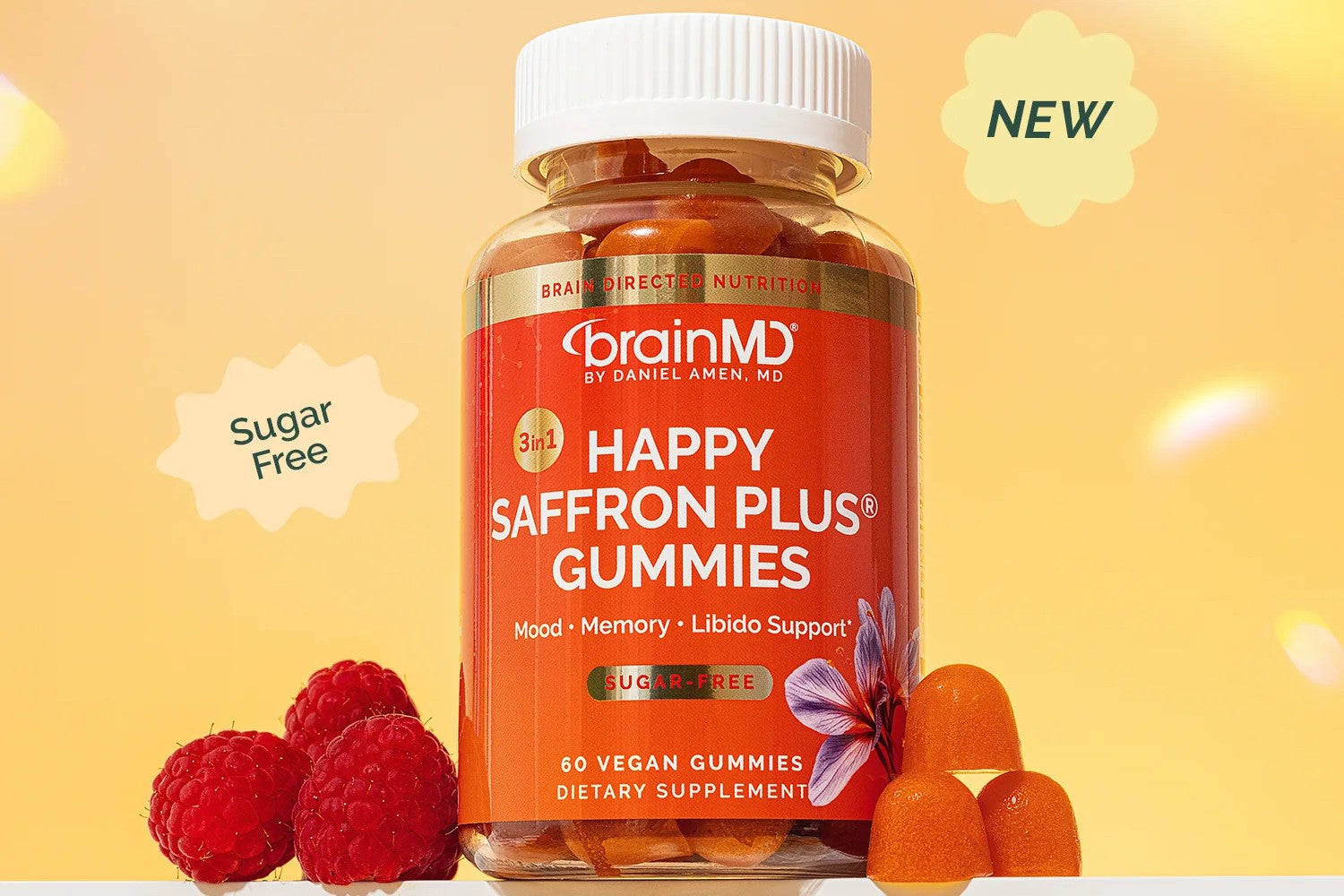
If you've spent any time looking into Dr. Amen supplements, you've probably noticed something: the list of nutrients, botanicals, and targeted formulations for different brain health goals is long. However, before he ever recommends nootropics, adaptogens, or specialty blends for unique needs, he starts in the same place every time. Three basics: A multivitamin An omega-3 A probiotic After decades of scanning brains at Amen Clinics and reviewing what actually supports positive changes to cognitive health, Dr. Amen keeps coming back to the same foundation because it works. Most people (even health-conscious ones) are unknowingly missing the basics. If you're the kind of person who reads ingredient labels, asks your doctor real questions, and wants to feel sharp at 45, 65, or 105, this is worth understanding. Not as a sales pitch, but as an actual explanation of why these three categories earn their spot at the front of the line in Dr. Amen’s favorite supplement list. Why Start Here? Yes, BrainMD® offers products that can provide extra support for things like focus, energy, blood-sugar control, or physical performance. But, your brain, like the rest of your body, requires some fairly unglamorous inputs for baseline function: it needs a full set of vitamins and minerals to run its chemistry, fat (specifically the right kind of fat) to build and maintain its physical structure, and a functioning gut, because your gut and brain are in constant conversation with each other. Skip any of those three, and the powerful additions you layer on top can’t function to their full potential. That's the logic behind BrainMD's foundational lineup, and it's why products like NeuroVite Plus Multivitamin, Omega-3 Power, and ProBrainBiotics show up again and again as Dr. Amen's favorite supplements. Step One: A Real Multivitamin Most multivitamins are built for general wellness, aimed at the broadest possible audience. NeuroVite Plus was built differently, for people who know brain health is the basis for whole body health. It contains the vitamins, minerals, and cofactors your brain specifically draws on to make neurotransmitters, manage inflammatory balance, and keep cellular energy production running. They’re also included in forms that your body can readily absorb and use, which can’t be said for all multivitamins. If you’re looking for even more comprehensive brain health support, BRIGHT MINDS™ Memory Multi is a great alternative product. Instead of a capsule, it’s a powdered full spectrum multivitamin and mineral formula, combined with active botanicals, antioxidants, and other nutrients clinically shown to support numerous aspects of memory, mood, and cognition.* In a large, three-year randomized trial following more than 2,000 older adults, daily multivitamin-mineral supplementation was associated with meaningfully better performance on measures of memory and executive function compared to placebo. It was the first large-scale study to suggest multivitamin use may help slow age-related cognitive changes [1]. A follow-up analysis comparing that trial with two others found the same pattern held up: better global cognition and episodic memory with daily multivitamin use [2]. None of this means a multivitamin is a substitute for medical care. What it does mean is that "just take a multivitamin" isn't throwaway advice. Nutrient gaps are common even in people who eat a well balanced diet, and a well-formulated multivitamin is one of the simplest ways to close them. Step Two: Omega-3s, Because Your Brain Is Mostly Fat Here's a fact that surprises people: your brain is close to 60% fat, and DHA (one of the two main omega-3s) is one of its primary structural building blocks. Your body doesn't make much of it on its own. It has to come from diet or supplementation, and most Americans simply don't eat enough fatty fish to get there. Omega-3 Power is BrainMD's answer to that gap, formulated with significantly more DHA and EPA per serving than most drugstore fish oil. The dosing isn't arbitrary. In the MIDAS trial, a randomized, placebo-controlled study of 485 older adults with mild memory complaints, six months of daily DHA supplementation led to meaningfully better performance on tests of learning and memory compared to placebo, an effect researchers likened to shaving several years off the participants' cognitive age [3]. Broader reviews of omega-3 research have also linked long-term supplementation to better-preserved white matter and gray matter volume over time [4]. Fish oil isn't a cure-all, and results across the broader research base are mixed. Some trials, especially shorter ones in people who already eat fish regularly, show smaller effects. But for the average person whose diet is genuinely low in omega-3s, topping up that supply appears to give the brain more of the literal material it needs to maintain its structure. Step Three: The Oft-Forgotten Probiotic This is the piece that catches most people off guard. What does gut bacteria have to do with brain fog or mood? More than you'd think. Your gut and brain are connected by a direct communication line, sometimes called the gut-brain axis, that runs through the vagus nerve, the immune system, and a whole slew of chemical messengers your gut bacteria help produce [5]. Plus, roughly 70% of your immune system actually lives in your gut, which means an out-of-balance microbiome doesn't just affect digestion, it can ripple into the inflammatory processes tied to mood and cognitive function [6]. This is exactly the territory "psychobiotics" (probiotic strains specifically studied for their effect on this gut-brain communication) were termed to describe [7]. In one randomized trial, a specific combination of Lactobacillus and Bifidobacterium strains was associated with a more balanced stress response and lower markers of stress in healthy adults over several weeks [8]. A broader review of more than fifty clinical trials found consistent signals of benefit from psychobiotic strains, particularly around mood-related outcomes [9]. ProBrainBiotics was formulated with this research in mind. It was built around strains studied specifically for gut-brain communication, not just general digestive support. For anyone who's diligent about diet and exercise, but has never thought about their microbiome, this is often the missing third leg of the stool. Putting Your Stack Together None of these three does its job in isolation. A multivitamin without enough dietary fat still leaves your brain short on raw building material. An omega-3 without the cofactors a multivitamin provides has less support for the metabolic work of actually using that fat well. And a gut under chronic inflammatory imbalance makes it harder for either one to do its job efficiently, because so much of the communication between body and brain runs straight through it. That's the logic behind treating these three as a foundation. Of course, you are encouraged to build outward from here. Some of Dr. Amen’s other personal favorite supplements are: Happy Saffron Plus® for mood and emotional well-being* Smart Mushrooms for mental performance and immune support* Smart Relief for body comfort and joint mobility* Peak Energy for a fast-acting alternative to caffeine* Adaptogens, superfoods, nootropics, whatever fits your specific goals, most products in the BrainMD line are complementary to the foundational products. Just don’t skip the base 3. If you're not sure where your own gaps might be, or where your brain and body could use a little extra boost, BrainMD's Brain Health Assessment is a great starting point. It takes about 5 minutes and you learn your brain type (there are 16 types), which will guide you to the best specific products for your unique needs. BrainMD’s full supplement collection is organized by health goal (focus, mood, sleep, memory, etc.) if you want to go beyond the basics once your foundation is in place. As always, talk with your doctor before starting any new supplement, especially if you're pregnant, nursing, managing a health condition, or taking prescription medication. Supplements are meant to complement, not replace, healthy habits (good sleep, regular movement, real food) and medical care when you need it. *These statements have not been evaluated by the Food and Drug Administration. These products are not intended to diagnose, treat, cure, or prevent any disease. References Baker, L. D., Manson, J. E., Rapp, S. R., Sesso, H. D., Gaussoin, S. A., Shumaker, S. A., & Espeland, M. A. (2022). Effects of cocoa extract and a multivitamin on cognitive function: A randomized clinical trial. Alzheimer's & Dementia. https://doi.org/10.1002/alz.12767 Vyas, C. M., Manson, J. E., Sesso, H. D., et al. (2024). Effect of multivitamin-mineral supplementation versus placebo on cognitive function: Results from the clinic subcohort of the COSMOS randomized clinical trial and meta-analysis of 3 cognitive studies within COSMOS. The American Journal of Clinical Nutrition. Yurko-Mauro, K., McCarthy, D., Rom, D., Nelson, E. B., Ryan, A. S., Blackwell, A., Salem, N., Jr., & Stedman, M. (2010). Beneficial effects of docosahexaenoic acid on cognition in age-related cognitive decline. Alzheimer's & Dementia, 6(6), 456–464. https://doi.org/10.1016/j.jalz.2010.01.013 Shahinfar, H., Yazdian, Z., Avini, N. A., Torabinasab, K., & Shab-Bidar, S. (2025). A systematic review and dose response meta analysis of Omega 3 supplementation on cognitive function. Scientific Reports, 15(1), 30610. Bonaz, B., Bazin, T., & Pellissier, S. (2018). The vagus nerve at the interface of the microbiota-gut-brain axis. Frontiers in Neuroscience, 12, Article 49. https://doi.org/10.3389/fnins.2018.00049 Belkaid, Y., & Hand, T. W. (2014). Role of the microbiota in immunity and inflammation. Cell, 157(1), 121–141. https://doi.org/10.1016/j.cell.2014.03.011 Dinan, T. G., Stanton, C., & Cryan, J. F. (2013). Psychobiotics: A novel class of psychotropic. Biological Psychiatry, 74(10), 720–726. https://doi.org/10.1016/j.biopsych.2013.05.001 Messaoudi, M., Lalonde, R., Violle, N., Javelot, H., Desor, D., Nejdi, A., Bisson, J.-F., Rougeot, C., Pichelin, M., Cazaubiel, M., & Cazaubiel, J.-M. (2011). Assessment of psychotropic-like properties of a probiotic formulation (Lactobacillus helveticus R0052 and Bifidobacterium longum R0175) in rats and human subjects. British Journal of Nutrition, 105(5), 755–764. https://doi.org/10.1017/S0007114510004319 Mosquera, F. E. C., Lizcano Martinez, S., & Liscano, Y. (2024). Effectiveness of psychobiotics in the treatment of psychiatric and cognitive disorders: A systematic review of randomized clinical trials. Nutrients, 16(9), Article 1352. https://doi.org/10.3390/nu16091352
Learn more