 Skip to content


Wellness Blog



Benefits and Uses of SAMe Supplements
SAMe Supplements Promote Good Mood Brain Chemistry At BrainMD, we see your brain as a sophisticated supercomputer with both hardware and software. For peak efficiency, the machinery (including cells, connections, chemicals, energy, blood flow, and waste processing) needs to work effectively. When your brain hardware or “machinery” doesn’t work quite as smoothly, your health practitioner may suggest therapeutic and biological interventions, including exercise, supplements, medication, neurofeedback, sleep apnea evaluations and treatment, hyperbaric oxygen, and more. Whenever feasible, we recommend the most natural ways to heal and support the brain, such as supplements and lifestyle interventions – nutrition plans and workout prescriptions, for example. While we still use medications when needed, and believe they save lives when used appropriately, we believe that treatment providers should first do no harm, and use the least toxic treatments. (Note: People who suffer from bipolar disorder should generally avoid SAMe since it may provoke mood swings.) What is SAMe? S-AdenosylMethionine (SAMe) can be made naturally in the body or synthetically as a supplement. It powers over 200 enzymes necessary for healthy cell growth, maturation, and specialization. In the brain, SAMe is required for nerve cells to make energy, maintain connectivity, and generate mood-related neurotransmitters. And your body utilizes SAMe for pain relief, depression, liver disease, and other conditions. People who don't make enough SAMe naturally may be helped by taking SAMe as a supplement. Widely studied for the treatment of osteoarthritis – you may have even seen a bottle of SAMe at your grandmother’s house first. But SAMe is not just for joints. In fact, over 40 clinical studies have suggested SAMe can potentially help some people battle heart disease, migraines, Parkinson’s disease, depression, PMS and other conditions. Furthermore, the National Institutes of Health (NIH) which provides scientific evidence ratings for natural supplements, reports that SAMe is effective for treating depression, and may help slow the aging process. SAMe Supplement Benefits: May Also Help PMS, Fibromyalgia, Dementia, and Pain This nutrient has been available by prescription in Europe for many years as an antidepressant and has been available over the counter in the U.S. since the early 90s as a mood lifter and as a supplement for nervous system disorders. SAMe is involved with the production of several other brain neurotransmitters, dopamine and norepinephrine. Maintaining adequate levels of these foundational neurotransmitters is essential in supporting feelings of well-being. Recent controlled trials have demonstrated the efficacy of SAMe in promoting a happy, balanced mood. NIH double-blind research conducted at Harvard Medical School and Massachusetts General Hospital demonstrated that SAMe is beneficial as an additive to those resistant to FDA-approved antidepressants. People taking SAMe in addition to regular antidepressants experienced double response rate and remission rate compared with placebos. One major problem with compliance of prescribed antidepressants is the number of unpleasant side effects, including the 70 percent of patients who experience sexual dysfunction. (This negatively affects adherence to their medication regimen.) Clinical trials have found that SAMe can decrease sexual dysfunction. Everyone can use a little help sometimes. If you are looking for a safe, natural supplement that can support brain health and joint function all while promoting a positive mood, try the natural route first.
Learn more
Omega-3 and Omega-6: Know the Difference
Omega-3 and Omega-6 may sound similar because they are both essential fatty acids, meaning that your body needs them but cannot make them naturally. However, each type has different functions and effects. (All Omegas are not created equally!) Omega-6 Fatty Acids Can Help Raise “Good” Cholesterol and More Omega-6 fatty acids are commonly found in today’s modern diet because of its high concentration in popular foods: Vegetable oil Fast food items, such as French fries, popcorn chicken, onion rings Dairy and eggs Chicken, pork, beef Many baked items such as muffins, cookies, bread Omega-6 helps lessen the risks of diabetic neuropathy, rheumatoid arthritis and even allergies. Interestingly, there has been a correlation between Omega-6 and decreased symptoms of ADHD. These polyunsaturated fats are often used to help lower the risk of heart disease by decreasing “bad” or LDL cholesterol, and increasing “good” or HDL cholesterol. Because of our dependency on fast foods, most people actually have too much Omega-6 in their bodies. Too much Omega-6 can actually increase inflammation, which brings its own set of risks, and has also been linked to depression. Benefits of Omega-3 Fatty Acids for Brain Health and Vision Omega-3 fatty acids are found in a high concentration in fish, olive oil, garlic, and walnuts. Though these foods are common, people don’t eat them in the adequate quantities it would take to get beneficial levels and supplements are often recommended. Omega-3 plays a crucial role in reducing inflammation, which, in turn, may reduce your risk of osteoporosis, some cancers, heart disease, asthma symptoms, and other conditions. In addition to the prevention aspects, Omega-3 stimulates hair and skin growth, and because of how important it is during an infant’s development, pregnant women are encouraged to take it to prevent problems associated with vision. When you consider the immense benefits that Omega-3’s unsaturated fats have on the body, it’s easy to see why they are recommended to nearly everybody for their preventative and medicinal qualities. Some benefits are merely anecdotal and research based, such as their belief to protect against memory issues and conditions, such as Alzheimer’s and other dementia issues. Regardless, their proven benefits to decrease joint problems and heart disease make it worth adding to your supplement regimen. Omega-3’s major health benefits come primarily from its long-chain fatty acids (EPA and DHA). In fact, DHA is the most prevalent fatty acid found in the brain and there’s a direct correlation between the volume of DHA in the brain and memory/intelligence. We’ve all heard of fish being called “brain food” and DHA is the main reasoning behind that. DHA fatty acid is vital to the creation and maintenance of certain cellular parts of the brain and retina, making it essential for brain health. As your body ages, your body makes less and less DHA, which is one of the reasons believed to be behind mental decline with age. It’s incredibly important that anyone looking to stay on top of their mental game incorporate Omega-3 into their health care regimen.
Learn more
Tips to Helping You Focus & Set Realistic Goals
Staying on track with consistent fitness can be tough, but it doesn’t have to be. To optimize your chances of reaching your New Year’s goals, you’ve got to actively set yourself up for mind-body success. Here are expert tips for helping you stay focused and set realistic resolutions that inspire you to get a stronger body and an optimized brain all year long: 6 of the Best Ways to Stay Focused and Fit Join a Gym or a Training Studio Just getting there is the hard part. Always try negotiating waiving the sign-up initiation fees especially if you are joining a new or smaller exercise studio that’s privately owned. (There’s more leeway for navigating monthly fees.) Snare yourself a better deal before the big rush on January 1, advises fitness expert Tana Amen, BSN, RN. And finally, sign up with a fitness buddy who will hold you accountable to make it to your workouts, she says. Start a Healthy Supplement Regimen If one or more of your healthy resolutions was to ramp up your mental focus and jumpstart energy then you’ve come to the right place. A deficiency in vitamin D or serotonin, for example, may cause excessive fatigue. Take a good multi-vitamin with vitamin D, B6 and magnesium, for starters, says Dr. Daniel G. Amen, MD. Then add on supplements for other areas of improvement, like mood, focus, or memory. BrainMD even offers the opportunity to try three of our most popular products for free with our 7 day Free Trials. Gravity Classes… Anyone? Find a new activity you love and make that a weekend warrior habit you can look forward to. Anything from ice skating to dance lessons to gravity training can make that dreaded workout a fun activity you look forward to. Gravity training compiles strength, endurance and cardio workouts with Pilates and yoga inspired movements and mindfulness. We think you’ll love how much fun it is as well as the results you’ll see! Both group classes and private lessons are offered depending on your preferences. Give the Gift of Green Tea Dr. Amen’s Focus & Energy supports both focus and healthy energy levels. It is formulated with green tea and choline to help enhance endurance, digestion and stamina. Green tea is made from unfermented leaves and reportedly contains the highest concentration of powerful antioxidants called polyphenols. (Research also indicates that some supplements, made with the amino acids found in green tea, may help anxious people focus more clearly.) Commit to be Fit, One Session at a Time Learn the basics and take notes during one affordable session. Asking for help from a professional not only ensures that you will have the accountability you need to meet your weight loss and health goals, but also adds a level of safety for your future solo sessions, says fitness expert Tana, author of the just-launched Brain Warrior’s Way Cookbook. Personalize Your Fitness Rewards Get inspired to ramp up your workout motivation (and commit!) by attending a group bike class, hikes or Pilates sessions 2-3 times a week for one month, writing down the prize you’ll choose and enjoy once you meet your get-sweaty goals. Then, go treat yourself to a sports massage or a movie night. (You deserve it.) Set yourself up for success: take these recommendations and write down how you can use them. Writing them down means you make then an intention, and will help form them in your mind so you can more easily implement them into a habit. Find out what supplements are right for you and your goals by shopping at BrainMD. And remember that you don’t need to be perfect, just better!
Learn more
How Hypnosis Can Help You Gain Mastery Over Your Mind
Your brain is the most complex organ in the universe. It weighs about three pounds, or roughly 2 percent of your body’s weight, and yet it uses 20-30 percent of the calories you consume, 20 percent of the oxygen you breathe, and 25 percent of the blood flow in your body. What’s more, your brain is 85 percent water! We estimate that the brain has 100 billion nerve cells and more connections than there are stars in the galaxy. Your beautiful brain is the organ of learning, loving, and behaving. When the brain within a family or an organization work properly, for example, the family or organization tends to be positive and effective. When the brain of one or more family members or an organization is troubled, the family or organization may experience increased stress and strain. Hypnosis may help change all that. How Can Hypnosis Combat Negative Thinking? It’s simple. Negative thinking disrupts healthy brain function. And chronic stress also kills cells in the memory centers of the brain. Hypnosis is a powerful tool to help you gain mastery over your own mind and body. Hypnosis can also be helpful for sleep problems , as well as for anxiety and pain. Before trying hypnosis, your health professional will first help you eliminate anything that might interfere with optimal brain function and positive thinking: These include lack of sleep, drug abuse or alcohol, too much caffeine before bed, being sedentary, and simple tips like unplugging electronics before bed to allow for more restful and brain rejuvenating sleep. One Fascinating Case Study in Hypnosis I have used hypnosis as a tool to help many patients. When I was an intern at the Walter Reed Army Medical Center years ago, many of my patients wanted sleeping pills. As you can imagine, it’s hard to sleep in a busy, noisy hospital. Before I gave them the pills, however, I asked if I could hypnotize them first. Almost everyone agreed, and it was very helpful. Several of my first professional papers came from using hypnosis for sleep issues. One of my patients, a decorated World War II hero, had Parkinson’s disease and when he was in hypnotic trance for sleep, his intensive tremors went away. When I told the attending neurologist about it the next morning, he thought I was crazy. So, I repeated the exercise in front of the doctor, and the astounding results became my first clinical paper. Just as negative thoughts can make a body sick, promoting positive and nurturing thoughts (via hypnosis) can help you heal the brain. What Does It Feel Like to be Hypnotized? First, let’s admit that real hypnosis is definitely not the woo-woo Las Vegas trickster magician scenario, where he’s up on stage making his audience cluck like chickens just for laughs. Not at all. Hypnosis is another tool to help you (and other professionals) understand your brain. It is often accompanied by talk therapy, lab tests, and doctor’s visits. When you are under, some people claim being hypnotized is more like a heightened state of relaxation that helps you get more in touch with your unconscious. The term “hypnosis” may mean different things to different people, but it generally entails becoming fully relaxed by entering a trance-like state, then listening to a hypnotist as he or she communicate in a rhythmic, calming voice. Dr. Amen says hypnosis is quite effective for becoming much more aware of what your body needs. For one example, a small study from the Journal of Consulting and Clinical Psychology found that women who were hypnotized for weight loss shed an average of 17 pounds within 6 months, compared to a mere half a pound in the control group. If you’d like to investigate how hypnosis can enrich your brain function, better induce sleep, help you with food cravings, smoking cessation – or just help you understand certain difficult situations with deeper clarity – ask your health professional to steer you to an appropriate pro. If you’d like to read more about Dr. Daniel Amen’s real-people case studies, pick up his newest book, The Brain Warrior’s Way. Until then, you may find yourself getting very, very sleepy!
Learn more
Become A Brain Warrior and Master Your Brain Health
Every day, we are fighting a war for our health. We are constantly being bombarded by persuasive advertisements, tempted by dangerous habits, and surrounded by “sheep” making it too easy to follow the herd into an unhealthy lifestyle. That is why we have to be Brain Warriors for ourselves, and the ones we love. Our very lives depend on it. What Exactly is a Brain Warrior? A Brain Warrior is someone who has M.A.S.T.E.R.Y over the health of their brain, their attitude and their body because they know what’s really at stake. Everything. M.A.S.T.E.R.Y starts with an M for Mindset If you don’t know your why you’ll never do your what. Before you can start on the way to becoming a brain warrior, you must first determine exactly why you want to start on this path – what is your short-term goal? Do you have long-term or preventive health goals? M – Mindset Fostering willpower and honing your mental concentration is a great place to begin mastering the Brain Warrior’s philosophies. When you begin to consistently think more clearly, nothing can distract you from your goals. A – Assessment You can’t change what you don’t know. You have to make an honest, practical self-assessment of your health; no matter how bad things are now, if you aren’t honest with yourself, they will only get worse. S – Sustenance To start acting like a warrior, you have to start eating like a warrior. Food is medicine. What you put into your body is fueling how you feel and respond, to external stressors. When you eat nutrient-rich foods, and make smarter meal choices, you will feel the benefits in record time. T – Training To be a warrior, you have to train like a warrior. This war for your health is no joke, which is why you have to physically exercise, sweat regularly, get strong, stretch, train, eat right, and prepare every day for the battles ahead. Soon, you will be more prepared for any obstacle you face on your way toward total well-being. (Maintaining a stronger body helps make you feel more equipped, potentially better at handling crisis or health problems that crop up.) And they always do, after all. E – Essence What is a warrior made of? All of us have felt pain, weakness or discomfort. With time and education and professional help, real warriors can turn their pain into purpose. And because of those convictions, you will push yourself to be stronger, clearer and more vital every day. R- Responsibility It’s not just about you; it’s about generations of you and your family. Your actions on the way to becoming a warrior are not simply for your benefit. Good habits affect your offspring and your family tree over generations. Your health and wellness efforts will rub off on those around you and have positive effects you could never have predicted. Y – Years The Brain Warrior’s Way is not a fad diet or a 2-week program, this is a way of living so that you can learn to start each day better than the last. A warrior is rational and focused. Learning to have M.A.S.T.E.R.Y. over your brain, emotions and also your body will benefit you not just for the next few weeks, but for the remainder of your life. (Remember those long-term goals?!) If you enjoy reading this type of inspiration, join me for a weekly Facebook live chat where we’ll discuss all types of health, nutrition, exercise and wellness strategies. Thank you for being an important part of our tribe. We get better together. That’s why it is important for you to start your own tribe and work together with the people you love to get everyone healthy. A great way to start is by gifting The Brain Warrior’s Way Bundle: an amazing package containing both The Brain Warrior’s Way and The Brain Warrior’s Way Cookbook at a special discounted price!
Learn more
Did You Know Saffron Promotes Serotonin?
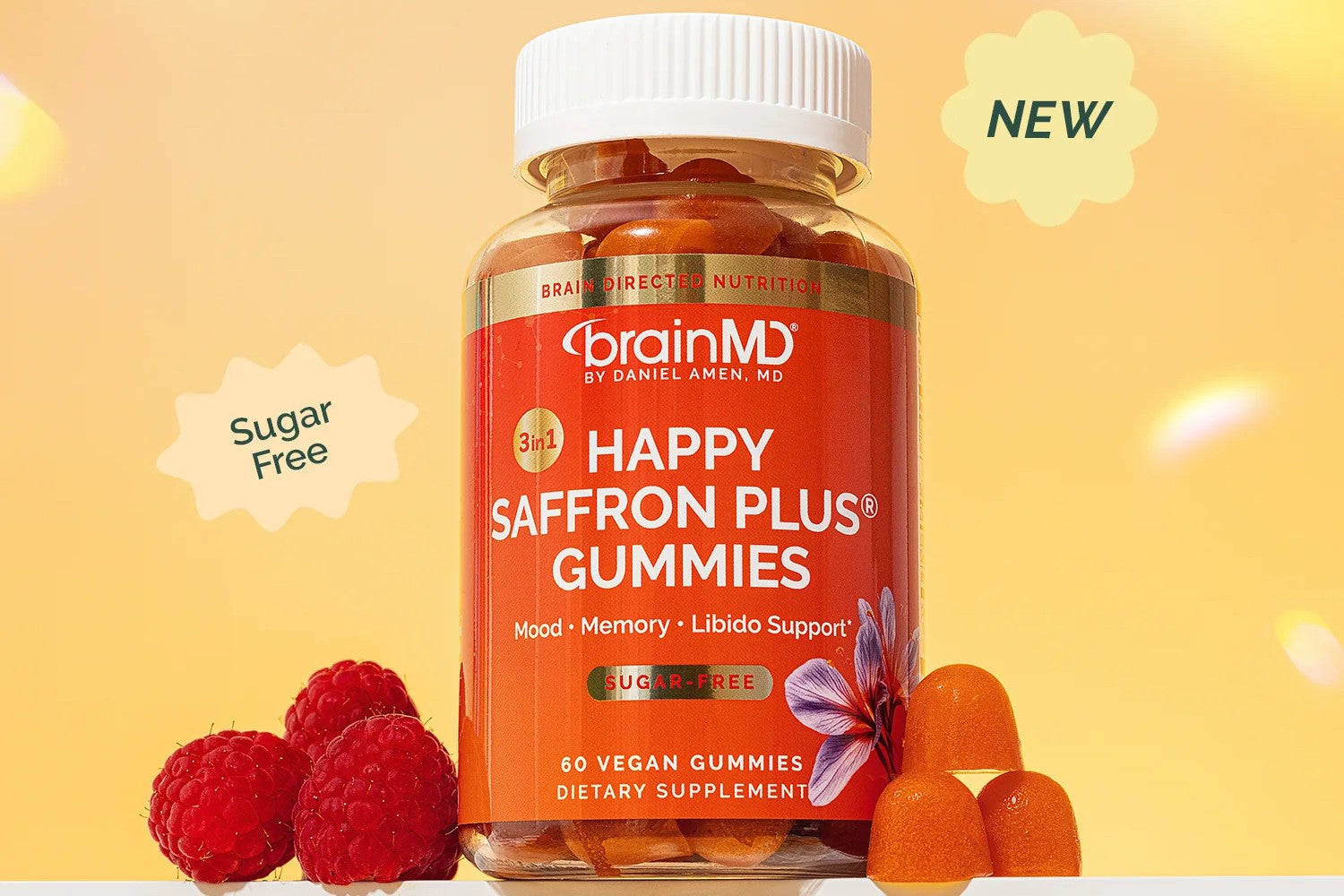
Saffron for Depressive Thoughts According to the National Institutes of Health (NIH), 38 million Americans suffer with mood disorders each year, and 78 million will be afflicted at some point in their lives. Left untreated, mood issues can have serious personal, relational, occupational and social consequences. Until recently, many people felt that mood problems were the result of a weak will, bad character, or sin. Recent brain science has revealed that these disorders are in large part the result of brain dysfunction. Depressive thoughts are associated with low levels of certain neurotransmitters, especially norepinephrine, dopamine, and serotonin, as well as deficiencies in omega-3 fatty acids. When people with anxious or depressive thoughts seek help (typically from a primary care physician), most receive medication as the only intervention. However, these medications often have significant side effects, especially in the area of sexual dysfunction, weight gain, and relapse. What is Saffron Used For? Multiple research studies suggest that saffron, a spice derived from the flower of Crocus sativus, may support healthy levels of serotonin in the brain, a neurotransmitter that contributes to feelings of happiness and well-being. Saffron is high in carotenoids and B vitamins that help increase the levels of serotonin and other chemicals in the brain that are associated with mood concerns. A meta-analysis of five studies found saffron extract to be as effective as antidepressant medication in treating people with depressive tendencies. Another study found saffron to be as effective as fluoxetine (Prozac) in reducing mild to moderate mood dysregulation. Additionally, research has demonstrated the effectiveness of curcumin, the naturally occurring chemical compound in turmeric, as an effective and safe therapy for treatment in patients with depressive thoughts and memory issues. One study in particular found that not only was curcumin tolerated well by all the participants, but they discovered curcumin was as effective as Prozac in managing mood. Saffron & Curcumin Benefits In a 2013 study of human subjects with depressive propensities, curcumin’s effectiveness was similar to that of a standard antidepressant medication. More importantly, curcumin contains none of the side effects associated with common antidepressant medications and provides additional health benefits as well. Recent research published in the Journal of Affective Disorders looked at the effectiveness of both curcumin and saffron in treating major mood issues. In this randomized, double-blind, placebo-controlled study of 123 individuals with major mood disorder, it was shown that doses of curcumin and combined curcumin/saffron were effective in reducing anxious and depressive thoughts. Dietary supplements can be a great way to attain the same nutrients that research studies have found to deliver amazing health benefits. Supplements can help enhance the functions of the body with little to no side effects. It's important when taking dietary supplements that you are confident in their quality, and that you speak to a nutritionally informed physician before beginning any new regimens. For more information about our full catalog of brain healthy supplements, visit the online store at BrainMD.
Learn more
Struggling with a Vitamin B6 Deficiency?
Do you struggle with a low mood? Are you challenged with irritability? Do you worry frequently? Are you feeling fatigued? If you answered yes to some or all of these questions, it is possible that you are experiencing a vitamin B6 deficiency. Previously thought to be relatively rare in the United States, research conducted at Tufts University has demonstrated that vitamin B6 deficiency is much more common than previously thought. The B vitamin family is made up of eight B vitamins, each of which performs unique and important functions. Additionally, these important vitamins are water-soluble. Since they are eliminated in urine, we require a continuous daily supply in our diet as our bodies cannot store it. Otherwise, it is important to supplement to ensure sufficient intake. Many people are surprised to learn about the critical role that vitamin B6, also known as pyridoxine, plays in their health. It is important in the production of such critical neurotransmitters as serotonin, epinephrine, norepinephrine, GABA – which help improve mood – and melatonin, a hormone that supports your natural body clock. Additionally, vitamin B6 is essential for at least 100 enzymes that help the body utilize amino acids, fatty acids, and carbohydrates. It is also vital for early brain development and for supporting the body’s innate antioxidant defenses. B vitamins, including vitamin B6, also help support adrenal function and help calm and maintain a healthy nervous system. Although vitamin B6 is found in a variety of foods – like leafy green vegetables, chickpeas, tuna, beans, beef, liver, and bananas – there is growing evidence which suggests that the systemic inflammation underlying most chronic diseases may impair vitamin B6 metabolism. Therefore, BrainMD Health is proud to utilize the two chemical forms of vitamin B6 that are most fully absorbed and utilized. Two of the products where these special forms of vitamin B6 can be found are Serotonin Mood Support and GABA Calming Support. If you are interested in trying a supplement that promotes a tranquil mind and body while supporting your vitamin B6 levels, give Serotonin Mood Support or GABA Calming Support a try. Your satisfaction is guaranteed!
Learn more
Why Pets are Good For Your Health
Dietary supplements are a great resource to improve your health. You expect us to say that, right? But we know that supplements are just one aspect of a very complex lifestyle that affects your health and emotional wellness. Today, we’re making a case for something else you can do to benefit your health: cute, fuzzy, maybe scaly, pets! Bet you weren’t expecting that… Let’s Get Physical Among other things, owning a dog can help you get healthy by increasing your physical activity. Playing with your dog and walking your dog forces increased exercise which in turn helps you lose weight, lowers blood pressure and reduces stress. Other pets can help you get up and move, too. Even if you prefer a cat, you still have to play with them, get up to feed them, check that they have water, and clean up after them. Every step, every movement counts! Science Says So Many studies have been done on humans and their interactions with animals. From an analysis of 69 original studies came a series of conclusions about the psychosocial and psychophysiological effects of human-animal interactions.1 Basically someone looked at a bunch of studies and found all the amazing benefits of pets and wrote them down for us. It’s how a scientist would write a love letter to animals. Chill Out Multiple studies covering a variety of age groups found that the presence of friendly animals decreased cortisol, the hormonal indicator of stress, when experiencing stressors. Other studies found that the presence of friendly animals, and petting animals, lowered blood pressure during or just before stressful situations. One study even found that the presence of one’s own pet had a greater effect on lowering blood pressure during stressors than the presence of a friend or even their spouse! Yep, loving the dog more than your spouse may not be that uncommon. Other studies measured mood and self-reported fear and anxiety when a live animal versus a stuffed animal was petted. They saw significant benefits with live animals; ruling out the possibility that the act of petting was the calming factor in previous studies. Old Dogs, New Tricks A significant area of study has been the effects of pets on the elderly. Studies have shown that individual visits with pets have improved feelings of sadness and loneliness in the elderly. One specific study compared the effects of group visits to individual visits with the animals and found improved results with individual visits. Pets can help give elderly a sense of purpose, the feeling of being needed, and a distraction from negative thoughts and even some physical pains. It’s a Win-Win Elderly adopting pets is also a great benefit to the abundance of abandoned pets that need a loving home. Most elderly are retired and have ample time to share with a pet. It is important to consider the type of pet that is appropriate for each individual based on their physical, monetary, and environmental limitations. If Mom or Dad can’t walk very easily, and live in a small apartment, a husky might not be the best fit for them as they need hours of physical activity every day. Similarly, a fish is a much more affordable pet than a large breed dog. It is also commonly advised to seek older pets, as puppies and kittens for example, require much more work and care. Go Adopt No matter your age, ailment, or circumstances, studies show that the love and companionship, or even just the presence of an animal can have positive benefits to your mood, stress, and overall health! Visit your local shelter to see what pet might be right for you! References: Beetz, Andrea et al. “Psychosocial and Psychophysiological Effects of Human-Animal Interactions: The Possible Role of Oxytocin.” Frontiers in Psychology 3 (2012).
Learn more
The Problem With Some Turmeric and Curcumin Supplements
Although often used interchangeably, the words curcumin and turmeric actually describe two different things. Turmeric is a yellow-orange spice, related to ginger, that is found in curry, while curcumin is the naturally occurring chemical compound in turmeric. There are three major curcumins – curcumin, demethoxy-curcumin, and bis-demethoxycurcumin – which are the substances most responsible for the 4,000-plus years of traditional medicinal use of turmeric root. Modern science has extensively researched these curcumins (technically, curcuminoid polyphenols) and established their powerful antioxidant and anti-inflammatory benefits along with a myriad of other positive actions. It isn't difficult to find research demonstrating the health benefits of curcumin, including benefits to cardiovascular health, cognitive health, and mood. But they have a fatal flaw: they are normally very poorly absorbed when taken by mouth. In fact, conventional curcumin powders and supplements can be so poorly absorbed that NO curcumin is actually found in the bloodstream – which translates to no appreciable benefit to the brain and body. Additionally, there is very little consistency in terms of quality control among curcumin supplements. Research done by ConsumerLab.com found that more than 20% of turmeric and curcumin supplements they selected for review delivered less than 15% of the advertised amount of the compounds. BrainMD Health is very proud to introduce Brain Curcurmins containing LONGVIDA® Optimized Curcumin Extract – a breakthrough formula optimized to deliver curcumin into target tissues through the critical bioavailability requirements of permeability, solubility, and stability. This dramatically improved oral absorption is verified by human trials. Furthermore, a triple-blinded clinical trial revealed important brain benefits of LONGVIDA®: conservation of working memory, improved calmness and "contentedness" (roughly equating to satisfaction) when under mental strain, and less tendency to physical fatigue from such challenges. In this trial the curcumin group also showed cardiovascular benefit, by lowering total and LDL cholesterol statistically better than the placebo group. The Brain Curcumins supplement from the BrainMD Health team supplies 25% more LONGVIDA® per capsule (500 mg) than was used in the clinical trial (400 mg), for additional benefit to mind and body. So if you are looking for a supplement that promotes alertness and calmness, supports working memory while under mental strain, and which is protective to your brain and body through powerful antioxidants, give BrainMD Health’s Brain Curcumins a try – your satisfaction is guaranteed!
Learn more
Health Benefits of Saffron
Ancient cultures around the world have cherished saffron for centuries and have cultivated it for a variety of reasons, including use as a culinary spice, digestive aid, and mood-boosting aphrodisiac. Derived from the flower of Crocus sativus, saffron is produced just as it has been since ancient times…by hand. The stigmas (the inside part of the flower which catches pollen) must be painstakingly handpicked and dried as machines are not delicate enough. Additionally, it takes 4,500 Crocus sativus flowers to produce just one ounce of saffron spice. This has earned saffron the position and title as the most expensive spice in the world – for good reason! In addition to being a delicious and valuable ingredient, vibrantly-hued saffron has several surprising health benefits. Consider the following ways: These Are 4 Surprising Health Benefits of Saffron 1. Help Your Mood Multiple research studies suggest that saffron may support healthy levels of serotonin in the brain, a neurotransmitter that contributes to feelings of happiness and well-being. Saffron is high in carotenoids and B vitamins that help increase the levels of serotonin and other chemicals in the brain that are associated with depression. In fact, a meta-analysis of five studies found saffron extract to be as effective as antidepressant medication in treating people with major depression.1 Another study found saffron to be as effective as fluoxetine (Prozac) in reducing mild to moderate depression.2 2. Support Your Immune System This colorful and delicious spice has many components, many of which are important antioxidants, such as a-crocin, zea-xanthin, lycopene, a- and ß-carotenes, that help protect the human body from infections, oxidant-induced stress, cancers, and which act as immune modulators. Furthermore, research has demonstrated that saffron can also help aid in a person's fight with cancer.3 Saffron is thought to help fight cancer by triggering apoptosis (programmed cell death) in a number of different types of human cancer cells. 3. Promote Learning And Memory Saffron also has a beneficial impact on learning, concentration, memory, and age related mental impairment. A recent study published in the Journal of Clinical Pharmacy and Therapeutics found that saffron improved cognitive function in study participants with mild to moderate Alzheimer’s disease.4 4. Suppress Your Appetite Studies show that saffron intake effectively enhances the serotonin levels in our body, which helps suppress the appetite or the impulse to eat. A particular saffron extract was found to reduce food cravings and other inappropriate food habits in clinical trials.5 It reduced feelings of hunger and lowered frequency of snacking, supporting appetite moderation and healthy weight management. References 1 Hausenblas HA, Saha D, Dubyak PJ, Anton SD. Saffon (Crocus sativus L.) and major depressive disorder: a meta-analysis of randomized clinical trials. Journal of Integrative Medicine. 2013;11(6):377–83. 2 Noorbala AA, Akhondzadeh S, Tahmacebi-Pour N, Jamshidi AH. Hydro-alcoholic extract of Crocus sativus L. versus fluoxetine in the treatment of mild to moderate depression: a double-blind, randomized pilot trial. J Ethnopharmacol. 2005 Feb 28;97(2):281-4. 3 Abdullaev FI, Cancer chemopreventive and tumoricidal properties of saffron (Crocus sativus L.). Exp Biol Med (Maywood). 2002 Jan;227(1):20-5. 4Akhondzadeh S1, Sabet MS, Harirchian MH, Togha M, Cheraghmakani H, Razeghi S, Hejazi SSh, Yousefi MH, Alimardani R, Jamshidi A, Zare F, Moradi A. Saffron in the treatment of patients with mild to moderate Alzheimer's disease: a 16-week, randomized and placebo-controlled trial. J Clin Pharm Ther. 2010 Oct;35(5):581-8. 5Gout B, Bourges C, Paineau-Dubreuil S. Satiereal, a Crocus sativus L extract, reduces snacking and increases satiety in a randomized placebo-controlled study of mildly overweight, healthy women. Nutr Res. 2010 May;30(5):305-13.
Learn more
Improve Mood and Movement with SAMe
Do you ever feel: Short on energy? That your body isn't working the way you'd like it to? Less than fully positive about life? If you answered yes to any of these questions, you may consider trying SAMe. SAMe (S-Adenosyl-Methionine. Pronounced “sammy”) is a naturally-occurring, hard-working molecule that is found in almost every tissue and fluid in the body. It is organically produced in our bodies from the amino acid methionine in the presence of the cofactors B12 and folate, and is critical to brain and body health. Healthy levels of SAMe support both mental well-being and healthy joints as SAMe plays a role in the synthesis of: Neurotransmitters, critical to proper brain function Melatonin, important to healthy sleep rhythms and outlook Phospholipids, a major component of cell membranes Polyamines, a manager of cellular growth Additionally, it plays a key role in the biological process called methylation. Methylation is a key process that is essential for almost all of your body systems and it occurs billions of times every second. It helps repair your DNA on a daily basis, controls unhealthy compounds that can damage blood vessels, helps recycle molecules that are needed for detoxification, helps maintain your mood, and keeps inflammation in check. And without SAMe, there could be no methylation as we know it. Normal aging, certain medications, toxins, daily stress, and various nutritional inadequacies in your diet (like poor protein intake) can deplete the body’s SAMe reserves and diminish the body’s production of SAMe. Watch this short video featuring Dr. Amen and BrainMD Health’s Chief Science Officer, Dr. Parris Kidd, to learn more about the ways in which BrainMD Health’s SAMe Mood and Movement 400 promotes positive mood and emotional balance, enhances energy levels, and supports joint health and movement. SAMe has been intensively researched for over half a century. Numerous controlled clinical trials support its benefits for mood, cognition, the joints, the liver, the gastrointestinal system, and the other organs. Supplementing with the blister-packed tablets in SAMe Mood & Movement provides the S,S form of SAMe preferred by our enzymes, and helps ensure the body will have adequate SAMe for its needs.
Learn more
Why Your Brain is Like The Universe
Your brain is the most complex, mind-blowing organ in the universe. It is estimated to have over 100 billion neurons (also called nerve cells or brain cells), which is about the number of stars in the Milky Way Galaxy. Each neuron is connected to other neurons by up to 40,000 individual connections (called synapses) between cells. Multiplying 100 billion neurons times 40,000 synapses is equivalent to the brain having more connections in it than there are stars in the universe. A piece of brain tissue the size of a grain of sand contains 100,000 neurons and 1 billion synapses, all communicating with one another. A neuron’s main job is to generate an electrical signal called an “action potential” which it does if sufficiently “excited” by other neurons. The action potential of a single neuron is like a lightning bolt that can stimulate other neurons. The stimulated neurons can then generate their own signals that travel to and stimulate yet other neurons to which they are connected, creating a network of neurons that perform a specific brain function. Another way neurons communicate with each other is through chemical messengers called neurotransmitters. There are many different neurotransmitters, such as acetylcholine, serotonin, dopamine, GABA, adrenaline, noradrenaline, glutamate, and norepinephrine to name a few. Your brain uses neurotransmitters to tell your heart to beat, your lungs to breathe, and your stomach to digest. They can also affect mood, sleep, concentration, weight, and other problems when they are out of balance. Neurotransmitter levels can be depleted many ways. Stress, poor diet, genetic predisposition, drugs (prescription and recreational), alcohol and caffeine use can cause their levels to be out of optimal range. But when your neurotransmitters are balanced you can think more clearly, feel happier, and experience greater well-being. You’ll feel less worried, enjoy a more positive outlook and cope more effectively in stressful situations. The good news is: there are ways you can help balance the neurotransmitters in your brain! Beyond removing stress, maintain a perfect diet, and avoiding alcohol and caffeine, the supplements from BrainMD Health provide nutrients to support the brain’s neurotransmitters. Here are a few products and the neurotransmitters they are designed to support. Top Supplements For Nourishing Your Neurotransmitters Serotonin Mood Support: supports serotonin which plays an important role in mood, sleep and appetite. GABA Calming: contains GABA to help provide a sense of calm. Everyday Stress Relief: among its multiple mechanisms to support your body’s response to stress is the use of Taurine, to help balance GABA in order to promote relaxation. NeuroLink: helps to balance many neurotransmitters including adrenaline, noradrenaline, dopamine, GABA, glutamate, and serotonin for overall balanced brain chemistry. Backed by decades of experience, our clinical research team incorporates the latest scientific findings in creating a wide array of specialized formulas that support brain function, energy, memory and learning, mood, stress reduction and sleep. Better brain chemistry = Better quality of life
Learn more