 Skip to content


Wellness Blog



Are You Getting the Best Nutrients in Your Multivitamin?, Part 1
Vitamins and minerals are essential for our survival. Our foods provide the energy we need to power our brain and body. But to unlock this energy, we need the "essential nutrients" that power our enzyme systems. They should be coming from our foods, but ongoing population surveys clearly indicate the modern diet is not doing this job. BrainMD developed a multiple vitamin-mineral supplement to help close this dietary gap while additionally prioritizing the brain. Based on large surveys of Americans' dietary patterns, the U.S. Centers for Disease Control and Prevention (CDC) consistently reports insufficient average intakes of various essential nutrients: the vitamins A, C, D, E, and choline; the minerals magnesium, iodine, and zinc; and omega-3 EPA+DHA. Nutritionists advise taking dietary supplements to ensure getting enough of these nutrients. Since nothing else can work until these essential nutrients are fully supplied, the cornerstone of nutritional health insurance is a really good multiple. BrainMD's NeuroVite Plus Multivitamin (NV, for short) supplies over 50 vitamins, essential minerals, conditionally essential nutrients, and plant concentrates, along with digestive enzymes to assist with their utilization. Let's review how these work together for brain and body health. Nutrients for Memory, Brain, Body, Genetics and Lifestyle This formulation is unique among multiples by providing all these nutrients: Vitamins (14), including all 8 B vitamins with methylfolate. Absence of any of these leads to deficiency symptoms and increasingly worsening health Essential Minerals (8), all required by specific enzymes (except for iron and copper, due to safety issues) Conditionally essential nutrients (14), so named because some individuals can't make sufficient amounts so must get them from their diet A proprietary brain-boosting blend of clinically researched nutrients (4) Other clinically researched substances from plants, known to promote health (3) Organically grown fruit and vegetable concentrates (8) Digestive enzymes from plants (5) The ingredients in NeuroVite Plus are painstakingly selected for their superior absorption, utilization, lack of adverse effects when taken, and long-term safety. Their diverse array of nutrients was assembled to address individual requirements that vary greatly from person to person due to genetics, lifestyle, stress levels, medication regimens, age and other real-life factors. The Vitamins Vitamin A is crucial for the brain to develop and maintain its trillions of nerve cell connections (synapses). It is also crucial for vision, intestinal function, lung function, and immune defenses. Unlike many multiples, this formulation provides authentic vitamin A rather than beta-carotene, which 1 in 2 people can't efficiently convert into vitamin A. More than 2 in 10 Americans may not be getting sufficient vitamin A from their foods. Vitamin C gives the body powerful antioxidant protection but is also needed for certain enzymes to work. It reaches very high levels in the brain, where it promotes acetylcholine, dopamine, and norepinephrine neurotransmitter activity. Vitamin C has crucial importance for the brain, and scurvy (vitamin C deficiency) features prominent mental deterioration. Throughout the body, vitamin C is needed by enzymes that make collagen, for the connective tissues that hold the organs together. Vitamin C is also essential for healthy immunity and used by the liver to neutralize toxins. The CDC reports more than 4 in 10 adult Americans aren't getting enough vitamin C from their foods. Vitamin D deficiency is currently epidemic worldwide: CDC reports more than 9 in 10 Americans aren't getting enough of it from their foods. Vitamin D3 (cholecalciferol) is converted into a hormone that regulates about 900 different genes. Vitamin D function involves regulating the brain and other organs. Vitamin D promotes the actions of serotonin, dopamine, and other key brain neurotransmitters. Vitamin E is an important antioxidant, helping protect the membrane systems of all our cells. It especially protects the brain, which can sometimes have antioxidant deficits. NV provides vitamin E not only as the natural d-alpha tocopherol but as the full family of 8 tocopherol and tocotrienol vitamin Es naturally present in a healthy diet. More than 8 in 10 Americans likely aren't getting enough E from their foods. Vitamin K is highly underestimated for brain and body. NV provides Vitamin K2 as menaquinone-7 (MK-7), which is much more active than the vitamin K1 used in many multiples. Vitamin K2 activates brain proteins that not only help control calcium's potential to do damage but also support brain cell maturation, survival, and electrical conduction. Outside the brain, uncontrolled calcium can readily form stony deposits in the heart valves, large arteries, and elsewhere. Vitamin K2 proteins help direct calcium away from the brain, heart, blood vessels, and other soft tissues and towards the bone, teeth and nails that need it. Vitamin K2 also is essential for the coagulation processes required for healthy wound healing. The B Vitamins are provided in their most active forms in NV. The brain has special transport systems to move B vitamins across the blood-brain barrier and deliver them to the brain cells. In a two-year double-blind trial at Oxford University, Douaud and colleagues found a B vitamin combination slowed brain decline in elderly people. All our cells need the 8 B vitamins, and they work best when administered together. Thiamin (Vitamin B1) is essential for all the cells in our brain and other organs to process proteins, carbohydrates, and fats into energy. The body's thiamin reserves are very low and are readily depleted by high-sugar diets, alcohol abuse, and various prescription drugs. Thiamin deficiency is common in pregnancy. Riboflavin (Vitamin B2) is essential for the body to process carbs, fats and amino acids coming from proteins, and especially for energy production by the mitochondria, our cells' tiny powerhouses. Our cells also need riboflavin to repair damage to their DNA and to regulate their gene activity. This vitamin is also essential for an enzyme that helps conserve glutathione, the predominant antioxidant found inside human cells. Vitamin B3 as Niacinamide is a fully active B3 without the uncomfortable skin flush linked to niacin B3. Our cells' mitochondria need it to make NAD, a high-energy nutrient that works very closely with ATP in the body's energy economy. NAD is also essential for enzymes that regulate gene actions. B3 is readily depleted by excessive alcohol intake and by smoking. Pantothenic Acid (Vitamin B5) is needed not just for energy but for making amino acids, proteins and hormones, and converting fats into fatty acids used in building cell membranes. B5 deficiency is linked to loss of nerve cell electrical insulation, which can impair brain functions. Canning and refining deplete this vitamin from foods. Pregnant and lactating women tend to have low levels, another reason for them to take a really good multiple. Vitamin B6, equally well utilized as both pyridoxine and pyridoxal-5-phosphate, is vital for the major brain transmitters serotonin, noradrenaline, adrenaline, and GABA. B6 is required by about 100 enzymes that help the body utilize amino acids, fatty acids, and carbohydrates. This vitamin helps with the conversion of homocysteine, a potential toxin, into useful antioxidants. Good B6 levels promote mother and child health during lactation. Methylfolate provides methyl chemical groups, fundamental to practically all our processes. In comparing folate vs folic acid it's crucial to understand that folate is the vitamin we need whereas folic acid is a man-made chemical that interferes with our utilization of folate. Most multiples provide just folic acid; NV's methylfolate is efficiently absorbed and goes right to work without the need for conversion. Methylfolate is immensely important to the brain, including for the serotonin and dopamine transmitter systems. In clinical studies at Harvard and elsewhere, supplementation with methylfolate consistently improved mood. Also, up to 1 in 4 people have mutant genes (MTHFR C677T and sometimes others) that severely limit their capacity to utilize folic acid or even the folates from their foods. Taking methylfolate bypasses these mutations. All our cells need methylfolate to make their DNA, package it into genes, repair it when damage occurs, and to regulate their overall gene activity (called epigenetics). The brain's nerve cell also need it to make their electrical insulation (myelin), to make the serotonin and dopamine neurotransmitters, even to make the sleep hormone melatonin. Methylfolate also works with vitamin B6 and vitamin B12 (see below) in the detoxication of homocysteine. Vitamin B12 is active mostly in its methyl form, and backs up methylfolate. Yet many multiples have B12 in a cyanide form (cyano-cobalamin). Cyanide is extremely toxic for everyone, and should not be in a dietary supplement. BrainMD provides vitamin B12 as methyl-B12, in amount sufficient to be effective when taken by mouth, as has been done in Sweden for decades. Plants don't make vitamin B12, so vegetarians and vegans often have very low levels. Also, B12 absorption can be impaired by various over-the-counter and pharmaceutical medications, and declines with advancing age. NV's ample allowance of methyl B12 will be helpful to many of the individuals facing such challenges. Biotin is another B vitamin, required by at least 3 key enzymes that help the mitochondria generate life energy. Biotin is also vital for healthy gene regulation, and for cell to cell communication. Though called the "Hair, Skin and Nails Vitamin," biotin is vital for the brain and all the organs. Deficiency is increasingly common. Alcohol intake can deplete this vitamin, as can intestinal absorption problems and anticonvulsant drugs. Next time, we’ll take a closer look at the essential minerals contained in NeuroVite Plus, and how they can help optimize your brain and body. Continue reading about the best nutrients you need in your multivitamin in Part 2.
Learn more
10 of the Best Ways to Protect Your Brain
Your brain is the most complex machine in the universe. No one knows exactly how complex the brain is, but scientists estimate you have more neurons in your brain than there are stars in the Milky Way Galaxy. As the executive control center of the entire body – and the supervisor of every thought, mood, memory, and action – your brain makes you you. That’s why you must do everything you can to take care of your brain. Here are 10 practical steps you can take to help protect your brain… 10 of the Best Ways to Protect Your Brain 1. Practice Brain Safety Since there’s an increased risk associated with multiple hits to the head, it’s imperative that you take care of your brain. Even though protecting your head should be a no-brainer, it’s helpful to be reminded of some practical brain safety tips that can reduce your risk of head injury, such as: avoid high-risk sports where you can hit your head, remember to wear a seat belt when in a vehicle and always wear a helmet when on a motorcycle, bicycle, skateboard, snowboard, skis or rollerblades. 2. Eat a Healthy Diet Proper nutrition is essential to peak brain function. A healthy diet includes lean protein, fruits, vegetables, nuts and healthy fats such as olive oil. It’s recommended that you eat 9 servings of fruits and vegetables every day. 3. Stay Hydrated Every system in the human body needs water to function. Your brain is roughly 80% water, so avoid anything that dehydrates it – such as excessive alcohol or caffeine. Even being slightly dehydrated can impair performance in tasks that require attention, immediate memory retrieval, and physical skill. 4. Healthy Pleasure Centers Deep inside your brain, your pleasure centers respond to several neurotransmitters, particularly dopamine. When dopamine is depleted, low motivation and mood can develop. Increase your dopamine naturally by engaging in meaningful and beneficial activities on a regular basis. Do work that you enjoy and take time to have fun with your loved ones. It’s equally important to avoid wearing out your pleasure centers with substance abuse, gambling, video games, and compulsive eating or shopping. 5. Get Regular Exercise Physical activity is perhaps the single most important thing you can do to keep your brain healthy. Exercise can boost blood flow and other positive nutrients to the brain, increase your levels of dopamine and trigger the generation of new nerve cells that can help the brain self-regulate and calm down. Walking can help you clear your mind, decrease anxious feelings, improve your mood and burn some calories all at the same time. 6. Avoid Alcohol Alcohol is not a health food and should be used in moderation. Even one glass of beer or wine per day can negatively affect the brain and body. Never drive under the influence of alcohol. This also applies to prescription medications, which can impair your ability to drive. 7. Quality Sleep Getting at least 7-9 hours of sleep a night has been shown to help your brain function at optimal levels. When you don’t get enough sleep, overall decreased blood flow may create a buildup of harmful waste products in the brain tissue, which can disrupt thinking, memory, and concentration. 8. Balanced Blood Sugar Keep your blood sugar balanced throughout the day with healthy snacks, green tea, and a multiple vitamin-mineral supplement that supplies chromium and other nutrients. Low blood sugar levels are associated with reduced blood flow to the brain, poor impulse control, irritability, and bad decisions. 9. Just Relax From time to time, all of us need to recharge our batteries and self-care is key to physical and mental health. Learning how to counteract stress and calm your body can help enhance your mood, improve brain function, lower blood pressure, and protect you from certain illnesses. 10. Fill the Nutrient Gap Though food can help promote brain health, numerous surveys show there’s a gap between the foods you eat and the nutrition you need. High-potency dietary supplements can help fill the gap created by a modern diet consisting of many unhealthy and processed foods grown in poor soil and depleted of nutrient content. Without these vitamins, essential minerals and other nutrients, you may find it more difficult to engage in activities and manage daily routines. To prevent periods of low energy, mood, and memory issues, always remember to take your supplements...one of the essential brain care basics. Even adding a few key brain nutrients – such as vitamin D, vitamin E, or magnesium – into your daily regimen can go a long way toward helping you stay focused and sharp. We recommend taking a broad-spectrum multiple, such as our NeuroVite Plus Multivitamin daily, along with a concentrated fish oil like Omega-3 Power to ensure you’re getting enough omega-3 EPA and DHA.* At BrainMD, we’re dedicated to providing the highest quality supplements to improve your physical health and overall well-being. For more information about our full list of brain healthy supplements, please visit us at BrainMD. These statements have not been evaluated by the FDA. This content is for informational purposes only. It is not meant to substitute for medical or healthcare advice from a physician, nor is it intended to diagnose, treat, cure, or prevent any disease. Consult your healthcare provider before beginning a new health regimen.
Learn more
The Most Proven Nutrient for Memory and Brain Health: PhosphatidylSerine (PS)
Trying to make your brain work better? Tired of hearing about “miracle memory cures” that don’t work and may not even be safe to take? How about a nutrient that’s concentrated in the human brain and has extensive research proving it works? PS (PhosphatidylSerine, pronounced fos-fa-tie-dil-see-reen) isn’t a miracle memory cure but it can make a noticeably positive difference to your memory and overall brain health. What is PhosphatidylSerine? PhosphatidylSerine (PS) is a chemically unique nutrient that is an essential building block for all known forms of life, and it’s most highly concentrated in the human brain. Our brain cells – all of them – need PS to generate and manage the high energy, complex electrical activity, and intense information processing that makes our brains work. PS has been put through more than 30 years of gold standard clinical research involving randomized, placebo-controlled, double-blind trials. It consistently improves memory for words, faces, names, and numbers, as well as learning, attention, and overall mental sharpness, even in children. After all this clinical experience with PS, not one serious side effect was reported. How Does PhosphatidylSerine Work? Chemically, PS is a phospholipid, a type of substance that the body needs for making cell membranes. These are thin sheets of highly dynamic structures that power most of the life processes in all known living things, including in every single human cell. From its strategic positioning in the membranes of our brain cells, PS facilitates key cell activities: Energy generation by the membranes of the mitochondria located within all these cells. Utilization of this energy by the nerve cells to generate electrical activity. Conversion of this electrical activity into information transfer at the trillions of junctions between the nerve cells (synapses). Here PS functions closely with omega-3 DHA. Information transfer at the synapses by brain messenger substances (neurotransmitters). Packaging of these neurotransmitters within the cells, and their release at the synapses. Sensitivity to nerve growth factor, which supports nerve cell renewal and brain maintenance. These fundamental contributions of PS to our brain cells cannot be substituted for any other substance, and their effects at the individual brain cell level scale up into the impressive brain benefits observed with PS in double-blind clinical trials. In one such trial, PS partly restored declining memory in healthy over-50 volunteers (see Further Reading, below). PS has also been found to improve learning and attention in children with such challenges. In a randomized, double-blind, placebo-controlled trial, after 2 months PS had improved attention, impulsive actions, learning of numbers, and school behavior in children aged 4-14 years (see Further Reading). The credentials of PS as a safe and effective brain nutrient are established from 29 double-blind clinical trials, hundreds of other clinical studies, and thousands of basic science research papers, all published in peer-reviewed scientific journals. Though not allowed to endorse its use, the U.S. FDA granted PS not just one but two prestigious qualified health claims for its brain benefits. What Foods Contain PhosphatidylSerine? Technically, PS is not a vitamin since the body can make it. And it is available in small amounts from the diet: though plants provide very little PS, eggs (yolk), muscle meats and organ foods do provide some. But a high-grade PS supplement can double or triple your dietary intake and improve your brain function within weeks. BrainMD’s PS is non-allergenic and is all-natural since it derives from sunflowers. How to Take PhosphatidylSerine for Memory? To help ensure you can get help from PS, BrainMD provides PS via several supplement products, including the NeuroVite Plus enhanced multiple vitamin supplement (try finding PS in any other multiples on the market!). We also provide PS in our popular Brain & Memory Power Boost and in our Attention Support product. If you want to try a high-potency PS, it’s available as NeuroPS in a 150 mg capsule. BrainMD’s powerful supplement systems Brain & Body Power and Brain & Body Power MAX provide capsules from 3 of our core brain supplements in convenient to use packets. Capsules of NeuroVite Plus and Brain & Memory Power Boost provide a generous amount of PS, which is complemented by ample omega-3 DHA and EPA from our ultrapure, high-potency Omega-3 Power softgels. For those who prefer not to take capsules, the BrainMD team developed BRIGHT MINDSTM Memory Powder with the full clinical dose of 300 mg PS per serving and a wide array of vitamins, minerals and other nutrients for brain health. PS, along with our other leading brain supplements, assist the Amen Clinics’ comprehensive Memory Rescue program, which includes breakthrough SPECT functional imaging of the brain. Is PhosphatidylSerine Safe for Brain Health? I’ve worked with PS for 25 years to establish it with consumers and physicians in the U.S., Canada, Europe, Asia, and Australia. It’s extremely safe and I take it every day for my brain. I urge you to try it too. If you want to improve your mental focus and your memory for words, faces, names and numbers, try adding PS to your supplement regimen. Further Reading Crook TH, others. Neurology 1991;41:644-649. Double-blind trial with over-50 volunteers. Hirayama S, others. Journal of Human Nutrition and Dietetics 2014;27 (Suppl. 2):284-291. Double-blind trial with children having attentional and behavioral issues. BrainMD Product Description: BRIGHT MINDSTM Memory Powder.
Learn more
Magnesium – The Triple Threat for Mood, Memory & Sleep
Maintaining a well-rounded diet has become increasingly difficult in our packaged, processed, fast-food society. The Standard American Diet (SAD), also called the Western Pattern Diet (WPD), lacks many essential nutrients and is loaded with foods that can be detrimental to your health. It mainly consists of red meat, processed meats, and dairy. It’s also high in sugar and salt and is loaded with bad carbohydrates. These foods are often inflammatory and have been associated with a smaller hippocampus, the part of the brain used for memory function. This diet is typically linked to common conditions and chronic illnesses including diabetes, heart disease, obesity, metabolic disease, and irritable bowel syndrome. Many Americans are missing out on healthy foods in their diet, such as: fruits, vegetables, fish, beans, nuts, seeds and poultry. Grains should be used sparingly since they convert quickly into sugars. Organic animal products are recommended to eliminate food grown or raised with synthetic pesticides, bioengineered genes, petroleum or sludge-based fertilizers, antibiotics, growth hormones or animal by-products. A great way to establish healthy eating habits is to purge your pantry of unhealthy foods and add variety to your diet by trying new fruits and vegetables. Another is to take dietary supplements. One nutrient most Americans are deficient in is magnesium. Magnesium Magnesium is a mineral nutrient that’s fundamental to our health. The modern diet is low in magnesium, so taking a well-formulated magnesium supplement is good nutritional health insurance. Benefits of Magnesium: Memory & Sleep Magnesium is necessary for all our cells to make and use energy. It maintains our DNA and gene structure and is required for more than 600 enzyme reactions in the body. This powerful nutrient helps to regulate blood sugar, blood pressure and maintain normal heart rhythm and blood flow. Magnesium stimulates electrical activity in the brain and aids the brain’s ability to process information, helping both memory and sleep. Magnesium helps promote memory, positivity and quality sleep. It’s used by the body for healthy aging, digestive efficiency, to prevent calcium overload, and to strengthen the immune system as an antioxidant. For those with vitamin D deficiencies, weight challenges, kidney stones or heart problems, this nutrient can help promote a healthier well-being. The Dangers of Not Getting Enough Magnesium The U.S. Government’s Centers for Disease Control and Prevention (CDC) conducts ongoing, in-depth surveys of the health and nutritional habits of Americans. Their most current data indicate that as many as 4 in 5 Americans aren’t achieving the Recommended Dietary Allowance (RDA) for magnesium. Magnesium insufficiency is linked to poor muscle tone and greater chance of cramping or spasming. Clinical evidence also links low magnesium intakes to other brain, heart, circulatory, bone and joint problems. Individuals with intestinal or kidney problems, people who drink alcohol, those with poor blood sugar control, and the elderly are all more likely to be magnesium-deficient. Some leafy-green vegetables, whole grains, nuts and beans are good magnesium foods, but dietary intake has declined by at least 40% in the last 4 decades due to changes in food harvesting and processing, water purification, and overall dietary habits. Since most people aren’t getting enough magnesium from diet alone, they need something to help fill the nutritional gap. BrainMD is proud to offer Magnesium Chewables… BrainMD’s Magnesium Chewables BrainMD’s Magnesium Chewables are sugar-free and have a delicious citrus flavor. Each tablet provides a considerable 150 milligrams of magnesium. We recommend chewing one tablet at a time and washing it down with water. Sweating during workouts and sports activities removes magnesium, so it’s a good idea to chew one or two magnesium tablets afterwards. Muscle cramping or spasms in the head or limbs also may be eased by this safe, high-dose magnesium supplement. These potent nutrients can help to replace magnesium that’s been depleted by some medications. Sleep quality is also likely to improve by taking Magnesium Chewables. Magnesium is essential for a healthy pregnancy outcome. Pregnant and lactating women require adequate magnesium both for the baby’s development and for their health. These tablets are free of magnesium oxide, commonly used in dietary supplements, which is very poorly absorbed and utilized. The other ingredients used to make these chewable tablets are free of sugar, dairy, glutens, corn, egg, yeast, or other allergens, with no artificial colorings or flavorings. Magnesium is well tolerated, safe to take long-term, and suitable for use by people of all ages. At BrainMD, we’re committed to helping you achieve mind and body well-being for better memory and sleep. For more information about Magnesium Chewables and our full list of products, please visit us at BrainMD.
Learn more
Brain Boosting Ingredients: Benefits of PhosphatidylSerine (PS)
What are the basic ingredients for a brain healthy life? It all starts with pure and potent nutrients. BrainMD’s supplements are made with high-quality ingredients that can help improve brain health and the functioning of many other organs in the body. In this blog series, we’re taking a closer look at the origins, uses, and recipes for some of our key ingredients so that you can incorporate them into your diet and daily supplement regimen. One ingredient we’re proud to recommend is PhosphatidylSerine (PS), the most proven nutrient for memory and brain health. What is PhosphatidylSerine? PhosphatidylSerine, pronounced fos-fa-tie-dil-see-reen, is a phospholipid nutrient present in all our cells but especially concentrated in the brain’s nerve cells. PS is crucial for enhancing recall and for promoting healthy attention, learning and mental sharpness. PS has been extensively researched in humans, animals, and cultured cells, and is the most proven nutrient for memory. PS is a universal building block for cell membranes, the dynamic structures that link the nerve cells into trillions of information transfer connections (synapses). The brain’s billions of nerve cells also need PS to package neurotransmitters into membrane structures for subsequent release into the synapses. PS is fundamental to the membranes of mitochondria, the microscopic power plants that generate energy for all our cells. The Origin of PhosphatidylSerine PS is naturally produced by the body and is found in practically all foods, but mostly at very low levels. One of the richest sources of PS is cow brain, but not many people eat brain and concerns over diseases make this a risky and unappealing source of PS. PS is also present in organ meats, like liver and kidneys. Cow’s milk has a small amount of PS. The best food source of PS is chicken egg yolks, which also provide a host of important nutrients. A great way to ensure daily intakes of PS at levels sufficient to improve brain function is to take a PS dietary supplement. Earlier PS supplements came from soy, which can be allergenic. BrainMD’s NeuroPS is derived from sunflower, a vegetarian source that’s free of soy allergens.* Here Are 5 of the Best Benefits of PhosphatidylSerine Improves Memory and Learning PS improved verbal fluency and enhanced learning and recall of names, faces, words, and numbers in double-blind clinical trials. PS is better documented for these benefits than any other nutrient. Promotes Attention In a double-blind clinical trial with children aged 4-14 years, the group that received PS at 200 mg per day showed improved attention, self-control, and short-term memory, when compared to those receiving a placebo. Drives Brain Neurotransmitter Systems PS is an essential building block for cell membranes, which organize enzymes and other proteins into molecular complexes to optimize the body’s life processes. PS promotes the actions of at least 4 major brain neurotransmitters: acetylcholine, dopamine, serotonin, and norepinephrine. Essential for Brain Cells to Make Energy Our brain uses more than 20% of our body’s total energy. The brain’s energy-guzzling nerve cells are the largest in the body. Our brain cells rely on mitochondria to make more than 90% of their energy. PS is essential for the mitochondria to function. Promotes Overall Brain Health PS is essential for the brain not only to make energy, but to manage its trillions of nerve cell connections. PS promotes brain health at all stages of life, from childhood through adulthood. Common Uses PS has the best track record for improving memory, as recognized by the U.S. FDA with two allowed Qualified Health Claims. Also, as a major cell membrane building block, PS works closely with omega-3 EPA and DHA to promote efficient synaptic functioning that contributes to healthy mood and behavior. PS is commonly used for improving attention and academic performance in children. PS is safe and well-tolerated. Recipe Berries are loaded with antioxidants and have a host of health benefits. Blueberries, referred to as “brain berries” among neuroscientists, may help delay short-term memory loss. If you like berries in your smoothie, you’ll love this delicious recipe for a Brain-Smart Smoothie. At BrainMD, we’re dedicated to providing the highest quality supplements to improve your physical health and overall well-being. For more information about our full list of brain healthy supplements, please visit us at BrainMD. *These statements have not been evaluated by the FDA. This content is for informational purposes only. It is not meant to substitute for medical or healthcare advice from a physician, nor is it intended to diagnose, treat, cure, or prevent any disease. Consult your healthcare provider before beginning a new health regimen.
Learn more
3 Part Series: How to Identify the Best Quality Supplements
In the previous post (Part 2), we discussed what you need to know about how your supplements are formulated and developed. But how much do you really know about the manufacturing programs and processes? In the third and last part of this blog series, we’re going to share with you the important features of supplement manufacturing and testing. Manufacturing Is that product you are considering manufactured in a GMP (Good Manufacturing Practices) certified facility? GMPs are the legal requirements for a sophisticated production system to ensure a dietary supplement product has the correct ingredient identity, strength, purity, safety, and process documentation that matches the content of its label. The processes for producing the product must be followed down to the finest details, testing must be conducted at various stages of the production process, and the documentation must be sufficient to be able to trace and isolate any problem that may occur. The cGMP (current GMP) regulations were developed by the Food & Drug Administration (FDA) to ensure that dietary supplements are manufactured to the highest quality possible from the available technology. You often hear people who are biased against dietary supplements say that dietary supplements aren't regulated, but FDA's stringent cGMP regulations are proof that supplements actually are thoroughly regulated. The FDA is the government agency that enforces GMP requirements all along the chain of custody of a dietary supplement product: from raw material suppliers through the manufacturer to the packager, and on through to the retailer, all are responsible for the quality of the product. FDA does unannounced inspections of all these parties. While they do not offer certifications for cGMP, they will issue warning letters and will shut down a party that fails to conform to cGMP requirements. Independent groups can be hired by a company to inspect their facilities and processes and provide GMP certifications. Among the services they provide are reviewing facility cleanliness and standard operating procedures, monitoring equipment calibration and operation, checking the production line for sources of contamination, verifying quality control overall and generally making sure the finished products' labels meet FDA specifications. When the FDA themselves perform an unannounced inspection of a facility that handles dietary supplement products and finds a GMP or other product quality problem, or inaccurate or otherwise illegal labeling, they typically give the facility 15 days to correct the problems. If the required changes are not made, the facility can be shut down and individual staff who knowingly defy the rules can be criminally charged and even go to jail. And FDA is not the only agency that regulates dietary supplements. Responsible parties in the dietary supplement industry must follow the legal requirements not just of the FDA but of the FTC (Federal Trade Commission, tasked with protecting the consumer against fraudulent marketing or other illegal trade representation), state public health departments, environmental protection agencies, and even California's Proposition 65 with its long list of toxic substances to avoid. All these regulatory agencies further help protect the public against unsafe or other illegal dietary supplement products. Testing It’s important to know that your supplements are tested for identity, purity, and potency. Testing is most effectively done on the raw material ingredients before they enter the chain of production. But in-process testing is also necessary, and the finished product must also be tested to ensure the integrity of the entire manufacturing process. Both ingredients and finished products must go through identity and potency verification, heavy metal testing, and microbial testing. All of BrainMD’s products undergo these testing processes, and we employ independent laboratories to do our testing. We also audit our manufacturers, packagers, and testing labs to ensure they have adequate quality control and processing standards in place. To protect your health and wallet, and to be confident you are getting the highest quality supplements, make sure you are buying products that are manufactured in cGMP certified facilities. Be vigilant! Be knowledgeable enough to sort the good from the bad. Supplements are an important part of your health regimen and you should be as well informed as you can be about what you're putting in your body. Your health and safety depend on it.
Learn more
4 Foods to Avoid for Better Gut Health
Did you know if your gut isn’t healthy, your brain probably isn’t functioning optimally either? In fact, there’s a good chance you won’t feel well at all. Studies have shown a link between your gut health and brain health. The first rule in gut health is to take care of your “good” bacteria. Taking care of your “gut bugs” requires providing them with a solid house and healthy food. Tana Amen BSN RN Explains the Importance of Probiotics https://www.youtube.com/watch?time_continue=1&v=vFnycsacVcU 4 Foods to Avoid for Better Gut Health It is true that the gut communicates directly with your brain. About ninety percent of the serotonin in your body is made in your gut. Vitamin formation and mineral absorption also occur in the gut. The gut is responsible for about seventy percent of your immunity. As a Brain Warrior, the first step to having a healthy gut is to stop doing things that cause harm to it. In Week 6 of the Brain Warrior’s Way Live Class, Dr. Amen and I discussed foods that damage your gut, I’ve listed them here so you can be sure to stay away: Gluten, Latin for “glue,” is a sticky protein found in wheat, barley, rye and many other grains. It has been proven to damage the intestinal lining. Even if you’re not diagnosed with Celiac disease, gluten doesn’t offer you any health benefits. In fact, it has shown to damage gut lining 100% of the time in recent studies. Lectins is the Latin for, “to select.” These carbohydrate-binding proteins can be found in many grains including wheat, rice, oats, buckwheat, millet, rye and corn. Quinoa, dairy, eggs, legumes (including dry beans and peanuts), soy, and vegetables in the nightshade family—peppers, eggplant, potatoes, and uncooked tomatoes also contain lectins. Corn has the worst fatty acid profile of any grain. Be aware that most corn in our country is genetically modified and sprayed with pesticides. Sugar is the perfect food to grow the enemy’s army: resistant bacteria, yeast and other invaders. Antibiotics and other medications can wipe out most of the bacteria in your gut. The “resistant” bacteria that remain are often the “bad guys.” Another Way to Support Gut Health Gut health is one of the most unappreciated systems in the body. It lays the foundation to ensure you to have a healthy body and mind. If you take care of the “good” bacteria it can change your life. Because this system has such a profound impact on our well-being, body function, brain health, and even our physique, it is important to do what we can to support it. I recommend taking a good probiotic, like BrainMD’s ProBrainBiotics to ensure you support those important gut bugs. This is such a great product because it contains 2 specific strains of probiotic that have been studied for brain-specific benefits in a double-blind, placebo-controlled clinical trial.1 References: Messaoudi M, others. British Journal of Nutrition 105:755 (2011); addendum in Messaoudi M, others. Gut Microbes 2:256 (2011).
Learn more
Health Benefits of Saffron
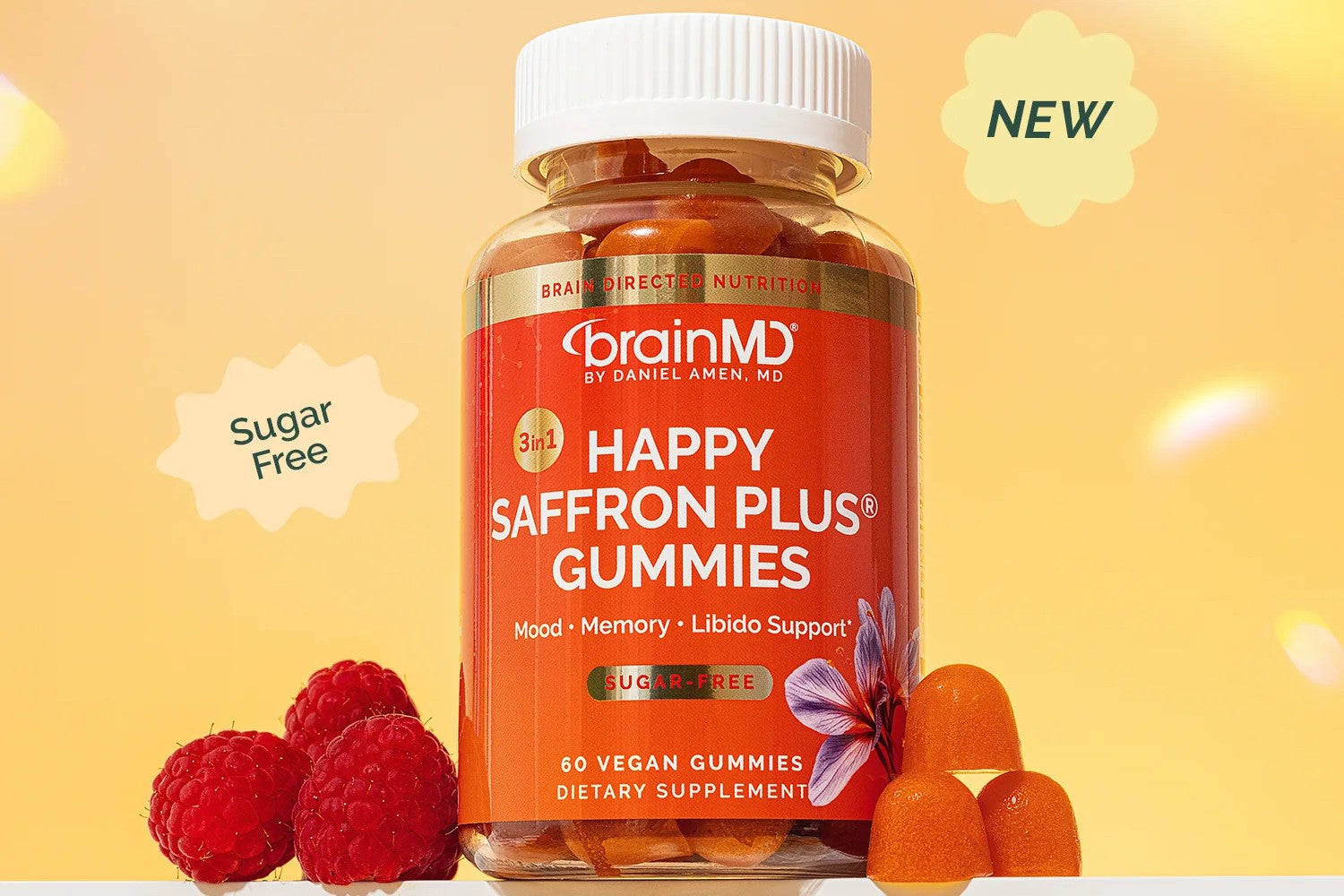
Ancient cultures around the world have cherished saffron for centuries and have cultivated it for a variety of reasons, including use as a culinary spice, digestive aid, and mood-boosting aphrodisiac. Derived from the flower of Crocus sativus, saffron is produced just as it has been since ancient times…by hand. The stigmas (the inside part of the flower which catches pollen) must be painstakingly handpicked and dried as machines are not delicate enough. Additionally, it takes 4,500 Crocus sativus flowers to produce just one ounce of saffron spice. This has earned saffron the position and title as the most expensive spice in the world – for good reason! In addition to being a delicious and valuable ingredient, vibrantly-hued saffron has several surprising health benefits. Consider the following ways: These Are 4 Surprising Health Benefits of Saffron 1. Help Your Mood Multiple research studies suggest that saffron may support healthy levels of serotonin in the brain, a neurotransmitter that contributes to feelings of happiness and well-being. Saffron is high in carotenoids and B vitamins that help increase the levels of serotonin and other chemicals in the brain that are associated with depression. In fact, a meta-analysis of five studies found saffron extract to be as effective as antidepressant medication in treating people with major depression.1 Another study found saffron to be as effective as fluoxetine (Prozac) in reducing mild to moderate depression.2 2. Support Your Immune System This colorful and delicious spice has many components, many of which are important antioxidants, such as a-crocin, zea-xanthin, lycopene, a- and ß-carotenes, that help protect the human body from infections, oxidant-induced stress, cancers, and which act as immune modulators. Furthermore, research has demonstrated that saffron can also help aid in a person's fight with cancer.3 Saffron is thought to help fight cancer by triggering apoptosis (programmed cell death) in a number of different types of human cancer cells. 3. Promote Learning And Memory Saffron also has a beneficial impact on learning, concentration, memory, and age related mental impairment. A recent study published in the Journal of Clinical Pharmacy and Therapeutics found that saffron improved cognitive function in study participants with mild to moderate Alzheimer’s disease.4 4. Suppress Your Appetite Studies show that saffron intake effectively enhances the serotonin levels in our body, which helps suppress the appetite or the impulse to eat. A particular saffron extract was found to reduce food cravings and other inappropriate food habits in clinical trials.5 It reduced feelings of hunger and lowered frequency of snacking, supporting appetite moderation and healthy weight management. References 1 Hausenblas HA, Saha D, Dubyak PJ, Anton SD. Saffon (Crocus sativus L.) and major depressive disorder: a meta-analysis of randomized clinical trials. Journal of Integrative Medicine. 2013;11(6):377–83. 2 Noorbala AA, Akhondzadeh S, Tahmacebi-Pour N, Jamshidi AH. Hydro-alcoholic extract of Crocus sativus L. versus fluoxetine in the treatment of mild to moderate depression: a double-blind, randomized pilot trial. J Ethnopharmacol. 2005 Feb 28;97(2):281-4. 3 Abdullaev FI, Cancer chemopreventive and tumoricidal properties of saffron (Crocus sativus L.). Exp Biol Med (Maywood). 2002 Jan;227(1):20-5. 4Akhondzadeh S1, Sabet MS, Harirchian MH, Togha M, Cheraghmakani H, Razeghi S, Hejazi SSh, Yousefi MH, Alimardani R, Jamshidi A, Zare F, Moradi A. Saffron in the treatment of patients with mild to moderate Alzheimer's disease: a 16-week, randomized and placebo-controlled trial. J Clin Pharm Ther. 2010 Oct;35(5):581-8. 5Gout B, Bourges C, Paineau-Dubreuil S. Satiereal, a Crocus sativus L extract, reduces snacking and increases satiety in a randomized placebo-controlled study of mildly overweight, healthy women. Nutr Res. 2010 May;30(5):305-13.
Learn more
4 of the Best Ways to Calm Anxious Thoughts
In today’s ever-changing, fast-paced world, we’re faced with a variety of responsibilities and stress on a daily basis – there’s no escaping it! For many, it can be difficult to cope with everyday situations and experience peace, calm and happiness. See if any of these questions apply to you: Do you often feel overwhelmed? Is it difficult to relax? Does your mind race with anxious or stressful thoughts? Do you find yourself being irritable with those around you? Is it hard to handle life’s ups and downs? If so, you are not alone! When you calm your mind, you’re much less likely to overreact to the inevitable frustrations of life AND you can begin to experience clarity, happiness and a sense of wellbeing. Much easier said than done, though, right? Some of the tools that can help you cope with daily stress are things like exercising, eating right, getting plenty of sleep, meditating, and nurturing relationships with positive people. However, adding a supplement containing nutrients that help act as the biochemical “brakes” your brain needs to slow down your anxious or fretful thoughts can be a huge help. As you will learn in this short video featuring Dr. Amen and BrainMD’s Chief Science Officer, Dr. Parris Kidd, BrainMD Health’s GABA Calming Support [insert link] is made up of several potent nutrients that support a healthy response to everyday stress and promote relaxation and a tranquil body and mind, naturally. https://www.youtube.com/watch?v=e_HOp1jIZgg “Taming your anxious thoughts is integral to good quality of life. GABA Calming Support supports your body’s own mechanisms for achieving a calm, relaxed state.”– Daniel G. Amen, MD Here’s what you get with GABA Calming Support: GABA - Gamma-aminobutyric acid (GABA) is an amino acid and neurotransmitter widely distributed throughout the brain that regulates brain excitability by inhibiting excessive firing of neurons, resulting in a sense of calm. Supplementing with GABA can help flip the "off" switch on worrisome, ruminating thoughts by supporting the body’s natural mechanism for quieting the mind. Additionally, GABA has mild relaxation properties and can enhance mood and support sleep. Lemon Balm - a member of the mint family and has been used as a medicinal herb in Southern Europe for many years. It has been attributed as a calming agent with mild sedative effects and is often used to reduce anxiety and stress. Research suggests that lemon balm may inhibit GABA transaminase, the main enzyme that breaks down GABA, therefore ensuring the brain maintains a healthy supply. Magnesium - Known as "the relaxation mineral," magnesium plays an important role in muscle relaxation, energy production, and the de-activation of adrenaline. Research suggests that magnesium’s calming properties are enhanced when taken with Vitamin B6. Magnesium may also help to correct stress-causing nutrient deficiencies. Vitamin B6 - Vitamin B6 (pyridoxine) is a water-soluble vitamin essential in the production of such critical neurotransmitters as serotonin, epinephrine, norepinephrine, GABA – which help improve mood -- and melatonin, a hormone that supports your natural body clock. It is required by the nervous system and is needed for normal brain function as well as DNA synthesis. Stay calm, cool and even-keeled with BrainMD Health’s GABA Calming Support.
Learn more