 Skip to content


Wellness Blog



The New Science of Sleep: Personalized Supplements for Stress, Discomfort and Racing Thoughts
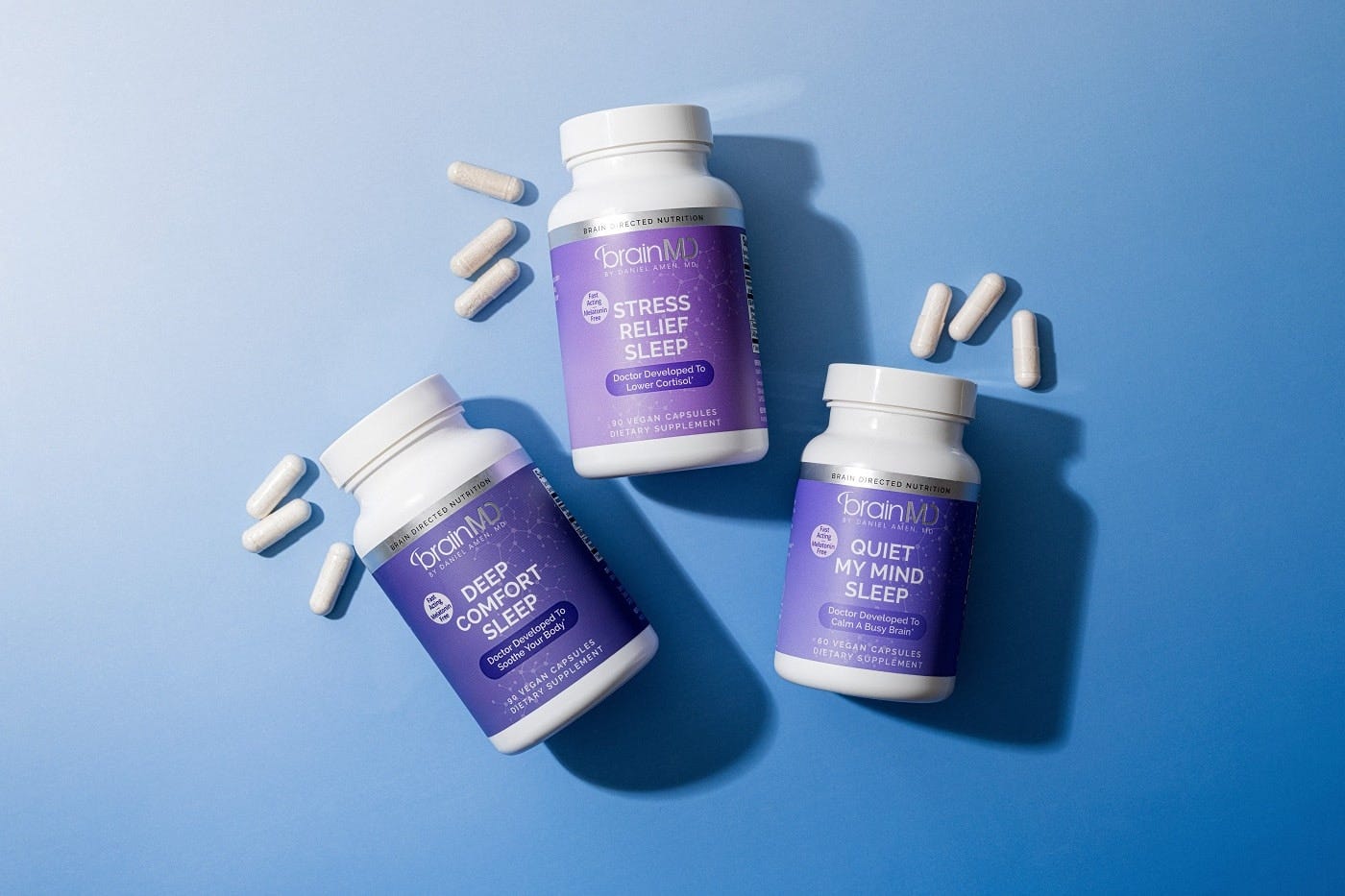
You’re exhausted. You’ve tried melatonin. You’ve tried magnesium. You’ve even tried cutting off caffeine at 2 PM. And still, you find yourself staring at the ceiling at 3 AM, wondering what it’s going to take to finally get a good night’s sleep. You’re not alone. Roughly one in three American adults reports not getting enough sleep on a regular basis.(1) And here’s the real kicker: most of those people aren’t dealing with the same problem. One person is stressed out and can’t wind down. Another is dealing with physical discomfort. Another is overwhelmed by racing thoughts. And yet most sleep supplements treat all of them exactly the same. That’s where BrainMD’s new line of sleep supplements comes in. Designed by sleep medicine doctor and psychiatrist, Dr. Shane Creado, these three new melatonin-free formulas are built for real people with real sleep issues. They’re science-backed, targeted, and designed to meet your body where it is.* In this blog, we’ll walk through each one, show you how they fit into the bigger BrainMD sleep ecosystem, and explain why personalized sleep support is the future of sleep upgrades. And if you’re not sure which one to start with, that’s okay too. We’ll talk about how to find your best match—and why sometimes, it takes a little trial and error to get there. Why One-Size-Fits-All Sleep Supplements Fall Short Not all sleep problems are created equal. Stress-related sleep issues don’t work the same way as physical discomfort-related sleep disruptions. Restlessness from mental hyperactivity is different from jet lag or night-shift circadian chaos. And yet, most over-the-counter supplements treat all sleep problems with one blanket approach: melatonin. Melatonin can be helpful for some people, but it isn’t a cure-all. And in certain populations—especially children, teens, and those taking certain medications—melatonin can be problematic. A 2023 review of melatonin safety raised concerns about its widespread use in young people, noting insufficient long-term data and potential hormonal impacts.(2) That’s one reason BrainMD chose to go melatonin-free with its new line of sleep supplements. But the real breakthrough isn’t just what they left out. It’s what they put in. Each of the three new formulas is designed to address a specific type of sleep disturbance: Deep Comfort Sleep targets extreme discomfort, gut-related issues, and promotes a healthy inflammatory response.* Stress Relief Sleep helps lower cortisol and soothe the wired-tired brain.* Quiet My Mind Sleep calms mental overactivity and supports focus-driven brains (think shift workers and frequent flyers).* These formulas don’t try to knock you out. They try to help you restore balance—physiologically, neurologically, and emotionally.* That’s what real sleep science is all about. Three Sleep Formulas. One Groundbreaking Shift in How We Think About Rest. Instead of offering one all-purpose pill to “knock you out,” BrainMD created three highly targeted, melatonin-free formulas—each one addressing a specific reason people can’t sleep.* This isn’t marketing fluff. It’s real sleep science in action. Sleep disruption isn’t just a matter of “I’m not tired.” It can be driven by physical discomfort, high levels of cortisol, or mental hyperactivity—and each of those issues has different root causes, biological pathways, and clinical support options.* Here’s how the new sleep supplement line breaks down: Deep Comfort Sleep For sleep that’s sabotaged by physical discomfort or gut-related issues What it targets: Minor aches or body tension* Occasional joint or body discomfort* Gut-brain axis disruption(8)* Fatigue that isn’t resolved with rest* What it’s made for: This formula is built for people who wake up tired, feel stiff or achy at night, or have gut imbalance.* It’s especially relevant for adults over 40 or anyone with autoimmune tendencies, joint stiffness, or digestive struggles.* Why it works: Boswellia(7), and other specific agents that help support a healthy inflammatory response(6) help attain and balanced, whole-body calm so your system can finally enter a true rest-and-repair state.* Stress Relief Sleep For wired brains, tight chests, and cortisol that won’t quit.* What it targets: High cortisol levels* Sleep-onset anxiousness* Mid-night wakeups tied to stress* Emotional exhaustion* What it’s made for: This is the formula for people who can’t shut off their brain—or who wake up at 2 AM feeling like their fight-or-flight system is still in overdrive.* Think: grief, burnout, job loss, divorce, or just life.* Why it works: It supports your adrenal rhythm and helps reduce stress hormone output with ingredients like ashwagandha(9), phosphatidylserine(10), and calming adaptogens that have been shown to reduce nighttime cortisol and improve sleep onset latency.* Quiet My Mind Sleep For the racing-thought crowd—think overthinkers and night owls.* What it targets: Overactive thoughts* Mental restlessness* Shift work, frequent travel, or inconsistent sleep-wake cycles* Seasonal sleep disruption* What it’s made for: If your brain doesn’t know how to “power down,” this is your formula.* It’s safe for adults and teens 14+, and it’s especially useful for people with hyperactive tendencies, neurodivergent patterns, or chaotic sleep schedules.* Why it works: This blend focuses on calming the nervous system with nutrients that promote GABA signaling(11) and serotonin balance—like magnesium, saffron(13), L-theanine(12), and lion’s mane.(14)* These help the brain slow down, reduce mental noise, and support deeper REM cycles.* Each formula is clean, melatonin-free, and built to be part of a system, not a Band-Aid.* You won’t find mystery blends or pixie-dusted herbs here—just targeted, evidence-based ingredients with a clear purpose.* Coming up next: how these products fit into the BrainMD sleep ecosystem, and why Dr. Shane Creado might just be your new favorite sleep whisperer. Designed by a Doctor. Built for Real Life. What sets these new sleep formulas apart isn’t just what’s in them—or what’s left out. It’s who created them—and the clinical reality they were designed to serve. Dr. Shane Creado isn’t your average supplement formulator. He’s a double board-certified sleep medicine doctor and psychiatrist who works with Olympic athletes, professional sports teams, and high-performing professionals who can’t afford to be groggy, foggy, or chemically sedated. His book Peak Sleep Performance for Athletes has become a modern manual for optimizing rest as a tool for mental sharpness, emotional resilience, and physical regeneration.(15) And now, that same expertise is built into every capsule of this new line of high-quality sleep supplements. "Sleep optimization is the last frontier in peak performance.” - Shane Creado, MD But Dr. Creado’s approach isn’t just for athletes. It’s for anyone who’s sick of “sleep hygiene” tips that don’t work, tired of melatonin dependence, or stuck cycling through supplements that don’t address why they’re not sleeping in the first place. These formulas were built to fill the gaps Dr. Creado saw time and again in his clinical practice: People with physical discomfort, whose sleep never really restores them.* People with feelings of anxiousness or trauma, who dread the moment their head hits the pillow.* People with attention issues or stress-fueled busy brains that just…won’t…turn…off.* And because these formulas are melatonin-free and NSF-certified, they’re appropriate for teens, athletes, and professionals with sensitive systems or drug testing requirements.* They’re not meant to be addictive. They’re not meant to zonk you out. They’re meant to reset your system, naturally.* So… Which One Should I Try First? (And What If I Don’t Know?) This is the question everyone asks. And the honest answer? It depends. Some people know exactly what’s keeping them up at night: a sore shoulder, a racing mind, a life falling apart. Others just know they’re tired of being tired. Either way, choosing the right sleep formula shouldn’t feel like guesswork—but it also doesn’t require perfection. Here’s the reframe: Not having a single, perfect answer doesn’t mean this approach is vague or unscientific. It means it’s personalized. In medicine, this is called biochemical individuality—and it’s why even MDs regularly adjust treatments based on how a person responds. It’s not trial-and-error. It’s trial and insight. We see this all the time: Some people respond better to ashwagandha than L-theanine* Some sleep deeper on saffron than magnesium* Some need nervous system support, while others need their physical discomfort dialed down first* That’s not a flaw. That’s your body’s way of telling you what works. Our Advice? Start with the formula that matches your dominant sleep struggle—aches, stress, or mental overactivity.* Give it a solid two weeks.* If it doesn’t get you where you want to go, try layering in another or switching to a different one.* Sleep is a system, not a switch that you can turn off and on like a light. And BrainMD’s sleep ecosystem is designed to support that system holistically.* Also worth noting: some of these products pair beautifully with existing BrainMD formulas like Calm My Brain, NAC, Everyday Stress Relief, or Brain Curcumins. This isn’t a one-and-done approach. It’s a toolkit. The BrainMD Sleep Lineup at a Glance Still not sure which sleep formula is right for you? This quick-reference chart breaks down all five of BrainMD’s core sleep and relaxation products—including the three new melatonin-free formulas, plus the two foundational classics Put Me To Sleep Naturally and Restful Sleep. Whether your challenge is falling asleep, staying asleep, or shutting down a racing brain, this guide will help point you in the right direction.* Each of these formulas stands on its own. But taken together, they form the foundation of BrainMD’s comprehensive, personalized sleep ecosystem—one that honors the fact that no two brains (or sleep problems) are alike.* Pro Tip: If you’ve had mixed results with melatonin, focus on the melatonin-free options first.* They offer a completely different approach to sleep support—one that’s often more sustainable for long-term use.* Final Thoughts: Sleep That Meets You Where You Are Here’s the truth no one tells you: You’re not broken. You’re just mismatched. Most people struggling with sleep don’t need another generic sleep aid. They need a protocol that actually understands what they’re going through—and meets them there. That’s what BrainMD’s new sleep supplement line is about. It’s not about knocking you out. It’s about helping your body do what it already wants to do: rest and repair.* Whether your challenge is stress, physical discomfort, or a mind that just won’t stop running, there’s now a formula built for that exact issue.* One that doesn’t rely on melatonin. One that’s backed by a doctor who’s seen it all.* And one that plays well with your body—not against it.* So, if you’ve been burned by sleep supplements in the past—or if you’ve never really found the right fit—this is your invitation to try again. You deserve sleep that works for you.* Let BrainMD help you find it.* At BrainMD, we’re dedicated to providing the highest quality supplements to improve your physical health and overall well-being. For more information about our full list of brain healthy supplements, please visit us at BrainMD. *These statements have not been evaluated by the FDA. This content is for informational purposes only. It is not meant to substitute for medical or healthcare advice from a physician, nor is it intended to diagnose, treat, cure, or prevent any disease. Consult your healthcare provider before beginning a new health regimen. Meet Dr. Shane Creado Shane Creado, MD is a double board-certified sleep medicine doctor and psychiatrist who specializes in optimizing brain performance through better sleep. He’s worked with Olympic athletes, professional sports teams, and elite performers across the world—from the NBA to the PGA to the U.S. Olympic Committee. Dr. Creado is the author of Peak Sleep Performance for Athletes and serves as the VP for the Americas for the International Society for Sports Psychiatry. He is also the creator of the Overcoming Insomnia course for Amen University and consults with Amen Clinics on clinical strategy and supplement formulation. His mission: to deliver personalized, non-pharmacological sleep supplements that help real people feel and function better—without dependency, grogginess, or guesswork. Learn more at shanecreado.com or follow @peaksleepperformance on Instagram. References: CDC. 1 in 3 adults don’t get enough sleep. https://sleepeducation.org/cdc-americans-sleep-deprived/ Videnovic A, Zee PC. Melatonin use in children: Safety concerns. https://pubmed.ncbi.nlm.nih.gov/37451058/ Xie L, et al. Sleep drives metabolite clearance from the adult brain. Science. 2013. https://pubmed.ncbi.nlm.nih.gov/24136970/ Hogenkamp, et al. Acute sleep deprivation increases portion size and affects food choice in young men, Psychoneuroendocrinology, 2013 https://pubmed.ncbi.nlm.nih.gov/23428257/ Abbasi B, et al. Magnesium supplementation in insomnia. J Res Med Sci. https://pubmed.ncbi.nlm.nih.gov/23853635/ Daily JW, et al. Efficacy of turmeric extracts and curcumin. J Med Food. 2016. https://pubmed.ncbi.nlm.nih.gov/27533649/ Ganpeng, et al. Effectiveness of Boswellia and Boswellia extract for osteoarthritis patients: systematic review and meta-analysis. BMC Complementary Medicine and Therapies, 2020 https://bmccomplementmedtherapies.biomedcentral.com/articles/10.1186/s12906-020-02985-6 Mayer, et al. The gut-brain axis, Annual Review of Medicine, Vol 73, 2022. https://tinyurl.com/2b5n2wdy Chandrasekhar K, et al. A prospective, randomized double-blind, placebo-controlled study of safety and efficacy of a high-concentration full-spectrum extract of ashwagandha root in reducing stress and anxiety in adults Indian J Psychol Med. https://pubmed.ncbi.nlm.nih.gov/23439798/ Starks, et al. The effects of phosphatidylserine on endocrine response…J Int Soc Sports Nutr July, 2008 https://tinyurl.com/hc8he4du Arora, et al. GABAergic implications in anxiety and related disorders, Biochemical and Biophysical Research Communications, Sept 2024. https://tinyurl.com/5rk46hbt Hidese, et al. Effects of L-theanine on Stress-Related Symptoms and Cognitive Functions in Healthy Adults Oct, 2019 https://tinyurl.com/2dnhcj3a Lopresti AL, et al. Effects of saffron on sleep quality in healthy adults with self-reported poor sleep. https://pubmed.ncbi.nlm.nih.gov/32056539/ Lee KE, et al. Hericium erinaceus (Lions Mane) improves mood and sleep disorders…. Evid Based Complement Alternat Med, April 2019 https://pubmed.ncbi.nlm.nih.gov/31118969/ Creado SA. Peak Sleep Performance for Athletes. 2020. https://tinyurl.com/58prxh3k
Learn more
Here Are 6 of the Best Ways to Avoid Cognitive Decline
Let’s start with a hard truth: cognitive decline doesn’t announce itself with a drumroll. It tiptoes in quietly. One day you forget where you parked. Then a friend’s name vanishes mid-sentence. You start writing a grocery list and find yourself staring blankly at the page, wondering why you even picked up the pen. You shrug it off. You tell yourself, “I’m just getting older.” And maybe that’s true. But maybe — just maybe — it’s something more. This article is about recognizing when those little brain blips are just normal aging… and when they’re something else entirely. Memory issues affect millions of older adults and can fly under the radar until it’s too late to do much about it. But that’s not going to be you. You’re here. You’re paying attention. And that makes all the difference. What Is Cognitive Decline? Despite what some may say, there's a gray area between age-related forgetfulness and serious memory issues. There may be a measurable decline in cognitive abilities — usually memory, but sometimes language, attention, or decision-making — that doesn’t yet interfere significantly with day-to-day life.(1) Think of it like a yellow light on your brain’s dashboard. It’s not a full-blown breakdown, but it’s a signal that something’s changing under the hood. Roughly 12–18% of people over age 60 are estimated to have occasional memory issues.(2) Some stay stable. Some even improve. But about 10–15% per year go on to develop serious memory problems.(3) That’s the bad news. The good news? You can slow that progression — or even reverse course — if you catch it early. What Are the Signs? This part is tricky, because everyone forgets stuff occasionally. But those moments may become more frequent and more disruptive over time. Here are some signs that may indicate cognitive decline(2,4): You repeat the same story or question within a short time frame You lose your train of thought mid-sentence — often You forget appointments or plans, even after reminders You misplace items and can’t retrace your steps You find decision-making harder than it used to be You struggle with planning or following instructions You frequently grope for words or names One red flag alone doesn’t mean much. But if these changes are noticeable to others, or are interfering — even subtly — with your normal routine, it’s time to pay attention. What Are the Causes? Let’s be clear: aging is a risk factor, but it’s not the only one. And it’s certainly not the most interesting. Here’s a list of factors associated with an increased risk for memory issues(4): Poor blood sugar control Hypertension and other vascular problems Mood and stress issues Poor sleep — especially sleep apnea Sedentary lifestyle Nutritional deficiencies Smoking or excessive alcohol use Serious brain injuries Low levels of education or cognitive engagement Genetics and family history of dementia First Steps If you or someone close to you suspects cognitive decline, the first step is a thorough evaluation by a qualified provider. This might include: A medical history (including medications, lifestyle, and mental health) Cognitive tests like the Montreal Cognitive Assessment (MoCA) or the Mini-Mental State Examination (MMSE)(5) Blood tests to rule out underlying issues (like B12 deficiency or thyroid problems) Brain imaging (in some cases) The goal isn’t just to label you. It’s to identify reversible causes, establish a baseline, and set a course for intervention. The earlier, the better. What Can You Do About It? There’s a big misconception that lapses in memory may lead to serious cognitive issues. This may not happen. In fact, with the right lifestyle interventions, it’s possible to stabilize or even reverse cognitive decline. The FINGER Study — a landmark, multi-year clinical trial in Finland — showed that a combination of diet, exercise, cognitive training, and vascular risk control could significantly improve cognitive performance in older adults at risk.(6) So let’s break down what actually works. 6 of the Best Ways to Avoid Cognitive Decline 1. Move Your Body If exercise were a pill, it would be on every front page. Regular aerobic exercise (think brisk walking, cycling, swimming) has been shown to increase the size of the hippocampus, the part of the brain responsible for memory.(7) Aim for 150 minutes per week of moderate aerobic activity, plus a couple of sessions of strength training. Movement improves blood flow to the brain, reduces inflammation, and helps clear metabolic waste. 2. Feed Your Brain The MIND Diet, a hybrid of the Mediterranean and DASH diets, is one of the most studied and effective approaches for cognitive health. It emphasizes: Leafy greens and colorful vegetables Berries (especially blueberries) Nuts, seeds, and olive oil Fish (especially fatty fish like salmon or sardines) Whole grains and legumes Limited red meat, sugar, and processed foods One study found that even moderate adherence to the MIND diet lowered severe memory risk by 35%.(8) 3. Sleep Like It Matters Sleep deprivation doesn’t just make you tired. It actually shrinks your brain over time. Poor sleep is associated with beta-amyloid buildup, impaired memory, and faster brain aging.(9) If you’re snoring, gasping, or waking up unrefreshed, talk to a sleep specialist about these issues. Otherwise, shoot for 7–9 hours of high-quality sleep in a dark, quiet, cool room. 4. Manage Stress Stress is a memory killer. It triggers cortisol, which — when significantly elevated — damages the hippocampus, impairs focus, and contributes to mood disorders.(10) Don’t brush it off. Even simple strategies like breathwork, meditation, prayer, yoga, or time in nature can dramatically reduce perceived stress. 5. Challenge Your Mind Mental stimulation builds cognitive reserve, which acts like a buffer against decline.(11) Crossword puzzles are nice. Learning a new skill or language is better. So is social engagement — one of the most protective factors for long-term brain health. 6. Consider Brain-Supportive Nutrients While there’s no “magic bullet,” certain nutrients show real promise for supporting cognition — especially when combined with lifestyle upgrades.(6) Here are some that stand out: Omega-3 fatty acids (especially DHA): support neuron structure and reduce inflammation Phosphatidylserine: aids memory and cell signaling Acetyl-L-carnitine: supports mitochondrial energy in neurons Lion’s Mane mushroom: may stimulate nerve growth factor Curcumin: crosses the blood-brain barrier and combats inflammation B-complex vitamins (especially B6, B12, folate): lower homocysteine, a known neurotoxin(12) Vitamin D: low levels have been linked to increased risk of cognitive decline Ask your healthcare provider to test for deficiencies before supplementing — especially B12 and D. The Bottom Line Cognitive decline isn’t a life sentence. It’s a signal — and it’s not too late to respond. Your brain is dynamic, responsive, and — to an extent — repairable. With the right information, attention, and support, you can make changes today that will matter in a year, a decade, and beyond. So don’t ignore the little things. The missed words. The forgotten names. The hesitation. Notice them. Name them. Then do something about them. Because cognitive health isn’t just about memory. It’s about independence. Identity. Joy. And it’s worth fighting for. References: Petersen RC. Mild cognitive impairment as a diagnostic entity. J Intern Med. 2004;256(3):183–194. Mayo Clinic. Mild Cognitive Impairment. https://www.mayoclinic.org Roberts R, Knopman D. Classification and epidemiology of MCI. Clin Geriatr Med. 2013;29(4):753–772. National Institute on Aging. What Is Mild Cognitive Impairment? https://www.nia.nih.gov Nasreddine ZS, et al. The MoCA: a screening tool for MCI. J Am Geriatr Soc. 2005;53(4):695–699. Ngandu T, et al. FINGER trial. 2015;385(9984):2255–2263. Erickson KI, et al. Exercise and hippocampal volume. 2011;108(7):3017–3022. Morris MC, et al. MIND diet slows cognitive decline. Alzheimers Dement. 2015;11(9):1015–1022. Spira AP, et al. Sleep and β-amyloid deposition. JAMA Neurol. 2013;70(12):1537–1543. Lupien SJ, et al. Chronic stress effects on the brain. Nat Rev Neurosci. 2009;10(6):434–445. Stern Y. Cognitive reserve. Lancet Neurol. 2012;11(11):1006–1012. Smith AD, et al. B vitamins and brain atrophy. PLoS One. 2010
Learn more
Smart Electrolytes: We Just Gave Your Water the Health Boost It Needs!
When you hear the word electrolytes, you probably think of salty sports drinks and sweaty workouts. Or you think of popular electrolyte “sports” formulas with famous brand names and roughly 35 grams of sugar per bottle. No, thank you. True hydration — the kind your brain and body really need — involves more than just replacing lost sodium. It demands a smarter approach to hydration overall, one that fuels energy, focus, muscle recovery, and overall performance. That’s where Smart Electrolytes comes in. BrainMD's Smart Electrolytes Unlike conventional electrolyte products that overload your system with salt, sugar or both, Smart Electrolytes delivers a balanced blend of essential electrolytes — potassium and magnesium — paired with brain- and body-supportive nutrients like B vitamins and Vitamin C.* It’s hydration, upgraded: designed not just to quench thirst, but to optimize the way you feel and function.* Let’s dive into what we really mean by the concept of “smarter hydration” — and why it’s about so much more than salt and water. Hydration Is About Way More Than Water Water is fundamental to life — but it can’t do the job alone. Your brain, made up of nearly 75% water, relies on electrolytes to function properly. Electrolytes like potassium and magnesium regulate fluid balance, support nerve transmission, and enable muscle contractions. Without them, simply drinking water won’t fully rehydrate you — let alone fuel your body’s (or your brain’s) performance. And it’s not just about quenching thirst. The legendary sports nutritionist pioneer of the 80’s and 90’s, Dr. Michael Colgan, warned decades ago that even a small drop in body water is enough to sabotage physical performance—and that is well before thirst even kicks in. He was right. Research now shows that even mild dehydration—we’re talking as low as a 2% loss in body water—can tank your performance, cutting into your endurance, strength, and even mental focus—without any warning. (1,2). Dehydration can lead to brain fog, fatigue, poor mood, and even headaches. Prolonged dehydration has even been linked to cognitive impairment and reduced physical performance (3). Staying properly hydrated, with the right balance of fluids and electrolytes, is key to keeping both mind and body operating at peak levels. What Traditional Electrolyte Formulas Miss Most traditional electrolyte drinks focus narrowly on replenishing sodium, potassium, calcium, magnesium, and chloride. But here’s the thing: While these minerals are indeed important, many formulas wind up overloading the system with salt, which can cause bloating and water retention. Or — sometimes “and” — they add large amounts of sugar, leading to energy crashes later. If you doubt me, read the labels. Even more critically, a lot of electrolyte product designers overlook the bigger picture, which is hydration. Allow me to offer a mantra which we would all do well to keep in mind: Hydration is about more than water. See, proper hydration isn’t just about replacing sweat loss — it’s about supporting cellular function, energy metabolism, and mental performance. And that’s where Smart Electrolytes stands apart. What Makes Smart Electrolytes Different Smart Electrolytes redefines what hydration can do by combining key electrolytes with brain- and body-supportive nutrients: Balanced Electrolytes: Provides potassium and magnesium in amounts that support nerve function, muscle health, and optimal hydration — without excessive sodium (4).* Brain-Supportive Nutrients: Includes B6, B12, niacin (B3), and Vitamin C — nutrients critical for energy production, mental clarity, and immune support (5, 6).* Clean Formula: Zero sugar, no artificial colors or sweeteners, and keto-friendly — ideal for health-conscious individuals.* This smarter combination helps ensure rapid hydration while fueling your brain and body for better performance, all without the common downsides of traditional sports drinks.* How Smart Electrolytes Support Brain and Body Potassium and Magnesium: These essential electrolytes maintain fluid balance, regulate muscle contractions, and support nerve transmission (4).* Potassium helps prevent cramping and supports cardiovascular function, while magnesium plays a critical role in muscle relaxation and brain health.* Magnesium is also involved in over 300 enzymatic reactions, making it indispensable for overall metabolic health (7).* B Vitamins: Niacin (B3), B6, and B12 are vital for converting food into usable energy.* They also support neurotransmitter synthesis, helping to promote mental clarity and reduce brain fog (6, 8).* B vitamins have even been shown to play a protective role against cognitive decline, making them essential for long-term brain health.* Vitamin C: A powerful antioxidant, Vitamin C helps protect cells from oxidative stress, supports immune function, and may reduce inflammation — crucial benefits for anyone with an active lifestyle (9).* Additionally, Vitamin C contributes to collagen production, supporting joint and skin health, both of which are vital for athletes and active individuals.* Together, these nutrients create a formula that addresses hydration at a deeper level, supporting the brain, body, and immune system — all without sugar crashes.* So Why Are There Vitamins in an Electrolyte Formula? At first glance, electrolytes and vitamins might seem like two different worlds — one focused on hydration, the other on general nutrition. But here’s the connection: true hydration isn’t just about replacing water and minerals. It’s about optimizing the way your cells use that water. B vitamins — like B3 (niacin), B6, and B12 — play a critical role in cellular energy production, supporting the mitochondria that power your cells. Hydration and energy production are tightly linked; without adequate B vitamins, your cells can’t efficiently generate the energy needed for muscle contractions, nerve signaling, and recovery (6, 8). Vitamin C, meanwhile, acts as a potent antioxidant, protecting cells from oxidative stress that can be elevated during physical exertion and dehydration (9). It also supports collagen production for healthy joints and skin — critical for athletes and active individuals. In short: hydration isn’t just about replacing what you sweat out — it’s about ensuring your body can “use” the hydration effectively. Adding targeted vitamins amplifies the benefits of electrolytes, helping to fuel performance, recovery, and resilience from the inside out. Hydration, Upgraded: Smarter Ingredients for Smarter Performance Research shows that properly formulated hydration products improve fluid retention, exercise capacity, and reduce fatigue (3, 10). Adding magnesium into the mix has also been associated with reduced muscle cramping and enhanced athletic performance (7). Meanwhile, B vitamins and magnesium have been linked to improved cognitive performance and reduced stress in healthy adults (8, 11). Emerging studies even suggest that maintaining optimal hydration can positively impact mood and cognitive function, particularly under physical or environmental stress (10). Simply put, hydration isn’t just about replacing what you lose — it’s about giving your body and brain what they need to perform at their best. With Smart Electrolytes, you get: Faster rehydration and better muscle recovery* Sustained mental clarity and reduced brain fog* Immune system support without sugar spikes* Enhanced metabolic support and better cardiovascular health* All with a clean, sugar-free formula. When to Use Smart Electrolytes During Exercise: Replenish lost electrolytes and support recovery after workouts.* Daily Hydration: Combat everyday dehydration and support brain performance — perfect for busy professionals, students, and travelers.* Keto & Low-Carb Lifestyles: Stay hydrated without compromising your dietary goals — Smart Electrolytes has zero sugar and no artificial additives.* High-Stress Situations: Hydration isn’t just for athletes. Stress increases your body’s demand for magnesium and B vitamins.* Smart Electrolytes helps replenish these vital nutrients keeping you sharp, alert, and on your game.* The Bottom Line: Hydrate Smarter, Feel Better Smart Electrolytes isn’t just an electrolyte drink — it’s a smarter way to hydrate.* By combining essential electrolytes with brain-boosting nutrients, it offers a more complete approach to hydration, energy, and recovery.* Say goodbye to sugar crashes, bloating, and brain fog.* Say hello to smarter hydration — and a better, brighter you.* At BrainMD, we’re dedicated to providing the highest quality supplements to improve your physical health and overall well-being. For more information about Smart Electrolytes and our full list of brain healthy supplements, please visit us at BrainMD. *These statements have not been evaluated by the FDA. This content is for informational purposes only. It is not meant to substitute for medical or healthcare advice from a physician, nor is it intended to diagnose, treat, cure, or prevent any disease. Consult your healthcare provider before beginning a new health regimen. References: 1. Cheuvront SN, Carter R III, Sawka MN. Fluid balance and endurance exercise performance. *Curr Sports Med Rep*. 2003;2(4):202–208. doi:10.1249/00149619-200308000-00006. 2. Colgan M. *Optimum Sports Nutrition: Your Competitive Edge*. Advanced Research Press; 1993. 3. Orrù S, Imperlini E, Nigro E, et al. Role of Functional Beverages on Sport Performance and Recovery. *Nutrients*. 2018;10(10):1470. doi:10.3390/nu10101470. PMID: 30308976; PMCID: PMC6213308. 4. Choi D, Cho J, Koo J, Kim T. Effects of Electrolyte Supplements on Body Water Homeostasis and Exercise Performance during Exhaustive Exercise. *Applied Sciences*. 2021;11(9093). https://doi.org/10.3390/app11199093. 5. Morris MS. The role of B vitamins in preventing and treating cognitive impairment and decline. *Adv Nutr*. 2012;3(6):801-812. doi:10.3945/an.112.002535. PMID: 23153734; PMCID: PMC3648704. 6. Noah L, Dye L, Bois De Fer B, et al. Effect of magnesium and vitamin B6 supplementation on mental health and quality of life in stressed healthy adults: Post-hoc analysis of a randomized controlled trial. *Stress Health*. 2021;37(5):1000-1009. doi:10.1002/smi.3051. 7. Moretti A. What is the role of magnesium for skeletal muscle cramps? A Cochrane Review summary with commentary. *J Musculoskelet Neuronal Interact*. 2021;21(1):1-3. PMID: 33657750; PMCID: PMC8020016. 8. Kennedy DO. B Vitamins and the Brain: Mechanisms, Dose and Efficacy—A Review. *Nutrients*. 2016;8(2):68. doi:10.3390/nu8020068. 9. Carr AC, Maggini S. Vitamin C and Immune Function. *Nutrients*. 2017;9(11):1211. doi:10.3390/nu9111211. PMID: 29099763; PMCID: PMC5707683. 10. Adams JD, Karpinski A. Hydration status influences mood and cognitive function. *Biol Sport*. 2022;39(4):1047-1055. doi:10.5114/biolsport.2022.109234. 11. Smith AD, Refsum H. Homocysteine, B vitamins, and cognitive impairment. Annu Rev Nutr. 2016;36:211-239. doi:10.1146/annurev-nutr-071715-050947. PMID: 27296501.
Learn more
These Are 11 of the Top Foods High in Magnesium
Most people think of magnesium as a calming mineral – and, in fact, it has calming effects which may counter stress, support sleep, and boost mood. But this hard-working mineral does so much more. Critical to more than 300 biochemical reactions in the body, magnesium is needed to make protein, ensure healthy muscle and nerve function, maintain healthy blood sugar levels, and regulate blood pressure. We need magnesium for the development and structure of our bones, DNA and RNA synthesis, and the production of the important antioxidant glutathione. This important mineral plays a key role in nerve impulse conduction, muscle contraction, and ensuring a healthy heart rhythm. Magnesium is needed for the brain to process information and plays a vital role in memory, learning, and mental alertness. And that’s just the highlights…there’s more! It isn’t an overstatement to say that ensuring ample magnesium is essential to health and longevity. Low Magnesium Among Americans Nutritional surveys clearly show that about half of all Americans are low in this important mineral.¹ The standard American diet – low in nutrient-dense whole grains, fresh fruits, and vegetables and high in unhealthy fats, sugars, processed foods, and refined carbohydrates – is a major factor in magnesium deficiency. Here’s the good news: it’s an easy fix. For most people (unless you have a medical condition that disrupts magnesium absorption), consuming a diet filled with magnesium-rich foods can help solve the problem. Even better, if you aim to consume foods high in magnesium every day, you’ll be doing a lot for your overall health too as these foods typically have loads of other nutrients. It’s truly a win-win proposition. 11 of the Best Foods High in Magnesium Here’s a list of some of the foods most abundant in magnesium to get you started. 1. Hemp Seeds You get a lot of magnesium bang for your buck with hulled hemp seeds. Just a handful (1 ounce) delivers almost 200 mg of magnesium – that’s about half your daily requirement of the mineral. In fact, most seeds are good sources of magnesium – especially pumpkin seeds, ground flax seeds, sesame seeds, and chia seeds. Add them to salads, in a smoothie, or sprinkle them on avocado toast. 2. Whole Grains Whole grains such as brown rice, oats, quinoa, amaranth, and buckwheat are great sources of magnesium – and they provide a measure of nutrient-rich, satiating, slow-burning (lots of fiber), nutty flavor to any meal. On the higher end, a half-cup of cooked amaranth or quinoa delivers about 60 mg of magnesium; on the lower end, a half-cup of brown rice provides about 43 mg and cooked oats about 32 mg. 3. Dark Leafy Greens Incorporate greens like spinach and Swiss chard – the most magnesium-rich green leafy vegetables – into your meals to boost your magnesium intake. Steam or sauté a cup of spinach or Swiss chard, or add it to a favorite soup, and you’ll be giving your body a boost of about 150 mg of magnesium! 4. Chocolate Here’s a fun one. Enjoy just a 1-ounce piece of dark chocolate (70-80% cocoa, preferably sweetened with stevia or another natural sugar alternative) and you’ll not only get the sweet satisfaction of the chocolate, but about 65 mg of magnesium too. 5. Beans, Lentils, and Peas (Legumes) Where there’s fiber, there’s often magnesium, and such is the case for beans, lentils, and peas.² Enjoy a cup of soybeans (edamame), and you’ll have met over one-third of your daily magnesium needs. Navy, white, and black beans also are rich sources of magnesium with 120 mg per cup. They make a delicious, three-bean chili! Don’t forget lentils and peas. They’re good sources of magnesium too. 6. Non-Fat Plain Yogurt One cup of non-fat yogurt will supply your body with more than 40 mg of magnesium, as well as beneficial bacteria to support your gut health. Add some magnesium-rich fruit, unsweetened cocoa (or your own healthy sweetener), or whole oats for an added boost! 7. Coconut Milk Surprisingly, one cup of unsweetened coconut milk provides roughly 90 mg of magnesium. There are a number of inventive recipes using unsweetened coconut milk. It’s wonderful in curries, soups, and smoothies. Use it instead of whole milk in warm beverages like hot cocoa or try a coconut milk ice cream. 8. Nuts If you want to boost your magnesium intake, go nuts for nuts! A handful of Brazil nuts will give you a quarter of your daily magnesium requirement. Other nuts high in magnesium include cashews, almonds, pine nuts, walnuts, and pecans. 9. Fruit Loaded with vitamins, minerals, antioxidants, and fiber, it’s no surprise that fruit makes the list of foods rich in magnesium. Dried figs are by far the richest with about 100 mg of magnesium per cup. Other high magnesium fruits include avocado, bananas, guava, kiwi fruit, and papaya. 10. Mackerel Holy mackerel! Six ounces of cooked Atlantic mackerel will give you nearly 40% of your daily magnesium requirements. Other seafood loaded with this mineral include oysters, tuna, Alaskan king crab, sardines, and Atlantic cod. An added bonus, these foods provide your body with brain healthy omega-3 fatty acids! 11. Veggies You really can’t go wrong with eating plenty of vegetables in your quest to add more magnesium to your diet. Artichoke, squash (acorn, butternut), broccoli, and potatoes will all give you a good dose of magnesium. Plus, they’re filled with many other phytonutrients, antioxidants, vitamins, minerals, and fiber. Try these high-magnesium foods today and let us know (below) if you notice a difference. At BrainMD, we’re dedicated to providing the highest purity nutrients to improve your physical health and overall well-being. For more information about our full list of brain healthy supplements, please visit us at BrainMD. These statements have not been evaluated by the FDA. This content is for informational purposes only. It is not meant to substitute for medical or healthcare advice from a physician, nor is it intended to diagnose, treat, cure, or prevent any disease. Consult your healthcare provider before beginning a new health regimen. References: 1. Rosanoff, A., Weaver, C. M., & Rude, R. K. (2012). Suboptimal magnesium status in the United States: Are the health consequences underestimated? Nutrition Reviews, 70(3), 153-164. https://doi.org/10.1111/j.1753-4887.2011.00465.x 2. Mitchell, D. C., Lawrence, F. R., Hartman, T. J., & Curran, J. M. (2009). Consumption of dry beans, peas, and lentils could improve diet quality in the US population. Journal of the American Dietetic Association, 109(5), 909-913. https://doi.org/10.1016/j.jada.2009.02.029
Learn more
What Are the Pros and Cons of Western vs. Eastern Medicine?
Many different medical philosophies have been developed and adopted over the centuries. In modern times, two major approaches have emerged – Western and Eastern medicine. Let’s take a closer look at the methodologies, as well as benefits and drawbacks, of Western and Eastern medicine to help determine which is best for you. Western vs. Eastern Medicine Medicine is a broad term that encompasses various disciplines, approaches, and philosophies regarding the treatment of many mental and physical illnesses. While both Western and Eastern medicine aim to improve overall health, their methods and techniques can vary significantly. Here are some of the fundamental aspects of these two systems of medicine... Western Medicine Also known as conventional or allopathic medicine,¹ Western medicine has its roots in ancient Greek medical practices dating back to 460 BC. It focuses on using evidence-based treatments such as pharmaceutical medications and surgical procedures for the treatment of injuries or illnesses. Western medicine is ostensibly based on scientific research and clinical trials to determine the effectiveness of treatments. One of the main principles of Western medicine is identifying the underlying cause of an illness or disease by examining physical symptoms. Physicians rely heavily on diagnostic tools such as blood tests, x-rays, CT scans, MRIs, etc., to accurately identify the source of the pain or discomfort. Another important aspect of Western medicine is its emphasis on specialized fields such as cardiology (heart), neurology (brain), pulmonology (lungs), gastroenterology (digestive system), etc. When a patient has a complication related to a specific area of the body, a general practitioner can refer them out to a specialist for more intensive or individualized treatment. Eastern Medicine Eastern medicine² was developed in China over five centuries ago. It’s a holistic approach that emphasizes balancing energies within the body and maintaining good physical and mental health. Unlike Western medicine, which focuses solely on treating illnesses after their onset with medication or surgery, Eastern medicine stresses preventative measures like healthy lifestyle choices through diet modifications and exercises like qigong or tai chi. The foundation of Eastern medicines lies in Taoism – an ancient Chinese philosophy that refers to the interconnection and balance between yin (female energy) and yang (male energy). According to Taoism, any disruption in this balance can lead to sickness. Unlike Western medicine’s reliance on modern technology for diagnosis, Eastern medicine relies on traditional methods like pulse reading, tongue inspection, and asking questions about a patient’s overall health and lifestyle. These techniques are believed to provide a more comprehensive understanding of an individual’s overall well-being. One of the most prominent features of Eastern medicine is its use of natural treatments such as herbal medicines, acupuncture, cupping therapy, meditation, and massage. These therapies aim to restore the body’s balance by stimulating its self-healing abilities. Although Western and Eastern medicine have different origins and principles, they both seek to improve the physical and mental well-being of their patients. However, their approaches to health and wellness, treatment methods, and philosophies include many notable contrasts. Western vs. Eastern Medicine: Approaches, Treatments & Philosophies Approach to Wellness Western medicine is reductionist – it breaks the body down into smaller parts or systems and focuses on treating specific issues. This means Western medicine primarily addresses the symptoms rather than the root cause of a problem. While this approach can be effective in treating common illnesses or injuries, and perhaps even serious conditions, it tends to be less focused on prevention. On the other hand, Eastern medicine sees health as a harmonious balance between mind, body, and spirit. Illnesses are seen as disruptions to this balance caused by external factors like stress or poor diet. The goal of Eastern medicine is to restore balance and harmony within the body using a holistic approach. Treatment Methods While Western medicine often relies on pharmaceutical drugs and surgery for treatment, in recent years there’s been a shift toward natural treatments such as physical therapy, chiropractic care, and massage therapy to compliment traditional treatments. In contrast, Eastern medicine utilizes natural treatments, such as herbal medicines, to stimulate self-healing abilities within the body. Other therapies, like acupuncture, can play a significant role in restoring balance by targeting specific points on the body through which qi (energy) flows. Philosophies While Western medicine aims to treat illnesses using evidence-based treatments, Eastern medicine emphasizes prevention through lifestyle changes and maintaining balance within the body. Western vs. Eastern Medicine: Which Is Better? After comparing the various aspects of Western and Eastern medicine, it’s clear that both have their own strengths and weaknesses. Each approach has its own set of values and principles that guide its practices. There’s no right or wrong answer as it ultimately comes down to personal choice. For some individuals, Western medicine may be preferable due to its scientific basis and advanced technology. The use of pharmaceuticals and medical procedures have been proven effective in treating serious illnesses in emergency situations. The rigorous testing and research conducted on these treatments also provides a sense of assurance for many patients. On the other hand, Eastern medicine focuses more on holistic healing by addressing the root cause rather than the symptom. Its emphasis on preventive care through lifestyle changes such as diet, exercise, and herbal treatments can be appealing to those seeking a more natural approach to healthcare. Also, Eastern medicine considers emotional well-being an integral part of overall health. When it comes to healthcare, there’s no one-size-fits-all solution. A person’s genetics, cultural background, beliefs, and individual preferences may play a significant role in determining their preferred form of treatment. For instance, someone who grew up in a Western society may feel more comfortable with conventional medicine while someone from an Eastern culture may prefer traditional practices. Ultimately, finding the proper balance between both types of medicine may prove helpful in addressing an individual’s unique needs. In certain situations, a combination of Western and Eastern methods may yield the best results. Which Type of Medicine is Best for You? Since both Western and Eastern medicine have their merits and limits, it’s recommended to consult with your doctor or healthcare professional about what medical approach or treatment is best for you. At BrainMD, we’re dedicated to providing the highest purity nutrients to improve your physical health and overall well-being. For more information about our full list of brain healthy supplements, please visit us at BrainMD. These statements have not been evaluated by the FDA. This content is for informational purposes only. It is not meant to substitute for medical or healthcare advice from a physician, nor is it intended to diagnose, treat, cure, or prevent any disease. Consult your healthcare provider before beginning a new health regimen. References: 1. Uher, I., Cholewa, J., Kunicki, M., Švedová, M., Cimboláková, I., Kůchelová, Z., Kimáková, T., & Jusková, M. (2020). Allopathic and naturopathic medicine and their objective consideration of congruent pursuit. Evidence-Based Complementary and Alternative Medicine, 2020, 7525713. https://doi.org/10.1155/2020/7525713 2. Lu, D. P., Chen, Y., Xu, L., & Lee, L. M. (2014). Eastern medicine: From nutritional supplements to cancer research. Evidence-Based Complementary and Alternative Medicine, 2014, 817126. https://doi.org/10.1155/2014/817126
Learn more
These Are Some of the Best Natural Herbs for Energy
In our fast-paced world, many people have tried different ways to increase their energy. When energy levels become depleted, many turn to a quick fix to combat fatigue and boost their energy. Unfortunately, many of the things people do to boost their focus and energy end up backfiring. Let’s look at some of the unhealthy ways people try to increase their energy… Energy Drinks Energy drinks are the fastest-growing segment of the beverage industry, with consumer demand for energy drinks and shots increasing 29.8 percent between 2013 and 2018. While energy shot sales have decreased in recent years, energy drink sales are estimated to earn over 86 billion dollars¹ by 2026. Many people agree that energy drinks are bad for your health (including some who actually consume them). These beverages contain large amounts of caffeine, sugar or artificial sweeteners, and other stimulants, all of which provide a temporary energy boost. Since they often don’t feed into the body’s natural energy processes, the effects of these beverages are typically short-lived and can cause long-term problems for the brain and body. Regularly consuming energy drinks can lead to adverse effects, such as: [wc_box color="inverse" text_align="left" margin_top="" margin_bottom="" class=""] Nervousness Headaches Upset stomach Irritability Sleep issues Rapid heartbeat Increased blood Dehydration [/wc_box] Additionally, one study found that just one 16-ounce energy drink can increase norepinephrine² (a stress hormone) by 74% and blood pressure by 6.4% in healthy volunteers. For these, and many other reasons, energy drinks should be avoided at all costs. Caffeine It seems like there’s a coffee shop on every corner. By now, it’s no mystery that these stores sell many highly caffeinated drinks that are packed with sugar and fat. It’s also no mystery that caffeine consumption has increased over the past decades; people have gone from drinking 1-2 cups of coffee a day to double that…or even more. Though coffee has become the new comfort food, especially during the winter months, daily intakes of more than two cups can be overstimulating and potentially detrimental. Excessive Consumption Like many people, you might use caffeine to help you stay focused and give you a boost in physical and mental energy. With the extraordinary stress most are facing today, it’s easy to see why you may crave caffeine, especially if you’re sleep-deprived or feel fatigued. As the pressures of an overstressed lifestyle cause energy levels to decrease, the temptation could be to drink more caffeine to keep your brain stimulated and sharp. Though caffeine can lead to a temporary increase in alertness, excessive caffeine consumption can constrict blood flow to your brain³ and many other organs. While having a daily cup of joe may not cause serious health problems, drinking more than 3-4 caffeinated beverages a day may create issues for your hard-working liver, kidneys, brain, and other organs. Adenosine Adenosine is the key to understanding caffeine dependence. Adenosine is a chemical in the brain that causes drowsiness by slowing down nerve cell activity. When you’re tired, adenosine signals the brain to relax so you can go to sleep. Caffeine blocks the effects of adenosine⁴ by occupying the adenosine receptor sites and preventing the brain from responding to it. So, even if you’re tired and need sleep to rejuvenate your brain, caffeine can trick the brain into thinking it’s wide awake. Adrenaline Caffeine triggers the release of adrenaline, which puts the body into a stressful “fight or flight” mode. This can make your: pupils dilate heart rate increase blood vessels on the skin constrict to slow blood flow from cuts blood flow increase to working muscles blood pressure surge blood flow to the stomach decrease liver release sugar into the bloodstream for extra energy muscles tighten to prepare for action Dopamine Dopamine is a neurotransmitter that activates the pleasure centers of the brain. Caffeine increases dopamine activity in the brain, in the same way that amphetamines do (though caffeine’s effects are far less than that of amphetamines). Aside from caffeine, there are many other unhealthy ways to get a dopamine fix. Anything potentially addicting, like nicotine, alcohol/drugs, or sugar-laden/fat-filled treats, can increase brain dopamine activity and cause compulsive behaviors in your life. These unhealthy ways of getting a quick dopamine boost tend to increase the brain’s demand for dopamine. This can disrupt the brain’s natural function, which can result in insufficient dopamine production and low dopamine system activity in the long-term. Caffeine Dependency Excessive caffeine use is associated with dehydration (which can harm your body in many ways), the added stress on your heart, increased blood pressure, headaches, and jitters. Depending on your body chemistry, when the effects of caffeine wear off, you may feel fatigued or emotionally deflated. This may drive you to consume even more caffeine to get you back to feeling alive and energized. Of course, this can lead to caffeine dependency since it will take more and more caffeine to achieve the same result. Other Unhealthy Stimulants There are many other stimulants that can become habit-forming or harmful to your health. Besides the caffeine from coffee beans, many derived from plants such as coca (leaves), guarana, kava kava, kola, and tobacco (nicotine). Though some of these may be beneficial in small amounts, they can be injurious to your health when taken in large quantities over an extended period. It’s important to remember that just because an energy enhancer comes from a “natural” source doesn’t necessarily mean it’s good for the body Instead of turning to one of these harmful stimulants when your energy is low, try one of these healthy energy-boosters… 8 Herbs & Spices That Provide Natural, Long-lasting Energy 1. Ashwagandha Ashwagandha is a well-known herb that’s been used in an ancient style of medicine called Ayurveda. Originating in India, Ayurveda is a holistic method that blends mind, body, and environment for a completely balanced state of health and well-being. Ashwagandha has such versatile benefits, it’s sometimes called the “Queen of Ayurveda.” The ashwagandha plant is known scientifically as Withania somnifera, as well as Indian ginseng or winter cherry. The word ashwagandha means “smell of the stallion,” which refers to the plant’s natural odor. Somnifera means “sleep-inducing.” The roots, leaves, and stems of the plant have been used for many health benefits, but the root preparations have been most widely employed and most intensively researched. This plant is called an “adaptogen,” meaning it helps the body adapt to stress. The body can react positively to this adaptogenic herb in various ways that support its homeostasis and help it cope with existing challenges, most typically related to stress. Homeostasis is the collective of processes that the body uses to maintain the internal conditions it needs to stay alive. In human clinical trials, ashwagandha root concentrates have shown protection against stress and lowered the stress hormone cortisol; reduced anxiety; promoted memory, mental focus, and sleep quality; lowered food cravings; increased antioxidant defenses; improved thyroid, circulatory, bone marrow, and joint function; accelerated muscle recovery and strengthening, and supported healthy sex drive. The roots and leaves can be used in teas and the powdered form can be used in recipes. However, commercial ashwagandha ingredients vary considerably in quality, and adulteration can occur. Be sure to use ashwagandha that’s been carefully standardized for its content of active substances, to ensure its benefits are predictable every time you take it. 2. Cayenne Spicy foods are often eaten in warm climates as they promote sweating, which has a cooling effect on the body. But this versatile spice also can warm you up in the colder months. Cayenne contains a phytochemical called capsaicin, which gives cayenne its spicy flavor and helps turn up the heat in your body. Capsaicin digests slowly and increases gastric blood flow, which benefits your gut. Jalapeños and ultra-spicy habaneros also contain capsaicin. Capsaicin supports healthy blood flow to tissues by stimulating the release of nitric oxide, which helps to expand your blood vessels. This allows for greater blood flow and increased energy. 3. Cinnamon Cinnamon provides a treasure trove of health benefits and includes anti-inflammatory and antimicrobial properties. Additionally, cinnamon promotes healthy blood sugar levels, which enable the brain to maintain healthy mood and mental sharpness throughout the day. Cinnamon traditionally has been considered a warming spice, and animal studies suggest it may have such “thermogenic” properties. Human studies are needed to confirm whether cinnamon can warm your body while boosting your brain function. 4. Ginkgo Biloba Ginkgo biloba is an ancient tree that’s often referred to as a living fossil. This tree is extremely hardy, resistant to pests, can reach 100 feet in height, and can live for over a century. Ginkgo has been used in traditional medicine for thousands of years. The leaves of ginkgo yield several flavanols which, together with beneficial terpenes from the leaves, are made into a standardized dietary supplement ingredient. Standardized extracts prepared from the leaf have existed for over 50 years and are used worldwide for a diverse range of health benefits. This intensively researched plant extract is crucial for optimal brain function. It has a range of powerful antioxidant substances most studied for their capacity to improve blood flow, protect the tissues, promote healthy aging, and enhance memory and concentration. Ginkgo biloba’s unique combination of antioxidants and blood vessel protectants also helps the brain defend against toxins while promoting overall mental sharpness. 5. Ginseng One of the most popular categories of medicinal plants in the world, the ginsengs are grown mainly for their roots. Ginseng roots naturally contain a diverse assortment of beneficial ginsenosides, polysaccharides, peptides, alkaloids, and phenolics that work together for improving focus, sharpening memory, and supporting overall well-being, particularly when under stress. Panax ginseng, also known as Korean or Asian ginseng, is a potent adaptogen. It’s the best-studied of the ginsengs and leads all other ginsengs for its almost immediate mental focus benefits. Panax ginseng also promotes the release of nitric oxide, a small molecule that the body normally produces as a messenger to open blood vessels and consequently improve blood flow to the brain. 6. Green Tea A staple in many Asian cultures, green tea is made (without fermentation) from leaves of the Camellia sinensis plant. It contains high concentrations of catechins and other polyphenols, substances with very powerful antioxidant properties that are also adaptogenic. The green tea polyphenols support healthy blood pressure levels and promote blood flow to the brain. Green tea’s antioxidant benefits help the body maintain a net positive antioxidant reserve against attack from external toxic agents, including free radicals produced by our own cells. In addition to green tea’s powerful circulatory benefits, it also helps reduce stress, improve intestinal bacterial balance, and assist the body with burning carbohydrates and fat to make energy. In some studies, drinking green tea has been shown to potentially decrease the risk for memory problems, and in populations that consume a lot of it, may help curb cognitive decline. Green tea also naturally contains l-theanine, which can enhance mental focus yet has a calming effect without making you sleepy. Green tea only has half the amount of caffeine compared to coffee. Always brew fresh leaves – powdered drinks will not provide brain health benefits. 7. Peppermint Peppermint (Mentha species) is an herb from the mint family. It is native to Asia and Europe and has been used for thousands of years for its health benefits and pleasant taste. Traditionally, it was prized as a digestive health aid, a value now confirmed by clinical research. Peppermint has distinct aromatic properties. Whether eaten, chewed, or smelled, peppermint can increase both alertness and memory, while improving reasoning and problem-solving skills. According to one study,⁵ just the scent of peppermint essential oil can improve alertness and calmness. Many foods and beverages use peppermint. Some are healthy, such as peppermint tea and fresh mint leaves on a salad, while others are unhealthy, such as sugar-laden peppermint ice cream and peppermint candies. Peppermint essential oil can be used in a diffuser to help freshen up a room. 8. Rhodiola Rhodiola rosea is one of the most potent adaptogens. It has been extensively studied and has been shown to counter fatigue related to stress, sharpen attention, and increase overall mental capacity. Rhodiola is fast-acting and has strong antioxidant properties to fight free radicals. It has been found to have a beneficial effect on mood and its anti-stress effects can help reduce anxiousness. Rhodiola can help improve physical and mental performance. It helps increase the availability of energy during the day and promotes restful sleep at night. Herbs for Energy These are just a few of the natural ways you can increase your focus and overall cognition. For better mood, short-term memory, and mental clarity, begin adding these herbs and spices to your diet. You can introduce them one at a time or pick up all of them during your next visit to the grocery store. Be sure to let us know below how they work out for you. At BrainMD, we’re dedicated to providing the highest purity nutrients and standardized herbal ingredients to support your energy, focus, and overall well-being. For more information about our full list of supplements, please visit us at BrainMD. These statements have not been evaluated by the FDA. This content is for informational purposes only. It is not meant to substitute for medical or healthcare advice from a physician, nor is it intended to diagnose, treat, cure, or prevent any disease. Consult your healthcare provider before beginning a new health regimen. References: Fontinelle, A. (2022, June 7). The energy drinks industry: Monster, Red Bull, and Rockstar remain popular with consumers. Investopedia. https://www.investopedia.com/energy-drinks-industry Somers, K. R., & Svatikova, A. (2020). Cardiovascular and autonomic responses to energy drinks—Clinical implications. Journal of Clinical Medicine, 9(2), 431. https://doi.org/10.3390/jcm9020431 Addicott, M. A., Yang, L. L., Peiffer, A. M., Burnett, L. R., Burdette, J. H., Chen, M. Y., Hayasaka, S., Kraft, R. A., Maldjian, J. A., & Laurienti, P. J. (2009). The effect of daily caffeine use on cerebral blood flow: How much caffeine can we tolerate? Human Brain Mapping, 30(10), 3102–3114. https://doi.org/10.1002/hbm.20732 Ribeiro, J. A., & Sebastião, A. M. (2010). Caffeine and adenosine. Journal of Alzheimer's Disease, 20(Suppl 1), S3–S15. https://doi.org/10.3233/JAD-2010-1379 Moss, M., Hewitt, S., Moss, L., & Wesnes, K. (2008). Modulation of cognitive performance and mood by aromas of peppermint and ylang-ylang. International Journal of Neuroscience, 118(1), 59–77. https://doi.org/10.1080/00207450601042094
Learn more
Balance My Blood Sugar: One of the Best Ways to Avoid Spikes & Cravings!
If you want to take control of your metabolism, you have to start with blood sugar. Period. That might not be what you’ve been told. It certainly wasn’t what I was told when I started in the health and fitness world over 30 years ago. The diet industry—and just about everybody else, including doctors—taught us that metabolism is just about burning fat, and that to lose weight, all you had to do was cut out some calories and spend more time on the Stairmaster. But that was then, and this is now. When I entered the field, almost no one—save for Dr. Atkins and a few other renegade docs—was talking about hormones or blood sugar, just about calories. Sadly, many still take that approach today. But the truth is that at its core, metabolism is about how your body processes and uses calories, not the calories themselves. Calories from sugar are treated quite differently than, say, calories from salmon. Those two kinds of calories produce quite different metabolic results, and, as you can imagine, the ones from sugar do metabolic damage while the ones from salmon do not, even when calorie count is identical. And that metabolic damage almost always starts with out-of-control blood sugar. So it makes good sense that blood sugar regulation would be the foundation of metabolic health. And guess what? It is. The Blood Sugar Roller Coaster Take a look at this chart... To most people, unfortunately, it makes complete sense, because they experience some version of it every day. When blood sugar levels swing too high or too low, the effects ripple across your entire system—fatigue, cravings, weight gain, brain fog, and eventually, even more serious health risks. Why Blood Sugar Balance Matters Have you noticed how many people are wearing Continuous Glucose Monitors these days? Known as CGMs, these blood sugar monitors look like a small white tiddlywink, usually worn on the upper arm. Diabetics use CGMs all the time to monitor their blood sugar and dose their insulin accordingly, but now non-diabetics have discovered them and they’re all over the news. Athletes, high-performance health-conscious individuals, and biohackers trying to live forever are all using them. Why? Because these high-performers understand that keeping blood sugar levels stable and appropriate is extremely important to both their long-term health and their everyday performance. Your body’s ability to regulate blood sugar is critical to energy stability, mental clarity, and long-term metabolic function. When blood sugar is severely imbalanced: You experience energy crashes and constant cravings. Your body struggles to use insulin efficiently, increasing the risk of insulin resistance, which in turn increases the risk of weight gain and prediabetes. Fat storage becomes easier, and weight management becomes harder. In short, uncontrolled blood sugar is the essence of metabolic dysfunction. If you’re not managing blood sugar, everything else falls apart. But what if you could support stable, healthy blood sugar levels naturally? Balance My Blood Sugar Enter BrainMD’s Balance My Blood Sugar, a science-backed supplement designed to help keep your blood sugar in check while optimizing metabolic health. Meet Balance My Blood Sugar: A Smarter Approach Balance My Blood Sugar is a scientifically formulated, elegantly designed blend of natural ingredients that work together to support healthy blood sugar levels, enhance insulin function, and improve glucose metabolism. Unlike generic blood sugar supplements that rely on a single ingredient, Balance My Blood Sugar takes a multi-pathway approach—delivering synergistic compounds that work better together to promote blood sugar stability. How Is Balance My Blood Sugar Different from Smart Metabolic Burn? BrainMD already has a metabolic support supplement, and a very good one at that—Smart Metabolic Burn. So let’s compare. Both Balance My Blood Sugar and Smart Metabolic Burn feature berberine as an ingredient, and it is a powerful ingredient indeed. But Balance My Blood Sugar was specifically formulated to support glucose metabolism, with additional ingredients known to support insulin sensitivity and stable blood sugar levels. Smart Metabolic Burn focuses more on broad metabolic function. Blood sugar control and metabolic function go hand in hand, so the answer to the obvious question is, “Yes! You most certainly can take both at once.” What’s Inside? Key Ingredients & Their Benefits Balance My Blood Sugar isn’t just about one ingredient—it’s about synergy. Here’s what makes it so effective: Berberine – One of the most powerful natural compounds for blood sugar regulation. Research shows it supports insulin sensitivity and glucose metabolism (1). Chromium – An essential trace mineral that plays a key role in carbohydrate metabolism and insulin function (2). Alpha-Lipoic Acid – A potent antioxidant that supports insulin activity and reduces oxidative stress (3). Gymnema Sylvestre – Known as the “sugar destroyer,” it helps reduce sugar cravings and supports glucose control (4). [wc_box color="inverse" text_align="left" margin_top="" margin_bottom="" class=""] The Power of Berberine Berberine is one of the most well-researched natural compounds for blood sugar support. Found in plants like Berberis and Goldenseal, this alkaloid has been shown to activate AMPK (adenosine monophosphate-activated protein kinase), a key enzyme in regulating energy balance (5). Studies suggest berberine can: Improve insulin sensitivity (6). Enhance glucose metabolism (7). Reduce fasting blood sugar levels (8). This makes berberine an essential ingredient in both Balance My Blood Sugar and Smart Metabolic Burn, though in different formulations to target specific metabolic needs. [/wc_box] Supplements to Lower Blood Sugar Naturally—How Balance My Blood Sugar Fits Into The Picture No supplement can act as a counterweight to bad food, lots of stress, little sleep, and no exercise. But if you’re doing the right stuff in those departments, which I hope you are, then targeted supplementation can be a game-changer—especially when you choose the right product. If you’re looking for supplements to lower blood sugar naturally, Balance My Blood Sugar is designed to be the most effective, research-backed option. Who Should Take Balance My Blood Sugar? Anyone looking for better blood sugar control. Those experiencing energy crashes, sugar cravings, and metabolic slowdowns. Individuals concerned about prediabetes or metabolic health. The Smart Choice for Blood Sugar Health If you care about metabolism, you should care about blood sugar first. Balance My Blood Sugar delivers science-backed, natural support for healthy glucose levels, helping you stay energized, balanced, and metabolically strong. Want to take control of your blood sugar naturally? Balance My Blood Sugar is the smarter way to do it. References: (1) Yin J, Xing H, Ye J. "Efficacy of berberine in patients with type 2 diabetes mellitus." Metabolism. 2008;57(5):712-717. (2) Vincent JB. "Chromium: is it essential, pharmacologically relevant, or toxic?" J Trace Elem Med Biol. 2017;44:69-74. (3) Packer L, Kraemer K, Rimbach G. "Molecular aspects of lipoic acid in the prevention of diabetes complications." Nutrition. 2001;17(10):888-895. (4) Baskaran K, Kizar Ahamath B, Radha Shanmugasundaram K, Shanmugasundaram ER. "Antidiabetic effect of a leaf extract from Gymnema sylvestre in non-insulin-dependent diabetes mellitus patients." J Ethnopharmacol. 1990;30(3):295-300. (5) Turner N, Li JY, Gosby A, et al. "Berberine and its role in chronic disease." Adv Exp Med Biol. 2016;928:27-45. (6) Lee YS, Kim WS, Kim KH, et al. "Berberine, a natural plant product, activates AMP-activated protein kinase with beneficial metabolic effects in diabetic and insulin-resistant states." Diabetes. 2006;55(8):2256-2264. (7) Zhang H, Wei J, Xue R, et al. "Berberine lowers blood glucose in type 2 diabetes mellitus patients through increasing insulin receptor expression." Metabolism. 2010;59(2):285-292. (8) Dong H, Wang N, Zhao L, Lu F. "Berberine in the treatment of type 2 diabetes mellitus: a systemic review and meta-analysis." Evid Based Complement Alternat Med. 2012;2012:591654.
Learn more
No Sugar Added vs Sugar-Free: What to Look for On a Food Label
Though you may be aware of the dangers of sugar, getting it out of your diet can be a challenge. One reason is that many types of sugar are hidden on food labels. Avoid Hidden Sugars Even if you aren’t adding sugar to the foods and beverages you enjoy, you still may be consuming sugars without even realizing it. Many so-called health foods contain added sugars. Always read food labels to identify these hidden sugars. Types of Sugar Claims When looking at food labels, sugar content claims can be confusing and disingenuous. This is especially true since many products attempt to hide or disguise their sugar content. On food labels, sugar may appear as glucose, fructose, sucrose, maltose, lactose, dextrose, or starch. Keep an eye out for corn syrup, fruit juice, raw sugar, and honey, which also contain sugar. There are also terms such as “no sugar added,” “reduced sugar,” and “sugar-free.” What’s the difference? Let’s take a look: No Sugar Added As the name suggests, no sugar or ingredient containing sugar was added during the production of the food. It also may appear as “without sugar added” on the label. Reduced Sugar This term means that a product has at least 25% less sugars than a regular version of the product. It also may be called “lower sugar,” “low in sugar,” or “less sugar.” Sugar-Free The term “sugar-free” is a misnomer since a small amount of sugar still may be present in such foods. Per regulations, a sugar-free product must contain less than 0.5 g of sugar per serving size. On labels, sugar-free may also be referred to as “sugarless,” “no sugar,” “zero sugar,” “free of sugar,” or “trivial source of sugar.” So, how many products masquerading as “healthy” options still contain sugar? Here are just a few… 5 “Healthy” Foods That Actually Contain Hidden Sugars 1. Flavored Greek Yogurt Greek yogurt is a good source of probiotics,¹ which may benefit your gut by adding the good bacteria your intestinal tract needs to stay healthy. Packed with protein, Greek yogurt is often portrayed as a healthy food. But some flavored varieties also include large amounts of sugar and other unhealthy ingredients, so be sure to check the labels before you buy them. 2. Pre-made Protein Smoothies A protein smoothie can be a great way to start the day. However, some smoothie brands try to hide their high sugar content. If necessary, opt for homemade smoothies to ensure you’re consuming healthy ingredients (without the added sugars). 3. Milk Alternatives Going dairy-free can be beneficial for brain health and overall well-being for some people, especially those who have milk allergies or sensitivities. Unfortunately, some flavored milk alternatives – vanilla, chocolate, or pumpkin spice – can have high amounts of sugar per serving, so exercise caution when purchasing them. 4. Gummy Vitamins Taking nutritional supplements is a great way to make sure you’re getting the vitamins and minerals you need. Be aware that when you or your kids take gummy vitamins you may be getting a dose of sugar along with the nutrients. Parents are strongly cautioned when purchasing gummies for their children, since many contain excessive amounts of sugar. 5. Salad Dressing Eating more greens and veggies provides your brain with a variety of nutrients and antioxidants. But dousing salads with sugar-laden, store-bought dressings can turn your healthy meal into one that has far more sugar than you realized. Consider making your own healthy salad dressing. Now that we’ve looked at some commonly-consumed foods that contain hidden sugars, here are some practical ways to avoid sugar every day. 3 Helpful Ways to Reduce Your Sugar Intake Balance Your Blood Sugar Low blood sugar levels are associated with overall lower brain activity,² including in the prefrontal cortex (PFC), the brain’s brake system. Low activity in the PFC can translate to more cravings and bad decisions. These simple tips can help you keep your blood sugar balanced: Eat protein and healthy fats at every meal. Have smaller meals throughout the day. This helps eliminate the blood sugar rollercoaster ride that can impact your emotions and increase cravings. Replace simple sugars and refined carbs with healthier options. For example, swapping candy for a square of sugar-free dark chocolate can help you kick a sugar habit. Increase Your Serotonin Those who are naturally low in serotonin, sometimes called the “happiness hormone,” often intuitively crave sugar-filled, carbohydrate-rich foods such as pies, cookies, candy, and chocolate because carbohydrates raise serotonin levels and increase feelings of well-being. These are “mood foods” and are often used to self-medicate an underlying mood issue. Avoid these quick fixes because they can cause long-term health problems. Serotonin can be supported with a healthy diet, exercise, taking supplements, and getting quality sleep. When you have plenty of serotonin, you’re less likely to seek out sugar. Avoid Artificial Sweeteners Artificial sweeteners such as acesulfame potassium (Ace K), aspartame, saccharin, and sucralose may provide sweetness without calories, but they come at a price. These sweeteners may contribute to high insulin levels, lead to a slower metabolism, negatively skew the good-to-bad bacterial ratio in your gut, and retrain your taste buds to crave sugar- and fat-filled foods over fruits and vegetables. If you want to avoid sugar and artificial sweeteners, there are better, healthier options to consider. To add a little sweetness to your coffee or tea, reach for natural, lower-calorie sweeteners like monk fruit powder, erythritol, or unprocessed stevia. In their raw and natural state, these are much healthier choices than their refined counterparts and include vitamins, minerals, antioxidants, and fiber. Note: stevia should be used in limited amounts as it can keep the tastebuds hooked on the “sweet” taste of foods. Outsmart Your Cravings Consuming large amounts of sugar can be detrimental to your health. Many illnesses have been linked to excessive sugar intake over extended periods of time. Always read labels to identify which products are no sugar added, reduced sugar, or sugar-free, and to determine if a product contains hidden sugars. If you’ve been struggling to curb your sweet tooth, these three tips may help you outsmart your sugar cravings. Also, if you’re looking for a science-based program to help you cut out the sugar and reduce cravings, be sure to purchase Dr. Avena’s book, Why Diets Fail. At BrainMD, we’re dedicated to providing the highest purity nutrients to improve your physical health and overall well-being. For more information about our full list of brain healthy supplements, please visit us at BrainMD. These statements have not been evaluated by the FDA. This content is for informational purposes only. It is not meant to substitute for medical or healthcare advice from a physician, nor is it intended to diagnose, treat, cure, or prevent any disease. Consult your healthcare provider before beginning a new health regimen. References: 1. Lisko, D. J., Johnston, G. P., & Johnston, C. G. (2017). Effects of dietary yogurt on the healthy human gastrointestinal (GI) microbiome. Microorganisms, 5(1), 6. https://doi.org/10.3390/microorganisms5010006 2. Verhulst, C. E. M., Fabricius, T. W., Nefs, G., Kessels, R. P. C., Pouwer, F., Teerenstra, S., Tack, C. J., Broadley, M. M., Kristensen, P. L., McCrimmon, R. J., Heller, S., Evans, M. L., Pedersen-Bjergaard, U., & de Galan, B. E., on behalf of the Hypo-RESOLVE consortium. (2022). Consistent effects of hypoglycemia on cognitive function in people with or without diabetes. Diabetes Care, 45(9), 2103–2110. https://doi.org/10.2337/dc21-2502
Learn more
Peak Energy: How to Get Clean Energy Without the Crash!
As you go about your day, do you ever wish you had more energy? You aren’t alone. Unfortunately, many of the things people do to boost their focus and energy end up backfiring. These include drinking caffeinated beverages and sugary energy drinks. Unhealthy Ways to Boost Energy Caffeine Caffeine consumption has significantly increased over the past decades. Intakes of more than two cups a day can have detrimental side effects. While caffeine can provide a temporary increase in alertness, excessive caffeine consumption can constrict blood flow to your brain and many other organs. Energy Drinks Energy drinks – which contain high amounts of caffeine, sugar or artificial sweeteners, and other stimulants – can provide a temporary energy boost, which is inevitably followed by an energy crash. Since they fail to fuel the body’s natural energy processes, the effects of these beverages are typically short-lived and may cause serious issues for the brain and body. If you struggle with low or inconsistent energy throughout the day, it’s a good idea to avoid these unhealthy sources of energy. Instead, consider clean, long-lasting energy from high-purity supplements like BrainMD’s new… Peak Energy Amplify endurance, sharpen focus, and boost mental + physical performance with BrainMD’s Peak Energy.* This advanced, fast-acting formula helps sustain focus and provides long-lasting energy without a crash.* Peak Energy Ingredients PeakATP® 400 mg A researched and patented form of Adenosine 5’Triphosphate (ATP) Disodium, PeakATP® is structurally identical to the body’s ATP, which is utilized by all the cells for energy. ATP is important during physical activity, especially high-intensity workouts. PeakATP® provides a sustainable source of energy that directly fuels working muscles when they need it most. Benefits of PeakATP®: Supports blood flow Helps with muscle activation* Supports total strength* Lessen muscular fatigue* Increases post-exercise ATP levels* Mitigates cognitive issues* Promotes recovery* Enfinity® Paraxanthine 200 mg Paraxanthine is a metabolite of caffeine in the human body. Enfinity® Paraxanthine stimulates the central nervous system and contributes to many of the benefits that come from caffeine intake. Despite the widespread consumption of caffeine, only an estimated 30% of people metabolize caffeine efficiently. When it comes to energy, Enfinity® Paraxanthine produces more consistent results than caffeine without the undesirable side effects. Benefits of Enfinity® Paraxanthine: Supports sustained attention* Helps with short-term memory* Mitigates mental fatigue* Bolsters cognitive function* Sharpens reasoning and response time* Boosts cognitive performance/function* Produces powerful thermogenic effects* Who Can Benefit from Peak Energy? Everyone: Peak Energy provides the body with the clean energy it needs to power through even the toughest days.* Although caffeine can have a similar effect on the body, the powerful properties of PeakATP® and Enfinity® Paraxanthine work together to produce an impact that’s similar to caffeine but without the jitters and unwanted side effects.* Athletes: Peak Energy contains a powerful, well researched ATP supplement for athletes.* One study¹ looked at the effects of ATP supplementation on postexercise ATP levels in 42 healthy males. Oral ATP supplementation was provided in doses of 400 mg for 2 weeks prior to exercise sessions. The study concluded that oral ATP could help prevent exercise-induced declines in ATP and its metabolites, which can help enhance peak power and muscular excitability. Those Looking to Quit Caffeine: Caffeine is used by more than 90% of adults² on a regular basis with most of them consuming more than 200 mg daily. As the main metabolite of caffeine in humans, paraxanthine has many of the same properties, and offers similar benefits, as caffeine. Studies have found that paraxanthine has an improved safety profile over caffeine and has low abuse liability³ and anxiolytic (produces feelings of anxiousness) activity. One study found that in both sedentary and active individuals between 7 to 65 years old, oral ATP supplementation helped reduce fatigue, increase muscle strength,⁴ and enhance cardiovascular health. People Who Want to Boost Their Energy During Workouts: Many people use pre-workout powders that contain significant levels of caffeine (upwards of 300 mg). PeakATP® and Enfinity® Paraxanthine provide caffeine-like benefits regardless of activity levels. In fact, studies have shown fewer negative consequences for individuals who use supplements with these ingredients as opposed to consuming caffeine. Individuals Seeking to Strengthen Their Cardiovascular Health: Various studies looking at the impact of paraxanthine on athletic performance have suggested that it may help support cardiovascular health. Studies indicate that paraxanthine has less cardiovascular side effects⁵ in comparison to caffeine. Similarly, the impact of oral ATP has been shown in studies to enhance cardiovascular health⁶ in individuals of varying ages and athletic abilities. Peak Energy FAQ Why should I take Peak Energy? Peak Energy works to stimulate the nervous system and helps enhance energy levels in the body.* Taking Peak Energy can help improve physical performance during high intensity activities or assist in providing a much-needed boost in energy, which may have a similar effect to caffeine but without the side effects.* In conjunction with a healthy lifestyle, taking Peak Energy as suggested may help support energy levels while also sharpening focus and memory.* How do I take Peak Energy? Peak Energy is available in both capsule and powder forms: Capsule Form Adults take one capsule, but not more than 2 capsules, per day. Powder Form (Natural Blackberry Flavor) Adults mix 1 scoop of powder into 6-8 ounces of water and drink once a day. For best results, do not consume within 4 hours of bedtime. Peak Energy is not recommended for use with caffeine or other stimulants. Can this product make me dependent or addicted? The natural ingredients in Peak Energy, PeakATP® and Enfinity® Paraxanthine, aren’t habit-forming. Does Peak Energy contain any allergens? No. Peak Energy is a natural supplement and is free from corn, dairy, eggs, nuts, soy, sugar, and yeast. Also, it’s vegan and gluten-free. What other BrainMD products complement or enhance the effectiveness of this supplement? Peak Energy can be taken with many other BrainMD supplements including Advanced Blood Flow to increase circulation, and Omega-3 Power to support brain and heart health. [/wc_box] "Peak Energy is a breakthrough in clean, sustained energy. This unique formula fuels your brain and body without the crash, helping you stay focused, strong, and productive all day.” - Daniel G. Amen, MD Live Life at the Peak! Peak Energy provides generous doses of proprietary ingredients PeakATP® and Enfinity® Paraxanthine for improved blood flow and muscle strength as well as support for attention, memory, and overall cognition.* Having sufficient levels of these potent ingredients can help fight fatigue and keep you energized throughout the day!* Available in both capsule and powder forms, Peak Energy is a high-quality ATP supplement that’s clean, effective, and safe.* Try Peak Energy today! At BrainMD, we’re dedicated to providing the highest quality supplements to improve your physical health and overall well-being. For more information about Peak Energy and our full list of brain healthy supplements, please visit us at BrainMD. *These statements have not been evaluated by the FDA. This content is for informational purposes only. It is not meant to substitute for medical or healthcare advice from a physician, nor is it intended to diagnose, treat, cure, or prevent any disease. Consult your healthcare provider before beginning a new health regimen. References: 1. Purpura, M., Rathmacher, J. A., Sharp, M. H., Lowery, R. P., Shields, K. A., Partl, J. M., Wilson, J. M., & Jäger, R. (2017). Oral adenosine-5'-triphosphate (ATP) administration increases postexercise ATP levels, muscle excitability, and athletic performance following a repeated sprint bout. Journal of the American College of Nutrition, 36(3), 177–183. https://doi.org/10.1080/07315724.2016.1246989 2. Meredith, S. E., Juliano, L. M., Hughes, J. R., & Griffiths, R. R. (2013). Caffeine use disorder: A comprehensive review and research agenda. Journal of Caffeine Research, 3(3), 114–130. https://doi.org/10.1089/jcr.2013.0016 3. Szlapinski, S. K., Charrette, A., Guthrie, N., & Hilmas, C. J. (2023). Paraxanthine safety and comparison to caffeine. Frontiers in Toxicology, 5, Article 1117729. https://doi.org/10.3389/ftox.2023.1117729 4. González-Marenco, R., Estrada-Sánchez, I. A., Medina-Escobedo, M., Chim-Aké, R., & Lugo, R. (2024). The effect of oral adenosine triphosphate (ATP) supplementation on anaerobic exercise in healthy resistance-trained individuals: A systematic review and meta-analysis. Sports, 12(3), 82. https://doi.org/10.3390/sports12030082 5. Yoo, C., Xing, D., Gonzalez, D. E., Jenkins, V., Nottingham, K., Dickerson, B., Leonard, M., Ko, J., Lewis, M. H., Faries, M., Kephart, W., Purpura, M., Jäger, R., Wells, S. D., Liao, K., Sowinski, R., Rasmussen, C. J., & Kreider, R. B. (2024). Paraxanthine provides greater improvement in cognitive function than caffeine after performing a 10-km run. Journal of the International Society of Sports Nutrition, 21(1), 2352779. https://doi.org/10.1080/15502783.2024.2352779 6. Jäger, R., Purpura, M., Rathmacher, J. A., Fuller, J. C., Jr., Pitchford, L. M., Rossi, F. E., & Kerksick, C. M. (2021). Health and ergogenic potential of oral adenosine-5′-triphosphate (ATP) supplementation. Journal of Functional Foods, 78, 104357. https://doi.org/10.1016/j.jff.2021.104357
Learn more
Did You Know That Saffron Can Make You Happy?
What makes you happy? Is it a place you often visit? Or chatting with a friend for hours on end? Or is it a favorite food or activity? Many things can provide happiness in our lives. Unfortunately, there are also many things that can steal our happiness. Though everyone has their ups and downs in life, some people get stuck in a rut and need help getting out. If you struggle with maintaining your focus and mood or just want to have more happiness in your life, you might consider trying BrainMD’s new mood-boosting saffron supplement, Happy Saffron Plus®, now available as capsules or gummies. BrainMD's Happy Saffron Plus ® This breakthrough nutraceutical formula was scientifically designed to promote a positive mood. It brings together nutraceutical preparations of the two most traditionally revered “happiness herbals” – saffron flower extract and curcumin from the turmeric root – with zinc, a mineral essential for life and vital for positive mood. Why You Need It In the U.S., nearly 1 in 5 people endure serious mood problems¹ and at least 1 in 4 experience significant feelings of anxiousness. Happy Saffron Plus® was developed from clinical research with three nutraceuticals for brightening mood, coping with anxious feelings, and enhancing focus while under mental strain. Benefits of Happy Saffron Plus Based on the most current research, this supplement combines three potent nutraceutical ingredients to provide maximum mood support. Based on considerable clinical and other scientific research, this formula offers: Powerful support for positive mood Increased capacity for coping with anxiousness Enhanced alertness under stress What’s in Happy Saffron Plus? Here are the 3 ultra-pure, high-potency ingredients found in Happy Saffron Plus®: 1. affron® Standardized Saffron Extract. Saffron has been the happiness spice in the Middle East for at least 2600 years. Modern clinical benefits fully support the traditional reverence for saffron. affron® is a water-extracted saffron concentrate standardized for its most active constituents. This extract has performed extremely well for improving mood and anxiousness, not just in adults but in adolescents, in clinical trials at a dose of 28 mg per day. 2. Longvida® Optimized Curcumin Extract. The turmeric root parallels saffron as an Asian happiness herbal for at least 2600 years. Curcumin is the molecular complex from turmeric root that improves mood. This Longvida® ingredient features excellent absorption² of curcumin and has worked well in clinical trials at 400 mg per day or higher. 3. Zinc, as Glycinate. This mineral is essential for the functioning of at least 300 enzymes essential for our life processes, and about 2000 different human proteins in all. People with mood problems typically have low blood levels and supplementing with zinc often enhances mood. The combination of zinc with affron® saffron and Longvida® curcumin has the potential to elevate mood, perhaps even in individuals who don’t feel they have a mood problem. All three of these ingredients are documented to improve mood in controlled human clinical trials. Happy Saffron Plus® FAQ How do I take Happy Saffron Plus®? We recommend adults take 3 capsules daily between meals. Can children take this product? Children ages 4-18 years can take 1 capsule per 40 pounds body weight, a maximum of 3 capsules daily. Does this supplement contain allergens? It is free from dairy, gluten, sugar, corn, nuts, eggs, yeast, and artificial flavorings or colorings. It does contain very small levels of soy (non-GMO). Is Happy Saffron Plus® suitable for vegans? Yes. Happy Saffron Plus® is suitable for vegans, especially those seeking to improve their mood. Is it possible to get hooked on this product? As with other BrainMD products, this is a dietary supplement, not a drug. It isn’t habit-forming. I’m already taking a different BrainMD mood product. Do I need to discontinue that product before taking Happy Saffron Plus®? No. Happy Saffron Plus® can be used in conjunction with any of BrainMD’s mood supplements. [/wc_box] Health & Happiness Happier people tend to be healthier, live longer, have better relationships, and experience more success in life. Boost your bliss with Happy Saffron Plus® or Happy Saffron Plus® Gummies. At BrainMD, we’re dedicated to providing the highest purity nutrients and standardized herbal ingredients to support your mood, focus and overall well-being. For more information about Happy Saffron Plus ® and our full list of supplements, please visit us at BrainMD. *These statements have not been evaluated by the FDA. This content is for informational purposes only. It is not meant to substitute for medical or healthcare advice from a physician, nor is it intended to diagnose, treat, cure, or prevent any disease. Consult your healthcare provider before beginning a new health regimen. References: 1. National Institute of Mental Health. (n.d.). Prevalence of mental illnesses. National Institute of Mental Health. https://www.nimh.nih.gov/health/statistics/mental-illness 2. Kuszewski, J. C., Wong, R. H. X., & Howe, P. R. C. (2018). Can curcumin counteract cognitive decline? Clinical trial evidence and rationale for combining ω-3 fatty acids with curcumin. Advances in Nutrition, 9(2), 105–113. https://doi.org/10.1093/advances/nmx013
Learn more
Anatomy of the Brain: How Well Do You Know Your Own Brain?
How well do you know your brain? As the executive control center of the entire body – and the supervisor of every thought, mood, memory, and action – your brain makes you who you are. Brain Basics Even though your brain makes up only about 2 percent of your body’s weight (about three pounds), it uses at least 20 percent of the calories you consume. It’s the consistency of soft butter and is housed in a hard skull that has many sharp ridges. A healthy brain helps improve decision-making, which can lead to better relationships, job performance, finances, physical health, and overall happiness. Since it runs everything in your life, let’s look at some of the different areas of your brain… Anatomy of the Brain: A Brief Tour of the Brain’s Main Regions The largest region of the human brain is the cerebral cortex, the wrinkly walnut-shaped mass that sits atop and covers the rest of the brain. The cerebral cortex has four main areas, or lobes, on each side of the brain: frontal, temporal, parietal, and occipital. Frontal Lobes – consist of the motor cortex, which oversees movement; the premotor cortex, which helps to plan movement; and the prefrontal cortex (PFC), which is considered the executive part of the brain. Temporal Lobes – which are located underneath your temples and behind your eyes, are involved in language, auditory processing, learning, memory, and emotion. They also interface with zones involved with mood stability, emotional reactions, fear perception, temper control, and assist with moving memories into long-term storage. Parietal Lobes – at the top side and back of the brain are the main centers for sensory processing (touch), perception, spatial orientation, and sense of direction. Occipital Lobes – which are located at the back of the cortex, are concerned primarily with vision and visual processing. In general terms, the front half integrates what the body’s senses take in. It then analyzes that information before planning and executing decisions. The back half (the parietal and occipital lobes and the back part of the temporal lobe) perceives one’s surroundings. As we take a closer look at the anatomy of the brain, here are some of the key zones that are housed within the four lobes: Prefrontal Cortex Within the frontal lobes, the prefrontal cortex is the most evolved part of the brain. It occupies the front third of the brain, behind the forehead. It’s divided into three sections: the dorsal lateral section (on the outside surface of the PFC), the inferior orbital section, (on the front undersurface of the brain), and the anterior cingulate gyrus, (which runs through the middle of the frontal lobes). The PFC is involved with: Focus Empathy Judgment, forethought Organization, planning Impulse control Learning from mistakes Our ability as a species to think, plan, use time wisely, and communicate with others is heavily influenced by this part of the brain. The PFC is responsible for helping you be goal-oriented,¹ socially responsible, and productive in every area of your life. The PFC continues to develop beyond puberty into late adolescence and even into the mid-20’s. The brain systems that drive you to seek out things that bring you pleasure and the PFC, which puts on the brakes when you’re about to engage in risky behavior, work in concert to create your self-control circuit. In a healthy self-control circuit, an effective PFC provides impulse control and good judgment while the deep limbic system offers an adequate dose of motivation so you can plan and follow through with your goals. This allows you to say no to alcohol, hot fudge sundaes, cigarettes, gambling, and many other bad behaviors. But what happens when the PFC isn’t working well? Problems in the PFC Think of the PFC as your boss at work. The evidence suggests that when the PFC is low in activity, it’s as if the boss is gone, so there’s little to no supervision and nothing gets done. On the other end of the spectrum, when the PFC works too hard, it’s as if the boss is micromanaging everyone and people are left with anxiety and worry. Decreased activity in the PFC has been associated with lack of forethought, poor judgment, impulse control problems, and poor internal supervision. It may be that when the PFC is underactive, it can create an imbalance in the reward system and cause you to lose control over your behavior. When this happens, you’re more likely to fall victim to your cravings. Prefrontal Cortex Tip: Keep your blood glucose balanced throughout the day with healthy snacks. Also, supplementing with standardized herbal extracts of green tea, ginkgo biloba, and Maritime Pine bark (Pycnogenol®) promote blood flow to the brain, which can help you make better decisions. Low blood sugar and blood flow are associated with poor impulse control, irritability, and bad decisions. Anterior Cingulate Gyrus Within the brain’s frontal lobes is an area called the anterior cingulate gyrus (ACG). The ACG is involved with attention, and when this part of the brain works normally, it allows us to move from one thought to the next. This has led some to refer to the ACG as the brain’s “gear shifter.” However, when the ACG is overactive, people tend to get stuck on negative thoughts or behaviors. This may include anxiety-provoking and depressive thoughts. When an overactive ACG is combined with excessive basal ganglia activity, people can get stuck on anxious thoughts. Also, when an overactive ACG is combined with too much activity in the deep limbic system, people can get stuck on negative or depressive thoughts. When ACG overactivity becomes worse with concentration, it usually means that as the person tried to focus on something, they become more anxious or more stuck on negative thoughts or behaviors. Many times, the harder they concentrate, the worse the problem becomes. Problems in the ACG People with ACG issues have difficulty shifting attention can get stuck in harmful behaviors, such as: Getting stuck on thoughts (obsessions) Getting stuck on behaviors (compulsions) Oppositional behavior Argumentativeness, uncooperativeness, tendency to say no Worrying Addictive behaviors (alcohol or drug abuse, eating disorders) Cognitive inflexibility Holding on to past hurts Road rage Anterior Cingulate Gyrus Tip: The nutrients 5-HTP, tryptophan, and vitamin B6 promote healthy serotonin activity to help the ACG work at its best. Basal Ganglia This set of large structures toward the center of the brain surround the limbic system. They’re involved with integrating feelings, thoughts, and movement, which is why we jump when we get excited or freeze when we become scared. The basal ganglia (BG) help to modulate motivation and are involved with feelings of pleasure and ecstasy (which is why drugs like cocaine and methamphetamines are believed to have strong effects on this part of the brain). Among other functions, the BG are involved in forming habits, but overactivity in this area of the brain is associated with increased anxiousness. When the BG are overactive, people tend to struggle with uncertainty and avoid conflict. With increased activity, there can be repetitive behaviors (such as tics,² nail-biting, and teeth grinding), and compulsions (such as excessive hand washing and checking locks). Basal Ganglia Tip: Supplements that may help with anxiousness include the calming neurotransmitter GABA; magnesium and l-theanine, which reinforce GABA; the B vitamins, especially vitamin B6; and certain standardized extracts of the herbals ashwagandha and saffron. Limbic System This highly influential, walnut-sized area is situated deep in the center of your brain. The limbic system (LS) influences problem solving, organization, and rational thought. From an evolutionary standpoint, the limbic brain is an “older” part of the brain, enabling humans to experience and express emotions, freeing them from primitive behaviors, and helping to develop the surrounding cerebral cortex. What is the LS? Thalamus is a large structure deep in the center of the brain that relays info to and from the outside world and your cerebral cortex Amygdala is an almond-shaped structure in the temporal lobes involved in emotions and fear responses Hippocampus is a seahorse-shaped structure that helps memories move into long-term storage Hypothalamus is the size of a pearl and controls brain chemicals that make you hungry, sleepy, exhilarated, angry, or unhappy Olfactory cortex is our sense of smell, which connects to emotional and memory centers When the LS is overactive, you’re likely to interpret neutral events through a negative filter. On the other hand, when this part of the brain is balanced, a positive interpretation of events is more likely to occur. Appetite and Sleep Your sleep and appetite cycles are controlled by the LS, especially the hypothalamus. Disruptions in the LS can negatively affect sleep and appetite, which may mean an inclination toward too much or too little of either. LS structures are also intimately involved with bonding and social connectedness. We’re social animals; when we’re bonded to people in a positive way, we tend to feel better about ourselves and our lives. Limbic System Tip: Supplements that provide the nutrients omega-3 fatty acids (especially those containing a higher EPA content over DHA) and SAMe (S-adenosylmethionine) have been shown to support a healthier, happier mood. SAMe isn’t recommended for those who tend to get overexcited. Hippocampus The term hippocampus originates from the Greek word hippokampos (hippo meaning “horse” and kampos meaning “sea monster”) as the shape of the hippocampus resembles that of a seahorse. About 1.5 to 2 inches in length, the hippocampus is embedded deep within the temporal lobe of your brain. It plays a vital role in regulating learning, memory encoding, memory consolidation, and spatial navigation. In basic terms, the hippocampus is where your short-term memories and new learning are turned into long-term memories that are then stored elsewhere in the brain. The hippocampus helps us process and retrieve two kinds of memory: declarative memories and spatial relationships. Declarative memories are both episodic (memories created from things you experience personally) and semantic (facts and information). Spatial relationship memories involve pathways or routes. Neurons in the hippocampus encode information about your environment in such a way that they create a mind map of your surroundings. The hippocampus is a powerful yet sensitive part of the brain, making it susceptible to damage. Several health conditions and lifestyle choices can adversely affect your hippocampus, and, therefore, your memory function. These include: Aging Stress Lack of physical exercise High or low blood sugar Poor blood circulation Nutrient deficiencies Habitual alcohol intake Low mood Weight issues Sleep problems Marijuana use and other “lifestyle” drugs Head injury Hippocampus Tip: One major diet recommendation to support this area of the brain is omega-3-rich cold-water fish. Omega-3 EPA and DHA are crucial for learning and memory. Plant omega-3s are poorly utilized. Vegetarians and vegans are advised to use algae supplements that supply preformed EPA and DHA. Cerebellum The cerebellum, Latin for “little brain,” is also an older part of the brain. It’s located behind the brainstem at the base of the brain and helps control physical coordination, as well as the precision of movement and timing. The cerebellum may also be involved with higher-level thinking, including attention, learning, working memory, processing speed, language, judgment, physical movement and thought coordination – the ability to integrate new information. The left side of the cerebellum plays a role with right-hemisphere tasks in the brain, such as seeing the big picture and reading social cues, while the right cerebellum assists with left-hemisphere tasks, such as language. Damage to one side of the frontal or temporal lobes tends to turn off the cerebellum on the opposite side, a condition called crossed cerebellar diaschisis. Cerebellum Tip: Coordination exercises, such as dance, tennis, table tennis, and tai chi, can strengthen this part of the brain. Protect Your Brain Hopefully this brief overview of the anatomy of the brain has given you a deeper understanding and appreciation for your brain. Your brain makes you you, so do everything you can to nurture and protect it. At BrainMD, we’re dedicated to providing the highest quality supplements to improve your physical health and overall well-being. For more information about our full list of brain healthy supplements, please visit us at BrainMD. These statements have not been evaluated by the FDA. This content is for informational purposes only. It is not meant to substitute for medical or healthcare advice from a physician, nor is it intended to diagnose, treat, cure, or prevent any disease. Consult your healthcare provider before beginning a new health regimen. References: 1. Buschman, T. J., & Miller, E. K. (2014). Goal-direction and top-down control. Philosophical Transactions of the Royal Society B: Biological Sciences, 369(1655), 20130471. https://doi.org/10.1098/rstb.2013.0471 2. Caligiore, D., Mannella, F., Arbib, M. A., & Baldassarre, G. (2017). Dysfunctions of the basal ganglia–cerebellar–thalamo–cortical system produce motor tics in Tourette syndrome. PLoS Computational Biology, 13(3), e1005395. https://doi.org/10.1371/journal.pcbi.1005395
Learn more
Did You Know These Methylfolate Benefits Can Help with Mood?
Perhaps you’ve heard of the essential vitamin folate (aka vitamin B9). But what’s the difference between folate and methylfolate? And what’s folic acid? It can be a bit confusing, so let’s unpack each of these and see how they relate to each other. What’s the Difference Between Folate, Folic Acid, and Methylfolate? Folate Folate is a group of chemically complicated substances that supply the body with chemically simple methyl groups. The body can’t make folate from scratch, so we must get it from foods or dietary supplements. Folate is vital at every stage of life, from early development in the womb through birth, and all the way through adulthood. But for many people, lifestyle factors, some medications, and common gene mutations can deplete their folate stores. Folic Acid To help consumers maintain good nutritional folate status, many foods are being “fortified” with folic acid (FA). Also, dietary supplements that include folate typically provide it as FA. But FA doesn’t occur in plants or in any of our foods and is so chemically different from natural folates that it gunks up our folate enzymes and impairs our natural folate utilization. The body must produce an enzyme to make FA usable, and this enzyme’s conversion capacity is limited. As a result, some people may have unconverted FA in their bloodstream, which may lead to negative health effects such as nausea, diarrhea, irritability, and behavior changes. Methylfolate Methylfolate (technically methyltetrahydrofolate) is the pre-activated and most readily utilized form of the folate vitamin. The body has enzymes that rely on methylfolate (MF) specifically for its methyl groups, which are crucial for a broad range of brain and body functions. Methylfolate is the folate form most naturally preferred by the body, which is why the intestinal lining has “transport proteins” that bind to it and selectively absorb it into the blood. Similar proteins also move MF from the circulation into the brain tissue. The methyl chemical groups that come from folate are fundamental to practically all our life processes. It’s essential for all our cells, tissues, and organs to survive, grow, function, and maintain their structural integrity. MF also supports the entire array of functions in the bone marrow, liver, and all the other organs. All our cells need methylfolate to make their DNA, package it into genes, repair it when damage occurs, and regulate their overall gene activity (epigenetics). The brain’s nerve cells also need it to make their electrical insulation (myelin) and to make dopamine and serotonin. MF also works with vitamin B6 and B12 in the detoxication of homocysteine. Methylfolate promotes smooth and efficient folate metabolism for those who need it most: women of reproductive age, the elderly, the high proportion of individuals who carry folate enzyme mutations. For these individuals, and for the rest of us, methylfolate is the best dietary form of folate. Methylfolate Benefits Here are just a few methylfolate benefits: Fundamental to the growth, renewal, and functioning of our cells, tissues, and organs. Helps support a healthy mood, memory, cognition, and behavior. Enhances the clinically proven mood benefits of SAMe (s-adenosyl-methionine). Essential for the brain to make the key neurotransmitters serotonin, dopamine, and norepinephrine. Promotes the brain’s healthy production of melatonin, our major sleep hormone. Enhances the body’s regulation of homocysteine, a potentially toxic human metabolic product. Promotes healthy pregnancy and birth outcomes. While considering these impressive methylfolate benefits, it's also important to be aware of the potential dangers of not taking methylfolate. Folate Mutations When consumed, methylfolate doesn’t need to be converted into active folate – as the body’s most active folate form, it can be immediately used by our folate enzyme systems. One of the most common human gene mutations is the C677T mutation in the enzyme MTHFR (Methylene Tetrahydrofolate Reductase), whose function is to produce MF. More than 40 percent of individuals in some ethnic groups have this mutation, which is associated with impaired folate utilization from food. Taking MF by mouth bypasses this mutation: as premade, authentic MF, it doesn’t need to be produced by MTHFR. For people with C677T or various other, less common MTHFR mutations, methylfolate is a health breakthrough! Methylfolate Benefits for Mood Among its many positive actions in the brain and body, methylfolate can help support emotional balance. Methylfolate is a cofactor in the production of monoamines¹ dopamine, norepinephrine, and serotonin. In one study,² patients struggling with low mood reported significant improvements in their symptoms when using methylfolate. The results of two randomized, double-blind, parallel-sequential trials³ found that MF may help those with medication-resistant mood issues. The trial concluded that MF may be an effective, safe, and well tolerated treatment for patients with major mood problems. So, where can you get an ultra-pure source of this mood-, memory-, and cognitive-supporting vitamin? BrainMD’s MethylFolate Methylfolate is a form of the folate vitamin that’s better utilized than folic acid or other folates.* BrainMD’s MethylFolate is essential for mood, cognition, behavior, and overall brain and body health.* Methylfolate is the body’s most fully active form of folate, a vitamin that provides methyl groups (-CH3) which are crucial for a broad range of brain functions, including healthy mood.* In clinical trials, MF corrected methyl deficiency while promoting a positive mood and overall brain health.* Highly Bioavailable Source of Methyl Groups To be utilized by the body, dietary folates from foods or supplements must first be converted to methylfolate.* But the enzymes involved in this conversion process often carry mutations that can interfere with their activity.* High-quality MF supplements bypass these enzymes, directly supplying methyl to make SAMe and other methyl cofactors that manage the body’s extensive networks of methyl metabolism.* Promotes Metabolic Recycling of Homocysteine Homocysteine (HCy) is a byproduct of SAMe production from MF and the amino acid methionine.* If allowed to build up in the blood and other tissues, HCy can become toxic.* MF facilitates the recycling of HCy to methionine, which helps curb its toxic potential.* Supports Brain Health and DNA Methyl from MF is needed from the moment of fertilization of the human egg, through the development of the brain, heart and other organs, to birth, and across the lifespan.* All our cells need methyl groups to make their DNA, repair ongoing DNA damage, and regulate their utilization of DNA.* Put the Methyl in Your Folate Though folate is an effective vitamin, methylfolate is better utilized in the body than folate and synthetic folic acid.* Taking folate as MethylFolate can help provide nutritional support for your brain and body.* This versatile supplement is also fundamental to the growth and renewal of our cells, helps regulate potentially harmful homocysteine, promotes healthy pregnancy, and much more.* You can enjoy all the methylfolate benefits in BrainMD’s MethylFolate supplement. Try it today! At BrainMD, we’re dedicated to providing the highest purity nutrients to improve your physical health and overall well-being. For more information about MethylFolate and our full list of brain healthy supplements, please visit us at BrainMD. *These statements have not been evaluated by the FDA. This content is for informational purposes only. It is not meant to substitute for medical or healthcare advice from a physician, nor is it intended to diagnose, treat, cure, or prevent any disease. Consult your healthcare provider before beginning a new health regimen. References: 1. Stahl, S. M. (2008). L-methylfolate: A vitamin for your monoamines. Journal of Clinical Psychiatry, 69(9), 1352–1353. https://doi.org/10.4088/jcp.v69n0901 2. Shelton, R. C., Manning, J. S., Barrentine, L. W., & Tipa, E. V. (2013). Assessing effects of l-methylfolate in depression management: Results of a real-world patient experience trial. Primary Care Companion for CNS Disorders, 15(4), PCC.13m01520. https://doi.org/10.4088/PCC.13m01520 3. Papakostas, G. I., Shelton, R. C., Zajecka, J. M., Etemad, B., Rickels, K., Clain, A., Baer, L., Dalton, E. D., Sacco, G. R., Schoenfeld, D., Pencina, M., Meisner, A., Bottiglieri, T., Nelson, E., Mischoulon, D., Alpert, J. E., Barbee, J. G., Zisook, S., & Fava, M. (2012). L-methylfolate as adjunctive therapy for SSRI-resistant major depression: Results of two randomized, double-blind, parallel-sequential trials. American Journal of Psychiatry, 169(12), 1267–1274. https://doi.org/10.1176/appi.ajp.2012.11071114
Learn more