 Skip to content


Wellness Blog
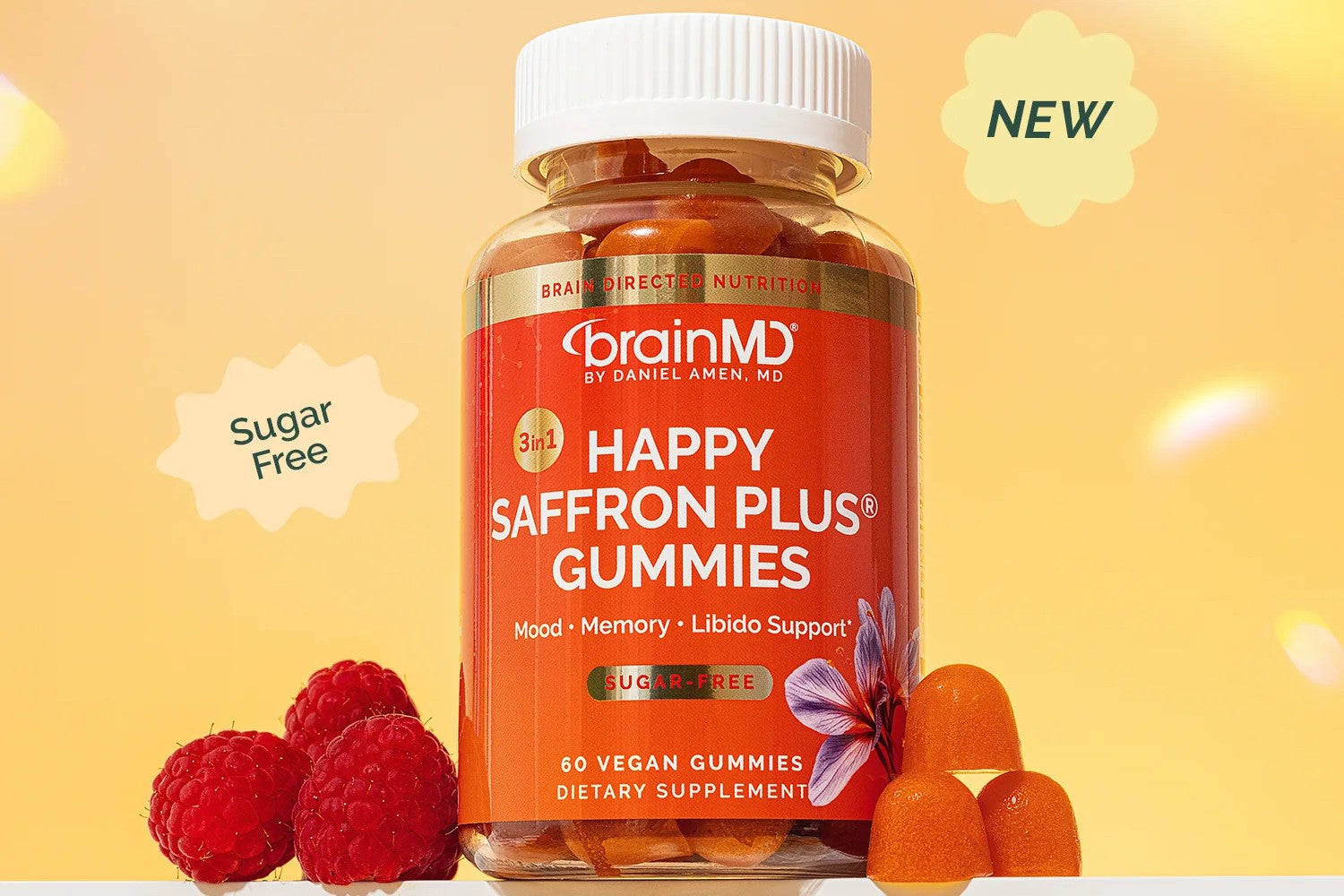



Sweet Relief: How L-Theanine Gummies Can Help Calm Your Mind & Reduce Stress
A recent report from the American Psychological Association found that more and more Americans are experiencing elevated levels of stress. Additionally, almost half of them reported mood issues, as well as weight changes and problems with sleep – conditions that often accompany being emotionally overwhelmed. Does that describe you? If you’re looking for ways to increase calm and reduce feelings of stress, meet l-theanine! What is L-theanine? L-theanine is an amino acid that occurs naturally in green tea and is credited with the tea’s highly valued relaxing effects. It’s been researched in Asia as well as the West, and found to rapidly bring on relaxation, often within just minutes. Over a longer period, it can improve coping with stress, lessen feelings of anxiousness, and support healthy sleep. It can reduce tension and fosters a restful state without diminishing daytime alertness. It also can promote blood pressure stability against the over-excitability associated with stress. How L-theanine Works Working by way of nerve cell receptors for GABA, glutamate, and other neurotransmitters, l-theanine has calming effects while preserving mental focus. It’s rapidly absorbed and quickly shifts the brain toward a predominance of EEG alpha waves, which are associated with relaxation. In clinical research, l-theanine has been found to help improve attention, mood, cognition, and the quality of sleep. As a natural relaxant, l-theanine reduces tension and promotes rest without diminishing alertness. Reduces Stress & Anxiousness Humans react to stress with physiological changes, which defend against immediate danger but over the long term can become detrimental to health. Prolonged stress frequently precedes anxiousness. Anxiousness can have a crippling effect on productivity and well-being. With its numerous health challenges, the year 2020 saw a marked, worldwide uptick in anxiousness. Many individuals with anxiousness fail to acknowledge, and therefore fail to find relief for, this mental burden. Sadly, prevalence of this issue hasn’t improved in recent decades. Anxiousness is exacerbated by stress, which can be measured as elevated levels of the hormone cortisol. Lowering stress often will help lessen feelings of anxiousness. Considerable clinical research indicates l-theanine has potential to improve the life quality and well-being of individuals living with stress and feelings of anxiousness. Promotes Quality Sleep L-theanine also has the unique capacity to improve a person’s sleep experience, by bringing on relaxation that allows them to get to sleep. L-theanine typically improves quality of sleep while allowing them to wake up fully alert. As l-theanine improves sleep, it often can improve cognitive function. L-theanine also may help children with sleep challenges. Benefits of L-theanine Among its many benefits, l-theanine: Improves focus and clarity Doesn’t give you the jitters since it’s caffeine-free Has a gentle, relaxing effect without making you sleepy Can improve time to fall asleep, sleep duration, and sleep quality in children and adults L-theanine is very well tolerated when taken by mouth and has been found safe in numerous clinical studies with both adults and children. With such a variety of positive actions for overall brain and body health, BrainMD is proud to offer an effective dose of l-theanine in our ultra-pure, sugar-free… L-Theanine Gummies: Relax More, Stress Less These convenient, easy-to-take gummies can help lessen feelings of anxiousness and promote an overall state of rest and relaxation.* By reducing stress, L-Theanine Gummies also helps promote quality sleep.* L-theanine can rapidly increase your brain’s production of calming alpha waves without making you drowsy.* Say Goodbye to Stress Here are some of the key benefits of l-theanine: Fast-acting relief from stress and anxiousness* Lessens stress-producing cortisol* Provides sharper mental focus* These grape-lime flavored gummies deliver 100 mg of l-theanine per serving. L-Theanine Gummies FAQ How do I take L-Theanine Gummies? Adults and children, age 8 and up, take 1 gummy daily. Up to a total of 4 gummies per day can be consumed as needed or as directed by your qualified healthcare professional. We recommend you take them on an empty stomach. Why does the label say this supplement is fast-acting? Clinical studies have found l-theanine to bring on relaxation in less than an hour.* Can this supplement make me dependent on it, or addicted? No. As with other BrainMD products, this dietary supplement isn’t a drug and isn’t habit-forming.* Will this product make me drowsy if I take it during the day? L-theanine typically improves quality of sleep while allowing the person to awake mentally alert.* Is this product safe to take during pregnancy? It may well be, but from an abundance of caution we don’t recommend taking l-theanine while pregnant or breastfeeding due to insufficient scientific safety data.* Which other supplements would make this product work even better? Taking BrainMD’s NeuroVite Plus Multivitamin and Omega-3 Power will help ensure you’re getting the core essential nutrients your brain and body needs to best utilize L-Theanine Gummies.* Aside from what BrainMD usually leaves out of its supplements (artificial colorings/flavoring, etc.), what else distinguishes this supplement from other similar products on the market? Most gummies contain added sugar. Our l-theanine gummy is sugar-free. L-Theanine Gummies can help increase calm, clarity, and focus.* Try them today! At BrainMD, we’re dedicated to providing the highest quality supplements to improve your physical health and overall well-being. For more information about L-Theanine Gummies and our full list of brain healthy supplements, please visit us at BrainMD. *These statements have not been evaluated by the FDA. This content is for informational purposes only. It is not meant to substitute for medical or healthcare advice from a physician, nor is it intended to diagnose, treat, cure, or prevent any disease. Consult your healthcare provider before beginning a new health regimen.
Learn more
Best Natural Ways to Prevent Hair Loss as You Age
Hair is one of several physical characteristics that makes us human. Our hair is closely woven into how we see ourselves in the world. Hence, it can be deeply disturbing for the estimated 80 million Americans (roughly 50 million men and 30 million women) who experience some form of hair loss. Indeed, medical experts have noted that losing one’s hair can bring on feelings of loneliness, shame, lack of confidence, isolation, and a poor self-image. One study on the psychological effects of a certain form of hair loss found higher rates of low mood and anxious feelings in those with hair loss than in the general population. While alopecia is the general medical term given to hair loss, there are a number of different types that stem from a variety of causes – including genetics, stress, hormonal changes, particular hairstyles and hair products, medications, and several medical conditions. The good news is that there are solutions. By taking certain measures, you can prevent hair thinning, learn how to stop hair loss, and regrow hair naturally. Types of Hair Loss There are many types of hair loss – here are several of the most common: Shedding According to the American Academy of Dermatology, it’s normal to lose 50 to 100 hairs a day. However, if you’re losing significantly more hair than that a day, you may be shedding. This condition is typically temporary and has to do with a period of stress. The shedding usually occurs a few months after a stressful event. Common stressors include significant weight loss, giving birth, stopping birth control, a major illness or surgery, high fever, the death of a loved one, or divorce. This kind of hair shedding is called telogen effluvian, and it usually stops when your body readjusts. After about six to nine months, your hair grows back to its normal fullness. However, if you remain stressed, the hair shedding can continue long-term. Male and Female Pattern Hair Loss This type of hair loss, called androgenic alopecia, is the kind you inherit. Hair follicles shrink and eventually stop growing hair. It can start as early as the teens, but many start noticing thinning in their 30s or 40s. Age-Related Hair Loss Most of us lose some hair as we grow older and hair growth slows. At some point, our hair follicles stop growing, and our scalp thins. Alopecia Areata Alopecia areata develops when your body’s immune system attacks hair follicles, causing hair loss. The most important thing you can do if you notice hair loss is to see a medical doctor to get an evaluation. Accurate diagnosis can help lead to an effective treatment. 5 of the Best Natural Ways to Promote Healthy Hair Growth Here are a few things you can do to support healthy hair growth: 1. Reduce Stress If stress is causing your hair to shed, it’s vital that you to find ways to relax. Take a yoga class, exercise regularly, practice meditation and deep breathing, or enjoy relaxing hobbies like reading or baking. 2. Adopt a Healthy Diet Eating a diet rich in fresh vegetables and fruits, lean meats and healthy fats (fatty fish, avocados, nuts), can have tremendous health benefits. Avoid excess alcohol, red meat, refined carbohydrates, sugar, food additives, and artificial sweeteners. 3. Use Gentle Chemicals If you wear a hair style that pulls at your scalp, such as tight braids, dreadlocks, or ponytails, it could be contributing to your hair loss. Wear your hair loose or down. Try to eliminate hair care products with harsh dyes and chemicals. Also, don’t use heated appliances, which can be hard on your hair. Talk to your hairstylist about using gentler products and consider purchasing a quick-dry towel so you don’t have to blow-dry your hair. 4. Get Proper Nutrients It’s important to have a consult with your doctor before taking any supplements or dramatically shifting your diet. Hair loss is often related to deficiencies in certain amino acids, the building blocks of protein, as well as minerals (iron, zinc, copper) and vitamins (folic acid, biotin, vitamin C, D, and A). You can get more protein in your diet by eating Greek yogurt, protein powder, lean poultry or fish, and beans and rice. Also, high-quality supplements can help fill nutrition gaps with vitamins and minerals. 5. Moisturize Your Scalp Coconut oil, olive oil, and essential oils (mixed with a carrier oil) are all wonderful moisturizers for your scalp. A healthy scalp helps to support healthy hair growth. Once a week, or a few times a month, massage about two tablespoons of one of these oils into your scalp for 15 to 20 minutes before shampooing your hair. Olive oil has antioxidant and antibacterial properties that can be beneficial to scalp health. Coconut oil has anti-fungal properties that can be useful if you suffer from any kind of fungal hair loss. Lavender oil is an especially good essential oil to promote hair growth. The Final Cut A dermatologist can provide you with many more options, including medication (if needed), laser therapy, hair transplant, and more. Of course, while dealing with hair loss, wigs, new hair styles (including shaving your head bald), and hats can all help to create a stylish look. At BrainMD, we’re dedicated to providing the highest purity nutrients to improve your physical health and overall well-being. For more information about our full list of brain healthy supplements, please visit us at BrainMD.
Learn more
Here Are Some of the Best Foods Rich in Healthy Fats
Since approximately 60% of the human brain is fat, feeding your brain plenty of healthy fat is, you guessed it, a no-brainer. Healthy fats play an important structural role in your brain cell membranes as well as a vital role in how your cells function. The omega-3 essential fatty acid docosahexaenoic acid (DHA) is the most abundant omega-3 found in the brain and is important for maintaining nerve cell structure and function. Another omega-3, eicosapentaenoic acid (EPA), helps support mood and emotional balance. Though we need plenty of healthy fats in our diet, many fail to get enough. Worse, they may eat too many foods with bad fats. So, what makes a fat good or bad? Let’s take a look... Bad Fats Saturated Fats Saturated fats naturally occur in red meat and full-fat dairy products. Since these fats are typically solid at room temperature, they’re often referred to as “solid fats.” Consuming excessive foods with saturated fat can lead to an increase in the LDL cholesterol in your blood. This can lead to complications with various bodily systems including heart health. The American Heart Association recommends that only 5-6% of your daily calories should come from saturated fat. Trans Fats Trans fats are primarily found in processed foods that add hydrogen to vegetable oil. This makes the oil solid at room temperature, which allows foods to have a longer shelf life. Many restaurants use partially hydrogenated vegetable oil in their deep fryers because it can be stretched farther than some other oils. Trans fats are frequently found in such foods as: Baked goods Microwave popcorn Fried foods Stick margarine Shortening Frozen pizza Nondairy coffee creamer Trans fats can increase LDL cholesterol and decrease HDL cholesterol, which can lead to an increased risk of heart, brain, or other organ system issues. Good Fats Unsaturated Fats Unsaturated fats remain in a liquid state at room temperature. The two main types are monounsaturated and polyunsaturated fats. Monounsaturated Fats These fats are in most animal fats, including beef, chicken, and pork. It’s recommended to eat lean sources of these meats, especially red meat, to avoid higher intakes of saturated fat. They also can be found in many oils, including canola, olive, safflower, and sunflower oils. Polyunsaturated Fats These fats are found in many seeds, including flaxseeds, pumpkin seeds, sesame seeds and sunflower seeds. Polyunsaturated fats are in many nuts, too, such as pine nuts and walnuts. Omega-3 fatty acids belong to this category of fats and are found in fatty fish such as herring, salmon, and sardines. Eating these types of fats may help improve blood cholesterol levels. Now that we’ve identified some good and bad types of fats, what are some of the best foods that contain good fats? 5 of the Best Foods Rich in Healthy Fats Avocado Avocados provide a dynamic duo of healthy fat and fiber, which can help lower triglycerides. Most of an avocado’s fat is oleic acid, a monounsaturated fat also found in olive oil. In one study, half the participants who ate an avocado-rich diet showed a 22 percent reduction in triglyceride levels. The fiber and fat help to support healthy blood sugar levels too, which is helpful for sustaining energy. Eggs Eggs are one of the most nutritious foods in the world. They have incredible nutritional balance and offer a wide variety of the many nutrients you need. Egg protein contains all nine essential amino acids that the body can’t produce on its own. According to the Food Data Central database of the U.S. Department of Agriculture, a Grade A large chicken egg comes with generous amounts of protein and fat (much of which is healthy monounsaturated fat), and is low in calories and carbs. Here’s the impressive nutrition profile of eggs. Nuts If you’re worried about the fat content of nuts or that they’ll cause weight gain, don’t fret. Nuts contain healthy monounsaturated and polyunsaturated fats, rather than saturated fats found in foods like butter. Almonds and cashews are an excellent source of protein, healthy fats, and fiber that can help balance blood sugar levels. They’re also packed with magnesium, a mineral that plays a key role in converting food into energy. Walnuts have more plant omega-3 fats than other commonly consumed nuts such as peanuts and pistachios. Packed with protein and fiber, walnuts keep you full longer, so you won’t be as tempted to grab an unhealthy snack. Salmon Salmon is a fantastic source of healthy omega-3 fatty acids. Salmon is an abundant fish and is popular among fish-eaters. Getting plenty of the omega-3s in salmon can help your body make less triglycerides in the liver. One review of clinical trials found eating fish that provided more than 1 gram of omega-3s a day was associated with improved (lower) triglyceride levels. Seeds Chia seeds and flaxseeds are full of plant-based protein to keep you satiated, fiber to support gut health, and omega-3 fatty acids that are important for heart health and optimal brain function, especially as we age. They’re easy to incorporate into smoothies, yogurt, or healthy baked goods. Pumpkin seeds are delicious, especially when roasted. They’re a treasure trove of nutrition as well – loaded with vitamins, minerals, antioxidants, fiber, healthy fats, and protein. They support health in many ways including promoting healthy immune function as well as blood flow, blood pressure, and blood sugar. Embrace Healthy Fats Key takeaway: not all fats are bad. It’s recommended that you eat an abundance of good fats to support your health, such as nuts, seeds, and cold-water fish rich in omega-3s like wild salmon and sardines. Be sure to add these healthy fats to your diet. Also, try to minimize your intake of saturated fats and skip trans fats altogether. Healthy eating! At BrainMD, we’re dedicated to providing the highest quality supplements to improve your physical health and overall well-being. For more information about our full list of brain healthy supplements, please visit us at BrainMD. These statements have not been evaluated by the FDA. This content is for informational purposes only. It is not meant to substitute for medical or healthcare advice from a physician, nor is it intended to diagnose, treat, cure, or prevent any disease. Consult your healthcare provider before beginning a new health regimen.
Learn more
How to Cook and Bake With Monk Fruit + Recipe!
Do you love the sweetness of sugar but need to be mindful of your blood sugar levels or need to reduce your sugar/carb intake? Well, here’s an incredible alternative sweetener to solve your dilemma: monk fruit. What Is Monk Fruit? A member of the gourd family (which includes squashes and melons), monk fruit is indeed a fruit. It grows in southern China and northern Thailand and has been used traditionally for centuries in Eastern medicine as a remedy for colds and as a digestive aid. Some 13th century Buddhist monks were the first to cultivate the fruit, which is the reason for its name. Today, monk fruit is grown mainly to extract its juice for use as a sweetener in both liquid and powder forms. In 2010, it was approved by the FDA here in the U.S. Remarkably, monk fruit is about 150-200 times sweeter than table sugar, but it isn’t absorbed in the upper GI tract. Thus, it has no calories and doesn’t raise blood glucose levels like sugar, according to research. What’s more, unlike other non-nutritive sweeteners that can cause gas, bloating, and digestive issues, monk fruit sweeteners have no known side effects and have a much milder aftertaste, if any at all. You can use monk fruit sweetener just like you would sugar, adding it to beverages, sauces, dressings, smoothies, and cereals, and in your favorite desserts and baked goods. It’s compatible with a host of diets such as ketogenic, vegan, candida, paleo, low carb, low sugar, and non-GMO. While nothing can fully duplicate sugar, monk fruit comes mighty close. Here’s what you need to know about this impressive natural sweetener! About Monk Fruit Sweeteners In its pure form, monk fruit has an intense sweetness with a mild licorice-like aftertaste. For those reasons, you’ll rarely find a sweetener with monk fruit only. Most brands blend it with other natural sweeteners such as erythritol to balance monk fruit’s sweetness and round out its taste to more closely resemble that of sugar. Erythritol is the favored sweetener to use with monk fruit because it doesn’t cause digestive issues the way other sugar alcohols do such as xylitol or sorbitol. Both monk fruit and erythritol have anti-inflammatory properties too, whereas artificial sweeteners can be highly inflammatory and disrupt gut microflora. Baking With Monk Fruit Sweetener Bakers rejoice! Monk fruit sweeteners are stable at high temperatures, which makes them ideal for cookies, muffins, cakes, and bread. Yet, learning how to substitute monk fruit for sugar in baked goods is a trial-and-error process. Sugar has its own unique qualities that factor into the volume and texture of your baked goods. When you swap sugar for monk fruit sweetener, your recipes may turn out slightly different in taste and texture. Here are some helpful tips: Most monk fruit brands offer a standard dry granulated blend and a liquid monk fruit syrup. Additionally, some brands formulate sweeteners specifically for baking and may even offer a blend that duplicates the taste and feel of brown sugar. Give them a try. They work beautifully! Sugar can be swapped out with most basic monk fruit/erythritol granulated blends at either a 1:1 ratio or a 2:1 ratio, depending on the brand. Follow the instructions of the brand you buy. As a general rule, you can avoid a granular texture and overdoing it on the sweetness by starting moderately with the 2:1 ratio. Then you can taste it and add more sweetener, if needed, prior to baking. If you dissolve the monk fruit in the wet ingredients, it also helps to avoid crystallization. Match liquid and dry uses of sweeteners. If your recipe calls for maple syrup or honey, opt for a monk fruit syrup. If it calls for white sugar, use the basic dry monk fruit sweetener. If you like to experiment using different types of flours or blends of flours, monk fruit sweetener works exceptionally well with almond, spelt, arrowroot, tapioca, flaxseed, and spelt flours. For a really dry flour like coconut flour, make sure you include plenty of wet ingredients! Desserts Powdered monk fruit and monk fruit syrups provide even more options when it comes to desserts. Powdered monk fruit sweetener has the perfect texture for making sugar-free glazes and frostings, as well as adding visual appeal as a topping on baked goods such a ginger cookies or fudge brownies. Truly, it will be hard to tell the difference from powdered sugar! Monk fruit syrup is ideal for raw desserts, mousses, and puddings. You can even find maple-flavored monk fruit sweetener. It tastes remarkably more like conventional sugary maple syrup than real maple syrup. It’s ideal for waffles and pancakes and should please the kiddos. Beverages, Dressings, Cereals, and Sauces Look for monk fruit sweetener packets to carry with you. When you’re on the go, you can sweeten your hot drinks or iced beverages with it. Start with half a packet and add more as needed. To offer balance to salad dressings, you can include either the liquid or powder to add a note of sweetness. They work really well in marinara and other sauces, as well. Don’t forget to try them on your morning cereal. If you like making overnight oats with chia seeds and plant-based milk, monk fruit sweetener is perfect! Safe Sweetness Without the excess calories or blood sugar spikes of regular sugar, monk fruit sweetener appears to offer a measured way (pun intended) to enjoy a little bit of life’s sweetness. That said, experts suggest enjoying it moderately. Vegan Soft n’ Chewy Oatmeal Raisin Cookies INGREDIENTS 6 tablespoons ground flaxseed meal, divided 1/2 cup water 1 cup oat flour 1/2 cup almond flour 1/2 cup rolled oats 1/4 cup unsweetened shredded coconut 1/4 cup regular monk fruit sweetener (white sugar substitute) 1/4 cup golden monk fruit sweetener (a brown sugar substitute) 1/2 teaspoon baking soda 1 tablespoon ground cinnamon 1 teaspoon of allspice 1/2 cup raisins 1/4 cup chopped walnuts 1/4 cup unsweetened plant milk of your choice 1/4 cup virgin coconut oil (or avocado oil) 1 teaspoon pure vanilla extract INSTRUCTIONS Preheat the oven to 350 degrees. In a medium bowl, mix 2 tablespoons ground flaxseed with 1/2 cup water. Set aside. In a separate medium bowl, whisk together the remaining 4 tablespoons ground flaxseed meal, oat flour, almond flour, rolled oats, monk fruit sweeteners, baking soda, cinnamon, and allspice. Stir in the raisins and chopped walnuts. To the flaxseed and water mixture, add the plant-based milk, coconut oil, and vanilla extract. Whisk to combine. Combine and mix the wet ingredients to the dry ingredients. Use a cookie scoop or tablespoon to drop onto a greased baking sheet. Flatten slightly. Bake in the preheated oven for 12 minutes. Allow to cool for five minutes on the tray before transferring to a baking rack to cool completely. Enjoy! At BrainMD, we’re dedicated to providing the highest purity nutrients to improve your physical health and overall well-being. For more information about our full list of brain healthy supplements, please visit us at BrainMD.
Learn more
What Are the Best Vitamins & Nutrients for Memory?
Though no one knows exactly how memory works, it is affected by brain health. Sadly, it’s all too obvious when someone’s memory isn’t working well or is failing. Memory decline can be related to a variety of issues, such as: Unhealthy lifestyle Excessive stress Poor circulation Little or no exercise Being overweight Inadequate nutrition Lack of sleep Head injuries The good news is that it’s possible to avoid or alleviate these issues. No matter how you’ve treated your brain in the past, you can rescue your memory over time by following a health plan. It’s recommended that you get consistent physical exercise, eat a healthy diet and take high-quality dietary supplements with ingredients proven to help memory. Best Vitamins & Nutrients for Your Memory An essential way to support your memory is with proper nutrition. Nutraceutical ingredients, verified from clinical research, can help keep your mind sharp and efficient. BrainMD combines these ingredients into powerful supplements aimed at boosting your memory. Daily Vitamin Packs for Your Memory Brain & Body Power MAX is the most powerful dietary supplement system available today.* It contains superior memory nutrients and provides clinically researched levels of vitamins, minerals, omega-3s, concentrated plant extracts, and digestive enzymes.* This all-in-one supplement system makes it easy to stay healthy on the go with easy-to-carry packets for your purse or pocket.* Each daily vitamin packet contains: NeuroVite Plus Multivitamin - Provides over fifty vitamins, essential minerals, and other nutrients your body needs.* It also includes other clinically-researched ingredients, vegetable and fruit concentrates, and digestive enzymes.* All these ingredients combine to give you a solid foundation for brain and body health.* Omega-3 Power - To operate at peak performance, a healthy brain, heart and body require substantial dietary intakes of the omega-3 fatty acids EPA and DHA.* Each serving of Omega-3 Power provides 1,440 mg of EPA and DHA – 4 to 5 times what you’ll find in conventional brands and big box stores.* To ensure purity, Omega-3 Power is tested by independent labs to ensure lack of rancidity and to exclude 250 potential toxins and environmental or organic contaminants.* Brain & Memory Power Boost - Contains potent ingredients that are clinically-researched to promote the brain’s basic functions, such as its need for blood flow, its high energy demands, and its connectivity through trillions of nerve cells.* Supporting these multiple functions can translate into healthy memory performance.* Powerful Daily Vitamin Powder to Sharpen Your Memory BRIGHT MINDS Memory Multivitamin is scientifically formulated to support memory and other brain functions – such as attention, mood, judgment and behavior – without the hassle of swallowing handfuls of capsules or tablets each day.* We included the most effective ingredients for brain health in this powder, including: plant nutraceuticals, standardized herbal concentrates, vitamins, minerals, and amino acids.* Simply add this sugar-free, citrus-flavored powder to water, juice, or a fruit smoothie and mix. Don’t like swallowing capsules? Now there’s an easier way to get all of the nutrients you need…try a memory-boosting vitamin drink!* Omega-3 Supplements for Memory The omega-3 fatty acids in Omega-3 Power are critical to building healthy cell membranes, which are crucial for all our cells to work.* Surveys indicate most Americans are deficient in omega-3s, getting barely a third of the daily amounts they likely need for optimum brain and body health.* Omega-3 Power complements BRIGHT MINDS Memory Multivitamin to ensure your brain cells are adequately supplied with the biochemical fundamentals they need for growth, maintenance, repair, and for creating and accessing memories.* Best Turmeric Supplement: Brain Curcumins for Memory BrainMD’s Brain Curcumins provides all three of the curcuminoid substances found in the turmeric root. These curcuminoids have been concentrated into the highly effective, activated curcumin formula called Longvida® Optimized Curcumin Extract.* In a double-blind clinical trial, subjects who received Longvida curcumin showed better-sustained attention and working memory (such as multitasking) just 1 hour after taking it.* Brain Curcumins supplies 25% more Longvida per capsule (500 mg) than was used in the trial (400 mg), for additional benefit to the mind and body.* Your memory is what allows you to revisit and treasure the most special moments in your life, so be sure to fortify your brain with the nutrients that can strengthen and restore it.* At BrainMD, we’re dedicated to providing the highest quality supplements to improve your physical health and overall well-being. For more information about our full list of brain healthy supplements, please visit us at BrainMD. *These statements have not been evaluated by the FDA. This content is for informational purposes only. It is not meant to substitute for medical or healthcare advice from a physician, nor is it intended to diagnose, treat, cure, or prevent any disease. Consult your healthcare provider before beginning a new health regimen.
Learn more
What Are Some of the Best Supplements for Gamers?
Let’s face it, gaming is a largely sedentary activity. In fact, many gamers sit for 8-10 hours (or more) per session. Though traditionally not known as the healthiest pastime, video game playing has seen some positive changes in recent years. Somewhere along the way, gamers started realizing that physical and mental fitness could help give them a competitive edge. A growing number of gamers are now making a concerted effort to improve their lifestyle. One competitive player, Nick “XLNC” Ward, said in an interview with Red Bull: "My attitude and reactions are the benchmarks of a good diet. They’re sharper and it even allows me to concentrate on other areas because I know I can rely on my shot. When you just start out, it’s easy to put it down to a placebo effect but now I’m convinced that it plays an important part in my ability, especially on the day." Since diet and other lifestyle measures can play such a key role in gaming performance, let’s look at some of the Ins & Outs of healthy gaming, and how to take things to the Next Level. Ins Energizing Exercise In addition to its physical benefits, exercise boosts blood flow which helps deliver oxygen and other needed nutrients to the brain. It stimulates neurogenesis, the brain’s ability to generate new brain cells. Exercising also can aid the process of neuroplasticity, the brain’s way of adapting to challenges. To keep your brain stimulated, and growing, get up and move around at least once an hour, and try to get at least 30 minutes of exercise every day. Take Breaks Your brain is only able to remain focused for about 90 minutes before it loses steam and needs a break. Pushing yourself past this point actually reduces cognitive performance and lowers your ability to problem solve. Shifting your attention to something else for a brief period can help you return to the original task with renewed focus. By taking regular breaks, you give your brain and body a chance to recover and reset. It’s recommended that you take a 15-minute break after every 90 minutes of intense focus. Outs Bad Diet The standard American diet (SAD) is typically filled with pro-inflammatory and allergenic foods, many of which are laced with artificial ingredients and chemicals. People (including many gamers) who subsist on a junk food and soft/energy drink diet are at a greater risk of developing severe health issues, both physically and mentally. Skip any foods that are processed or high in fat or sugar, and reach for a healthy snack instead. Making healthier choices in your diet can benefit your waistline, help lift your mood, and provide a long-lasting increase in energy and focus. Your brain requires foods that are high in vitamins, essential minerals, and other nutrients to help meet its huge energy requirements throughout the day. Consider adding these foods to your grocery list: fresh vegetables and fruits seeds and nuts berries beans free-range poultry grass-fed meats wild-caught, cold-water fish Sacrificing Sleep According to the Institute of Medicine (US) Committee on Sleep Medicine and Research, as many as 70 million Americans have ongoing sleep problems that interfere with their daily functioning. Skimping on sleep can affect your health in more ways than you might imagine. When you don’t get enough sleep, you have overall decreased blood flow to your brain, which disrupts thinking, memory, and concentration. Also, insufficient and inconsistent sleep can increase irritability and moodiness. It’s recommended that adults get 7-9 hours of sleep each night to function optimally. Getting less than 6 hours of sleep a night has been associated with lower overall brain activity, poor judgment, and slower reaction times in tasks. Next Level Nutritional Support Your brain is the most energy-hungry organ in your body and needs nutrients that are proven to improve your energy, focus, memory, and overall mental acuity. To stay at the top of your game, it’s vital that you get proper nutrition, especially nutraceutical ingredients that are specifically designed to keep your mind sharp and efficient. If you’re ready to take your brain health to the next level, try these ultra-pure, nootropic supplements for gamers. 3 of the Best Brain-energizing Supplements for Gamers Brain & Memory Power Boost Support Focus, Cognition and Memory…Naturally Brain & Memory Power Boost was designed to promote healthy brain metabolism and the optimal functioning of its almost 200 billion cells.* This advanced brain and memory formula is developed from clinical research to help sustain circulation to your brain, which is crucial for you to maintain your mental edge.* Brain & Memory Power Boost has a generous amount of ginkgo biloba extract to support healthy blood flow.* Other ingredients help support the blood vessel walls and the brain’s enzyme systems, neurotransmitter systems, and overall connectivity.* Formulated with 6 key brain-boosting nutrients, Brain & Memory Power Boost: Promotes healthy memory and mental sharpness* Facilitates healthy brain circuit functioning* Protects and promotes circulation to the brain* Supports brain energy generation* Defends against oxygen free radicals and other toxic threats to the brain* Together, these powerful ingredients can help you feel mentally sharp and focused so you can think and react quickly...one of the ultimate supplements for gamers.* Focus & Energy Clean, Long-lasting, Crash-free Energy Focus & Energy was designed to promote sharpness and improve productivity without lowering blood sugar.* It’s formulated specifically to reinforce the brain and body’s ability to fight fatigue and adapt to stress.* If you’re looking for a smarter “pick me up,” Focus & Energy naturally supports your body’s energy level with caffeine-free green tea, choline, and the special adaptogens Rhodiola, ashwagandha, and ginseng.* And unlike the energy drop you can experience from consuming a stimulant (coffee, diet soda, caffeine pills, energy drinks), there’s no mood-thudding crash.* It’s clean energy that promotes mental sharpness and productivity all day long!* So, skip the caffeine and get focused with this natural, non-habit-forming blend of adaptogens and energizing herbs for mental focus and concentration.* Focus & Energy is the perfect way to feel energized, productive, and alert.* Brain MCT Energy Superfuel for Optimal Brain Performance The human brain requires lots of energy to function.* Though only 2% of the body’s total weight, the brain uses at least 20% of the body’s total energy.* The brain and body derive energy from many sources. One of the most potent sources of energy are the medium-chain triglycerides (MCT) from coconut oil. Brain MCT Energy offers MCTs that rapidly boost the body’s energy generation, especially in the brain.* These are “good fats” that provide tremendous benefits for mental performance including focus and learning.* This organic oil provides healthy fats that are rapidly, efficiently, and safely converted into energy for the brain and body.* It’s also a great option for improving brain energetics, as well as healthy cognitive and memory function.* Brain MCT Energy is a clean, fast-acting energy source for peak brain and body performance.* Sharpen Your Mental Edge In a society where eating fast or processed food, consuming massive amounts of sugar, skimping on sleep, drinking too much caffeine and/or alcohol and not enough water, and consistently passing up on exercise has become the norm, eating a healthy diet and taking high-quality supplements aren’t just good ideas, they’re critical to supporting and optimizing your health.* These natural, brain-boosting supplements for gamers can help power up mental sharpness and cognition.* They can help you get the most out of your gaming experience.* Try these three powerful cognitive boosters today!* At BrainMD, we’re dedicated to providing the highest quality supplements to improve your physical health and overall well-being. For more information about Brain & Memory Power Boost, Focus & Energy, Brain MCT Energy and our full list of brain healthy supplements, please visit us at BrainMD. *These statements have not been evaluated by the FDA. This content is for informational purposes only. It is not meant to substitute for medical or healthcare advice from a physician, nor is it intended to diagnose, treat, cure, or prevent any disease. Consult your healthcare provider before beginning a new health regimen.
Learn more
Here Are Some of the Best Natural Mood Stabilizers
Many people deal with low mood or mood swings. Whether initiated by work demands, relationship problems, excessive stress, or other challenges, anxious or depressive thoughts can come on without warning. In addition to adverse physical consequences, mood problems also can lead to mental health concerns. Low Mood Mood issues can make everyday life feel draining; low mood is often linked to low energy and lack of sleep. Other signs of low mood may include: Negative or guilty thoughts Mental fogginess Purposefully avoiding social interaction Overeating and emotional eating Periods of low appetite Difficulty with concentration and memory Since many people dismiss these issues as just feeling down, they may not get the help they need, which can result in serious physical or emotional difficulties. Mood Swings Just as those who struggle with negative thoughts may seek relief from their issues, those who experience emotional highs/lows may look for ways to stabilize their mood. Having mood swings can be confusing, frustrating, and even debilitating. A person who struggles with mood swings may have moments where big ideas come fast and furious. These types of episodes are associated with abnormally elevated mood, heightened energy, and lofty (often unrealistic) ideas. On the flipside, these individuals also may experience periods of low energy and mood. These episodes can come with persistent negativity, decreased energy, and even loss of interest in pleasurable activities. Those who suffer with mood swings may feel like a different person from day to day. Standard Treatment for Mood Issues If you’re experiencing severe forms of mood swings, including delusions or hallucinations, it’s important to seek out medical help. Extreme cases of mood swings may actually be a mood disorder or psychiatric condition that will require medication and perhaps other forms of treatment. Many people who experience these forms of mood swings want to regain their energy, mood, and outlook on life again. For these individuals, natural solutions might be the best way to improve their mood. Natural Solutions Among other unhealthy habits and lifestyle factors, nutrient deficiencies may cause low mood and mood swings. The good news is that many nutraceuticals have been researched for their mood-supporting benefits with promising results. Here are just a few… 3 of the Best Natural Mood Stabilizers from BrainMD Lithium Orotate Lithium Orotate is an over-the-counter nutraceutical that consists of orotic acid (a compound produced naturally in the body) and lithium (an alkali metal). Lithium Orotate is a safe, well tolerated, and well absorbed dietary source of lithium, a mineral that supports brain health.* The orotate part of the molecule delivers lithium to the body in its biochemically active form, the positively charged lithium ion (Li+). Benefits of Lithium Orotate The low-dose lithium in Lithium Orotate is a pure and potent source of lithium that can help maintain a positive mood and sense of well-being.* Dietary supplementation with low-dose lithium promotes healthy sociability and self-esteem.* Another benefit of this natural mood stabilizer is that it supports cognitive function for people of all ages.* What Others Are Saying… “Immediate and dramatic improvement in mood and anxiety level. My hope has been restored!” -LeeAnn S. NeuroLink Capsules Feeling irritable or sad for no reason? NeuroLink can help balance your emotional ups and downs by delivering an exclusive blend of key nutrients for the neurotransmitters in your brain.* Balance and Brainpower Your mental state is affected greatly by your brain chemistry.* Some people have a sunny outlook on life, but others struggle to remain positive and even-tempered from day to day.* NeuroLink provides nutrients that help your brain meet its needs to sustain optimal levels of critical neurotransmitters and keep them in healthy balance.* Proper neurotransmitter balance is essential for optimal brain function.* NeuroLink provides an exclusive blend of nutrients that support such key transmitters as adrenaline, noradrenaline, dopamine, GABA, glutamate, and serotonin.* These nutrients can help you feel emotionally balanced and better able to cope with daily stress.* The better your transmitters operate in balance with each other, the closer you’ll be to having optimal mental function.* NeuroLink supports a diverse array of transmitters important for positive outlook, relaxation, coping with occasional feelings of anxiety, and managing stress.* What Others Are Saying… “NeuroLink is a wonderful, highly effective product. It helps me balance and level out my moods, sugar cravings, and all around feeling of well-being. I highly recommend this as a solution for brain health.” -Anne H. NeuroLink Powder NeuroLink Powder delivers an exclusive blend of nutrients that can help balance your major neurotransmitters to keep your mind positive, tranquil, and clear.* Balanced Brain = Happy Brain NeuroLink Powder broadly supports emotional and behavioral health.* By promoting a variety of transmitter actions, it assists the brain to maintain a healthy balance of brain chemistry, which in turn promotes positive outlook, relaxation, and mental focus.* The nutrients in NeuroLink Powder support vital survival, maintenance, and specialized functions in the brain and body.* They contribute to healthy functioning of the thyroid gland, the adrenals, liver, digestive, skin, and other organ systems.* If you don’t like swallowing capsules (1 scoop of NeuroLink Powder is equivalent to 4 NeuroLink capsules), or just want to take your water, fruit juice, or protein smoothie to the next level, try NeuroLink Powder. What Others Are Saying… “I feel so sharp and my mind is so clear when I drink this. I’m so impressed and have recommended this to my family.” -Jessica D. Balance Your Mood…Naturally! These natural formulas were designed to improve blood flow and activity levels in the brain.* They can help people with mood issues experience increased energy and an improved outlook.* Whether you find yourself having negative or anxious thoughts, or if you feel that your stress levels have nearly reached the breaking point, BrainMD offers a range of powerful supplements for mood and stress that can help brighten your mood and balance your brain.* These natural mood stabilizers have been formulated with the highest quality nutrients and can help you feel calm, content, and better able to manage stress or mental strain.* Try them today! At BrainMD, we’re dedicated to providing the highest quality supplements to improve your physical health and overall well-being. For more information about our full list of brain healthy supplements, please visit us at BrainMD. *These statements have not been evaluated by the FDA. This content is for informational purposes only. It is not meant to substitute for medical or healthcare advice from a physician, nor is it intended to diagnose, treat, cure, or prevent any disease. Consult your healthcare provider before beginning a new health regimen.
Learn more
Nootropics: One of the Best Ways to Boost Your Brain
Perhaps you’ve heard the term nootropics and have wondered what they are. Originally, nootropics (pronounced: "new tropics") referred to chemicals that met specific criteria. Today, the term is used to describe any natural or synthetic compound that may have a positive effect on cognition and overall brain function. Types of Nootropics There are 3 major categories of nootropics: dietary supplements, prescription drugs, and synthetic substances. Many people use a nootropic every day, even if they aren’t aware of it. As a “natural” stimulant, caffeine is a type of nootropic. Although caffeine can help increase focus and energy, it also can lead to an energy crash (when infused with sugar) and sleep issues (especially if consumed later in the day). Depending on your body chemistry, you may end up feeling fatigued or moody when the caffeine wears off. Cautions of Nootropics Opinions vary concerning the efficacy and safety of nootropics. It’s easy to claim a product can boost energy, focus, or memory (ideal for students cramming for an exam or employees pulling an all-nighter putting together a work presentation), but is there a placebo effect to consuming such products? Or are noticeable increases in cognitive functions due to a product’s sugar or caffeine content, which may be masked by a natural ingredient like l-theanine? As with any medication or holistic treatment, it’s recommended that you consult with a nutritionally informed physician before trying nootropics. Also, the FDA doesn’t closely regulate nootropic supplements like it does for prescription medications. If you notice any side effects, stop using the product and immediately contact a trusted healthcare professional. Benefits of Nootropics Though there may be a gap between what a nootropic claims vs what it actually delivers, some of the purported benefits of nootropics include improved: Attention Concentration Energy Memory Motivation So, what are some of the natural nootropic nutrients that can help improve your brain? 6 of the Best High-Quality Nootropic Nutrients 1. Acetyl-L-Carnitine An amino acid that’s naturally produced in the body (but not used to make proteins), acetyl-L-carnitine (ALC) is important for energy production. It assists in the proper functioning of genes, enzymes, and neurotransmitters. Among ALC’s many benefits are its promotion of healthy memory, lessening of mental fatigue, balancing of mood, and as a chemical contributor to the production of acetylcholine which is a major memory neurotransmitter. 2. Alpha-Lipoic Acid (ALA) Alpha-lipoic acid is called a conditionally essential nutrient because the body can make it but at times needs additional amounts from the diet. It’s an essential cofactor for three major enzymes that all our cells use to generate energy. ALA can help support blood sugar utilization and can enhance nerve cell energy and maintenance. It’s also a powerful antioxidant that protects our brain and other cells against oxygen free radicals. 3. Ginkgo Biloba Extract Ginkgo biloba has been used in traditional medicine for thousands of years. Standardized extracts prepared from the leaf have existed for over 50 years and are used worldwide for a diverse range of health benefits. This effective plant extract promotes healthy blood flow, which is crucial for optimal brain function. Ginkgo’s unique combination of antioxidants and blood vessel protectants helps shield the brain from toxins while supporting overall mental sharpness. 4. Huperzine A Huperzine A is extracted from the Huperzia serrata (club moss) plant, used in traditional Chinese medicine for centuries. It can enhance the acetylcholine neurotransmitter system, which is tied to memory and behavior, and may help support memory and other cognitive functions. 5. N-Acetylcysteine N-acetylcysteine (NAC) is an amino acid (also not used to make proteins) that supports the fundamental functioning of our brain cells and regulates a broad array of cell functions. It provides powerful antioxidant defense against free radicals, which are formed as our cells’ mitochondria use oxygen to make the huge amounts of energy needed by the brain. NAC is the ingredient source of l-cysteine, an antioxidant amino acid that cannot be directly used in supplements because it’s chemically unstable. L-cysteine is a building block for glutathione, an extremely important antioxidant, antitoxin, and overall protectant located inside our cells. Via glutathione, NAC contributes to numerous neurotransmitter activities in the healthy brain. 6. PhosphatidylSerine PhosphatidylSerine (PS) is a phospholipid nutrient that’s a universal, essential building block for cell membranes. PS is present in all our cells and is especially concentrated in the synapses and the brain’s nerve cells. Our brain cells need PS to generate and manage the high energy, complex electrical activity, and intense information processing that makes our brains work. PS has been put through more than 30 years of gold standard clinical research involving randomized, placebo-controlled, double-blind trials. PS helps to support attention, learning, memory, the ability to cope with stress, and overall mental sharpness. PS may help improve attention in children and is the best documented nutrient for memory recall of words, numbers, names, faces, and events in people over 50. All 6 of these proven nutrients are included in BrainMD’s top-selling nootropic supplement… Brain & Memory Power Boost Brain & Memory Power Boost promotes the brain’s energy generation and the overall functioning of its 200 billion cells.* Its ingredient profile supports the connectivity functions of the trillions of synapses that these cells make with each other and defend against oxygen free radical and other toxic threats to the brain.* This advanced brain and memory support formula is developed from clinical research to help sustain circulation to your brain, which is crucial for you to maintain your mental edge.* Brain & Memory Power Boost promotes healthy aging and can benefit brains of all ages.* Designed with Your Brain in Mind Though many scientists and medical practitioners are still skeptical about the purported health benefits of nootropics, many brain-boosting nutrients have been tested for purity and efficacy, like those in BrainMD supplements.* In fact, nootropics is just a trendy name for what BrainMD’s been doing for over 12 years. Our supplements are brain directed, which means they’re formulated for optimal brain and body performance.* Get the ultra-pure, nootropic nutrients in Brain & Memory Power Boost today!* At BrainMD, we’re dedicated to providing the highest quality supplements to improve your physical health and overall well-being. For more information about Brain & Memory Power Boost and our full list of brain healthy supplements, please visit us at BrainMD. *These statements have not been evaluated by the FDA. This content is for informational purposes only. It is not meant to substitute for medical or healthcare advice from a physician, nor is it intended to diagnose, treat, cure, or prevent any disease. Consult your healthcare provider before beginning a new health regimen.
Learn more
Here Are Some of the Top Food Additives to Avoid
You may be surprised to learn most processed foods are loaded with food additives and preservatives. Food additives help extend shelf life, enhance flavor, and improve the appearance and/or texture of food. Preservatives serve as antimicrobial agents, protecting against the growth of molds and bacteria. Even though the FDA has approved 3,000 different food additives generally recognized as safe (GRAS), there are documented harmful effects of food additives and preservatives. As a consumer, it’s up to you to educate yourself about food additives and examine ingredient lists for the ones that may cause trouble. So, which food additives are most concerning? Good question! Though the list is quite extensive, here are several of the most common food additives that you should avoid… 5 Harmful Food Additives and Preservatives to Avoid 1. Monosodium Glutamate (MSG) One of the best-known additives, monosodium glutamate (MSG) is a manufactured, low-cost flavor enhancer that’s in many foods including: broths, seasonings, salad dressings, packaged foods, canned and instant soups, instant noodles, fast foods, processed meats, and snacks. It also goes by these names: maltodextrin, sodium caseinate, autolyzed yeast, autolyzed vegetable protein, hydrolyzed vegetable protein, yeast extract, and even citric acid. Here’s why it’s a concerning additive. Consuming a generous amount, especially on an empty stomach, has been associated with a host of symptoms, referred to as “MSG symptom complex.” A double-blind, placebo-controlled, randomized study found that some participants were MSG sensitive. They noted several unpleasant reactions such as numbness, tingling, headache, muscle tightness, general weakness, and flushing. These are hallmark reactions of MSG symptom complex. Here are several other symptoms that may indicate this condition: Burning sensation in the face and neck Profuse sweating Nausea Chest pain, heart palpitations Although more research is needed, some studies hint that MSG is associated with weight gain, metabolic issues, neurotoxic effects, and detrimental effects on the reproductive organs. MSG is also a type of excitatory neurotoxin (excitotoxin), which can affect neuron firing and neuronal death. Excitotoxin effects are associated with temper outbursts, low mood, feelings of panic, distractibility, and confusion. 2. Sodium Nitrite You might want to think twice about a charcuterie board. Cured meats, such as salami, ham, pepperoni (as well as bacon, sausages, and hot dogs), may be preserved with sodium nitrite. Sodium nitrite blocks the growth of botulism-causing bacteria and prevents spoilage. It also gives cured meats their distinct color and flavor. The problem with nitrites in cured meats is that they can be unstable and can react with naturally occurring components of protein to form nitrosamines, which are known carcinogens. Nitrosamines can form in the meat or in the digestive tract after you consume it. But that’s not all. Some research indicates that sodium nitrite may negatively impact thyroid function, blood vessels, blood sugar, and heart health. 3. Artificial Sweeteners Artificial sweeteners such as acesulfame potassium (Ace K), aspartame, saccharin, and sucralose may provide sweetness without calories, but they come at a price! Research suggests that artificial sweeteners may be associated with an increased risk of heart health issues, blood sugar instability, and may cause harmful changes in the gut microbiome. Ironically, one study found that consuming diet soda containing sucralose and Ace K may lead to the creation of more fat cells. Another study indicated that long-term saccharin consumption may increase the risk of weight, blood sugar, and liver health issues. Artificial sweeteners may cause feelings of anxiousness, disrupt normal nervous system function, and adversely impact the microbiome. If you must have a low-cal sweetener, consider trying stevia, which is a much safer option! 4. Butylated hydroxyanisole (BHA) BHA is a commonly used chemical food additive that slows the rate of autoxidation in food, which prevents changes in color, smell, and taste. It’s frequently added to butter, lard, meats, cereals, baked goods, sweets, beer, vegetable oils, potato chips, snack foods, nuts and nut products, and dehydrated potatoes. The National Toxicology Program recognizes BHA as “reasonably anticipated to be a human carcinogen.” Consistent evidence indicates that BHA causes growths in animals, but it isn’t clear yet if these findings apply to humans. The European Union classifies BHA as an endocrine disruptor, as evidenced in animal studies, yet more research is needed for this to be conclusive. 5. Artificial Colors The food industry dumps 15 million pounds of artificial dyes into our food every year! Sadly, foods that require artificial colors for visual appeal are almost always low-quality foods with little nutritional value, such as cereals, pop tarts, soft drinks, baked goods, and ice cream. While nine synthetic colors are generally recognized as safe by the FDA, research indicates otherwise. A UCLA study found that “all of the nine currently US-approved dyes raise health concerns of varying degrees,” citing several artificial colors as carcinogenic or contaminated with carcinogens (Red 3, Red 40, Yellow 5, and Yellow 6). It also noted that at least four colors (Blue 1, Red 40, Yellow 5, and Yellow 6) cause hypersensitivity reactions. A number of studies in reputable medical journals indicate that some children with ADD/ADHD may be adversely affected by artificial food dyes. Mixtures of these artificial colors and sodium benzoate (a preservative) may be associated with hyperactivity and attention issues in children according to some research, but other studies indicate it isn’t. More research is needed. Keep Looking Especially if you have issues with digestion or general food sensitivities, be sure to check ingredient labels to avoid problematic food additives. At BrainMD, we’re dedicated to providing the highest purity nutrients to improve your physical health and overall well-being. For more information about our full list of brain healthy supplements, please visit us at BrainMD.
Learn more
What Are Collagen Peptides and Can They Help My Skin?
In case you’ve missed it, peptides are everywhere! Aging consumers are ingesting collagen peptides in drinks and supplements, and applying beauty products fortified with peptides to their faces and bodies, all for their purported fountain-of-youth benefits. In sports, athletes and bodybuilders are taking creatine peptide powders to enhance muscle-building and strength. You may be wondering, what are peptides and what are their benefits? Or more importantly, do they work? If you’re peptide curious, this is for you! Peptides Explained Peptides are essentially smaller, simpler versions of proteins. Both peptides and proteins are made up of strings of amino acids, which are held together by peptide bonds. Peptides are shorter, basic chains of 2 to 50 amino acids, and proteins are longer, more complicated chains of 50 or more amino acids. Think of peptides as small bracelets of pearls, and proteins as long chains of pearls of varying lengths. These remarkable molecules are synthesized in your body, from amino acids your body makes, or can come from your diet. There are thousands of peptide types. These are vital to many systems in your body, including healing, bone and muscle regeneration, sleep regulation, and even weight loss. Scientists have created lab-made peptides that mimic some of those found in the body, which have been used in medications to treat different types of health issues. The peptides available to consumers are mostly for anti-aging or muscle-building effects. Let’s start with collagen peptides, as they’re the most popular. What Are Collagen Peptides? To understand collagen peptides, it’s necessary to first learn about collagen. Collagen is the main structural protein that makes up the connective tissues in your body. You need an abundance of healthy collagen to keep your skin elastic, your nails and bones strong, and your joints youthful. Collagen makes up approximately 80 percent of your skin. It works closely with elastin to give your skin its structure and maintain its shape. It also provides structure for cartilage, tendons, ligaments, muscles, and blood vessels. Unfortunately, we start to lose a small percentage of collagen each year starting in our 20s. The body loses collagen faster than it can synthesize it. The quality of our collagen degrades too. Lifestyle factors like excessive sun and pollution exposure, poor sleep, tobacco smoke, consumption of alcohol and sugar, and refined carbohydrates can make collagen degrade faster. As a result, signs of aging – such as wrinkles and dry, sagging skin – become more prominent over time. The collagen in the skeletal system degrades with time, too, leading to brittle bones, and stiff, painful joints. Collagen peptides (also known as hydrolyzed collagen) are collagen proteins that have been broken down into shorter chains of two or three amino acids, which allows them to be easily absorbed in the body’s GI tract. Collagen sources generally include marine (from fish skin and scales), bovine (from cow hide), and porcine (from pork skin). Experts believe that when you supplement with collagen peptides, they’re readily absorbed and are then utilized in areas where they’re needed most. Do Collagen Peptides Work? That’s the million-dollar question! The answer is: a strong maybe. The research on collagen peptides is still young, but promising. Research results indicate a host of anti-aging benefits, including the following: Skin The most significant study to date, a review analysis from 2019, looked at eleven studies with a total of 805 patients that used different forms of collagen peptides. The review found that supplementation improved skin elasticity and hydration in several of the studies, with another study showing anti-aging efficacy proportionate to the level of collagen peptide content. Overall, it noted promising results for wound healing and skin aging and concluded that “oral collagen supplements also increase skin elasticity, hydration, and dermal collagen density,” but advised more research is needed. Joints In other studies, collagen peptides have shown promise in helping to lessen joint pain. Experts believe that supplemental collagen may deposit in cartilage and stimulate collagen synthesis. In turn, this may help improve joint health and reduce pain levels in the body. Muscle Building A randomized controlled trial on older adults found that collagen peptide supplementation, in combination with resistance training, increased muscle mass, strength, and fat loss. Protection Against Bone Loss Additional studies show that collagen supplementation may play a role in slowing bone loss, but more research is needed for this to be conclusive. Collagen peptides used in skin care hasn’t been shown to be efficacious in reliable studies. Experts say that collagen peptides in skin care may help to lock in moisture, but that’s about all. Creatine Peptides Several peptides have been used in the bodybuilding world to enhance muscle mass and increase strength. The safest, most widely used and accepted of them, are creatine peptides. Evidence from exercise literature indicates that supplementing with creatine peptides may help to maintain ATP (an energy-carrying molecule) stores in the muscles during training. This can be very beneficial as it helps increase muscular force and power and reduce fatigue in repeated bout activities – which helps increase muscle mass. Additionally, creatine can increase protein synthesis, which helps with muscle gain. To Pep or Not to Pep? There’s certainly enough research to make collagen and/or creatine peptides worth a try. Always, talk to your healthcare professional before trying a new supplement or product. Also, make sure you’re getting plenty of protein-rich foods (like bone broth, beef, chicken, fish, beans, and eggs) in your diet. They provide the amino acid building blocks your body needs to synthesize its own collagen and creatine. At BrainMD, we’re dedicated to providing the highest purity nutrients to improve your physical health and overall well-being. For more information about our full list of brain healthy supplements, please visit us at BrainMD.
Learn more
What Are Some of the Best Health Benefits of Antioxidants?
Having a healthy immune system is a key to survival in today’s world. Your immune system defends against bacteria, viruses, parasites, and other potential troublemakers. These may include molds, food allergens, and environmental toxins. One of the best ways to protect yourself against such harmful agents is to increase your intake of antioxidants. What Are Antioxidants? Antioxidants are compounds in foods that can help prevent or delay damage to cells. They donate electrons to free radicals, which helps neutralize them. Free radicals can come from outside the body, but they’re also generated by our bodies. Our cells use oxygen to make energy. In the process, some of the oxygen is converted into free radicals (“oxyradicals”). These must be tightly controlled, or they can destroy DNA, proteins, and other key cell components. All our cells have antioxidant enzymes for this purpose. Our antioxidant enzyme system includes many different types of enzymes, but in order to neutralize oxyradicals and other free radicals, these enzymes must have iron, zinc, copper, selenium, or manganese built into their protein structure. These various minerals must come from our diet. We get nutrient antioxidants from our foods – not just vitamins and minerals, but also from thousands of different types of flavonoids and other polyphenols. Foods such as berries, citrus fruits, other fruits, and vegetables provide substantial supplies of these healthy substances. Antioxidants and Free Radicals Many have questions about the relationship between antioxidants and free radicals. For optimal physical and physiological function over the long haul, it’s crucial that the body has sufficient antioxidant defense against free radical activity. When the body’s antioxidant defenses lose ground, a situation termed oxidative stress develops. Our cells’ antioxidant nutrients and enzymes function to neutralize oxyradicals and other free radicals generated from them. But as the body ages, its ability to manage free radicals may decline. This reduction of antioxidant power has been linked to the weakening of brain, heart, immune, and other organ functions. Benefits of Antioxidants There are many benefits of eating antioxidant-rich foods. Maintaining this type of diet may: help reduce oxidative stress help eyes, including age-related vision loss help heart health help support healthy aging help prevent serious illness help physical and mental health Having a healthy diet also may assist with weight management and overall positive mood and well-being. Types of Antioxidants There are several types of antioxidants and phytonutrients such as flavonoids, flavones, catechins, polyphenols, and phytoestrogens. Here are just a few of the potent antioxidants that can be found in BrainMD products. 3 Powerful Antioxidants That Can Help Protect Against Free Radicals Cocoa Flavanols Cocoa flavanols are a family of flavonoids concentrated in the cocoa bean. They are abundant in cocoa powder that hasn’t been bleached or chemically processed. Cocoa flavanols have been thoroughly researched and found to promote healthy blood pressure and blood flow to the brain.* You’ll find generous amounts of cocoa flavanols in Brain In Love dark chocolate bars.* Ginkgo Flavanols Ginkgo biloba has been a medicinal treasure for thousands of years, and a dietary supplement for over half a century. The leaves of the ginkgo tree yield several flavanols that, together with beneficial terpenes from the leaves, are made into a standardized dietary supplement ingredient. This powerful antioxidant is best known for its capacity to improve circulation and enhance memory and concentration.* Experience the benefits of standardized Ginkgo Biloba Extract in Brain & Memory Power Boost.* Green Tea Catechins A staple in Asian cultures, green tea (Camellia sinensis) promotes blood vessel health and blood flow to the brain.* The four main active catechins extracted from green tea leaves are potent antioxidants that can help reduce the production of free radicals in the body and help preserve healthy functioning of the brain and other organs.* Boost your body’s natural defenses with the green tea catechins in Focus & Energy.* Antioxidants in Foods To increase your antioxidant protection, focus on getting these vital vitamins and minerals into your diet: Beta-carotene – Colorful plant foods like apricots, beets, carrots, mangoes, peas, pumpkin Lutein – Leafy green vegetables, oranges, papayas Lycopene – Pink/red fruits and vegetables such as grapefruits and tomatoes Selenium – Barley, beef, Brazil Nuts, brown rice, fish, poultry Vitamin A – Dairy, eggs, and liver Vitamin C – Bell peppers, Brussels sprouts, lemons, snow peas, strawberries Vitamin E – Avocado, leafy green vegetables, nuts and seeds, spinach Foods with vibrant colors are often loaded with antioxidants. Certain foods high in antioxidants have been referred to as “superfoods.”* These may include: Apples Black and green teas Blueberries Broccoli Dark chocolate Eggplants Goji berries Lentils Pomegranates Red grapes Support Your Immunity As we’ve seen, the benefits of antioxidants are numerous.* Optimizing your daily intake of antioxidant-rich foods – by consuming fruits, vegetables, and other healthy foods – can provide your body with the nutrients it needs to bolster your immune health.* To protect yourself against free radicals, and to help your system combat the harmful effects of bacteria, viruses, and other unwanted invaders, try these antioxidant-rich foods and supplements today!* At BrainMD, we’re dedicated to providing the highest quality supplements to improve your physical health and overall well-being. For more information about our full list of brain healthy supplements, please visit us at BrainMD. *These statements have not been evaluated by the FDA. This content is for informational purposes only. It is not meant to substitute for medical or healthcare advice from a physician, nor is it intended to diagnose, treat, cure, or prevent any disease. Consult your healthcare provider before beginning a new health regimen.
Learn more
This Is How Sleep Patterns Can Impact Your Health
Do you get enough sleep? Even if you’re getting the recommended 7 to 9 hours of sleep each night, are you getting quality sleep? Millions of Americans are being robbed of restorative sleep. Common sleep stealers include drinking caffeinated beverages late in the afternoon or evening. Less obvious sleep stealers may involve disruptions to your sleep stages. What Are Sleep Stages? There are five stages of sleep. The first four stages are considered non-rapid eye movement (NREM) sleep, also known as quiet sleep. The fifth stage is called rapid eye movement (REM) sleep, also known as active sleep or paradoxical sleep. Each of the five stages have different functions in the brain’s nightly sleep cycle. So, what’s happening in the brain as each sleep stage occurs? Let’s take a look… Stage 1 This stage takes place between wakefulness and sleep. During this stage, the brain, heartbeat, and breathing begin to slow down. The body starts to relax, and your muscles may twitch (e.g., myoclonic jerk). This brief period lasts about 5 to 10 minutes. The brain may still be active during this stage. Stage 2 During this stage, you become less aware of your surroundings, but there are short bursts of activity in your brain. Also, your heart rate and breathing become more regular, and your body temperature drops. This sleep cycle lasts about 20 minutes. Most people spend about half of their sleep time in this stage. Stages 3 and 4 Delta waves, slow brain waves, begin to increase during these stages. Also, breathing slows, blood pressure drops, and muscles relax. Some noises may fail to rouse people in this period of deep sleep. Many believe these stages are when the body begins to repair itself. It usually lasts 20 to 40 minutes, but that interval gets shorter as REM sleep gets longer. Stage 5 During REM sleep, your voluntary muscles are temporarily paralyzed. Your brain becomes more active, your breathing is faster and, of course, your eyes move rapidly. At this point, you begin to dream. REM sleep starts around 90 minutes after you fall asleep. It’s believed that during deep sleep the body’s immunity is strengthened, cells are repaired, and hormones are secreted to grow bones and muscles. The progression of sleep stages isn’t always sequential (instead of advancing to the next stage, you may jump back to the previous stage). Anything that disrupts this cycle can negatively affect the quality of your sleep. These stages typically repeat four to five times each night. The amount of time spent in each stage can vary during the night. Sleep Patterns In addition to sleep stages, these 3 sleep patterns also may affect your health. Monophasic Sleep As is implied in the name, monophasic sleep applies to those who sleep only once per day. This pattern is widely accepted as the “normal” sleep pattern. People who practice this pattern sleep a solid block of hours each day. Biphasic Sleep This pattern applies to those who sleep twice a day, typically an extended period of rest at night and a nap sometime during the day. The biphasic pattern is popular in India, the Mediterranean and Latin American countries, where siestas are considered beneficial for health. In Western countries, naps aren’t viewed nearly as favorably. Polyphasic Sleep This pattern may involve as many as four to six different sleep sessions during the day. Some believe this pattern can provide increased energy levels and better sleep quality (more time spent in REM sleep) compared to monophasic or biphasic sleep. Here are three types of polyphasic sleep: A core sleep period of three hours followed by three 20-minute naps Six naps of 30 minutes at regular intervals during the day Every six hours, take a 30-minute nap These polyphasic options aren’t recommended since they may require a significant period of adjustment and may drastically reduce the total hours of sleep an individual gets per day. Skimping on sleep can affect your health in more ways than you might imagine. Anything that disrupts your natural sleep pattern, like excessive caffeine, alcohol, or video game playing, can have adverse effects on your ability to effectively perform tasks at work, school, or home. Insufficient and inconsistent sleep can increase irritability, moodiness, and poor judgment. Getting consistent, high-quality sleep is essential to wellness. If you have problems falling asleep, a natural supplement may give you the support you need. 2 Highly Effective Supplements to Support Your Sleep Patterns Depending on your unique sleep pattern, you may benefit from melatonin and other sleep-promoting ingredients to help you fall and stay asleep. That’s why BrainMD developed two distinct, but equally powerful, natural sleep aids: Restful Sleep and Put Me To Sleep Naturally.* Restful Sleep Restful Sleep contains the body’s own sleep hormone, melatonin, to help you get you to sleep.* It also includes the calming neurotransmitter GABA, as well as the relaxing mineral magnesium, vitamin B6, and valerian, to help keep you asleep.* This nutritional-herbal combination produces a soothing effect that can help ease you into a peaceful sleep.* These capsules include: Melatonin – melatonin is a hormone naturally produced by the brain to initiate sleep and promotes healthy sleep patterns.* Vitamin B6 – vitamin B6 helps with the production of neurotransmitters (serotonin, dopamine, norepinephrine, and GABA), which need to be balanced for healthy sleep.* Magnesium – sometimes called “the relaxation mineral,” magnesium helps calm the mind and enhance overall sleep quality.* GABA – GABA is the brain’s major inhibitory (calming) neurotransmitter, inducing calm by inhibiting excessive firing of neurons distributed throughout the brain.* Valerian – an herb used traditionally for centuries for its calming and sleep-inducing effects, valerian supports deep, restful, quality sleep.* Restful Sleep eases you to sleep and helps you stay asleep all night so you can wake up feeling refreshed in the morning.* Put Me To Sleep Naturally Put Me To Sleep Naturally is based on the most recent nutraceutical research on sleep onset, duration, and quality.* The body’s daily sleep phase is now recognized to be just as important for health as the awake phase.* Sleep is vital for mental and physical performance, as well as overall health and well-being.* This highly effective sleep supplement includes 6 potent ingredients that work in concert to help relax the mind and body in preparation for sleep.* These ingredients have a broad range of neurotransmitter actions in the brain.* They are carefully combined in this supplement to promote recovery from daily stress, calm and relaxation, and fully restful sleep.* Melatonin – a natural hormone that may help carry you through your daily sleep/wake cycle.* GABA – helps flip the “off” switch on worrisome, ruminating thoughts, which supports the body’s natural mechanism for quieting the mind.* L-theanine – a unique green tea amino acid that works quickly to reinforce GABA’s natural relaxant actions.* Magnesium – reinforces GABA’s calming effects, helps bring on sleep, and maintains sleep quality.* Vitamin B6 – vital for the brain’s entire spectrum of functions as well as those needed for quality sleep.* 5-HTP – an important starting molecule for the brain to produce not just serotonin, a regulatory transmitter that enables quality sleep, but also melatonin.* This breakthrough chewable supplement helps bring on deep, sustained, and quality sleep.* Rest Well If you’re tired of being tired, it’s time to turn to a natural sleep solution that can help you fall asleep, stay asleep, and wake up refreshed…without the grogginess!* Restful Sleep and Put Me To Sleep Naturally can help support your sleep patterns with ultra-pure nutrients proven to produce a soothing effect that can help ease you into a peaceful sleep.* If you have difficulties getting quality asleep, these natural sleep supplements may help you achieve deep, sustained, and restorative sleep.* Try them today! At BrainMD, we’re dedicated to providing the highest quality supplements to improve your physical health and overall well-being. For more information about Restful Sleep, Put Me To Sleep Naturally and our full list of brain healthy supplements, please visit us at BrainMD. *These statements have not been evaluated by the FDA. This content is for informational purposes only. It is not meant to substitute for medical or healthcare advice from a physician, nor is it intended to diagnose, treat, cure, or prevent any disease. Consult your healthcare provider before beginning a new health regimen.
Learn more