 Skip to content


Wellness Blog



Here Are Some of the Best Benefits of Ginger Extract for PMS Symptoms!
Many women seeking support for premenstrual syndrome (PMS) discomfort have turned to natural substances to help reduce the severity that accompanies their monthly cycle. One popular, go-to nutrient is chasteberry, which comes from a shrub native to Central Asia and the Mediterranean. Widely used in Europe for gynecological support, chasteberry may help lessen symptoms associated with PMS by supporting regular menstrual cycles and uterine health. Its use as an herbal supplement in the U.S. for women’s health is relatively new, but its popularity is on the rise. Another natural nutrient that may help reduce the severity of PMS symptoms is ginger. Ginger Basics Ginger is a root that’s widely revered as a food, spice, and medicine in the Ayurveda tradition. It helps improve circulation, is protective for the brain, and is especially sought out for its digestive benefits. Ginger’s warming effect is great for soothing the stomach and combating queasiness. It’s particularly effective in reducing inflammation in the digestive system. Also, some research indicates that ginger may help speed up stomach emptying,¹ relieve upset stomach, and reduce intestinal cramping, bloating, and gas. It also may be an effective way to alleviate headaches. You can add ginger as a spice to your foods or drink ginger tea. Ginger Tea Ginger tea is an effective alternative to an energy drink. Ginger is a mild stimulant, and its spiciness can aid the conversion of food into energy. Ginger tea is rich in antioxidants and nutrients that can give you an energy lift. Ginger and other herbs (peppermint, spearmint, and lemon balm) have been used to soothe digestive issues for hundreds of years. Ginger tea can help settle an upset stomach and ease abdominal discomfort. It has anti-inflammatory properties and is especially helpful for combating nausea. However, if you’re vomiting (as opposed to merely feeling nauseous), you may want to try a cooling tea instead, since ginger can cause a hot or burning sensation when swallowed. Ginger Supplements For those who don’t prefer to eat foods with ginger or drink ginger tea, it’s possible to get the benefits of ginger by taking it in supplement form. One supplement ingredient that has shown great promise in relieving PMS symptoms is Ginfort. Ginfort® – Powerful Ginger Extract Ginfort is a groundbreaking nutrient that may help improve PMS symptoms with consistent use. An exceptionally high-quality, proprietary ginger root extract, Ginfort may help reduce a number of symptoms associated with PMS, including menstrual discomfort.* Ginfort is a highly concentrated ginger root extract that contains a minimum of 26% gingeroid polyphenols (many ginger extracts only contain 5-6 % gingeroids), which are the primary actives in ginger known for their potent mood-boosting and anti-inflammatory properties. This potent, PMS-relieving nutrient can be found in BrainMD’s new supplement… PMS Relief+ Of the many PMS support supplements on the market today, PMS Relief+ is distinguished by its advanced formula, which includes 5 essential vitamins and minerals plus the proprietary ginger extract, Ginfort.* While many PMS supplements only address premenstrual cramps, PMS Relief+ offers natural support for a wide range of symptoms and may help with… Premenstrual nausea* Premenstrual acne* Premenstrual mood changes* Painful periods* Abdominal/uterine cramping* What the Science Says About Ginfort PMS Relief+ uses the exact ginger extract (Ginfort) at the precise dose that was clinically shown to produce notable relief of PMS symptoms² within the first 30 days of use.* Specifically, it was shown to help alleviate PMS-associated menstrual discomfort and cramping by 80%, fatigue by 92%, and back aches by 95%.* By contrast, other ginger extracts have been shown to help reduce 54% of total PMS severity, 52% reduction of physical symptoms, as well as help alleviate feelings of anxiousness and cravings, as well as behavioral and mood symptoms. When measured against the efficacy levels of other leading PMS supplement brands, the results of taking Ginfort are truly remarkable. Benefits of PMS Relief+ Taking PMS Relief+ may help: Ease PMS symptoms, including low mood and energy* Support your monthly cycle* Reduce bloating and cramps* Better equip you to handle emotional ups and downs* PMS Relief+ Ingredients Ginfort is accompanied by clinically-effective doses of other essential nutrients, which are often deficient in reproductive age women. Here are the supporting ingredients in PMS Relief+: [wc_box color="inverse" text_align="left" margin_top="" margin_bottom="" class=""] Magnesium is a powerhouse mineral that functions in combination with other minerals to help regulate muscle contraction and relaxation. Vitamin B1 is known for helping the body convert carbohydrates or glucose into ATP for energy. Lesser known is B1’s vital role in muscle contraction and nerve signaling, which may be the mechanism of action for PMS symptom management. Vitamin B6 is an essential nutrient utilized by the body to help regulate the immune and nervous systems. Vitamin D promotes the uptake of calcium, supports immune function, and helps reduce inflammation. Zinc is included for its role in the body’s hormone release, immunological response, and reproductive health. [/wc_box] Benefits of Ginger Extract PMS Relief+ contains 5 ingredients in the exact clinical doses shown to improve PMS symptoms. Formulated with the highest quality ingredients, PMS Relief+ is designed to help reduce the discomfort of premenstrual symptoms. It’s free of dairy, eggs, gluten, sugar, nuts, artificial flavors and colors, and is non-GMO. If you’ve tried, but failed, to find relief from other PMS supplements in the past, give PMS Relief+ a try today. At BrainMD, we’re dedicated to providing the highest quality supplements to improve your physical health and overall well-being. For more information about PMS Relief+ and our full list of brain healthy supplements, please visit us at BrainMD. *These statements have not been evaluated by the FDA. This content is for informational purposes only. It is not meant to substitute for medical or healthcare advice from a physician, nor is it intended to diagnose, treat, cure, or prevent any disease. Consult your healthcare provider before beginning a new health regimen. References: 1. Hu, M.-L., Rayner, C. K., Wu, K.-L., Chuah, S.-K., Tai, W.-C., Chou, Y.-P., Chiu, Y.-C., Chiu, K.-W., & Hu, T.-H. (2011). Effect of ginger on gastric motility and symptoms of functional dyspepsia. World Journal of Gastroenterology, 17(1), 105–110. https://doi.org/10.3748/wjg.v17.i1.105 2. Nirvanashetty, S., Panda, S. K., & Jackson Michel, S. (2023). High potency ginger extract reduces menstrual discomfort in healthy participants with recurrent dysmenorrhea linked to hypercontractility of the uterus: A randomized, double-blind, placebo-controlled trial. Open Access Journal of Complementary & Alternative Medicine, 5(1), 594–601. https://doi.org/10.32474/OAJCAM.2023.05.000203
Learn more
Balance My Blood Sugar: One of the Best Ways to Avoid Spikes & Cravings!
If you want to take control of your metabolism, you have to start with blood sugar. Period. That might not be what you’ve been told. It certainly wasn’t what I was told when I started in the health and fitness world over 30 years ago. The diet industry—and just about everybody else, including doctors—taught us that metabolism is just about burning fat, and that to lose weight, all you had to do was cut out some calories and spend more time on the Stairmaster. But that was then, and this is now. When I entered the field, almost no one—save for Dr. Atkins and a few other renegade docs—was talking about hormones or blood sugar, just about calories. Sadly, many still take that approach today. But the truth is that at its core, metabolism is about how your body processes and uses calories, not the calories themselves. Calories from sugar are treated quite differently than, say, calories from salmon. Those two kinds of calories produce quite different metabolic results, and, as you can imagine, the ones from sugar do metabolic damage while the ones from salmon do not, even when calorie count is identical. And that metabolic damage almost always starts with out-of-control blood sugar. So it makes good sense that blood sugar regulation would be the foundation of metabolic health. And guess what? It is. The Blood Sugar Roller Coaster Take a look at this chart... To most people, unfortunately, it makes complete sense, because they experience some version of it every day. When blood sugar levels swing too high or too low, the effects ripple across your entire system—fatigue, cravings, weight gain, brain fog, and eventually, even more serious health risks. Why Blood Sugar Balance Matters Have you noticed how many people are wearing Continuous Glucose Monitors these days? Known as CGMs, these blood sugar monitors look like a small white tiddlywink, usually worn on the upper arm. Diabetics use CGMs all the time to monitor their blood sugar and dose their insulin accordingly, but now non-diabetics have discovered them and they’re all over the news. Athletes, high-performance health-conscious individuals, and biohackers trying to live forever are all using them. Why? Because these high-performers understand that keeping blood sugar levels stable and appropriate is extremely important to both their long-term health and their everyday performance. Your body’s ability to regulate blood sugar is critical to energy stability, mental clarity, and long-term metabolic function. When blood sugar is severely imbalanced: You experience energy crashes and constant cravings. Your body struggles to use insulin efficiently, increasing the risk of insulin resistance, which in turn increases the risk of weight gain and prediabetes. Fat storage becomes easier, and weight management becomes harder. In short, uncontrolled blood sugar is the essence of metabolic dysfunction. If you’re not managing blood sugar, everything else falls apart. But what if you could support stable, healthy blood sugar levels naturally? Balance My Blood Sugar Enter BrainMD’s Balance My Blood Sugar, a science-backed supplement designed to help keep your blood sugar in check while optimizing metabolic health. Meet Balance My Blood Sugar: A Smarter Approach Balance My Blood Sugar is a scientifically formulated, elegantly designed blend of natural ingredients that work together to support healthy blood sugar levels, enhance insulin function, and improve glucose metabolism. Unlike generic blood sugar supplements that rely on a single ingredient, Balance My Blood Sugar takes a multi-pathway approach—delivering synergistic compounds that work better together to promote blood sugar stability. How Is Balance My Blood Sugar Different from Smart Metabolic Burn? BrainMD already has a metabolic support supplement, and a very good one at that—Smart Metabolic Burn. So let’s compare. Both Balance My Blood Sugar and Smart Metabolic Burn feature berberine as an ingredient, and it is a powerful ingredient indeed. But Balance My Blood Sugar was specifically formulated to support glucose metabolism, with additional ingredients known to support insulin sensitivity and stable blood sugar levels. Smart Metabolic Burn focuses more on broad metabolic function. Blood sugar control and metabolic function go hand in hand, so the answer to the obvious question is, “Yes! You most certainly can take both at once.” What’s Inside? Key Ingredients & Their Benefits Balance My Blood Sugar isn’t just about one ingredient—it’s about synergy. Here’s what makes it so effective: Berberine – One of the most powerful natural compounds for blood sugar regulation. Research shows it supports insulin sensitivity and glucose metabolism (1). Chromium – An essential trace mineral that plays a key role in carbohydrate metabolism and insulin function (2). Alpha-Lipoic Acid – A potent antioxidant that supports insulin activity and reduces oxidative stress (3). Gymnema Sylvestre – Known as the “sugar destroyer,” it helps reduce sugar cravings and supports glucose control (4). [wc_box color="inverse" text_align="left" margin_top="" margin_bottom="" class=""] The Power of Berberine Berberine is one of the most well-researched natural compounds for blood sugar support. Found in plants like Berberis and Goldenseal, this alkaloid has been shown to activate AMPK (adenosine monophosphate-activated protein kinase), a key enzyme in regulating energy balance (5). Studies suggest berberine can: Improve insulin sensitivity (6). Enhance glucose metabolism (7). Reduce fasting blood sugar levels (8). This makes berberine an essential ingredient in both Balance My Blood Sugar and Smart Metabolic Burn, though in different formulations to target specific metabolic needs. [/wc_box] Supplements to Lower Blood Sugar Naturally—How Balance My Blood Sugar Fits Into The Picture No supplement can act as a counterweight to bad food, lots of stress, little sleep, and no exercise. But if you’re doing the right stuff in those departments, which I hope you are, then targeted supplementation can be a game-changer—especially when you choose the right product. If you’re looking for supplements to lower blood sugar naturally, Balance My Blood Sugar is designed to be the most effective, research-backed option. Who Should Take Balance My Blood Sugar? Anyone looking for better blood sugar control. Those experiencing energy crashes, sugar cravings, and metabolic slowdowns. Individuals concerned about prediabetes or metabolic health. The Smart Choice for Blood Sugar Health If you care about metabolism, you should care about blood sugar first. Balance My Blood Sugar delivers science-backed, natural support for healthy glucose levels, helping you stay energized, balanced, and metabolically strong. Want to take control of your blood sugar naturally? Balance My Blood Sugar is the smarter way to do it. References: (1) Yin J, Xing H, Ye J. "Efficacy of berberine in patients with type 2 diabetes mellitus." Metabolism. 2008;57(5):712-717. (2) Vincent JB. "Chromium: is it essential, pharmacologically relevant, or toxic?" J Trace Elem Med Biol. 2017;44:69-74. (3) Packer L, Kraemer K, Rimbach G. "Molecular aspects of lipoic acid in the prevention of diabetes complications." Nutrition. 2001;17(10):888-895. (4) Baskaran K, Kizar Ahamath B, Radha Shanmugasundaram K, Shanmugasundaram ER. "Antidiabetic effect of a leaf extract from Gymnema sylvestre in non-insulin-dependent diabetes mellitus patients." J Ethnopharmacol. 1990;30(3):295-300. (5) Turner N, Li JY, Gosby A, et al. "Berberine and its role in chronic disease." Adv Exp Med Biol. 2016;928:27-45. (6) Lee YS, Kim WS, Kim KH, et al. "Berberine, a natural plant product, activates AMP-activated protein kinase with beneficial metabolic effects in diabetic and insulin-resistant states." Diabetes. 2006;55(8):2256-2264. (7) Zhang H, Wei J, Xue R, et al. "Berberine lowers blood glucose in type 2 diabetes mellitus patients through increasing insulin receptor expression." Metabolism. 2010;59(2):285-292. (8) Dong H, Wang N, Zhao L, Lu F. "Berberine in the treatment of type 2 diabetes mellitus: a systemic review and meta-analysis." Evid Based Complement Alternat Med. 2012;2012:591654.
Learn more
No Sugar Added vs Sugar-Free: What to Look for On a Food Label
Though you may be aware of the dangers of sugar, getting it out of your diet can be a challenge. One reason is that many types of sugar are hidden on food labels. Avoid Hidden Sugars Even if you aren’t adding sugar to the foods and beverages you enjoy, you still may be consuming sugars without even realizing it. Many so-called health foods contain added sugars. Always read food labels to identify these hidden sugars. Types of Sugar Claims When looking at food labels, sugar content claims can be confusing and disingenuous. This is especially true since many products attempt to hide or disguise their sugar content. On food labels, sugar may appear as glucose, fructose, sucrose, maltose, lactose, dextrose, or starch. Keep an eye out for corn syrup, fruit juice, raw sugar, and honey, which also contain sugar. There are also terms such as “no sugar added,” “reduced sugar,” and “sugar-free.” What’s the difference? Let’s take a look: No Sugar Added As the name suggests, no sugar or ingredient containing sugar was added during the production of the food. It also may appear as “without sugar added” on the label. Reduced Sugar This term means that a product has at least 25% less sugars than a regular version of the product. It also may be called “lower sugar,” “low in sugar,” or “less sugar.” Sugar-Free The term “sugar-free” is a misnomer since a small amount of sugar still may be present in such foods. Per regulations, a sugar-free product must contain less than 0.5 g of sugar per serving size. On labels, sugar-free may also be referred to as “sugarless,” “no sugar,” “zero sugar,” “free of sugar,” or “trivial source of sugar.” So, how many products masquerading as “healthy” options still contain sugar? Here are just a few… 5 “Healthy” Foods That Actually Contain Hidden Sugars 1. Flavored Greek Yogurt Greek yogurt is a good source of probiotics,¹ which may benefit your gut by adding the good bacteria your intestinal tract needs to stay healthy. Packed with protein, Greek yogurt is often portrayed as a healthy food. But some flavored varieties also include large amounts of sugar and other unhealthy ingredients, so be sure to check the labels before you buy them. 2. Pre-made Protein Smoothies A protein smoothie can be a great way to start the day. However, some smoothie brands try to hide their high sugar content. If necessary, opt for homemade smoothies to ensure you’re consuming healthy ingredients (without the added sugars). 3. Milk Alternatives Going dairy-free can be beneficial for brain health and overall well-being for some people, especially those who have milk allergies or sensitivities. Unfortunately, some flavored milk alternatives – vanilla, chocolate, or pumpkin spice – can have high amounts of sugar per serving, so exercise caution when purchasing them. 4. Gummy Vitamins Taking nutritional supplements is a great way to make sure you’re getting the vitamins and minerals you need. Be aware that when you or your kids take gummy vitamins you may be getting a dose of sugar along with the nutrients. Parents are strongly cautioned when purchasing gummies for their children, since many contain excessive amounts of sugar. 5. Salad Dressing Eating more greens and veggies provides your brain with a variety of nutrients and antioxidants. But dousing salads with sugar-laden, store-bought dressings can turn your healthy meal into one that has far more sugar than you realized. Consider making your own healthy salad dressing. Now that we’ve looked at some commonly-consumed foods that contain hidden sugars, here are some practical ways to avoid sugar every day. 3 Helpful Ways to Reduce Your Sugar Intake Balance Your Blood Sugar Low blood sugar levels are associated with overall lower brain activity,² including in the prefrontal cortex (PFC), the brain’s brake system. Low activity in the PFC can translate to more cravings and bad decisions. These simple tips can help you keep your blood sugar balanced: Eat protein and healthy fats at every meal. Have smaller meals throughout the day. This helps eliminate the blood sugar rollercoaster ride that can impact your emotions and increase cravings. Replace simple sugars and refined carbs with healthier options. For example, swapping candy for a square of sugar-free dark chocolate can help you kick a sugar habit. Increase Your Serotonin Those who are naturally low in serotonin, sometimes called the “happiness hormone,” often intuitively crave sugar-filled, carbohydrate-rich foods such as pies, cookies, candy, and chocolate because carbohydrates raise serotonin levels and increase feelings of well-being. These are “mood foods” and are often used to self-medicate an underlying mood issue. Avoid these quick fixes because they can cause long-term health problems. Serotonin can be supported with a healthy diet, exercise, taking supplements, and getting quality sleep. When you have plenty of serotonin, you’re less likely to seek out sugar. Avoid Artificial Sweeteners Artificial sweeteners such as acesulfame potassium (Ace K), aspartame, saccharin, and sucralose may provide sweetness without calories, but they come at a price. These sweeteners may contribute to high insulin levels, lead to a slower metabolism, negatively skew the good-to-bad bacterial ratio in your gut, and retrain your taste buds to crave sugar- and fat-filled foods over fruits and vegetables. If you want to avoid sugar and artificial sweeteners, there are better, healthier options to consider. To add a little sweetness to your coffee or tea, reach for natural, lower-calorie sweeteners like monk fruit powder, erythritol, or unprocessed stevia. In their raw and natural state, these are much healthier choices than their refined counterparts and include vitamins, minerals, antioxidants, and fiber. Note: stevia should be used in limited amounts as it can keep the tastebuds hooked on the “sweet” taste of foods. Outsmart Your Cravings Consuming large amounts of sugar can be detrimental to your health. Many illnesses have been linked to excessive sugar intake over extended periods of time. Always read labels to identify which products are no sugar added, reduced sugar, or sugar-free, and to determine if a product contains hidden sugars. If you’ve been struggling to curb your sweet tooth, these three tips may help you outsmart your sugar cravings. Also, if you’re looking for a science-based program to help you cut out the sugar and reduce cravings, be sure to purchase Dr. Avena’s book, Why Diets Fail. At BrainMD, we’re dedicated to providing the highest purity nutrients to improve your physical health and overall well-being. For more information about our full list of brain healthy supplements, please visit us at BrainMD. These statements have not been evaluated by the FDA. This content is for informational purposes only. It is not meant to substitute for medical or healthcare advice from a physician, nor is it intended to diagnose, treat, cure, or prevent any disease. Consult your healthcare provider before beginning a new health regimen. References: 1. Lisko, D. J., Johnston, G. P., & Johnston, C. G. (2017). Effects of dietary yogurt on the healthy human gastrointestinal (GI) microbiome. Microorganisms, 5(1), 6. https://doi.org/10.3390/microorganisms5010006 2. Verhulst, C. E. M., Fabricius, T. W., Nefs, G., Kessels, R. P. C., Pouwer, F., Teerenstra, S., Tack, C. J., Broadley, M. M., Kristensen, P. L., McCrimmon, R. J., Heller, S., Evans, M. L., Pedersen-Bjergaard, U., & de Galan, B. E., on behalf of the Hypo-RESOLVE consortium. (2022). Consistent effects of hypoglycemia on cognitive function in people with or without diabetes. Diabetes Care, 45(9), 2103–2110. https://doi.org/10.2337/dc21-2502
Learn more
What You Need to Know About the Importance of Hydration for Your Health
Can you guess what’s the most important nutrient for health, and the one whose absence will be lethal within days? Surprisingly, it isn’t protein, carbohydrates, fat, or even a vitamin or mineral. It’s water. Water Essentials Most of us don’t think of water as an essential nutrient, but indeed it is. Every day, we need ample water from our diet to rehydrate the body fluids that are lost through metabolism, perspiration, breathing, and elimination – which on average, is about 2-3 quarts. Hydrating our bodies is critical for many bodily functions such as preventing overheating, lubricating joints and tissues, maintaining healthy skin, and ensuring healthy digestion and elimination, to name a few. Without proper hydration, we can experience the effects of dehydration (a water deficit in the body), which can range from mild to severe, and even be life-threatening. More common, though, are the effects of suboptimal hydration, which is actually a new area of scienific study. Recent research from 2022¹ found that adults who stay well-hydrated appear to be in better health, experience fewer serious health conditions, and enjoy greater longevity than adults who have suboptimal hydration. The study underscores the importance of aiming for optimal hydration. Giving your body the fluids it needs may be the missing link to feeling your best. The Importance of Hydration Humans are largely made of water – it accounts for roughly 60% of our body weight. Hydration is key for many more areas of health and bodily functions than mentioned above, including the following and more: Transporting nutrients Giving structure to cells and tissues Supporting healthy heart function Athletic performance Weight management Healthy cognition Mood Urinary and kidney function Spinal cord protection Lubricating internal organs Alertness Proper hydration also may play a significant role in both microbiome and immune health as well, emerging research shows. Hydration is truly foundational to health. Optimal Hydration You may be wondering, how much hydration do I need? There’s no exact answer to that as hydration needs vary from person to person, depending on age, climate, activity level, weight, and other factors. That said, here’s what the U.S. National Academies of Sciences, Engineering, and Medicine recommends for food and drink combined: For men: About 3.7 liters or 125 ounces (15.5 cups) For women: About 2.7 liters or 91 ounces (11 cups) However, those figures are for total consumption of fluids from beverages and food. So, a more accurate recommendation for daily fluid only would be 100 ounces or 12.5 cups for men, and 73 ounces or just over 9 cups for women. (The rest would come from food.) If that sounds like a tall order, you aren’t alone. While data is limited, it appears that most U.S. adults aren’t optimally hydrated. Some research indicates that about 17-28% of older adults are severely dehydrated. And a Centers for Disease Control and Prevention (CDC) survey of 3,397 U.S. adults showed that only 22% report drinking 8 or more cups of water a day.² Signs of Dehydration When your body loses or uses more fluids than you take in, and it doesn’t have adequate amounts of water and other fluids to carry out bodily processes and functions, you can become dehydrated. Of course, dehydration most often occurs from not getting enough fluids in your diet. However, there are other causes. For example, you’re more likely to become dehydrated if you’re out in hot weather and/or exercising. Diuretics and some medications can cause dehydration as well. Sometimes severe hydration can occur after an illness that involves high fever, vomiting, or diarrhea. When dehydration is severe, an individual may need IV fluids. A great way to check if you’re dehydrated is to pinch the skin on the back of your hand and pull up. If it falls back slowly when you release the skin, you probably need some fluids. If it drops back quickly, you’re probably okay. Your body will start showing signs the longer you’re dehydrated. Here are some of the most common signs of dehydration: [wc_box color="inverse" text_align="left" margin_top="" margin_bottom="" class=""] Feeling thirsty or lightheaded Headache Bad breath Muscle cramps Dry mouth Fever and chills from heat illness Cravings for sweets Fatigue Having dark-colored, strong-smelling urine Constipation Urinating less often than usual Sunken eyes Dry skin Feeling cold Irritability, low mood Confusion Trouble concentrating or remembering Low blood pressure [/wc_box] You may experience some of these even if you’re just mildly dehydrated with as little as a 2% water deficit. So, what can help? Staying hydrated. 4 Simple Tips for Staying Optimally Hydrated Throughout the Day 1. Sip Water Experts say that if you drink all your water at once, it will likely go straight through you. That’s because the water floods your body, decreasing electrolyte levels, which signals to your kidneys to get rid of fluids to maintain a homeostasis. So, it’s better to sip water throughout the day! 2. Enjoy Healthy Beverages All drinks count toward your daily fluid intake, but some are better than others. Avoid sugar-sweetened soda, opting for unsweetened flavored water, mineral water, herbal tea, or even black/green tea or coffee in moderate amounts. (Counter to general belief, black tea and coffee in moderate amounts don’t dehydrate, according to research.)³ Plant/dairy milk and fresh juice (in moderation) are also good options. 3. Eat Water-Rich Foods Eating fruits and vegetables with upwards of 90% water content is almost like drinking water! What’s more, they’re loaded with nutrients and fiber. So enjoy vegetables like lettuces, celery, cucumber, radishes, zucchini, watercress, and tomatoes. Delight in water-rich watermelon, strawberries, grapefruit, and cantaloupe. Don’t forget brothy soups have high water content too. 4. Electrolytes Before/After Exercise It’s really important to stay hydrated when you work out. Drink plenty of water before and after. If you participate in intense exercise, choose an unsweetened water with electrolytes to replace the electrolytes lost through sweat. Athletes who consume large quantities of water can actually overdo it. It’s called exercise-associated hyponatremia and can be life-threatening. It usually happens when athletes drink even if they aren’t thirsty. Importance of Hydration for Health If you tend to be a low water drinker, making healthy hydration a habit may provide some welcome health benefits like better cognition, mood, and energy levels. Give it a try and see how you feel. At BrainMD, we’re dedicated to providing the highest purity nutrients to improve your physical health and overall well-being. For more information about our full list of brain healthy supplements, please visit us at BrainMD. These statements have not been evaluated by the FDA. This content is for informational purposes only. It is not meant to substitute for medical or healthcare advice from a physician, nor is it intended to diagnose, treat, cure, or prevent any disease. Consult your healthcare provider before beginning a new health regimen. References: Dmitrieva, N. I., Gagarin, A., Liu, D., Wu, C. O., & Boehm, M. (2023). Middle‑age high normal serum sodium as a risk factor for accelerated biological aging, chronic diseases, and premature mortality. eBioMedicine, 87, 104404. https://doi.org/10.1016/j.ebiom.2022.104404 Goodman, A. B., Blanck, H. M., Sherry, B., Park, S., Nebeling, L., & Yaroch, A. L. (2013). Behaviors and attitudes associated with low drinking water intake among US adults, Food Attitudes and Behaviors Survey, 2007. Preventing Chronic Disease, 10(4), E51. https://doi.org/10.5888/pcd10.120248 Killer, S. C., Blannin, A. K., & Jeukendrup, A. E. (2014). No evidence of dehydration with moderate daily coffee intake: A counterbalanced cross-over study in a free-living population. PLOS ONE, 9(1), e84154. https://doi.org/10.1371/journal.pone.0084154
Learn more
What Are the Top Health Benefits and Types of Saunas?
In the fast-paced modern era, stress has become an unwelcome part of our daily lives. But the good news is there are many natural ways to alleviate your worries and promote overall well-being. One of those therapies involves sweating it out in a sauna. Let’s explore how harnessing the healing power of heat can leave you feeling refreshed, revitalized, and ready to take on whatever life throws your way. Origin of Saunas The sauna, a small room or building designed specifically for experiencing heat sessions, has been used for centuries as a form of therapy and relaxation. This ancient practice originated in Finland and has since spread around the world, gaining popularity for its numerous benefits beyond just physical health. The earliest saunas weren’t much more than simple pits dug into the ground with logs placed over them to create a makeshift hut. These structures were primarily used as a place for cleansing and curing illnesses. Over time, saunas evolved into more sophisticated spaces made from stone or wood, with fireplaces or stoves used to heat rocks that would release steam when water was poured over them. Sauna use was widespread in Europe during the Middle Ages, where the practice became a form of bathing. In some cultures, such as Sweden and Russia, saunas were also commonly used for socializing and conducting business meetings. In North America, Native American tribes used sweat lodges, which served a similar function to saunas – promoting physical healing and spiritual cleansing. However, it wasn’t until the 20th century that Scandinavian immigrants brought the traditional Finnish sauna practice to North America. Today, saunas can be found all over the world in various forms – from traditional, wood-fired saunas to modern electric ones found in gyms and spas. The Power of Heat Saunas can be an effective tool for relaxation. Heat can penetrate deep into our bodies, reaching muscle tissues and stimulating blood flow. This increase in circulation can help alleviate pain and tension while promoting overall health and well-being. When we step into a hot sauna room, our body responds by releasing endorphins, also known as “feel-good” hormones, which can help to reduce stress. At the same time, sweating allows us to release built-up tension within muscles, which can help ease any pain or discomfort we may be experiencing. Aside from its effect on stress reduction and pain relief, the powerful heat of a sauna also can improve our skin health. The sweating process helps unclog pores and remove toxins from the body. Also, the increased blood circulation nourishes skin cells, which helps promote healthier skin. Sauna use may have other potential health benefits¹ for the entire body. Here are just a few… 5 of the Best Health Benefits of Saunas 1. Stress Reduction One of the most well-known benefits of saunas is their ability to reduce stress. Due to work pressures, family responsibilities, societal expectations, or other factors, we all face a variety of stressors. However, excessive stress can take a toll on our mental and physical health. The heat generated by a sauna helps to release endorphins, which can help promote relaxation² and elevate mood, while reducing stress and tension. Additionally, the tranquil environment of a sauna allows individuals to disconnect from outside stresses and focus on their own mental and physical state. Regular sauna use may help lower levels of cortisol – one of the main stress hormones. High levels of cortisol in the body can lead to various health issues such mood problems, weight gain, and decreased immune function. Taking 15- to 30-minute sauna sessions at least twice a week can help lower cortisol and potentially reduce the risk factors for the above issues. 2. Improved Circulation The heat from a sauna helps blood vessels dilate, which increases circulation throughout the body. This can have numerous positive effects such as lowering blood pressure and improving muscle recovery time after exercise. Improved circulation also aids in supplying oxygen and nutrients to different parts of the body, which helps promote overall health. 3. Boosted Immunity Regular use of saunas may help strengthen the immune system against illness and infection. Sweating during a sauna session can help eliminate toxins, which can allow the body’s defense systems to function more efficiently. 4. Pain Relief The heat from a sauna can work wonders for those experiencing pain or discomfort due to sore muscles from exercise. Increased circulation assists in providing relief by reducing inflammation and promoting faster healing processes within the affected area. 5. Detoxification Sweating helps the body eliminate toxins, which makes saunas an excellent way to aid in this process. This can help rid your body of harmful substances that build up over time like heavy metals and chemicals absorbed through daily exposure. As you relax comfortably inside a sauna, your sweat glands help release these toxins from your body. Coupled with proper hydration, this can have a significant impact on overall health and wellness. Types of Saunas Let’s take a closer look at the two main types of saunas and their differences. [wc_box color="inverse" text_align="left" margin_top="" margin_bottom="" class=""] Traditional Saunas The basic principle behind this type of sauna is to heat up rocks or stones placed over a fire or electric heater until they reach high temperatures (typically between 70-100 degrees Celsius). Water is then poured on these hot stones to produce steam, which increases the humidity levels within the room. The temperature and humidity combination in traditional saunas can create what’s known as “loyly,” the sensation produced when steam contacts the skin. This experience can be incredibly invigorating and may have numerous health benefits such as improved circulation, detoxification, respiratory relief, and stress reduction. Infrared Saunas While traditional saunas use direct heat from sources like fire or electricity, infrared saunas use special heaters to emit infrared heat waves directly into the body without heating up the surrounding air. These heaters generate waves that penetrate deep into the tissues, causing our body temperature to rise from within rather than from outside air. Due to this unique method of producing heat, infrared saunas are able to operate at lower temperatures (around 50-60 degrees Celsius) compared to traditional saunas while still providing similar health benefits such as detoxification, pain relief, improved blood flow, and more relaxed muscles. [/wc_box] Differences Between Traditional and Infrared Saunas The main difference between traditional and infrared saunas lies in the type of heat they use. This leads to a few key distinctions such as the humidity level in the room, the temperature level, and how quickly the room heats up. Traditional saunas produce high levels of humidity due to the water being poured onto hot stones, while infrared saunas have low humidity levels since they don’t use steam. Though traditional saunas can reach higher temperatures, both types are considered safe with proper usage. Another key difference is that traditional saunas typically take longer to heat up (around 30-40 minutes) compared to infrared saunas which only take about 10-15 minutes. Additionally, some people may find it difficult to breathe in a traditional sauna due to the excessive heat and heavy steam, making an infrared sauna a more comfortable option for those with respiratory issues. Both traditional and infrared saunas offer unique experiences with similar benefits for our health and well-being. If you prefer a hotter and more humid environment, a traditional sauna may be the best option. On the other hand, if you want a less intense heat without all the steam, an infrared sauna may be the better choice. Ultimately, it comes down to personal preferences and which type of sauna best suits your needs. Turn Up the Heat For centuries, people have used heat to relax, unwind, and treat various health conditions. From traditional saunas to modern infrared saunas, which are becoming increasingly popular around the world, many are discovering the healing power of heat. Saunas offer potential health benefits that go beyond basic relaxation. From stress reduction to improved immunity and detoxification, incorporating regular sauna sessions into your wellness routine may help contribute to a healthier and happier lifestyle. So, consider taking advantage of the healing power of heat and reap the rewards for both your mind and body. Note: Be sure to speak to your doctor or other healthcare professional before starting sauna therapy. At BrainMD, we’re dedicated to providing the highest purity nutrients to improve your physical health and overall well-being. For more information about our full list of brain healthy supplements, please visit us at BrainMD. These statements have not been evaluated by the FDA. This content is for informational purposes only. It is not meant to substitute for medical or healthcare advice from a physician, nor is it intended to diagnose, treat, cure, or prevent any disease. Consult your healthcare provider before beginning a new health regimen. References: 1. Laukkanen, J. A., et al. (2018). Cardiovascular and other health benefits of sauna bathing: A review of the evidence. Mayo Clinic Proceedings, 93(8), 1111–1121. https://doi.org/10.1016/j.mayocp.2018.04.030 2. Cernych M, Satas A, Brazaitis M. Post-sauna recovery enhances brain neural network relaxation and improves cognitive economy in oddball tasks. Int J Hyperthermia. 2018;35(1):375–82. doi: 10.1080/02656736.2018.1504992
Learn more
These Are 6 of the Best Healthy Breakfast Foods
What you eat first thing in the morning can set the tone for your entire day. Eating healthy breakfast foods may help support cognitive function, mood, blood sugar maintenance, heart health, and quality of life. When people skip breakfast – or worse – eat an unhealthy breakfast high in fats and refined carbohydrates, studies show that their cognition doesn’t work as well¹ and they often come up short on important nutrients. Don’t let that be you! The key is having a healthy breakfast, which means including lean protein sources (salmon, eggs, low-sugar protein powder, etc.), nutrient-dense complex carbohydrates (whole grains, sweet potatoes), healthy fats in the form of nuts, seeds, fruits, and vegetables. Below are some easy, healthy breakfast foods to ensure your first meal of the day works for you, not against you. 6 Healthy Breakfast Foods to Help You Start the Day Off Right! Whole Grain Toast Say goodbye to blood-sugar spiking pastries and donuts that zap your energy and say hello to whole grain toast. High in fiber and complex carbohydrates, whole grain toast digests slowly and doesn’t rapidly raise blood sugar levels. Whole grains are also loaded with B vitamins, minerals, and healthy fats, which help fuel your brain and body. Be sure to choose bread that has no, or very little, added sugar, and/or try a sprouted grain bread for extra fiber and protein. Healthy breakfast on the go: Spread some organic almond butter on whole grain toast with a little sliced banana. Or try some mashed avocado with a little bit of lemon juice squeezed on it with a dash of sea salt or chili flakes. Avocado consumption was associated with better brain function in adults over age 60 in a 2021 nutrition study!² Nuts and Seeds Nuts and seeds are miniature treasure troves of nutrition, loaded with fiber, healthy fats, minerals, vitamins, and antioxidants. At breakfast time, they’re indispensable when enjoyed in moderate amounts. Be sure to consume them! Chia seeds, hemp seed, ground flaxseed, and walnuts are some of the greatest plant sources of anti-inflammatory omega-3 fatty acids, which are the best fats for your brain and the fats that most Americans are sorely deficient in. Any of them make a great addition to homemade granola or on top of oats and cereals. Some other notable nuts are Brazil nuts, which are a great source of selenium. Almond, cashew, and peanut butters make a great spread on toast, or addition to healthy muffins or smoothies. Healthy breakfast on the go: Grab a few Brazil nuts and enjoy them with a banana. Or pick up a nut-based, low-sugar energy bar from the health food store. Plain Greek Yogurt Plain Greek yogurt is a perfect breakfast food because of its high protein content and probiotic cultures. Greek yogurt’s calcium, protein, friendly bacteria, and additional nutrients are excellent for your health. The protein fuels your brain and its probiotics help to support your gut health, which is closely tied to brain health as the gut is lined with millions of neuron cells that communicate with your brain! Be sure to get plain Greek yogurt with no added sugar or a brand that’s sweetened with stevia. Low fat yogurt is recommended by the American Heart Association. It can be enjoyed with fresh fruit, over oats, and in smoothies. Healthy breakfast on the go: Layer plain Greek yogurt in a cup with low-sugar granola, berries, and perhaps a small amount of maple syrup, sprig of cinnamon, and teaspoon of vanilla. Berries Berries – blueberries, raspberries, strawberries, blackberries – with their rich flavonoids and low sugar are particularly good for the brain. Berries help to protect against age-related neurodegenerative health issues, and boost motor and cognitive function, as well as have anti-inflammatory properties. They’re also vasodilators, which is especially good for blood flow. Berry it up! Add them to whole grain pancakes, healthy muffins, on top of oatmeal and dry cereals, in Greek yogurt or a delicious smoothie. (However, if you have blood sugar issues, check with your doctor about your fruit consumption.) Healthy breakfast on the go: Bake healthy blueberry muffins with no refined sugar and grab one to go as you head out the door to enjoy at work with a cup of relaxing green tea. Eggs Having a quality protein like eggs in your first meal of the day helps to balance blood sugar levels, as well as supply your body with several important nutrients. Eggs are rich in an essential nutrient called choline, which your brain converts to acetylcholine, a neurotransmitter that supports healthy communication between brain cells. Choline has been shown to play an important role in cognitive function and memory.³ For an added health boost, cook your eggs on medium heat with olive oil (rich in monosaturated fats and antioxidants) or coconut oil (rich in brain-healthy medium-chain triglycerides). Healthy breakfast on the go: For a superpowered breakfast, toss some veggies into your scrambled eggs. Spinach, bell peppers, broccoli, zucchini, kale, mushrooms, and/or onion all add fiber, nutrients, and flavor to your meal. Oats Whole oats are full of nutrients, antioxidants, and beta-glucan fiber. They’re also naturally gluten free. They help to stabilize blood sugar levels and promote satiety. In terms of brain health, they’re loaded with gamma-aminobutyric acid (GABA), an amino acid that helps to calm electrical activity in the brain. Some research indicates that GABA may have a calming effect, helping to reduce anxiousness. Enjoy a nice bowl of porridge or oatmeal (with no added sugar). Add a little protein power for some extra nutrition. Rolled oats also are great in muffins, granola, and overnight oats. Healthy breakfast on the go: Make overnight oats with organic rolled oats, chia seeds, plant milk of your choice, plain Greek yogurt, and vanilla extract. Add toppings to taste. Combine in a mason jar or bowl and refrigerate overnight for a delicious morning meal. Fuel Your Day Learning to fuel your body and mind with your first meal of the day can be creative and fun. Take these healthy breakfast foods and build on them. It’s a wonderful health gift to give to yourself each morning. At BrainMD, we’re dedicated to providing the highest purity nutrients to improve your physical health and overall well-being. For more information about our full list of brain healthy supplements, please visit us at BrainMD. These statements have not been evaluated by the FDA. This content is for informational purposes only. It is not meant to substitute for medical or healthcare advice from a physician, nor is it intended to diagnose, treat, cure, or prevent any disease. Consult your healthcare provider before beginning a new health regimen. References: Ishizuka, R., Otaki, N., Tai, Y., Yamagami, Y., Tanaka, K., Morikawa, M., Iki, M., Kurumatani, N., Saeki, K., & Obayashi, K. (2023). Breakfast skipping and declines in cognitive score among community-dwelling older adults: A longitudinal study of the HEIJO-KYO cohort. Journal of Geriatric Psychiatry and Neurology, 36(4), 316–322. https://doi.org/10.1177/08919887221135551 Cheng, F. W., Ford, N. A., & Taylor, M. K. (2021). US older adults that consume avocado or guacamole have better cognition than non-consumers: National Health and Nutrition Examination Survey 2011–2014. Frontiers in Nutrition, 8, 746453. https://doi.org/10.3389/fnut.2021.746453 Poly, C., Massaro, J. M., Seshadri, S., Wolf, P. A., Cho, E., Krall, E., Jacques, P. F., & Au, R. (2011). The relation of dietary choline to cognitive performance and white-matter hyperintensity in the Framingham Offspring Cohort. The American Journal of Clinical Nutrition, 94(6), 1584–1591. https://doi.org/10.3945/ajcn.110.008938
Learn more
Perimenopause vs Menopause: Best Tips for Symptom Relief in Both Stages
Until recently, menopause has been culturally perceived as a shameful event in a woman’s reproductive life. Even in medicine, it has been a neglected area of study with most medical schools and residency programs lacking menopause education. Thankfully, menopause stigma has lessened, and education and awareness are growing. It’s not surprising though that there’s still a lot of confusion about this important phase of a woman’s reproductive life. In particular, confusion remains about how perimenopause and menopause differ. Part of the same overall reproductive life transition, perimenopause and menopause have unique features and symptoms. Here’s an overview of the differences between perimenopause and menopause for women so that you can understand your reproductive life phases better and take better care of your health. (Men, this is for you too! It’s helpful for us all to understand what happens in a woman’s body.) What Is Perimenopause? Perimenopause is a natural phase in a woman’s reproductive life. It literally means “around” or “near” menopause. Hence, perimenopause is the transitional phase before menopause occurs. Menopause marks the end of a woman’s reproduction. Perimenopause begins with the onset of irregular periods and ends after a woman has gone 12 consecutive months without a period. Statistical research shows that perimenopause usually begins around age 45,¹ but it can start earlier (as early as mid-30s) or later (as late as mid-50s) for some women. In terms of duration, perimenopause usually lasts 4 to 5 years. But again, it can vary. While some women can go through perimenopause within a few months, others may be symptomatic for as long as 8 years before menses stop completely. What Happens to You During Perimenopause? Perimenopause has two phases: an early phase and a late phase. During the early phase of perimenopause, your estrogen levels start to fluctuate, which causes fluctuations in progesterone. It’s marked by changes in your menstrual flow and in the length of your period. In the late stages of perimenopause, estrogen levels start to decline significantly. You’ll begin missing periods as ovulation becomes irregular and eventually stops. Without adequate estrogen, you’ll likely experience vaginal dryness. You may have pain during intercourse as the lining of your vagina thins. You may begin to have hot flashes. These occurrences usually start about 6 months before your last period. The symptoms can last from 6 months to 5 years after the onset of menopause. You might experience any of the following symptoms during perimenopause: Night sweats Sleep problems Mood changes Irregular periods Vaginal dryness Pain during intercourse Hot flashes Mental fog Fatigue Breast soreness Dry skin/acne Hair loss Headaches and dizziness Joint pain and muscle tension What Is Menopause? Menopause marks the end of your reproductive life. The name menopause is derived from the Greek words pausis (pause) and men (month). You’re considered to have reached menopause when you’ve gone a full 12 months without a menstrual period. It occurs naturally after your ovaries stop producing eggs. As you enter menopause, your ovarian production of estrogen and progesterone declines until it eventually stops altogether. Once menopause is reached, you become postmenopausal for the remainder of your life. The average age of menopause in the U.S. is 51, but the range is between 45 and 58. In some cases, a woman may enter menopause prematurely. The causes of early and premature menopause aren’t always known. More often, early menopause is a result of medical treatments such as surgical removal of the ovaries or uterus or chemotherapy or pelvic radiation. Menopause is no doubt a critical phase in a woman’s life because multiple areas of health are impacted, and symptoms can be very challenging. What Are the Symptoms of Menopause? Many of the symptoms of perimenopause continue or increase in menopause. Research² shows that vasomotor (affecting the narrowing and widening of the blood vessels) symptoms are the most commonly experienced symptoms during menopause. Approximately 75% and up to 80% of women experience: Hot flashes Night sweats Palpitations Migraines Approximately 50% to 75% of women experience vaginal and urinary problems. As mentioned, with the estrogen loss, your vaginal lining thins and becomes less elastic, which may cause dryness, burning, and irritation. This may become even more pronounced in menopause as ovarian estrogen production ceases. You may also experience greater frequency and urgency of urination. Low estrogen increases the risk of vaginal and urinary tract infections as pH changes occur in the vagina and urinary tract reducing the good bacteria that help keep infectious bacteria in check. Your brain has estrogen receptors in a variety of regions. These areas regulate cognition and mood. Decreased estrogen may cause any of the following: Anger or irritability Feelings of anxiousness; tension Low mood Loss of concentration Low self-esteem; loss of confidence Low libido Most concerningly, the loss of estrogen and progesterone in menopause may increase your risk of: Sleeplessness Bone loss Abdominal weight gain Heart health issues Brain health problems Menopause Symptom Relief It’s not all doom and gloom! There are many measures you can take to reduce the symptoms of perimenopause and menopause including any of the following: 1. Estradiol Cream If you’re experiencing vaginal pain or dryness, or an increase in vaginal or urinary infections, talk to your doctor about trying a topical estradiol cream. It replenishes estrogen to these areas, which can reverse the conditions and is considered to be safe. 2. Hormone Replacement Therapy One of the most effective ways to counter symptoms associated with perimenopause and menopause is to start hormone replacement therapy (HRT). Its risks were overstated in past years due to a flawed conclusions drawn from longitudinal research. There are still risks, particularly for women who’ve had breast health issues, but not as great as once thought. HRT can help protect against bone loss and reduce vasomotor symptoms, research³ shows. Some women choose to take bioidentical hormone replacement therapy, which are compounded from plant hormones. However, they aren’t regulated by the FDA. Talk to your OB/Gyn or medical doctor to learn more. 3. Natural Menopause Relief Herbal remedies and nutritional supplements may help to minimize hot flashes, boost mood, support bone health, or help with other issues. Alternative medicine such as acupuncture may help with symptoms. Discuss options with your medical doctor. Make Changes to and Improve Lifestyle Making some lifestyle adjustments and adding activities can go a long way for minimizing symptoms for both perimenopause and menopause. They also tend to make you healthier! Try any of the following: [wc_box color="inverse" text_align="left" margin_top="" margin_bottom="" class=""] Exercising regularly. This can help boost mood, reduce hot flashes, and promote restful sleep. Be sure to incorporate strength-training exercises to help protect against bone loss as well. Eat lots of fruits, vegetables, legumes, and whole grains. Rich in phytoestrogens (plant compounds with estrogen-like properties), eating lots of these foods can help reduce hot flashes. Eat calcium-rich and vitamin D-rich foods or take a natural menopause supplement - like BrainMD's Menopause Essentials+. These nutrients are needed to maintain your bone health. Yogurt, spinach, kale, tofu, beans and sardines are examples of calcium-rich foods. Salmon and trout are rich in vitamin D. Stay hydrated. Estrogen loss can be dehydrating and drinking water can keep bloating associated with hormonal changes to a minimum. Eat plenty of protein-rich foods. Your body needs it to maintain muscle mass. If you are doing strength training, your body needs more protein to build muscle. Reduce or eliminate consumption of spicy food, caffeine, chocolate, sugar, fatty foods, refined carbs, and alcohol. They’re inflammatory and can make hot flashes worse. Incorporate a mindful practice like yoga or meditation or walks in nature. Take time to enjoy hobbies or read a book. These activities can help ease anxious feelings. Practice good sleep hygiene; take a natural sleep supplement. [/wc_box] Postmenopausal Life It’s important to remember that while the end of your reproductive cycle is challenging and indeed a milestone in aging, it’s also a beginning to a new and wonderful chapter of life. Many women experience increased happiness and productivity during this phase of life as they can focus on their own needs, desires, and interests. Note: As with any dietary supplement, be sure to consult with your healthcare practitioner before beginning any wellness regimen, especially if you’re currently taking any medications. At BrainMD, we’re dedicated to providing the highest quality supplements to improve your physical health and overall well-being. For more information about Menopause Essentials+ and our full list of brain healthy supplements, please visit us at BrainMD. *These statements have not been evaluated by the FDA. This content is for informational purposes only. It is not meant to substitute for medical or healthcare advice from a physician, nor is it intended to diagnose, treat, cure, or prevent any disease. Consult your healthcare provider before beginning a new health regimen. References: 1. Gold, E. B. (2011). The timing of the age at which natural menopause occurs. Obstetrics and Gynecology Clinics of North America, 38(3), 425–440. https://doi.org/10.1016/j.ogc.2011.05.002 2. Peacock, K., Carlson, K., & Ketvertis, K. M. (2023, December 21). Menopause. In StatPearls [Internet]. Treasure Island, FL: StatPearls Publishing. Retrieved from https://www.ncbi.nlm.nih.gov/books/NBK507826/ 3. Harper-Harrison, G., Carlson, K., & Shanahan, M. M. (2024, October 6). Hormone replacement therapy. In StatPearls [Internet]. Treasure Island, FL: StatPearls Publishing. Retrieved from https://www.ncbi.nlm.nih.gov/books/NBK493191/
Learn more
10 Ways Inner Work Can Bring Peace and Purpose to Your Life
When was the last time you did outer work? Outer work may involve consistent exercise, proper nutrition, and quality sleep. These healthy lifestyle factors address the physical elements of existence. However, there are also emotional, psychological, and spiritual aspects to consider. So, when was the last time you did inner work? Inner Work The phrase “inner work” might initially deter some people since it conjures images of mystical trances or therapies such as hypnotism. The thought of doing “work” on one’s personality and psyche might be a tough sell for some. Though it may feel uncomfortable at first, inner work can bring about insight, inspiration, and personal growth. Inner work is frequently overlooked in daily life. Perhaps this is because it’s often easier to evaluate physical results than emotional or psychological progress. Also, in a society preoccupied with physical appearance, outer work typically takes precedence over inner work in daily routines. At its core, inner work is the process of getting to know yourself. It’s a form of introspective self-care where you can help yourself let go of harmful attachments, habits, people, and thoughts. Negative Thoughts Beliefs are powerful. Sadly, it’s common for people to believe things about themselves that just aren’t true. The trouble with negative thinking is that it can distort perceptions of reality. When left unchecked, negative self-talk can create serious self-esteem and mood problems. Have you ever had a limiting belief such as, “I’ll never be good enough?” When these thoughts occur, challenge them with questions like, “Is that really true?” Talking back to negative thoughts can help you retrain your brain, which will allow you to focus on the positive and leave the past where it is. Overcoming negative self-talk is just one of many types of inner work you can do. Here are some helpful ways for you to become more mindful of your inner life… 10 Ways Inner Work Can Bring Peace & Purpose to Your Life 1. Just Breathe Relaxation techniques can help you gain better control over stress and worry. Deep breathing is an effective therapy that can be done anywhere, anytime! Take deep breaths and let your mind and body start to relax. A simple exercise to reduce stress is breathe in for 8 seconds; hold it for 8 seconds; breathe out for 8 seconds, and then hold it for 8 seconds. Repeat 4 times. Try it. You should feel more focused and relaxed almost immediately. 2. One-Page Miracle Clear and focused objectives are essential to achieving goals. The One-Page Miracle is a powerful exercise that can make a dramatic difference in your life. Here are the simple steps: On a piece of paper, write down the specific goals for each area of your life, including your health (physical, emotional, and spiritual), relationships, work/school, and finances. Post it where you’ll see it every day. Ask yourself, “Is my behavior today getting me what I want?” Focusing on what’s important to you daily may make it easier for you to attain your goals. 3. Soothing Tunes Listening to music raises dopamine levels, which can increase pleasurable feelings, improve mood, boost energy, and help with focus and concentration. Remaining in a relaxed state of mind is easier to accomplish when you have a happy tune running through your head. Listen to brain enhancing music specifically composed to boost mood, gratitude, motivation, and inspiration. 4. Visit a Haven Choose a haven – a place where you feel comfortable and that you can imagine with all your senses. If it’s the beach, visualize the ocean, feel the sand between your toes, and the warm sun on your skin. Your haven can be any real or imaginary place where you’d like to spend time. During each session, choose one goal to work on. Stay with that goal until you can imagine yourself reaching it, going through each of the steps required to attain it. Begin to envision yourself not as you are, but as you want to be. Spend at least 20 minutes a day on this refueling, life-changing exercise. You might be amazed at the results. 5. Practice Mindfulness One of the best ways to achieve a state of calm is with mindfulness. Well-designed human studies show that daily mindfulness can help improve your brain.¹ Yoga, tai chi, and other mindfulness exercises can help reduce anxious and depressive thoughts and increase focus. Many people think that yoga is just stretching. While stretching is certainly involved, yoga can help decrease stress. As with exercise, start with short periods of 5 or 10 minutes and work your way into longer sessions. 6. Write It Down The process of journaling gives stressful thoughts a place to live other than your brain. Once those concerns have been expressed, they often lose their intensity and urgency, which will help you mentally relax. Writing in your journal 10 minutes before you go to bed can help relieve the worries of the day and put you in a restful state of mind. 7. Strong Connections Social connections can significantly affect your brain,² mood, and overall well-being. Building and maintaining healthy relationships may help you feel understood and cared for. When you care for others and feel cared for, your brain releases oxytocin, the “bonding” hormone, which can counteract some of the negative effects of stress. The health habits of the people you spend time with can have a dramatic impact on your own health. Surround yourself with people who are happy, upbeat, kind, and who challenge you to be the best version of yourself. 8. Practice Gratitude Did you know that practicing gratitude actually makes your mind work better? People who express gratitude on a regular basis are healthier, more optimistic, make more progress toward their goals, have a greater sense of well-being, and are more helpful to others. Write down three things you’re grateful for every day. Then, experience the joy that gratitude can bring. 9. Daily Meditation Make time for yourself every day. Taking breaks for meditation and relaxation provides benefits for both your physical and mental health. Spending just 15 minutes alone may refresh your mind. Clearing your mind and slowing your breathing can help restore inner calm. Repeating simple words like “May I be safe and secure” can increase positive emotions and decrease negative ones. Loving Kindness Meditations (LKM) can reduce pain and improve other mental health challenges. 10. Reach Out for Help Though isolating yourself during tough times may feel like the safest option, closing yourself off from the world can intensify negative feelings. Resist the urge to shut out the individuals who can offer you encouragement and support. Reach out to friends and family and let them know when you’re emotionally overwhelmed. Seek professional help if necessary, but don’t fight your battles alone. Find Your Quiet Place A foundational element of inner work is seclusion. To clear your mind and attain a peaceful state, it’s important to shut out external distractions. This includes turning off TVs, cell phones, and other devices. Also, it’s important to get away from loud traffic, noisy neighbors, or screaming kids. It might be best to find a place of solitude away from your home, at a park or other outdoor area. Inner work can be a journey of self-discovery that allows you to look at your life honestly and objectively. There may be highs and lows along the way, but don’t give up. Many have found this process to be freeing and rewarding...even life-changing. You may find that the results are well worth the investment, so set aside some time to focus on yourself today. At BrainMD, we’re dedicated to providing the highest purity nutrients so you can do the things you love. For more information about our full list of brain healthy supplements, please visit us at BrainMD. These statements have not been evaluated by the FDA. This content is for informational purposes only. It is not meant to substitute for medical or healthcare advice from a physician, nor is it intended to diagnose, treat, cure, or prevent any disease. Consult your healthcare provider before beginning a new health regimen. References: 1. Khoury, B., Lecomte, T., Fortin, G., Masse, M., Therien, P., Bouchard, V., Chapleau, M.-A., Paquin, K., & Hofmann, S. G. (2013). Mindfulness-based therapy: A comprehensive meta-analysis. Clinical Psychology Review, 33(6), 763–771. https://doi.org/10.1016/j.cpr.2013.05.005 2. Holt-Lunstad, J. (2024). Social connection as a critical factor for mental and physical health: Evidence, trends, challenges, and future implications. World Psychiatry, 23(3), 312–332. https://doi.org/10.1002/wps.21224
Learn more
Peak Energy: How to Get Clean Energy Without the Crash!
As you go about your day, do you ever wish you had more energy? You aren’t alone. Unfortunately, many of the things people do to boost their focus and energy end up backfiring. These include drinking caffeinated beverages and sugary energy drinks. Unhealthy Ways to Boost Energy Caffeine Caffeine consumption has significantly increased over the past decades. Intakes of more than two cups a day can have detrimental side effects. While caffeine can provide a temporary increase in alertness, excessive caffeine consumption can constrict blood flow to your brain and many other organs. Energy Drinks Energy drinks – which contain high amounts of caffeine, sugar or artificial sweeteners, and other stimulants – can provide a temporary energy boost, which is inevitably followed by an energy crash. Since they fail to fuel the body’s natural energy processes, the effects of these beverages are typically short-lived and may cause serious issues for the brain and body. If you struggle with low or inconsistent energy throughout the day, it’s a good idea to avoid these unhealthy sources of energy. Instead, consider clean, long-lasting energy from high-purity supplements like BrainMD’s new… Peak Energy Amplify endurance, sharpen focus, and boost mental + physical performance with BrainMD’s Peak Energy.* This advanced, fast-acting formula helps sustain focus and provides long-lasting energy without a crash.* Peak Energy Ingredients PeakATP® 400 mg A researched and patented form of Adenosine 5’Triphosphate (ATP) Disodium, PeakATP® is structurally identical to the body’s ATP, which is utilized by all the cells for energy. ATP is important during physical activity, especially high-intensity workouts. PeakATP® provides a sustainable source of energy that directly fuels working muscles when they need it most. Benefits of PeakATP®: Supports blood flow Helps with muscle activation* Supports total strength* Lessen muscular fatigue* Increases post-exercise ATP levels* Mitigates cognitive issues* Promotes recovery* Enfinity® Paraxanthine 200 mg Paraxanthine is a metabolite of caffeine in the human body. Enfinity® Paraxanthine stimulates the central nervous system and contributes to many of the benefits that come from caffeine intake. Despite the widespread consumption of caffeine, only an estimated 30% of people metabolize caffeine efficiently. When it comes to energy, Enfinity® Paraxanthine produces more consistent results than caffeine without the undesirable side effects. Benefits of Enfinity® Paraxanthine: Supports sustained attention* Helps with short-term memory* Mitigates mental fatigue* Bolsters cognitive function* Sharpens reasoning and response time* Boosts cognitive performance/function* Produces powerful thermogenic effects* Who Can Benefit from Peak Energy? Everyone: Peak Energy provides the body with the clean energy it needs to power through even the toughest days.* Although caffeine can have a similar effect on the body, the powerful properties of PeakATP® and Enfinity® Paraxanthine work together to produce an impact that’s similar to caffeine but without the jitters and unwanted side effects.* Athletes: Peak Energy contains a powerful, well researched ATP supplement for athletes.* One study¹ looked at the effects of ATP supplementation on postexercise ATP levels in 42 healthy males. Oral ATP supplementation was provided in doses of 400 mg for 2 weeks prior to exercise sessions. The study concluded that oral ATP could help prevent exercise-induced declines in ATP and its metabolites, which can help enhance peak power and muscular excitability. Those Looking to Quit Caffeine: Caffeine is used by more than 90% of adults² on a regular basis with most of them consuming more than 200 mg daily. As the main metabolite of caffeine in humans, paraxanthine has many of the same properties, and offers similar benefits, as caffeine. Studies have found that paraxanthine has an improved safety profile over caffeine and has low abuse liability³ and anxiolytic (produces feelings of anxiousness) activity. One study found that in both sedentary and active individuals between 7 to 65 years old, oral ATP supplementation helped reduce fatigue, increase muscle strength,⁴ and enhance cardiovascular health. People Who Want to Boost Their Energy During Workouts: Many people use pre-workout powders that contain significant levels of caffeine (upwards of 300 mg). PeakATP® and Enfinity® Paraxanthine provide caffeine-like benefits regardless of activity levels. In fact, studies have shown fewer negative consequences for individuals who use supplements with these ingredients as opposed to consuming caffeine. Individuals Seeking to Strengthen Their Cardiovascular Health: Various studies looking at the impact of paraxanthine on athletic performance have suggested that it may help support cardiovascular health. Studies indicate that paraxanthine has less cardiovascular side effects⁵ in comparison to caffeine. Similarly, the impact of oral ATP has been shown in studies to enhance cardiovascular health⁶ in individuals of varying ages and athletic abilities. Peak Energy FAQ Why should I take Peak Energy? Peak Energy works to stimulate the nervous system and helps enhance energy levels in the body.* Taking Peak Energy can help improve physical performance during high intensity activities or assist in providing a much-needed boost in energy, which may have a similar effect to caffeine but without the side effects.* In conjunction with a healthy lifestyle, taking Peak Energy as suggested may help support energy levels while also sharpening focus and memory.* How do I take Peak Energy? Peak Energy is available in both capsule and powder forms: Capsule Form Adults take one capsule, but not more than 2 capsules, per day. Powder Form (Natural Blackberry Flavor) Adults mix 1 scoop of powder into 6-8 ounces of water and drink once a day. For best results, do not consume within 4 hours of bedtime. Peak Energy is not recommended for use with caffeine or other stimulants. Can this product make me dependent or addicted? The natural ingredients in Peak Energy, PeakATP® and Enfinity® Paraxanthine, aren’t habit-forming. Does Peak Energy contain any allergens? No. Peak Energy is a natural supplement and is free from corn, dairy, eggs, nuts, soy, sugar, and yeast. Also, it’s vegan and gluten-free. What other BrainMD products complement or enhance the effectiveness of this supplement? Peak Energy can be taken with many other BrainMD supplements including Advanced Blood Flow to increase circulation, and Omega-3 Power to support brain and heart health. [/wc_box] "Peak Energy is a breakthrough in clean, sustained energy. This unique formula fuels your brain and body without the crash, helping you stay focused, strong, and productive all day.” - Daniel G. Amen, MD Live Life at the Peak! Peak Energy provides generous doses of proprietary ingredients PeakATP® and Enfinity® Paraxanthine for improved blood flow and muscle strength as well as support for attention, memory, and overall cognition.* Having sufficient levels of these potent ingredients can help fight fatigue and keep you energized throughout the day!* Available in both capsule and powder forms, Peak Energy is a high-quality ATP supplement that’s clean, effective, and safe.* Try Peak Energy today! At BrainMD, we’re dedicated to providing the highest quality supplements to improve your physical health and overall well-being. For more information about Peak Energy and our full list of brain healthy supplements, please visit us at BrainMD. *These statements have not been evaluated by the FDA. This content is for informational purposes only. It is not meant to substitute for medical or healthcare advice from a physician, nor is it intended to diagnose, treat, cure, or prevent any disease. Consult your healthcare provider before beginning a new health regimen. References: 1. Purpura, M., Rathmacher, J. A., Sharp, M. H., Lowery, R. P., Shields, K. A., Partl, J. M., Wilson, J. M., & Jäger, R. (2017). Oral adenosine-5'-triphosphate (ATP) administration increases postexercise ATP levels, muscle excitability, and athletic performance following a repeated sprint bout. Journal of the American College of Nutrition, 36(3), 177–183. https://doi.org/10.1080/07315724.2016.1246989 2. Meredith, S. E., Juliano, L. M., Hughes, J. R., & Griffiths, R. R. (2013). Caffeine use disorder: A comprehensive review and research agenda. Journal of Caffeine Research, 3(3), 114–130. https://doi.org/10.1089/jcr.2013.0016 3. Szlapinski, S. K., Charrette, A., Guthrie, N., & Hilmas, C. J. (2023). Paraxanthine safety and comparison to caffeine. Frontiers in Toxicology, 5, Article 1117729. https://doi.org/10.3389/ftox.2023.1117729 4. González-Marenco, R., Estrada-Sánchez, I. A., Medina-Escobedo, M., Chim-Aké, R., & Lugo, R. (2024). The effect of oral adenosine triphosphate (ATP) supplementation on anaerobic exercise in healthy resistance-trained individuals: A systematic review and meta-analysis. Sports, 12(3), 82. https://doi.org/10.3390/sports12030082 5. Yoo, C., Xing, D., Gonzalez, D. E., Jenkins, V., Nottingham, K., Dickerson, B., Leonard, M., Ko, J., Lewis, M. H., Faries, M., Kephart, W., Purpura, M., Jäger, R., Wells, S. D., Liao, K., Sowinski, R., Rasmussen, C. J., & Kreider, R. B. (2024). Paraxanthine provides greater improvement in cognitive function than caffeine after performing a 10-km run. Journal of the International Society of Sports Nutrition, 21(1), 2352779. https://doi.org/10.1080/15502783.2024.2352779 6. Jäger, R., Purpura, M., Rathmacher, J. A., Fuller, J. C., Jr., Pitchford, L. M., Rossi, F. E., & Kerksick, C. M. (2021). Health and ergogenic potential of oral adenosine-5′-triphosphate (ATP) supplementation. Journal of Functional Foods, 78, 104357. https://doi.org/10.1016/j.jff.2021.104357
Learn more
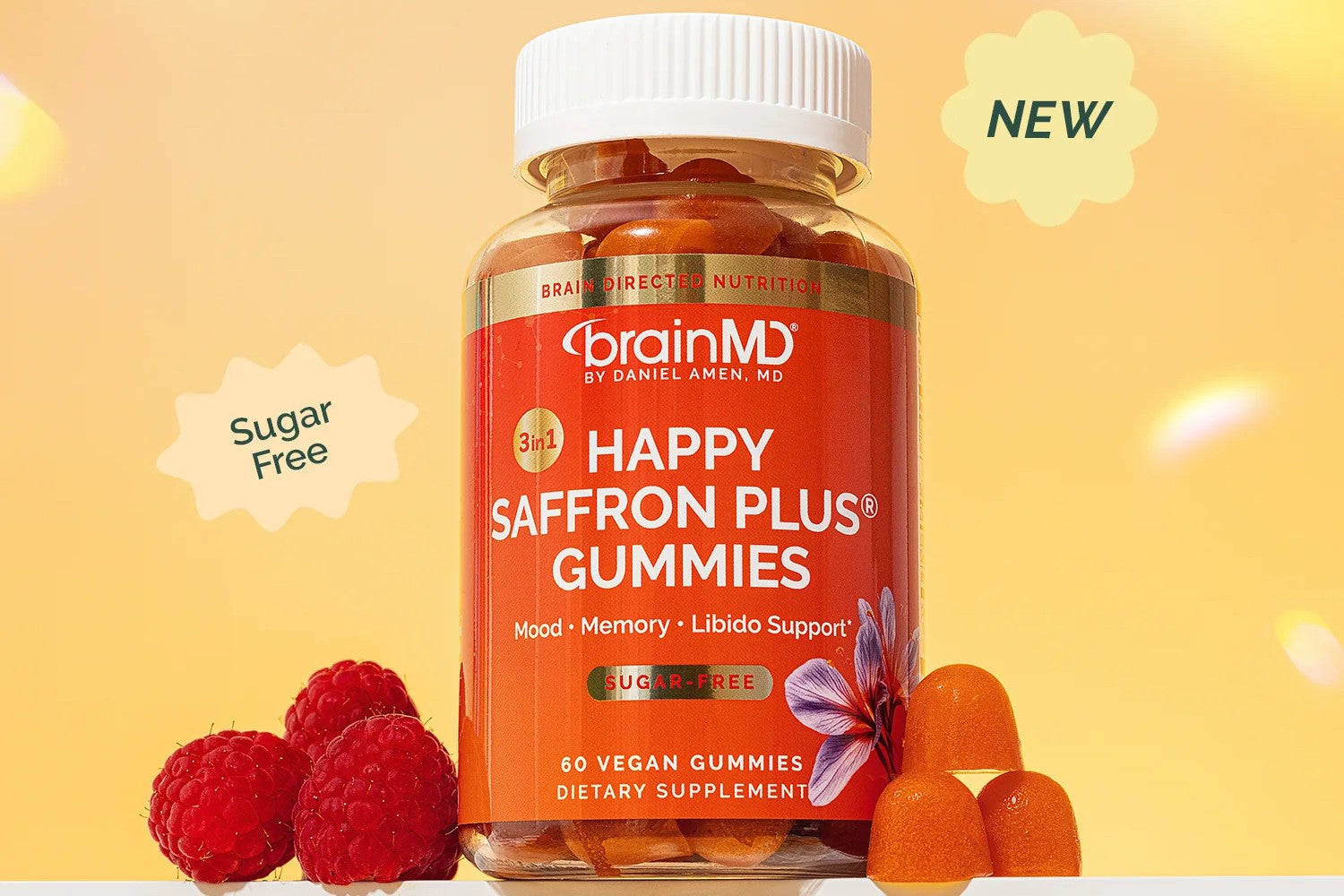
Did You Know That Saffron Can Make You Happy?
What makes you happy? Is it a place you often visit? Or chatting with a friend for hours on end? Or is it a favorite food or activity? Many things can provide happiness in our lives. Unfortunately, there are also many things that can steal our happiness. Though everyone has their ups and downs in life, some people get stuck in a rut and need help getting out. If you struggle with maintaining your focus and mood or just want to have more happiness in your life, you might consider trying BrainMD’s new mood-boosting saffron supplement, Happy Saffron Plus®, now available as capsules or gummies. BrainMD's Happy Saffron Plus® This breakthrough nutraceutical formula was scientifically designed to promote a positive mood. It brings together nutraceutical preparations of the two most traditionally revered “happiness herbals” – saffron flower extract and curcumin from the turmeric root – with zinc, a mineral essential for life and vital for positive mood. Why You Need It In the U.S., nearly 1 in 5 people endure serious mood problems¹ and at least 1 in 4 experience significant feelings of anxiousness. Happy Saffron Plus® was developed from clinical research with three nutraceuticals for brightening mood, coping with anxious feelings, and enhancing focus while under mental strain. Benefits of Happy Saffron Plus Based on the most current research, this supplement combines three potent nutraceutical ingredients to provide maximum mood support. Based on considerable clinical and other scientific research, this formula offers: Powerful support for positive mood Increased capacity for coping with anxiousness Enhanced alertness under stress What’s in Happy Saffron Plus? Here are the 3 ultra-pure, high-potency ingredients found in Happy Saffron Plus®: 1. affron® Standardized Saffron Extract. Saffron has been the happiness spice in the Middle East for at least 2600 years. Modern clinical benefits fully support the traditional reverence for saffron. affron® is a water-extracted saffron concentrate standardized for its most active constituents. This extract has performed extremely well for improving mood and anxiousness, not just in adults but in adolescents, in clinical trials at a dose of 28 mg per day. 2. Longvida® Optimized Curcumin Extract. The turmeric root parallels saffron as an Asian happiness herbal for at least 2600 years. Curcumin is the molecular complex from turmeric root that improves mood. This Longvida® ingredient features excellent absorption² of curcumin and has worked well in clinical trials at 400 mg per day or higher. 3. Zinc, as Glycinate. This mineral is essential for the functioning of at least 300 enzymes essential for our life processes, and about 2000 different human proteins in all. People with mood problems typically have low blood levels and supplementing with zinc often enhances mood. The combination of zinc with affron® saffron and Longvida® curcumin has the potential to elevate mood, perhaps even in individuals who don’t feel they have a mood problem. All three of these ingredients are documented to improve mood in controlled human clinical trials. Happy Saffron Plus® FAQ How do I take Happy Saffron Plus®? We recommend adults take 3 capsules daily between meals. Can children take this product? Children ages 4-18 years can take 1 capsule per 40 pounds body weight, a maximum of 3 capsules daily. Does this supplement contain allergens? It is free from dairy, gluten, sugar, corn, nuts, eggs, yeast, and artificial flavorings or colorings. It does contain very small levels of soy (non-GMO). Is Happy Saffron Plus® suitable for vegans? Yes. Happy Saffron Plus® is suitable for vegans, especially those seeking to improve their mood. Is it possible to get hooked on this product? As with other BrainMD products, this is a dietary supplement, not a drug. It isn’t habit-forming. I’m already taking a different BrainMD mood product. Do I need to discontinue that product before taking Happy Saffron Plus®? No. Happy Saffron Plus® can be used in conjunction with any of BrainMD’s mood supplements. Health & Happiness Happier people tend to be healthier, live longer, have better relationships, and experience more success in life. Boost your bliss with Happy Saffron Plus® or Happy Saffron Plus® Gummies. At BrainMD, we’re dedicated to providing the highest purity nutrients and standardized herbal ingredients to support your mood, focus and overall well-being. For more information about Happy Saffron Plus® and our full list of supplements, please visit us at BrainMD. *These statements have not been evaluated by the FDA. This content is for informational purposes only. It is not meant to substitute for medical or healthcare advice from a physician, nor is it intended to diagnose, treat, cure, or prevent any disease. Consult your healthcare provider before beginning a new health regimen. References: 1. National Institute of Mental Health. (n.d.). Prevalence of mental illnesses. National Institute of Mental Health. https://www.nimh.nih.gov/health/statistics/mental-illness 2. Kuszewski, J. C., Wong, R. H. X., & Howe, P. R. C. (2018). Can curcumin counteract cognitive decline? Clinical trial evidence and rationale for combining ω-3 fatty acids with curcumin. Advances in Nutrition, 9(2), 105–113. https://doi.org/10.1093/advances/nmx013
Learn more
7 Types of ADD: Know the Different Types and What Can Help
Attention Deficit Disorder (ADD)* is a common cognitive and behavioral condition that afflicts many kids and adults in our society. How Do Attention Issues Affect Kids & Adults? ADD and Kids ADD is one of the most prevalent childhood developmental problems. Also known as attention deficit hyperactivity disorder (ADHD)*, ADD is a neurodevelopmental disorder marked by pervasive problems with attention, and in many cases, impulsive and hyperactive behavior as well. These often lead to a range of behavioral issues that can cause significant challenges in school and interfere with social development and peer interactions. Though cases continue to rise, ADD remains one of the most misunderstood and incorrectly treated cognitive and behavioral conditions today. ADD and Adults In many cases, the condition doesn’t end in childhood and can fly under the radar in adults who were never diagnosed by a healthcare professional in childhood. Approximately 60% of those diagnosed with ADD in childhood¹ will continue to have issues that affect their functioning as adults. Lifelong Impact of ADD When left untreated or unmanaged, ADD can have a detrimental effect on all areas of life throughout a person’s life, such as social connections, romantic relationships, and career and academic success. Younger children with ADD can struggle with social interactions and may instigate conflicts with their peers. Research² shows that younger children diagnosed with ADD may find it difficult to regulate their emotions, especially anger, and can have greater challenges coping with frustration than their peers. Teens with ADD are at a higher risk for substance abuse and other risky behaviors, like unintended pregnancies and unsafe driving. A 2016 study³ published in JAMA Psychiatry noted that adults with ADHD may have a harder time functioning in daily life, have higher levels of anxiousness, and have a higher dependence on illicit drugs. So, now that we’ve seen how ADD can affect people of all ages, let’s look at some of the common signs of the condition. Core Symptoms of ADD Here are just a few of the core symptoms of ADD: A short attention span for regular, routine, everyday tasks (homework, chores, etc.) Distractibility Organization problems (like having a messy room, always running late, etc.) Procrastination Forgetfulness Problems with follow-through Poor impulse control (saying or doing something before thinking it through) If you think you have ADD/ADHD, the first step in addressing your concerns is to consult with a doctor. They can help determine if you meet the clinical criteria for ADD/ADHD, and offer guidance and possible treatment recommendations. The Good News About ADD Symptoms of ADD can vary from person to person and include a range of types. Using breakthrough diagnostic techniques, Dr. Daniel Amen has discovered that there are 7 distinct types of ADD. Knowing your type can reduce stigma by helping you understand how your unique brain works. What You Need to Know About the 7 Types of ADD (for Kids & Adults) These are the identifying characteristics of the 7 types of ADD: [wc_box color="inverse" text_align="left" margin_top="" margin_bottom="" class=""] Type 1 Classic ADD (ADHD) This first type of ADD is usually evident early in life. As babies, they tend to be colicky, active, and wiggly. As children, they tend to be restless, noisy, talkative, impulsive, and demanding. Their hyperactivity and conflict-driven behavior tends to get everyone’s attention. Classic ADD is often called ADHD, with an emphasis on the hyperactive behavior trait, but many of the ADD types aren’t hyperactive. Parents of these kids are often tired, overwhelmed, and even embarrassed by the behavior of their non-stop and hard-to-control children. Classic ADD tends to be more frequently seen in boys. Even as adults, those with this type of ADD tend to have a great deal of energy and a preference for physical activity rather than a sedentary lifestyle. Type 2 Inattentive ADD Inattentive ADD is the second most common type of ADD. Those suffering with this type are usually quiet, introverted, and appear to daydream a lot. They may be labeled as unmotivated, slow, or lazy. Inattentive ADD is common but is often missed because children with this type tend to have fewer behavioral problems. They don’t draw negative attention to themselves as do those with Classic ADD. Inattentive ADD is the perfect example of why the general term ADHD doesn’t fit all ADD types. If clinicians and parents only look for signs of hyperactivity, those with this type, which typically don’t have the hyperactive trait, may be left untreated and go on living life below their true potential. Type 3 Overfocused ADD To have proper focus, it’s necessary to be able to shift your attention as needed. People suffering with Overfocused ADD may have difficulty shifting their attention; they can become hyper-focused on certain things while tuning out everything else. These folks tend to get stuck or locked into negative thought patterns and behaviors. This type of ADD is often found in substance abusers as well as the children and grandchildren of alcoholics. Type 4 Temporal Lobe ADD People with this type of ADD have the hallmark features of ADD plus symptoms associated with temporal lobe problems, such as issues with learning, memory, mood instability, aggression, temper outbursts, and sometimes even violence. It’s common to see this type of ADD in people who’ve suffered a head injury. Type 5 Limbic ADD In this type, the prefrontal cortex is underactive during concentration while the deep limbic area – which sets your emotional tone, controlling how happy or sad you are – is overactive. Overactivity in the deep limbic area is often associated with low mood. Type 6 Ring of Fire ADD Ring of Fire ADD has an overall hyperactive brain activity, which is a stark contrast to the other 7 types of ADD. When seen on a SPECT scan, there’s a ring of hyperactivity around the brain, hence the term “Ring of Fire.” Those with this type tend to have difficulty “turning off” their brains and typically feel overwhelmed with thoughts and emotions. This type tends to get much worse on stimulant medications alone. Type 7 Anxious ADD With Anxious ADD, there’s low activity in the prefrontal cortex while there’s overactivity in the basal ganglia, which sets the body’s “idle speed.” The ADD symptoms in people suffering with this type tend to be magnified by their feelings of anxiousness. Treatment for people with Anxious ADD often includes both calming and stimulating the brain. [/wc_box] Note: It’s important to know that some of the symptoms of ADD/ADHD overlap with those of other mental health conditions, and, as such, the underlying cause and appropriate treatment for each type may be completely different. Get to Know Your Brain In a Whole New Way! Like many other mental health conditions, ADD isn’t just a single, simple issue, and treatment shouldn’t be a one-size-fits-all solution. Each of the 7 types of ADD requires a different treatment plan. What works for one person with ADD may not work for another – or could even make the symptoms worse! If you think you or a loved one may have ADD/ADHD, be sure to consult your healthcare practitioner or download the free Getting to Know the 7 ADD Types eBook from Amen Clinics to learn more. At BrainMD, we’re dedicated to providing the highest purity nutrients to improve your physical health and overall well-being. For more information about our full list of brain healthy supplements, please visit us at BrainMD. *These statements have not been evaluated by the FDA. This content is for informational purposes only. It is not meant to substitute for medical or healthcare advice from a physician, nor is it intended to diagnose, treat, cure, or prevent any disease. Consult your healthcare provider before beginning a new health regimen. References: 1. Harpin, V. A. (2005). The effect of ADHD on the life of an individual, their family, and community from preschool to adult life. Archives of Disease in Childhood, 90(suppl 1), i2-i7. https://doi.org/10.1136/adc.2004.059006 2. Wehmeier, P. M., Schacht, A., & Barkley, R. A. (2010). Social and emotional impairment in children and adolescents with ADHD and the impact on quality of life. Journal of Adolescent Health, 46(3), 209-217. https://doi.org/10.1016/j.jadohealth.2009.09.009 3. Agnew-Blais JC, Polanczyk GV, Danese A, Wertz J, Moffitt TE, Arseneault L. Evaluation of the Persistence, Remission, and Emergence of Attention-Deficit/Hyperactivity Disorder in Young Adulthood. JAMA Psychiatry. 2016;73(7):713–720. doi:10.1001/jamapsychiatry.2016.0465
Learn more
How to Be More Mindful of Your Brain and Put Your Mental Health First
You've probably heard the term "mindfulness." It's one of the best ways to achieve a state of calm. Mindfulness practices, such as yoga and tai chi, can help reduce anxious and depressive thoughts and increase focus and relaxation. Mindfulness also can help protect your brain and optimize brain function. As the organ responsible for everything you are and everything you do, it's always smart to be more mindful of your brain. More…brainful. If you’re looking to optimize your wellness, here are 12 natural ways to improve your health by putting your brain first… 12 Ways to Remain in a Brainful State of Mind 1. Know Your Brain Type Just as identifying your abilities, interests, and skills can help you become a more well-rounded person, knowing your Brain Type can help you better understand who you are and why you do what you do. In addition to making you more mindful of your brain, these insights can potentially impact your future career and relationships in significant ways. 2. Mindful Mentality One of the best ways to achieve a state of calm is with mindfulness. Mindfulness exercises can help reduce mood issues and increase well-being. Well-designed human studies show that daily mindfulness can help lessen stress¹ and improve overall brain health. 3. New Normal Perhaps you've recently experienced lifestyle changes that have impacted your focus, sleep, and mood. Or, maybe the unique stressors of these uncertain times have impaired your ability to cope, making you feel completely overwhelmed much of the time. You can’t stop what’s happening around the globe, but you can change what’s going on inside your brain to prevent fear from dominating your life. 4. Daily Routine An effective routine is to begin each morning by saying a positive affirmation like, “Today is going to be a great day!” Such a simple sentence can cause your brain to look for ways to fulfill that affirmative statement. It also establishes a healthy thought pattern you can continue throughout the day. 5. Self-care Basics You’ve probably heard the expression “always take care of number one.” Although that saying might not be the best advice in business, team sports, relationships, or many other areas of life, it holds a great deal of significance when it comes to your personal health. In fact, how you treat your body and brain may well determine your ability to function in an increasingly stressful world. 6. Strong Connections Social connections can significantly affect your brain, mood, and physical health.² The health habits of the people you spend time with can have a dramatic impact on your own health. It’s wise to surround yourself with people who are happy, upbeat, kind, and who challenge you to be the best version of yourself. 7. Avoid Unhealthy Foods Proper nutrition is essential to optimal brain function. Unfortunately, the standard American diet is filled with toxic foods that increase your risk for mental and physical problems, as well as issues with your focus, mood, and memory. Many of these unhealthy foods are: Highly processed Pro-inflammatory Pesticide sprayed Artificially colored and sweetened High glycemic Low fiber Laden with hormones Tainted with antibiotics In place of these harmful foods, be sure to eat a healthy diet…one that includes lean protein, high fiber, and healthy fats. Also, it’s recommended that you eat 9 servings of fruits and vegetables every day. 8. Physical Activity Physical activity is perhaps the single most important thing you can do to keep your brain healthy. Exercise can boost blood flow, deliver oxygen and other nutrients to the brain, and may increase your levels of dopamine. Walking at a brisk pace can help you clear your mind, decrease feelings of anxiousness, improve your mood, and burn some calories all at the same time. 9. Get Restful Sleep Anything that disrupts your natural sleep pattern, like excessive caffeine, alcohol, or video game playing, can have adverse effects on your ability to perform tasks at work, school, or home. Insufficient and inconsistent sleep can increase irritability, moodiness, and poor judgment. To remain at the top of your game, and to be more mindful of your brain, be sure to get 7 to 9 hours of sleep each night. 10. Memory Support One of the best ways to support your memory is to set aside some time every day for new learning. Examples: learning a new language or musical instrument, trying a new kind of dance or other complex physical activity, or taking up a new hobby like chess or painting. Researchers emphasize that the “use it or lose it” principle applies to the brain,³ so be intentional about learning new things. 11. Mood and Stress Relief Often, there’s a correlation between being stressed out and experiencing occasional anxious thoughts or bouts of low mood. Stress can negatively affect your mood and keep your brain stuck in fight-or-flight mode. Also, stress can adversely impact the way your brain and body function, so it’s important for you to implement effective coping strategies. 12. Practice Gratitude Research suggests that focusing on gratitude helps to calm the deep limbic areas and enhance the other judgment centers of your brain. People who express gratitude on a regular basis are healthier, more optimistic, make better progress toward their goals, have a greater sense of well-being, and are more helpful to others. Practicing gratitude first thing in the morning can improve your mood and promote feelings of contentment throughout the day. Be More Mindful of Your Brain Among the many benefits of practicing mindfulness is that it can help reduce stress and induce a state of calm. Also, it may increase your joy and give you a greater sense of purpose in life. Applying these practical tips can help you become more mindful of your brain. Take a few minutes and try one today! At BrainMD, we’re dedicated to providing the highest purity nutrients to improve your physical health and overall well-being. For more information about our full list of brain healthy supplements, please visit us at BrainMD. These statements have not been evaluated by the FDA. This content is for informational purposes only. It is not meant to substitute for medical or healthcare advice from a physician, nor is it intended to diagnose, treat, cure, or prevent any disease. Consult your healthcare provider before beginning a new health regimen. References: American Psychological Association. (n.d.). Mindfulness meditation: A research-proven way to reduce stress. Retrieved November 20, 2024, from https://www.apa.org/topics/mindfulness/meditation Martino, J., Pegg, J., & Frates, E. P. (2017). The connection prescription: Using the power of social interactions and the deep desire for connectedness to empower health and wellness. American Journal of Lifestyle Medicine, 11(6), 466–475. https://doi.org/10.1177/1559827615608788 Cheng, M.-F. (2017). Adult neurogenesis in injury-induced self-repair: Use it or lose it. Brain Plasticity, 2(2), 115–126. https://doi.org/10.3233/BPL-160030
Learn more