 Skip to content


Wellness Blog



How Your Brain Responds to Gratitude Practice
Some mornings, gratitude feels easy. Other mornings, it doesn't. When you're dealing with financial stress, health problems, relationship difficulties, grief, or uncertainty, being told to "just be grateful" can sound less like helpful advice and more like a dismissal. Gratitude doesn't have to mean pretending that everything is fine. It means deliberately noticing and acknowledging something you value, appreciate, or have received, even when other parts of life are difficult. Researchers have been studying gratitude for more than two decades. Randomized trials and meta-analyses suggest that gratitude practices can help improve psychological well-being and positive emotion, with some evidence for reductions in symptoms of anxiety and depression [1,2]. Neuroscience research is also beginning to reveal something intriguing: experiencing and expressing gratitude engages brain systems involved in value, social cognition, decision-making, and emotional experience [3,4]. So what actually happens in your brain when you practice gratitude? Your Brain Naturally Pays Attention to Problems Human attention isn't evenly distributed across everything happening around us. Potential threats, losses, mistakes, and emotionally significant events can capture attention quickly. From a survival standpoint, that makes sense: failing to notice a potential danger can have greater consequences than failing to notice something pleasant. The brain is sensitive to negative or threatening information. Dr. Daniel Amen has a memorable name for the thoughts that swarm in and steal your peace: ANTs: automatic negative thoughts. Left unchecked, they multiply, and they shape both your mood and your brain. Gratitude is one of the most effective ways to fight back. A gratitude practice deliberately directs attention toward something that has value to you: a person who helped you, an experience you enjoyed, an opportunity you received, or even a small moment that might otherwise have gone unnoticed. Gratitude doesn't require ignoring problems. It asks you to notice something else in addition to them. What Happens in Your Brain When You Feel Gratitude? The neuroscience of gratitude is still a relatively young field, so it's important not to overstate what brain-imaging studies can tell us. But several studies provide clues. Researchers have associated the experience of gratitude with activity in brain regions involved in value judgments, social cognition, moral cognition, and understanding other people's intentions [5]. That makes sense when you consider what gratitude requires. To feel grateful, you often have to recognize that something valuable happened, consider another person's intentions, evaluate what the experience means to you, and integrate those pieces into an emotional response. Your brain is doing much more than simply "feeling good." Can Practicing Gratitude Change the Brain? This is where the science becomes particularly interesting. One randomized study examined people who were entering psychotherapy for anxiety or depression. Some participants completed a gratitude-writing intervention in addition to psychotherapy, while a comparison group received psychotherapy without the writing intervention. Approximately three months later, participants underwent functional MRI while completing a task designed to elicit gratitude. The researchers found that participants who had completed the gratitude writing showed greater neural sensitivity to gratitude, including greater modulation in the medial prefrontal cortex [3]. Another randomized experiment assigned participants to either a gratitude-journaling condition or an active-neutral journaling condition for three weeks. Following gratitude practice, researchers observed changes in responses in the ventromedial prefrontal cortex during a task examining charitable giving [4]. These findings suggest that repeated gratitude practice may influence how particular neural systems respond during subsequent experiences involving gratitude and value. It may be an oversimplification to say gratitude “rewires” the brain, but repeated gratitude practice may influence the activity of neural systems involved in how we process value, social information, and gratitude itself [3,4]. So yes, the way your brain works is changing. It's the same principle at the heart of Dr. Amen's message: you are not stuck with the brain you have. You can change it. And gratitude is one of the simplest ways to start. What Does Gratitude Do for Psychological Well-Being? The psychological evidence for gratitude is considerably larger than the brain-imaging literature. One of the best-known early experiments came from psychologists Robert Emmons and Michael McCullough. Participants were assigned to focus on things for which they were grateful, daily hassles, or comparison material. Across three studies, the gratitude groups showed greater well-being on several measures. The most consistent finding was an improvement in positive emotions and behavior [2]. Since then, researchers have conducted dozens of randomized trials. A 2023 systematic review and meta-analysis included 64 randomized clinical trials of gratitude interventions. Overall, participants receiving gratitude interventions reported modest but notable increases in gratitude, better mental-health measures, more positive mood and emotion, and fewer symptoms of anxiety and depression [1]. More recently, a large 2025 meta-analysis covering 145 papers, 163 samples, 727 effect sizes, and more than 24,000 participants across 28 countries found that gratitude interventions produced overall improvement in well-being [7]. That's a useful way to understand gratitude. It's not a cure or a miracle. It's a mental practice that appears capable of producing meaningful psychological benefits. Gratitude Trains Attention Toward What You Value One possible reason gratitude practices are useful is remarkably straightforward: They give your attention a job. Consider the difference between asking yourself: "How was my day?" and asking: "What happened today that I genuinely appreciated?" The second question creates a more specific attentional target. Maybe it was a conversation with a friend. A beautiful morning. Something your child said. Someone holding the door. Finishing something difficult. Your dog greeting you when you came home. None of these observations requires you to deny what went wrong that day. Instead, you're intentionally noticing information that might otherwise receive less attention. With repetition, that can become a mental habit: not forced positivity, but greater awareness of experiences that have value. How to Practice Gratitude You don't need an elaborate ritual. Start with something small enough that you're likely to continue doing it. Write down a few specific things you appreciated. Instead of writing "my family," identify the particular experience: "My daughter made me laugh at dinner." Pay attention to people. Gratitude is often inherently social. Think about something another person did that you valued and why it mattered. Write a gratitude letter. Several gratitude interventions involve writing about appreciation for another person. You can send the letter, share it personally, or simply use the exercise to clarify what you appreciate. Don't force gratitude for painful experiences. You don't need to be thankful for illness, grief, trauma, or loss. You can acknowledge something difficult while also noticing something valuable elsewhere in your experience. Make it concrete. Rather than trying to manufacture a general feeling of positivity, identify something specific that actually happened. Give it time. The research on gratitude interventions generally involves repeated practice rather than a single moment of positive thinking [1,3,4]. Most importantly, don't turn gratitude into another reason to criticize yourself. The goal isn't to feel grateful every minute. The goal is to become better at noticing when there is genuinely something to appreciate. Gratitude Is One Part of Brain Health Gratitude can be a useful mental-health practice, but it isn't a substitute for taking care of the brain and body. Sleep, physical activity, nutrition, cardiovascular and metabolic health, relationships, substance use, stress exposure, and appropriate treatment of medical and psychiatric conditions can all influence how you think and feel. If someone is experiencing major depression, an anxiety disorder, trauma, or another mental-health condition, a gratitude journal shouldn't be presented as an alternative to evidence-based treatment. It can be one tool among many. That distinction matters because gratitude is most useful when it expands your perspective; not when it asks you to deny your experience. Support on Your Gratitude Journey There are numerous options when it comes to guidance for starting a gratitude practice. Maybe it feels personal and something you want to explore independently. But, if you are looking for a community-based program where you can endeavor to change not only your outlook, but all aspects of a healthier life, you may be interested in learning more about the Amen WHOLE-4 program. Discover the Amen WHOLE-4 and start your whole-person journey today. References Diniz G, et al. The effects of gratitude interventions: a systematic review and meta-analysis. Einstein (São Paulo). 2023;21:eRW0371. doi:10.31744/einstein_journal/2023RW0371. Emmons RA, McCullough ME. Counting blessings versus burdens: an experimental investigation of gratitude and subjective well-being in daily life. Journal of Personality and Social Psychology. 2003;84(2):377–389. doi:10.1037/0022-3514.84.2.377. Kini P, Wong J, McInnis S, Gabana N, Brown JW. The effects of gratitude expression on neural activity. NeuroImage. 2016;128:1–10. doi:10.1016/j.neuroimage.2015.12.040. Karns CM, Moore WE III, Mayr U. The Cultivation of Pure Altruism via Gratitude: A Functional MRI Study of Change with Gratitude Practice. Frontiers in Human Neuroscience. 2017;11:599. doi:10.3389/fnhum.2017.00599. Fox GR, Kaplan J, Damasio H, Damasio A. Neural correlates of gratitude. Frontiers in Psychology. 2015;6:1491. doi:10.3389/fpsyg.2015.01491. Davis DE, et al. Thankful for the little things: A meta-analysis of gratitude interventions. Journal of Counseling Psychology. 2016;63(1):20–31. Choi, H., Cha, Y., McCullough, M. E., Coles, N. A., & Oishi, S. (2025). A meta-analysis of the effectiveness of gratitude interventions on well-being across cultures. Proceedings of the National Academy of Sciences, 122(28), e2425193122. Disclaimer: This article is for educational purposes only and is not intended as medical advice, diagnosis, or treatment. Always consult your healthcare provider before beginning any new treatment or therapy, especially if you have a medical condition, are pregnant, or have recently undergone surgery. Never delay or disregard professional medical advice because of something you have read in this article.
Learn more
What's Happening in Your Brain When You Pray or Meditate?
Your body may be sitting still, but your brain rarely is. At any given moment, it may be planning tomorrow, replaying yesterday, monitoring the environment, anticipating problems, or jumping between competing demands. When stress enters the picture, those patterns can become even harder to disengage from. For thousands of years, people across cultures have used practices such as prayer and meditation to become still, direct attention, reflect, cope with uncertainty, or connect with something meaningful. Today, neuroscience is beginning to investigate what happens during these experiences. Using tools such as functional MRI (fMRI), electroencephalography (EEG), SPECT, and physiological measurements, researchers have found that prayer and meditation can involve brain systems related to attention, self-reflection, emotional processing, stress regulation, and social cognition [1,3]. There are important differences between the practices, however, and the evidence should be considered separately. So what is actually happening in your brain when you pray or meditate? First, What Stress Does to the Brain To understand why contemplative practices have attracted so much scientific interest, it helps to understand the brain under stress. When your brain detects a potential threat, a coordinated biological response begins. The amygdala, hypothalamus, autonomic nervous system, and hormonal stress systems all play roles in preparing the body to respond. Heart rate can rise. Attention narrows. Muscles tense. Stress hormones such as cortisol and catecholamines may increase. That's useful when a threat requires immediate action, but less useful when the "threat" is an overflowing inbox, financial uncertainty, relationship conflict, or a minor problem you start to spiral on at 3 a.m. Chronic stress is associated with changes in systems involved in memory, attention, mood, and executive function [7]. During periods of intense stress, it can also become more difficult to engage the prefrontal brain systems that help with impulse control, planning, and thoughtful decision-making [8]. Practices that can interrupt persistent stress and deliberately redirect attention may give these systems an opportunity to operate differently. Your Brain Is Designed to Adapt One of the most important principles in modern neuroscience is neuroplasticity: the brain's ability to adapt in response to experience. Every time you learn something, practice a skill, form a habit, or repeatedly direct your attention in a particular way, neural circuits are being used and may change with repeated experience. That doesn't mean every thought permanently "rewires" your brain. Neuroplasticity is more complex than that. But it does mean that the brain is dynamic, not fixed. This is why researchers have become so interested in contemplative practices. Meditation and prayer are not simply abstract mental events. They involve patterns of attention, thought, emotion, and, in some cases, social or relational processing [1,3]. What Happens in Your Brain When You Meditate? Meditation is less specific than prayer. Mindfulness meditation, focused-attention meditation, loving-kindness meditation, mantra meditation, and other practices ask the brain to do somewhat different things [1]. Mindfulness is among the most extensively researched. In a basic mindfulness exercise, you might direct attention toward your breathing. Eventually your attention wanders. You allow yourself to notice it. Then you bring your attention back. That seemingly insignificant moment is important. You're asking your brain to monitor attention, recognize distraction, disengage from it, and redirect attention toward a chosen target. Training Attention Neuroimaging research on meditation frequently highlights areas involved in attention and cognitive control, including portions of the prefrontal cortex and anterior cingulate cortex [1]. These regions are known to participate in maintaining attention, detecting competing information, regulating behavior, and shifting cognitive focus. In other words, meditation repeatedly exercises the process of noticing where your mind has gone and deciding where you want it to go next. Changing the Relationship With Wandering Thoughts Researchers have also studied meditation's relationship with the default mode network, or DMN [1]. This network participates in internally focused processes including autobiographical thinking, imagining the future, thinking about ourselves, and mind-wandering. Mind-wandering itself isn't bad. It's an essential human ability. The problem comes when internally generated thoughts become repetitive or difficult to disengage from. Meditation research suggests that practice may alter activity and connectivity among the default mode network and brain networks responsible for attention and cognitive control [1]. Rather than "turning off" thought, meditation may help people become more aware of their thoughts, without automatically following every one of them. Emotional Regulation and Stress The amygdala is another area researchers have examined. Some studies have found changes in amygdala activity, reactivity, or connectivity associated with mindfulness training. These findings are consistent with research suggesting mindfulness can influence perceived stress and emotional regulation [1]. Researchers have even reported structural changes following meditation training. In one randomized study of young adults who were new to meditation, approximately 10 hours of integrative body-mind training was associated with increased gray-matter volume in a portion of the posterior cingulate cortex compared with relaxation training [2]. These findings are intriguing, but they shouldn't be exaggerated. Study sizes, meditation techniques, training duration, and imaging methods vary considerably [1,2]. The bigger picture is more useful: Meditation repeatedly engages brain systems involved in directing attention, monitoring internal experience, and regulating responses to thoughts and emotions [1]. What Happens in Your Brain When You Pray? Like meditation, prayer cannot be simplified as one mental activity. Prayer can involve spoken or silent language, repetition, gratitude, petition, confession, contemplation, surrender, reflection, or a sense of communication with a divine being.3 Because these experiences differ, scientists should not expect all prayer to produce a single pattern of brain activity. One especially interesting area of research concerns social cognition [3]. Prayer as a Relational Experience Some forms of personal prayer involve thinking about and communicating with a perceived divine presence. That introduces cognitive processes that can include relationship, trust, perspective-taking, attachment, and thinking about another mind [3]. Neuroimaging research has therefore examined whether prayer engages brain systems that are also involved when people think about other individuals and relationships. A 2025 systematic review examining Christian prayer and attachment reported convergence involving regions associated with the DMN and theory-of-mind processing [3]. Theory of mind refers to our capacity to recognize, and to some degree empathize, with the thoughts, intentions, feelings, and perspectives of others. This raises an interesting scientific possibility: for a person who believes they are communicating with a divine being, certain forms of prayer may recruit some of the social-cognitive systems involved in representing meaningful relationships [3]. The research should not be generalized too broadly. The 2025 systematic review specifically examined Christian prayer, and the authors identified limitations in the existing literature [3]. Prayer practices vary considerably across religions, cultures, and individuals. Prayer, Emotion, and Coping Prayer can incorporate several psychological processes known to influence emotional experience. A prayer of gratitude directs attention toward something valued. A prayer for help may involve identifying a problem and expressing distress. Contemplative prayer may involve sustained attention and quiet reflection. A prayer centered on surrender may change how a person thinks about an uncontrollable situation. Researchers studying religion, spirituality, and health have reported associations with outcomes including well-being, hope, optimism, depression, anxiety, and coping [4]. But that finding requires an important qualification: These effects may not be from prayer alone. Community, relationships, beliefs, health behaviors, meaning, social support, and other variables may contribute to the associations observed in this research [4]. The more precise scientific conclusion is that prayer is a complex cognitive and emotional behavior capable of engaging measurable brain processes, and the neural activity likely depends on the type of prayer and what that prayer means to the individual [3]. What Prayer and Meditation Can Have in Common Although prayer and meditation are distinct practices, they can share certain mental processes. Depending on the specific practice, both can involve sustained attention, reduced external distraction, repetition, self-reflection, emotional processing, and shifts in attention [1,3]. This overlap helps explain why researchers sometimes discuss them within the broader category of contemplative practices. But the important scientific question isn't whether prayer and meditation are "the same." It's: What is the brain being asked to do during this particular practice? Focused-attention meditation asks the brain to repeatedly notice and redirect attention [1]. Mindfulness asks a person to observe present-moment experience with less automatic judgment or reaction [1]. Conversational prayer may involve language, social cognition, and relational processing [3]. Contemplative prayer may involve sustained attention and reduced external distraction [3]. Gratitude practice incorporates still another set of processes related to gratitude and valuation [5,6]. The contents of the practice matter. The Gratitude Connection Gratitude provides another interesting example because it can occur during prayer, during meditation, or completely independently of either. Brain-imaging studies have associated gratitude with activity in areas of the medial and ventromedial prefrontal cortex, regions involved in processes such as valuation, decision-making, and social cognition [5,6]. In one study involving people entering psychotherapy, participants who completed a gratitude-writing intervention subsequently showed greater neural sensitivity to gratitude in the medial prefrontal cortex approximately three months later [5]. Another randomized study found that three weeks of gratitude journaling was associated with changes in neural responses involving the ventromedial prefrontal cortex during a task examining charitable giving [6]. These findings don't mean gratitude simply "turns on the prefrontal cortex" or "turns off the amygdala." The brain doesn't work through such simple on/off switches. Instead, these studies suggest that gratitude involves neural systems related to valuation and social cognition and that repeated gratitude practice may influence how those systems respond [5,6]. The Brain You Bring to the Practice Matters There is another important piece of this conversation that can easily be overlooked. Prayer and meditation happen inside a biological organ. Your ability to sustain attention, regulate emotion, and manage stress is influenced by the health of your brain [8]. That's why prayer or meditation should be considered one part of a broader brain-health strategy, rather than a substitute for appropriate medical or mental-health care. Try It: Pay Attention to What Your Brain Is Practicing You don't need sophisticated brain imaging to begin observing some of these processes yourself. During meditation, notice the moment your attention wanders. Then deliberately return it to your chosen focus. Instead of becoming frustrated that your mind wandered, recognize that redirecting attention is part of the practice [1]. If you pray, notice the mental processes involved. Are you expressing gratitude? Recalling another person? Asking for guidance? Reflecting on something difficult? Experiencing connection? Sitting quietly? Repeating familiar words? Those are meaningfully different cognitive activities. You can also practice gratitude independently by regularly identifying specific people, experiences, or events that you value. Rather than searching for a particular feeling, pay attention to what you are repeatedly asking your brain to practice. What's Happening in Your Brain When You Pray or Meditate? Neuroscience is beginning to provide an intriguing answer. When you meditate, you're not simply "doing nothing." Your brain may be practicing attention, monitoring internal experience, recognizing distraction, and regulating your response to thoughts and emotions [1]. When you pray, your brain is also active. Depending on the form of prayer, it may engage systems involved in attention, self-reflection, social cognition, emotion, and perceived relationship [3]. Some of those processes overlap, some do not [1,3]. The brain is an adaptive organ, and repeated mental practices can influence the neural systems we use [1,2]. We no longer have to think of stillness, meditation, or prayer as experiences occurring separately from biology. They are experiences in which the brain actively participates. And understanding that biology gives us a fascinating new window into one of the oldest human behaviors: deliberately becoming quiet, directing our attention, and changing what we do with our thoughts. If you have a specific interest in how brain science and prayer overlap, you may be interested in learning more about the Amen WHOLE-4 program from Dr. Daniel Amen, offered through Amen University. You can explore the vision behind it in Where Brain Science Meets Scripture: Inside Amen WHOLE-4 and Find a New Path to Whole-Person Healing with Amen WHOLE-4. References Calderone A, et al. Neurobiological Changes Induced by Mindfulness and Meditation: A Systematic Review. Biomedicines. 2024;12(11):2613. Tang R, Friston KJ, Tang YY. Brief Mindfulness Meditation Induces Gray Matter Changes in a Brain Hub. Neural Plasticity. 2020;2020:8830005. Haverkamp E, et al. The convergent neuroscience of Christian prayer and attachment relationships in the context of mental health: a systematic review. Frontiers in Psychology. 2025;16:1569514. Koenig HG. Religion, Spirituality, and Health: The Research and Clinical Implications. ISRN Psychiatry. 2012;2012:278730. Brown J, et al. The effects of gratitude expression on neural activity. NeuroImage. 2016;128:1–10. Karns CM, et al. The Cultivation of Pure Altruism via Gratitude: A Functional MRI Study of Change with Gratitude Practice. Frontiers in Human Neuroscience. 2017;11:599. McKlveen JM, Myers B, Herman JP. “The Medial Prefrontal Cortex: Coordinator of Autonomic, Neuroendocrine, and Behavioral Responses to Stress.” Journal of Neuroendocrinology. 2015. Arnsten AFT. “Stress signalling pathways that impair prefrontal cortex structure and function.” Nature Reviews Neuroscience. 2009;10:410–422. Disclaimer: This article is for educational purposes only and is not intended as medical advice, diagnosis, or treatment. Always consult your healthcare provider before beginning any new treatment or therapy, especially if you have a medical condition, are pregnant, or have recently undergone surgery. Never delay or disregard professional medical advice because of something you have read in this article.
Learn more
When Stress Shows Up In Your Body
Stress begins in the brain. Or at least, that's what conventional wisdom says. And maybe it does. Begin there, that is. Too much thinking. Too much worrying. Too many thoughts racing around in too little space. But the notion that stress is "all in your mind" is long past its expiration date and is in dire need of a serious upgrade. For example: Sometimes stress shows up in your shoulders. Your stomach. Your jaw. Your restless feet. Your inability to relax even when you are bone tired. That’s because stress is not just a thought. It’s a whole-body experience. And sometimes the most useful support is not something that knocks you out. It’s something that helps your body get the message that it is safe to stand down. Quick Answer Relaxing Lavender + L-Theanine combines two well-studied ingredients to support a calmer nervous system without leaving you sleepy, foggy, or checked out. It was designed for the moments when your body needs to unwind, but your brain still needs to function. At a Glance Stress can be physical as well as mental. Feeling tense, restless, overstimulated, or “wired but tired” may be signs that your nervous system needs a little help shifting gears. L-Theanine supports relaxed brain activity while helping preserve alertness and focus.2,3 Oral lavender has been studied for relaxation, stress support, and sleep quality.4–6 Relaxing Lavender + L-Theanine is designed for calm during the day and easier unwinding at night—not as a sedative or a conventional sleep aid. Why Stress Can Feel So Physical Your mind and body are not running separate stress programs. When your brain decides that something requires your attention, it sends signals throughout the body. Whether that is a genuine emergency, a packed calendar, a difficult conversation, or simply too much stimulation, your nervous system prepares you to respond. When your stress response kicks in, you may notice: Muscles tighten Breathing gets shallower Your stomach may feel unsettled You become more alert, more reactive, and less able to simply be still. That response is useful when you need to slam on the brakes, avoid a falling object, or get yourself out of danger. It is less useful when it stays switched on long after the danger has passed. And that is the problem for many of us. We are not necessarily having a crisis. We are just spending too much of the day physically braced for one. That is why a calmer nervous system can make such a difference. Not because it makes life’s demands disappear. Because it can help your body stop treating every demand as an emergency. Calm Doesn’t Have to Mean Checked Out For a lot of people, this is the catch. They would love to feel less tense, less reactive, and less as if their internal alarm system has been going off all day. But they do not want to feel drugged. They have work to do. Conversations to have. Decisions to make. Kids to pick up. A life to participate in. They don’t want to trade stress for sleepiness. That’s one reason L-theanine has attracted so much interest. How L-Theanine Supports Relaxation Without Sedation L-Theanine is an amino acid found naturally in green tea. It has been studied for its ability to support a relaxed state while helping maintain alertness and mental clarity. In other words, it is not about shutting your brain down. It is about helping it stop acting as if every email, traffic jam, and minor inconvenience is a five-alarm emergency.1,2 Researchers have also looked at L-theanine’s effects on alpha brain waves—patterns of brain activity associated with a relaxed but awake state. In one human study, a 200 mg dose increased alpha-wave activity within about 40 to 60 minutes.3 That is a very different goal from sedation. Sedation says, “Let’s turn the lights down.” Relaxation says, “Let’s turn the volume down.” One makes it harder to show up. The other may make it easier. And that distinction matters, especially for people whose stress tends to show up in the body first: tight muscles, restlessness, overstimulation, and difficulty winding down after a long day. Why Add Lavender? Most of us know lavender as a scent. A candle. A bath product. A sachet your grandmother kept in a drawer somewhere. But lavender is more than a pleasant smell. Oral lavender oil—particularly oil from Lavandula angustifolia—has been studied for its ability to support relaxation, a healthy stress response, and sleep quality.4–6 That does not mean lavender is a sleeping pill. In fact, one of the things that makes oral lavender interesting is that it may support calm without simply flattening you. The goal is not to make you feel dull or disconnected. The goal is to help your nervous system move out of that wound-up, over-alert state that makes everything feel harder than it needs to. Why Combine Lavender and L-Theanine? Relaxing Lavender + L-Theanine pairs 200 mg of L-theanine with French lavender oil in a once-daily capsule. Think of it as a two-part approach. L-Theanine helps support that relaxed-but-alert state. Lavender helps support the body’s ability to settle. Together, they are meant for the person who wants to exhale—but not disappear. The Same System That Keeps You On During the Day Can Keep You Up at Night Stress does not always respect business hours. During the day, it may make you feel tense, impatient, scattered, or physically unable to settle into what you’re doing. At night, it may look different—but feel strangely familiar. You finally have a chance to rest. The day is over. Nothing urgent is happening. And yet your body has not gotten the memo. Your mind may not even be racing. But you still feel a little activated. A little restless. A little too awake for someone who was dragging themselves through the afternoon. That’s the “wired but tired” experience. It is not a formal diagnosis. It is simply a phrase people use when exhaustion and activation somehow manage to coexist. And it makes sense. The nervous system does not have an on/off switch. It is constantly adjusting to the demands being placed on it. When stress has kept the system on high alert for much of the day, transitioning into rest may take more than turning off the television and hoping for the best. That is where a formula like Relaxing Lavender + L-Theanine may fit. Supporting Relaxation During the Day and at Night During the day, it is meant to support a calmer, more grounded state without interfering with focus or alertness. At night, that same support for relaxation may help make the transition into rest feel easier. Not because it forces sleep. Because it may help you become less physiologically prepared for battle at 11:30 p.m. Research on L-theanine and lavender also suggests that consistent use may support sleep quality over time—particularly when stress and difficulty unwinding are part of the problem.2,5,6 This Is Not Really a Sleep Supplement That may sound like an odd thing to say when we have just been talking about sleep. But it is important. Relaxing Lavender + L-Theanine is not designed to knock you out at bedtime. It is not a heavy-duty sleep formula, and it is not intended to replace the basics that make sleep possible: a reasonably consistent schedule, darkness, a cool room, and not treating your phone like it is a life-support device. Its real job is more fundamental. It supports relaxation. And relaxation happens to be useful at night. For some people, that may mean taking it when they feel tense or overstimulated during the day. For others, it may mean taking it in the evening, when they know they have a tendency to carry the day straight into bed with them. Either way, the point is the same: Calm the body. Keep the mind clear. And give your nervous system a better chance to do what it already knows how to do. What Kind of Stress Are You Dealing With? Not all stress feels the same. Sometimes it is mostly mental. Your thoughts are racing. You are replaying a conversation from three days ago. You are imagining fourteen possible future disasters, thirteen of which will never happen. That is one kind of stress. But sometimes the story is less about thoughts and more about your body. You feel wound up. Your shoulders are tight. You’re fidgety. You feel overstimulated by ordinary things. You can’t quite come down from the day, even when there is no particular thought you need to solve. That is the lane Relaxing Lavender + L-Theanine was designed for. Calm My Brain vs. Relaxing Lavender + L-Theanine BrainMD’s Calm My Brain is intended more for acute mental stress—racing thoughts, anxious mental chatter, and the feeling that your brain has too many browser tabs open. Relaxing Lavender + L-Theanine is aimed more at the body’s stress response: tension, restlessness, overstimulation, and difficulty unwinding. Of course, real life is not always that tidy. Sometimes the body is tense because the mind is racing. Sometimes the mind races because the body has been braced for impact all day. But it can still be helpful to ask a simple question: Is my stress mostly living in my thoughts—or mostly living in my body? If it is the second one, this formula may be worth considering. Calm My Brain Relaxing Lavender + L-Theanine Stress tends to feel Mental Physical Think Racing thoughts, mental chatter Tension, restlessness, overstimulation Primary focus Acute mental stress Relaxation without feeling sleepy What Should You Expect? The first thing to understand is that relaxation and sleep are not the same thing. How Quickly Does L-Theanine Work? You may notice a sense of feeling less tense, less physically “on edge,” or more able to settle within the first hour after taking it. Research on L-theanine suggests relaxation-supporting effects may begin within about 30 to 60 minutes.3 But that does not mean every benefit appears on a stopwatch. Stress resilience, nighttime relaxation, and sleep quality are usually more like fitness than like flipping a switch. Your nervous system responds to what you do consistently. For that reason, Relaxing Lavender + L-Theanine can be used as part of a daily routine—especially if you know that tension, overstimulation, or trouble unwinding are recurring parts of your life. How to Take Relaxing Lavender + L-Theanine One capsule provides 200 mg of L-theanine and 40 mg of Pharmako CPO® French lavender oil powder. BrainMD recommends taking one capsule daily, ideally on an empty stomach. You can take it during the day when you want calm without sacrificing clarity. Or you can take it in the evening when you are ready to begin letting the day go. The timing matters less than the purpose. You are not trying to check out. You are just trying to feel like yourself again. __________________________________________________ Frequently Asked Questions Will Relaxing Lavender + L-Theanine make me sleepy? It is designed to promote relaxation without making you feel sedated, foggy, or mentally checked out. L-Theanine has been studied for supporting a relaxed-but-alert state, which is why this formula can be used during the day when you still want to stay focused and present.2,3 Can I take it during the day or at night? Either. During the day, it may be helpful when stress is showing up as tension, restlessness, or overstimulation. At night, it may support a more relaxed transition into rest—especially if you tend to carry the day’s stress into bed with you. How fast does it work? Some people may notice a more relaxed feeling within the first hour. Research on L-theanine suggests relaxation-supporting effects can begin in about 30 to 60 minutes.3 Other benefits, including support for nighttime relaxation and sleep quality, may build with consistent use over time. Is it habit-forming? No. Relaxing Lavender + L-Theanine is a dietary supplement, not a sedative medication, and it is not considered habit-forming. Can I take it every day? Yes. One capsule daily can be used as part of an ongoing routine for nervous-system support, or when you know you are heading into a particularly stressful stretch. Can I take it with medications? If you take prescription medication, have a medical condition, or are under a healthcare professional’s care, check with your clinician before adding any new supplement to your routine. The same goes for anyone who is pregnant or breastfeeding. The Bottom Line You do not have to be in crisis to want to feel calmer. You do not have to be having a panic attack to notice that your body is holding too much tension. And you do not have to choose between feeling relaxed and being able to function. Sometimes the most useful kind of support is not the kind that makes you sleepy. It is the kind that helps you unclench your jaw, drop your shoulders, take a fuller breath, and move through your day without feeling as if your nervous system is one bad email away from sounding the alarm. That is what Relaxing Lavender + L-Theanine was designed to support: Calm for your body. Clarity for your mind. ___________________________________________________________ References Kimura K, Ozeki M, Juneja LR, Ohira H. L-Theanine reduces psychological and physiological stress responses. Biological Psychology. 2007;74(1):39–45. doi:10.1016/j.biopsycho.2006.06.006 Hidese S, Ogawa S, Ota M, et al. Effects of L-Theanine administration on stress-related symptoms and cognitive functions in healthy adults: A randomized controlled trial. Nutrients. 2019;11(10):2362. doi:10.3390/nu11102362 Kobayashi K, Nagato Y, Aoi N, Juneja LR, Kim M, Yamamoto T, Sugimoto S. Effects of L-Theanine on the release of α-brain waves in human volunteers. Nippon Nōgeikagaku Kaishi. 1998;72(2):153–157. doi:10.1271/nogeikagaku1924.72.153 Donelli D, Antonelli M, Bellinazzi C, Gensini GF, Firenzuoli F. Effects of lavender on anxiety: A systematic review and meta-analysis. Phytomedicine. 2019;65:153099. doi:10.1016/j.phymed.2019.153099 Chen TY, Hiyama A, Muramatsu M, Hinotsu A. The effect of lavender on sleep quality in individuals without insomnia: A systematic review. Holistic Nursing Practice. 2022;36(4):223–231. doi:10.1097/HNP.0000000000000528 Müller WE, Sillani G, Schuwald A, Friedland K. Pharmacological basis of the anxiolytic and antidepressant properties of Silexan®, an essential oil from the flowers of lavender. Neurochemistry International. 2021;143:104899. doi:10.1016/j.neuint.2020.104899 These statements have not been evaluated by the Food and Drug Administration. This article is for educational purposes and is not a substitute for medical advice. Talk with your healthcare professional before beginning any new supplement, especially if you are pregnant, breastfeeding, taking medication, or managing a health condition.
Learn more
Lavender Benefits: What Science Says About Lavender Oil, Stress, Mood, and Sleep
Lavender may do more than smell relaxing! Explore lavender benefits for mood, sleep, and stress, plus what science says about oral lavender oil.
Learn more
Creatine for Women: Brain Health, Energy, and Aging Support
For years, when I heard the word “creatine”, I thought about bodybuilders, men trying to bulk up, and professional athletes. Normal women trying to stay fit and healthy? Not so much. But more recent creatine research has seriously shifted my perspective, especially when you start looking at what it may do above the neck. Your brain is an energy hog. Even though it makes up only ~2% of your body weight, it consumes roughly 20% of the body's energy. And, just like your muscles, your brain needs a constant supply of cellular energy to think, remember, focus, regulate your mood, and respond to all the surprises life throws your way, daily. That’s where creatine comes in. Science is finally shining a brighter light on the importance of creatine for women. Yes, it supports exercise performance and muscle strength, but creatine also offers benefits to brain energy, cognition, mood, sleep, and healthy aging [1,2]. As a nurse, health coach, and someone who has spent years teaching women how to make better choices for their brains and bodies, that gets my attention. Here’s what I think women should know: What Is Creatine? Creatine is not a steroid (just to get that out of the way). Creatine is a naturally occurring compound made primarily from the amino acids arginine, glycine, and methionine. You can supplement it, but your body also makes some creatine internally from the amino acids you consume, and you can also get whole creatine from food, particularly meat and fish. Most of the creatine in your body is stored in skeletal muscle, but your brain also contains creatine. Why? Energy. Your cells run on a molecule called adenosine triphosphate, or ATP. Think of ATP as your body's cellular energy currency. Every thought you have, every muscle you move, and every task your brain performs requires energy. But, your cells can't store unlimited ATP. Creatine helps your body regenerate ATP quickly, through what's known as the creatine-phosphocreatine system. To simplify, phosphocreatine acts like an emergency energy reserve that helps your cells recharge ATP when demand increases [3,2]. And our brains can be incredibly demanding. Why Creatine for Women Is Especially Interesting Male and female physiologies are different, so certain nutrients work differently when we consume them. Unfortunately, women are historically underrepresented in nutritional research, and especially in sports nutrition. Creatine is no exception [1]. Because of this, I was pleasantly surprised to read a scientific review published in Nutrients that reported important sex-related differences in creatine metabolism and suggested that hormonal changes throughout a woman's life may influence creatine metabolism and the creatine-phosphocreatine system [1]. Creatine supplementation deserves particular attention during hormonally dynamic periods such as menstruation, pregnancy, postpartum, and menopause [1,7]. Something fascinating that’s come from this new research: evidence suggests creatine may support a more favorable energetic environment in the female brain [1]. That doesn't mean all women need to take creatine. It does mean we need to stop assuming that studies conducted on men’s bodies and brains can be applied to all women. We’re different! Creatine and the Brain When Daniel and I talk about brain health, one of the messages we repeat constantly is: When your brain works right, you work right. Your ability to remember where you left your phone, concentrate during a meeting, control your impulses, manage stress, and stay emotionally balanced all depend on healthy brain function. Healthy brain function requires adequate energy. Creatine appears to act as an energy buffer in the brain, helping maintain ATP availability when energy demand increases [2,3]. Researchers have therefore become interested in whether increasing creatine availability might help the brain perform better; particularly when it is under greater metabolic stress [2,3]. “Greater metabolic stress” could include aging, sleep deprivation, or other circumstances (outside the gym) in which brain energy demands are harder to meet [3]. Creatine, Brain Fog, and Menopause If you've gone through perimenopause, you may know exactly what "brain fog" feels like. You walk into the kitchen and forget why you're there. A word you've used a million times suddenly disappears. You're staring at an email you've read three times and wondering why your brain refuses to cooperate. Hormonal changes during perimenopause and menopause can coincide with changes in sleep, mood, metabolism, and cognitive function. Researchers are now investigating whether brain energy metabolism (yes, including creatine) could be part of this picture [7,6]. A fascinating exploratory study published in 2026 examined brain creatine concentrations in 12 healthy perimenopausal women who were experiencing symptoms such as irregular menstrual cycles and neurocognitive complaints [7]. Using magnetic resonance spectroscopy, researchers measured creatine in multiple regions of the brain. They found associations between brain creatine concentrations and certain cognitive complaints [7]. Twelve women is a very small study. It doesn't prove that low brain creatine causes menopausal brain fog, nor does it prove that taking creatine will fix it. But, it does raise an important question. What happens if we improve creatine availability in the female brain? Researchers have started testing that too. Putting Creatine to the Test Another clinical trial studied 36 healthy perimenopausal and menopausal women with an average age of about 50 [5]. Participants received one of several low-dose creatine formulations or a placebo for 8 weeks [5]. One of the creatine groups showed an increase in frontal brain creatine, compared with the placebo group. And, that group also performed better than the placebo group on a measure of reaction time [5]. Researchers weren't just asking women whether they felt sharper. They asked the question while measuring the actual creatine levels inside the brain [5]. Again, this was a very small study using specific forms and doses of creatine, so I’m not suggesting we extrapolate those findings to every creatine supplement on the market. But again, it does provide more evidence that the relationship between creatine, menopause, and the female brain deserves more investigative attention. Could Creatine Help When You're Sleep-Deprived? This may be particularly relevant for women because let's face it: there are seasons of life when getting enough sleep can feel impossible. New baby Parenting teenagers Work deadlines Perimenopause Caring for aging parents The surprise 3 a.m. hormonal panic when your brain decides to review every embarrassing thing you've said since high school Your brain has a harder time performing when it's exhausted. Research on creatine and brain health suggests its cognitive effects may become especially relevant when the brain is metabolically stressed, including during sleep deprivation [3,2]. This makes biological sense. When the brain's energy demands are high, having a larger energy reserve may matter more [3]. Please don't interpret this as permission to trade creatine for sleep. Nothing replaces sleep. Creatine is a supplement, not a substitute for any of the daily habits that protect your brain health. But, it may help when you’re struggling. What About Mood? This is another area of early scientific exploration. Research reviews have identified potential relationships between creatine supplementation, brain energy metabolism, and mood [1,6]. That's particularly interesting for women, because hormonal fluctuations can influence both mood and brain energy metabolism [1]. If you're struggling with a chronically low mood, significant anxiousness, or a mental health condition, creatine alone is probably not the solution (or any other supplement, for that matter). This is a job for a qualified healthcare professional who can work through the whole picture with you. Brain health is never about just one thing. Creatine for Women Over 40 I think this is where the conversation needs to include, but expand beyond, creatine. After 40, and especially around menopause, women need to become more intentional about protecting both their brains and their bodies. Muscle matters to your brain Blood sugar matters to your brain Sleep matters to your brain Exercise matters to your brain Hormones matter to your brain Metabolic health matters to your brain Creatine is one tool that may have the interesting advantage of supporting two tissues we desperately want to protect as we age: muscle and brain. Creatine's benefits for muscular performance are much better established than its cognitive benefits [1,4]. Research also suggests it may be particularly useful for postmenopausal women when paired with resistance training [1]. That's why I wouldn't think about creatine as something you take instead of exercising. Think of it as something that may help support a comprehensive healthy-aging program that already includes strength training, movement, nutritious food, good sleep, stress management, and continuous learning. What Foods Contain Creatine? You naturally consume creatine when you eat animal products, especially: Beef Pork Salmon Tuna Herring Other fish and seafood Plant foods contain little to no creatine, which is one reason vegetarians and vegans generally consume much less dietary creatine. Your body can manufacture some creatine on its own, but dietary intake contributes to your overall creatine availability. This is another example of why I prefer to start with food. Eat high-quality, lean protein. Eat plenty of colorful, organic vegetables. Avoid ultra-processed food whenever possible. Keep your blood sugar healthy. Once your balanced diet is in place, then ask whether targeted supplementation makes sense for you. How Much Creatine Should Women Take? Most of the extensive research on creatine supplementation has used creatine monohydrate, and common maintenance protocols use approximately 3-5 grams per day [1,4]. Some athletic protocols begin with a much larger "loading phase," but that doesn't mean every woman needs one, particularly if your primary interest is long-term brain and healthy-aging support. There also isn't yet a scientifically established "perfect" dose specifically for women's brain health [7]. That's important because supplement marketing often gets way ahead of the science. More is not automatically better. If you're considering creatine, talk with your healthcare provider about your health history, medications, whether supplementation is appropriate for you, and what dose makes the most sense for your goals. Is Creatine Safe for Women? Creatine is one of the most extensively studied sports supplements available, and research generally supports a good safety profile in healthy people when used appropriately [1]. Of course, you should choose a brand you trust to provide a high-quality product. Look for a product that is NSF Certified for Sport, as a symbol of purity, label accuracy, and quality manufacturing. Kidney concerns come up frequently because creatine supplementation can affect creatinine, a blood marker commonly used when evaluating kidney function. That can complicate interpretation without necessarily meaning that creatine is damaging healthy kidneys [1]. However, if you have kidney disease, reduced kidney function, diabetes, hypertension, are pregnant or breastfeeding, take medications that can affect kidney function, or have another significant medical condition, don't start taking creatine just because you saw it on social media. Always talk to your healthcare professional first. Your brain deserves thoughtful decisions, not trendy ones. The Bottom Line on Creatine for Women The science is strongest for creatine’s role in exercise performance and muscle [1,4]. Research into creatine for women's brain health is new, but the emerging evidence around brain energy, memory, cognition, menopause, and metabolic stress is intriguing [2,3,5,7]. And I love that researchers are finally asking more questions specifically about women. At the end of the day, I think creatine shows a lot of promise for women’s health. But, just like every supplement, it works best when you are supplementing an otherwise healthy lifestyle. Yes, creatine may help support your brain's energy system, and combining creatine with resistance training can help maintain your muscles. You also need omega-3s to support healthy cell membranes. Exercise to support blood flow. Sleep to allow your brain to restore itself. A better brain isn't built on a single decision. It's built on many small ones, made intentionally, day after day. Creatine could be one of yours. References Smith-Ryan AE, Cabre HE, Eckerson JM, Candow DG. Creatine supplementation in women's health: A lifespan perspective. Nutrients. 2021;13(3):877. Roschel H, Gualano B, Ostojic SM, Rawson ES. Creatine supplementation and brain health. Nutrients. 2021;13(2):586. Dolan E, Gualano B, Rawson ES. Beyond muscle: The effects of creatine supplementation on brain creatine, cognitive processing, and traumatic brain injury. European Journal of Sport Science. 2019;19(1):1-14. Xu C, Bi S, Zhang W, Luo L. The effects of creatine supplementation on cognitive function in adults: A systematic review and meta-analysis. Frontiers in Nutrition. 2024;11:1424972. Korovljev D, Ostojic J, Panic J, et al. The effects of 8-week creatine hydrochloride and creatine ethyl ester supplementation on cognition, clinical outcomes, and brain creatine levels in perimenopausal and menopausal women (CONCRET-MENOPA): A randomized controlled trial. Journal of the American Nutrition Association. 2026;45(3):199-210. Smith-Ryan AE, DelBiondo GM, Brown AF, Kleiner SM, Tran NT, Ellery SJ. Creatine in women's health: Bridging the gap from menstruation through pregnancy to menopause. Journal of the International Society of Sports Nutrition. 2025;22(1):2502094. Ostojic J, et al. Brain creatine concentrations and neurocognitive symptoms in perimenopausal women: associations with serum estradiol. Neuroscience Letters. 2026;880. Medical disclaimer: This article is for educational purposes only and is not intended to diagnose, treat, cure, or prevent any disease or replace individualized medical advice. Consult your healthcare professional before beginning a new supplement, particularly if you are pregnant or breastfeeding, have kidney disease or another medical condition, or take prescription medications.
Learn more
What Are Dr. Amen's Four Circles of Health?
Struggles with mood, energy, focus, relationships, or overall well-being would be so much easier to resolve if there was always a single cause or a single solution. But humans don’t work that way. That’s why Dr. Daniel Amen developed an approach to look at whole-person health through four interconnected circles: biological, psychological, social, and spiritual. This framework recognizes that what happens in one area of your life can influence the others, and that your brain sits at the center of this remarkably interconnected system. What Are the Four Circles of Health? The four-circle model considers four major dimensions that can influence your well-being: Biological: What is happening in your brain and body? Psychological: How are your thoughts, emotions, experiences, and habits affecting you? Social: How are your relationships and environment influencing your health? Spiritual: What gives your life meaning, purpose, values, or a sense of connection beyond yourself? The important idea is that these circles overlap. For example, not sleeping well is a biological issue, but it could make you feel more emotionally reactive, which can then contribute to conflict in a relationship. Relationship stress can then make it even harder to sleep. Fortunately, this vicious cycle can work in reverse. Improving your sleep may help you think more clearly, allow space to regulate your emotions, and help you respond kindly in conflict. That could benefit your relationships, and leave you with more energy to pursue other meaningful goals. Instead of asking, “what symptom do I need to fix?” the four-circle framework encourages a broader question: “What factors in my life may be helping (or hurting) my brain, body, and quality of life?” Circle 1 - Biological: Start With the Brain and Body The biological circle includes the physical factors that affect how your brain and body function. Your brain is an organ, like your heart, lungs, and liver, but its role as the command center for the rest of your body means it functions as a part of a feedback loop. A healthy brain allows for healthy body function, and a well-functioning body supports a healthy brain. The science behind treating your body well for a healthier brain is meaningful. A 2024 analysis in The BMJ found that exercise can significantly affect your mood, with some forms rivaling therapy and medication [1]. And, brain-healthy diets, like the MIND diet, are linked to better cognitive outcomes, but also benefit whole-body health [2]. Some questions to consider in the biological circle include: Am I consistently getting enough quality sleep? Am I eating foods that support (or undermine) brain and body health? Am I physically active? Am I managing metabolic and cardiovascular risk factors? Am I getting the nutrients my brain needs? Am I limiting substances and behaviors that may harm my brain? These factors matter because each of them affects your brain, which in turn affects virtually every other part of your life. Circle 2 - Psychological: Your Thoughts Matter The psychological circle encompasses your thoughts, emotions, beliefs, past experiences, coping patterns, and daily mental habits. One of Dr. Amen’s best-known concepts in this area is ANTs, or automatic negative thoughts: the thoughts that can pop into your head automatically and influence how you feel and behave. An ANT might tell you: I always mess things up. They must be angry with me. Nothing is ever going to change. The problem is that a thought can feel completely convincing without being completely accurate. Here's the encouraging part: your mind is not fixed. Thanks to neuroplasticity, your brain can rewire and renew throughout your entire life [3]. That means you can train your mind toward greater positivity and resilience. One of the most powerful tools is gratitude. Research suggests that practicing gratitude strengthens the brain's emotional-regulation centers while calming its threat response [4]. To care for this circle: Notice and challenge automatic negative thoughts Practice daily gratitude to reshape your mental habits Manage stress through mindfulness, breathing, or quiet reflection Feed your mind with uplifting, growth-oriented input “Where your attention goes, your brain grows.” The goal isn’t to force yourself to think positively. It’s to become more accurate, intentional, and constructive in the way you use your mind, to support your overall well-being. Circle 3 - Social: Relationships Affect Your Brain Human beings are social creatures. The quality of your relationships can affect your stress levels, habits, emotional health, and sense of belonging. Relationships can help regulate us, or dysregulate us, so we need quality relationships for health and happiness. But don’t give up on connection. Loneliness and isolation are also problematic, as they are recognized as serious risks to physical and mental health, while strong, supportive relationships are consistently linked to greater resilience and well-being [5]. To strengthen this circle: Invest in a few deep, meaningful relationships Make time for face-to-face connection, not just screens Join a community, group, or cause larger than yourself Practice presence and active listening with the people you love Healthy connection doesn’t require having dozens of friends. What matters more is developing relationships that are supportive, honest, and mutually beneficial. The people you spend time with can influence what you eat, whether you exercise, how much you drink, what you think about, and even how you view yourself. Choosing your social circle thoughtfully can therefore be part of choosing better brain health. Circle 4 - Spiritual: Meaning, Purpose, and Values The fourth circle requires a little more explanation because “spiritual health” can mean different things to different people. In Dr. Amen’s framework, the spiritual circle includes meaning, purpose, deeply held values, service to others, and connection to something larger than yourself. As one of four circles, the spiritual circle does not replace medical science, neuroscience, nutrition, mental healthcare, or appropriate treatment. Instead, it emphasizes something less talked about, but none-the-less important about being human: physical healthcare alone does not answer questions such as: Why am I here? What matters most to me? What kind of person do I want to become? For some people, the answers are religious or faith-based. For others, meaning may come through family, service, creativity, community, personal values, or contributing to something larger than themselves. Either way, having a compelling reason to take care of yourself as a valuable contributor to a larger system can influence the decisions you make every day. You Don't Have to Change Everything at Once Seeing four circles can initially make wellness look more complicated. In practice, it can make it simpler. You don't need to overhaul every part of your life tomorrow. Look for one positive action in each circle. For your biological health, you might protect your sleep schedule. For your psychological health, start questioning an ANT instead of automatically believing it. For your social health, call someone you care about instead of scrolling through social media. For your spiritual health, put time aside to reflect on your purpose, values, or what you are grateful for. Small choices repeated consistently can become habits, and healthier habits can help create a healthier brain. What is the Amen WHOLE-4? Understanding the four circles is one thing; living them out, day after day, is another. The Amen WHOLE-4 is a program from Dr. Daniel Amen that has been built to help people renew all four circles (body, mind, relationships, and spirit) together. Rather than leaving you to piece it together alone, Amen WHOLE-4 provides a structured, supportive journey grounded in more than four decades of brain-health research and medical practice. It's designed to be experienced in a community, so transformation happens together. You can explore the vision behind it here and here. This program was designed by Dr. Daniel Amen, offered through Amen University, and is meant to help you and your community restore energy, renew your thinking, rebuild relationships, and deepen your sense of purpose. Choosing a path to whole-person health can benefit every circle of your life (sharper focus, brighter mood, stronger relationships, and a renewed spirit). With Amen WHOLE-4, you can pursue these experiences, not in isolation, but all at once and all together. References Noetel, M., Sanders, T., Gallardo-Gómez, D., Taylor, P., del Pozo Cruz, B., Van Den Hoek, D., ... & Lonsdale, C. (2024). Effect of exercise for depression: systematic review and network meta-analysis of randomised controlled trials. bmj, 384. DiFiore, N. (2015). New MIND Diet May Significantly Protect Against Alzheimer’s Disease. Rush University Medical Center. Fisher, J., & Budson, A. E. (2025). Tips to leverage neuroplasticity to maintain cognitive fitness as you age. Harvard Health, 2. Hazlett LI, Moieni M, Irwin MR, et al. Exploring neural mechanisms of the health benefits of gratitude in women: A randomized controlled trial. Brain Behav Immun. 2021;95:444-453. Shankar, R. (2023). Loneliness, social isolation, and its effects on physical and mental health. Missouri medicine, 120(2), 106. Disclaimer: This article is for educational purposes only and is not intended as medical advice, diagnosis, or treatment. Always consult your healthcare provider before beginning any new treatment or therapy, especially if you have a medical condition, are pregnant, or have recently undergone surgery. Never delay or disregard professional medical advice because of something you have read in this article.
Learn more
Cortisol Detox: Do You Need One?
Do you really need a cortisol detox? Learn how cortisol affects your brain and body, plus healthy ways to support your natural stress response.
Learn more
What Happens in Your Brain During Public Speaking
Why does public speaking make your heart race and your mind go blank? Learn what happens in your brain and body when all eyes are on you.
Learn more
What to Look for in a Supplement Brand
Learn what to look for in a supplement brand, from research and clinical expertise to transparency, education, leadership, and quality.
Learn more
Glymphatic System: Your Brain's Overnight Cleaning Crew
Discover how the glymphatic system helps clear brain waste during sleep and why quality rest is essential for long-term brain health.
Learn more
Dr. Amen Supplements: The Foundation He Recommends Before Anything Else
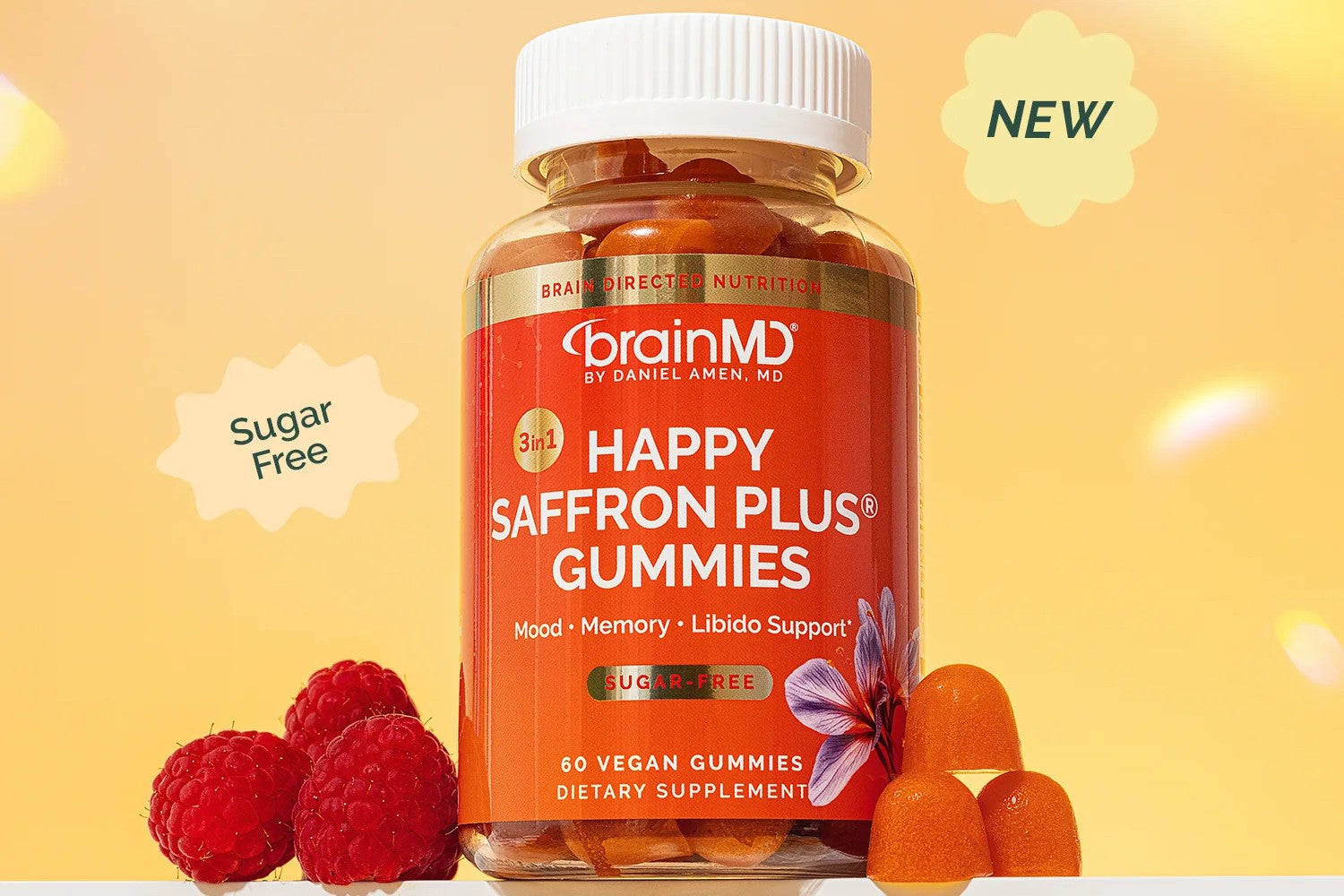
If you've spent any time looking into Dr. Amen supplements, you've probably noticed something: the list of nutrients, botanicals, and targeted formulations for different brain health goals is long. However, before he ever recommends nootropics, adaptogens, or specialty blends for unique needs, he starts in the same place every time. Three basics: A multivitamin An omega-3 A probiotic After decades of scanning brains at Amen Clinics and reviewing what actually supports positive changes to cognitive health, Dr. Amen keeps coming back to the same foundation because it works. Most people (even health-conscious ones) are unknowingly missing the basics. If you're the kind of person who reads ingredient labels, asks your doctor real questions, and wants to feel sharp at 45, 65, or 105, this is worth understanding. Not as a sales pitch, but as an actual explanation of why these three categories earn their spot at the front of the line in Dr. Amen’s favorite supplement list. Why Start Here? Yes, BrainMD® offers products that can provide extra support for things like focus, energy, blood-sugar control, or physical performance. But, your brain, like the rest of your body, requires some fairly unglamorous inputs for baseline function: it needs a full set of vitamins and minerals to run its chemistry, fat (specifically the right kind of fat) to build and maintain its physical structure, and a functioning gut, because your gut and brain are in constant conversation with each other. Skip any of those three, and the powerful additions you layer on top can’t function to their full potential. That's the logic behind BrainMD's foundational lineup, and it's why products like NeuroVite Plus Multivitamin, Omega-3 Power, and ProBrainBiotics show up again and again as Dr. Amen's favorite supplements. Step One: A Real Multivitamin Most multivitamins are built for general wellness, aimed at the broadest possible audience. NeuroVite Plus was built differently, for people who know brain health is the basis for whole body health. It contains the vitamins, minerals, and cofactors your brain specifically draws on to make neurotransmitters, manage inflammatory balance, and keep cellular energy production running. They’re also included in forms that your body can readily absorb and use, which can’t be said for all multivitamins. If you’re looking for even more comprehensive brain health support, BRIGHT MINDS™ Memory Multi is a great alternative product. Instead of a capsule, it’s a powdered full spectrum multivitamin and mineral formula, combined with active botanicals, antioxidants, and other nutrients clinically shown to support numerous aspects of memory, mood, and cognition.* In a large, three-year randomized trial following more than 2,000 older adults, daily multivitamin-mineral supplementation was associated with meaningfully better performance on measures of memory and executive function compared to placebo. It was the first large-scale study to suggest multivitamin use may help slow age-related cognitive changes [1]. A follow-up analysis comparing that trial with two others found the same pattern held up: better global cognition and episodic memory with daily multivitamin use [2]. None of this means a multivitamin is a substitute for medical care. What it does mean is that "just take a multivitamin" isn't throwaway advice. Nutrient gaps are common even in people who eat a well balanced diet, and a well-formulated multivitamin is one of the simplest ways to close them. Step Two: Omega-3s, Because Your Brain Is Mostly Fat Here's a fact that surprises people: your brain is close to 60% fat, and DHA (one of the two main omega-3s) is one of its primary structural building blocks. Your body doesn't make much of it on its own. It has to come from diet or supplementation, and most Americans simply don't eat enough fatty fish to get there. Omega-3 Power is BrainMD's answer to that gap, formulated with significantly more DHA and EPA per serving than most drugstore fish oil. The dosing isn't arbitrary. In the MIDAS trial, a randomized, placebo-controlled study of 485 older adults with mild memory complaints, six months of daily DHA supplementation led to meaningfully better performance on tests of learning and memory compared to placebo, an effect researchers likened to shaving several years off the participants' cognitive age [3]. Broader reviews of omega-3 research have also linked long-term supplementation to better-preserved white matter and gray matter volume over time [4]. Fish oil isn't a cure-all, and results across the broader research base are mixed. Some trials, especially shorter ones in people who already eat fish regularly, show smaller effects. But for the average person whose diet is genuinely low in omega-3s, topping up that supply appears to give the brain more of the literal material it needs to maintain its structure. Step Three: The Oft-Forgotten Probiotic This is the piece that catches most people off guard. What does gut bacteria have to do with brain fog or mood? More than you'd think. Your gut and brain are connected by a direct communication line, sometimes called the gut-brain axis, that runs through the vagus nerve, the immune system, and a whole slew of chemical messengers your gut bacteria help produce [5]. Plus, roughly 70% of your immune system actually lives in your gut, which means an out-of-balance microbiome doesn't just affect digestion, it can ripple into the inflammatory processes tied to mood and cognitive function [6]. This is exactly the territory "psychobiotics" (probiotic strains specifically studied for their effect on this gut-brain communication) were termed to describe [7]. In one randomized trial, a specific combination of Lactobacillus and Bifidobacterium strains was associated with a more balanced stress response and lower markers of stress in healthy adults over several weeks [8]. A broader review of more than fifty clinical trials found consistent signals of benefit from psychobiotic strains, particularly around mood-related outcomes [9]. ProBrainBiotics was formulated with this research in mind. It was built around strains studied specifically for gut-brain communication, not just general digestive support. For anyone who's diligent about diet and exercise, but has never thought about their microbiome, this is often the missing third leg of the stool. Putting Your Stack Together None of these three does its job in isolation. A multivitamin without enough dietary fat still leaves your brain short on raw building material. An omega-3 without the cofactors a multivitamin provides has less support for the metabolic work of actually using that fat well. And a gut under chronic inflammatory imbalance makes it harder for either one to do its job efficiently, because so much of the communication between body and brain runs straight through it. That's the logic behind treating these three as a foundation. Of course, you are encouraged to build outward from here. Some of Dr. Amen’s other personal favorite supplements are: Happy Saffron Plus® for mood and emotional well-being* Smart Mushrooms for mental performance and immune support* Smart Relief for body comfort and joint mobility* Peak Energy for a fast-acting alternative to caffeine* Adaptogens, superfoods, nootropics, whatever fits your specific goals, most products in the BrainMD line are complementary to the foundational products. Just don’t skip the base 3. If you're not sure where your own gaps might be, or where your brain and body could use a little extra boost, BrainMD's Brain Health Assessment is a great starting point. It takes about 5 minutes and you learn your brain type (there are 16 types), which will guide you to the best specific products for your unique needs. BrainMD’s full supplement collection is organized by health goal (focus, mood, sleep, memory, etc.) if you want to go beyond the basics once your foundation is in place. As always, talk with your doctor before starting any new supplement, especially if you're pregnant, nursing, managing a health condition, or taking prescription medication. Supplements are meant to complement, not replace, healthy habits (good sleep, regular movement, real food) and medical care when you need it. *These statements have not been evaluated by the Food and Drug Administration. These products are not intended to diagnose, treat, cure, or prevent any disease. References Baker, L. D., Manson, J. E., Rapp, S. R., Sesso, H. D., Gaussoin, S. A., Shumaker, S. A., & Espeland, M. A. (2022). Effects of cocoa extract and a multivitamin on cognitive function: A randomized clinical trial. Alzheimer's & Dementia. https://doi.org/10.1002/alz.12767 Vyas, C. M., Manson, J. E., Sesso, H. D., et al. (2024). Effect of multivitamin-mineral supplementation versus placebo on cognitive function: Results from the clinic subcohort of the COSMOS randomized clinical trial and meta-analysis of 3 cognitive studies within COSMOS. The American Journal of Clinical Nutrition. Yurko-Mauro, K., McCarthy, D., Rom, D., Nelson, E. B., Ryan, A. S., Blackwell, A., Salem, N., Jr., & Stedman, M. (2010). Beneficial effects of docosahexaenoic acid on cognition in age-related cognitive decline. Alzheimer's & Dementia, 6(6), 456–464. https://doi.org/10.1016/j.jalz.2010.01.013 Shahinfar, H., Yazdian, Z., Avini, N. A., Torabinasab, K., & Shab-Bidar, S. (2025). A systematic review and dose response meta analysis of Omega 3 supplementation on cognitive function. Scientific Reports, 15(1), 30610. Bonaz, B., Bazin, T., & Pellissier, S. (2018). The vagus nerve at the interface of the microbiota-gut-brain axis. Frontiers in Neuroscience, 12, Article 49. https://doi.org/10.3389/fnins.2018.00049 Belkaid, Y., & Hand, T. W. (2014). Role of the microbiota in immunity and inflammation. Cell, 157(1), 121–141. https://doi.org/10.1016/j.cell.2014.03.011 Dinan, T. G., Stanton, C., & Cryan, J. F. (2013). Psychobiotics: A novel class of psychotropic. Biological Psychiatry, 74(10), 720–726. https://doi.org/10.1016/j.biopsych.2013.05.001 Messaoudi, M., Lalonde, R., Violle, N., Javelot, H., Desor, D., Nejdi, A., Bisson, J.-F., Rougeot, C., Pichelin, M., Cazaubiel, M., & Cazaubiel, J.-M. (2011). Assessment of psychotropic-like properties of a probiotic formulation (Lactobacillus helveticus R0052 and Bifidobacterium longum R0175) in rats and human subjects. British Journal of Nutrition, 105(5), 755–764. https://doi.org/10.1017/S0007114510004319 Mosquera, F. E. C., Lizcano Martinez, S., & Liscano, Y. (2024). Effectiveness of psychobiotics in the treatment of psychiatric and cognitive disorders: A systematic review of randomized clinical trials. Nutrients, 16(9), Article 1352. https://doi.org/10.3390/nu16091352
Learn more
Psychobiotics: Supporting Brain Health Through the Gut
Explore the science of psychobiotics and learn how beneficial gut bacteria support the gut-brain axis, mood, stress resilience, and brain health.
Learn more