 Skip to content


Wellness Blog



Unlocking the Hidden Superpowers of Omega-3s: Why Every Kid Needs a Daily Dose
If you’re searching for ways to give your child’s brain the support it needs for optimal development, look no further than omega-3s. Keep reading to learn how these essential fatty acids can be gamechangers for your little ones! What Are Omega-3s? Omega-3 fatty acids are essential nutrients that play a crucial role in promoting healthy brain function in adults and children. These polyunsaturated fats are necessary for the proper functioning and development of the brain and are believed to have various cognitive benefits. In recent years, there’s been increasing interest in the potential impact of omega-3s on brain health in children. Types of Omega-3s There are three main types of omega-3s: alpha-linolenic acid (ALA), eicosapentaenoic acid (EPA), and docosahexaenoic acid (DHA). ALA is considered an essential fatty acid, meaning it isn’t produced by the body and must be obtained through diet or supplements. EPA and DHA can be synthesized from ALA, but it’s often inefficiently utilized in the body. That’s why consuming foods rich in EPA and DHA is recommended. Omega-3s and Brain Development The first few years of life are critical for a child’s brain development; this period is known as the “critical window.” During this time, the brain is rapidly growing and forming connections between neurons, which are essential for learning, memory, and overall cognitive function. Proper nutrition during this period is crucial for supporting healthy brain development. Studies have shown that omega-3s play a significant role in brain health and cognitive development in children. EPA and DHA are found in high concentrations in the brain and may help improve brain function, including better memory, attention span, and problem-solving skills. These fatty acids also have anti-inflammatory properties that may help reduce inflammation in the brain. Here’s a closer look at a few of the numerous benefits of omega-3s for young brains. 7 of the Top Health Benefits of Omega-3s for Kids 1. Enhances Brain Development Omega-3 fatty acids play a vital role in the growth and structure of brain cells in children. DHA is particularly important for early brain development as it accounts for 97% of all omega-3s present in the brain. It helps promote communication between brain cells, facilitating better cognitive functions like thinking, learning, and memory. 2. Improves Cognitive Function Consuming adequate amounts of omega-3s may help improve cognitive function in children by enhancing their problem-solving skills and creativity. These healthy fats may aid in reducing impulsivity and hyperactivity among children with attention issues. Also, regular consumption has been linked to higher reading scores. 3. Supports Healthy Emotional Development Children’s emotional well-being is crucial for their overall development into well-adjusted adults. Intake of omega-3s may help reduce mood problems in children. These healthy fats also may regulate mood swings, emotional outbursts, and stress levels, helping children to be more emotionally stable. 4. Boosts Immune Health Omega-3s can strengthen the immune system by helping to reduce inflammation in the body. In children, a healthy immune system is vital for fighting off illnesses and infections, which can have a significant impact on their physical health and academic performance. 5. Reduces Risk of Behavioral Problems Studies suggest that low levels of omega-3s are associated with increased risk of behavioral disorders such as attention issues and hyperactivity in children. Regular consumption of these essential fatty acids may help reduce the risk and severity of these conditions by supporting healthy brain development. 6. Promotes Healthy Sleep Patterns Quality sleep is crucial for children’s growth and development as it helps the brain rest and recover. Omega-3s may improve sleep quality in children by regulating circadian rhythms (the body’s internal clock). Adequate intake of these healthy fats also may help promote better sleep patterns in children with attention issues. 7. Supports Eye Health DHA, an omega-3 fatty acid found in high amounts in the retina of the eye, is essential for maintaining healthy vision. Consuming adequate amounts of omega-3s may help protect against vision problems in children. Foods Rich in Omega-3s for Kids Since omega-3 fatty acids can’t be produced by the body, incorporating omega-3 rich foods into your child’s diet can significantly contribute to their physical, emotional, and cognitive development. Here are some of the top food sources of omega-3s that parents should consider including in their child’s diet: [wc_box color="inverse" text_align="left" margin_top="" margin_bottom="" class=""] Fatty Fish Fatty fish – such as salmon, tuna, mackerel, and sardines – are excellent sources of omega-3s. These fish contain EPA and DHA, which are known for their critical role in brain development and function. Nuts and Seeds Nuts like walnuts, almonds, cashews, pistachios, and seeds like flaxseeds and chia seeds also contain a good amount of omega-3 fatty acids. They’re an easy, on-the-go snack option for children or can be added to salads or homemade granola bars for an extra boost of nutrition. Avocados Avocados taste great and provide high levels of monounsaturated fats along with a decent amount of omega-3s. They’re also a good source of fiber, vitamins, and minerals, making them an excellent addition to your child’s diet. Eggs Eggs contain a decent amount of omega-3s, especially if they come from hens raised on a pasture or fed with omega-3 enriched feed. They’re also a great source of protein and other essential nutrients like choline, which is vital for brain development in children. Plant Oils Some plant oils contain small amounts of omega-3s. These include flaxseed, soybean, and olive oils. Including these oils in your cooking, or as a healthy dressing for salads, can help boost your child’s intake of healthy fats. [/wc_box] BrainMD's Kids' Omega-3 Squeeze Growing bodies and brains require a diverse array of nutrients for optimal growth and development, but busy lives (and picky palates) can make it difficult to keep up with nutrient needs. Despite your best efforts, feeding kids and teens can be tough. With the prevalence of sugary cereals, unhealthy carbs, and nominally nutritious foods, mealtime can feel like a battle. Make it easy on yourself – and them – with BrainMD’s delicious new kids’ liquid omega-3 supplement.* From Toddlers To Teens, Kids Need Omega-3s Omega-3 fatty acids, specifically EPA and DHA, are crucial for children’s growth and development. Low intake of omega-3s may lead to various mental health issues, including attention and behavioral problems. Our new Kids’ Omega-3 Squeeze can help ensure that children get the recommended daily dose of these essential nutrients.* Key Benefits of Kids’ Omega-3 Squeeze: Improves cognition, attention, focus, and behavior* Naturally sweetened with xylitol Creamy taste & texture Emulsified for better absorption* Sourced from wild-caught, sustainably harvested fish* Supports healthy development and cardiovascular health* No fishy aftertaste* With 675 mg of highly bioavailable EPA and DHA per serving in a sugar-free, fresh lemonade flavor kids and teens love, Kids’ Omega-3 Squeeze makes taking your vitamins feel like a treat.* Omega-3s for Kids Omega-3 fatty acids play a vital role in supporting the growth and development of young brains. From enhancing brain function and emotional well-being to boosting immune health and promoting better sleep patterns, these healthy fats offer numerous benefits for your kids. It’s a good idea to make sure your children are getting enough omega-3s through diet and supplements to maximize their potential and promote optimal cognitive functioning. At BrainMD, we’re dedicated to providing the highest purity nutrients to improve your physical health and overall well-being. For more information about Kids' Omega-3 Squeeze and our full list of brain healthy supplements, please visit us at BrainMD. *These statements have not been evaluated by the FDA. This content is for informational purposes only. It is not meant to substitute for medical or healthcare advice from a physician, nor is it intended to diagnose, treat, cure, or prevent any disease. Consult your healthcare provider before beginning a new health regimen.
Learn more
Veterans Day: One Warrior Shares Some of the Best Ways to Heal from Trauma
As we prepare to honor those who’ve selflessly served our country this Veterans Day, it’s important to recognize the toll such service can take on the individual. In this article, Jill Chambers, US Army COL (Ret), shares helpful tips from her journey of recovery and healing after living through one of our nation’s most horrific events… After personally experiencing the tragic events of 9/11 while serving in the Pentagon, I was eventually diagnosed with post-traumatic stress (PTS). I was sure I didn’t want to go down the path of medications if I could help myself through non-pharmaceutical approaches. Through research, personal connections, and the help of Belleruth Naparstek, founder of Health Journeys, I was introduced to therapies like neurofeedback, biofeedback, and guided imagery. All three of these modalities were life-changing for me and significantly helped mitigate my PTS. Soon after I was enjoying the positive results of my journey, I read Dr. Daniel Amen’s books, “Change Your Brain, Change Your Life” and “Unleash the Power of the Female Brain.” I was completely intrigued at this point of discovering exactly how my brain was functioning and how I could raise it to a level of optimal performance. Single Best Decision My husband and I scheduled appointments at the Amen Clinic in Orange County, CA to have brain SPECT imaging performed and to learn exactly what would be appropriate, healthy ways forward to maintain positive brain health. This was the single best decision we could’ve made to enhance our health and longevity! We both made a declaration to live to be at least 120 and have a sharp brain all the way there. Dr. Amen was able to tell from my scan that I did have the pattern that indicated I experienced a post-traumatic event. However, the signature pattern, which is a triangle shape, was encapsulated indicating I was actually experiencing post-traumatic growth (PTG). I quickly learned that PTG was allowing me to find a way to make new meaning from my traumatic experience and take the adversity and turn it into positive growth. At that point, I felt certain that by actively using neurofeedback, biofeedback, and guided imagery for months enhanced my chances of reaching PTG. Through the SPECT imaging, Dr. Amen was able to share with me additional steps I could take to keep my brain functioning at maximum capacity. The Great Revelation One other interesting discovery that the SPECT imaging showed was that I was very low in vitamin D. At first, I had a hard time believing that since blood work from my annual physicals showed that my vitamin D was at a healthy level. Well, the great revelation was that even though my vitamin D was within normal limits, it was always at the very bottom. Dr. Amen suggested I get a DEXA scan to check my bone density and sure enough, I was on the verge of osteoporosis. My doctor wanted to start me on Alendronate, but Dr. Amen suggested I increase my daily dose of vitamin D from 1000 mg to 5000 mg daily. 18 months later, I had another DEXA scan and my doctor couldn’t believe there was actual improvement in my bone density, something he’d never seen before. I call that great news! Targeted Supplements Because every person’s brain is different, Dr. Amen specifically targets supplements that will benefit the individual. For the last decade, I’ve been taking: Brain & Memory Power Boost NeuroVite Plus Iron Omega-3 Power Squeeze Brain MCT Energy Vitamin D3 5000 I’ve just felt great and have literally not been sick in the last ten years. It’s wonderful to know that these supplements are just right for me, and with the SPECT imaging there’s no more guessing or spending time in the vitamin aisle wondering if I should buy something because it looks like a good idea. Continuing Service The education and inspiration I received from the Amen Clinic helped me move forward with my company, This Able Vet, LLC, with the specific purpose of supporting our military Veterans and their family members with non-pharmaceutical approaches to empowering their personal health. I’ve been able to help, encourage, and financially support our Veterans to receive brain SPECT imaging and begin to get them on a path of recovery and a fulfilling life. BrainMD would like to thank Jill and all the brave men and women who’ve served or are still serving our nation. We’re only able to continue the work we do because of you. Thank you for your service! Colonel (R) Jill Chambers, US Army COL (Ret) Jill W. Chambers, CEO of This Able Vet, LLC, is widely recognized as the first person in the history of the U.S. Military to develop a successful, sustainable strategy designed to reduce the crippling stigma associated with mental health challenges in a Warrior culture. Her deep understanding of Post-Traumatic Stress (PTS) changed the military culture equipping those likely to face adversity with tools to help them positively process those experiences. Jill was inducted into the Army Women’s Hall of Fame in 2015 for her contributions in this area. In recognition of her rare gifts as a leader and her many groundbreaking accomplishments over 30 years of service, Colonel (R) Jill Chambers was most recently selected, as a “Next Maker” by AOL and PBS honoring trailblazing women whose physical, intellectual, and emotional strength have opened doors, opened minds, and inspired change. She was also selected in as the Senior Professional Women’s Association Department of Defense Woman of the Year in recognition for her contributions that have positively impacted the community specifically with her work in her organization, This Able Vet, LLC, a Woman Service Disabled Veteran Owned Small Business. With a Master’s degree in Public Administration and Human Resources, and another Master’s of Science in National Resource Strategy, Jill utilized her Post 9/11 GI Bill to further her education and earned two additional degrees; one is a Master’s in Health and Wellness with a concentration in Aromatherapy and the other is a Master’s in Complementary Alternative Medicine, both from the American College of Healthcare Sciences in 2019. Jill is married to Country music superstar Michael Peterson, best known for his #1 hits, “From Here to Eternity,” “Drink, Swear, Steal and Lie” and “Too Good to Be True.” These statements have not been evaluated by the FDA. This content is for informational purposes only. It is not meant to substitute for medical or healthcare advice from a physician, nor is it intended to diagnose, treat, cure, or prevent any disease. Consult your healthcare provider before beginning a new health regimen.
Learn more
7 Ways to Increase Serotonin Without Medication
If you or a loved one has ever struggled with persistently feeling low, you may be aware that sometimes medications are prescribed to increase levels of the “feel-good” neurotransmitter serotonin in an effort to boost mood. Indeed, research on happiness suggests that serotonin plays an important role in our mood and well-being. When serotonin levels are low, people tend to feel low, too. They may get stuck on worries and negative thoughts. Low serotonin levels can affect more than mood. This important neurotransmitter also helps to regulate appetite, sleep, learning and memory, social behavior, sexual desire, and even body temperature and breathing. When serotonin levels are even slightly off balance, it can impact many of these areas. Low serotonin also might lead to poor sleep, changes in appetite, or emotional eating. Medication may be necessary for people diagnosed with a mood disorder. However, for other people who simply wish to brighten their mood and feel their best, taking action to naturally boost serotonin levels in the body makes sense. What’s more, the lifestyle actions one takes to boost serotonin naturally also can support general health and well-being. It’s a double win! Here’s how to increase serotonin naturally. 7 Ways to Increase Serotonin Production, Naturally 1. Move Your Body Most of us have experienced the mood-boosting effects of exercise. It isn’t too surprising then to learn that a number of studies have noted markers of increased serotonin levels following exercise. In particular, aerobic exercise – such as running, cycling, or a sport such as tennis or pickleball – can stimulate the release of serotonin. It doesn’t take much. Just 30 minutes of even moderate activity (such as walking or hiking) can double levels of serotonin. Some research has shown that regular exercise can be even more effective than counseling or medication in helping to improve mood! Of course, exercise is excellent for your overall health, too. It increases blood flow to your brain, which is good for brain health. And if you do an exercise like yoga, you get the mindfulness and relaxation benefits as well. 2. Connect with Loved Ones We are social creatures, and research shows that spending time with those we love can help increase serotonin levels. Don’t forget that “loved ones” extends to our four-legged friends as well. If you don’t have any pets, volunteer at an animal shelter or offer to look after a neighbor’s cat or dog. 3. Eat Foods That Boost Serotonin Production There are a number of foods that contain nutrients shown to play a role in helping to boost serotonin levels. Let’s start with carbohydrates. There’s a reason we love simple carbs such as potatoes, pasta, bread, pastries, and crackers. These foods tend to boost insulin levels, which limit certain competing amino acids and allows more tryptophan to cross the blood-brain barrier and enter the brain. Tryptophan is a building block for serotonin. Brain cells then can use the tryptophan to synthesize serotonin. However, since simple carbs aren’t the healthiest foods, consume complex carbohydrates such as whole fruits (apples, berries), sweet potatoes, carrots, and beans. They’re healthier, nutrient- and fiber-rich forms of carbohydrates that can help to boost serotonin and offer multiple health benefits. Speaking of tryptophan, eating foods rich in l-tryptophan is another way to boost serotonin levels. That includes protein-rich foods such as chicken, turkey, beef, salmon, tuna, and eggs. Vegetarian sources of l-tryptophan include tempeh, lentils, beans, spinach, and other green leafy vegetables. Also, nuts such as almonds and pistachios, and seeds such as pumpkin and chia seeds, are good sources of l-tryptophan. Even better, if you eat these foods rich in l-tryptophan with complex carbohydrates, it helps to ensure tryptophan crosses the blood-brain barrier. These foods are also rich in vitamins and minerals, and in some instances healthy fats as well, supporting many areas of health. Nutrients such as magnesium, zinc, fish oil, and vitamins C and B6 can aid in metabolizing and utilizing serotonin more efficiently too. In addition to the foods already mentioned, fruits and vegetables such as broccoli, Brussels sprouts, bananas, oranges, and tomatoes are rich in many of these nutrients. 4. Be of Service There’s something that occurs in our brains when we act altruistically. Kindness is associated with increases in serotonin as well as other feel-good neurotransmitters such as oxytocin and dopamine. 5. Support Your Gut Health The microflora in your gut plays a major role in producing neurotransmitters such as serotonin. In fact, most of the serotonin in your body is produced in your gut, so tending to your gut health can certainly support healthy serotonin levels. Stress, illness, and diet are three major factors that can impact the delicate balance of your gut microbiome. When your gut bacteria are out of balance, it can affect the absorption of tryptophan, which is needed to synthesize serotonin. Refined carbohydrates, artificial sweeteners, hydrogenated fats, fried foods, alcohol, gluten, and too much red meat can all disrupt the balance of microflora in your gut. Consuming fiber-rich foods such as fruits, vegetables, nuts, and beans – and probiotic-rich foods such as sauerkraut, kimchi, yogurt, and kefir – and taking a probiotic supplement can all support a healthy microbiome. Keeping stress levels in check by spending time in nature, meditating, or practicing yoga can help to support a healthy gut too. 6. Laugh Often Spend time with people who make you laugh, watch comedies, or just be willing to find humor in everyday situations. Research shows that laughing can alter both serotonin and dopamine activity, as well as decrease stress-making hormones found in the blood. It effectively mitigates the effects of stress! 7. Take Serotonin Supplements Taking a dietary supplement comprised of nutrients and herbs shown to support serotonin production is one more way to help boost serotonin levels naturally. BrainMD’s Serotonin Mood Support is formulated with specific scientifically studied ingredients to engage multiple mechanisms that help your brain to maintain healthy levels of serotonin. It supports increased calm and decreased anxiousness, while promoting a positive mood. The potent formula includes: 5-Hydroxytryptophan (5-HTP) – This nutrient absorbs readily and quickly reaches the brain, where it converts to serotonin. This enzyme also needs vitamin B6. Saffron – Derived from the Crocus sativus flower, this coveted and expensive spice has been used for thousands of years to promote happiness and is believed to support healthy levels of serotonin. Research using modern saffron concentrates have consistently shown improved mood. B Vitamins – Vitamin B6, methylfolate (vitamin B9, a pre-activated folate), and methyl-cobalamin (a highly utilized form of vitamin B12) all participate in the synthesis of serotonin and have been linked to positive mood. Improve Your Serotonin Levels All these actions can help you to better support serotonin balance in your body and feel your best. However, be sure to consult your medical doctor if you suffer from persistent low mood. At BrainMD, we’re dedicated to providing the highest purity nutrients to improve your physical health and overall well-being. For more information about our full list of brain healthy supplements, please visit us at BrainMD.
Learn more
What is Serotonin? Serotonin Functions, Ranges, Side Effects & More!
Do you ever wonder what makes us feel happy? One possible happiness generator is serotonin – the brain neurotransmitter responsible for mood regulation and overall well-being. Let’s look at the science behind serotonin to learn more about its functions and importance in our moods and daily lives. What Is Serotonin? Serotonin is a chemical found in the human body that helps regulate mood and social behavior. While serotonin is best known for its importance in the brain, it’s also present in other parts of the body, including the blood, central nervous system, and gastrointestinal (GI) tract. In fact, most of the body’s serotonin is found in the gut, where it helps to regulate digestion. So, how does serotonin work? When levels of serotonin are low, it can cause feelings of sadness or distress. But when levels are high, it can lead to mania or even psychosis. That’s why it’s important to have a balanced level of serotonin in your system. Low serotonin can be caused by genetic factors, stress, or certain medical conditions. High levels of serotonin can be caused by certain medications or drugs. Serotonin and the Brain Serotonin is involved in numerous brain functions, including mood, appetite, sleep, learning, and memory. This neurotransmitter is produced in the brain by neurons. It’s then stored in synaptic vesicles, which are tiny sacs that store neurotransmitters. When a neuron is stimulated, the vesicles release their contents into the synaptic cleft, which is the space between neurons. The serotonin then binds to receptors on the next neuron and activates them. This process allows serotonin to relay messages from one neuron to another. This chemical messenger is thought to help regulate mood and emotions. Low levels of serotonin can disrupt communication between neurons, and can lead to: feelings of sadness and hopelessness low mood loss of appetite sleep pattern disruptions feelings of anxiousness High/Low Serotonin Serotonin levels can affect a person’s mood and well-being. Having too much or too little serotonin can come with side effects. If there’s too much serotonin in the brain, it can lead to a condition called serotonin syndrome, which can be fatal. Symptoms of serotonin syndrome include high blood pressure, increased heart rate, sweating, agitation, confusion, and seizures. Having too little serotonin in the brain can cause mood and sleep problems. Low serotonin also may lead to problems such as migraines and irritable bowel syndrome. For those with extremely high or low levels, a serotonin level test may be recommended. Serotonin Level Test The serotonin level test is usually conducted on individuals who may have carcinoid syndrome (a group of symptoms associated with carcinoid tumors). Those with carcinoid syndrome often have high levels of serotonin in the blood. The serotonin level test can help determine the amount of serotonin in the blood. This simple procedure involves drawing blood from a vein, typically inside the elbow or on the back of the hand. Ranges can vary from lab to lab, but normal serotonin levels are generally accepted to be between 50 to 200 ng/mL. Though there’s some debate over what’s considered normal, levels lower than 50 ng/mL may be an indication of potential mood problems. A higher-than-normal range may indicate carcinoid syndrome. Be sure to consult with your healthcare provider before getting the serotonin level test to determine if it’s the right option for you. Since the serotonin level test might not be necessary for everyone, other natural wellness interventions can be explored to help support your serotonin status and improve your daily health. 2 Ways to Support Healthy Levels of Serotonin Healthy serotonin activity can be maintained in the brain and body by eating certain foods and supplementing your diet with nutrients that can help facilitate serotonin production. Dietary Sources of Serotonin You can find serotonin in some foods, but it’s also produced naturally by your body. Some dietary sources of serotonin include: Nuts and Seeds: Almonds, walnuts, pumpkin seeds, and sunflower seeds are all good sources of tryptophan, an amino acid that’s converted into serotonin in the brain. Eggs: Eggs are another good source of tryptophan. Eating eggs regularly can help increase serotonin levels. Fish: Tuna, salmon, and halibut contain high levels of omega-3 fatty acids. These fats are essential for proper brain function and may help increase levels of serotonin. Fruits and Vegetables: Fruits and vegetables contain vitamins and minerals that are necessary to produce serotonin. Dark leafy greens, bananas, oranges, berries, and tomatoes are all healthy choices. Incorporating these foods into your diet may help increase serotonin levels, which may improve your mood and overall sense of well-being. Serotonin Supplements BrainMD’s Serotonin Mood Support was created specifically to promote multiple mechanisms that maintain healthy serotonin levels in the brain.* It can help increase the production of soothing brain waves, correct stress-related nutritional deficiencies, and promote relaxation that can facilitate quality sleep.* This supplement contains essential nutrients and herbs that can help support serotonin production, such as vitamin B6, vitamin B12, folate and, 5-HTP, as well as a patented form of saffron.* It’s always recommended to consult with your doctor or healthcare practitioner before beginning any supplement regimen. Support Your Serotonin Functions While serotonin plays an important role in regulating many bodily functions, it’s also a vital component for mental and emotional well-being. When serotonin levels are balanced, you may experience an improved mood, higher energy levels, and better overall health. Supporting serotonin – with diet, supplements, and other lifestyle measures – can help you maintain good physical and mental health over the long haul. At BrainMD, we’re dedicated to providing the highest quality supplements to improve your physical health and overall well-being. For more information about our full list of brain healthy supplements, please visit us at BrainMD. *These statements have not been evaluated by the FDA. This content is for informational purposes only. It is not meant to substitute for medical or healthcare advice from a physician, nor is it intended to diagnose, treat, cure, or prevent any disease. Consult your healthcare provider before beginning a new health regimen.
Learn more
Here’s How You Can Try Quality Mood Supplements for FREE!
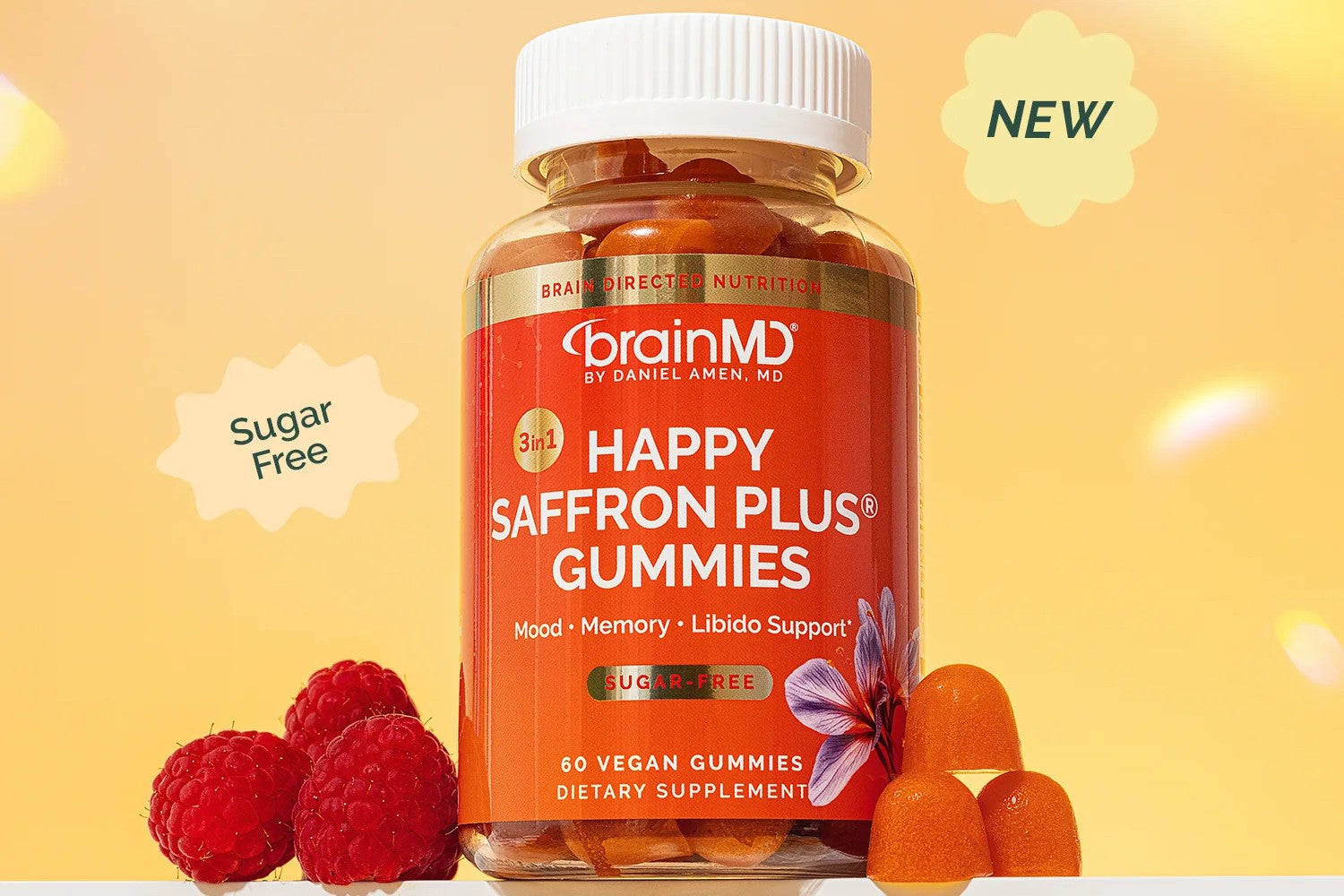
Many things can provide happiness in our lives. Unfortunately, there are also many things that can steal our happiness, such as persistent negative thoughts and periods of low mood. Low Mood Mood issues can make everyday life feel draining. Low mood is often linked to low energy and lack of sleep. Other signs of low mood may include: Negative or guilty thoughts Mental fogginess Avoiding social interaction Overeating and emotional eating Periods of low appetite Difficulty with concentration and memory Since many people dismiss these issues as just feeling down, they may not get the help they need, which can result in serious physical or emotional difficulties. Standard Treatment for Mood Issues Most people who experience mood issues are desperate to regain their energy and positive outlook on life. Though some of these individuals might be tempted to try a quick fix (by taking a medication or other illicit substance) to help mitigate their problems, it might be better for them to seek out natural solutions first. Certain nutrients may help to improve their mood…without the side effects. However, if you’re experiencing severe mood issues, such as extreme mood swings, it may be necessary to seek out medical help. Extreme mood problems may require medication or other forms of treatment, as recommended by a doctor. However, unless otherwise advised by your healthcare provider, it’s always best to seek out natural support for mood problems before automatically turning to high-powered medications, which may worsen existing issues or cause other mental or physical challenges. Natural Mood Support Mood problems may be caused by several factors, such as unhealthy habits and lifestyle factors, or may be instigated or exacerbated by nutrient deficiencies. The good news is that many nutraceuticals have been researched for their mood-supporting benefits, with promising results. One of the best nutrients that can help support mood is saffron. What Is Saffron? For centuries, cultures around the world have cultivated saffron for a variety of purposes. Saffron has been used as a culinary spice, digestive aid, aphrodisiac, and mood-booster. It’s a spice able to give color, flavor, and aroma to foods. Derived from the female reproductive parts (stigma) of the flower of Crocus sativus, saffron is produced today just as it has been since ancient times…by hand. The stigmas must be carefully handpicked and dried since machines can’t perform this delicate work. It takes 4,500 Crocus sativus flowers just to produce one ounce of saffron spice. This labor-intensive extraction process has made saffron the most expensive spice in the world. The best ways to consume saffron are by using it as a spice in cooking or by taking high-purity supplements. If you struggle with maintaining a positive mood or just want to have more happiness in your life, consider taking BrainMD’s mood-supporting saffron supplement… Happy Saffron Plus ® This breakthrough nutraceutical formula was scientifically designed to promote a positive mood.* It brings together nutraceutical preparations of the two most traditionally revered “happiness herbals” – saffron flower extract and curcumin from the turmeric root – with zinc, a mineral essential for life and vital for positive mood.* Benefits of Happy Saffron Plus This supplement combines three potent ingredients to provide maximum mood support.* Now, Happy Saffron Plus® is available in both capsule or gummy formats. Based on considerable clinical and other scientific research, this formula offers: Powerful support for positive mood* Increased capacity for coping with feelings of anxiousness* Enhanced alertness under stress* Happy Saffron Plus ® Ingredients Here are the 3 ultra-pure, high-potency ingredients found in Happy Saffron Plus®: affron® Standardized Saffron Extract. Saffron has been the “happiness spice” in the Middle East for centuries. Modern clinical benefits fully support the traditional reverence for saffron. affron® is a water-extracted saffron concentrate standardized for its most active constituents. This extract has performed extremely well for improving mood, both in adults and adolescents, in clinical trials at a dose of 28 mg per day.* Longvida® Optimized Curcumin Extract. The turmeric root parallels saffron as an Asian happiness herbal. Curcumin is the molecular complex from turmeric root that can help improve mood.*¹ This Longvida® ingredient features excellent absorption of curcumin and has worked well in clinical trials at 400 mg per day or higher.* Zinc, as Glycinate. This mineral is essential for the functioning of at least 300 enzymes essential for our life processes, and about 2000 different human proteins.* People with mood problems typically have low blood levels and supplementing with zinc often supports a healthy mood.* The combination of zinc with affron® saffron and Longvida® curcumin has the potential to elevate mood, perhaps even in individuals who don’t feel they have a mood problem.* All three of these ingredients are documented to improve mood in controlled human clinical trials.² BrainMD’s Free Trial Program BrainMD’s Free Trial program offers a sample package of some of our top-selling supplements, including Happy Saffron Plus®. After 14 days, you’ll be enrolled into a subscription service and receive a monthly supply of Happy Saffron Plus® for the low price of $43.74. BrainMD will notify you prior to the subscription upgrade and before processing any payments for your first Subscription Delivery shipment. Every 30 days, your credit card will be charged, and a new shipment will be sent to the address supplied at the time of enrollment. You may adjust, pause, or cancel your subscription at any time and for any reason by contacting BrainMD’s Customer Care Team (see below). This offer is only valid in the U.S. One trial program may be purchased at a time by each customer. Be Healthier and Happier Happier people tend to be healthier, live longer, have better relationships, and experience more success in life. Boost your bliss with quality mood supplements like Happy Saffron Plus®. Order your FREE sample today! BrainMD Customer Care Team Email: support@brainmdhealth.com Phone: (888) 850-5287 M-F 6 AM – 5 PM PST At BrainMD, we’re dedicated to providing the highest purity nutrients to improve your physical health and overall well-being. For more information about Happy Saffron Plus and our full list of brain healthy supplements, please visit us at BrainMD. *These statements have not been evaluated by the FDA. This content is for informational purposes only. It is not meant to substitute for medical or healthcare advice from a physician, nor is it intended to diagnose, treat, cure, or prevent any disease. Consult your healthcare provider before beginning a new health regimen. References: 1. Fusar-Poli, L., Vozza, L., Gabbiadini, A., Vanella, A., Concas, I., Tinacci, S., Petralia, A., Signorelli, M. S., & Aguglia, E. (2020). Curcumin for depression: A meta-analysis. Critical Reviews in Food Science and Nutrition, 60(15), 2643–2653. 2. Jackson, P. A., Forster, J., Khan, J., Pouchieu, C., Dubreuil, S., Gaudout, D., Moras, B., Pourtau, L., Joffre, F., Vaysse, C., Bertrand, K., Abrous, H., Vauzour, D., Brossaud, J., Corcuff, J. B., Capuron, L., & Kennedy, D. O. (2021). Effects of saffron extract supplementation on mood, well-being, and response to a psychosocial stressor in healthy adults: A randomized, double-blind, parallel group, clinical trial. Frontiers in Nutrition, 7, 606124.
Learn more
What is Holy Basil? One of the Best Ways to Address Your Stress!
In today’s fast-paced world, many people experience periods of stress. Since stress affects millions of American adults, let’s take a closer look at this issue and how to address it naturally. Basics of Stress Contrary to popular belief, not all stress is bad. Stress is a normal part of living and affects those of all ages. It can help improve your: Resilience Productivity Problem solving Ability to adapt to new challenges Stress can become a problem when it’s intense, recurring, or remains unresolved over an extended period. At that point, stress can take a toll both physically and mentally. Stress can affect behavior, outlook, and overall health. Many health concerns may be initiated or aggravated by stress. When stress is ongoing, it can increase the risk of developing problems related to your weight, heart, and mood. One of the best natural ways to manage a healthy response to stress is with adaptogens. What Are Adaptogens? According to the Cleveland Clinic, “Adaptogens are plants and mushrooms that help your body respond to stress, anxiety, fatigue and overall wellbeing. You can take adaptogens by adding them to food or beverages or take them as tinctures. Adaptogens bring your body back to a steady balance by managing both physical and mental stressors.” Adaptogens are widely considered to be any natural substance that helps the body “adapt” to a variety of difficulties. They’re a unique class of herbs that can help the body resist physical, chemical, and biological stressors. They’ve been used for centuries in traditional medicine systems such as Ayurveda and Chinese Medicine. Today, adaptogens are gaining popularity for their purported ability to improve health and well-being. This is likely due to our lives becoming more and more inundated with stress. Many people are bombarded with stressors from work, family life, and the 24/7 news cycle. Adaptogens work by helping to regulate the body’s stress response. This regulation can occur at the level of the adrenal glands, the hypothalamic-pituitary-adrenal (HPA) axis, or the sympathetic nervous system. By regulating these stress response systems, adaptogens can help keep the body in a state of homeostasis (balance). There are many different types of adaptogens, and each has its own set of benefits. However, they all share one common goal: to help the body better cope with stress. Let’s take a closer look at one of the most potent adaptogens. Holy Basil What is holy basil? Also referred to as Tulsi, holy basil (Ocimum sanctum) is an Eastern herb that’s been revered as “The Queen of Herbs” in Ayurvedic medicine for over 3,000 years. An adaptogenic herb, holy basil supports the body’s natural protective response to physical and emotional stress.* Adaptogenic herbs don’t alter mood, but they can help the body function optimally during times of stress.* Research demonstrates that they do this by modulating the production of stress hormones like cortisol and adrenaline.* Holy basil has been long revered as a powerful antioxidant with antibacterial, analgesic, antifungal, and anti-inflammatory properties.* Compelling research data suggests that holy basil’s greatest potential lies in the areas of promoting relaxation and a healthy response to stress.* According to clinical research, holy basil may help support the body’s natural response to stress. A six-week, double-blind, placebo-controlled human study examined subjects with stress symptoms. Those who received a holy basil extract formula showed a 39% greater improvement in stress symptoms than those who received a placebo. If you’re dealing with excessive stress, consider trying holy basil, which is different than the basil used as an herb in many meals. BrainMD offers high-quality, brain directed supplements that can help you feel calm, content, and better able to manage stress or mental strain. If you’re looking for a premium stress support supplement that includes holy basil, we’re proud to offer… Everyday Stress Relief Everyday Stress Relief was designed to help replenish your brain and body’s nutrients that can be depleted by stress. This supplement includes herbal extracts clinically proven to have calming and anti-stress effects, without making you sleepy.* It also helps with apprehension, tension, worry, and fatigue.* Here’s what you’ll find in this high-potency formula: Magnesium is a well-known calming mineral. It promotes a balanced and mentally focused demeanor.* The amino acid taurine supports the adrenal glands and is crucial for coping with stress.* The herb holy basil, revered both in Europe and the East, helps to improve adaptation to occasional anxious thoughts and other problems related to stress.* A phytochemical derived from green tea, l-theanine helps to manage tension.* Relora®, which is a unique mix of two herbs, may enhance healthy management of the stress hormone cortisol while easing tension, anger, negative mood, and confusion.* This safe, non-sedating, and non-habit-forming formula combines the multiple beneficial actions of these well-studied herbs and nutrients to help your brain and body cope with stress on multiple levels.* Natural, Nutritional Boost While it’s perfectly natural to feel the effects of stress, if you need a little added support to provide some relief and peace of mind, look for foods and supplements with holy basil. Getting more adaptogenic herbs, like holy basil, into your diet may be an important step in optimizing your health. If you’re looking for a natural way to help manage stress, give Everyday Stress Relief a try today. At BrainMD, we’re dedicated to providing the highest purity nutrients to improve your physical health and overall well-being. For more information about Everyday Stress Relief or our full list of brain healthy supplements, please visit us at BrainMD. *These statements have not been evaluated by the FDA. This content is for informational purposes only. It is not meant to substitute for medical or healthcare advice from a physician, nor is it intended to diagnose, treat, cure, or prevent any disease. Consult your healthcare provider before beginning a new health regimen.
Learn more
Enhance Your Drinking Water with BrainMD’s New H2 Boost!
Water is vital for every part of your body. Since much of the human body is composed of water, your cells, tissues, and organs need adequate hydration to function at their best. Here are just a few reasons why water is so crucial to the human body: It’s the universal medium of life on Earth: fundamental for our cells’ life processes It’s essential for blood circulation (oxygen, nutrient delivery), the lymphatic system (which transports wastes), and for the urine (which excretes unwanted substances) It helps regulate the body’s temperature It’s fundamental for saliva, proper digestion, and joint lubrication It’s also important to remember that water is a nutrient the body needs. As with other nutrient deficiencies, failing to drink enough water can create problems for your brain and body. Dangers of Dehydration Since the brain is mostly composed of water, even mild dehydration can impair performance in tasks that require attention, immediate memory skills, and physical performance. According to one study, thirsty participants who drank water before performing cognitive tasks reacted faster than people who didn’t drink water beforehand. Some common signs of dehydration are: extreme thirst dark urination less frequent urination confusion dizziness fatigue Dehydration is also associated with urinary/kidney issues, brain atrophy, poor concentration, memory difficulties, diminished school/work performance, and increased sensitivity to pain. Hydrogen-Rich Water Hydrogen (H) is the oldest, lightest, and most abundant element in the universe. Molecular hydrogen (H2) is a colorless and odorless gas that consists of one electron and one proton. Up until 2007, H2 was considered an inert gas. Now it’s regarded as a signaling gas molecule like other physiological gases such as nitric oxide (NO), carbon monoxide (CO), and hydrogen sulfide (H2S). Hydrogen-rich water (HRW) is simply water that contains a high amount of molecular hydrogen (H2). The first HRW was referred to as electrolyzed reduced water (ERW); created in Japan in 1931, it was initially used in agriculture. In 1965, ERW was approved for human consumption, and many used it to help with various gastrointestinal symptoms. ERW has an alkaline pH, or a negative oxidation reduction potential (ORP), which indicates its antioxidant effect. It was later determined that the H2 gas in ERW was responsible for its negative ORP. To give your drinking water an extra kick of antioxidant power, BrainMD is proud to announce the arrival of its new hydration creation… BrainMD’s H2 Boost Molecular Hydrogen H2 Boost Molecular Hydrogen is a clinically validated water enhancer that offers powerful antioxidant support.* With 80 mg of magnesium, H2 Boost can infuse your water with up to 12 parts per million (ppm) of hydrogen. Top Benefits of H2 Boost This powerful, neuroprotective antioxidant penetrates the blood brain barrier to help defend against oxidative stress and support: Cognition and healthy energy* Better heart, gut, and mitochondrial health* Increased stamina and exercise performance* Healthy aging* Who Can Benefit from H2 Boost? The Middle Aged and Elderly: Molecular hydrogen may help to delay DNA aging, which supports longevity.* Also, it’s been shown to improve cognition by about 27% when compared to placebo groups.* H2 may help protect neurons from oxidative stress-induced injury and even cell death.* Adults of All Ages: Adults of all ages can enjoy the positive effects of this product.* Among its many other benefits, research shows that taking molecular hydrogen can significantly reduce the inflammatory response.* Those Struggling with Fatigue: Within 15 minutes of administration, a single dose of molecular hydrogen has been shown to increase alertness to about the same level as 100 mg of caffeine.* H2 Boost Ingredient Magnesium Magnesium is an essential mineral for all the cells of the body and is fundamentally important for the electrical activity of the brain’s nerve cells and for the healthy functioning of their trillions of information connections (synapses). Known as “the relaxation mineral,” magnesium plays an important role in hydration, muscle relaxation, energy production, regulation of adrenaline, and overall sleep quality. H2 Boost FAQ [wc_box color="inverse" text_align="left" margin_top="" margin_bottom="" class=""] How do I take H2 Boost? As a dietary supplement, adults may dissolve 1 tablet in at least 16 oz of water and drink immediately. Do not swallow tablet directly. Keep out of reach of children. Is this product safe for everyone to take? H2 Boost isn’t recommended for children. Also, if you’re nursing, pregnant, taking medication, or have a medical condition, consult your physician before taking this product.* Can this supplement make me dependent on it, or addicted? No, this product isn’t a drug so using it won’t result in dependence.* What other BrainMD supplements would support this supplement? H2 Boost is effective as a stand-alone product. However, you can take it with Omega-3 Power or Vegan Omega-3 Power for added brain health benefits, and NeuroVite Plus multivitamin for full-spectrum vitamin and mineral support. Does this product contain any allergens? No. It’s free of added sugar, dairy, gluten, corn, egg, or yeast, and has no artificial colorings or flavorings. Also, it’s vegan. [/wc_box] Hydrate Better! Proper hydration is critical to health and wellness. Be sure to drink plenty of pure water every day, especially during the summer months or if you live in an arid region. Whether you’re at home, work, school, or on-the-go, drop a H2 Boost tablet into your water bottle and feel the difference molecular hydrogen can make to your hydration.* Try H2 Boost Molecular Hydrogen today! At BrainMD, we’re dedicated to providing the highest purity nutrients to improve your physical health and overall well-being. For more information about H2 Boost Molecular Hydrogen and our full list of brain healthy supplements, please visit us at BrainMD. *These statements have not been evaluated by the FDA. This content is for informational purposes only. It is not meant to substitute for medical or healthcare advice from a physician, nor is it intended to diagnose, treat, cure, or prevent any disease. Consult your healthcare provider before beginning a new health regimen.
Learn more
Here’s How You Can Try Quality Sleep Supplements for FREE!
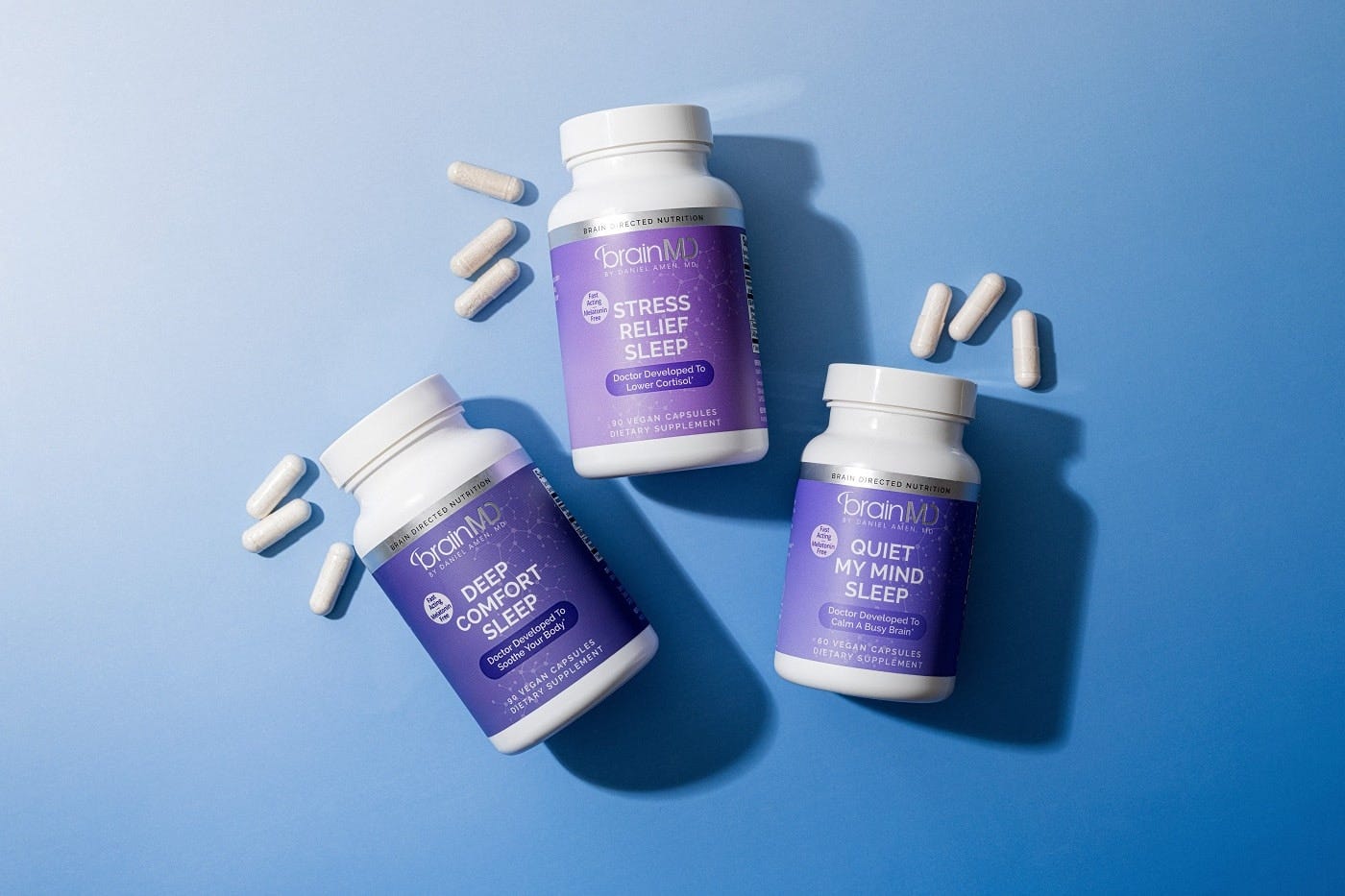
Do you get enough sleep each night? If not, you could be setting yourself up for mental and physical problems. Getting inadequate sleep has been associated with lowered brain efficiency, which can negatively affect your: Mental focus Mood Energy Weight Decision-making Anything that disrupts your natural sleep pattern, like excessive caffeine, alcohol or video game playing, can have adverse effects on your ability to effectively perform tasks at work, school, or home. Also, insufficient or inconsistent sleep can increase irritability, moodiness, and poor judgment. The Truth About Sleep According to the Institute of Medicine (US) Committee on Sleep Medicine and Research, as many as 70 million Americans have ongoing sleep problems that interfere with their daily functioning. If you’re one of those who fail to get consistent sleep each night, you might be at risk for a host of issues. When you don’t get enough sleep, you may have overall lowered blood flow to your brain, which can disrupt your thinking, memory, and concentration. Also, lack of sleep can weaken your immune system and make you more susceptible to getting a cold, flu, or virus. Getting quality sleep each night may help your brain function at optimal levels, as well as support your overall immunity and wellness. How to Get Quality Sleep Getting high-quality sleep is essential for optimal brain and body health. Though minimal required levels of sleep vary, many researchers agree that adults should try to get an average of 7 to 9 hours of sleep per night. If you have healthy habits, such as avoiding caffeine later in the day and getting regular exercise, but still have problems falling asleep, a scientifically formulated and safe dietary supplement that promotes restful sleep may give you the relief you need. Whether you’re too wired, worried, or stressed to sleep, nutritional sleep aids may help improve the quality of your sleep. BrainMD has a line of ultra-pure, high-potency sleep products and one of our top formulas is… Put Me To Sleep Naturally Put Me To Sleep Naturally is based on the most recent nutraceutical research on sleep onset, duration, and quality. The body’s daily sleep phase is now recognized to be just as important for health as the awake phase. Sleep is vital for mental and physical performance, as well as overall health and well-being. This highly effective sleep supplement includes 6 potent ingredients that work in concert to help relax the mind and body in preparation for sleep.* These ingredients have a broad range of neurotransmitter actions in the brain. They are carefully combined in this supplement to promote recovery from daily stress, calm and relaxation, and fully restful sleep.* [wc_box color="inverse" text_align="left" margin_top="" margin_bottom="" class=""] Melatonin – some may enjoy greater sleep benefits from taking a lower dose of melatonin, as is offered in this formulation.* GABA – the gamma-amino-butyric acid used in this product is chemically identical to the body’s GABA neurotransmitter, and may enhance brain function when taken by mouth.* L-Theanine – a unique green tea amino acid that works quickly to reinforce GABA’s natural relaxant actions.* Magnesium – reinforces GABA’s calming effects and helps bring on sleep and maintain sleep quality. Vitamin B6 – is vital for the brain’s entire spectrum of functions as well as those needed for quality sleep.* 5-HTP – an important starting molecule for the brain to produce not just serotonin, a regulatory transmitter that enables quality sleep, but also melatonin.* [/wc_box] This breakthrough chewable supplement helps bring on deep, sustained, and quality sleep. BrainMD’s Free Trial Program BrainMD’s Free Trial program offers a sample package of some of our top-selling supplements, including Put Me To Sleep Naturally. After 14 days, you’ll be enrolled into a subscription service and receive a monthly supply of Put Me To Sleep Naturally for the low price of $35.66. BrainMD will notify you prior to the subscription upgrade and before processing any payments for your first Subscription Delivery shipment. Every 30 days, your credit card will be charged, and a new shipment will be sent to the address supplied at the time of enrollment. You may adjust, pause, or cancel your subscription at any time and for any reason by contacting BrainMD’s Customer Care Team (see below). This offer is only valid in the U.S. One trial program may be purchased at a time by each customer. Quality Sleep Supplements If you’re tired of being tired, it’s time to turn to a natural sleep solution that can help you fall asleep, stay asleep, and wake up refreshed…without the grogginess! Put Me To Sleep Naturally can help support your sleep patterns with ultra-pure nutrients designed to ease you into a peaceful sleep.* If you have difficulties getting quality sleep, this natural sleep supplement may help you achieve deep, sustained, and restorative sleep.* Order your FREE sample today! BrainMD Customer Care Team Email: support@brainmdhealth.com Phone: (888) 850-5287 M-F 6 AM – 5 PM PST At BrainMD, we’re dedicated to providing the highest purity nutrients to improve your physical health and overall well-being. For more information about our full list of brain healthy supplements, please visit us at BrainMD. *These statements have not been evaluated by the FDA. This content is for informational purposes only. It is not meant to substitute for medical or healthcare advice from a physician, nor is it intended to diagnose, treat, cure, or prevent any disease. Consult your healthcare provider before beginning a new health regimen.
Learn more
Jennie Garth’s Favorite Supplements Can Help Relieve Stress and Calm Your Brain
Jennie Garth knows all about stress. From memorizing lines and long hours on set to photo shoots and interviews – and just always needing to be on her A game – the 90210 actor is extremely familiar with the rigors of the Hollywood lifestyle. When she became concerned over memory issues, Jennie visited Dr. Daniel Amen at the Amen Clinics in Southern California. With the assistance of brain SPECT imaging, Dr. Amen determined that Jennie has a busy brain with too much activity in the basal ganglia, a region associated with anxious thoughts. Part of Dr. Amen’s recommended treatment plan for Jennie includes high-quality supplements specifically formulated to decrease stress and increase calm. Two of Jennie’s favorite supplements are BrainMD’s Calm My Brain and L-Theanine Gummies. Jennie Garth’s Favorite Stress-Relieving Supplements! Calm My Brain Jennie is a compassionate advocate for mental health. She’s worked with Dr. Amen to support her brain and has become an enthusiastic ambassador for BrainMD products. Her favorite supplement? Calm My Brain. This ultra-pure supplement provides generous daily doses of high-potency ingredients to help manage stress and promote calm.* Top Benefits of Calm My Brain Relief from anxiousness and stress* Relaxed mind and muscles* Sharper mental focus* Improved quality of sleep* Fast-acting, typically within 30-40 minutes* "Calm My Brain keeps me from having feelings of anxiousness, overthinking things, and stressing too much. It can be taken as needed, but I take it every morning because I just think, ‘let me combat this from the get-go.’” – Jennie Garth L-Theanine Gummies Jennie is also a huge fan of L-Theanine Gummies. These gummies offer fast-acting stress relief in delicious, plant-based gummy form – without hidden sugar, artificial colors or flavors.* Top Benefits of L-Theanine Gummies Calm mood* Better response to stress* Improved focus and clarity* Lower cortisol levels* Enhanced sleep quality* "When your brain is in a stress spiral, having fast-acting relief is key. I love the L-Theanine Gummies to help calm me down whenever I need.” – Jennie Garth Jennie’s Morning Routine Ever wondered what Jennie’s morning health routine looks like? Well, after easing into her pink slippers, she takes Focus & Energy for her focus and Calm My Brain for her nerves. Next, she mixes a spoonful of Brain MCT Energy into her morning cup of tea and reads a daily entry from Dr. Amen’s Change Your Brain Every Day for her mental health. After that, she does stretches. On Tuesdays, because they feel like Mondays on overtime, Jennie makes a nutritious smoothie: Jennie’s Tuesday Morning Smoothie Recipe [wc_box color="inverse" text_align="left" margin_top="" margin_bottom="" class=""] INGREDIENTS: ½ frozen banana 2 cups ice 1 tablespoon Brain MCT Energy oil Handful of chia seeds Handful of hemp seeds Handful of walnuts 2 handfuls spinach and/or kale Dash of cacao nibs 1 or 2 scoops OMNI Protein Vanilla powder ¾ cup plant-based milk [/wc_box] "Make yourself a nutrient-packed smoothie and let’s get on with the week!” – Jennie Garth Manage Stress…Naturally! One of the best ways to manage stress and improve your mood is with BrainMD’s supplements like Calm My Brain and L-Theanine Gummies.* They’ve worked wonders for Jennie and may help you too. Try them today! At BrainMD, we’re dedicated to providing the highest quality supplements to improve your physical health and overall well-being. For more information about our full list of brain healthy supplements, please visit us at BrainMD. *These statements have not been evaluated by the FDA. This content is for informational purposes only. It is not meant to substitute for medical or healthcare advice from a physician, nor is it intended to diagnose, treat, cure, or prevent any disease. Consult your healthcare provider before beginning a new health regimen.
Learn more
3 Types of Rage and How to Get Help When You Start to Lose Control
Have you ever wondered why we sometimes find ourselves consumed with uncontrollable anger? Why do certain things trigger our inner fury? Let’s take a closer look the origins of anger and how it can boil over into rage. The Evolution of Anger One of the most intense emotions in the human experience is anger. Anger can be caused by a variety of stimuli, including feelings of threat or frustration. While anger is a universal emotion, its evolutionary roots still aren’t entirely clear. However, there are a few different theories about how anger may have developed in humans. One theory suggests that anger is an evolutionarily adaptive emotion. It may have originally developed as a means of helping humans survive and reproduce. For example, if our ancestors were threatened by a predator, becoming enraged may have helped them fight back and escape. Or, if they were competing with another individual for resources, getting angry may have helped them win the competition. While this theory makes sense, it doesn’t explain why we still experience anger in situations where it isn’t adaptive (such as when we’re frustrated by our partner or child). A second theory suggests that anger is a byproduct of other evolutionary adaptations. For example, the part of the brain that controls anger (the amygdala) may have originally evolved for other purposes, such as fear or aggression. Over time, however, this same area of the brain became involved in controlling anger as well. This theory could explain why we sometimes see rage erupting “out of nowhere” – it may simply be an emotional manifestation of other processes happening in the brain. Science of Rage: Biological and Neurochemical Causes It’s no secret that humans can be a volatile bunch. We’re prone to fits of anger and aggression that can, in extreme cases, lead to violence. But what drives this behavior? Are we simply hardwired for rage, or is there more to it than that? As mentioned earlier, rage is a primitive emotion that may have developed as a survival mechanism. Today, the root causes of rage are thought to be both biological and neurochemical. Biological factors include things like hormones and brain chemistry. Neurochemical factors refer to the chemicals in the brain that influence our mood and behavior. For example, serotonin is a chemical that helps regulate our mood and keep us feeling calm and relaxed. Low levels of serotonin have been linked with increased aggression and hostility. While we may not be able to completely prevent ourselves from giving in to rage, understanding the biological and neurochemical factors behind it can help us find better ways to control our emotions and behaviors. Here are some common types of rage and some of the best ways to deal with them. 3 Common Types of Rage and How to Get Help When You Start to Lose Control There are different forms of anger or rage. Here’s a closer look at just a few of the types… Outbursts From childhood temper tantrums to adult acts of aggression, anger seems to be hardwired into the human psyche. Maybe there’s a justifiable reason for why you’re upset, like someone shoving your child. Or perhaps your fit of anger was completely unprovoked…maybe you’re just having a really bad day and needed to let off some steam. Whether triggered by real or perceived threats or offenses, anger can escalate to outbursts, which can lead to violence. Such violent outbursts can lead to physical struggles, damage to property, or even fatalities. Frequent violent outbursts may be a sign of trouble, so if this is an area where you struggle, getting help might be the best course of action to protect yourself and others around you. Social Media Rage Social media rage is a relatively new phenomenon that pertains to the anger people feel when they interact with others on social media platforms. This form of anger can be caused by many things, such as disagreeing with a comment made by someone else online or feeling like you’re being ignored. Social media rage can lead to name-calling, cyberbullying, and even doxxing (releasing private information about someone online). Another form of rage may be directed at the technology itself. If a page is loading too slowly or if a perceived link isn’t taking a user to where they want to go, this can produce an aggressive behavior termed rage clicks. Rage clicks occur when users rapidly tap or pound on a link, button, or other area of an app or website when it fails to advance them to their intended goal. Some companies use heatmapping to track where customers are clicking on their site. Rage clicks will appear as big, red circles or blotches on a specific part of a web page, indicating the user’s persistent and hostile reaction to not getting a desired result. If this ever happens to you, the best way to deescalate the situation is to just put the phone down for a few moments (unless you’re in a life-threatening situation). Reengage when you’ve calmed down and maybe try backing out of the current page and try clicking the button again. Sometimes unresponsive web pages may be due to slow wi-fi or elements that appear as if they’re clickable, but really aren’t. A brief timeout and a little patience may help prevent you from engaging in rage clicks. Road Rage Road rage is a type of anger that is often caused by stress while driving. It can lead to aggressive driving, yelling, and even violence. The Department of Motor Vehicles (DMV) defines road rage as: “Aggressive or angry behavior by a driver of an automobile or other road vehicle which includes rude gestures, verbal insults, physical threats or dangerous driving methods targeted toward another driver in an effort to intimidate or release frustration.” Road rage is responsible for many injuries and fatalities each year. Shockingly, 82% of U.S. drivers admit to having committed an act of road rage at least once in the past year. Many people get angry, frustrated, or stressed out by bad drivers, traffic jams, road construction, or other delays. But what causes some drivers to become so enraged? When you’re behind the wheel, you don’t want to be the victim of aggressive behavior, and it can make you feel anxious or angry. In many cases where drivers are targeted by road rage, they respond aggressively by making rude gestures, shouting, honking, tailgating, or flashing their lights. As a result, rage and aggressive behavior may escalate and the consequences can be deadly. Diffusing Road Rage The next time you find yourself engaging in aggressive driving behaviors, follow these tips to diffuse the situation: [wc_box color="inverse" text_align="left" margin_top="" margin_bottom="" class=""] Consider the consequences of your actions: Physical harm to yourself or others (including kids) Damage to one or more vehicles Increased insurance premiums Potential legal issues Fatalities Pull off the highway or road, find a safe place to park, and: Do a deep breathing exercise Turn on some soothing music (classical or easy listening vs. rock or rap) Don’t start driving again until you’ve completely cooled down [/wc_box] You can minimize the risk of giving in to road rage by practicing daily stress-reducing therapies like deep breathing, havening, journaling, exercising, listening to soothing music, and enjoying relaxing scents from diffused essential oils. Also, consider taking dietary supplements with calming and relaxing ingredients like BrainMD’s Everyday Stress Relief, Calm My Brain, and GABA Calming Support.* Get Curious, Not Furious Anger is a signal that something isn’t right in your world. We generally experience it when we feel the need to defend ourselves. But anger also can be the brain’s way of dealing with deeper, emotional issues. When you feel angry, ask yourself what other emotions might be driving the anger. Get curious about what triggers you to become enraged. If episodes of road rage or other types of outbursts persist, it’s recommended that you see a trained counselor or therapist. They can give you practical strategies and therapies to help stabilize your emotions and behaviors so you can enjoy a more peaceful life. At BrainMD, we’re dedicated to providing the highest quality supplements to improve your physical health and overall well-being. For more information about our full list of brain healthy supplements, please visit us at BrainMD. *These statements have not been evaluated by the FDA. This content is for informational purposes only. It is not meant to substitute for medical or healthcare advice from a physician, nor is it intended to diagnose, treat, cure, or prevent any disease. Consult your healthcare provider before beginning a new health regimen.
Learn more
Here Are Some of the Best Reasons You Should Take N-Acetyl L-Cysteine
If you’re looking for a super-nutrient that can help support your immunity and longevity, consider taking a N-Acetyl L-Cysteine (NAC) supplement. NAC Basics NAC is a supplement form of cysteine, a non-essential amino acid. Similar to cysteine, NAC bonds glutamine and glycine to form glutathione, which is a powerful anti-inflammatory and antioxidant. Antioxidants combat oxidative stress (or free radicals), which can cause damage to the body on a cellular level. An increase in free radicals can lead to cellular damage and the development of cardiovascular and neurodegenerative issues. In addition to its antioxidant effects, NAC may help to improve brain health and benefit people dealing with serious cognitive or memory issues. It may have the capability of crossing the blood brain barrier. Also, NAC can bind to and remove dangerous toxic elements within the cells, making it a molecule critical to brain health. Though small amounts of NAC can be found in some vegetables and fruits, many people take it as a nutritional supplement. NAC has been safely used for many years as an adjunctive therapy in treating many serious conditions, including immune and sleep issues. To support your immunity, memory, cognition, and more, BrainMD is proud to announce its new NAC supplement. BrainMD’s NAC Supplement: Antioxidant + Immune Support! N-Acetyl L-Cysteine is a powerful neuroprotective antioxidant that supports healthy glutathione levels, helps to reduce oxidative stress, and promotes detoxification and fertility.* It also supports respiratory and immune function, liver and kidney activity, and cognition.* Next-Level Nutrition BrainMD’s NAC N-Acetyl L-Cysteine supplement contains 600 mg of NAC. When consumed, NAC breaks down into cysteine, then metabolizes into glutathione, the body’s master antioxidant and most integral part of the detoxification system.* Without sufficient glutathione, your brain and body may not function at their best. Supplementing with glutathione’s precursor, N-Acetyl L-Cysteine, can help support your brain health, keep your cells energized, and your immune system functioning on high alert.* Top Benefits of NAC Here are some of the potential benefits of taking BrainMD’s NAC supplement: Enhanced immunity* Optimal brain function* Healthy glutathione levels* Antioxidant protection and detoxification* Fertility support* Healthy respiratory and lung functioning* Who Can Benefit from NAC? Men and women of all ages: NAC modulates oxidative stress and other pathophysiologic processes implicated in serious illness in both men and women. These include mitochondrial dysfunction, apoptosis, inflammation, and more. Men and women who suffer from neurodegenerative conditions: This neurotropic supplement may support brain health and slow cognitive aging in people with serious memory problems. Given its powerful antioxidant capabilities, NAC works to combat free radicals that contribute to neurodegenerative issues. Men and women with infertility: When taken with selenium, research shows that NAC can improve semen parameters in infertile men, making this nutrient combination an effective way to support male fertility. Also, in women with polycystic ovarian syndrome, NAC may improve insulin resistance; when added as an adjunct to the infertility treatment clomiphene, it increased ovulation and pregnancy rates. NAC Ingredient N-Acetyl L-Cysteine N-Acetyl L-Cysteine (NAC) provides powerful antioxidant defense against free radicals. NAC also enhances the electrochemical balance within nerve cells, helping to maintain optimal conditions for their metabolic and neurotransmitter activities. As a vasodilator, NAC helps to relax blood vessels, which can support the flow of blood, nutrients, and oxygen throughout the body. NAC FAQ [wc_box color="inverse" text_align="left" margin_top="" margin_bottom="" class=""] How do I take NAC? Adults (18+) should take 1 to 2 capsules per day, or as directed by your healthcare provider. As with other amino acids, it’s recommended to take NAC either 30 minutes before or 2 hours after eating a meal to avoid competing with protein for absorption. Can this supplement make me dependent on it, or addicted? No. Like other BrainMD products, this is a dietary supplement, not a drug, and is not habit-forming. Is this product safe to take during pregnancy? NAC should be taken under the guidance of a nutritionally-informed healthcare professional. If you’re pregnant or breastfeeding, it’s best to speak with your healthcare provider before starting any supplement. Are there any allergens in NAC? These vegan capsules are free from added dairy, sugar, soy, legumes, tree nuts, eggs, corn, and contain no artificial colorings or flavorings. They’re also gluten free, non-GMO, and are Kosher and Halal certified. Was anything intentionally left out of this product that other companies use in their formulations? Some companies add inactive ingredients – such as lecithin, gelatin, flour, and oils – to help fill up their capsules. Our capsules don’t contain these fillers. Where should I store this supplement? It’s recommended to store NAC somewhere cool and dry, away from water, sunlight, heat, and out of the reach of children. [/wc_box] Get To Know NAC NAC is a potent antioxidant that has been shown to support cognition, fertility, respiratory health, and immune function.* Also, along with naturally increasing glutathione levels, NAC stabilizes protein structures and demonstrates mucolytic and antiviral properties.* BrainMD’s NAC supplement is a 600 mg capsule that can be taken by mouth once or twice daily by adults ages 18 and older. As with all dietary supplements, it’s recommended that NAC be taken under the guidance of a nutritionally-informed healthcare professional. For added antioxidant and immune system support, try BrainMD’s NAC today! At BrainMD, we’re dedicated to providing the highest purity nutrients to improve your physical health and overall well-being. For more information about NAC and our full list of brain healthy supplements, please visit us at BrainMD. *These statements have not been evaluated by the FDA. This content is for informational purposes only. It is not meant to substitute for medical or healthcare advice from a physician, nor is it intended to diagnose, treat, cure, or prevent any disease. Consult your healthcare provider before beginning a new health regimen.
Learn more
Some of the Best Healthy Aging Tips to Keep Your Brain & Memory Sharp
Memory loss is an inevitable part of aging, right? Wrong! According to physician and double board-certified psychiatrist, Daniel Amen: "While it is true that memory issues are common with age, they are not inevitable. In the presymptomatic stage, when memory problems are minor, help is likely to be most effective. If you’re struggling with your memory, even if it seems inconsequential, now is the time to get serious about your brain’s heath.” How to Slow Brain Aging Two of the best ways to slow the aging process are to avoid the things that hurt your brain and embrace the things that help your brain. Though easy to comprehend, those simple steps can be extremely difficult to implement. That’s why it’s important to adopt daily habits that can protect your brain from the things that can harm and age it. To help support your brain health as you grow older, try these practical, natural strategies for healthy aging… 3 of the Best Ways to Support Healthy Aging Today 1. Brain-Energizing Activities Physical exercise can enhance brain health and support memory by: Increasing the size of the hippocampus, the brain’s main memory-forming zone, according to a study published in the American Journal of Geriatric Psychiatry. Protecting the hippocampus from stress-related hormones, like cortisol, which can damage the brain when its levels are high for sustained periods due to ongoing stress. Stimulating the production of growth factors, such as BDNF (brain-derived neurotrophic factors), which nurture brain maintenance and neurogenesis. Decreasing the formation of beta-amyloid plaque, clumps of protein found in the brains of people with severe memory issues. Facilitating greater detoxification through sweat, which is critical since toxins can damage the brain and increase the risk of memory problems. 2. Memory-Supporting Foods Here are some of the best ultra-healthy, memory-supporting foods you should work into your diet: Fish: One of the most studied foods for brain health, fatty fish – such as sardines, wild salmon, tuna, and mackerel – are high in the omega-3 fatty acids EPA and DHA, which are critical to brain health and memory. Vegetables: Vegetables are loaded with vitamins, minerals, antioxidants (including carotenoids), flavonoids, and other polyphenols that help keep the brain healthy and memory sharp. Fruits: Flavonoids and other polyphenols – particularly those found in berries, apples, and citrus fruits – may help to reverse age-related decline in memory and learning. Herbs and Spices: Saffron, turmeric, rosemary, and sage contain substances that support memory and offer overall protection against cognitive decline. Cinnamon may help improve blood sugar status as well as fight inflammation. Nuts and Seeds: Nuts are loaded with healthy fats, minerals, and nutrients that are needed to power the brain’s memory function. Walnuts and almonds also may support mental sharpness. 3. Anti-Aging Supplements Though many products on the market are thought to have memory or age-defying benefits, it’s a good idea to take supplements that offer these anti-aging nutrients… [wc_box color="inverse" text_align="left" margin_top="" margin_bottom="" class=""] Collagen Collagen is the main structural protein that makes up the connective tissues in your body. You need an abundance of healthy collagen to keep your skin elastic, your nails and bones strong, and your joints youthful. It also provides structure for cartilage, tendons, ligaments, muscles, and blood vessels. There are different types and sources of collagen, so make sure to research a product before taking it. CoQ10 Coenzyme Q10 (CoQ10) is a powerful cofactor and protectant for the mitochondria that generate over 90 percent of all our energy. These are constantly at work in all our cells but are most active in the brain to supply its huge energy demands. CoQ10 is important for the brain, heart and circulation, immune system, and other organs. Curcumin Curcumin is an umbrella name for the three main active curcuminoids of turmeric: curcumin, demethoxy-curcumin, and bis-demethoxycurcumin. Curcumin is thought to support working memory, calmness, and satisfaction in coping with mental strain. It also can help promote cardiovascular health and lessen physical fatigue. Resveratrol Resveratrol may help to promote healthy heart muscle function. It’s a phytonutrient that gives red wine its “heart healthy” status. Additionally, resveratrol may help support blood vessel function, promote healthy blood sugar utilization, and improve word recall. Vitamin A Vitamin A is crucial for the brain to develop and maintain its trillions of nerve cell connections (synapses). This powerhouse vitamin is crucial for the development and maintenance of the brain, lungs, eyes (vision), and intestinal tract. It’s also essential for a strong immune system. Vitamin D Traditionally known as the bone vitamin, vitamin D also is essential for organ growth. The liver and kidneys convert vitamin D into a powerful hormone for the health of the brain, heart and circulation, immune system, bones, joints, muscles, and other organs. Vitamin D promotes attention, socialization, memory and learning, positive mood, and overall brain function, while enhancing health and well-being. Superior to D2, vitamin D3 (cholecalciferol) is converted into a hormone that regulates about 900 different genes. Vitamin D3 helps promote healthy mood management and cognitive function and works well with vitamin K2. [/wc_box] Be Proactive Despite what many healthcare practitioners would have you believe, losing your memory or developing mental fog in your forties, fifties, sixties, or even seventies isn’t normal – it’s a sign of trouble. However, serious memory loss isn’t inevitable with advancing age. The best way to sharpen recall, reduce brain atrophy, and avoid long-term memory problems is to be proactive. There will never be a better time to start improving your memory than right now. One of the best ways to promote healthy aging is to take supplements with highly purified nutraceutical ingredients that are clinically researched to keep your mind sharp and efficient. BrainMD offers an entire category of Memory Supplements to help support your brain, cognition, and memory.* Try one of these pure and potent supplements today! At BrainMD, we’re dedicated to providing the highest quality supplements to improve your physical health and overall well-being. For more information about our full list of brain healthy supplements, please visit us at BrainMD. *These statements have not been evaluated by the FDA. This content is for informational purposes only. It is not meant to substitute for medical or healthcare advice from a physician, nor is it intended to diagnose, treat, cure, or prevent any disease. Consult your healthcare provider before beginning a new health regimen.
Learn more