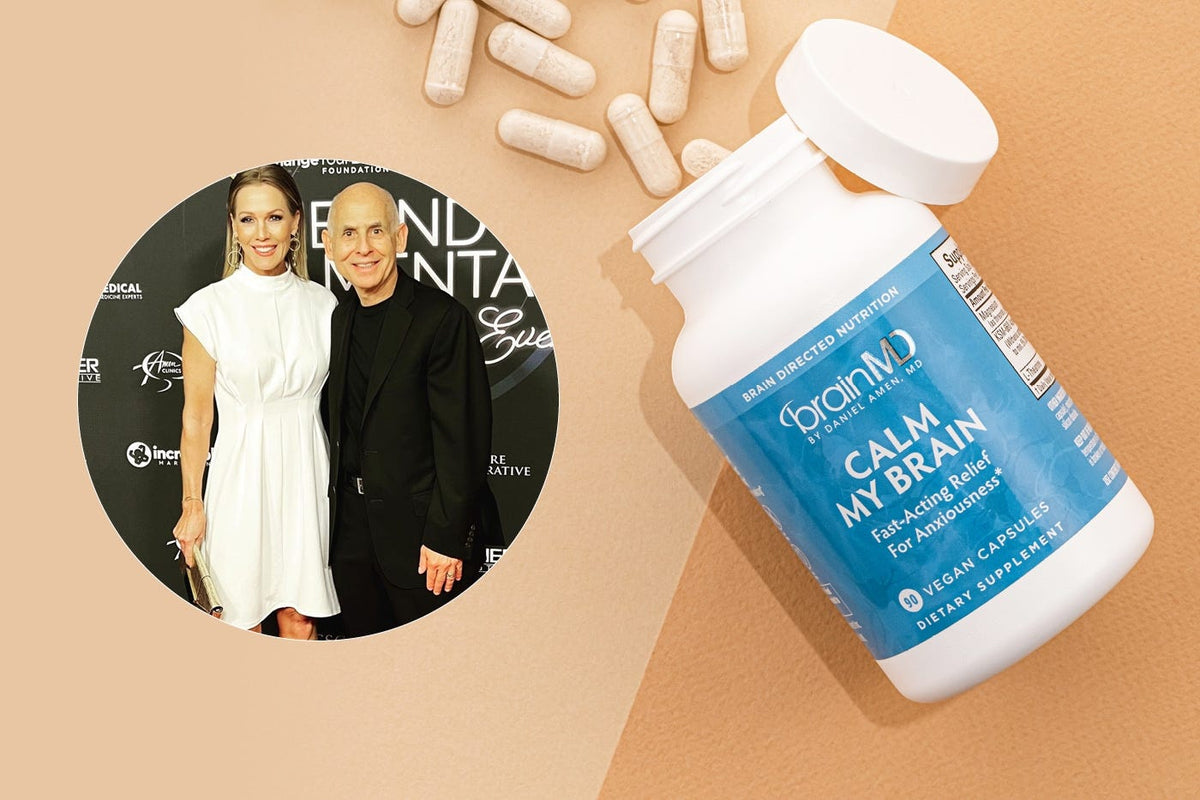
From memorizing lines and long hours on set to photo shoots and interviews – and just always needing to be on her A game – the 90210 actor is extremely familiar with the rigors of the Hollywood lifestyle.
When she became concerned over memory issues, Jennie visited Dr. Daniel Amen at the Amen Clinics in Southern California. With the assistance of brain SPECT imaging, Dr. Amen determined that Jennie has a busy brain with too much activity in the basal ganglia, a region associated with anxious thoughts.
Part of Dr. Amen’s recommended treatment plan for Jennie includes high-quality supplements specifically formulated to decrease stress and increase calm.
Jennie is a compassionate advocate for mental health. She’s worked with Dr. Amen to support her brain and has become an enthusiastic ambassador for BrainMD products.
"Calm My Brain keeps me from having feelings of anxiousness, overthinking things, and stressing too much. It can be taken as needed, but I take it every morning because I just think, ‘let me combat this from the get-go.’” – Jennie Garth
"When your brain is in a stress spiral, having fast-acting relief is key. I love the L-Theanine Gummies to help calm me down whenever I need.” – Jennie Garth
Jennie’s Morning Routine
Ever wondered what Jennie’s morning health routine looks like? Well, after easing into her pink slippers, she takes Focus & Energy for her focus and Calm My Brain for her nerves.
Next, she mixes a spoonful of Brain MCT Energy into her morning cup of tea and reads a daily entry from Dr. Amen’s Change Your Brain Every Day for her mental health. After that, she does stretches.
On Tuesdays, because they feel like Mondays on overtime, Jennie makes a nutritious smoothie:
"Make yourself a nutrient-packed smoothie and let’s get on with the week!” – Jennie Garth
Manage Stress…Naturally!
One of the best ways to manage stress and improve your mood is with BrainMD’s supplements like Calm My Brain and L-Theanine Gummies.*
They’ve worked wonders for Jennie and may help you too.
Try them today!
At BrainMD, we’re dedicated to providing the highest quality supplements to improve your physical health and overall well-being. For more information about our full list of brain healthy supplements, please visit us at BrainMD.
*These statements have not been evaluated by the FDA. This content is for informational purposes only. It is not meant to substitute for medical or healthcare advice from a physician, nor is it intended to diagnose, treat, cure, or prevent any disease. Consult your healthcare provider before beginning a new health regimen.
Meet Our Expert
Nicole Avena, PhD
Dr. Nicole Avena completed her PhD in Neuroscience and Psychology from Princeton University, followed by a postdoctoral training fellowship at The Rockefeller University in New York City. She is a research neuroscientist and expert in the fields of nutrition, diet and addiction, with a special focus on nutrition during early life and pregnancy, and women’s health. In addition to over 100 peer-reviewed scholarly publications, Dr. Avena has written several books, including What to Eat When You’re Pregnant, What to Feed Your Baby and Toddler and What to Eat When You Want to Get Pregnant.
Meet the Author
Keith Rowe
Keith has been a member of the BrainMD team for the past 7 years. Serving as copywriter and editor, he has written 400 blogs and has been involved with the launch of 32 new supplements. He takes many BrainMD supplements daily and his favorite is Neuro-C Vitamin C due to its efficacy and energizing citrus flavor.
In our fast-paced world, many people have tried different ways to increase their energy. When energy levels become depleted, many look for a quick fix to combat fatigue. However, there are healthy and unhealthy ways to increase energy.
Unhealthy Ways to Boost Your Energy
Energy Drinks
Energy drinks are the fastest-growing segment of the beverage industry. By now, it’s no secret that energy drinks are bad for the brain and body. Most of them contain large amounts of sugar or artificial sweeteners, caffeine, and other stimulants that provide a temporary energy boost followed by an energy crash.
Energy drinks are often accompanied by adverse conditions, such as:
Nervousness
Headaches
Upset stomach
Irritability
Sleep issues
Rapid heartbeat
Increased blood pressure
Dehydration
Caffeinated Drinks
While it’s true that caffeine can lead to a temporary increase in alertness, excessive caffeine consumption can constrict blood flow¹ to your brain and many other organs. Caffeine causes the release of adrenaline, which puts the body into a “fight or flight” mode.
Caffeine increases dopamine levels in a similar manner to amphetamines, though its effects are far less than amphetamines. Dopamine is a neurotransmitter that activates the pleasure centers of the brain, so drinking caffeinated beverages may trigger your cravings for even more caffeine and sugar.
If you’re searching for an alternative to coffee or energy drinks, here are 3 ways to increase your energy naturally:
3 of the Best, Natural Ways to Boost Energy and Fight Fatigue
1. Go Nuts
Almonds and cashews are an amazing source of healthy fats, fiber, and protein that help balance blood sugar levels. They’re also packed with magnesium, a mineral that plays a key role in converting food into energy. Being low in magnesium can drain your body of energy.
Organic nut butters also can provide a great-tasting energy boost. To avoid added sugars, try all-natural nut butters that contain nothing but nuts.
2. Get a Move On
Though it may seem like an unlikely way to combat fatigue, research² validates that expending energy in a moderate workout actually can increase energy. Regular exercise can raise the levels of energy-promoting and mood-enhancing neurotransmitters – such as dopamine, norepinephrine, and serotonin – in the brain.
Exercise has also been associated with improved mood and a positive outlook on life. Even moderate exercise can help increase energy, so get moving.
3. Nutritional Support
Are you looking to boost your energy without adding calories to your diet or harming your brain?
Meet Rhodiola rosea.
What is Rhodiola Rosea?
Rhodiola rosea (or simply, rhodiola) is a hardy plant that’s adapted to living in extremely challenging environments. Rhodiola is found mainly in Arctic environments and at high altitudes in the northern hemisphere, including parts of Europe, Asia, and North America.
A favorite in the East, Rhodiola’s root, technically an underground stem, is the main source of its beneficial substances. Often referred to as “golden root,” rhodiola has been used for centuries by many different cultures to help with energy and a variety of other health issues.
Benefits of Rhodiola Rosea
Rhodiola rosea has been studied for many different benefits and has been shown to counter fatigue, sharpen attention, and increase mental capacity. Additionally, rhodiola has strong antioxidant properties to fight free radicals. It also has been found to have a beneficial effect on mood.
Rhodiola is one of the best-studied and most potent adaptogens. It is fast-acting and helps increase the availability of energy during the day. Its anti-stress effects help lower anxiousness, which promotes restful sleep at night.
A generous dose (200 mg) of this versatile and effective nutrient is offered in BrainMD’s premier energy supplement…
Focus & Energy
Focus & Energy was designed to promote sharpness and improve productivity without lowering blood sugar.* It's formulated specifically to reinforce the brain and the body’s ability to fight fatigue and adapt to stress.*
Focus & Energy includes standardized, ultra-pure extracts of 3 powerful adaptogens: rhodiola, ashwagandha, and ginseng:
Rhodiola (Rhodiola rosea) acts swiftly and has been shown to reduce fatigue, promote positive mood, and improve physical and mental performance. This standardized extract provides the stress-fighting rosavins and salidrosides along with powerful antioxidants.*
Ashwagandha (Withania somnifera, root/leaves) is revered in Ayurvedic medicine. It helps the body stay calm and mentally focused while under stress and has been associated with improved memory and attention.*
Asian Ginseng (Panax ginseng) is the best-studied and fastest acting of all the ginsengs.* This standardized extract helps improve focus, memory, and overall well-being, as well as help, maintain blood sugar within normal range.*
Focus & Energy also provides a generous allowance of standardized green tea extract, which is excellent for promoting blood flow to the brain and the rest of the body.* Green tea helps deliver the active substances in the 3 adaptogens to the brain.*
Rounding out Focus & Energy is a nutrient now recognized as essential for human life. Choline has many life functions, including being a building block for acetylcholine, the major transmitter required for sharp mental focus.*
If you’re looking to support your focus and increase your energy, Focus & Energy is an excellent choice.* Unlike the energy rollercoaster you can experience with coffee or energy drinks, there’s no dramatic drop in mood and energy with this dietary supplement.*
Focus & Energy is safe, natural, and non-habit forming.*
Try it today!
At BrainMD, we’re dedicated to providing the highest quality supplements to improve your physical health and overall well-being. For more information about Focus & Energy and our full list of brain healthy supplements, please visit us at BrainMD.
*These statements have not been evaluated by the FDA. This content is for informational purposes only. It is not meant to substitute for medical or healthcare advice from a physician, nor is it intended to diagnose, treat, cure, or prevent any disease. Consult your healthcare provider before beginning a new health regimen.
References:
1. Addicott, M. A., Yang, L. L., Peiffer, A. M., Burnett, L. R., Burdette, J. H., Chen, M. Y., Hayasaka, S., Kraft, R. A., Maldjian, J. A., & Laurienti, P. J. (2009). The effect of daily caffeine use on cerebral blood flow: How much caffeine can we tolerate? Human Brain Mapping, 30(10), 3102–3114. https://doi.org/10.1002/hbm.20732
2. Puetz, T., O’Connor, P., & Dishman, R. (2006, November 8). Regular exercise plays a consistent and significant role in reducing fatigue. ScienceDaily. Retrieved March 18, 2025, from https://www.sciencedaily.com/releases/2006/11/061101151005.htm
In our fast-paced world, many people have tried different ways to increase their energy. When energy levels become depleted, many turn to a quick fix to combat fatigue and boost their energy.
Unfortunately, many of the things people do to boost their focus and energy end up backfiring.
Let’s look at some of the unhealthy ways people try to increase their energy…
Energy Drinks
Energy drinks are the fastest-growing segment of the beverage industry, with consumer demand for energy drinks and shots increasing 29.8 percent between 2013 and 2018. While energy shot sales have decreased in recent years, energy drink sales are estimated to earn over 86 billion dollars¹ by 2026.
Many people agree that energy drinks are bad for your health (including some who actually consume them). These beverages contain large amounts of caffeine, sugar or artificial sweeteners, and other stimulants, all of which provide a temporary energy boost. Since they often don’t feed into the body’s natural energy processes, the effects of these beverages are typically short-lived and can cause long-term problems for the brain and body.
Regularly consuming energy drinks can lead to adverse effects, such as:
[wc_box color="inverse" text_align="left" margin_top="" margin_bottom="" class=""]
Nervousness
Headaches
Upset stomach
Irritability
Sleep issues
Rapid heartbeat
Increased blood
Dehydration
[/wc_box]
Additionally, one study found that just one 16-ounce energy drink can increase norepinephrine² (a stress hormone) by 74% and blood pressure by 6.4% in healthy volunteers. For these, and many other reasons, energy drinks should be avoided at all costs.
Caffeine
It seems like there’s a coffee shop on every corner. By now, it’s no mystery that these stores sell many highly caffeinated drinks that are packed with sugar and fat.
It’s also no mystery that caffeine consumption has increased over the past decades; people have gone from drinking 1-2 cups of coffee a day to double that…or even more. Though coffee has become the new comfort food, especially during the winter months, daily intakes of more than two cups can be overstimulating and potentially detrimental.
Excessive Consumption
Like many people, you might use caffeine to help you stay focused and give you a boost in physical and mental energy. With the extraordinary stress most are facing today, it’s easy to see why you may crave caffeine, especially if you’re sleep-deprived or feel fatigued.
As the pressures of an overstressed lifestyle cause energy levels to decrease, the temptation could be to drink more caffeine to keep your brain stimulated and sharp. Though caffeine can lead to a temporary increase in alertness, excessive caffeine consumption can constrict blood flow to your brain³ and many other organs.
While having a daily cup of joe may not cause serious health problems, drinking more than 3-4 caffeinated beverages a day may create issues for your hard-working liver, kidneys, brain, and other organs.
Adenosine
Adenosine is the key to understanding caffeine dependence. Adenosine is a chemical in the brain that causes drowsiness by slowing down nerve cell activity. When you’re tired, adenosine signals the brain to relax so you can go to sleep.
Caffeine blocks the effects of adenosine⁴ by occupying the adenosine receptor sites and preventing the brain from responding to it. So, even if you’re tired and need sleep to rejuvenate your brain, caffeine can trick the brain into thinking it’s wide awake.
Adrenaline
Caffeine triggers the release of adrenaline, which puts the body into a stressful “fight or flight” mode. This can make your:
pupils dilate
heart rate increase
blood vessels on the skin constrict to slow blood flow from cuts
blood flow increase to working muscles
blood pressure surge
blood flow to the stomach decrease
liver release sugar into the bloodstream for extra energy
muscles tighten to prepare for action
Dopamine
Dopamine is a neurotransmitter that activates the pleasure centers of the brain. Caffeine increases dopamine activity in the brain, in the same way that amphetamines do (though caffeine’s effects are far less than that of amphetamines).
Aside from caffeine, there are many other unhealthy ways to get a dopamine fix. Anything potentially addicting, like nicotine, alcohol/drugs, or sugar-laden/fat-filled treats, can increase brain dopamine activity and cause compulsive behaviors in your life.
These unhealthy ways of getting a quick dopamine boost tend to increase the brain’s demand for dopamine. This can disrupt the brain’s natural function, which can result in insufficient dopamine production and low dopamine system activity in the long-term.
Caffeine Dependency
Excessive caffeine use is associated with dehydration (which can harm your body in many ways), the added stress on your heart, increased blood pressure, headaches, and jitters.
Depending on your body chemistry, when the effects of caffeine wear off, you may feel fatigued or emotionally deflated. This may drive you to consume even more caffeine to get you back to feeling alive and energized. Of course, this can lead to caffeine dependency since it will take more and more caffeine to achieve the same result.
Other Unhealthy Stimulants
There are many other stimulants that can become habit-forming or harmful to your health. Besides the caffeine from coffee beans, many derived from plants such as coca (leaves), guarana, kava kava, kola, and tobacco (nicotine). Though some of these may be beneficial in small amounts, they can be injurious to your health when taken in large quantities over an extended period.
It’s important to remember that just because an energy enhancer comes from a “natural” source doesn’t necessarily mean it’s good for the body
Instead of turning to one of these harmful stimulants when your energy is low, try one of these healthy energy-boosters…
8 Herbs & Spices That Provide Natural, Long-lasting Energy
1. Ashwagandha
Ashwagandha is a well-known herb that’s been used in an ancient style of medicine called Ayurveda. Originating in India, Ayurveda is a holistic method that blends mind, body, and environment for a completely balanced state of health and well-being. Ashwagandha has such versatile benefits, it’s sometimes called the “Queen of Ayurveda.”
The ashwagandha plant is known scientifically as Withania somnifera, as well as Indian ginseng or winter cherry. The word ashwagandha means “smell of the stallion,” which refers to the plant’s natural odor. Somnifera means “sleep-inducing.”
The roots, leaves, and stems of the plant have been used for many health benefits, but the root preparations have been most widely employed and most intensively researched.
This plant is called an “adaptogen,” meaning it helps the body adapt to stress. The body can react positively to this adaptogenic herb in various ways that support its homeostasis and help it cope with existing challenges, most typically related to stress. Homeostasis is the collective of processes that the body uses to maintain the internal conditions it needs to stay alive.
In human clinical trials, ashwagandha root concentrates have shown protection against stress and lowered the stress hormone cortisol; reduced anxiety; promoted memory, mental focus, and sleep quality; lowered food cravings; increased antioxidant defenses; improved thyroid, circulatory, bone marrow, and joint function; accelerated muscle recovery and strengthening, and supported healthy sex drive. The roots and leaves can be used in teas and the powdered form can be used in recipes.
However, commercial ashwagandha ingredients vary considerably in quality, and adulteration can occur. Be sure to use ashwagandha that’s been carefully standardized for its content of active substances, to ensure its benefits are predictable every time you take it.
2. Cayenne
Spicy foods are often eaten in warm climates as they promote sweating, which has a cooling effect on the body. But this versatile spice also can warm you up in the colder months.
Cayenne contains a phytochemical called capsaicin, which gives cayenne its spicy flavor and helps turn up the heat in your body. Capsaicin digests slowly and increases gastric blood flow, which benefits your gut. Jalapeños and ultra-spicy habaneros also contain capsaicin.
Capsaicin supports healthy blood flow to tissues by stimulating the release of nitric oxide, which helps to expand your blood vessels. This allows for greater blood flow and increased energy.
3. Cinnamon
Cinnamon provides a treasure trove of health benefits and includes anti-inflammatory and antimicrobial properties. Additionally, cinnamon promotes healthy blood sugar levels, which enable the brain to maintain healthy mood and mental sharpness throughout the day.
Cinnamon traditionally has been considered a warming spice, and animal studies suggest it may have such “thermogenic” properties. Human studies are needed to confirm whether cinnamon can warm your body while boosting your brain function.
4. Ginkgo Biloba
Ginkgo biloba is an ancient tree that’s often referred to as a living fossil. This tree is extremely hardy, resistant to pests, can reach 100 feet in height, and can live for over a century.
Ginkgo has been used in traditional medicine for thousands of years. The leaves of ginkgo yield several flavanols which, together with beneficial terpenes from the leaves, are made into a standardized dietary supplement ingredient. Standardized extracts prepared from the leaf have existed for over 50 years and are used worldwide for a diverse range of health benefits.
This intensively researched plant extract is crucial for optimal brain function. It has a range of powerful antioxidant substances most studied for their capacity to improve blood flow, protect the tissues, promote healthy aging, and enhance memory and concentration. Ginkgo biloba’s unique combination of antioxidants and blood vessel protectants also helps the brain defend against toxins while promoting overall mental sharpness.
5. Ginseng
One of the most popular categories of medicinal plants in the world, the ginsengs are grown mainly for their roots. Ginseng roots naturally contain a diverse assortment of beneficial ginsenosides, polysaccharides, peptides, alkaloids, and phenolics that work together for improving focus, sharpening memory, and supporting overall well-being, particularly when under stress.
Panax ginseng, also known as Korean or Asian ginseng, is a potent adaptogen. It’s the best-studied of the ginsengs and leads all other ginsengs for its almost immediate mental focus benefits. Panax ginseng also promotes the release of nitric oxide, a small molecule that the body normally produces as a messenger to open blood vessels and consequently improve blood flow to the brain.
6. Green Tea
A staple in many Asian cultures, green tea is made (without fermentation) from leaves of the Camellia sinensis plant. It contains high concentrations of catechins and other polyphenols, substances with very powerful antioxidant properties that are also adaptogenic. The green tea polyphenols support healthy blood pressure levels and promote blood flow to the brain.
Green tea’s antioxidant benefits help the body maintain a net positive antioxidant reserve against attack from external toxic agents, including free radicals produced by our own cells. In addition to green tea’s powerful circulatory benefits, it also helps reduce stress, improve intestinal bacterial balance, and assist the body with burning carbohydrates and fat to make energy.
In some studies, drinking green tea has been shown to potentially decrease the risk for memory problems, and in populations that consume a lot of it, may help curb cognitive decline. Green tea also naturally contains l-theanine, which can enhance mental focus yet has a calming effect without making you sleepy.
Green tea only has half the amount of caffeine compared to coffee. Always brew fresh leaves – powdered drinks will not provide brain health benefits.
7. Peppermint
Peppermint (Mentha species) is an herb from the mint family. It is native to Asia and Europe and has been used for thousands of years for its health benefits and pleasant taste. Traditionally, it was prized as a digestive health aid, a value now confirmed by clinical research.
Peppermint has distinct aromatic properties. Whether eaten, chewed, or smelled, peppermint can increase both alertness and memory, while improving reasoning and problem-solving skills. According to one study,⁵ just the scent of peppermint essential oil can improve alertness and calmness.
Many foods and beverages use peppermint. Some are healthy, such as peppermint tea and fresh mint leaves on a salad, while others are unhealthy, such as sugar-laden peppermint ice cream and peppermint candies. Peppermint essential oil can be used in a diffuser to help freshen up a room.
8. Rhodiola
Rhodiola rosea is one of the most potent adaptogens. It has been extensively studied and has been shown to counter fatigue related to stress, sharpen attention, and increase overall mental capacity.
Rhodiola is fast-acting and has strong antioxidant properties to fight free radicals. It has been found to have a beneficial effect on mood and its anti-stress effects can help reduce anxiousness.
Rhodiola can help improve physical and mental performance. It helps increase the availability of energy during the day and promotes restful sleep at night.
Herbs for Energy
These are just a few of the natural ways you can increase your focus and overall cognition. For better mood, short-term memory, and mental clarity, begin adding these herbs and spices to your diet. You can introduce them one at a time or pick up all of them during your next visit to the grocery store.
Be sure to let us know below how they work out for you.
At BrainMD, we’re dedicated to providing the highest purity nutrients and standardized herbal ingredients to support your energy, focus, and overall well-being. For more information about our full list of supplements, please visit us at BrainMD.
These statements have not been evaluated by the FDA. This content is for informational purposes only. It is not meant to substitute for medical or healthcare advice from a physician, nor is it intended to diagnose, treat, cure, or prevent any disease. Consult your healthcare provider before beginning a new health regimen.
References:
Fontinelle, A. (2022, June 7). The energy drinks industry: Monster, Red Bull, and Rockstar remain popular with consumers. Investopedia. https://www.investopedia.com/energy-drinks-industry
Somers, K. R., & Svatikova, A. (2020). Cardiovascular and autonomic responses to energy drinks—Clinical implications. Journal of Clinical Medicine, 9(2), 431. https://doi.org/10.3390/jcm9020431
Addicott, M. A., Yang, L. L., Peiffer, A. M., Burnett, L. R., Burdette, J. H., Chen, M. Y., Hayasaka, S., Kraft, R. A., Maldjian, J. A., & Laurienti, P. J. (2009). The effect of daily caffeine use on cerebral blood flow: How much caffeine can we tolerate? Human Brain Mapping, 30(10), 3102–3114. https://doi.org/10.1002/hbm.20732
Ribeiro, J. A., & Sebastião, A. M. (2010). Caffeine and adenosine. Journal of Alzheimer's Disease, 20(Suppl 1), S3–S15. https://doi.org/10.3233/JAD-2010-1379
Moss, M., Hewitt, S., Moss, L., & Wesnes, K. (2008). Modulation of cognitive performance and mood by aromas of peppermint and ylang-ylang. International Journal of Neuroscience, 118(1), 59–77. https://doi.org/10.1080/00207450601042094
In the fast-paced modern era, stress has become an unwelcome part of our daily lives.
But the good news is there are many natural ways to alleviate your worries and promote overall well-being. One of those therapies involves sweating it out in a sauna.
Let’s explore how harnessing the healing power of heat can leave you feeling refreshed, revitalized, and ready to take on whatever life throws your way.
Origin of Saunas
The sauna, a small room or building designed specifically for experiencing heat sessions, has been used for centuries as a form of therapy and relaxation. This ancient practice originated in Finland and has since spread around the world, gaining popularity for its numerous benefits beyond just physical health.
The earliest saunas weren’t much more than simple pits dug into the ground with logs placed over them to create a makeshift hut. These structures were primarily used as a place for cleansing and curing illnesses. Over time, saunas evolved into more sophisticated spaces made from stone or wood, with fireplaces or stoves used to heat rocks that would release steam when water was poured over them.
Sauna use was widespread in Europe during the Middle Ages, where the practice became a form of bathing. In some cultures, such as Sweden and Russia, saunas were also commonly used for socializing and conducting business meetings.
In North America, Native American tribes used sweat lodges, which served a similar function to saunas – promoting physical healing and spiritual cleansing. However, it wasn’t until the 20th century that Scandinavian immigrants brought the traditional Finnish sauna practice to North America.
Today, saunas can be found all over the world in various forms – from traditional, wood-fired saunas to modern electric ones found in gyms and spas.
The Power of Heat
Saunas can be an effective tool for relaxation. Heat can penetrate deep into our bodies, reaching muscle tissues and stimulating blood flow. This increase in circulation can help alleviate pain and tension while promoting overall health and well-being.
When we step into a hot sauna room, our body responds by releasing endorphins, also known as “feel-good” hormones, which can help to reduce stress. At the same time, sweating allows us to release built-up tension within muscles, which can help ease any pain or discomfort we may be experiencing.
Aside from its effect on stress reduction and pain relief, the powerful heat of a sauna also can improve our skin health. The sweating process helps unclog pores and remove toxins from the body. Also, the increased blood circulation nourishes skin cells, which helps promote healthier skin.
Sauna use may have other potential health benefits¹ for the entire body. Here are just a few…
5 of the Best Health Benefits of Saunas
1. Stress Reduction
One of the most well-known benefits of saunas is their ability to reduce stress. Due to work pressures, family responsibilities, societal expectations, or other factors, we all face a variety of stressors. However, excessive stress can take a toll on our mental and physical health.
The heat generated by a sauna helps to release endorphins, which can help promote relaxation² and elevate mood, while reducing stress and tension. Additionally, the tranquil environment of a sauna allows individuals to disconnect from outside stresses and focus on their own mental and physical state.
Regular sauna use may help lower levels of cortisol – one of the main stress hormones. High levels of cortisol in the body can lead to various health issues such mood problems, weight gain, and decreased immune function. Taking 15- to 30-minute sauna sessions at least twice a week can help lower cortisol and potentially reduce the risk factors for the above issues.
2. Improved Circulation
The heat from a sauna helps blood vessels dilate, which increases circulation throughout the body. This can have numerous positive effects such as lowering blood pressure and improving muscle recovery time after exercise. Improved circulation also aids in supplying oxygen and nutrients to different parts of the body, which helps promote overall health.
3. Boosted Immunity
Regular use of saunas may help strengthen the immune system against illness and infection. Sweating during a sauna session can help eliminate toxins, which can allow the body’s defense systems to function more efficiently.
4. Pain Relief
The heat from a sauna can work wonders for those experiencing pain or discomfort due to sore muscles from exercise. Increased circulation assists in providing relief by reducing inflammation and promoting faster healing processes within the affected area.
5. Detoxification
Sweating helps the body eliminate toxins, which makes saunas an excellent way to aid in this process. This can help rid your body of harmful substances that build up over time like heavy metals and chemicals absorbed through daily exposure. As you relax comfortably inside a sauna, your sweat glands help release these toxins from your body. Coupled with proper hydration, this can have a significant impact on overall health and wellness.
Types of Saunas
Let’s take a closer look at the two main types of saunas and their differences.
[wc_box color="inverse" text_align="left" margin_top="" margin_bottom="" class=""]
Traditional Saunas
The basic principle behind this type of sauna is to heat up rocks or stones placed over a fire or electric heater until they reach high temperatures (typically between 70-100 degrees Celsius). Water is then poured on these hot stones to produce steam, which increases the humidity levels within the room.
The temperature and humidity combination in traditional saunas can create what’s known as “loyly,” the sensation produced when steam contacts the skin. This experience can be incredibly invigorating and may have numerous health benefits such as improved circulation, detoxification, respiratory relief, and stress reduction.
Infrared Saunas
While traditional saunas use direct heat from sources like fire or electricity, infrared saunas use special heaters to emit infrared heat waves directly into the body without heating up the surrounding air. These heaters generate waves that penetrate deep into the tissues, causing our body temperature to rise from within rather than from outside air.
Due to this unique method of producing heat, infrared saunas are able to operate at lower temperatures (around 50-60 degrees Celsius) compared to traditional saunas while still providing similar health benefits such as detoxification, pain relief, improved blood flow, and more relaxed muscles.
[/wc_box]
Differences Between Traditional and Infrared Saunas
The main difference between traditional and infrared saunas lies in the type of heat they use. This leads to a few key distinctions such as the humidity level in the room, the temperature level, and how quickly the room heats up.
Traditional saunas produce high levels of humidity due to the water being poured onto hot stones, while infrared saunas have low humidity levels since they don’t use steam. Though traditional saunas can reach higher temperatures, both types are considered safe with proper usage.
Another key difference is that traditional saunas typically take longer to heat up (around 30-40 minutes) compared to infrared saunas which only take about 10-15 minutes. Additionally, some people may find it difficult to breathe in a traditional sauna due to the excessive heat and heavy steam, making an infrared sauna a more comfortable option for those with respiratory issues.
Both traditional and infrared saunas offer unique experiences with similar benefits for our health and well-being. If you prefer a hotter and more humid environment, a traditional sauna may be the best option. On the other hand, if you want a less intense heat without all the steam, an infrared sauna may be the better choice.
Ultimately, it comes down to personal preferences and which type of sauna best suits your needs.
Turn Up the Heat
For centuries, people have used heat to relax, unwind, and treat various health conditions. From traditional saunas to modern infrared saunas, which are becoming increasingly popular around the world, many are discovering the healing power of heat.
Saunas offer potential health benefits that go beyond basic relaxation. From stress reduction to improved immunity and detoxification, incorporating regular sauna sessions into your wellness routine may help contribute to a healthier and happier lifestyle. So, consider taking advantage of the healing power of heat and reap the rewards for both your mind and body.
Note: Be sure to speak to your doctor or other healthcare professional before starting sauna therapy.
At BrainMD, we’re dedicated to providing the highest purity nutrients to improve your physical health and overall well-being. For more information about our full list of brain healthy supplements, please visit us at BrainMD.
These statements have not been evaluated by the FDA. This content is for informational purposes only. It is not meant to substitute for medical or healthcare advice from a physician, nor is it intended to diagnose, treat, cure, or prevent any disease. Consult your healthcare provider before beginning a new health regimen.
References:
1. Laukkanen, J. A., et al. (2018). Cardiovascular and other health benefits of sauna bathing: A review of the evidence. Mayo Clinic Proceedings, 93(8), 1111–1121. https://doi.org/10.1016/j.mayocp.2018.04.030
2. Cernych M, Satas A, Brazaitis M. Post-sauna recovery enhances brain neural network relaxation and improves cognitive economy in oddball tasks. Int J Hyperthermia. 2018;35(1):375–82. doi: 10.1080/02656736.2018.1504992
When was the last time you did outer work?
Outer work may involve consistent exercise, proper nutrition, and quality sleep.
These healthy lifestyle factors address the physical elements of existence. However, there are also emotional, psychological, and spiritual aspects to consider.
So, when was the last time you did inner work?
Inner Work
The phrase “inner work” might initially deter some people since it conjures images of mystical trances or therapies such as hypnotism. The thought of doing “work” on one’s personality and psyche might be a tough sell for some. Though it may feel uncomfortable at first, inner work can bring about insight, inspiration, and personal growth.
Inner work is frequently overlooked in daily life. Perhaps this is because it’s often easier to evaluate physical results than emotional or psychological progress. Also, in a society preoccupied with physical appearance, outer work typically takes precedence over inner work in daily routines.
At its core, inner work is the process of getting to know yourself. It’s a form of introspective self-care where you can help yourself let go of harmful attachments, habits, people, and thoughts.
Negative Thoughts
Beliefs are powerful. Sadly, it’s common for people to believe things about themselves that just aren’t true.
The trouble with negative thinking is that it can distort perceptions of reality. When left unchecked, negative self-talk can create serious self-esteem and mood problems.
Have you ever had a limiting belief such as, “I’ll never be good enough?” When these thoughts occur, challenge them with questions like, “Is that really true?” Talking back to negative thoughts can help you retrain your brain, which will allow you to focus on the positive and leave the past where it is.
Overcoming negative self-talk is just one of many types of inner work you can do. Here are some helpful ways for you to become more mindful of your inner life…
10 Ways Inner Work Can Bring Peace & Purpose to Your Life
1. Just Breathe
Relaxation techniques can help you gain better control over stress and worry. Deep breathing is an effective therapy that can be done anywhere, anytime! Take deep breaths and let your mind and body start to relax.
A simple exercise to reduce stress is breathe in for 8 seconds; hold it for 8 seconds; breathe out for 8 seconds, and then hold it for 8 seconds. Repeat 4 times.
Try it. You should feel more focused and relaxed almost immediately.
2. One-Page Miracle
Clear and focused objectives are essential to achieving goals. The One-Page Miracle is a powerful exercise that can make a dramatic difference in your life.
Here are the simple steps:
On a piece of paper, write down the specific goals for each area of your life, including your health (physical, emotional, and spiritual), relationships, work/school, and finances. Post it where you’ll see it every day.
Ask yourself, “Is my behavior today getting me what I want?” Focusing on what’s important to you daily may make it easier for you to attain your goals.
3. Soothing Tunes
Listening to music raises dopamine levels, which can increase pleasurable feelings, improve mood, boost energy, and help with focus and concentration.
Remaining in a relaxed state of mind is easier to accomplish when you have a happy tune running through your head. Listen to brain enhancing music specifically composed to boost mood, gratitude, motivation, and inspiration.
4. Visit a Haven
Choose a haven – a place where you feel comfortable and that you can imagine with all your senses. If it’s the beach, visualize the ocean, feel the sand between your toes, and the warm sun on your skin. Your haven can be any real or imaginary place where you’d like to spend time.
During each session, choose one goal to work on. Stay with that goal until you can imagine yourself reaching it, going through each of the steps required to attain it. Begin to envision yourself not as you are, but as you want to be.
Spend at least 20 minutes a day on this refueling, life-changing exercise. You might be amazed at the results.
5. Practice Mindfulness
One of the best ways to achieve a state of calm is with mindfulness. Well-designed human studies show that daily mindfulness can help improve your brain.¹ Yoga, tai chi, and other mindfulness exercises can help reduce anxious and depressive thoughts and increase focus.
Many people think that yoga is just stretching. While stretching is certainly involved, yoga can help decrease stress. As with exercise, start with short periods of 5 or 10 minutes and work your way into longer sessions.
6. Write It Down
The process of journaling gives stressful thoughts a place to live other than your brain. Once those concerns have been expressed, they often lose their intensity and urgency, which will help you mentally relax. Writing in your journal 10 minutes before you go to bed can help relieve the worries of the day and put you in a restful state of mind.
7. Strong Connections
Social connections can significantly affect your brain,² mood, and overall well-being. Building and maintaining healthy relationships may help you feel understood and cared for. When you care for others and feel cared for, your brain releases oxytocin, the “bonding” hormone, which can counteract some of the negative effects of stress.
The health habits of the people you spend time with can have a dramatic impact on your own health. Surround yourself with people who are happy, upbeat, kind, and who challenge you to be the best version of yourself.
8. Practice Gratitude
Did you know that practicing gratitude actually makes your mind work better? People who express gratitude on a regular basis are healthier, more optimistic, make more progress toward their goals, have a greater sense of well-being, and are more helpful to others.
Write down three things you’re grateful for every day. Then, experience the joy that gratitude can bring.
9. Daily Meditation
Make time for yourself every day. Taking breaks for meditation and relaxation provides benefits for both your physical and mental health.
Spending just 15 minutes alone may refresh your mind. Clearing your mind and slowing your breathing can help restore inner calm.
Repeating simple words like “May I be safe and secure” can increase positive emotions and decrease negative ones. Loving Kindness Meditations (LKM) can reduce pain and improve other mental health challenges.
10. Reach Out for Help
Though isolating yourself during tough times may feel like the safest option, closing yourself off from the world can intensify negative feelings. Resist the urge to shut out the individuals who can offer you encouragement and support.
Reach out to friends and family and let them know when you’re emotionally overwhelmed. Seek professional help if necessary, but don’t fight your battles alone.
Find Your Quiet Place
A foundational element of inner work is seclusion. To clear your mind and attain a peaceful state, it’s important to shut out external distractions.
This includes turning off TVs, cell phones, and other devices. Also, it’s important to get away from loud traffic, noisy neighbors, or screaming kids. It might be best to find a place of solitude away from your home, at a park or other outdoor area.
Inner work can be a journey of self-discovery that allows you to look at your life honestly and objectively. There may be highs and lows along the way, but don’t give up. Many have found this process to be freeing and rewarding...even life-changing.
You may find that the results are well worth the investment, so set aside some time to focus on yourself today.
At BrainMD, we’re dedicated to providing the highest purity nutrients so you can do the things you love. For more information about our full list of brain healthy supplements, please visit us at BrainMD.
These statements have not been evaluated by the FDA. This content is for informational purposes only. It is not meant to substitute for medical or healthcare advice from a physician, nor is it intended to diagnose, treat, cure, or prevent any disease. Consult your healthcare provider before beginning a new health regimen.
References:
1. Khoury, B., Lecomte, T., Fortin, G., Masse, M., Therien, P., Bouchard, V., Chapleau, M.-A., Paquin, K., & Hofmann, S. G. (2013). Mindfulness-based therapy: A comprehensive meta-analysis. Clinical Psychology Review, 33(6), 763–771. https://doi.org/10.1016/j.cpr.2013.05.005
2. Holt-Lunstad, J. (2024). Social connection as a critical factor for mental and physical health: Evidence, trends, challenges, and future implications. World Psychiatry, 23(3), 312–332. https://doi.org/10.1002/wps.21224