 Skip to content


Wellness Blog



This Is What You Need to Know About Serotonin and Happiness
Are you looking for ways to brighten your mood? If so, are you getting enough of the “Happiness Chemical” every day? What’s the Happiness Chemical? The human brain produces a soothing neurotransmitter called serotonin, mostly from the amino acid tryptophan that’s derived from dietary proteins. Serotonin regulates many transmitter systems and plays a role in the brain and body’s ability to communicate. It has been referred to as the “don’t worry, be happy” neurotransmitter. Serotonin plays multiple roles in the brain’s functioning, including: Maintaining a balanced mood Boosting self-confidence and social behavior Supporting a healthy appetite Facilitating deep sleep Sustaining the body’s 24-hour rhythms Enabling survival functions like body temperature regulation and breathing Also, serotonin has been linked with learning and memory. Interestingly, though serotonin is manufactured in the brain, where it performs its primary functions, it’s estimated that about 90% of our serotonin supply is found in the digestive tract and in blood platelets. Can Serotonin Really Make Me Happy? Though research is ongoing, there are strong indications that this transmitter may help improve mood, especially when working in tandem with other nutrients. For instance, 5-HTP, the raw material the brain uses to make serotonin, can cross the blood-brain barrier and has been shown in double-blind, placebo-controlled studies to lift the mood and calm a restless mind. B vitamins, such as vitamins B6, B9 (folate) and B12, have been linked to positive mood and they all participate in the synthesis of serotonin. Also, saffron, derived from the flower of Crocus sativus, may help support healthy levels of serotonin in the brain. While supplements can affect people differently, there’s strong evidence that serotonin, and other nutrients that support its actions, may have a positive effect on mood and overall well-being. There’s also strong evidence that serotonin deficiency may cause mental and physical health problems. Signs of Serotonin Deficiency Many people don’t produce enough of this healthy transmitter to experience its calming, positive effects. Low activity of serotonin on certain of its 14 receptors can result in sudden shifts between low mood and overexcited mood. Since serotonin also functions in your intestinal tract, having low activity of this transmitter is closely associated with changes in gut health and appetite. Low serotonin activity may result in: Difficulties with mental sharpness Carbohydrate cravings and binge eating Digestive and other intestinal problems Sleep issues Feeling overwhelmed and unhappy Headaches Anger and irritability So, what can you do if you’re low in serotonin? Healthy serotonin activity can be maintained in the brain and body through certain lifestyle interventions, such as regular exercise, getting appropriate levels of sunlight exposure, and daily supplementation with nutrients that facilitate serotonin production. Natrual Serotonin Supplements Supplements that provide select B vitamins, as well as concentrates of saffron, can help support healthy serotonin levels. BrainMD’s Serotonin Mood Support was created specifically to promote multiple brain mechanisms that maintain healthy serotonin levels in the brain.* BrainMD’s Serotonin Mood Support Taking BrainMD’s Serotonin Mood Support can help increase the production of soothing brain waves, correct stress-related nutritional deficiencies, and promote relaxation that will enable quality sleep.* It can help you handle the ups and downs of life with more composure.* This potent mood formula includes: [wc_box color="inverse" text_align="left" margin_top="" margin_bottom="" class=""] 5-Hydroxytryptophan (5-HTP) – This nutrient is readily absorbed and rapidly reaches the brain, where it requires just one enzyme step for conversion to serotonin. This enzyme also needs vitamin B6. Vitamin B6 – Vitamin B6 is an essential cofactor for enzymes that make dopamine and serotonin. It works in harmony with methylfolate and methyl-vitamin B12 to support a variety of neurotransmitter systems. Methylfolate – The B vitamin folate provides methyl groups needed to make serotonin. Methylfolate is pre-activated folate, and is the body’s most readily utilized form of this vitamin. It’s better utilized than folic acid, a manufactured substance not found in nature that many people cannot efficiently convert into usable folate. Methyl-cobalamin – The body’s most readily-utilized form of vitamin B12, methyl-cobalamin provides metabolic backup for methylfolate. We avoid using cyano-cobalamin, which contains toxic cyanide. Saffron – The world’s most expensive spice, saffron has been used for thousands of years to induce happiness. Modern saffron concentrates have consistently improved mood, feelings of anxiousness, and other mental functions in clinical trials. [/wc_box] Serotonin and Happiness (& More) If you’re looking for natural ways to support your mood, taking supplements that release happiness neurochemicals – like serotonin – into your brain is a smart place to start. Healthy lifestyle habits, such as daily exercise, consuming whole foods, and taking a dietary supplement like Serotonin Mood Support, can work together to sustain the brain’s many vital functions, support a positive mood, promote restful sleep, and more.* Try it today! At BrainMD, we’re dedicated to providing the highest quality supplements to improve your physical health and overall well-being. For more information about our full list of brain healthy supplements, please visit us at BrainMD. *These statements have not been evaluated by the FDA. This content is for informational purposes only. It is not meant to substitute for medical or healthcare advice from a physician, nor is it intended to diagnose, treat, cure, or prevent any disease. Consult your healthcare provider before beginning a new health regimen.
Learn more
Top 5 Reasons to Add Betaine Supplements to Your Daily Regimen
Have you ever heard of betaine? If not, here’s what you need to know about this unique nutrient. What Is Betaine? Betaine, or trimethylglycine (TMG), is a substance made in the body. TMG can be found in foods too, such as beetroot. It also can be found in certain supplements. Betaine has several potential health benefits, including improved mood, energy, and heart health. It helps convert potentially harmful homocysteine into the antioxidant methionine. Also, TMG is involved in the process called methylation, which is crucial for DNA production. Methylation Basics Methylation is the body’s process of transferring various compounds between methyl groups. It’s needed to manufacture the vitamins folate and B12, as well as amino acids, neurotransmitters, hormones, red blood cells, DNA, and RNA. Methylation can have far-reaching impacts on both your mental and physical health. Unfortunately, some people have poor bodily methylation. The methylation process is complex; just one genetic mutation can adversely impact the process. When that happens, your body and brain can experience negative effects such as poor focus, memory, and hormone regulation. If you’re looking to improve your body’s methylation, consider taking a high-quality betaine supplement like… BrainMD’s Betaine TMG Betaine TMG is a supplement that can support your body’s methylation process, which is important for the proper functioning of your cardiovascular, nervous, and endocrine (hormone) systems.* Your body also needs betaine for detoxification and energy production.* The Ultimate Methylation Aid This high-quality TMG supplement may improve your body’s methylation.* Not to be confused with betaine HCl, Betaine TMG is the amino acid glycine with three methyl groups attached to it. Once ingested, those methyl groups break apart from the glycine, increasing your body’s methyl pools which help aid in the methylation process.* TMG bypasses the folate enzyme MTHFR. That means even if you have the common gene mutation C677T, which hampers methylation, you can still benefit from Betaine TMG. What Are the Benefits of Betaine? Helps Support Mood – the compound S-adenosylmethionine (SAMe) is well-studied for promoting a positive mood. Taking TMG may help increase SAMe’s efficacy, which can provide mood benefits.* Helps Neutralize Homocysteine – TMG helps clear excess homocysteine, a harmful amino acid, out of the body by converting it to methionine.* It also may be helpful for those who’ve had limited success maintaining healthy homocysteine through folate supplementation. Helps Build Muscle – at a dosage of 2.5 grams per day, TMG can help improve power and body composition.* Is Betaine TMG Right For You? If you’re low in folate or vitamin B12, it may be that you aren’t methylating well. Other tests that point to poor methylation include high blood levels of MMA (methylmalonic acid) or homocysteine, which can build up in the absence of folate. You may benefit from a high-quality betaine supplement like Betaine TMG if you’re experiencing: Stress and low mood Hormone imbalance Poor ability to detoxify Histamine intolerance Low energy Betaine TMG Ingredient Betaine, or trimethylglycine (TMG), is a small molecule that’s integral to human metabolism. We get betaine from beets (hence its name), spinach, and a few other foods. It helps conserve the body’s antioxidant defenses and is a potent means for controlling potentially toxic homocysteine.* It also may help support the proper functioning of the brain, liver, and other organs.* Betaine TMG FAQ [wc_box color="inverse" text_align="left" margin_top="" margin_bottom="" class=""] How do I know if I need this supplement? Inherited mutations of the enzymes that obtain methyl from folate and vitamin B12 are common in many adults. Taking Betaine TMG can help bypass these metabolic limitations.* Also, anyone who’s having mood difficulties can add this supplement to their daily routine. Those already taking SAMe may experience improved benefits from taking Betaine TMG.* What’s the best way to take this supplement? It’s recommended to take Betaine TMG at least two hours after eating to improve its absorption into the bloodstream. How much should I take for best results? A good maintenance dose is one capsule (500 mg) once or twice daily between meals. To enhance SAMe for mood, it’s recommended that you take at least one capsule for each 800 mg of SAMe. To promote healthy homocysteine metabolism, take 2 capsules once or twice daily. Can vegetarians take this product? Yes, it’s suitable for vegetarians and vegans. Is this product the same as Betaine HCl? No. HCl is a different dietary supplement, a digestive aid. Betaine TMG is designed to promote overall brain and body health. [/wc_box] What others are saying about Betaine TMG… “For me, this supplement had a dramatic impact – lowered my feelings of stress and made my mood brighter (more prone to laughing and noticing & appreciating even little things).” - Holly P. “Betaine, tyrosine, GABA, and magnesium in combination are shifting my memory and tremor issues. I’m grateful!” - Joseph U. "Naturally present in our cells, this powerhouse substance promotes healthy moods.” - Daniel G. Amen, MD Benefits of Betaine Betaine TMG offers many potential health benefits, including: Positive mood and emotional balance* Support for brain function* Improved efficacy of SAMe* Enhanced power and body composition* Balanced homocysteine metabolism* Also, individuals who are unable to achieve healthy homocysteine regulation by taking folate and vitamin B12 may experience improved methylation by taking betaine. Betaine is safe to take, and some individuals may benefit from even higher intakes of the nutrient than what’s recommended for daily consumption. As with any wellness intervention, it’s strongly suggested that you consult with a nutritionally informed practitioner before taking any new dietary supplement. At BrainMD, we’re dedicated to providing the highest purity nutrients to improve your physical health and overall well-being. For more information about Betaine TMG and our full list of brain healthy supplements, please visit us at BrainMD. *These statements have not been evaluated by the FDA. This content is for informational purposes only. It is not meant to substitute for medical or healthcare advice from a physician, nor is it intended to diagnose, treat, cure, or prevent any disease. Consult your healthcare provider before beginning a new health regimen.
Learn more
Maximize Your Productivity with These 5 Natural Nootropics for Focus
Perhaps you’ve heard the term nootropics. It’s often used to describe natural or synthetic compounds that are thought to have a positive effect on energy, memory, and overall brain function. Many people may not be aware that they use a popular nootropic every day. The Caffeine Conundrum As a “natural” stimulant, caffeine is a type of nootropic. Although caffeine can help increase focus and energy, it also can lead to an energy crash (when infused with sugar) and sleep issues (especially if consumed later in the day). Depending on your body chemistry, you may end up feeling fatigued or moody when the caffeine wears off. Also, excessive caffeine consumption may constrict blood flow to your brain and many other organs. One cup of coffee probably won’t cause major issues, but more than 3-4 cups a day may create serious health problems. Fortunately, many nootropics don’t have the same negative side effects as caffeine. Types of Nootropics There are 3 major categories of nootropics: prescription drugs, synthetic substances, and dietary supplements. Those looking to support their brain and body naturally will probably want to steer clear of the first two on the list and focus on the latter. The good news is that many supplements contain nootropic nutrients. However, many supplements that claim to be nootropics have fillers or poor-quality ingredients. That’s why it’s crucial to read labels before purchasing any dietary supplement. Cautions of Nootropics Opinions vary concerning the efficacy and safety of nootropics. It’s easy to claim a product can boost energy, focus, or memory, but there may be a placebo effect to consuming such products. Also, noticeable increases in cognitive functions may be due to a product’s sugar or caffeine content, which may be masked by a natural ingredient like l-theanine? Aside from these cautions, there are also many benefits of nootropics. Benefits of Nootropics Though there may be a gap between what a nootropic claims and what it delivers, some of the purported benefits of nootropics include improved: Attention Concentration Energy Memory Motivation So, what are some of the natural nootropic nutrients that can help improve your focus and energy? 5 Natural Nootropics to Increase Your Focus & Energy [wc_box color="inverse" text_align="left" margin_top="" margin_bottom="" class=""] 1. Ashwagandha (Withania somnifera, root/leaves) is a well-known herb that’s been used for centuries in Ayurvedic medicine. It’s an adaptogen that supports the body’s healthy response to stress by promoting calm and overall mental focus.* In addition, ashwagandha has been associated with improved memory and attention.* 2. Asian Ginseng (Panax ginseng) is a potent adaptogen and is the best-studied and fastest acting of all the ginsengs. This standardized extract contains naturally occurring ginsenosides, which play a role in improving focus, sharpening memory, and supporting overall well-being.* Ginseng promotes the release of nitric oxide, which opens blood vessels and improves blood flow to the brain and muscles.* 3. Choline is a nutrient now recognized as essential for human life. It’s involved in the formation of acetylcholine, a major neurotransmitter that plays an important role in mental function.* Choline enhances focus, supports healthy memory, and promotes calm.* 4. Green Tea Extract comes from the green tea plant (Camellia sinensis). The tea derived from its leaves is a staple beverage enjoyed daily by millions of people around the world. Among its many health benefits, green tea supports healthy blood vessels and helps increase blood flow to the brain.* 5. Rhodiola (Rhodiola rosea) is one of the best studied and most potent adaptogens. Rhodiola is fast-acting and has been shown to reduce fatigue, promote positive mood, and improve physical and mental performance.* This standardized extract provides the stress-fighting rosavins and salidrosides along with powerful antioxidants. It also helps increase the availability of energy during the day and promote restful sleep at night.* [/wc_box] All 5 of these proven, potent nutrients are included in BrainMD’s top-selling nootropic supplement… BrainMD's Focus & Energy: Natural Nootropic Supplement Focus & Energy was designed to promote sharpness and improve productivity without lowering blood sugar.* It’s formulated specifically to reinforce the brain and body’s ability to fight fatigue and adapt to stress.* Focus & Energy includes standardized, ultra-pure extracts of 3 powerful adaptogens: rhodiola, ashwagandha, and ginseng. Rounding out the formula is choline and standardized green tea extract. "Give yourself the mental clarity and sharpness you want without the caffeine.” - Dr. Daniel Amen Sharpen Your Focus If you’re looking to support your focus and increase your energy naturally, Focus & Energy is an excellent choice.* Unlike the energy rollercoaster you can experience with coffee or energy drinks, there’s no dramatic drop in mood and energy with this dietary supplement.* Focus & Energy is safe, natural, and non-habit forming.* Try it today! Note: As with any medication or holistic treatment, it’s recommended that you consult with a nutritionally informed physician before trying nootropics. Also, the FDA doesn’t regulate nootropic supplements as closely as it does prescription medications. If you notice any side effects to using a nootropic supplement, stop using the product and immediately contact a trusted healthcare professional. At BrainMD, we’re dedicated to providing the highest purity nutrients to improve your physical health and overall well-being. For more information about Focus & Energy and our full list of brain healthy supplements, please visit us at BrainMD. *These statements have not been evaluated by the FDA. This content is for informational purposes only. It is not meant to substitute for medical or healthcare advice from a physician, nor is it intended to diagnose, treat, cure, or prevent any disease. Consult your healthcare provider before beginning a new health regimen.
Learn more
Here Are Some of the Main Types of Collagen + Their Benefits
Walk into any natural health retailer and you’re sure to find loads of collagen supplements, powders, beverages, bars, tea, and more. Indeed, health-minded consumers, looking for anti-aging benefits, have gone a little crazy for collagen. According to data from SPINS, collagen sales grew in the U.S. by 56% in 2021 to $241 million, and another 28% in 2022 to $309 million. Yet, collagen is still a relatively new supplement to most people and can be confusing. For example, what does it mean when a collagen label says, “marine sourced?” Or when a collagen label says, “grass fed?” Here’s what you need to know about the different types of collagen and their benefits. Here Are the Main Types of Collagen and Their Benefits About Collagen The Greek root of the word collagen is “colla,” which means glue. It’s an apt term as collagen is the most abundant protein in the body and serves as the primary building block of your skin, muscles, bones, tendons, ligaments, and other connective tissues – the stuff that holds your body together. The body synthesizes collagen from certain amino acids and a few other nutrients such as vitamin C, zinc, copper, and manganese. However, as we age, collagen synthesis isn’t as efficient. Our skin begins to wrinkle and sag, and our joints begin to hurt. The promise of consuming collagen in all its various powder, supplement, and concentrated forms is that it will supply the body with the ample collagen it needs, helping to support healthy skin and joints. Some research, but not all (more is needed), has shown real anti-aging skin and joint benefits. Types of Collagen The human body has 28 known types of collagen. Of these types, there are five that are commonly used in supplements and powders usually as collagen peptides (also called hydrolyzed collagen), which are smaller broken down components of collagen that allow for easy absorption. These five types of collagen are generally sourced from the skin, bones, tendons, and ligaments of animals and fish. They include collagen from cows (bovine – hence the supplement label term “grass fed”), fish (marine), chickens and chicken eggshells, and pigs (porcine). Type I Collagen This is the most common type of collagen found in your body and accounts for about 90% of your collagen stores. It’s found right below the surface of the dermis and provides structure to skin, bones, tendons, and ligaments. By far, this is the most popular type of collagen you’ll find in supplements. It’s most commonly derived from bovine and marine sources, but it can come from porcine sources and chicken eggshell membranes as well. Some research indicates that supplementing with type I collagen may help to support healthy skin and slow the signs of aging, and a 2019 review found that “oral collagen supplements also increase skin elasticity, hydration, and dermal collagen density.” It’s also thought to be beneficial to the gut lining. Early research suggests type I collagen supports healthy ligaments, cartilage, and joints. Type II Collagen Type II collagen is found in elastic cartilage in the body, which supports healthy joints. Derived from both marine and chicken sources, there’s some limited research on type II collagen supplementation for knee joint issues, which showed some measure of pain reduction when used with acetaminophen. Other potential benefits may include support for healthy joint inflammation levels, cartilage, and range of motion. Type III Collagen This is the second most common collagen naturally found in your body, particularly in muscles, arteries, and organs. Supplements are derived from bovine and porcine sources. In conjunction with type I, type III is believed to promote the health of your gut, muscles, bloods vessels, and the uterus. Type V Collagen Type V Collagen is naturally found in your eyes, helping to let light pass through the corneas. It plays a role in regulating the formation of collagen fibers of connective tissue. Working with types I and III, it helps to create the framework for organs and tissues in your body. Type V collagen, in supplement form, is derived from chicken eggshell membranes. Researchers are still exploring how the body utilizes supplemental type V collagen. That said, there have been promising indications that type V may benefit eye health, as well as cell membranes and, for pregnant women, tissue found in the placenta. Type X Collagen Type X collagen can be found naturally in joint cartilage and is responsible for bone formation. Many consumers seek out type X collagen, which is derived from chicken and bovine sources, to support recovery from limb damage and broken bones. However, currently there’s no specific evidence that suggests taking supplements with type X collagen supports the direct healing of an injured area. Gelatin Collagen? You might see powdered “gelatin” collagen offered in some stores. Gelatin is a protein product that’s formed when collagen gets degraded using heat such as when you boil animal skin and bones to create bone broth. Although it offers some of the same benefits as collagen, gelatin is most often used for culinary purposes (dessert, broths, soups, and sauces), rather than as a supplement. Give Collagen A Try If you decide to give collagen a try, be sure to read labels to determine what type of collagen is in a particular product. It’s common to see a few types of collagen blended together into one supplement. At BrainMD, we’re dedicated to providing the highest purity nutrients to improve your physical health and overall well-being. For more information about our full list of brain healthy supplements, please visit us at BrainMD.
Learn more
What Are the Best Probiotics for Women's Health?
It appears Americans are getting introspective, but not in the way you may think. We are growing more concerned about our inner balance of microorganisms and the implications that balance has for our health. Indeed, the demand for probiotics – live microorganisms taken in supplement form or consumed in fermented foods to help maintain or restore a healthy balance of microflora in the body – has nearly doubled over the last decade. Many aspects of modern living, including antibiotic and birth control use, the consumption of processed foods, refined sugar, and carbohydrates, and exposure to stress and pesticides, to name a few – can disrupt this balance of microflora in our bodies – particularly in the intestinal tract. A healthy population of beneficial microflora in the gut is essential to good health, as these good bugs create substances that have positive effects in the body and may help to boost the body’s immune response. Probiotics offer a way to help restore microflora balance. It’s no surprise why probiotics (after vitamins and minerals) are the third most popular nutritional supplement! And while we most often hear about probiotics in the context of promoting digestive health, the truth is they offer numerous benefits – especially for women. Why Should Women Take Probiotics? It turns out that there are a lot of compelling reasons women may want to take probiotics. Let’s start by taking a look at some facts about women’s health and their concerns: More women suffer from gastrointestinal health issues than men. Women are more likely to struggle with low mood, feelings of anxiousness, and stress than men. Urinary tract infections (UTIs) are the most common outpatient infections for women, with a lifetime incidence of 50−60% in adult women. Bacterial vaginosis is the most common vaginal condition in women ages 15-44. Up to 75 out of 100 women have a vaginal yeast infection at least once in their life. More women than men die of heart health problems every year – and it’s the number one health issue killing women. Women are more concerned with their skin appearance than men. Women are more dissatisfied being overweight and more worried about weight gain than men. Remarkably, research is indicating that probiotics may help to address every single one of these health issues. 6 Ways Probiotics Help Support Women’s Health 1. Gut Health When your gut microflora are out of whack with too few of the good bugs and too many of the harmful ones, it’s more likely to have inflammation or infection. This can damage the gut wall and create larger gaps between the gut-lining cell, making the gut lining permeable or “leaky.” A leaky gut can stimulate an immune cell response and trigger inflammation in the body, which leads to a number of health problems. Taking probiotics can help restore balance and protect your digestive tract from harmful microflora and improve both gut function and digestion. In terms of healthy gut function, research suggests probiotics can be helpful in easing diarrhea (related to antibiotic use), constipation, and a number of other digestive issues. Specifically, the probiotic strain B. lactis was associated with constipation relief in one study. Additionally, research shows that the probiotic strains B. breve, B. longum, and L. acidophilus are associated with the reduction of some irritated bowel symptoms. The strains B. breve, B. infantis, L. casei, and L. plantarum showed to be helpful with bloating. In general, a multi-strain probiotic that includes strains of Bifidobacterium and Lactobacillus is good for gut health support. 2. Mood Your intestinal tract is lined with millions of neurons, which allows messages to travel back and forth between the brain and the gut. Due to this gut-brain connection, gut health and mood are closely linked. It’s not surprising then to learn an imbalance in gut microflora and inflammation are causally linked to increased anxious feelings and low mood (which are more prevalent among women). Indeed, research shows that more than 84% of individuals with gut health issues suffer from anxious feelings and 27% low mood. Similarly, stress can cause digestive issues too. Studies have shown that probiotics helped to mitigate mood issues similar to conventional prescription medication, although more research is needed. 3. Vaginal and Urinary Tract Health In recent years, researchers have been studying the microbiota involved in maintaining both vaginal and urinary tract health. Studies have revealed that an abundance of different strains of Lactobacillus are associated with fewer microbial infections from bacteria and/or yeast in the vagina. Additionally, the specific Lactobacillus strains, L. rhamnosus GR-1 and L. fermentum B-54 or RC-14 showed to benefit urinary tract health, other research shows. As declining estrogen levels are associated with higher incidences of infection in the urinary tract and vagina, probiotics may be particularly beneficial for postmenopausal women. Although more research is needed to be conclusive about probiotics benefits for the vagina and urinary tract, it appears that a multi-strain probiotic, rich in an array of Lactobacilli, would be a good choice for supporting urogenital health. 4. Skin Benefits Similar to how the gut and brain are connected, gut health is also related to skin health. Imbalances in the gut microbiota and resulting inflammation are associated with skin health issues. Emerging research has demonstrated that oral probiotics may help address certain skin issues, such as acne, eczema, photoaging, wound healing, and psoriasis. Although still in their initial stages, there have been studies on using probiotics topically too, with promising results. Preliminary research found a cream with B. longum lysate helped calm skin sensitivity. 5. Heart Health Probiotics may offer some very important heart health support. Although more research is needed for scientists to fully understand the connection, consuming probiotics is associated with healthier blood pressure. Certain chemicals that the gut bacteria produce appear to promote healthy blood pressure levels. Several of the most promising probiotic strains for healthy blood pressure support include L. bulgaricus, B. breve, B. longum, and S. thermophiles. Additionally, probiotics may help reduce blood cholesterol, preliminary research has found. Healthy microbiota produce acids that counter cholesterol production. L. acidophilus and B. lactis have been the most commonly used strains to help promote healthy cholesterol. More research is needed though to more fully understand how to use probiotics in humans to support healthy cholesterol levels in the body. 6. Weight Management When researchers observed that grossly overweight individuals had less diversity in their gut microbiota, they began exploring if probiotics could help such individuals achieve a healthier weight. While research is still in its infancy, one analysis of human studies on overweight people from 2021 found that the intake of probiotics – especially when combined with increased activity for an average of 12 weeks – showed positive effects on weight loss. Specifically, increasing strains of Lactobacillus and Bifidobacterium via probiotic supplementation was associated with achieving a healthier weight. Probiotics for Women's Health The research makes a strong case for women to ensure they consume plenty of probiotic foods and/or probiotic supplements. Health experts suggest choosing multi-strain probiotics from reputable manufacturers with third-party testing for general health support. Of course, it’s important to talk to your doctor first before taking a nutritional supplement. At BrainMD, we’re dedicated to providing the highest purity nutrients to improve your physical health and overall well-being. For more information about our full list of brain healthy supplements, please visit us at BrainMD.
Learn more
6 of the Best Tips for Natural Allergy Relief
The first bright, sunny days of spring can feel glorious after the dark, cold days of winter – unless you suffer from seasonal allergies. Watery eyes, sneezing, coughing, chest congestion, a runny or stuffy nose – symptoms of seasonal allergies can make this time of year awful for many people. About 25% of adults suffer from seasonal allergies, and roughly 19% of kids. Skin allergies (eczema) and food allergies are no fun either. Fortunately, for a number of minor allergy symptoms, a natural remedy may be all you need. Here are some top ways to find natural allergy relief! 6 of the Best Tips to Provide Natural Allergy Relief 1. Nasal Rinse Saline nasal irrigation (also called nasal rinsing) is an easy and simple way to wash irritating allergens such as pollen, mold, dirt, dust, or pet dander out of your nasal passageway to help relieve the symptoms of allergic rhinitis (sneezing, itchiness, and a blocked or runny nose). A meta-analysis of 10 studies found that nasal rinsing significantly reduced medicine consumption (more than 60%) while helping to clear congestion more than 30% faster, and thus recommended it as complementary therapy for allergic rhinitis. Using a neti pot or squeeze bottle, you can wash your sinuses with a homemade or store-bought saline/water solution. Be sure to include only sterilized water – either by using distilled water or boiling (and cooling) tap water. 2. Use an Air Filter Indoor air can have a two to five times higher concentration of certain pollutants than outdoor air, according to the Environmental Protection Agency (EPA). Use an air filter in your home and/or office to trap and remove common indoor air particulates known to trigger allergies (such as pollen, dust, mold, dust mites, and cockroach and pet dander). A couple of small studies indicate the efficacy of HEPA filters in removing air particulates. In one study, participants with rhinitis allergy symptoms subjectively reported improvement. 3. Try Acupuncture Acupuncture is known to have immune-stimulating, calming, and anti-inflammatory effects, which can all be beneficial in addressing seasonal allergies. Many studies have revealed promising results using acupuncture to help with seasonal allergy symptoms such as nasal congestion, sneezing, runny nose, coughing, and itchy eyes, nose, and throat – although more conclusive research is needed. One review of 13 studies found acupuncture led to “a significant reduction in nasal symptom scores” concluding that acupuncture could be a safe and valid treatment option for those with rhinitis symptoms. A 2022 review of 30 studies found that acupuncture helped with nasal symptoms (compared to no acupuncture and sham acupuncture, a type of placebo) and had the same effects as certain allergy medications. 4. Use Essential Oils There are several essential oils – peppermint, lavender, sandalwood, frankincense, and eucalyptus – that can be helpful during allergy season. They can be inhaled using a diffuser or, when combined with a carrier oil, topically on affected areas of the skin. Peppermint oil’s anti-inflammatory properties may potentially be helpful in reducing allergic respiratory symptoms as well as nasal congestion, some preliminary research indicates. Lavender oil has calming properties that may help to quell allergic inflammation in the bronchial airways and on the skin. Results from a 2016 study indicate the combination of frankincense and sandalwood might be helpful in calming nasal inflammation. Known for its antimicrobial properties, a little eucalyptus oil added to laundry helps to minimize microbes that can play a role in skin allergies. 5. Take Herbal & Nutritional Supplements Among herbal remedies, stinging nettle (Urtica dioica) is believed by some to be one of the most effective for relieving allergy symptoms such as sneezing, runny nose, and itchy eyes. Limited research has indicated it has anti-inflammatory properties and potential histamine-inhibiting effects. Another herb, butterbur (Petasites hybridus), may help to calm itchy, irritated eyes related to allergies, according to one review study. Additionally, a 2021 Swiss study found butterbur leaf extract effective in calming inflammatory and allergic rhinitis symptoms. Research is uncovering the effects vitamin D has on immune actions involved in the development and course of allergies. Correcting vitamin D deficiency may possibly be helpful in protecting against respiratory, skin, and food allergies. As roughly 42% of adults and more than 50% of children are vitamin D deficient, this is an important supplement to take to bolster immune function and possibly protect against allergies. Gut health is intricately linked with immune health and can play a role in minimizing allergy symptoms. Several studies show probiotic supplementation may be beneficial, especially for children suffering from allergies affecting airways and nasal passages. Consuming foods such as kefir, yogurt, kimchi, and sauerkraut offer another way to get more beneficial bacteria into your system. Other nutritional supplements to try include vitamin C as it acts as a natural antihistamine, which can help calm allergic symptoms; omega-3 fatty acids as they may reduce the production of inflammatory chemicals in the body, which have a role in allergies and can help to calm allergic skin reactions; and quercetin, an antioxidant (found in foods such as apples, berries, and red grapes) as it’s also a natural antihistamine and may be helpful in skin, nose, and airway allergies. 6. Sleep, Diet, and Exercise Although not remedies, your lifestyle affects allergies too. Lack of sleep can weaken your immune system and increase inflammation in the body – as can a diet of unhealthy fats, high sugar, and refined carbohydrates, as well as excessive alcohol consumption. Maintaining a healthy immune system and keeping inflammation levels in the body in a normal range are important to minimizing allergies. Exercise has been shown to decrease allergic reactions – although it isn’t entirely clear why. Some natural health experts suggest it has to do with blood flow. Exercise boosts blood flow, which may help to flush allergens more quickly out of the body and reduce inflammation caused by them. But don’t exercise outdoors when pollen counts are high! Consult Your Doctor Remember, it’s always a good idea to discuss natural allergy remedies with your doctor first as they do come with minor risks for certain people. At BrainMD, we’re dedicated to providing the highest purity nutrients to improve your physical health and overall well-being. For more information about our full list of brain healthy supplements, please visit us at BrainMD.
Learn more
The 6 Best Vitamins for Better Bone Health
Are you tired of feeling like your bones are fragile and weak? Do you wish that you could maintain optimal bone health throughout your lifetime? No matter your gender or age, there are things you can do to strengthen your bones and improve overall bone health. A great place to start is with essential vitamins. What Makes Vitamins Essential? Vitamins and minerals are essential for our survival. Essential vitamins and minerals are the nuts and bolts of human biochemistry – they’re indispensable to the structure and functioning of the enzymes that generate and use the life energy that keeps us alive, alert, and mentally and physically competent. But to unlock this energy, we need essential nutrients to power our enzyme systems. These nutrients should be coming from our foods, but, in many cases, the modern diet is failing to provide them. The 13 essential vitamins are: vitamins A, C, D, E, K, and the B vitamins (thiamine, riboflavin, niacin, pantothenic acid, biotin, B6, B12, and folate). Benefits of Taking Essential Vitamins Many vitamins and minerals are considered essential nutrients. When acting together, they can perform many actions to support the brain and body. These include: repairing cell damage converting food into energy assisting with wound healing supporting the immune system strengthening bones Since it’s so important to get essential nutrients for bone health, here are some of the top vitamins and minerals you need to help keep your bones strong lifelong… 6 Essential Vitamins & Minerals for Better Bone Health Calcium Calcium is one of the most abundant minerals in the body. It makes up the structure of teeth and bones. Calcium supports the function of nerves and muscles and helps facilitate bodily movement. It’s needed only in small amounts in the brain, heart, and other soft organs, and is relatively abundant in the diet. High intakes of calcium can pose a safety risk. Calcium supplements should always include magnesium, which helps counterbalance any negative effects from calcium, such as preventing calcium deposits from forming in your arteries and blood vessels. Calcium-rich foods include dairy products, winter squash, edamame, beans, and nuts. Vitamin D Vitamin D is best known for building bones. It’s vital for the proper absorption of calcium, which is necessary for bones to remain strong and healthy. Vitamin D also helps protect against bones becoming weak and brittle. The biologically active form of vitamin D is vitamin D3 (cholecalciferol). It’s a fat-soluble vitamin needed by most cells in the body to function and thrive. It supports the immune system, aids in calcium absorption, helps balance mood, and promotes optimal health. Although the body produces vitamin D naturally when exposed to sunlight, research suggests that as many as 95% of American adults aren’t getting enough, so supplementation is often recommended. When it comes to foods, vitamin D is found in beef liver, sardines, fatty fish, and egg yolks. Vitamin K2 Vitamin K2 is an essential vitamin for bone health. It helps the body absorb calcium and phosphorus, two minerals that are essential for strong bones. Vitamin K2 is needed for bone formation and helps keep calcium in the bones where it belongs. Without enough vitamin K2, calcium can build up in the arteries and cause heart issues. Vitamin K2 activates brain proteins that not only help control calcium’s potential to do damage, but also support brain cell maturation, survival, and electrical conduction. Vitamin K2 proteins help direct calcium away from the brain, heart, blood vessels, and other soft tissues and towards the bone, teeth and nails that need it. Also, K2 promotes the coagulation mechanisms needed for healthy wound healing. K2 can be found in fermented foods like natto, cheese, yogurt, dark leafy greens, and chicken. Vitamin C Vitamin C is one of the most important vitamins for strong bones. It helps the body absorb calcium, which is essential for healthy bones. Vitamin C also helps protect bones from damage and keeps them strong. Vitamin C is important for collagen production and wound healing. It also helps the body absorb iron, which is essential for healthy blood cells. Low levels of vitamin C in the body can lead to scurvy. Vitamin C is abundant in citrus fruits, tomatoes, bell peppers, broccoli, and Brussels sprouts. Magnesium Magnesium is crucial for bone formation and helps convert vitamin D into its active form. Low magnesium can lead to weak bones and frailty. Magnesium is required by practically all the body’s 300 energy-related enzymes and is needed for our cells to make energy. Unfortunately, millions of Americans may be deficient in this mineral. Magnesium is fundamental to the brain’s electrical activity via the nerve cell synapse connections. It’s also crucial for many other functions including healthy heart rhythm and other muscle functions. Legumes, nuts, seeds, whole grains, leafy greens, and avocados are all magnesium-rich foods. Boron Boron may help support healthy brain function. It also helps support the body’s utilization of vitamin D and magnesium, which is important for bone health. Foods that contain boron include avocados, apples, beans, oranges, bananas, and prune juice. How to Get Essential Vitamins into Your Diet There are several ways to make sure you’re getting enough essential vitamins and minerals in your diet for better bone health. First, eat a variety of nutrient-rich foods including vegetables, fruits, whole grains, and lean protein. Second, take a daily multivitamin that contains 100% of the Daily Value (DV) for calcium, vitamin D, and other key nutrients. By following these simple tips, you can ensure your diet and supplements are providing the essential vitamins and minerals needed to build and maintain strong bones. Better Bone Health…Now It’s important to get enough of these key vitamins and minerals for your body to function properly and to maintain good bone health. Daily consumption of high-quality foods and vitamins can help ensure that your bones stay healthy and strong over the long haul. At BrainMD, we’re dedicated to providing the highest quality supplements to improve your physical health and overall well-being. For more information about our full list of brain healthy supplements, please visit us at BrainMD. These statements have not been evaluated by the FDA. This content is for informational purposes only. It is not meant to substitute for medical or healthcare advice from a physician, nor is it intended to diagnose, treat, cure, or prevent any disease. Consult your healthcare provider before beginning a new health regimen.
Learn more
Liquid vs Powder Collagen: Here's How to Know Which Is Best for You
Health and beauty enthusiasts around the world have gone a little crazy for collagen. Last year, market research valued the global collagen market at a whopping 9.1 billion USD, and forecasted it to grow at a compound annual growth rate of more than 10% for the next seven years! The excitement surrounding collagen is well-deserved. As the body’s most abundant protein, collagen’s fiber-like structure does the critical job of helping to make connective tissue. It’s the major component of bone, muscles, tendons, cartilage, and skin. Yet, starting in our mid-20s, our bodies make less of it – and as we grow older and collagen in our bodies degrades, we experience the telltale signs of aging, including wrinkles, sagging skin, brittle nails and hair, aching joints, digestive issues, and more. Supplementing with collagen peptides (also called hydrolyzed collagen – the most easily absorbed form) may offer a way to roll back, ever so slightly, some of the unwanted effects of aging, helping to support skin hydration and elasticity, healthy joints, and digestive health, to name a few benefits. But what is the best way to supplement with collagen? Here’s what you need to know about collagen types and the benefits of the two most popular supplemental forms: liquid and powder. Collagen Types Whether you choose a liquid or powder collagen supplement, you’ll want to pay attention to what types of collagen are being offered – as well as the source to ensure you get the anti-aging benefits you’re looking for. Research has identified about 28 types of collagen. The following 5 are the most prevalent in the human body. Type I – Accounts for 90% of the body’s collagen stores and is found abundantly just below the surface of the skin in the dermis, as well as in bones, hair, nails, tendons, and the lining of the digestive system. Type II – Present in cartilage, giving it strength and elasticity, which provides joint support. Type III – The second most abundant collagen in the body. Present in skin, gut, muscles, uterus, and blood vessels. Type V – Present in the cornea of the eyes, some layers of skin, hair, and tissue of the placenta. Type X – Present in joint cartilage and bones. Collagen supplements are sourced from cartilage, skin, and bones from animal and marine sources. The most common are the following: Marine collagen from skin, bones, and scales of fish; rich in collagen types I and II Bovine collagen from cows; rich in collagen types I and III Porcine collagen from pigs; rich in collagen types I and III Eggshell collagen from chickens; rich in collagen type V Chicken collagen from chickens; rich in type X There are no vegan collagens, but some vegan collagen formulas provide ingredients that support your body’s synthesis of collagen. Scientists are working on a viable vegan collagen from bacterial and fungal sources. Liquid vs Powder Collagen: What to Choose? There’s very little research that clearly indicates whether liquid collagen is superior to powder collagen or vice versa; both have been used in studies that show anti-aging benefits. That said, there are some differences that may make one or the other your preference. Let’s start with liquid collagen. Liquid collagen is offered as either a collagen water or a liquid supplement. Collagen water is basically what it sounds like – water with collagen blended into it. It may also contain other ingredients, like flavorings such as juice, fruit essences, or sweeteners. Sometimes additional nutrients are added, such as vitamin C, biotin, copper, silica, and hyaluronic acid – which help to build or support collagen in the body. Electrolytes may be added too, which may help with post-workout recovery. Here’s what’s great about collagen waters: Supremely convenient. No measuring or mixing. Just grab and go! Refreshing post-workout and offer some protein to build and repair muscle. Offer additional benefits when they have added nutrients. Digest and absorb into the bloodstream faster than collagen powder. Often better for people with digestive problems. Tasteless (unless flavored) and blend easily into smoothies, coffee, and yogurt without the chalkiness sometimes experienced with powders. Liquid collagen supplements have all the benefits of collagen waters, but they’re not in a ready-to-drink format. You can also easily increase your dosage of collagen with a liquid supplement, whereas a collagen water has only a fixed amount. Here’s what’s great about powdered collagen: Offers greater value than liquid collagen. Instead of buying a more expensive one-use product, you pay much less per serving and, as mentioned, you get a higher concentration of collagen peptides. Collagen water and liquid collage typically offer 4 to 10 grams of collagen per serving. Powder collagen offers 10 to 20 grams per serving! Dissolves easily in water, tea, coffee, or in a blended smoothie; you can get the benefit of the fast absorption once liquefied. Can offer multiple types of collagen thus providing multiple benefits, whereas collagen water usually offers just a couple of types. Contains fewer preservatives to maintain freshness than liquid collagen. Has fewer unwanted flavor additives (such as sweeteners) than liquid collagen. Isn’t single-use and therefore is better for the environment! Bottom Line When you boil it all down, here’s the main difference: Liquid collagen appears to be more about convenience at the expense of collagen concentration; collagen powder is less convenient but offers a greater concentration of collagen per serving. For a deeper dive into the common myths and facts about collagen supplements discussed with Dr. Nicole Avena, click here. Use one or the other or try them both and use them consistently over a 12-week period. If your body is lacking collagen, you’ll likely experience a difference in the way you look and feel! At BrainMD, we’re dedicated to providing the highest purity nutrients to improve your physical health and overall well-being. For more information about our full list of brain healthy supplements, please visit us at BrainMD.
Learn more
What Are Some of the Top Signs of Stress and Anxiousness?
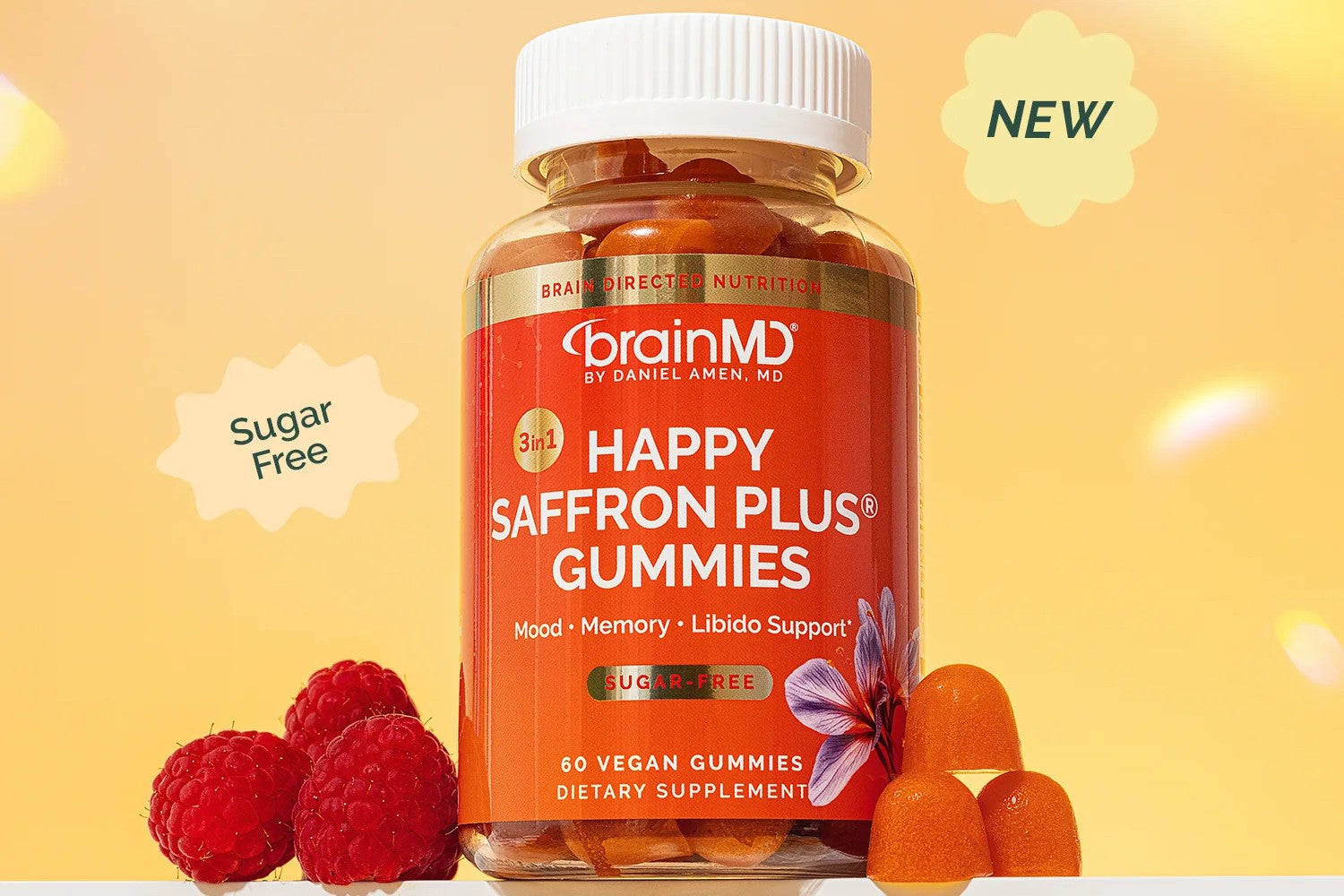
In today’s fast-paced world, most people experience periods of stress or occasional feelings of anxiousness. Since stress and mood affect millions of American adults, let’s take a closer look at these issues and some natural ways to help address them… Stress Contrary to popular belief, not all stress is bad. Stress is a normal part of living and affects those of all ages. It can help you become more productive and can help improve your: Resilience Problem solving Ability to adapt to new challenges Stress becomes a problem when it’s intense, recurring, or remains unresolved over an extended period. At that point, stress can take a toll both physically and mentally. Stress can affect behavior, outlook, and overall health. Many health concerns may be initiated or aggravated by stress. When stress is ongoing, it can increase the risk of developing problems related to your weight, heart, and mood. Signs of Stress When intense stress isn’t relieved, it can lead to many adverse health issues. These problems may include: low mood digestive problems headaches heart health issues addictive behavior a weakened immune system sleeplessness weight gain Stress also may cause cognitive issues such as difficulties with memory and concentration. Anxiousness Stress is a response to the pressures we feel in life. These pressures, in turn, can cause the release of adrenaline. Too much adrenaline can lead to an increase in blood pressure, mood issues, and other negative effects on the brain or body. One of these effects is feelings of anxiousness; these feelings may be triggered by an immediate challenge or apprehension over something in the future. Many people who struggle with anxious thoughts and feelings can end up predicting the worst, avoiding conflict, and being plagued with self-doubt and phobias. Anxiousness often manifests itself in physical problems like chewing on fingernails, dizziness, pain, shortness of breath, and panic attacks. Anxiousness is the continued experience of stress that is out of proportion to the stressor or that continues well after the stressor is gone. Managing your stress is a critical factor in preventing anxiousness and the host of other problems that it can lead to. Signs of Anxiousness Though it’s normal to have periods of stress or worry, persistent anxiousness can lead to serious physical and mental problems. Some common signs of anxiousness include: nervousness/restlessness worrying muscle tension (stress related) irritability/anger attention issues fatigue difficulty sleeping Having all, or even a few, of these signs of anxiousness may be a cause for concern. Stress vs Anxiousness Many people use the terms “stress” and “anxiety” interchangeably in everyday conversation. But there is a difference between them. Stress is a response to an existing stress-causing factor (stressor). Anxiousness may be the result of intense, prolonged stress. Though stress and anxiousness are closely related, not all people who deal with excessive stress will experience feelings of anxiousness. However, anxiousness can be exacerbated by stress, which can be measured as elevated levels of the stress hormone cortisol. Often, there’s a correlation between being stressed out and experiencing occasional anxious thoughts. Stress doesn’t just negatively affect your mood (though that can become the most visible side effect), it also can adversely impact the way your brain and body work, so managing stress may help lessen feelings of anxiousness. If you find yourself having negative or anxious thoughts, or notice that your stress levels have become unbearable, high-quality supplements may help. BrainMD offers an array of supplements to help relieve stress and improve your mood.* Best Supplements to Support Feelings of Stress & Anxiousness! Our Stress & Anxiousness supplements are based on the latest science and medical data and are developed by one of the world’s leading brain-health experts, Dr. Daniel Amen. Here’s a look at some of BrainMD’s best Stress & Anxiousness supplements… [wc_box color="inverse" text_align="left" margin_top="" margin_bottom="" class=""] Calm My Brain This 100% natural, science-based formula provides fast-acting relief from stress and anxiousness while supporting emotional, physical, and mental well-being.* Unlike many anxiousness-relief products, Calm My Brain can be safely used by both adults and children. Everyday Stress Relief Everyday Stress Relief harnesses the power of five natural ingredients to help calm your nerves and soothe stress.* This amino acid is clinically shown to promote alpha wave production in the brain, and can provide stress relief quickly.* GABA Calming Support GABA Calming Support features gamma-amino-butyric acid (GABA) – one of the brain’s main calming neurotransmitters – and a supporting cast of relaxing vitamin, mineral, herbal, and amino acid ingredients.* GABA Calming Support can help flip the “off” switch on worrisome, ruminating thoughts, and supports the body’s natural mechanism for quieting the mind.* Happy Saffron Plus Three nutraceutical ingredients with proven mood and cognitive benefits team up in Happy Saffron Plus, a mood supplement formulated to help you feel happier, calmer, and mentally sharp.* Happy Saffron Plus features three nutraceutical ingredients that support a calm, positive mood: affron® saffron extract, Longvida® curcumin extract, and zinc glycinate.* L-Theanine Gummies When taken over the long-term, l-theanine can help support healthy stress levels, lessen anxiousness, and improve sleep.* L-Theanine Gummies offer fast-acting relief in delicious, plant-based gummy form – without hidden sugar, artificial colors or flavors.* [/wc_box] More Calm, Less Stress One of the best ways to manage stress and improve your mood is with these Stress & Anxiousness supplements.* They’ve been formulated with the highest-quality nutrients and ingredients to help you feel calm, content, and better able to manage stress or mental strain.* Try them today! At BrainMD, we’re dedicated to providing the highest purity nutrients to improve your physical health and overall well-being. For more information about our full list of brain healthy supplements, please visit us at BrainMD.
Learn more
Do You Know How Much Melatonin Is Too Much?
Built into your sleep/wake cycle is a signal that goes from the retinas of your eyes to the brain, instructing it to increase the hormone melatonin when it gets dark, which causes you to feel sleepy and prepares your body for sleep. Conversely, when it starts to get light in the morning, your retinas signal the brain to decrease melatonin, which prepares your body for wakefulness. This sleep/wake cycle (also called circadian rhythm) can get disrupted at times and disturb your ability to fall asleep, stay asleep, and have quality sleep. Enter melatonin supplementation. A quality melatonin supplement, taken at the right dosage and time, can help deliver the message to your brain that it’s time to sleep, which may help your body fall asleep faster, stay asleep longer, and sleep more restfully. No wonder a recent Sleep Foundation survey found that nearly 28% of U.S. adults take supplemental melatonin as a sleep aid. Here’s what you need to know about melatonin supplementation and how to find the right dosage. What Disrupts Melatonin Levels? There are several factors that can impact your melatonin levels and disrupt the sleep/wake cycle. One of the most common is traveling across two or more time zones. You may feel awake when it’s time to sleep, or sleepy when it’s time to wake. Or, if you’re a night shift worker, when it’s time to go to bed in the morning, sunlight can signal the body to reduce melatonin, making it difficult to sleep. In our modern world, we’re exposed to light after the sun goes down from our digital devices, televisions, and bright lighting in our homes that can delay the release melatonin, making it difficult to fall asleep or even causing sleeplessness. Our bodies also make less melatonin as we grow older, and this is one reason elderly folks don’t sleep as much. Providing your body with supplemental melatonin for sleep support makes sense. One research study found melatonin helped improve sleep induction and quality in the participants with sleeplessness. A meta-analysis, which included studies involving both children and adults, demonstrated that melatonin supplementation decreases the time it takes to fall asleep, increases total sleep duration, and improves overall sleep quality. What’s the Proper Dose of Melatonin? Since melatonin is considered a dietary supplement, there are no official FDA-recommended dosing guidelines. That said, research studies using melatonin show that effective doses range from 0.5 to 10 milligrams (mg) per day. While the Sleep Foundation states that proper dosage depends on the individual’s age, weight, and sensitivity to the hormone, it does provide the following general guidance: Dosing for Adults A common safe dose for adults to start with is between 1 and 5 mg of melatonin taken a few hours before bed for sleep/wake cycle regulation, and a half hour before bed for sleep quality support. Experts recommend starting with a very low dose (as little as .5 mg) to see how it works, and then increasing the dosage as needed. Surveys have found that 3 mg of melatonin is the most often used dose by people who want sleep support. Dosing for Older Adults/Seniors Older adults are more sensitive to melatonin supplementation because they typically have less of it. Seniors are recommended to start with the lowest dose of melatonin possible (.5 to 1 mg). Dosing for Children Talk to your child’s pediatrician before giving them melatonin. A common dose for children is 1 to 2 mg. How Much Melatonin Is Too Much? More than 5 mg of melatonin for children and more than 10 mg for adults are generally considered too much. Too much melatonin can cause sleepiness even after a solid night’s rest, headache, nausea, and agitation. But it’s very hard to overdose on melatonin in a way that’s dangerously toxic. In general, melatonin is considered safe and has proven to be well-tolerated by most people, but for some, taking any dosage of melatonin isn’t a good idea. If you take blood thinners or certain other medications, are pregnant or breastfeeding, or if you suffer from brain health disorders such as memory loss, chronic low mood, or seizures – any melatonin without the guidance of a medical doctor isn’t recommended. How to Start Supplementing With Melatonin If you’re struggling with sleeplessness or have a dysregulated sleep/wake cycle, BrainMD’s sleep formula Put Me To Sleep Naturally may provide the support you need. It contains 1.25 mg of melatonin – not too much, but enough to provide needed sleep support. It’s doctor-formulated with additional, natural ingredients that work synergistically to support sleep. In addition to melatonin, the formula’s 5-HTP and vitamin B6 help support the body in making its own melatonin. If racing thoughts are keeping you awake, the formula’s ingredient GABA, an inhibitory neurotransmitter, can help calm a noisy mind. Also, l-theanine, derived from green tea, can help increase calming alpha brain waves, and magnesium, known as a calming mineral, can assist with quality sleep. Put Me To Sleep Naturally is delivered as a chewable tablet, which allows the nutrients in the formula to reach your bloodstream and take effect quickly. Don’t Miss the Benefits of Sleep It’s critical to your brain and body health to ensure you get adequate sleep. Taking a natural, non-habit forming, quality melatonin supplement at the right dose may help! At BrainMD, we’re dedicated to providing the highest purity nutrients to improve your physical health and overall well-being. For more information about our full list of brain healthy supplements, please visit us at BrainMD.
Learn more
Here Are Some of the Best Benefits of Nitric Oxide
Perhaps you’ve heard of nitric oxide (NO). Over the last several decades, NO has become a popular topic of research among scientists. It’s also been linked to certain health benefits. So, what is NO and how can it help you? Benefits of Nitric Oxide NO is a cellular messenger involved in nearly every cell and organ system in the body. It’s a signaling molecule in the nervous, circulatory, digestive, immune, reproductive, and respiratory systems. Its primary action is to relax your blood vessels, which helps increase blood flow to your brain. Improved brain circulation can help neurons relay messages throughout your body. Unfortunately, the amount of nitric oxide we produce declines as we get older. According to one study, those in their 40s only make about 60% of the NO they need daily. When the level of NO is off, it can lead to several health conditions. The good news is that it’s possible to support your NO levels through supplementation. BrainMD is proud to offer its new nutraceutical… Advanced Blood Flow – Nitric Oxide Support Advanced Blood Flow supports healthy nitric oxide levels in your brain, which helps increase blood flow throughout your body.* Among its many benefits, Advanced Blood Flow: Supports cardiovascular health and nitric oxide production* Promotes healthy blood flow and circulation* Supports cognitive function and gastrointestinal health* Featuring clinically effective doses of high-quality nutrients, Advanced Blood Flow also supports cardiovascular, sexual, gut, and liver health.* Advanced Blood Flow Ingredients Advanced Blood Flow contains a trio of clinically tested ingredients that help naturally support levels of NO in the body.* Here’s a closer look at the three ultra-pure nutrients in Advanced Blood Flow: [wc_box color="inverse" text_align="left" margin_top="" margin_bottom="" class=""] L-citrulline is a non-essential amino acid that’s a potent precursor to L-arginine, which helps boost the body’s NO metabolism and regulation. L-citrulline is produced in the liver and intestine. Though found in watermelon and other foods, it’s difficult to obtain enough L-citrulline from the diet alone. Quercetin is a powerful flavanol that maintains oxidative balance within the body. Unlike L-citrulline, the body can’t synthesize it, so it must be obtained from the diet or supplements. Quercetin is found in apples, asparagus, and berries, and is thought to be best absorbed when consumed from onions. Unfortunately, when derived from food, quercetin absorption is reduced due to limited bioavailability. Resveratrol is well known as the main constituent that makes wine heart healthy. Although it has been detected in more than 70 different plant species – and dietary sources including berries, apples, plums, Itadori tea, peanuts, and soy – wine is the main source of resveratrol for many people. [/wc_box] Since your diet may not contain enough of these foods and beverages, taking Advanced Blood Flow is a great way to ensure you’re getting adequate trans-resveratrol, which exerts anti-inflammatory activities.* Even though the ingredients in Advanced Blood Flow are found in food, the bioavailability is highly variable, depending on processing, cultivating, geographical location, and individual intestinal absorption capabilities. Taking Advanced Blood Flow daily is an excellent way to ensure that you’re obtaining enough of the clinically tested, highly absorbable forms of these three powerful bioactive compounds.* Advanced Blood Flow Benefits Here are just a few ways Advanced Blood Flow can benefit the brain and body… Antioxidant Support Oxidative stress occurs when there’s an imbalance of pro-oxidants and antioxidants, contributing to damage on the molecular level. Once the antioxidant system becomes ineffective, damage to proteins, lipids, DNA, and RNA can occur. Aside from the many serious physical conditions associated with oxidative stress, it also can contribute to premature aging. People who have higher intakes of antioxidants are typically healthier and live a longer life than those who don’t. Antioxidants can be obtained through the diet, however, their absorption and utilization is often hampered by bioavailability and an individual’s metabolism. All 3 ingredients found in Advanced Blood Flow not only modulate NO levels, they also combat oxidative stress in the body, working to mitigate the negative consequences of unhealthy inflammatory status.* Cardiovascular and Circulatory Health Excessive production of free radicals can lead to increased oxidative stress and reduced NO availability, which is a known trigger of endothelial dysfunction. Given NO’s vital role in circulation, and anti-inflammatory and antithrombotic functions, adequate NO levels are necessary to maintain healthy blood flow in the circulatory system. Given the overwhelming evidence that NO is involved in maintaining cardiovascular homeostasis, anyone with an underlying heart condition, including hypertension and heart failure, would benefit from daily supplementation. The three components of Advanced Blood Flow have been shown to be cardio-protective.* Gastrointestinal Health and Function Gastrointestinal (GI) tract conditions or infections may have an inflammatory component. In many GI problems the gut barrier becomes more permeable and more susceptible to toxins that can trigger an unhealthy inflammatory response. Alterations in NO metabolism and signaling are associated with the development of liver and GI issues. The ingredients in Advanced Blood Flow have been shown to reduce markers of inflammation and oxidative stress associated with severe bowel problems.* Essential for Brain Health Slowing the progression of cognitive decline and optimizing brain health has become an important area of research. Some research has shown that by 30 years of age cognitive abilities for many people start to decline, although this age is variable and can be higher for some. Regardless, taking a preventive approach at an early age can be a helpful strategy to prevent early cognitive decline. As with every other organ in the body, NO plays a significant role in brain function. This partially explains why neurodegeneration occurs in many serious conditions with impaired NO homeostasis and bioavailability. NO is involved in learning, memory, and adult neurogenesis and has been implicated in a variety of health issues. It’s a vital vasoactive molecule needed for cerebral blood flow and brain activity. When there’s dysfunction between the two, brain function and integrity may suffer, further supporting the importance of maintaining adequate NO levels. Each of the components of Advanced Blood Flow have been shown to positively affect the central nervous system (CNS) through different mechanisms including signaling pathways associated with cell survival, cerebral blood flow, and reducing neuroinflammation.* The nutrients in Advanced Blood Flow have been shown to be neuroprotective against many problems of the CNS.* By suppressing neuronal injury resulting from inflammatory molecules and enzymes, the components in Advanced Blood Flow may have therapeutic benefit for a wide range of neurodegenerative complications.* Helps Increase Libido NO plays a significant role in sexual functioning. Many people with serious conditions report lower libido. This may be due to reduced NO production. Increasing NO bioavailability with Advanced Blood Flow is a natural and effective way to increase libido and improve erectile function.* Get In the Flow with NO Advanced Blood Flow supports healthy nitric oxide levels in the brain, which helps increase blood flow throughout your body.* Advanced Blood Flow is a capsule, customized for adults aged 18 and older. It supplies clinically effective doses of L-citrulline, trans-resveratrol and quercetin anhydrous, working to effectively raise your body’s levels of nitric oxide (NO) and its metabolites.* Not only does this NO formula help cognitive function, it also supports cardiovascular, sexual, gut, and liver health, too.* Try Advanced Blood Flow today! At BrainMD, we’re dedicated to providing the highest purity nutrients to improve your physical health and overall well-being. For more information about Advanced Blood Flow and our full list of brain healthy supplements, please visit us at BrainMD. *These statements have not been evaluated by the FDA. This content is for informational purposes only. It is not meant to substitute for medical or healthcare advice from a physician, nor is it intended to diagnose, treat, cure, or prevent any disease. Consult your healthcare provider before beginning a new health regimen.
Learn more
Boost Your Brainpower: The Top Clinically Studied Memory Supplements to Take Daily
Do you often forget names, appointments, or where you left your keys? If so, do you see this as a sign of trouble or just normal memory loss? Is Memory Loss Normal? A recent report found that 1 in 9 American adults experience cognitive decline, which includes confusion and memory loss. While frequent memory lapses or mental fog may be common in your 40s, 50s, and 60s, too often they’re dismissed by medical practitioners as being a normal part of aging. However, memory problems aren’t normal. They’re a sign of potential trouble and should be taken seriously, regardless of your age. Since memory loss doesn’t have to be your destiny, early intervention is crucial to long-term prevention. What Causes Memory Loss? Long before symptoms develop, your brain may already be deteriorating, years or even decades before you realize it. Memory decline can be related to a variety of issues, such as: Unhealthy lifestyle Stress Poor circulation Lack of exercise Being overweight Insufficient Nutrition Lack of sleep Head injuries Fortunately, it’s possible to avoid or alleviate all these issues. In the presymptomatic stage, when memory problems are less severe, help is likely to be most effective. That means no matter how you’ve treated your brain in the past, you can improve your memory over time by taking the right steps to improve your brain and overall health. If you’re experiencing memory loss, even if it seems minor, now is the best time to get serious about the health of your brain. To help put the brakes on brain decline, here are some practical, natural ways to keep your memory sharp… Tips to Keep Your Memory Sharp at Any Age 1. Get Regular Exercise Physical activity is one of the best things you can do to keep your memory sharp and your brain and body healthy. Exercise can help boost blood flow, deliver oxygen and other nutrients to your brain, and may increase your levels of dopamine. Walking at a brisk pace can help clear your mind, improve your mood, and burn some calories all at the same time. 2. Take a Trip Traveling helps the brain by exposing it to new faces and places. Learning the landmarks and geographical features of a new area exercises the brain’s visual-spatial abilities and helps stimulate your memory pathways. In addition to breaking up the sameness of your normal routine, taking a trip can provide a whole new set of experiences, some of which may become cherished memories. 3. Eat Memory-supporting Foods The Standard American Diet (SAD) is filled with foods that can increase your risk for a variety of medical problems. This Western pattern diet is also associated with a smaller hippocampus, one of the major memory structures in the brain. Instead of eating foods saturated with refined carbohydrates and sugar, choose lean proteins, healthy fats, and lots of organic fruits and vegetables. Aim for a diet that consists of mostly plant-based foods with some high-quality proteins and healthy fats mixed in. 4. Engage In Coordination Activities Doing coordinated physical activities – like dancing, tennis, or table tennis – can boost activity in the cerebellum. Though it only accounts for 10 percent of the brain’s total volume, the cerebellum contains about 50 percent of the brain’s neurons, and is involved with both physical and thought coordination. Try to work a coordination activity into your daily routine. 5. Avoid Toxins Smoking, along with drug and alcohol abuse, can increase your risk for serious memory issues. Even a glass of beer or wine per day can be harmful to the brain. Research demonstrates that marijuana can negatively affect the hippocampus. 6. Adopt New Learning Set aside some time every day for new learning. Some examples are learning a new language or musical instrument, trying a new kind of dance or other complex physical activity, or taking up a new hobby like chess or painting. Many maintain that the “use it or lose it” principle applies to the brain. When the brain stops learning it can start fading, so be intentional about learning new things every day. 7. Forge Strong Connections Social connections can significantly affect your brain, mood, memory, and overall well-being. Building and maintaining healthy relationships may help you feel understood and cared for. When you care for others and feel cared for, your brain releases oxytocin, the “bonding” hormone, which can counteract some of the negative effects of stress. The health habits of the people you spend time with can have a dramatic impact on your own health, so surround yourself with people who are happy, upbeat, kind, and who challenge you to be the best version of yourself. Dr. Amen's Favorite Memory Supplements to Take Daily Our memory supplements are based on the latest science and medical data, and are developed by one of the world’s leading brain-health experts, Dr. Daniel Amen. Here's a look at some of BrainMD's best memory supplements... Brain & Memory Power Boost Six of the most highly researched, brain-boosting herbs and nutraceuticals join forces in this advanced, best-selling formula to sharpen your memory and support your cognition, mental clarity, and concentration.* BRIGHT MINDS Memory Multivitamin BRIGHT MINDS Memory Multivitamin is both a complete multivitamin/multimineral AND a powerful memory supplement powder featuring over 30 vitamins, minerals, amino acids, herbal concentrates, and nutraceuticals.* NeuroVite Plus Multivitamin Scientifically formulated with 50+ optimally bioavailable nutrients in their best-utilized and most effective forms, NeuroVite Plus Multivitamin is the only daily multivitamin for men and women that delivers comprehensive brain-boosting benefits.* Omega-3 Power/Omega-3 Power Squeeze Highly concentrated fish oil products, Omega-3 Power and Omega-3 Power Squeeze provide 1,600 mg of EPA, DHA and other omega-3s to power your mood, focus, memory, cognition, and heart.* Neuro-PS This phosphatidylserine supplement features high-potency, soy-free phosphatidylserine (PS) for better memory, concentration, and attention at any age.* Remember This Your behavior and habits can either positively or negatively impact how well your brain functions as you get older. The good news is it’s never too late to take better care of your brain. Being mentally and physically active, taking some of the best memory supplements, and avoiding unhealthy habits, can help support your memory. Keeping your brain fit is a great way to support cognition and memory throughout your life. One of the best ways to keep your memory sharp, reduce brain atrophy, and avoid long-term memory problems is to exercise it every day. There will never be a better time to start improving your memory than now, so make your memory a priority today…and every day. At BrainMD, we’re dedicated to providing the highest purity nutrients to improve your physical health and overall well-being. For more information about our full list of brain healthy supplements, please visit us at BrainMD. *These statements have not been evaluated by the FDA. This content is for informational purposes only. It is not meant to substitute for medical or healthcare advice from a physician, nor is it intended to diagnose, treat, cure, or prevent any disease. Consult your healthcare provider before beginning a new health regimen.
Learn more