 Skip to content


Wellness Blog



What is Holy Basil? One of the Best Ways to Address Your Stress!
In today’s fast-paced world, many people experience periods of stress. Since stress affects millions of American adults, let’s take a closer look at this issue and how to address it naturally. Basics of Stress Contrary to popular belief, not all stress is bad. Stress is a normal part of living and affects those of all ages. It can help improve your: Resilience Productivity Problem solving Ability to adapt to new challenges Stress can become a problem when it’s intense, recurring, or remains unresolved over an extended period. At that point, stress can take a toll both physically and mentally. Stress can affect behavior, outlook, and overall health. Many health concerns may be initiated or aggravated by stress. When stress is ongoing, it can increase the risk of developing problems related to your weight, heart, and mood. One of the best natural ways to manage a healthy response to stress is with adaptogens. What Are Adaptogens? According to the Cleveland Clinic, “Adaptogens are plants and mushrooms that help your body respond to stress, anxiety, fatigue and overall wellbeing. You can take adaptogens by adding them to food or beverages or take them as tinctures. Adaptogens bring your body back to a steady balance by managing both physical and mental stressors.” Adaptogens are widely considered to be any natural substance that helps the body “adapt” to a variety of difficulties. They’re a unique class of herbs that can help the body resist physical, chemical, and biological stressors. They’ve been used for centuries in traditional medicine systems such as Ayurveda and Chinese Medicine. Today, adaptogens are gaining popularity for their purported ability to improve health and well-being. This is likely due to our lives becoming more and more inundated with stress. Many people are bombarded with stressors from work, family life, and the 24/7 news cycle. Adaptogens work by helping to regulate the body’s stress response. This regulation can occur at the level of the adrenal glands, the hypothalamic-pituitary-adrenal (HPA) axis, or the sympathetic nervous system. By regulating these stress response systems, adaptogens can help keep the body in a state of homeostasis (balance). There are many different types of adaptogens, and each has its own set of benefits. However, they all share one common goal: to help the body better cope with stress. Let’s take a closer look at one of the most potent adaptogens. Holy Basil What is holy basil? Also referred to as Tulsi, holy basil (Ocimum sanctum) is an Eastern herb that’s been revered as “The Queen of Herbs” in Ayurvedic medicine for over 3,000 years. An adaptogenic herb, holy basil supports the body’s natural protective response to physical and emotional stress.* Adaptogenic herbs don’t alter mood, but they can help the body function optimally during times of stress.* Research demonstrates that they do this by modulating the production of stress hormones like cortisol and adrenaline.* Holy basil has been long revered as a powerful antioxidant with antibacterial, analgesic, antifungal, and anti-inflammatory properties.* Compelling research data suggests that holy basil’s greatest potential lies in the areas of promoting relaxation and a healthy response to stress.* According to clinical research, holy basil may help support the body’s natural response to stress. A six-week, double-blind, placebo-controlled human study examined subjects with stress symptoms. Those who received a holy basil extract formula showed a 39% greater improvement in stress symptoms than those who received a placebo. If you’re dealing with excessive stress, consider trying holy basil, which is different than the basil used as an herb in many meals. BrainMD offers high-quality, brain directed supplements that can help you feel calm, content, and better able to manage stress or mental strain. If you’re looking for a premium stress support supplement that includes holy basil, we’re proud to offer… Everyday Stress Relief Everyday Stress Relief was designed to help replenish your brain and body’s nutrients that can be depleted by stress. This supplement includes herbal extracts clinically proven to have calming and anti-stress effects, without making you sleepy.* It also helps with apprehension, tension, worry, and fatigue.* Here’s what you’ll find in this high-potency formula: Magnesium is a well-known calming mineral. It promotes a balanced and mentally focused demeanor.* The amino acid taurine supports the adrenal glands and is crucial for coping with stress.* The herb holy basil, revered both in Europe and the East, helps to improve adaptation to occasional anxious thoughts and other problems related to stress.* A phytochemical derived from green tea, l-theanine helps to manage tension.* Relora®, which is a unique mix of two herbs, may enhance healthy management of the stress hormone cortisol while easing tension, anger, negative mood, and confusion.* This safe, non-sedating, and non-habit-forming formula combines the multiple beneficial actions of these well-studied herbs and nutrients to help your brain and body cope with stress on multiple levels.* Natural, Nutritional Boost While it’s perfectly natural to feel the effects of stress, if you need a little added support to provide some relief and peace of mind, look for foods and supplements with holy basil. Getting more adaptogenic herbs, like holy basil, into your diet may be an important step in optimizing your health. If you’re looking for a natural way to help manage stress, give Everyday Stress Relief a try today. At BrainMD, we’re dedicated to providing the highest purity nutrients to improve your physical health and overall well-being. For more information about Everyday Stress Relief or our full list of brain healthy supplements, please visit us at BrainMD. *These statements have not been evaluated by the FDA. This content is for informational purposes only. It is not meant to substitute for medical or healthcare advice from a physician, nor is it intended to diagnose, treat, cure, or prevent any disease. Consult your healthcare provider before beginning a new health regimen.
Learn more
Unlock The Secrets Of A Healthy Brain: 10 Takeaways From The Latest Genius Webinar With Dr. Amen
Pursuing a goal of wholeness means taking what you know about wellness to another level. Wholeness means every aspect of your wellness (your morning habits, hydration, exercise, diet, mental health, etc.) comes together in perfect harmony with your daily life – your work balance, community, relationships, and more. When it comes to wholeness, few things are as precious as the health of your brain. The latest Genius Webinar, hosted by brain expert Dr. Daniel Amen, was a treasure trove of insights to optimize your brain and protect it from potential risks. With practical principles emphasizing the importance of prevention, healthy habits, and mindful choices, Dr. Amen offers a roadmap to a bright, vibrant mind. Let’s dive into the top takeaways from the webinar, which provide actionable steps to help prioritize and nurture your brain health. Guarding Against Risk Factors Driving home the point that safeguarding your brain health begins with preempting or addressing risk factors, Dr. Amen explains how a poor diet, sedentary lifestyle, inadequate intake of omega-3 fatty acids, and low blood flow can contribute to cognitive decline. Recognizing these risk factors and adopting strategies to prevent them can be a pivotal step in the journey toward a healthier brain. The Brain’s Best Friends and Foes Avoiding habits that harm the brain while embracing those that enhance its function is a recurring theme in the webinar. Dr. Amen emphasizes the importance of steering clear of detrimental practices like excessive alcohol consumption while engaging in activities that protect and nurture the brain, such as regular exercise and mental stimulation from new learning and brain games. Detoxification and Brain Health Detoxification is a key strategy for brain wellness. Dr. Amen highlights the significance of structured detox programs, which include avoiding alcohol, supporting liver health, consuming detoxifying vegetables like brassicas, increasing fiber intake, and staying hydrated. These measures aid in cleansing the body and maintaining optimal brain function. This is something BrainMD can give you a helping hand with. Sign up for our Rewards Program and get special access to discounts and much more to help detox your body and support your brain. Hormonal Harmony Healthy hormones play a vital role in brain health. Dr. Amen stresses the importance of quality sleep, a well-balanced immune system, and managing a healthy weight to promote hormonal equilibrium. These factors contribute to a thriving brain and overall well-being. Breaking Free from the Past Dr. Amen shattered the misconception that negative familial habits are incapable of being altered. By training ourselves to avoid harmful habits and adopt positive ones, we can effectively mitigate the impact of genetic predispositions. This empowering insight underscores the potential we possess to change the trajectory of our brain health. Shielding Your Brain Both internal and external factors can pose risks to brain health. It’s incredibly important to protect your head from potential injuries and traumatic events. Prioritizing safety measures and adopting preventative practices can go a long way toward preserving cognitive well-being. In short, don’t forget to wear a helmet! Vitamin D: Let the Sunshine In! Maintaining adequate levels of vitamin D3, which has been referred to as the “sunshine vitamin,” is a crucial factor for brain health. Whether through sensible sun exposure or supplements, ensuring you receive the right amount of this vital nutrient can contribute to optimal brain function and overall vitality. The Marvel of Smart Mushrooms Incorporating Smart Mushrooms – which include lion’s mane, reishi, cordyceps, and other potent mushrooms – into your diet can have huge benefits. These fungi possess neuroprotective properties and can enhance cognitive function, making them a valuable addition to your brain-boosting toolkit. Be Proactive Above all, prioritize your health to avoid potential illnesses. By adopting a proactive approach and consistently implementing brain-healthy practices, you can reduce the likelihood of developing health challenges, allowing you to savor life with a sharp and resilient brain. Armed with these takeaways from Dr. Amen’s Genius Webinar, you now possess a well-rounded approach to elevating your brain health. By addressing risk factors, making informed choices, detoxifying your body, nurturing hormonal balance, cultivating positive habits, and embracing natural brain boosters, you’re well-equipped to embark on a journey toward cognitive excellence. Remember, the keys to your brain’s well-being are right at your fingertips – a gift you can nurture and cherish forever. To unlock exclusive offers, access insider-only perks (like private webinars with Dr. Amen!), and earn points every time you shop, join BrainMD Rewards. For a limited time, get 2,500 bonus points just for signing up! Sign Up for Rewards NOW At BrainMD, we’re dedicated to providing the highest purity nutrients to improve your physical health and overall well-being. For more information about our full list of brain healthy supplements, please visit us at BrainMD.
Learn more
What is A1C and What Should My Number Be?
Ever get confused with all those names and numbers on your blood work results sheet? Perhaps you’ve seen A1C on the list and have wondered what it is. Well, wonder no more! Today, we’ll take a closer look at A1C to show you how managing it can make a big difference to your overall health. What Is A1C? A1C is a test that measures your average blood sugar level. It can give your healthcare practitioner a good idea of how well you’re managing your health. This test also may appear as hemoglobin A1C, HbA1c, glycated hemoglobin, and glycosylated hemoglobin. Why You Should Get Your A1C Tested A1C testing is important because it can provide a clearer picture of your overall health. This test measures the blood levels of a glycate formed between sugar and hemoglobin. It’s especially valuable for those with insulin challenges and is used to diagnose type 2 diabetes and prediabetes. Importantly, it’s a long-term measure of the average blood sugar levels for the prior two to three months, not just a short-term measure since these numbers are notoriously variable. Your doctor may order an A1C test to see how well your blood sugar levels have been controlled over the past few months. If your A1C is high, it means that your blood sugar levels have been high over the past three months and you’re at a greater risk for developing serious health complications. This is why it’s so important to keep your A1C level under control. What Are the Risks of Having High A1C? There are many risks associated with high A1C levels, and people with blood sugar issues may be at a greater risk of developing serious health conditions. When blood sugar levels are consistently elevated, it can damage blood vessels in the eyes, kidneys, and feet, which can lead to vision loss, kidney failure, and amputations, respectively. High A1C levels also can lead to an increased risk of stroke. How to Interpret A1C Test Results Normal A1C levels are below 5.7%. If your A1C is higher than that, it means your blood sugar levels have been high and you may need to make some diet and lifestyle changes. Your A1C results can range from 4% to 6%, which is still within the normal range. But if your results are consistently 6% or higher, it’s a good idea to talk with your doctor about ways to lower your blood sugar levels. Even a small reduction in A1C can reduce your risk of health problems, such as nerve, kidney, and heart issues. How Long Does It Take to Get Test Results? It can take up to two weeks for A1C test results to come back. If your A1C test results are high, it means you have too much sugar in your blood and you may need to make changes to your diet and lifestyle. Consult with your doctor or healthcare provider. Interpreting Your A1C Test There are a few other key things to consider when interpreting your A1C results that can give you a more complete picture of your overall health. First, it’s important to understand that your A1C results are just one part of the puzzle – they should be interpreted along with other blood tests, such as your lipid panel and fasting glucose levels. Second, keep in mind that A1C results can vary depending on the time of day they were taken – for the most accurate results, it’s best to have them taken first thing in the morning. If you’re on any medications that could affect your A1C levels (such as birth control pills or statins), be sure to mention this to your doctor so they can interpret your results accordingly. How to Lower Your A1C? If you’re working to lower your A1C levels, there are a few things you can do to help. First, work with your healthcare practitioner to come up with a plan that’s right for you. This may include making changes to your diet and exercise routine. Also, you may need to take medications or insulin to regulate your A1C levels, per your doctor’s recommendation. In addition to medications, there are several natural interventions you can try to help lower your A1C levels. Some of the Best Natural Ways to Lower Your A1C Levels Here are just a few ideas for how to lower your A1C levels naturally. [wc_box color="inverse" text_align="left" margin_top="" margin_bottom="" class=""] Be sure to: monitor your blood sugar levels regularly take steps to prevent low blood sugar levels (hypoglycemia) take steps to prevent high blood sugar levels (hyperglycemia) cut out sugar-sweetened beverages and artificial sweeteners use cinnamon in your cooking since it can help lower fasting glucose levels, improve insulin sensitivity, and reduce HbA1c stay as active as possible eat a healthy diet manage stress get plenty of quality sleep [/wc_box] Also, be sure to talk to your doctor about any changes in your medications, diet, supplements, or lifestyle habits. Get to Know Your A1C Deciphering A1C results can be tricky, but it’s important to understand the meaning of them so you can get a better sense of your overall health. Knowing what these numbers mean for your body can help you make decisions and changes in lifestyle habits that can keep you healthier over the long-term. It’s also good to remember that not all conditions are permanent; with a healthy diet, exercise program, and medical care, you may be able to reduce the risks associated with high A1C numbers. So, review your results periodically and take action if necessary. Your future self thanks you! At BrainMD, we’re dedicated to providing the highest purity nutrients to improve your physical health and overall well-being. For more information about our full list of brain healthy supplements, please visit us at BrainMD. These statements have not been evaluated by the FDA. This content is for informational purposes only. It is not meant to substitute for medical or healthcare advice from a physician, nor is it intended to diagnose, treat, cure, or prevent any disease. Consult your healthcare provider before beginning a new health regimen.
Learn more
Enhance Your Drinking Water with BrainMD’s New H2 Boost!
Water is vital for every part of your body. Since much of the human body is composed of water, your cells, tissues, and organs need adequate hydration to function at their best. Here are just a few reasons why water is so crucial to the human body: It’s the universal medium of life on Earth: fundamental for our cells’ life processes It’s essential for blood circulation (oxygen, nutrient delivery), the lymphatic system (which transports wastes), and for the urine (which excretes unwanted substances) It helps regulate the body’s temperature It’s fundamental for saliva, proper digestion, and joint lubrication It’s also important to remember that water is a nutrient the body needs. As with other nutrient deficiencies, failing to drink enough water can create problems for your brain and body. Dangers of Dehydration Since the brain is mostly composed of water, even mild dehydration can impair performance in tasks that require attention, immediate memory skills, and physical performance. According to one study, thirsty participants who drank water before performing cognitive tasks reacted faster than people who didn’t drink water beforehand. Some common signs of dehydration are: extreme thirst dark urination less frequent urination confusion dizziness fatigue Dehydration is also associated with urinary/kidney issues, brain atrophy, poor concentration, memory difficulties, diminished school/work performance, and increased sensitivity to pain. Hydrogen-Rich Water Hydrogen (H) is the oldest, lightest, and most abundant element in the universe. Molecular hydrogen (H2) is a colorless and odorless gas that consists of one electron and one proton. Up until 2007, H2 was considered an inert gas. Now it’s regarded as a signaling gas molecule like other physiological gases such as nitric oxide (NO), carbon monoxide (CO), and hydrogen sulfide (H2S). Hydrogen-rich water (HRW) is simply water that contains a high amount of molecular hydrogen (H2). The first HRW was referred to as electrolyzed reduced water (ERW); created in Japan in 1931, it was initially used in agriculture. In 1965, ERW was approved for human consumption, and many used it to help with various gastrointestinal symptoms. ERW has an alkaline pH, or a negative oxidation reduction potential (ORP), which indicates its antioxidant effect. It was later determined that the H2 gas in ERW was responsible for its negative ORP. To give your drinking water an extra kick of antioxidant power, BrainMD is proud to announce the arrival of its new hydration creation… BrainMD’s H2 Boost Molecular Hydrogen H2 Boost Molecular Hydrogen is a clinically validated water enhancer that offers powerful antioxidant support.* With 80 mg of magnesium, H2 Boost can infuse your water with up to 12 parts per million (ppm) of hydrogen. Top Benefits of H2 Boost This powerful, neuroprotective antioxidant penetrates the blood brain barrier to help defend against oxidative stress and support: Cognition and healthy energy* Better heart, gut, and mitochondrial health* Increased stamina and exercise performance* Healthy aging* Who Can Benefit from H2 Boost? The Middle Aged and Elderly: Molecular hydrogen may help to delay DNA aging, which supports longevity.* Also, it’s been shown to improve cognition by about 27% when compared to placebo groups.* H2 may help protect neurons from oxidative stress-induced injury and even cell death.* Adults of All Ages: Adults of all ages can enjoy the positive effects of this product.* Among its many other benefits, research shows that taking molecular hydrogen can significantly reduce the inflammatory response.* Those Struggling with Fatigue: Within 15 minutes of administration, a single dose of molecular hydrogen has been shown to increase alertness to about the same level as 100 mg of caffeine.* H2 Boost Ingredient Magnesium Magnesium is an essential mineral for all the cells of the body and is fundamentally important for the electrical activity of the brain’s nerve cells and for the healthy functioning of their trillions of information connections (synapses). Known as “the relaxation mineral,” magnesium plays an important role in hydration, muscle relaxation, energy production, regulation of adrenaline, and overall sleep quality. H2 Boost FAQ [wc_box color="inverse" text_align="left" margin_top="" margin_bottom="" class=""] How do I take H2 Boost? As a dietary supplement, adults may dissolve 1 tablet in at least 16 oz of water and drink immediately. Do not swallow tablet directly. Keep out of reach of children. Is this product safe for everyone to take? H2 Boost isn’t recommended for children. Also, if you’re nursing, pregnant, taking medication, or have a medical condition, consult your physician before taking this product.* Can this supplement make me dependent on it, or addicted? No, this product isn’t a drug so using it won’t result in dependence.* What other BrainMD supplements would support this supplement? H2 Boost is effective as a stand-alone product. However, you can take it with Omega-3 Power or Vegan Omega-3 Power for added brain health benefits, and NeuroVite Plus multivitamin for full-spectrum vitamin and mineral support. Does this product contain any allergens? No. It’s free of added sugar, dairy, gluten, corn, egg, or yeast, and has no artificial colorings or flavorings. Also, it’s vegan. [/wc_box] Hydrate Better! Proper hydration is critical to health and wellness. Be sure to drink plenty of pure water every day, especially during the summer months or if you live in an arid region. Whether you’re at home, work, school, or on-the-go, drop a H2 Boost tablet into your water bottle and feel the difference molecular hydrogen can make to your hydration.* Try H2 Boost Molecular Hydrogen today! At BrainMD, we’re dedicated to providing the highest purity nutrients to improve your physical health and overall well-being. For more information about H2 Boost Molecular Hydrogen and our full list of brain healthy supplements, please visit us at BrainMD. *These statements have not been evaluated by the FDA. This content is for informational purposes only. It is not meant to substitute for medical or healthcare advice from a physician, nor is it intended to diagnose, treat, cure, or prevent any disease. Consult your healthcare provider before beginning a new health regimen.
Learn more
What is Glyphosate and Is It Harmful to My Health?
Did you know you might be consuming a potentially harmful substance with every bite you take? Glyphosate, a commonly used herbicide, has sparked controversy and raised concerns about its presence in our food supply. As this debate continues to gain momentum, it’s crucial to dig deeper and unravel the true extent of glyphosate’s effects on our health. How harmful is glyphosate? Let’s explore the impact this controversial chemical may have on our well-being. From farm to fork, it’s a topic that affects us all, so let’s dig in! What is Glyphosate? Glyphosate, the active ingredient in Roundup, is the most widely used herbicide in the world. Typically used in agriculture and lawn care, it’s effective at killing broadleaf weeds and grasses, however, it’s also been linked to several health concerns. Critics of glyphosate argue that it’s a carcinogen and endocrine disruptor. Glyphosate also has been linked to kidney issues, reproductive problems, and birth defects. Due to the conflicting and inconclusive evidence, it’s still unknown if glyphosate is harmful to human health. However, many health experts believe it’s best to err on the side of caution and avoid exposure to this chemical whenever possible. History of Glyphosate in Our Foods Glyphosate has been a registered pesticide in the U.S. since 1974. Use of this common pesticide has increased exponentially in recent years due to the widespread adoption of genetically engineered crops. While glyphosate is considered safe by many regulatory bodies, growing evidence suggests it may be harmful to human health. Glyphosate has been linked to a number of health problems, including hormone disruption and reproductive problems. In 2015, the International Agency for Research on Cancer (IARC) classified glyphosate as a “probable human carcinogen.” This classification was based on limited evidence from epidemiological studies, which showed an increased risk of non-Hodgkin’s lymphoma in people exposed to glyphosate. Another study found that exposure to glyphosate may increase the risk of premature death. The study showed that people with high levels of glyphosate in their urine had a significantly increased risk of dying from any cause over the next 20 years, compared to those with lower levels of glyphosate in their urine. There’s also evidence linking glyphosate to hormone disruption and reproductive problems. Studies have found that glyphosate may interfere with the endocrine system and disrupts the hormones involved in reproduction and development. Alarmingly, one study found that low doses of Roundup (a formulation of glyphosate) created high incidences of birth defects in frog and chicken embryos. Sources of Glyphosate in Our Foods There are several sources of glyphosate in our food supply. Some of the most common include: Non-organic Soybeans: According to the U.S. Environmental Protection Agency (EPA), glyphosated soybeans are the predominant type of soybean grown in the U.S. The USDA estimates that over 90% of soybean acres were treated with glyphosate between 2006-2012. Corn: Glyphosate is commonly used as a pre-harvest desiccant on corn, meaning it’s sprayed on the crop to dry it out prior to harvest. This practice is controversial, as it increases the risk of glyphosate residue contamination in maize products. Canola: Like soybeans, glyphosated varieties of canola are widely planted in North America. In Canada, over 90% of canola farms use glyphosate herbicides. Fruits and Vegetables: Glyphosate is sometimes used as a pre-harvest desiccating agent on fruits and vegetables such as apples, pears, potatoes, and tomatoes. While this practice isn’t widespread, it does increase the likelihood of residue contamination in these foods. Best Ways to Avoid Glyphosate in Foods Though it may be impossible to completely rid your diet of glyphosate, here are some top tips for how to avoid exposure to these toxins in your foods: Check labels carefully for the presence of glyphosate or other herbicides. Buy organic foods whenever possible. Wash fruits and vegetables thoroughly before eating them. Avoid processed foods and eat whole, unprocessed foods whenever possible. Stay Informed About Glyphosate Glyphosate has become a controversial issue when it comes to our food supply. With its potential health risks and environmental impacts, many are calling for stricter regulations of this chemical and greater transparency from companies who use it in their products. As consumers, we can demand safer alternatives and learn more about how this prevalent herbicide is impacting our environment and our health. By staying informed on these issues, we can make better decisions regarding what we consume and support responsible manufacturers that don’t use glyphosate in their production processes. Hopefully this article has provided some basic information about glyphosate. As research on this pesticide continues, we’ll get a more accurate picture of its potential impact, whether negative or not, on human health. At BrainMD, we’re dedicated to providing the highest quality supplements to improve your physical health and overall well-being. For more information about our full list of brain healthy supplements, please visit us at BrainMD. These statements have not been evaluated by the FDA. This content is for informational purposes only. It is not meant to substitute for medical or healthcare advice from a physician, nor is it intended to diagnose, treat, cure, or prevent any disease. Consult your healthcare provider before beginning a new health regimen.
Learn more
Here Are Some of the Best Ways to Eat Healthy on a Budget
If you frequent trendy vegan restaurants or shop at high-end health retailers, you know that eating healthy can get expensive, fast! But it doesn’t have to. With a little planning and forethought, you can enjoy healthy eating without breaking the bank. Indeed, research from the Harvard School of Public Health found that healthy eating costs just $1.48 more a day than consuming less healthy foods. That said, healthy eating on a budget does require effort. You’ll need to be both creative and willing to do without some conveniences. Here are tricks and tips gleaned from health- and budget-conscious experts to help you save money without skimping on your enjoyment of food – plus some delicious, nutritious, and affordable recipes! 6 Top Tips for Affordable, Healthy Eating + Recipes! 1. Start Eating Meals at Home Eating home-cooked meals is one of the best ways to affordably enjoy healthy food. That means switching from eating out to eating in, packing a lunch, and bypassing the prepared foods section of the market. It’s all about planning. Decide what you’d like to eat during the week and make a well-thought-out list of food items to buy at the grocery store. People who shop in grocery stores typically spend less than buying online, research suggests (although there are some online deals to be had). Use ingredients that are called for in several recipes to ensure you’ll use what you buy. Keep in mind that your leftovers from dinner can make a great lunch the following day. Find recipes online. Ask friends for ideas. Choose dishes that can last for a few days like a healthy turkey chili or a killer-tasting hummus. Beware of over-shopping. A study in the American Journal of Agricultural Economics found that a typical American household wastes about 32% of the food it buys! Buy perishables for a few days at time to reduce the likelihood of food going bad. Also, remember to shop after you’ve eaten. You’ll be less likely to over-shop on unnecessary food items. 2. Go Big on Whole Grains and Beans Whole grains such as brown rice, quinoa, and oats – and all types of beans such as pinto, black, lentils, white, soybeans, and garbanzo beans – deliver nutrition and value in spades. They’re loaded with fiber and nutrients and are very versatile when it comes to recipes. They’re filling, delicious, and inexpensive. Use them in salads, casseroles, chilis, soups, dips, and your favorite recipes. Save even more by buying them in bulk. Choosing to consume more whole grains and beans (as well as tempeh and tofu) in place of some meat-based meals is generally more economical and healthier too. 3. Choose Frozen and Canned You don’t always need to go fresh with your fruits and vegetables; frozen and canned options are money-saving, healthy choices too. Frozen fruits and vegetables are often picked at peak ripeness, and some comparative research to fresh produce shows they’re just as nutritious (and sometimes more) in nearly every instance. They’re typically available in resealable packaging, allowing you to use what you need and store what’s left. Just be sure you choose plain frozen vegetables (without salt, sauce, or butter) and plain frozen fruit (without added sugar or syrup). Frozen fruit and frozen spinach are great to have on hand to use for smoothies. Frozen vegetables are wonderful for casseroles, soups, and quiche. When choosing canned fruits and vegetables, again, be sure it has no added sugars, syrups, or sauces. 4. Take Advantage of Coupons, Sales and Membership Rewards You can cut your grocery bill by using coupons, taking advantage of specials, and through rewards memberships. Coupons are excellent if you have a planned out shopping list as they’re typically for specific items. There are some apps you can download that will give you access to grocery store coupons online and in-store in your area, too. Shop at grocery stores that have frequent sales and specials on select items. Pay attention. Since meat, poultry, and fish are among the most costly items – get them when they’re on special and freeze what you aren’t ready to use. You will often find fruit and vegetables in season on special. (Avoid buying foods that are out of season. They usually don’t taste good and will cost you more!) Don’t forget, you can get savings anytime at most every store by buying their generic offerings rather than brand names. Of course, buying in bulk will usually save you money as well. Enroll in rewards programs at any grocery store you frequent. Big box membership discount stores offer excellent food savings if you have a big family. 5. Don’t Always Go Organic To avoid the higher cost of organic produce, be choosey about what organic items you buy. The Environmental Working Group (EWG) tests levels of pesticides on produce each year and rates the worst (the Dirty Dozen) and the best (the Clean Fifteen). You could buy conventional for the clean fifteen and only buy organic for the dirty dozen only. Alternatively, shop at a local farmer’s market, which often offers seasonal produce grown without pesticides (albeit not certified organic) at good prices – especially if you go at the end of a market and negotiate. Although it isn’t an instant solution, consider growing some of your own produce such as carrots, zucchini, lemons, avocado, and tomatoes. You can’t beat the price or quality. 6. Switch From Processed to Whole Foods Snack foods or fast foods are usually high in sugar, refined carbs, unhealthy fats, and salt. They may provide short-term comfort, but come at a high cost to your health and pocketbook. Start choosing whole foods instead. Load up with whole fruits and vegetables, whole grains, nuts, lean poultry, low fat dairy, and fish, etc. Spend an hour on a Sunday prepping healthy meals for the week. Choose to make a healthy salad or sandwich from home for lunch instead of going through the drive-thru, eating out, or getting a prepared foods item. Instead of grabbing something from the vending machine, choose a satisfying and low-cost, nutritious snack (such as apples and almond butter or hummus and veggies). Healthy, Affordable Recipes [wc_box color="inverse" text_align="left" margin_top="" margin_bottom="" class=""] Simple Homemade Hummus Make this at the start of the week. Use it in sandwiches and for snacks. It’s better than anything you could buy at the store and much less expensive! INGREDIENTS 1 ½ cups cooked chickpeas (about a 15-ounce can) ½ cup tahini ¼ cup lemon juice 1 medium-to-large clove garlic, roughly chopped 1 tablespoon extra-virgin olive oil ½ teaspoon Real Salt 2 to 4 tablespoons ice water ½ teaspoon ground cumin sprinkle of ground paprika and a sprig of parsley to garnish INSTRUCTIONS In a high-speed blender (or food processor), add in the chickpeas, tahini, olive oil, lemon juice, garlic, cumin, and salt. Use the blender baton to blend until very smooth, adding water as needed to blend, and/or to reach your desired consistency. Enjoy a heaping spoonful on a plate, topped with garnishes and served with warm sliced pita and veggies. Transfer the remainder to a sealed storage container and refrigerate. Will last up to a week! [/wc_box] [wc_box color="inverse" text_align="left" margin_top="" margin_bottom="" class=""] Tana Amen’s Healthy Turkey Chili Cook this up on a Sunday and enjoy throughout the week or store a portion of it in the freezer to enjoy later. INGREDIENTS 1 lb lean ground turkey (free-range, hormone-free, antibiotic-free) 1 tablespoon refined coconut oil 1 cup chopped onion 3 cloves garlic chopped 1 jalapeño pepper (optional – it’s very spicy!) 1 teaspoon chili powder 1 small can Ortega chilis 1 tablespoon fresh oregano 1 teaspoon cumin seed 1-2 teaspoons Real Salt 3 cups diced tomatoes, fresh or organic canned (no salt added variety) 2 cups chicken or vegetable broth 1 cup bell peppers chopped 2 cups celery chopped ½ cup zucchini chopped 2 cups kidney beans cooked and drained (use canned if you don’t have time to cook beans) 1 cup black beans or chickpea beans cooked INSTRUCTIONS In a large saucepan or pot, brown turkey meat in refined coconut oil over medium heat. Crumble turkey and break apart as much as possible. Add onion and stir for about 2 minutes. Meat should be lightly browned. Add garlic, jalapeño (if using), chili powder, Ortega chilies, oregano, cumin seed, salt, and tomatoes. Mix thoroughly until spices are well blended with meat (about 3 minutes). Add broth and bring to a boil, then reduce heat to low, and simmer for 5 minutes. Dish out 2 cups of chili mixture. Put about 1 cup of chili at a time into the blender. Add ½ cup bell pepper, 1 cup celery, and ¼ cup zucchini, and purée. Repeat with other cup of chili and the rest of pepper, celery, and zucchini. Pour each mixture back into the remaining chili pot. Adding the puréed vegetables not only makes the chili tasty, but is a great way to add fiber and vitamins without overcooking. Add the beans. Stir thoroughly and heat through on medium-low, about 5 minutes. Serve hot. [/wc_box] [wc_box color="inverse" text_align="left" margin_top="" margin_bottom="" class=""] Tana Amen’s Chicken Rainbow Quinoa Salad INGREDIENTS 1 cup red quinoa 2 cups water ¼ cup olive oil 2 tablespoons fresh lemon juice zest from 1 lemon salt and pepper to taste ½ cup pomegranate seeds or ¼ cup dried cranberries 4 green onions chopped 1 yellow pepper thinly sliced 1 cup baby spinach 1 cup garbanzo beans rinsed and drained (always soak overnight and cook thoroughly; only use canned beans in a pinch) ½ cup fresh basil chopped 3 cups chicken breast baked or grilled chopped, hormone-free, antibiotic free, free-range INSTRUCTIONS Rinse quinoa well. Combine quinoa with 2 cups water in a medium pot and bring it to a boil over high heat. Reduce heat, cover, and simmer for 20 to 30 minutes or until water is absorbed and quinoa is fluffy. Remove from heat and let cool. In a small bowl, mix olive oil, lemon juice, lemon zest, salt, and pepper. Set aside. In a large bowl, mix quinoa, pomegranate seeds, green onions, yellow pepper, baby spinach, and garbanzo beans. Stir in basil and toss with prepared dressing. Top with chicken. Serve chilled or at room temperature. [/wc_box] Enjoy these affordable, healthy recipes! At BrainMD, we’re dedicated to providing the highest purity nutrients to improve your physical health and overall well-being. For more information about our full list of brain healthy supplements, please visit us at BrainMD. These statements have not been evaluated by the FDA. This content is for informational purposes only. It is not meant to substitute for medical or healthcare advice from a physician, nor is it intended to diagnose, treat, cure, or prevent any disease. Consult your healthcare provider before beginning a new health regimen.
Learn more
Here’s How You Can Try Quality Sleep Supplements for FREE!
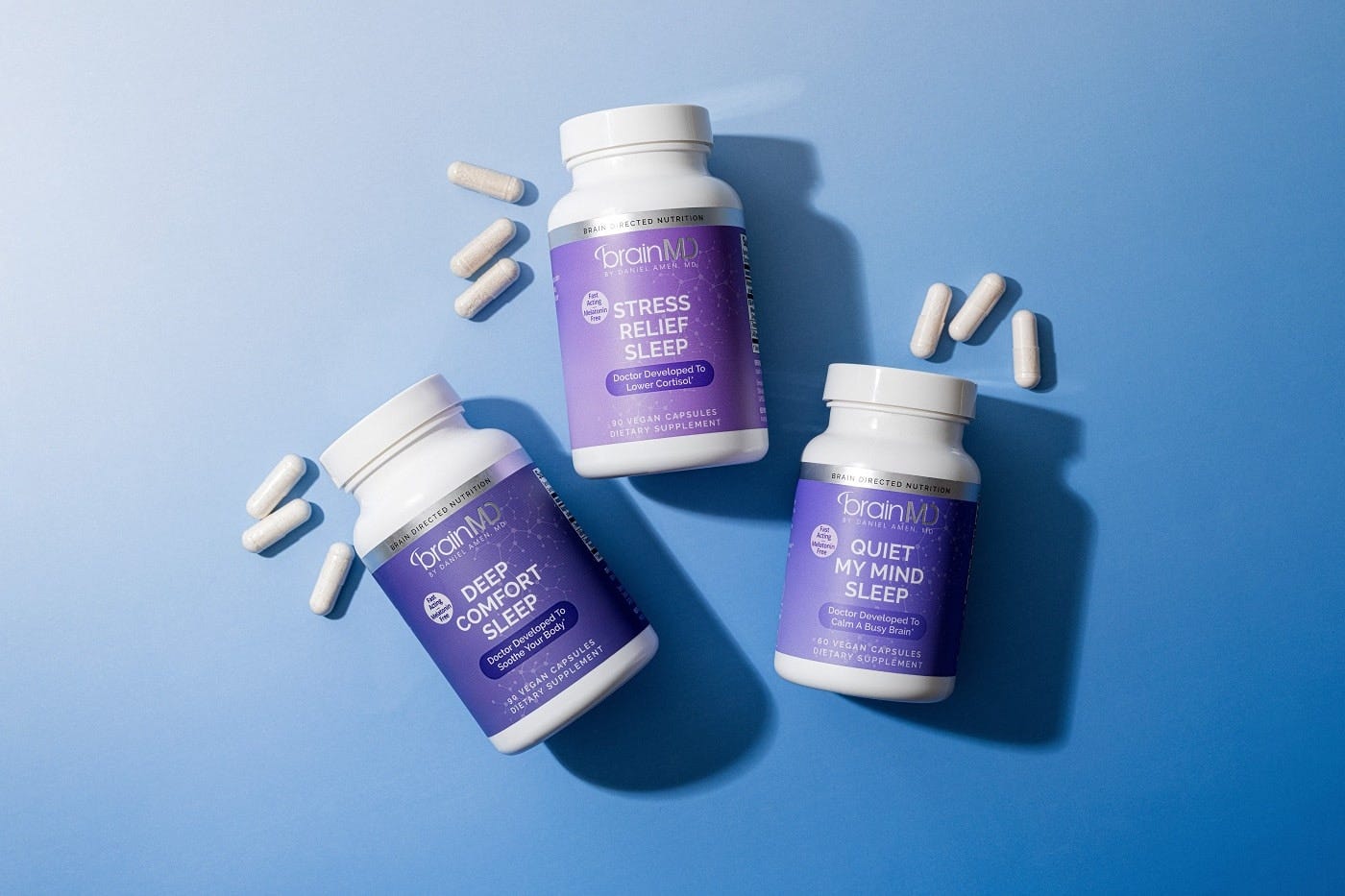
Do you get enough sleep each night? If not, you could be setting yourself up for mental and physical problems. Getting inadequate sleep has been associated with lowered brain efficiency, which can negatively affect your: Mental focus Mood Energy Weight Decision-making Anything that disrupts your natural sleep pattern, like excessive caffeine, alcohol or video game playing, can have adverse effects on your ability to effectively perform tasks at work, school, or home. Also, insufficient or inconsistent sleep can increase irritability, moodiness, and poor judgment. The Truth About Sleep According to the Institute of Medicine (US) Committee on Sleep Medicine and Research, as many as 70 million Americans have ongoing sleep problems that interfere with their daily functioning. If you’re one of those who fail to get consistent sleep each night, you might be at risk for a host of issues. When you don’t get enough sleep, you may have overall lowered blood flow to your brain, which can disrupt your thinking, memory, and concentration. Also, lack of sleep can weaken your immune system and make you more susceptible to getting a cold, flu, or virus. Getting quality sleep each night may help your brain function at optimal levels, as well as support your overall immunity and wellness. How to Get Quality Sleep Getting high-quality sleep is essential for optimal brain and body health. Though minimal required levels of sleep vary, many researchers agree that adults should try to get an average of 7 to 9 hours of sleep per night. If you have healthy habits, such as avoiding caffeine later in the day and getting regular exercise, but still have problems falling asleep, a scientifically formulated and safe dietary supplement that promotes restful sleep may give you the relief you need. Whether you’re too wired, worried, or stressed to sleep, nutritional sleep aids may help improve the quality of your sleep. BrainMD has a line of ultra-pure, high-potency sleep products and one of our top formulas is… Put Me To Sleep Naturally Put Me To Sleep Naturally is based on the most recent nutraceutical research on sleep onset, duration, and quality. The body’s daily sleep phase is now recognized to be just as important for health as the awake phase. Sleep is vital for mental and physical performance, as well as overall health and well-being. This highly effective sleep supplement includes 6 potent ingredients that work in concert to help relax the mind and body in preparation for sleep.* These ingredients have a broad range of neurotransmitter actions in the brain. They are carefully combined in this supplement to promote recovery from daily stress, calm and relaxation, and fully restful sleep.* [wc_box color="inverse" text_align="left" margin_top="" margin_bottom="" class=""] Melatonin – some may enjoy greater sleep benefits from taking a lower dose of melatonin, as is offered in this formulation.* GABA – the gamma-amino-butyric acid used in this product is chemically identical to the body’s GABA neurotransmitter, and may enhance brain function when taken by mouth.* L-Theanine – a unique green tea amino acid that works quickly to reinforce GABA’s natural relaxant actions.* Magnesium – reinforces GABA’s calming effects and helps bring on sleep and maintain sleep quality. Vitamin B6 – is vital for the brain’s entire spectrum of functions as well as those needed for quality sleep.* 5-HTP – an important starting molecule for the brain to produce not just serotonin, a regulatory transmitter that enables quality sleep, but also melatonin.* [/wc_box] This breakthrough chewable supplement helps bring on deep, sustained, and quality sleep. BrainMD’s Free Trial Program BrainMD’s Free Trial program offers a sample package of some of our top-selling supplements, including Put Me To Sleep Naturally. After 14 days, you’ll be enrolled into a subscription service and receive a monthly supply of Put Me To Sleep Naturally for the low price of $35.66. BrainMD will notify you prior to the subscription upgrade and before processing any payments for your first Subscription Delivery shipment. Every 30 days, your credit card will be charged, and a new shipment will be sent to the address supplied at the time of enrollment. You may adjust, pause, or cancel your subscription at any time and for any reason by contacting BrainMD’s Customer Care Team (see below). This offer is only valid in the U.S. One trial program may be purchased at a time by each customer. Quality Sleep Supplements If you’re tired of being tired, it’s time to turn to a natural sleep solution that can help you fall asleep, stay asleep, and wake up refreshed…without the grogginess! Put Me To Sleep Naturally can help support your sleep patterns with ultra-pure nutrients designed to ease you into a peaceful sleep.* If you have difficulties getting quality sleep, this natural sleep supplement may help you achieve deep, sustained, and restorative sleep.* Order your FREE sample today! BrainMD Customer Care Team Email: support@brainmdhealth.com Phone: (888) 850-5287 M-F 6 AM – 5 PM PST At BrainMD, we’re dedicated to providing the highest purity nutrients to improve your physical health and overall well-being. For more information about our full list of brain healthy supplements, please visit us at BrainMD. *These statements have not been evaluated by the FDA. This content is for informational purposes only. It is not meant to substitute for medical or healthcare advice from a physician, nor is it intended to diagnose, treat, cure, or prevent any disease. Consult your healthcare provider before beginning a new health regimen.
Learn more
How Your Gums Affect Your Gut and Brain Health
How much thought do you give to your gum health? Unless you’re experiencing periodontal health issues, probably not too much. Well, here’s a startling fact: Nearly half of U.S. adults over 30 show indications of gum disease. Yikes! Perhaps that explains why nearly 180 million Americans are missing teeth. But gum health issues affect more than your teeth. In recent years, a growing body of research is showing that when an individual’s gums are unhealthy, it can cause problems in the gut and brain, too. While dental hygiene tends to get more attention, it appears that caring for your gums is equally important. Here are the basics on how to have healthy gums – and why it’s important to your gut and brain health. About Periodontal (Gum) Health Proper gum care is surprisingly simple. The standard recommendations are nearly identical to dental care: Brush twice a day, floss once a day, and see your dentist for cleanings every six months. Additionally, use a soft toothbrush and brush gently in small, circular motions. There are a number of risk factors for gum disease such as smoking, hormonal changes in women, certain illnesses and their medications, poor diet, and genetics. The two most common signs of early gum health issues (gingivitis) are inflammation of the gums and bleeding when brushing your teeth. Other signs your gums are in trouble may include: Mouth sores Shiny appearance to gums Bad breath Bright red or reddish-purple gums Gums that are tender only when touched The symptoms of gingivitis occur when plaque, a sticky film of bacteria, builds up on your teeth and releases acids that irritate the gums. Plaque is always forming on your teeth. It becomes a problem when flossing and brushing doesn’t fully remove it. If you go too long between teeth cleanings, bacteria may have started to accumulate and harden (forming tartar) above and below the gum level, which usually requires professional help to remove. Sometimes a “deep cleaning” is needed to remove buildup under the gumline. If gingivitis goes unaddressed, things can get worse. The bacteria may infiltrate and damage the tissues under the gums, causing advanced gum disease. If it continues to go untreated, the bone supporting the teeth can start to break down, sometimes leaving the roots of the teeth exposed and/or causing sensitivity. Spaces also can develop between the teeth, and the teeth may become loose. You can start to lose your teeth, one at a time. It turns out that what’s happening under your gums can affect other parts of the body – including your gut and brain. Oral Care and Gut Health Since digestion starts in the mouth, it’s not too surprising to learn that if the oral microbiome is amiss – with perhaps too much of the bad bacteria that causes inflammation and not enough of the good kind – it may trickle down to the gut. And it does. Studies have shown that oral bacteria can translocate to the gut, impacting the microbiota and possibly immune function. In particular, a pesky oral bacteria called Porphyromonas gingivalis can cause an imbalance of microbiota in the mouth, as well as in the gut. Some researchers call this the gum-gut axis and suggest there’s a bi-directional relationship. Severe gum health issues are associated with inflammatory bowel health problems and higher risk of abnormal cellular growth in the colon. That’s not all though. As your gastrointestinal tract is lined with more than 100 million neurons, it’s closely linked to your brain. You may have heard of the gut-brain connection. When your gut has inflammation issues due to the microbiome being disturbed (possibly because of poor gum health), it can impact mental health too. Researchers are calling this connection the oral-microbiota-brain axis (OMBA). While not yet conclusive, research is revealing a potential link between the OMBA and neuropsychiatric health issues. It’s already well established that gut health issues are associated with low mood and feelings of anxiousness. Indeed, oral health affects your brain as well. Gum Health and Your Brain Gum health’s impact on your brain extends beyond neuropsychiatric conditions to brain function itself. Emerging research has revealed an association between gum health issues and cognitive decline, memory loss, and cerebrovascular accidents. It’s believed that bacteria and the inflammatory molecules they synthesize may travel from infections in the mouth through the bloodstream to the brain where they can cause problems. A 2021 meta-analysis of 20 studies found an association between poor periodontal health and cognitive impairment. Additionally, it found that moderate and severe gum health issues were a risk factor for memory loss. Further, a 2022 review of 47 published studies found that poor periodontal health appears to increase the risk of both cognitive decline and memory loss. But perhaps most concerning of all is a link between gum health and neurodegenerative issues. Recent research has found that the bacteria that causes gingivitis, Porphyromonas gingivalis, can move from the mouth to the brain. Once there, the bacteria may release enzymes called gingipains that can destroy neurons. This in turn can lead to memory loss and life-threatening forms of cognitive impairment. The systemic inflammation that can cause periodontal issues may play a role in strokes as well, though more research is needed. Oral Care Is Critical to Your Health Although much of the research on the relationship between gum health and healthy brain and gut function is observational, what has been found is compelling enough to underscore how critical gum health can be. At BrainMD, we’re dedicated to providing the highest purity nutrients to improve your physical health and overall well-being. For more information about our full list of brain healthy supplements, please visit us at BrainMD.
Learn more
4 of the Best Ways to Get Natural Headache Relief
Are you tired of relying on over-the-counter painkillers to alleviate your pounding headaches? What if there were natural ways to help relieve headache pain? From ancient techniques to modern approaches, let’s take a closer look at some of the best natural ways to mitigate headache pain. What Causes Headaches? Headaches may be caused by several factors. Here are just a few: dehydration hunger head injury excessive alcohol consumption serious sinus issues stress diet cold/flu jaw problems medications poor sleep Keep in mind, your symptoms might be related to the specific type of headache you’re experiencing. Types of Headaches There are many things that can provide natural headache relief, and some can be found at your local grocery store or pharmacy. However, not all headache interventions are the same. Some may provide temporary relief, while others may have no effect whatsoever. To find the best natural treatment for your headaches, it’s important to understand the different types of headaches and their causes. Tension Headaches One of the most common types of headaches are tension headaches. These are usually caused by stress or muscle tension in the neck and shoulders. If you suffer from tension headaches, you may find relief by taking a hot bath, using a heating pad, or massaging the affected area. Migraine Headaches Migraine headaches are another common type of headache. They’re often accompanied by nausea, vomiting, and sensitivity to light and sound. Migraines can be triggered by stress, certain foods, hormonal changes, or weather changes. If you suffer from migraines, you may be able to find relief by taking an over-the-counter pain medication or prescription migraine medication, but it’s recommended to try natural alternatives first. Cluster Headaches Cluster headaches are less common than tension headaches or migraines, but they can be just as debilitating. Cluster headache sufferers typically experience intense pain on one side of the head that comes in “clusters” or cycles. The pain is often accompanied by redness in the eye on the same side as the pain. Cluster headaches can be triggered by heavy alcohol consumption, smoking, bright lights, and certain foods. Many people who suffer from cluster headaches seek relief by taking common pain relievers or prescribed medications, but natural solutions may help as well. No matter which type of headache you’re dealing with, here are some of the best natural ways to treat headaches… 3 of the Best Options for Natural Headache Relief Aromatherapy Aromatherapy is one of the oldest and most well-known forms of natural medicine. The practice of using essential oils to promote health and happiness dates back thousands of years and can be found in many different cultures. Aromatherapy is thought to work by stimulating the olfactory system, which is the part of the brain responsible for smell. When essential oils are inhaled, they may interact with the limbic system, which is responsible for emotions, memory, and the stress response. This interaction can lead to a reduction in stress, as well as an improvement in mood and overall well-being. Essential oils can be used in several ways. The most common method is through diffusers, which disperse the oil into the air so that it can be inhaled. Essential oils also can be added to baths, massages, or applied directly to the skin. The best way to choose an essential oil is to select one based on its scent. Some common scents, such as lavender, chamomile, peppermint, eucalyptus, and lemon, may help relieve headaches. Once you’ve selected an oil, it’s important to read the label carefully and follow the directions for use. Acupressure Acupressure is an ancient Chinese healing practice that involves applying pressure to specific points on the body. This pressure can be exerted with the fingers, elbows, or other objects (but not needles, which are used in acupuncture). Acupressure is said to release tension and promote relaxation. It’s often used as a treatment for headaches, neck pain, and fatigue. There are many different acupressure points on the body. The most common points for headache relief are located on the temples, forehead, and back of the head. To use acupressure for headache relief, simply apply pressure to the desired points for 1-2 minutes. You may feel a throbbing or tingling sensation during this time. If you suffer from severe headaches, it’s best to consult with a healthcare professional before beginning acupressure, or any new treatment or regimen. Herbal Teas When it comes to herbal teas, there are many different options available to help relieve headaches. Some of the most popular herbs for headache relief include ginger, peppermint, lavender, chamomile, and eucalyptus. Ginger is a well-known remedy for nausea and vomiting, but it also can be effective in treating headaches. Ginger tea or supplements can help to soothe an upset stomach and ease pain. Peppermint is another herb that can be helpful in relieving headaches. Peppermint oil can be used to massage the temples and forehead. Lavender is a relaxing herb that can be helpful in reducing stress and tension headaches. Chamomile has soothing and anti-inflammatory properties that may help to reduce the severity of headaches. Eucalyptus oil can be used to massage the scalp and neck to help relieve tension headaches. There are many other herbal teas that can be helpful in treating headaches. Talk to your doctor or a qualified herbalist to find out which ones may work best for you. [wc_box color="inverse" text_align="left" margin_top="" margin_bottom="" class=""] Top Tips to Reduce Headache Symptoms Drink lots of fluids, especially water, to stay hydrated as dehydration can cause headaches. Limit your intake of caffeine and alcohol since these can trigger or worsen headaches. Get plenty of rest and relaxation to help ease tension and stress, which can contribute to headaches. Regular exercise can help to reduce stress and improve overall health. Eat a healthy diet with plenty of fruits, vegetables, lean proteins, and healthy fats to help reduce stress and improve your overall health. [/wc_box] Natural Headache Relief If you’re looking for long-term headache relief or just preventative measures, consider implementing the above lifestyle changes. It’s important to remember that people may have different reactions depending on their body type, so we recommend consulting a doctor before attempting any of the suggested treatments. Taking these steps may be a great way to help reduce the frequency or severity of your headaches! At BrainMD, we’re dedicated to providing the highest quality supplements to improve your physical health and overall well-being. For more information about our full list of brain healthy supplements, please visit us at BrainMD. These statements have not been evaluated by the FDA. This content is for informational purposes only. It is not meant to substitute for medical or healthcare advice from a physician, nor is it intended to diagnose, treat, cure, or prevent any disease. Consult your healthcare provider before beginning a new health regimen.
Learn more
Jennie Garth’s Favorite Supplements Can Help Relieve Stress and Calm Your Brain
Jennie Garth knows all about stress. From memorizing lines and long hours on set to photo shoots and interviews – and just always needing to be on her A game – the 90210 actor is extremely familiar with the rigors of the Hollywood lifestyle. When she became concerned over memory issues, Jennie visited Dr. Daniel Amen at the Amen Clinics in Southern California. With the assistance of brain SPECT imaging, Dr. Amen determined that Jennie has a busy brain with too much activity in the basal ganglia, a region associated with anxious thoughts. Part of Dr. Amen’s recommended treatment plan for Jennie includes high-quality supplements specifically formulated to decrease stress and increase calm. Two of Jennie’s favorite supplements are BrainMD’s Calm My Brain and L-Theanine Gummies. Jennie Garth’s Favorite Stress-Relieving Supplements! Calm My Brain Jennie is a compassionate advocate for mental health. She’s worked with Dr. Amen to support her brain and has become an enthusiastic ambassador for BrainMD products. Her favorite supplement? Calm My Brain. This ultra-pure supplement provides generous daily doses of high-potency ingredients to help manage stress and promote calm.* Top Benefits of Calm My Brain Relief from anxiousness and stress* Relaxed mind and muscles* Sharper mental focus* Improved quality of sleep* Fast-acting, typically within 30-40 minutes* "Calm My Brain keeps me from having feelings of anxiousness, overthinking things, and stressing too much. It can be taken as needed, but I take it every morning because I just think, ‘let me combat this from the get-go.’” – Jennie Garth L-Theanine Gummies Jennie is also a huge fan of L-Theanine Gummies. These gummies offer fast-acting stress relief in delicious, plant-based gummy form – without hidden sugar, artificial colors or flavors.* Top Benefits of L-Theanine Gummies Calm mood* Better response to stress* Improved focus and clarity* Lower cortisol levels* Enhanced sleep quality* "When your brain is in a stress spiral, having fast-acting relief is key. I love the L-Theanine Gummies to help calm me down whenever I need.” – Jennie Garth Jennie’s Morning Routine Ever wondered what Jennie’s morning health routine looks like? Well, after easing into her pink slippers, she takes Focus & Energy for her focus and Calm My Brain for her nerves. Next, she mixes a spoonful of Brain MCT Energy into her morning cup of tea and reads a daily entry from Dr. Amen’s Change Your Brain Every Day for her mental health. After that, she does stretches. On Tuesdays, because they feel like Mondays on overtime, Jennie makes a nutritious smoothie: Jennie’s Tuesday Morning Smoothie Recipe [wc_box color="inverse" text_align="left" margin_top="" margin_bottom="" class=""] INGREDIENTS: ½ frozen banana 2 cups ice 1 tablespoon Brain MCT Energy oil Handful of chia seeds Handful of hemp seeds Handful of walnuts 2 handfuls spinach and/or kale Dash of cacao nibs 1 or 2 scoops OMNI Protein Vanilla powder ¾ cup plant-based milk [/wc_box] "Make yourself a nutrient-packed smoothie and let’s get on with the week!” – Jennie Garth Manage Stress…Naturally! One of the best ways to manage stress and improve your mood is with BrainMD’s supplements like Calm My Brain and L-Theanine Gummies.* They’ve worked wonders for Jennie and may help you too. Try them today! At BrainMD, we’re dedicated to providing the highest quality supplements to improve your physical health and overall well-being. For more information about our full list of brain healthy supplements, please visit us at BrainMD. *These statements have not been evaluated by the FDA. This content is for informational purposes only. It is not meant to substitute for medical or healthcare advice from a physician, nor is it intended to diagnose, treat, cure, or prevent any disease. Consult your healthcare provider before beginning a new health regimen.
Learn more
What Are Some of the Top Health Benefits of Cold Showers?
On a hot summer’s day, a cold shower can provide much-needed relief – and potentially a whole lot more. As it turns out, immersing yourself in cold water for a few minutes on a regular basis may help to improve your alertness, mood, energy, immune health, skin, pain levels, metabolism, blood flow, workout recovery, and more. First adopted by athletes to help reduce muscle soreness and promote faster recovery, the practice of taking cold showers is now routine for a growing number of people wanting to feel their best. Here are the compelling reasons why you may want to add a shock of cold into your daily douse! What Is Hydrotherapy? Cold shower taking, also called cold hydrotherapy, is essentially using cold water for a therapeutic effect. Cold hydrotherapy is a type of cryotherapy, which is the use of cold temperatures (in the form of ice, cold water, or cold air) for a therapeutic health benefit. Research into ancient medical texts shows that cold hydrotherapy has been used for thousands of years for its health-promoting and pain-relieving effects. While there are many purported health benefits attributed to taking cold showers, most of the research on cold hydrotherapy has been conducted using cold water immersion (CWI). Health experts believe that many of the CWI benefits also can be obtained, to some degree, from taking cold showers. Indeed, studies on cold shower therapy so far have shown promising results, although more research is needed. Benefits have been noted with as little as 30 seconds of regular cold-shower exposure. Here are the most significant ways cold showers can boost your health and well-being. 6 Top Health Benefits of Taking Cold Showers 1. May Uplift Your Mood Cold showers for mental health have become a “thing” for good reason. Whole-body exposure to cold water can trigger the release of neurotransmitters such as serotonin, dopamine, norepinephrine, and endorphins, which are central to regulating emotions, stress, and motivation (reward processing). Deficits in these neurotransmitters may factor into the development of mental health issues – especially low mood and feelings of anxiousness. Participants exposed to cold water immersion in studies have reported positive changes in mood following as little as one immersion. A study from 2022 had participants immerse themselves in cold water up to the neck. Results showed not just an increase in positive mood, but also increased alertness, greater energy, and feeling more inspired, active, attentive, and proud – while at the same time feeling less nervous and distressed. Preliminary research from another study found that a couple of participants who took regular cold showers at even a moderate temperature of 68 degrees F experienced a lighter mood. 2. May Boost Your Immunity It appears that taking regular cold showers may give your immune system a boost. It’s believed that the shock produced by the cold water can energize the blood cells that fight off infection. In 2016, researchers from the Netherlands found that participants who took daily cold showers for durations of 30, 60, and 90 seconds for 90 days had milder illnesses than those who didn’t take the cold showers. The participants who took the daily cold showers called out sick from work 29% less of the time, suggesting a stronger working immune system. 3. May Help with Pain and Post-Workout Recovery Taking a cold shower causes your blood vessels near the surface of your skin to constrict, which diverts blood towards your core. The process is called vasoconstriction. It helps to reduce swelling and inflammation, which are key to relieving pain. These benefits are fantastic for post-workout recovery too. Vasoconstriction helps to reduce swelling and inflammation in the muscles, as well as draw waste substances and lactic acid away from the muscles. When the body begins to warm again, vasodilation happens (blood vessels relax and expand). Warm blood pumps around the tissues, bringing oxygen and nutrients, promoting faster muscle recovery, and reducing muscle soreness. A 2017 study found cold water immersion post-workout was as effective as active recovery (such as a light swim, stretch, or walk) in reducing inflammation and muscle soreness. 4. May Boost Circulation Cold hydrotherapy also can stimulate blood flow. When you’re immersed in cold water or even standing under the flow of cold water in a shower, it provides a shock to the system. Your blood rushes to surround your vital organs. At the same time, your heart rate increases, pumping blood more efficiently to ensure it supplies every part of your body with the oxygen and nutrients it needs. All that nourishing blood flow benefits your organs, muscles, and tissues. And as your body fights to stay warm, your metabolism gets a little boost as well! 5. May Benefit Your Skin A chilly shower may provide a number of benefits to your skin. Cold water calms and soothes the skin. Because it constricts blood vessels, a cold shower can reduce redness and puffiness as well. This can be very helpful for people who deal with inflammatory skin conditions. Cold showers tighten skin pores and help you to retain your skin’s (as well as your hair’s) natural oils. Overall improved circulation as result of cold hydrotherapy supports the health of the skin and may even aid in clearing blemishes. However, water that’s too cold can be harsh on the skin and cause redness, especially in people with sensitive skin. 6. May Build Resilience Taking a cold shower isn’t easy. Regularly challenging yourself to be uncomfortable may help you to build resilience, allowing you to handle stressful situations with greater ease. A survey involving winter sea bathers indicated that regular exposure to cold water was associated with lower self-reported stress levels and higher well-being. Cold water exposure is such a powerful tool for strengthening mental resilience, a military study conducted earlier this year found that it could be recommended as an addition to routine military training regimens! How to Begin Taking Cold Showers If you want to add cold showers to your health routine, experts suggest starting by turning your shower fully on cold for 30-second intervals at first, and then gradually working up to 60 seconds, and then to 90 seconds. Some experts say that 3 minutes is the ideal duration for maximum benefits. Do it regularly for best results. It’s important to note that cold hydrotherapy isn’t recommended for everyone, especially if you’re elderly or have heart health issues. Talk to your healthcare provider before you adopt a cold-shower routine. At BrainMD, we’re dedicated to providing the highest purity nutrients to improve your physical health and overall well-being. For more information about our full list of brain healthy supplements, please visit us at BrainMD.
Learn more
3 Types of Rage and How to Get Help When You Start to Lose Control
Have you ever wondered why we sometimes find ourselves consumed with uncontrollable anger? Why do certain things trigger our inner fury? Let’s take a closer look the origins of anger and how it can boil over into rage. The Evolution of Anger One of the most intense emotions in the human experience is anger. Anger can be caused by a variety of stimuli, including feelings of threat or frustration. While anger is a universal emotion, its evolutionary roots still aren’t entirely clear. However, there are a few different theories about how anger may have developed in humans. One theory suggests that anger is an evolutionarily adaptive emotion. It may have originally developed as a means of helping humans survive and reproduce. For example, if our ancestors were threatened by a predator, becoming enraged may have helped them fight back and escape. Or, if they were competing with another individual for resources, getting angry may have helped them win the competition. While this theory makes sense, it doesn’t explain why we still experience anger in situations where it isn’t adaptive (such as when we’re frustrated by our partner or child). A second theory suggests that anger is a byproduct of other evolutionary adaptations. For example, the part of the brain that controls anger (the amygdala) may have originally evolved for other purposes, such as fear or aggression. Over time, however, this same area of the brain became involved in controlling anger as well. This theory could explain why we sometimes see rage erupting “out of nowhere” – it may simply be an emotional manifestation of other processes happening in the brain. Science of Rage: Biological and Neurochemical Causes It’s no secret that humans can be a volatile bunch. We’re prone to fits of anger and aggression that can, in extreme cases, lead to violence. But what drives this behavior? Are we simply hardwired for rage, or is there more to it than that? As mentioned earlier, rage is a primitive emotion that may have developed as a survival mechanism. Today, the root causes of rage are thought to be both biological and neurochemical. Biological factors include things like hormones and brain chemistry. Neurochemical factors refer to the chemicals in the brain that influence our mood and behavior. For example, serotonin is a chemical that helps regulate our mood and keep us feeling calm and relaxed. Low levels of serotonin have been linked with increased aggression and hostility. While we may not be able to completely prevent ourselves from giving in to rage, understanding the biological and neurochemical factors behind it can help us find better ways to control our emotions and behaviors. Here are some common types of rage and some of the best ways to deal with them. 3 Common Types of Rage and How to Get Help When You Start to Lose Control There are different forms of anger or rage. Here’s a closer look at just a few of the types… Outbursts From childhood temper tantrums to adult acts of aggression, anger seems to be hardwired into the human psyche. Maybe there’s a justifiable reason for why you’re upset, like someone shoving your child. Or perhaps your fit of anger was completely unprovoked…maybe you’re just having a really bad day and needed to let off some steam. Whether triggered by real or perceived threats or offenses, anger can escalate to outbursts, which can lead to violence. Such violent outbursts can lead to physical struggles, damage to property, or even fatalities. Frequent violent outbursts may be a sign of trouble, so if this is an area where you struggle, getting help might be the best course of action to protect yourself and others around you. Social Media Rage Social media rage is a relatively new phenomenon that pertains to the anger people feel when they interact with others on social media platforms. This form of anger can be caused by many things, such as disagreeing with a comment made by someone else online or feeling like you’re being ignored. Social media rage can lead to name-calling, cyberbullying, and even doxxing (releasing private information about someone online). Another form of rage may be directed at the technology itself. If a page is loading too slowly or if a perceived link isn’t taking a user to where they want to go, this can produce an aggressive behavior termed rage clicks. Rage clicks occur when users rapidly tap or pound on a link, button, or other area of an app or website when it fails to advance them to their intended goal. Some companies use heatmapping to track where customers are clicking on their site. Rage clicks will appear as big, red circles or blotches on a specific part of a web page, indicating the user’s persistent and hostile reaction to not getting a desired result. If this ever happens to you, the best way to deescalate the situation is to just put the phone down for a few moments (unless you’re in a life-threatening situation). Reengage when you’ve calmed down and maybe try backing out of the current page and try clicking the button again. Sometimes unresponsive web pages may be due to slow wi-fi or elements that appear as if they’re clickable, but really aren’t. A brief timeout and a little patience may help prevent you from engaging in rage clicks. Road Rage Road rage is a type of anger that is often caused by stress while driving. It can lead to aggressive driving, yelling, and even violence. The Department of Motor Vehicles (DMV) defines road rage as: “Aggressive or angry behavior by a driver of an automobile or other road vehicle which includes rude gestures, verbal insults, physical threats or dangerous driving methods targeted toward another driver in an effort to intimidate or release frustration.” Road rage is responsible for many injuries and fatalities each year. Shockingly, 82% of U.S. drivers admit to having committed an act of road rage at least once in the past year. Many people get angry, frustrated, or stressed out by bad drivers, traffic jams, road construction, or other delays. But what causes some drivers to become so enraged? When you’re behind the wheel, you don’t want to be the victim of aggressive behavior, and it can make you feel anxious or angry. In many cases where drivers are targeted by road rage, they respond aggressively by making rude gestures, shouting, honking, tailgating, or flashing their lights. As a result, rage and aggressive behavior may escalate and the consequences can be deadly. Diffusing Road Rage The next time you find yourself engaging in aggressive driving behaviors, follow these tips to diffuse the situation: [wc_box color="inverse" text_align="left" margin_top="" margin_bottom="" class=""] Consider the consequences of your actions: Physical harm to yourself or others (including kids) Damage to one or more vehicles Increased insurance premiums Potential legal issues Fatalities Pull off the highway or road, find a safe place to park, and: Do a deep breathing exercise Turn on some soothing music (classical or easy listening vs. rock or rap) Don’t start driving again until you’ve completely cooled down [/wc_box] You can minimize the risk of giving in to road rage by practicing daily stress-reducing therapies like deep breathing, havening, journaling, exercising, listening to soothing music, and enjoying relaxing scents from diffused essential oils. Also, consider taking dietary supplements with calming and relaxing ingredients like BrainMD’s Everyday Stress Relief, Calm My Brain, and GABA Calming Support.* Get Curious, Not Furious Anger is a signal that something isn’t right in your world. We generally experience it when we feel the need to defend ourselves. But anger also can be the brain’s way of dealing with deeper, emotional issues. When you feel angry, ask yourself what other emotions might be driving the anger. Get curious about what triggers you to become enraged. If episodes of road rage or other types of outbursts persist, it’s recommended that you see a trained counselor or therapist. They can give you practical strategies and therapies to help stabilize your emotions and behaviors so you can enjoy a more peaceful life. At BrainMD, we’re dedicated to providing the highest quality supplements to improve your physical health and overall well-being. For more information about our full list of brain healthy supplements, please visit us at BrainMD. *These statements have not been evaluated by the FDA. This content is for informational purposes only. It is not meant to substitute for medical or healthcare advice from a physician, nor is it intended to diagnose, treat, cure, or prevent any disease. Consult your healthcare provider before beginning a new health regimen.
Learn more