 Skip to content


Wellness Blog



Here Are Some of the Best Benefits of Nitric Oxide
Perhaps you’ve heard of nitric oxide (NO). Over the last several decades, NO has become a popular topic of research among scientists. It’s also been linked to certain health benefits. So, what is NO and how can it help you? Benefits of Nitric Oxide NO is a cellular messenger involved in nearly every cell and organ system in the body. It’s a signaling molecule in the nervous, circulatory, digestive, immune, reproductive, and respiratory systems. Its primary action is to relax your blood vessels, which helps increase blood flow to your brain. Improved brain circulation can help neurons relay messages throughout your body. Unfortunately, the amount of nitric oxide we produce declines as we get older. According to one study, those in their 40s only make about 60% of the NO they need daily. When the level of NO is off, it can lead to several health conditions. The good news is that it’s possible to support your NO levels through supplementation. BrainMD is proud to offer its new nutraceutical… Advanced Blood Flow – Nitric Oxide Support Advanced Blood Flow supports healthy nitric oxide levels in your brain, which helps increase blood flow throughout your body.* Among its many benefits, Advanced Blood Flow: Supports cardiovascular health and nitric oxide production* Promotes healthy blood flow and circulation* Supports cognitive function and gastrointestinal health* Featuring clinically effective doses of high-quality nutrients, Advanced Blood Flow also supports cardiovascular, sexual, gut, and liver health.* Advanced Blood Flow Ingredients Advanced Blood Flow contains a trio of clinically tested ingredients that help naturally support levels of NO in the body.* Here’s a closer look at the three ultra-pure nutrients in Advanced Blood Flow: [wc_box color="inverse" text_align="left" margin_top="" margin_bottom="" class=""] L-citrulline is a non-essential amino acid that’s a potent precursor to L-arginine, which helps boost the body’s NO metabolism and regulation. L-citrulline is produced in the liver and intestine. Though found in watermelon and other foods, it’s difficult to obtain enough L-citrulline from the diet alone. Quercetin is a powerful flavanol that maintains oxidative balance within the body. Unlike L-citrulline, the body can’t synthesize it, so it must be obtained from the diet or supplements. Quercetin is found in apples, asparagus, and berries, and is thought to be best absorbed when consumed from onions. Unfortunately, when derived from food, quercetin absorption is reduced due to limited bioavailability. Resveratrol is well known as the main constituent that makes wine heart healthy. Although it has been detected in more than 70 different plant species – and dietary sources including berries, apples, plums, Itadori tea, peanuts, and soy – wine is the main source of resveratrol for many people. [/wc_box] Since your diet may not contain enough of these foods and beverages, taking Advanced Blood Flow is a great way to ensure you’re getting adequate trans-resveratrol, which exerts anti-inflammatory activities.* Even though the ingredients in Advanced Blood Flow are found in food, the bioavailability is highly variable, depending on processing, cultivating, geographical location, and individual intestinal absorption capabilities. Taking Advanced Blood Flow daily is an excellent way to ensure that you’re obtaining enough of the clinically tested, highly absorbable forms of these three powerful bioactive compounds.* Advanced Blood Flow Benefits Here are just a few ways Advanced Blood Flow can benefit the brain and body… Antioxidant Support Oxidative stress occurs when there’s an imbalance of pro-oxidants and antioxidants, contributing to damage on the molecular level. Once the antioxidant system becomes ineffective, damage to proteins, lipids, DNA, and RNA can occur. Aside from the many serious physical conditions associated with oxidative stress, it also can contribute to premature aging. People who have higher intakes of antioxidants are typically healthier and live a longer life than those who don’t. Antioxidants can be obtained through the diet, however, their absorption and utilization is often hampered by bioavailability and an individual’s metabolism. All 3 ingredients found in Advanced Blood Flow not only modulate NO levels, they also combat oxidative stress in the body, working to mitigate the negative consequences of unhealthy inflammatory status.* Cardiovascular and Circulatory Health Excessive production of free radicals can lead to increased oxidative stress and reduced NO availability, which is a known trigger of endothelial dysfunction. Given NO’s vital role in circulation, and anti-inflammatory and antithrombotic functions, adequate NO levels are necessary to maintain healthy blood flow in the circulatory system. Given the overwhelming evidence that NO is involved in maintaining cardiovascular homeostasis, anyone with an underlying heart condition, including hypertension and heart failure, would benefit from daily supplementation. The three components of Advanced Blood Flow have been shown to be cardio-protective.* Gastrointestinal Health and Function Gastrointestinal (GI) tract conditions or infections may have an inflammatory component. In many GI problems the gut barrier becomes more permeable and more susceptible to toxins that can trigger an unhealthy inflammatory response. Alterations in NO metabolism and signaling are associated with the development of liver and GI issues. The ingredients in Advanced Blood Flow have been shown to reduce markers of inflammation and oxidative stress associated with severe bowel problems.* Essential for Brain Health Slowing the progression of cognitive decline and optimizing brain health has become an important area of research. Some research has shown that by 30 years of age cognitive abilities for many people start to decline, although this age is variable and can be higher for some. Regardless, taking a preventive approach at an early age can be a helpful strategy to prevent early cognitive decline. As with every other organ in the body, NO plays a significant role in brain function. This partially explains why neurodegeneration occurs in many serious conditions with impaired NO homeostasis and bioavailability. NO is involved in learning, memory, and adult neurogenesis and has been implicated in a variety of health issues. It’s a vital vasoactive molecule needed for cerebral blood flow and brain activity. When there’s dysfunction between the two, brain function and integrity may suffer, further supporting the importance of maintaining adequate NO levels. Each of the components of Advanced Blood Flow have been shown to positively affect the central nervous system (CNS) through different mechanisms including signaling pathways associated with cell survival, cerebral blood flow, and reducing neuroinflammation.* The nutrients in Advanced Blood Flow have been shown to be neuroprotective against many problems of the CNS.* By suppressing neuronal injury resulting from inflammatory molecules and enzymes, the components in Advanced Blood Flow may have therapeutic benefit for a wide range of neurodegenerative complications.* Helps Increase Libido NO plays a significant role in sexual functioning. Many people with serious conditions report lower libido. This may be due to reduced NO production. Increasing NO bioavailability with Advanced Blood Flow is a natural and effective way to increase libido and improve erectile function.* Get In the Flow with NO Advanced Blood Flow supports healthy nitric oxide levels in the brain, which helps increase blood flow throughout your body.* Advanced Blood Flow is a capsule, customized for adults aged 18 and older. It supplies clinically effective doses of L-citrulline, trans-resveratrol and quercetin anhydrous, working to effectively raise your body’s levels of nitric oxide (NO) and its metabolites.* Not only does this NO formula help cognitive function, it also supports cardiovascular, sexual, gut, and liver health, too.* Try Advanced Blood Flow today! At BrainMD, we’re dedicated to providing the highest purity nutrients to improve your physical health and overall well-being. For more information about Advanced Blood Flow and our full list of brain healthy supplements, please visit us at BrainMD. *These statements have not been evaluated by the FDA. This content is for informational purposes only. It is not meant to substitute for medical or healthcare advice from a physician, nor is it intended to diagnose, treat, cure, or prevent any disease. Consult your healthcare provider before beginning a new health regimen.
Learn more
Boost Your Brainpower: The Top Clinically Studied Memory Supplements to Take Daily
Do you often forget names, appointments, or where you left your keys? If so, do you see this as a sign of trouble or just normal memory loss? Is Memory Loss Normal? A recent report found that 1 in 9 American adults experience cognitive decline, which includes confusion and memory loss. While frequent memory lapses or mental fog may be common in your 40s, 50s, and 60s, too often they’re dismissed by medical practitioners as being a normal part of aging. However, memory problems aren’t normal. They’re a sign of potential trouble and should be taken seriously, regardless of your age. Since memory loss doesn’t have to be your destiny, early intervention is crucial to long-term prevention. What Causes Memory Loss? Long before symptoms develop, your brain may already be deteriorating, years or even decades before you realize it. Memory decline can be related to a variety of issues, such as: Unhealthy lifestyle Stress Poor circulation Lack of exercise Being overweight Insufficient Nutrition Lack of sleep Head injuries Fortunately, it’s possible to avoid or alleviate all these issues. In the presymptomatic stage, when memory problems are less severe, help is likely to be most effective. That means no matter how you’ve treated your brain in the past, you can improve your memory over time by taking the right steps to improve your brain and overall health. If you’re experiencing memory loss, even if it seems minor, now is the best time to get serious about the health of your brain. To help put the brakes on brain decline, here are some practical, natural ways to keep your memory sharp… Tips to Keep Your Memory Sharp at Any Age 1. Get Regular Exercise Physical activity is one of the best things you can do to keep your memory sharp and your brain and body healthy. Exercise can help boost blood flow, deliver oxygen and other nutrients to your brain, and may increase your levels of dopamine. Walking at a brisk pace can help clear your mind, improve your mood, and burn some calories all at the same time. 2. Take a Trip Traveling helps the brain by exposing it to new faces and places. Learning the landmarks and geographical features of a new area exercises the brain’s visual-spatial abilities and helps stimulate your memory pathways. In addition to breaking up the sameness of your normal routine, taking a trip can provide a whole new set of experiences, some of which may become cherished memories. 3. Eat Memory-supporting Foods The Standard American Diet (SAD) is filled with foods that can increase your risk for a variety of medical problems. This Western pattern diet is also associated with a smaller hippocampus, one of the major memory structures in the brain. Instead of eating foods saturated with refined carbohydrates and sugar, choose lean proteins, healthy fats, and lots of organic fruits and vegetables. Aim for a diet that consists of mostly plant-based foods with some high-quality proteins and healthy fats mixed in. 4. Engage In Coordination Activities Doing coordinated physical activities – like dancing, tennis, or table tennis – can boost activity in the cerebellum. Though it only accounts for 10 percent of the brain’s total volume, the cerebellum contains about 50 percent of the brain’s neurons, and is involved with both physical and thought coordination. Try to work a coordination activity into your daily routine. 5. Avoid Toxins Smoking, along with drug and alcohol abuse, can increase your risk for serious memory issues. Even a glass of beer or wine per day can be harmful to the brain. Research demonstrates that marijuana can negatively affect the hippocampus. 6. Adopt New Learning Set aside some time every day for new learning. Some examples are learning a new language or musical instrument, trying a new kind of dance or other complex physical activity, or taking up a new hobby like chess or painting. Many maintain that the “use it or lose it” principle applies to the brain. When the brain stops learning it can start fading, so be intentional about learning new things every day. 7. Forge Strong Connections Social connections can significantly affect your brain, mood, memory, and overall well-being. Building and maintaining healthy relationships may help you feel understood and cared for. When you care for others and feel cared for, your brain releases oxytocin, the “bonding” hormone, which can counteract some of the negative effects of stress. The health habits of the people you spend time with can have a dramatic impact on your own health, so surround yourself with people who are happy, upbeat, kind, and who challenge you to be the best version of yourself. Dr. Amen's Favorite Memory Supplements to Take Daily Our memory supplements are based on the latest science and medical data, and are developed by one of the world’s leading brain-health experts, Dr. Daniel Amen. Here's a look at some of BrainMD's best memory supplements... Brain & Memory Power Boost Six of the most highly researched, brain-boosting herbs and nutraceuticals join forces in this advanced, best-selling formula to sharpen your memory and support your cognition, mental clarity, and concentration.* BRIGHT MINDS Memory Multivitamin BRIGHT MINDS Memory Multivitamin is both a complete multivitamin/multimineral AND a powerful memory supplement powder featuring over 30 vitamins, minerals, amino acids, herbal concentrates, and nutraceuticals.* NeuroVite Plus Multivitamin Scientifically formulated with 50+ optimally bioavailable nutrients in their best-utilized and most effective forms, NeuroVite Plus Multivitamin is the only daily multivitamin for men and women that delivers comprehensive brain-boosting benefits.* Omega-3 Power/Omega-3 Power Squeeze Highly concentrated fish oil products, Omega-3 Power and Omega-3 Power Squeeze provide 1,600 mg of EPA, DHA and other omega-3s to power your mood, focus, memory, cognition, and heart.* Neuro-PS This phosphatidylserine supplement features high-potency, soy-free phosphatidylserine (PS) for better memory, concentration, and attention at any age.* Remember This Your behavior and habits can either positively or negatively impact how well your brain functions as you get older. The good news is it’s never too late to take better care of your brain. Being mentally and physically active, taking some of the best memory supplements, and avoiding unhealthy habits, can help support your memory. Keeping your brain fit is a great way to support cognition and memory throughout your life. One of the best ways to keep your memory sharp, reduce brain atrophy, and avoid long-term memory problems is to exercise it every day. There will never be a better time to start improving your memory than now, so make your memory a priority today…and every day. At BrainMD, we’re dedicated to providing the highest purity nutrients to improve your physical health and overall well-being. For more information about our full list of brain healthy supplements, please visit us at BrainMD. *These statements have not been evaluated by the FDA. This content is for informational purposes only. It is not meant to substitute for medical or healthcare advice from a physician, nor is it intended to diagnose, treat, cure, or prevent any disease. Consult your healthcare provider before beginning a new health regimen.
Learn more
What You Should Do If You’re Low in Serotonin
Your brain is powerful. Its “happy” neurochemicals – dopamine, oxytocin, and endorphins – can have a positive influence on your mood and behavior. As with those brain neurotransmitters, serotonin also plays many important roles in the brain’s biochemistry. So, what’s serotonin? Let’s take a closer look… What’s Serotonin? The human brain produces a soothing neurotransmitter called serotonin, mostly from the amino acid tryptophan, which is derived from dietary proteins. Serotonin regulates many transmitter systems and plays a role in the brain and body’s ability to communicate. Some have called it the “don’t worry, be happy” neurotransmitter. Serotonin plays multiple roles in the brain’s functioning, including: Maintaining a balanced mood Increasing self-confidence and social engagement Supporting a healthy appetite Decreasing worries and concerns Facilitating deep sleep Sustaining the body’s 24-hour rhythms Enabling survival functions like body temperature regulation and breathing Additionally, serotonin is linked with learning and memory. Though serotonin is manufactured in the brain, where it performs its primary functions, it’s estimated that about 90% of our serotonin supply is found in the digestive tract. Are You Low in Serotonin? Many people don’t regularly produce enough of this healthy transmitter to experience its calming, positive effects. Low activity of serotonin on certain receptors can result in sudden shifts between low mood and overexcited mood. Since serotonin also functions in your intestinal tract, having low activity of this transmitter is closely associated with changes in gut health and appetite. Low serotonin activity may result in difficulties with mental sharpness, binge eating, digestive issues, sleep problems, headaches, and anger or irritability. So, what can you do if you’re low in serotonin? Healthy serotonin activity can be maintained or improved in the brain and body by following these simple steps... What to Do When You’re Low in Serotonin Increase Serotonin with Exercise Exercise is one of the best things you can do for your physical and mental well-being. It may offer health benefits such as improved brain function, energy, mood, and sleep. It also promotes cardiovascular health, healthy blood sugar levels, strong bones and muscles, and a healthy weight. Physical activity is a serotonin intervention – it can help support a healthy serotonin level in your brain. Recently, several studies concluded that positive mood in individuals is a strong predictor of physical health. Consistent daily physical activity is one of the best ways to improve your serotonin levels and your overall brain health. Best Serotonin Foods Very few foods contain premade serotonin, and once absorbed into the blood it can’t get across the blood-brain barrier. However, tryptophan from food proteins can traverse this barrier, so it may be possible to support your brain’s serotonin needs by eating foods that increase the brain’s tryptophan levels. While no food contains serotonin, increasing your consumption of foods containing its precursor, tryptophan, may help increase serotonin levels in your body. Some examples of foods rich in L-tryptophan are: spirulina seeds (especially pumpkin) squash chia watermelon grass-fed meats (beef, lamb, goat) free-range poultry (chicken, turkey, duck) wild caught salmon and tuna peas and beans (not canned) tofu tempeh edamame eggs (especially the whites) spinach Though research hasn’t definitively proven whether these foods can increase serotonin levels in the brain, supporting your brain and body with these healthy foods is a smart choice, regardless. Natural Serotonin Supplements Supplements that provide select B vitamins, as well as concentrates of saffron, can help support healthy serotonin levels. BrainMD’s Serotonin Mood Support was created specifically to promote multiple brain mechanisms that maintain healthy serotonin levels in the brain.* Serotonin Mood Support Serotonin Mood Support can help increase the production of soothing brain waves, correct stress-related nutritional deficiencies, and promote relaxation that can enable quality sleep.* It can help you handle the ups and downs of life with more composure.* This formula includes: 5-Hydroxytryptophan (5-HTP) – This nutrient is readily absorbed and rapidly reaches the brain, where it requires just one enzyme step for conversion to serotonin.* This enzyme also works well with vitamin B6. Vitamin B6 – Vitamin B6 is an essential cofactor for enzymes that make serotonin and dopamine.* It works in harmony with methylfolate and methyl-vitamin B12 to support a variety of neurotransmitter systems.* Methylfolate – The B vitamin folate provides methyl groups needed to make serotonin.* Methylfolate is pre-activated folate, and is the body’s most readily utilized form of this vitamin.* It’s better utilized than folic acid, a manufactured substance not found in nature that many people cannot efficiently convert into usable folate.* Methyl-cobalamin – The body’s most readily-utilized form of vitamin B12, methyl-cobalamin provides metabolic backup for methylfolate.* Saffron – The world’s most expensive spice, saffron has been used for thousands of years to induce happiness. Modern saffron concentrates have consistently improved mood and other mental functions in clinical trials.* Improve Your Outlook If you want to feel happier, engaging in activities that release more happiness neurochemicals – like serotonin – into your brain is a smart place to start. Healthy lifestyle habits, such as daily exercise, consuming whole foods, and taking a dietary supplement like Serotonin Mood Support, can work together to sustain the brain’s many vital functions, support a positive mood, and promote restful sleep.* Try it today! At BrainMD, we’re dedicated to providing the highest purity nutrients to improve your physical health and overall well-being. For more information about Serotonin Mood Support our full list of brain healthy supplements, please visit us at BrainMD. *These statements have not been evaluated by the FDA. This content is for informational purposes only. It is not meant to substitute for medical or healthcare advice from a physician, nor is it intended to diagnose, treat, cure, or prevent any disease. Consult your healthcare provider before beginning a new health regimen.
Learn more
Why Experts Are Calling Nitric Oxide One Of The Most Important Molecules For Human Health
To kick off the launch of our new Advanced Blood Flow nitric oxide supplement, our Chief Science Officer Nicole Avena, PhD sat down with internationally recognized scientist and nitric oxide expert Dr. Nathan S. Bryan for an illuminating conversation on how nitric oxide can supercharge our health. They discussed the powerful connection between nitric oxide and our brain, how nitric oxide can help regulate blood flow, why experts are calling nitric oxide “one of the most important molecules for human health,” and more. In case you missed the live conversation (watch the recording here!), we rounded up our top 7 takeaways from the event. 7 Takeaways From Dr. Nicole Avena’s Conversation With Nitric Oxide Expert Dr. Nathan S. Bryan What is Nitric Oxide? Nitric oxide is a gas produced endogenously. Once produced, it only survives for less than a second. During that time, it binds to receptors, modifies proteins and enzymes, dilates blood vessels, kills viruses and bacteria, improves oxygen delivery to every organ and tissue in the body, and initiates a number of cell signaling events. Our body must continuously produce nitric oxide to function at its best. Unfortunately, the amount of nitric oxide we produce declines as we get older. By our 40s, we only make about 50% of the nitric oxide we need daily! There Is No Standard Lab Or Blood Test For Determining Nitric Oxide Levels Unlike cholesterol or vitamin D, there is no standard lab or blood test for determining nitric oxide status – because it’s an unstable gas, it’s gone too quickly to measure! To determine if you’re low in nitric oxide, experts look at the symptomatology. Signs you could be nitric oxide deficient include: Sexual dysfunction and low libido Unsafe elevation in blood pressure Cognitive issues Memory problems Low energy levels Decreased stamina Slow recovery times after exercising Endothelial dysfunction Nitric Oxide Is One Of The Most Important Molecules Produced In The Human Body The 1998 Nobel Prize in Physiology or Medicine was jointly awarded to North American scientists, Dr. Robert F. Furchgott, Louis J. Ignarro, and Ferid Murad, for their discoveries in relation to nitric oxide as a signaling molecule in the cardiovascular system. Nitric Oxide Is Critical To Brain Health Nitric oxide is a neurotransmitter in the central nervous system. It’s involved in learning, memory, and adult neurogenesis, and is considered a vital vasoactive molecule needed for cerebral blood flow and brain activity. When our nitric oxide levels are low, our brain function can suffer. While The Science Of Nitric Oxide Is Complex, Improving Your Levels Is Simple To improve your nitric oxide levels, stop doing the things that inhibit nitric oxide production and start doing the things that promote it. Dr. Bryan recommends that you: Stop using mouthwash and fluoride toothpaste Stop using antacids Stop eating high-carbohydrate meals Start exercising for 20-30 minutes a day Start eating more green leafy vegetables like arugula and kale Start supplementing with a high-quality nitric oxide product Start getting at least 30 minutes of direct sunlight per day Start drinking good clean filtered water every day (at least 2 quarts per day) Stop Using Mouthwash And Fluoride Toothpaste! Maintaining good oral hygiene is important to your overall health, but mouthwash use has been shown to kill the good nitric oxide producing bacteria, cause your blood pressure to increase, as well as eradicate the benefits of exercise. Fluoride is an antiseptic, neurotoxin, and may disrupt normal thyroid function. According to Dr. Bryan, if you want healthy nitric oxide levels, stop using mouthwash and fluoride. Not All Nitric Oxide Supplements Are Created Equal While a high-quality nitric oxide supplement can restore nitric oxide production, not all nitric oxide supplements are created equal. If you are considering adding a nitric oxide supplement to your nutritional regimen, make sure it’s based in science and medical data, tested for quality, and formulated to target the root cause of circulatory issues in the body. What were your top takeaways from the live event? Comment below! For more science-driven conversations on brain health and wellness, join us on Instagram @brainmdhealth. At BrainMD, we’re dedicated to providing the highest purity nutrients and standardized herbal ingredients to support your overall well-being. For more information about our new Advanced Blood Flow nitric oxide supplement and full list of products, please visit us at BrainMD. About Dr. Nathan S. Bryan: Dr. Bryan earned his undergraduate Bachelor of Science degree in Biochemistry from the University of Texas at Austin and his doctoral degree from Louisiana State University School of Medicine. He pursued his post-doctoral training as a Kirschstein Fellow at Boston University School of Medicine in the Whitaker Cardiovascular Institute. After a two-year, post-doctoral fellowship in 2006, Dr. Bryan was recruited to join faculty at the University of Texas Health Science Center at Houston by Ferid Murad, M.D., Ph.D., 1998 Nobel Laureate in Medicine or Physiology. During his tenure as faculty and independent investigator at UT, his research focused on drug discovery through screening natural product libraries for active compounds. His nine years at UT led to several discoveries which have resulted in over a dozen issued US and international patents and many more pending worldwide. Dr. Bryan has been involved in nitric oxide research for the past 18 years and has made many seminal discoveries in the field. These discoveries and findings have transformed the development of safe and effective functional bioactive natural products in the treatment and prevention of human disease and may provide the basis for new preventive or therapeutic strategies in many chronic diseases. Dr. Bryan has published a number of highly cited papers and authored or edited 5 books. He is an international leader in molecular medicine and nitric oxide biochemistry.
Learn more
How to Start Eating More Vegetables and Enjoy Them
Do you eat two to three cups of vegetables a day? If so, congratulations! You’re part of the 10% of Americans meeting the daily vegetable requirement set by the U.S. Dietary Guidelines. If you’re in the other 90%, you might be looking for ways to eat more veggies. There are loads of good reasons to eat more vegetables. Among them, a large 2017 epidemiological meta-analysis of 95 studies from around the world determined that the more fruits and vegetables we eat (up to 10 servings a day in the study), the lower our risk is of a number of the most serious health issues, as well as premature death. Regardless of why so many of us have trouble eating these remarkable plant foods that contain the nutrients our bodies need to live long and healthy, the challenge is the same: How do we start eating more vegetables? Here are some ideas. Getting Started Go slow and easy at first. Pick out a few vegetables you like (or at least don’t hate) from the market. Don’t go overboard. Begin by adding some vegetables into several of your meals during the week. That’s all. Keep doing this. The time it takes to prepare vegetables can be an obstacle. It’s wise to remove that obstacle by following these tips: Get a prewashed bag of greens, or on the weekend, wash, dry, and store your lettuce for easy use. Chop up some veggies on a Sunday to have available during the week. Load up your freezer with frozen vegetables you enjoy. Think about how you can make vegetables more appealing and desirable. Shop at a farmer’s market or store that’s known to carry excellent produce. High quality vegetables have more nutrients and often taste better! To make a salad you’ll want to eat, you might need to buy your favorite dressing, or, to make your own dressing, include items for texture and flavor like avocado, feta, or hemp seeds. You might need to pair vegetable snacks with something really delicious like nuts, a slice of cheese, or fresh hummus. Make it something you look forward to. Flavor sautéed or steamed veggies like green beans with little olive oil, Parmesan, salt, pepper, and lemon. Find flavors you like. Start looking, asking, and listening for vegetable ideas and recipes. Ask people you know what vegetables they enjoy and how they prepare them. Try to enjoy this new change. Best Vegetables to Eat Daily Not all vegetables are created equal. Colorful vegetables are loaded with nutrients and polyphenols, which are anti-inflammatory and health protective. The fiber, vitamins, important minerals, and phytochemicals in these colorful veggies support heart health, digestive health, immune health, brain health, healthy weight, and more. Make sure you include these types of vegetables as often as possible: Deep purple vegetables such as red cabbage, beets, purple cauliflower, and eggplants. They’re loaded with anthocyanins, a powerful antioxidant. Green veggies, such as spinach and Swiss chard, are among the healthiest foods you can eat on the planet. Cruciferous greens like broccoli and kale are too. Orange and yellow vegetables such as carrots, pumpkin, and squash are loaded with nutrients and beta-carotene – which converts to vitamin A in the body and supports eye health. Red vegetables like tomatoes have lycopene, which is heart healthy and immune protective. White vegetables – such as onions, leeks, shallots, and garlic – contain the heart healthy phytochemical allicin. They’re great for immune health too. After adding some veggies to your meals for a week or two, turn up your “veg-centricty” with the following preparation tips. 3 Tips for How to Start Eating More Vegetables! 1. Veggie Noodles and Rice If you own or choose to invest in a food processor and/or spiralizer, you can swap out high carb foods such as pasta and rice with vegetables. Just insert any type of vegetable into the spiralizer, and it will cut them into noodle-like shapes. Use them as you would pasta. Also, you can “rice” vegetables in a food processor with either the grating blade or the cutting/chopping knife blade. Cauliflower rice is very popular and delicious. 2. Bake, Roast, and Air Fry Try out different methods for cooking (baking, roasting, and air frying) your vegetables to determine what you like best or simply to add variety. Consider retooling your favorite baked dishes. Cauliflower or broccoli make delicious additions to mac and cheese. Swap the pasta in your lasagna for thin long strips of zucchini (which you can cut with a vegetable peeler). Try a baked vegetable dish. Drizzle a glass casserole dish or pan with olive oil. Chop up some veggies like onions, zucchini, carrots, celery, and bell pepper and add a little tomato paste. Season to taste. Bake for an hour and voila! Try “smashing” your vegetables on a baking sheet, add olive oil and seasonings and bake until crispy (check online for recipes). Bake extra of any of these dishes and keep the leftovers for meals during the week. You can also experiment with roasting vegetables. Roasting vegetables differs slightly from baking in that the vegetables are more exposed and baked at higher temps so that they get a little crispiness to them. Try any root vegetable – chop them up and brush them with some olive oil and seasoning and roast them according to your favorite recipe. Air frying is a wonderful invention. You get similar results as frying, but without the negative health effects of traditional frying. The hot air creates a frying effect, and it uses only a small amount of oil (1-2 teaspoons of olive oil). Try it with carrots or zucchini! 3. Soup It Up Soup provides a great way to combine many types of nutrient-packed vegetables. If you’re short on time, you can doctor up a canned soup, such as lentil soup, by adding some spinach and chopped carrots – or toss in some of your favorite frozen veggies. If you have the time and inclination, there’s a world of soups to make – and a gazillion recipes available online. Broccoli, butternut squash, zucchini, and asparagus all make for delicious pureed soups. They’re hearty and delicious, especially this time of year. Try out a vegetable soup with beans. You’ll get a protein and fiber punch from the beans, which can help provide satiety. Leeks, onion, and garlic make wonderful nutrient and flavor additions too. Keep It Going If you get away from your vegetable eating, simply get back to it as soon as you can. It’s not a diet, but a new habit to keep practicing, much like learning a new skill or sport. Imagine actually desiring vegetables because you crave them and they make you feel good. It’s possible! At BrainMD, we’re dedicated to providing the highest purity nutrients to improve your physical health and overall well-being. For more information about our full list of brain healthy supplements, please visit us at BrainMD.
Learn more
Natural Ways to Lose Belly Fat
Don’t be fooled by the claims of quick-fix diets and miracle belly weight loss products. Unfortunately, there’s no quick fix or magical method to losing belly fat. Instead, like most things in life that deliver real results, there’s a practical way to shed the excess weight from your midsection, which requires effort, consistency, and commitment to be successful. Here’s what you need to know about belly fat and how to lose it…really! About Belly Fat If you regularly consume more calories than your body uses, you will begin to store the excess calories as fat – and in many cases as belly fat, particularly if you’re genetically predisposed to store fat in your abdominal area or if you’re growing older in years. There are two types of fat deposited in the abdomen area: subcutaneous fat and visceral fat. Subcutaneous fat is the fat under your skin – that is the fat you can pinch. If you have too much, it’s a sign that you may have too much of the other kind of fat – visceral fat. Visceral fat envelops your abdominal organs deep inside your body. This type of fat tends to increase in both men and women as they age – especially in women starting at menopause. Visceral fat is biologically active, producing hormones and other substances that can negatively impact health. Higher visceral fat puts you at greater risk of developing heart health issues, elevated cholesterol, blood sugar problems, memory trouble, and a host of additional health issues – including greater risk of mortality. While you may wish to lose belly fat for appearance reasons, the greater motivation, if you have excess visceral fat, is for health. Research suggests that concerning levels of visceral fat are present in women with a waist circumference of 35 inches or more and for men with a waist circumference of 40 inches or more. If you fall in this category, you’re not alone. About 59% of U.S. adults have abdominal fat issues. 4 Ways to Lose Belly Fat If you simply want to lose a few pounds in your midsection or think you may have too much visceral fat, the following actions are the best ways to lose belly fat, according to science. Exercise Research indicates that walking as little as 30 minutes a day, six days a week can help you shed belly fat. Both moderate to high impact exercise and interval training have been shown to reduce subcutaneous and visceral fat. Indeed, a large study analysis involving 852 participants found that aerobic training of moderate or high intensity showed the highest potential in reducing visceral fat in overweight individuals. Strength training (exercise with weights) has also been shown to be effective in reducing abdominal fat. Surprisingly, while spot exercising (i.e., abdominal crunches) may tighten and tone muscles, it doesn’t help to reduce visceral fat. Consume Fewer Calories and More Whole Foods If you’re carrying extra pounds, you’ll likely need to tinker with your daily caloric intake to shed belly weight. Losing overall fat is the way to lose fat in your midsection, so finding a way to sustainably reduce calories each day so that you’re using more than you’re consuming is key. Consult a healthcare professional to find the ideal caloric intake for you. In the meantime, there’s a lot you can do to improve the quality of your diet to optimize your brain and body health, which will naturally support healthy weight and waist circumference. A brain healthy diet includes lots of nutrient-dense and fiber-rich fruits, vegetables, whole grains, and legumes, as well as lean proteins, healthy fats (fatty fish, nuts, seeds, avocados, and olive oil), and fermented foods. Also, minimize consumption of sugary drinks, desserts, and refined carbohydrates (chips, crackers, white bread, etc.). More nutrients, protein, health fat, and fiber will all help to stabilize blood sugar levels, keep inflammation low, and promote satiety. Healthful eating also can support your brain health, which helps you to have good judgment and impulse control. Protein before and after strength training and workouts helps to repair and build lean muscle mass and burn fat. Reduce Stress and Get Restful Sleep When you’re stressed, it raises your cortisol levels. Research shows that higher cortisol levels may promote the accumulation of fat tissue in the abdominal area. Too little sleep (less than 5 hours a night) or too much sleep (more than 8 hours) has been associated with greater visceral fat in studies involving adults under age 40. Also, when adults get too little sleep, they tend to choose high-calorie and high-carbohydrate foods, which are associated with weight gain. Staying calm and getting restful sleep support hormonal balance and help your brain and body work their best. Quit Smoking and Drink Less Alcohol Although not conclusive, some research indicates that smoking increases abdominal and visceral fat in smokers. Considering the numerous health risks smoking poses, this is just one more reason to kick the habit. When you drink alcohol, your liver burns alcohol instead of fat. Additionally, alcoholic beverages are often high in calories. And when you drink, you lose your inhibitions and are more likely to make poor food choices. In short, alcohol will undermine your efforts to reduce your midsection weight. Reduce your alcohol intake or cut it out altogether. Aim for Health Following the above actions will help you shed excess belly fat over time. A bright mood and good attitude matter too. Remember to keep your focus on health and love, and appreciate your body every step of the way. If you’re feeling discouraged, don’t forget to reach out for support from professionals and trusted friends! At BrainMD, we’re dedicated to providing the highest purity nutrients to improve your physical health and overall well-being. For more information about our full list of brain healthy supplements, please visit us at BrainMD.
Learn more
Curcumin vs Turmeric: What Are They and How Can They Help Me?
Though often used interchangeably, the words curcumin and turmeric aren’t synonymous. Here’s a closer look at the differences between curcumin and turmeric, and their important connection. Is Curcumin the Same as Turmeric? Turmeric Used for thousands of years as a spice and medicinal herb, turmeric originates from India and comes from the root of the Curcuma longa plant, a member of the ginger family. From the outside, the turmeric root looks a lot like ginger. However, when you break it in half, turmeric’s interior is yellow-orange, while ginger’s is green. Due to its long history of being used as a spice, turmeric is found in many different foods. For instance, the turmeric root is dried, ground into powder, and added as a major constituent of yellow curry sauces. Hundreds of millions of people in other countries include turmeric in their daily diet. Turmeric’s health benefits are numerous. It contains polyphenol substances called curcuminoids, and the most active of these is called curcumin. Curcumin Curcumin is now an umbrella name for the three main active curcuminoids of turmeric known to improve health: curcumin, demethoxy-curcumin, and bis-demethoxycurcumin. Each brand of curcumin concentrate prepared from the turmeric root has a different ratio of these three curcuminoids. Modern science has extensively researched the curcumin complex of curcuminoids and established their powerful antioxidant and inflammatory response benefits. Curcumin may offer benefits for: memory mood eyes heart and circulation joints skin prostate intestinal tract It also may help support muscles, nerves, and numerous other human tissues. Curcumin vs Turmeric When evaluating the actions of curcumin and turmeric, does one have benefits over the other? One study showed that the curdione in turmeric may help fight fungal growth more efficiently than curcumin. Also, studies done in cell cultures show that turmeric may be better at suppressing the growth of tumor cells than curcumin alone. On the flip side, one animal study found that curcumin was better than turmeric at reducing diabetes markers. This is accomplished by lowering markers such as tumor necrosis factor (TNF) and interleukin 6 (IL-6) – major contributors to type 2 diabetes. Since turmeric contains curcumin, it’s difficult to determine if one is superior to the other – barring these possible exceptions. More studies are required to definitively identify the full range of benefits for both curcumin and turmeric. Curcumin and Turmeric Supplements Many curcumin and turmeric supplements have a fatal flaw; they’re poorly absorbed when taken by mouth. In fact, turmeric root powder and other conventional curcumin powders and supplements can be so poorly absorbed that only tiny amounts of curcumin are actually found in the bloodstream – which translates to little, if any, appreciable benefit to the brain and body. Also, there isn’t much consistency when it comes to quality control among curcumin supplements. Research conducted by ConsumerLab.com found that 20% of the curcumin and turmeric supplements they selected for review contained only half of the advertised amount of these compounds. One of the keys to getting the maximum benefit from a curcumin supplement is to ensure that it’s adequately absorbed once you take it. Filling the need for an ultra-pure, well absorbed curcumin supplement, BrainMD is proud to recommend... Brain Curcumins BrainMD’s Brain Curcumins supports working memory, calmness, and satisfaction in coping with mental strain.* Brain Curcumins provides the three major curcumins in the Longvida® Optimized Curcumin Extract. As a branded ingredient, Longvida is a breakthrough formula that helps fight physical fatigue and maintain a healthy mood. It’s also clinically confirmed to have high absorption in humans along with proven brain benefits. Benefits of Brain Curcumins Extremely Well Absorbed The three curcumins from the turmeric root have potent benefits in experimental systems, but are poorly absorbed when taken by mouth, which greatly limits their effectiveness in the human body. Longvida® is excellently absorbed and delivers curcumins to the brain.* Promotes Healthy Mood Resilience A double-blind clinical trial revealed many important brain benefits of Longvida®. Healthy volunteers with age-related memory difficulties had to take a challenging computerized test on Day 1 then again on Day 28. On Day 1, right after taking the test, compared to those on the placebo, those taking Longvida® showed improved alertness and better working memory. When tested again on Day 28, the volunteers taking Longvida® displayed more calmness and contentedness (satisfaction) after the mental strain of test, versus those who received a placebo. The curcumin group also had lower total and LDL cholesterol on Day 28, compared to the placebo group. Supports Working Memory The repeat of the cognitive assessment test at 28 days also found the curcumin group statistically more improved than the placebo group on conservation of working memory. This is related to alertness and to the brain’s short-term information capacity to facilitate doing a task. Longvida® may help conserve this faculty, which tends to decline with age.* Lessens Physical Fatigue As the trial began, taking the test brought on physical fatigue similarly in both groups. On the repeat test, after the trial ended, the curcumin group reported less fatigue than before, to a statistically superior extent compared to the placebo group. Fast Acting In the clinical trial, some subjects who received Longvida® curcumin showed better sustained attention and working memory (such as multitasking) just 1 hour after taking it. Don’t wait to support your memory, mood, and more. At BrainMD, we’re dedicated to providing the highest purity nutrients to improve your physical health and overall well-being. For more information about Brain Curcumins and our full list of brain healthy supplements, please visit us at BrainMD. *These statements have not been evaluated by the FDA. This content is for informational purposes only. It is not meant to substitute for medical or healthcare advice from a physician, nor is it intended to diagnose, treat, cure, or prevent any disease. Consult your healthcare provider before beginning a new health regimen.
Learn more
Why You Need to Try a Sunday Reset to Feel Instantly More Productive
Are your Sundays filled with dread as the coming workweek approaches? Are you exhausted by Saturday night and instead of feeling ready to tackle the week, are counting down the hours until Monday is over? Lack of productivity during the workweek may have a lot to do with not prioritizing your weekend, so now's the perfect time to try a Sunday Reset. It may sound counterintuitive, but taking some time out on Sundays can actually help revitalize you mentally and physically so that come Monday morning, everything's good-to-go. Here's why investing some you time on a Sunday is worth its weight in productivity gold! What's a Sunday Reset? Sunday resets are a great way to work smarter, not harder - it's all about getting ahead of those things in life that can bog us down. By taking some time on Sunday to intentionally get the necessary tasks or chores out of the way, it makes the rest of the week that much more productive and stress-free. Just imagine how elated you'll feel when Monday arrives and you don't have to worry about laundry, grocery shopping, cleaning or meal planning! A Sunday Reset can give you an extra dose of energy (minus the caffeine) for the week ahead - it's worth it if you want to turbocharge your productivity. 5 Benefits of a Sunday Reset 1. Reduce Stress Doing a Sunday Reset can help reduce the stress of trying to manage it all throughout the week. It takes a lot of mental energy and stress to try to throw together a dinner with limited ingredients, or even to choose the right clothes that are clean and not wrinkled. You won’t have to sort through clutter or clear your workspace on Monday morning if you've done a Sunday Reset. All these small yet irritating tasks can add up and take away from your productivity and focus. Taking the time to intentionally slow down and refresh can be an invaluable tool for controlling stress throughout the week. Try adding calm activities such as meditation, reading, or listening to music on your Sundays to help lower your stress levels and clear your head. It's important to take time for yourself so that you can be properly prepared to handle all of the challenges that come along with the work week - because less stress means better focus! 2. Increase Productivity Taking the time to reset on Sundays can have a beneficial effect on productivity during the week. Being organized, having a clear mindset and an orderly workspace can vastly improve productivity during the week by minimizing distractions, reducing stress, and allocating precious mental resources where they’re needed most. Taking the time to declutter your environment, plan for upcoming tasks, and relax can be invaluable in improving productivity. By preparing for success in advance, you’re setting up for a very productive week! 3. Make Time for What Matters Most When you don’t have to worry about dinner plans, grocery shopping, laundry, chores, or even finishing up work tasks, you’ll be able to free up time for the things that matter most to you! You’ll have more time and energy to do the things that make you feel good, more time to be fully present with those you love, and even more time to just relax. All these things are vital to your mental health and yet they seem to be the things that get dropped to the bottom of our priority list when we're stressed. Taking some downtime to connect with your passions or hobbies will provide you with an extra dose of motivation that may have been missing during times of high stress. 4. Overcome Procrastination We’ve all had those laundry baskets full of clean clothes that we didn’t put away and have been pulling wrinkly clothes from each day until we need to run the washer again. It’s hard to fall behind when there is a set habit or routine to regularly complete those tasks. A Sunday Reset is the perfect way to intentionally do the things you don’t love doing but are necessary for you, your home, or your family. Getting those tasks out of the way on a set day makes it so much more manageable so you won’t be tempted to procrastinate. 5. Eat Healthier If there are no healthy options readily available to eat after a long or stressful day, that’s when we tend to make bad decisions. It’s too easy turn to salty, sweet cravings or highly processed, packaged foods or snacks, or even order takeout. By preparing ahead, we can avoid late night eating or other unhealthy food habits. Planning and prepping your meals on Sundays will help you save time and money in the long run, plus it can help you to eat much healthier and nutritious meals compared to take out. Create a short list of meals that you or your family genuinely love. You can put these meals on rotation or try out new recipes that sound delicious to you. All you need is a grocery list of the ingredients you’ll need for the week, some Tupperware containers or freezer bags, and a few hours devoted to slicing, dicing, and prepping the delicious meals that are ready to go throughout the week. Meal prepping on Sundays is one way to make your life easier! Create a “Reset Routine” By following a set routine, you won’t have to worry about creating multiple lists or only getting a few things done on your day off. It will help to hold you accountable to completing each important task you need for a successful week ahead. Think of these tasks as non-negotiables, do them in the order that works for you but try to stick to the routine so that it will become your usual Sunday habit. Here’s a list of tasks you should aim to cross off your list for your Sunday Reset: Grocery Shopping Meal Planning / Prepping Laundry Decluttering / Cleaning Unwinding Yes, your Sunday reset routine absolutely needs to include some unwinding time! It’s so crucial for your mental health, productivity, and overall mood. Find a type of rest that you enjoy most, whether it be reading a book, having some tea on the front porch, or watching your favorite TV show. Rest is a key component to resetting and can help you calm your mind, relieve stress, and feel more content overall. Keep Sunday Resets Flexible The great thing about a reset routine is you can change it as many times as you need. Circumstances may change, and whatever phase of life you're in, who you live with, where you work, whether you need to manage other people's (or kids) meals and schedules will all require a fresh new Sunday Reset routine. So, make your future self happy and take a shot at a Sunday Reset. It's time to think of Sundays as more than just a day off - let's make them your favorite day! At BrainMD, we’re dedicated to providing the highest purity nutrients to improve your physical health and overall well-being. For more information about our full list of brain healthy supplements, please visit us at BrainMD.
Learn more
Some of the Best Positive Affirmations to Think Throughout Your Day
You’ve probably heard the expression “always take care of number one.” Although that saying might not be the best advice in business, team sports, relationships, or many other areas of life, it definitely applies to your personal health. How you treat your brain and body may well determine your ability to function in an increasingly stressful world. A great way to improve your wellness is to adopt self-care practices. Self-Care Basics Consistent self-care can pay huge dividends for the health of your brain and body in the future. These habits include: energizing exercise maintaining a healthy diet meditating (yoga, tai chi, and other mindfulness practices) getting good sleep challenging negative thoughts Negative Thoughts It’s common for people to believe things about themselves that just aren’t true. The trouble with negative thinking is that it can distort perceptions of reality. When left unchecked, these negative thoughts can create serious self-esteem and mood problems. Have you ever had a limiting belief such as, “I’ll never be good enough?” When these thoughts occur, challenge them with questions like, “Is that really true?” Talking back to negative thoughts can help you retrain your brain, which will allow you to focus on the positive and leave the past where it is. An effective strategy for overcoming negative thoughts is to focus on positive, life-affirming thoughts. Here are some of the best ways to do that every day… 3 Tips for Maintaining Positive Thoughts Throughout Your Day 1. Start on a Positive Note An effective routine is to begin each morning by saying something like, “Today is going to be a great day!” Such a simple sentence can cause your brain to look for ways to fulfill that affirmative statement. It also establishes a healthy thought pattern you can continue throughout the day. Focusing on positive thoughts helps your brain discover ways to turn them into reality. This easy strategy can make a significant difference in your life, so do it first thing in the morning to set the tone for your entire day. 2. Clear Your Mind Clearing your mind and slowing your breathing can help restore inner calm. Taking breaks for meditation and relaxation can provide benefits for both your physical and mental health. Spending just 15 minutes alone, without distractions, may help give you a fresh perspective on life. Listening to music may increase pleasurable feelings, boost energy, and help with focus and concentration. Remaining in a positive state of mind is easier to accomplish when you have a happy tune running through your head. Listen to brain enhancing music specifically composed to enhance mood, gratitude, motivation, and inspiration. 3. Repeat Positive Affirmations Positive affirmations are short phrases that can help you focus on the positive things in life. There are many applications for positive affirmations: you can write them in a journal, read/ponder/internalize them, or, to give the words more power, say them out loud (preferably in a private place). Though the list of affirmations is extensive, here are just a few that you can use to kickstart your positivity: Morning Mood-Setters [wc_box color="inverse" text_align="left" margin_top="" margin_bottom="" class=""] I’m refreshed and full of energy I choose to let go of yesterday’s problems and start today fresh I have everything I need to make today a great day Today will be the best day of my life I’m thankful for new opportunities today I will make a positive difference today I will accomplish my goals today I will live today with passion and purpose Today, I’m going to be my best self [/wc_box] Anytime Affirmations [wc_box color="inverse" text_align="left" margin_top="" margin_bottom="" class=""] I’m smart/intelligent I will be kind to myself I can make good choices I’m ready to be positive I will focus on living in the moment My life has meaning I deserve to be happy I like myself for who I am I’m grateful for what I have I won’t live in fear It’s okay if I make mistakes I’m healthy and happy I’m getting better every day I’m confident/powerful/successful [/wc_box] Next Level Mantras [wc_box color="inverse" text_align="left" margin_top="" margin_bottom="" class=""] I spread positivity to everyone I meet I will use obstacles as motivation to adapt, learn, and grow I finish what matters and let go of what doesn’t I’m inspired by my work and inspire others with my work I’ll make the most of every single moment of my life I forgive myself and set myself free I’ve made it through difficult times and will do so again I have the power to achieve anything I desire Amazing transformations are taking place in my life right now Self, I’m going to make you so proud today I’m not defined by my past; I’m driven by my future I’m an unstoppable force of nature Happiness is a choice, and today I choose to be happy [/wc_box] Release the Positivity Your daily health routine is one of the best things you can do to support your overall wellness. One of the ways you can practice self-care every day is to regain control of your thoughts with the help of positive affirmations. With practice, your thinking can become more positive, which can help improve your mental and emotional health. Try these powerful affirmations to decrease negativity and release positivity in your life today! At BrainMD, we’re dedicated to providing the highest quality supplements to improve your physical health and overall well-being. For more information about our full list of brain healthy supplements, please visit us at BrainMD. These statements have not been evaluated by the FDA. This content is for informational purposes only. It is not meant to substitute for medical or healthcare advice from a physician, nor is it intended to diagnose, treat, cure, or prevent any disease. Consult your healthcare provider before beginning a new health regimen.
Learn more
4 Amazing Benefits of Elderberry
Call it a superfood, a superfruit, or a super berry – the elderberry indeed possesses something super! There’s a reason this nutrient-packed berry has been the top-selling herbal supplement in mainstream retail outlets for the past two years. Low in sugar, and high in fiber, vitamin C, minerals, and a variety of health-promoting polyphenols with strong antioxidant power, this tart berry has impressive antimicrobial, immune boosting, and anti-inflammatory properties. It has a long history of traditional use for a variety of ailments, and, in recent years, has become an increasingly popular supplement to take for lessening the symptoms and duration of colds and flus – with some evidence suggesting its efficacy. Here’s what you need to know about this remarkable berry. About the Elder The single-most distinguishing health feature of the elderberry is its incredible antioxidant strength – nearly double that of blueberries – which is derived from its high vitamin C and anthocyanin content. Anthocyanins are part of the flavonoid family of polyphenolic antioxidants. They’re the pigments that give elderberries their red and purple colors, and are excellent for your brain and body as they fight off free radicals and keep your cells healthy. The two most common types of elderberry plants are the European elderberry and American elderberry. The beautiful deciduous shrub has big white flowers, which become deep dark purple berries when ripe. The uncooked berries, leaves, bark, and roots of the elderberry contain very small amounts of certain plant chemicals that can cause an upset stomach. Elderberries are best cooked, and with the seeds strained. Elderberry is available in jams, chutneys, and pies, and as a juice or wine. The flowers are often boiled with sugar to make a sweet syrup or infused into tea. There are now inventive elderberry essence beverages and waters available too. When looking to support your health, you’ll find elderberry extract and powder in supplements, lozenges, gummies, syrup, creams, and more. 4 Benefits of Elderberry Syrups & Supplements With its antioxidant and anti-inflammatory power, elderberry offers a host of purported benefits that can help support your health in myriad ways. Here are several of the top researched benefits: May Help Reduce Duration of Colds and Flus While extracts of elderberry have been used traditionally to support upper respiratory health for centuries, it’s only recently that researchers have started to examine it as a remedy for the cold and flu. More than a decade ago, in a lab setting, scientists first took note of elderberry’s antimicrobial properties when they observed it inhibiting the growth of strep bacteria and flu viruses. Today, experts believe that elderberry extract’s antiviral and anti-inflammatory properties help it to potentially shorten the duration of cold and flu symptoms. Interestingly, these symptoms are attributed more to the body’s inflammatory response to the virus than to the virus itself. Several studies appear to confirm this idea. Notably, a double-blind placebo-controlled clinical trial had air travel passengers flying from Australia to an overseas destination take either elderberry extract or a placebo for a 15-day period starting 10 days before travel. The results showed that travelers using elderberry experienced on average a 2-day shorter duration of the cold and fewer cold symptoms than the control group. A 2018 meta-analysis on elderberry supplementation found that it substantially helped to reduce upper respiratory symptoms such as runny nose, nasal congestion, and cough. A more recent 2021 review of five randomized trials also found that elderberry may reduce the duration and severity of colds, and the duration of influenza – but not conclusively. It also noted evidence that elderberry has some effect on inflammatory markers. The review stated that elderberry “may be a safe option” for addressing viral respiratory illness. More studies are needed, but this initial research is promising. May Benefit Your Heart Health The super-rich anthocyanin content of elderberry is excellent for heart health. Considerable research indicates that a flavonoid-rich diet protects against heart health issues. Additionally, animal studies have shown that elderberry promotes healthy blood pressure levels. Research also suggests that elderberry has positive effects on blood sugar levels. Of course, out-of-control blood sugar levels are a major risk factor for heart health issues and vascular problems. Conversely, maintaining a healthy blood sugar level can help support your heart health. May Protect Your Skin The antioxidant and anti-inflammatory power of elderberry extract may benefit your skin. Indeed, research examining its impact found that elderberry may have the potential to ameliorate UVB-induced skin damage and inflammation. You can find skin creams now fortified with extracts of elderberry! May Help to Control Weight The anti-inflammatory power of elderberry’s anthocyanins may help to tame metabolic disturbances present in overweight subjects. An animal study showed that elderberry’s anti-inflammatory effects and positive impact on blood sugar could be helpful in addressing underlying weight issues. Additionally, in an observational human study, subjects that consumed a supplement drink of elderberry for a certain period of time showed that a number of biomarkers improved – including a healthier mean weight, a better blood pressure level, and greater well-being physically and emotionally. More to Come The health benefits of elderberry are still being studied. Traditional uses that have yet to be proven include drinking it as a tea for digestive health or consuming it for its diuretic and laxative effects. It also has been used to ease minor pains such as headaches or toothaches, and some nerve pain. Enjoy the Benefits of Elderberry While it’s great to use elderberry supplements, teas, and lozenges during the cold and flu season, remember it can be enjoyed in other ways. Add elderberry powder to a smoothie or consider baking an elderberry pie – with healthy ingredients of course! At BrainMD, we’re dedicated to providing the highest purity nutrients to improve your physical health and overall well-being. For more information about our full list of brain healthy supplements, please visit us at BrainMD.
Learn more
Some of the Best Ways to Relieve Stress and Improve Your Mood
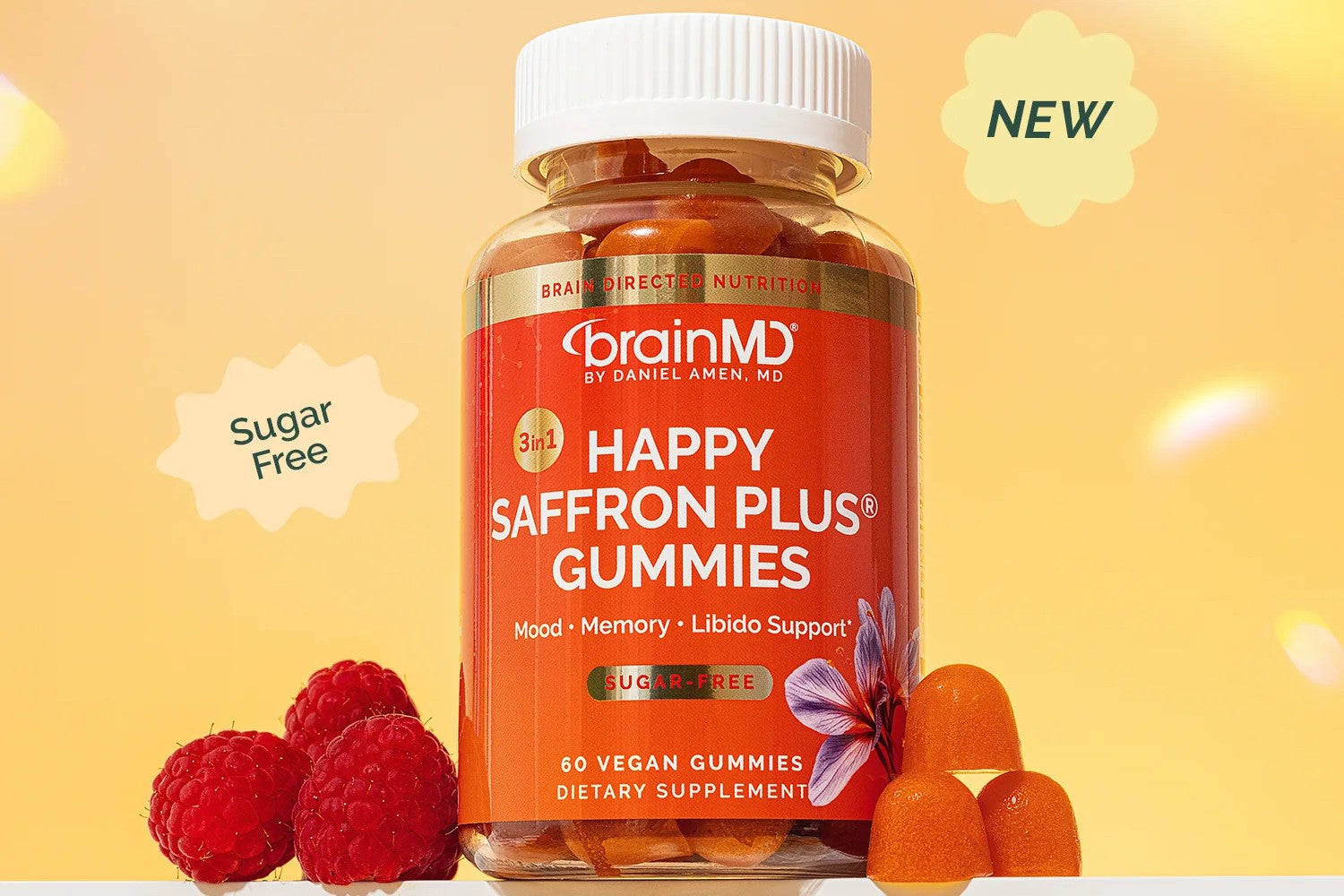
Did you know that not all stress is bad? Good Stress? People tend to think of stress as all bad. But stress can be both good and bad. A little bit of stress can be a good thing because it can motivate you to meet your goals. Low level stress also can help you with resilience, problem solving, and adapting to everyday challenges. Stress can become a problem when it remains unresolved over a sustained period. At that point, stress takes a toll and can become harmful to your health. If left unchecked, excessive stress can lead to serious personal and social consequences, including: Family conflict Low self-esteem Disability Withdrawal from social activities Alcohol and substance abuse Legal and criminal problems Anxiousness and other mental problems Suicide For many people, dealing with consistent, intense stress can lead to low mood. Low Mood Mood issues can make everyday life feel draining. Low mood is often linked to low energy and lack of sleep. Other signs of low mood may include: Negative or guilty thoughts Mental fogginess Purposefully avoiding social interaction Overeating and emotional eating Periods of low appetite Difficulty with concentration and memory Since many people dismiss these issues as just feeling down, they may not get the help they need, which can result in serious physical or emotional difficulties. Stress and Mood Often, there’s a correlation between being stressed out and experiencing occasional anxious thoughts or bouts of low mood. Stress doesn’t just negatively affect your mood (though that can become the most visible side effect), it also can adversely impact the way your brain and body work, so it’s important to try to manage your stress. If you find yourself having negative or anxious thoughts, or notice that your stress levels have gone through the roof, high-quality supplements may help. BrainMD offers an array of supplements to help relieve stress and improve your mood. Some of the Best Natural Ways to Manage Stress and Mood Issues Stress & Anxiousness Category Manage anxiousness and support a healthy stress response with clinically-proven nutrients and herbs.* Here are the high-quality supplements offered in BrainMD’s Stress & Mood Category: Calm My Brain L-Theanine Gummies Everyday Stress Relief GABA Calming Support Happy Saffron Plus® Happy Saffron Plus® Gummies Magnesium Chewables Brain Curcumins Focus & Energy ProBrainBiotics ProBrainBiotics MAX Vitamin D3 5000 MethylFolate NeuroVite Plus Multivitamin Vegan Omega-3 Power Omega-3 Power Omega-3 Power Squeeze Neuro-C Vitamin C Here’s a closer look at a some of our top Stress & Mood supplements… Calm My Brain Calm My Brain provides generous daily doses of high-potency ingredients to manage stress, promote calm, and relieve anxiousness.* Benefits of Calm My Brain This product is a combination of three pure and potent ingredients that have been intensively researched for occasional feelings of anxiousness, and with positive benefits for stress, relaxation, and sleep.* The ingredients have been shown to help with: managing anxiousness and stress* reducing tension and irritability* regulating unhealthy eating* supporting calmness* improving sleep quality* The three high-quality ingredients in this formula work synergistically to help relieve anxiousness. Magnesium (as threonate, bisglycinate chelate, malate, and citrate) Often referred to as “the relaxation mineral,” magnesium plays an important role in hydration, muscle relaxation, energy production, regulation of adrenaline and overall sleep quality. Magnesium promotes a calm, balanced, and mentally focused demeanor.* Ashwagandha (standardized root extract KSM-66®) The ashwagandha herb (Withania somnifera) has long been revered for its medicinal powers in Indian Ayurveda and other traditional medicine systems in the Mediterranean, Africa, and China. As an adaptogen, it helps the body adjust to psychological or physical stress by promoting calm and overall mental focus.* Ashwagandha has been associated with improved memory and attention, and also benefits feelings of anxiousness and sleep.* L-theanine Extensive clinical research links this amino acid with the health benefits of green tea. L-theanine enhances relaxing alpha brain wave activity, reduces tension, and fosters a restful state without diminishing daytime alertness.* It also can promote healthy blood pressure stability against the over-excitability associated with stress.* The clinically researched ingredients in Calm My Brain can make a substantial difference in improving the well-being of individuals living with feelings of anxiousness.* Everyday Stress Relief Everyday Stress Relief was specifically formulated to help replenish your brain and body’s nutrients that can be depleted by stress. This supplement includes herbal extracts clinically proven to have calming and anti-stress effects, helping you to feel less anxious without making you sleepy.* It also helps with apprehension, tension, worry, and fatigue.* Here’s what you’ll find in this high-potency formula: Magnesium is a well-known calming mineral. It promotes a balanced and mentally focused demeanor.* The amino acid taurine supports the adrenal glands and is crucial for coping with stress.* The herb holy basil, revered both in Europe and the East, helps to improve adaptation to occasional anxiety and other problems related to stress.* A phytochemical derived from green tea, l-theanine helps to manage tension.* Relora®, which is a unique mix of two herbs, may enhance healthy management of the stress hormone cortisol while easing tension, anger, negative mood, and confusion.* This safe, non-sedating, and non-habit-forming formula combines the multiple beneficial actions of these well-studied herbs and nutrients to help your brain and body cope with stress on multiple levels.* Mood Support Category Powerful nutritional relief for your mood-related issues, these targeted formulas promote feelings of positivity and happiness.* Here are the high-quality supplements offered in BrainMD’s Mood Support Category: L-Theanine Gummies Serotonin Mood Support Happy Saffron Plus Lithium Orotate MethylFolate Vitamin D3 5000 SAMe Mood & Movement 400 NeuroVite Plus Multivitamin Omega-3 Power Omega-3 Power Squeeze Betaine TMG Brain Curcumins Craving Control Magnesium Chewables ProBrainBiotics MAX Here’s a closer look at a some of our top Mood Support supplements… Happy Saffron Plus This breakthrough formula was scientifically designed to promote a positive mood. It brings together highly refined nutraceutical preparations of the two most traditionally revered “happiness herbals” with a supporting mineral. What’s In Happy Saffron Plus? Here are the 3 highly effective ingredients found in Happy Saffron Plus: affron® Standardized Saffron Extract. Saffron has been the happiness spice in the Middle East for at least 2600 years. affron® is a water-extracted saffron concentrate standardized for its most active constituents. This extract has shown promise for improving mood and anxiousness in adults and adolescents.* Longvida® Optimized Curcumin Extract. Like saffron, the turmeric root has been hailed as a happiness herbal in Asia for centuries. Curcumin is the molecular complex from turmeric root that helps improve mood but is very poorly absorbed from turmeric powder. The Longvida® preparation features excellent absorption of curcumin and has worked well in clinical trials at 400 mg per day or higher. Zinc, as Glycinate. This mineral is essential for the functioning of at least 300 enzymes essential for our life processes, and for the functioning of about 2000 different human proteins. People with mood problems typically have low blood levels and taking supplements with zinc often enhances mood. Zinc glycinate is excellently absorbed and well tolerated.* The combination of zinc with affron® saffron and Longvida® curcumin has the potential to elevate mood, perhaps even in individuals who don’t realize they have a mood problem. L-Theanine Gummies These convenient, easy-to-take gummies can help lessen feelings of anxiousness and promote an overall state of rest and relaxation.* By helping to manage stress, L-Theanine Gummies also helps promote quality sleep.* L-theanine can rapidly increase your brain’s production of calming alpha waves without making you drowsy.* Say Goodbye to Stress Here are some of the key benefits of l-theanine: Fast-acting relief from stress and anxiousness* Lessens stress-producing cortisol* Provides sharper mental focus* What is L-theanine? L-theanine is an amino acid that occurs naturally in green tea and is credited with the tea’s highly valued relaxing effects. It has been researched in Asia, as well as the West, and found to bring on relaxation, often within minutes. Over a longer period, it can improve coping with stress, lessen anxiousness, and support quality sleep.* Relieve Stress and Improve Your Mood One of the best ways to relieve stress and improve your mood is with these Stress & Anxiousness and Mood Support supplements. They've been formulated with the highest-quality nutrients and ingredients to help you feel calm, content, and better able to manage stress or mental strain.* Try them today! At BrainMD, we’re dedicated to providing the highest purity nutrients to improve your physical health and overall well-being. For more information about our full list of brain healthy supplements, please visit us at BrainMD. *These statements have not been evaluated by the FDA. This content is for informational purposes only. It is not meant to substitute for medical or healthcare advice from a physician, nor is it intended to diagnose, treat, cure, or prevent any disease. Consult your healthcare provider before beginning a new health regimen.
Learn more
10 of the Best Ways to Manage the Holidays Without Overdoing It
How do you feel about the holidays? For many, the holiday season is the most wonderful time of the year. But for others, it’s a stressful period that’s become synonymous with exhaustion, overeating, accruing debt, and family drama. The holidays tend to be filled with unrealistic expectations and unforeseen pressures that can cause mood and sleep issues. Unaddressed, these forces have the power to steal your joy, impair your health, and trigger unproductive behaviors that can ruin your holiday. The good news is there are ways to reduce seasonal stress and remain sane during the holidays. Here are some of the best ways to keep from overspending and overdoing it this holiday season… 10 Simple Ways to Manage the Holidays without Overdoing It How to Keep from Overdoing It This Holiday Season Feast Healthy Many people experience weight gain during the holidays. Large portion sizes can contribute to waistline struggles. Eating foods saturated with fat and sugar also can help pack on the pounds. When sitting down to a holiday feast, select foods that are high in protein, healthy fats, and fiber. Also, eating a healthy meal before arriving is one way to maintain a healthy diet at family gatherings and holiday parties. Delegate While You Celebrate You don’t have to do everything yourself; you can tackle your to-do list with others. Spending time with friends and family while you share tasks – like preparing the holiday meal, shopping, cleaning, and decorating – can be an enjoyable time of bonding. Remember, you don’t have to be the holiday hero. Stay Well Rested Many people sacrifice quality sleep to keep up with the increased demands of the hectic holiday season. Lack of sleep often leads to illness, which can make it that much harder to accomplish everything on your task list. To ensure that you have the energy you need to get the most out of the holiday season, it’s recommended that you get 7-9 hours of sleep each night. Getting quality sleep is a sure-fire way to reduce stress, feel more energized, and focus on the positive during the holidays. Limit Alcohol Alcohol can be a triple whammy: alcoholic drinks are often high in calories, bad for the health of your brain, and can decrease your resistance to temptations. You’ll need all your willpower to resist the cheese dip and delicious desserts, so staying sober is the best policy during the holidays. A good strategy is to be prepared with a healthy alternative before you’re tempted to drink. If you’re invited to a meal or party where you know alcohol will be served, consider bringing your own non-alcoholic beverage. This will help ensure that you don’t drink, or drink too much, at the gathering. Just Say No The holidays can make people feel out of control and at the mercy of traditions or expectations. But you can take control of the holidays by refusing to let them control you. Say “no” to events and activities that aren’t making you happy or are causing holiday stress. How to Keep from Overspending This Holiday Season Know Your Spending Limit Financial worries are one of the biggest causes of stress during the holiday season. Make a realistic budget to determine how much you can spend without jeopardizing your financial health. Then stick to it! Creating debt will only add to the stress you’re already feeling. Shop Year-Round A great way to beat the year-end financial crunch is to purchase gifts throughout the year. Set a goal of buying all holiday gifts by Halloween or Thanksgiving. Be sure to periodically scan sales racks/tables at a variety of stores (or shop online discounts) to find the perfect gifts for everyone on your shopping list. If you see a great last-minute gift, it’s okay to purchase it, but make sure you stay within your budget. Holiday Savings Account Perhaps you’ve used the envelope system, where you lay aside a certain amount of money for entertainment, a trip, a medical procedure, etc. Use the same idea for building a holiday gift fund and add to it as you can throughout the year. You can even take it to the next level by opening a bank account dedicated to saving money for holiday gifts. Personalize Your Gifts You can save money during the holidays by creating handmade cards for mailing or by designing holiday cards digitally that you can send via email. Also, you can make a homemade book of coupons (i.e., taking on someone else’s chores, doing something nice for them, engaging in their favorite hobby, etc.) that a family member can redeem after the holiday. This can be a fun way to get the kids involved and is a great way to extend a gift long after the holiday. Gift of Time If you’re able to travel to a relative’s house this year, or even if you can only afford to visit a local friend or family member, make time to be with the ones you care about this holiday season. Spending time with those closest to you can allow you to catch up with them, which may lead to forging some happy memories. Sometimes showing up is the greatest gift of all; they may not remember the present you gave them, but they’ll remember that you cared enough to visit them. Stress-Free Holiday While you may not be able to completely avoid stressful situations during the holidays, you can plan to respond to them in a healthy way. Applying the above tips can keep you from overspending and overdoing it this year, so that everyone in your family can have a fun-filled, stress-free holiday. The BrainMD Team wishes you and yours a safe, healthy, and happy Holiday Season! At BrainMD, we’re dedicated to providing the highest quality supplements to improve your physical health and overall well-being. For more information about our full list of brain healthy supplements, please visit us at BrainMD. These statements have not been evaluated by the FDA. This content is for informational purposes only. It is not meant to substitute for medical or healthcare advice from a physician, nor is it intended to diagnose, treat, cure, or prevent any disease. Consult your healthcare provider before beginning a new health regimen.
Learn more