 Skip to content


Wellness Blog



Here Are Some of the Best Ways to Outsmart Your Sugar Cravings
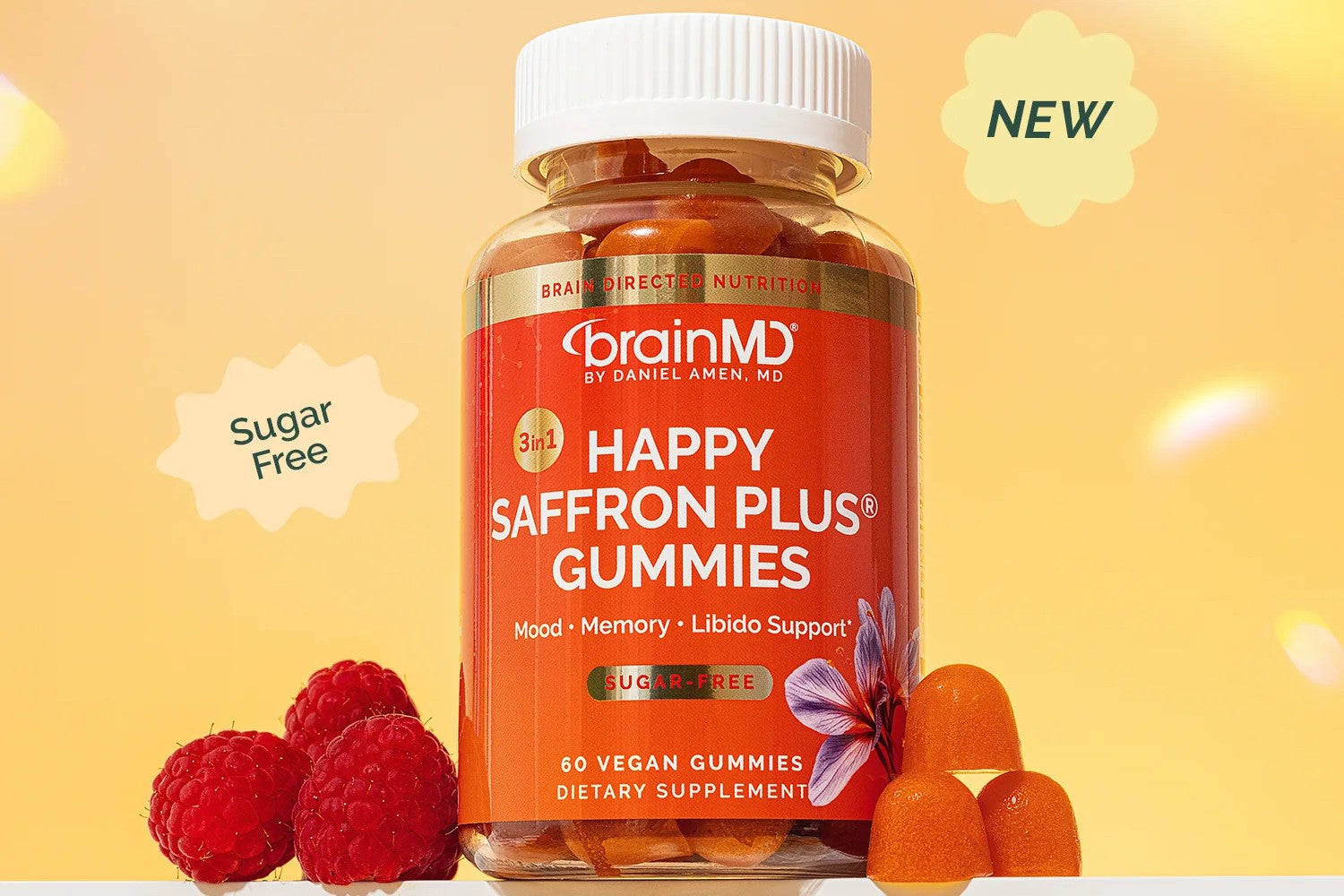
There’s mounting evidence that sugar can be toxic…even lethal. It can lead to many physical and mental problems and can act like a drug in the brain. When you consume sugar, it boosts the feel-good neurotransmitter dopamine in the brain and causes your blood sugar to spike, which makes you feel good…temporarily. But then your blood sugar levels can crash, impacting your mood and sense of well-being. Over time, high sugar diets can worsen inflammatory issues, cause sleep problems and fatigue, trigger cravings, and contribute to memory and learning struggles. The evils of sugar may be no surprise to you. Maybe you’re making a conscious effort to eat a low sugar, brain healthy diet. Unfortunately, even many “healthy” foods are filled with hidden sugars that can fuel your cravings and mood issues. Since the standard American diet is filled with nutritional pitfalls, here are some of the best ways to reduce cravings and avoid foods with hidden sugars… 10 Simple and Natural Ways to Outsmart Your Sugar Cravings 1. Balance Your Blood Sugar Low blood sugar levels are associated with overall lower brain activity, including lower activity in the prefrontal cortex (PFC), the brain’s brake system. Low brain activity in the PFC can translate to more cravings and bad decisions. Research in the journal Personality and Social Psychology Review shows that self-control failures are more likely to occur when blood sugar levels are low. Counter to what you might think, drinking alcohol and eating sugary snacks, sweetened beverages, and other high-glycemic foods (rice, pasta, cereal) can cause blood sugar levels to drop. Stabilizing blood sugar levels throughout the day can help improve self-control and overall feelings of wellness. These simple tips can help you keep your blood sugar balanced: Eat protein and healthy fats at every meal. Have smaller meals throughout the day. This helps eliminate the blood sugar rollercoaster ride that can impact your emotions and increase cravings. Replace simple sugars and refined carbs with healthier options. For example, swapping candy for a square of sugar-free dark chocolate can help you kick a sugar habit. 2. Eliminate Artificial Sweeteners One way to decrease your sugar intake is to get rid of artificial sweeteners. You may think of these sweeteners as “free” because they have no calories, but they can be significantly sweeter than sugar. Also, they may activate the appetite centers of the brain, making you crave even more sugar. If you can do without any sweeteners, your brain will stop craving the sweetness. If you can’t do without sweeteners, try to replace sugar with sweeteners like stevia or erythritol. 3. Manage Your Stress Stress can trigger certain hormones that activate your cravings, making you believe you need the ice cream, cake, or other high sugar snacks or desserts to feel better. Meditation and hypnosis are powerful stress-management techniques that can boost blood flow to the PFC. These practices can help you resist the temptation to binge on your favorite sugary treat. 4. Control Your Cravings Nearly everywhere you go, someone is trying to entice you to eat something sweet. Think of the candy displays near the checkout counter at the grocery store, which are purposely positioned to tempt you to make an impulse buy. To control your cravings, you must avoid the things that trigger you. Know what fuels your cravings and plan for your vulnerable times. For example, strategically plan your route in the grocery store to avoid the soda, candy, or chip aisles. 5. Determine Food Allergies Hidden food allergies and food sensitivities can trigger cravings and make you fall back into old habits. In some cases, gluten and milk sensitivities or allergies can lead to a decrease in blood flow to the brain, which can impair your judgment. In addition, food allergies can cause concentration problems and anxiousness, which can increase cravings. To determine if you have any food sensitivities, consider trying an elimination diet. Stop eating corn, soy, dairy, gluten, artificial sweeteners, and food colorings for 3 weeks. Then introduce them back into your diet one at a time and see if you have any reactions. You can eliminate foods that cause a negative reaction or health problem. 6. Practice Willpower Willpower is like a muscle. The more you use it, the stronger it gets. Practice saying no to the things that aren’t good for your health and over time you may find it easier to resist sugary foods or beverages. 7. Get Moving Physical exercise can help reduce cravings. A study in the journal Appetite showed that taking a brisk 15-minute walk decreased cravings for chocolate. Exercise also fended off cravings for an additional 10 minutes following the walk. Since cravings typically only last about 10 minutes, a short workout may be all it takes to distract you from the sugary foods you’re craving. 8. Make Sleep a Priority Multiple studies, including a study in Nature Communications, show that lack of sleep can increase hunger levels and the desire for food. “It’s important to get at least 7 hours of sleep each night to help battle cravings,” says Shane Creado, MD, psychiatrist and sleep medicine specialist at Amen Clinics Chicago. “Creating a healthy bedtime routine that promotes relaxation can help.” 9. Professional Assistance Sometimes you may need additional help to take the edge off your cravings. Enlisting the advice of a registered dietician, or your medical doctor, can be a great way to get additional tips and support. This can help you get your diet under control and reduce your intake of sugar. 10. Avoid Hidden Sugars Even if you aren’t adding sugar to the foods and beverages you enjoy, you still may be consuming sugars without even realizing it. Many so-called health foods contain added sugars. Always read food labels to identify these hidden sugars. 10 “Health” Foods That May Contain Hidden Sugar 1. Flavored Greek Yogurt Greek yogurt is a good source of probiotics, which may benefit your gut by adding the good bacteria your intestinal tract needs to stay healthy. Packed with protein, Greek yogurt is often portrayed as a healthy food. But some flavored varieties also include large amounts of sugar and other unhealthy ingredients, so be sure to check the labels before you buy them. 2. Pre-made Protein Smoothies A protein smoothie can be a great way to start the day. However, some smoothie brands try to hide their high sugar content. If necessary, opt for homemade smoothies to ensure you’re consuming healthy ingredients (without the added sugars). 3. Nut Butters Almond butter, cashew butter, and other nut butters can be a good source of protein and fat. But be sure to read the nutrition labels. Some brands sneak sugar into their product to amp up the bliss point. 4. Instant Oatmeal Packed with fiber and loaded with vitamins and minerals, slow-cooked oatmeal is associated with numerous health benefits. Instant oats, however, are highly processed and rank much higher on the glycemic index, indicating that they can spike blood sugar. Popular instant oatmeal flavors, like maple and brown sugar, can include added sugars, so it’s recommended to consider healthier options for breakfast. 5. Milk Alternatives Going dairy-free can be beneficial for brain health and overall well-being for some, especially those who have milk allergies or sensitivities. However, some flavored milk alternatives – vanilla, chocolate, or pumpkin spice – can have high amounts of sugar per serving, so exercise caution when purchasing them. 6. Flavored Bottled Water Water is essential for the health of your brain and body. Being even mildly dehydrated can make you feel more tense, moody, or angry and can also sap your energy levels and reduce concentration. Keep an eye on flavored waters, which may add unwanted sugar to make the taste more pleasant. 7. Gummy Vitamins Taking nutritional supplements is a great way to make sure you’re getting the vitamins and minerals you need. Be aware that when you or your kids take gummy vitamins you’re likely also getting a dose of sugar with those nutrients. It’s practically impossible to make gummies without using sugar or sugar alcohols, which can cause stomach discomfort or contribute to blood sugar problems. Parents are strongly cautioned when purchasing gummies for their children, since many contain excessive amounts of sugar. 8. Bottled Green Tea Green tea is loaded with antioxidants, as well as a compound called l-theanine, which has been found to inhibit excessive overfiring in the brain and to help produce a feeling of calmness. Be sure to skip brands that infuse unhealthy added sugars into the healthy green tea. 9. Salad Dressing Eating more greens and veggies provides your brain with a variety of nutrients and antioxidants. Dousing salads with sugar-laden, store-bought dressings can turn your healthy meal into one that has far more sugar than you realized. Consider making your own healthy salad dressing. 10. Protein Powder You may think that making a protein smoothie at home is the best way to control what you put in it. But be sure to check the ingredients of your protein powder since many of them sneak sugar into the mix to enhance the flavor. Adding fruit – blueberries, raspberries, or strawberries – should be all the natural sugar your smoothie requires. So Long, Sugar Consuming large amounts of sugar can be detrimental to your health. Many illnesses have been linked to excessive sugar intake over extended periods of time. If you’ve been struggling to curb your sweet tooth, these ten tips may help you outsmart your sugar cravings. Now is the perfect time to make a clean break from sugar. At BrainMD, we’re dedicated to providing the highest quality supplements to improve your physical health and overall well-being. For more information about our full list of brain healthy supplements, please visit us at BrainMD. These statements have not been evaluated by the FDA. This content is for informational purposes only. It is not meant to substitute for medical or healthcare advice from a physician, nor is it intended to diagnose, treat, cure, or prevent any disease. Consult your healthcare provider before beginning a new health regimen.
Learn more
How to Ditch Diet Culture & Improve Your Relationship with Food
When you’re striving for a healthy lifestyle, you may know some of the basics: eat well, exercise, avoid smoking and excessive alcohol, etc. However, something more subtle is at work when it comes to adopting and maintaining a realistic, healthy lifestyle…it’s your mindset. How you think about and arrive at the decisions you make regarding food and health-promoting behaviors are just as important as what’s on your plate. Sometimes, even with the best of intentions, you can get stuck in unhealthy patterns with eating or exercise. Maybe you’re tired of being caught in a grueling cycle of starting strong, making a choice inconsistent with your goals, and feeling defeated. You might even wonder how this cycle started in the first place. In this article, we’ll discuss how to identify harmful thought patterns that could be sabotaging your ability to stay on track with your health goals. What is Diet Culture? Diet culture is a hot topic these days. There’s a lot of nuance within the topic because it spans many cultural discussions. It’s viewed through a health lens as well as a political and social justice lens. Generally speaking, diet culture is based on the idea that some foods are “good” while others are “bad,” certain body types are superior to others and normalizes negative self-talk regarding body image and health choices. You may or may not be aware of the ways diet culture is influencing your thoughts and behaviors. Someone with a diet culture mentality might: Engage in negative self-talk that conflates food choices or body image with self-worth, such as “I can’t eat sweets, they have way too many calories.” “I used to be small like you, those were the days!” “You shouldn’t eat that, it’ll go straight to your hips.” “I have to eat a salad today, I was bad and had pizza yesterday. Obsess over calorie or macro counting Jump from diet to diet with little success Be desperate to try the latest diet pill or skinny tea, regardless of experts’ advice against its use due to lack of evidence regarding the efficacy Using excessive filters and/or photoshopping images posted to social media to feign an “ideal” body image If you find yourself dealing with these bad thought habits, you might think some of them are harmless. However, these thought patterns can erode your sense of self-worth over time, causing you to associate what you eat and how you look with your value as a person. When your identity becomes wrapped into how closely you fit an ever-evolving standard of healthiness, it’s a trap that can be tricky to get out of. Why is Diet Culture Harmful? These behaviors can cause you to obsess over areas of your health journey that aren’t conducive to creating long-term success. What’s more, these thoughts can lead some people to develop eating disorders if they go unchecked. While most people won’t develop an eating disorder, far more people have disordered eating patterns and don’t realize it. This can include a habit of bingeing and restricting foods that you consider “bad,” such as sweets, fried foods, and fast food. Bingeing and restricting looks like avoiding these foods to “be good” while ignoring your body’s cravings. Then, when the craving becomes too difficult to manage, you binge and overeat the item you’ve been craving and feel guilty and defeated. The alternative to this vicious cycle is something many dietitians refer to as “food freedom.” This is the idea that you can honor your body’s hunger and fullness cues and mindfully enjoy foods you crave without demonizing them all while maintaining a healthy balanced lifestyle. While some may think it sounds far too good to be true, this is truly possible. Food freedom doesn’t mean having zero boundaries and eating whatever foods you want all the time. It’s a practice based on mindfulness that shifts your focus from obsessing over calories to listening to what your body is telling you it needs. Food freedom and mindful eating go hand in hand and work well together to help you create balance with food. It takes practice and continually reframing your thoughts, and you may seek the help of a non-diet dietitian if you think you’d benefit from targeted one-on-one advice. 5 Simple Ways to Improve Your Relationship with Food Now that we’ve delved into the often-harmful mentality that is diet culture, what can you do if you find yourself caught up in it? There are a few ways to combat diet culture in your day-to-day life. The first thing to do is conduct a self-assessment. Ask what lies you currently believe that could be based on a diet culture mentality. Consider how you think and speak about your body and eating patterns, and other’s bodies and food choices. Here are some other quick tips for improving your relationship with food: 1. Ditch the All-or-Nothing Mindset Your diet is healthy when it’s balanced overall, and that includes enjoying healthy treats. Try to be more open-minded about what foods you “allow” yourself to eat. You may have a laundry list of off-limit items that are inconsistent with your goals. But ask yourself: is this practice something that truly helps you maintain self-control, or is it a preemptive guilt trip that you’ve implemented to keep yourself in line? If it’s attached to shame or condemnation, it’s best to let it go. You can eat the foods you know aren’t health-promoting in moderation and fully enjoy them, without feeling bad about it. But you must abandon the all-or-nothing mentality. 2. Set Realistic Goals Don’t try to change everything overnight…set realistic goals. Take small, realistic steps and be specific about your intentions. Then, focus on one intention at a time until it becomes second nature. For example, maybe you love brownies and want to enjoy them as part of your healthy lifestyle without feeling guilty each time you eat them. Your first step may be journaling about what fears you associate with eating brownies. Getting your emotions out on paper can help you process them. Your next step may be making brownies and enjoying them with friends or family, without calling it a “cheat” day. These subtle shifts in your mindset can have a big impact on your overall attitude toward your relationship with food. 3. Find Support and Accountability You aren’t alone on your journey. There are many people seeking to adopt a healthier mentality about food, so find a community of like-minded people so you can stay on track. Social media is a good resource for this, including Facebook groups. If you suspect that you or someone you know may have an eating disorder, you can find professional help and support groups online. 4. Find Healthy Coping Mechanisms One of the reasons people end up stuck in a binge-restrict cycle is because they’re struggling to find healthy coping mechanisms for other stressors in their life. This might apply to you if you find yourself staying on track with your goals until stress at work or in a relationship comes up. Then, you struggle to stay on track because food is a comfort measure. This can lead to guilt and frustration. If that sounds familiar, learning alternative ways to cope with stress will be another component to achieving food freedom for you. 5. Fine-tune Your Social Media Feed Your mental diet is important, too. Who you follow and why you feel the need to partake in their content is highly important to creating and maintaining a healthy mindset. If you’ve heard that you become like the five people you spend the most time with, know that social media should be included on the list of who is shaping you and your mindset. If you’re struggling with body image and follow tons of Instagram models for “inspiration,” but feel defeated and overall negative after you view that content, unfollow or mute their profile for a while. You can always refollow once you’re in a better mental space. Lastly, there are many dietitians on Instagram and Facebook publishing great content on this topic. This will help you fill your feed with positive reminders about food and body image. Here are two great food freedom dietitians to follow: Bonnie Roney, Dietitian and Founder of Diet Culture Rebel Colleen Christensen, Dietitian and Founder of Colleen Christensen Nutrition Final Thoughts Diet culture is a pervasive and harmful ideology that often subtly makes us feel unworthy if we don’t fit an arbitrary standard of health and beauty. However, there’s a growing movement toward food freedom that promotes balance and inclusivity with food and body image. While there are different takes on the matter within the movement, food freedom is ultimately about making peace with food and your body by shifting your mindset. By being mindful and intentional with what you eat and how you move your body and knowing that your value isn’t based on eating a “perfect” diet or having an ideal body shape, you can rid yourself of the heaviness that can come with diet culture and enjoy foods you love while walking in freedom. At BrainMD, we’re dedicated to providing the highest quality supplements to improve your physical health and overall well-being. For more information about our full list of brain healthy supplements, please visit us at BrainMD. These statements have not been evaluated by the FDA. This content is for informational purposes only. It is not meant to substitute for medical or healthcare advice from a physician, nor is it intended to diagnose, treat, cure, or prevent any disease. Consult your healthcare provider before beginning a new health regimen.
Learn more
What Are the Benefits of an Elimination Diet for Your Health?
The term “elimination diet” doesn’t describe one specific diet but is an umbrella term that describes many different diets that target different issues while employing the same base method. Unlike other diets, the goal of an elimination diet isn’t weight loss. Rather, elimination diets are used or prescribed to individuals by their healthcare provider to identify foods that are causing symptoms such as headaches, stomach problems, or skin conditions. Whether you should go on an elimination diet is a question that’s best answered via a discussion with a registered dietitian or other healthcare provider who knows your personal medical history. In this article, we’ll cover what an elimination diet is, a few types, and the benefits and downsides so you can have an informed discussion with your healthcare provider. What’s an Elimination Diet? It works like this: depending on the issue you’re trying to identify, you’ll eliminate common trigger foods for a period of days to weeks. After this period, which gives your body time to heal from the issues caused by your trigger foods, you’ll gradually add these foods back into your diet one by one. In total, the diet lasts several weeks, although there’s no hard and fast timeline. It’s very important to space out the reintroduction of each food. This is to make sure you can properly identify which food or foods cause a reaction. If you add multiple foods back in all at once, it may be difficult to pinpoint which one is triggering your issues. One of the key things to know about this diet is that it’s meant to be short-term. It’s used only to identify trigger foods. After you do this, you can go back to enjoying all other foods as part of your regular diet. The goal isn’t long-term restriction. It’s a short-term restriction with the goal of optimizing the number of foods you can enjoy and only avoiding the ones that may be causing you problems. Although only adopted for short periods, these diets tend to be very restrictive, which is why it’s important to be under the care of a registered dietitian or doctor who can create a specific treatment plan for you and closely monitor any changes, as well as make recommendations for how to continue once the diet is complete. Types of Elimination Diets These elimination diets have the same method, but the difference comes down to the foods to be eliminated and the problems they may alleviate. Low-FODMAP Diet FODMAPs are Fermentable Oligo-, Di-, Monosaccharides, and Polyols. These are different types of carbohydrates that some people have difficulty digesting. Polyols are found in sugar alcohols, which are often used in products like chewing gum to limit added sugars while maintaining sweetness. Each of these can cause different types of gastrointestinal (GI) issues, such as: gas, bloating, abdominal pain, cramping, and diarrhea. However, these sugars and sugar alcohols can be found in a wide variety of foods, and it’s best to restrict your diet only as much as is necessary for your health to flourish. A few of the foods you would initially limit on this diet include dairy products, beans, lentils, onions, garlic, apples, and pears. Once you identify which of these foods causes your symptoms, you can return to enjoying all others. For some, dairy is a trigger for indigestion, gas, and bloating. For others, dairy is fine, but garlic causes problems. This diet may help manage irritable bowel issues. Autoimmune Protocol (AIP) Diet The AIP diet is often compared to Paleo because of the foods it eliminates. The goal is to eliminate foods that may create an unhealthy inflammatory balance. This includes foods such as grains, legumes, nightshade vegetables, dairy, eggs, nuts, refined sugars, artificial sweeteners, alcohol, and coffee. These are avoided for the initial phase and added back into the diet gradually to identify which foods cause a reaction. This diet is usually used for identifying which foods cause problems in the bowel. These foods may also cause conditions such as leaky gut. Benefits of Elimination Diets If you think an elimination diet may be for you, what does science have to say about its benefits? When is it helpful to consider talking to your healthcare provider about starting one? From headaches to irritable bowel, there’s a growing body of data that shows how identifying trigger foods via an elimination diet and then limiting or avoiding them altogether works. Unlike weight-loss diets, where research shows they don’t work for maintaining long-term weight loss, elimination diets work when properly followed. A 2016 review examined the role of diet in headaches. This study showed elimination diets are effective for reducing headaches by identifying specific triggers such as caffeine withdrawal and consumption of MSG. Another review of several studies shows a Low-FODMAP diet improves some bowel conditions, particularly abdominal pain and bloating. Overall, the evidence is in favor of these diets when they’re used properly and guided by a trained healthcare professional. If you think an elimination diet may help you find some relief, talk to your doctor or dietitian. Downsides of an Elimination Diet It’s good to have realistic expectations before you begin this type of diet, so here are some things to be aware of. Limited Options To complete this diet, you must have access to enough foods that fit within the guidelines, and the options are few during the initial portion of the protocol. You also must have the ability and willingness to prepare these foods day after day. If you’re used to eating out or relying on convenience foods, it will require a big change for the short duration of the diet. Finding support in groups, either in person or online, can help you stay on track. Accountability helps many people meet their goals. Difficult to Follow Other diets may have “cheat days” or some wiggle room, but elimination diets don’t. For it to work right, you must completely avoid all potential trigger foods and ingredients for the initial days or weeks. This is the only way to accurately identify which foods are causing your symptoms. While this may be a breeze for some, it may be quite the burden for others. This diet requires a high level of motivation. Thankfully, it’s not your new way of life – it’s only for a brief period, but you’ll still need the mental and emotional stamina to get through those few weeks. It’s important to consider that before you go on a diet it may sound like an easy task. However, many people forget that food affects more than just how you feel physically, but it affects you socially as well. Picking the right time to go on this diet may mean checking your calendar to see if you have any weddings, graduations, or other celebrations coming up where you would want to be able to participate fully in the festivities – after all, food is a big part of the fun of celebrations! Planning and Supervision Although you could do an elimination diet on your own, it’s most effective when you involve a registered dietitian, doctor, or specialist who has a working knowledge of food sensitivities and allergies and how to manage them through diet. In addition to that, you’ll want to have some sort of game plan to optimize your chances of success. Your healthcare provider will be a great resource for this. The right one will have both the knowledge and experience to guide you in your preparation. Why is this a downside? Not everyone wants to follow a diet that requires multiple visits with their healthcare provider. If you were previously under the impression that this diet was just like low-carb or Paleo, you may be surprised that when used for its intended purpose, it’s very involved. The Bottom Line Elimination diets are short-term, restrictive diets designed to help you identify foods that may be triggering different physical problems, from bloating to headaches to skin conditions. Research supports this diet for helping to manage these problems. However, these types of diets are highly restrictive and should only be pursued while under the care of a trained healthcare provider. It’s best not to blindly restrict foods indefinitely or follow a protocol that worked for someone else. These issues are highly individualized and the point of the diet is to find out which foods specifically bother you. The goal of an elimination diet should be to maximize the foods you can eat and only eliminate the foods that cause you issues. Overall, elimination diets are highly effective when followed properly and can help you heal your body from the inside out by changing your diet. At BrainMD, we’re dedicated to providing the highest purity nutrients to improve your physical health and overall well-being. For more information about our full list of brain healthy supplements, please visit us at BrainMD.
Learn more
What Are the Pros & Cons of the Keto Diet?
What if someone told you that you could eat cheese, bacon, avocado, peanut butter, heavy cream, full-fat yogurt, and dark chocolate and still lose weight? You’d find it hard to believe, right? Well, on the keto diet, you actually can – but there’s a catch. The diet requires you to drastically reduce your carbohydrate intake. That means no refined carbs, very little fruit (with a few exceptions), and no rice, potatoes, whole grains, or legumes. There’s a lot of nutrition, fiber, antioxidants, phytonutrients, and minerals in the starchy vegetables, fruits, and grains that aren’t allowed. For this reason, many health experts advise against the keto diet for the long haul. Also, the keto diet’s unusually high fat and animal protein content runs counter to what many doctors and health organizations, like the American Heart Association, have recommended for decades, which adds a layer of controversy to the diet. Still, the health benefits of keto eating appeal to many people, including world-class athletes such as NBA star LeBron James and former NFL quarterback Tim Tebow. Even though U.S. News & World Report ranked it as one of the worst diets of 2020, a recent survey of registered dietitians ranked it as the most popular diet in the U.S. Hopefully, the information presented here will help you determine if the keto diet is right for you. What Is the Keto Diet? In a nutshell, the keto diet is an eating plan comprised mostly of fats, a reasonable amount of protein, and very few carbohydrates. When you give the body an abundance of fat and a negligible amount of carbs, some interesting things happen. Ketosis By drastically reducing carbohydrate intake, your body runs out of its preferred fuel of carbs, and eventually its glycogen stores, too. It then switches to burning fat for energy. This metabolic state is called ketosis. When in ketosis, the liver converts stored fatty acids to ketones or ketone bodies, which are then used as fuel by the heart, brain, and muscles. To achieve and maintain ketosis, most people need to limit their total carb intake to 20–50 grams per day and get an abundance of healthy fats. A person following the keto diet aims to burn unwanted fat by pushing the body to rely on fat (rather than carbs) for energy. Ketosis promotes weight loss and a host of other health benefits. While there are several versions of the keto diet, the standard keto diet is the most popular. The macronutrient breakdown of it is typically 70% fat, 20% protein, and only 10% carbs. The Ketogenic Diet: Pros and Cons Keto Pros As was mentioned earlier, the keto diet offers some very compelling health benefits. Here are several of the most significant: Weight Loss When it comes to short-term weight loss, keto is king. Comparing 23 different studies that tracked low carb and low-fat dieters for varying lengths (mostly six months or less), the low carb dieters lost on average 2-3 times more weight than low-fat dieters. What’s more, the low carb diets were more effective in reducing abdominal fat. Unlike low-fat dieters, those on low carb diets don’t have to worry about caloric intake. The high-fat foods are incredibly satiating, which helps with adherence. Seeing results quickly can also be motivating. Cardiovascular Benefits Also evident in the low carb studies mentioned above, other health parameters associated with carrying excess weight improved as well. Low carb dieters showed improved blood sugar, blood pressure, and triglyceride and cholesterol level markers. Brain Health Some studies indicate that the ketones generated from ketosis provide neuroprotective benefits, which means they can strengthen and protect the brain and nerve cells. Eating a low carb/high-fat diet has also shown improvements in low mood, feelings of anxiousness, and brain focus issues. Acne Eating a diet high in refined carbohydrates can alter the balance of gut bacteria and cause blood sugar to rise and fall significantly, both of which can adversely affect skin health. One study showed that by decreasing carb consumption, a keto diet could lessen acne problems in some people. Keto Cons The keto diet has several drawbacks and a few health risks that need to be carefully considered, such as: Flu-Like Complications After a few days on the keto diet, you may experience problems. These may include headaches, dizziness, fatigue, nausea, and constipation – often resulting from dehydration and electrolyte imbalances that occur, in part, as your body gets used to ketosis. However, these issues generally subside after a few weeks. Staying hydrated and getting sufficient daily amounts of sodium, potassium, and electrolytes can help. Blood Sugar Issues Although the keto diet has been shown to support healthy blood sugar levels, complications having to do with ketones and blood sugar may arise. Heart Health Concerns Keto is a high-fat diet. If you consume too much saturated fat, your cholesterol levels can increase, especially LDL, which is linked to cardiovascular health issues. However, risks can be alleviated and cholesterol levels improved by choosing healthier fats such as mono- and polyunsaturated fats found in nuts, seeds, olives, and avocados. Liver and Kidney Problems The liver and kidneys help your body process fat and protein. Some experts believe that the keto diet could overwork them. Also, a high intake of fatty animal foods can put you at higher risk for kidney stones. Low in Nutrients and Fiber Keto limits a lot of high-fiber, nutrient-dense fruits, starchy vegetables, whole grains, and legumes. It may not provide enough of certain vitamins and minerals needed for optimal health. Studies on the keto diet have found deficiencies in calcium, vitamin D, magnesium, and phosphorus. Additionally, unless one takes measures to eat plenty of leafy green and cruciferous vegetables, the keto diet can often be constipating and may even disrupt healthy gut bacteria. Restrictive and Challenging The keto diet is highly restrictive. Carbohydrates normally account for at least 50% of the typical American diet. Adherence is challenging for many people. Exacerbates Disordered Eating Risk of disordered eating behaviors is common for keto dieters. Dieting, in general, can interfere with the joy of eating and simple daily activities, but a diet that’s as extreme and restrictive as keto can be particularly challenging for anyone, especially those with eating struggles. Bottom Line The keto diet delivers fast, short-term weight loss and excellent benefits in terms of managing healthy blood sugar levels. However, the challenges of ketosis, and some of the potential health risks of the keto diet, underscore the importance of choosing an abundance of healthy fats (olive oil, coconut oil, avocado oil, nuts, and seeds), quality meats, and consuming plenty of low carb/high fiber vegetables to minimize issues. Some people thrive on eating a low carb diet. However, for most people, keto appears to be too restrictive for the long-term. Also, health experts note legitimate concerns about a diet that eliminates so many healthy and important staple foods (grains, legumes, starchy vegetables, and fruits) essential to vibrant health. As with any diet, it’s recommended that you consult a healthcare professional before starting a low carb diet (such as keto) or making any changes to your diet. At BrainMD, we’re dedicated to providing the highest purity nutrients to improve your physical health and overall well-being. For more information about our full list of brain healthy supplements, please visit us at BrainMD.
Learn more
This Is the Best Diet for Your Brain
Have you ever struggled to maintain a diet? We’ve all been there. Maybe you do a good job of staying on your meal plan during the week, but struggle to keep it up during the weekend. Or maybe you feel like you deserve to splurge a little. Or maybe you feel stressed, moody, or lonely, all of which can lead to emotional eating (or overeating). Even if you occasionally let your diet slip, you don’t have to allow yoyo cycling to ruin your chances of shedding excess body weight and enjoying a more vibrant lifestyle. The ability to sustain a healthy diet starts in the brain. Your Brain and Food The brain is your command and control center. It makes either good or bad decisions about the foods you eat. It also tells you: What, when, and how much to eat What to buy at the grocery store What to order in a restaurant It’s important to identify and acknowledge what emotions are driving you to make bad food choices. Sometimes it isn’t even an emotional trigger, but the sight or smell of unhealthy foods that make you crave them. You can take back control of your cravings by making simple changes to your daily habits. Here are some simple and thoughtful strategies that can help you establish a brain-healthy diet. 10 Ways to Master a Brain Healthy Diet 1. Feng Shui Your Refrigerator Don’t let the default arrangement of your refrigerator dictate how you organize your groceries. Instead of storing veggies and fruit in the dark drawer at the bottom of the fridge, where they’re likely to be forgotten, put them in glass containers at eye level. That way, every time you open the refrigerator door, you’ll see the nutrient-dense, brain-healthy foods first. 2. Drink Before You Eat No, this doesn’t apply to alcohol. Try drinking a glass of water (8-10 ounces) 30 minutes before each meal. This will help fill your stomach before you eat, so you’ll eat less during the meal. The practice of eating something healthy to boost satiation before a meal has been around a long time – and it still works. Many soup diets and cleanses can help fill you up, creating fewer hunger signals to the brain, which can help you ingest less during meals. Some people may find that broth can satisfy food cravings pre-meals, and help you eat less during the main event. 3. Add Some Spice Most people get bored eating the same thing day after day. When you bake a sheet of chicken or fish, season each one differently – season one with curry, another with garlic, ginger, etc. This way, each day’s meat will have a different flavor. Herbs and spices are one of the few food categories that provide both nutrition and flavor. Hippocrates listed over 500 medicinal uses for herbs and spices that included ways to prevent illness and increase longevity. Herbs and spices contain so many health-promoting substances, it almost makes more sense to store them in the medicine cabinet than the spice rack. 4. Mindful Eating Mindful eating is when you pay attention to what you’re thinking, feeling, and tasting in the moment. This is especially important for people who sit on the couch all day, mindlessly devouring bags of cookies or chips. By contrast, when you eat mindfully, you pause after each bite of food and become aware of the smells, tastes, and textures. You can learn to savor each bite and experience gratitude for the food you’re eating. Also, mindful eating can help you become more aware of when you feel full so that you don’t overeat. 5. Eat More Vegetables Research shows that 90% of Americans don’t get the recommended daily servings of fruits and vegetables in their diet. One of the simplest ways to increase your intake of veggies is to introduce them into your breakfasts. Just toss a few handfuls of spinach, kale, or mushrooms into your eggs for a major nutrient boost. 6. Slow Down Do you often find yourself too busy to eat? Do you skip meals or eat on the go? Even when you have five minutes to sit down and eat, do you still tend to rush through a meal? Try spending more time chewing. This will allow your stomach to gradually expand and send the signals back to your brain when it needs to turn off the hunger switch. Also, skipping meals is a bad idea – it slows your metabolism, which may cause overeating. 7. Streamline Prep Time Pick one day of the week to shop for vegetables and nutrient-rich foods to help keep your brain active and healthy. When you get home, spend some time chopping up veggies and storing them in the fridge. Having veggies ready to go will be a huge help during meal and snack times. You can quickly add them to eggs, salads, and other meals. This will cut down on prep time for all your meals during the week and will help ensure that you actually eat the veggies you purchased. 8. Proper Portions Get rid of large entrée plates and serve meals on smaller appetizer-size plates (or salad bowls) for better portion control. Try using chopsticks and appetizer-sized cutlery to help you take smaller bites. Also, many stores sell portion-sized plates and Tupperware that can help you adjust the portion size of your meals. 9. Mix It Up If you pretty much eat the same things every day, you might be missing out on some vital nutrients. The next time you go to a farmer’s market or the produce section of a grocery store, force yourself to try something new. There are a variety of seasonal vegetables and fruits to help you mix things up and eat natural foods from the full spectrum of colors and flavors. In addition to leafy green vegetables like spinach, kale, broccoli, and collard greens, different colored vegetables, such as red bell peppers, squash, and cauliflower, all have tremendous health benefits. They provide an enormous array of vitamins, essential minerals, free radical-blocking carotenoids, and power-packed flavonoids. These foods not only elevate antioxidant levels in your body, they also have a wide variety of additional health benefits – so always do your best to eat from the rainbow. 10. Take a Breath If you eat when you’re stressed or worried, it can impair the digestive process and interfere with the absorption of the nutrients in the foods you’re eating. A quick trick to aid your digestive system is to take a few deep breaths before eating. This easy strategy helps your body create a state of relaxation that prepares your digestive system to release the enzymes needed to break down the foods you’re about to eat, and aid in the absorption of nutrients from those foods. Just take 4 to 5 deep breaths before you start eating and you may find that you’re calmer and better able to enjoy your meal. These are just a few ways to improve your brain health with nutritious foods. Try them out and feel free to share them with your friends and family. At BrainMD, we’re dedicated to providing the highest quality supplements to improve your physical health and overall well-being. For more information about our full list of brain healthy supplements, please visit us at BrainMD. These statements have not been evaluated by the FDA. This content is for informational purposes only. It is not meant to substitute for medical or healthcare advice from a physician, nor is it intended to diagnose, treat, cure, or prevent any disease. Consult your healthcare provider before beginning a new health regimen.
Learn more
5 Steps to a Truly Healthy Lifestyle That Lasts
You can make a commitment to adopting healthy habits at any time of year – and at any moment, including right now. The challenge is, how do you take healthy lifestyle tips and make them stick? Here are some strategies on how to get healthy. Readiness to Change Interestingly, researchers looked at people who made New Year’s resolutions and found that those who were ready to take action and commit to effecting change with a resolution were 10 times more likely to succeed than those who were not yet ready to commit to a plan of action. Readiness is key! One way to ready yourself for a change involves looking at any unhealthy behaviors and honestly assessing what they’re costing you. After looking closely at an unhealthy habit, you may find yourself ready to try something new. The American Psychological Association provides the following recommendations for making lasting changes in life: Make a realistic plan that is specific and doable Start small Change one behavior at a time Involve a buddy Ask for support 5 Steps to Living a Healthier Life Let’s start by addressing the low hanging fruit. That is four of the major lifestyle factors that drive illness: poor diet, inactivity, tobacco smoking, and overconsumption of alcohol. 1. Improve Your Diet Too often, people look at diet in terms of losing weight. Don’t! Instead, look at diet in terms of fueling your brain and body. Achieving a healthy weight often results when you eat for your brain and body health. Try eating brain-healthy foods – quality, lean hormone-free proteins eaten throughout the day in smart portions; colorful fruits and vegetables that contain loads of brain-protective antioxidants, nutrients, and vitamins; low-glycemic, high-fiber carbohydrates that don’t spike blood sugar; and brain-fueling and heart-healthy fats that come from olive oil, fish and nuts. Tip: A simple, manageable start could be eating more vegetables with each meal. 2. Move Your Body Physical exercise can boost blood flow, which benefits your brain and entire body. Even moderate exercise can help increase energy. Oh, and it can reduce food cravings, too! Tip: You don’t need to join a gym or run a marathon. Start by simply walking outside a few times a week. Build from there. 3. Stop Smoking and Drinking Alcohol Most of us know that smoking tobacco and excessive alcohol consumption are risk factors for a host of illnesses. They simply aren’t consistent with a healthy lifestyle. If you quit smoking and limit your alcohol consumption, you’ll have boosted your health significantly. Tip: If you’re a smoker, the good news is that plenty before you have quit. In fact, more than three out of five adults who have ever smoked successfully quit, the CDC reports. You can do it! 4. Get Better Sleep Did you know that roughly 70 million Americans struggle with sleep? Sleep affects mood, immune function, memory, and the ability to concentrate. The Sleep Foundation recommends 7 to 9 hours of sleep for adults. Tip: Start small by making your bedtime 15 minutes earlier each night for a week. 5. Fortify Your Brain Your brain is what directs every decision you make. Support its optimal function with brain directed nutrients. BrainMD has a formula designed to do just that. Brain & Memory Power Boost is designed with seven key ingredients that are clinically proven to support healthy mental connectivity, sharpness, and sustained focus, as well as healthy brain circulation. Tip: Start by taking an essential supplement like Brain & Memory Power Boost every day. Then, add other brain healthy supplements as needed. Final Thought Give yourself time and space to develop healthy habits. Celebrate the simple, lasting changes you make. Living a healthy lifestyle happens one change at a time. Continue to educate yourself about health and savor the ongoing benefits of living a healthy lifestyle! At BrainMD, we’re dedicated to providing the highest purity nutrients to improve your physical health and overall well-being. For more information about our full list of brain healthy supplements, please visit us at BrainMD.
Learn more
The Multivitamin Your Kids Will Be Asking For
Taking daily vitamins can be a tough habit to start as a grown up, so why not do your kids the favor of starting them young? Children are incredibly active (especially during this time of year) both physically and mentally. Their growing minds and bodies require lots of essential nutrients, which can be obtained by the perfect diet. There’s just one question to ask yourself: “Is my kid a picky eater?” Even if you answered “no” to that question, consider some of the foods children need to be eating in large amounts to be consuming their essential nutrients: Cauliflower Asparagus Carrots Spinach Brussel Sprouts Peas Bell Peppers Milk Eggs Fatty Fish Meat Poultry If you’ve never said “Kids, I’ve made your favorite things: sardines, mackerel, and herring with milk, peas, asparagus, and eggs. Eat up!” then there is a good chance of a nutritional gap in their diet. How The Alphabet Can Help You may not be able to hide all the foods on that list in your child’s dinner without them noticing. And let’s be honest: you’re busy, you’re probably battling homework and chores, you probably don’t have the time and energy to get them a perfectly balanced meal that they’re willing to eat every day of the week. Adding a multivitamin to their sometimes picky or rushed diet is important for their brains and bodies before they head to school or for fun with their friends. Make sure their multivitamin contains the alphabet of vitamins: Vitamin A: For vision, bone growth, skin, and to help protect digestive systems from infection. Vitamin B6: For at least 112 different enzymes in the body, which are used to perform and speed up chemical reactions for many functions including neurotransmitter production for brain cell communication and the metabolism of carbohydrates, amino acids, and fatty acids. Vitamin B12: Helps support adrenal function and maintain a healthy nervous system by affecting the development of nerve cells and helping in the production of DNA, RNA, and neurotransmitters. Vitamin C: A powerful antioxidant that combats free radicals and helps the body to form, repair and maintain connective tissue such as bones, blood vessels, and skin. Vitamin D: Helps by maintaining proper bone structure, booting immune system, and supporting the heart and blood vessels. Vitamin E: An antioxidant protector for cell membranes, where most of the cell activities occur. Vitamin K: Helps to thicken blood and to cement calcium into bone. They’re Tasty Too! All these vitamins and so much more can be found in BrainMD's Kids' NeuroVite. Not only do these vitamins help set your children up for a healthy vitamin regimen but it supports your healthy dietary restrictions for them, since it is free from sugar, dairy, gluten, wheat, eggs, and artificial colorings and flavorings. Even better, these chewable vitamins are delicious, so it doesn’t have to be a battle every day…you might just steal a couple for yourself! Our Graphic Designer Elle’s daughter even tried to convince her that she never got her morning penguin so she could get an extra at night. And Jen said, “Great product! I noticed a difference in my son right away. He has more self-control (not perfect) but you can see a difference. He is not so up and down in his mood and he loves them!”
Learn more
4 Foods to Avoid for Better Gut Health
Did you know if your gut isn’t healthy, your brain probably isn’t functioning optimally either? In fact, there’s a good chance you won’t feel well at all. Studies have shown a link between your gut health and brain health. The first rule in gut health is to take care of your “good” bacteria. Taking care of your “gut bugs” requires providing them with a solid house and healthy food. Tana Amen BSN RN Explains the Importance of Probiotics https://www.youtube.com/watch?time_continue=1&v=vFnycsacVcU 4 Foods to Avoid for Better Gut Health It is true that the gut communicates directly with your brain. About ninety percent of the serotonin in your body is made in your gut. Vitamin formation and mineral absorption also occur in the gut. The gut is responsible for about seventy percent of your immunity. As a Brain Warrior, the first step to having a healthy gut is to stop doing things that cause harm to it. In Week 6 of the Brain Warrior’s Way Live Class, Dr. Amen and I discussed foods that damage your gut, I’ve listed them here so you can be sure to stay away: Gluten, Latin for “glue,” is a sticky protein found in wheat, barley, rye and many other grains. It has been proven to damage the intestinal lining. Even if you’re not diagnosed with Celiac disease, gluten doesn’t offer you any health benefits. In fact, it has shown to damage gut lining 100% of the time in recent studies. Lectins is the Latin for, “to select.” These carbohydrate-binding proteins can be found in many grains including wheat, rice, oats, buckwheat, millet, rye and corn. Quinoa, dairy, eggs, legumes (including dry beans and peanuts), soy, and vegetables in the nightshade family—peppers, eggplant, potatoes, and uncooked tomatoes also contain lectins. Corn has the worst fatty acid profile of any grain. Be aware that most corn in our country is genetically modified and sprayed with pesticides. Sugar is the perfect food to grow the enemy’s army: resistant bacteria, yeast and other invaders. Antibiotics and other medications can wipe out most of the bacteria in your gut. The “resistant” bacteria that remain are often the “bad guys.” Another Way to Support Gut Health Gut health is one of the most unappreciated systems in the body. It lays the foundation to ensure you to have a healthy body and mind. If you take care of the “good” bacteria it can change your life. Because this system has such a profound impact on our well-being, body function, brain health, and even our physique, it is important to do what we can to support it. I recommend taking a good probiotic, like BrainMD’s ProBrainBiotics to ensure you support those important gut bugs. This is such a great product because it contains 2 specific strains of probiotic that have been studied for brain-specific benefits in a double-blind, placebo-controlled clinical trial.1 References: Messaoudi M, others. British Journal of Nutrition 105:755 (2011); addendum in Messaoudi M, others. Gut Microbes 2:256 (2011).
Learn more
4 Simple Ways to Stop Dieting & Get Healthier Habits
Going vegan, the Cabbage Soup Diet, a Paleo Diet, the Mediterranean Diet… We have all been there. You spend hours or even days trying to decide if or when you should start that detoxing juice cleanse, the low-carb diet, the list goes on and on. You commit all week long and then your weekend get-together rolls around, and you decide that you are tired of being starving. Or feeling deprived or depressed. Or lonely. Down goes the diet. Don’t let this toxic yoyo cycling ruin your chances of shedding excess body weight and living a more vibrant lifestyle. The brain is your command-and-control center. It’s how you make good or bad decisions about behavior and food, and it also tells you: What, when and how much to eat What to buy at the grocery store or order in a restaurant When and how often to exercise Here are simple and thoughtful strategies from Amen Clinics to thread into your food practices and into your life. Rather than forming a stand-alone diet, these tips help you navigate mealtime and choose healthier eating practices. Remember, you may need brain health and emotional support to overcome some of these trendy diets. 4 Simple Ways to Stop Dieting & Get Healthier Habits 1. Drink 8-10 ounces of glass of water before meals The idea of eating something very healthy to boost satiation before a main meal has been around a long time – and it still works. Also, the premise of many soup diets and cleanses, the idea is you drink to fill up, creating fewer hunger signals to the brain and false cravings, which can help you ingest less during meals. Some dieters may find that broth or even an apple can satisfy food cravings pre-meals and help you eat less during the main event. 2. Eat smaller portions and chew slowly Get rid of large clunky entrée plates and try eating your snacks and meals on smaller appetizer-size plates (or salad bowls) for more control. Try using chopsticks and appetizer-sized cutlery to take in smaller portions. There are portion-sized plates and Tupperware in every supermarket to help you. When you are eating, tune into your food and turn off any digital interference until the last bite. 3. No gobbling, guzzling, or skipping meals On your new practical diet, eat moderately, take smaller bites, and allow your stomach to expand and send the signals back to your brain when it needs to turn off the hunger switch. You already know that drinking excessive alcohol may help you lose control of your appetites, so avoid that too. Also, eat organic, all-natural whole foods as often as you can to keep all the “bad” cholesterol and extra calories at bay. (By the way, skipping meals slows your metabolism – the rate you burn calories – which may cause overeating and intensify your hunger at the next meal.) 4. Plan ahead to practice smart meal preparation Pick one day of the week to shop healthfully, filling your cart with vegetables, and nutrient-rich foods to help you fuel up all week, and keep your brain active and healthy. Try chopping up veggies every morning to feast on throughout your day. Bring your own healthy bag lunch (think colorful salads) to work every day, too. Not only will this help your wallet, but it will help your waistline as well. Set aside an evening and throw together quick dishes that are balanced and healthy. Here is the thing: There is no perfect diet for every single human. We are all different when it comes to our brain and genetics, and your diet should be customized for that. The reality is, with diligence and nutritional knowledge you can not only lose weight, and keep it off, but you can learn to live a brain-healthy lifestyle too, one that also benefits your heart, mind, and body. Amen Clinic food philosophies stand apart from the crowd because by discovering your brain type, we get very significant information to help create the best custom nutrition and lifestyle plan to help you lose weight, optimize brain function, become healthier, and increase your energy. Hear more about this food and nutrition topic on one of our Live Chats on Facebook.
Learn more