 Skip to content


Wellness Blog



5 Best Outdoor Activities To Help You Stay Fit & Have Fun This Summer
Summer is the perfect time to get outside, soak up some sun, and enjoy all that nature has to offer. From swimming in pools or lakes to taking peaceful hikes on scenic trails, there are countless outdoor summer activities to keep you active and healthy. Whether you’re an adventure seeker or just looking for a fun way to stay fit, there are plenty of outdoor activities that can keep you (and your family) active during the summer months. 5 of the Top Outdoor Activities for the Whole Family to Enjoy This Summer! Camping Camping is the perfect outdoor activity for those who like to immerse themselves in nature and escape the breakneck pace of everyday life. But before you head out on a camping trip, make sure you have all the equipment you need, including a tent, sleeping bags, cooking supplies, food, and ample water. Also, before you start a campfire, make sure there aren’t any fire restrictions for your area. When choosing a campsite, look for one with easy access to trails or water sources. Some campsites offer amenities such as showers and electricity (for those who prefer not to be completely cut off from modern conveniences). While in the great outdoors, be sure to take hikes or go fishing in a nearby lake. Or, if you prefer a more laid-back outing, you can relax at your campsite with board games, a good book, campfire songs or scary stories, or stargazing at night. Always practice Leave No Trace principles – properly disposing of waste, respecting wildlife habitats, etc. – while camping. Most importantly, enjoy the peace and solitude that comes with being surrounded by nature during your summer camping adventure. Cycling Cycling is an excellent way to enjoy the outdoors while staying active during the summer months. It allows you to explore your surroundings while getting in a good workout. Whether you’re riding on a mountain trail or through a municipal park, there are plenty of scenic areas to enjoy while you’re burning calories. One of the best things about cycling is that it’s accessible to people of all ages and fitness levels. You don’t need any special equipment to get started…just a bike and a helmet. And with so many different types of bikes available – from road bikes to mountain bikes – there’s something for everyone. If you’re new to cycling, start by taking short rides around your neighborhood or local park. As you build up your endurance and confidence, gradually increase the length and difficulty of your rides. Don’t forget to bring plenty of water and healthy snacks. Cycling also can be a social activity – consider joining a local cycling club or group ride in your area. This can keep you motivated and provide an opportunity to meet other cyclists who share your interests. Of course, safety should always be top-of-mind when cycling. Always wear a helmet and obey traffic laws while riding on roads or paths shared with pedestrians. Fishing Fishing is a relaxing outdoor activity that allows you to unwind while enjoying the beauty of nature. Regardless of your experience level, fishing can be a fun and rewarding experience. One of the best things about fishing is that it can be done almost anywhere – from lakes and rivers to oceans and streams. You don’t even need expensive equipment to get started; just a rod, reel, line, bait, permit, and a little patience. There’s nothing like the feeling of catching your first fish. It’s an exhilarating experience that can give you a sense of accomplishment and an adrenaline rush; especially if you catch a really big fish. Fishing is a great way to spend quality time with others. It’s a peaceful activity that allows you to connect with friends and family while enjoying the beauty of nature. This popular outdoor activity can be experienced by anyone, regardless of their age or skill level. So why not give it a try this summer? Who knows, you might just discover your new favorite hobby! Hiking Hiking is a great way to get outside and explore nature during the summer months. From easy trails to more challenging treks, there are hiking options for all skill levels. Before hitting the trail, it’s important to make sure you have proper footwear. Investing in a good pair of hiking shoes will provide support and help prevent blisters. Also, make sure to dress appropriately for the weather and bring a jacket in case it rains, or the temperature unexpectedly drops. When planning your hike, research the trail ahead of time and be prepared for any obstacles such as steep inclines or uneven terrain. Be sure to keep your eyes open to any potential hazards, including cats, snakes, or other regional wildlife. Bring plenty of water and healthy snacks to stay energized on longer hikes. In addition to its physical benefits, hiking can provide mental health benefits too, such as reducing stress and improving mood. Make time during your hike to appreciate the natural surroundings and take deep lungful of fresh air. Hiking can be enjoyed solo or with friends/family members. So, pack your backpack (don’t forget the sunscreen), put on those hiking shoes, and hit the trails for some exhilarating exercise. Swimming Swimming is one of the most popular outdoor summer activities, and for good reason. Not only does it provide an invigorating way to cool off in the heat, it also offers a full-body workout that’s low-impact and easy on your joints. Whether you prefer swimming laps at the local pool or taking a dip in a nearby lake, there are many options for any skill level or preference. One great thing about swimming is its versatility; it can be enjoyed alone or with others. You can push yourself to set speed or distance goals, or simply enjoy floating leisurely while chatting with friends or family. Be sure to practice proper safety precautions when swimming outdoors, such as wearing life jackets and being aware of currents and other hazards. With these tips in mind, diving into a pool or lake this summer is sure to be a refreshing experience. Summer Safety Tips Though summer is a great time to enjoy outdoor activities, it’s crucial to remember the importance of staying safe. Here are some top safety tips to keep in mind: Always wear sunscreen when spending time outdoors, as the sun’s UV rays can cause serious skin damage. Stay hydrated throughout the day. This is especially important during hot weather or while engaging in rigorous physical activities. Remember to bring more water than you need. Be aware of your surroundings and any potential hazards, such as rough terrain or dangerous critters. This will help you avoid accidents and injuries. Make sure to use proper equipment when participating in outdoor activities such as hiking or cycling. Wear appropriate footwear and protective gear to reduce your risk of injury. If you’re planning on swimming or boating this summer, be sure to follow all safety regulations and rules. Always swim with a buddy and make sure others know where you’re going. By following these simple safety tips, you can ensure that you have an enjoyable and safe experience while engaging in outdoor activities this summer. Stay Fit, Have Fun! The summer season affords many opportunities to stay active and enjoy the great outdoors. While having a good time outside in the sun, remember to put safety first by using sunscreen and drinking plenty of water. Also, be mindful of your surroundings and don’t disturb or harm the terrain or wildlife. By engaging in outdoor activities this summer, you can stay fit while experiencing nature’s wonders firsthand. Try one of these outdoor activities today and have some fun! At BrainMD, we’re dedicated to providing the highest quality supplements to improve your physical health and overall well-being. For more information about our full list of brain healthy supplements, please visit us at BrainMD. These statements have not been evaluated by the FDA. This content is for informational purposes only. It is not meant to substitute for medical or healthcare advice from a physician, nor is it intended to diagnose, treat, cure, or prevent any disease. Consult your healthcare provider before beginning a new health regimen.
Learn more
8 of the Best Ways to Improve Your Self-Esteem and Confidence
Is receiving criticism painfully hard for you? Do you notice that you judge yourself harshly most of the time? Do you feel nervous or shy when you’re in social situations? Do you tend to doubt your capabilities? If you answered yes to any of these questions, you might benefit from working to improve your self-esteem. Improve Your Self-esteem Having a strong sense of self-worth, research shows, is associated with greater happiness, life satisfaction, and fewer negative moods. Conversely, when poor self-esteem goes unaddressed, it can impact your entire life trajectory. Having low self-worth can lead to inaction, underachieving when it comes to realizing dreams, and remaining in unsatisfying and even unhealthy relationships. In terms of mental health, people with low self-esteem tend to struggle more with low mood, feelings of anxiousness, thoughts of self-harm, addictions, and more. Indeed, taking steps to improve your self-esteem and confidence is a worthy investment of time and energy. It has the potential to improve virtually every area of your life. The following tips are based on the collective wisdom of mental health experts and published research. Practicing them can help to improve your self-esteem from the inside out and naturally boost your confidence. 8 Ways to Improve Your Self-Esteem and Confidence 1. Change Your Self-Talk You can start building your self-esteem and confidence right this moment by becoming aware of how you talk to yourself and making a concerted effort to reframe negative thoughts. Dr. Daniel Amen calls these not-so-friendly thoughts that destroy self-confidence automatic negative thoughts (ANTs). They’re often extreme, all-or-nothing statements, like, “You’re always such an idiot” or “You never do it right.” One way to combat ANTs is by using the work of author and speaker Byron Katie. Write down some of your persistent negative thoughts and ask yourself these 4 questions about them: Is this thought true? Can I absolutely know that it is true? How do I react or feel when I think that thought? Who would I be without that thought? Or, how would I feel if I didn’t have that thought? If you practice this regularly, it will likely put some space between yourself and your negative thoughts, allowing for kinder, more accurate, and constructive thoughts – which will likely have a positive effect on your self-esteem. 2. Give Yourself Credit People who struggle with self-esteem tend to have a more pronounced negative bias. They see what they haven’t done rather than noticing progress. Start giving yourself credit for the small wins. Research shows that celebrating smaller achievements boosts morale and resilience, promoting overall positivity. What does that look like? If you sit down to work on something even for 20 minutes, give yourself credit for making progress. If you hurt someone and you earnestly apologize and make a point to correct the wrong or behave differently, give yourself kudos for apologizing and making amends – rather than beating yourself up for your behavior. 3. Practice Gratitude An abundance of research shows that contemplating what you’re grateful for builds greater self-esteem and well-being. Make it a habit or ritual. List what you’re grateful for every evening before going to sleep. It could be as simple as appreciating your lungs and the ability to freely breathe in and out, or the beautiful blossom that appeared in your garden overnight, or the kindness of someone you encountered during your day. Look for gratitude even in seemingly unpleasant or difficult life situations. Perhaps there’s a challenging person at work and it’s forcing you to be more assertive. You might find appreciation in the growth opportunity it’s providing. 4. Move Your Body Engaging in physical activity not only boosts your mood, it increases your self-esteem as well. Developing muscle tone, strength, coordination, balance, and flexibility creates an overall feeling of being more physically competent, which contributes to a better body image and self-esteem. Additionally, the stress relief that comes from exercise, as well as the increased blood flow, which supports better brain function, add to overall well-being. Of course, there’s the sense of accomplishment after exercise that contributes to positive self-regard, too. Be sure you approach exercise gently without a lot of high expectations or perfectionist demands related to body image, kindly giving yourself ample credit for any progress made. 5. Practice Forgiveness Research indicates that forgiveness is associated with higher self-esteem and greater life satisfaction, as well as fewer instances of low mood, feelings of anxiousness, and hostility. Experts suggest you can begin practicing forgiveness in small ways. When someone cuts you off in traffic, consider it isn’t personal and forgive the offender. Let people off the hook. By practicing forgiveness of others, you might find that it’s a little easier to forgive yourself too – which is a big boon to self-esteem! 6. Form Positive Relationships Take steps to foster positive social relationships. Research reported by the American Psychological Association shows that social support and social acceptance overwhelmingly help shape the development of self-esteem in people of all ages. This may sound like a tall order if you’re lacking in self-esteem and confidence. A first step might be joining some kind of support group. Or, if you’re feeling more comfortable about increasing your social connections, take a look at online groups like Meet Up. Pursuing a hobby is a great way to make new, positive connections. At the same time, you’ll have the added bonus of developing one of your genuine interests, which is good for self-esteem too! Ask a friendly neighbor, or perhaps someone from work, to join you for coffee. The key is to spend time with positive people. 7. Speak Up One vital way to value yourself is to honor your needs and speak your mind. This might mean speaking up and setting boundaries as needed. When you lack healthy levels of self-esteem, it’s common to fall into people pleasing and doing things you don’t want to. Start being assertive by simply saying “no.” Watch people who are assertive and let them serve as inspiration for you. Emulate what they do until you find your own rhythm in speaking your mind. 8. Seek Help It’s possible you may need the support of a qualified mental health professional to help you build your self-esteem. Having a professional in your corner is a very powerful way to help you to face past traumas, shame, addictions, or mental health issues that may be impacting your self-esteem. Research shows that cognitive behavioral therapy (CBT) is highly effective in self-esteem building. There’s no weakness in asking for help; it’s a strength, and another reason to feel good about yourself. Be Patient Cultivating healthy self-esteem is a lifelong practice. It takes time. If you notice you have a little more confidence, or are taking on challenges, or treating yourself with more compassion, these are all signs that your self-esteem is growing. At BrainMD, we’re dedicated to providing the highest purity nutrients and standardized herbal ingredients to support your energy, focus and overall well-being. For more information about our full list of supplements, please visit us at BrainMD.
Learn more
6 Brain-Healthy Snacks for Kids On the Go
It’s a simple equation: Busy schedules plus picky young eaters plus a lack of preplanning can equal a disaster when it comes to your kids’ snacking habits. Many parents, weighed down by endless to-dos, don’t prioritize healthy snacks for their children. But when you stock several options that can be easily enjoyed on the go, there’s no excuse for not eating right, even between meals. With childhood obesity, a decrease in physical activity, and the easy availability of ultra-processed foods now affecting our youth, this topic is more important than ever. Stuffing kids with sweets like donuts and pastries, or salty, unsatisfying choices like chips, harms instead of nourishes their health. Here, I’ll share some of my favorite kid-friendly snacks, as well as my top snack-planning tips for busy parents. 6 Healthy Snacks for Kids On the Go Snacking is a healthy part of our eating routine—but only when we make the right choices. A quality snack will fight fatigue and fuel energy so your kids can do their best at school or on homework. It will also keep them from being so hungry that they overeat at meals or reach for junk foods. In general, a mix of protein, healthy fats, and complex carbohydrates (such as raw veggies) are the building blocks of a well-balanced snack. These are best served in the mid-morning, mid-afternoon and/or later afternoon to keep their metabolism going strong throughout the day. Here are some ideas for kid-approved snacks that they can eat even if time is limited: 1. Stay Sharp Pizza Snacks Kids notoriously love pizza. But they can be less than enthusiastic about eating their veggies. The Stay Sharp Pizza Snack is a way to combine both—I call it a gateway to healthy eating. Plus, you can endlessly customize this recipe to fit your needs. For a more traditional take, you could use a gluten-free pizza crust or gluten-free bread as the base, but I like sneaking in veggies by using a halved zucchini or squash as the pizza “crust.” You simply top it with tomato sauce and other heart-healthy ingredients (think dairy-free cheese, lean proteins, and veggies), then bake in the oven. It’s a fun finger food for before a homework session, or to serve when your child’s friends are visiting. 2. Go-Well Trail Mix Trail mix offers that ideal combo I mentioned above: protein, fat, and carbohydrates. Plus, you can make a big batch and grab it on the go, saving your kids from the school vending machine or a drive-thru window. I love my Go-Well Trail Mix specifically for its brain-healthy omega-3 fatty acids and delicious fruit combination (berries and coconut—yum). Simply mix ¼ cup each of raw cashews, raw slivered almonds, raw walnuts, and raw cacao nibs, plus 2 tablespoons each of goji berries, dried mulberries, dried blueberries, and shaved coconut (all unsweetened). You can adjust this recipe to the amount you need and simply separate it into small containers to keep portion size on track. 3. Fruit and Nuts I love this combination because it can be customized in so many ways—and can even mimic a decadent dessert. For example, get all of the comfort of homemade apple pie (without the sugar and simple carbs) by slicing up a half or whole green or red apple, then sprinkling it with cinnamon. Warm it up in the oven at 350 degrees for about 10 minutes, and serve with 1 tablespoon of almond butter for dipping. (Just make sure the apple has cooled if your kids are taking this snack on the go.) If you don’t have an oven handy or time to spare, no problem—grab a small piece of raw fruit and about 10 whole nuts, such as macadamia nuts, or 1 tablespoon of nut butter. I avoid peanut butter—peanuts are in the legume family and high in omega-6 fatty acids—in favor of almond butter and cashew butter. 4. Fun Dips Who doesn’t love a tasty dip to liven up their snacks? One super-portable snack I love consists of a hard-boiled egg, 2 cups of raw veggies, and 2 tablespoons of guacamole, salsa, or hummus for dipping. You can also serve celery sticks or other veggies with 1 to 2 tablespoons of raw almond butter. Dips give kids an interactive eating experience, allowing them to play with their food in a parent-approved way. Chances are, they’ll enjoy their veggies more with a little extra fun on the side. 5. Quick Wraps One of my favorite lunches, which can also be portioned out in a snack size, is the Tasty Turkey Wrap. It’s a great choice for kids on the go, because the healthy fillings are all wrapped up in a tortilla or lettuce leaf, making it a no-mess, no-fuss, handheld option. To prepare, simply make a light salad with mixed baby greens and a little olive oil, lime juice, cilantro, salt and pepper. Put a snack-size portion of turkey breast in a tortilla or lettuce leaf, top with the greens and some avocado and tomato, and fold it up and slice in half. Voilà—this wrap is ready to roll. 6. Protein Bars I love protein bars as a great brain-healthy snack for kids on the go, but you need to be careful with your selection or make them yourself, from scratch. If you’re buying pre-made, go for a bar that is grain-free and gluten-free, and scan the label for sugar counts. My favorite pre-made choice is BrainMD's Brain Boost Protein Bar. If you’re making your own, try my Superfood Protein Bars in The Omni Diet book. They combine healthy ingredients like cacao butter, raw cashews, raw almonds, hemp seeds or flax seeds, yummy spices like cinnamon, a little honey, and other delicious add-ins that blend together beautifully for a snack that’s a grab-and-go no-brainer. How to Encourage Healthy Snacking for Your Kids Here are a few of my best strategies for encouraging healthier habits—and for making your job as a parent easier, too. Be a healthy role model. What habits are you modeling for your kids? Expose your children early and often to healthy ways of eating. Stock the kitchen with whole foods—kids can’t reach for junk-food snacks when they’re not around. And educate them on how food makes them feel, and how it affects the body. Jazz it up! When kids are less than enthusiastic about eating their veggies, boost your snacks’ flavor through the use of herbs and spices. They offer added nutrition and make everything taste better. Get your kids involved. If you want your kids to eat healthier, recruit them in the process. They’ll love topping their own Stay Sharp Pizza Snacks (above) or stirring up the next batch of trail mix. They’ll also be more likely to enjoy the fruits of their labor. Rethink old favorites. Frozen treats, chocolate, and ice cream—off the list forever? Not if you make better choices. Replace ice cream with avocado gelato. Eat frozen bananas instead of ice pops. Add a small piece of 70-percent cocoa dark chocolate to your snack, which contains antioxidants instead of sky-high sugar counts. Dip veggie sticks instead of chips. Plan ahead. When hunger strikes, you want to be prepared. Bring healthy snacks to outings like amusement parks or the movies. Keep healthy foods (like veggies, hummus, nuts, and seeds) in snack-size portions. Do your menu planning, shopping, and food preparation in advance. Parents, it’s time to take back our snack foods. Let’s ditch the salty, sugary, processed choices that are so often associated with between-meal bites and choose foods that truly fuel the brain and body. With just a little preparation and forethought, healthy snacks for kids and parents on the go can be a breeze. Remember, healthy snacking for your kids starts with you.
Learn more
How to Be Less Stressed & Feel Happier Each Day
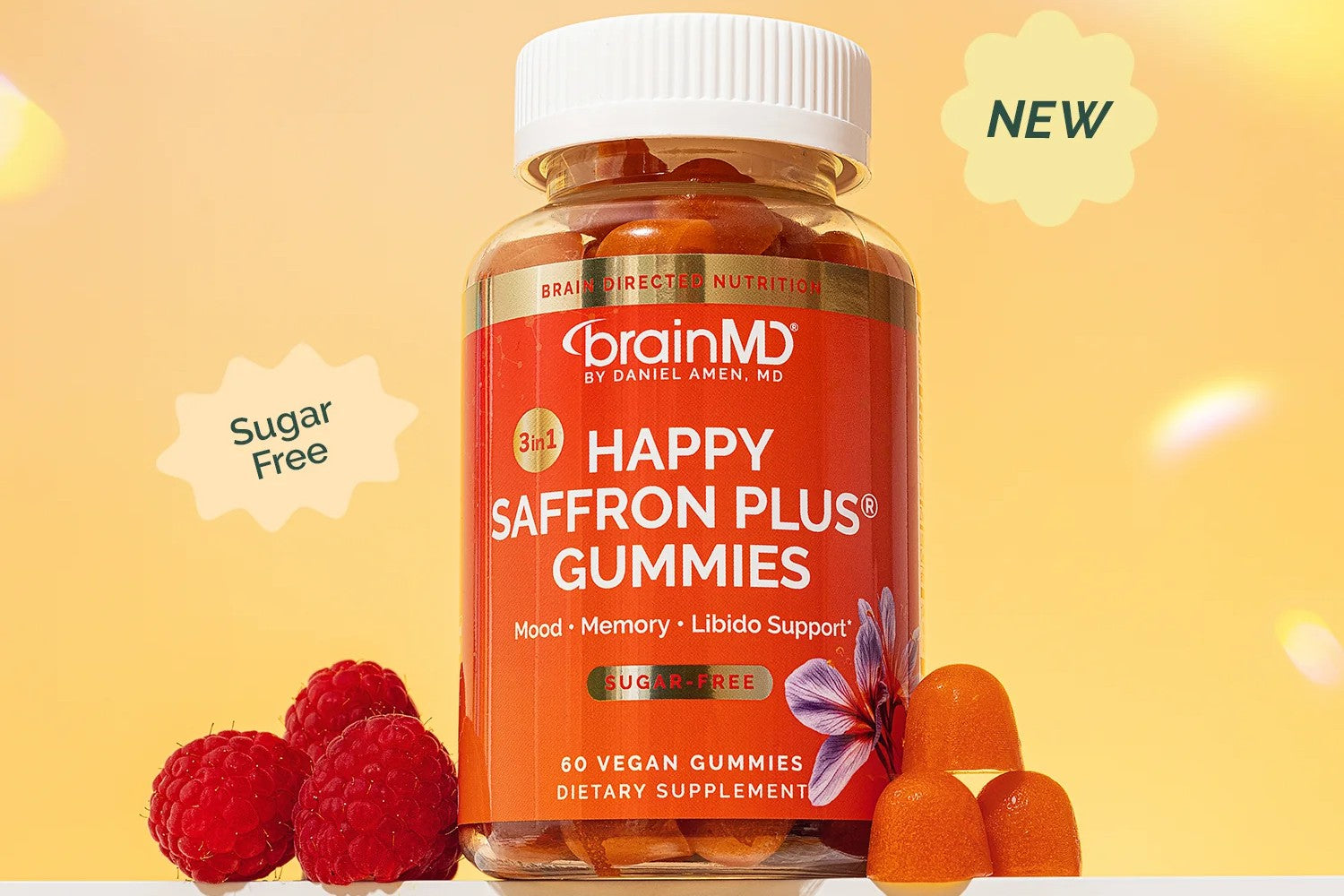
When the world stops, and your health, finances, and relationships are suddenly at risk, the stress can feel like it’s too much to handle. What can you do to keep negativity, sadness, anxiousness, and stress under control? Here are 6 strategies on how to be less stressed and feel happier. How to Be Less Stressed & Feel Happier Each Day 1. Plan for things to go wrong. If you’re the kind of person who expects everything to go perfectly all the time, you’re setting yourself up for disappointment and aggravation. When you train yourself to expect a few snafus, you’ll find that you won’t get as upset. Especially in situations where things are out of your control—like when the grocery store is out of toilet paper again!—planning for a few every day “fails” can keep you from falling into a funk. 2. Repeat positive mantras. Letting negative thoughts run wild in your head can create a tornado of stress, worry, and sadness. Directing your thinking to reaffirming mantras can help change your mental state. Repeat some soothing mantras that promote positive feelings, such as: I know we’ll get through this. I am confident that better days are coming. I am staying focused on what I can control. I think having more family time is a blessing. 3. Live in the present and plan for a better future. People who dwell in the past with regret tend to experience sadness and negativity. Those who anticipate the future with fear are wracked with worries. Practicing mental discipline to stay in the present can help keep your mind from spinning out of control. In a pandemic, think about the things you can do to protect your health—washing your hands, wearing a mask outside, wearing gloves at the grocery store—and feel good about your efforts. In addition, think of ways your life is going to change for the better from this experience and write it down. Seek out strategies to help prepare for post-pandemic growth. For inspiration, check out these episodes of the Brain Warrior’s Way Podcast, hosted by Dr. Daniel Amen and Tana Amen: How to Discover Your Purpose and How to Use Your Unique Value to Bring Money & Success with guest Lisa Sasevich, a business and sales expert. How to Create Energy to Help Transform Your Life with Julianne Hough from Dancing With the Stars How You Can Use Your Pain to Your Advantage with Dr. Derwin Gray, a former NFL player turned pastor and author. 4. Get moving. Decades of research point to the physical and mental health benefits of exercise. A 2019 cross-sectional study in Mental Health and Physical Activity found that getting some physical activity reduces the odds of experiencing depression in adolescence and anxiety in childhood and adolescence. And a prospective cohort study in a 2020 issue of The Lancet Psychiatry suggests that replacing sedentary behavior with light activity during adolescence could reduce the risk of depression. If you can’t get outside due to the pandemic, try dancing to your favorite tunes, do some jumping jacks, or walk laps inside your home. Any movement counts. 5. Eat right to think right. If you’re stuffing yourself with quarantine comfort foods like cookies, ice cream, and pizza, and taking part in Zoom happy hours, you’re increasing the likelihood of experiencing anxiousness, negativity, and worry. To help your brain handle the stress that’s surrounding us, you need to fuel it with great nutrition. Here are 3 of the most important eating strategies to help reduce stress, worry, and bad moods. Eat small amounts of high-quality protein at every meal to help balance blood sugar as research in Case Reports in Psychiatry shows that blood sugar highs and lows are linked to anxiety and depression as well as to irritability and anger. Include foods that are high in omega-3 fatty acids—such as salmon, avocado, and walnuts—which a 2018 review in Frontiers in Physiology suggested may help reduce anxiousness and negative mood. Stay hydrated with 8-10 glasses of total fluids per day since research in the journal Perceptual and Motor Skills shows that being even mildly dehydrated can make you feel more tense, depressed, confused, fatigued, or angry. 6. Supplement your diet with a dose of happiness. Among the most well-studied nutraceutical ingredients for mood, anxiety, and stress are: Saffron: A 2018 review or 7 studies in Neuropsychiatric Disease and Treatment found that saffron was more effective than a placebo for mood problems. In randomized parallel trials, 30 mg per day of standardized saffron extracts were consistently helpful for mood problems. Other studies suggest standardized saffron extracts can improve anxiousness. Curcumin: Studies have found that curcumin—not as turmeric root but as Longvida, a highly concentrated curcumin extract from turmeric, proven to be more efficiently absorbed—helps with mood challenges. Zinc: A review of existing studies suggests potential benefits of zinc supplementation—either when used by itself or when added into a personalized program for mood improvement. BrainMD’s Happy Saffron Plus combines all 3 of these potent nutraceutical ingredients to improve mood and help cope with anxious and stressful feelings. When you’re flooded with stress, it’s one of the tools you should have in your stress-relief kit. The following content was originally presented during a special Facebook Live event by Dr. Daniel Amen. Click here to view the full video. At BrainMD, we’re dedicated to providing the highest purity nutrients to improve your physical health and overall well-being. For more information about our full list of supplements, please visit us at BrainMD. References: Saffron Study Khaksarian, M., Behbahani, A. A., Rajabpour, M., & Hosseini, S. A. (2018). Comparative efficacy and safety of Crocus sativus L. (saffron) for treating mild to moderate depression: A meta-analysis of randomized controlled trials. Neuropsychiatric Disease and Treatment, 14, 1297–1305. https://doi.org/10.2147/NDT.S157550 Curcumin Study Cox, K. H., Pipingas, A., & Scholey, A. B. (2015). Investigation of the effects of solid lipid curcumin on cognition and mood in a healthy older population. Journal of Psychopharmacology, 29(5), 642-651. https://doi.org/10.1177/0269881114552744 Zinc Study Li, Z., Li, B., Song, X., & Zhang, D. (2017). Dietary zinc and iron intake and risk of depression: A meta-analysis. Psychiatry Research, 251, 41–47. https://doi.org/10.1016/j.psychres.2017.01.021
Learn more
Top 10 Benefits of Therapy and Where You Can Go to Get Help
According to the National Institutes of Mental Health, over 50% of the U.S. population will suffer from a mental health issue at some point in their lives. Since people don’t want to be seen as different, foolish, or abnormal, fewer than half of those who suffer from mental health problems ever seek help. Sadly, the issue of mental health remains shrouded by misconceptions and harmful stereotypes. If you’re one of the millions of people dealing with a mental or emotional challenge, there is hope for a lasting change. One of the best ways to accomplish that is to… Talk It Out Though many people have trouble expressing their feelings, opening up about personal issues can have big benefits for those struggling with mental or emotional problems. Whether in a support group setting or a one-on-one session with a trained therapist, talking it out can help reduce your sense of hopelessness and provide relief from your pressing concerns. Talk therapy is a proven technique used by: Health Coaches Psychologists Psychiatrists Therapists Another name for talk therapy is psychotherapy. Psychotherapy Basics Some types of therapy can help you learn how to cope with emotional traumas from the past, stressful situations, or everyday life challenges. Finding the right kind of therapy can help you gain control over your negative or harmful thoughts, which can promote a better mood and brighter outlook. Also, it may improve your relationships and family dynamics by helping you develop healthier ways of interacting with your friends and loved ones. Psychotherapy can help people with a range of psychological, emotional, and relationship challenges. The goal of psychotherapy is to help you learn how to minimize troubling or triggering issues while enhancing your sense of well-being. There are many types of psychotherapy, and each employs a wide variety of unique tools and strategies. Types of Psychotherapy Group Therapy Family Therapy Individual Therapy Marital and Couples Therapy Cognitive Behavioral Therapy (CBT) No matter which type of psychotherapy is best for you, here are some of the top benefits of speaking with a trained therapist… 10 of the Best Benefits of Therapy & Where to Go to Get Help 1. Improve Communication Skills Poor communication is at the core of many relationship problems. Jumping to conclusions, expecting others to read your mind, and needing to be right all the time are just a few negative traits that can cause a breakdown in communication. Working with a therapist may help you overcome these bad habits and improve your communications skills. 2. Effective Coping Strategies Many people cope with a problem by avoiding it. Unfortunately, avoiding painful thoughts, feelings, and memories can do more harm than good and may lead to a host of issues such as low mood, binge eating, persistent pain, poor academic performance, and more. Regardless of how you deal with problems, a counselor can give you proven strategies for how best to cope with personal or relational issues. 3. Relieve Ongoing Stress Stress can affect behavior, mood, and overall health. Many health concerns may result from stress, especially when it’s intense, recurring, or remains unresolved over an extended period. Since intense, long-term stress may increase the risk of weight, heart, and mood problems, enlisting the help of a therapist may be a smart move if you’re dealing with ongoing stress. 4. Strengthen Your Relationships Make a relationship inventory and take note of common themes in your previous relationships. Meeting with a therapist can help you accurately identify your attachment patterns and address any deep-seeded issues that are holding you back, such as low self-worth, fear of intimacy, distrust, and jealousy. With professional guidance, you may learn new ways to strengthen your relationships with those closest to you. 5. Increase Inner Happiness Learning how to focus on the positive is essential for maintaining healthy relationships and personal happiness. It’s easy to notice what you don’t like in a relationship (or yourself), but when you spend more time appreciating what’s working well, you’re more likely to see an increase in positive behavior. Change takes time, but this is one step that can pay off huge dividends if you consistently work at it with the help of a trained counselor. 6. Take Personal Responsibility Taking personal responsibility for what happens to you and looking for creative ways to solve your problems will help you feel less like a victim and more like you’re in control of your life. This practice can be uncomfortable at first, but a qualified therapist can give you the tools to take personal responsibility for your actions so you can feel a greater sense of freedom in the long run. 7. Learn Conflict Resolution For better or worse, conflicts are part of the human experience. Unfortunately, having strained relations with others can affect your health and well-being. An experienced counselor can give you effective strategies for how to avoid or resolve relational conflicts so you can begin the process of repairing frayed connections with others. 8. Exterminate Negative Thoughts At the heart of many types of therapy is learning about automatic negative thoughts (ANTs), the gloomy and unhealthy thoughts that can come into your mind without warning. Learning how to exterminate the ANTs can help reduce your stress and mood issues. Therapy also can help you clear up past traumas that might trigger you and cause more stress in your life. 9. Improve Overall Wellness Working with a therapist may improve your mental and physical health. Learning proven techniques from a trained therapist can help improve your sleep, blood pressure, and overall wellness. Often, treating mental issues can have a positive effect on the body as well. 10. Treat Mental Struggles If you have concentration issues, severe mood swings, or emotional trauma, one of the best ways to get help is to meet with a trained counselor or therapist. When left untreated, mental issues can get worse over time, so if you’re struggling with personal or relational problems, it’s recommended to get help right away. Where to Get Help Many people receive invaluable guidance and emotional support during talk therapy sessions. Speaking with a trained therapist or counselor can make a significant improvement in your outlook and ability to bounce back from life’s challenges. It’s important to remember that your mental well-being is just as important as your physical well-being. If you’re dealing with anger, guilt, sadness, or mood issues, you don’t have to suffer in silence. Amen Clinics offers in-clinic and telehealth (via telephone and video conferencing) services. To learn more about the full range of services at Amen Clinics or to set up an appointment, please call 866-347-6076. At BrainMD, we’re dedicated to providing the highest quality supplements to improve your physical health and overall well-being. For more information about our full list of brain healthy supplements, please visit us at BrainMD. These statements have not been evaluated by the FDA. This content is for informational purposes only. It is not meant to substitute for medical or healthcare advice from a physician, nor is it intended to diagnose, treat, cure, or prevent any disease. Consult your healthcare provider before beginning a new health regimen.
Learn more
These Are Some of the Top Reasons You Should Try Integrative Medicine
Do you think health should be focused more on addressing root causes and healing than treating disease and symptoms with medication? Are you someone who takes a proactive role in your mental, physical, and spiritual well-being? Do you want to find a health practitioner who incorporates Western medicine and holistic methods of healing in your treatment plan? If so, you may be looking for a doctor who practices integrative medicine. What Is Integrative Medicine? Integrative medicine is an evidence-based, healing-focused practice of medicine that evaluates a whole person, including all aspects of lifestyle – not just an isolated organ system, biological factors, or symptoms – while placing great value on the therapeutic practitioner-patient relationship. Integrative medicine fully embraces the use of both conventional (allopathic or Western) practices and alternative/complementary (i.e., acupuncture, nutrition, yoga, meditation) therapies, as appropriate, for the well-being of each patient. As such, it also strives for well-coordinated care among providers to focus on the whole person. Integrative medicine is a great option for those who value holistic health, but not to the exclusion of conventional medicine and all that it has to offer. Here’s a closer look at this exciting approach to medicine. Origins of Integrative Medicine Integrative medicine isn’t new. Medicine has always involved the blending of old traditions – questioning their validity and sifting out the ineffective practices – with new knowledge and medical interventions, according to a study on integrative medicine history. However, with the advent of modern scientific and empirical study in Western medicine in the 20th Century, the body-mind-spirit/personality connection – a hallmark of traditional medicine practices – was abandoned for a time. Medical historians note that a patients’ rights movement began to emerge around the time of the civil rights and feminist movements, which pushed for an equal partnership between patients and medical care physicians, and a more holistic approach to health. History of Holistic Health Holistic health is an approach to wellness that encompasses the physical, mental, emotional, social, and spiritual components of health. It focuses on the uniqueness of each patient, the mutuality between the physician-patient relationship, personal responsibility for health and well-being, and promoting health over disease care. Until roughly 30 years ago, holistic therapies were very much separate from Western medicine – limited to the offices of osteopaths, licensed acupuncturists, chiropractors, homeopaths, naturopaths, and the like. However, in 1994, with the founding of the Center for Integrative Medicine at the University of Arizona in Tucson by Harvard-educated internist, Dr. Andrew Weil, allopathic medicine and the holistic approach were finally unified. In 2004, the Academic Collaborative for Integrative Health was developed to promote policies and actions to advance integrated healthcare throughout the U.S. Today, centers of integrative medicine are training medical doctors and professionals, as well as providing patient care across the country at top medical schools and institutions including Harvard, Stanford, Johns Hopkins, George Washington, and UCLA – to name a few. Here Are the 8 Defining Principles of Integrative Medicine While each center for integrative medicine may have nuanced ways to define the discipline, the founding center (mentioned above) developed 8 defining principles of integrative medicine, which serve as an instructive doctrine. Patient and practitioner are partners in the healing process. All factors that influence health, wellness, and disease are taken into consideration, including mind, spirit, and community, as well as the body. When appropriate, conventional and alternative methods are used to help facilitate the body’s innate healing response. Effective interventions that are natural and less invasive should be used whenever possible. Integrative medicine neither rejects conventional medicine nor accepts alternative therapies uncritically. Good medicine is based in good science. It’s inquiry-driven and open to new paradigms. Alongside existing treatment methods, the broader concepts of health promotion and the prevention of illness are paramount. Practitioners of integrative medicine should exemplify its principles and commit themselves to self-exploration and self-development. The different types of complementary/alternative approaches used by integrative medicine practitioners generally fall into one of the following categories: Nutritional (nutritional supplements, herbs, special diets, etc.) Psychological (psychotherapy, hypnosis, mindfulness, meditation, etc.) Physical (massage and spinal manipulation) Mind/Body practices (yoga, tai chi, acupuncture, sound therapy, grounding, etc.) Who Can Benefit from Integrative Medicine? There are a host of health issues that may be improved with integrative medicine – many that may not be helped by either allopathic or alternative medicine alone. Even in cases where a health issue isn’t totally healed, symptoms (especially pain, nausea, etc.) may be significantly lessened with integrative therapies. Examples of issues that can benefit from integrative medicine may include: Feelings of anxiousness Allergies Painful joints Blood sugar problems Chronic pain Low mood Memory issues Headache/migraine Heart health problems Fertility Digestive issues Blood Pressure Hormonal imbalances/menopausal symptoms Trauma Abnormal cellular changes/growth Nervous system issues Try Integrative Medicine If integrative medicine sounds like something you’d like to explore, ask your primary care physician about it. Also, you can visit one of the integrative medicine centers mentioned above and use their online locator to find practitioners in your community. At BrainMD, we’re dedicated to providing the highest purity nutrients to improve your physical health and overall well-being. For more information about our full list of brain healthy supplements, please visit us at BrainMD.
Learn more
9 of the Best Ways to Have Healthy, Happy Relationships
As Valentine’s Day is upon us, it’s the perfect time to examine what habits make a love relationship lasting and happy. Compiled from research conducted by leading experts in the field, here are 9 habits that make for contented couples! 9 Helpful Habits for Having Happy Relationships 1. Treat Each Other With Kindness If you want to know how to keep a relationship strong, research resoundingly shows that kindness is key. Kindness means using kind words and generously assuming your partner has good intentions. When they’re upset, it means listening to their perspective without getting defensive. When they share their feelings and thoughts, kindness is giving your partner your attention (not being distracted on your phone!). Kindness is a decision and muscle that you can exercise, experts say. And evidence shows that when kindness is extended, it inspires others to act in…kind! It’s called the cascade effect. 2. Apologize and Forgive In any relationship, it’s inevitable that we will act and do things that will hurt our partners at times. Research has shown that the happiest couples know how to take responsibility for their mistakes, genuinely apologize, and forgive. One study found that couples were more forgiving when they believed their partner sincerely expressed remorse in their apology. “I’m sorry your feelings are hurt,” is not an apology, experts say. An apology necessitates owning what you did wrong, expressing regret for how that impacted your partner, and making an effort to not do it again. This habit, practiced regularly, appears to allow for repair and resilience, ultimately allowing couples to live more amicably in the present, rather than getting stuck nursing grudges from the past. 3. Honest and Open Communication The number-one trait in happy relationships that last, according to a Cornell University study, is communication. Participants in the study said that most of their problems could be worked out through open communication. What does that look like? In addition to sharing life’s joys, happy couples are able to have uncomfortable conversations where they communicate difficult emotions with each other. They regularly communicate their needs, feelings, concerns, wants, desires, etc., in positive and constructive ways. They don’t engage in destructive communication such as insulting, blaming, dismissing, name-calling, using sarcasm, and lying. When their concerns are seen and heard by each other, a couple’s bond becomes stronger. They become more resilient and can experience greater happiness. 4. Protect the Relationship as a Whole A research study that looked at happy, long-term marriages found the participating couples showed a mutual commitment to protecting what they call “marital cohesion.” Happy couples tend to treat each other with care and respect – because they know that a happy relationship requires these ingredients. Ultimately, a couple that works to protect their relationship will interact in ways that are constructive, not destructive. They will take actions that promote closeness and harmony rather than creating distance and conflict. 5. Make Rituals Together Relationship expert, Esther Perel, says that happy relationships use ritual to elevate the routine from the mundane to something more significant. For example, a couple that goes for a jog together every morning has an exercise routine. However, a couple that goes to the beach every Sunday morning for a walk to their favorite lookout where they sit and share a thermos of fresh, hot coffee – has created a special ritual for spending quality time together. The difference is in the specificity, details, and meaning a couple attaches to the activity. Instead of a date night on Friday evenings, a couple could make a ritual of sharing a bubble bath and lighting a candle together to unwind from the week. Making these special rituals a habit keeps a relationship alive and vibrant! 6. Make Time for Sexual Connection This one is pretty simple: Happy couples have sex! Research shows that in happy long-term relationships, both individuals strive to improve sexual relations. Happy couples mutually listen to each other’s desires and preferences and are willing to both give and receive pleasure and try new things. For older couples, the more often they engage in sexual activity, the more likely they are to be happy, multiple studies have found. For a menopausal woman, trying hormone replacement therapy might be practicing this habit. For a man with erectile dysfunction, it might mean taking a medication or a nutritional supplement that promotes healthy blood flow. Of course, physical intimacy is an extension of emotional intimacy. So, all of that kindness, communication, ritual making, and making amends carries over into the bedroom! 7. Try New Things One way to keep your relationship happy and strong is to continue to share new experiences together. It has to do with brain science. New experiences engage the brain’s reward system, flooding it with dopamine and norepinephrine. Of course, this is the very same part of the brain that is activated when we fall in love. Some research suggests that doing new things together as a couple may actually recreate the same brain chemicals that were flowing in early courtship. Sharing new and exciting experiences with another person is also incredibly bonding. It can be as simple as taking a different drive to a new hiking trail or park – or perhaps cooking a new recipe together. Or it can be big, like planning an annual trip to a new place where you can adventure together. 8. Share the Power While power dynamics shift back and forth in couples, happy relationships generally have a balance of power, research has found. That means that both individuals within a relationship feel that they have the power to speak up and make decisions and no one person gets their way all the time. Rather, there’s a give and take. Being aware of power dynamics and being willing to share power with your partner is a great habit for a lasting, happy love relationship. 9. Laughter Happy couples laugh together. Research has found this to be true. When we laugh heartily, our brains release endorphins, which lessen pain and help us to feel good. It’s no wonder giggles make us feel loving towards our partner. Finding humor together is a healthy habit for couples to create. Watch funny shows or go see live comedy together Create inside jokes together Tease each other lovingly Also, as you get more comfortable together, let the little kid in you out and be silly. Habitual Happiness Every day can be Valentine’s Day when you adopt habits that reinforce love and connection! At BrainMD, we’re dedicated to providing the highest purity nutrients to improve your physical health and overall well-being. For more information about our full list of brain healthy supplements, please visit us at BrainMD.
Learn more
Natural Ways to Lose Belly Fat
Don’t be fooled by the claims of quick-fix diets and miracle belly weight loss products. Unfortunately, there’s no quick fix or magical method to losing belly fat. Instead, like most things in life that deliver real results, there’s a practical way to shed the excess weight from your midsection, which requires effort, consistency, and commitment to be successful. Here’s what you need to know about belly fat and how to lose it…really! About Belly Fat If you regularly consume more calories than your body uses, you will begin to store the excess calories as fat – and in many cases as belly fat, particularly if you’re genetically predisposed to store fat in your abdominal area or if you’re growing older in years. There are two types of fat deposited in the abdomen area: subcutaneous fat and visceral fat. Subcutaneous fat is the fat under your skin – that is the fat you can pinch. If you have too much, it’s a sign that you may have too much of the other kind of fat – visceral fat. Visceral fat envelops your abdominal organs deep inside your body. This type of fat tends to increase in both men and women as they age – especially in women starting at menopause. Visceral fat is biologically active, producing hormones and other substances that can negatively impact health. Higher visceral fat puts you at greater risk of developing heart health issues, elevated cholesterol, blood sugar problems, memory trouble, and a host of additional health issues – including greater risk of mortality. While you may wish to lose belly fat for appearance reasons, the greater motivation, if you have excess visceral fat, is for health. Research suggests that concerning levels of visceral fat are present in women with a waist circumference of 35 inches or more and for men with a waist circumference of 40 inches or more. If you fall in this category, you’re not alone. About 59% of U.S. adults have abdominal fat issues. 4 Ways to Lose Belly Fat If you simply want to lose a few pounds in your midsection or think you may have too much visceral fat, the following actions are the best ways to lose belly fat, according to science. Exercise Research indicates that walking as little as 30 minutes a day, six days a week can help you shed belly fat. Both moderate to high impact exercise and interval training have been shown to reduce subcutaneous and visceral fat. Indeed, a large study analysis involving 852 participants found that aerobic training of moderate or high intensity showed the highest potential in reducing visceral fat in overweight individuals. Strength training (exercise with weights) has also been shown to be effective in reducing abdominal fat. Surprisingly, while spot exercising (i.e., abdominal crunches) may tighten and tone muscles, it doesn’t help to reduce visceral fat. Consume Fewer Calories and More Whole Foods If you’re carrying extra pounds, you’ll likely need to tinker with your daily caloric intake to shed belly weight. Losing overall fat is the way to lose fat in your midsection, so finding a way to sustainably reduce calories each day so that you’re using more than you’re consuming is key. Consult a healthcare professional to find the ideal caloric intake for you. In the meantime, there’s a lot you can do to improve the quality of your diet to optimize your brain and body health, which will naturally support healthy weight and waist circumference. A brain healthy diet includes lots of nutrient-dense and fiber-rich fruits, vegetables, whole grains, and legumes, as well as lean proteins, healthy fats (fatty fish, nuts, seeds, avocados, and olive oil), and fermented foods. Also, minimize consumption of sugary drinks, desserts, and refined carbohydrates (chips, crackers, white bread, etc.). More nutrients, protein, health fat, and fiber will all help to stabilize blood sugar levels, keep inflammation low, and promote satiety. Healthful eating also can support your brain health, which helps you to have good judgment and impulse control. Protein before and after strength training and workouts helps to repair and build lean muscle mass and burn fat. Reduce Stress and Get Restful Sleep When you’re stressed, it raises your cortisol levels. Research shows that higher cortisol levels may promote the accumulation of fat tissue in the abdominal area. Too little sleep (less than 5 hours a night) or too much sleep (more than 8 hours) has been associated with greater visceral fat in studies involving adults under age 40. Also, when adults get too little sleep, they tend to choose high-calorie and high-carbohydrate foods, which are associated with weight gain. Staying calm and getting restful sleep support hormonal balance and help your brain and body work their best. Quit Smoking and Drink Less Alcohol Although not conclusive, some research indicates that smoking increases abdominal and visceral fat in smokers. Considering the numerous health risks smoking poses, this is just one more reason to kick the habit. When you drink alcohol, your liver burns alcohol instead of fat. Additionally, alcoholic beverages are often high in calories. And when you drink, you lose your inhibitions and are more likely to make poor food choices. In short, alcohol will undermine your efforts to reduce your midsection weight. Reduce your alcohol intake or cut it out altogether. Aim for Health Following the above actions will help you shed excess belly fat over time. A bright mood and good attitude matter too. Remember to keep your focus on health and love, and appreciate your body every step of the way. If you’re feeling discouraged, don’t forget to reach out for support from professionals and trusted friends! At BrainMD, we’re dedicated to providing the highest purity nutrients to improve your physical health and overall well-being. For more information about our full list of brain healthy supplements, please visit us at BrainMD.
Learn more
Some of the Best Positive Affirmations to Think Throughout Your Day
You’ve probably heard the expression “always take care of number one.” Although that saying might not be the best advice in business, team sports, relationships, or many other areas of life, it definitely applies to your personal health. How you treat your brain and body may well determine your ability to function in an increasingly stressful world. A great way to improve your wellness is to adopt self-care practices. Self-Care Basics Consistent self-care can pay huge dividends for the health of your brain and body in the future. These habits include: energizing exercise maintaining a healthy diet meditating (yoga, tai chi, and other mindfulness practices) getting good sleep challenging negative thoughts Negative Thoughts It’s common for people to believe things about themselves that just aren’t true. The trouble with negative thinking is that it can distort perceptions of reality. When left unchecked, these negative thoughts can create serious self-esteem and mood problems. Have you ever had a limiting belief such as, “I’ll never be good enough?” When these thoughts occur, challenge them with questions like, “Is that really true?” Talking back to negative thoughts can help you retrain your brain, which will allow you to focus on the positive and leave the past where it is. An effective strategy for overcoming negative thoughts is to focus on positive, life-affirming thoughts. Here are some of the best ways to do that every day… 3 Tips for Maintaining Positive Thoughts Throughout Your Day 1. Start on a Positive Note An effective routine is to begin each morning by saying something like, “Today is going to be a great day!” Such a simple sentence can cause your brain to look for ways to fulfill that affirmative statement. It also establishes a healthy thought pattern you can continue throughout the day. Focusing on positive thoughts helps your brain discover ways to turn them into reality. This easy strategy can make a significant difference in your life, so do it first thing in the morning to set the tone for your entire day. 2. Clear Your Mind Clearing your mind and slowing your breathing can help restore inner calm. Taking breaks for meditation and relaxation can provide benefits for both your physical and mental health. Spending just 15 minutes alone, without distractions, may help give you a fresh perspective on life. Listening to music may increase pleasurable feelings, boost energy, and help with focus and concentration. Remaining in a positive state of mind is easier to accomplish when you have a happy tune running through your head. Listen to brain enhancing music specifically composed to enhance mood, gratitude, motivation, and inspiration. 3. Repeat Positive Affirmations Positive affirmations are short phrases that can help you focus on the positive things in life. There are many applications for positive affirmations: you can write them in a journal, read/ponder/internalize them, or, to give the words more power, say them out loud (preferably in a private place). Though the list of affirmations is extensive, here are just a few that you can use to kickstart your positivity: Morning Mood-Setters [wc_box color="inverse" text_align="left" margin_top="" margin_bottom="" class=""] I’m refreshed and full of energy I choose to let go of yesterday’s problems and start today fresh I have everything I need to make today a great day Today will be the best day of my life I’m thankful for new opportunities today I will make a positive difference today I will accomplish my goals today I will live today with passion and purpose Today, I’m going to be my best self [/wc_box] Anytime Affirmations [wc_box color="inverse" text_align="left" margin_top="" margin_bottom="" class=""] I’m smart/intelligent I will be kind to myself I can make good choices I’m ready to be positive I will focus on living in the moment My life has meaning I deserve to be happy I like myself for who I am I’m grateful for what I have I won’t live in fear It’s okay if I make mistakes I’m healthy and happy I’m getting better every day I’m confident/powerful/successful [/wc_box] Next Level Mantras [wc_box color="inverse" text_align="left" margin_top="" margin_bottom="" class=""] I spread positivity to everyone I meet I will use obstacles as motivation to adapt, learn, and grow I finish what matters and let go of what doesn’t I’m inspired by my work and inspire others with my work I’ll make the most of every single moment of my life I forgive myself and set myself free I’ve made it through difficult times and will do so again I have the power to achieve anything I desire Amazing transformations are taking place in my life right now Self, I’m going to make you so proud today I’m not defined by my past; I’m driven by my future I’m an unstoppable force of nature Happiness is a choice, and today I choose to be happy [/wc_box] Release the Positivity Your daily health routine is one of the best things you can do to support your overall wellness. One of the ways you can practice self-care every day is to regain control of your thoughts with the help of positive affirmations. With practice, your thinking can become more positive, which can help improve your mental and emotional health. Try these powerful affirmations to decrease negativity and release positivity in your life today! At BrainMD, we’re dedicated to providing the highest quality supplements to improve your physical health and overall well-being. For more information about our full list of brain healthy supplements, please visit us at BrainMD. These statements have not been evaluated by the FDA. This content is for informational purposes only. It is not meant to substitute for medical or healthcare advice from a physician, nor is it intended to diagnose, treat, cure, or prevent any disease. Consult your healthcare provider before beginning a new health regimen.
Learn more
Here Are Some of the Best Ways to Deal with Holiday Grief
If you’ve recently lost someone you love, the holidays can be particularly challenging as they tend to amplify grief. It’s important to acknowledge the complexity of emotions that can arise during this time, and be prepared to take extra measures to care for yourself. So, how does one best cope with grief during the holidays? Experts say that healthy grieving probably looks different for each individual. We process loss in various ways. Still, there are some general steps one can take to make the holiday less painful, more meaningful, and maybe even a new beginning of sorts. Here are some helpful tips for how to manage holiday grief. Holiday Grief: 8 Ways to Cope with the Loss of a Loved One 1. Be Willing to Feel Those who work in the field of grief recovery almost universally encourage grievers to feel the grief. That means not staying overly busy or checking out in numbing behaviors, but instead slowing down enough and allowing pockets of downtime where you can actually feel and begin to heal. A movie that lifts you up or makes you cry – or both – can help in this regard. This takes a conscious effort because no one likes to feel the deep emotional pain of real loss. The best way to deal with grief is to face it when it comes up and feel it fully. Often grief comes in waves that are intense, and then they pass with times in between of relief. It’s also okay to laugh and smile if you feel it, too! 2. Understand You Are Altered Grief affects your entire being – that means physiologically too. Studies show that grief is associated with: higher stress disrupted sleep compromised immune function a greater risk of heart health problems As a coping mechanism, your brain may attempt to dissociate itself from emotional pain, which can be experienced as brain fog. Additionally, emerging research from the University of Colorado indicates that our brains encode a bond with those we love, and when we experience loss, our brain actually has a period of readjustment where it rewires itself. Grief has altered you and you may be more limited in what you do this holiday season. Whatever plans you choose to make or not make should be informed with this understanding. 3. Turn Up the Self-Care Knowing that you’re altered and need to make space to feel, this is prime time for upping your self-care. You can start with the basic tenants of good health: ensure you’re eating brain healthy foods, getting plenty of rest, exercising regularly, and avoiding alcohol and refined sugars in excess. Do things that calm your nervous system: walk in nature, meditate, get massages, or take baths. Don’t put too much on your plate in terms of commitments. Self-care is priority number one! 4. Give Yourself Permission Not to Celebrate Some grief experts say that it can be helpful to give yourself permission to cancel the holidays altogether. Yes, you can take a year off. If you have children, you may want to keep some of your traditions going, but you can at least scale back on what you do. On the other hand, for some people, carrying on with the holidays, even if you’re just going through the motions, can be life-affirming and even grounding. Find what works for you. 5. Create Meaning and New Rituals Most mental health experts agree that creating a new ritual that acknowledges the loved one who’s gone is an important part of integrating the loss. Perhaps it’s as simple as giving to your loved one’s favorite charity. You might light a candle in their honor at a holiday dinner and ask all who are gathered to share a memory of them or make and serve their favorite dish. 6. Reach Out for Support Studies show that social support is critical for the bereaved. While some time alone is necessary and important for grieving, don’t spend too much time alone. Reach out to family and friends who are eager to support you. Being in the company of others can be very comforting during the holidays, especially if you’re grieving. If you’re really struggling, consider reaching out to a grief counselor, spiritual guide, therapist, or trusted friend. And don’t forget your four-legged friends. Spending time with your pets can be incredibly restorative and comforting for grievers – sometimes more than spending time with people! 7. Be Flexible Mental health professionals recommend being flexible in your planning. It takes mounds of pressure off. If you accept an invitation, let the host know you may just come for a brief amount of time. That way, you can leave if it’s too much. Give yourself permission to cancel. Put people on alert that you’re taking it one day at a time and ask if they can be flexible with you. 8. Be of Service It can be uplifting to volunteer and help others – and it provides a healthy and necessary distraction from grief. Consider logging some time at a church or local soup kitchen. Or keep it simple; if you see an elderly person that perhaps reminds you of a parent that has passed, do a good deed for them. Buy them a cup of coffee or give them a smile. You Are Resilient Though you may have low mood during this time, remember that people are highly resilient…and so are you. Grief can be instructive. The pain of loss fosters greater empathy for our fellows. It helps us to value the moment as we know that life is precious. While your grief may be acute this holiday season, know that the darkest days will pass, and you’re not alone. At BrainMD, we’re dedicated to providing the highest purity nutrients to improve your physical health and overall well-being. For more information about our full list of brain healthy supplements, please visit us at BrainMD.
Learn more
10 of the Best Ways to Manage the Holidays Without Overdoing It
How do you feel about the holidays? For many, the holiday season is the most wonderful time of the year. But for others, it’s a stressful period that’s become synonymous with exhaustion, overeating, accruing debt, and family drama. The holidays tend to be filled with unrealistic expectations and unforeseen pressures that can cause mood and sleep issues. Unaddressed, these forces have the power to steal your joy, impair your health, and trigger unproductive behaviors that can ruin your holiday. The good news is there are ways to reduce seasonal stress and remain sane during the holidays. Here are some of the best ways to keep from overspending and overdoing it this holiday season… 10 Simple Ways to Manage the Holidays without Overdoing It How to Keep from Overdoing It This Holiday Season Feast Healthy Many people experience weight gain during the holidays. Large portion sizes can contribute to waistline struggles. Eating foods saturated with fat and sugar also can help pack on the pounds. When sitting down to a holiday feast, select foods that are high in protein, healthy fats, and fiber. Also, eating a healthy meal before arriving is one way to maintain a healthy diet at family gatherings and holiday parties. Delegate While You Celebrate You don’t have to do everything yourself; you can tackle your to-do list with others. Spending time with friends and family while you share tasks – like preparing the holiday meal, shopping, cleaning, and decorating – can be an enjoyable time of bonding. Remember, you don’t have to be the holiday hero. Stay Well Rested Many people sacrifice quality sleep to keep up with the increased demands of the hectic holiday season. Lack of sleep often leads to illness, which can make it that much harder to accomplish everything on your task list. To ensure that you have the energy you need to get the most out of the holiday season, it’s recommended that you get 7-9 hours of sleep each night. Getting quality sleep is a sure-fire way to reduce stress, feel more energized, and focus on the positive during the holidays. Limit Alcohol Alcohol can be a triple whammy: alcoholic drinks are often high in calories, bad for the health of your brain, and can decrease your resistance to temptations. You’ll need all your willpower to resist the cheese dip and delicious desserts, so staying sober is the best policy during the holidays. A good strategy is to be prepared with a healthy alternative before you’re tempted to drink. If you’re invited to a meal or party where you know alcohol will be served, consider bringing your own non-alcoholic beverage. This will help ensure that you don’t drink, or drink too much, at the gathering. Just Say No The holidays can make people feel out of control and at the mercy of traditions or expectations. But you can take control of the holidays by refusing to let them control you. Say “no” to events and activities that aren’t making you happy or are causing holiday stress. How to Keep from Overspending This Holiday Season Know Your Spending Limit Financial worries are one of the biggest causes of stress during the holiday season. Make a realistic budget to determine how much you can spend without jeopardizing your financial health. Then stick to it! Creating debt will only add to the stress you’re already feeling. Shop Year-Round A great way to beat the year-end financial crunch is to purchase gifts throughout the year. Set a goal of buying all holiday gifts by Halloween or Thanksgiving. Be sure to periodically scan sales racks/tables at a variety of stores (or shop online discounts) to find the perfect gifts for everyone on your shopping list. If you see a great last-minute gift, it’s okay to purchase it, but make sure you stay within your budget. Holiday Savings Account Perhaps you’ve used the envelope system, where you lay aside a certain amount of money for entertainment, a trip, a medical procedure, etc. Use the same idea for building a holiday gift fund and add to it as you can throughout the year. You can even take it to the next level by opening a bank account dedicated to saving money for holiday gifts. Personalize Your Gifts You can save money during the holidays by creating handmade cards for mailing or by designing holiday cards digitally that you can send via email. Also, you can make a homemade book of coupons (i.e., taking on someone else’s chores, doing something nice for them, engaging in their favorite hobby, etc.) that a family member can redeem after the holiday. This can be a fun way to get the kids involved and is a great way to extend a gift long after the holiday. Gift of Time If you’re able to travel to a relative’s house this year, or even if you can only afford to visit a local friend or family member, make time to be with the ones you care about this holiday season. Spending time with those closest to you can allow you to catch up with them, which may lead to forging some happy memories. Sometimes showing up is the greatest gift of all; they may not remember the present you gave them, but they’ll remember that you cared enough to visit them. Stress-Free Holiday While you may not be able to completely avoid stressful situations during the holidays, you can plan to respond to them in a healthy way. Applying the above tips can keep you from overspending and overdoing it this year, so that everyone in your family can have a fun-filled, stress-free holiday. The BrainMD Team wishes you and yours a safe, healthy, and happy Holiday Season! At BrainMD, we’re dedicated to providing the highest quality supplements to improve your physical health and overall well-being. For more information about our full list of brain healthy supplements, please visit us at BrainMD. These statements have not been evaluated by the FDA. This content is for informational purposes only. It is not meant to substitute for medical or healthcare advice from a physician, nor is it intended to diagnose, treat, cure, or prevent any disease. Consult your healthcare provider before beginning a new health regimen.
Learn more
5 of the Best Ways to Support Your Brain Health
"The brain is an integrated whole, a symphony of parts that work together to create and sustain a life.” -Dr. Daniel Amen Your brain is involved in everything you do. How you think, act, and relate to others is directly tied to the functioning of your brain. When the brain works right, you tend to be at your best. When the brain is troubled, you may struggle in different areas of your life. So, what can you do to help your troubled brain or optimize your healthy brain? Adopting healthy lifestyle measures—such as maintaining a healthy diet, making regular exercise a priority, getting quality sleep, and taking high-purity supplements—is a great place to start. The following tips also may help support your cognition and memory over the long-haul… 5 Ways to Support Your Brain Health (At Any Age) 1. New Learning One of the keys to supporting your brain function is to continually engage in new learning. Like a muscle, the more you use your brain the stronger it gets. Whenever you learn something, new neural connections are created. Try learning a new language or hobby like painting or playing a musical instrument. Also, you can hone your mental sharpness by engaging in motor activities like yoga or dancing. 2. Don’t Multitask Can’t find your keys? Maybe it’s because you weren’t consciously aware when you put them down. If you tend to juggle many things at once, you’re bound to forget the little things. In an increasingly distracted society, it’s become clear that the brain isn’t meant to excessively multitask. The brain functions best when it’s allowed to switch focus from one thing to another, which is why it’s difficult to read a book and hold a conversation at the same time. Intense multitasking tends to slow mental processing, so make it a point to concentrate on one task at a time. 3. Play Brain Games Brain games can help sharpen memory and other cognitive functions, especially for older adults. Spending at least 15 minutes a day on games – such as crossword puzzles, chess, sudoku, and jigsaw puzzles – may help improve your concentration. There are various online sites where you can do mental exercises to improve your cognitive skills. Regardless of your age, mental exercise can have an overall positive effect on your brain. When you stop learning, your brain starts fading, so don’t stop challenging your brain daily. 4. Practice Gratitude Did you know that practicing gratitude causes changes in your brain that can help you feel better? Being grateful for the good things in your life also may enhance brain function. Writing down the things you’re grateful for can make the practice even more powerful. Tell people who are important to you that you’re grateful for them. This can help boost their mood and yours. 5. Take A Look One of the best ways to improve your brain health is to take a look at your brain. How can you accomplish that? By getting a brain image. Brain imaging removes the guesswork from the standard psychiatric approach of prescribing high-powered medications to treat symptoms, which is like throwing darts at a dartboard in the dark. By contrast, the approach at Amen Clinics is to look inside the brain to identify the source of the problem and to treat it with as natural a regimen as possible. If you’ve hit a wall with traditional psychiatric care, or are just curious to know what’s going on inside your brain, here’s how you can get an accurate image of your brain… Brain SPECT Imaging SPECT (single photon emission computed tomography) is a state-of-the-art brain mapping tool that can give trained medical professionals more information to help their patients. SPECT is a nuclear medicine study that’s proven to reliably evaluate blood flow and activity in the brain. How Imaging Can Support Your Brain Health SPECT allows physicians to look deep inside the brain to observe three things: Areas of the brain that work well Areas of the brain that work too hard Areas of the brain that don’t work hard enough SPECT imaging is a clinically valuable tool for looking at brain function to help target treatment. With the help of brain imaging, doctors also can test to see if there are physical or chemical imbalances, vitamin deficiencies, low neurotransmitter production, and many other factors. Also, SPECT scans can help families see their loved one’s problems as medical not moral, which helps increase compassion and understanding while decreasing shame, blame, and stigma. Brain SPECT imaging can help get to the root of a wide variety of mental health conditions and cognitive issues, so you can find the best solutions to get your life back on track. Why Choose Amen Clinics for Brain SPECT Imaging? For over 30 years, Amen Clinics has performed over 200,000 scans on patients 9 months old to 105 years old from over 155 countries. In addition to diagnosing and treating patients with psychiatric symptoms such as attention challenges, mood issues, addiction, head trauma, and many other complex or resistant psychiatric problems, Amen Clinics also has scanned many health-conscious individuals interested in learning more about their brains and how to keep them optimized far into the future. How to Get Help While Cognitive Behavioral Therapy (CBT) has helped many people with their struggles, brain imaging technology has changed the way healthcare professionals evaluate and treat the brain. Amen Clinics uses brain imaging technology to identify your specific brain type, so they’re able to tailor a targeted treatment plan to address your symptoms and enhance your quality of life. If you have additional questions about brain SPECT imaging, or would like to set up an appointment, call 888-288-9834 today! It’s Never Too Late Regardless of how you’ve treated your brain in the past, you can support your brain health. Applying these practical tips can help brain function and pump the brakes on brain aging. Remember, it’s never too late, or early, to adopt brain-healthy habits that can benefit you for the rest of your life. At BrainMD, we’re dedicated to providing the highest quality supplements to improve your physical health and overall well-being. For more information about our full list of brain healthy supplements, please visit us at BrainMD. *These statements have not been evaluated by the FDA. This content is for informational purposes only. It is not meant to substitute for medical or healthcare advice from a physician, nor is it intended to diagnose, treat, cure, or prevent any disease. Consult your healthcare provider before beginning a new health regimen.
Learn more