 Skip to content


Wellness Blog



What is a Stress Response: Fight, Flight, Freeze, or Fawn Responses to Traumatic Events
Have you ever been threatened and felt like your body was frozen in place? Are you the type, when attacked, to fight back with fury—or the type to run away to safety? Or maybe you automatically turn into a peacemaker when you sense danger, forgetting about your needs in order to pacify the attacker. Chances are, you identify with at least one of these since they’re all examples of a normal human stress response. The human body is wired for survival, and the four Fs of trauma response—fight, flight, freeze, or fawn—were developed to help us cope with threats. Many people are aware of “fight or flight,” in which animals (including humans) face their dangers head-on or flee to escape. But freeze and fawn are lesser-known, and just as valid, stress responses. Let’s dive deeper into their mechanisms, including why they happen and how we can best cope with them. How the Body Reacts to Stress Our stress response gets triggered when an acute stressor appears. Examples can include being robbed at gunpoint or being attacked by a dog (which has happened more than once to me and my husband, Dr. Daniel Amen—more on that below). This kind of high-alert situation activates the body’s sympathetic nervous system, which creates a stress response. In these instances, there’s a lot happening behind the scenes—that is, in the brain. The amygdala, located in the temporal lobes and involved in emotions and the fear response, sends a signal to the hypothalamus, which controls brain chemicals, and to the pituitary gland. The body then secretes a hormone that signals the adrenal glands to generate a flood of chemicals, such as cortisol and adrenaline. Meanwhile, the frontal lobes—in charge of things like judgment, decision-making, and rational thinking—actually decrease in activity. In an automatic fight-or-flight response, the amygdala is in charge. This process in the brain kicks the body into action, triggering many other responses. The pupils of the eyes dilate, which leads to tunnel vision, or a loss of peripheral vision. The sense of hearing diminishes. The mouth gets dry. You can even notice that your hands and feet feel colder, or you feel a chill. That’s because the veins constrict to send blood to major muscle groups that will be involved in the fight or flight response (such as the shoulders and hips). In addition, the lung passages open up, so breathing becomes rapid and shallow. Blood sugar levels and blood pressure both increase. The heart rate speeds up and muscles tense. The bladder relaxes and digestion slows. The immune system shuts down. Mental focus is disrupted, so there’s often difficulty with focusing on small details. You may tremble or get goosebumps. You might not be able to speak articulately, and there can be diminished fine motor skills. Essentially, the entire body is prepped for survival. Fight, Flight, Freeze, Fawn Keep in mind that none of these stress responses are “wrong.” Quite the opposite—they’re evidence of the body’s incredible natural intelligence. - Tana Amen, BSN, RN Fight Every person reacts differently to a perceived threat, but most fall into one of four categories: fight, flight, freeze, or fawn. For example, I tend to face threats head-on, making me a fighter—I can become really angry and dangerous in the face of an aggressor. This has served me well in certain moments, but we’ve also seen this tendency create extreme reactions. For example, a person “sees red” and commits violence in self-defense. More than once, Daniel and I were attacked by pit bulls off their leash while out for a walk, and I’m not sure who was scared most by my fight impulse—the dogs, the owner, or my husband. But with a history of being assaulted, growing up in a home with trauma, and a mother who was also a fearless fighter, my default is to fight back. I’ve told the story before about a burglar entering our house one night, back when my mom and I lived alone. Her response wasn’t to run—it was to grab a shotgun, chase the guy down the hall, and shoot the gun out of the back window to scare him off! Freeze However, responses can vary, even in the same family. I have a half-sister who tends to freeze up or run away. During my martial arts practice, I’ve seen numerous people freeze when attacked, and Daniel tends to fit into this category, too. A study published in 2017 noted that freezing isn’t necessarily about being passive, “but rather a parasympathetic brake on the motor system, relevant to perception and action preparation.” In other words, the freezing may help the person under attack create a strategy for action or escape. The freeze response can also lead to dissociation. If a person is being attacked and can’t escape or fight back, becoming numb or detached can make the trauma seem more bearable in the short term. We see a similar strategy when some animals “play dead” to disarm predators—another example of a freeze response. Flight The term “fight or flight” was coined back in the 1920s, so these two responses tend to be the most well-known today. We often witness the flight response in animals—like when a rabbit or deer flees in the face of a potential aggressor. But in humans, this type can be associated with fearfulness of others, isolation, or avoidant behavior. Someone who flees believes that safety is found in being alone—a type of environmental control mechanism. Fawn Finally, fawning is “when people act to please their assailant to avoid any conflict,” according to the CPTSD Foundation. It might be utilized after an unsuccessful attempt at fight, flight, or freeze. The fawn response is associated with facing rejection trauma in childhood. Being “agreeable and helpful” can be useful coping mechanisms in youth. But, when these children grow up, they may be vulnerable to interpersonal issues like codependency, people-pleasing, and fear of rejection. How to Counteract Stress Responses While stress responses are normal and valuable to us as human beings, we don’t want stress and fear to overwhelm our lives. Over time, being faced with intense stress can suppress the immune system and affect the brain by shrinking the hippocampus, a major memory center. Luckily, there are natural ways to bring your body back to a calmer state after a threat has passed. This is usually the responsibility of the parasympathetic nervous system, which counterbalances the stress-activated sympathetic nervous system. But in the face of frequent stressors or trauma, the stress response can “get stuck,” leading to ongoing feelings of anxiousness, panic, hypervigilance, or restlessness. You can experience sleep issues, or feel depressed, exhausted, or confused. If you’re feeling activated—acutely or chronically—try some of these methods to calm yourself: Meditation or prayer Hypnosis or guided imagery Diaphragmatic breathing Calming supplements, such as GABA, magnesium, or l-theanine Physical exercises that stimulate the brain, such as dancing or table tennis In a moment of activation, when you need fast relief, try taking three deep breaths. This will deliver oxygen to the body and help bring your frontal lobes back online, so you can assess the situation with a clearer head. To counteract tunnel vision, start to move your eyes back and forth, sideways, and up and down. Finally, put both hands on the opposite shoulders, and rub down the arms 2 or 3 times. This action stimulates both sides of the brain, allowing for calmer thinking. The Intelligence of Trauma Responses Keep in mind that none of these stress responses are “wrong.” Quite the opposite—they’re evidence of the body’s incredible natural intelligence. All four Fs are simply the body preparing itself for and ensuring survival. But it’s also important for your health, in the short and long term, to know how you react—and how to respond and calm yourself down after these potentially intense, full-body experiences.
Learn more
7 Steps to Create a Home Sanctuary & Feel More Relaxation at Home
Be honest: When you look around your home, does it inspire an “Agh!” or an “Ahhh?” It’s surprising how many of us take so much time to look good or put together in public or on social media, while our homes remain disaster zones behind the scenes. But making the home feel like a sanctuary, not a nightmare, is more important than you might think—with real physical and psychological benefits. This isn’t about being “perfect” or ready for a magazine photo shoot. It’s about boosting the way you feel in the place where you spend a good chunk of your life. The home environment can impact our and our children’s well-being. When we’re bogged down in clutter, straining to see under poor lighting, or living amid chaotic, disorganized spaces in the home, we’re subjecting ourselves to unnecessary stressors. Fortunately, there are a variety of easy steps you can take to create a more calming environment for the entire family. To get you started, I’ll be sharing some great ideas for planning, designing, and decorating spaces that promote relaxation, mindfulness, and stress reduction. 7 Steps to Creating a Relaxing Home Sanctuary Need a mental health makeover for your home? Try some of these strategies—or all of them: 1. Incorporate Water Features Did you know that the sound of trickling water is associated with positive effects on our mental health? In recent years, researchers have become more interested in the benefits of human interaction with “blue spaces,” or areas with water, such as lakes, rivers, and oceans. And we can bring those benefits into the home as well, through simple additions like desktop fountains. A 2021 review of 21 scientific studies found that people can enjoy a variety of health boosts, including “significant psychological benefits (e.g., stress restoration) and behavioral benefits (e.g., physical activity and social interaction),” simply by incorporating artificial water features into their surroundings. 2. Add Greenery Just as human beings find restoration in the sounds of water, other natural elements can have a similarly calming effect. Indoor plants are a great option, as they can be very easy to care for and brighten up any room in the house. You can get the entire family involved, making plant care into a team bonding activity. It can even educate children firsthand about topics such as photosynthesis and botany. If needed, you can choose synthetic plants (if lighting or other conditions aren’t favorable). But live plants offer additional benefits, such as improving the air quality of indoor spaces. Studies have also suggested that plants boost psychological well-being while improving everything from blood pressure to academic achievement. 3. Create a Scentual Experience You may have heard about the old real-estate sales trick—appealing to potential home buyers at an open house with the scent of fresh-baked food. That’s because pleasant aromas instantly help create a welcoming home environment. Make enticing scents part of yours by utilizing scented candles, essential oil diffusers, or room fragrance misters. Choosing relaxing scents, such as lavender, rose, or chamomile, is a great idea. But you can also do some research on selecting different scents for different effects, like anti-anxiety, happiness, or alertness. You’ll literally be able to breathe some relief in an instant. 4. Choose the Right Lighting OK, maybe light bulbs aren’t the sexiest part of interior decor, but they can sabotage your mood (and your vision, over time) if they’re inadequate. First, it’s helpful to let in as much natural light as possible. We know that, for people with insomnia, it’s a helpful practice to expose the eye to natural light after waking. That’s because it helps establish circadian rhythms in the body, alerting it when to be awake or asleep. Conversely, light exposure late at night can disrupt our sleep, so you want to have the ability (through window coverings) to ensure total darkness while sleeping. Having indoor lighting that is variable, such as through a dimmer switch, is also helpful to transition you from activity to relaxation and sleep. Of course, for when you are awake, ensure that lighting is bright enough to enable reading and other tasks without straining the eyes. Eye strain can lead to headaches and difficulty concentrating, among many other negative effects. Finally, if needed, adding bright light therapy to your home can help counteract the effects of seasonal affective disorder (SAD), associated with negative moods and lower levels of vitamin D in the darker winter months. 5. Enable Separation In our busy modern world, it’s far too common to let various areas of our lives bleed together. For example, we watch television while eating dinner, or answer a work email while in bed. This creates a lack of definition in our home spaces and promotes constant multitasking, which we know is terrible for our brains, leading to forgetfulness, lack of focus, and other issues. Instead, set aside a space to eat dinner with the family—one that’s screen-free. Leave your laptops and mobile devices outside the bedroom. If you’re one of the many people now working from home, create a designated workspace. Blending too many areas of your life together creates blurred boundaries and compromises work-life balance, potentially leading to stress and overwhelm. 6. Enjoy Some Color Therapy There’s a reason why stop lights and sirens are red—we humans associate this color with an alert. At the same time, gazing at a blue sky or clear blue water can put us immediately at ease. We all have associations with color, whether we consciously recognize them or not, so put them to use throughout your home. This is a personal decision, so ask yourself: What colors put me at ease? What colors stimulate me or raise my alert levels? In fact, there’s an entire system for using color to influence mood and heal physical ailments. It’s called chromotherapy, another term for color therapy, and it’s been used for centuries. Today, we have tons of ways to incorporate color in our homes: paint or wallpaper, furnishings, decor, carpets or flooring, etc. Find the color scheme that works for you—and for the room you’re in. For example, you might want a more stimulating color in an office space to boost alertness, or a more muted shade in the bathroom for a spa-like feel. 7. Select Uplifting Decor What kinds of things are taking up prime space in your house? Piles of bills, frantic to-do lists, shoes strewn around the entranceway? It’s easy to let busy schedules get in the way of maintaining an orderly environment—we’ve all been there. But establishing a more peaceful home includes being intentional about the items we place around us. For example, certain objects can uplift us rather than bog us down. Pictures of the family during fun outings or souvenirs from favorite trips can bring back happy memories. Mirrors can create the illusion of more space in smaller rooms so we don’t feel as cramped. Signs with positive affirmations or statements can remind us to be more mindful and maintain perspective. One word of warning: Don’t create too much clutter with your selections. Even an excess of positive items can overstimulate your brain, distract from your focus, or increase levels of cortisol, the body’s stress hormone. If you find yourself drowning in stuff, enlist the family’s help to start putting aside items to donate to charity. As a bonus, giving back benefits your mental health, too. Creating Relaxation at Home When our home is our chaos instead of our castle, we can’t expect ourselves—or our families—to function at our best. A clean, organized, decluttered, well-lit home helps enable a more peaceful life. But add a few relaxation-enhancing extras, like plants, light-blocking curtains for the bedroom, and soothing water features, and you’ll feel less stressed every time you walk in the front door. Decor trends may come and go, but that’s a home investment always worth making.
Learn more
Mindful Parenting Tips: How to Help Your Child's Mental Health
Anyone with kids in the modern world knows that being a parent—and, for that matter, being a kid—isn’t easy. Our young people are now growing up with many challenges that didn’t exist in previous generations, like the 24-7 frenzy of digital devices, unrealistic standards portrayed on social media, and mass shootings at schools. Other issues are longstanding, but that doesn’t make them any less harmful: bullying, peer pressure, substance abuse, and weight control issues or eating disorders, to name a few. Of course, the COVID-19 pandemic further negatively impacted our youth. According to a 2023 report by the American Psychological Association (APA), trouble was brewing even prior to this. “In the 10 years leading up to the pandemic, feelings of persistent sadness and hopelessness—as well as suicidal thoughts and behaviors—increased by about 40% among young people,” the report stated. But an unforeseen and unprecedented global pandemic piled on additional stressors, like isolation, disrupted school, and deaths of loved ones. It’s no wonder the U.S. Surgeon General released an advisory at the end of 2021 about the growing mental health crisis affecting our youth. As a parent, it breaks my heart to see some of the stats he cited—like that 1 in 3 high school students and half of female students reported persistent feelings of sadness or hopelessness. Clearly, it’s more important than ever that we parents help our kids navigate these challenges and promote positive habits for better mental health. While so much in this world isn’t under our control, that’s all the more reason to take the steps that are. Read on for some of the most impactful ways you can create a well-balanced lifestyle for your children. As a bonus, these mindful parenting tips will keep parents on a healthier track, too. 4 Mindful Parenting Tips for Optimizing Your Child’s Mental Health Here are some key strategies to keep in mind for optimizing your child’s mental health—and why they’re crucial to implement: Create Better Eating Habits Eating habits are developed in childhood, so it’s important to establish healthier practices early on in life. For example, avoid eating with your family in front of a screen, as this often leads to excess calorie consumption. One study even linked it to higher cholesterol levels in preschoolers. Mindless eating can lead to weight gain, which has been its own health crisis among youth in recent decades. Instead, try to sit down as a family for dinner every night, and set aside a designated (screen-free) place for it. This has numerous benefits, aside from making meals more mindful. Research has shown that family dinners assist in adolescents having fewer emotional and behavioral problems, as well as better mental health, improved interactions with others, and greater overall life satisfaction. It has also been linked to a lower risk of eating disorders, substance abuse, and childhood obesity while boosting academic performance. Unfortunately, busy parents often succumb to many other unhealthy habits in the home when it comes to their kids’ diet. They may keep sugary beverages in the house, like soda, juice, and sports drinks, rather than reaching for healthier options like fruit-infused water or nutritious smoothies. Or they may try “food policing,” making kids clean their plates before they can leave the dinner table. Avoid these common pitfalls and make sure all foods you stock are healthy; that way, there’s no chance of a wrong choice, at least at home. And I have found that when you create those habits at home (and for their school lunches), kids learn how to make better choices all by themselves. Encourage Exercise Just like with diet, it’s up to us parents to model the best behavior for our kids and show them that a satisfying and healthy life is an active life. As screen time has risen over the decades, so have weight control issues among our youth—and I don’t think that’s a coincidence. Involving your kids in exercise can get them outside for some fresh air, teach them teamwork and healthy competition through sports, or provide quality time for the whole family. I was really fortunate that my daughter, Chloe, loved joining me for one of my favorite activities, Kenpo karate lessons. We went every week to the dojo, broke a sweat, learned useful skills for self-defense, and enjoyed priceless mother-daughter bonding—all while getting her in the routine of moving her body. We parents know that the old saying “Do as I say, not as I do” does not work with our kids. They do what we do. So set that good example and get them hooked on some kind of exercise regimen in their younger years. Their bodies will benefit all life long. Maintain Parenting Balance My husband, Dr. Daniel Amen, wrote the book on parenting—and now it’s a DVD, called New Skills for Frazzled Parents. He calls it “the instruction manual that should have come with your children,” and I have to agree. He offers many clear, simple, and effective techniques to help children become more adaptable, compassionate, responsible, and resourceful. After all, we may raise them, but eventually, we must send them out into the world and hope they do the right thing. Here are just some of his parenting techniques that I have found helpful: Get involved with your kid’s life so they know they can count on you. Be open to learning, and understand that you and they will make mistakes. Listen to their thoughts and opinions. Be loving yet firm, setting appropriate rules and boundaries. Prioritize quality time spent as a family on a regular basis. Show compassion, warmth, care, and kindness. Make sure to have fun together—you’ll boost physical and emotional well-being for the entire family. Create a Bedtime Routine We know that a lack of quality sleep can have all kinds of detrimental effects on kids and adults alike. But for young people, they can trigger more serious setbacks, since their brains are still developing. Lack of sleep may lead to depression, attention and learning problems, or poor impulse control and judgment. Unfortunately, we all know that kids can resist going to bed. What’s a parent to do? Create a calming and healthy bedtime routine—and adhere to it. Take your time and understand that it may take time to stick. But be firm and consistent, and you’ll find it a much easier task. For example, you may have your children brush their teeth, and then put them to bed with a story. But you can also plan ahead in the hours leading up to bedtime. Avoid overly stimulating TV programs or reading material, heavy meals or snacks, and mobile devices. And, if desired, try a relaxing technique together, like breathing or meditation. Getting into such a practice can help with lowering anxiety around the clock, and it may start yet another healthy habit that carries into their later years. Building Children’s Resilience The good news is, that even as children’s mental health hits crisis mode, there are more resources and more awareness around mental health than ever before. For example, the APA has released a list of 10 additional ways to help build better-coping skills for our youth, and there are a lot of great recommendations. From encouraging social connections and volunteer work to teaching self-care and self-discovery, we can help young people adjust and bounce back in a fast-changing world. I know firsthand how much pressure can be put upon us as parents. But it’s up to us to use mindful parenting skills to take some of the pressure off kids as they develop and mature. Remember that one day they’ll be in charge—and they’ll be parents themselves. Let’s make them as healthy, responsible, and resilient as possible to set the stage for future generations to come.
Learn more
Signs of Emotional Trauma in Adults: How to Heal From Old Wounds
If you’ve read my book, The Relentless Courage of a Scared Child, you know that I come from a long line of trauma in my family. My grandmother on my mom’s side survived serious devastation during World War I, as a child in Lebanon. Her instability and volatile emotions in adulthood, the result of unprocessed trauma, contributed to my mom leaving home at only 16 years old. Grandma’s husband, meanwhile, was a closet drinker who became a quadriplegic in a tragic car accident when he was 55. Unfortunately, the trauma didn’t end with their generation. One of my uncles was addicted to drugs, and another uncle was murdered. But my mom, who wanted her family to have better choices and chances in life, was determined to carve out a different path for us. As difficult as it was, I have learned to see my family’s past, and my personal trauma, as not all negative. It has even offered a few blessings. For example, I know that my mom’s persistence and determination in the face of such setbacks gave me my trademark grit and will to succeed. Developing those characteristics was crucial for overcoming my own major challenges in adulthood, like being diagnosed with thyroid cancer while still in my 20s. I also learned from my family’s and my own experiences that our trauma can hold us back. We can get stuck in a cycle of pain that harms us and the people we love. That was certainly the case with many previous generations, who were not given the opportunity to heal from their tragic past experiences. But tough breaks and serious difficulties can motivate us, making us stronger for whatever comes our way in life. That’s why it’s so important to work through those old wounds and start on the road to recovery. Signs of Emotional Trauma in Adults In decades past, topics like mental health and emotional trauma were considered taboo. The old thinking was along the lines of, “Get over it, suck it up, and move on.” But today we understand that trauma isn’t something to be ignored—it’s something we need to face and work through. That’s because trauma that has been stuffed down or covered up with unhealthy coping strategies will crop up in dangerous, even life-threatening, ways. Here are just a few common side effects of unaddressed emotional trauma: Addiction. It’s common for those who experience a traumatic event, or a series of them, to self-medicate with drugs (including alcohol) or food, or to escape through other addictions like gambling. But addictions become their own problems—with a long list of new potential traumas that can occur as a result. And the worst part is that substance abuse and other numbing tactics do not help the root issue. They only push it down, and the trauma remains unresolved. Violence and Anger Issues. The Substance Abuse and Mental Health Services Administration (SAMHSA) warns that anger is a common side effect of going through a traumatic event. Anger leads to physical changes in the body, like rapid heartbeat, tightened muscles, adrenaline release, an increase in blood pressure, and faster or erratic breathing. Ongoing anger has been linked to heart disease, high blood pressure, trouble sleeping, digestion problems, and headaches. And, if not resolved, anger may open the door to depression, anxiety, risk-taking behaviors, or physical violence. Anxiety and Panic Attacks. According to the Anxiety & Depression Association of America (ADAA), those with trauma can experience a spectrum of anxiety symptoms, from an uptick in general worrying to full-blown panic attacks. They may also avoid situations or people that they associate with the trauma. But, just like with substance abuse, avoidance doesn’t address the root of the problem. Nightmares, Flashbacks, and PTSD. Reliving a traumatic event can retraumatize you all over again. Nightmares lead to additional problems, like not getting enough sleep or experiencing insomnia. And flashbacks can interrupt daily life. Interestingly, PTSD can present itself in opposite ways: Some people experience a dissociated state or numbness. Others may be hyperaroused, feeling jumpy or unable to concentrate. Depression and Suicidal Thoughts. Studies have shown the links between childhood trauma, emotional trauma, major depressive disorder, and suicide. Depression can make it difficult to function from day to day, and the devastating effects of suicide reach far beyond the victim. Hormonal Issues. It’s a little-known fact that trauma can mess with your hormones. And that can lead to all kinds of symptoms, from anxiety and depression to fatigue and a compromised immune system. Traumatic events release stress hormones like cortisol, and when trauma repeats itself—such as with abusive parents, domestic violence, or PTSD—they keep being released. This can lead to physical symptoms, like chronic fatigue syndrome or heightened susceptibility to colds and COVID-19. Many people never make the connection between their physical symptoms and their past trauma. How to Heal Emotional Trauma Some people go through trauma and heal without intervention, while others are scarred and have trouble moving forward. The ADAA notes that various risk factors may increase the likelihood of post-trauma effects. These risk factors include being female, having a lower IQ, having been previously exposed to trauma, having a prior mental health condition, genetics, and certain personality traits. Regardless, everyone experiences some kind of trauma from their lives or upbringing. What happened may have been beyond our control, but we are able to take responsibility for our healing. Here are some ways we can start the process: 1. Get Help Asking for help is a sign of strength, not weakness. Depending on your situation, you may need medical intervention, such as rehabilitation to treat an addiction. You may benefit from group therapy or joining a support group. Or, you may want to talk to a mental health professional, therapist, or counseling hotline. Whatever you do, you don’t have to suffer alone. It’s immensely healing to seek help and connect with other people who have gone through whatever you’re dealing with. 2. Boost Your Brain Health Did you know trauma actually rewires your brain? The amygdala, or the “emotional brain,” kicks in our fight-or-flight response in fearful situations. It overrides the prefrontal cortex, which is responsible for our sound decision-making. So, when our brains store a traumatic memory, it’s easy for our brain and emotions to get hijacked when triggered again—even if we aren’t in grave danger. Work to heal your brain with soothing habits such as prayer, meditation, and deep breathing. You may also take supplements for mood support and calming effects. And make sure to care for your brain and body with a healthy, anti-inflammatory diet and regular exercise. 3. Tell Your Story I have to admit, it was scary at first to talk about my past traumas and family history. But, even if you need to wait until after you’ve had some time to heal yourself, you’ll find it beneficial to share your story. You’ll help countless others who have been in your shoes, and you’ll remove some secrecy, shame, and pain around what happened. It’s been a crucial step in healing for me. As they say, sorrow shared is sorrow halved. Changing Your Trauma Story It’s true that trauma can have long-lasting, even lifelong, effects. In the past, I believed this was simply my fate—that I had been negatively affected by trauma throughout my life and always would be. I felt shame, regret, and maybe even a little bit helpless at times. But I learned that I don’t have to be a victim of my past. I was able to come to terms with my most troubling events, work through my feelings around them, care for my body through healthy lifestyle choices, and emerge stronger than ever before. In my work, I’ve seen countless people do the same. Don’t be afraid to take back control over your circumstances and rewrite your own story.
Learn more
6 Self-Care Practices for Better Mental Health
The term “self-care” is thrown around a lot today, but what does it really mean? For starters, I think self-care means looking after my physical, emotional, and mental well-being. And by caring for ourselves in this holistic way, we can better attend to everyone and everything else in our lives. It can even inspire other people to take better care of themselves. That’s why I always stress: Self-care definitely isn’t selfish. But once you have some of the basics down, such as a fun and challenging exercise routine and a healthy diet, what else can you do to improve your mental health? If you’re looking for some ideas for self-care routines and activities to improve your mental and emotional wellness, read on—these are some of my favorites. 6 Self-Care Strategies for Better Mental Health 1. Nix the negative thoughts. Negativity is everywhere in our world. From adopting a victim mentality to focusing on what everyone else is doing wrong, many people love to wallow on the dark side of life. If this sounds familiar, ask yourself: “Is that approach actually helping me?” My husband, Dr. Daniel Amen, has been vocal about squashing the happiness wreckers he calls Automatic Negative Thoughts, or ANTs. They have all sorts of terrible effects over time, potentially leading to depression, anxiety, grief, and even an increased risk for dementia. Some examples of these toxic ANTs include thinking of the worst-case scenario (catastrophizing), engaging in all-or-nothing thinking, blaming others, and constantly comparing ourselves to other people. Instead, Daniel and I use a technique created by Byron Katie. When you find yourself stewing on a negative thought, ask yourself: Is it true? Is it true with 100% certainty? How do you feel when you have this thought? How would you feel if you didn’t have this thought? Then turn the thought around to its opposite and see if the new one is actually truer than the original one. You’ll be surprised at how many of your thoughts have no basis in reality. And you’ll get in the habit of putting some distance between your thoughts and yourself—because they’re not the same thing. You are not your thoughts, and you don’t have to let them run your life or drag you down. 2. Get social. When we surround ourselves with positive people and experiences, our happiness levels tend to rise. Seems simple, right? But too many Americans are now struggling with loneliness—to such a degree that it’s been declared a new epidemic by the U.S. Surgeon General. On the other hand, studies have shown that healthy habits can be contagious. So why not grab some friends and start an ongoing exercise meetup or fitness challenge? With a buddy, you’re more likely to meet your health goals—while reaping the many health benefits of social engagement. If you’re one of the people struggling with loneliness, find ways to give back in your community. Not only does giving back improve your physical and emotional well-being, it connects you with others and gives you a purpose outside of yourself. In general, see if you can overlap your healthy habits with some much-needed social time in our disconnected world—think of it as a double whammy for better mental health and longevity. 3. Nail your sleep routine. When we’re not well-rested, we can’t function at our optimal level. In the short term, not enough sleep or poor-quality sleep makes you irritable and dulls your mental performance. Over time, a consistent lack of sleep can even create problems with memory and cognitive functioning. That’s why it’s crucial to prioritize your shut-eye and set up some bedtime routines that will support a great night’s rest. First, start winding down a few hours before you hit the pillow. End the frantic emails and aggressive TV programs. Turn off and silence any electronic devices. Take a scented bath; I love adding lavender oil for its calming effects. Relaxation-inducing supplements, such as GABA, melatonin, and magnesium, are also helpful. If you enjoy a short activity just before bed, do a meditation or read an inspiring book. With these suggestions, you’ll be drifting off in no time—and staying sound asleep until morning. Plus, setting up this kind of routine helps establish a rhythm so that it becomes second nature every night. 4. Reduce screen time. Planting yourself on the couch and zoning out to television or spending hours doom-scrolling the internet does you no favors. It not only crowds your mind with information overload (much of it unnecessary), but it keeps you from doing more nurturing, active, or creative tasks. It may also wreak havoc on mental health, suggests a study led by the Yale Department of Psychiatry and Columbia School of Nursing. It found that “youth who spent the most time on their digital technology were statistically more likely to exhibit higher levels of internalizing problems two years later.” These problems include depression, anxiety, social anxiety, physical complaints, and more. And let’s not forget that our devices can become addictive, starting a vicious cycle of dependence at any age. 5. Go inward. We all need a break every now and then. Even though it seems like you’re “doing nothing,” taking time for peace and quiet, inner reflection, daydreaming, and mindfulness can pay off big time when it comes to your mental health. Here are some practices you can try: Spend 10 minutes journaling when you wake up or before you go to bed—or both. Write a gratitude list every morning, listing what you’re thankful for. Or make it a family tradition at the breakfast table every morning, to start the day on a positive note. Begin a meditation I love starting and ending every day this way. It helps promote mindfulness, concentration, and calm all day long. Take a brisk walk in nature without any devices. An active break in your day, with some fresh air, helps boost your energy and productivity in the long run. You’ll notice improved attention and performance afterward. Spend some time in solitude every day. Let your mind wander. You’ll be surprised at how much renewal this basic tactic provides. Plus, I get so many great ideas when I’m simply daydreaming! 6. Build emotional resilience. When we can’t process our emotions, it’s like not being able to digest food: We can’t get the “nutrients” we need (that is, the lessons we can extract from our challenging experiences), and the whole system backs up. In addition, many of us have a backlog of emotional trauma that’s interfering with our current day-to-day life, and we might not even be aware of it. As a person who faced plenty of trauma while growing up, I know how it can affect adulthood—even leading to physical ailments. We can’t control many things in life, but we can control how we respond to challenges. As we know, adopting a victim mentality only makes everything worse. Try instead to see how life is teaching you the necessary lessons to grow and take responsibility for your role in any situation. Focus on what you can control. And regularly work out your emotions through healthy practices, such as journaling, talk therapy, or exercise (I love Kenpo Karate and Tae Kwon Do). Whatever you do, don’t suppress your emotions or cover them up with harmful habits like drinking alcohol. Let them surface, acknowledge them, and work through them instead—so they don’t bubble up in troubling ways later on. Self-Care for Mental Health and Longevity You’ve probably heard the saying, “Don’t count the days, make the days count.” The good news about prioritizing self-care strategies is that you’ll do both: achieve greater lifetime longevity and enjoy every single day along the way. Start with just one habit right now and add more self-care strategies as you go. Before you know it, you’ll have a full arsenal of ways to stay at the top of your mental health game.
Learn more
Healthy Food Swaps: Nutritious Alternatives to Unhealthy Foods
A lot of Americans still hold the strange misconception that eating healthy is a hassle. They’re afraid that this lifestyle choice costs too much money (it doesn’t), requires too many “weird” ingredients (nope), or doesn’t taste good (nothing could be further from the truth). One of the biggest lies people tell themselves is that healthy eating is about deprivation: We have to take too many things off our shopping lists and dinner plates. But healthy eating is really about abundance, choosing the cornucopia of delicious foods that the earth naturally provides. And, in most cases, it’s a cinch to replace any old unhealthy standbys with beautiful whole foods that look, taste, and—most importantly—make us feel great. Omni Diet-Inspired To counteract the Standard American Diet (SAD), I created The Omni Diet, which is based on solid science, not fads. It’s centered around nutrients from whole, living plant foods (vegetables, fruits, nuts, and seeds), balanced out with the perfect amount of high-quality protein (fish and lean meats). Essentially, the diet breaks down to 70% plant foods and 30% protein. Your body wants for nothing while operating at peak performance. The Omni Diet boosts your energy, decreases the risk of many diseases, optimizes brain and hormone functioning, and makes your body healthy from the inside out. With so many nutrient-rich foods to choose from, you don’t need to feel deprived or hungry. And it’s easier than you think. To get you started, I’m going to provide you with plenty of simple and healthy food swaps you’re going to love. Healthy Food Swaps: Sweets No doubt about it—America has a sugar crisis. This addictive additive has been called a “public health hazard” and “the new tobacco” for its terrible effects on health, plus its “hidden” presence in a wide variety of foods. However, sugar alternatives are also disastrous, including the carcinogenic saccharin (known under the brand name Sweet’N Low), as well as sucralose (Splenda), aspartame (NutraSweet, Equal), and acesulfame potassium (Sweet One, Sunett). Pro Tip: If you need to replace sugar as an ingredient, try stevia, monkfruit, or coconut palm sugar. Just make sure you choose varieties without additives, and use all sweeteners sparingly. If it’s a sweet snack or dessert you’re seeking, don’t reach for a doughnut, cookie, candy, cake, or any of the thousands of other ultra-processed sugar bombs available on grocery store shelves. Eat a piece of whole fruit instead. (The good news is, once you ditch the sugar for good, you’ll be able to truly enjoy the taste of fresh fruit.) Since most fruit does have high sugar content, choose carefully and don’t overdo it. I recommend organic strawberries, blueberries, raspberries, and blackberries. Berries have less impact on blood sugar and offer more nutritional value, compared to starchy or high-sugar fruits like bananas and pineapples. Maybe you’re a dedicated chocolate lover. You can still satisfy a sweet tooth with better-for-you options. Chocolate doesn’t have to mean the junk food candy bars next to the checkout line. These cause spikes and then dips in blood sugar, which make you want even more sugar. Instead, try a square of dark chocolate (look for 70% cacao) served with ¼ cup of raw, unsalted nuts. Pro Tip: I love BrainMD’s Brain in Love chocolate bar, which allows you all of the decadence of chocolate without any sugar, artificial flavors, or dairy, plus 3 grams of fiber and 3 grams of protein per serving. That’s a true treat for your body. Healthy Food Swaps: Condiments, Dips, and Sauces A little splash of this, a smear of that—condiments, dips, and sauces can make our food that much more delicious. But if you choose the wrong options here, you can easily turn a healthy dish into a disaster. Many Americans routinely slather their vegetables with butter or pour gobs of ranch dressings onto their salads. Why drown delicious, healthy food in sugar, salt, and fat? No matter what ingredient you’re seeking, there’s likely a healthier replacement. When a recipe calls for soy sauce, I swap out a gluten-free low-sodium tamari sauce. When a meal includes butter, cheese, ketchup, or mayonnaise, I reach for homemade, sugar-free guacamole, salsa, or hummus. These dips are also great for parties, sports nights, or just for midday snacks. I replace chips, pretzels, or popcorn with chopped vegetables, which are delicious when dipped in hummus or mashed avocados. Use broccoli, bell peppers, carrots, snow peas, cauliflower, jicama, cherry tomatoes, or celery. Pairing these with avocado-based dip adds fiber, protein, and healthy fats. I also recommend a peanut butter swap. Peanuts are a common allergen (which can lead to inflammatory problems), and prone to molds and fungi that can also result in inflammatory reactions. They contain aflatoxin, which is a carcinogen, and are high in omega-6 fatty acids. Pro Tip: I opt for raw organic almonds or other tree nuts and butters instead. (In fact, peanuts are a legume, not a nut.) Nut butters can be used in all kinds of great ways, including as a dip for apple slices as an easy dessert or snack. Sprinkle with cinnamon for added benefits—this humble spice assists in regulating blood-sugar levels, which helps make you less likely to reach for those ultra-processed sweets you’re trying to avoid. Healthy Food Swaps: Breads and Grains Junk-food carbs, refined carbs, white carbs—whatever you call them, they should be avoided at all costs. Not only do foods like bread and pasta create spikes and crashes in blood sugar, they can trigger inflammation and are highly addictive. That means the more of them you eat, the more you crave. While not all carbs are evil (such as my amazing keto bread recipe), we should be mindful about which we choose. For example, many Americans love the comfort-food favorite, potatoes. That’s an easy fix—just swap out sweet potatoes. They have more flavor, but they also have a lot more nutrients: beta-carotene, manganese, B vitamins, vitamin C, and fiber, to name a few. Unlike the white kind, they have also been found to improve blood sugar regulation. I love these served roasted or in mashed form. Meanwhile, cauliflower is a great substitute for rice or, if mashed, for potatoes. Other heartier veggies include yams, pumpkin, and butternut squash. Pro Tip: Speaking of squash, this versatile veggie can also be used to replace pasta. I reach for a zucchini or a yellow crookneck squash, then simply use a vegetable peeler or julienne slicer to make squash “ribbons” that are just like pasta, only much healthier. You simply toss them with a dressing of lemon juice, olive oil, and sea salt, or with a fresh homemade pesto—so simple, so delicious, and no blood sugar crashes in sight. Or, instead of pasta, use shirataki noodles, which are made of only fiber and water, so they don’t pose the usual carb pitfalls. You can also refer to The Brain Warrior’s Way Cookbook for tasty bread alternatives, like Pumpkin Muffins, or try making The Omni Diet’s Omni-Style Crepes. If you’re making burgers or wraps, go green by using the leaves of lettuce, collard greens, or cabbage instead of a bun. I also use storebought coconut wraps instead of bread or tortillas. Utilize my extensive recipe bank for more ideas! Swap Out for Better Health When you give simple carbs, ultra-processed foods, and unhealthy fats the heave-ho and instead choose items like fresh veggies, lean protein, and healthy fats, you’ll look and feel better in the short-term, of course. But the real benefits will compound over time: more energy to do the things you love, a longer life to spend with your family, and fewer mood swings to make your days lower-stress overall. What’s not to love? You can literally eat your way to better physical and mental health with a few simple switches.
Learn more
Healthy Habits for Longevity: 5 Best Lifestyle Choices for Healthy Aging
Did you know that by 2034, adults ages 65 and older are projected to outnumber those who are under age 18, for the first time in U.S. history? That’s just one interesting fact in the U.S. Census Bureau’s 2020 report “Living Longer: Historical and Projected Life Expectancy in the United States, 1960 to 2060.” This extensive look at American longevity, which tracked stats on population aging, also noted that the life expectancy for our overall population is projected to increase by about six years, from 79.7 in 2017 to 85.6 in 2060. That’s a big jump from previous generations. The report states that between 1960 and 2015, male life expectancy increased by about 10 years (to 77), while female life expectancy grew by almost 9 years, to 81.7. This is positive news, but there’s a catch: With people living longer, it’s more important than ever to take care of our bodies—and the earlier, the better. It’s crucial to establish healthy aging habits that will not only carry us into our elder years, but carry us through them with greater ease, comfort, and enjoyment. Healthy Aging What does healthy aging require? We’ll delve into more detail below, but here are a few key components that help ensure you’ll stay healthier over the long haul: Improve Your Brain Health It’s never too early to start taking better care of your brain. Remember, brain health is a cornerstone of mental health. And a brain working at its optimal level is going to pay off by enabling better health decisions at any age. Avoiding risky behaviors while adopting brain-boosting habits helps set you up for success and helps prevent neurodegenerative diseases like Alzheimer’s and other types of dementia. Physical Activity & Mobility Movement is not an option! Too many Americans today lead sedentary lifestyles. In fact, some medical professionals have claimed that excessive sitting is the new smoking. That’s because it’s a lifestyle choice that’s very destructive to health—yet totally preventable. Everything from walking and jogging to strength exercises and sports are great choices to get you moving and get you healthier. Diet and Nutrition It’s a no-brainer that what we consume affects every single part of our bodies. When we rely on a SAD diet—that is, the Standard American Diet, chock-full of ultra-processed foods—we increase inflammation in the body and can experience all kinds of dangerous effects, from weight management issues to diabetes. The Phenomenon of "Super Agers" While many people associate aging with a loss in vitality, especially in brain functioning, there are people who are defying this assumption. They’re called cognitive super agers, and they’re elders who haven’t succumbed to the same cognitive decline that has affected many people in their age group (80s and 90s). Super agers perform better on memory tests than their peers. The National Institute on Aging released information about this category of Americans in 2020, noting that the over-90 population is actually the fastest-growing population group in the U.S. Different studies have found certain factors in common among the super agers: a thicker cingulate cortex (a brain region that’s important for memory); a higher density of certain neurons linked to social intelligence and awareness; and more brain volume/less shrinkage overall. Scientists are examining the reasons behind their super ager status, such as genetics, environment, and lifestyle. 5 Healthy Habits for Healthier Aging Want to enter the super ager category? Start now. Beginning healthier habits from a young age is ideal, but no matter what age you are, it’s never too late to begin. Try these tactics for the best results: 1. Exercise The Heart Foundation reports that the average American is active for less than 20 minutes per day. And one study found that the people who are the most sedentary have a greater risk of disease and death. That includes diabetes, heart attack and stroke, as well as a 49% increase in risk of death by any cause. The good news is, simply walking for 60 to 75 minutes per day can help counteract those effects. Don’t forget about strength training, too. As we get older, we naturally lose muscle mass. That’s one reason why strength training is so important—especially for women, to help combat bone loss that can contribute to conditions like osteoporosis. One 2018 study stated that resistance exercise (strength training) “may be the most optimal strategy to improve the muscle and bone mass in postmenopausal women, middle-aged men, or even the older population.” 2. Brain Boosters Another benefit of exercise is that it boosts blood flow to the brain. But there are other steps you can take for better brain health: taking nutritional supplements, going for a preventative screening like a brain SPECT scan, avoiding head trauma, and reducing your negative thoughts, to name a few. You’ll also want to keep your brain active by learning new things, especially as you age. Many older people can find themselves less stimulated or motivated after retirement, for example. But staying engaged with hobbies, sports, educational pursuits, or even relaxing pastimes like jigsaw puzzles and chess games can help keep your brain active and sharp. 3. Sleep Adults should aim for about 7 to 8 hours of sleep every night. For some people, sleep isn’t something that comes easily. But when sleep suffers, so do many aspects of our lives. When people are tired, they’re more likely to skip that exercise session, choose highly processed “convenience foods,” and make poor lifestyle decisions in general. A sound sleep-hygiene strategy can help maximize your shut-eye. You might develop a relaxing nighttime routine, such as turning off the electronics at least 1 hour before bedtime, meditating, and listening to soothing music. Sticking to the same wake-up and sleep times is beneficial to establish a rhythm. And you might consider adding sleep-inducing supplements to your regimen. I have used time-release melatonin with valerian root and magnesium to great effect, while others reach for solutions like 5HTP, GABA, and inositol. 4. Diet and Nutrition The right foods offer many benefits for the body. Did you know that beets and cayenne pepper can help increase blood flow to the brain? Or that cruciferous veggies like cabbage, broccoli, cauliflower, and Brussels sprouts help detoxify the body? On the other hand, you’ll want to avoid nutritionally empty foods like sugar—and beware of all the ways they sneak into your diet through packaged or prepared foods. In general, follow an anti-inflammatory diet that contains omega-3 fatty acids, which you can find in fatty fish (such as salmon or anchovies). Omega-3 fatty acids have been associated with numerous benefits, including improvements in blood flow, brain function, memory, and mood, but they also help reduce brain shrinkage as a result of aging. You can also take supplements like fish oil, probiotics, and curcumins. 5. Social Life The National Institute on Aging report mentioned above highlighted a Northwestern University study that examined the link between social factors and healthy cognitive aging. Comparing cognitive super agers and their cognitively average peers, researchers found that super agers “reported more friends and family connections, a finding that builds on past research showing links between psychological well-being and lower risk of Alzheimer’s.” Become a Super Ager with Healthy Aging Habits As Americans live longer, thanks to medical advancements and improved quality of life, we’re asking more of our bodies than ever before in our human evolution. Luckily, we also have more knowledge and resources than ever before to better care for ourselves. And it’s never too early—or too late—to start a healthier regimen to protect and improve our physical health. We want our brains and bodies to not only survive over the long haul, but to perform at their peak for decades to come. That’s the kind of healthy aging we should all aspire to.
Learn more
Balancing Work and Well-Being: Strategies for Stress Management
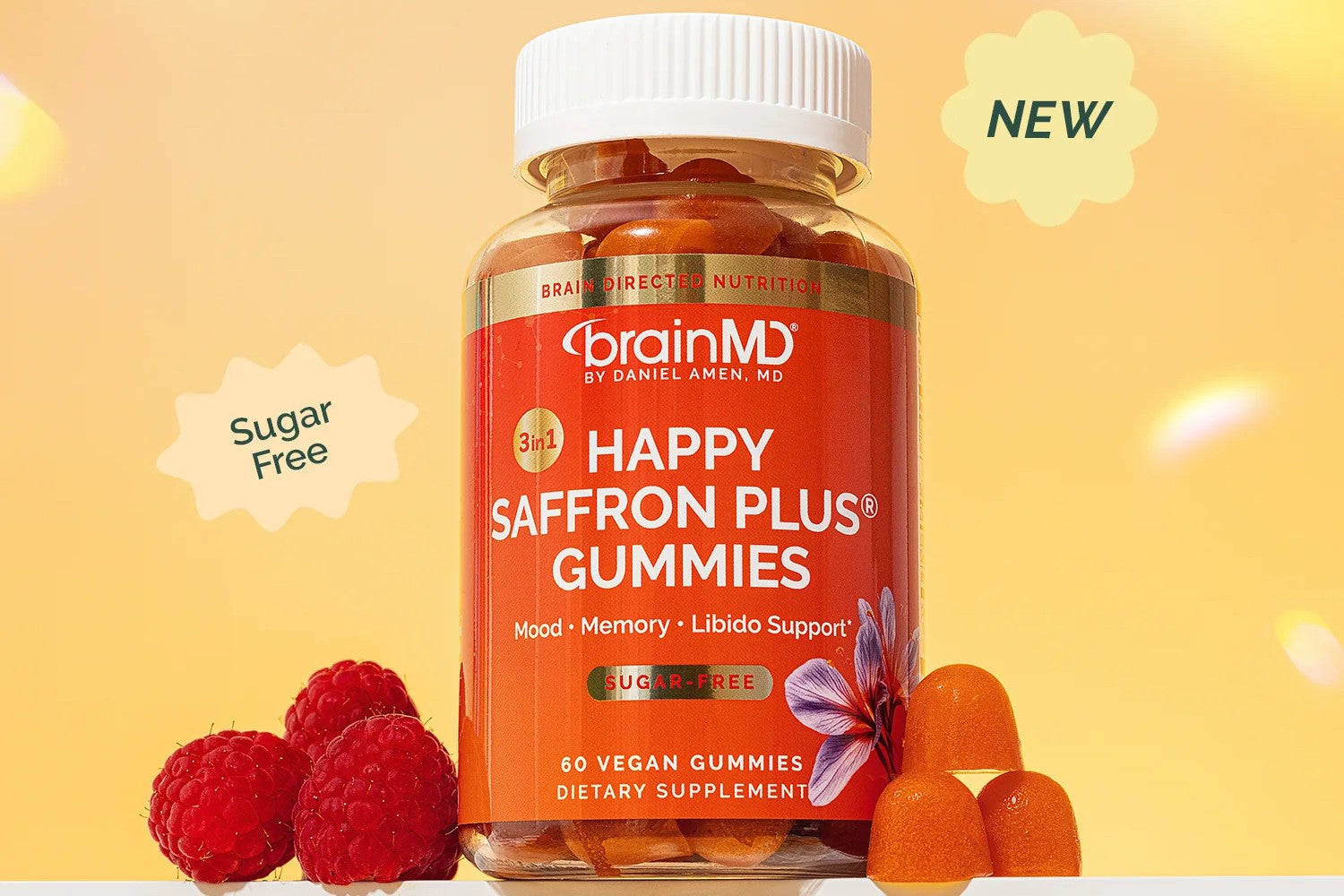
For many American employees, gone are the days of leaving work problems behind at the workplace. More people now work from home, which can create the pressure to always be “on,” blurring the line between on-the-clock and personal time. Others, from frontline medical personnel to restaurant employees, started working more hours during the pandemic. And even traditional office jobs can be stressful due to long commutes, demanding bosses, and staff shortages. It’s no surprise that The American Institute of Stress reports that 83% of U.S. workers experience work-related stress. In fact, 25% of them claim that their job is the #1 stressor in their lives. More than ¾ ths of them (76 percent) note that work-related stress negatively impacts their personal relationships, and more than half report a decrease in workplace productivity. Ultimately, work stress affects overall mental health, leads to burnout, and can even trigger physical illness or workplace violence. That’s why it’s more important than ever to incorporate stress management techniques to help you cope. Maintaining a healthier work-life balance can create higher-quality productivity in the long run, as well as help foster better mental and physical fitness. But what does that mean in practice? Let’s look at some elements of work-life balance, plus some reliable stress-busters that you can use anytime to unwind before, during, or after a difficult workday. Work-Life Balance Today, there is more awareness around the importance of balancing both work and personal life. But our culture can also glorify working too hard or too long without breaks. A 2023 survey from the Pew Research Center found that almost half of Americans (46 percent) report that they do not take all of the time off that their jobs allow. Just slightly more (48 percent) do take all of their paid time off. Work-life balance can be defined as prioritizing both work duties and personal life needs in such a way that both are attended to fairly—without creating heaps of stress in the process. And keep in mind that just because we’re not “on the clock” doesn’t mean we’re not stressed out while juggling other daily life to-dos. This can be especially true for women, who may be expected to perform a larger share of tasks like childcare and housework. On top of that, women are often given messages of sacrificing, being selfless in giving to others, and not taking time for themselves. Therefore, a couple of things we can do are clear: As much as possible, take the time off that is allotted to us. At the same time, prioritize our own care so that we can show up for everything else—work, family, and other commitments—in a fuller way. When we are exhausted, stressed, angry, resentful, or simply bone-tired, we can’t possibly perform our best at work or at home. It’s as simple as that. To combat overwhelm, it’s important to take some time out for stress-relieving techniques, downtime, and rest—as well as to maintain a baseline of healthy habits round the clock. 4 Stress Management Techniques to Help Master Your Work-Life Balance The next time you’re feeling work-related stress—or, even better, before you do—use one or more of these tried-and-true stress management techniques: 1. Tend to the basics. Diet, exercise, hydration, sleep—without these cornerstones of health and energy, stress management is going to feel like an uphill battle. That’s because stress and these few basics all work hand in hand. For example, eating junk food has been shown to have even worse effects on the body when someone is under extreme stress. Carbs can increase levels of cortisol, the stress hormone. On the other hand, foods high in nutrients like vitamin C, potassium, magnesium, and omega-3s (think red peppers, avocados, spinach, salmon, and berries) can help quell feelings of stress and sharpen the mind. Meanwhile, exercise helps stimulate feel-good endorphins, release tension in the body and mind, and even combat mental health issues like mood problems or panic attacks. And you can do it anywhere, anytime—no equipment needed. Staying hydrated will boost your exercise performance, as well as your cognitive function. Studies have shown that being dehydrated can affect various markers of mood, including contentedness, calmness, and positive emotions. Finally, sleep hygiene is crucial. When you don’t get enough shut-eye, you’re prone to a long list of problems: weight management issues, high blood pressure, heart health conditions, and increased chance of accidents, to name a few. But your mood can suffer, too—you might forget things, have trouble concentrating, and feel easily irritated. A good night’s sleep is helpful for sticking to a proper diet and exercise, too. 2. Go within. Quiet time alone is a must for recharging yourself. And the good news is that you can spend this time in numerous ways. I recommend trying meditation—even starting with 5 to 10 minutes per day is a great way to develop the habit. It has numerous positive effects on physical and mental health, and helps keep you calmer throughout the day, even in the face of stressors. You could also try a “moving meditation” like yoga or tai chi. Or you could simply take a walk, preferably in nature (just leave the devices behind). Giving yourself some fresh air, movement, and a break from your normal environment is beneficial in many ways. In addition, make sure you build regularly scheduled breaks into your day. Burning the candle at both ends without rest or downtime is a sure ticket to fast burnout. 3. Stimulate your mind. To lessen stress, you can stimulate and relax your brain all at once with a pleasant activity. Try a new or favorite hobby like making art, playing a musical instrument, cooking a new recipe from scratch, or playing a sport. You might pick up journaling, which has been shown to help decrease stress and feelings of anxiousness while building resilience. As a bonus, add in a gratitude practice, in which you list a few things every day that you’re thankful for. This helps train your brain to look for positives in life instead of focusing on negatives. You can also provide an extra lift to your downtime through add-ons such as soothing music or scents, chanting, prayer, or positive affirmations. Starting and ending your day with any of these practices can make a remarkable difference. 4. Seek anti-stress support. Supplements offer an easy way to take in nutrients that are associated with mood improvement. One great choice is BrainMD’s Happy Saffron Plus®, which is now available in capsules or as a delicious gummy. It combines three key ingredients—curcumin extract, saffron extract, and zinc—that help promote a more positive mood, emotional balance, and a calmer mind and body. (My husband, Dr. Daniel Amen, calls it “happiness in a bottle.”) BrainMD’s L-Theanine Gummies also help calm the mood, encourage better stress responses, help lower levels of cortisol in the body, and may even enhance sleep. Other mood-boosting BrainMD supplements include supportive ingredients like SAMe, magnesium, serotonin, methylfolate, and more. Cope Healthier In the not-so-distant past, it might have been considered a default response to come home from a stressful workday and scream at a family member, pour a strong cocktail, light a cigarette, and zone out in front of the television. Americans may feel more stressed-out than ever before, but the good news is we have more resources to help establish a better work-life balance, and a better understanding around the dangers of overwork and overwhelm. Today, we know that unhealthy coping mechanisms, like alcohol and junk food, only make everything worse. Instead, we can lean on many stress management techniques—some, like meditation, proven effective over hundreds of years—to help us cope in a healthier way. It’s best to use as many strategies as we can to start reaping the mental health benefits, making both work and home life a lot less stressful every day.
Learn more
The Power of Social Connection: How Healthy Relationships Impact Your Well-being
I’ve learned to love some restorative solitude as a way to rest and recharge between tackling life’s long list of to-dos. But being alone too much—socially isolating for long periods—can trigger a bunch of negative health effects over time. Most of us had to cope with things like isolation, social distancing, and staying home in the pandemic years. Those habits actually piggybacked onto many other changes that have happened in our modern world. For example, Americans were already starting to leave the house less, as the world seems to be at our fingertips thanks to the powers of technology. Dining out turned to at-home delivery eaten in front of the television. Social gatherings turned to mindlessly scrolling through Facebook. Commuting to an office turned to working from home. Shopping in stores turned to buying online. The list goes on. Unfortunately, all of these developments can add up and be harmful to us when we allow ourselves to be sucked into prolonged isolation. Loneliness: The New Epidemic Between tech-driven lifestyle changes and pandemic interruptions to normal life, it’s no surprise that millions of Americans now suffer from loneliness. In fact, the government recently released a report called “Our Epidemic of Loneliness and Isolation: The U.S. Surgeon General’s Advisory on the Healing Effects of Social Connection and Community.” Surgeon General Dr. Vivek H. Murthy cited stats that, even before COVID-19, 1 in 2 American adults were reporting the experience of loneliness. He listed various individual and societal drawbacks of our isolated society, including: A greater risk of cardiovascular disease, dementia, stroke, depression, anxiety, and premature death. The negative health impact of being socially disconnected has been compared to the effects of smoking up to 15 cigarettes per day. Greater incidence of obesity and physical inactivity. Diminished engagement in performance and productivity in community institutions like schools, workplaces, and civic organizations. The good news is, we can all take steps to change our lives for the better by making and nurturing our social connections. But first let’s look a little deeper at why this is such an important topic. Why Are Social Connections So Important? The Centers for Disease Control and Prevention (CDC) defines social connectedness as “the degree to which people have and perceive a desired number, quality, and diversity of relationships that create a sense of belonging, being cared for, valued, and supported.” Human beings are social creatures by nature—this aspect of life has always been a crucial component of our survival as a species. It builds up the individual, improving health and life expectancy, while making it easier to cope with stressors and difficulties (more on that below). It can even ease the burden of serious mental health concerns like anxiety and depression, the CDC reports. Other health benefits cited include better sleep and quality of life, while reducing the risk of violent or suicidal behaviors. In addition to the individual’s benefits, entire communities are strengthened through togetherness. We’ve all seen the incredible acts of humanitarianism when a tragedy strikes a community; millions of people can pull together from all over the country to help. But on a local scale, it’s great to build community every day—in the neighborhood where you live, at work or school, or in organizations like nonprofits or churches. This makes a group stronger and better able to get through any turbulent times when they arrive. Being social also ushers in the urge to give back, which itself has been shown in numerous studies to improve health and well-being at any age. Scientists have discovered that, by examining the functional MRIs of subjects who gave to charities, giving back stimulates the reward center in the brain, the mesolimbic pathway. This stimulation releases those feel-good chemicals called endorphins. That’s why many people refer to that charitable feeling as the “helper’s high.” Social Connections Soothe Stress The 2022 Stress in America survey, issued by the American Psychological Association (APA), found that a growing number of our country’s adults are feeling severe effects of stress. More than ¼ of them (27%) said stress impacts their day-to-day lives, claiming that most days they’re so stressed they can’t function. This statement was even more prevalent among those under 35. Overall, American adults rated their stress level at 5.0, which is a little higher than before COVID. However, the APA also points out that stressors are eased when we have support systems in the form of social connections. Many of us have heard the saying “A problem shared is a problem halved.” And a 2022 study found this to be true—that having social support boosts resilience when stressful situations arise. On the other hand, loneliness is a common side effect of modern life. It can be made worse by living alone, or by having too-small social networks and/or low-quality relationships. You don’t necessarily need a village (though if you have one, great). Even a handful of trusted companions can help you weather the storms of life. It’s pretty simple: When we give and receive support, we feel better—and more capable of handling whatever comes our way. Ways to Build Social Connections If you feel a little out of touch and are craving more human interaction, don’t worry—there are many easy ways to start building your network. Try one of these tried-and-true methods: Join in. Look for groups, clubs, and organizations in your area. What hobbies or interests might you be able to connect on? Are you interested in spirituality or religion, sports, crafts, books, music? You can often find a community in your area that’s serving that need. Or, if not, you can start your own! You might find there are many others in your area interested in the same thing. As an alternative, if you’re in a more rural setting, you can connect to online groups and join virtual meetings. Sign up to help. No matter where you live, you can probably find ways to give back to the local community. Reach out to a nonprofit in your area, or a local chapter of a larger organization, and find out how you can help. You might organize a food drive, visit local senior citizens, work with kids, or clean up your community. You’ll not only feel great about helping out—you’ll interact with many others along the way. Seek out physical activity. Just like giving back, exercise gets those endorphins flowing. So even if you did solo exercise, you’d still feel better than when you started. But group workouts offer many additional benefits. You might find yourself more motivated with partners in accountability, learn some helpful new routines or fitness tips, or simply enjoy getting out of the house to hit the local gym, swimming pool, or yoga studio. Of course, you’ll also connect with like-minded people, which makes this option a healthy step in so many directions. Tap into your existing network. It’s amazing how many of us feel alone—then choose not to pick up the phone and say hello to our nearest and dearest. When’s the last time you had a catch-up with your friends or family members, either in person or on the phone? Even reaching out through email or social media is better than nothing. Just look around—including into your past, such as with long-lost friends you could reconnect with. You might find more connections than you realized you had. It may sound strange, but if you feel lonely in this world, you’re not alone. Many Americans are suffering right alongside you. It’s easy to think defeating thoughts, like “No one cares about me,” “I don’t matter,” or “I’m unlovable.” The irony is that a lot of people are thinking this very same thing. All we need to do is make an effort to reach out to each other. Chances are, we’ll find an open hand ready to reach back.
Learn more
Top 3 Foods That Naturally Boost Collagen Levels in Your Body
In recent years, collagen has received a growing amount of attention as an ingredient in everything from protein bars to coffee drinks. Celebrities and social media influencers alike are promoting its benefits. More consumers, too, are becoming aware of this building block of the body—and asking how they can increase collagen to boost their well-being. Many of them are interested in benefits like hair and skin health and creating an overall youthful glow. In addition to this increased consumer awareness, more researchers and medical experts are keeping an eye on collagen. A 2021 review of clinical studies noted that collagen has been studied for a long list of uses: skin regeneration, bone defects, sarcopenia, wound healing, dental therapy, gastroesophageal reflux, osteoarthritis, and rheumatoid arthritis. The review speculated that collagen treatment could help someone who has more than one of these health issues, as well as in cases of COVID-19. So, it’s no surprise that many food and drink products now claim collagen on their list of ingredients. In fact, it’s one of the fastest growing functional ingredients in the country today. But did you know that certain foods may help boost collagen production in the body? Let’s look at how collagen functions and what kinds of foods might promote its generation, naturally. Collagen and Diet Collagen is a type of protein. In fact, as the Cleveland Clinic explains, it’s your body’s most plentiful protein, thanks to its presence in bones, muscles, hair, skin, organs, tendons, ligaments, and other connective tissues. But it also naturally decreases over time, and its lack can often be seen and felt in the body. You might notice wrinkling or thinner skin, less muscle mass, stiffness or less flexibility, and/or joint pain. And, because collagen is also present in the intestinal lining, you can even experience digestive issues. A lot of Americans unknowingly worsen these possible aging-related effects through poor dietary choices. The Omni Diet that I created, which is packed with nutrients to increase energy and youthfulness and enhance feelings of well-being, helps counteract them. In fact, many people report that several weeks after starting the plan, skin takes on a youthful glow. That’s because what we eat has an impact on how we look, not only how we feel. And, of course, we all want to feel our best and look our best. Luckily, your body does make its own collagen. And consuming collagen-rich foods may help. The Top 3 Categories of Collagen-Rich Foods Following a healthy plan like the one outlined in my book, The Omni Diet, is going to give you a load of nutrients in every meal to keep you feeling vibrant. But if you want to pack in some foods that are especially associated with collagen production, there are a few categories you might focus on. Here are the top 3: Vitamin C Many of us associate vitamin C with citrus fruits and for boosting immunity. It’s a potent antioxidant, which inhibits or neutralizes free radicals and their damage. You’ll also find it in some unexpected ingredients, like coriander, marjoram, maca powder, and camu camu berries (these berries actually have 30 to 60 times more vitamin C than oranges!). On the other hand, changing female hormones can lead to a depletion of this key vitamin, so it’s helpful to consume foods that are high in vitamin C. Oranges, grapefruits, and other citrus fruits are the usual suspects, but don’t forget about red or green bell peppers, kiwi, broccoli, strawberries, Brussels sprouts, and tomatoes. Vitamin C is an essential vitamin involved in collagen production, so people enjoy its positive effects on the hair, skin, nails, and joints. As a bonus, it can help regulate stress responses and promote brain health. A whopping 42% of people don’t get enough vitamin C in their diet, so make this one a priority. Protein-packed Foods Protein, the body’s second most prevalent substance (after water), has a long list of functions. It promotes the growth and functioning of cells, tissues, and organs, while helping to maintain muscle mass. It supports the brain, metabolism, weight control, and energy levels. And, yes, it’s important for making collagen. That’s because amino acids found in high-protein foods are key in collagen production. Protein provides your body with these amino acids it needs to create healthier muscles, skin, hair, hormones, neurotransmitters, and more. Essential amino acids are present in some plant foods (nuts, seeds, legumes, and some grains, fruits, and vegetables). And fish, poultry, and most meats contain all of the amino acids we need. Eggs are another great option. One warning: When buying meat, I recommend lean meat, fish, and poultry. Fish like wild salmon, tuna, and herring are great sources of protein. Or try chicken, turkey, lamb, and lean beef. Look at labels and purchase meats that are grass-fed, free-range, hormone-free, and antibiotic-free. Use similar guidelines for eggs: Look for cage-free, organic, DHA-enriched eggs from chickens that are fed a vegetarian diet. Bone Broth and Gelatin Bone broths have become popular on grocery store shelves over the past few years, but you can make your own at home. (When choosing between storebought and homemade, I usually choose the second option—that way, I know exactly what’s going into it.) To make your own, the Harvard School of Public Health suggests boiling or simmering animal bones in water and a little bit of vinegar for 4 to 24 hours. The vinegar helps break down the bone, which unleashes the desired collagen and minerals. Gelatin is also made by boiling animal bones, skin, and/or cartilage for hours. After cooking, as the liquid cools, it solidifies into a gel that you can then use for other recipes. Harvard notes that paleo dieters are often proponents of consuming gelatin and collagen-boosting foods, so this has become more trendy in recent years. Again, just make sure your base ingredients—any animal components—are organic so that they are free of nasty additions like antibiotics and hormones. What to Avoid: Collagen Stealers While you might want to incorporate more collagen-rich foods into your everyday diet, there are also things you’ll want to avoid. Medical experts agree that, in addition to the natural toll of aging on collagen production in the body, various dietary and lifestyle choices can deplete our collagen supply or composition. Harvard reports, for example, that sun overexposure, smoking, alcohol, and a lack of sleep and exercise are all detrimental to collagen. Meanwhile, Cleveland Clinic experts also warn against a diet that’s high in sugar and refined carbs—unfortunately, the Standard American Diet for too many. Here are their explanations of some of these bad habits’ effects: Sugar and refined carbs aren’t good for any part of your body. But collagen becomes more dry, weak, and brittle as a result of sugar intake. Smoking decreases collagen production, while damaging existing collagen and elastin. Nicotine also constricts blood vessels, which interferes with the flow of oxygen and nutrients near the skin’s surface. Sunlight overexposure is a rapid wrinkle accelerator. A small amount of sunlight is helpful for vitamin D production, but too much decreases collagen production and causes collagen to more quickly break down. As collagen has become all the rage in recent years, it’s important to separate fact from fiction. Your body is already making collagen, but those abilities change over time. By consuming the right mix of collagen-rich foods and other nutrients that support the body, we can enjoy healthier, more youthful-looking skin, hair, and nails. And we may also discover internal benefits, like better wound healing and improved flexibility. Use these simple dietary guidelines as a starting point to promote collagen production at any age.
Learn more
Supplements that Can Improve Your Libido & Sex Life
Though female sexual health often gets less attention than male-focused issues like erectile dysfunction, it’s just as important. In fact, female sexual dysfunction (FSD) is rather common. The American Sexual Health Association (ASHA) reports that more than 40 percent of women experience sexual difficulties at some point in their lives. FSD challenges can include a variety of symptoms—and they occur for a variety of reasons. For example, some women report a lack of interest in sexual activity or an inability to get aroused, while others have issues reaching an orgasm. ASHA notes that age, hormones, medical conditions, medications, mental health concerns, and problems within romantic relationships are all possible factors. Luckily, there are an array of natural interventions women can use to help: hormonal regulation, libido supplements, and dietary choices. Let’s learn more about how each of these can create a healthier female sex drive at any age. Hormones That Can Affect the Female Libido Especially as we get older and enter menopause, it’s important to make sure our hormone levels are balanced. This will not only optimize the libido, but will help us feel and look better. Hormones even impact brain function, so a lack of balance can lead to all kinds of difficulties in addition to decreased sex drive. You may struggle with poor sleep, a foggy memory, lack of focus or motivation, and lower moods. For example, testosterone isn’t only important for males. Among women, it’s critical for maximizing sexual health by promoting a healthy libido. It also provides more energy and helps build strong muscles and bones. Low levels, on the other hand, can contribute to feelings of tiredness and depression—not exactly the right combination to get us in the mood. Then there are the hormones produced by the thyroid gland, which are known for their regulation of metabolism. But changes can occur here during certain life stages for females, such as post-pregnancy and after menopause. Out of balance, these hormones can cause fatigue, lower levels of brain activity, and physical discomfort (such as feeling overheated). But more energy and a better sex life are benefits of these hormones being in balance. Progesterone is the female sex hormone that is produced by the ovaries and the adrenal glands. It’s a cornerstone of the female reproductive system and crucial in overall health for women. Progesterone will promote better energy and sleep, and therefore encourage more vigor for sexual activity. But when it’s out of whack, lower libido is a common side effect. Finally, estrogen should also be balanced to optimize sexual function in females. If your sex drive is feeling sluggish, I recommend getting your free and total serum testosterone levels checked out. When testosterone is low (for either sex), you might find yourself with lower energy in general, as well as a low libido and even depression, among other concerns. Adult males will want a total testosterone of 280 to 800 ng/dL, with the free level at 7.2 to 24 pg/mL. For women, that adjusts to 6 to 82 ng/dL (total) and 0.0 to 2.2 pg/mL (free). In addition, if you’re struggling with any of the issues listed above, you might want to seek out a qualified hormone specialist for a targeted treatment plan. Natural Libido Supplements for Females Looking to boost your libido? Try one of these natural supplements to help: Ginseng Ginseng has long been used and studied to improve sexual function in men, but it is also being looked at for its positive effects on women. A study found that one type, Korean red ginseng, was effective for boosting sexual arousal in menopausal women, and therefore “might be used as an alternative medicine in menopausal women to improve their sexual life.” In 2022, a report in Psychology Today pointed to more researchers around the world finding positive effects of ginseng on post-menopausal women. Improvements included everything from increased desire and sensitivity to reduced severity of hot flashes. Gingko Gingko (also known as gingko biloba), just like ginseng, has been used for many years in traditional medicine, including for enhancing libido. A review of studies, published in 2021, concluded that post-menopausal women in particular could benefit from this ingredient in terms of sexual function. However, the researchers also noted a couple of possible side effects, including headaches and gastrointestinal upset. (When starting any new regimen of supplements, it’s a good idea to consult with a doctor before starting and take note of any unwanted effects.) Saffron Saffron, in a 2019 review that examined numerous scientific studies, was concluded to have “a statistically significant positive effect...on sexual dysfunction.” Saffron is one of the key ingredients in BrainMD’s Happy Saffron Plus®, which combines three nutraceutical powerhouses: affron® saffron extract, Longvida® curcumin extract (from turmeric root), and zinc glycinate. Together, these have mood and cognitive benefits to help you feel happier, calmer, and mentally sharper. This supplement promotes better focus, emotional balance, and a more relaxed mind and body. Without the numerous effects of mood issues—poor-quality or too little sleep, anxiety, and less energy—the libido can function at a healthier level. And, now you can enjoy taking your Happy Saffron Plus® as a delicious gummy! One warning: Because this is an expensive ingredient, there are many impostors out there. Be sure to buy this supplement from a reputable source like BrainMD's Happy Saffron Plus®. Libido-Boosting Nutrition for Women In addition to consuming natural libido supplements, women of all ages will want to make sure their diet is not negatively impacting their sex drive. This can occur on both ends of the dietary spectrum: Too-severe calorie restriction can lower the levels of testosterone in the body and lower the libido, as well as reduce muscle and bone mass (which lowers stamina). On the other hand, eating too much or relying on highly processed foods can make us feel sluggish and lead to obesity, among many other harmful effects. Following a well-balanced diet, like the one I outlined in my book, The Omni Diet, is the best way to feel great naturally. And, when you’re truly caring for your body and keeping it in tip-top shape, you create a greater feeling of attractiveness, which increases your libido. Expect even better results when your partner is following the plan, too. Then, as an extra boost, I love using maca powder in my diet. This amazing ingredient, which comes from the root of a vegetable that grows in Peru’s Andes Mountains, contains a long list of health-promoting nutrients and antioxidants. One category of these, molecules called isothiocyanates, is believed to have aphrodisiac powers (as well as cancer-fighting properties), so many people use maca to enhance their sexual function. Studies have even hinted that maca may help improve libido and sexual function in those who take SSRIs (a type of antidepressants) and for women who are going through menopause. (Note that maca is not recommended for women who are pregnant or for anyone who has a thyroid condition.) Maca is also associated with increased energy and stamina, muscle building, and lower adrenal stress. This makes it an overall body balancer while offering benefits that contribute to a healthier libido, like supporting the digestive and reproductive systems. To best utilize this superfood, purchase raw maca powder and add it to your favorite smoothies. Here’s the bottom line: No matter what your age, gender, or relationship status, sexual health is an important component of our overall well-being. We should prioritize feeding our bodies with the right nutrients and supplements, engaging in regular exercise to stay energized and fit, and ensuring that our hormones are in balance. With these simple steps, we’ll be well on our way to nurturing a healthy libido that we (and our partners) will enjoy for years to come.
Learn more
Pea Protein vs Whey: Which One Fits Your Fitness Goals?
Believe it or not, there are still a lot of misconceptions around protein—like that it’s only for bodybuilders or those looking to pack on muscle. But, in fact, protein is a major building block of our bodies’ composition—the second most prevalent substance in the body, after water. It keeps your cells, tissues, and organs functioning and growing. And, yes, it does help maintain muscle mass—which helps us burn more calories throughout the day, long after our daily sweat sessions have ended. Protein is key for weight control in other ways, too. It gives us that feeling of fullness and suppresses ghrelin, which is a hormone that triggers feelings of hunger. It boosts metabolism, reduces cravings for unhealthy foods, and keeps our blood sugar at stable levels. Protein even supports the brain, maintains energy, and promotes recovery after exercise (or in the face of daily stressors). Unfortunately, many people don’t get their recommended levels of protein per day. That’s where a supplement, like protein powder, can help tremendously. How to Calculate Your Protein Needs How much protein do you need per day? And is your diet giving you enough? To calculate your unique protein needs, use this equation: Divide your ideal body weight in pounds (not your actual weight) by 2.2. This is your weight in kilograms. Multiply that number by 0.8 to 1.0, which is how many grams of protein you should be eating per kilogram of weight. Use the higher number (1.0) if you’re very physically active, or the lower number if you are less active. Therefore, if you’re a woman who is 125 pounds, that equals about 56.7 kilograms. With a high level of physical activity, you’d want to aim for just under 57 grams of protein per day. A lower level of activity would call for just over 45 grams. Overall, the ideal protein intake varies according to weight, activity level, and age. But, as a general rule, most people require between 45 and 100 grams of protein every day. You can then use this number to calculate your ideal protein consumption per meal or snack, spreading that out over three meals and two snacks per day. About 20 to 25 grams of protein per meal is a great rule of thumb, but you may need more or less. Protein Supplements: Pea Protein vs. Whey Protein In today’s busy world, we don’t always reach our recommended protein intake through sit-down meals. When you’re grabbing a meal on the go, you might want to supplement with a boost of protein powder. For example, I call smoothies my favorite fast food, and they’re great with an added scoop of Omni Protein Powder, which is available in Vanilla or Chocolate. These powders utilize a blend of protein sources that are all plant-based. While in the past many manufacturers tapped animal-based products such as whey for protein, today’s formulators have made significant strides in using plant sources. OMNI combines pea, rice, quinoa, and chia proteins, packing in 22 grams of balanced, complete protein per serving. The powder is not only free of animal products, but all kinds of potential allergens—corn, soy, artificial additives, gluten, and yeast—so it’s suitable for any diet. Plus, it’s sugar-free, sweetened naturally with organic stevia. Why do we want to say “no whey” to protein powders made with dairy-based products like whey? I’ve long promoted ditching the dairy, and in my book, The Omni Diet, I outline a bunch of reasons why dairy is not our friend. Here are some reasons why whey is not the best option for obtaining our recommended daily protein intake. First of all, many people can have sensitivities to ingredients in milk, such as whey or casein. It’s not the exception for human beings to be lactose-intolerant; it’s the norm. Humans are designed to ingest (human) milk as babies, but after 2 years old, less than 35 percent of people produce the enzyme called lactase, which is what breaks down lactose. And certain populations are less likely to produce this enzyme than others, including those of Jewish, Italian, West African, Arab, Greek, and Asian descent. When lactose is not properly digested, it leads to potential gastrointestinal issues. Even if you can digest lactose, that’s not recommended, either: Your body converts it to galactose and glucose, which raises blood sugar and leads to inflammation. In fact, casein, which is a protein found in milk, has been identified as an excitotoxin, a category of substances that are brain damaging. That’s because they overstimulate neuron receptors, which creates inflammation in the brain and, over time, may lead to neurodegenerative diseases. Pea protein, on the other hand, offers a fortifying balance of amino acids and is very easily absorbed by the body. It’s one of the richest sources of plant protein in existence. And, before you think that plants can’t compare with animal protein sources, check out the science. In one study, researchers compared pea vs. whey protein supplementation among both men and women engaging in high-intensity functional training over 8 weeks. The study looked at factors like body composition, muscle thickness, force production, workout performance, and strength. Ultimately, no difference was found among any of these categories when comparing intake of the two protein sources; subjects showed similar outcomes across the board. Gut Health Benefits of Protein Powder While you may find yourself able to eat enough protein at most meals, finding a great on-the-go option like protein powder can be a lifesaver when you’re pressed for time or traveling. Or, like me, you might just love the taste of a smoothie infused with delicious vanilla or chocolate flavor. It’s a super versatile, tasty option. Beyond the taste and convenience benefits, there are many other reasons I reach for Omni Protein Powder, including to support gut health. For example, one key ingredient, inulin, is a prebiotic fiber that promotes balance in those crucial healthy gut microorganisms. (Remember that prebiotics are what feed the beneficial bacteria in the gut.) Meanwhile, 150 milligrams of plant enzymes make the powder easier on the digestive system, which eliminates the bloating you might experience from other protein drinks. Finally, this formula includes L-glutamine, which protects the intestinal lining for additional gut health support. How to Use Protein Powder Even when you’re on the go, protein powder is an easy addition to your diet. I like to mix 1 heaping scoop of Omni Protein Powder with 8 to 10 ounces of water, almond milk, or coconut milk. Or simply add it to your favorite beverage. If I have a couple of extra minutes to spare, I love whipping up shakes or smoothies. Just add a scoop to your preferred blend of berries, greens, healthy fats, or any other mix-ins you like. Men might want to add an extra scoop for a total of 2, as their protein needs (particularly if they are active) will usually be higher. That said, beware of consuming too much protein. Our bodies are designed to handle a certain amount effectively, but ingesting over a certain limit can have damaging effects. You could create oxidative stress and inflammation in the body, accelerate aging on a cellular level, reduce the efficiency of DNA repair, and even contribute to future disease. As we’ve established, protein isn’t just for bodybuilders. But it does help promote key functions that build the body, like increasing energy levels, boosting athletic performance, promoting muscle generation and recovery, managing a healthy weight, and supporting brain health. With the right formula and in the appropriate amounts, plant-based protein powder can be a very useful and versatile addition to fuel your entire body—anywhere, anytime.
Learn more