 Skip to content


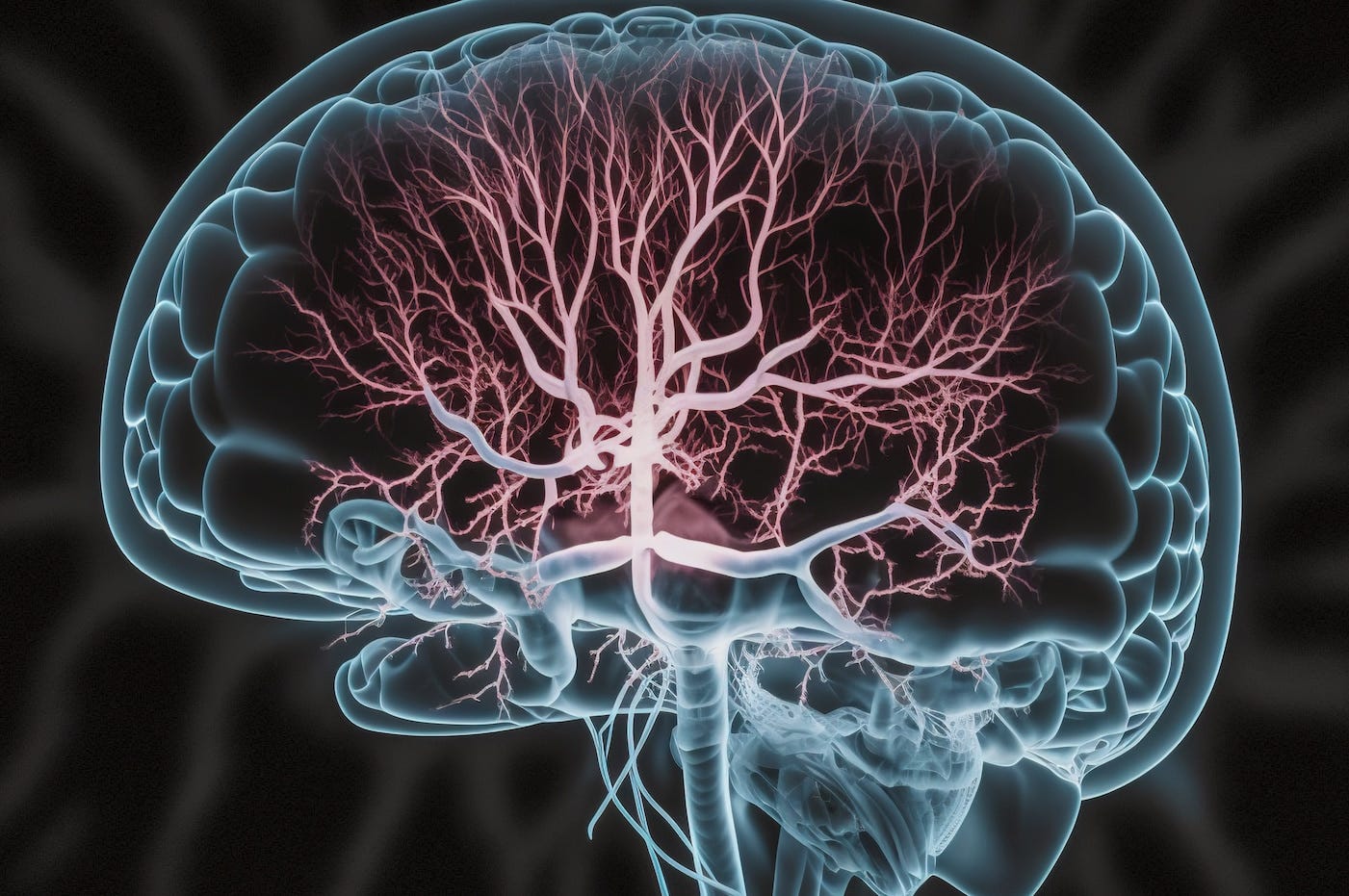
Maintaining optimal brain health is essential for a fulfilling life. The brain relies heavily on blood flow to receive nutrients and eliminate toxins. Research reveals that it's not our brain cells that age rapidly, but rather the blood vessels supplying them. This insight highlights the critical role of vascular health in preserving cognitive function as we age.
In this comprehensive guide, we'll explore proven strategies to enhance blood flow to the brain and promote overall well-being.
The Importance of Blood Flow
Blood flow is crucial for delivering oxygen and nutrients to cells, while removing waste products. Despite its relatively small size and light weight (about three pounds), the brain consumes 15% of the body's blood supply.¹ As such, maintaining healthy blood circulation is vital not only for cognitive function, but also for overall physical health, including heart and sexual health.
The Connection Between Blood Flow and Brain Aging
Studies suggest that brain cells may not deteriorate as quickly as previously thought.² Instead, the aging of blood vessels that supply the brain can affect cognitive function. As these vessels age, they become less efficient at delivering blood, leading to potential brain dysfunction.
6 Strategies to Enhance Blood Flow to the Brain
1. Regular Exercise
- Engaging in regular physical activity strengthens the cardiovascular system, ensuring efficient blood flow throughout the body, including the brain.
- Activities like aerobic exercises, strength training, and yoga can significantly enhance vascular health.
2. Healthy Diet
- Consuming a diet rich in brain-healthy foods can promote better blood flow.
- Include foods high in antioxidants, omega-3 fatty acids, and essential vitamins and minerals.
- Examples include leafy greens, fatty fish, berries, nuts, and seeds.
3. Stress Management
- Extreme stress can constrict blood vessels, reducing blood flow.
- Practicing stress-relief techniques such as meditation, deep breathing exercises, and mindfulness can help maintain optimal vascular health.
4. Adequate Hydration
- Staying well-hydrated is essential for maintaining blood volume and flow.
- Aim to drink at least eight glasses of water daily.
5. Avoiding Harmful Substances
- Minimize the intake of substances that can damage blood vessels, such as caffeine, nicotine, and recreational drugs.
- Reducing alcohol consumption can also benefit vascular health.
6. Optimal Sleep
- Quality sleep is crucial for vascular repair and overall health.
- Aim for 7-9 hours of uninterrupted sleep per night.
The Role of Vascular Health in Erectile Dysfunction
There is a notable correlation between vascular health and erectile dysfunction (ED). As blood flow decreases, the risk of ED increases, which is often accompanied by cognitive decline. Research from the Boston School of Sexual Medicine indicates a significant overlap between ED and brain dysfunction, particularly in aging males.³
Key Statistics
- 40% of men aged 40 may experience erectile dysfunction and brain dysfunction.
- This rate increases dramatically with age, with nearly 70% of men aged 70 experiencing both conditions.
Promoting Blood Flow to the Brain, Heart & Muscles
To ensure healthy brain function, it's essential to focus on vascular health through:
- Exercise: Regular physical activity improves cardiovascular health and enhances blood flow to the brain.
- Diet: Eating a brain-healthy diet rich in antioxidants and omega-3 fatty acids helps support vascular health.
- Hydration: Drinking plenty of water ensures adequate blood volume and flow.
- Supplements: Brain & Memory Power Boost, which contains ginkgo biloba extract, helps support blood flow and cognitive function.*

Brain & Memory Power Boost
With six research-backed ingredients, this daily cognitive enhancer helps you think faster, stay focused, and feel mentally sharp at any age.* Whether you're overwhelmed, overworked, or just want a cognitive edge, this is your go-to for sharper memory and clearer thinking.*
Blood Flow Supporting Ingredient
Ginkgo Biloba Extract
- Derived from the leaves of the ginkgo biloba tree, this supplement supports healthy cerebral blood flow.*
- It enhances oxygen delivery to the brain, promoting cognitive health.*
"Brain & Memory Power Boost is one of the best brain-health supplements available, offering support for a wide range of cognitive functions including focus, memory and mental clarity." – Daniel G. Amen, MD
Get In The Flow
Maintaining brain health is intricately linked to the health of your blood vessels. By focusing on strategies to enhance blood flow, such as regular exercise, a healthy diet, stress management, and hydration, you can support cognitive function and overall well-being. Supplements that include ginkgo biloba extract offer additional support for maintaining optimal blood flow and brain health.*
Embracing the above practices can help ensure a vibrant and healthy life as you age.*
At BrainMD, we’re dedicated to providing the highest quality supplements to improve your physical health and overall well-being. For more information about our full list of brain healthy supplements, please visit us at BrainMD.
*These statements have not been evaluated by the FDA. This content is for informational purposes only. It is not meant to substitute for medical or healthcare advice from a physician, nor is it intended to diagnose, treat, cure, or prevent any disease. Consult your healthcare provider before beginning a new health regimen.
References:
1. Maldonado, K. A., & Alsayouri, K. (2023). Physiology, brain. In StatPearls. StatPearls Publishing. https://www.ncbi.nlm.nih.gov/books/
2. Disouky, A., Sanborn, M. A., Sabitha, K. R., Mostafa, M. M., Ayala, I. A., Bennett, D. A., Lu, Y., Zhou, Y., Keene, C. D., Weintraub, S., Gefen, T., Mesulam, M.-M., Geula, C., Maienschein-Cline, M., Rehman, J., & Lazarov, O. (2026). Human hippocampal neurogenesis in adulthood, ageing and Alzheimer’s disease. Nature.
3. Boston University School of Medicine, Center for Sexual Medicine. (n.d.). Epidemiology of ED. Retrieved March 23, 2026, from https://www.bumc.bu.edu/sexualmedicine/physicianinformation/epidemiology-of-ed/


