 Skip to content


Wellness Blog



When Stress Shows Up In Your Body
Stress begins in the brain. Or at least, that's what conventional wisdom says. And maybe it does. Begin there, that is. Too much thinking. Too much worrying. Too many thoughts racing around in too little space. But the notion that stress is "all in your mind" is long past its expiration date and is in dire need of a serious upgrade. For example: Sometimes stress shows up in your shoulders. Your stomach. Your jaw. Your restless feet. Your inability to relax even when you are bone tired. That’s because stress is not just a thought. It’s a whole-body experience. And sometimes the most useful support is not something that knocks you out. It’s something that helps your body get the message that it is safe to stand down. Quick Answer Relaxing Lavender + L-Theanine combines two well-studied ingredients to support a calmer nervous system without leaving you sleepy, foggy, or checked out. It was designed for the moments when your body needs to unwind, but your brain still needs to function. At a Glance Stress can be physical as well as mental. Feeling tense, restless, overstimulated, or “wired but tired” may be signs that your nervous system needs a little help shifting gears. L-Theanine supports relaxed brain activity while helping preserve alertness and focus.2,3 Oral lavender has been studied for relaxation, stress support, and sleep quality.4–6 Relaxing Lavender + L-Theanine is designed for calm during the day and easier unwinding at night—not as a sedative or a conventional sleep aid. Why Stress Can Feel So Physical Your mind and body are not running separate stress programs. When your brain decides that something requires your attention, it sends signals throughout the body. Whether that is a genuine emergency, a packed calendar, a difficult conversation, or simply too much stimulation, your nervous system prepares you to respond. When your stress response kicks in, you may notice: Muscles tighten Breathing gets shallower Your stomach may feel unsettled You become more alert, more reactive, and less able to simply be still. That response is useful when you need to slam on the brakes, avoid a falling object, or get yourself out of danger. It is less useful when it stays switched on long after the danger has passed. And that is the problem for many of us. We are not necessarily having a crisis. We are just spending too much of the day physically braced for one. That is why a calmer nervous system can make such a difference. Not because it makes life’s demands disappear. Because it can help your body stop treating every demand as an emergency. Calm Doesn’t Have to Mean Checked Out For a lot of people, this is the catch. They would love to feel less tense, less reactive, and less as if their internal alarm system has been going off all day. But they do not want to feel drugged. They have work to do. Conversations to have. Decisions to make. Kids to pick up. A life to participate in. They don’t want to trade stress for sleepiness. That’s one reason L-theanine has attracted so much interest. How L-Theanine Supports Relaxation Without Sedation L-Theanine is an amino acid found naturally in green tea. It has been studied for its ability to support a relaxed state while helping maintain alertness and mental clarity. In other words, it is not about shutting your brain down. It is about helping it stop acting as if every email, traffic jam, and minor inconvenience is a five-alarm emergency.1,2 Researchers have also looked at L-theanine’s effects on alpha brain waves—patterns of brain activity associated with a relaxed but awake state. In one human study, a 200 mg dose increased alpha-wave activity within about 40 to 60 minutes.3 That is a very different goal from sedation. Sedation says, “Let’s turn the lights down.” Relaxation says, “Let’s turn the volume down.” One makes it harder to show up. The other may make it easier. And that distinction matters, especially for people whose stress tends to show up in the body first: tight muscles, restlessness, overstimulation, and difficulty winding down after a long day. Why Add Lavender? Most of us know lavender as a scent. A candle. A bath product. A sachet your grandmother kept in a drawer somewhere. But lavender is more than a pleasant smell. Oral lavender oil—particularly oil from Lavandula angustifolia—has been studied for its ability to support relaxation, a healthy stress response, and sleep quality.4–6 That does not mean lavender is a sleeping pill. In fact, one of the things that makes oral lavender interesting is that it may support calm without simply flattening you. The goal is not to make you feel dull or disconnected. The goal is to help your nervous system move out of that wound-up, over-alert state that makes everything feel harder than it needs to. Why Combine Lavender and L-Theanine? Relaxing Lavender + L-Theanine pairs 200 mg of L-theanine with French lavender oil in a once-daily capsule. Think of it as a two-part approach. L-Theanine helps support that relaxed-but-alert state. Lavender helps support the body’s ability to settle. Together, they are meant for the person who wants to exhale—but not disappear. The Same System That Keeps You On During the Day Can Keep You Up at Night Stress does not always respect business hours. During the day, it may make you feel tense, impatient, scattered, or physically unable to settle into what you’re doing. At night, it may look different—but feel strangely familiar. You finally have a chance to rest. The day is over. Nothing urgent is happening. And yet your body has not gotten the memo. Your mind may not even be racing. But you still feel a little activated. A little restless. A little too awake for someone who was dragging themselves through the afternoon. That’s the “wired but tired” experience. It is not a formal diagnosis. It is simply a phrase people use when exhaustion and activation somehow manage to coexist. And it makes sense. The nervous system does not have an on/off switch. It is constantly adjusting to the demands being placed on it. When stress has kept the system on high alert for much of the day, transitioning into rest may take more than turning off the television and hoping for the best. That is where a formula like Relaxing Lavender + L-Theanine may fit. Supporting Relaxation During the Day and at Night During the day, it is meant to support a calmer, more grounded state without interfering with focus or alertness. At night, that same support for relaxation may help make the transition into rest feel easier. Not because it forces sleep. Because it may help you become less physiologically prepared for battle at 11:30 p.m. Research on L-theanine and lavender also suggests that consistent use may support sleep quality over time—particularly when stress and difficulty unwinding are part of the problem.2,5,6 This Is Not Really a Sleep Supplement That may sound like an odd thing to say when we have just been talking about sleep. But it is important. Relaxing Lavender + L-Theanine is not designed to knock you out at bedtime. It is not a heavy-duty sleep formula, and it is not intended to replace the basics that make sleep possible: a reasonably consistent schedule, darkness, a cool room, and not treating your phone like it is a life-support device. Its real job is more fundamental. It supports relaxation. And relaxation happens to be useful at night. For some people, that may mean taking it when they feel tense or overstimulated during the day. For others, it may mean taking it in the evening, when they know they have a tendency to carry the day straight into bed with them. Either way, the point is the same: Calm the body. Keep the mind clear. And give your nervous system a better chance to do what it already knows how to do. What Kind of Stress Are You Dealing With? Not all stress feels the same. Sometimes it is mostly mental. Your thoughts are racing. You are replaying a conversation from three days ago. You are imagining fourteen possible future disasters, thirteen of which will never happen. That is one kind of stress. But sometimes the story is less about thoughts and more about your body. You feel wound up. Your shoulders are tight. You’re fidgety. You feel overstimulated by ordinary things. You can’t quite come down from the day, even when there is no particular thought you need to solve. That is the lane Relaxing Lavender + L-Theanine was designed for. Calm My Brain vs. Relaxing Lavender + L-Theanine BrainMD’s Calm My Brain is intended more for acute mental stress—racing thoughts, anxious mental chatter, and the feeling that your brain has too many browser tabs open. Relaxing Lavender + L-Theanine is aimed more at the body’s stress response: tension, restlessness, overstimulation, and difficulty unwinding. Of course, real life is not always that tidy. Sometimes the body is tense because the mind is racing. Sometimes the mind races because the body has been braced for impact all day. But it can still be helpful to ask a simple question: Is my stress mostly living in my thoughts—or mostly living in my body? If it is the second one, this formula may be worth considering. Calm My Brain Relaxing Lavender + L-Theanine Stress tends to feel Mental Physical Think Racing thoughts, mental chatter Tension, restlessness, overstimulation Primary focus Acute mental stress Relaxation without feeling sleepy What Should You Expect? The first thing to understand is that relaxation and sleep are not the same thing. How Quickly Does L-Theanine Work? You may notice a sense of feeling less tense, less physically “on edge,” or more able to settle within the first hour after taking it. Research on L-theanine suggests relaxation-supporting effects may begin within about 30 to 60 minutes.3 But that does not mean every benefit appears on a stopwatch. Stress resilience, nighttime relaxation, and sleep quality are usually more like fitness than like flipping a switch. Your nervous system responds to what you do consistently. For that reason, Relaxing Lavender + L-Theanine can be used as part of a daily routine—especially if you know that tension, overstimulation, or trouble unwinding are recurring parts of your life. How to Take Relaxing Lavender + L-Theanine One capsule provides 200 mg of L-theanine and 40 mg of Pharmako CPO® French lavender oil powder. BrainMD recommends taking one capsule daily, ideally on an empty stomach. You can take it during the day when you want calm without sacrificing clarity. Or you can take it in the evening when you are ready to begin letting the day go. The timing matters less than the purpose. You are not trying to check out. You are just trying to feel like yourself again. __________________________________________________ Frequently Asked Questions Will Relaxing Lavender + L-Theanine make me sleepy? It is designed to promote relaxation without making you feel sedated, foggy, or mentally checked out. L-Theanine has been studied for supporting a relaxed-but-alert state, which is why this formula can be used during the day when you still want to stay focused and present.2,3 Can I take it during the day or at night? Either. During the day, it may be helpful when stress is showing up as tension, restlessness, or overstimulation. At night, it may support a more relaxed transition into rest—especially if you tend to carry the day’s stress into bed with you. How fast does it work? Some people may notice a more relaxed feeling within the first hour. Research on L-theanine suggests relaxation-supporting effects can begin in about 30 to 60 minutes.3 Other benefits, including support for nighttime relaxation and sleep quality, may build with consistent use over time. Is it habit-forming? No. Relaxing Lavender + L-Theanine is a dietary supplement, not a sedative medication, and it is not considered habit-forming. Can I take it every day? Yes. One capsule daily can be used as part of an ongoing routine for nervous-system support, or when you know you are heading into a particularly stressful stretch. Can I take it with medications? If you take prescription medication, have a medical condition, or are under a healthcare professional’s care, check with your clinician before adding any new supplement to your routine. The same goes for anyone who is pregnant or breastfeeding. The Bottom Line You do not have to be in crisis to want to feel calmer. You do not have to be having a panic attack to notice that your body is holding too much tension. And you do not have to choose between feeling relaxed and being able to function. Sometimes the most useful kind of support is not the kind that makes you sleepy. It is the kind that helps you unclench your jaw, drop your shoulders, take a fuller breath, and move through your day without feeling as if your nervous system is one bad email away from sounding the alarm. That is what Relaxing Lavender + L-Theanine was designed to support: Calm for your body. Clarity for your mind. ___________________________________________________________ References Kimura K, Ozeki M, Juneja LR, Ohira H. L-Theanine reduces psychological and physiological stress responses. Biological Psychology. 2007;74(1):39–45. doi:10.1016/j.biopsycho.2006.06.006 Hidese S, Ogawa S, Ota M, et al. Effects of L-Theanine administration on stress-related symptoms and cognitive functions in healthy adults: A randomized controlled trial. Nutrients. 2019;11(10):2362. doi:10.3390/nu11102362 Kobayashi K, Nagato Y, Aoi N, Juneja LR, Kim M, Yamamoto T, Sugimoto S. Effects of L-Theanine on the release of α-brain waves in human volunteers. Nippon Nōgeikagaku Kaishi. 1998;72(2):153–157. doi:10.1271/nogeikagaku1924.72.153 Donelli D, Antonelli M, Bellinazzi C, Gensini GF, Firenzuoli F. Effects of lavender on anxiety: A systematic review and meta-analysis. Phytomedicine. 2019;65:153099. doi:10.1016/j.phymed.2019.153099 Chen TY, Hiyama A, Muramatsu M, Hinotsu A. The effect of lavender on sleep quality in individuals without insomnia: A systematic review. Holistic Nursing Practice. 2022;36(4):223–231. doi:10.1097/HNP.0000000000000528 Müller WE, Sillani G, Schuwald A, Friedland K. Pharmacological basis of the anxiolytic and antidepressant properties of Silexan®, an essential oil from the flowers of lavender. Neurochemistry International. 2021;143:104899. doi:10.1016/j.neuint.2020.104899 These statements have not been evaluated by the Food and Drug Administration. This article is for educational purposes and is not a substitute for medical advice. Talk with your healthcare professional before beginning any new supplement, especially if you are pregnant, breastfeeding, taking medication, or managing a health condition.
Learn more
Lavender Benefits: What Science Says About Lavender Oil, Stress, Mood, and Sleep
Lavender may do more than smell relaxing! Explore lavender benefits for mood, sleep, and stress, plus what science says about oral lavender oil.
Learn more
One of the Best Ways to Relieve Stress & Anxiousness!
Sometimes it seems like there's no way to turn off the steady stream of stress. Whether it’s taxes, a deadline at work, family conflict, dealing with an illness, school exams, or needing to make an important decision, it's safe to say that all of us have experienced stress in one form or another. In today’s fast-paced world, it's virtually impossible to avoid. What is Stress? Contrary to popular belief, not all stress is bad. It's a part of normal living that helps us be productive and is reported by folks at all ages.¹ In fact, stress actually can be a positive that helps us learn things like: Resilience Problem solving How to adapt to everyday challenges Stress becomes a problem when it's intense, recurring, or remains unresolved over a period of time. At that point, stress takes a toll and can be very damaging. It can affect the way we learn, our behavior, peace of mind, and ultimately, our health. By some estimates, as much as 90% of all illness is initiated and aggravated by stress.² Over the long term, it can increase your chances of developing diseases like blood sugar and heart issues, substance abuse, and feelings of anxiousness. What is Anxiousness? Many people use the terms stress and anxiousness interchangeably in everyday conversation. But there is a difference. Stress is a response to the pressures we feel in life. These pressures, in turn, cause adrenaline to be released. Too much adrenaline produced for an extended period can lead to low mood, a rise in blood pressure, and other negative effects. One of these negative effects is anxiousness. It's the process by which a person becomes scared and apprehensive of what lies ahead, and often manifests itself in physical problems like dizziness, pain, shortness of breath, and panic attacks. In other words, stress is a response to an existing stress-causing factor (stressor). Anxiousness is the continued experience of stress that is out of proportion to the stressor or that continues well after the stressor is gone. Though they are closely related, not all people who experience stress will experience anxiousness. Properly managing your stress is a critical factor in preventing anxiousness and the host of other problems that it can lead to. Be sure to educate yourself on the strategies to manage stress. Everyday Stress Relief Everyday Stress Relief helps replenish your brain and body’s stores of magnesium, a mineral crucial for practically all our life processes and which can be depleted during times of increased stress.* This science-based supplement also includes herbal extracts clinically proven to have calming and anti-stress effects, helping to ease anxiousness without causing sleepiness.* This formula helps you cope with apprehension, tension, worry, and fatigue.* It includes: Magnesium – magnesium is a major mineral important for us to make energy and keep our brain connections (“synapses”) fine-tuned so that we can stay calm, balanced and maintain a mentally focused demeanor in the face of stress.* Taurine – a nutrient classified as conditionally-essential because some people need it from their diet, taurine has versatile benefits for electrical transmission in the brain.* It also supports the adrenal glands, which are crucial for coping with stress.* Holy Basil – holy basil (Ocimum sanctum, also called Tulsi), is revered both in Europe and the East for improving adaptation to occasional anxiousness, feelings of exhaustion, forgetfulness and other problems related to stress.* L-theanine – derived from green tea, l-theanine is a unique amino acid found in clinical trials to improve mood, reduce anxiousness, and cognition as well as the quality of sleep in people coping with stress.* Relora® – a unique mix of two herbs (Magnolia officinalis and Phellodendron amurense) that can enhance healthy management of the stress hormone cortisol while easing tension, anger, negative mood, and confusion.* This safe, non-sedating, and non-habit-forming formula combines the multiple beneficial actions of these well-studied herbs and nutrients to help your brain and body cope with stress on multiple levels.* Relieve Stress & Anxiousness One of the best ways to manage stress and improve your mood is with Stress & Mood supplements like Everyday Stress Relief.* They’ve been formulated with the highest-quality nutrients and ingredients to help you feel calm, content, and better able to manage stress or mental strain.* Try Everyday Stress Relief today! At BrainMD, we’re dedicated to providing the highest quality supplements to improve your physical health and overall well-being. For more information about our full list of brain healthy supplements, please visit us at BrainMD. *These statements have not been evaluated by the FDA. This content is for informational purposes only. It is not meant to substitute for medical or healthcare advice from a physician, nor is it intended to diagnose, treat, cure, or prevent any disease. Consult your healthcare provider before beginning a new health regimen. References: 1. McManus, E., Haroon, H., Duncan, N. W., Elliott, R., & Muhlert, N. (2022). The effects of stress across the lifespan on the brain, cognition and mental health: A UK biobank study. Neurobiology of Stress, 18, 100447. https://doi.org/10.1016/j.ynstr.2022.100447 2. Salleh, M. R. (2008). Life event, stress and illness. Malaysian Journal of Medical Sciences, 15(4), 9–18.
Learn more
What Are Some of the Best Ways to Manage Stress and Anxiousness?
Occasional stress and anxiousness are a normal part of life. But sometimes unexpected circumstances arise that prove to be anything but normal. During periods of uncertainty, it’s easy to give in to fear and worry. When people have too much stress in their life, they often turn to unhealthy ways of dealing with it to feel better. However, these choices can end up doing more harm than good in the long-term. So, what positive coping strategies can you adopt during seasons of stress? Let’s take a look at some practical “dos” and “don’ts” for how to respond to adverse or stressful situations. Dos & Don’ts of Managing Stress [wc_box color="inverse" text_align="left" margin_top="" margin_bottom="" class=""] Don’t Increase Alcohol Intake While drinking to deal with stress is more common in men than in women, the truth is, it isn’t healthy for anyone. Research shows that alcohol use may compound the effects of stress.¹ The numerous scientific studies on alcohol indicate there is no minimum intake that is safe or beneficial to our health. Alcohol use can change the functioning of the brain’s stress response system and impair your ability to cope with stress. In the long run, excessive alcohol consumption may make your body more susceptible to the effects of stress. Alcohol is a toxin, and this is just one of the many ways alcohol use negatively affects the brain and body. Do Drink More Water Since your brain is mostly water, drinking plenty of water can help the brain and body in numerous ways, including: Helping prevent fatigue Sustaining attention and mental performance Helping to balance mood and emotions Maintaining short-term memory function Supporting healthy blood volume to deliver oxygen to the brain Helping prevent and relieve minor headaches Supporting brain mineral balance to promote coping with stress Don’t Binge-Watch TV While staying informed is important, too much news can produce feelings of anxiousness. Switching away from the news might not yield a more favorable result since the suspenseful, frightening, or violent scenarios often featured in fictional entertainment can raise stress levels without you even realizing it. If that wasn’t bad enough, research has shown that watching TV to escape stress can make you feel guilty because you aren’t being productive, which may make it that much harder for you to relax. Do Get Consistent Physical Activity Exercise is a great way to increase your feel-good neurotransmitters, such as serotonin and dopamine. It also can help raise your heart rate and lower stress hormones. Exercise equips you to better handle stress and possible crises in the future because it raises beta-endorphins, the brain’s natural form of morphine. As a bonus, exercise is a well-documented way to raise the brain growth factor called BDNF,² which promotes the brain’s capacity to make new nerve cells. Don’t Eat Unhealthy Foods When you’re stressed out, you may be tempted to use food as a coping mechanism. Craving foods loaded with sugar, salt, and simple carbohydrates can make you feel worse by causing your blood sugar to spike and then crash. As difficult as it may be at first, try reaching for healthy, whole foods when you’re emotionally overwhelmed. Do Eat Brain-Boosting Foods Making healthier choices in your diet can benefit your waistline, help lift your mood, and provide a long-lasting increase in energy and focus. Your brain requires foods that are high in vitamins, essential minerals, and other nutrients to help meet its huge energy requirements throughout the day. Consider adding these good mood foods to your grocery list. [/wc_box] Due to the poor nutritional quality of the standard American diet (SAD), many people aren’t receiving proper nutrition from the foods they eat. To help fill in the nutrition gap, it’s essential to get energy-enhancing, stress-reducing nutrients. 2 of the Best Ways to Reduce Your Stress and Anxiousness Everyday Stress Relief To stay healthy in today’s fast-paced world, you need to be resilient to stress. Everyday Stress Relief helps replenish your brain and body’s stores of magnesium, a mineral crucial for practically all our life processes and which can be depleted during times of increased stress.* This science-based supplement also includes herbal extracts clinically proven to have calming and anti-stress effects, helping to ease anxiousness without causing sleepiness.* This formula helps you cope with apprehension, tension, worry, and fatigue.* It includes: Magnesium – magnesium is a major mineral important for us to make energy and keep our brain connections (“synapses”) fine-tuned so that we can stay calm, balanced and maintain a mentally focused demeanor in the face of stress.* Taurine – a nutrient classified as conditionally-essential because some people need it from their diet, taurine has versatile benefits for electrical transmission in the brain.* It also supports the adrenal glands, which are crucial for coping with stress.* Holy Basil – holy basil (Ocimum sanctum, also called Tulsi), is revered both in Europe and the East for improving adaptation to occasional anxiety, feelings of exhaustion, forgetfulness and other problems related to stress.* L-theanine – derived from green tea, l-theanine is a unique amino acid found in clinical trials to improve mood, anxiousness, and cognition as well as the quality of sleep in people coping with stress.* Relora® – a unique mix of two herbs (Magnolia officinalis and Phellodendron amurense) that can enhance healthy management of the stress hormone cortisol while easing tension, anger, negative mood, and confusion.* This safe, non-sedating, and non-habit-forming formula combines the multiple beneficial actions of these well-studied herbs and nutrients to help your brain and body cope with stress on multiple levels.* GABA Calming Support GABA Calming Support is a unique combination of clinically proven ingredients that can help you cope with restlessness, irritability and other challenges associated with occasional anxiety.* This formula can help calm your racing thoughts to help prepare you for sleep; it doesn’t cause drowsiness, so it’s safe to take during the day.* It includes: GABA – the brain’s main calming neurotransmitter, GABA supports the body’s natural mechanisms for quieting the mind and gradually falling asleep.* L-Theanine – this unique amino acid has also been found to have calming and relaxing effects while preserving mental sharpness.* Lemon balm (Melissa officinalis) – a member of the mint family that has been used as a medicinal herb for over 2000 years, lemon balm likely increases GABA’s calming activity in the brain.* Magnesium – magnesium has calming and relaxing effects and promotes overall sleep quality.* Vitamin B6 – also known as pyridoxine and pyridoxal-5-phosphate, vitamin B6 is essential for over 100 enzyme reactions.* The brain’s circuits need adequate vitamin B6 to produce various neurotransmitters, including GABA, dopamine, and serotonin, all of which help promote calm and relaxation while helping you stay in a good mood.* GABA Calming Support can help facilitate the production of calming brain waves, correct stress-causing nutritional deficiencies, and promote relaxation.* You’ll find Everyday Stress Relief and GABA Calming Support, along with other natural and effective products, in our Stress & Relaxation category. Try them both today! At BrainMD, we’re dedicated to providing the highest quality supplements to improve your physical health and overall well-being. For more information about our full list of brain healthy supplements, please visit us at BrainMD. *These statements have not been evaluated by the FDA. This content is for informational purposes only. It is not meant to substitute for medical or healthcare advice from a physician, nor is it intended to diagnose, treat, cure, or prevent any disease. Consult your healthcare provider before beginning a new health regimen. References: 1. Anthenelli, R. M. (2012). Overview: Stress and alcohol use disorders revisited. Alcohol Research, 34(4), 386–390. PMID: 23584104 2. Sleiman, S. F., Henry, J., Al-Haddad, R., El Hayek, L., Abou Haidar, E., Stringer, T., Ulja, D., Karuppagounder, S. S., Holson, E. B., Ratan, R. R., Ninan, I., & Chao, M. V. (2016). Exercise promotes the expression of brain derived neurotrophic factor (BDNF) through the action of the ketone body β-hydroxybutyrate. eLife, 5, e15092. https://doi.org/10.7554/eLife.15092
Learn more
What Are Some of the Top Signs of Stress and Anxiousness?
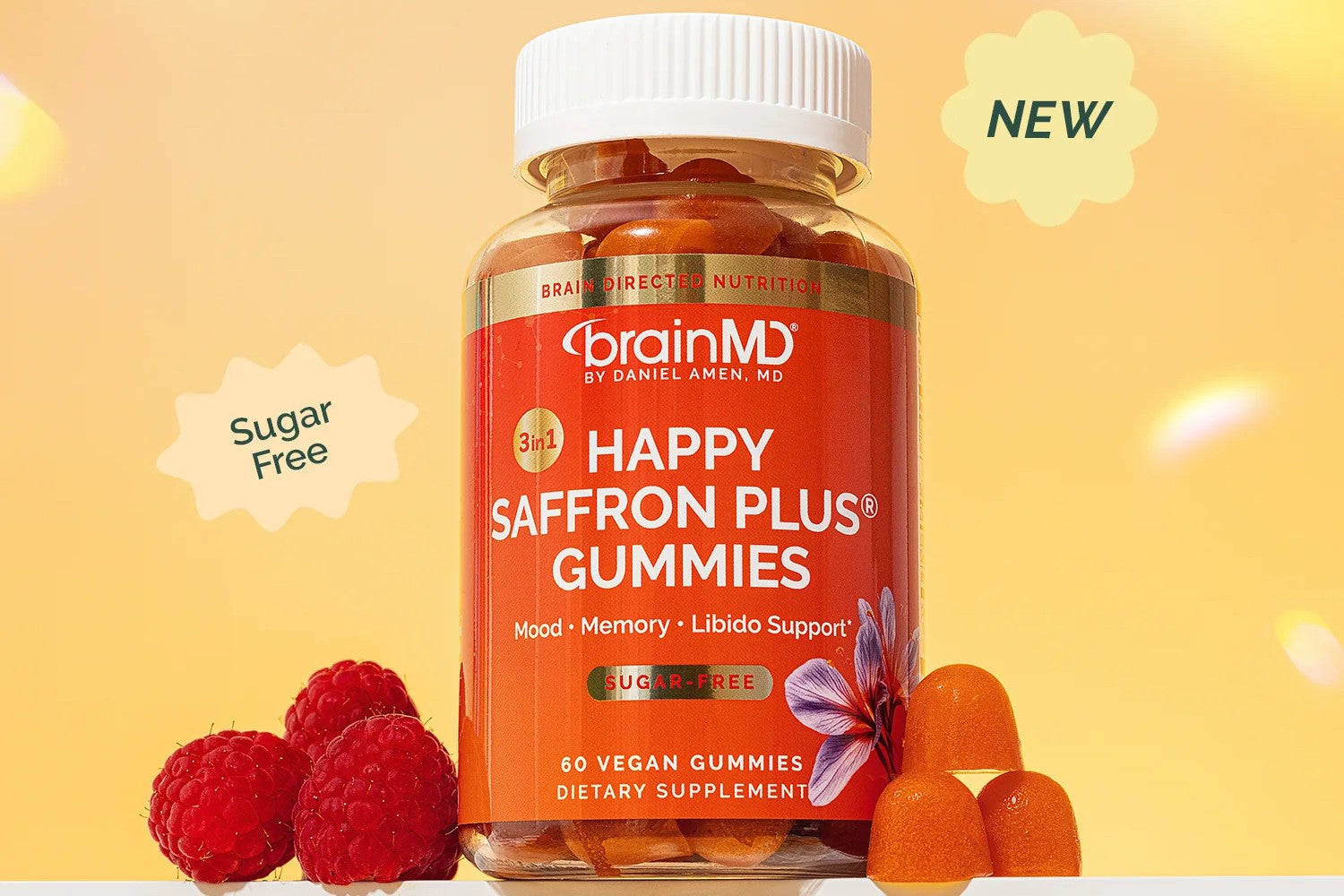
In today’s fast-paced world, most people experience periods of stress or occasional feelings of anxiousness. Since stress and mood affect millions of American adults, let’s take a closer look at these issues and some natural ways to help address them… Stress Contrary to popular belief, not all stress is bad. Stress is a normal part of living and affects those of all ages. It can help you become more productive and can help improve your: Resilience Problem solving Ability to adapt to new challenges Stress becomes a problem when it’s intense, recurring, or remains unresolved over an extended period. At that point, stress can take a toll both physically and mentally. Stress can affect behavior, outlook, and overall health. Many health concerns may be initiated or aggravated by stress. When stress is ongoing, it can increase the risk of developing problems related to your weight, heart, and mood. Signs of Stress When intense stress isn’t relieved, it can lead to many adverse health issues. These problems may include: low mood digestive problems headaches heart health issues addictive behavior a weakened immune system sleeplessness weight gain Stress also may cause cognitive issues such as difficulties with memory and concentration. Anxiousness Stress is a response to the pressures we feel in life. These pressures, in turn, can cause the release of adrenaline. Too much adrenaline can lead to an increase in blood pressure, mood issues, and other negative effects on the brain or body. One of these effects is feelings of anxiousness; these feelings may be triggered by an immediate challenge or apprehension over something in the future. Many people who struggle with anxious thoughts and feelings can end up predicting the worst, avoiding conflict, and being plagued with self-doubt and phobias. Anxiousness often manifests itself in physical problems like chewing on fingernails, dizziness, pain, shortness of breath, and panic attacks. Anxiousness is the continued experience of stress that is out of proportion to the stressor or that continues well after the stressor is gone. Managing your stress is a critical factor in preventing anxiousness and the host of other problems that it can lead to. Signs of Anxiousness Though it’s normal to have periods of stress or worry, persistent anxiousness can lead to serious physical and mental problems. Some common signs of anxiousness include: nervousness/restlessness worrying muscle tension (stress related) irritability/anger attention issues fatigue difficulty sleeping Having all, or even a few, of these signs of anxiousness may be a cause for concern. Stress vs Anxiousness Many people use the terms “stress” and “anxiety” interchangeably in everyday conversation. But there is a difference between them. Stress is a response to an existing stress-causing factor (stressor). Anxiousness may be the result of intense, prolonged stress. Though stress and anxiousness are closely related, not all people who deal with excessive stress will experience feelings of anxiousness. However, anxiousness can be exacerbated by stress, which can be measured as elevated levels of the stress hormone cortisol. Often, there’s a correlation between being stressed out and experiencing occasional anxious thoughts. Stress doesn’t just negatively affect your mood (though that can become the most visible side effect), it also can adversely impact the way your brain and body work, so managing stress may help lessen feelings of anxiousness. If you find yourself having negative or anxious thoughts, or notice that your stress levels have become unbearable, high-quality supplements may help. BrainMD offers an array of supplements to help relieve stress and improve your mood.* Best Supplements to Support Feelings of Stress & Anxiousness! Our Stress & Anxiousness supplements are based on the latest science and medical data and are developed by one of the world’s leading brain-health experts, Dr. Daniel Amen. Here’s a look at some of BrainMD’s best Stress & Anxiousness supplements… [wc_box color="inverse" text_align="left" margin_top="" margin_bottom="" class=""] Calm My Brain This 100% natural, science-based formula provides fast-acting relief from stress and anxiousness while supporting emotional, physical, and mental well-being.* Unlike many anxiousness-relief products, Calm My Brain can be safely used by both adults and children. Everyday Stress Relief Everyday Stress Relief harnesses the power of five natural ingredients to help calm your nerves and soothe stress.* This amino acid is clinically shown to promote alpha wave production in the brain, and can provide stress relief quickly.* GABA Calming Support GABA Calming Support features gamma-amino-butyric acid (GABA) – one of the brain’s main calming neurotransmitters – and a supporting cast of relaxing vitamin, mineral, herbal, and amino acid ingredients.* GABA Calming Support can help flip the “off” switch on worrisome, ruminating thoughts, and supports the body’s natural mechanism for quieting the mind.* Happy Saffron Plus Three nutraceutical ingredients with proven mood and cognitive benefits team up in Happy Saffron Plus, a mood supplement formulated to help you feel happier, calmer, and mentally sharp.* Happy Saffron Plus features three nutraceutical ingredients that support a calm, positive mood: affron® saffron extract, Longvida® curcumin extract, and zinc glycinate.* L-Theanine Gummies When taken over the long-term, l-theanine can help support healthy stress levels, lessen anxiousness, and improve sleep.* L-Theanine Gummies offer fast-acting relief in delicious, plant-based gummy form – without hidden sugar, artificial colors or flavors.* [/wc_box] More Calm, Less Stress One of the best ways to manage stress and improve your mood is with these Stress & Anxiousness supplements.* They’ve been formulated with the highest-quality nutrients and ingredients to help you feel calm, content, and better able to manage stress or mental strain.* Try them today! At BrainMD, we’re dedicated to providing the highest purity nutrients to improve your physical health and overall well-being. For more information about our full list of brain healthy supplements, please visit us at BrainMD.
Learn more
One of the Best Ways to Relieve Stress is with the Parasympathetic Nervous System
It can be dizzying to stay on top of new health information. It’s almost like needing to continually update apps on your phone. But if learning about the parasympathetic nervous system (PNS) were like an app update, this is one you really need. In one word, here’s why it matters: stress. If you can learn how to activate your PNS, which is your body’s relax or “rest and digest” response, it can help lessen the ill effects of being excessively stressed. But before we get into that, it’s important first to fully understand how important it is to keep stress levels in a healthy range. Increased Stress Levels It’s no secret that we’re all living through a very stressful time. A survey conducted in March 2022 by the American Psychological Association and the Harris Poll, called “Stress in America,” found that Americans’ stress levels are extremely elevated, driven by multiple factors, including: the COVID pandemic, rising inflation, and the war in Ukraine, to name a few. A little stress is okay, maybe even helpful. It gets us to do what we need to do. But all these new stressors, on top of the pressures of modern living, can lead to serious health risks. Prior to the pandemic, the American Institute of Stress reported that, on average, upwards of 60 percent of primary care doctor visits were related to stress. That figure has likely increased during the pandemic for people of all ages. How Your Body Responds to Stress Normally, our fight-or-flight stress response is triggered by real or perceived threats, like a car coming at you while you’re driving, or a barking dog chasing you. Your brain perceives the threat, sends a message, and stress hormones such as epinephrine (adrenaline) and cortisol are released. Your heart rate increases, digestion slows or stops, reflexes are quickened, and in a flash you can either fight the threat or flee to safety. Also, your sympathetic nervous system (SNS) is activated. When the threat passes, your brain sends another message, and your body turns off the secretion of the stress hormones. The PNS is activated. Your heart slows, muscles relax, digestion turns back on. It’s a period of calm, rest, and recovery. Your body returns to homeostasis. This sounds simple enough. However, today our brains can overreact to non-life-threatening stressors all day long whether that’s a looming work deadline, persistent worry about a child, or simply driving in traffic. This is especially true for those who suffer from anxious feelings or have had trauma in their past. These perceived threats cause the SNS to stay engaged. Stress hormones continue to be released. When the stress response is prolonged, day in and day out, it can lead to severe stress, and this is bad for your health. It can suppress your immune system and increase your risk for all sorts of problems including: anxious feelings low mood digestive problems joint and muscle pain headaches heart health issues addictive behavior sleeplessness weight gain It also can cause brain health problems such as difficulties with memory and concentration. To avoid the above issues, it’s critical to learn how to calm an overactive sympathetic nervous system. Some of the Best Ways to Activate Your Parasympathetic Nervous System The SNS and the PNS (along with the enteric nervous system that regulates digestion) make up your body’s autonomic nervous system. The autonomic nervous system is part of the peripheral nervous system. It automatically regulates several processes such as heart rate, blood pressure, respiration, digestion, and sexual arousal. The SNS generally gets activated with the stress response and activities that require effort such as vigorous exercise. The PNS comes into play during times of rest and recovery, when you sleep, rest, or digest food, etc. The SNS and PNS are like a seesaw going back and forth throughout the day. To help keep excessive stress in check, here are several ways to unlock your inner relax response. 1. Laugh Laughter is good medicine! Enjoy it often. While at first it activates the SNS, as your laughter calms down, the PNS activates, bringing you into a relaxed state. Laughter can help relieve emotional stress and general tension. So, watch a comedy or tell a joke. Or you can try laughing yoga, which involves a series of movement and breathing exercises to deliberately encourage laughter. Laughter is so powerful, there’s even evidence that suggests simply hearing laughter turns on PNS activity. 2. Exercise Similar to laughter, moderate exercise engages the SNS at first, but it then unlocks the PNS leaving you very relaxed after a workout session. But don’t overdo it! Make sure your weeks are filled with enjoyable, gentle exercise you’ll actually do – it could be a simple walk, dancing around for several songs, or treading water in a pool for 20 minutes. 3. Listen to Music Research shows that listening to pleasant music increases parasympathetic activity. Or try a sound therapy class, which usually involves sitting quietly amidst the sounds of Tibetan singing bowls or gongs. 4. Relax in Nature Whether you take a walk in a natural environment or simply look at images of nature, they both can activate the parasympathetic nervous system. One study showed enhanced PNS engagement after just five minutes of viewing urban green space. Send Stress Packing Deep breathing, reading, meditation, watching an enjoyable show, getting a massage, napping, adequate sleep, and visiting with a friend are all things that can help activate your PNS. Of course, you can discover many more stress-relieving practices on your own. If you think about what relaxes you, it’s probably something that will help engage your body’s PNS! At BrainMD, we’re dedicated to providing the highest purity nutrients to improve your physical health and overall well-being. For more information about our full list of brain healthy supplements, please visit us at BrainMD.
Learn more
Methods for Relaxation: 5 of the Best Ways to Keep Calm!
Knowing how to relax is practically a superpower in today’s challenging world. Since the start of the pandemic two years ago, people everywhere have become significantly more anxious and stressed. A review from October 2021 analyzed multiple studies from around the world and estimated that anxiousness levels increased 25.6% globally since early 2020. The American Psychological Association’s “2021 Work and Well-being Survey” reported that 71% of participants experience work-related stress during the workday. When was the last time you relaxed deeply? If it’s been a while since you’ve relaxed, or if you have trouble unwinding in general, don’t worry. There are proven methods for relaxation that you can learn. The Body’s Relaxation Response Did you know your body has a built-in relaxation response? It does, and it’s linked to what’s called your parasympathetic nervous system (PNS). Often called the “rest and digest” system, the PNS works in tandem with your sympathetic nervous system (SNS), which controls the body’s “fight or flight” stress response. Both are part of your body’s greater autonomic nervous system. The SNS triggers the release of stress hormones, such as cortisol, which prepare you to handle a stressful situation. When the brain senses stress hormone levels are too high, the PNS is activated, your body relaxes, and you downshift to rest, relax, and recover from the stressful episode. However, when stress becomes a way of life, as it has for so many these days, the working relationship between the SNS and PNS can get disrupted. When that happens, the SNS remains activated and stress hormone levels stay elevated. This extreme stress can be destructive to both your body and brain. Thankfully, researchers have found that certain relaxation techniques can trigger the PNS, lower stress hormones, slow the heart rate, and promote relaxation. So, if you’re in a prolonged period of stress, you can practice the methods for relaxation below to help engage your PNS and turn off the stress response! 5 of the Best Natural Methods for Relaxation 1. Diaphragmatic Breathing Diaphragmatic breathing involves taking deep, rhythmic breaths. Research shows that reduced stress markers, less self-reported anxiousness, better cognition, and PNS activation may result from deep breathing. Here’s a simple exercise: Breathing with your diaphragm (or belly) rather than your chest: Inhale for a count of 3 to 4 seconds Pause for beat Exhale for a count of 6 to 8 seconds Pause for a beat Repeat this pattern 10 times The calming effects of deep breathing should be immediate! 2. Try Meditation Meditation is the perfect practice for activating the PNS and experiencing more calm in your mind, body, and emotions. By measuring heart rate, blood pressure, and stress hormone levels, studies have found that meditation can help activate the relaxation response and reduce stress and anxiousness. Both Transcendental Meditation and mindfulness meditation have been well-studied with positive results. Some forms of meditation allow for mind-wandering, and others are more disciplined about keeping the mind focused. They both have relaxation benefits. The best meditation is the one you’ll do on a regular basis. Explore what’s out there and be sure to make use of the many meditation apps available today. 3. Enjoy Nature It’s easy to overlook how profoundly restorative nature can be. One review looked at mental health markers, including reduction of anxiousness and stress, in college-aged individuals who spent 10 minutes sitting or walking in natural settings, contrasted with equal time in urban settings. Natural settings were shown to significantly and positively impact both psychological and physiological markers of well-being. If you can’t be in nature, you can listen to it for the relaxing effects. The sound of the wind in the trees, gentle waves on the beach, a burbling brook, or the song of birds can unlock your body’s relax response. Research shows playing natural sounds affected the bodily systems that control the fight or flight and rest and digest autonomic nervous systems, promoting more relaxation in the mind and body. 4. Practice Yoga, Tai Chi, or Qigong These three practices from ancient cultures all combine rhythmic breathing with a series of postures or flowing movements and are known to reduce stress. In terms of relaxation and calming the mind, performing the physical movements offers a mental focus that can help distract the mind from racing thoughts, while enhancing flexibility and balance. All of them have been shown to shift the body from the SNS to the PNS, and to help reduce feelings of anxiousness. 5. Progressive Muscle Relaxation Progressive muscle relaxation can be learned by nearly anyone, and it takes 10 to 20 minutes per day to practice. It’s done by deepening your breathing and bringing awareness to different parts of your body while you tense your muscle and then release it. It usually starts at your head, tensing muscles in your face and then releasing, and then working down the body – or starting with your toes and feet working your way up. Awareness is given to the changes that occur while tensing and releasing muscles. This technique has been shown to help reduce anxious feelings and promote sleep. Keep It Relaxed If these methods for relaxation don’t work for you, don't worry! There are others to explore, like petting your pet and using essential oils to create a relaxing environment at work or home. Also, consider promoting relaxation with nutritional support.* A quality supplement, like Calm My Brain, features ingredients scientifically proven to relax your mind and body.* Keep at it and you’ll learn how to cultivate a wellspring of inner calm. At BrainMD, we’re dedicated to providing the highest quality supplements to improve your physical health and overall well-being. For more information about Calm My Brain and our full list of brain healthy supplements, please visit us at BrainMD. *These statements have not been evaluated by the FDA. This content is for informational purposes only. It is not meant to substitute for medical or healthcare advice from a physician, nor is it intended to diagnose, treat, cure, or prevent any disease. Consult your healthcare provider before beginning a new health regimen.
Learn more
Do You Have One of These Six Types of Anxiousness?
Anxiousness comes in many forms and may affect people in different ways. Low levels of anxiousness may cause some to take risks that can lead to injury or an early death. Healthy levels of anxiousness may keep some from driving too fast on a rainy night. High levels of anxiousness may lead to panic attacks, health problems, and destructive behaviors. As is illustrated in these hypotheticals, some forms of anxiousness are healthy, while some aren’t. When it comes to the negative aspects of anxiousness, there are several telltale signs to be aware of. Signs of Anxiousness Though it’s normal to have periods of stress or worry, persistent anxiousness can lead to serious physical and mental problems. Some common signs of anxiousness include: Nervousness/restlessness Worrying Muscle tension (stress related) Irritability/anger Attention issues Fatigue Difficulty sleeping Having all these issues may be an indication that you’re dealing with anxiousness. But even having a few of these types of anxiousness may be a cause for concern. One of the best ways to deal with anxiousness is to identify your type so you can seek appropriate ways to mitigate it. 6 Types of Anxiousness and How to Cope with Them Naturally Pure Anxiousness Those who struggle with this type of anxiousness tend to feel tense and nervous. They may often feel uncomfortable in their own skin. They can be plagued by panic and self-doubt, and these feelings may trigger muscle tension, nail biting, headaches, abdominal pain, a racing heart, or shortness of breath. Irrational fears or phobias are also common. People with this type of anxiousness tend to avoid anything that makes them uncomfortable, such as places or people that might trigger panic attacks or relational conflict. Also, they tend to predict the worst and may be fearful of the future. What Can Help? As with some of the other types of anxiousness, deep relaxation exercises, such as hypnosis, may be helpful for this type. Also, exercise and calming activities may be beneficial. Supplements that may help this type include GABA, magnesium, theanine from green tea, ashwagandha, Relora, vitamin B6, probiotics, and DHA omega-3 fatty acids. Anxiousness and Low Mood This type is a combination of occasional anxious and depressive thoughts. Though one type may dominate at times, both issues may be present on a regular basis. People with this type may be low in GABA or dopamine. What Can Help? Intense exercise sessions alternating with calming activities – such as tai chi, yoga, and relaxation techniques – may help this type. Certain scents, like lavender, can help promote calm. Supplements that may help this type are SAMe, GABA, magnesium, curcumin, vitamin D, probiotics, and a combination of EPA and DHA omega-3s. Overfocused Anxiousness This type is usually associated with low serotonin levels. It’s common for people with this type to get stuck on negative thoughts or compulsive behaviors (like constantly checking locks). This may be the result of too much activity in the brain’s anterior cingulate gyrus. This type is also associated with people who worry, hold grudges, and have problems with being oppositional or argumentative. They tend to notice what’s wrong before they notice what’s right. What Can Help? Boosting serotonin may help this type. Aerobic exercise is recommended. Also, a diet high in complex carbohydrates may help. Supplements for this type include 5-HTP, saffron, St. John’s wort, vitamin D, probiotics, and a combination of the omega-3s EPA and DHA. Temporal Lobe Anxiousness This type is often associated with low GABA levels and could be the result of a head injury. The temporal lobes are important for memory, mood, and emotions. When there are problems in this part of the brain, people tend to struggle with mood instability, irritability, memory problems, and dark or evil thoughts. These individuals might misinterpret comments as negative when they aren’t, have trouble reading social cues, and experience frequent déjà vu. What Can Help? A diet high in protein and fat, and low in carbohydrates, may be helpful for this type. Neurofeedback is an effective therapy that may help some people who struggle with anxiousness. The supplements that may help this type include GABA, magnesium, taurine, and EPA and DHA. Cyclic Anxiousness People with this type might have low levels of GABA, but they also might have too much of the excitatory chemical glutamate. As the name implies, this type is associated with cycles of anxiousness and low mood. It also may apply to those affected by seasonal mood changes or those who deal with mood swings. As with the other types, people with cyclic anxiousness may have a mild or severe form, or anything in between. This type also can get worse during periods of hormonal changes, such as after having a baby or during menopause. What Can Help? Possible treatments for this type may include improving diet and exercise and implementing deep relaxation techniques. The supplements recommended for this type are GABA, magnesium, taurine, zinc, vitamin B6, and EPA and DHA omega-3s. Unfocused Anxiousness This type results from too little activity in the brain’s prefrontal cortex (PFC). When the PFC is underactive, people may complain of low energy, mental fog, being inattentive, bored, impulsive, and exhibiting poor judgment. The decreased brain activity may be a result of an injury, toxic exposure (such as from mold or household products), infection, or underlying attention issues. What Can Help? The treatment for unfocused anxiousness starts with identifying and treating the cause of the low activity, then rehabilitating the brain with a healthy diet and exercise regimen. Supplements that may help stimulate and repair the brain include ginkgo biloba, L-tyrosine, rhodiola, and EPA fish oil. The good news is that regardless of which type you are, you can feel calmer and more relaxed with the right treatment. If you tend to worry or have persistent anxious thoughts, consider trying BrainMD’s new calm-promoting, stress-managing nutrient combination… Calm My Brain Calm My Brain provides generous daily doses of high-potency ingredients to manage stress and promote calm.* Benefits of Calm My Brain This product is a combination of three pure and potent ingredients that have been intensively researched for feelings of anxiousness, and with positive benefits for stress, relaxation, and sleep.* The ingredients have been shown to help with: managing anxiousness and stress* reducing tension and irritability* regulating unhealthy eating* supporting calmness* improving sleep quality* The clinically researched ingredients in Calm My Brain can make a substantial difference in improving the well-being of individuals living with feelings of anxiousness.* 3 Synergistic, Stress-Busting Ingredients Magnesium is an essential mineral that helps both mind and body relax. Many individuals with anxiousness are low in magnesium, and inadequate magnesium intake is linked to sleep problems. This product provides magnesium in bioavailable forms, unlike the commonly used magnesium oxide, which is known to be poorly absorbed. Ashwagandha Root Extract (KSM-66®) is the best-researched and most effective form of this premier adaptogenic herb. It has been shown to improve anxiousness, stress, and sleep in multiple human clinical trials. L-theanine is an amino acid found in green tea. It can rapidly enhance calming alpha brain wave activity without causing drowsiness and can relieve feelings of anxiousness and promote mental focus. Keep Calm and Live Well Researched in clinical trials, the ingredients in this robust formula may help lessen tension and irritability, enhance calm, manage feelings of anxiousness and related unhealthy eating, and improve sleep quality.* It also can help promote a balanced stress response, including cortisol levels.* Calm My Brain is a powerful combination of ultra-pure nutrients that offers comprehensive management of all types of anxiousness.* Try it today! At BrainMD, we’re dedicated to providing the highest quality supplements to improve your physical health and overall well-being. For more information about Calm My Brain and our full list of brain healthy supplements, please visit us at BrainMD. *These statements have not been evaluated by the FDA. This content is for informational purposes only. It is not meant to substitute for medical or healthcare advice from a physician, nor is it intended to diagnose, treat, cure, or prevent any disease. Consult your healthcare provider before beginning a new health regimen.
Learn more
Calm My Brain: A Natural, Fast-Acting Way to Help Relieve Anxiousness
These days, it seems like everyone’s worried or on edge. Many people deal with stressful situations or anxious thoughts every day. Are you one of them? Stress and Anxiousness Stress is a response to an existing stress-causing factor (stressor). Anxiousness may be the result of intense, prolonged stress. These feelings may be disproportionate to the magnitude of the stressor and may continue well after the stressor is gone. Though stress and anxiousness are closely related, not all people who deal with excessive stress will experience feelings of anxiousness. However, anxiousness can be exacerbated by stress, which can be measured as elevated levels of the stress hormone cortisol. Managing stress often will also lessen feelings of anxiousness. Relieve Anxiousness Naturally Properly managing your stress is a critical factor in preventing the many mental and physical problems that can result from occasional, extreme anxiousness. Many people who struggle with anxious thoughts and feelings can end up predicting the worst, avoiding conflict, and being plagued with self-doubt, fear, and panic. Having heightened worry or feelings of anxiousness can lead to physical problems too, like muscle tension, dizziness, pain, shortness of breath, and panic attacks. If you’re one of the millions of Americans struggling with feelings of anxiousness, the good news is that diet and lifestyle factors, like taking high-quality supplements, can help. If you tend to worry or have persistent anxious thoughts, consider trying BrainMD’s new calm-promoting, stress-managing nutrient combination… Calm My Brain Calm My Brain provides generous daily doses of high-potency ingredients to manage stress, promote calm, and relieve anxiousness. You may benefit from this stress-managing formula if you have: problems with feelings of anxiousness trouble winding down at night challenges with food cravings difficulty coping with long-term stress poor sleep quality Benefits of Calm My Brain This product is a combination of three pure and potent ingredients that have been intensively researched for feelings of anxiousness, and with positive benefits for stress, relaxation, and sleep. The ingredients have been shown to help with: managing anxiousness and stress reducing tension and irritability regulating unhealthy eating supporting calmness improving sleep quality The clinically researched ingredients in Calm My Brain can make a substantial difference in improving the well-being of individuals living with feelings of anxiousness. Keep Calm and Live Well Researched in clinical trials, the ingredients in this robust formula may help lessen tension and irritability, enhance calm, relieve anxiousness and related unhealthy eating, and improve sleep quality. It also can help promote a balanced stress response, including cortisol levels. Calm My Brain is a unique blend of dynamic nutraceutical ingredients for reducing anxiousness, promoting relaxation, and preparing you for restorative sleep. Calm My Brain Ingredients The three high-quality ingredients in this formula work synergistically to relieve anxiousness. Magnesium (as threonate, bisglycinate chelate, malate, and citrate) Magnesium is an essential mineral for all the cells of the body and is fundamentally important for the electrical activity of the brain’s nerve cells and for the healthy functioning of their trillions of information connections (synapses). Known as “the relaxation mineral,” magnesium plays an important role in hydration, muscle relaxation, energy production, regulation of adrenaline and overall sleep quality. Magnesium promotes a calm, balanced, and mentally focused demeanor. Ashwagandha (standardized root extract KSM-66®) The ashwagandha herb (Withania somnifera) has long been revered for its medicinal powers in Indian Ayurveda and other traditional medicine systems in the Mediterranean, Africa, and China. As an adaptogen, it helps the body adjust to psychological or physical stress by promoting calm and overall mental focus. Ashwagandha has been associated with improved memory and attention, and also benefits feelings of anxiousness and sleep. L-theanine Extensive clinical research links this amino acid with the health benefits of green tea. L-theanine enhances relaxing alpha brain wave activity, reduces tension, and fosters a restful state without diminishing daytime alertness. It also can promote healthy blood pressure stability against the over-excitability associated with stress. Calm My Brain FAQ How can I take Calm My Brain? Adults can take 3 capsules daily, with food. Children ages 4-18 can take 1 capsule per 40 pounds body weight, maximum 3 capsules daily. Why does the label say this supplement is fast-acting? Clinical studies have found that l-theanine can bring on relaxation in less than an hour. Many supplements have magnesium oxide. Why don’t you use it? Magnesium oxide is known to be very poorly absorbed. BrainMD uses only the best ingredients available. This formula’s four magnesium sources are all well absorbed and well tolerated. Which other BrainMD supplements can make Calm My Brain work even better? Taking NeuroVite Plus and Omega-3 Power/Omega-3 Power Squeeze will help you be sure to get the core essential nutrients your brain and body needs to best utilize Calm My Brain. Is this product safe to take during pregnancy? With the safety of mother and baby in mind, we don’t recommend taking herbals while pregnant or breastfeeding. To ensure sufficient levels of magnesium during this period, Magnesium Chewables is a safe and effective option. Can this supplement make me dependent on it? No. As with other BrainMD products, this is a dietary supplement, not a drug, and is not habit-forming. I’m vegan and have allergies. Will I be able to tolerate this product? This product is suitable for vegans and compatible with keto or paleo dietary patterns. It is free from dairy, glutens, sugar, corn, soy, nuts, eggs, yeast, and artificial colorings or flavorings. Calm My Brain is a powerful combination of ultra-pure nutrients that offers comprehensive management of anxiousness and stress. Try it today! At BrainMD, we’re dedicated to providing the highest quality supplements to improve your physical health and overall well-being. For more information about our full list of brain healthy supplements, please visit us at BrainMD. *These statements have not been evaluated by the FDA. This content is for informational purposes only. It is not meant to substitute for medical or healthcare advice from a physician, nor is it intended to diagnose, treat, cure, or prevent any disease. Consult your healthcare provider before beginning a new health regimen.
Learn more
Avoid These Foods When You Feel Anxious or Stressed
Many people would do just about anything to alleviate their stress and worry. This kind of desperation can lead to making rash decisions, which can have potentially dire consequences on overall health and well-being. Unhealthy Cravings When you’re stressed out, you may be tempted to use food as a coping mechanism. Craving foods loaded with sugar, salt, and simple carbohydrates can make you feel worse by causing your blood sugar to spike and then crash. Consider typical comfort foods like mac and cheese, mashed potatoes and gravy, and ice cream. Your brain might crave these foods when you’re stressed. Your brain might even tell you that bingeing on these foods will help alleviate your stress. But, if you listen to your stressed-out brain, you may end up feeling worse. These high carb foods can increase your levels of the stress hormone cortisol. This can make it more difficult to calm your anxious thoughts. Foods that Cause Stress & Anxiousness Foods that contain sugar and gluten can trigger pleasure centers in your brain, which might keep you reaching for unhealthy foods. Let’s look at some foods you should avoid: Corn – Eating corn or corn-based products can make you more anxious and stressed. Corn is high in carbohydrates, which can spike your blood sugar. Corn is also high in starch, which can leave you feeling drowsy and lousy. Sugar – Processed, sugary treats can seem irresistible when you have low mood or energy. Your brain might try to convince you that you’ll have more energy after grabbing a snack from the fridge at home or vending machines at work. However, soon after the sugar rush, you’ll experience an energy crash, which can leave you feeling lethargic and unable to focus. Wheat – Wheat-based products (bread, tortillas, toast, etc.) can be difficult to drop from your diet. When these carbohydrates are processed in your body, they’re immediately broken down into sugar. Gluten in wheat can damage your intestinal lining, but switching to healthier foods – like fruits, vegetables, healthy fats, and proteins – can help enhance well-being. Since stress is one of the most common triggers for emotional overeating, reducing your anxious thoughts can be an important part of improving your eating habits. These 5 calming foods can promote calm when you feel anxious or stressed… 5 Calming Foods to Boost Your Mood & Relieve Stress 1. Poultry Poultry is an excellent source of tryptophan, an amino acid that your body can’t produce on its own. Tryptophan is necessary for the creation of serotonin, one of the brain’s primary mood-regulating chemicals. As more tryptophan enters the brain, it facilitates circuits that use serotonin, which can then improve your mood. Be sure to purchase organic, free-range poultry that hasn’t been pumped full of hormones or antibiotics. Also, make sure your bird has been kept in an air-chilled case at the store. 2. Berries Berries are one of the most concentrated sources of antioxidants in the plant kingdom. The greater the variety of berries you eat, the broader the antioxidant protection you’ll have. Blueberries, raspberries, and strawberries are all high in antioxidants. The antioxidants in these berries help protect the brain and the rest of the body against oxidative stress, including from toxic pollutants. 3. Dark Chocolate Chocolate is one of the ultimate comfort foods. The very taste of chocolate can produce a near euphoric state in many people. Dark chocolate is full of protein and fiber, improves blood flow to the brain, and supports a positive mood and healthy cognition. Multiple research studies have shown that dark chocolate slows down the production of cortisol. Also, chocolate promotes the brain’s release of dopamine and endorphins and boosts serotonin levels, all of which help create a more positive mood. 4. Green Tea Green tea contains GABA, the brain’s major calming neurotransmitter. Additionally, green tea contains l-theanine, which is known for reducing stress and worry while improving mood, focus, memory, and mental alertness. Green tea is just one of the many healthy varieties of tea. Many herbal teas, such as chamomile, have calming properties, and black, white, and red (rooibos) teas are rich in antioxidants. Drinking a cup of warm tea can help relieve stress and lift the spirits. 5. Leafy Greens Spinach is loaded with mood-moderating magnesium. Raw spinach is so nutritious, some people believe it contains bliss-enhancing nutrients. It’s a good source of fiber and is loaded with vitamin A, potassium, folate, and magnesium. In addition to leafy green vegetables, different colored vegetables, such as bell peppers, squash, broccoli, and cauliflower, all have tremendous health benefits. They provide an enormous array of vitamins, essential minerals, carotenoids, and free-radical blocking antioxidants to help protect the brain and body against toxins. To help boost your calm, try these good mood foods the next time you feel anxious or stressed! At BrainMD, we’re dedicated to providing the highest quality supplements to improve your physical health and overall well-being. For more information about our full list of brain healthy supplements, please visit us at BrainMD. These statements have not been evaluated by the FDA. This content is for informational purposes only. It is not meant to substitute for medical or healthcare advice from a physician, nor is it intended to diagnose, treat, cure, or prevent any disease. Consult your healthcare provider before beginning a new health regimen.
Learn more
How to Stop Negative Thoughts & Self-Talk
When considering ways to improve the overall health of our brain and body, we tend to focus on getting consistent exercise, achieving restful sleep, and eating a healthy diet (accompanied with quality nutritional supplements). But what about thoughts? It’s estimated that 60,000 thoughts run through our minds each day. What effect do they have on our health, happiness, and well-being? Thoughts Are Powerful Our thoughts are powerful and can have a profound effect on the way we feel. They can even trigger physiological responses in the body. “Whenever you have a sad thought, an unkind thought, or a hopeless thought – such as ‘I’m never going to land my dream job’ – your brain pumps out a dose of chemicals that makes you feel bad. On the flip side, conjure a happy, loving, or encouraging thought, and your brain gives you a blissful jolt of feel-good chemicals.” - Dr. Daniel Amen Habitual negative self-talk trains the brain to see things pessimistically. Researchers believe that negative thinking effectively rewrites our neural networks, reinforcing pathways in the brain that make it more likely we’ll continue seeing the glass as half empty. Additionally, having negative thoughts can reduce activity in the area of the brain involved with self-control, judgment, and planning, which can lead to poor decisions. These patterns of negative thought can cause a downward spiral. So, exactly how can you turn around negative self-talk? Automatic Negative Thoughts The first step to finding liberation from negative thinking is to recognize that our thoughts frequently tell us things that just aren’t true. They tell us lies that cause us to feel emotionally down. They also can randomly pop into our minds without permission. Dr. Amen refers to them as Automatic Negative Thoughts (ANTs). To a greater or lesser extent, we all deal with them. ANTs generally fall into one of these nine categories: 1. “All or Nothing” Thinking – Thoughts that are all good or all bad. 2. “Always” Thinking – Thinking in words like always, never, no one, everyone, every time, everything. 3. Focusing on the Negative – Only seeing the bad in a situation. 4. Fortune Telling – Predicting the worst possible outcome to a situation with little or no evidence for it. 5. Mind Reading – Believing that you know what another person is thinking even though they haven’t told you. 6. Thinking with Your Feelings – Believing negative feelings without questioning them. 7. Guilt Beatings – Thinking in words like should, must, ought, or have to. 8. Labeling – Attaching a negative label to yourself or someone else. 9. Blame – Blaming someone else for your problems. Do you recognize any of these in your own thinking? For your health and well-being, it’s important to do something about these types of thoughts. If you leave your ANTs unchecked, they can color your perceptions and wreak havoc in your life. How to Stop Negative Thoughts Numerous studies show that combatting negative thinking helps us feel better. You can start exterminating your ANTs by challenging them with these four questions: Is it (the negative thought) true? Can I absolutely know that it is true? How do I react when I think that thought? Who would I be without that thought? Or, how would I feel if I didn’t have that thought? Whenever an ANT enters your mind, write it down. Then apply these questions and you should start to feel the freedom that comes from clearing your mind of negative thoughts. At BrainMD, we’re dedicated to providing the highest purity nutrients to improve your physical health and overall well-being. For more information about our full list of brain healthy supplements, please visit us at BrainMD.
Learn more
How to Naturally Increase GABA for Better Sleep
Wouldn’t it be wonderful to have a natural, mental, and physical “off” switch to downshift your brain and body at the end of the day? In these stressful times, relaxation and restful sleep are more important than ever to well-being. If you’re feeling stressed out or are unable to unwind, instead of turning to a glass of wine, refined carbohydrates – or worse, prescription medication – consider healthier ways to unlock your body’s natural ability to remain calm. One healthy way to promote R&R is to get more of the amino acid gamma-aminobutyric acid (GABA) into your diet through foods or supplementation. Think of GABA as a calm balm for both the mind and body. Here’s how it works. GABA for Sleep and Relaxation GABA is naturally produced within the body, where it functions as a neurotransmitter. Neurotransmitters are the brain’s messengers, which move from one neuron to another to relay information. Some neurotransmitters induce activity while others inhibit activity. GABA is the key inhibitory transmitter of the brain. What does that mean? GABA helps to slow down your brain’s neuron activity and decreases activity in the central nervous system. In other words, it helps to calm worrisome, ruminating thoughts, as well as balance mood, alleviate painful sensations and relax the body. Supporting healthy sleep with GABA supplementation has gained traction in recent years. What the Research Says Though research on GABA supplementation and sleep is limited, some scientific studies indicate promising results. One study showed that subjects who took GABA fell asleep more quickly and enjoyed better sleep quality. GABA has mild relaxation properties that support a balanced mood and restful sleep. Lower activity of this neurotransmitter in some brain regions has been linked to mood challenges, difficulties with self-control, and excessive worry. How to Increase GABA You can eat GABA-rich foods and/or take GABA supplements to help support your body’s ability to unwind. GABA Foods The best way to get GABA in your diet is to eat an abundance of the plant foods that contain GABA. What’s more, the foods that contain GABA are also highly nutritious. You’ll be supporting your overall health and your body’s relaxation mechanisms at the same time! GABA-rich foods include cruciferous vegetables, beans, peas, tomatoes, spinach, mushrooms, sprouted grains, rice (particularly brown rice), and chestnuts. Also, enjoy fermented foods (kefir, yogurt, tempeh, kimchi, etc.) and oolong and white teas, which all naturally contain GABA. GABA Supplements A simple and easy way to ensure you get plenty of GABA is through supplementation. If you have difficulties entering a relaxed state before bedtime, you might consider taking GABA. GABA Calming Support GABA Calming Support is a unique combination of clinically proven ingredients that can help you cope with restlessness, irritability, and other challenges associated with occasional anxiety. This formula can help calm your racing thoughts to help prepare you for sleep; it doesn’t cause drowsiness, so it’s safe to take during the day. It includes: GABA – by slowing the excessive firing of neurons, it supports the body’s natural mechanisms for quieting the mind and gradually falling asleep. L-Theanine – working mainly by way of GABA receptors on nerve cells, this unique amino acid can have calming and relaxing effects while preserving mental focus. Lemon balm (Melissa officinalis) – a member of the mint family that has been used as a medicinal herb for over 2000 years, lemon balm increases GABA activity in the brain as well as the activity of acetylcholine, a major neurotransmitter that promotes mental focus. Magnesium – sometimes called the relaxation mineral, magnesium plays important roles in mind and body relaxation, the calming of racing thoughts, and in promoting overall sleep quality. Vitamin B6 – also known as pyridoxine and pyridoxal-5-phosphate, vitamin B6 helps the brain produce the neurotransmitter serotonin, which helps promote relaxation and enhance mood. This formula can help facilitate the production of calming brain waves, correct stress-causing nutritional deficiencies, and promote relaxation. GABA Calming Support is a natural sleep aid that has helped countless people get quality sleep and can help you too! At BrainMD, we’re dedicated to providing the highest purity nutrients to improve your physical health and overall well-being. For more information about GABA Calming Support and our full list of brain healthy supplements, please visit us at BrainMD.
Learn more