 Skip to content


Wellness Blog



7 Ways to Reduce Holiday Stress and Make the Seasons More Joyful
For many people, the holiday season represents a joyful time of the year. But for others, it’s a period of added stress that can result in exhaustion, weight gain, mounting debt, and…relatives. Seems like every family has at least one relative who creates drama during the holidays. Think about the “crazy maker” at your family gatherings and see if they’re among this cast of characters: Uncle Jim is intoxicated by 4 pm. He has brutally honest conversations with anyone he can corner. He excels at sticking his nose where it doesn’t belong and instigating arguments. Then there’s Cousin Lucy. She still holds a grudge over the rude comment Uncle Jim made to her last year. Of course, she’s “confidentially” shared this story with every member of the family. And what about Grandpa Joe? He sits in the corner of the living room and watches TV all day. Even though he refuses to participate in family games or activities, he complains about being bored all the time. So, how can you handle someone who thrives on making everyone else around them miserable? If someone in your family loves to stir the pot during family gatherings, here are some practical steps you can take to reduce holiday stress. 7 Practical Ways to Prevent a Crazy Maker from Ruining Your Holiday 1. Show Kindness When greeting your quarrelsome relative, find something nice to say about them. Complimenting them on their outfit, hairstyle, or other accessory may help improve their disposition. This preemptive gesture of goodwill may help to set a positive tone for the family gathering and help prevent holiday stress. Kind words can create a positive feedback loop – the person giving the compliment often ends up feeling just as uplifted as the receiver of the compliment. As difficult as it may be at first, get in the habit of complimenting your disagreeable relative. Who knows, you may be able to find common ground with them, which can be a win for everyone in the family. 2. Get Moving If you need a break from a movie marathon or if you just want to work off that extra slice of turkey or ham, get the family outside for some fresh air and exercise. Engage in a brain-safe activity or take a long walk. Walking can help you clear your mind, decrease anxious thoughts, improve your mood,¹ and burn some calories all at the same time. Physical exercise boosts blood flow to the brain. When everyone in the family is thinking clearly, better decisions and behaviors should follow. It’s always better to stimulate the brain with physical activity than family drama. 3. Avoid Alcohol Many people think serving alcohol at a holiday gathering will help settle everyone down, but it actually can act like rocket fuel for impulsivity and family conflict (especially when consumed by the Uncle Jim’s of the world). Alcohol stimulates your appetite, prolongs the time you sit during a meal and is associated with continued eating even when you feel full. Alcohol exerts substantial influence on the circulation in your pancreas, which increases the production of insulin.² This can lead to low blood sugar levels, which can negatively affect your decision-making. Instead of alcohol, serve a low-sugar, hot apple cider – it makes the house smell amazing and will warm cold hands after outdoor family fun. 4. Minimize Conflict Many people can function well with stress, but not well without it. Conflict-seeking behavior can be used as a form of self-medication to wake up the brain, and some people can get addicted to it. This can cause family friction and lead to even more holiday stress. Resist the urge to participate in discussions that can offend or create family strife. Always look for a way to redirect negative tirades or inappropriate conversations. If that doesn’t work, isolate the offending individual from the rest of the group to prevent them from ruining the holidays. 5. Eliminate Sugar There’s mounting evidence that sugar is toxic. Excessive sugar intake, which is linked to insulin imbalance, heart problems, and other organ issues, is responsible for 35 million deaths a year globally.³ If you find it difficult to resist holiday treats, be sure to steer clear of the dessert table (and make sure your troublemaking relative does the same). Sugar increases erratic brain cell firing and has been implicated in aggression. Low blood sugar levels are associated with overall lower brain activity, which means more cravings and more bad decisions, like reaching for a sugary snack or soda. The best way to regulate your blood sugar is to eat a healthy snack every 3 to 4 hours. Natural snacks, like whole fruits, seeds, and nuts, are portable and are ideal for fending off hunger between meals. 6. Say Sorry Perhaps there’s something in our DNA that makes us want to be right all the time, but many people have a hard time saying sorry. Even if you feel like you’ve been wronged, say you’re sorry to your antagonizing relative. Offering an apology can help build a bridge in a relationship, and the other person might be grateful that you took the initiative in trying to resolve the disagreement. In the end, it’s far better to apologize than to cast blame and cause a meltdown at the dinner table. 7. Be Mindful In our “take care of number one” society, our focus tends to be on ourselves rather than on others. Try to be more mindful of those around you. If they have a need, try to meet it. Force yourself to stay attentive in every conversation. Be an active listener and make eye contact with the person talking to you. Chances are, they’ll appreciate you taking the time to really listen to them, which in turn will make you grateful for being able to participate in a meaningful conversation. Reduce Holiday Stress Implementing these proactive strategies can help safeguard you and your family from a crazy maker so that you can enjoy a fun-filled and stress-free holiday. The BrainMD team wishes you and yours a safe, healthy, and happy Holiday Season! At BrainMD, we’re dedicated to providing the highest purity nutrients to improve your physical health and overall well-being. For more information about our full list of brain healthy supplements, please visit us at BrainMD. These statements have not been evaluated by the FDA. This content is for informational purposes only. It is not meant to substitute for medical or healthcare advice from a physician, nor is it intended to diagnose, treat, cure, or prevent any disease. Consult your healthcare provider before beginning a new health regimen. References: 1. Mayo Clinic Staff. (2021, March 19). Exercise and stress: Get moving to manage stress. Mayo Clinic. https://www.mayoclinic.org/healthy-lifestyle/stress-management/in-depth/exercise-and-stress/art-20044469 2. Steiner, J. L., Crowell, K. T., & Lang, C. H. (2015). Impact of alcohol on glycemic control and insulin action. Biomolecules, 5(4), 2223–2246. https://doi.org/10.3390/biom5042223 3. Arnone, D., Chabot, C., Heba, A.-C., Kökten, T., Caron, B., Hansmannel, F., Dreumont, N., Ananthakrishnan, A. N., Quilliot, D., & Peyrin-Biroulet, L. (2022). Sugars and gastrointestinal health. Clinical Gastroenterology and Hepatology, 20(9), 1912–1924.e7. https://doi.org/10.1016/j.cgh.2021.12.011
Learn more
How to Avoid Family Conflict During the Holidays
In an ideal world, the holidays would only be filled with good times and happy memories. Unfortunately, most people don’t exist in that uncomplicated reality. It seems like every family has at least one relative who excels at creating drama during the holidays. When you’re around such negative or aggressive people, it’s common to feel apprehensive, defensive, and uncomfortable. Your body may react to heightened situations by secreting excessive amounts of adrenaline or cortisol, which can make you feel even more worried and stressed. Family Conflict Instigators There are many reasons why arguments flare up during holiday gatherings. Some people want to be the center of every conversation. Other family members just enjoy creating drama. Here’s a look at some stock characters who create family conflict: The Meddler Every family gathering is sure to have a gossiper, whose negative or critical remarks ignite emotional brushfires everywhere she goes. Also present at many holiday get-togethers is the offensive loudmouth, who has no filter and doesn’t hesitate to inform you that you’ve gained weight since the last time he saw you. The Liquidator Alcohol can make some people happy and others moody and mean.¹ Liquid courage has been known to loosen tongues and lower inhibitions. For people who love stirring the pot by bringing up controversial or politically charged topics, alcohol can act as an accelerant for all manner of bad behaviors. The Antagonizer A family member may have aggressive tendencies that drives them to be combative. Many people are stimulated by arguments and seek out family conflict. If they can lure you into a debate, the low energy in their frontal brain is stimulated, and that rush temporarily makes them feel better. Don’t let your anger become their medication. They can get addicted to it! So, how do you handle someone who thrives on instigating family conflict? Fighting fire with fire, by raising your voice or using abusive or unsavory language, certainly won’t help matters. Avoiding confrontations isn’t the answer either, since minimizing or brushing aside a dispute may further embolden the aggressor and make things even worse. To effectively deal with disagreements, handle them calmly and appropriately as they happen. Here are some practical ways to prevent family conflict this holiday season: Simple Ways to Keep the Peace & Avoid Holiday Feuds Keep Your Cool To prevent a pressure-packed situation from getting out of hand, always keep your cool. Discipline yourself to remain quiet until you’re calm enough to speak at a normal volume and in a kind tone. Closely monitor your comments and reactions to make sure they’re coming from a rational place, rather than an emotional one. Be sure to offer thoughtful advice rather than criticism. Tone of voice is crucial in disarming a potentially volatile situation. Always model calm behavior and others will likely follow your example. Take a Time-out When someone raises their voice or begins to lose their temper, take a family time-out. This type of collective breather involves everyone in the family going to a separate part of the house for a designated period (typically 10-15 minutes). Spending some time away from other family members may help everyone settle down and forget about the argument. A cooldown period only works if you have buy-in from the entire family, so make sure everyone agrees with taking a time-out to avoid starting yet another argument. Distract Yourself Some people have the ability to mentally escape to a happy place during heated discussions or tense moments. Others can sing a song in their head to distract themselves. Hopefully, you won’t have to literally bite your tongue to remain silent, but whatever you need to do to keep from being dragged into the middle of a family feud is worth trying. Try Whispering When others are yelling, start whispering. The dramatic change in the decibel level of your voice will most likely make everyone stop talking to hear what you have to say. Something in our psyche makes us lean in and listen more attentively when someone is whispering. This tactic has been used with great success from board rooms to political assemblies. If a family argument is getting out of control, try whispering to see if you can get everyone’s attention. Then you can attempt to deescalate the conflict. Build a Bridge Instead of trying to convince the other person that your viewpoint is correct, attempt to understand their perspective as well. The main objective isn’t to win the argument but to remove potential threats, address concerns, and find common ground with the other person. Building a bridge is one of the best ways to avert a quarrel before it even starts. Take It Outside When drawn into a discussion that makes you feel uncomfortable, look for a way to redirect the conversation. If that doesn’t work, find a polite way to remove yourself from the situation. Another strategy is to get the entire family outside for some fun and exercise.² This is an effective way to let off some steam when things get too tense inside the house. It’s been said that the holidays bring out the best and worst in people. When it comes to the latter, you don’t have to let someone else ruin your holiday. Practicing these conflict management strategies can help to ensure that everyone in your family enjoys a fun-filled, stress-free holiday season. The BrainMD team wishes you and yours a safe, healthy, and happy Holiday Season! At BrainMD, we’re dedicated to providing the highest quality supplements to improve your physical health and overall well-being. For more information about our full list of brain healthy supplements, please visit us at BrainMD. These statements have not been evaluated by the FDA. This content is for informational purposes only. It is not meant to substitute for medical or healthcare advice from a physician, nor is it intended to diagnose, treat, cure, or prevent any disease. Consult your healthcare provider before beginning a new health regimen. References: 1. Beck, A., & Heinz, A. (2013). Alcohol-related aggression—Social and neurobiological factors. Deutsches Ärzteblatt International, 110(42), 711–715. https://doi.org/10.3238/arztebl.2013.0711 2. Twohig-Bennett, C., & Jones, A. (2018). The health benefits of the great outdoors: A systematic review and meta-analysis of greenspace exposure and health outcomes. Environmental Research, 166, 628–637. https://doi.org/10.1016/j.envres.2018.06.030
Learn more
The New Science of Sleep: Personalized Supplements for Stress, Discomfort and Racing Thoughts
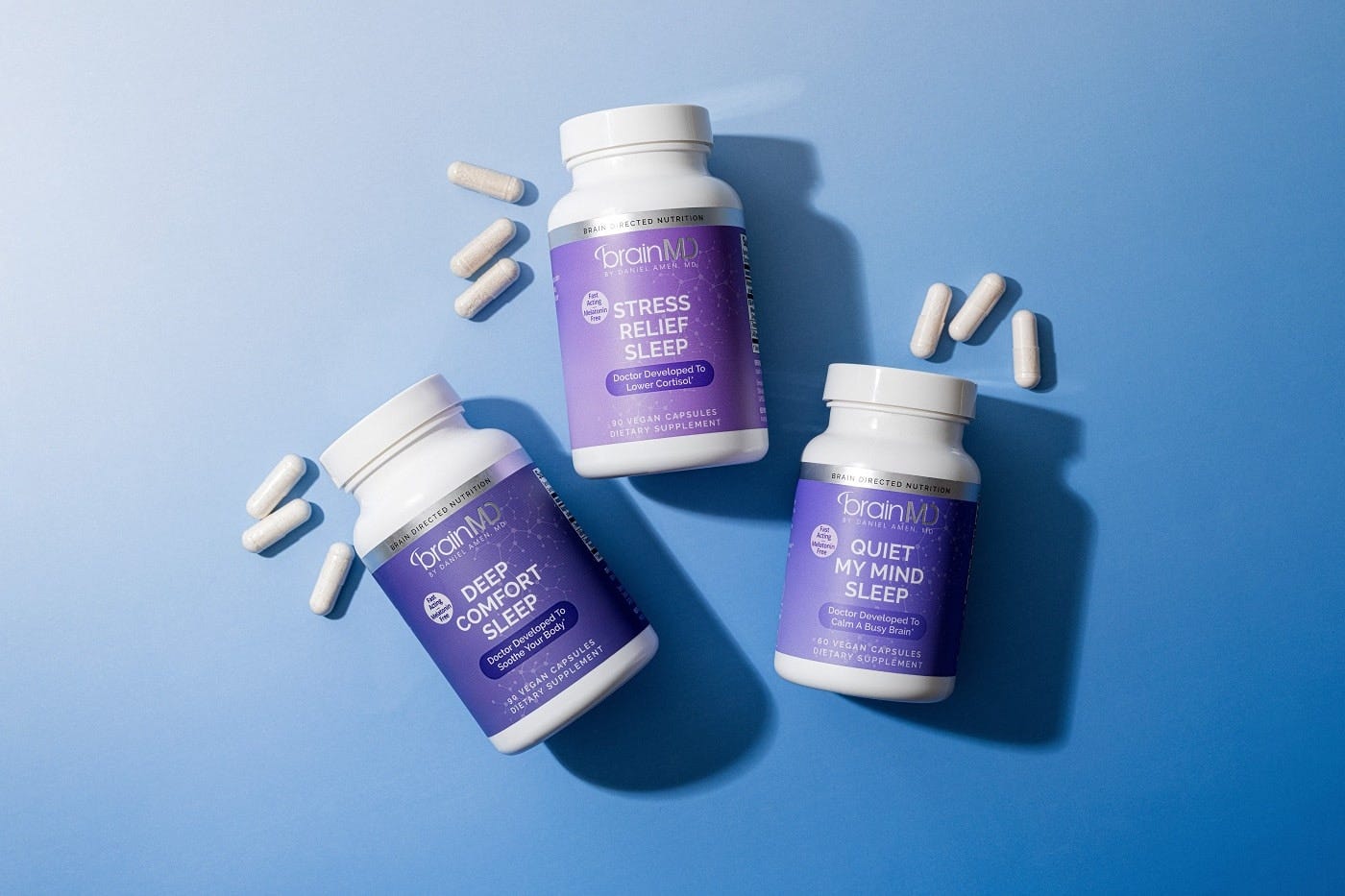
You’re exhausted. You’ve tried melatonin. You’ve tried magnesium. You’ve even tried cutting off caffeine at 2 PM. And still, you find yourself staring at the ceiling at 3 AM, wondering what it’s going to take to finally get a good night’s sleep. You’re not alone. Roughly one in three American adults reports not getting enough sleep on a regular basis.(1) And here’s the real kicker: most of those people aren’t dealing with the same problem. One person is stressed out and can’t wind down. Another is dealing with physical discomfort. Another is overwhelmed by racing thoughts. And yet most sleep supplements treat all of them exactly the same. That’s where BrainMD’s new line of sleep supplements comes in. Designed by sleep medicine doctor and psychiatrist, Dr. Shane Creado, these three new melatonin-free formulas are built for real people with real sleep issues. They’re science-backed, targeted, and designed to meet your body where it is.* In this blog, we’ll walk through each one, show you how they fit into the bigger BrainMD sleep ecosystem, and explain why personalized sleep support is the future of sleep upgrades. And if you’re not sure which one to start with, that’s okay too. We’ll talk about how to find your best match—and why sometimes, it takes a little trial and error to get there. Why One-Size-Fits-All Sleep Supplements Fall Short Not all sleep problems are created equal. Stress-related sleep issues don’t work the same way as physical discomfort-related sleep disruptions. Restlessness from mental hyperactivity is different from jet lag or night-shift circadian chaos. And yet, most over-the-counter supplements treat all sleep problems with one blanket approach: melatonin. Melatonin can be helpful for some people, but it isn’t a cure-all. And in certain populations—especially children, teens, and those taking certain medications—melatonin can be problematic. A 2023 review of melatonin safety raised concerns about its widespread use in young people, noting insufficient long-term data and potential hormonal impacts.(2) That’s one reason BrainMD chose to go melatonin-free with its new line of sleep supplements. But the real breakthrough isn’t just what they left out. It’s what they put in. Each of the three new formulas is designed to address a specific type of sleep disturbance: Deep Comfort Sleep targets extreme discomfort, gut-related issues, and promotes a healthy inflammatory response.* Stress Relief Sleep helps lower cortisol and soothe the wired-tired brain.* Quiet My Mind Sleep calms mental overactivity and supports focus-driven brains (think shift workers and frequent flyers).* These formulas don’t try to knock you out. They try to help you restore balance—physiologically, neurologically, and emotionally.* That’s what real sleep science is all about. Three Sleep Formulas. One Groundbreaking Shift in How We Think About Rest. Instead of offering one all-purpose pill to “knock you out,” BrainMD created three highly targeted, melatonin-free formulas—each one addressing a specific reason people can’t sleep.* This isn’t marketing fluff. It’s real sleep science in action. Sleep disruption isn’t just a matter of “I’m not tired.” It can be driven by physical discomfort, high levels of cortisol, or mental hyperactivity—and each of those issues has different root causes, biological pathways, and clinical support options.* Here’s how the new sleep supplement line breaks down: Deep Comfort Sleep For sleep that’s sabotaged by physical discomfort or gut-related issues What it targets: Minor aches or body tension* Occasional joint or body discomfort* Gut-brain axis disruption(8)* Fatigue that isn’t resolved with rest* What it’s made for: This formula is built for people who wake up tired, feel stiff or achy at night, or have gut imbalance.* It’s especially relevant for adults over 40 or anyone with autoimmune tendencies, joint stiffness, or digestive struggles.* Why it works: Boswellia(7), and other specific agents that help support a healthy inflammatory response(6) help attain and balanced, whole-body calm so your system can finally enter a true rest-and-repair state.* Stress Relief Sleep For wired brains, tight chests, and cortisol that won’t quit.* What it targets: High cortisol levels* Sleep-onset anxiousness* Mid-night wakeups tied to stress* Emotional exhaustion* What it’s made for: This is the formula for people who can’t shut off their brain—or who wake up at 2 AM feeling like their fight-or-flight system is still in overdrive.* Think: grief, burnout, job loss, divorce, or just life.* Why it works: It supports your adrenal rhythm and helps reduce stress hormone output with ingredients like ashwagandha(9), phosphatidylserine(10), and calming adaptogens that have been shown to reduce nighttime cortisol and improve sleep onset latency.* Quiet My Mind Sleep For the racing-thought crowd—think overthinkers and night owls.* What it targets: Overactive thoughts* Mental restlessness* Shift work, frequent travel, or inconsistent sleep-wake cycles* Seasonal sleep disruption* What it’s made for: If your brain doesn’t know how to “power down,” this is your formula.* It’s safe for adults and teens 14+, and it’s especially useful for people with hyperactive tendencies, neurodivergent patterns, or chaotic sleep schedules.* Why it works: This blend focuses on calming the nervous system with nutrients that promote GABA signaling(11) and serotonin balance—like magnesium, saffron(13), L-theanine(12), and lion’s mane.(14)* These help the brain slow down, reduce mental noise, and support deeper REM cycles.* Each formula is clean, melatonin-free, and built to be part of a system, not a Band-Aid.* You won’t find mystery blends or pixie-dusted herbs here—just targeted, evidence-based ingredients with a clear purpose.* Coming up next: how these products fit into the BrainMD sleep ecosystem, and why Dr. Shane Creado might just be your new favorite sleep whisperer. Designed by a Doctor. Built for Real Life. What sets these new sleep formulas apart isn’t just what’s in them—or what’s left out. It’s who created them—and the clinical reality they were designed to serve. Dr. Shane Creado isn’t your average supplement formulator. He’s a double board-certified sleep medicine doctor and psychiatrist who works with Olympic athletes, professional sports teams, and high-performing professionals who can’t afford to be groggy, foggy, or chemically sedated. His book Peak Sleep Performance for Athletes has become a modern manual for optimizing rest as a tool for mental sharpness, emotional resilience, and physical regeneration.(15) And now, that same expertise is built into every capsule of this new line of high-quality sleep supplements. "Sleep optimization is the last frontier in peak performance.” - Shane Creado, MD But Dr. Creado’s approach isn’t just for athletes. It’s for anyone who’s sick of “sleep hygiene” tips that don’t work, tired of melatonin dependence, or stuck cycling through supplements that don’t address why they’re not sleeping in the first place. These formulas were built to fill the gaps Dr. Creado saw time and again in his clinical practice: People with physical discomfort, whose sleep never really restores them.* People with feelings of anxiousness or trauma, who dread the moment their head hits the pillow.* People with attention issues or stress-fueled busy brains that just…won’t…turn…off.* And because these formulas are melatonin-free and NSF-certified, they’re appropriate for teens, athletes, and professionals with sensitive systems or drug testing requirements.* They’re not meant to be addictive. They’re not meant to zonk you out. They’re meant to reset your system, naturally.* So… Which One Should I Try First? (And What If I Don’t Know?) This is the question everyone asks. And the honest answer? It depends. Some people know exactly what’s keeping them up at night: a sore shoulder, a racing mind, a life falling apart. Others just know they’re tired of being tired. Either way, choosing the right sleep formula shouldn’t feel like guesswork—but it also doesn’t require perfection. Here’s the reframe: Not having a single, perfect answer doesn’t mean this approach is vague or unscientific. It means it’s personalized. In medicine, this is called biochemical individuality—and it’s why even MDs regularly adjust treatments based on how a person responds. It’s not trial-and-error. It’s trial and insight. We see this all the time: Some people respond better to ashwagandha than L-theanine* Some sleep deeper on saffron than magnesium* Some need nervous system support, while others need their physical discomfort dialed down first* That’s not a flaw. That’s your body’s way of telling you what works. Our Advice? Start with the formula that matches your dominant sleep struggle—aches, stress, or mental overactivity.* Give it a solid two weeks.* If it doesn’t get you where you want to go, try layering in another or switching to a different one.* Sleep is a system, not a switch that you can turn off and on like a light. And BrainMD’s sleep ecosystem is designed to support that system holistically.* Also worth noting: some of these products pair beautifully with existing BrainMD formulas like Calm My Brain, NAC, Everyday Stress Relief, or Brain Curcumins. This isn’t a one-and-done approach. It’s a toolkit. The BrainMD Sleep Lineup at a Glance Still not sure which sleep formula is right for you? This quick-reference chart breaks down all five of BrainMD’s core sleep and relaxation products—including the three new melatonin-free formulas, plus the two foundational classics Put Me To Sleep Naturally and Restful Sleep. Whether your challenge is falling asleep, staying asleep, or shutting down a racing brain, this guide will help point you in the right direction.* Each of these formulas stands on its own. But taken together, they form the foundation of BrainMD’s comprehensive, personalized sleep ecosystem—one that honors the fact that no two brains (or sleep problems) are alike.* Pro Tip: If you’ve had mixed results with melatonin, focus on the melatonin-free options first.* They offer a completely different approach to sleep support—one that’s often more sustainable for long-term use.* Final Thoughts: Sleep That Meets You Where You Are Here’s the truth no one tells you: You’re not broken. You’re just mismatched. Most people struggling with sleep don’t need another generic sleep aid. They need a protocol that actually understands what they’re going through—and meets them there. That’s what BrainMD’s new sleep supplement line is about. It’s not about knocking you out. It’s about helping your body do what it already wants to do: rest and repair.* Whether your challenge is stress, physical discomfort, or a mind that just won’t stop running, there’s now a formula built for that exact issue.* One that doesn’t rely on melatonin. One that’s backed by a doctor who’s seen it all.* And one that plays well with your body—not against it.* So, if you’ve been burned by sleep supplements in the past—or if you’ve never really found the right fit—this is your invitation to try again. You deserve sleep that works for you.* Let BrainMD help you find it.* At BrainMD, we’re dedicated to providing the highest quality supplements to improve your physical health and overall well-being. For more information about our full list of brain healthy supplements, please visit us at BrainMD. *These statements have not been evaluated by the FDA. This content is for informational purposes only. It is not meant to substitute for medical or healthcare advice from a physician, nor is it intended to diagnose, treat, cure, or prevent any disease. Consult your healthcare provider before beginning a new health regimen. Meet Dr. Shane Creado Shane Creado, MD is a double board-certified sleep medicine doctor and psychiatrist who specializes in optimizing brain performance through better sleep. He’s worked with Olympic athletes, professional sports teams, and elite performers across the world—from the NBA to the PGA to the U.S. Olympic Committee. Dr. Creado is the author of Peak Sleep Performance for Athletes and serves as the VP for the Americas for the International Society for Sports Psychiatry. He is also the creator of the Overcoming Insomnia course for Amen University and consults with Amen Clinics on clinical strategy and supplement formulation. His mission: to deliver personalized, non-pharmacological sleep supplements that help real people feel and function better—without dependency, grogginess, or guesswork. Learn more at shanecreado.com or follow @peaksleepperformance on Instagram. References: CDC. 1 in 3 adults don’t get enough sleep. https://sleepeducation.org/cdc-americans-sleep-deprived/ Videnovic A, Zee PC. Melatonin use in children: Safety concerns. https://pubmed.ncbi.nlm.nih.gov/37451058/ Xie L, et al. Sleep drives metabolite clearance from the adult brain. Science. 2013. https://pubmed.ncbi.nlm.nih.gov/24136970/ Hogenkamp, et al. Acute sleep deprivation increases portion size and affects food choice in young men, Psychoneuroendocrinology, 2013 https://pubmed.ncbi.nlm.nih.gov/23428257/ Abbasi B, et al. Magnesium supplementation in insomnia. J Res Med Sci. https://pubmed.ncbi.nlm.nih.gov/23853635/ Daily JW, et al. Efficacy of turmeric extracts and curcumin. J Med Food. 2016. https://pubmed.ncbi.nlm.nih.gov/27533649/ Ganpeng, et al. Effectiveness of Boswellia and Boswellia extract for osteoarthritis patients: systematic review and meta-analysis. BMC Complementary Medicine and Therapies, 2020 https://bmccomplementmedtherapies.biomedcentral.com/articles/10.1186/s12906-020-02985-6 Mayer, et al. The gut-brain axis, Annual Review of Medicine, Vol 73, 2022. https://tinyurl.com/2b5n2wdy Chandrasekhar K, et al. A prospective, randomized double-blind, placebo-controlled study of safety and efficacy of a high-concentration full-spectrum extract of ashwagandha root in reducing stress and anxiety in adults Indian J Psychol Med. https://pubmed.ncbi.nlm.nih.gov/23439798/ Starks, et al. The effects of phosphatidylserine on endocrine response…J Int Soc Sports Nutr July, 2008 https://tinyurl.com/hc8he4du Arora, et al. GABAergic implications in anxiety and related disorders, Biochemical and Biophysical Research Communications, Sept 2024. https://tinyurl.com/5rk46hbt Hidese, et al. Effects of L-theanine on Stress-Related Symptoms and Cognitive Functions in Healthy Adults Oct, 2019 https://tinyurl.com/2dnhcj3a Lopresti AL, et al. Effects of saffron on sleep quality in healthy adults with self-reported poor sleep. https://pubmed.ncbi.nlm.nih.gov/32056539/ Lee KE, et al. Hericium erinaceus (Lions Mane) improves mood and sleep disorders…. Evid Based Complement Alternat Med, April 2019 https://pubmed.ncbi.nlm.nih.gov/31118969/ Creado SA. Peak Sleep Performance for Athletes. 2020. https://tinyurl.com/58prxh3k
Learn more
Here Are 6 of the Best Ways to Avoid Cognitive Decline
Let’s start with a hard truth: cognitive decline doesn’t announce itself with a drumroll. It tiptoes in quietly. One day you forget where you parked. Then a friend’s name vanishes mid-sentence. You start writing a grocery list and find yourself staring blankly at the page, wondering why you even picked up the pen. You shrug it off. You tell yourself, “I’m just getting older.” And maybe that’s true. But maybe — just maybe — it’s something more. This article is about recognizing when those little brain blips are just normal aging… and when they’re something else entirely. Memory issues affect millions of older adults and can fly under the radar until it’s too late to do much about it. But that’s not going to be you. You’re here. You’re paying attention. And that makes all the difference. What Is Cognitive Decline? Despite what some may say, there's a gray area between age-related forgetfulness and serious memory issues. There may be a measurable decline in cognitive abilities — usually memory, but sometimes language, attention, or decision-making — that doesn’t yet interfere significantly with day-to-day life.(1) Think of it like a yellow light on your brain’s dashboard. It’s not a full-blown breakdown, but it’s a signal that something’s changing under the hood. Roughly 12–18% of people over age 60 are estimated to have occasional memory issues.(2) Some stay stable. Some even improve. But about 10–15% per year go on to develop serious memory problems.(3) That’s the bad news. The good news? You can slow that progression — or even reverse course — if you catch it early. What Are the Signs? This part is tricky, because everyone forgets stuff occasionally. But those moments may become more frequent and more disruptive over time. Here are some signs that may indicate cognitive decline(2,4): You repeat the same story or question within a short time frame You lose your train of thought mid-sentence — often You forget appointments or plans, even after reminders You misplace items and can’t retrace your steps You find decision-making harder than it used to be You struggle with planning or following instructions You frequently grope for words or names One red flag alone doesn’t mean much. But if these changes are noticeable to others, or are interfering — even subtly — with your normal routine, it’s time to pay attention. What Are the Causes? Let’s be clear: aging is a risk factor, but it’s not the only one. And it’s certainly not the most interesting. Here’s a list of factors associated with an increased risk for memory issues(4): Poor blood sugar control Hypertension and other vascular problems Mood and stress issues Poor sleep — especially sleep apnea Sedentary lifestyle Nutritional deficiencies Smoking or excessive alcohol use Serious brain injuries Low levels of education or cognitive engagement Genetics and family history of dementia First Steps If you or someone close to you suspects cognitive decline, the first step is a thorough evaluation by a qualified provider. This might include: A medical history (including medications, lifestyle, and mental health) Cognitive tests like the Montreal Cognitive Assessment (MoCA) or the Mini-Mental State Examination (MMSE)(5) Blood tests to rule out underlying issues (like B12 deficiency or thyroid problems) Brain imaging (in some cases) The goal isn’t just to label you. It’s to identify reversible causes, establish a baseline, and set a course for intervention. The earlier, the better. What Can You Do About It? There’s a big misconception that lapses in memory may lead to serious cognitive issues. This may not happen. In fact, with the right lifestyle interventions, it’s possible to stabilize or even reverse cognitive decline. The FINGER Study — a landmark, multi-year clinical trial in Finland — showed that a combination of diet, exercise, cognitive training, and vascular risk control could significantly improve cognitive performance in older adults at risk.(6) So let’s break down what actually works. 6 of the Best Ways to Avoid Cognitive Decline 1. Move Your Body If exercise were a pill, it would be on every front page. Regular aerobic exercise (think brisk walking, cycling, swimming) has been shown to increase the size of the hippocampus, the part of the brain responsible for memory.(7) Aim for 150 minutes per week of moderate aerobic activity, plus a couple of sessions of strength training. Movement improves blood flow to the brain, reduces inflammation, and helps clear metabolic waste. 2. Feed Your Brain The MIND Diet, a hybrid of the Mediterranean and DASH diets, is one of the most studied and effective approaches for cognitive health. It emphasizes: Leafy greens and colorful vegetables Berries (especially blueberries) Nuts, seeds, and olive oil Fish (especially fatty fish like salmon or sardines) Whole grains and legumes Limited red meat, sugar, and processed foods One study found that even moderate adherence to the MIND diet lowered severe memory risk by 35%.(8) 3. Sleep Like It Matters Sleep deprivation doesn’t just make you tired. It actually shrinks your brain over time. Poor sleep is associated with beta-amyloid buildup, impaired memory, and faster brain aging.(9) If you’re snoring, gasping, or waking up unrefreshed, talk to a sleep specialist about these issues. Otherwise, shoot for 7–9 hours of high-quality sleep in a dark, quiet, cool room. 4. Manage Stress Stress is a memory killer. It triggers cortisol, which — when significantly elevated — damages the hippocampus, impairs focus, and contributes to mood disorders.(10) Don’t brush it off. Even simple strategies like breathwork, meditation, prayer, yoga, or time in nature can dramatically reduce perceived stress. 5. Challenge Your Mind Mental stimulation builds cognitive reserve, which acts like a buffer against decline.(11) Crossword puzzles are nice. Learning a new skill or language is better. So is social engagement — one of the most protective factors for long-term brain health. 6. Consider Brain-Supportive Nutrients While there’s no “magic bullet,” certain nutrients show real promise for supporting cognition — especially when combined with lifestyle upgrades.(6) Here are some that stand out: Omega-3 fatty acids (especially DHA): support neuron structure and reduce inflammation Phosphatidylserine: aids memory and cell signaling Acetyl-L-carnitine: supports mitochondrial energy in neurons Lion’s Mane mushroom: may stimulate nerve growth factor Curcumin: crosses the blood-brain barrier and combats inflammation B-complex vitamins (especially B6, B12, folate): lower homocysteine, a known neurotoxin(12) Vitamin D: low levels have been linked to increased risk of cognitive decline Ask your healthcare provider to test for deficiencies before supplementing — especially B12 and D. The Bottom Line Cognitive decline isn’t a life sentence. It’s a signal — and it’s not too late to respond. Your brain is dynamic, responsive, and — to an extent — repairable. With the right information, attention, and support, you can make changes today that will matter in a year, a decade, and beyond. So don’t ignore the little things. The missed words. The forgotten names. The hesitation. Notice them. Name them. Then do something about them. Because cognitive health isn’t just about memory. It’s about independence. Identity. Joy. And it’s worth fighting for. References: Petersen RC. Mild cognitive impairment as a diagnostic entity. J Intern Med. 2004;256(3):183–194. Mayo Clinic. Mild Cognitive Impairment. https://www.mayoclinic.org Roberts R, Knopman D. Classification and epidemiology of MCI. Clin Geriatr Med. 2013;29(4):753–772. National Institute on Aging. What Is Mild Cognitive Impairment? https://www.nia.nih.gov Nasreddine ZS, et al. The MoCA: a screening tool for MCI. J Am Geriatr Soc. 2005;53(4):695–699. Ngandu T, et al. FINGER trial. 2015;385(9984):2255–2263. Erickson KI, et al. Exercise and hippocampal volume. 2011;108(7):3017–3022. Morris MC, et al. MIND diet slows cognitive decline. Alzheimers Dement. 2015;11(9):1015–1022. Spira AP, et al. Sleep and β-amyloid deposition. JAMA Neurol. 2013;70(12):1537–1543. Lupien SJ, et al. Chronic stress effects on the brain. Nat Rev Neurosci. 2009;10(6):434–445. Stern Y. Cognitive reserve. Lancet Neurol. 2012;11(11):1006–1012. Smith AD, et al. B vitamins and brain atrophy. PLoS One. 2010
Learn more
Smart Electrolytes: We Just Gave Your Water the Health Boost It Needs!
When you hear the word electrolytes, you probably think of salty sports drinks and sweaty workouts. Or you think of popular electrolyte “sports” formulas with famous brand names and roughly 35 grams of sugar per bottle. No, thank you. True hydration — the kind your brain and body really need — involves more than just replacing lost sodium. It demands a smarter approach to hydration overall, one that fuels energy, focus, muscle recovery, and overall performance. That’s where Smart Electrolytes comes in. BrainMD's Smart Electrolytes Unlike conventional electrolyte products that overload your system with salt, sugar or both, Smart Electrolytes delivers a balanced blend of essential electrolytes — potassium and magnesium — paired with brain- and body-supportive nutrients like B vitamins and Vitamin C.* It’s hydration, upgraded: designed not just to quench thirst, but to optimize the way you feel and function.* Let’s dive into what we really mean by the concept of “smarter hydration” — and why it’s about so much more than salt and water. Hydration Is About Way More Than Water Water is fundamental to life — but it can’t do the job alone. Your brain, made up of nearly 75% water, relies on electrolytes to function properly. Electrolytes like potassium and magnesium regulate fluid balance, support nerve transmission, and enable muscle contractions. Without them, simply drinking water won’t fully rehydrate you — let alone fuel your body’s (or your brain’s) performance. And it’s not just about quenching thirst. The legendary sports nutritionist pioneer of the 80’s and 90’s, Dr. Michael Colgan, warned decades ago that even a small drop in body water is enough to sabotage physical performance—and that is well before thirst even kicks in. He was right. Research now shows that even mild dehydration—we’re talking as low as a 2% loss in body water—can tank your performance, cutting into your endurance, strength, and even mental focus—without any warning. (1,2). Dehydration can lead to brain fog, fatigue, poor mood, and even headaches. Prolonged dehydration has even been linked to cognitive impairment and reduced physical performance (3). Staying properly hydrated, with the right balance of fluids and electrolytes, is key to keeping both mind and body operating at peak levels. What Traditional Electrolyte Formulas Miss Most traditional electrolyte drinks focus narrowly on replenishing sodium, potassium, calcium, magnesium, and chloride. But here’s the thing: While these minerals are indeed important, many formulas wind up overloading the system with salt, which can cause bloating and water retention. Or — sometimes “and” — they add large amounts of sugar, leading to energy crashes later. If you doubt me, read the labels. Even more critically, a lot of electrolyte product designers overlook the bigger picture, which is hydration. Allow me to offer a mantra which we would all do well to keep in mind: Hydration is about more than water. See, proper hydration isn’t just about replacing sweat loss — it’s about supporting cellular function, energy metabolism, and mental performance. And that’s where Smart Electrolytes stands apart. What Makes Smart Electrolytes Different Smart Electrolytes redefines what hydration can do by combining key electrolytes with brain- and body-supportive nutrients: Balanced Electrolytes: Provides potassium and magnesium in amounts that support nerve function, muscle health, and optimal hydration — without excessive sodium (4).* Brain-Supportive Nutrients: Includes B6, B12, niacin (B3), and Vitamin C — nutrients critical for energy production, mental clarity, and immune support (5, 6).* Clean Formula: Zero sugar, no artificial colors or sweeteners, and keto-friendly — ideal for health-conscious individuals.* This smarter combination helps ensure rapid hydration while fueling your brain and body for better performance, all without the common downsides of traditional sports drinks.* How Smart Electrolytes Support Brain and Body Potassium and Magnesium: These essential electrolytes maintain fluid balance, regulate muscle contractions, and support nerve transmission (4).* Potassium helps prevent cramping and supports cardiovascular function, while magnesium plays a critical role in muscle relaxation and brain health.* Magnesium is also involved in over 300 enzymatic reactions, making it indispensable for overall metabolic health (7).* B Vitamins: Niacin (B3), B6, and B12 are vital for converting food into usable energy.* They also support neurotransmitter synthesis, helping to promote mental clarity and reduce brain fog (6, 8).* B vitamins have even been shown to play a protective role against cognitive decline, making them essential for long-term brain health.* Vitamin C: A powerful antioxidant, Vitamin C helps protect cells from oxidative stress, supports immune function, and may reduce inflammation — crucial benefits for anyone with an active lifestyle (9).* Additionally, Vitamin C contributes to collagen production, supporting joint and skin health, both of which are vital for athletes and active individuals.* Together, these nutrients create a formula that addresses hydration at a deeper level, supporting the brain, body, and immune system — all without sugar crashes.* So Why Are There Vitamins in an Electrolyte Formula? At first glance, electrolytes and vitamins might seem like two different worlds — one focused on hydration, the other on general nutrition. But here’s the connection: true hydration isn’t just about replacing water and minerals. It’s about optimizing the way your cells use that water. B vitamins — like B3 (niacin), B6, and B12 — play a critical role in cellular energy production, supporting the mitochondria that power your cells. Hydration and energy production are tightly linked; without adequate B vitamins, your cells can’t efficiently generate the energy needed for muscle contractions, nerve signaling, and recovery (6, 8). Vitamin C, meanwhile, acts as a potent antioxidant, protecting cells from oxidative stress that can be elevated during physical exertion and dehydration (9). It also supports collagen production for healthy joints and skin — critical for athletes and active individuals. In short: hydration isn’t just about replacing what you sweat out — it’s about ensuring your body can “use” the hydration effectively. Adding targeted vitamins amplifies the benefits of electrolytes, helping to fuel performance, recovery, and resilience from the inside out. Hydration, Upgraded: Smarter Ingredients for Smarter Performance Research shows that properly formulated hydration products improve fluid retention, exercise capacity, and reduce fatigue (3, 10). Adding magnesium into the mix has also been associated with reduced muscle cramping and enhanced athletic performance (7). Meanwhile, B vitamins and magnesium have been linked to improved cognitive performance and reduced stress in healthy adults (8, 11). Emerging studies even suggest that maintaining optimal hydration can positively impact mood and cognitive function, particularly under physical or environmental stress (10). Simply put, hydration isn’t just about replacing what you lose — it’s about giving your body and brain what they need to perform at their best. With Smart Electrolytes, you get: Faster rehydration and better muscle recovery* Sustained mental clarity and reduced brain fog* Immune system support without sugar spikes* Enhanced metabolic support and better cardiovascular health* All with a clean, sugar-free formula. When to Use Smart Electrolytes During Exercise: Replenish lost electrolytes and support recovery after workouts.* Daily Hydration: Combat everyday dehydration and support brain performance — perfect for busy professionals, students, and travelers.* Keto & Low-Carb Lifestyles: Stay hydrated without compromising your dietary goals — Smart Electrolytes has zero sugar and no artificial additives.* High-Stress Situations: Hydration isn’t just for athletes. Stress increases your body’s demand for magnesium and B vitamins.* Smart Electrolytes helps replenish these vital nutrients keeping you sharp, alert, and on your game.* The Bottom Line: Hydrate Smarter, Feel Better Smart Electrolytes isn’t just an electrolyte drink — it’s a smarter way to hydrate.* By combining essential electrolytes with brain-boosting nutrients, it offers a more complete approach to hydration, energy, and recovery.* Say goodbye to sugar crashes, bloating, and brain fog.* Say hello to smarter hydration — and a better, brighter you.* At BrainMD, we’re dedicated to providing the highest quality supplements to improve your physical health and overall well-being. For more information about Smart Electrolytes and our full list of brain healthy supplements, please visit us at BrainMD. *These statements have not been evaluated by the FDA. This content is for informational purposes only. It is not meant to substitute for medical or healthcare advice from a physician, nor is it intended to diagnose, treat, cure, or prevent any disease. Consult your healthcare provider before beginning a new health regimen. References: 1. Cheuvront SN, Carter R III, Sawka MN. Fluid balance and endurance exercise performance. *Curr Sports Med Rep*. 2003;2(4):202–208. doi:10.1249/00149619-200308000-00006. 2. Colgan M. *Optimum Sports Nutrition: Your Competitive Edge*. Advanced Research Press; 1993. 3. Orrù S, Imperlini E, Nigro E, et al. Role of Functional Beverages on Sport Performance and Recovery. *Nutrients*. 2018;10(10):1470. doi:10.3390/nu10101470. PMID: 30308976; PMCID: PMC6213308. 4. Choi D, Cho J, Koo J, Kim T. Effects of Electrolyte Supplements on Body Water Homeostasis and Exercise Performance during Exhaustive Exercise. *Applied Sciences*. 2021;11(9093). https://doi.org/10.3390/app11199093. 5. Morris MS. The role of B vitamins in preventing and treating cognitive impairment and decline. *Adv Nutr*. 2012;3(6):801-812. doi:10.3945/an.112.002535. PMID: 23153734; PMCID: PMC3648704. 6. Noah L, Dye L, Bois De Fer B, et al. Effect of magnesium and vitamin B6 supplementation on mental health and quality of life in stressed healthy adults: Post-hoc analysis of a randomized controlled trial. *Stress Health*. 2021;37(5):1000-1009. doi:10.1002/smi.3051. 7. Moretti A. What is the role of magnesium for skeletal muscle cramps? A Cochrane Review summary with commentary. *J Musculoskelet Neuronal Interact*. 2021;21(1):1-3. PMID: 33657750; PMCID: PMC8020016. 8. Kennedy DO. B Vitamins and the Brain: Mechanisms, Dose and Efficacy—A Review. *Nutrients*. 2016;8(2):68. doi:10.3390/nu8020068. 9. Carr AC, Maggini S. Vitamin C and Immune Function. *Nutrients*. 2017;9(11):1211. doi:10.3390/nu9111211. PMID: 29099763; PMCID: PMC5707683. 10. Adams JD, Karpinski A. Hydration status influences mood and cognitive function. *Biol Sport*. 2022;39(4):1047-1055. doi:10.5114/biolsport.2022.109234. 11. Smith AD, Refsum H. Homocysteine, B vitamins, and cognitive impairment. Annu Rev Nutr. 2016;36:211-239. doi:10.1146/annurev-nutr-071715-050947. PMID: 27296501.
Learn more
What Is Neuroplasticity? 5 of the Best Ways to Avoid a Head Injury!
Head injuries, ranging from mild concussions to severe traumatic brain injuries (TBI), can have a negative effect on mental and physical health. Whether the result of a sports injury, vehicle accident, or fall, head injuries can have a lasting impact on an individual’s quality of life. A common question many people have is: Can the brain be repaired over time? Let’s explore the brain’s capacity for recovery, the factors influencing rehabilitation, and some practical ways to prevent head injuries. Can the Brain Recover from a Head Injury? Once a head injury has occurred, recovery becomes complex and highly individualized process. The degree of recovery often depends on the extent of the damage. • Mild Injuries: For individuals with mild head injuries, such as minor concussions, the brain can often fully recover, especially if proper care is taken early on. However, it’s important to closely follow medical advice, get adequate rest, and avoid risky behaviors and activities that might reaggravate or worsen the condition. • Moderate to Severe Injuries: For moderate to severe head injuries, full recovery is less certain. While some brain functions may be restored soon after the event, others may only slightly improve over an extended period. Individuals who experience partial recovery may still have an acceptable quality of life. However, those who’ve experienced significant brain injury may never recover to the level of pre-trauma functionality. So, what allows the brain to rejuvenate from injury? One of the main factors involved in brain recovery is neuroplasticity. What Is Neuroplasticity? One of the most fascinating aspects of the brain is its ability to adapt and repair itself after an injury, due to a process known as neuroplasticity. Neuroplasticity refers to the brain’s capacity to reorganize and form new neural connections in response to injury. This means that if one part of the brain is damaged, other parts may take over its functions. For example, if a region of the brain responsible for speech is injured, other areas may adapt and help regain the lost function over time. Neuroplasticity can play a pivotal role in recovery from head injuries,¹ especially in the early stages. Mechanisms of Brain Repair While neuroplasticity is a central mechanism in brain repair, other factors also may contribute to the recovery process. Some of these include: Neurogenesis is the process by which new neurons (brain cells) are created. In certain regions of the brain, like the hippocampus (responsible for memory and learning), neurogenesis can help replace damaged cells and promote recovery. Synaptic Plasticity refers to the strengthening or weakening of synapses (the connections between neurons). When the brain experiences an injury, synaptic plasticity can help reestablish lost connections or enhance existing ones, improving cognitive function. Glial Cells provide support and protection for neurons. After an injury, glial cells can help in the repair process by removing debris,² reducing inflammation, and facilitating the regeneration of neural pathways. Factors That Influence Brain Recovery Many things can affect the brain’s recovery process, including: • Age: Younger brains tend to recover more quickly and completely than older brains, due to their more robust neuroplasticity and neurogenesis capabilities. • General Health: A person’s overall physical and mental health can significantly impact the recovery process. Factors such as nutrition, exercise, sleep, and stress levels all can play vital roles in recovery. • Early Intervention: The sooner a person receives appropriate care and rehabilitation, the better their chances of recovery. Early intervention – including physical therapy, cognitive rehabilitation, and nutritional support – may help accelerate the healing process. • Severity and Location of Injury: The severity of the injury and the area of the brain affected are crucial factors in determining recovery. Injuries to critical areas responsible for motor skills, speech, or memory may have greater long-term effects than injuries to other regions. General Timeline and Expectations for Recovery The timeline for brain recovery can vary widely depending on the severity of the injury: Mild Concussions: Most individuals with a mild concussion may experience noticeable recovery within 7-10 days, provided they get plenty of rest and avoid activities that could further exacerbate their condition. Moderate to Severe Head Injuries: It may take months, or even years, to recover from moderate to severe TBIs. While some individuals may experience significant improvements in the short-term, others may face long-term challenges. Rehabilitation strategies – such as physical, occupational, and speech therapy – may be recommended for months or years after the injury. In many cases, brain recovery is a slow and ongoing process. It’s essential for patients to set realistic expectations and remain patient while actively participating in their recovery plan. 5 of the Best Ways to Prevent a Head Injury Preventing brain injury should be a top priority for anyone who has experienced a head injury in the past or who is at risk of sustaining one. Here are some practical tips to help reduce the risk of sustaining a head injury: 1. Wear Protective Gear If you participate in sports or activities with a risk of head injury, such as cycling, football, or skiing, always wear the appropriate protective gear (e.g., helmets, mouthguards, etc.). If you have kids, you might consider steering them away from high-risk sports and toward brain healthy ones instead. 2. Follow Safety Protocols Always adhere to safety guidelines, whether on the job, in sports, or during recreational activities. Avoid risky behaviors that could lead to falls or accidents. 3. Monitor Symptoms After a head injury, closely monitor for symptoms such as headaches, dizziness, or confusion, and seek out prompt medical care if needed. Early detection of these symptoms may help prevent further damage. 4. Take Time to Recover Don’t rush back into physical activities after an injury. It’s important to give the brain time to rest and rejuvenate. Gradually ease back into activities and listen to your body for signs that you’re overdoing it. 5. Maintain Overall Health Good nutrition, regular physical activity, adequate sleep, and stress management can all contribute to better brain health and a quicker recovery. Recovery is a Journey The brain is an incredibly resilient organ. While complete restoration from a head injury isn’t always possible, the potential for recovery is substantial. Neuroplasticity allows the brain to reorganize and form new connections, which can significantly aid in the recovery process. By understanding the brain’s restorative mechanisms and taking proactive steps to prevent head injuries, individuals can better navigate the recovery process and improve their long-term outcomes. NOTE: Always consult with a healthcare professional for personalized advice and treatment plans tailored to your specific needs. At BrainMD, we’re dedicated to providing the highest quality supplements to improve your physical health and overall well-being. For more information about our full list of brain healthy supplements, please visit us at BrainMD. These statements have not been evaluated by the FDA. This content is for informational purposes only. It is not meant to substitute for medical or healthcare advice from a physician, nor is it intended to diagnose, treat, cure, or prevent any disease. Consult your healthcare provider before beginning a new health regimen. References: 1. Zotey, V., Andhale, A., Shegekar, T., & Juganavar, A. (2023). Adaptive neuroplasticity in brain injury recovery: Strategies and insights. Cureus, 15(9), e45873. https://doi.org/10.7759/cureus.45873 2. Neumann, H., Kotter, M. R., & Franklin, R. J. M. (2008). Debris clearance by microglia: An essential link between degeneration and regeneration. Brain, 132(2), 288–295. https://doi.org/10.1093/brain/a
Learn more
Here's Why You Should Exercise Your Brain at Any Age
We often hear about the importance of physical exercise, but what about mental exercise? Just as we work to keep our bodies strong and flexible, our brains also need regular stimulation to stay sharp, adaptable, and healthy. No matter your age or stage of life, exercising your brain offers significant benefits for cognitive health, emotional well-being, and lifelong learning. Here’s why mental fitness should be part of everyone’s routine – from childhood through adulthood. Who Can Benefit from Brain Training? Children and Teens: Building the Foundation In early life, the brain is developing rapidly. Mental stimulation during this stage helps lay the groundwork for academic success, emotional intelligence, and social skills. Activities like reading, learning music, solving puzzles, or engaging in educational games can help: Improve memory and concentration Support problem-solving and critical thinking Encourage curiosity and creativity Build confidence and resilience Parents and educators who prioritize mental exercise early on can help children develop multiple cognitive skills that will benefit them throughout their lives. Adults: Staying Sharp in a Demanding World Adulthood often comes with high cognitive demands; whether it’s managing a career, raising a family, or juggling both. Exercising the brain during this stage helps individuals stay mentally agile and emotionally balanced in the face of stress and complexity. Regular brain workouts can help: Improve decision-making and focus Boost productivity and multitasking ability Reduce mental fatigue and burnout Foster innovation and lifelong learning Adults can benefit from reading, learning new skills, engaging in professional development, or simply trying new hobbies that challenge their brains. Older Adults: Protecting Cognitive Health The brain undergoes natural changes as we age, but staying mentally active can help slow cognitive decline and preserve independence. For older adults, brain exercise isn’t just about keeping busy; it’s about maintaining quality of life. Benefits may include: Strengthened memory and recall Slower progression of age-related memory loss Increased social engagement and reduced isolation Greater sense of purpose and fulfillment Activities such as learning a new language, joining a book club, playing strategy games, or even teaching others can provide the mental stimulation needed to keep the brain healthy and vibrant. Brain Exercise is for Everyone No matter your age, keeping your brain active can improve mental performance, emotional well-being, and overall quality of life. Just like physical exercise, it’s never too early – or too late – to start. And the best part? Brain workouts can be enjoyable, diverse, and adapted to any interest or ability level. Here are just a few ways to keep your brain in tip-top shape… 6 of the Best Ways to Exercise Your Brain at Any Age 1. Daily Puzzles and Games Cognitive challenges – like crosswords, Sudoku, chess, and logic puzzles – are more than just leisure activities, they’re workouts for your brain. These games require memory skills, pattern recognition, and strategic thinking, which can help strengthen neural connections¹ and improve your brain’s processing speed. Even dedicating just 10–15 minutes a day can make a difference over time. 2. Brain Training Apps Technology has opened new doors for cognitive development. Apps like Lumosity, Elevate, and Peak offer a wide range of exercises designed to improve memory, attention, language, and problem-solving skills. Many of these apps adapt to your performance, ensuring that you’re always being challenged at the right level. They also provide progress tracking, so you can measure improvement over time. 3. Read Regularly Reading not only boosts knowledge but also enhances focus, empathy,² and comprehension. Whether you’re diving into fiction or non-fiction books, magazines, or online articles, reading encourages your brain to imagine, synthesize information, and think critically. Make reading a daily habit – even 20 minutes a day can help sharpen your mental acuity and broaden your perspective. 4. Learn New Skills Few things activate the brain like learning something entirely new. Picking up a second language or learning to play a musical instrument engages multiple areas of the brain simultaneously, including memory, coordination, and problem-solving regions. This kind of complex learning can help build your cognitive reserves, which may help delay mental aging. 5. Engage Socially Social interaction is a powerful form of brain exercise. Joining clubs, discussion groups, or hobby-based communities encourages conversation, idea exchange, and collaborative thinking. These interactions can help reduce stress, increase motivation, and keep your thinking fresh. Whether it’s a book club, a coding group, or a local volunteer organization, engaging with others regularly is one key to long-term cognitive health. 6. Online Learning Consider taking an online course to broaden your knowledge base. There are literally thousands of topics to choose from, so you’re sure to find something that interests you. [wc_box color="inverse" text_align="left" margin_top="" margin_bottom="" class=""] Amen University If you’re interested in fitness and whole-body health, we recommend the practical, informative courses at Amen University. Founded in 2015, Dr. Amen’s Amen University helps teach people of all ages from all over the world about practical neuroscience. The courses center around the Amen Clinics Method, which is focused on helping you learn to master your health, emotions, relationships, and create a brighter future for you and the ones you love. This Method has been used to help tens of thousands of patients from 111 countries. You can learn more about Amen University courses here. [/wc_box] Exercise Your Brain In today’s fast-paced, knowledge-driven society, mental agility is just as important as physical stamina. Just like your body needs regular workouts to stay healthy, your brain thrives on consistent mental stimulation. Whether you’re nurturing a young mind, maximizing your potential in adulthood, or preserving your mental agility later in life, exercising your brain is a lifelong investment. A well-exercised brain is more agile, resilient, and capable of handling life’s various challenges, so incorporate a few of these activities into your daily routine to maintain mental sharpness and adaptability. Your brain thrives on challenge, so stretch it, feed it, and keep it engaged…because having a strong brain can help support a better life. At BrainMD, we’re dedicated to providing the highest quality supplements to improve your physical health and overall well-being. For more information about our full list of brain healthy supplements, please visit us at BrainMD. These statements have not been evaluated by the FDA. This content is for informational purposes only. It is not meant to substitute for medical or healthcare advice from a physician, nor is it intended to diagnose, treat, cure, or prevent any disease. Consult your healthcare provider before beginning a new health regimen. References: 1. Pillai, J. A., Hall, C. B., Dickson, D. W., Buschke, H., Lipton, R. B., & Verghese, J. (2011). Association of crossword puzzle participation with memory decline in persons who develop dementia. Journal of the International Neuropsychological Society, 17(6), 1006–1013. https://doi.org/10.1017/S1355617711001111 2. Kidd, D. C., & Castano, E. (2013). Reading literary fiction improves theory of mind. Science, 342(6156), 377–380. https://doi.org/10.1126/science.1239918
Learn more
What Is Mild Cognitive Impairment and What Can You Do About It?
You forgot why you walked into the kitchen. Again. You’ve started losing your train of thought mid-sentence. Names are harder to retrieve, and that multitasking magic you used to pride yourself on? Gone. Your first thought is probably the scariest one: Is this Alzheimer’s? But here’s the good news: it might not be. See, there’s a condition that lives in the space between normal forgetfulness and full-blown dementia. It’s called Mild Cognitive Impairment, or MCI—and it affects millions of people, often without a formal diagnosis. For comparison, think about gluten. Not everyone who gets sick after eating bread has full-blown, diagnosable celiac disease. People respond to gluten on a spectrum—which ranges from mild gluten sensitivity to gluten intolerance to full-blown autoimmune celiac. MCI is like that. It’s a signal that the brain’s under stress, that something’s shifting, and that it’s time to pay attention. This article is about what that means—and what you can do about it. What Is Mild Cognitive Impairment (MCI)? MCI is exactly what it sounds like: a mild—but noticeable—decline in memory and thinking skills that’s greater than normal aging, but not severe enough to interfere significantly with daily life. People with MCI are usually still able to function independently. But they—and the people around them—start noticing changes. There are two forms of MCI: • Amnestic MCI, which primarily affects memory • Non-amnestic MCI, which may impact attention, problem-solving, or language Not everyone with MCI develops Alzheimer’s—but those with MCI are more likely to progress to dementia over time, especially if they have multiple risk factors or worsening symptoms over months or years (1,2). Why Does MCI Happen? It’s important to understand that, like many conditions MCI doesn’t have a single cause. Like many common conditions—diabetes, alcoholism, anxiety—it’s usually the result of multiple, compounding factors; some modifiable, some not. Here are some of them: Aging: Brain volume, especially in memory-critical areas like the hippocampus, naturally declines with age (3). Blood sugar dysregulation: Insulin resistance in the brain—sometimes referred to as “Type 3 diabetes”—may play a role in cognitive decline (4). Oxidative stress and inflammation: These damage brain cells over time and are linked to both MCI and Alzheimer’s (5). Nutrient deficiencies: Even mild deficiencies in key vitamins and minerals can impact memory, focus, and mood. Poor sleep, chronic stress, and sedentary behavior all contribute to faster cognitive aging (6). The encouraging part? Many of these risk factors are things you can actually do something about. And they’re not as hard to fix as you might think. Read on. Lifestyle Changes That Make a Difference The brain is surprisingly adaptable—even later in life. Research shows that people with MCI can improve cognitive function with six strategic lifestyle interventions (7). These include: Exercise: Aerobic activity increases blood flow to the brain and supports the release of BDNF, a brain-repair hormone. Cognitive training: Reading, puzzles, language learning, and other stimulating activities help strengthen synaptic networks. Social engagement: Isolation is a known risk factor for cognitive decline; connection matters. Sleep hygiene: Deep sleep supports glymphatic clearance, the brain’s natural detox system (8). Stress reduction: High cortisol is associated with hippocampal shrinkage. Meditation, breathwork, and time spent in nature can help. Anti-inflammatory diets: Mediterranean and MIND-style diets rich in vegetables, healthy fats, and polyphenols show cognitive benefits (9). Nutrients That Support Brain Health Let’s talk supplements—not magic bullets, but critical co-pilots for your brain’s journey. Omega-3 Fatty Acids (DHA & EPA) DHA is a structural fat in the brain that supports neuron flexibility and communication. Higher DHA intake is linked to slower cognitive decline and improved memory scores (10). B Vitamins (B6, B12, Folate) These are essential for methylation and homocysteine regulation. Elevated homocysteine is a risk marker for cognitive impairment (not to mention cardiovascular disease). Supplementation with B vitamins has been shown to slow brain atrophy in MCI (11). Vitamin D Low vitamin D levels have been associated with increased risk of cognitive decline and depression. Vitamin D receptors are found throughout the brain, particularly in areas related to memory (12). Magnesium This mineral is essential for neurotransmission and synaptic plasticity. Magnesium threonate, in particular, crosses the blood-brain barrier and has been shown to improve working memory and learning (13). Phosphatidylserine A phospholipid that supports healthy cell membrane structure and function, phosphatidylserine has demonstrated benefits in attention, memory, and processing speed—especially in older adults with mild cognitive changes (14). It’s also known to help balance cortisol levels (15). Curcumin The active compound in turmeric, curcumin has strong anti-inflammatory and antioxidant effects. Some studies suggest it may reduce amyloid plaque accumulation and improve mood and memory in aging adults (16). These nutrients don’t act in isolation—they work together. Supporting brain health is a team sport. When to Get Evaluated So how do you know when to act? Here are some signs that an evaluation might be warranted: You (or someone close to you) notice worsening memory or confusion You’re having difficulty completing familiar tasks Language is slipping—you’re forgetting common words You’re making poor judgments or frequently misplacing things You’re withdrawing from social or professional activities There are currently several tools for doing cognitive assessments—tests known as the MoCA or MMSE can provide useful baseline data. But always consult with a healthcare provider trained in cognitive health for a full evaluation. It’s Not Too Late and You’re Not Alone MCI is scary. But it’s not hopeless. It’s the universe tapping you on the shoulder, saying: Hey—you might want to pay attention to this. And if you do, you’ve got options. This isn’t about fear. It’s about awareness. Which leads to action and empowerment. It’s about taking your brain off autopilot and getting back in the driver’s seat. Because when it comes to mild cognitive impairment, the most important thing to remember is this: you’re not powerless. Not even close. ________________________________________ References: 1. Petersen RC, et al. Mild cognitive impairment: clinical characterization and outcome. Arch Neurol. 1999;56(3):303–308. 2. Gauthier S, et al. Mild cognitive impairment. Lancet. 2006;367(9518):1262–1270. 3. Jack CR Jr, et al. Brain atrophy rates predict subsequent clinical conversion in normal elderly and amnestic MCI. Neurology. 2005;65(8):1227–1231. 4. Steen E, et al. Impaired insulin and insulin-like growth factor expression and signaling mechanisms in Alzheimer’s disease. J Alzheimers Dis. 2005;7(1):45–61. 5. Praticò D. Oxidative stress hypothesis in Alzheimer’s disease: a reappraisal. Trends Pharmacol Sci. 2008;29(12):609–615. 6. Yaffe K, et al. Sleep-disordered breathing and cognitive decline in older women. JAMA. 2011;306(6):613–619. 7. Ngandu T, et al. A 2-year multidomain intervention of diet, exercise, cognitive training, and vascular risk monitoring to prevent cognitive decline. Lancet. 2015;385(9984):2255–2263. 8. Xie L, et al. Sleep drives metabolite clearance from the adult brain. Science. 2013;342(6156):373–377. 9. Morris MC, et al. MIND diet slows cognitive decline with aging. Alzheimers Dement. 2015;11(9):1015–1022. 10. Yurko-Mauro K, et al. Beneficial effects of docosahexaenoic acid on cognition in age-related cognitive decline. Alzheimers Dement. 2010;6(6):456–464. 11. Smith AD, et al. Homocysteine-lowering by B vitamins slows the rate of accelerated brain atrophy in mild cognitive impairment. PLoS One. 2010;5(9):e12244. 12. Annweiler C, et al. Vitamin D and cognitive performance in adults: a systematic review. Eur J Neurol. 2009;16(10):1083–1089. 13. Slutsky I, et al. Enhancement of learning and memory by elevating brain magnesium. Neuron. 2010;65(2):165–177. 14. Crook TH, et al. Effects of phosphatidylserine in age-associated memory impairment. Neurology. 1991;41(5):644–649. 15. Hellhammer J, et al. Supplementation with phosphatidylserine reduces serum cortisol and increases perceived well-being in chronically stressed subjects: a randomized, double-blind, placebo-controlled study. Lipids Health Dis. 2014;13:121. doi:10.1186/1476-511X-13-121. 16. Small GW, et al. Memory and brain amyloid and tau effects of a bioavailable form of curcumin in non-demented adults. Am J Geriatr Psychiatry. 2018;26(3):266–277.
Learn more
These Are 9 of the Best Joint Health Supplements
Do your knees pop every time you stand up? Do you experience discomfort in your joints when you walk or run? Pain in the joints is common, especially as we age. For some, taking a medication, topical agent, joint support supplement, or wearing a brace might help. Others may need occasional injections (steroids, platelet-rich plasma, etc.) to improve mobility and reduce unhealthy inflammatory status. Still, others may end up needing surgery for their knees (common), shoulders, hips, elbows, or other joints. If you’re experiencing discomfort in any of these joint zones, make sure you’re practicing these joint-healthy tips every day. Tips for Better Joint Health Consistent Exercise Exercise is vital to building and maintaining strong joints, so one of the worst things you can do is to stop working out (unless you’re experiencing intense joint discomfort or are recovering from a knee, hip, or other joint surgery). Without a consistent exercise regimen, your muscles can become weak and flabby and your joints stiff and brittle. It’s okay to ease off your full routine while the discomfort persists, but once your body has recovered, gradually return to normal workouts. On the flip side, don’t overdo it. Avoid excessive exercise, which can cause severe joint and muscle discomfort. It also can release potentially toxic free radicals which are generated as you burn more oxygen. These can modify your DNA, break down the structure of your cells, and generally lower the quality of your life. Stay Hydrated It’s vital to stay properly hydrated while exercising. Drinking water helps to prevent muscle cramping and provides the basis for production of the fluid that lubricates your joints. Additionally, drinking water can help your muscles stay strong. When you exercise, you lose water, so your muscle fibers need adequate hydration in order to work longer and harder before they feel tired. By providing those fibers with the water they need to continue making and using energy, you’re helping them build more muscle. Daily Stretches This step should go without saying, but many people skip it or ignore it…to their detriment. Stretching is especially important after the cooldown phase of your workout, as it prevents the buildup of lactate and other energy generation metabolites which can lead to muscle cramping, spasming, and soreness. Also, don’t forget to stretch the muscles around the areas you worked out; an important step that’s easy to forget. Doing daily stretches can help keep your vertebral discs well-hydrated and flexible, lubricate your spinal and other joints, strengthen your muscles, and increase your overall flexibility. Also, many people enjoy yoga or other workout routines that involve stretching and movement. In addition to these daily maintenance prompts, consider incorporating joint-healthy nutrients into your diet… Joint Health Supplements: 9 Nutrients That Can Support Your Joints 1. Omega-3 Fatty Acids The omega-3 fatty acids EPA (eicosapentaenoic acid) and DHA (docosahexaenoic acid) have a wide range of profound health benefits, from supporting heart and joint health to promoting healthy cognition and mood. Omega-3s play a crucial role in regulating the body’s healthy inflammatory responses, which reduce the chances of having problems with your circulation, joints, and other organs. 2. Collagen Collagen is a family of large proteins that provide strength to the body’s connective tissues, which are the packing material into which our cells, tissues, and even organs are fitted. Collagen is a major structural component of this connective tissue “glue” that holds everything in place within the body. Collagen supplements are made up of collagen peptides (also known as hydrolyzed collagen), which is collagen that has been broken down into shorter chains of two or three amino acids so it can be easily absorbed in the GI tract. Some of the peptides of hydrolyzed collagen are uniquely required for making collagen in the body – they aren’t well supplied by the diet. The body can utilize newly-absorbed peptides from hydrolyzed collagen in areas that need repair the most. Collagen sources most commonly include marine (from fish skin and scales), bovine (from cow hide), and porcine (from pork skin). The brain needs collagen, too: for the walls of its blood vessels, for connective tissue packing, even to make and maintain its hundreds of trillions of synapses. 3. Vitamin C Vitamin C (ascorbic acid) is essential for human life. The body needs it but cannot make it, so we must get it from our diet. U.S. Govt surveys indicate a substantial percentage of Americans aren’t getting adequate amounts of vitamin C.¹ The body needs vitamin C as a required cofactor for a major collagen-producing enzyme. Getting sufficient vitamin C means being able to make collagen for healthy circulation, skin, joints, bone and other hard tissues, and all the body’s organs. Collagen is a major component of the connective-type tissues that line our joints. As a major antioxidant protector for the body, vitamin C helps to defend against free radicals and the many toxins that can enter the body via the air, water, or foods. The brain needs vitamin C to make a variety of transmitters and energy-related substances. 4. Curcumin Curcumin (a mixture of 3 highly beneficial curcuminoids) from the turmeric root can be excellent for joint health. Modern science has extensively researched the curcumin complex of curcuminoids and established their powerful antioxidant benefits, in addition to their powerful support for healthy inflammatory balance. In addition to supporting the brain, curcumin has been shown to benefit the eyes, heart and circulation, joints, intestinal tract, skin, prostate, muscles, nerves, and numerous other human tissues. However, turmeric powder is very poorly-absorbed. There are high-absorption curcumin supplements available, but before trying one, make sure the product has improved joint health in clinical trials. 5. SAMe S-Adenosyl-Methionine (SAMe) is a naturally-occurring, hard-working molecule that’s found in almost every tissue and fluid in the body. It’s organically produced in our bodies from the amino acid methionine in the presence of the cofactors B12 and folate and is critical to brain and body health. It powers over 200 enzymes necessary for healthy cell growth, maturation, and specialization. The unique benefits of SAMe are linked to the high energy charge it carries. This enables SAMe to be a cofactor for a broad array of enzymes, by contributing precious energy to power enzyme reactions that otherwise would not occur. The vast majority of methyl group transfer reactions involve SAMe. Methyl transfers are necessary to make DNA, to repair damaged DNA, for the production of joint cells and tissues, and for overall functioning of the entire body. People who don’t make enough SAMe naturally may be helped by taking SAMe as a supplement. Widely studied for the treatment of joint discomfort, SAMe can help more than just joints. Numerous controlled clinical trials support its benefits for mood, cognition, the liver, the gastrointestinal system, and the other organs. 6. Vitamin D3 Vitamin D used to be respected only for building bones. However, this highly-potent vitamin is essential for overall brain and body health. The key to understanding the importance of vitamin D3 is that the body transforms it into a hormone, which has receptors (cell-level sensors) distributed throughout practically all our tissues, including the joints. The vitamin D hormone is crucial for healthy immune system regulation, and high-normal vitamin D levels help ensure healthy immune and inflammatory balance in the joints. Vitamin D levels can help improve your mood, boost your overall brain function, and generally improve your well-being. Vitamin D may be involved in the healthy regulation of as many as 900 human genes. It’s well-documented that vitamin D is essential for the proper absorption of calcium,² and it’s been shown to greatly reduce fracture risk in three ways. First, it helps with the complex process of formation of stronger bones, which involves much more than just adding calcium. Second, vitamin D helps maintain and strengthen muscles, which helps hold joints in healthy position. Last but not least, vitamin D helps improve balance and helps prevent falls. Be sure to purchase vitamin D3, not D2 which is less effective. Aim for a blood level of at least 30 nanograms per milliliter (100 nanomoles per liter). 7. Glucosamine Sulfate Glucosamine is a well-known ingredient in joint care supplements. It’s a substance that naturally occurs in the body. It’s also a building block of connective tissue, working along with cartilage to serve as protective packing within the linings of the joints. In clinical trials, glucosamine sulfate has worked better than glucosamine by itself. Glucosamine is an amino sugar often made from shellfish, but vegetarian forms are also available. Aim for 1500 mg per day of glucosamine sulfate, in a single daily dose or in divided doses. A word of caution: studies suggest glucosamine supplements can negatively interact with the anticoagulant medication warfarin. 8. Chondroitin Sulfate Chondroitin sulfate naturally occurs in the connective tissues of animals and people, as a large molecular complex associated with connective tissue. In clinical trials, it has shown modest benefits for joint comfort, and it’s best used in combination with glucosamine sulfate and other beneficial joint support nutrients. Aim for 800 milligrams per day, from a reputable supplier. 9. MSM (MethylSulfonylMethane) Sulfur is an essential mineral for humans, and substances that supply sulfur often promote joint health. MSM occurs naturally in plants and in the human body. It began to find use among athletes decades ago, and is now an important component of joint health supplements. In clinical trials, MSM has been particularly effective when used in combination with glucosamine sulfate and chondroitin sulfate. Its effective dose range is 1500 to 3000 mg per day, or even higher. It’s affordable and using it can make a huge difference to the health of your joints. Support Your Joints Many people develop problems with their joints, especially their knees, as they age. Before surgery becomes necessary, there are several natural strategies you can try. These include daily stretches, low impact exercises, and joint-supporting nutrients. Taking care of your joints now can pay off dividends in the future. Start strengthening your joints by implement these helpful steps today! At BrainMD, we’re dedicated to providing the highest purity nutrients to improve your physical health and overall well-being. For more information about our full list of brain healthy supplements, please visit us at BrainMD. These statements have not been evaluated by the FDA. This content is for informational purposes only. It is not meant to substitute for medical or healthcare advice from a physician, nor is it intended to diagnose, treat, cure, or prevent any disease. Consult your healthcare provider before beginning a new health regimen. References: 1. Crook, J., Horgas, A., Yoon, S.-J., Grundmann, O., & Johnson-Mallard, V. (2021). Insufficient vitamin C levels among adults in the United States: Results from the NHANES surveys, 2003–2006. Nutrients, 13(11), 3910. https://doi.org/10.3390/nu13113910 2. Khazai, N., Judd, S. E., & Tangpricha, V. (2008). Calcium and vitamin D: Skeletal and extraskeletal health. Current Rheumatology Reports, 10(2), 110–117. https://doi.org/10.1007/s11926-008-0020-y
Learn more
This Is How Rhodiola Rosea Can Help Boost Your Energy
In our fast-paced world, many people have tried different ways to increase their energy. When energy levels become depleted, many look for a quick fix to combat fatigue. However, there are healthy and unhealthy ways to increase energy. Unhealthy Ways to Boost Your Energy Energy Drinks Energy drinks are the fastest-growing segment of the beverage industry. By now, it’s no secret that energy drinks are bad for the brain and body. Most of them contain large amounts of sugar or artificial sweeteners, caffeine, and other stimulants that provide a temporary energy boost followed by an energy crash. Energy drinks are often accompanied by adverse conditions, such as: Nervousness Headaches Upset stomach Irritability Sleep issues Rapid heartbeat Increased blood pressure Dehydration Caffeinated Drinks While it’s true that caffeine can lead to a temporary increase in alertness, excessive caffeine consumption can constrict blood flow¹ to your brain and many other organs. Caffeine causes the release of adrenaline, which puts the body into a “fight or flight” mode. Caffeine increases dopamine levels in a similar manner to amphetamines, though its effects are far less than amphetamines. Dopamine is a neurotransmitter that activates the pleasure centers of the brain, so drinking caffeinated beverages may trigger your cravings for even more caffeine and sugar. If you’re searching for an alternative to coffee or energy drinks, here are 3 ways to increase your energy naturally: 3 of the Best, Natural Ways to Boost Energy and Fight Fatigue 1. Go Nuts Almonds and cashews are an amazing source of healthy fats, fiber, and protein that help balance blood sugar levels. They’re also packed with magnesium, a mineral that plays a key role in converting food into energy. Being low in magnesium can drain your body of energy. Organic nut butters also can provide a great-tasting energy boost. To avoid added sugars, try all-natural nut butters that contain nothing but nuts. 2. Get a Move On Though it may seem like an unlikely way to combat fatigue, research² validates that expending energy in a moderate workout actually can increase energy. Regular exercise can raise the levels of energy-promoting and mood-enhancing neurotransmitters – such as dopamine, norepinephrine, and serotonin – in the brain. Exercise has also been associated with improved mood and a positive outlook on life. Even moderate exercise can help increase energy, so get moving. 3. Nutritional Support Are you looking to boost your energy without adding calories to your diet or harming your brain? Meet Rhodiola rosea. What is Rhodiola Rosea? Rhodiola rosea (or simply, rhodiola) is a hardy plant that’s adapted to living in extremely challenging environments. Rhodiola is found mainly in Arctic environments and at high altitudes in the northern hemisphere, including parts of Europe, Asia, and North America. A favorite in the East, Rhodiola’s root, technically an underground stem, is the main source of its beneficial substances. Often referred to as “golden root,” rhodiola has been used for centuries by many different cultures to help with energy and a variety of other health issues. Benefits of Rhodiola Rosea Rhodiola rosea has been studied for many different benefits and has been shown to counter fatigue, sharpen attention, and increase mental capacity. Additionally, rhodiola has strong antioxidant properties to fight free radicals. It also has been found to have a beneficial effect on mood. Rhodiola is one of the best-studied and most potent adaptogens. It is fast-acting and helps increase the availability of energy during the day. Its anti-stress effects help lower anxiousness, which promotes restful sleep at night. A generous dose (200 mg) of this versatile and effective nutrient is offered in BrainMD’s premier energy supplement… Focus & Energy Focus & Energy was designed to promote sharpness and improve productivity without lowering blood sugar.* It's formulated specifically to reinforce the brain and the body’s ability to fight fatigue and adapt to stress.* Focus & Energy includes standardized, ultra-pure extracts of 3 powerful adaptogens: rhodiola, ashwagandha, and ginseng: Rhodiola (Rhodiola rosea) acts swiftly and has been shown to reduce fatigue, promote positive mood, and improve physical and mental performance. This standardized extract provides the stress-fighting rosavins and salidrosides along with powerful antioxidants.* Ashwagandha (Withania somnifera, root/leaves) is revered in Ayurvedic medicine. It helps the body stay calm and mentally focused while under stress and has been associated with improved memory and attention.* Asian Ginseng (Panax ginseng) is the best-studied and fastest acting of all the ginsengs.* This standardized extract helps improve focus, memory, and overall well-being, as well as help, maintain blood sugar within normal range.* Focus & Energy also provides a generous allowance of standardized green tea extract, which is excellent for promoting blood flow to the brain and the rest of the body.* Green tea helps deliver the active substances in the 3 adaptogens to the brain.* Rounding out Focus & Energy is a nutrient now recognized as essential for human life. Choline has many life functions, including being a building block for acetylcholine, the major transmitter required for sharp mental focus.* If you’re looking to support your focus and increase your energy, Focus & Energy is an excellent choice.* Unlike the energy rollercoaster you can experience with coffee or energy drinks, there’s no dramatic drop in mood and energy with this dietary supplement.* Focus & Energy is safe, natural, and non-habit forming.* Try it today! At BrainMD, we’re dedicated to providing the highest quality supplements to improve your physical health and overall well-being. For more information about Focus & Energy and our full list of brain healthy supplements, please visit us at BrainMD. *These statements have not been evaluated by the FDA. This content is for informational purposes only. It is not meant to substitute for medical or healthcare advice from a physician, nor is it intended to diagnose, treat, cure, or prevent any disease. Consult your healthcare provider before beginning a new health regimen. References: 1. Addicott, M. A., Yang, L. L., Peiffer, A. M., Burnett, L. R., Burdette, J. H., Chen, M. Y., Hayasaka, S., Kraft, R. A., Maldjian, J. A., & Laurienti, P. J. (2009). The effect of daily caffeine use on cerebral blood flow: How much caffeine can we tolerate? Human Brain Mapping, 30(10), 3102–3114. https://doi.org/10.1002/hbm.20732 2. Puetz, T., O’Connor, P., & Dishman, R. (2006, November 8). Regular exercise plays a consistent and significant role in reducing fatigue. ScienceDaily. Retrieved March 18, 2025, from https://www.sciencedaily.com/releases/2006/11/061101151005.htm
Learn more
This Is What You Need to Know About the Standard American Diet!
In our fast-paced world, there’s an overabundance of foods that are harmful to our health. While most people realize that eating a steady diet of hamburgers, French fries, and soft drinks isn’t beneficial for our health, the convenience of junk or fast food is a dangerous trap that many in our society fall into on a consistent basis. The Diet Downfall The standard American diet (SAD), or Western pattern diet (WPD), is filled with pro-inflammatory and allergenic foods, many of which are laced with artificial chemicals. This diet can damage and prematurely age your brain and increase your risk for many physical and mental issues. The SAD diet is largely composed of unhealthy foods that Dr. Daniel Amen refers to as weapons of mass destruction. These foods are: Highly processed- essential nutrients lost Pro-inflammatory- injurious to muscles, joints, and organs Artificially colored and sweetened- toxic to the liver and other organs High glycemic index- overworks the body’s sugar processing system Low in fiber- robs probiotics of the food they need Laden with hormones- can adversely affect the body’s delicate hormone balance Pesticide sprayed- toxic to humans Tainted with antibiotics- harmful to probiotics This diet typically is high in sodium, refined sugars, omega-6 fatty acids, trans fats, and excess calories. It’s also low in the vitally important long-chain omega-3 fatty acids, EPA and DHA. People who maintain a diet loaded with simple carbohydrates (such as bread, pasta, potatoes, rice, fruit juices, and sugar) have an increased risk for problems with their digestive system, liver, pancreas, heart, circulation, and overall brain health. A SAD Study According to a recent study,¹ published by the Royal Society, consuming the SAD diet for just one week may decrease learning and increase desire to munch on junk food. For this trial, volunteers spent one week splurging on high-fat foods and sweet treats with high amounts of added sugar. The SAD diet led to worse performance on memory tests and an increased desire to overeat junk food after they had finished consuming a meal. The researchers suggest that the typical Western diet – think high-glycemic foods like waffles and high-fat fare like milkshakes – can rapidly impair function in the region of the brain called the hippocampus. One of the brain’s major memory centers, the hippocampus is also involved in appetite regulation. Dysfunction in this area is associated with memory issues and troubles with appetite control. This study is just the latest to confirm the strong relationship between what you put in your mouth and the moment-by-moment functioning of your brain. Its finding suggests a vicious cycle where eating junk food impairs hippocampal function and appetite control, which leads to craving more junk food, and so on. It helps explain why the SAD diet is contributing to widespread weight problems in America where approximately 70% of the population is overweight, and 40% fall into the obese category. Fast Food, Low Mood A fascinating recent study² revealed a new twist in the food/mood connection. Researchers went to two remote islands in Australia – one with plentiful fast food and lower fish consumption, the other without fast food, and higher fish consumption. On the island with fast food, 16% of the people had moderate-to-severe mood issues, compared to only 3% on the island without fast food. That’s a 500% increased risk of low mood, based on diet. This study doesn’t prove fast food causes mood challenges, but it does suggest a suspicious connection. Good Mood Foods Making healthier choices in your diet can benefit your waistline, help lift your mood, and provide a long-lasting increase in energy and focus. Your brain requires foods that are high in vitamins, essential minerals, and other nutrients to help meet its huge energy requirements throughout the day. Consider adding these good mood foods to your grocery list: fresh vegetables, fruits, seeds, nuts, berries, beans, free-range poultry, grass-fed meats, and wild-caught, cold-water fish. This diet tends to be higher in omega-3 fatty acids, folate, fiber, and many essential vitamins and minerals. Brain Healthy Supplements Due to the poor nutritional quality of the SAD diet, many people aren’t receiving proper nutrition from the foods they eat. Even those who eat a relatively healthy diet may find it challenging to get all the nutrients they need daily. By only eating foods, there will always be a gap in nutrition. To help fill that gap, it’s essential to get energy-enhancing, stress-reducing nutrients. That’s where supplements come in. The reason they’re called supplements is because they supplement your diet with the nutrients you might be missing by fueling your body with food alone. In a society where eating fast or processed food, consuming massive amounts of sugar, skimping on sleep, drinking too much caffeine and/or alcohol and not enough water, and consistently passing up on exercise has become the norm, supplements aren’t just a good idea, they’re critical to supporting and optimizing your health. Daily Essentials BrainMD has developed several products that are essential for everyone’s nutritional needs: our premium multivitamin, NeuroVite Plus Multivitamin, ultra-concentrated EPA and DHA fish oil, Omega-3 Power, and high-purity Vitamin D3 5000. Our line of over 30 supplement products was designed to support a wide range of individual needs and is the only line of dietary supplements available today that was specifically developed to address the full spectrum of brain health concerns. Never Too Late Even if you’ve been eating the SAD diet your whole life, there is hope. Though eating junk food is bad for the brain, it’s never too late to start fueling your brain with healthy foods that boost brain function. Feeding your brain and body with healthy foods, and high-quality, brain directed supplements, can provide tremendous nutritional health support for you and everyone in your family. At BrainMD, we’re dedicated to providing the highest purity nutrients to improve your energy, focus, mood, stress, immunity, and overall well-being. For more information about our full list of brain healthy supplements, please visit us at BrainMD. These statements have not been evaluated by the FDA. This content is for informational purposes only. It is not meant to substitute for medical or healthcare advice from a physician, nor is it intended to diagnose, treat, cure, or prevent any disease. Consult your healthcare provider before beginning a new health regimen. References: 1. Stevenson, R. J., Francis, H. M., Attuquayefio, T., Gupta, D., Yeomans, M. R., Oaten, M. J., & Davidson, T. (2020). Hippocampal-dependent appetitive control is impaired by experimental exposure to a Western-style diet. Royal Society Open Science, 7(2), 191338. https://doi.org/10.1098/rsos.191338 2. Berger, M., Taylor, S., Harriss, L., Campbell, S., Thompson, F., Jones, S., Makrides, M., Gibson, R., Amminger, G. P., Sarnyai, Z., & McDermott, R. (2020). Cross-sectional association of seafood consumption, polyunsaturated fatty acids and depressive symptoms in two Torres Strait communities. Nutritional Neuroscience, 23(5), 353–362. https://doi.org/10.1080/1028415X.2018.1504429
Learn more
10 of the Best Ways to Support a Healthy Spine
How many hours a day do you sit? How often do you slouch in a chair or sofa? How long have you had pain in your back? Standard health checks may include your eyes (optometrist), teeth (dentist), skin (dermatologist), heart (cardiologist), or overall physical health (general practitioner). But how often do you consider your spine? Have you ever had chiropractic care, and if so, when was your last adjustment? If you’re experiencing back pain, it might be related to issues with your spine. In fact, many health problems may be traced to the spine since each region of the spine is linked to different organs or body systems. 5 Spine Regions The spine – or spinal column – is divided into five regions (from top to bottom): cervical, thoracic, lumbar, sacrum and coccyx. [wc_box color="inverse" text_align="left" margin_top="" margin_bottom="" class=""] Cervical This is structurally linked to the skull, neck, brain, mouth, and jaw. It protects the spinal cord as it emerges from the skull and supports the head’s movements. Thoracic This area of the spine is closely associated with the heart and lungs and provides support to the rib cage. Lumbar This area of the spine is associated with the abdominal organs and the lower back. It also supports the upper spine. Sacrum The sacrum is where the spinal column tapers off. It’s structurally associated with the pelvis, buttocks, feet, and sciatic nerve. Coccyx Also known as the tailbone, the coccyx is linked to the pelvis. It also helps with balance and stability when walking or running. Both the sacrum and coccyx contain nerve roots that innervate the lower body. [/wc_box] Spine Facts The average adult spine consists of 33 vertebrae (bones that protect the nervous tissues of the spinal cord). It also has connections with over a hundred muscles, which is why it’s so flexible. The spinal column is the body’s main structure enabling its upright posture. When healthy, it’s a strong framework that includes nerves, joints, bones, ligaments, muscles, and tendons. The spinal cord is the main route for nerve fibers that send and receive messages to and from the brain for all functions in the body. The spine actually has a structural type of memory…its posture changes as it grows accustomed to how you stand and sit. That’s why undoing bad posture can be so difficult. The good news is that the spine can “remember” good posture, as well. Aside from the common cold, back pain is the number one reason people visit their doctor. It’s also the leading reason why people miss work. Most back pain is concentrated in the lower back. It’s estimated that 80% of people in the U.S. will experience back pain¹ at some point in their lives. It’s important to establish healthy habits that can protect your spine and help you maintain good posture. Here are just a few… Top 10 Tips for Supporting a Healthy Spine & Relieving Back Pain 1. Reduce Sitting Time Over time, sitting at a desk (for work or school) may damage your spine…and ruin your posture. Prolonged sitting also can lower metabolic rate and increase the risk of blood pressure and weight issues. Set a timer to remind you to take a break. It’s recommended that you stand for at least one minute every hour. Also, avoid sitting in the same position for more than 30 minutes. 2. Supportive Footwear One of the best things you can do for the health of your spine is to wear comfortable, and supportive footwear. This is especially true if you frequently walk or jog. Be sure the back of your foot is snug in the heel, but not too tight. For women, avoid wearing high heels, which can put added stress on the spine. 3. Exercise Your Core The muscles in your abdomen (“abs”) and back are crucial to spine support. For many people, these muscles are weak and must be strengthened with exercise. Exercises that strengthen your core, neck, and back muscle groups will improve your spine health. Doing daily stretches can help keep your vertebral discs flexible, lubricate your spinal and other joints, strengthen your muscles, and increase your overall flexibility. Also, many people enjoy yoga or other workout routines that involve stretching and movement. 4. Posture-promoting Chair Sadly, many desk chairs don’t properly support the spine. This is especially true of older chairs that have worn padding or lean to one side. Invest in a desk chair that’s ergonomically suited for your body. 5. Stretch Your Hamstrings If your hamstring muscles are tight, your lower back and sacroiliac joints might experience increased pain. It’s a good idea to stretch your hamstrings if you’ve been sitting for an extended period or if you’re preparing to engage in physical activity. Here are a few effective hamstring stretches² you can try. 6. Proper Lifting Have you ever pulled a muscle or thrown out your back while lifting something? Maybe it wasn’t even a large or heavy object that caused the pain in your back. Maybe it was the way you lifted it. There are correct and potentially injurious ways to lift something. Rather than bending over, keep your back straight and bend your knees; then, lift with your legs, not your back. This should reduce the strain on your back and help prevent a serious back injury. Wearing a back brace is a good idea if you’re moving many heavy items. For large objects like couches or other pieces of furniture, be sure to enlist the help of others to do a team lift rather than a DIY approach that can lead to injury. 7. Get Restorative Sleep Pain is a leading cause of sleeplessness. Inadequate sleep may prevent the body from properly healing, which may make back pain worse. For proper spine support, sleep on a medium-firm mattress and place a pillow between your legs when sleeping on your side. This will help keep your hips aligned with the rest of your body. If you have difficulty falling asleep due to back pain, or any other reason, consider taking a natural sleep aid to ease you into a restful night’s sleep. 8. Release Your Endorphins Endorphins are feel-good chemicals that the body produces. Endorphins can help block pain signals from registering in your brain. Acupuncture performed by a trained practitioner can release pleasant feeling endorphins and help with lower back pain.³ Aerobic exercise, meditation, deep breathing, and massage therapy also have been shown to increase endorphin levels in the body. A massage can loosen tight muscles, increase blood flow, and boost feelings of calm and well-being. 9. Stand Up Many people use a standing desk, which can help maintain good posture and blood flow. It also helps prevent the slouching and spine alignment issues that can come from excessive sitting. Another way to maintain good posture while working or studying is to get a treadmill desk. Walking at a very slow pace while you write or reply to emails can improve your focus and energy. Caveat: standing too long (especially in one position) can put a strain on the lower back, joints, and feet, so take occasional breaks from standing. 10. Spine-friendly Nutrients The spine is living tissue composed of a variety of cell types that require all the vitamins, essential minerals, and other nutrients the other organs need. Some details on nutrients and your spine: [wc_box color="secondary" text_align="left" margin_top="" margin_bottom="" class=""] Vitamin C One of vitamin C’s many benefits is that it’s essential for making collagen, which is fundamental to the structure of the discs as well as the connective tissue matrix that forms bone. Vitamin D The body uses this vitamin to make a hormone that controls calcium absorption and its utilization to make bone as well as for maintaining muscle health. Vitamin K This vitamin helps ensure calcium is directed into bone and not into arteries and other soft tissues where it can cause damage. Calcium This mineral makes up the bulk of bone, and is needed for nerve transmission and muscle function. Magnesium Also essential for making strong bones, magnesium helps balance calcium in your body. It also helps protect against muscle spasms, which can make a minor spinal posture problem much worse. Iron This essential mineral is vital to the health of all our tissues. Iron is vital for the delivery of oxygen via hemoglobin, and for myoglobin, an oxygen-binding protein found in muscles. Omega-3 Fatty Acids Omega-3 EPA and DHA help maintain a healthy anti-inflammatory balance in the living bone tissue and nerves and muscles associated with the spine. Phosphorus This essential mineral works with calcium to form bone. It’s also needed to make energy. Vitamin A A vitamin crucial for forming and repairing all our tissues. B Vitamins The B vitamins, including folate and vitamin B12, are all important for bone, nerve, and muscle function. [/wc_box] Keep A Healthy Spine in Mind The spine provides the framework for your entire body and is connected to every vital system in your body. Keeping your spine strong, aligned, and free of blockages is important not only for your posture but for your overall health and well-being. If you’ve been experiencing back pain, seriously consider seeing a trained chiropractor or orthopedist. A chiropractor can help correct spinal misalignments, which in turn may help relieve other bodily issues resulting from misaligned muscle and nerve groups connected to the spine. If you’ve never been to a chiropractor, or if it’s been a while since you’ve had an adjustment, consider making an appointment to have a chiropractor take a look at your spine. Back pain can be resolved or lessened by using the resources available to you, including the self-help techniques we’ve listed above. If you want to have a healthy spine, today and throughout your life, it's a good idea to practice these practical tips. We hope you feel a positive difference soon. At BrainMD, we’re dedicated to providing the highest purity nutrients to improve your physical health and overall well-being. For more information about our full list of brain healthy supplements, please visit us at BrainMD. These statements have not been evaluated by the FDA. This content is for informational purposes only. It is not meant to substitute for medical or healthcare advice from a physician, nor is it intended to diagnose, treat, cure, or prevent any disease. Consult your healthcare provider before beginning a new health regimen. References: Vällfors, B. (1985). Acute, subacute and chronic low back pain: Clinical symptoms, absenteeism and working environment. Scandinavian Journal of Rehabilitation Medicine. Supplement, 11, 1–98. PMID: 3161177. Sears, B. (2024, June 7). 6 easy hamstring stretches to do at home: Loosen tight hamstring muscles with these simple moves. Verywell Fit. https://www.verywellfit.com/ Trigkilidas, D. (2010). Acupuncture therapy for chronic lower back pain: A systematic review. Annals of the Royal College of Surgeons of England, 92(7), 595–598. https://doi.org/10.1308/003588410X12699663904196
Learn more