 Skip to content


Wellness Blog
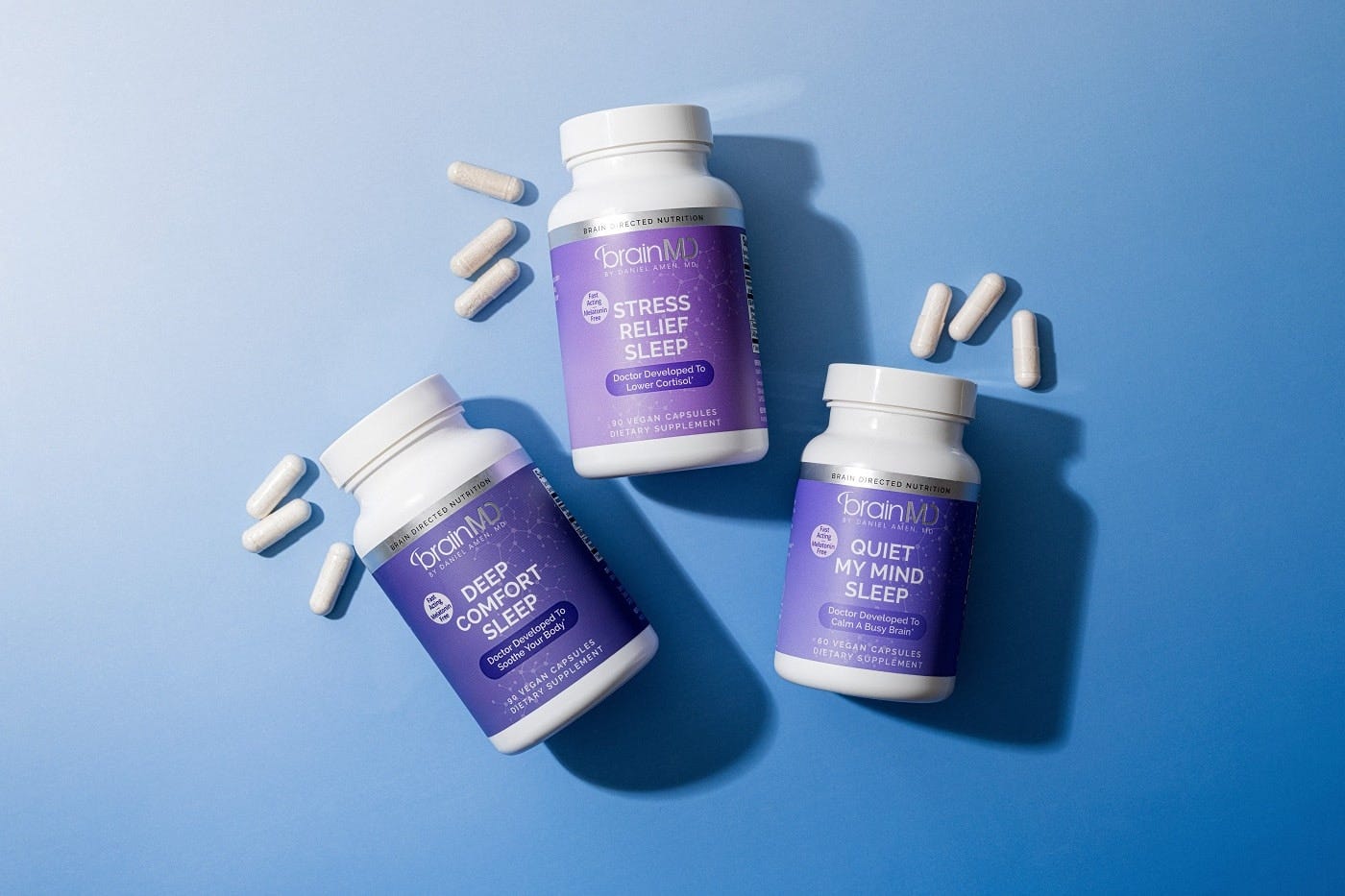



What Are Sleep Chronotypes and Which One Are You?
Are you a night owl who thrives in the late hours of the evening, or an early bird who has boundless energy in the wee hours of the morning? Or are you somewhere in between? Understanding your sleep identity can have a significant impact on your overall health and well-being. Below, we’ll explore the different chronotypes and help you discover where you land on the sleep spectrum. What Are Sleep Chronotypes? Sleep chronotypes are a relatively new concept in the field of sleep research. They’re a type of classification system based on the natural patterns of your sleep-wake cycle. The concept of sleep chronotypes was first introduced by Dr. Michael Breus in his book The Power of When. These types are used to help define your biological clock (when you feel most alert and productive vs when you’re more likely to feel fatigued or sluggish) and your preferred time for sleeping/waking, eating meals, and other daily activities. Chronotypes represent different kinds of sleepers; each has their own unique characteristics and behaviors. Understanding your sleep chronotype can help you optimize your daily routines for maximum productivity and overall well-being. Lions and Dolphins and Bears…Oh, My! No, these aren’t NFL team mascots, they’re sleep types. Here are the 4 main chronotypes plus a bonus type… [wc_box color="inverse" text_align="left" margin_top="" margin_bottom="" class=""] 1. The Lion (aka “Early Bird”) Often described as a morning person or early riser, Lions are those who prefer to rise early in the morning and tend to feel most energized during the first half of the day. They typically don’t have trouble waking up earlier than others and may even be up before the sun rises. Also, they may find it difficult to sleep past their usual wake-up time, regardless of how late they went to bed the night before. Lions make up about 15% of the U.S. population. 2. The Wolf (aka “Night Owl”) On the opposite end of the spectrum, night owls prefer to stay up late into the night. They thrive in nighttime hours, feeling most alert, energetic, and productive late into the evening or early morning hours. They may have difficulty falling asleep at an early hour, typically struggle with early mornings, and often require more time in bed to feel well-rested. Wolves make up around 20% of the population. 3. The Bear This type falls somewhere between early birds and night owls on the spectrum, with a slight preference towards either end, but still adaptable enough to function well in both daytime and nighttime hours. Bears follow a traditional sleeping pattern of going to bed at a reasonable time in the evening and waking up early in the morning. They prefer a consistent schedule with regular mealtimes and bedtime rituals. These individuals tend to be able to shift their sleep schedules without much disruption. Bears make up about 50% of the population. 4. The Dolphin Just like real dolphins, which stay alert even while sleeping, individuals comprising this sleep type may have difficulty falling asleep and tend to be light sleepers. They usually experience fragmented and disrupted sleep, waking up multiple times throughout the night. Dolphins also are known for being highly sensitive to external stimuli, such as noise or light disturbances. Dolphins make up only about 10–15% percent of the population. It’s important to note that while these four categories are the most commonly recognized chronotypes, not everyone fits neatly into one specific category. Some individuals may exhibit traits of more than one chronotype or may have a unique pattern all their own. This certainly applies to the “unofficial” fifth sleep chronotype… 5. The Hummingbird Hummingbirds defy categorization as they don’t fit into any of the traditional sleep chronotypes. They have flexible sleeping patterns and can adapt to different schedules with ease. Hummingbirds often thrive in creative or entrepreneurial roles that allow them to make their own schedule. [/wc_box] Chronotype Quiz So, how can you know your specific chronotype? That’s where a chronotype assessment comes in. A chronotype quiz is a series of questions designed to assess your natural sleep process. It considers various factors, such as: when you feel most alert and productive when you prefer to go to bed how easily you fall asleep at different times during the day or night By answering these (and other) questions, you can gain a deeper understanding of your personal circadian rhythm – the internal clock that regulates your sleep-wake cycle. There are several chronotype quizzes available online, each with their own unique approach to determining an individual’s sleep identity. One sleep test is the Morningness-Eveningness Questionnaire (MEQ), which measures whether a person is more inclined towards being a morning or evening person. Another popular sleep quiz is the Munich ChronoType Questionnaire (MCTQ), which uses self-reported data on sleeping and waking habits over weekdays and weekends to calculate an individual’s circadian typology. It also takes into account lifestyle factors, such as the amount of sunlight exposure (which naturally produces vitamin D3 in the body) a person gets each day. Some other sleep evaluations use images rather than text-based questions or involve physical tasks like recording body temperature upon waking up. Regardless of which type of assessment you choose, taking a chronotype quiz can help provide valuable insights into your sleep tendencies. Based on this information, you can make informed decisions about your daily routine and create a customized sleep schedule that aligns with your chronotype. Note: these quizzes aren’t meant to be a definitive diagnosis of your chronotype. They can function as a guideline and starting point for understanding your sleep identity, but shouldn’t be adopted without first seeking professional, medical advice. Know Your Sleep Chronotype Knowing your chronotype can help you understand why you struggle with certain tasks or habits and can help you make better choices about when to schedule tasks and activities throughout your day. It also allows you to work with, rather than against, your natural sleep rhythms, leading to improved overall productivity and well-being. It’s recommended that you consult with a healthcare professional or sleep specialist before making any adjustments to your sleep-wake schedule. At BrainMD, we’re dedicated to providing the highest purity nutrients to improve your physical health and overall well-being. For more information about our full list of brain healthy supplements, please visit us at BrainMD. These statements have not been evaluated by the FDA. This content is for informational purposes only. It is not meant to substitute for medical or healthcare advice from a physician, nor is it intended to diagnose, treat, cure, or prevent any disease. Consult your healthcare provider before beginning a new health regimen.
Learn more
Here Are 6 of the Best Outdoor Survival Skills to Keep You Safe
Do you enjoy exploring the great outdoors but worry about your safety? Fear not! We’ve got some of the best outdoor survival skills that can help ensure your safety while out in nature. From building a shelter to starting a fire and navigating using only natural tools, these essential skills can equip you with the knowledge and confidence you need to tackle any challenging situation Mother Nature throws at you. So, grab your gear and get ready to improve your outdoor survival skills! Outdoor Survival Skill Basics The great outdoors can be both exhilarating and dangerous, especially when you’re venturing out into the wilderness where modern conveniences may not be readily available. In such situations, being equipped with essential outdoor survival skills can be vital for your safety. Outdoor survival skills refer to a range of knowledge and set of techniques one must possess to survive in natural environments with limited resources. These skills cover a wide array of abilities, from basic first aid and navigation to shelter building and fire making. Whether you enjoy hiking, camping, or any other outdoor activity, these skills can help preserve your life when unexpected situations arise. From dealing with sudden changes in weather conditions to finding food and water sources, having a basic understanding of outdoor survival skills can be the difference between life and death in an emergency. It’s highly recommended that you practice what you learn in controlled settings before testing them out in real-life scenarios. Additionally, it’s important to remember that prevention is key – always make sure to take necessary precautions when heading out into the wilderness. By familiarizing yourself with these essential outdoor survival skills beforehand, you can feel more confident knowing that whatever challenges come your way during your outdoor adventures, you have the necessary skills to overcome them. So, let’s venture into the world of outdoor survival skills! Here Are 6 of the Top Outdoor Survival Skills 1. Building a Shelter One of the most important skills to have when venturing into the wilderness is the ability to build a shelter. A shelter can help protect you from harsh weather conditions. It also can provide a sense of safety and security in an unfamiliar environment. Before setting out on your trip, research different types of shelters and practice building them using natural materials found in your surroundings. Finding or making a shelter is crucial for protecting yourself from the elements and maintaining your body temperature. In an outdoor environment, exposure to rain, wind, snow, or extreme heat can quickly lead to hypothermia or hyperthermia, which can be life-threatening. Finding or building an adequate shelter should be your first task when the weather becomes inclement or when spending the night out in the wilderness. In emergency situations, where natural resources are scarce, improvising with what’s available is key. Look for natural shelters such as caves, overhanging cliffs, or fallen trees to provide protection from harsh weather conditions. If no natural shelters are around, you can construct one using materials like rocks, branches, and foliage. A sturdy and waterproof shelter will keep you dry and help you retain body heat. When constructing your shelter consider factors like: location (avoid low-lying areas prone to flooding) size (just large enough for you to fit comfortably) insulation (leaves and grass make great insulators) ventilation (to prevent condensation) camouflage (to avoid detection by predators) It’s also important to choose a location that’s elevated and away from potential dangers, like animal dens. There are several types of shelters that can be constructed depending on the resources available and individual preferences. The most basic shelter is a lean-to structure consisting of two vertical posts with a slanted roof made up of tree branches or leaves. This type of shelter provides protection from rain and wind while still allowing some ventilation. Another commonly used shelter is a debris hut, which consists of using nearby sticks, leaves, and branches to create an insulated dome-like structure. This type of shelter is effective in trapping body heat during cold nights. It may take longer to construct than other shelters, but it offers better protection against harsh weather conditions. For those who have access to a tarp or plastic sheeting, making a tarp tent could be an efficient option for building a shelter quickly. All you need are trees or poles to tie the tarp between and secure its edges with rocks or stakes. Whichever type of shelter you choose to build, there are some key principles to keep in mind for its construction: [wc_box color="inverse" text_align="left" margin_top="" margin_bottom="" class=""] Ensure Stability – Your structure should be sturdy enough to withstand strong winds or heavy rains without collapsing. Insulation – Use materials like leaves, grass, or pine needles between layers when constructing your roof or walls for added insulation against cold temperatures. Water Drainage – Make sure your shelter has proper drainage to prevent water from accumulating and causing your structure to collapse. Fire Safety – Be cautious of the materials you use for your shelter, as some may be highly flammable. Allow enough space between your shelter and any fire pits or cook stoves. [/wc_box] Mastering the skill of shelter building is vital for wilderness survival. Along with finding food and water, a suitable shelter can significantly increase your chances of making it through unexpected situations in the great outdoors. Pro Tip: Remember to always prioritize safety and take advantage of available natural resources when constructing your shelter. 2. Finding Water One of the biggest challenges of surviving in the wilderness is finding clean drinking water. The human body can only survive a few days without proper hydration, making it a top priority when journeying outdoors (especially if you become lost or use up all water stores). Without access to clean water, dehydration can set in quickly and lead to serious health issues. If provisions allow, carry a portable water filtration system or tablets that can purify untreated water on-the-go. If no suitable water sources are found nearby, gather dew from plants early in the morning using cloth or absorbent clothing items like socks to squeeze out moisture into containers. When searching for water in the wild, be aware of your surroundings. Look for signs such as lush vegetation or animal tracks that may indicate the presence of a nearby water source. If you’re near a body of water like a river or lake, approach it carefully as these areas also can harbor dangerous creatures and slippery rocks. Avoid stagnant or discolored water as it may be contaminated with bacteria or parasites. If you can’t find any visible sources of water, don’t panic. Sometimes the best water sources can be found underground or within plants and trees. To extract water from plant life, cut off leaves from cacti or vines and squeeze them into a container to collect the liquid. You also can dig into damp soil near plants to create a small well that groundwater can seep into. Another useful method is creating a solar still using everyday materials like plastic sheeting or clothing fabric stretched over an empty container placed on top of moist soil with vegetation inside. As the sun heats up the ground below, condensation forms on the sheeting which collects pure droplets into your container. Once you’ve found water in its natural form, it’s important to purify it before consumption as there could still be harmful pathogens present. The simplest way to purify water is to boil it in a pot over an open flame until bubbles start forming, then continue boiling it for at least 3 minutes before allowing it to cool. If starting a fire isn’t possible due to environmental factors or lack of equipment, like a pot or matches, use purification tablets before drinking the water. Available at many sporting goods stores, these tablets contain iodine, which can kill most bacteria in the water. For those without access to tablets, try using the sun’s UV rays and purify water by leaving it in a clear container exposed to direct sunlight for a minimum of 6 hours. Staying hydrated is crucial to wilderness survival. By following these tips and techniques, you can safely locate and purify water to keep yourself hydrated and healthy. Pro Tip: Always remember to prioritize finding clean sources of water over satisfying thirst immediately, as the consequences could be life-threatening. 3. Starting a Fire Knowing how to start a fire is an essential survival skill. Whether you need warmth, light, protection from animals, or a way to cook food, having the ability to create fire can be crucial for your safety in the wilderness. Also, it’s important to know how to start a fire without matches or a lighter, since these items may get lost or damaged during your trip. You can create fire by using friction techniques, like rubbing two sticks together or using flint and steel. Here are some important tips for starting a fire in the great outdoors. Gather Materials The first step in starting a fire is gathering materials. Look for dry twigs, leaves, and small sticks around your campsite. These materials will serve as your kindling and fuel for the fire. Choose a Safe Location It’s important to choose a safe location for your fire. Check for overhanging branches or low-hanging vegetation that could easily catch fire. Clear away any debris and make sure you have at least three feet of open space around the base of your chosen location. Build a Fire Pit Once you’ve found a safe location, it’s time to build a fire pit. You can create a circle of rocks or dig a shallow hole to contain the flames. Add Kindling Add your dry twigs and small sticks as kindling on top of some crumpled newspaper at the base of your pit. The key is making sure these materials are dry so they’ll catch fire quickly. Add Fuel Wood Once your kindling has caught fire, slowly add larger pieces of wood on top of it one by one until you’ve built up enough flames and heat to sustain itself. Use Fire Starters If you’re having trouble getting a spark from just rubbing two sticks together or using a flintstone, consider bringing along some additional help like waterproof matches, dryer lint, or lighter fluid infused cotton balls which can act as reliable fire starters. Have a Water Source Nearby Always be prepared with extra water. You also may want to have a small fire extinguisher handy just in case things get out of control. Extinction Once you’re finished with the fire, make sure to thoroughly extinguish it by pouring water over the coals and stirring them until they’re cool to the touch. This will ensure that your fire doesn’t reignite or spread after you leave your campsite. Knowing how to start a fire is an essential outdoor survival skill that can ultimately save your life in a wilderness emergency. Pro Tip: Always follow Leave No Trace principles and properly dispose of any remnants or embers from your fire before leaving the area. 4. Navigating Without GPS Getting lost in the wilderness is every adventurer’s nightmare. Learning basic compass navigation skills is crucial for wilderness survival. A compass helps you determine directions and navigate your way back to camp if you lose your way during a nature walk. While GPS devices and compasses have made navigation easier, it’s also important to know how to navigate without them, as technology can fail or become lost. Here are some essential tips for navigating without GPS in the wilderness. Familiarize Yourself with the Terrain Before venturing out into the wilderness, it’s important to study and familiarize yourself with the terrain. Look at maps and topographical features such as mountains, rivers, valleys, and other landmarks. This will give you a general idea of where you’re going and help you recognize these features while on your journey. Use Natural Navigation Methods Nature provides us with clues that can help us navigate without GPS. The sun rises in the east and sets in the west, so if you have a general idea of what time it is, you can use this information to determine direction. Also, moss tends to grow on north-facing sides of trees due to less exposure to sunlight – a useful indicator if you’re lost during daylight hours. Trail Marking Skills When trekking through dense forests or unmarked trails, leave markers such as plastic ribbons tied around tree branches or small piles of rocks along your path so that your trail can be easily retraced in case you get lost. Practice Dead Reckoning If you happen to have a map and a compass, you can use the dead reckoning method. This involves measuring your direction and distance travelled from a specific starting point using landmarks or topographical features as reference points. Pay Attention to Inclines When crossing valleys or mountain ranges, it’s important to pay attention to inclines and descents. In general, valleys tend to slope towards water sources, such as rivers or streams, while ridgelines usually run parallel with them. By paying attention to these natural patterns, you can determine the correct direction. Remember, navigation without GPS may take some practice and experience, so make sure to brush up on these skills before heading into the wilderness. Pro Tip: It’s also essential to stay calm and focused when lost – panicking will only make things worse. 5. Food Gathering Finding and foraging for food is one of the most important skills to have when it comes to surviving in the great outdoors. The first step in finding food is knowing what types of plants are safe to eat. It’s important to educate yourself on common edible plants found in your area before heading out into the wild. Some valuable resources include field guides or taking a local class on plant identification. One general rule of thumb when it comes to edible plants is “If you don’t know what it is, don’t eat it.” It’s always better to err on the side of caution and avoid eating any unknown plants that could be toxic. When searching for edible plants, keep an eye out for familiar favorites such as berries, nuts, fruits, and vegetables. These can be a reliable source of nutrients and energy while out in the wilderness. Edible roots and tubers such as dandelions, cattail roots, or burdock also can provide sustenance. Insects like crickets, ants, and grasshoppers also offer valuable sources of protein. Another useful tip is paying attention to animals around you – they often rely on certain plants as a food source which can indicate that those plants are safe for human consumption too. However, never eat any plant that’s been partially eaten by animals as it may still contain toxins even if animals seem unharmed. In addition to plant-based foods, learning how to hunt or fish can be incredibly beneficial when trying to survive in the wild. This requires some basic knowledge of tracking techniques and understanding of animal behavior. If possible, bring along a small fishing kit with hooks, line, sinkers, and bait so you’ll be prepared if needed. It’s also important not to over-harvest any food sources, as this can negatively impact the environment and deplete resources for other animals and future survival situations. Before consuming any plant or animal-based food, it’s crucial to properly clean and cook them. This not only kills potential harmful bacteria but also makes certain foods more palatable and digestible. Finding and foraging for food is an essential skill that can increase your chances of survival in the wilderness. Pro Tip: By educating yourself on edible plants, being aware of animal behaviors, knowing how to fish or hunt, and how to properly prepare your meals, you’ll be better equipped to sustain yourself in the wild. 6. First Aid Skills Accidents happen even when you’re well-prepared. Carry a first aid kit and learn how to treat common injuries like cuts, burns, sprains, or bites. In any outdoor venture, having some basic first aid skills is crucial in ensuring your safety and the safety of those around you. Being equipped with basic first aid knowledge can make all the difference in a potentially life-threatening situation. Here are some essential first aid skills that every outdoor enthusiast should know. Basic Wound Care Whether it’s a cut, scrape, or puncture wound, knowing how to properly clean and dress a wound is an important skill to have in the wild. Remember to wash your hands before touching any open wounds and clean the affected area with soap and water. Apply a sterile dressing or bandage to protect the wound from infection. CPR and Choking Knowing how to perform CPR (cardiopulmonary resuscitation) can save someone’s life if they’ve stopped breathing due to drowning or other incidents. Similarly, understanding how to assist someone who’s choking can be critical in preventing asphyxiation. Splinting A broken bone or sprained joint can occur during outdoor activities like hiking or rock climbing. In such situations, knowing how to create a makeshift splint using available materials (such as sticks or trekking poles) can help stabilize the injury until you, or another member of your party, can receive proper medical attention. Dealing with Allergic Reactions It isn’t uncommon for individuals to experience allergic reactions while spending time outdoors, especially when exposed to insect bites or plant allergens like poison ivy. Knowing what symptoms to look out for and carrying antihistamines or epinephrine injectors (for severe allergic reactions) can help prevent serious complications. Heat- and Cold-related Emergencies Extreme temperatures are common in wilderness environments. It’s important for individuals to know what measures should be taken when faced with heat exhaustion, heatstroke, hypothermia, or frostbite. Always check the weather forecast before departing and prepare accordingly. Identifying and Treating Common Illnesses Being able to recognize the symptoms of common ailments, such as dehydration, diarrhea, and altitude sickness, can help prevent them from becoming serious issues. It’s also important to remember that one of the keys to outdoor safety is prevention. Ensuring you have a well-stocked first aid kit, staying hydrated and protected from the sun, and being aware of potential dangers in your surroundings, can go a long way in keeping you safe while enjoying the great outdoors. Pro Tip: Taking a first aid course before embarking on any outdoor excursion can provide you with valuable knowledge and hands-on experience to handle emergencies effectively. Be Safe, Have Fun These outdoor survival skills are essential for anyone planning to spend time in the wilderness. However, it’s equally important to remember that prevention is paramount when it comes to outdoor activities. Be prepared with proper gear, research the area you plan to visit beforehand, and always tell someone your itinerary before heading out into the wild. With the right skills and mindset, you can enjoy a safe and fun outdoor adventure. At BrainMD, we’re dedicated to providing the highest quality supplements to improve your physical health and overall well-being. For more information about our full list of brain healthy supplements, please visit us at BrainMD. These statements have not been evaluated by the FDA. This content is for informational purposes only. It is not meant to substitute for medical or healthcare advice from a physician, nor is it intended to diagnose, treat, cure, or prevent any disease. Consult your healthcare provider before beginning a new health regimen.
Learn more
How to Study Effectively at Home: Tips to Study Smarter, not Harder!
Studying at home has its perks! You don’t have to leave the house, and snacks are easily accessible; it’s both comfortable and convenient. However, it can be easier to procrastinate and get distracted at home, making it harder to have productive study sessions. Fortunately, we’ve gathered the best tips to help you study from home smarter, not harder! Best Ways to Study Smarter at Home Develop a Routine Study routines, like daily routines, are key to helping you become more efficient. Routines are your friend. They will help you develop a rhythm around studying and spend less time deciding when, where, and how long to study. Choose a set time of day to study regularly, or if you need more flexibility, connect your studying to another part of your daily routine. For example, study right after dinner, or when you finish your workout session. Choose a Designated Area It doesn’t have to be a fancy home office, (although this’s definitely nice!) but choose a designated area for studying. It could be your kitchen table, a desk, or even a spot in your living room. It’s important to avoid your bed as your study area because not only will you probably be tempted to take a nap, but also it can mess with your nighttime sleep patterns. Some things to consider when setting up your study area: Get some natural light if possible. This can improve your mood and energy. Choose a supportive, comfortable chair. Keep it tidy to reduce clutter and distraction. Get Dressed Whether you’re working from home, or just studying at home, it can be tempting to put on (or keep on) your pajamas for comfort. However, getting or staying dressed, depending on if you’re studying in the morning or afternoon, will signal to your brain that you’re still in work mode. Dress for success. It’s a simple hack that can increase productivity. Prepare Healthy Snacks When you’re working hard, the craving for a study snack is sure to hit. Set yourself up for success by preparing your snacks ahead of time. This way you won’t have to make decisions about what to eat, stop working to spend time in the kitchen, or run out to pick something up. Don’t underestimate the power of what you choose for a snack. A snack with protein will fuel your body and brain. Consider a high-protein snack like guacamole, hummus, or trail mix. Or, if you’re looking for a basic packaged bar to keep in your bag, try the plant-based Brain Boost Bar. Snack Prep Tips: Keep a list with all your favorite snack options handy to help you when you’re planning or shopping. Prepare snacks in batches to save time. Don’t forget water! Keep a water bottle nearby when studying. Not all snacks are created equal. Avoid sugary and processed options. Caffeine and energy drinks will backfire in the long run. Instead, grab a high-protein, balanced snack like apples and almond butter, edamame, or a nut mix. Set a Study Plan Daily Do you know what you want to accomplish when you sit down to study? How about your focus for the day? It’s smart to take a minute and make a plan at the beginning of each study session. Use the active studying method by asking questions at the beginning, middle, and end of your studying to increase productivity. Questions to ask before you begin studying: What am I about to learn? What do I already know about this? Questions to ask while you study: Can I paraphrase this? Are there keywords or ideas to write down? How does this fit into a bigger picture? Questions to ask at the end: What are the main takeaways from today? What do I need to review later? What do I need to learn next time? Having a plan can help you stay focused and give you an identifiable starting and ending point. Set Timers to Keep You on Track Setting a timer is a simple way to keep you on track and to help you move through your tasks. If it’s overwhelming for you to tackle long study sessions, set short timers and allow yourself small breaks in between. Having a timer will help you stay motivated to work when it’s time to work, and allow you to truly unwind and relax when your timer ends. Use Sounds to Your Advantage Sounds can be a powerful tool for productivity and focus. On the other hand, research has shown that some sounds can be a distraction and have a negative impact on your ability to focus. Best Study Sounds: White noise Nature sounds Classical music Headphones are ideal to help eliminate other sounds if you have distracting noises around in your home while you are studying. Stay Active This tip is specifically for before or after studying. Stay active in your everyday life. It’s good for your overall health and will help with concentration, focus, and productivity when you study. If you want to study more effectively at home, be sure to exercise regularly. 4 Common Studying Pitfalls and What To Do Instead 1. Getting distracted by social media and cell phones. This is probably the number one distraction and interruption to effective studying. Do This Instead: Turn off notifications while you study. Check your phone for a set amount of time during breaks. 2. Starting without a focus. If you sit down to study without knowing what you want to accomplish, you may get to the end of the study session without learning what you really needed to. Do This Instead: Make a plan and set a timetable. 3. Studying in your bed. It’s comfy and cozy, but it isn’t the most productive place to be. Do This Instead: Make your bed in the morning and don’t return to it until bedtime. 4. Cramming last minute with lengthy study sessions. Don’t let procrastination get the better of you, leaving you with no other option than to cram the night before. Do This Instead: Do shorter nightly reviews to stay on track. Study Smarter, Not Harder It comes down to thinking ahead. Start by developing a routine, a time and a place to study, and be sure to dress for success. Plan and prep your study snacks, set a daily study plan, and use timers and sounds to your advantage. Finally, stay active when you aren’t studying to improve your concentration, focus, and overall well-being. Implement these smart study tips and you’ll be more effective when studying at home. At BrainMD, we’re dedicated to providing the highest purity nutrients to improve your physical health and overall well-being. For more information about our full list of brain healthy supplements, please visit us at BrainMD.
Learn more
Here’s How to Get to Know Your Brain In a Whole New Way!
Have you ever been disappointed by an online personality test? Maybe the results placed you in a rigid category that left you feeling discouraged, confused, or even stigmatized. In many cases, online personality tests fail to consider an individual’s health habits and personal history. Others neglect to include an improvement plan. Another problem with online tests is that they typically aren’t backed by science. Ultimately, the biggest problem with most standard personality tests is that they ignore the source of your personality…the brain. With so many poorly-designed tests flooding the internet, we’re proud to present the Brain Health Assessment (BHA). Brain Health Assessment This science-based, Brain Type Test: Is powered by the world’s largest database of functional brain scans. Incorporates extensive research from over 70 clinical studies on brain health. Is based on the combined clinical experience of a team of doctors who have worked with patients from 120 countries. Backed by decades of research, the results of the BHA will give you a personalized report that measures your overall health and includes recommended improvement strategies. Brain Type Test With the help of brain SPECT scans and millions of questionnaires, we’ve discovered 16 unique Brain Types. Brain Types 1-5 are Primary Types, while 6-16 are Combination Types. Which type are you? Take the BHA! Based on your answers in the Brain Type Test, you’ll be given a Brain Fit Score. In your report (sent via email), you’ll receive diet and lifestyle recommendations. Also included is a suggested supplement regimen customized for your specific Brain Type. Brain Fit Score The Brain Fit Score is generated from your responses to the questions in the BHA. The Brain Fit Score ranges from 0-100 and is based on seven categories: [wc_box color="inverse" text_align="left" margin_top="" margin_bottom="" class=""] Brain Health Habits Sleep Memory Executive Function Inner Peace Mood Flexible Thinking [/wc_box] Action Plan Based on your Brain Fit Score, your report also includes a comprehensive action plan that focuses on lifestyle interventions, including diet and supplement recommendations customized for your Brain Type. Brain Healthy Nutrition One of the quickest ways to achieve better brain function is learning which foods to choose and which foods to lose. In this section, you’ll receive dietary recommendations for your specific Brain Type. Brain Supporting Supplements The addition of brain directed supplements can help support your physical and mental energy levels, making it easier for you to follow a brain-healthy program every day. This section includes core supplements and targeted supplements for your Brain Type. About The BHA "Our mission is to help people change their brains and change their lives. We’ve seen people go from fatigued, sad, moody, and forgetful to energetic, happier, calmer, brighter, and sharper. One of the unique aspects of our work at Amen Clinics is our sophisticated brain imaging study, SPECT (single photon emission computed tomography). SPECT measures blood flow and activity in the brain and tells us how the brain functions. It allows us to take a detailed look deep inside your brain and provide recommendations based on your brain activity. It’s a phenomenal tool, but many people who want to get scanned don’t have the time or resources to visit one of our clinics for a brain scan. So, based on the world’s largest database of brain scans related to behavior (230,000 and growing), my colleagues and I developed the Brain Health Assessment to help people predict what their brain might look like if they were scanned. It’s the next best thing to getting a scan. This quiz helps you determine your Brain Type. Knowing your Brain Type can help you understand more about how you think, act, and interact with others. More importantly, it can help you learn how to optimize your individual brain to help you feel better and make you more successful in every area of your life – at work, at school, at home, and in relationships. Over 2 million people have already taken the BHA, and versions of the quiz are used by thousands of medical and mental health professionals around the world." In your service, Daniel G. Amen, MD Get Know Your Brain In a Whole New Way! Just as identifying your abilities, interests, and skills can help you become a more well-rounded, successful person, knowing your Brain Type can help you better understand who you are and why you do what you do. These insights can help you know what mental/brain health risks you may face, which can potentially impact your future career and relationships in significant ways. To discover your Brain Type, take the free online test. It only takes about 5 minutes to complete, and your answers are completely confidential. Take the BHA today! Note: The purpose of this quiz is to provide general information regarding Brain Types related to healthy brains. Taking this quiz is not intended to diagnose, cure, treat, or prevent any condition, nor does it create a physician/patient relationship between you and Dr. Amen or the other physicians at Amen Clinics. Please consult a mental health professional if you believe you have a mental health concern. At BrainMD, we’re dedicated to providing the highest quality supplements to improve your physical health and overall well-being. For more information about our full list of brain healthy supplements, please visit us at BrainMD. These statements have not been evaluated by the FDA. This content is for informational purposes only. It is not meant to substitute for medical or healthcare advice from a physician, nor is it intended to diagnose, treat, cure, or prevent any disease. Consult your healthcare provider before beginning a new health regimen.
Learn more
How Your Heart & Sexual Health Can Improve Cognitive Function
Maintaining optimal brain health is essential for a fulfilling life. The brain relies heavily on blood flow to receive nutrients and eliminate toxins. Research reveals that it's not our brain cells that age rapidly, but rather the blood vessels supplying them. This insight highlights the critical role of vascular health in preserving cognitive function as we age. In this comprehensive guide, we'll explore proven strategies to enhance blood flow to the brain and promote overall well-being. The Importance of Blood Flow Blood flow is crucial for delivering oxygen and nutrients to cells, while removing waste products. Despite its relatively small size and light weight (about three pounds), the brain consumes 15% of the body's blood supply.¹ As such, maintaining healthy blood circulation is vital not only for cognitive function, but also for overall physical health, including heart and sexual health. The Connection Between Blood Flow and Brain Aging Studies suggest that brain cells may not deteriorate as quickly as previously thought.² Instead, the aging of blood vessels that supply the brain can affect cognitive function. As these vessels age, they become less efficient at delivering blood, leading to potential brain dysfunction. 6 Strategies to Enhance Blood Flow to the Brain 1. Regular Exercise Engaging in regular physical activity strengthens the cardiovascular system, ensuring efficient blood flow throughout the body, including the brain. Activities like aerobic exercises, strength training, and yoga can significantly enhance vascular health. 2. Healthy Diet Consuming a diet rich in brain-healthy foods can promote better blood flow. Include foods high in antioxidants, omega-3 fatty acids, and essential vitamins and minerals. Examples include leafy greens, fatty fish, berries, nuts, and seeds. 3. Stress Management Extreme stress can constrict blood vessels, reducing blood flow. Practicing stress-relief techniques such as meditation, deep breathing exercises, and mindfulness can help maintain optimal vascular health. 4. Adequate Hydration Staying well-hydrated is essential for maintaining blood volume and flow. Aim to drink at least eight glasses of water daily. 5. Avoiding Harmful Substances Minimize the intake of substances that can damage blood vessels, such as caffeine, nicotine, and recreational drugs. Reducing alcohol consumption can also benefit vascular health. 6. Optimal Sleep Quality sleep is crucial for vascular repair and overall health. Aim for 7-9 hours of uninterrupted sleep per night. The Role of Vascular Health in Erectile Dysfunction There is a notable correlation between vascular health and erectile dysfunction (ED). As blood flow decreases, the risk of ED increases, which is often accompanied by cognitive decline. Research from the Boston School of Sexual Medicine indicates a significant overlap between ED and brain dysfunction, particularly in aging males.³ Key Statistics 40% of men aged 40 may experience erectile dysfunction and brain dysfunction. This rate increases dramatically with age, with nearly 70% of men aged 70 experiencing both conditions. Promoting Blood Flow to the Brain, Heart & Muscles To ensure healthy brain function, it's essential to focus on vascular health through: Exercise: Regular physical activity improves cardiovascular health and enhances blood flow to the brain. Diet: Eating a brain-healthy diet rich in antioxidants and omega-3 fatty acids helps support vascular health. Hydration: Drinking plenty of water ensures adequate blood volume and flow. Supplements: Brain & Memory Power Boost, which contains ginkgo biloba extract, helps support blood flow and cognitive function.* Brain & Memory Power Boost With six research-backed ingredients, this daily cognitive enhancer helps you think faster, stay focused, and feel mentally sharp at any age.* Whether you're overwhelmed, overworked, or just want a cognitive edge, this is your go-to for sharper memory and clearer thinking.* Blood Flow Supporting Ingredient Ginkgo Biloba Extract Derived from the leaves of the ginkgo biloba tree, this supplement supports healthy cerebral blood flow.* It enhances oxygen delivery to the brain, promoting cognitive health.* "Brain & Memory Power Boost is one of the best brain-health supplements available, offering support for a wide range of cognitive functions including focus, memory and mental clarity." – Daniel G. Amen, MD Get In The Flow Maintaining brain health is intricately linked to the health of your blood vessels. By focusing on strategies to enhance blood flow, such as regular exercise, a healthy diet, stress management, and hydration, you can support cognitive function and overall well-being. Supplements that include ginkgo biloba extract offer additional support for maintaining optimal blood flow and brain health.* Embracing the above practices can help ensure a vibrant and healthy life as you age.* At BrainMD, we’re dedicated to providing the highest quality supplements to improve your physical health and overall well-being. For more information about our full list of brain healthy supplements, please visit us at BrainMD. *These statements have not been evaluated by the FDA. This content is for informational purposes only. It is not meant to substitute for medical or healthcare advice from a physician, nor is it intended to diagnose, treat, cure, or prevent any disease. Consult your healthcare provider before beginning a new health regimen. References: 1. Maldonado, K. A., & Alsayouri, K. (2023). Physiology, brain. In StatPearls. StatPearls Publishing. https://www.ncbi.nlm.nih.gov/books/ 2. Disouky, A., Sanborn, M. A., Sabitha, K. R., Mostafa, M. M., Ayala, I. A., Bennett, D. A., Lu, Y., Zhou, Y., Keene, C. D., Weintraub, S., Gefen, T., Mesulam, M.-M., Geula, C., Maienschein-Cline, M., Rehman, J., & Lazarov, O. (2026). Human hippocampal neurogenesis in adulthood, ageing and Alzheimer’s disease. Nature. 3. Boston University School of Medicine, Center for Sexual Medicine. (n.d.). Epidemiology of ED. Retrieved March 23, 2026, from https://www.bumc.bu.edu/sexualmedicine/physicianinformation/epidemiology-of-ed/
Learn more
Here's Why You Should Try Box Breathing to Reduce Stress
What if someone offered you a way to relax your body, clear your mind, and enhance your focus in a few minutes – for free? Would you wonder what the pill was, or the catch? Well, there really is a way to receive those health benefits in a few minutes, and you can do it virtually anywhere. All it requires is breath. It’s called box breathing. It’s a simple relaxation technique that involves breathing in and out and holding in between. It’s designed to facilitate a calming response after experiencing something stressful. The best part? It’s easy and it works! What Is Box Breathing? Box breathing is a deep breathing technique designed to calm the mind and body after a stressful experience. Also known as equal breathing, four-square breathing, or just square breathing, the technique’s roots come from the ancient yoga practice of pranayama (breath control); the Sanskrit word for box breathing is sama vritti pranayama. Pranayama involves regulating the breath, which may improve mental and physical well-being. Just as a box has four sides, the breathing sequence involves a slow count to 4 for a total of 4 times. Here’s how it works: Breathe in through the nose for a count of 4. Hold your breath for a count of 4. Breathe out for a count of 4. Hold your breath for a count of 4. Repeat 4 times. Today, box breathing has gained popularity due its use in medical settings and in the U.S. military. Patients use box breathing to help manage feelings of anxiousness and pain during procedures. Navy SEALs use it to boost mental focus and promote calm in high-stress scenarios – as well as help ward off panic attacks and reduce feelings of anxiousness in combat situations. It’s no doubt valued because it delivers measurable results, having been shown to have a healthy impact on blood pressure, heart rate, and cortisol levels (the body’s main stress hormone). Benefits of Box Breathing Box breathing is actually a form of deep (diaphragmatic) breathing, which has myriad proven benefits. Here’s how it works. In times of stress, your sympathetic nervous system goes on high alert, readying your body for fight or flight. The breathwork from box breathing helps to calm the stress response and engage the parasympathetic nervous system, also known as the “rest and digest” nervous system. When this happens, all the physiological changes of the stress response can return to normal. Indeed, markers of relaxation have been noted in multiple studies following deep breathing exercises. A 2017 study showed a reduction of cortisol as well as improved attention following deep breathing. It also noted that deep breathing may be helpful in calming stress, reducing feelings of anxiousness, and boosting low mood. The breath counting used in box breathing can be meditative too. In another study, breath counting was associated with greater focus and better mood. What’s more, research shows that yoga, which incorporates deep breathing, especially over time, may help an individual react differently to stress in the future. Evidence suggests that the relaxation response resulting from deep breathing may alter how certain genes are switched on. Also, it may help to reduce the activation of genes associated with stress and inflammation. In a recent study, it was demonstrated that box breathing produced a greater stress-reducing impact on the body than mindfulness meditation – although mindfulness meditation did have benefits as well. One measurable effect was a greater reduction in heart rate. Imaging studies of brains after deep breathing exercises show changes that tend to increase comfort, relaxation, pleasantness, energy, and alertness, while reducing arousal, feelings of anxiousness, low mood, anger, and confusion. Box Breathing for Well-Being Breath is a powerful tool available for you to use at any time of day, virtually anywhere. You can adjust the counts of each step as needed but keep them consistent. Experts say it’s effective before, during, or after a stressful event. It doesn’t require a calm environment to work. Try it in an airport before you board, during an exam, or after a difficult conversation. Practice it at your desk in the afternoon to relieve stress, refresh your focus, and boost your energy. Use the technique as a ritual before you go to sleep. Or start your day with it and add in some positive affirmations. The benefits are waiting! At BrainMD, we’re dedicated to providing the highest purity nutrients to improve your physical health and overall well-being. For more information about our full list of brain healthy supplements, please visit us at BrainMD.
Learn more
Embracing Your Alone Time: What to Do When You Feel Lonely
Being alone doesn’t have to be a negative experience. In fact, it could be just what you need for personal growth and self-discovery. If you’re looking for ways to turn solitude into an opportunity for meaningful reflection and personal enrichment, keep reading! Understanding Loneliness: The Difference Between Being Alone and Feeling Lonely Feeling Lonely Loneliness is a common human experience that can affect people of all ages, genders, and backgrounds. It’s often thought of negatively since it can cause feelings of sadness, isolation, and longing for social connection. Feeling lonely is an emotional state that arises from a perceived lack of social connectedness or meaningful relationships. These feelings may be intensified by societal norms and expectations that place a high value on socialization and being part of a group. Loneliness isn’t always linked to physical isolation or a lack of social interaction. Ironically, it’s possible to feel lonely at social gatherings or even in a crowd. When intense and prolonged, these feelings can have detrimental effects on one’s mental health and well-being. However, there’s a distinction between feeling lonely and being alone. Being Alone Being alone refers to physically being by oneself without any company or social interaction. This could be due to circumstances such as living alone, not having close friends or family nearby, or choosing to spend time by oneself. Being alone doesn’t necessarily equate to loneliness as some individuals may find solace and enjoyment in their own company. Key Differences One key difference between being alone and feeling lonely is the level of distress associated with each state. While being alone may be seen as temporary solitude or a personal choice, feeling lonely tends to bring about more negative emotions such as emptiness, despair, and self-doubt. Another important factor in understanding loneliness is the quality vs quantity of relationships. A person may have many acquaintances, or even a large circle of friends, but still feel deeply isolated if these connections lack depth and intimacy. Conversely, someone with just one close friend or family member who they confide in regularly may feel less lonely despite spending most of their time alone. Notable Nuances It’s important to realize that there are nuances between being alone and feeling lonely. While some may thrive in solitude, others may experience deep feelings of loneliness despite being surrounded by people. It’s crucial to understand these distinctions to effectively address and cope with feelings of loneliness. Why Alone Time is Important In our hectic society, finding some quality alone time may seem like a luxury. However, carving out time for yourself is crucial for your mental, emotional, and physical well-being. Alone time means consciously choosing to spend time by yourself without any distractions or obligations. It doesn’t necessarily mean being completely isolated; instead, it’s about creating a peaceful environment that allows you to relax, reflect, and recharge. Whether you’re an introvert or extrovert, everyone can benefit from alone time. Here’s why alone time is so important and how it can positively impact your life. [wc_box color="inverse" text_align="left" margin_top="" margin_bottom="" class=""] Enhances Self-awareness Spending some uninterrupted moments with yourself allows you to get in touch with your thoughts, feelings, and emotions. It provides you with an opportunity to understand yourself better and identify what truly matters to you. This can lead to increased self-awareness and personal growth. Boosts Creativity Being alone can help unleash your creativity as it allows your mind to wander freely without any external distractions. Many artists, writers, and musicians find inspiration during moments of solitude. Reduces Stress The modern lifestyle has made stress one of the most common mental health issues. Taking occasional breaks from social pressures can help lower levels of the stress hormone cortisol, which can contribute to mood issues and burnout. Improves Problem-solving Skills An individual’s decision-making process may be negatively influenced by external factors. Alone time provides space for unbiased contemplation and can lead towards better problem-solving. Increases Productivity Being alone allows you to focus on a task without interruptions or distractions, which can help improve productivity. You also can use your alone time to plan and organize your thoughts, goals, and priorities. [/wc_box] Embracing Your Alone Time: 5 Top Tips for How to Enjoy Your Own Company Embracing your alone time can be a daunting idea for many people. The thought of being by yourself and disconnected from others can trigger feelings of loneliness and isolation. However, spending time alone can be a positive and enriching experience if approached with the right mindset. Here are some tips to help you make the most of your alone time: 1. Set Aside Designated Alone Time While juggling various activities and responsibilities, it can be easy to let alone time fall by the wayside. However, it’s important to intentionally set aside specific times in your schedule to spend by yourself. This will allow you to fully disconnect from outside distractions and focus on recharging your mind, body, and soul. 2. Engage in Activities That Bring You Joy Alone time offers an opportunity to participate in things you may not have had the chance to do while surrounded by others. Think about the activities or hobbies you enjoy. Whether it’s reading a book, painting, or even just taking a long bath, be sure to incorporate these activities into your alone time routine. 3. Practice Mindfulness Instead of constantly reaching for your phone or turning on the TV when you’re alone, try practicing mindfulness instead. Take a moment to focus on your breathing or get outside for a nature walk. This can help you be more present in the moment and appreciate the beauty around you. 4. Embrace Solitude Becoming comfortable with alone time is an essential part of self-care. It allows you to listen to your inner thoughts and needs without any external influences or distractions. Use this opportunity to reflect on your life. What makes you happy? In what areas do you want to improve? Self-awareness is one of the keys to personal growth. 5. Start a New Hobby or Skill Use your alone time as an opportunity to discover new hobbies or learn new skills. Maybe you’ve always wanted to learn how to play an instrument or cook a certain cuisine – now’s the perfect time! Not only will this challenge your mind and keep you focused, but it also can boost your confidence and provide a sense of accomplishment. Take Time for Yourself Embracing alone time can have numerous benefits for your mental and emotional well-being. It can help you disconnect from the constant noise and distractions of the outside world while giving you a chance to recharge and focus on yourself. Instead of turning to social media or seeking validation from others, try embracing your alone time as an opportunity for self-reflection and personal growth. Use this time to practice self-care activities such as journaling, reading, exercising, or indulging in a hobby you enjoy. Remember, taking some time for yourself isn’t selfish, it’s essential for your overall well-being. At BrainMD, we’re dedicated to providing the highest quality supplements to improve your physical health and overall well-being. For more information about our full list of brain healthy supplements, please visit us at BrainMD. These statements have not been evaluated by the FDA. This content is for informational purposes only. It is not meant to substitute for medical or healthcare advice from a physician, nor is it intended to diagnose, treat, cure, or prevent any disease. Consult your healthcare provider before beginning a new health regimen.
Learn more
Best Natural Remedies for Period Symptoms
We’ve rounded up the best natural ways to help you when it’s that time of the month. There are several easy and effective ways to get relief for some of the most common period symptoms, including: ● Menstrual cramps ● Bloating ● Lower back ache ● Headache ● Low mood ● Fatigue ● Poor sleep ● Hormonal acne During your period, it’s normal to feel some negative symptoms that leave you feeling uncomfortable and lousy. Even so, you don’t have to just put up with it. Trying some of these simple and natural ideas during your period can get you feeling better in no time. 8 Best Ways to Get Natural Relief for Your Period 1. Drink Water Yep, you’re already doing it. This one is simple, but it’s tried and true! Hydration is important anytime, but keeping yourself hydrated during your period can help with everything from hormonal acne to headaches, fatigue, and even cramping. Without enough water, your menstrual cramping may be worse than it would be otherwise. Drinking water also helps flush out toxins from the body. It’s generally recommended for women to aim for getting 72 ounces of water daily. Along with getting enough water, try to stay away from caffeine and alcohol. Caffeine is a stimulant and is known to increase irritability and feelings of anxiousness. On the other end of the spectrum, alcohol is a depressant that can worsen mood swings, which are common during this time. Also, excessive alcohol consumption can lead to increased dehydration. 2. Try Herbal Tea Herbs that aid digestion can help relieve the gas and bloating that come with your period. Some good herbal teas to try are peppermint and ginger. Peppermint tea is good for muscle relaxation and preventing bloating. Ginger tea has anti-inflammatory properties and is especially helpful for combating nausea. Chamomile tea is another good choice because it can help with a variety of ailments. It can help relieve period cramps, inflammation, muscle spasms, and ease headaches, while also helping you to get a better night’s sleep. 3. Aromatherapy Utilizing essential oils through aromatherapy may provide some comfort. Essential oils like lavender or chamomile are known for their stress reducing properties. Other oils like citrus oils, or ylang-ylang may help uplift your mood, reduce mood swings, and even help with clearer skin. Essential oils also can be applied topically when diluted with a carrier oil. For example, tea tree oil may reduce inflammation and help with hormonal acne. But let’s not forget the added bonus of essential oils: they smell great! 4. Light Movement and Exercise During your period you might not feel up to your usual exercise routine. That’s okay! But you don’t have to stop exercising altogether. Moving your body may actually help you feel better and more energized. For starters, the endorphins released during exercise can give you a happiness boost almost immediately. They’re also effective, natural pain killers that can help with a variety of period pains. One research study found that exercise was the most effective natural treatment in providing relief from period symptom pain. Combining heat therapy and exercise was even better. Consider a gentler exercise, like yoga, during your period. Yoga promotes deeper breathing which can help circulate oxygen in your body and relieve cramping and muscle tension. Walking and jogging are also great options when you’re looking for a lighter form of exercise, but still want the benefits of a workout. 5. Good Nutrition It’s been said before, but it’s worth repeating, food is medicine. Choosing nutrient-dense foods and eating enough fiber can help you feel better when dealing with the common period pains. Eating foods that reduce inflammation will naturally help ease menstrual cramps. These include things like berries, nuts, leafy greens, and avocados. [wc_row] [wc_column size="one-half" position="first"] Eat Plenty of These Foods: Fruits Vegetables Legumes Whole grains Brown rice Oatmeal Lean proteins Yogurt Nuts and seeds Omega-3 rich foods Salmon Flaxseed Walnuts [/wc_column] [wc_column size="one-half" position="last"] Avoid These Foods: Fatty foods Refined grains High-sodium foods Red meat Spicy foods Caffeine Alcohol [/wc_column] [/wc_row] 6. Meditation Mindful meditation may provide relief for many different ailments, period symptom relief among them. Meditation is an effective and easy way to manage stress, improve relaxation, and decrease pain. Using meditation during your period can help reduce the overall stress you experience during this time. Managing your stress can help reduce hormonal acne, improve sleep, lessen low mood, and mood swings. 7. Vitamins and Supplements Certain vitamins and supplements are worth remembering during your period to help reduce symptoms and support overall health. Magnesium Leading up to your period, magnesium levels in your body naturally fall. A magnesium supplement may help reduce cramps and muscle pains, as well as improve energy levels and overall calm. Omega-3 Fatty Acids Getting additional Omega-3s during your period can help ease cramping due to its anti-inflammatory properties. It also may help with mood and bloating. Vitamin B6 This vitamin is especially helpful for mood regulation and decreasing irritability. Vitamin D Lower levels of vitamin D are often found in women during their periods. For this reason, increasing vitamin D can help reduce overall period-related symptoms. The anti-inflammatory properties of vitamin D can help reduce cramping. Probiotics Taking a probiotic can aid in digestion, reduce bloating, gas, diarrhea, and constipation, all of which are common during your period. 8. Heat Therapy Applying heat to the lower abdomen for cramps, and anywhere you feel muscle aches and pain, can be a quick and easy way to experience immediate relief. You can use a heating pad or pack, or soak in a warm bath or shower. You can help the uncomfortable contractions in your uterus, or cramps, relax when you use heat therapy to increase blood flow to the area, and subsequently reduce pain. Relaxing in a warm bath or a hot shower is also a proven way to relax and unwind. You deserve to relax anytime, but should especially treat yourself during your period! Natural Ways to Feel Better During Your Period If you’re experiencing uncomfortable or bothersome period symptoms, you might have to try a few different things before you find what works best for your body and provides the relief you need. The good news is that all the above suggestions are natural and beneficial for your overall health. Give them a try the next time you need period symptom relief! At BrainMD, we’re dedicated to providing the highest purity nutrients to improve your physical health and overall well-being. For more information about our full list of brain healthy supplements, please visit us at BrainMD.
Learn more
6 of the Best Ways to Reach Your Goals
Did you know that 80% of people who make resolutions abandon them by mid-winter? It’s true. If you want to make changes in your life and reach your potential, do something far more powerful and effective than making resolutions: Set goals. Having goals that align with what’s most important to you can help provide a pathway to bring a vision to reality. Goals also help provide direction and purpose in life. Research shows that people who set realistic goals tend to enjoy greater well-being and life satisfaction. Whether you want to improve your health, work life, or increase income and pay off debt, pursue a creative endeavor, or find a loving relationship; here’s what science and experts say about how to achieve your goals. 6 of the Best Ways to Reach Your Potential & Hit Your Goals! 1. Define Your Goals The first step to realizing any goal is to clearly define it. After all, you can’t get to a destination unless you know where it is! A serious goal needs to relate to purpose in life – what matters to you most – in order for you to fully commit and do what’s required to make it happen. Business management experts developed the acronym SMART for defining goals, but it can be used to help define your personal goals too: S is for specific. Identify the specific who, what, when, and where of your goal. M is for measurable. This will help you actually see if you’re making progress. A is for attainable. Do you have the capacity to reach this goal? R is for relevant. A goal needs to be personally relevant to you and your values. T is for timeframe. What’s the timing of your goal? Start at the end result and work backwards from there. Let’s say your goal is to “get in shape.” That’s very vague. Using SMART, here’s a revised version of your goal: Specific: I’m going to exercise 30 minutes or more at least three days a week and reduce my daily calorie intake by 20%. Measurable: My goal is to reach a healthy weight range of __ in the next 90 days. Attainable: I have good walking shoes and a trainer to work with once a week. I can buy healthy food to improve my diet. Relevant: I want to live long and healthy as well as feel and look better. I want to improve my brain health and boost my mood. Timeframe: I’ll shop for fresh, healthy food on Sundays and Thursdays. I’ll get up 1 hour earlier to walk before work three days a week. I’ll have a weekly training session on Saturday mornings. You can use this formula for writing a book, finding a partner, learning a language, or virtually any goal that’s meaningful to you. 2. Write Down Your Goals People are more likely to reach goals if they write them down, research shows. Place them where you can see them or use a visual reminder of your goal. For example, if you want to save money to adventure in Africa and see cheetahs, place an image of a cheetah where you’ll see it every day. Whatever the visual image, be sure it’s positive and inspires you. If you meditate, use a bit of that time to visualize your goal and what it will feel like when you reach it. This practice can be very powerful. The mind starts believing it’s real and works with you to make it happen! 3. Find an Accountability Partner One research study found that participants who wrote down goals and shared them with an individual that held them accountable on a regular basis were the most likely to succeed. Find someone you’ll tell the truth to, and who will be kind and truthful with you. Meet with them or call them regularly – weekly, or bi-weekly – to help keep you on track. 4. Plan of Action Break down your goal into smaller, doable pieces. Make your plan of action by figuring out how you’ll manage your time and resources on a daily, weekly, and monthly basis in order to reach each piece and ultimately hit your goal. Keep in mind your natural ebb and flow of energy and optimal cognitive function. You may need to schedule time first thing in the morning to work on your goal. Or perhaps you’re most creative at night and schedule time then. Establish a routine that works well for you. Take stock each week to see how your plan is working. Discuss it with your accountability partner, if it’s helpful. Adjust as needed. 5. Eliminate Distractions and Overcome Procrastination Attaining goals often calls for some sacrifices. Be willing to eliminate or let go of unhelpful behavior like procrastination and/or distractions. You may need to simplify your life or say no to distracting people or events and reduce the number of responsibilities you have. That’s okay. Remember it’s temporary and necessary while working toward realizing something important to you. Caution: your cellphone can be a major distraction. Silence your phone or put it away when you’re actively focusing on your goal tasks/actions. Procrastination can be a killer, but there are ways to counter it. James Clear, author of Atomic Habits, finds that Newton’s first law of motion (“Objects in motion tend to stay in motion”) can be helpful in disrupting the non-action of procrastination. He suggests taking just two minutes to get started on a task or action. If you can do that, the momentum begins and you can usually keep going! 6. Reward Your Progress As you hit your daily and weekly goals, reward yourself. Enjoy a healthy smoothie after a tough workout. Give yourself the weekend off if you worked hard and hit your goals all week. Rewarding your progress may help you stay motivated. Greater Life Satisfaction If you follow these suggestions, you may improve your chances of successfully reaching your goals. Achieving a goal builds confidence and provides a greater sense of control and accomplishment in life. Choose meaningful goals and enjoy the process! At BrainMD, we’re dedicated to providing the highest purity nutrients to improve your physical health and overall well-being. For more information about our full list of brain healthy supplements, please visit us at BrainMD.
Learn more
5 Powerful Healthy Habits for Families to Start the New Year Off Right
The New Year is the perfect time to start new healthy habits. It’s a tradition for many of us to set goals and look ahead at the beginning of a new year. Here are 5 healthy habit ideas that you can implement; each one is a powerful way to start the New Year off right! 5 Healthy Habits for Families to Enjoy Together 1. Eat Together Research on the benefits of eating family meals is abundant and positive. Sitting down to eat a meal together as a family can have positive effects on children and adults mentally, emotionally, and even physically. You likely don’t even realize all the benefits that come with eating together. Benefits of Family Meals: Social connection Strengthened family bonds Sense of belonging Greater emotional well-being Healthier eating habits More mindful eating More balanced diet Provide routine Less risky behavior in children and teens Eating together also provides the opportunity to learn and teach cooking skills. You might try taking turns choosing the menu or preparing the meals. The family mealtime doesn’t have to be dinner, either. Maybe breakfast, brunch, or lunch is a better alternative for your family. Overall, eating together is about more than just the food. This one healthy habit can promote connection and well-being for the entire family. 2. Practice Positivity Choose to practice positivity in your home. By calling it a practice, the pressure to be perfect disappears. When you slip up, as we all do, you can remind yourself and your family, “we are practicing.” Positivity in your home includes the way you speak, think, and act. Practice sharing positive affirmations with your family. Positive affirmations promote self-worth and confidence. You might want to choose affirmations together. You can write down your favorite ones and leave them somewhere you’ll see them regularly. 10 Positive Affirmations for Families: 1. I believe in myself 2. I am loved 3. I am enough 4. I am kind to myself and my family 5. I am grateful for what I have 6. I am helpful 7. My family supports me 8. We celebrate each other 9. We work together to overcome challenges 10. Our family is a place for growth and learning Look for the good in your home and family. What you look for you will find. Practice acknowledging the good and positive things. This will help you cultivate an attitude of gratitude. Give praise freely to your family. Sincere praise helps to build stronger bonds and good feelings for both the giver and receiver. You might find that just one person developing a habit of vocalizing the good things will cause a domino effect of positivity in your home. 3. Play Do you have a habit that involves play? If you don’t have one, you should! It might seem unusual, but play isn’t just for kids, and in this modern, busy world, sometimes adults forget that it’s good to just play sometimes. This might look like simply sharing a joke with a friend, creating art, building a snowman, playing fetch with a dog, or doing a puzzle. Your goal can simply be to enjoy yourself. Benefits of Play: ● Relieves stress ● Boosts creativity ● Improves problem-solving skills ● Improves brain function ● Boosts energy ● Improves social skills Spending time outside or combining exercise with play is a great way to get even more healthy benefits and make the most of your time. Play is often overlooked but can be a powerful habit that will add to the joy in your life. 4. Read It’s well known that reading is good for you. Reading strengthens your brain, reduces stress, improves memory, focus, knowledge, communication skills, and much more. There are many ways to make a habit or routine of reading. It can look like reading aloud to your children or setting aside a specific time to read independently. Reading in the middle of the day provides a nice break, and reading at the end of the day is a peaceful way to wind down. You can set the example of reading as a fun activity. Keep books around the house and go to the library for an outing. Books also make great gifts. Simply letting your children see you enjoy reading is a powerful modeling tool. 5. Make Small Changes Start making small changes today to create the life you want. Even simple and tiny changes can make a large and lasting difference. If you consider the small changes as tiny course corrections, over time they can make a big difference. Research has shown that making smaller, more manageable changes to your lifestyle can have a big impact. The idea is that if you improve consistently by just 1%, over time it will add up to tremendous growth. Small habit changes that can have a big impact: ● Drink water instead of another alternative ● Add more fruits and vegetables to your meals ● Eat the rainbow ● Reduce processed foods ● Choose healthier snacks ● Take a walk ● Breathe deeply ● Go to bed a little earlier ● Choose reading over electronics Choose one thing and make small changes starting today, and over time you’ll notice that you have new habits that improve your overall health. How to Start a New Habit What healthy habits do you want to try this year? Visualize yourself doing them and doing them amazingly well. Defining a specific time or place for your new habits can be helpful. Consider beforehand what you’ll need to make them work. For example, if you want to eat together more, plan a menu and pick a mealtime. Or, if you want to read more, choose some books and set them by your bed so that they’ll be there when you wind down. Check in with your progress and evaluate how things are going after an amount of time. Make adjustments as necessary. It’s ok if you don’t get it right the first time. New habits can take time to stick, but if you keep trying and adapting you’ll be able to create a happier, healthier you in the New Year. At BrainMD, we’re dedicated to providing the highest purity nutrients to improve your physical health and overall well-being. For more information about our full list of brain healthy supplements, please visit us at BrainMD.
Learn more
Gifts of Clean Living: 2 Ways to Have a Healthy Holiday!
It’s the Season of Giving! One of the best things you can do, for yourself and your family, is to give the gifts of clean living this holiday season. What Are the Benefits of Clean Living? When you hear the term “clean living,” you probably think of healthy lifestyle measures such as eating a healthy diet (with plenty of whole foods), remaining well hydrated, getting quality sleep, maintaining a regular exercise regimen, and taking high-quality supplements. While those are excellent examples of how to live healthy year-round, there are other things to consider during the holiday season, including not overstressing, not overeating, and not overspending on gifts, travel, or the holiday meal. Though there are many things to be mindful of during the holidays, here are two common challenges to clean living practices and practical tips for how to deal with them. 2 Gifts of Clean Living: How to Avoid Sugar and Alcohol During the Holidays Gift of Clean Living #1: Avoid Sugar There’s mounting evidence that sugar is toxic. Excessive sugar intake, which is linked to insulin imbalance, heart problems, and other organ issues, plays a role in35 million deaths a year globally. Sugar increases the release of dopamine in the brain, which can cause mood to fluctuate. Low blood sugar levels are associated with overall lower brain activity, which means more cravings and bad decisions, like reaching for a sugary snack or soda. If you find it difficult to resist holiday treats, be sure to steer clear of the dessert table. Here are 3 ways to reduce or remove sugar from your holidays… Keep Your Blood Sugar Stable When your blood sugar drops, the blood flow to your brain decreases. This means you’re more prone to making bad decisions because you don’t have full access to your brain function. So how do you keep your blood sugar balanced? Eat smaller, healthy meals throughout the day. Make sure to start your day with breakfast – skipping it only makes you more likely to make poor choices later in the day. Stay away from simple sugars and refined, processed foods because they can cause your blood sugar to spike and then drop. One of the best ways to regulate your blood sugar is to eat a healthy snack every 3 to 4 hours. Natural snacks – like whole fruits, seeds, and nuts – are portable and are ideal for fending off hunger between meals. Fill Up First Rich, sweet, and salty foods are hard to resist, especially when you’re hungry. Before attending a family gathering or holiday party where you know unhealthy foods will be served, eat a low carb and high protein meal first. That way, you won’t feel hungry and will be less likely to eat unhealthy foods, especially desserts and beverages that are loaded with sugar. Curb Your Sweet Tooth If you struggle with a sweet tooth during the holidays (or throughout the year), be sure to choose foods that won’t cause your blood sugar to spike, such as: Mashed or baked sweet potatoes Healthy smoothie Cherry tomatoes Baby carrots Sliced pear with almond butter A square or two of dark chocolate (at least 70% cacao) w/almonds Also, be sure to read labels to identify which products are no sugar added, reduced sugar, or sugar-free, and to determine if a product contains hidden sugars. Gift of Clean Living #2: Avoid Alcohol Alcohol can be a triple whammy: alcoholic drinks are often high in calories, bad for the health of your brain, and can decrease your resistance to temptations. You’ll need all your willpower to resist the cheese dip and delicious desserts, so staying sober is the best policy during the holidays. Here are 3 ways to reduce or remove alcohol from your holidays… Hydrate, Don’t Inebriate Drinking water is key not only to brain function but to whole-body health. Every system in the body needs adequate hydration to function properly. Water helps to cleanse the body and remove toxins, including germs. Also, be mindful of your alcohol consumption during the holidays. A good strategy is to be prepared with a healthy alternative before you’re tempted to drink. If you’re invited to a meal or party where you know alcohol will be served, consider bringing your own non-alcoholic beverage. This will help ensure that you don’t drink, or drink too much, at the gathering. Serve Healthy Mocktails Wouldn’t it be nice to enjoy a drink (or three) without the hangover? Well, you can! Mocktails, and other non-alcoholic beverages, are all the rage right now and are consumed by drinkers and non-drinkers alike. If you’re hosting a party, serve a selection of non-alcoholic mocktails. But be sure they aren’t full of sugary juices or syrups. Here are some delicious and refreshing non-alcoholic drink recipes. Just Say No Get into the habit of declining alcohol when it’s offered to you. If you find it difficult to turn down a drink in social situations, ask a friend to back you up. If you both agree not to indulge and hold each other accountable, it will help you stick to your plan of drinking in moderation, or not at all, during holiday gatherings. Healthy Holidays! Help make this the most wonderful time of the year by giving the gifts of clean living to yourself and your family. Since excessive sugar consumption is linked to many potential health problems, it’s recommended to reduce or eliminate it from your diet this holiday season. Also, drinking alcohol can be a serious problem during the festive season and should be avoided or replaced with healthier beverages. Applying the above tips can help prevent sugar and alcohol from ruining your holiday. The BrainMD Team wishes you and yours a safe, healthy, and happy Holiday Season! At BrainMD, we’re dedicated to providing the highest quality supplements to improve your physical health and overall well-being. For more information about our full list of brain healthy supplements, please visit us at BrainMD. These statements have not been evaluated by the FDA. This content is for informational purposes only. It is not meant to substitute for medical or healthcare advice from a physician, nor is it intended to diagnose, treat, cure, or prevent any disease. Consult your healthcare provider before beginning a new health regimen.
Learn more
Here Are 8 of the Best Ways to Detox Your Liver
Avoiding toxins can be a real challenge in modern society. Unfortunately, the liver bears the burden of filtering out many of these toxins. So, how can you detox your liver and protect against the harmful effects of everyday toxins? Let’s look at some powerful tips that can help support the health of your liver. But first, it’s important to ask… What is the Liver? The liver is a vital organ that plays a crucial role in keeping your body healthy. It’s responsible for filtering and removing toxins from the blood, producing hormones and enzymes, and storing vitamins and minerals. The modern lifestyle exposes you to numerous toxins every day. From processed foods to environmental pollution, these toxins can overload your liver’s detoxification capacity. When the liver isn’t functioning properly, a buildup of harmful substances in the body can occur, which can lead to various health issues. 10 Signs That You May Have a Toxic Liver Here are some common complications that may indicate a toxic liver. 1. Fatigue and Low Energy Some common signs of a toxic liver are fatigue and low energy levels. When the liver isn’t functioning correctly, it can’t break down fats as efficiently, which can lead to a low metabolism. The buildup of toxins in the body also can make it difficult for vital nutrients to reach the cells, leaving you sluggish and tired. 2. Digestive Issues Your digestive system relies on bile produced by the liver to break down fats in your food. When there’s an overload of toxins in the liver, it can interfere with proper bile production and result in digestive issues such as bloating, constipation, or diarrhea. 3. Skin Problems One way the body eliminates toxins is through the skin, via sweat glands. A toxic liver can cause skin problems such as acne, eczema, or psoriasis due to an accumulation of waste products trying to exit through the skin. 4. Mood Swings A healthy gut plays a crucial role in regulating mood. About 95% of the feel-good hormone serotonin is produced in your gut lining using amino acids filtered through your liver. When the liver isn’t functioning properly, gut health can be affected, leading to mood swings and irritability. 5. Weight Gain A toxic liver that can’t efficiently metabolize fats can lead to weight gain. This is particularly true of the abdominal area since its fat cells safely store toxins away from vital organs to protect them from harm. 6. Hormonal Imbalances The liver plays a critical role in maintaining hormonal balance by filtering out excess hormones such as estrogen. When the liver is overloaded with toxins, it may not be able to clear these hormones effectively, leading to imbalances and related issues like irregular or painful periods. 7. Allergies and Sensitivities When the liver struggles to remove toxins from the body, it can trigger histamine reactions causing allergies and sensitivities. As a result, you may experience symptoms such as hives, rashes, or other skin irritations. 8. Headaches Poor elimination of waste products by an overworked liver may increase inflammation and cause headaches. 9. Joint Pain and Muscle Aches When your body can’t efficiently filter out toxins caused by lifestyle choices or environmental factors like pollution or pesticides on food, it can lead to inflammation. When the liver fails to clear up this inflammation, it may settle in joints and soft tissues, resulting in pain. 10. Bad Breath Having persistent bad breath (even after frequent brushing or attempts at masking the odor) may be the result of an unhealthy gut. The accumulation of toxins in the liver may release foul-smelling gases through your mouth or other detox pathways like skin pores. Why a Liver Detox is Important Taking good care of the liver is an important way to make sure the body is functioning properly. A liver detox can help optimize liver function by reducing its workload. Here are some of the top benefits of a liver detox: [wc_box color="inverse" text_align="left" margin_top="" margin_bottom="" class=""] Clearing Out Toxins – A regular liver detox can help flush out various sources including food additives, pesticides, air pollution, and chemicals in skincare products. Boosting Overall Health – Having an optimally-functioning liver can help support your immune system, enhance digestion and metabolism, regulate cholesterol levels, increase energy, and help balance hormone levels. Improving Skin Health – A liver detox can help reduce inflammation in the body and improve skin health by ridding the body of impurities that can cause acne, eczema, and other skin conditions. Weight Loss – When the liver is overburdened with toxins, its ability to metabolize fat decreases, which can lead to weight gain. A liver detox can help rev up your metabolism and promote weight loss. Preventing Serious Health Issues – By regularly detoxing the liver, you can prevent serious health issues like fatty liver or cardiovascular problems. [/wc_box] As we’ve seen, detoxing your liver is crucial in maintaining overall health and wellness. Now, let’s look at some of the best ways to clean up your liver. Here Are 8 of the Best Ways to Naturally Detox Your Liver 1. Reduce Alcohol Intake One of the first and most important steps in detoxifying your liver is cutting back or eliminating alcohol consumption. Excessive alcohol intake can cause damage to liver cells over time. This damage can disrupt liver function and impair its ability to filter out toxins effectively. 2. Increase Water Intake Drinking plenty of water is another crucial step in detoxifying your liver. Water helps flush out toxins from the body while also keeping you hydrated throughout the day. It also aids in digestion, which indirectly benefits liver function by reducing its workload. 3. Consume Liver-Friendly Foods Incorporating healthy foods into your diet is an effective way to detox the liver. Some liver-friendly foods include leafy greens like spinach and kale, which are high in antioxidants and aid in detoxification. Foods rich in healthy fats, like avocados and olive oil, also may help support liver health. 4. Reduce Sugar and Processed Food Intake Refined sugars and processed foods contain high levels of additives, preservatives, and artificial sweeteners that can be harmful to the liver when consumed in excess. It’s important to limit their consumption since these substances can impede the liver’s detoxification process. 5. Get Regular Exercise Regular exercise is vital for overall health, including proper liver function. Physical activity helps reduce inflammation throughout the body. It also aids in weight management, which is essential as excessive weight gain can lead to fatty liver and other health problems. 6. Try Liver Cleansing Supplements Certain supplements are thought to aid in the detoxification process. Milk thistle is a popular supplement known for its liver-protective properties, while turmeric has anti-inflammatory benefits. 7. Limit Exposure to Environmental Toxins Reducing your exposure to environmental toxins such as pollution, chemicals, and pesticides can help ease the burden on your liver. Some of the best ways to keep clear of these toxins is to use natural cleaning products in your home, opt for organic produce when possible, and avoid unnecessary exposure to harsh chemicals. 8. Get Enough Sleep Quality sleep is crucial for the body to repair itself. During sleep, the body works to detoxify and remove waste products from the body, making it an essential step in maintaining a healthy liver. Optimize Liver Function Detoxing your liver requires a multi-faceted approach that includes maintaining a healthy diet, exercising regularly, and reducing exposure to environmental toxins. By incorporating these steps into your lifestyle, you can promote optimal liver function and overall health. Be sure to consult with a healthcare provider before starting any new supplements or making significant changes to your diet or lifestyle. At BrainMD, we’re dedicated to providing the highest quality supplements to improve your physical health and overall well-being. For more information about our full list of brain healthy supplements, please visit us at BrainMD. *These statements have not been evaluated by the FDA. This content is for informational purposes only. It is not meant to substitute for medical or healthcare advice from a physician, nor is it intended to diagnose, treat, cure, or prevent any disease. Consult your healthcare provider before beginning a new health regimen.
Learn more