 Skip to content


Wellness Blog



Serotonin Foods & Lifestyle Tips to Reduce Stress
Serotonin is a brain neurotransmitter that promotes a positive mood and feelings of calm. Your body produces it naturally, and research has shown that those with low levels of serotonin are more likely to suffer from low mood, fatigue, and brain fog. Some studies suggest that increasing your serotonin intake can help support mood and cognition. Certain foods containing tryptophan may increase levels of the amino acid in your blood. If you’re wondering how to increase your serotonin levels through your diet, there are several foods you can eat that may help improve your mood. In this article, you’ll learn about these foods and discover how to better assist your body’s natural serotonin-producing capabilities through your daily habits. Serotonin Food Sources While there aren’t any foods that contain serotonin itself, increasing your consumption of foods containing its sole precursor, tryptophan, may help increase serotonin levels in your body. It’s important to remember, however, that research is ongoing in this area. The jury is still out on whether these foods directly increase serotonin levels in the brain. Since tryptophan is an amino acid, most of the foods that contain high levels are those that are good sources of protein. Eggs, turkey, salmon, tofu, cheese, and walnuts are the food sources with the highest levels of tryptophan. One small study found that participants fed a diet with tryptophan-enriched cereal improved mental health in middle-aged adults. Improvements in sleep were also noted. Although tryptophan-enriched cereals aren’t commonly sold on the supermarket, these results do demonstrate that there may be a way to improve mental health by eating tryptophan found in foods. However, this study only had 35 subjects, so the results cannot be generalized to claim how this method may affect most people. Another study found that women who consumed walnuts twice a day with a Mediterranean-style diet for 16 weeks experienced reduced levels of nervousness, greater emotional stability, and better energy levels. The participants in this group all had emotional issues and fatigue, however, so like the other small study, these results cannot be assumed to apply to the general population. But they do support the idea that tryptophan from foods can improve mood. Serotonin Supplements Unlike data about foods containing tryptophan, data demonstrating the benefits of supplementing with tryptophan doesn’t seem to be as limited. This is because the form often found in supplements can enter the brain. Supplements such as BrainMD’s Serotonin Mood Support contain 5-HTP, the form of tryptophan shown to improve serotonin levels. This can improve focus, mental sharpness, energy levels, and promote a positive mood. Lifestyle Habits That Help Serotonin Production One thing scientists find over and over again is a positive association between certain lifestyle habits and mood. Getting Some Sun Do you ever notice that you feel more energized and less stressed after going for a walk? Well, it turns out taking a walk to clear your mind and calm your emotions has science behind it. Getting sunshine can help your body synthesize more serotonin. This is because vitamin D is needed to activate the part of the brain that facilitates serotonin production. Exercise Moving your body is another way to naturally boost your mood by increasing serotonin in the body. Also, regular exercise can improve your sleep patterns and help regulate your appetite. All these benefits combined help to facilitate and maintain optimal serotonin levels to keep your brain and mood stable. Reducing Stress Journaling, yoga, meditation, or visualization exercises can help balance your brain and mood as well. Finding healthy ways to cope with stress is key when it comes to mental and emotional health. Calling a friend or family member, gardening, playing a board game, or finding a new hobby that you enjoy are a few other ideas. Creating intentional habits that incorporate joy and positivity into your life can help balance your brain chemicals and keep them that way, too. Lifestyle Habits That Harm Serotonin Production While serotonin levels tend to naturally decline with age, there are some factors in your everyday habits that can make it more difficult for you to maintain optimal levels. Poor Gut Health Much of the serotonin in your body is created in your gut. The science surrounding the gut-brain connection and its effects on serotonin levels is still new. However, what researchers know is that poor gut health caused by things like a diet high in sugar and processed foods can disrupt the microbiome in your gut. This may affect your mood and mental status over time. Eating a balanced diet and gut-nourishing foods like yogurt, bone broth, sauerkraut, and kefir, can help keep your gut in check. Poor Sleep Habits A lack of sleep over a long period may negatively impact your gut and hormones. Since your body is a holistic operating machine (meaning, everything is connected), your levels of serotonin are impacted by poor sleep patterns as well. Aim for 7 to 9 hours of quality sleep each night. Sleep quality is impacted by screen time, so it’s a good idea to put your phone away and turn off the TV at least one hour before you head to bed. Giving your brain time to unwind will help you improve the quality of your sleep. Excessive Alcohol Intake Excessive alcohol intake can cause alterations in the way your brain processes serotonin and even decrease serotonin levels. This may cause withdrawals during a period of alcohol cessation. Some scientists believe that this pattern may be what contributes to alcohol abuse. So, it’s important to consume alcohol in moderation and preferably with a meal. Bottom Line Serotonin is a key component in energy levels, mood, and focus. Its precursor, tryptophan, is found in many foods. Despite the unclear data about serotonin from foods, there are still many things you can do to support your body in creating and maintaining healthy serotonin levels. Activities like exercise, getting outside, and reducing stress can help your body make the right amounts of this essential transmitter. Additionally, you can also take supplements to help increase your serotonin levels. While the science on these supplements is relatively new, there are some promising data supporting their benefits to focus, mood, and energy. It’s always important to check with your healthcare provider before you start taking a new supplement, especially if you’re also taking prescription medications. At BrainMD, we’re dedicated to providing the highest purity nutrients to improve your physical health and overall well-being. For more information about our full list of brain healthy supplements, please visit us at BrainMD.
Learn more
Which of the 16 Brain Types Are You?
The more you know about your brain, the better you can optimize it. 5 Primary Brain Types Explained Dr. Daniel Amen has identified 16 Brain Types based on his brain imaging work. In Part 1, we took a deep dive into the 5 primary Brain Types. Our focus now shifts to the 11 combination Brain Types along with the distinguishing characteristics, diet plan, and supplement recommendations for each type. But first, a brief recap of the 5 primary Brain Types: Brain Type 1 Individuals with Brain Type 1 typically show full, even, symmetrical activity throughout the brain, with the most activity in the cerebellum – one of the brain’s major processing centers. People with Brain Type 1 tend to live longer because of their high level of conscientiousness. They show up on time and follow through on tasks. They usually don’t take big risks and play by the rules. Although Brain Type 1 is the optimum brain type, the “use it or lose it” rule applies. Brain Type 2 Individuals with Brain Type 2 usually show lower activity in the prefrontal cortex (PFC) in brain scans. The PFC is the brain’s brake system. It can help people think before they speak or act. Brain Type 2 may be associated with lower activity of dopamine, a neurotransmitter involved with focus and motivation. People with this Brain Type are likely to need excitement or stimulation to stay focused. Smokers and heavy coffee drinkers also tend to fit this type, as they use these substances to stimulate their brains. Brain Type 3 Individuals with Brain Type 3 are often tenacious, persistent, and sometimes stubborn. They tend to struggle with worry, have trouble sleeping, and like things to be done a certain way. Those with Brain Type 3 often have increased activity in the front part of the brain called the anterior cingulate gyrus (ACG). The ACG influences your ability to “go with the flow.” When the ACG is overactive, probably due to low activity of serotonin, people can have problems shifting attention. People with Brain Type 3 don’t need more stimulation. In fact, caffeine and diet pills tend to make them worse. Brain Type 4 Brain Type 4 individuals tend to show increased activity in the limbic (or emotional) centers of the brain, making them highly sensitive and empathic, but also subject to mood issues. People with this Brain Type may struggle with constant negative thoughts and pessimistic tendencies. Brain Type 5 Brain scans of individuals with Brain Type 5 often show heightened activity in the anxiety centers of the brain, such as the basal ganglia, insular cortex, and/or amygdala. This is probably linked to lower activity of the neurotransmitter GABA, which helps calm the brain. People with this brain type tend to be motivated toward a goal. They can feel intense pleasure, but also struggle with feeling anxious or nervous, which causes them to be more cautious and reserved, but also more prepared. Now, here are the 11 combination Brain Types… Here Are the 11 Combination Brain Types – Character Traits and Lifestyle Recommendations Core Character Traits for Brain Types 6-16 Individuals with Brain Types 6-16 typically show lower activity in the PFC. The PFC can keep them from saying or doing things that aren’t in their best interest. It also can curb creative, out-of-the-box thinking when it works too hard. Studies show that Brain Types 6-16 may also be associated with lower dopamine levels. People with this Brain Type are likely to need excitement or stimulation to stay focused. Those with Brain Types 6-16 can be strong-willed, choosy, and persistent. They may struggle with worry and have sleep issues. In addition, people with Brain Types 6-16 often have increased activity in their ACG. As the brain’s gear shifter, the ACG is involved with mental flexibility. An overactive ACG can create attention issues or harmful thoughts and behaviors. Core Diet Plan for Brain Types 6-16 Proteins: Protein-rich foods provide amino acids our body needs to create neurotransmitters such as serotonin (to boost mood, motivation, and positive thinking) and dopamine (to maintain focus, increase learning, and manage emotional reactions).* Regularity of protein (every few hours) provides satiety, balanced blood sugar, and can help prevent mood issues.* Easy snack options: small apple with almond butter blueberries with walnuts small protein smoothie Eat some form of protein at every meal or snack. Meals should include pasture-raised, organic chicken, fish, beef, lamb, hemp, eggs, or a plant-based protein powder. Carbohydrates: Focus on getting most of your carbohydrates from vegetables by adding them to meals whenever possible. Other carbohydrates should be low-glycemic, high-fiber, unrefined, and organic whenever possible. Prebiotic fibers: leeks, onions, raw garlic, sunchoke, raw chicory root, raw asparagus, raw dandelion greens. Vegetables: 6-8 servings per day Whole fruits: 1-2 servings per day Gluten-free whole grains: 1 serving per day (wild/brown rice, quinoa, buckwheat, millet, amaranth, gluten-free whole oats, and teff) Hydration: drink at least half your body weight (lbs.) in ounces of filtered water each day. Brain Type 6 The best strategy to balance Brain Type 6 is to find natural ways to boost both dopamine and serotonin.* Brain Healthy Nutrition Your brain is the most energy-hungry organ in your body, using 25% of the calories you consume.* One of the quickest ways to achieve better brain function is to identify which foods you should choose and which foods you should lose.* Eat right so you can think right!* Dietary Recommendations Your Type 6 brain needs a diet that’s balanced in high-quality proteins and complex carbohydrates.* This type of diet will help balance your blood sugar, help you focus, and provide the necessary building blocks for brain health by naturally boosting dopamine and serotonin levels.* Brain Supporting Supplements Brain-directed supplements can support your physical and mental energy levels.* It’s recommended for everyone to take daily essentials plus additional supplements tailored to your specific Brain Type.* Recommended Supplements for Brain Type 6 Brain & Body Power We’ve combined our daily essentials into easy-to-use, on-the-go packets. Each packet of Brain & Body Power contains the following supplements: NeuroVite Plus Multivitamin – a powerful combination of more than 50 vitamins, minerals and plant extracts in their most efficient and bioavailable forms, NeuroVite Plus nourishes all the body’s cells, tissues, and organs.* Brain & Memory Power Boost – this brain-boosting formula delivers your body specialized, brain directed ingredients to support the brain’s energy, connectivity, and overall performance.* Omega-3 Power – gel capsules of the purest, most powerful form of omega-3 fatty acids EPA and DHA (without the fishy aftertaste) to promote healthy cognition, including recall and retention, focus and concentration, and mood and behavior.* Focus & Energy A natural, non-habit-forming blend of adaptogens and energizing herbs (green tea extract, ginseng, rhodiola, choline, and ashwagandha), Focus & Energy helps support mental sharpness and productivity.* Brain Type 7 The best way to balance Brain Type 7 is to find natural ways to boost dopamine, serotonin, omega-3 fatty acids, and vitamin D.* Dietary Recommendations Your Type 7 brain needs a diet that is balanced in high-quality proteins and complex carbohydrates.* This type of diet will help balance your blood sugar, help you focus, and provide the necessary building blocks for brain health.* Recommended Supplements for Brain Type 7 Same as Brain Type 6. Brain Type 8 An effective strategy for balancing Brain Type 8 is to find natural ways to boost dopamine, serotonin, and GABA.* Magnesium and theanine can also help, as can optimizing levels of omega-3 fatty acids and vitamin D.* Dietary Recommendations Same as Brain Type 7. Recommended Supplements for Brain Type 8 Brain & Body Power See description above for Brain Type 6. NeuroLink Feeling irritable or sad for no reason? NeuroLink helps to balance emotional ups and downs by delivering an exclusive blend of key nutrients to neurotransmitters in your brain helping you to feel tranquil and clear.* Brain Type 9 You can balance Brain Type 9 by finding natural ways to increase serotonin and GABA.* Physical exercise boosts serotonin, as does using a combination of certain supplements, such as 5-HTP and saffron.* Magnesium and theanine can also help, as can optimizing levels of omega-3 fatty acids and vitamin D.* Dietary Recommendations Same as Brain Type 7. Recommended Supplements for Brain Type 9 Same as Brain Type 6. Brain Type 10 To help balance Brain Type 10, try to find natural ways to boost serotonin, omega-3 fatty acids, and vitamin D.* Dietary Recommendations Your Type 10 brain needs a diet that is lower in protein and higher in complex carbohydrates.* This type of diet will provide the necessary building blocks for optimal brain health.* Recommended Supplements for Brain Type 10 Brain & Body Power See description above for Brain Type 6. Serotonin Mood Support Serotonin Mood Support contains a patented form of saffron along with other key nutrients that help to promote calmness, positive mood, serotonin balance, and even healthy weight management.* Brain Type 11 You can balance Brain Type 11 by boosting serotonin and GABA.* Magnesium and theanine can also help, as can optimizing levels of omega-3 fatty acids and vitamin D.* Dietary Recommendations Your Type 11 brain needs a diet that’s lower in protein and higher in complex carbohydrates.* This type of diet will boost serotonin and GABA levels naturally.* Recommended Supplements for Brain Type 11 Same as Brain Type 6. Brain Type 12 The best way to balance Brain Type 12 is to find natural options for boosting dopamine, serotonin, and GABA.* Magnesium and theanine can also help, as can optimizing levels of omega-3 fatty acids and vitamin D.* Dietary Recommendations Your Type 12 brain needs a diet that’s balanced in high-quality proteins and complex carbohydrates.* This type of diet can help increase serotonin and dopamine naturally.* Recommended Supplements for Brain Type 12 Same as Brain Type 6. Brain Type 13 Balance Brain Type 13 by finding natural ways to boost dopamine and GABA.* Magnesium and theanine can also help, as can optimizing levels of omega-3 fatty acids and vitamin D.* Dietary Recommendations Same as Brain Type 7. Recommended Supplements for Brain Type 13 Same as Brain Type 6. Brain Type 14 The best way to balance Brain Type 14 is naturally with dopamine, omega-3 fatty acids, and vitamin D.* Dietary Recommendations Same as Brain Type 7. Recommended Supplements for Brain Type 14 Same as Brain Type 6. Brain Type 15 The best strategy to balance Brain Type 15 is to find natural ways to boost dopamine and GABA.* Magnesium and theanine can also help, as can optimizing levels of omega-3 fatty acids and vitamin D.* Dietary Recommendations Your Type 15 brain needs a diet that is balanced in high-quality proteins and complex carbohydrates.* This type of diet will help raise GABA and dopamine levels naturally.* Recommended Supplements for Brain Type 15 Same as Brain Type 6. Brain Type 16 To balance Brain Type 16, look for natural ways to boost dopamine and GABA.* Magnesium and theanine can also help, as can omega-3 fatty acids and vitamin D.* Dietary Recommendations Same as Brain Type 15. Recommended Supplements for Brain Type 16 Brain & Body Power See description above for Brain Type 6. SAMe Mood & Movement 400 SAMe (S-AdenosylMethionine) is a nutrient with very high energy that helps power numerous enzymes important for the brain, joints, liver, muscles, and other organs.* SAMe is fundamental to the body’s renewal, repair, and overall well-being.* So, which of the 16 Brain Types are you? The best way to know for sure is to take the Brain Health Assessment. Brain Health Assessment Maybe you’ve taken an online personality quiz in the past. Though such tests can occasionally offer helpful information, most fail to consider an individual’s health habits and personal history. In many cases, they also neglect to include an improvement plan. Another problem with online tests is that they typically aren’t backed by science. Worse still, they frequently place people into rigid categories that can discourage, confuse, or even stigmatize the test taker. With so many poorly designed tests flooding cyberspace, we’re proud to present the Brain Health Assessment (BHA), a science-based, paradigm-shattering personality test. This one-of-a-kind online test: Was developed by Dr. Daniel G. Amen, a double board-certified psychiatrist who has been practicing for over 40 years. Is powered by the world’s largest database of functional brain scans – 160,000 and growing. Incorporates extensive research – Amen Clinics has published over 70 clinical studies on brain health. Is based on the combined clinical experience of a team of Amen-trained doctors who have worked with patients from 120 countries. Backed by decades of research, the results of the BHA will give you a personalized report that measures your overall health and includes recommended improvement strategies based on your Brain Type. Just as identifying your abilities, interests, and skills can help you become a more well-rounded, successful person, knowing your Brain Type can help you better understand who you are and why you do what you do. These insights can help you know what mental/brain health risks you may face, which can potentially impact your future career and relationships in significant ways. Discover Your Brain Type To discover your Brain Type, take the free online BHA quiz. It only takes about 5 minutes to complete and your answers are strictly confidential. Discover the tool that has helped millions of people increase their energy, sharpen their focus, and optimize their brain. You can find out your Brain Type in just a few minutes, so start now. At BrainMD, we’re dedicated to providing the highest quality supplements to improve your physical health and overall well-being. For more information about our full list of brain healthy supplements, please visit us at BrainMD. *These statements have not been evaluated by the FDA. This content is for informational purposes only. It is not meant to substitute for medical or healthcare advice from a physician, nor is it intended to diagnose, treat, cure, or prevent any disease. Consult your healthcare provider before beginning a new health regimen.
Learn more
7 of the Best, Great-tasting Foods that Improve Your Mood
Have you ever considered how diet plays a role in your mood? Perhaps when you’re feeling down, sweets cheer you up or salty foods lift your spirits. However, consuming these foods in excess can negatively impact your health. There are several foods that not only taste great when prepared properly, but will support mental health, mood, and brain health as well. How Diet Affects Your Mood You may notice your mood shifts when you’re hungry, but what you eat affects you in more ways than this. Research shows that a healthy diet high in key nutrients, such as magnesium, can help support a sense of calm. A 2016 study found that magnesium is essential in many of the body’s processes, especially those involved in producing the messengers that travel between the brain and body and control mood. So, getting enough magnesium promotes the creation and maintenance of these messengers which should result in more happy chemicals in the brain. Gut issues can contribute to low mood, irritability, and nervousness. Although much of the research about the gut-brain connection is new, it has changed how we view the brain and its relationship to diet. A healthy gut microbiome (the home of your friendly gut bacteria) enables your body to create adequate amounts of the right neurotransmitters that directly affect your mood, such as serotonin. The health of your intestines is largely influenced by the foods you eat, particularly those that are high in fiber. Fiber helps the healthy bacteria in your gut increase in number. It’s important to have more “good bacteria” than “bad bacteria” in your gut for optimal health. So, what are the best ways to support your mood through nutrition? Some of the key contributors to eating well for a healthy mood are keeping balanced blood sugars, eating healthy fats for hormone balance, and focusing on foods that incorporate magnesium and other vital nutrients. It’s important to realize that none of these are quick fixes. An overall balanced diet and lifestyle will yield the best long-term results. These foods won’t immediately make you feel better, but over time they certainly can help. Let’s dive into the best foods for promoting a healthy mind! 7 of the Best, Great-tasting Mood-Boosting Foods Kefir Kefir is fermented milk that’s full of healthy bacteria called probiotics. While it’s often debated among scientists as to the effectiveness of taking probiotics, fermented foods have been understood by many cultures throughout history to have beneficial effects. Kefir, with its sour taste, creamy mouthfeel, and an ever-increasing variety of flavors available at your local supermarket, is a great option for promoting gut health. It also has protein, B vitamins, and calcium! Tempeh Speaking of fermented foods, tempeh is increasing in popularity because it is plant-based and high in protein. Plus, it offers benefits to your gut due to its high fiber content. If that isn’t enough to win you over, it has healthy gut bacteria since it’s fermented. Tempeh is made by fermenting cooked soybeans. It can be prepared in a variety of ways and tends to take on whatever flavorings it’s seasoned with, making it versatile as well. Protein is digested more slowly than carbohydrates. Since carbohydrates increase your blood sugar levels, pairing carbs with protein is a great way to prevent a drastic spike in blood sugar. Rapid increases in blood sugar are often followed by rapid decreases, which can lead to irritability. Keeping your blood sugar stable will likely keep you even-keeled. Spinach and Kale Leafy greens make it onto nearly every list of healthy foods. That’s because they offer so many benefits. Spinach and kale are high in fiber, so they’re great for keeping you regular and supporting healthy digestion, two key components of gut health. Also, they offer vitamins and minerals that can help the gut create neurotransmitters that can help support a healthy mood. Avocados Foods high in healthy fats are key to maintaining healthy blood sugar, which prevents irritability. They also help the absorption of fat-soluble vitamins, which are needed for balanced hormones that help our bodies manage stress and stabilize our mood. Avocados are one of the healthiest fats around, and they’re a versatile food, too. They can be added to smoothies, salads, dips, and more. They also have a good amount of fiber, as well as vitamins and minerals. Salmon Along with avocados, salmon is high in healthy fats and protein. Salmon is high in omega-3 fatty acids, which can help keep you full longer and keep your blood sugar balanced. Aiming for 2-3 servings of fatty fish (like salmon) per week is a good rule of thumb for supporting your mood and overall health. Chia Seeds A small and versatile contender on our list, chia seeds offer protein, fiber, and omega-3 fatty acids. They’re easy to incorporate into smoothies, yogurt, or healthy baked goods. Another way to work them into your diet is to look for items at the grocery store, like snack bars, that have chia seeds in them. Just keep an eye on the added sugar content, and you’ll have a convenient and healthy snack that supports your mood! Chocolate Last, but certainly not least, is chocolate! A 2013 study examined the protective effects compounds in chocolate called flavanols may have on the brain. The researchers wanted to determine if these flavanols had any positive effect on mental performance. What they concluded was that there was a positive association between chocolate and good mood, but they clarified that this could be because eating sweet foods releases endorphins that make us feel good, rather than chocolate having a unique mood-boosting effect. Interestingly, chocolate was shown to have positive effects on overall brain health. It’s important to keep in mind, though, that dark chocolate with little added sugar is going to be better for you than a chocolate-coated candy bar that’s primarily sugar and has very little cocoa flavanols. Mood-Supporting Lifestyle Nutrition plays a major role in every area of life, and mood is no exception. A balanced diet rich in plant-based foods like leafy greens and fermented foods can help encourage a healthy gut microbiome, which in turn aids the body in producing key mood-supporting neurotransmitters. Keep in mind, no mood-supporting lifestyle would be complete without including regular exercise. It’s recommended that adults get at least 30 minutes of physical activity each day. Whether it’s a walk around the neighborhood or local park, or weightlifting at the gym, or a fitness class with a friend, making time for regular physical activity will undoubtedly lift your mood and help relieve stress as well. At BrainMD, we’re dedicated to providing the highest purity nutrients to improve your physical health and overall well-being. For more information about our full list of brain healthy supplements, please visit us at BrainMD.
Learn more
5 Simple Mood-Boosting Acts of Service: Feel Happier by Helping Others
On some basic level, we all know that helping others helps us feel good too. Research now confirms this notion. In fact, studies show that kind acts to help others can activate the brain’s pleasure centers and trigger the release of feel-good endorphins, hormones, and neurotransmitters, such as oxytocin, dopamine, and serotonin, to help boost your mood. Helping others literally affects your brain chemistry! Altruistic acts do far more than just boost your mood, though. Helping others comes with many potential health benefits, including: the promotion of healthy blood pressure levels increased self-esteem reduced stress longer life greater happiness and satisfaction Once you understand how helping others can benefit you, donating or volunteering may become an essential part of your wellness routine, along with quality sleep, a brain-healthy diet, nutritional supplements, and exercise. Here are some proven ways to make a difference and improve your health at the same time… 5 Simple Ways to Boost Your Happiness by Helping Others 1. Volunteer If you volunteer on a regular basis, you may experience a number of health improvements. A study conducted by Washington University’s Center for Social Development evaluated volunteer tutors over age 55 who worked with elementary school kids through an organization called Experience Corps. The results were remarkable. The tutors reported improvements in mental health, physical functioning (mobility, stamina, and flexibility), and overall health. They also developed larger social networks and better self-esteem as a result of their participation. Health benefits apply to young people too. A study found that high school students who volunteered once a week for two months ended up with healthier LDL cholesterol levels and a lower average BMI than a control group of students that didn’t volunteer. Interestingly, researchers believe that the volunteers’ improved mood and self-esteem helped explain their physical improvements. So, jump into this virtual circle and volunteer. It’s better to start small than overcommit. Also, do it consistently to get the most benefit. Check out Volunteer Match for opportunities. 2. Help The Less Fortunate When you help others who are less fortunate through difficult times, a feeling of gratitude can result, which promotes a more positive outlook. Mental health experts have noted that if you occasionally experience envy or a “grass is greener” feeling, assisting those who are struggling may give you a new perspective and help you feel more grateful for what you have. In general, grateful people sleep better, experience fewer aches and pains, and report feeling healthier than other people. Gratitude helps reduce a multitude of negative emotions, including envy, resentment, frustration, and regret – and it promotes feelings of happiness, well-being, and greater self-esteem. The Global One Foundation, a nonprofit that works to permanently uplift the lives of children living in extreme poverty, aptly describes helping others as a way to “promote a deeper sense of gratitude as we recognize more of what is already a blessing/gift/positive in our life.” 3. Help the Environment Volunteering doesn’t always mean helping other people. Several studies show that volunteering to help or beautify the environment can provide a number of health benefits, especially to those at midlife and older. One population-based study examined epidemiological evidence over a 20-year period and found that midlife, environment-related volunteering had significant correlations with physical activity, self-reported health, and a more positive outlook. Since older people often suffer from social isolation, low mood, and lack of activity, organized activities associated with caring for public green spaces have proven to be beneficial. One study showed that participants’ level of physical activity, subjective life satisfaction, and positive feelings were significantly increased by this type of volunteering. You’re never too young or too old to make a difference, so roll up your sleeves and volunteer with an environmental group! 4. Random Acts of Kindness Acts of kindness and service to others can decrease stress and boost your mood because, like with exercise, the process makes the body release endorphins, which are the feel-good chemicals that promote a happier state of mind. There’s a close association between kindness and happiness in everyday life. In general, kind people experience more happiness. People who regularly perform acts of kindness also have greater life satisfaction. Some people have reported feeling greater happiness just by thinking of doing an act of kindness! Sprinkle kindness into your day. Start by paying attention to people around you and how you can make their lives easier. Hold a door open for someone. Let a car move in front of you when you’re on the road. Call a friend to see how they’re doing. No kind gesture is too small. 5. Donate Did you know that giving your unused items or money to charities or other people can tangibly improve your health? Some research indicates that giving financial donations to charities you care about promotes healthy blood pressure levels, even when controlling for factors like income, wealth, age, and exercise. The greater the connection participants feel to the cause, the healthier the blood pressure levels. Of course, giving away unused items is great for mental focus. Decluttering and organizing can directly lead to improving your attention span and focus by giving you a refreshed mental space. And who doesn’t want that? Important Caveat Regardless of how you choose to help, remember that some evidence shows the health benefits of kind acts are correlated with a genuine desire to help others. Nature rewards only a true motive to help! At BrainMD, we’re dedicated to providing the highest purity nutrients to improve your physical health and overall well-being. For more information about our full list of brain healthy supplements, please visit us at BrainMD.
Learn more
Here’s How to Restore Your Inner Calm with GABA
These days, it seems like everyone’s worried or on edge. How’s your stress level? Do you feel like you’re being stretched to the limit? Maybe you’re experiencing headaches, muscle tension, or sleep issues. These can be associated with increased stress in your life. The Problem with Stress Stress is prevalent in our society. A recent report from the American Psychological Association found that 84% of the people surveyed have been experiencing elevated levels of stress. Additionally, almost half of them reported mood issues, as well as weight changes and problems with sleep – conditions that often accompany being emotionally overwhelmed. Stress occurs when a person perceives excessive demands on his or her emotional or physical resources. It typically represents a response to external forces – a deadline at work, an argument with your spouse, or a fender bender. Once the situation has been resolved, the stressful feelings subside and you may feel like you can start to relax. In some cases, however, the pressure is relentless and can cause excessive stress. This can lead to feelings of desperation or a loss of control. So, how can you tell if you’re just feeling the effects of everyday stress, or if you’re struggling with a serious stress problem? Good Stress/Bad Stress A little bit of stress is actually good because it can motivate you to meet your goals. Low-level stress can also help you with resilience, problem-solving, and adapting to everyday challenges. Stress becomes unhealthy when it reaches high levels for prolonged periods. At that point, stress can take a toll, both physically and mentally, and become harmful to your health. Too much stress can: produce fear, anxiousness, worry, irrational excitement, and avoidance decrease overall brain function create hormone imbalances cause inappropriate eating, which can result in weight gain increase vulnerability to physical illness Fight or Flight High levels of stress can keep you in fight or flight mode. This can disrupt bodily systems and increase the likelihood of developing serious health problems. For example, excessive circulation of the stress hormone cortisol in your body can disturb healthy immune function and negatively affect your cardiovascular system, brain, and other organs. Unfortunately, when people have too much stress in their life, they often turn to unhealthy ways of dealing with it; such as using alcohol, recreational or other unproven drugs, or overconsumption of comfort foods to feel better. However, these choices can end up doing more harm than good in the long-term. The good news is you can adopt some healthy habits to deal with the stressors in your life. Learn to increase your inner calm with these stress-busting tips. 5 Ways to Relieve Stress and Restore Your Inner Calm with GABA 1. Consistent Exercise Regular exercise can lower stress hormones and help you become more resistant to stress over time. Aerobic exercise, sufficient to raise your heart rate for twenty to thirty minutes, is particularly good. When you raise your heart rate through exercise it can increase beta-endorphins, the brain’s own natural morphine, which can boost your mood. It also can increase a brain growth factor known as BDNF, which helps with healthy brain maintenance. The stress-reducing effects of exercise are well-documented. Try a new sport or dance. Go for a run, walk, or bike ride. It’s a good idea to frequently change up activities and to exercise 30 minutes a day for at least 5 days a week. Enjoy! 2. Just Breathe By using relaxation techniques, you can gain better control over the stress and worry that’s ruining your health and happiness. Deep breathing is an effective therapy that can be done anywhere, anytime! Take deep breaths and let your mind and body start to relax. A simple exercise to reduce stress is breathe in for 8 seconds; hold it for 8 seconds; breathe out for 8 seconds, and then hold it for 8 seconds. Repeat 4 times. Try it. You should feel the difference right away. 3. Solid Connections Never underestimate the importance of being around the right people. The health habits of the people you spend time with may have a dramatic impact on your own health and habits. So, surround yourself with people who are happy, upbeat, and kind. Building and maintaining healthy relationships may help you feel understood and cared for. As you attend to others, you may find that your perspective has changed. When you care for others and feel cared for, your brain releases oxytocin, the “bonding” hormone, which can counteract some of the negative effects of stress. 4. Happy Place Meditation is a very effective way to soothe your mind and help you create a state of deep relaxation. It can stimulate the brain by increasing blood flow to the areas responsible for attention and forethought while calming down the areas that generate frustration and inner turmoil. Clearing your mind and slowing your breathing can help restore inner calm. Choose a haven – a place where you feel comfortable and that you can imagine with all your senses. If it’s the beach, visualize the ocean, feel the sand between your toes, and the warm sun on your skin. Your haven can be any real or imaginary place where you’d like to spend time. Spend at least 20 minutes a day on this refueling, life-changing exercise. You’ll be amazed at the results. 5. Calming Supplements The neurotransmitter most associated with calming effects in the brain is GABA (technically Gamma-AminoButyric Acid). A simple and easy way to ensure you get plenty of GABA is through supplementation. Clinical trials have shown that taking authentic (chemically pure) GABA by mouth can help relieve stress, improve mood and mental sharpness, and generally have calming effects. The blood-brain barrier has transport proteins that move GABA in or out of the brain tissue, to and from the blood vessels that deliver blood to the brain. If you suffer from anxious or negative thoughts or have difficulties entering a relaxed state before bedtime, you might consider taking a high-quality GABA supplement. Calm Your Mind With GABA Supplements GABA Calming Support is a unique combination of clinically proven ingredients that can help you cope with restlessness, irritability, and other challenges associated with occasional anxiety. It can help facilitate the production of calming brain waves, correct stress-causing nutritional deficiencies, and promote relaxation. GABA Calming Support can calm your racing thoughts to help prepare you for sleep. It doesn’t cause drowsiness, so it’s safe to take during the day. This soothing formula includes: GABA – is the body’s main calming neurotransmitter. By slowing the excessive firing of neurons, it supports the body’s natural mechanisms for quieting the mind and gradually falling asleep. L-Theanine – working mainly by way of GABA receptors on nerve cells, l-theanine is an amino acid that has calming and relaxing effects while preserving mental focus, and also improves sleep quality. Lemon balm (Melissa officinalis) – a member of the mint family that has been used as a medicinal herb for over 2000 years, lemon balm helps relieve stress and anxiousness, likely by increasing GABA activity in the brain as well as the activity of acetylcholine, a major neurotransmitter that promotes mental focus. Magnesium – sometimes called the relaxation mineral, magnesium plays important roles in relaxing mind and body, calming racing thoughts, and promoting overall sleep quality. Research suggests that magnesium’s calming effects are enhanced by vitamin B6. Vitamin B6 – vitamin B6 is required by the brain enzymes that produce the neurotransmitter serotonin, which promotes relaxation and enhances mood. This supplement provides B6 as pyridoxine and pyridoxal-5-phosphate, its most readily utilized forms. GABA Calming Support boosts GABA to help relax your brainwaves and pump the brakes on anxious and fearful thoughts. As a gentle, natural sleep aid, it has helped countless people transition from an agitated awake state into a restful sleep state. And it can help you too! Try GABA Calming Support today so you can relax and prepare for restorative sleep tonight! At BrainMD, we’re dedicated to providing the highest quality supplements to improve your physical health and overall well-being. For more information about GABA Calming Support and our full list of brain healthy supplements, please visit us at BrainMD. *These statements have not been evaluated by the FDA. This content is for informational purposes only. It is not meant to substitute for medical or healthcare advice from a physician, nor is it intended to diagnose, treat, cure, or prevent any disease. Consult your healthcare provider before beginning a new health regimen.
Learn more
Here's How to Talk to Your Teen About Mental Health
Having a conversation with your teen about mental health can be a touchy subject. Since stigma exists around mental health issues, your teen may have shameful or defensive feelings at the mere mention of the topic. Don’t let that deter you. Even though a host of social and physiological factors may put them at risk for mental health problems, the average teen knows very little about taking care of their mental health. The National Alliance of Mental Illness reports that 1 in 5 teens live with a mental health condition, and less than half of those receive the support they need. While mood problems are common in teens, they also can suffer from eating, personality, substance abuse, and psychological issues. By talking to your teen about mental health, you can help them identify their challenges and increase the likelihood of them getting the help they need. For teens with mental or emotional struggles, your conversation might encourage them to reach out for help. With insights from multiple mental health experts, here are some suggestions for how to talk to your teen about the importance of mental health. 7 Practical Tips on How to Talk to Your Teen About Mental Health Find the Right Time and Place This is key. It’s best to give yourself ample time and possibly an activity to do when you discuss mental health with your teen. They might feel more comfortable if you’re doing something where you don’t have to maintain direct eye contact. An activity, such as baking or throwing a ball, can help take the pressure off. Link Mental Health to Physical Health Help take the stigma out of mental health by explaining that it’s akin to physical health and that people of all ages need to be aware of and take care of their mental health. Explain the benefits of good mental health by noting how it’s important for coping with stress, feeling good about yourself, and succeeding in life. You might also mention that mental health varies, depending on circumstances or the season of life, and may require them to seek out help at different times. If a mental health issue is confirmed, let them know it’s nothing to be ashamed of and that there are treatment options available to help with their situation. Bad Days Happen Your teen may not know the difference between a more serious mental issue and simply having a bad day or week. Help them understand that feeling low, stressed, or anxious about conflict, disappointment, loss, or other upsetting situations is completely normal. Let them know that such feelings should match the situation and should resolve as things improve. Warning Signs of Mental Health Issues Make your teen aware of the warning signs of mental health concerns (listed below). Having even one of these signs may be an indication that they need to speak up and reach out to an adult they trust for help; whether that’s you, a doctor, caregiver, counselor, teacher, or another trusted relative or family friend. Remind them that asking for help is a sign of strength, not weakness. 10 Common Warning Signs of Mental Health Concerns for Teens Feeling sad or withdrawn for more than two weeks Seriously trying to harm or kill oneself or making plans to do so Severe out-of-control, risk-taking behaviors Sudden overwhelming fear for no reason Not eating, throwing up, or using laxatives to lose weight; significant weight loss or weight gain Seeing, hearing, or believing things that aren’t real Repeatedly using drugs or alcohol Drastic changes in mood, behavior, personality, or sleeping habits Extreme difficulty in concentrating or staying still Intense worries or fears that get in the way of daily activities Highlight the Danger of Stereotypes Remind your teen that mental problems aren’t always shown realistically or respectfully on social media, in movies/TV, or even in the news. As with any health struggle or disability, people with mental issues deserve to be treated with dignity and respect. A mental problem isn’t a moral failing. Listen Talking to your teen about mental health concerns might help them open up and share. Experts almost universally agree that the best thing you can do is simply listen to your teen. Don’t give advice. Don’t judge. And don’t compare, dismiss, or minimize their feelings. Also, it’s important not to react emotionally. If there are moments of silence, that’s okay. This will encourage your teen to continue talking. Say things like “tell me more.” Be curious. Ask, “What can I do to help you right now?” Experts remind parents that teens know a lot about themselves. It’s presumptuous of parents to think they know better. When you listen, they may feel relieved and less alone. Discuss Brain Healthy Habits Don’t forget to talk about brain care. After all, good mental health is a byproduct of a healthy brain! Talk to your teen about the many things that can support their brain health, like: Protecting the brain from injury Getting adequate sleep (about 7 to 9 hours each night) Participating in brain healthy sports Eating brain healthy foods Drinking plenty of water Making time for relaxation and recreation Taking brain-boosting supplements What you model for your teen is far more powerful than what you tell them. Live a brain-healthy lifestyle and take care of your own physical and mental health so you can make mental health a priority for your entire family! At BrainMD, we’re dedicated to providing the highest purity nutrients to improve your physical health and overall well-being. For more information about our full list of brain healthy supplements, please visit us at BrainMD.
Learn more
Benefits of Weight Training for Your Mental Health
At the outset of a New Year, many of us are looking for new ways to support our physical and mental health. Thankfully, there’s a natural mood-boosting, brain, and body strengthening practice that delivers big health results: weight training. Yes, weight training is a wellness marvel. And, you don’t have to become a bodybuilder or join a gym to do it. Weight training is incredibly user-friendly and easy to do at home. Strength, or resistance, training can be adjusted so that people of all ages, body types and fitness levels can participate. Strength training is a physical activity designed to improve muscular fitness by exercising a specific muscle or muscle group against external resistance. That resistance can come from any number of things including traditional free weights/dumbbells, weight machines, elastic tubing, resistance bands, medicine balls, your own body weight, or even soup cans or milk jugs filled with sand. Benefits of Weight Training In addition to the fitness rewards that come with strength and weight training, you’ll likely receive numerous health returns on the time and effort you invest. One of the greatest physical benefits of resistance training is that it combats muscle loss and helps to increase bone mineral density. As we age, muscle mass decreases approximately 3-8% per decade after the age of 30, and this rate of decline is even higher after the age of 60. Post-menopausal women are also at a greater risk for bone loss. This makes weight training a great practice for aging bodies. Using resistance exercises to work your muscles can help fire up the metabolism to burn more calories, which can aid in weight loss and help to lower abdominal fat. It can also improve sleep, normalize blood sugar and cholesterol levels, boost cardiovascular health, and improve flexibility and mobility. There are a host of brain health benefits, too. Over the past few years, several studies have shown that resistance training is linked to improved cognition, memory, mood, and a reduction in anxious feelings. Relief for Mood Challenges While research on the mental health benefits of aerobic exercise have been studied for a long time, the mental health effects of strength training are only now being understood. Some clinical trials have found that resistance training is associated with a significant reduction of low mood. Although researchers aren’t entirely sure how weight training changes the brain to boost mood, there are some clues. First, similar to aerobic exercise, strength training stimulates the brain’s pituitary gland to release endorphins, which are morphine-like hormone molecules that enter the brain’s neurons. This action can block pain impulses, resulting in a mildly euphoric feeling. Another chemical stimulated by aerobic exercise and strength training is called brain-derived neurotrophic factor (BDNF). BDNF is produced in the hippocampus and has mood-boosting properties. BDNF is found in lower levels in people who suffer from low mood, hence the benefit of ensuring healthy levels of this protein. There are some feel-good brain effects thought to be unique to strength training. Researchers have hypothesized that physiological adaptations associated with strength gains and muscle growth from resistance training might interact with the neurobiology associated with low mood, resulting in a mood boost. Resistance exercise may help to reduce anxious feelings, too. Weight training can help to lessen anxious thoughts in both healthy participants and those with mental health issues. Understanding exactly how strength exercises may help with low mood and anxious thoughts, by acting on the same neurobiological systems, offers a rich opportunity for further study. How to Start Weight Training The great news is that you can start weight training right now at home. You can begin by doing squats with a chair, push-ups, planks, or other movements that require you to use your own body weight as resistance. These exercises will strengthen your core and help your posture (a strong posture is also linked to a positive outlook). The American College of Sports Medicine recommends doing 8-12 repetitions of 8-10 different exercises that target all major muscle groups at least twice a week, and to give yourself at least one day off after a strength training session. The American Council on Exercise offers a free collection of body-weight exercises. These are great for all levels of fitness. Of course, you can work with a personal trainer too or take a strength training fitness course. Many personal trainers and fitness studios have online offerings at this time. A Final Thought Researchers and laypeople alike have discovered the positive mental effects associated with weight training. Many with a consistent weight training regimen can attest to how much more confident they feel and how much more physically able they are to do daily tasks. At BrainMD, we’re dedicated to providing the highest purity nutrients to improve your physical health and overall well-being. For more information about our full list of brain healthy supplements, please visit us at BrainMD.
Learn more
Top 4 Wellness Tips to Transform Your Life
A fresh new year offers an opportunity for transformation. It provides a little extra motivation for kickstarting new habits. What new healthy habits have you chosen this year? For inspiration, here are four foundational wellness tips to transform your life. Warning: They’re potent. Practicing even one of them can make a positive change in your overall well-being! 4 Wellness Tips to Help You Transform Your Life 1. Eat Plant-Based Foods Plant-based nutrition has exploded in popularity in recent years, and for good reason. Nuts, legumes, grains, vegetables, and fruits are rich sources of vitamins, minerals, phytonutrients, antioxidants, healthy fats, and fiber. Adding more of them into your diet can do wonders for the health of your brain and body. When you eat more plant-based foods, you crowd out offending foods that negatively impact your health, like refined sugars and carbohydrates, unhealthy fats, and animal products laden with hormones and antibiotics. Instead, the healthful nutrients and fiber in plants provide real nourishment. It’s no surprise then that plant-based foods promote health in consequential ways like supporting healthy blood sugar and cholesterol levels, mood, energy, weight, cognition, and memory function, as well as hormonal balance, optimal cellular, and immune function, and cardiovascular health. So, what are you waiting for? Have fun with this one! Take it as a challenge to find ways to make your diet more plant centric. Try out new plant-powered recipes. Replace that morning Danish with a healthy smoothie chock-full of antioxidant-rich berries, greens, and plant protein. Instead of an afternoon cookie or candy bar, pair fiber-rich apple slices with a delicious nut butter. Once you get the ball rolling, you’ll likely start to feel better and it will inspire you to continue on the plant-based path. 2. Get Restorative Sleep Restful sleep is as essential to your health and well-being as fresh air, water, and food. It’s not virtuous or admirable to deprive yourself of it. Your brain and body need restorative sleep to perform critical functions during your waking hours (such as temperature regulation, immune defense, hormonal balance, and healthy appetite). Sleep helps repair and renew all the cells in the body, and it gives the brain a chance to wash away toxins that build up during the day. Deep, restful sleep is linked to improved mood, overall health brain and body health, and longevity. Conversely, lack of proper sleep will slowly bankrupt your health. It’s associated with lower overall blood flow to the brain, loss of focus and willpower, and poor cognition, mood, and memory. Experts recommend 7 to 9 hours of sleep for adults. Follow these tips to ensure you get plenty of quality rest each night: Stick to consistent bedtimes and wake times Ensure you have a comfortable room temperature Take measures to keep your room dark when you sleep Avoid alcohol as it disrupts your body from falling into deep sleep Avoid exercise and large meals before bed as they stimulate the body Don’t drink caffeinated beverages after noon Turn digital devices off a couple hours before bedtime Exercise outdoors in the morning as it helps regulate melatonin at night 3. Move Your Body Exercise is one of the best things you can do for brain and body wellness. Among its many benefits, exercise strengthens the cardiovascular system and helps to increase blood flow, which helps bring important nutrients to your brain and body. This, in turn, boosts brain function, thinking and mood, as well as helps to promote hormonal balance, calm, healthy blood sugar levels, immune health, longevity, and general well-being. Exercise also helps to build and strengthen muscles, support bone health, burn calories, and maintain a healthy weight. It can even help increase your energy levels when you’re tired. If you sit a lot, don’t worry. Some exercise is better than none. Start with 15 minutes a day and build on that. Find exercises you enjoy! For optimal benefits, walk at a fast pace for 30 to 45 minutes 4 to 7 days a week. Also, consider doing strength training twice a week to increase muscle mass, hormone function, and bone density. 4. Meditate If you haven’t yet adopted a meditation practice, it’s time. In today’s world, we all need to develop a place of calm and well-being within – the counterbalance to stress. Among its multiple benefits, meditation can help reduce anxious feelings, improve emotional balance, promote better focus and recall, strengthen impulse control, and boost self-awareness and kindness. If you’re a high-energy, active person who has trouble sitting still, movement meditation practices such as yoga, tai chi, or qi gong might be a good fit. Some may prefer a seated meditation practice. One involves the meditator focusing his or her attention on something specific – such as the breath, a mantra, single object, thought, or sound – while letting go of distracting thoughts. The other is broad and open, where the meditator sits quietly and simply brings inner awareness to his/her thoughts, surrounding sounds, physical feelings, and other senses. Of course, there’s a host of guided meditations available via online apps. Also, check for local meditation classes. Many are held online. Like with exercise, start with short periods of 5 or 10 minutes and work your way into longer sessions. While any amount of meditation is helpful, one recent study found that a 20-minute sitting can help boost cognition. Transformation Is a Process Transformation doesn’t happen overnight, but gradually, like the changing of the seasons. Remember that the little actions you take each day add up to overall health and well-being. At BrainMD, we’re dedicated to providing the highest purity nutrients to improve your physical health and overall well-being. For more information about our full list of brain healthy supplements, please visit us at BrainMD.
Learn more
7 Ways to Stop Negative Thoughts & Feel Happy Every Day
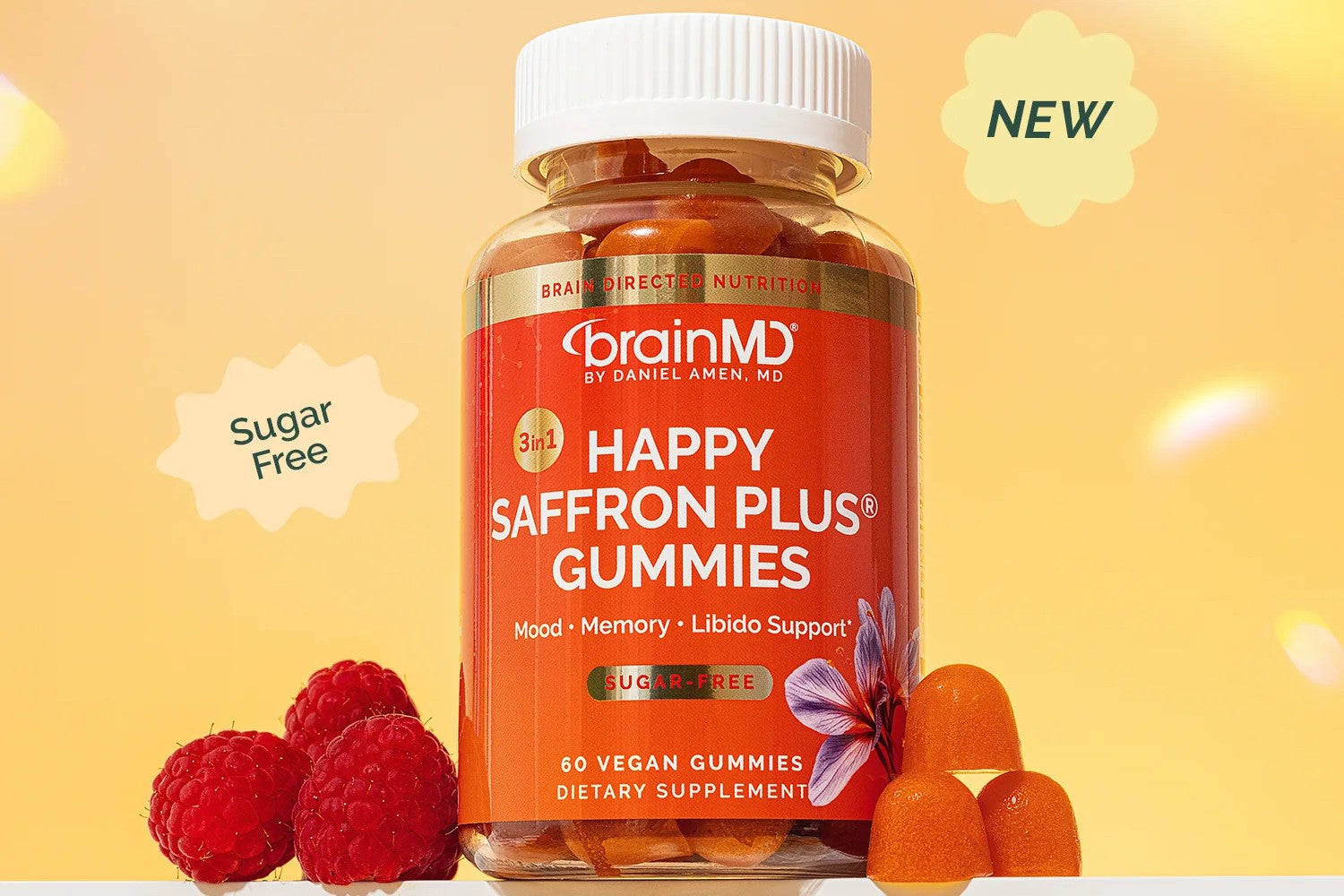
Thousands of thoughts run through your mind each day. How many are positive? How many are negative? With so many things going on in the world right now, it can be extremely difficult to keep negative thoughts from festering in your mind. Though wholly justified in light of recent events, concerns over your (and your family’s) physical, mental, and financial future can keep you in a perpetual state of fear. Unfortunately, the impact of negative thoughts can go even deeper. Do you have hurtful statements, made by a teacher, relative, or bully in the past, set on repeat in your mind? Or, are you plagued with self-doubt to the point where you believe negative thoughts about yourself? The Truth About Thoughts What you think has a powerful effect on your life. While it’s common to trust everything you think, the reality is many thoughts can skew in a negative direction. For example, you may incorrectly assume something about another person. Or, you may inaccurately interpret how others view you. This presents a real danger: if you think the same thoughts enough, they become your beliefs. Negative Self-Talk Habitual, negative self-talk trains the brain to see things pessimistically. Negative thinking can effectively rewrite your neural networks, reinforcing pathways in the brain that make it more likely you’ll continue seeing the glass as half empty. Additionally, having negative thoughts can reduce activity in the area of the brain involved with self-control, judgment, and planning. This can lead to harmful behaviors and poor decisions. So, how can you keep from believing every negative thought that enters your mind? These 7 strategies can help retrain your brain to think more positively and stop negative thoughts so you can have more fulfillment in life… 7 Helpful Ways to Stop Negative Thoughts So You Can Feel Happier 1. Exterminate the ANTs Automatic negative thoughts (ANTs) can cause your brain to release chemicals able to negatively affect every cell in your body and make you feel bad. The opposite is also true – positive, happy, hopeful thoughts release chemicals that help make you feel good. You can disinfect your thoughts by exterminating the ANTs that steal your happiness. Whenever you feel sad, mad, nervous, or stressed, write down what you’re thinking and then challenge that ANT. When you stop believing every fearful thought you have, you can start to regain control of your life. 2. Turn Off the News When news channels present unsettling projections and shocking images, the fear centers of your brain may be activated. News can induce a state of FOMO (fear of missing out) that keeps you riveted to each new alarming or controversial event, which can make you feel even more on edge. Watching news on TV or the internet can infest your mind with negative thoughts. In fact, it can increase both anxious and sad moods. Minimize your exposure to negative news by establishing time limits and stop watching TV at least an hour before you go to sleep at night. 3. Relaxation and Meditation Make time for yourself every day. Taking breaks for meditation and relaxation provides benefits for both your physical and mental health. Spending just 15 minutes alone, without distractions, may give you a fresh perspective. Clearing your mind and slowing your breathing can help restore inner calm. Repeating a simple Loving Kindness Meditation like “May I be safe and secure,” can increase positive thoughts and decrease negative ones. 4. Visit a Haven Choose a haven – a place you can imagine with all your senses. If it’s the beach, visualize the ocean, feel the sand beneath your feet, and the warm sun on your skin. Your haven can be any real or imaginary place where you feel comfortable. Begin to envision yourself not as you currently are, but as you want to be. Spending 20 minutes a day on this refueling exercise can help banish negative thoughts from your mind. 5. Write It Down The process of journaling gives negative thoughts a place to live other than your brain. Once those thoughts have been expressed, they often lose their intensity and urgency, which will allow you to focus on the positive things in your life. Writing in your journal 10 minutes before you go to bed can help release the stresses of the day and put you in a restful state of mind. 6. Give Grace How easy is it for you to give grace to others? Okay, now how easy is it for you to give grace to yourself? Letting yourself off the hook for past mistakes, especially common ones, can help you overcome negative thought patterns or destructive behaviors. You might find that your outlook on life is much more positive when you’re not being so hard on yourself. 7. Nutritional Support If you struggle with regulating your mood, you might consider getting nutritional support. BrainMD offers brain directed dietary supplements formulated with ultra-pure ingredients to help you feel calm and content. We’re pleased to present our premier mood supplement… Happy Saffron Plus® This breakthrough formula was scientifically designed to promote a positive mood. It brings together highly refined nutraceutical preparations of the two most traditionally revered “happiness herbals” – saffron flower extract and curcumin from the turmeric root – with zinc, a mineral essential for life and vital for positive mood. Now, its available as capsules or gummies. Why You Need It It's been estimated that in the U.S. at least 1 in 5 people endure serious mood problems and at least 1 in 4 experience significant feelings of anxiousness at some point in their life. Happy Saffron Plus® was developed from clinical research with three nutraceuticals for brightening mood, coping with anxious feelings, and enhancing alertness while under mental strain. Benefits of Happy Saffron Plus® Based on the most current research, this supplement provides: Powerful support for a positive mood Increased capacity for coping with anxiousness Enhanced alertness under stress What’s in Happy Saffron Plus®? Here are the 3 highly effective ingredients found in Happy Saffron Plus®: 1. affron® Standardized Saffron Extract. Saffron has been the happiness spice in the Middle East for at least 2600 years. affron® is a water-extracted saffron concentrate standardized for its most active constituents. In clinical trials, this extract has improved mood and anxiousness in adults and adolescents. 2. Longvida® Optimized Curcumin Extract. Like saffron, the turmeric root has been hailed as a happiness herbal in Asia for at least 2600 years. Curcumin is the molecular complex from turmeric root that improves mood, but is very poorly absorbed from turmeric powder. The Longvida® curcumin preparation features excellent absorption of curcumin and has worked well in clinical trials at 400 mg per day or higher. 3. Zinc, as Glycinate. This mineral is essential for the functioning of at least 300 enzymes essential for our life processes, and for the functioning of about 2000 different human proteins. People with mood problems typically have low blood levels, and taking supplements with zinc often enhances mood. Zinc glycinate is excellently absorbed and well tolerated. The combination of zinc with affron® saffron and Longvida® curcumin has the potential to elevate mood, perhaps even in individuals who don’t realize they have a mood problem. All three of these ingredients are documented to improve mood in controlled human clinical trials. [wc_box color="secondary" text_align="left" margin_top="" margin_bottom="" class=""] What others are saying about Happy Saffron Plus®: “Much less apt to feel down by current events or being cooped up in the house.” – Sally “Gives you a nice feeling of wellness & happiness.” – Jennifer [/wc_box] Give Happy Saffron Plus® a try today! The only thing you’ve got to lose is your blues. At BrainMD, we’re dedicated to providing the highest quality supplements to improve your physical health and overall well-being. For more information about Happy Saffron Plus® and our full list of brain healthy supplements, please visit us at BrainMD. *These statements have not been evaluated by the FDA. This content is for informational purposes only. It is not meant to substitute for medical or healthcare advice from a physician, nor is it intended to diagnose, treat, cure, or prevent any disease. Consult your healthcare provider before beginning a new health regimen.
Learn more
6 Simple Ways to Become an Early Riser
What Are the Benefits of Being an Early Riser? Do you ever wake up super early and find that you really enjoy seeing the sunrise and having ample time to start your day? Maybe you even think, “I should do this more often,” but it never seems to happen. There are a multitude of people who wake up every day before dawn. They love having the extra time to exercise, enjoy breakfast, and get a head start on the day. These early risers are generally happier, more proactive, and more productive than people who sleep in later. Research also shows that morning people tend to have dispositions that are optimistic, agreeable, satisfied, and conscientious. Challenges of Being a Night Owl By contrast, night owls can have a rougher go of it. While they’re typically creative and intelligent, they’re also more likely to have poor eating habits and low mood, as well as heart health and blood sugar issues. And, they often don’t get enough sleep. Sleep experts have found that genetics and lifestyle both play a role in our circadian rhythms; the time we naturally go to sleep and wake up. Our world is made up of early risers, night owls, and people who are somewhere in between. So, what if you want to change from being a night owl to an early riser? Or what if you need to change due to a work schedule or the fact that the world’s schedule more closely aligns with those who rise early? You can! In fact, one study found that a simple tweak to the sleeping patterns of night owls can lead to significant improvements in sleep/wake times, better performance in the mornings, improved eating habits, and a decrease in low mood and stress. 6 Tips on How to Become A Morning Person By simply following the actions below, even lifelong night owls can transform into early birds. 1. Adjust Your Wake Time Experts recommend starting with your wake time first. This provides the added benefit of making you sleepy at night, which means you’ll go to bed earlier. Choose a time and set your alarm. Turn off any snooze feature (sorry, there’s no easing into your new sleep cycle). The time you commit to is the time you’ll get up. Start by setting your alarm 15 minutes earlier each day until you hit your goal time. Stick to this time, even on the weekend, until your new routine is well established. Consistency is key. It will be difficult for the first few days, but you’ll adjust. 2. Plan Something Special Give yourself an incentive to wake up early. Maybe you have a favorite health food for breakfast or a delicious cup of coffee or tea. Perhaps you enjoy reading the morning news headlines, or a spiritual book. Whatever it is, have something pleasant planned for the morning right after you wake up to motivate you. 3. Let the Light In When the alarm goes off, let the light in. Start your day by opening your bedroom blinds or curtains (this will serve the double purpose of getting you out of bed.) If it’s still dark outside, turn on the lights inside your home. Your body’s internal clock takes its cues from light. Levels of melatonin, the hormone released by your brain’s pineal gland to make you sleepy, decrease when your eyes detect light, which allows for more wakefulness. 4. Eat at Regular Times Be consistent with your eating times. In a study that helped night owls become early risers, it was critical that the subjects had breakfast as soon as possible after waking up, ate lunch at the same time each day, and refrained from eating dinner after 7:00 p.m. This eating schedule helped reset their circadian rhythms. 5. Exercise There’s no better time to exercise your body than first thing in the morning. The movement will help energize your brain and body by increasing your circulation. Exercise is linked to better memory recall, focus, and cognition throughout the day. Getting exercise outside will help you become more fully awake. Exposure to sunlight early in the day may even help increase melatonin levels at night, which leads to better sleep. There’s also the added benefit of possibly catching a sunrise! 6. Power Down Earlier Since you’ll be rising earlier, you’ll be sleepier in the evenings. It’s important to shift your nighttime routine. If possible, move your regular activities up an hour or more. To ensure your body produces sleep-inducing melatonin, dim the lights an hour or two before bed. Do any digital/online social media, shopping or reading at least one hour before you plan to go to sleep. Since digital devices and social apps are designed to keep you engaged, see if your smartphone has a “downtime” feature under settings. You can set a block of time where you can’t access your apps. It really works. A New Way of Being The best reinforcement for early rising will be the difference in how you feel. Imagine feeling more rested, energized, and ready for your day…every day. It’s possible! At BrainMD, we’re dedicated to providing the highest purity nutrients to improve your physical health and overall well-being. For more information about our full list of brain healthy supplements, please visit us at BrainMD.
Learn more
Are You Tired of Dealing with Adrenal Overload?
Are you struggling with exhaustion, body aches, or digestion problems? You may be dealing with adrenal issues. If you feel tired all day, even after getting a good night’s sleep, it could be a sign that your stress load is more than what your adrenal glands can handle. Stress-induced adrenal overload is one of the most common, yet most overlooked, health problems today. The adrenals are one part of an organ triad that helps the body cope with emotional stress: the hypothalamic-pituitary-adrenal (HPA) axis. The HPA Axis The HPA axis is the body’s main stress response system. It features functionally integrated nervous and hormonal cooperation to manage the body’s short-term (acute) and long-term (chronic) responses to stress. The body’s initial response to stress begins in the brain. The zone called the hypothalamus is the first to process the sensations of stress. It stimulates the nearby pituitary gland, which in turn stimulates the adrenal glands’ outer zone – the adrenal cortex – to produce stress regulating hormones and release them into the bloodstream. The HPA axis is comprised of the… H – Hypothalamus, which is about the size of a pearl, is responsible for releasing hormones that prompt the pituitary gland to start secreting other hormones. Once it senses stress, this brain zone sends corticotropin-releasing factor (CRF) to the pituitary by way of direct nerve pathways. P – Pituitary gland, a pea-sized organ located very close to the hypothalamus, is sometimes called the body’s “master gland” because its main job is to stimulate other glands to secrete hormones. Once alerted by the hypothalamus, the pituitary releases adrenocorticotropic hormone (ACTH) into the circulation. This soon reaches the adrenal glands and activates them to start producing cortisol. A – Adrenal glands, a pair of triangle-shaped glands that sit on top of your kidneys, take center stage in your stress resilience, cognitive function, and hormone balance. They take their cue from the pituitary gland and are critically involved in your body’s reaction to stress. The adrenals produce the stress-response hormones adrenaline, dehydroepiandrosterone (DHEA), and cortisol. The Stress Response Homeostasis is the body’s collection of processes that ensure its continued survival. Stress is commonly defined as a state of threat to homeostasis. Maintenance of homeostasis in the face of stress requires activation of a complex set of nervous, hormonal, and immune system responses, collectively termed the stress response. The stress response is both behavioral, via increased alertness and mental processing, and physiological, via increased breathing, heart rate, and energy generation. Adrenaline The fight or flight response is the body’s automatic, life-preserving response to stress. When you sense danger, your brain’s hypothalamus sends nerve signals to the adrenals, which immediately release a surge of adrenaline. This is the main rapid-response stress hormone: it quickly increases your heart rate and blood pressure and gives you a rush of energy to escape the danger. As adrenaline kicks in, the heart beats faster, breathing and blood pressure increase, hands, and feet become cooler to shunt blood away from the extremities to the big muscles (to help you defend yourself or run away), and the pupils dilate (to help you see better). This pattern of adaptation allows for survival in the short-term. But what happens when stress persists long-term? Cortisol Cortisol is the body’s long-term stress hormone. It releases glucose into the blood, as the main fuel for damaged tissues to make repairs. It also helps switch the body into survival mode, reducing non-essential functions, altering immune responses, and suppressing the digestive and reproductive systems. DHEA The hormone DHEA regulates immunity, helping maintain healthy inflammatory balance and overall alertness of the immune system. Among its many effects is helping sustain the efficiency of killer cells, which go after cells that are perceived to be damaged or foreign to your body. Your body’s natural alarm system communicates with the area of the mind that manages mood, motivation, and fear. It helps you react fast and move toward safety. But when the perception of stress is maintained for months or even years, the stress response can become counter-productive. Situational vs Ongoing Stress Imagine you’re hiking through the woods with your children when suddenly, a mountain lion appears. Immediately, you shift into fight or flight mode: your heart starts pounding and your adrenals begin producing adrenaline and other hormones to give you a quick burst of energy to fight the cougar or pick up your children and run away as fast as you can. The problem is, your body can’t differentiate between the various kinds of stress you experience. Whether it’s physical stress at the sight of a mountain lion, mental stress caused by working too many hours at your job each week, or emotional stress from dealing with a hormonal teenager or aggravating coworker or relative, your body reacts the same way: it pumps out loads of stress chemicals. When running away from the feral cat, your body puts its fear chemicals to use, then once the danger is gone, it purges them from your system. After the danger passes, hormone levels subside, and the body’s heart rate and blood pressure return to normal. Once you’ve calmed down, your body processes the chemicals and flushes them out of your system. A problem for many people is long-term stress: as they perceive stress day in and day out, it can disrupt many of their body’s life processes and eventually lead to a variety of health problems. Ongoing stress causes sustained and unhealthy stimulation of the adrenals to make and release cortisol. Such long-term stress placed on the adrenals can lead to exhaustion of these glands, especially when combined with excessive consumption of caffeine, alcohol, or sugar. Stress and the Brain When stress becomes serious, the HPA axis gets stuck on high alert, and the brain tells the adrenals to keep releasing stress hormones. This may cause the adrenals to become depleted. Long-term stress can impair the normal short-term stress response: the fight or flight hormone pattern can get stuck in the process of delivering blood to the muscles (which are still primed to help you run away). This can starve the brain of blood flow and eventually affect overall brain function, which can have a negative impact on your emotional well-being. Unrelenting tension can also wreak havoc on gut health, depleting the friendly bacterial populations, some of which are involved in producing neurotransmitters such as serotonin and GABA. How to Relieve Adrenal Overload The key to minimizing the negative effects of severe stress is to maintain a healthy HPA axis and enhance your overall brain health. Here are 12 ways to help alleviate adrenal overload: Cut out lifestyle toxins – smoking, excessive alcohol consumption Reduce intake of sugar, artificial sweeteners, and caffeine Eliminate gluten Do moderate-intensity aerobic exercise Meditate or pray on a regular basis Practice gratitude Laugh more Support gut health with probiotics Optimize vitamin D levels Increase intake of omega-3 fatty acids, get your Omega-3 Index above 8 percent Take a science-based multiple that supplies vitamin C, magnesium, zinc, and the other essential vitamins and minerals Use adaptogenic herbals to better cope with stress: Panax ginseng, Rhodiola, ashwagandha, green tea, Relora® (Phellodendron + Magnolia), and holy basil Use these tips to help improve your energy, cognition, and overall well-being. At BrainMD, we’re dedicated to providing the highest quality supplements to improve your physical health and overall well-being. For more information about our full list of brain healthy supplements, please visit us at BrainMD. These statements have not been evaluated by the FDA. This content is for informational purposes only. It is not meant to substitute for medical or healthcare advice from a physician, nor is it intended to diagnose, treat, cure, or prevent any disease. Consult your healthcare provider before beginning a new health regimen.
Learn more
Morning Rituals to Boost Your Daily Happiness
Do you wake up feeling energetic and excited about the day ahead, or with your finger glued to the snooze button? For many, it's the latter, but maximizing your mornings can make a huge difference on your health and happiness. An intentional morning routine has the power to supercharge your work, deepen your relationships, boost your productivity, skyrocket your creativity, lower your stress levels, and set you up for a successful day. Science-Backed Benefits of a Morning Routine According to the latest research on habits and productivity, a morning routine may help to: Foster career success and better job performance Lower stress levels Establish stability and groundedness Enhance feelings of calm Promote healthy habits Support positive mood Boost cognitive functioning and mental performance Increase productivity Encourage direction and focus Maximize energy levels Instill discipline Conversely, many people who don’t follow any sort of morning routine tend to suffer from: Frazzled thoughts Higher levels of stress Poor sleep Feelings of overwhelm Ineffective use of time Restlessness Procrastination Set Your Day Up for Success with a Morning Routine You don’t have to be a morning person to benefit from a morning routine; you just have to be thoughtful about how you spend your time when you wake up. You also don’t need a laundry list of things to accomplish every morning. Even setting aside five mindful minutes can propel you to daily success. The key to an effective morning routine is that it works for you and your unique needs. It has to excite you, motivate you, and fit seamlessly into your life. Looking for some inspiration? Below, we’ve compiled 6 simple morning rituals to help you craft the perfect morning routine. Experiment with these activities to establish a morning routine that works for you. 6 Morning Rituals to Boost Daily Happiness 1. Make Your Bed Making your bed is a simple task that often gets overlooked – especially if you’re living on your own. However, research shows that people who make their beds in the mornings are happier and more productive. As Naval Admiral William McRaven describes in his commencement speech at the University of Texas, Austin: If you make your bed every morning, you will have accomplished the first task of the day. It will give you a small sense of pride and it will encourage you to do another task and another and another. By the end of the day, that one task completed will have turned into many tasks completed. Making your bed will also reinforce the fact that little things in life matter. 2. Get a Good Night’s Sleep A good morning starts the night before with a good night’s sleep. Experts recommend 7 - 8 hours of restful sleep each night for optimal health. Anything less has been shown to have adverse effects on your mental and physical well-being. 3. Morning Pages Morning pages are a stream-of-consciousness journaling practice done first thing every morning. The idea is to wake up, open your journal, and write three pages of whatever comes to mind. Julia Cameron, author of The Artist's Way, developed this free-write approach to journaling as a way for people to clear their head, process emotion, silence their inner critic, and unleash their creativity before tackling their to-do list. 4. Practice Gratitude Research suggests that focusing on gratitude helps to calm the deep limbic areas and enhance the other judgment centers of your brain. People who express gratitude on a regular basis are healthier, more optimistic, make better progress toward their goals, have a greater sense of well-being, and are more helpful to others. Practicing gratitude first thing improves your mood and promotes feelings of content throughout your day. 5. Move Your Body Waking up with movement sets you up for success. Growing evidence suggests that exercise may be responsible for enhanced thinking and mental performance, healthy weight management, improved mood and quality of life, and lower levels of unhealthy LDL cholesterol. This doesn’t have to be a full 60-minute workout, instead, opt for yoga, a brisk walk, or even a few simple stretches. 6. Skip the Coffee Instead of starting your day with a cup of coffee or sugar-laden, nutrient-void breakfast on the run, add BrainMD’s new Smart Mushrooms to your morning mix. This functional, full-spectrum superfood blend features six USA grown organic mushrooms – turkey tail, cordyceps, reishi, shiitake, agaricus, and lion’s mane – scientifically formulated to promote energy, vitality, stress resistance, mental performance, and immune support. Leading all other mushrooms in brain benefits, the lion’s mane mushroom contains unique hericenones and erinacines, which can increase nerve growth factor (NGF) in the brain. NGF supports acetylcholine circuits, which are required for focus, memory, and other cognitive functions. Lion’s mane has shown promise in several clinical trials for improving cognition and mood. Its glucans also help boost immunity and support healthy bacterial balance in the gut. Try adding one scoop of Smart Mushrooms to your favorite smoothie recipe for the perfect blend of daily wellness, peak brain performance, and clean, focused energy. How you spend your morning sets the tone for your entire day, and how you spend your days sets the tone for your entire life. What does your morning look like? At BrainMD, we’re dedicated to providing the highest purity nutrients to support your brain health and overall well-being. For more information about our full list of supplements, please visit us at BrainMD.
Learn more