 Skip to content


Wellness Blog



Here Are Some of the Best Foods for Sleep
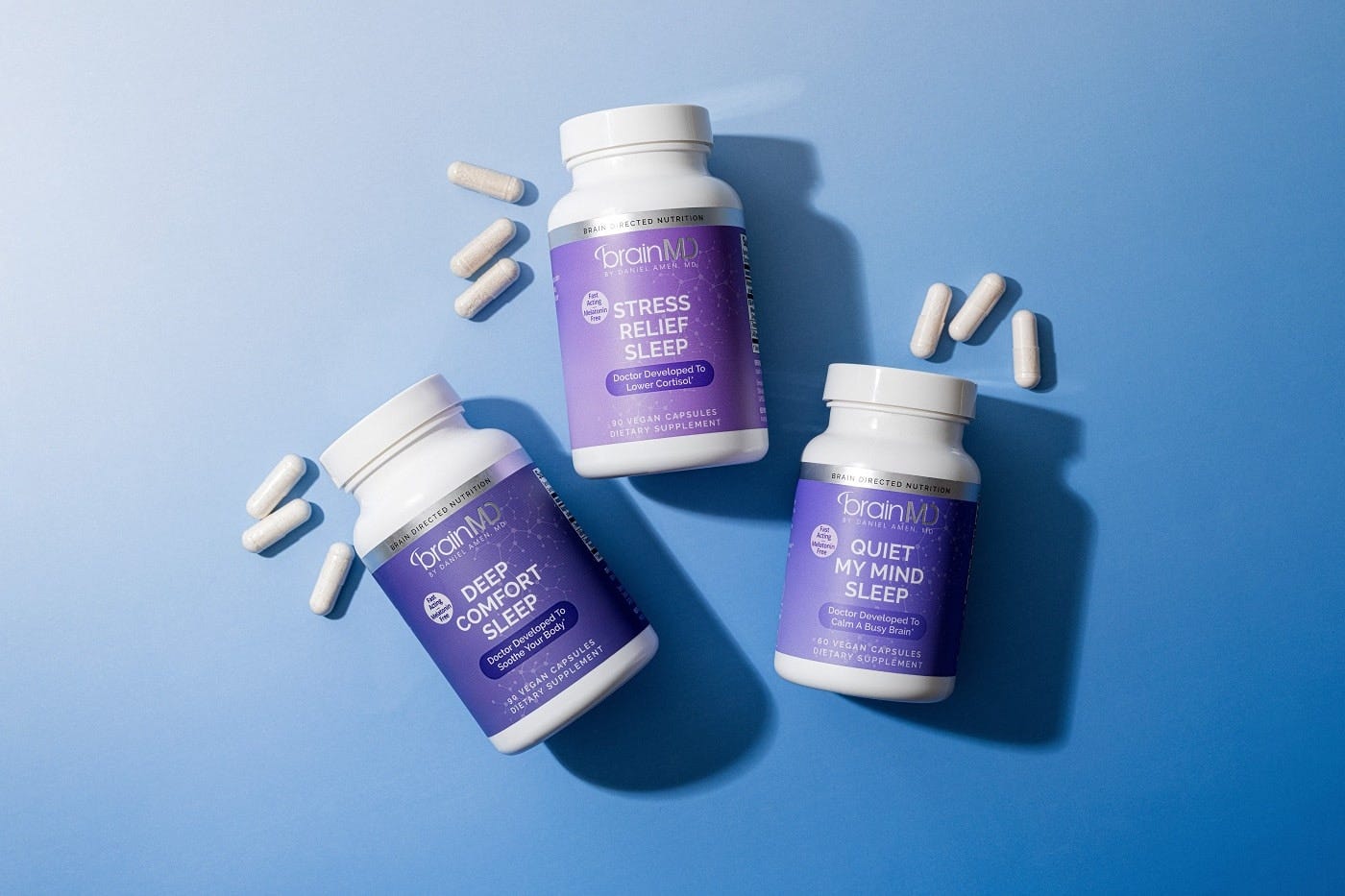
What keeps you up at night? The list of reasons why people miss out on a good night’s sleep is extensive. According to the Institute of Medicine (US) Committee on Sleep Medicine and Research, as many as 70 million Americans have ongoing sleep problems that interfere with their daily functioning.¹ High-quality sleep is essential to wellness. If you aren’t getting the recommended 7 to 9 hours of sleep each night,² you’re setting yourself up for a host of physical and mental issues. If you have problems falling asleep at night, a proper diet may help you achieve restful sleep. Here Are Some of the Top Foods That Can Help Improve Your Sleep Tryptophan-rich Foods The human brain naturally produces a soothing neurotransmitter called serotonin, mostly from the amino acid tryptophan that's derived from dietary proteins. Serotonin plays many important roles in the brain’s biochemistry and is intimately involved in maintaining an upbeat mood, boosting self-confidence, sustaining the body’s 24-hour circadian rhythms, and facilitating sustained and deep sleep. Very few foods contain premade serotonin, and once absorbed into the blood it can’t get across the blood-brain barrier. However, tryptophan from food proteins does get across this barrier, so it’s possible to support serotonin needs by eating foods that boost the brain’s tryptophan levels. Examples of foods rich in L-tryptophan are: Spirulina Seeds (especially pumpkin and chia) Squash Watermelon Grass-fed meats (beef, lamb, goat) Free-range poultry (chicken, turkey, duck) Wild-caught salmon and tuna Peas and beans (not canned) Tofu, tempeh, tahini, natto Edamame Eggs (especially the whites) Spinach Magnesium-rich Foods Magnesium is a mineral nutrient essential for over 300 enzymes and is fundamental to your health.³ Magnesium helps promote memory, positivity, and quality sleep. Some leafy-green vegetables, whole grains, nuts and beans are good magnesium foods, but dietary intake has declined by at least 40% in the last 4 decades due to changes in food harvesting and processing, water purification, and overall dietary habits. GABA-rich Foods The neurotransmitter most associated with calming effects in the brain is GABA (technically, Gamma-AminoButyric Acid). Clinical research suggests taking GABA by mouth can help cope with stress, improve mood, and generally have calming effects.⁴ Also, GABA has mild relaxation properties that can support a balanced mood and restful sleep. GABA is naturally found in many teas, such as black, green, and oolong teas. It also can be found in fermented foods including yogurt, kefir, and tempeh. Other foods that may contain GABA (or boost its production in the body) include fava, lentils, beans, nuts and seeds, fish, broccoli, spinach, and berries. Steer Clear of These Sleep Stealing Foods If you struggle with frequent changes in your mood and energy levels, it can be helpful to avoid certain foods and beverages that can trigger mood shifts or energy spikes that can prevent you from getting to sleep at night. Foods to Avoid for Better Sleep: Caffeine Alcohol Sugar Breads Pasta Potatoes White Rice As with any changes in diet, it’s important to introduce new foods gradually to allow your body to adjust to a new routine and ensure that you don’t have any food allergies. You may be amazed at the abundance of energy and the lifted moods these healthful foods can provide. Foods for Better Sleep Remember, fuel your brain with these key foods to reduce stress, improve mood, and increase your chances of getting a great night’s sleep! At BrainMD, we’re dedicated to providing the highest purity nutrients to improve your physical health and overall well-being. For more information about our sleep products and our full list of supplements, please visit us at BrainMD. These statements have not been evaluated by the FDA. This content is for informational purposes only. It is not meant to substitute for medical or healthcare advice from a physician, nor is it intended to diagnose, treat, cure, or prevent any disease. Consult your healthcare provider before beginning a new health regimen. References: 1. Centers for Disease Control and Prevention (US). (2003). Report to Congress on Mild Traumatic Brain Injury in the United States: Steps to Prevent a Serious Public Health Problem. National Center for Injury Prevention and Control. https://www.ncbi.nlm.nih.gov/books/NBK19960/ 2. Lozano, R., Fullman, N., Mumford, J. E., Knight, M., Barthelemy, C. M., Abbafati, C., ... & Murray, C. J. L. (2018). Measuring progress from 1990 to 2016 and projecting attainment to 2030 of the health-related Sustainable Development Goals for 195 countries and territories: A systematic analysis for the Global Burden of Disease Study 2016. The Lancet, 392(10159), 2091-2138. https://doi.org/10.1016/S0140-6736(18)32281-5 3. National Institutes of Health, Office of Dietary Supplements. (2022). Magnesium: Fact sheet for health professionals. https://ods.od.nih.gov/factsheets/Magnesium-HealthProfessional/ 4. Cleveland Clinic. (2022, February 14). Gamma-aminobutyric acid (GABA): What it is, function & benefits. https://my.clevelandclinic.org/health/articles/22857-gamma-aminobutyric-acid-gaba
Learn more
Top Health Benefits of Intermittent Fasting & How to Make it Work for You
You’ve probably heard the saying, “Breakfast is the most important meal of the day.” In recent years, the practice of skipping breakfast has become a trend in the weight loss and health communities. Many people have found that practicing intermittent fasting has helped them feel more energized, achieve fat loss, and stabilize their hormone levels throughout the day. (1) However, there’s a bit more to it than just simply skipping breakfast. Let’s break down what intermittent fasting is, its benefits, and how to implement it into your lifestyle. What is Intermittent Fasting? Intermittent fasting isn’t a type of diet, it’s just a different eating schedule. Your body is always in one of two states, fed or fasted. When we’re fed, our bodies are actively digesting food and fueling our movements. During this state, burning fat is a challenge since we already have readily available fuel from the foods we eat during the day. (2) In a fasted state, our insulin levels are lower and our bodies are able to pull from our fat stores for energy. A fasted state is achieved only 8-12 hours after our body has finished digesting. (3) People rarely enter the fasted state throughout the day, and many eat small meals all day long. This causes spikes in our insulin levels which, in turn, can hinder fat loss. (4) Note: Fat loss is different from weight loss. Weight loss can be accomplished simply by eating at a caloric deficit. (5) For those who practice intermittent fasting, they follow an eating schedule that fits their lifestyle, but typically it’s a 16/8 hour eating window. That means for the 16 hours of fasting, you aren’t eating any foods, creamers, or sweeteners/artificial sweeteners. Only water, black coffee or tea is allowed to keep your body in the fasted state. There are more benefits to intermittent fasting than fat loss and research has shown there are benefits for your overall health as well. Key Benefits of Intermittent Fasting There has been much research on the benefits of regular short-term fasting on our metabolism, hormone balances, and overall health. Some major benefits of intermittent fasting include: Fat Loss Benefits: Encourages the body to burn fat while maintaining muscle mass (6) Does not lower your body’s basal metabolic rate long-term (7) Improved hormone balance Increased norepinephrine and epinephrine levels, which increases fat breakdown (8) Increased glucagon levels Increased lipolysis and fat oxidation Decreased blood glucose levels Decreased insulin levels (9) Overall Health Benefits: Reduces the risk of coronary problems Reduces insulin resistance How to Start Intermittent Fasting Fasting for short periods of time on a regular basis helps people eat fewer calories and helps regulate hormones related to weight management. Here are a few eating protocols to choose from: The 16/8 Protocol: Begin your fast after dinner, then skip breakfast. Break your fast 16 hours after your dinner the night before allowing you to begin an 8-hour eating window. Do this daily for the best results. Example of a fasting window: 8:00 pm - 12:00 pm (noon). Then begin an eating window from 12:00 pm - 8:00 pm. Eat-Stop-Eat: Do one or two 24-hour fasts each week. Example: not eating from dinner one day until dinner the next day. The 5:2 Diet: Only eat 500-600 calories on two days of the week, then eat your normal calorie intake the other 5 days. If these options seem like too much of a challenge, try starting with a shorter fast and gradually extend it as you go. Many find that after just a few days of this, it won’t be as much of a challenge to fast. It’s very important, however, that you still eat enough calories in your 8-hour eating window and aren’t creating too much of a deficit in order to lose weight. Who Should Try Intermittent Fasting? It’s always best to be safe and speak with your healthcare provider before making any major lifestyle changes. Intermittent fasting can be beneficial for many; however, it probably isn’t best for pregnant or breastfeeding women. [wc_box color="inverse" text_align="left"] In Summary: Intermittent fasting is simply an eating schedule that allows your body to reset while you’re fasting, making it easier to burn fat and time your meals within a shorter eating window. Our bodies are either in a fasted or fed state. Being in a fed state (digesting foods) all day long makes it hard for our bodies to achieve fat loss. There are many benefits to intermittent fasting including increased energy levels, accelerated fat breakdown, improved hormone balance, and heart health. (10) Make sure to choose the right eating schedule; you can make your eating/fasting windows flexible to fit your lifestyle. Begin with shorter fasting windows and gradually extend them. Avoid fasting over 48 hours straight on a regular basis. Most people follow the 16/8 hour eating protocol. While fasting, make sure to stay hydrated with plenty of water. Coffee/tea is allowed as long as there are no added creamers, sweeteners/artificial sweeteners that can affect your fasted state. [/wc_box] At BrainMD, we’re dedicated to providing the highest purity nutrients to improve your brain health and overall well-being. For more information about our full list of supplements, please visit us at BrainMD. These statements have not been evaluated by the FDA. This content is for informational purposes only. It is not meant to substitute for medical or healthcare advice from a physician, nor is it intended to diagnose, treat, cure, or prevent any disease. Consult your healthcare provider before beginning a new health regimen. References: 1. Mattson MP, Longo VD, Harvie M. Impact of intermittent fasting on health and disease processes. Ageing Res Rev. 2017;39:46-58. 2. Patterson RE, Laughlin GA, LaCroix AZ, et al. Intermittent fasting and human metabolic health. J Acad Nutr Diet. 2015;115(8):1203-1212. 3. Tinsley GM, La Bounty PM. Effects of intermittent fasting on body composition and clinical health markers in humans. Nutr Rev. 2015;73(10):661-674. 4. Anton SD, Lee SA, Donahoo WT, et al. The effects of intermittent fasting on metabolism and health outcomes. Curr Opin Clin Nutr Metab Care. 2018;21(4):264-270. 5. Patterson RE, Sears DD. Metabolic effects of intermittent fasting. Annu Rev Nutr. 2017;37:371-393. 6. Horne BD, Muhlestein JB, Anderson JL. Health effects of intermittent fasting: Hormesis or harm? A systematic review. Am J Clin Nutr. 2015;102(2):464-470. 7. Varady KA, Hellerstein MK. Alternate-day fasting and chronic disease prevention: a review of human and animal trials. Am J Clin Nutr. 2015;102(1):10-16. 8. Harvie M, Howell A. Potential benefits and harms of intermittent energy restriction and intermittent fasting. Obes Res Clin Pract. 2017;11(2):207-221. 9. de Cabo R, Mattson MP. Effects of intermittent fasting on health, aging, and disease. N Engl J Med. 2019;381(26):2541-2551. 10. Anton SD, et al. The effects of intermittent fasting on health. Curr Opin Clin Nutr Metab Care. 2018;21(4):264-270.
Learn more
Head Injury Symptoms – Know the Warning Signs and Best Treatments
There are nearly 3 million emergency room visits for head injuries in the U.S. annually.¹ On top of this, there are hundreds of thousands of unreported head injuries each year. Unfortunately, brain or head injuries that don’t result in a loss of consciousness often go unnoticed and are never treated. Even mild to moderate head injuries can significantly decrease brain function, which can have a far-reaching impact on a person’s life.² Basic Questions to Ask Yourself Since many people forget that they’ve had a head injury or trauma, even when asked several times by a family member or medical professional, it’s critical that you ask the right questions to help them remember. Here are a few basic questions to ask yourself. Have you ever: Played football, baseball, basketball, lacrosse, soccer, rugby, or hockey? Fallen out of a tree, down the stairs, off a horse, a bike or a skateboard, or crashed while skiing or snowboarding? Been in a motor vehicle accident (even a simple fender bender)? Been physically assaulted? Been hit directly in the head? Blacked out for a few seconds or seen stars? Felt dazed or confused for a minute? Head Injury Symptoms: Know the Warning Signs While some people display warning signs immediately following a head injury, others don’t develop symptoms until weeks or even months later.³ The result of this delay is that the underlying cause of the symptoms is often forgotten. Here are some of the most common head injury symptoms of mild to moderate head traumas: Cognitive changes – poor concentration, memory problems, learning issues, poor judgment and impulsivity, and difficulty putting thoughts into words. Physical complaints – dizziness, fatigue, headaches, visual disturbances, trouble sleeping, sensitivity to light and sound, poor balance. Psychosocial concerns – mood issues, anger outbursts, irritability, personality changes. Symptoms can last for hours, days, weeks, or longer. Ignoring your indicators and trying to “tough it out” with any brain injury may make symptoms worse. Whether you’ve suffered a minor or major hit to the head, implementing these 5 tips can help restore cognitive function: 5 of the Best Ways to Help Restore Cognitive Function 1. Detox with Water The fluids in your body transport waste products in and out of your cells, while your kidneys and liver flush those waste products and other toxins out of your body. This process can only work properly and efficiently if you remain well hydrated. Your brain is roughly 80% water, so avoid anything that dehydrates it. If you don’t drink enough water, you’re at an increased risk of developing kidney stones and experiencing urinary tract infections. Dehydration also can slow the healing process of your brain. 2. Boost Your Immunity Boost your immune system by taking antioxidants daily. Vitamin C is a versatile antioxidant and the most dollar-effective antitoxin you can purchase. Curcumin, which gives turmeric and curries their gold color, is also a powerful antioxidant. However, due to the labor-intensive process of extracting sufficient quantities of curcumin from the turmeric root, it’s recommended that you take a well-absorbed supplement daily to get the proper amount of curcumin you need. 3. MAX-imize Your Brain Health Many people who’ve experienced a head injury don’t know how to get help for their brain. One of the best ways to promote the healing process is with brain directed supplements and vitamins.* Fundamental to every vitamin regimen should be a powerful multivitamin, high-purity fish oil, and memory supporting supplement.* At BrainMD, we’re proud to recommend… Brain & Body Power MAX Brain & Body Power MAX is recommended for those who are interested in a truly powerful dietary supplement for their brains with added memory support.* It provides your brain and body with amino acids, vitamins, minerals, botanical extracts and neuro-nutrients – all at advanced levels.* This all-in-one supplement system makes it easy to stay healthy on the go with easy-to-carry packets for your purse or pocket.* Each convenient daily packet contains: 2 capsules of NeuroVite Plus Multivitamin, 2 gelcaps of Omega-3 Power, and 3 capsules of Brain & Memory Power Boost. [wc_box color="inverse" text_align="left" margin_top="" margin_bottom="" class=""] NeuroVite Plus Multivitamin Fifty vitamins, minerals and plant extracts (all in their most active forms) combine to give you the clinically proven groundwork for your supplement regimen in NeuroVite Plus Multivitamin.* NeuroVite Plus is also the only way to get Dr. Amen’s proprietary Brain Boosting Blend of brain-supporting nutrients. Omega-3 Power Healthy brains and hearts require plenty of omega-3’s to operate at peak performance, and Omega-3 Power is an easy way to get them.* Each serving of Omega-3 Power provides 1,600 mg of EPA, DHA, and other omega-3s from ultra-purified, high-quality fish oil – roughly 5 times what you’d find in conventional brands.* Plus, the fish oil in Omega-3 Power undergoes the most advanced purification process in the supplement industry.* Brain & Memory Power Boost The bestselling, brain-boosting formula in Brain & Memory Power Boost can provide you with an all-star lineup of potent ingredients that support the brain’s energy, connectivity, and overall performance.* As brain directed nutrition, this product is grounded in solid and clinical science to support healthy brain and memory performance.* [/wc_box] 4. Eat Healthy Proper nutrition is essential to peak brain function. A healthy diet includes lean protein, fruits, vegetables, nuts and healthy fats such as olive oil. It’s recommended that you eat 9 servings of fruits and vegetables every day. To help with your meal planning, there are many healthy and delicious recipes in The Brain Warrior’s Way Cookbook. 5. Take it Easy From time to time, all of us need to recharge our batteries and self-care is a key to physical and mental health. If you’ve recently had a hit to the head, discontinue activities that could potentially reinjure your brain and give yourself sufficient time to heal. Always consult with a medical professional before engaging in physical activities that might put your brain at risk. At BrainMD, we’re dedicated to providing the highest quality supplements to improve your physical health and overall well-being. For more information about Brain & Body Power MAX and our full list of brain healthy supplements, please visit us at BrainMD. *These statements have not been evaluated by the FDA. This content is for informational purposes only. It is not meant to substitute for medical or healthcare advice from a physician, nor is it intended to diagnose, treat, cure, or prevent any disease. Consult your healthcare provider before beginning a new health regimen. References: 1. Bai, N. (2018, October 17). With dangers of everyday concussions revealed, scientists race to find solutions. UC San Francisco. https://www.ucsf.edu/news/2018/10/412006/dangers-everyday-concussions-revealed-scientists-race-find-solutions 2. University of Oxford. (2023, January 31). Three or more concussions linked to worse brain function in later life. https://www.ox.ac.uk/news/2023-01-31-three-or-more-concussions-linked-worse-brain-function-later-life 3. Mayo Clinic. (2023). Concussion: Symptoms and causes. https://www.mayoclinic.org/diseases-conditions/concussion/symptoms-causes/syc-20355594
Learn more
Serotonin: This Is Why You Need More of This Calming Brain Transmitter
Your brain makes this naturally soothing chemical messenger called serotonin from a time before you born and continues throughout your lifetime. It plays many roles in the brain’s biochemistry – and it's intimately involved in enhancing deep sleep, maintaining a healthy mood and self-confidence, even supporting a healthy appetite and social engagement. Produced by the body, this “get happy” chemical also enables the nervous system and your brain cells to communicate back-and-forth. Here's How Serotonin Can Help Boost Your Mood and Curb Cravings People who struggle with low mood often have very low levels of serotonin. Yet, serotonin can be increased in the brain (and body) by eating the proper foods and/or supplementing your diet. Interestingly, certain nutrients may help metabolize and utilize serotonin more efficiently. Some of these nutrients include magnesium, zinc, fish oil, vitamins C and B6. Some studies suggest that women produce 52 percent less serotonin than men.¹ Levels seem to fluctuate with menstrual cycles, which may explain why women are more prone to mood issues. Too little serotonin may affect mood,² while too much serotonin can actually become toxic, according to studies by the National Institutes of Health. The greatest risk of having too much serotonin often occurs when people mix over-the-counter supplements with antidepressants or other prescriptions drugs.³ Always ask your doctor about supplementing, especially if you have a serious condition and take medication every day. Can You Have Too Much of a Good Thing? Yes, you can ingest too much serotonin, although the opposite is much more common. Symptoms of too much serotonin include: Confusion Tremors Dilated pupils Heavy sweating Changes in blood pressure Restlessness and sleep issues The good news is that healthy lifestyle habits – such as daily exercise, consuming “smart” carbohydrates in moderation, and taking supplements – can work together to create a positive mood, which can be the foundation of a happier and more satisfying life! Feeling blue is often accompanied by increased appetite. Balancing your serotonin levels may help minimize that emotional overeating. Plus, supplements can potentially help control your appetite and promote feelings of calm. Certain Foods Naturally Contain Serotonin Eating foods high in tryptophan (the amino acid that helps manufacture serotonin) may include healthy servings of carbohydrates and some lean proteins. Your best chance at staying calm and composed is with a serotonin boost, but if you don't take supplements, at least eat frequent servings of healthy carbohydrates – like oatmeal or whole-grains – along with lean protein sources, such as eggs, poultry, and fatty fish like salmon. If you regularly need to calm yourself down, eat better and improve mental focus and mood, try these good mood boosters. At BrainMD, we’re dedicated to providing the highest quality supplements to improve your physical health and overall well-being. For more information about our full list of brain healthy supplements, please visit us at BrainMD. *These statements have not been evaluated by the FDA. This content is for informational purposes only. It is not meant to substitute for medical or healthcare advice from a physician, nor is it intended to diagnose, treat, cure, or prevent any disease. Consult your healthcare provider before beginning a new health regimen. References: Nishizawa, S., Benkelfat, C., Young, S. N., Leyton, M., Mzengeza, S., De Montigny, C., Blier, P., & Diksic, M. (1997). Differences between males and females in rates of serotonin synthesis in human brain. Proceedings of the National Academy of Sciences, 94(10), 5308-5313. https://doi.org/10.1073/pnas.94.10.5308 Namkung, J., Kim, H., & Park, S. (2015). Peripheral serotonin: A new player in systemic energy homeostasis. Molecules and Cells, 38(12), 1023–1028. https://doi.org/10.14348/molcells.2015.0258 Mayo Clinic Staff. (2023, October 5). Serotonin syndrome: Symptoms & causes. Mayo Clinic. https://www.mayoclinic.org/diseases-conditions/serotonin-syndrome/symptoms-causes/syc-20354758
Learn more
These Are Some of the Best Brain-Healthy Ways to Soothe Your Stress
In today’s world, we’re faced with all kinds of stress on a daily basis. While most people think ALL stress is bad, it's both good and bad for you. A little bit of stress is actually a good thing because it can motivate you and lead to an appropriate amount of worry to help you meet your goals. However, too much stress can: impair brain function create hormone imbalances cause gain weight lead to greater vulnerability to illness When people have too much stress in their life, they often turn to unhealthy ways of coping with it, such as using alcohol, illicit drugs, or food. However, these choices can end up doing more harm than good. Here Are 11 Brain-Healthy Ways to Reduce & Soothe Your Stress! 1. Deep Breathing is an effective method for overcoming stress; one that can be done anywhere, anytime! When you take shallow breaths, it reduces the amount of oxygen that reaches your brain cells, reducing overall brain function. As you inhale, let your abdomen expand. When you exhale, pull your stomach in to push the air out of your lungs. This allows you to expel more air, which in turn, encourages you to inhale more deeply. 2. Exercise can help you manage stress by rapidly lowering stress hormones and helping you become more resistant to stress over time.¹ Raising your heart rate through exercise also can help you handle stress better because it raises beta-endorphins, the brain’s own natural morphine. 3. Meditation is a wonderful way to soothe your mind and help you create a state of deep relaxation. Meditating actually stimulates the brain, increasing blood flow to the areas responsible for attention and forethought, while calming down the areas that perceive pain. You can receive the positive benefits of meditating in just minutes per day. 4. Social Connections are incredibly important to your overall health and well-being. Never underestimate the power of being around the right people. The health habits of the people you spend time with can have a dramatic impact on your own health and habits. So, be sure to surround yourself with people who are happy, upbeat, and kind. 5. Yoga has been shown in a number of studies to help reduce stress and worry. Its unique combination of physical poses and deep breathing techniques also can help enhance your mood and overall sense of well-being. 6. Listening to Soothing Music can help relieve stress by triggering biochemical stress reducers in your brain.² 7. Laughter can help reduce the physical effects of stress on the body. Lighten up by watching your favorite sitcom or comedy movie, reading the comics, or chatting with someone who makes you laugh. 8. Getting a Massage can do more than alleviate physical pain. Studies suggest massage is also beneficial for fighting stress.³ 9. Natural Relaxation Substances can be highly effective in reducing stress. Drink some soothing spearmint or chamomile teas. Put dried lavender in a vase near your bed to help you relax before bedtime. Also, using essential oils, such as clary sage, bergamot, or ylang ylang, can be a pleasant way to relieve stress. 10. Spending Time with Your Pet may help reduce stress by increasing levels of the stress-reducing hormone oxytocin and decreasing production of the stress hormone cortisol. 11. Keeping a Journal may be an effective way to relieve stress-related symptoms due to its meditative and reflective effects. A gratitude journal really can help put things in perspective. Every day, write down three things you appreciate and make you happy. Another way to soothe stress is with high-quality supplements like BrainMD's... Everyday Stress Relief Everyday Stress Relief was specifically formulated to help replenish your brain and body’s nutrients that can be depleted by stress.* This supplement includes herbal extracts clinically proven to have calming and anti-stress effects, helping you to feel less on edge without making you sleepy.* It also helps with apprehension, tension, worry, and fatigue.* Here’s what you’ll find in this high-potency formula: [wc_box color="inverse" text_align="left" margin_top="" margin_bottom="" class=""] Magnesium is a well-known calming mineral.* It promotes a balanced and mentally focused demeanor.* The amino acid taurine supports the adrenal glands and is crucial for coping with stress.* The herb holy basil, revered both in Europe and the East, helps to improve adaptation to occasional feelings of anxiousness and other problems related to stress.* A phytochemical derived from green tea, l-theanine helps to reduce tension.* Relora®, which is a unique mix of two herbs, may help enhance healthy management of the stress hormone cortisol while easing tension, anger, negative mood, and confusion.* [/wc_box] This safe, non-sedating, and non-habit-forming formula combines the multiple beneficial actions of these well-studied herbs and nutrients to help your brain and body cope with stress on multiple levels.* Soothe Your Stress Lifestyle habits – such as mind-body relaxation techniques, healthy dietary routines, and the daily use of ultra-pure supplements – may help manage stress levels throughout the day.* Everyday Stress Relief is formulated with the highest-quality nutrients and ingredients to help you feel calm, content, and better able to manage stress or mental strain.* Try Everyday Stress Relief today! At BrainMD, we’re dedicated to providing the highest quality supplements to improve your physical health and overall well-being. For more information about Everyday Stress Relief and our full list of brain healthy supplements, please visit us at BrainMD. *These statements have not been evaluated by the FDA. This content is for informational purposes only. It is not meant to substitute for medical or healthcare advice from a physician, nor is it intended to diagnose, treat, cure, or prevent any disease. Consult your healthcare provider before beginning a new health regimen. References: Childs, E., & de Wit, H. (2014). Regular exercise is associated with emotional resilience to acute stress in healthy adults. Frontiers in Physiology, 5, 161. https://doi.org/10.3389/fphys.2014.00161 Adiasto, K., Beckers, D. G. J., van Hooff, M. L. M., Roelofs, K., & Geurts, S. A. E. (2022). Music listening and stress recovery in healthy individuals: A systematic review with meta-analysis of experimental studies. PLOS ONE, 17(6), e0270031. https://doi.org/10.1371/journal.pone.0270031 Mayo Clinic Staff. (n.d.). Mayo Clinic explores the role of massage therapy for mental health. Mayo Clinic Press. https://mcpress.mayoclinic.org/mental-health/mayo-clinic-explores-the-role-of-massage-therapy-for-mental-health/
Learn more
6 Tips to Help You Stick to Your Workout Routine This Winter
For many, the winter season is associated with happy things like crisp weather, warm beverages, and dazzling light displays. But for others, the change in weather and shorter days signal a downturn in mood and energy that leaves them feeling sad, lethargic, and fatigued. Some refer to this as the “winter blues.” Energize with Exercise Physical exercise is perhaps the single most important thing you can do to keep your brain and body health. Exercise – particularly the aerobic kind – typically increases the brain's dopamine levels and can boost blood flow to deliver oxygen and other positive nutrients to the brain. It also can increase the brain's production of BDNF (brain-derived neurotrophic factor), a protein growth factor that encourages the generation of new nerve cells and is important for memory and mood. Unfortunately, maintaining a regular workout routine can be a challenge during the winter season. Due to colder temperatures and inclement weather, the tendency for many people is to stay inside where it’s warm and hunker down for the winter. Spending more time indoors can create physiological changes in the brain, which can have a significant impact on a person’s emotions and motivation. Also, less sunlight may cause a decrease in serotonin, which some experts believe can trigger a low mood. A recent study² explores how physical activity during the winter months can provide purpose, positive outlook and enhanced emotional health. For an even mood and a sense of mind-body balance, it’s important to maintain a daily workout routine. One recent study¹ highlights the mood-enhancing effects of physical activity, particularly in combating seasonal low mood symptoms. Here are indoor and outdoor exercise options to help keep you in tip-top shape this winter… 6 Tips to Help You Stick to Your Workout Routine This Winter Outdoor Activities 1. Stay Dry If you decide to brave the winter elements and exercise outdoors, apparel is a key consideration. Most people know they should dress to stay warm, but some fail to consider that they should also dress to stay dry. If you get wet, your body begins to lose heat. Getting wet may leave you feeling chilled and force you to cut your workout short. Of course, getting wet outside in cold weather can also put you at risk for a cold/flu, pneumonia or even hypothermia. Rather than moisture-absorbing cotton, wear synthetic fibers (polyester and polypropylene) that are better at wicking away moisture. 2. Layer Up Anyone who’s spent the winter in a colder region knows this tip – some have learned it the hard way. But did you know that there’s a strategy in how to layer up? To stay dry and warm when venturing outside for any kind of physical activity, your first layer should be of the synthetic variety mentioned above. This should help reduce the dampness factor. Wear a middle layer (like polar fleece) if it’s really cold outside. Again, depending on the temperature, you can wear a windbreaker or a heavyweight jacket. Make sure your outerwear is waterproof. 3. Firm Footing Always test the surface before taking off on a brisk walk or jog. Roads and sidewalks can quickly become treacherous in frigid temperatures; just because a surface looks dry doesn’t mean it is. As much as possible, try to stay on plowed or salted surfaces. Make sure you wear warm shoes with plenty of tread. Attaching spikes to your running shoes may help with maintaining footing on snow or ice, but avoid running on pavement, which can throw off your balance. Indoor Activities 4. Local Gym With many outdoor sports no longer a viable option due to the shorter days and bone-chilling temperatures, many heads to the gym to stay in shape. However, there are several drawbacks to purchasing a gym membership. Aside from the package price, there are gas expenses to consider and the time required to drive to and from the gym, which can be a deterrent if the weather gets nasty. Despite solid goals and good intentions, consistent gym attendance can be a challenge during the winter season. 5. Home Gym To enjoy the benefits of the gym without having to go to the gym, many people invest in home fitness equipment. The upside is that you can use the equipment whenever you want to (and don’t have to worry about wiping down an apparatus before using it). The downside is that starting a home gym can be expensive. Plus, if anything breaks, it’s up to you to replace it. If you decide to invest in home gym equipment, you can start small with dumbbells and work your way up to a stair climber, stationary bike, bench press, or treadmill. 6. Free Gym Why invest in home gym equipment when there are plenty of exercises you can do for free? You can do basic exercises – like push-ups, sit-ups (crunches), lunges, or leg lifts – from the comfort of your own home. Also, there’s a whole regimen of exercises you can do with a sturdy chair. All of that’s great for strength training, but what about cardio? There are plenty of standbys like skipping rope or doing jumping jacks. You can also do high knees, side to side punches or sumo squat jumps. Or there’s the ever-dependable running in place. Adopting these brain-healthy habits can help you stay in shape and improve your mental and emotional well-being during the holiday season. At BrainMD, we’re dedicated to providing the highest quality supplements to improve your physical health and overall well-being. For more information about our full list of brain healthy supplements, please visit us at BrainMD. *These statements have not been evaluated by the FDA. This content is for informational purposes only. It is not meant to substitute for medical or healthcare advice from a physician, nor is it intended to diagnose, treat, cure, or prevent any disease. Consult your healthcare provider before beginning a new health regimen. References: ¹Zhu, X., Herring, M. P., & Bossmann, T. (2022). Physical activity interventions and depression in adults: A systematic review and meta-analysis of randomized controlled trials. Preventive Medicine, 154, 106904. https://doi.org/10.1016/j.ypmed.2021.106904 ²Zacher, H., Rudolph, C. W., & Avey, J. B. (2021). Aging and physical activity as a source of meaning and mental health in winter months. Journal of Occupational Health Psychology, 26(1), 17-31. https://doi.org/10.1037/ocp0000220
Learn more
Boost Your Mood: The Amazing Benefits of Eating More Fruits & Veggies!
Here’s one that you probably never heard before: Eating fruits and vegetables, can make you happier, according to research.¹ Scientists from Dartmouth College and the University of Warwick analyzed the eating habits and mental health of more than 80,000 people. The study found that psychological well-being rose with the number of daily servings of fruits and veggies the participants ate.² The researchers reported that measures of well-being—including life satisfaction and happiness—peaked at 7 to 8 servings. Yet the average American eats just 3 servings daily, missing out on both a source of joy and the amazing cornucopia of health benefits these foods offer. Packed with phytonutrients, enzymes, minerals and vitamins, fruits and veggies fight the damaging process that can lead to ill-health. 5 Top Foods for a Happy Mood The antioxidants in these nutritional powerhouses—especially colorful fruits and vegetables—also help protect the brain from oxidative stress and free radical damage, helping to keep your brain sharp and ward off cognitive problems. Here’s a look at some of the best brain-boosting plant foods that can help make you happy: 1. Berries These succulent nibbles help stave off memory loss and other mental challenges in older women, Harvard researchers reported using data from the long-running Nurses’ Health Study.³ Among 16,000 women ages 70 and older, those who ate the most berries had the slowest rate of memory decline. Earlier research also suggests that blueberries may help reduce the risk for memory loss. 2. Avocados Food scientists also report that the popular guacamole ingredient may be almost as beneficial as blueberries for enhancing brain health. Known in the Amen household as “God’s butter,” the creamy green fruit can improve blood flow following a meal. 3. Pumpkin seeds It has been shown that pumpkin seed oil can improve mood—and reduce hot flashes—in menopausal women, compared to a control group of women who were given wheat germ oil. 4. Red fruits Red fruits are rich in potent antioxidants including lycopene and beta-carotene, both of which help eliminate health-damaging free radicals. Finnish scientists also report that men with the highest level of lycopene in their blood had the lowest risk of brain circulatory problems. High circulating levels of this brain-healthy nutrient were linked to 55-59% less risk for a brain circulation problem. 5. Nuts A study published in the New England Journal of Medicine found that eating nuts, along with a diet high in fish, fruits, vegetables, beans and extra virgin olive oil, trimmed risk for brain circulatory problems by an astonishing 46 percent, compared to eating a low-fat diet.⁴ In the study, participants ate a one-ounce portion of mixed nuts (walnuts, almonds, and hazelnuts) daily. The biggest complaint we get is not knowing how to incorporate enough fruits and vegetables into your daily diet. I know how easy it can be to get in a routine and suddenly you’re eating the same things, the same way. It can be very monotonous. That’s why we created the Brain Warrior’s Way Cookbook to give you all my recipes that help us keep a brain-healthy diet, without getting bored! Research: The University of Warwick. 7-a-day for happiness and mental health. University of Warwick. https://warwick.ac.uk/newsandevents/pressreleases/7-a-day_for_happiness/ Blanchflower, D. G., & Oswald, A. J. (2012). Is psychological well-being linked to the consumption of fruit and vegetables? Social Indicators Research, 114(3), 785-801. https://doi.org/10.1007/s11205-012-0173-y Jaslow, R. (2012, April 26). Eating blueberries and strawberries staves off memory decline, study suggests. CBS News. https://www.cbsnews.com/news/eating-blueberries-and-strawberries-staves-off-memory-decline-study-suggests/ Estruch, R., Ros, E., Salas-Salvadó, J., Covas, M. I., Corella, D., Arós, F., ... & Martínez-González, M. A. (2013). Primary prevention of cardiovascular disease with a Mediterranean diet. The New England Journal of Medicine, 368(14), 1279-1290
Learn more
8 Simple Ways to Calm Your Mind During Stressful Times
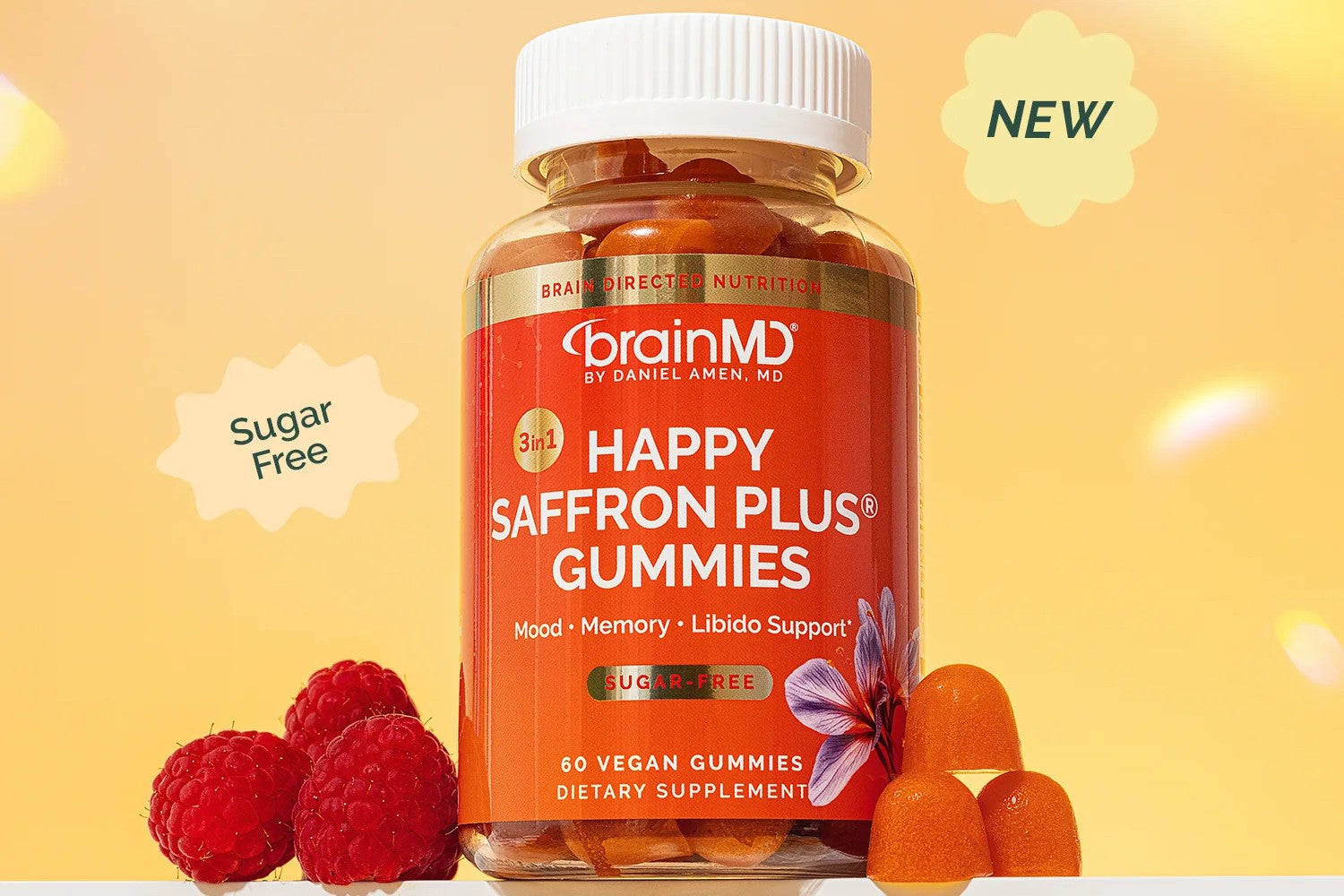
Do you find yourself frequently filled with worry, fear, or occasional anxious thoughts? You aren’t alone. In today’s fast-paced world, many people experience periods of stress. Since stress affects millions of American adults, let’s take a closer look at some of the best ways to address it...naturally. 8 Simple Strategies to Help Ease Your Stress and Calm Your Mind 1. It's Okay If You're Not Okay For starters, acknowledge that it’s completely normal to experience a certain amount of stress and worry in life. In fact, having a degree of healthy fear can be a good thing. Studies show that the “don’t worry, be happy” people—like those who crowd the beaches in Florida every Spring Break—may die the earliest from accidents and preventable illnesses.¹ Having appropriate levels of worry actually may help keep you safe. 2. Stay Connected By nature, we're social creatures who need connection. Having strong social connections can help give you a sense of purpose and belonging. Since it's so important to stay connected with others, be sure to surround yourself with people who are happy, upbeat, kind and who challenge you to be the best version of yourself. 3. Slow Your Breathing Diaphragmatic breathing is an effective way to overcome stress and quiet your mind.² This simple relaxation method can be done anywhere, anytime. Taking deep breaths can help relax your muscles, relieve tension, and allow your brain to function better. Do this simple exercise anytime you feel stressed or on edge. 4. Kill the ANTs Did you know mental hygiene is just as important as physical hygiene? Learn to disinfect your thoughts by killing the ANTs (automatic negative thoughts) that steal your happiness. Anytime you feel nervous, stressed, or panicky, write down what you’re thinking, then talk back to the ANTs. This robs them of their power and puts you in control of your thoughts and moods. It’s easy—just grab a piece of paper and write down what has you concerned today. 5. Get Hip to Hypnosis You might think hypnosis is just for stage acts, but the medical community has long viewed it as a serious science. Using hypnosis has been shown to help reduce stress, lower feelings of anxiousness, and enhance mood.³ Give it a try in the comfort of your own home with a hypnosis audio. 6. Loving Kindness Meditation This easy meditation is intended to boost positive emotions and reduce negative feelings. Just sit quietly and allow your stress to melt away as you breathe deeply (see #3 above). Then say the following phrases aloud or silently to yourself: May I be safe and secure. May I be healthy and strong. These meditations can help reduce stress and improve your overall outlook on life, so give it a try. 7. Consider Nutritional Support Your body’s nutrient levels can be depleted during times of excessive stress. One of the best ways to replenish nutrients and fuel your brain is with high-quality supplements. Everyday Stress Relief is a premier stress-reducing supplement that harnesses the power of five natural ingredients to help soothe your frazzled nerves.* GABA Calming Support boosts GABA to help calm your brainwaves and pump the brakes on anxious and fearful thoughts.* Serotonin Mood Support contains key nutrients that promote serotonin balance and a sense of calmness.* Significant research shows saffron can help boost serotonin and benefit mood.*⁴ Happy Saffron Plus® has three ingredients designed to improve mood, help you cope with feelings of anxiousness, and enhance focus under mental strain.* Plus, its now available in a delicious gummy format. 8. Know Your Brain Type Every brain is different and should be treated as such. Based on the brain imaging work conducted at Amen Clinics, we've identified 16 Brain Types. To discover your Brain Type, take the free online Brain Health Assessment. It only takes about 5 minutes to complete and you’ll get a targeted treatment plan, including lifestyle tips and recommended supplements for your specific Type, to help optimize brain function so you can better cope with stress. Calm Your Mind...Naturally! These are just a few of the many practical, natural techniques that can help keep your body’s production of the stress hormone cortisol in check. Adopting these healthy tips can help reduce stress levels and increase your inner calm. Give them a try today! Note: while it’s natural to feel the effects of stress, if you're experiencing intense, ongoing stress, you might consider seeking out the support of a health coach or trained counselor. At BrainMD, we’re dedicated to providing the highest purity nutrients to improve your physical health and overall well-being. For more information about our full list of supplements, please visit us at BrainMD. These statements have not been evaluated by the FDA. This content is for informational purposes only. It is not meant to substitute for medical or healthcare advice from a physician, nor is it intended to diagnose, treat, cure, or prevent any disease. Consult your healthcare provider before beginning a new health regimen. References: Diener, E., & Chan, M. Y. (2011). Happy people live longer: Subjective well-being contributes to health and longevity. Applied Psychology: Health and Well-Being, 3(1), 1–43. JBI Database of Systematic Reviews and Implementation Reports 17(9):p 1855-1876, September 2019. | DOI: 10.11124/JBISRIR-2017-003848 Karrasch, L., Koole, S. L., Funk, B., Kettner, H., & Pittig, A. (2023). Effects of relaxation hypnosis on mood and state anxiety in chronically stressed individuals: A randomized controlled trial. Journal of Psychotherapy and Psychosomatics, 92(2), 1-12. https://doi.org/10.1026/1616-3443/a000679 Shafiee, M., Arekhi, S., Omranzadeh, A., & Sahebkar, A. (2018). Saffron in the treatment of depression, anxiety, and other mental disorders: Current evidence and potential mechanisms of action. Nutrition Reviews, 77(8), 557–578. https://doi.org/10.1093/nutrit/nuz034
Learn more
"Fall Back" Basics: How to Increase Your Vitamin D This Winter Season!
We’re rapidly approaching the end of Daylight Saving Time (DST), when clocks will “fall back” an hour and give millions of Americans an extra 60 minutes of shut-eye. At least, in theory. In reality, many people don’t, or can’t, take advantage of the extra hour of sleep. They may see the bonus hour as a prime opportunity to binge-watch another episode of their favorite TV show. Or, they might have problems adjusting to the new sleep schedule and end up wasting the added time tossing and turning. The Internal Clock Even though we gain precious minutes of sleep, turning back time can disrupt our circadian rhythm, the internal clock that helps regulate our sleep. While the fall time change adds an hour to our day, our body may wake at the usual time, which will counter the supposed gain. We might also feel sleepy earlier in the evening, an hour before our regular bed time. It’s a phenomenon similar to jet lag – our internal clock isn’t in synch with the external clock on the wall or nightstand. Harvard Health¹ reported that it can take a week or more for our bodies to adjust to the time change. Even the relatively small 60-minute adjustment can have negative effects on the body, health and even traffic safety! Sadly, the fall time change can affect more than just our sleep... The Winter Blues Many people feel lethargic, fatigued, and moody during the cold, winter months. Some write off these signs and behaviors as just feeling down. Since many don’t believe they need to do anything about it, they don’t take proper care of themselves. As the weather changes, and your normal routine is thrown out of whack by the time change, your brain’s serotonin activity can decrease. As the brain neurotransmitter that plays a major role in outlook, the lowering of serotonin activity is often associated with low mood.² Also, since serotonin is the starting molecule for the brain’s pineal gland to produce melatonin, our main sleep hormone, changes in serotonin activity can rob us of quality sleep. Though falling back gives us an extra hour of sleep, the tradeoff is that the darker months can negatively affect our mood and sleep patterns. With less sunlight, it becomes increasingly important to get adequate levels of vitamin D during the winter months. Increase Your Vitamin D During the Winter Vitamin D, also referred to as the “sunshine vitamin,” is now known to be crucial for the brain’s functioning and maintenance. After it’s made in the skin as vitamin D3 (cholecalciferol), it becomes converted, first by the liver then by the kidneys, into a powerful hormone that regulates not only the brain but the heart, circulation, gut, liver, pancreas, immune system, and practically all our tissues. Among its many benefits, vitamin D3 promotes the actions of serotonin, dopamine, and other key brain neurotransmitters. Unfortunately, many Americans – even those who eat a good diet – are functionally vitamin D deficient. Though definitions of vitamin D deficiency can vary, experts agree that it has nearly reached epidemic status: one research study found that in the U.S., 70% of all adults and 67% of children, aged 1-11, don’t have adequate levels of vitamin D. Vitamin D deficiency has been associated with illness in winter, when the skin gets less sunshine and makes less vitamin D. In fact, vitamin D deficiency may be linked to many serious health concerns. Among these is that low levels of vitamin D have been associated with mood challenges³ and difficulties with sociability, attention, memory, stress and anxiousness. If you’re concerned that you or a family member aren’t getting enough vitamin D, you should consider supplementation. Vitamin D3 5000 IU BrainMD’s Vitamin D3 5000 provides sufficient vitamin D3 to raise your tissue levels into a healthy range within a short time period, while being completely safe to take long-term.* Clinical research has established that taking this safe dose of vitamin D3 daily works better than taking high doses every few weeks or getting a very high dose by injection.* Intensive clinical and scientific research continues to make incredible discoveries about this vitamin-hormone. Vitamin D3 is clearly established as having powerful and extremely versatile effects on health and well-being.* In recent decades, researchers have confirmed its favorable effects on healthy gene regulation, calcium metabolism, cell growth control, hormone balance, and coping with stressful challenges.* Vitamin D3 helps promote: healthy mood* immune response* cognitive function* cardiovascular health* muscle and bone strength* overall brain health* The current U.S. Daily Value recommendation is 600 IU for ages 1-70,⁴ but experts agree this is well below the physiological needs of most individuals and suggest 2,000-10,000 IU daily.* BrainMD’s Vitamin D3 5000 raises your levels on just one softgel a day.* If you typically have a hard time adjusting to the DST time switch, vitamin D3 can help you get into a new rhythm and beat the time change blues!* What Others Are Saying: "Winters are long and cold out here, this product really helped me get through this last one. I’ve had struggles with my mood during the long winters in Wisconsin. I must say, this last one was the easiest one yet! I have so many new things riding on my shoulders and yet I didn’t fall victim to the normal winter blues that I usually deal with. I will order it again this coming winter.” - Mark At BrainMD, we’re dedicated to providing the highest purity nutrients to support your brain health and overall well-being. For more information about our full list of supplements, please visit us at BrainMD. *These statements have not been evaluated by the FDA. This content is for informational purposes only. It is not meant to substitute for medical or healthcare advice from a physician, nor is it intended to diagnose, treat, cure, or prevent any disease. Consult your healthcare provider before beginning a new health regimen. References: ¹Harvard Health Publishing. (2013, November 1). Daylight saving time: "Fall back" doesn't equal sleep gain. Harvard Health Blog. https://www.health.harvard.edu/blog/daylight-saving-time-fall-back-doesnt-equal-sleep-gain-201311012514 ²Cleveland Clinic. (n.d.). Serotonin: What is it, function & levels. Cleveland Clinic. Retrieved December 6, 2024, from https://my.clevelandclinic.org/health/articles/22572-serotonin ³Greenblatt, J. M. (2024, October 16). Mental health in the sun: The role of vitamin D deficiency in mental illness. Psychiatric Times. https://www.psychiatrictimes.com/view/mental-health-in-the-sun-the-role-of-vitamin-d-deficiency-in-mental-illness ⁴Mayo Clinic. (n.d.). Vitamin D. Mayo Clinic. Retrieved December 6, 2024, from https://www.mayoclinic.org/drugs-supplements-vitamin-d/art-20363792
Learn more
How to Be Resilient and Positive in a Negative World
You’ve probably heard the expression, “When life knocks you down, get back up.” Easier said than done. There are no magic words that can make things better when tragedy enters the life of an unsuspecting soul. Friends or acquaintances may attempt to soothe emotional wounds with tired platitudes (like “Into each life, some rain must fall”) or nuggets of pop psychology. Though well-meaning, such sentiments can end up doing more harm than good. So, when words fail, what’s the best way to comfort someone who’s endured an unexpected loss? Here are some helpful tips on how to be resilient and how to help others through tough times... The Present of Presence One of the best things you can do for someone who has suffered a loss is to just be there for them. Showing up during a difficult time reveals more than just your support…it reveals your heart. They might forget the card or casserole, but they won’t forget you being there during one of the lowest points in their life. The most important thing to remember when practicing presence is to listen. If they want to speak, to express their feelings, actively listen to them. Otherwise, if they remain silent, just be with them. Sitting in silence may make you feel awkward or helpless, but it’s a far better option than trying to ease their pain by telling them of a hardship from your past (which minimizes their suffering) or filling the time with Band-Aid bromides, like the one referenced earlier. If they ask for your advice, resist the urge to fix the problem. Keep your responses compassionate, but brief. Here’s a good guideline to follow: the greater the tragedy, the fewer words you should speak. The Stages of Grief Regardless of the severity of a challenge or setback, identifying and processing your feelings can be a significant step in moving past loss or grief. Although models vary, many counselors follow the 5 Stages of Grief (Kubler-Ross Grief Cycle)¹ when helping their patients. The 5 Stages are: [wc_box color="inverse" text_align="left" margin_top="" margin_bottom="" class=""] Denial – This is typically the first stage (but some quickly proceed to Anger). When faced with an unexpected or tragic situation, many people resist the facts or enter a state of disbelief. Anger – As the reality of the situation sets in, many people become outraged and may even start to blame others. This is especially true when an avoidable or senseless tragedy has occurred. Bargaining – When people feel helpless and vulnerable, they may try to regain control with “If only” statements like, “If only we’d gotten that second opinion.” Depression – Depression may manifest itself as mourning, sadness, regret, helplessness, or hopelessness. Acceptance – People who arrive at this stage have come to terms with what happened and are trying to figure out how to move forward with their lives. Some reach this stage only after extreme effort. Sadly, some never fully reach this stage. [/wc_box] If you or someone you know has been knocked down by recent events, working through this cycle can be a huge help. The Process of Recovery So, how do you get back up? Is there a special formula that allows some people to bounce back while others throw in the towel? The first step is to realize that people react differently to adversity. Some immediately get up swinging, eager to rebound from life’s sucker punch. For others, it may take more time to heal and find the strength to get back on their feet. It’s important to have patience during this process, especially if someone in your life isn’t progressing as quickly as you think they should. Though the natural tendency is to rush the healing process, there’s no set time limit. Just as grieving is a process, so is recovery. How to Be Resilient: According to Brain Experts Recently, Dr. Daniel Amen and Dr. Robert Johnson held a video conference with Amen Clinics staff members. One of the many topics discussed was the importance of resilience. Dr. Amen referenced the work of Dr. Martin Seligman, which frequently focuses on positivity and mental toughness. According to Dr. Seligman’s research, people who are more resilient see problems as being temporary, local, and that they have some degree of control over the situation.² Unfortunately, many people today see their problems as being permanent, global, and that they have no control over what’s going on in the world. The good news is, we aren’t powerless. As Dr. Amen helpfully reaffirmed, we all have control over how we respond to circumstances. The Power of Thoughts Advancing Dr. Amen’s comment, Dr. Johnson underscored the importance of dealing with the ANTs (Automatic Negative Thoughts) that can infest our mind and cause us to obsess over the “What ifs?” of life. Feelings of fear and worry can lead to a kind of hypervigilance where we overfocus on the negative. The trouble with such negative thinking is that it can distort our perceptions of reality. When we engage in negative forecasting (worrying about things that may or may not happen), problems can seem bigger than they really are. Feelings of unease and apprehension have become a universal experience in recent years. Many people are drifting toward a negative bias due to the ambient stress created by the media.³ This kind of stress may raise cortisol levels and negatively affect a person’s exercise, nutrition, and sleep habits. If stress is taking its toll on you, Dr. Johnson suggests taking some time to reground yourself. He recommends getting back to a routine and structure that supports healthy thinking and accurate perceptions. These perceptions aren’t as much about positive thinking as they are about data-based thinking. Where to Find Help So, where can you get help? Many people receive support from a therapist or counselor. Speaking with a trained counselor can make a significant improvement in your outlook and ability to bounce back from life’s challenges. If you’re dealing with fear, anger, guilt, sadness, or mood issues, you don’t have to continue struggling by yourself. Amen Clinics offers in-clinic and telehealth (via telephone and video conferencing) services. To learn more about the full range of services at Amen Clinics or to set up an appointment, please call 888-288-9834. At BrainMD, we’re dedicated to providing the highest quality supplements to improve your physical health and overall well-being. For more information about our full list of brain healthy supplements, please visit us at BrainMD. These statements have not been evaluated by the FDA. This content is for informational purposes only. It is not meant to substitute for medical or healthcare advice from a physician, nor is it intended to diagnose, treat, cure, or prevent any disease. Consult your healthcare provider before beginning a new health regimen. References: 1. Tyrrell, P., Harberger, S., Schoo, C., & Siddiqui, W. (2023). Kubler-Ross stages of dying and subsequent models of grief. In StatPearls. StatPearls Publishing. 2. Seligman, M. E. P. (2011). Building resilience. Harvard Business Review, 89(4), 100–106. 3. Holman, E. A., Garfin, D. R., & Silver, R. C. (2013). Media’s role in broadcasting acute stress following the Boston Marathon bombings. Proceedings of the National Academy of Sciences of the United States of America, 111(1), 93–98.
Learn more
What Are the Dangers of Mold in Your House?
Like many people, you may be spending more time at home than in the past. Perhaps you even work from home now. Spending more time at home has certain advantages. It can help you save money on gas (from not having to drive to and from work every day). It also can help families have more quality time together. Unfortunately, there are drawbacks to spending excess time at home. One of these can be your home itself. Depending on the climate where you live and the age and condition of your house, it may contain hidden hazards to your health. In addition to potentially harmful materials and toxic gases, such as asbestos and radon, another unseen invader in your home might be mold. What is Mold? Mold is a type of fungus that can be found nearly everywhere in nature. Though not all types of mold are harmful, some release toxic gas and spores into the air. When these toxins enter your body, via skin or air, they can have damaging effects on many organs¹, including your immune system and brain. Often confused as allergies or just “feeling out of it,” exposure to mold can affect cognitive function, especially in the frontal area of the brain. The toxin-producing Stachybotrys (“black mold”), as well as other neurotoxic molds, including Aspergillus, Chaetomium, and Wallemia, can have a dramatic effect on the brain and behavior.² Certain species of Aspergillus and Penicillium have been strongly linked to upper respiratory problems, especially in children. Certain species of Alternaria, Candida, Cladosporium, and Fusarium also may be culprits in lung and other respiratory problems. There are 2 main documented effects of mold exposure: irritations of the physical airway like allergies or a cough, and the more concerning effects on the central nervous system (CNS) and the brain. Dangers of Mold Mold exposure can negatively impact physical health and mental well-being. The primary physiological effects of mold exposure include inflammatory or allergic responses and toxicity. Common physical reactions to mold include: chills cough eye irritation nasal stuffiness skin irritation wheezing Among the many CNS responses are headaches, brain fog, confusion, fatigue, irritability, and sleep issues. Mental health problems can include mood issues, memory loss, or other forms of cognitive impairment. The severity of these issues depends on multiple factors, such as the potency and duration of the exposure. Also, a person’s age and genetics, health and nutritional status, and other toxic burdens (such as exposure to glyphosate, heavy metals, xenoestrogens, pesticides, and other toxins associated with lifestyle choices) may play a role. Mycotoxins Mycotoxins, which are toxic metabolic products made by some fungi, can make symptoms worse. In addition to a broad spectrum of mycotoxins produced by household molds (many of which are mentioned above), unhealthy factory farming practices have led to the U.S. having some of the highest levels of outdoor mycotoxins in the world. These harmful substances can have a direct effect on the brain’s systems of neurotransmitters. A growing body of evidence shows that some patients with serious memory problems may have been infected with these fungi or exposed to other certain toxins.³ Mold and mycotoxins can have other serious consequences, including harmful effects on children’s lungs, immune systems, and cognitive development. In children and adults, they also can cause negative changes in the gut’s microbiota composition, endocrine disruption, and a range of dysfunctional effects on immunity. So, what can you do to ensure your house is a safe place? Here are some of the best ways to keep mold and other toxins out of your home… 3 Natural Ways to Prevent Mold Exposure in Your Home 1. Check Your Home Since the 1950’s, when drywall began replacing plaster, reports of mold infections have significantly increased. The presence of moisture can cause drywall and practically every other home construction surface to grow molds and other fungi, none of which are good for us. It’s estimated that half the buildings in the U.S. may be water damaged. Construction methods in the U.S. can be a feast for mold and fungi, which thrive on drywall and wood. Our homes are often built of these soft materials rather than stone or brick, as is more common in Europe. Mold flourishes in dark and moist environments. A small drip from a leaky toilet, shower, or sink is all it takes to create a major mold problem. Some studies have linked higher rates of asthma in some communities to living in older homes that are poorly maintained and harbor moisture leaks, which can produce mold populations. A roof leak may initiate a mold problem. If you see a stain on the ceiling or wall, it’s a good bet there’s a hidden mold growth behind it. Mold also can lurk behind the walls of a shower, as well as in air ducts, crawl spaces, attics, basements, and other areas inside your house. If you suspect that you’ve been exposed to mold, it’s essential to remove yourself from the environment until it can be cleaned up. Mold exposure can be toxic to brain function, including memory and other cognitive functions. If you develop signs of possible mold exposure, such as sneezing, coughing, watery eyes, and skin irritation, don’t delay in making an appointment with a mold specialist. If your child develops asthma or other respiratory problems, or sudden difficulties with learning, it would be prudent to have your home inspected for mold. In many cases mold, carbon monoxide inhalation, or other toxins can damage the brain and result in decreased neurological function including memory loss, noticeable personality changes, and difficulty concentrating. Toxic exposure, and its effects on the internal structure of your brain, can be debilitating over the long-term. 2. Purge Your Pantry There’s mold in food? Sadly, yes. And just when you thought you only had to worry about the unhealthy sugars, fats, carbohydrates, and other artificial ingredients in your foods. Certain molds can affect crops, which are then passed on to the foods you eat. It’s estimated that as much as 25% of the world’s grain crops may be contaminated with mycotoxins.⁴ Many of the packaged and processed foods in the standard American diet are contaminated with these grains. Here are some of the most harmful mycotoxins that have been found in our food supply: Aflatoxins come from Aspergillus flavus and Aspergillus parasiticus, known carcinogens that may occur in food due to mold growth and are often found in corn and peanuts. Deoxynivalenol, commonly known as vomitoxin, is a natural toxin produced by several molds that are common contaminants of grains, including barley, corn, rye, and wheat. Fumonisins are natural toxins produced by molds that are common contaminants of corn and have been found in cornmeal and breakfast cereals. Ochratoxin A is a naturally occurring, kidney-toxic product of various molds and is a contaminant of cereals, including barley, corn, oats, and wheat. Patulin is a toxic substance produced by Penicillium, Aspergillus, and Byssochlamys molds that grow on apples and may be present in rotten or damaged apples that are used to make apple juice. Other foods in which mold and mycotoxins have been found, most typically when stored in moist environments, include processed meats (sausage, salami, hot dogs), berries, coffee beans, and alcohol (beer, wine). While it may be impossible to completely avoid foods that contain mold, it’s recommended to exercise caution when eating bread, cheeses (hard and soft varieties), and some fruits (strawberries, grapes, oranges) and vegetables (tomatoes, bell peppers, cauliflower) that are prone to growing mold. If something in your fridge is borderline, apply the adage “when in doubt, throw it out.” It’s better to lose a little food and money than to risk mold exposure. 3. Get a Test Mold exposure is often misdiagnosed and mistreated, which can lead to long-term suffering from the distressing complaints of mold toxicity. If you think you may have a mold infection, the first three things you should do are: [wc_box color="inverse" text_align="left" margin_top="" margin_bottom="" class=""] Get your house inspected by a lab that knows how to test for mold Boost your detoxification pathways Increase your levels of vitamins and minerals (including vitamin C, vitamin D, and zinc) to support your immune system [/wc_box] Next, get a personal mold test from a physician who has proven experience diagnosing mold toxicity. The workup for a leading mold protocol can include tests that are widely available at LabCorp and Quest Diagnostics, including MMP–9, TGF beta 1, MSH, and VEGF. Urine testing for mold toxins circulating in the body can also be utilized. However, these tests might be pricey and none of them can give solid confirmation you’ve been exposed to mold. Be advised that the efficacy of these tests has been questioned by some mold specialists. Unfortunately, going to your healthcare professional might not provide answers or relief from your issues. If you explain your problems to your primary care physician or a mental health professional, there’s a high likelihood that mold won’t be considered as a possible cause. It simply isn’t on the radar of many physicians. Avoid Household Mold The more exposure you have to the types of mold and toxins mentioned above, the more your chances of developing long-term mental or physical health issues. To minimize your chances of being exposed to mold, especially if you know your home has pockets of moisture, be sure to get your house tested for mold. Also, purge your pantry and refrigerator of foods that are potentially high in mold. If you think you’ve been exposed to mold, get out of the house until it can be tested, and get yourself tested by a mold specialist who can properly diagnose and treat your issues. Taking these steps can put you on the path to living a mold-free life. At BrainMD, we’re dedicated to providing the highest purity nutrients to improve your physical health and overall well-being. For more information about our full list of brain healthy supplements, please visit us at BrainMD. These statements have not been evaluated by the FDA. This content is for informational purposes only. It is not meant to substitute for medical or healthcare advice from a physician, nor is it intended to diagnose, treat, cure, or prevent any disease. Consult your healthcare provider before beginning a new health regimen. References: Peana, M. F., Marotto, D., Nicolosi, D., & Peluso, G. (2019). Molecular pathways linked to oxidative stress in respiratory diseases: New insights for diagnostic approaches and therapeutic interventions. Oxidative Medicine and Cellular Longevity, 2019, Article 3616467. https://doi.org/10.1155/2019/3616467 Crago, B. R., Gray, M. R., & Nelson, L. A. (2003). Neuropsychological and electrocortical effects of mixed mold exposure. Archives of Environmental Health, 58(8), 452-463. https://doi.org/10.1080/00039890309604029 Barker, G. R. I., & Galea, L. A. M. (2008). Chronic exposure to low levels of environmental toxins impairs neurogenesis and cognitive function in adults. Neurotoxicology and Teratology, 30(5), 515-523. https://doi.org/10.1016/j.ntt.2008.05.003 Bryden, W. L. (2007). Mycotoxins in the food chain: Human health implications. Asia Pacific Journal of Clinical Nutrition, 16(Suppl 1), 95–101.
Learn more
Filling Your Cup: Tips for Mental & Spiritual Self-Care
Too many women today know what it’s like to feel totally depleted—overcommitted, overworked, and overstressed. In our 24/7 modern world, it’s more important than ever to take a step back and recharge ourselves. And that starts with asking ourselves: What sustains me? What rejuvenates me? What practices contribute to, rather than detract from, my mental, emotional, and physical health? If you’ve read my book The Relentless Courage of a Scared Child: How Persistence, Grit, and Faith Created a Reluctant Healer, you know that my upbringing was far from peaceful. In fact, my chaotic background led me to a lot of health issues, from depression to thyroid cancer. Fortunately, I was able to take control of my own life and well-being, but only because I made the decision to start restoring myself, one healthy choice at a time. I want to share with you, after decades of my own journey to healthier living, some of the methods I use to take care of myself—the most important ways I fill my cup every day. Then I’ll offer some ideas for how you can develop more nourishment in your own life. What Fills My Cup: 4 Must-Haves for Better Health 1. Faith In 2018, a nationwide study¹ determined that people who had a religious affiliation lived an average of 4 more years than those who didn’t. Researchers theorized that several aspects of religion might influence this outcome. For example, religion may promote healthier lifestyle choices (such as not drinking alcohol) and more social activity (through church services or volunteering). Then there are religious-affiliated stress-reducers, like gratitude, prayer, and meditation—all of which I personally find a lot of comfort in. I was excited by this study’s findings, but I wasn’t surprised. It’s so important to have meaning and purpose in your life—which many people find through religion and related activities, such as helping others. Prayer and meditation actually create positive changes in your brain, helping you release trauma and reduce stress. And believing in something bigger than ourselves allows us to see the world in a more expansive, fulfilling way. 2. Fitness I’m so thankful that fitness is a cornerstone of my life. It’s honed my dedication and discipline—whether learning kenpo karate or starting my day with weight training at home. But movement is a must for my physical and mental health, too. Yes, exercise makes us look younger, healthier, and more toned, but it also triggers feel-good endorphins, reduces stress, boosts energy and metabolism, and helps keep depression and anxiety at bay. That’s in addition to longevity-promoting effects like lower blood pressure and cholesterol, and reduced risk for heart attacks, diabetes, and cancer. I could go on listing even more benefits, but what more evidence do you need? Get moving and experience them for yourself! 3. Meditation Want to create more joy and less stress in your life? Try meditation. A study at Amen Clinics showed that the act of meditation increases blood flow to the frontal lobes of the brain—an area that influences impulse control, forethought, and judgment. It also calms the emotional centers of the brain, which helps with emotional regulation. Numerous studies have found that meditation can have many positive effects, including: Calming anxiety or panic Enhancing brain function Increasing self-esteem Lowering stress levels Reducing stress on the cardiovascular system Even if you start with 5-10 minutes a day, you’ll notice a difference. 4. Family I remember how much my life changed when I had my daughter, Chloe. In the days after her birth, I experienced a euphoria like no other as an indescribable bonding took place between us. Then all my maternal instincts kicked in, and I went on high alert for anything that might endanger her. This makes total sense when you know about the amazing effects of oxytocin, otherwise known as the “cuddle hormone.” It kicks in when we hug a loved one, give birth, or make love—and it’s powerful stuff. Even though Chloe is all grown up now, I still cherish our time together. And, in a world where isolation and loneliness are epidemics, family ties are more important than ever. I make sure to prioritize them with frequent bonding time, check-ins, group activities, and open communication—whether it’s with Chloe, my husband Daniel, or anyone else in our immediate and extended clan. 4 Tips to Filling Your Cup Mentally & Spiritually 1. Find Your Purpose When you have a purpose in life, you have something that drives you. You make healthier choices, live longer, and enjoy better mental and physical health. But without a purpose in life, you may be prone to depression or loneliness—which can actually shorten your lifespan. To find your purpose, ask yourself just 3 simple questions: What am I willing to suffer for? What am I most passionate about? How do I make the world a better place—or how would I like to? These questions will help you determine what’s most important to you, regardless of others’ opinions. When you know your values, skills, interests, and strengths, you’ll be on your way to setting and achieving goals, which keeps you motivated and fulfilled. 2. Enjoy Quiet Time We all know what it’s like to be stuck in “go” mode all day long. As a busy wife, mother, and businesswoman, I know firsthand how easy it is to get carried away with our to-do lists and take little or no time for ourselves. But don’t fall into this trap—it’s a recipe for burnout, stress, exhaustion, and poor health. Instead, try one or more of these practices to carve out some quiet time in your day: Meditation Solitude Mind wandering/daydreaming Journaling Prayer Taking breaks between tasks (try a solo walk outside or 10 minutes in nature) Mindfulness A creative, relaxing hobby, like knitting 3. Stick to the Basics Without taking care of your body’s basic needs, you won’t function at your best—which can trigger all kinds of mental and physical health issues. Here are a few ideas for making sure you’re setting yourself up for success rather than depleting yourself: Start your day with a workout and a nutritious breakfast with protein, healthy fats, veggies, and fruit. Setting this solid foundation first thing in the morning helps you make healthier choices all day long. Practice good sleep hygiene: going to bed and waking up at the same time every day, taking sleep-enhancing supplements if needed, and creating the right conditions for sound sleep in your bedroom. Commit to stress-reduction practices. It’s best if you have multiple ways to unwind so you can choose what you need in the moment. Try journaling, meditation, yoga or tai chi, chanting, a hot bath or tea, or listening to relaxing music. 4. Bond with Loved Ones Since I mentioned oxytocin above, it’s important that I add bonding time to this list. Researchers have learned a lot about how much relationships affect our lives—and can even impact our longevity. A study² at Harvard that tracked participants over almost 80 years found that close relationships, rather than money or success, were the #1 predictor of a happy, healthy, and long life. The study concluded that close ties “protect people from life’s discontents, help to delay mental and physical decline, and are better predictors of long and happy lives than social class, IQ, or even genes.” When you create and nurture strong, healthy relationships, you’ll find that you’re happier and more resilient. You’ll promote brain health and help stave off conditions like Alzheimer’s. And you’ll make sure that your cup stays full. Because even if your levels get a little low from time to time, you can rely on the people around you to help replenish them. References: ¹ Ohio State University. "One thing you'll find in the obits of many long-living people." ScienceDaily. ScienceDaily, 13 June 2018. . ² https://news.harvard.edu/gazette/story/2017/04/over-nearly-80-years-harvard-study-has-been-showing-how-to-live-a-healthy-and-happy-life/
Learn more