 Skip to content


Wellness Blog



Here Are Some of the Best Ways to Deal with Holiday Grief
If you’ve recently lost someone you love, the holidays can be particularly challenging as they tend to amplify grief. It’s important to acknowledge the complexity of emotions that can arise during this time, and be prepared to take extra measures to care for yourself. So, how does one best cope with grief during the holidays? Experts say that healthy grieving probably looks different for each individual. We process loss in various ways. Still, there are some general steps one can take to make the holiday less painful, more meaningful, and maybe even a new beginning of sorts. Here are some helpful tips for how to manage holiday grief. Holiday Grief: 8 Ways to Cope with the Loss of a Loved One 1. Be Willing to Feel Those who work in the field of grief recovery almost universally encourage grievers to feel the grief. That means not staying overly busy or checking out in numbing behaviors, but instead slowing down enough and allowing pockets of downtime where you can actually feel and begin to heal. A movie that lifts you up or makes you cry – or both – can help in this regard. This takes a conscious effort because no one likes to feel the deep emotional pain of real loss. The best way to deal with grief is to face it when it comes up and feel it fully. Often grief comes in waves that are intense, and then they pass with times in between of relief. It’s also okay to laugh and smile if you feel it, too! 2. Understand You Are Altered Grief affects your entire being – that means physiologically too. Studies show that grief is associated with: higher stress disrupted sleep compromised immune function a greater risk of heart health problems As a coping mechanism, your brain may attempt to dissociate itself from emotional pain, which can be experienced as brain fog. Additionally, emerging research from the University of Colorado indicates that our brains encode a bond with those we love, and when we experience loss, our brain actually has a period of readjustment where it rewires itself. Grief has altered you and you may be more limited in what you do this holiday season. Whatever plans you choose to make or not make should be informed with this understanding. 3. Turn Up the Self-Care Knowing that you’re altered and need to make space to feel, this is prime time for upping your self-care. You can start with the basic tenants of good health: ensure you’re eating brain healthy foods, getting plenty of rest, exercising regularly, and avoiding alcohol and refined sugars in excess. Do things that calm your nervous system: walk in nature, meditate, get massages, or take baths. Don’t put too much on your plate in terms of commitments. Self-care is priority number one! 4. Give Yourself Permission Not to Celebrate Some grief experts say that it can be helpful to give yourself permission to cancel the holidays altogether. Yes, you can take a year off. If you have children, you may want to keep some of your traditions going, but you can at least scale back on what you do. On the other hand, for some people, carrying on with the holidays, even if you’re just going through the motions, can be life-affirming and even grounding. Find what works for you. 5. Create Meaning and New Rituals Most mental health experts agree that creating a new ritual that acknowledges the loved one who’s gone is an important part of integrating the loss. Perhaps it’s as simple as giving to your loved one’s favorite charity. You might light a candle in their honor at a holiday dinner and ask all who are gathered to share a memory of them or make and serve their favorite dish. 6. Reach Out for Support Studies show that social support is critical for the bereaved. While some time alone is necessary and important for grieving, don’t spend too much time alone. Reach out to family and friends who are eager to support you. Being in the company of others can be very comforting during the holidays, especially if you’re grieving. If you’re really struggling, consider reaching out to a grief counselor, spiritual guide, therapist, or trusted friend. And don’t forget your four-legged friends. Spending time with your pets can be incredibly restorative and comforting for grievers – sometimes more than spending time with people! 7. Be Flexible Mental health professionals recommend being flexible in your planning. It takes mounds of pressure off. If you accept an invitation, let the host know you may just come for a brief amount of time. That way, you can leave if it’s too much. Give yourself permission to cancel. Put people on alert that you’re taking it one day at a time and ask if they can be flexible with you. 8. Be of Service It can be uplifting to volunteer and help others – and it provides a healthy and necessary distraction from grief. Consider logging some time at a church or local soup kitchen. Or keep it simple; if you see an elderly person that perhaps reminds you of a parent that has passed, do a good deed for them. Buy them a cup of coffee or give them a smile. You Are Resilient Though you may have low mood during this time, remember that people are highly resilient…and so are you. Grief can be instructive. The pain of loss fosters greater empathy for our fellows. It helps us to value the moment as we know that life is precious. While your grief may be acute this holiday season, know that the darkest days will pass, and you’re not alone. At BrainMD, we’re dedicated to providing the highest purity nutrients to improve your physical health and overall well-being. For more information about our full list of brain healthy supplements, please visit us at BrainMD.
Learn more
Some of the Best Ways to Relieve Stress and Improve Your Mood
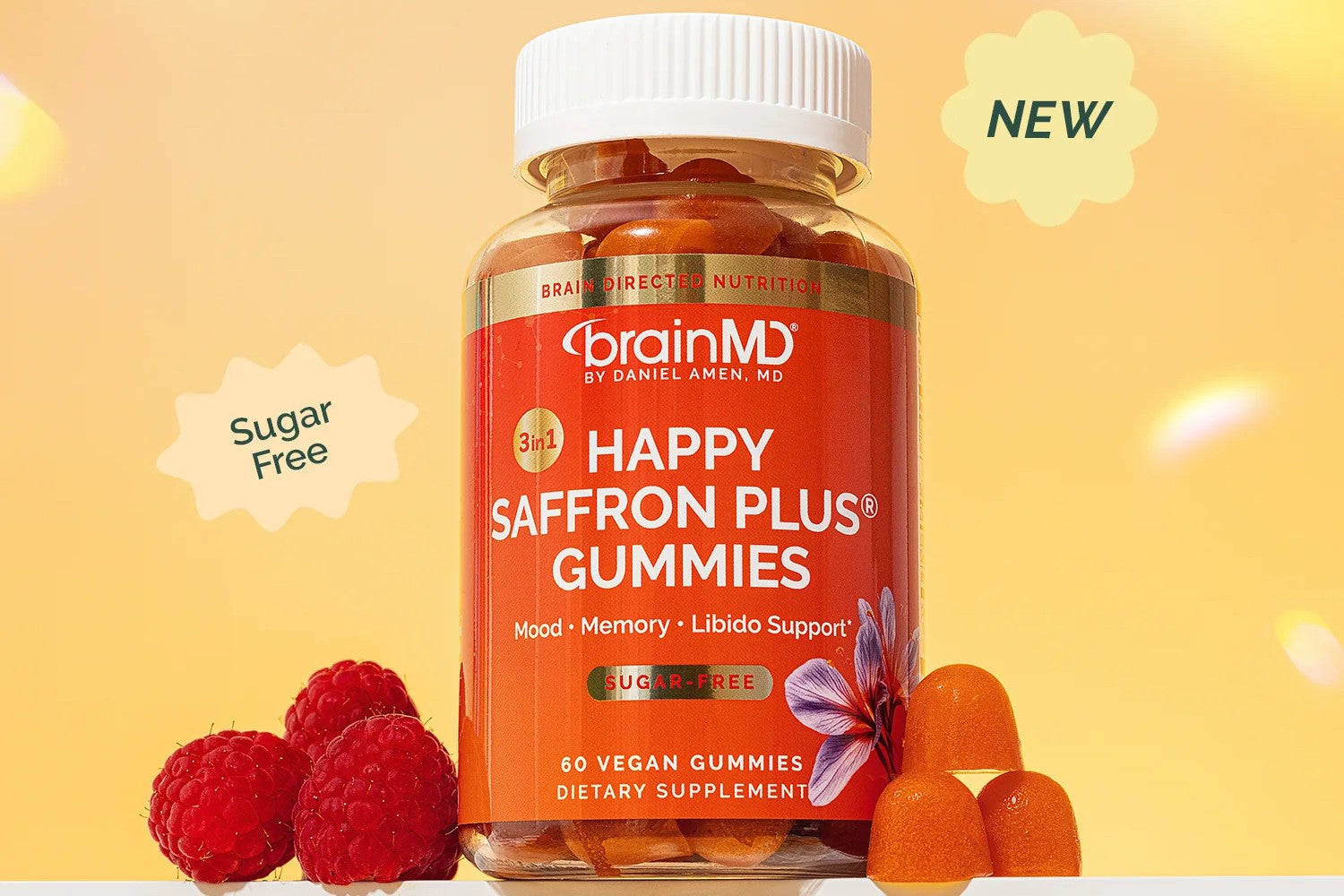
Did you know that not all stress is bad? Good Stress? People tend to think of stress as all bad. But stress can be both good and bad. A little bit of stress can be a good thing because it can motivate you to meet your goals. Low level stress also can help you with resilience, problem solving, and adapting to everyday challenges. Stress can become a problem when it remains unresolved over a sustained period. At that point, stress takes a toll and can become harmful to your health. If left unchecked, excessive stress can lead to serious personal and social consequences, including: Family conflict Low self-esteem Disability Withdrawal from social activities Alcohol and substance abuse Legal and criminal problems Anxiousness and other mental problems Suicide For many people, dealing with consistent, intense stress can lead to low mood. Low Mood Mood issues can make everyday life feel draining. Low mood is often linked to low energy and lack of sleep. Other signs of low mood may include: Negative or guilty thoughts Mental fogginess Purposefully avoiding social interaction Overeating and emotional eating Periods of low appetite Difficulty with concentration and memory Since many people dismiss these issues as just feeling down, they may not get the help they need, which can result in serious physical or emotional difficulties. Stress and Mood Often, there’s a correlation between being stressed out and experiencing occasional anxious thoughts or bouts of low mood. Stress doesn’t just negatively affect your mood (though that can become the most visible side effect), it also can adversely impact the way your brain and body work, so it’s important to try to manage your stress. If you find yourself having negative or anxious thoughts, or notice that your stress levels have gone through the roof, high-quality supplements may help. BrainMD offers an array of supplements to help relieve stress and improve your mood. Some of the Best Natural Ways to Manage Stress and Mood Issues Stress & Anxiousness Category Manage anxiousness and support a healthy stress response with clinically-proven nutrients and herbs.* Here are the high-quality supplements offered in BrainMD’s Stress & Anxiousness Category: Calm My Brain L-Theanine Gummies Everyday Stress Relief GABA Calming Support Happy Saffron Plus® Happy Saffron Plus® Gummies Magnesium Chewables Brain Curcumins Focus & Energy ProBrainBiotics ProBrainBiotics MAX Vitamin D3 5000 MethylFolate NeuroVite Plus Multivitamin Vegan Omega-3 Power Omega-3 Power Omega-3 Power Squeeze Neuro-C Vitamin C Here’s a closer look at a some of our top Stress & Anxiousness supplements… Calm My Brain Calm My Brain provides generous daily doses of high-potency ingredients to manage stress, promote calm, and relieve anxiousness.* Benefits of Calm My Brain This product is a combination of three pure and potent ingredients that have been intensively researched for occasional feelings of anxiousness, and with positive benefits for stress, relaxation, and sleep.* The ingredients have been shown to help with: managing anxiousness and stress* reducing tension and irritability* regulating unhealthy eating* supporting calmness* improving sleep quality* The three high-quality ingredients in this formula work synergistically to help relieve anxiousness. Magnesium (as threonate, bisglycinate chelate, malate, and citrate) Often referred to as “the relaxation mineral,” magnesium plays an important role in hydration, muscle relaxation, energy production, regulation of adrenaline and overall sleep quality. Magnesium promotes a calm, balanced, and mentally focused demeanor.* Ashwagandha (standardized root extract KSM-66®) The ashwagandha herb (Withania somnifera) has long been revered for its medicinal powers in Indian Ayurveda and other traditional medicine systems in the Mediterranean, Africa, and China. As an adaptogen, it helps the body adjust to psychological or physical stress by promoting calm and overall mental focus.* Ashwagandha has been associated with improved memory and attention, and also benefits feelings of anxiousness and sleep.* L-theanine Extensive clinical research links this amino acid with the health benefits of green tea. L-theanine enhances relaxing alpha brain wave activity, reduces tension, and fosters a restful state without diminishing daytime alertness.* It also can promote healthy blood pressure stability against the over-excitability associated with stress.* The clinically researched ingredients in Calm My Brain can make a substantial difference in improving the well-being of individuals living with feelings of anxiousness.* Everyday Stress Relief Everyday Stress Relief was specifically formulated to help replenish your brain and body’s nutrients that can be depleted by stress. This supplement includes herbal extracts clinically proven to have calming and anti-stress effects, helping you to feel less anxious without making you sleepy.* It also helps with apprehension, tension, worry, and fatigue.* Here’s what you’ll find in this high-potency formula: Magnesium is a well-known calming mineral. It promotes a balanced and mentally focused demeanor.* The amino acid taurine supports the adrenal glands and is crucial for coping with stress.* The herb holy basil, revered both in Europe and the East, helps to improve adaptation to occasional anxiety and other problems related to stress.* A phytochemical derived from green tea, l-theanine helps to manage tension.* Relora®, which is a unique mix of two herbs, may enhance healthy management of the stress hormone cortisol while easing tension, anger, negative mood, and confusion.* This safe, non-sedating, and non-habit-forming formula combines the multiple beneficial actions of these well-studied herbs and nutrients to help your brain and body cope with stress on multiple levels.* Mood Support Category Powerful nutritional relief for your mood-related issues, these targeted formulas promote feelings of positivity and happiness.* Here are the high-quality supplements offered in BrainMD’s Mood Support Category: [wc_box color="inverse" text_align="left" margin_top="" margin_bottom="" class=""] L-Theanine Gummies Serotonin Mood Support Happy Saffron Plus Lithium Orotate MethylFolate Vitamin D3 5000 SAMe Mood & Movement 400 NeuroVite Plus Multivitamin Omega-3 Power Omega-3 Power Squeeze Betaine TMG Brain Curcumins Craving Control Magnesium Chewables ProBrainBiotics MAX [/wc_box] Here’s a closer look at a some of our top Mood Support supplements… Happy Saffron Plus This breakthrough formula was scientifically designed to promote a positive mood. It brings together highly refined nutraceutical preparations of the two most traditionally revered “happiness herbals” with a supporting mineral. What’s In Happy Saffron Plus? Here are the 3 highly effective ingredients found in Happy Saffron Plus: affron® Standardized Saffron Extract. Saffron has been the happiness spice in the Middle East for at least 2600 years. affron® is a water-extracted saffron concentrate standardized for its most active constituents. This extract has shown promise for improving mood and anxiousness in adults and adolescents.* Longvida® Optimized Curcumin Extract. Like saffron, the turmeric root has been hailed as a happiness herbal in Asia for centuries. Curcumin is the molecular complex from turmeric root that helps improve mood but is very poorly absorbed from turmeric powder. The Longvida® preparation features excellent absorption of curcumin and has worked well in clinical trials at 400 mg per day or higher. Zinc, as Glycinate. This mineral is essential for the functioning of at least 300 enzymes essential for our life processes, and for the functioning of about 2000 different human proteins. People with mood problems typically have low blood levels and taking supplements with zinc often enhances mood. Zinc glycinate is excellently absorbed and well tolerated.* The combination of zinc with affron® saffron and Longvida® curcumin has the potential to elevate mood, perhaps even in individuals who don’t realize they have a mood problem. L-Theanine Gummies These convenient, easy-to-take gummies can help lessen feelings of anxiousness and promote an overall state of rest and relaxation.* By helping to manage stress, L-Theanine Gummies also helps promote quality sleep.* L-theanine can rapidly increase your brain’s production of calming alpha waves without making you drowsy.* Say Goodbye to Stress Here are some of the key benefits of l-theanine: Fast-acting relief from stress and anxiousness* Lessens stress-producing cortisol* Provides sharper mental focus* What is L-theanine? L-theanine is an amino acid that occurs naturally in green tea and is credited with the tea’s highly valued relaxing effects. It has been researched in Asia, as well as the West, and found to bring on relaxation, often within minutes. Over a longer period, it can improve coping with stress, lessen anxiousness, and support quality sleep.* Relieve Stress and Improve Your Mood One of the best ways to relieve stress and improve your mood is with these Stress & Anxiousness and Mood Support supplements. They've been formulated with the highest-quality nutrients and ingredients to help you feel calm, content, and better able to manage stress or mental strain.* Try them today! At BrainMD, we’re dedicated to providing the highest purity nutrients to improve your physical health and overall well-being. For more information about our full list of brain healthy supplements, please visit us at BrainMD. *These statements have not been evaluated by the FDA. This content is for informational purposes only. It is not meant to substitute for medical or healthcare advice from a physician, nor is it intended to diagnose, treat, cure, or prevent any disease. Consult your healthcare provider before beginning a new health regimen.
Learn more
10 of the Best Ways to Manage the Holidays Without Overdoing It
How do you feel about the holidays? For many, the holiday season is the most wonderful time of the year. But for others, it’s a stressful period that’s become synonymous with exhaustion, overeating, accruing debt, and family drama. The holidays tend to be filled with unrealistic expectations and unforeseen pressures that can cause mood and sleep issues. Unaddressed, these forces have the power to steal your joy, impair your health, and trigger unproductive behaviors that can ruin your holiday. The good news is there are ways to reduce seasonal stress and remain sane during the holidays. Here are some of the best ways to keep from overspending and overdoing it this holiday season… 10 Simple Ways to Manage the Holidays without Overdoing It How to Keep from Overdoing It This Holiday Season Feast Healthy Many people experience weight gain during the holidays. Large portion sizes can contribute to waistline struggles. Eating foods saturated with fat and sugar also can help pack on the pounds. When sitting down to a holiday feast, select foods that are high in protein, healthy fats, and fiber. Also, eating a healthy meal before arriving is one way to maintain a healthy diet at family gatherings and holiday parties. Delegate While You Celebrate You don’t have to do everything yourself; you can tackle your to-do list with others. Spending time with friends and family while you share tasks – like preparing the holiday meal, shopping, cleaning, and decorating – can be an enjoyable time of bonding. Remember, you don’t have to be the holiday hero. Stay Well Rested Many people sacrifice quality sleep to keep up with the increased demands of the hectic holiday season. Lack of sleep often leads to illness, which can make it that much harder to accomplish everything on your task list. To ensure that you have the energy you need to get the most out of the holiday season, it’s recommended that you get 7-9 hours of sleep each night. Getting quality sleep is a sure-fire way to reduce stress, feel more energized, and focus on the positive during the holidays. Limit Alcohol Alcohol can be a triple whammy: alcoholic drinks are often high in calories, bad for the health of your brain, and can decrease your resistance to temptations. You’ll need all your willpower to resist the cheese dip and delicious desserts, so staying sober is the best policy during the holidays. A good strategy is to be prepared with a healthy alternative before you’re tempted to drink. If you’re invited to a meal or party where you know alcohol will be served, consider bringing your own non-alcoholic beverage. This will help ensure that you don’t drink, or drink too much, at the gathering. Just Say No The holidays can make people feel out of control and at the mercy of traditions or expectations. But you can take control of the holidays by refusing to let them control you. Say “no” to events and activities that aren’t making you happy or are causing holiday stress. How to Keep from Overspending This Holiday Season Know Your Spending Limit Financial worries are one of the biggest causes of stress during the holiday season. Make a realistic budget to determine how much you can spend without jeopardizing your financial health. Then stick to it! Creating debt will only add to the stress you’re already feeling. Shop Year-Round A great way to beat the year-end financial crunch is to purchase gifts throughout the year. Set a goal of buying all holiday gifts by Halloween or Thanksgiving. Be sure to periodically scan sales racks/tables at a variety of stores (or shop online discounts) to find the perfect gifts for everyone on your shopping list. If you see a great last-minute gift, it’s okay to purchase it, but make sure you stay within your budget. Holiday Savings Account Perhaps you’ve used the envelope system, where you lay aside a certain amount of money for entertainment, a trip, a medical procedure, etc. Use the same idea for building a holiday gift fund and add to it as you can throughout the year. You can even take it to the next level by opening a bank account dedicated to saving money for holiday gifts. Personalize Your Gifts You can save money during the holidays by creating handmade cards for mailing or by designing holiday cards digitally that you can send via email. Also, you can make a homemade book of coupons (i.e., taking on someone else’s chores, doing something nice for them, engaging in their favorite hobby, etc.) that a family member can redeem after the holiday. This can be a fun way to get the kids involved and is a great way to extend a gift long after the holiday. Gift of Time If you’re able to travel to a relative’s house this year, or even if you can only afford to visit a local friend or family member, make time to be with the ones you care about this holiday season. Spending time with those closest to you can allow you to catch up with them, which may lead to forging some happy memories. Sometimes showing up is the greatest gift of all; they may not remember the present you gave them, but they’ll remember that you cared enough to visit them. Stress-Free Holiday While you may not be able to completely avoid stressful situations during the holidays, you can plan to respond to them in a healthy way. Applying the above tips can keep you from overspending and overdoing it this year, so that everyone in your family can have a fun-filled, stress-free holiday. The BrainMD Team wishes you and yours a safe, healthy, and happy Holiday Season! At BrainMD, we’re dedicated to providing the highest quality supplements to improve your physical health and overall well-being. For more information about our full list of brain healthy supplements, please visit us at BrainMD. These statements have not been evaluated by the FDA. This content is for informational purposes only. It is not meant to substitute for medical or healthcare advice from a physician, nor is it intended to diagnose, treat, cure, or prevent any disease. Consult your healthcare provider before beginning a new health regimen.
Learn more
Here Are 8 Types of Meds That Can Deplete Your Nutrients
Do you take medications? If so, are you aware of the side effects of those medications? Medication Side Effects If you check the side effects associated with common over the counter and prescription medications, you’ll see long lists of problems, such as headache, nausea, diarrhea, constipation, etc. However, what those lists typically don’t tell you is that many of these popular drugs have the potential to set you up for a host of mental issues including feelings of nervousness and emptiness, mood swings, memory problems, trouble focusing, and more. Regardless of which medication you take, one “side effect” many people fail to consider is how these medications may interact with other nutrients in your body. Are Medications Depleting Your Nutrients? Many medications can cause nutrient depletions in the body. While you shouldn’t stop taking any medications without checking with your doctor, it’s important to be aware of potential nutritional pitfalls linked to drug use so you can replace vital nutrients. 8 Types of Meds That Can Deplete Your Nutrients In his book Feel Better Fast and Make It Last, Dr. Daniel Amen lists several commonly prescribed medications and the nutrients they may deplete: Antacids Over the counter or prescription antacids, especially proton pump inhibitors (PPIs), are designed to decrease stomach acid to reduce heartburn and acid reflux. Unfortunately, they also can cause a significant reduction in healthy gut bacteria. An imbalance in the gut may lead to serious mood issues and an increased risk of mental health problems. Antacids can decrease calcium, phosphorus, and potassium. Also, they can contribute to dysbiosis, or small bowel overgrowth of unhealthy bacteria, which can cause vitamin K deficiency and low mineral absorption. Antibiotics Though antibiotics are intended to kill the harmful bacteria that make you sick, they also may end up harming some of the good bacteria in your gut. In some people, the overuse of antibiotics can deplete the population of good bugs and tip the ratio in favor of the bad bugs. When it comes to nutrients, antibiotics can decrease B vitamins and vitamin K in the body. Antidiabetics Antidiabetic medications are used to manage the symptoms of diabetes. They’re intended to bring blood sugar levels into a healthy range. Taking these medications may decrease coenzyme Q10 (CoQ10) and vitamin B12. Antihypertensives These medications help lower blood pressure. This drug class includes angiotensin-converting enzyme (ACE) inhibitors, angiotensin 2 receptor blockers (ARBs), alpha blockers, beta blockers, calcium channel blockers (CCBs), and diuretics (water pills). Antihypertensives may decrease vitamins B6 and K, CoQ10, magnesium, and zinc. Anti-inflammatories Anti-inflammatory medications are used to help reduce inflammation and reduce pain. Non-steroidal anti-inflammatory drugs (NSAIDs) are widely used and are often sold over the counter. This category of drugs can potentially decrease vitamins B6, C, D, and K, and minerals such as calcium, zinc, and iron. Cholesterol-lowering Medications These medications, most notably statins, are prescribed for individuals with high cholesterol levels. Cholesterol-lowering drugs can decrease CoQ10, omega-3 fatty acids, and carnitine. Female Hormones Medications used to support female hormones may decrease folic acid, magnesium, B vitamins, vitamin C, zinc, selenium, and CoQ10. Oral Contraceptives Oral contraceptives can decrease B vitamins, magnesium, folic acid, selenium, zinc, tyrosine, and serotonin. Many women who take oral contraceptives experience low mood. One study found that oral contraceptives can double the risk of suicide in teenage girls and significantly increase the risk in adult women. One of the best ways to ensure you’re getting enough of the vital nutrients your body needs every day, and to help replenish nutrients depleted by medications, is to take a high-quality multivitamin. BrainMD is proud to offer… NeuroVite Plus Multivitamin NeuroVite Plus Multivitamin is the first and only daily multivitamin that contains over 50 vitamins, minerals, and plant extracts developed through clinical studies.* NeuroVite Plus was formulated to provide whole-body wellness with additional brain-healthy nutrients.* It offers advanced nutrition in a way that far surpasses many big-box store or drugstore multivitamins.* 8 Benefits of NeuroVite Plus Though the benefits of this dynamic, broad-spectrum multivitamin are numerous, NeuroVite Plus can support your daily health in 8 major ways: [wc_box color="inverse" text_align="left" margin_top="" margin_bottom="" class=""] Nourishes your body’s cells, tissues, and organs – NeuroVite’s wide range of vitamins, minerals, and other nutrients provide your cells with the key nutrients they need for energy, health, and survival* Promotes high-level brain functioning – NeuroVite’s uniquely diverse array of nutrients help protect, energize, and renew your intensely active brain cells* Supports the health of all the body’s major organ systems – phosphatidylserine for the brain, lutein and zeaxanthin for the eyes (and brain), resveratrol and hesperidin for the heart and circulation, coenzyme Q10 (CoQ10) for the heart, vitamin A for the immune system, and a full range of vitamins (such as vitamin K) and essential dietary minerals (like magnesium)* Protects against free radical damage – with an array of antioxidants, such as vitamin C, d-alpha vitamin E, mixed tocopherols and tocotrienols (7 other natural vitamin Es), CoQ10, alpha-lipoic acid, and the essential minerals zinc, selenium, and manganese* Easily tolerated – due to the careful selection of beneficial food concentrates as well as digestive enzymes to help ensure digestion and absorption* Goes beyond other multiples to further promote optimal brain function – with important phytonutrients that help sustain brain cells* Contains three proprietary nutrient blends formulated by Dr. Amen – Brain Boosting Blend, Digestive Enzyme Blend, and Fruit and Vegetable Blend Free of common allergens or other unhealthy ingredients – contains no sugar, gluten, dairy, corn, nuts, eggs, or artificial colors or flavors [/wc_box] NeuroVite Plus was formulated to feed our trillions of cells with the vitamins, minerals, and conditionally essential nutrients they need to keep the body alive.* Its many additional ingredients further contribute to optimizing energy generation and utilization, maintenance, and repair of the brain and entire body.* The current research on brain and body nutrition demonstrates that everyone can benefit from taking a multiple vitamin-mineral supplement that’s concentrated, naturally derived, science-based, and made with integrity.* For all the above, take NeuroVite Plus daily. Feed Your Brain The modern diet isn’t providing sufficient average intakes of various essential nutrients the body requires each day. While failing to get enough of these vitamins and minerals may lead to serious, long-term health issues, feeding your brain and body with healthy foods and high-quality supplements can provide tremendous nutritional health support for you and everyone in your family. Having deficient levels of these nutrients can lead to low mood and other mental or physical problems. Consider working with a nutritionally informed physician, such as a functional medicine specialist, to check and optimize your nutrient levels, especially if you’re taking medications. At BrainMD, we’re dedicated to providing the highest purity nutrients to improve your physical health and overall well-being. For more information about NeuroVite Plus Multivitamin, or our full list of brain healthy supplements, please visit us at BrainMD. *These statements have not been evaluated by the FDA. This content is for informational purposes only. It is not meant to substitute for medical or healthcare advice from a physician, nor is it intended to diagnose, treat, cure, or prevent any disease. Consult your healthcare provider before beginning a new health regimen.
Learn more
Eat More of These Super Seeds: Chia, Hemp, and Flax
How well seeded is your diet? It might sound like a funny question, but when it comes to your brain and body health, it’s an important one. That’s because nature packs an incredible array of brain healthy nutrients into tiny little seeds. If you want to take advantage of all that seeds have to offer, consider eating more “super seeds.” What Are Super Seeds? Super seeds are basically superfoods that are seeds. They’re exceptionally nutrient dense, comprised of beneficial natural compounds, vitamins, minerals, antioxidants, healthy fats, and fiber. They tend to have anti-inflammatory properties and vital nutrients that promote multiple important areas of health. Nutritional science recognizes the value of super seeds. In fact, an exhaustive 2022 research review on the benefits of nuts and seeds, concluded that evidence supports the dietary recommendation of a handful of nuts and seeds daily (except for those with nut allergies, of course). Here’s what you need to know about the health benefits of super seeds. 3 of the Best Super Seeds to Add to Your Diet! 1. Chia for Champions The tiny black seeds that become gelatinous when combined with liquid have been consumed by humans for millennia – dating back to 3500 B.C. Recently, health-conscious consumers have driven the demand for chia seeds, and for good reason. Chia seeds are considered a complete protein and are a rich source of fiber, vitamins, minerals, omega-3s, protein, antioxidants, and polyphenols. Here are just a few of chia’s many health benefits: High in Fiber Chia seeds have the highest fiber content among the super seeds. Two tablespoons deliver 10 grams of fiber, about 35% of the recommended daily intake for adults! What’s more, they’re mostly soluble fiber and mucilage (its thick gluey consistency when moistened). This type of fiber is soothing to the lining of your gut and actually helps feed beneficial bacteria, as well as promotes motility. Soluble fiber also supports healthy cholesterol and blood sugar levels. Chia fiber, especially when the seeds are soaked before consuming, help provide satiety too. Rich in Minerals Chia seeds provide decent amounts of important minerals such as calcium, phosphorous, potassium, magnesium, and trace minerals such as iron and zinc. Healthy Fats One of the richest plant sources of omega-3 fatty acids, chia seeds are loaded with alpha-linolenic acid (ALA), which helps to keep inflammation levels in a healthy range. Most Americans are deficient in omega-3s. One tablespoon of chia provides more than double the daily amount of ALA recommended by the National Institutes of Health. 2. Hearty Hemp Hemp seeds are extracted from the Cannabis sativa plant. They have a hard exterior and a soft interior. The soft insides are called hemp hearts. These nutty-tasting marvels of nutrition are the most protein-rich super seed. And like other super seeds, they’re a great source of healthy fats, vitamins, minerals, fiber, polyphenols, and antioxidants. Here are a few of hemp seed’s health benefits: Rich in Healthy Fats About 30% percent of hemp seeds are made up of fat that includes a healthy balance of omega-6 (linoleic acid and gamma-linolenic acid or GLA) and omega-3 fatty acids (ALA) at the ideal ratio of 3:1. They promote improved heart health and healthy cholesterol level, as well as healthy blood pressure and triglyceride levels. Additionally, GLA from hemp is thought to help hormonal balance, which is especially valued by women who struggle with menstrual and menopausal symptoms. Complete Protein Hemp seeds are about 25% protein, making them an excellent choice for vegans and vegetarians needing a complete protein source. They also contain high concentrations of the amino acid arginine. Arginine is a known vasodilator, meaning it relaxes blood vessels and allows for healthy blood flow. This is especially beneficial for brain function. Great Source of Fiber, Vitamins, and Minerals Hemp seeds are a formidable source of both soluble and insoluble fiber, containing 20% and 80%, respectively. Like with chia seeds, the soluble fiber acts as a prebiotic that feeds the healthy microflora in your gut. Fiber also helps with motility and promoting balanced blood sugar levels in the body. Hemp seeds are a rich source of vitamin E, magnesium, phosphorous, zinc, and manganese. 3. Faithful Flax Flaxseed has been cultivated and relied upon for its health properties for thousands of years. Hippocrates, regarded as the father of medicine, advocated flax to ease abdominal pain. Today, people love flaxseed for both its nutty flavor and health properties. Indeed, it’s a treasure trove of nutrients. Namely, flaxseed is packed with ALA, making it the richest plant-source of omega-3 fatty acids, as well as the richest dietary source of plant lignans. Here are a few of its top health benefits: Rich in Healthy Fats Healthy fats make up a whopping 40% of flaxseed’s nutritional content – of which 55% is the omega-3 ALA, which provides strong anti-inflammatory effects in the body. Best Source of Lignans The concentration of lignans in flaxseed is remarkably high. Some research suggests that flaxseed’s lignans have antioxidant and antiestrogenic properties, which may have a protective effect against several degenerative health issues. Flaxseed’s high lignan content may help support breast health, heart health, bone health, and hormonal balance. Healthy Amounts of Fiber, Protein, and Nutrients As with chia and hemp seeds, flaxseed’s mix of soluble and insoluble fiber adds support for gut and digestive health. Flaxseed also is a relatively good source of vitamins and minerals such as thiamin (vitamin B1), phosphorous, magnesium, manganese, and iron, amongst others. Go Nuts Over Seeds Give your health a quick boost daily by adding super seeds to your: breakfast cereal or overnight oats smoothie baked goods eggs (substitute chia seeds or flaxseed) leafy green salad Seed the day! At BrainMD, we’re dedicated to providing the highest purity nutrients and standardized herbal ingredients to support your energy, focus and overall well-being. For more information about our full list of supplements, please visit us at BrainMD.
Learn more
5 of the Best Ways to Support Your Brain Health
"The brain is an integrated whole, a symphony of parts that work together to create and sustain a life.” -Dr. Daniel Amen Your brain is involved in everything you do. How you think, act, and relate to others is directly tied to the functioning of your brain. When the brain works right, you tend to be at your best. When the brain is troubled, you may struggle in different areas of your life. So, what can you do to help your troubled brain or optimize your healthy brain? Adopting healthy lifestyle measures—such as maintaining a healthy diet, making regular exercise a priority, getting quality sleep, and taking high-purity supplements—is a great place to start. The following tips also may help support your cognition and memory over the long-haul… 5 Ways to Support Your Brain Health (At Any Age) 1. New Learning One of the keys to supporting your brain function is to continually engage in new learning. Like a muscle, the more you use your brain the stronger it gets. Whenever you learn something, new neural connections are created. Try learning a new language or hobby like painting or playing a musical instrument. Also, you can hone your mental sharpness by engaging in motor activities like yoga or dancing. 2. Don’t Multitask Can’t find your keys? Maybe it’s because you weren’t consciously aware when you put them down. If you tend to juggle many things at once, you’re bound to forget the little things. In an increasingly distracted society, it’s become clear that the brain isn’t meant to excessively multitask. The brain functions best when it’s allowed to switch focus from one thing to another, which is why it’s difficult to read a book and hold a conversation at the same time. Intense multitasking tends to slow mental processing, so make it a point to concentrate on one task at a time. 3. Play Brain Games Brain games can help sharpen memory and other cognitive functions, especially for older adults. Spending at least 15 minutes a day on games – such as crossword puzzles, chess, sudoku, and jigsaw puzzles – may help improve your concentration. There are various online sites where you can do mental exercises to improve your cognitive skills. Regardless of your age, mental exercise can have an overall positive effect on your brain. When you stop learning, your brain starts fading, so don’t stop challenging your brain daily. 4. Practice Gratitude Did you know that practicing gratitude causes changes in your brain that can help you feel better? Being grateful for the good things in your life also may enhance brain function. Writing down the things you’re grateful for can make the practice even more powerful. Tell people who are important to you that you’re grateful for them. This can help boost their mood and yours. 5. Take A Look One of the best ways to improve your brain health is to take a look at your brain. How can you accomplish that? By getting a brain image. Brain imaging removes the guesswork from the standard psychiatric approach of prescribing high-powered medications to treat symptoms, which is like throwing darts at a dartboard in the dark. By contrast, the approach at Amen Clinics is to look inside the brain to identify the source of the problem and to treat it with as natural a regimen as possible. If you’ve hit a wall with traditional psychiatric care, or are just curious to know what’s going on inside your brain, here’s how you can get an accurate image of your brain… Brain SPECT Imaging SPECT (single photon emission computed tomography) is a state-of-the-art brain mapping tool that can give trained medical professionals more information to help their patients. SPECT is a nuclear medicine study that’s proven to reliably evaluate blood flow and activity in the brain. How Imaging Can Support Your Brain Health SPECT allows physicians to look deep inside the brain to observe three things: Areas of the brain that work well Areas of the brain that work too hard Areas of the brain that don’t work hard enough SPECT imaging is a clinically valuable tool for looking at brain function to help target treatment. With the help of brain imaging, doctors also can test to see if there are physical or chemical imbalances, vitamin deficiencies, low neurotransmitter production, and many other factors. Also, SPECT scans can help families see their loved one’s problems as medical not moral, which helps increase compassion and understanding while decreasing shame, blame, and stigma. Brain SPECT imaging can help get to the root of a wide variety of mental health conditions and cognitive issues, so you can find the best solutions to get your life back on track. Why Choose Amen Clinics for Brain SPECT Imaging? For over 30 years, Amen Clinics has performed over 200,000 scans on patients 9 months old to 105 years old from over 155 countries. In addition to diagnosing and treating patients with psychiatric symptoms such as attention challenges, mood issues, addiction, head trauma, and many other complex or resistant psychiatric problems, Amen Clinics also has scanned many health-conscious individuals interested in learning more about their brains and how to keep them optimized far into the future. How to Get Help While Cognitive Behavioral Therapy (CBT) has helped many people with their struggles, brain imaging technology has changed the way healthcare professionals evaluate and treat the brain. Amen Clinics uses brain imaging technology to identify your specific brain type, so they’re able to tailor a targeted treatment plan to address your symptoms and enhance your quality of life. If you have additional questions about brain SPECT imaging, or would like to set up an appointment, call 888-288-9834 today! It’s Never Too Late Regardless of how you’ve treated your brain in the past, you can support your brain health. Applying these practical tips can help brain function and pump the brakes on brain aging. Remember, it’s never too late, or early, to adopt brain-healthy habits that can benefit you for the rest of your life. At BrainMD, we’re dedicated to providing the highest quality supplements to improve your physical health and overall well-being. For more information about our full list of brain healthy supplements, please visit us at BrainMD. *These statements have not been evaluated by the FDA. This content is for informational purposes only. It is not meant to substitute for medical or healthcare advice from a physician, nor is it intended to diagnose, treat, cure, or prevent any disease. Consult your healthcare provider before beginning a new health regimen.
Learn more
Feel Instantly Happier With These 5 Minute Mood Boosters
Many people struggle with low mood, especially at this time of year when the days are shorter and we spend more time indoors. If you find that your mood has taken a dip, you may be heartened to learn that there are a number of simple actions you can take in just minutes to give yourself a lift…naturally. Your brain is powerful, and so are its “happy” neurochemicals – dopamine, serotonin, oxytocin, and endorphins – that can have a positive influence on your mood. If you want to know how to feel happier, engaging in activities that release more of these happy hormones into your brain is a smart place to start. The following 5-minute mood boosters can help make your day less gray. 5-minute Mood Boosters: Quick & Easy Ways To Improve Your Mood Move Your Body It’s well-known that exercise can boost your mood, yet, surprisingly, it doesn’t take much to make a difference. A 2019 Harvard Medical School article says that just getting off the couch and moving your body for a little while can help raise your spirits. So, turn on a good dance song and move around. Step away from your desk and do a few stretches. Or, simply take a walk around the block. Write a Gratitude List UC Berkeley’s Greater Good Science Center examined research on gratitude and mood found that taking time to write down what you’re grateful for is linked to happiness and feeling positive. Take five minutes and write a list of what you’re grateful for. Or at bedtime, reflect on your day and appreciate what went well. Make it a regular practice to turn on the good vibes at a moment’s notice. Give Hugs When we hug another person, a message goes from our skin to the brain, releasing a cascade of neurochemicals such as oxytocin and endorphins, which promote feelings of well-being, security, and love. Extend this hugging to cuddling with your partner before sleep, and it lowers the stress hormone cortisol, helping you to sleep better. Soak Up the Sun Spending five minutes in peak sunlight, especially during the fall and winter, can go a long way toward brightening your mood. Sunlight is needed for vitamin D synthesis, and vitamin D is needed for serotonin production. Low levels of both are associated with low mood. Exposure to sun has been shown to boost vitamin D synthesis and serotonin production. Give your mood a lift by getting sun kissed! Do Something Nice for Someone Doing small acts of kindness for others has been shown to improve mood. In fact, research indicates that those who consistently help others get a self-esteem boost, struggle less with low mood, experience less pain, have greater calm, and better overall health. Here are some examples of small kindnesses: Let someone go ahead of you in traffic Tell a service worker they’re doing a good job (and tip them!) Treat an elderly person with kindness – offer help, buy them a coffee, or give them a smile Offer a ride Write a note of encouragement for a friend/loved one who could use it Listen to Music Researchers have found that people can use music to improve their mood both in everyday life and in music therapy. Music that gives us “chills” is believed to elicit a dopamine release, making us feel good, while calming music is associated with lower cortisol levels, helping us to unwind. Some research indicates that listening to positive music can be a good way to improve happiness, especially if it’s combined with an intention to become happier. So, take a few minutes to listen to an upbeat song that you enjoy with the intention of boosting your mood! Laugh Laughter releases endorphins, reduces cortisol levels, and alters dopamine and serotonin activity – altogether creating a positive effect on mental health and the immune system. It’s nature’s best medicine! If you need an immediate mood lift watch a funny video (such as an excerpted comedy skit – there are plenty online), read something humorous, or call a friend who makes you laugh. Pet an Animal A 2019 Washington State University study examined stress levels in college students who pet cats and dogs for several minutes. Participants showed reduced cortisol levels. The social interaction between people and their animals also has been shown to increase levels of the feel-good hormone oxytocin. Give your pet some affection for an instant mood boost or offer to look after a friend or neighbor’s pet. Breathe Deeply Numerous studies show that deep breathing can calm anxious feelings and help to alleviate stress and low mood. Follow these simple steps for a quick mood lift: Lie on your back and place a small book on your stomach. As you slowly inhale through your nose, make the book go up. Hold your breath at the top of your inhalation for 2 seconds. When you exhale, make the book go down and then hold your breath for 2 seconds before inhaling again. Repeat 10 times. Addressing Low Mood According to a recent study in the American Journal of Preventive Medicine, 1 in 10 American adults struggle with low mood. These 5-minute mood boosters may help relieve stress and improve your mood. Try one today, and add others as you can. Note: While these suggestions may provide a temporary lift for a short-lived blue mood, it’s important to seek the help of a mental health professional if your low mood persists. At BrainMD, we’re dedicated to providing the highest purity nutrients to improve your physical health and overall well-being. For more information about our full list of brain healthy supplements, please visit us at BrainMD.
Learn more
Are Protein Bars Good For Your Brain & Body? We Asked A Nutrition Expert To Weigh In
Dr. Nicole Avena, our Chief Science Officer, has a PhD in neuroscience and psychology from Princeton University and has expertise in brain health and nutrition. Today, we’re picking her brain on protein bars, prebiotic fiber, sugar, and spilling the secret to getting that sweet, but not too sweet taste our Brain Boost Plant-Powered Protein Bar customers crave. Interview: We Asked A Nutrition Expert What Makes A Protein Bar Healthy? BrainMD: What makes Brain Boost Plant-Powered Protein Bars different? Dr. Avena: Most protein bars, even those marketed as “healthy,” are loaded with sugar, void of nutrients, contain artificial dyes or sweeteners, and can cause trouble for your brain. Brain Boost Bars are different because they are sweetened with allulose, stevia, and monk fruit. Brain Boost Bars have 12 grams of healthy plant-based protein per serving and 11 grams of fiber to help keep you full. We were intentional about what we included — cocoa, almonds and MCT oil powder, which add antioxidants and polyphenols to support brain health. BrainMD: Brain Boost Bars taste great! Can you tell us how you achieved that sweet, but not too sweet, taste in our bars? Dr. Avena: Unlike the sugar-packed “healthy” protein bars you see on the shelves, Brain Boost Bars are unique in that they contain no added sugar. It took three years to get the formula just right because we wanted them to be perfect — amazing taste, soft & chewy (never chalky) texture, packed with protein, and good for your brain! To get the sweetness level right, we included three plant-based, low-glycemic sweetener alternatives: stevia, monk fruit, and allulose. Research regarding both monk fruit and stevia suggests promising evidence that they have a lower glycemic index than regular sugar, meaning there will be less of an impact on blood glucose levels. With this in mind, stevia and monk fruit, when compared to table sugar, can be an option for those who love sweets but want to be mindful of their blood sugar levels. BrainMD: Every bar contains 12 grams of protein. Can you tell us more about this impressive blend of plant-based protein? Dr. Avena: It was important to us as a company to develop a vegan-friendly protein bar with a complete amino acid profile. After many iterations, we selected an ultra-clean blend of pea protein, brown rice protein, and pumpkin seed protein. Each of these protein sources has a unique amino acid profile. When combined, they create a complete, high-quality protein, providing all 9 essential amino acids. Like all BrainMD products, Brain Boost Plant-Powered Protein Bars are manufactured in facilities that have been certified to meet a variety of exacting quality standards regarding pesticides, microbiological contaminants, and heavy metals, including arsenic – a must for products made with rice-derived ingredients. BrainMD: Brain Boost Bars contain 11 grams of fiber. Why is this significant? Dr. Avena: Brain Boost Plant-Powered Protein Bars are designed to satiate hunger, satisfy taste buds, and supply your brain and body with a healthy source of nutrition. When it comes to fiber, we’re incredibly proud of the carb-to-fiber ratio we were able to achieve. Brain Boost Bars contain 11 grams of digestive-friendly prebiotic fiber per serving (more than 1/3 the daily value for fiber!) and only 6 grams of net carbs. If you’re looking to add more healthy, plant-based protein and fiber to your diet, Brain Boost Bars are the perfect way to go. BrainMD: In addition to people looking to incorporate more protein and fiber into their diet, who else can benefit from our Brain Boost Bars? Dr. Avena: If you’re looking for a high protein snack, Brain Boost Bars are a great option! With essential amino acids and additional nutritional components of a healthy diet, adding these bars into your daily routine can benefit not only your brain, but your entire body. BrainMD: How do you incorporate Brain Boost Bars into your life? Dr. Avena: Brain Boost Bars are the perfect brain-healthy snack. I like to have one after I work out, and my kids love it when I throw them in their lunch boxes! Thank you, Dr. Avena! Is there a question we haven’t answered? Please share it in the comments. At BrainMD, we’re dedicated to providing the highest purity nutrients and standardized herbal ingredients to support your overall well-being. For more information about our new Brain Boost Plant-Powered Protein Bar and full list of supplements, please visit us at BrainMD.
Learn more
5 Things You Should Look for in a Healthy Protein Bar
One of the macronutrients required for a high-performance life is protein. Proteins are integral components of every cell in your body. Thousands of protein enzymes are required for the healthy growth and functioning of all the cells, tissues, and organs in your body. In short, you can’t live without protein. Protein Basics There are many reasons why protein is good for you. For starters, it performs many critical functions in your body. The human body contains thousands of proteins made up from different combinations of 20 amino acids. Among their many duties, proteins catalyze biochemical reactions and serve as chemical messengers, make up (and repair) your body’s hard and soft structure, bolster immune function, balance fluids and pH, transport and store nutrients, and more. Protein is literally in every cell of your body. Complete Protein Complete proteins provide all the essential amino acids in sufficient quantities. Of the 20 amino acids your body uses to make proteins, it can synthesize 11 of them (non-essential amino acids), but 9 of them must come from your diet (essential amino acids). Animal sources of protein contain all 9 amino acids, making them a complete protein. Plant sources generally contain any number of amino acids, but not all 9 (with a few exceptions, such as quinoa, Brazil nuts, buckwheat, hempseeds, chia seeds, etc.). The brain and body must always have the full spectrum of dietary amino acids available. This provides proper support for healthy mental focus, memory and learning, liver and kidney function, heart and other muscle performance, as well as maximum energy output and rapid recovery from exercise and other physical (or mental) challenges. Plant-Based Protein Plant-based protein is a healthy option for increasing protein intake. According to a randomized, double-blind, placebo-controlled clinical study published in the Journal of the International Society of Sports Nutrition,¹ there was no difference between plant-based (pea) protein and whey protein (the industry’s dairy-based standard) in building strength and muscle thickness. Plant-based protein is also good for the health of your heart. In a study published in the American Journal of Epidemiology, researchers found that intake over time of plant-based proteins (rather than animal-based proteins)² decreased the risk of serious heart issues. Also, plant-based protein is easy to digest and doesn’t typically cause bloating, as some animal-based protein sources can. How to Get More Protein The prospect of getting the recommended 45 to 100 grams of dietary protein everyday can be daunting. Some increase their protein intake by adding protein powder to their juice or smoothie, but many people don’t enjoy the smell, flavor, or chalky texture. Others prefer to boost their protein by snacking on protein bars. Unfortunately, many protein bars are loaded with added sugar and other unhealthy ingredients. So, how can you know if a protein bar is healthy or not? In addition to high-quality protein, here are some of the top things to look for in a healthy protein bar. 5 Things You Should Look for in a Healthy Protein Bar 1. Caloric Content It’s always a good idea to count the calories of the foods you eat. Though the tendency is to only focus on the caloric intake of main meals, don’t forget to count the calories consumed from snacks and beverages. According to the USDA’s 2020 report, it’s recommended that women should consume 1,600 to 2,400 calories a day and men need between 2,000 to 3,000 calories a day.³ Since they’re intended to provide instant energy or tide you over until your next meal, check to ensure your protein bar is low calorie so that you don’t exceed your recommended daily calorie total. 2. Carb Content The USDA recommends healthy adults get 45-65% of total daily calories from carbs. Some people choose to limit carbs for weight loss or other reasons, but it’s best to consult your doctor or a registered dietitian who can help you do so safely. It’s also important to balance carbohydrates with small portions of healthy fats and protein, and plenty of water. When you’re craving a protein bar, make sure it isn’t loaded with carbs. 3. Healthy Fats The two main types of “good” fats are monounsaturated and polyunsaturated fats. Healthy fats include nuts, seeds, avocados, eggs, and cold-water fish rich in omega-3s like wild salmon and sardines. Although fats have often been deemed the culprit of an unhealthy lifestyle in the same way carbs have, they’re essential to your health. Including these in a meal can help keep you full longer, since fat digestion takes the longest compared to carbs and proteins. It’s a good idea to purchase a protein bar low in saturated fat and no trans fats, and rich in healthy fats. 4. High Fiber In the stomach, fiber absorbs water and creates bulk, which can increase the time it takes for food to move out of the stomach. The longer food stays in your stomach, the fuller you’ll feel and the less likely you’ll be to experience the spike in blood sugar that occurs when food digests quickly and glucose is dumped into the blood. Fiber is the best prebiotic – food for the good bacteria in your gut. To help hold off hunger pangs, be sure to purchase a protein bar with at least 4 grams of fiber. 5. No Added Sugar Sugar content claims on food labels can be confusing and disingenuous. This is especially true since many products attempt to hide or disguise their sugar content. On food labels, sugar may appear as glucose, fructose, sucrose, maltose, lactose, dextrose, or starch. Keep an eye out for corn syrup, fruit juice, raw sugar, and honey, which also contain sugar. Even “reduced sugar” and “sugar-free” bars contain some added sugar, so make sure your protein bar says “no sugar added” on the label. Healthy Snacks Healthy snacks can be a key factor in supporting your ability to stick to a healthy food plan. Eating the right kind of snack between balanced meals can help you maintain a healthy weight and resist the urge to grab sugary or salty foods. If you’re looking for a gluten-free, high fiber, plant-powered protein bar, BrainMD is proud to offer… Brain Boost Plant-Powered Protein Bar Fuel your brain and body with 12 grams of delicious, plant-based protein, nutrient-rich cocoa, and 11 grams of healthy prebiotic fibers. Finally…A Healthy Snack Bar! Most protein bars on the market are loaded with added sugars. They’re essentially candy bars. Not ours! Brain Boost Plant-Powered Protein Bars contain no added sugar, plant-based protein, and fiber to help satisfy your hunger. These bars were developed by Dr. Daniel G. Amen, who also helped create BrainMD’s two decadent, brain-healthy chocolate bars: Brain In Love and Brain In Focus. Here are just a few of the many benefits of Brain Boost Bars: plant-based protein to help build muscle* prebiotic fibers to aid in digestion and a healthy microbiome* polyphenols to help circulation and blood flow to the brain* Brain Boost Bars are sweetened with allulose, stevia and monk fruit. These bars also contain cocoa, almonds, and MCT oil, which add antioxidants and polyphenols to support brain health. Healthy Protein Bars Brain Boost Bars are scientifically developed to be a quality protein source for everyday life. With essential amino acids and other ingredients that fulfill the nutritional components of a healthy diet, adding Brain Boost Bars into your daily snack routine can benefit not only your brain, but your entire body. The next time you feel yourself dragging, drop your coffee or energy drink, toss your sugary snacks, and grab a Brain Boost Bar. It’s sure to be your favorite new snack! At BrainMD, we’re dedicated to providing the highest purity nutrients to improve your physical health and overall well-being. For more information about Brain Boost Plant-Powered Protein Bars and our full list of brain healthy supplements, please visit us at BrainMD. *These statements have not been evaluated by the FDA. This content is for informational purposes only. It is not meant to substitute for medical or healthcare advice from a physician, nor is it intended to diagnose, treat, cure, or prevent any disease. Consult your healthcare provider before beginning a new health regimen. References: 1. Babault, N., Païzis, C., Deley, G. et al. Pea proteins oral supplementation promotes muscle thickness gains during resistance training: a double-blind, randomized, Placebo-controlled clinical trial vs. Whey protein. J Int Soc Sports Nutr 12, 3 (2015). https://doi.org/10.1186/s12970-014-0064-5 2. Edward Giovannucci et al. Association of Animal and Plant Protein Intake With All-Cause and Cause-Specific Mortality. JAMA Internal Medicine, 2016 DOI: 10.1001/jamainternmed.2016.4182 3. Mayorquin, O. (2022, June 8). How many calories should you eat in a day? The USDA's guidelines for men, women and children. USA Today.
Learn more
Introducing the Brain Boost Bar: Plant-Based Protein With MCT Oil for Energy!
Do you ever get a snack attack? You’re not alone. Millions of Americans struggle with the inter-meal munchies every day. To curb their hunger and tide them over until their next meal, many reach for an unhealthy snack. Snickers may satisfy (at least for the moment), but the high sugar content, among many other unhealthy ingredients, can lead to an energy crash. Unfortunately, these sugar-laden, fat-filled treats provide a quick high that’s soon followed by a precipitous drop in mood and energy. To avoid the quick fix of consuming junk food and energy drinks, which only provide a temporary boost in energy, reach for a healthy snack. Healthy Snacks Healthy snacks can be a key factor in supporting your ability to stick to a healthy food plan. Eating the right kind of snack between balanced meals can help you maintain a healthy weight and resist the urge to grab sugary or salty foods. Healthy snacks can help: Keep your blood sugar stable Curb the urge to overeat Rev up your metabolism Provide the fuel you need to feel alert and focused throughout the day Healthy snacks can help fight mid-morning fatigue, mid-afternoon carb craving, and midnight grazing – all common culprits in weight gain. One of the keys to achieving and maintaining a healthy weight is to know what kinds of snacks are best for you. If you’re looking for a gluten-free, high fiber, plant-powered protein bar, BrainMD is proud to offer… Brain Boost Plant-Powered Protein Bars Fuel your brain and body with 12 grams of delicious, plant-based protein, nutrient-rich cocoa, and 11 grams of healthy prebiotic fibers. Finally…A Healthy Snack Bar! Most protein bars on the market are loaded with added sugars. They’re essentially candy bars. Not ours! Brain Boost Plant-Powered Protein Bars contain no added sugar, plant-based protein, and fiber to help satisfy your hunger.* These dark chocolate almond bars were developed by Dr. Daniel G. Amen, who also helped create BrainMD’s two decadent, brain-healthy chocolate bars: Brain In Love and Brain In Focus. Here are just a few of the many benefits of Brain Boost Bars: plant-based protein to help build muscle* prebiotic fibers to aid in digestion and a healthy microbiome* polyphenols to help circulation and blood flow to the brain* Brain Boost Bars are sweetened with allulose, stevia and monk fruit. These bars also contain cocoa, almonds and MCT oil, which add antioxidants and polyphenols to support brain health.* Brain Boost Bars Ingredients Here are just some of the natural ingredients in Brain Boost Bars: Almond butter Protein blend (pea protein, brown rice protein, pumpkin protein) Inulin Chocolate chips (cocoa beans, allulose, sunflower lecithin) Almonds Cocoa butter MCT oil powder Sea salt Stevia extract Monk fruit extract Brain Boost Bars FAQ Who can benefit from Brain Boost Bars? Anyone interested in adding more protein, nutrients, and brain-supporting polyphenols to their diet. Brain Boost Bars are the perfect, healthy snack to add to your wellness routine. How do I take Brain Boost Bars? Brain Boost Bars come in convenient single servings. At only 200 calories, they’re the perfect snack to have on hand if you’re looking to optimize your nutrition. Do Brain Boost Bars contain added sugars? No. Brain Boost Bars are sweetened with natural sources like allulose, stevia, and monk fruit. What type of protein is in Brain Boost Bars? Brain Boost Bars contain a protein blend of pea protein, brown rice protein, and pumpkin protein. They also contain almonds and almond butter, which add protein and antioxidants.* Do Brain Boost Bars contain allergens? Brain Boost Bars contain almonds and are produced in a facility that processes peanuts, soy, tree nuts, milk, wheat, and sesame. These bars are naturally free of egg, yeast, dairy, gluten, sugar, soy, and artificial colorings/flavorings. What other products complement or enhance the effectiveness of this bar? This product is supported by some of BrainMD’s other functional foods, including OMNI Protein (Chocolate and Vanilla), our plant-based protein powder that supports mental focus, muscle energy, exercise and stress recovery, and Neuro Greens Superfood, our scientifically designed greens powder that features a diversity of superfoods (multi-colored fruits, vegetables, algae, mushrooms, and fiber) proven to benefit the brain, immune system, and entire body.* Healthy Energy Brain Boost Bars are scientifically developed to be a quality protein source for everyday life.* With essential amino acids and other ingredients that fulfill the nutritional components of a healthy diet, adding Brain Boost Bars into your daily snack routine can benefit not only your brain, but your entire body.* The next time you feel yourself dragging at work, during a study session, or just as you’re going about your daily routine, drop your coffee or energy drink, toss your sugary snacks, and grab a Brain Boost Bar.* Healthy energy is just a bite away! At BrainMD, we’re dedicated to providing the highest purity nutrients to improve your physical health and overall well-being. For more information about Brain Boost Plant-Powered Protein Bars and our full list of brain healthy supplements, please visit us at BrainMD. *These statements have not been evaluated by the FDA. This content is for informational purposes only. It is not meant to substitute for medical or healthcare advice from a physician, nor is it intended to diagnose, treat, cure, or prevent any disease. Consult your healthcare provider before beginning a new health regimen.
Learn more
Erectile Dysfunction: 5 of the Best Ways to Boost Blood Flow!
Healthy blood flow is crucial to your brain…and your entire body. Blood Flow Basics Your body’s vast network of blood vessels move blood throughout your body, transporting nutrients and oxygen to every cell in your body. Keeping the blood coursing through your vessels is a key to good health. Blood flow and blood circulation are linked to blood pressure, which is a measure of the force that blood exerts against the vessel walls as it moves through the vessels. When blood pressure is high, blood flow can become constricted. When blood pressure is in a normal range, blood flow is also typically healthy. The ability of blood vessels to dilate and constrict in response to blood flow allows your blood pressure to remain within a healthy range. Blood flow is particularly important to optimal brain function. Though your brain weighs about 3 pounds, it requires roughly 20% of your body’s blood flow and oxygen. Since your brain is the executive control center of the body, proper blood flow to the brain is essential to overall health. That’s why it’s so vital to avoid the things that can reduce blood flow to your brain and body. One way to stay healthy and energized is to keep an eye on these everyday blood flow disruptors… Beware These 7 Common Blood Flow Disruptors 1. Caffeine Consumption Drinking more than 2 cups of caffeinated beverages a day may tax your liver and create issues with other organs and bodily systems. Also, excessive caffeine consumption every day can constrict blood flow to your brain. 2. Excessive Alcohol Drinking alcohol can reduce blood flow to the brain, especially the prefrontal cortex, the part of the brain most involved with decision-making and good judgment. 3. Smoking and Vaping Among its many other negative effects on the body, smoking and vaping caffeine can constrict blood flow, which can have detrimental effects on the brain and body. 4. High Blood Pressure High blood pressure can negatively impact blood flow to the brain. This can cause a vicious circle where poor blood flow leads to high blood pressure. 5. Sedentary Lifestyle Some have said that sitting is the new smoking. Maintaining a sedentary lifestyle, or exercising less than twice a week, can lead to poor bodily blood flow. 6. High LDL Cholesterol High levels of LDL cholesterol, particularly having a high content of small LDL particles, can be a sign that blood flow isn’t optimal. 7. Sleep Issues Getting quality sleep each night can help your brain function at optimal levels, as well as support your overall immunity and wellness. Sleep issues are common and may reduce overall blood flow to the brain. Adults should try to get an average of 7 to 9 hours of sleep per night. Other potential signs of poor blood flow are persistent pain, muscle cramps, numbness, digestive issues, and coldness in the hands or feet. If you have heart health issues, interrupted sleep, low libido, elevated blood pressure, a sedentary lifestyle, or are overweight, you likely have blood flow issues. Another sign of low blood flow that affects millions of men is erectile dysfunction. Possible Causes of Erectile Dysfunction Erectile dysfunction (ED) may be an issue if you have trouble getting/keeping an erection and if you have reduced sexual desire. Occasional erectile issues may not be a serious problem. However, if such issues persist, it may be a sign of an underlying health problem. Here are some of the common factors that can contribute to erectile dysfunction. Alcohol: Consuming large quantities of alcohol may decrease sexual desire. Heavy drinking also can make it difficult to achieve or maintain an erection. Low Testosterone: Testosterone is the primary hormone responsible for libido in men. Those who experience a decline in testosterone may experience emotional and physical changes, and problems with sexual function. Medications and Drugs: Several drugs can contribute to ED, including antidepressants, antihistamines, blood pressure medications, painkillers, and recreational drugs. Poor Sleep: There may be a link between poor sleep and testosterone levels. Also, according to sleep specialist Dr. Shane Creado, “When a man has issues with erectile dysfunction, one of the first things clinicians need to look into is optimizing the quantity and quality of his sleep.” Weight Struggles: Having excess fat tissue can decrease testosterone levels, which can worsen the effects of ED. In addition to these issues, ED also may be exacerbated by psychological challenges including stress, mood issues, and relationship issues. Here are a few of the top ways to increase blood flow to the brain and body. 5 of the Best Natural Ways to Improve Blood Flow 1. Meditation One study showed that individuals who practice meditation daily have lower blood levels of stress hormones such as cortisol. Also, both prayer and meditation have been shown to improve blood flow to the brain. 2. Energizing Foods One way to make a positive impact on your blood flow and blood pressure is to incorporate these energizing foods into your diet: Beets Berries Citrus Fruit Fatty Fish Leafy Green Vegetables Nuts/Seeds Pomegranates Spices (cayenne pepper, cinnamon, turmeric) Since there appears to be a link between blood flow and blood pressure, foods that are good for healthy blood circulation are often good for healthy blood pressure too. 3. Consistent Exercise In addition to its physical benefits, exercise increases blood flow which helps deliver oxygen and other needed nutrients to the brain. Regular exercise also can raise the levels of energy-promoting and mood-enhancing neurotransmitters such as dopamine, norepinephrine, and serotonin in the brain. 4. Supporting Supplements Some supplements that help maintain healthy blood pressure and increase blood flow include ginkgo biloba, cocoa flavanols, green tea catechins, and resveratrol. Also, it’s recommended that you take a good multivitamin/mineral, vitamin D, magnesium, and an omega-3 EPA/DHA supplement daily. 5. Oxygen Therapy Hyperbaric Oxygen Therapy (HBOT) is a simple, non-invasive, painless treatment with minimal side effects that uses the power of oxygen to enhance the healing process in the body. Before-and-after brain scans of people who’ve tried HBOT therapy have reported remarkable improvement in blood flow. Boost Your Blood Flow In addition to the tips listed above, there are many ways to improve your blood flow, including treating high blood pressure and high cholesterol issues, and avoiding cigarettes and excessive alcohol and caffeine consumption, which may constrict blood flow to the brain. Reducing stress and supporting mood also can help alleviate erectile dysfunction issues. If you’re dealing with ED, or any of the other blood flow problems listed above, it’s recommended that you seek out the guidance of a healthcare professional to provide you with a customized strategy to improve your blood flow and overall health. At BrainMD, we’re dedicated to providing the highest purity nutrients to improve your physical health and overall well-being. For more information about our full list of brain healthy supplements, please visit us at BrainMD.
Learn more
Here’s What You Need to Know About Allulose Sweetener
Americans love sugar. Sadly, too many people are hooked on sugar-filled foods and snacks. Many beverages, such as flavored coffees, teas, and soft drinks, are loaded with sugar or artificial sweeteners. Artificial Sweeteners Artificial sweeteners such as acesulfame potassium (Ace K), aspartame, saccharin, and sucralose may provide sweetness without calories, but they come with a price. These sweeteners may contribute to high insulin levels, lead to a slower metabolism, increase the risk of heart health issues, negatively skew the good-to-bad bacterial ratio in your gut, cause blood sugar instability, and retrain your taste buds to crave sugar- and fat-filled foods instead of fruits and vegetables. Consuming diet sodas that contain sucralose and Ace K may lead to an increased production of fat cells. Artificial sweeteners may cause weight gain and other health issues. Natural Sweeteners If you want to avoid sugar and artificial sweeteners, there are better, healthier options to consider. To add a little sweetness to your coffee, tea, or other beverage of choice, reach for natural, lower-calorie sweeteners like monk fruit powder or stevia. Also, consider sugar alternatives like allulose and erythritol. Swap Artificial Sweeteners with These 2 Natural Sweeteners Allulose Allulose is a low-calorie sugar naturally found in figs and raisins. Simple sugars (monosaccharides) contain a single sugar molecule. As a monosaccharide, allulose has 90% fewer calories than sucrose (basic sugar). Allulose doesn’t affect blood sugar or insulin levels in the same way that sugar can, so it’s an ideal natural sweetener for those who deal with diabetes. Since it has super low sugar content, it’s also a good choice for those on the ketogenic diet. Using allulose, in healthy baked goods and beverages, is a great way to cut back on sugar and overall calorie consumption. Since researchers have recently discovered how to process it on a large scale, allulose seems poised to become a popular natural sweetener in the future. Erythritol Erythritol is a sugar alcohol that comes in the form of crystals or powder. Sugar alcohols are organic compounds derived from sugars that have been either manually altered to resemble both sugar and alcohol molecules or are naturally occurring. Erythritol is the latter and is created by fermenting the sugars found in cornstarch. Erythritol is popular among those who follow the keto diet. Many people like its flavor and the fact that erythritol doesn’t cause blood sugar or insulin levels to spike. Since it’s calorie-free, erythritol is a far more attractive option than regular sugar to those who want to reduce their sugar intake. In addition to being used in foods and beverages, natural sweeteners also can be found in supplements. Both allulose and erythritol are natural sweeteners used in BrainMD’s new calming supplement… L-Theanine Gummies These convenient, easy-to-take gummies can help lessen feelings of anxiousness and promote an overall state of rest and relaxation.* Also, by reducing stress, L-Theanine Gummies can help promote quality sleep.* So Long, Stress Here are some of the key benefits of l-theanine: Fast-acting relief from stress and anxiousness* Lessens stress-producing cortisol* Provides sharper mental focus* L-Theanine Gummies Ingredient L-theanine L-theanine is an amino acid that occurs naturally in green tea and is credited with the tea’s highly valued relaxing effects. It has been researched in Asia, as well as the West, and found to bring on relaxation, often within minutes. Over a longer period, it can improve coping with stress, lessen anxiousness, and improve sleep.* These grape-lime flavored gummies deliver 100 mg of l-theanine per serving. Natural Sweeteners Most gummy vitamins are loaded with sugar, contain artificial colors and flavors, and use animal-derived gelatin as a base. Our stress-busting L-Theanine Gummies have none of that.* These gummies are sweetened with allulose (syrup and powder) and erythritol. They’re made with all-natural colors and flavors and get their chewy texture from plant-based pectin, making them suitable for vegans and vegetarians. What Others Are Saying… “Love these gummies. The flavor is way too yummy. I chew several a day to help with calmness and wellbeing.” -Jana D. “Works better than anything I’ve tried! It indeed calms the anxiety. I’ve signed up for auto ship.” -Marcia K. “He podido apreciar q el producto trabja en forma eficaz y no tiene efecto secundario.” -David D. Use Healthy Sweeteners Consuming excess sugar can be detrimental to your health. Many illnesses have been linked to excessive sugar intake over extended periods of time. Finding alternatives to conventional sugar can be a good way to reduce your added sugar intake. Look for foods, beverages, and supplements, like L-Theanine Gummies, that contain healthy sweeteners like allulose, erythritol, and stevia.* If you have any concerning health conditions, it’s a good idea to check with your doctor or a registered dietitian before switching to an alternative sweetener. At BrainMD, we’re dedicated to providing the highest purity nutrients to improve your physical health and overall well-being. For more information about L-Theanine Gummies or our full list of brain healthy supplements, please visit us at BrainMD. *These statements have not been evaluated by the FDA. This content is for informational purposes only. It is not meant to substitute for medical or healthcare advice from a physician, nor is it intended to diagnose, treat, cure, or prevent any disease. Consult your healthcare provider before beginning a new health regimen.
Learn more